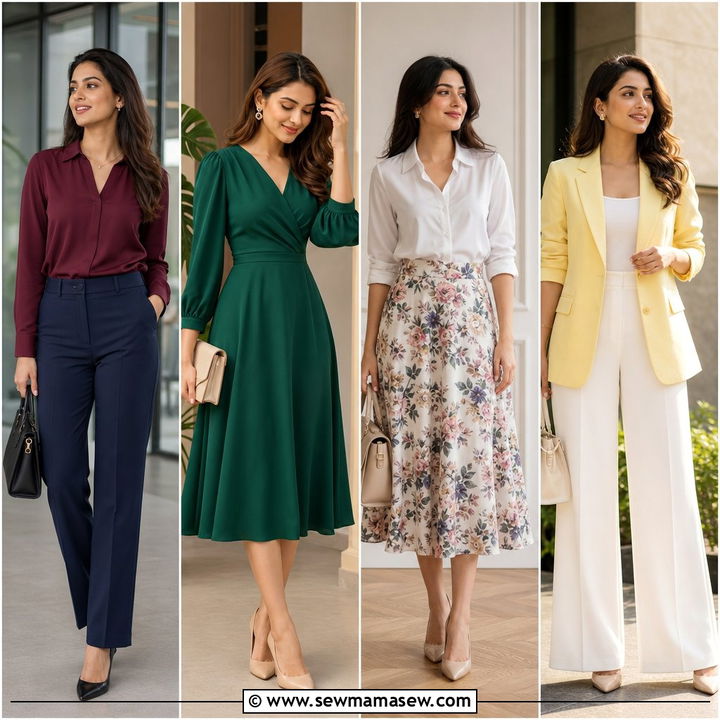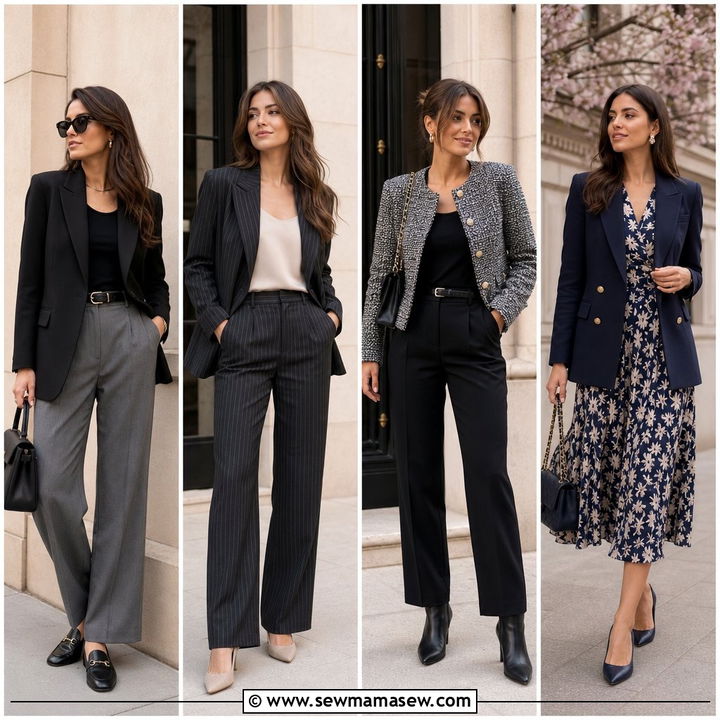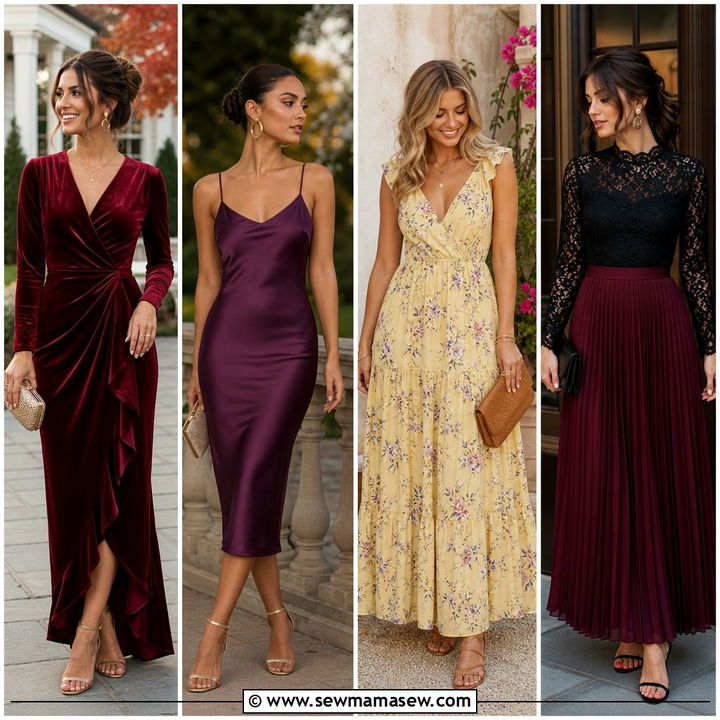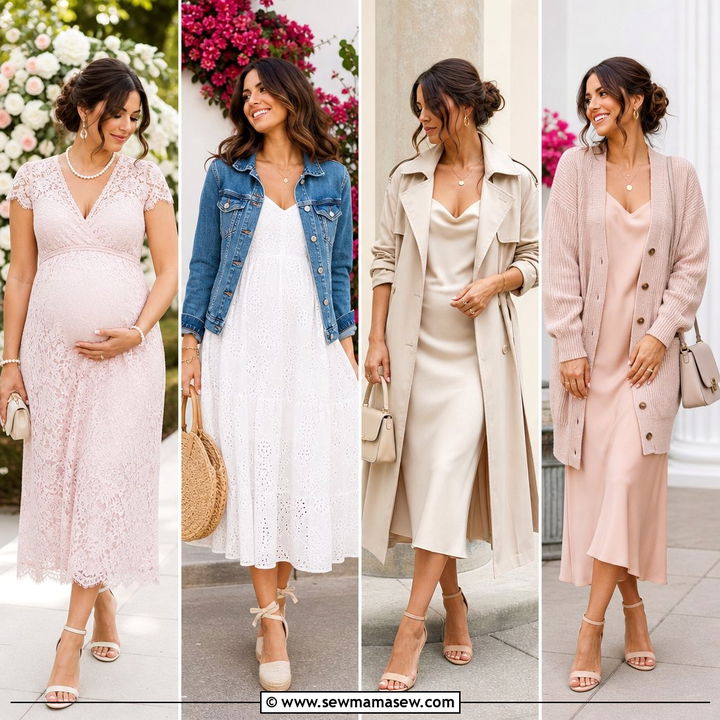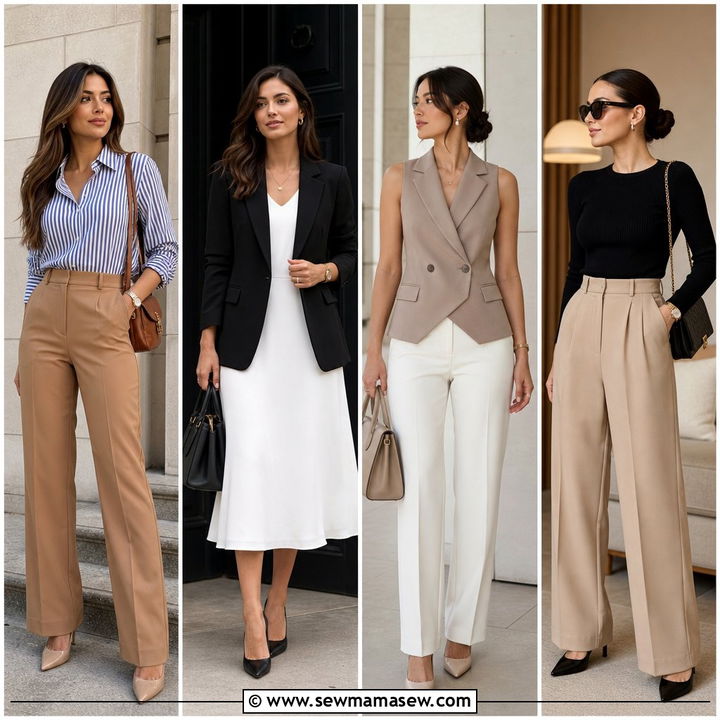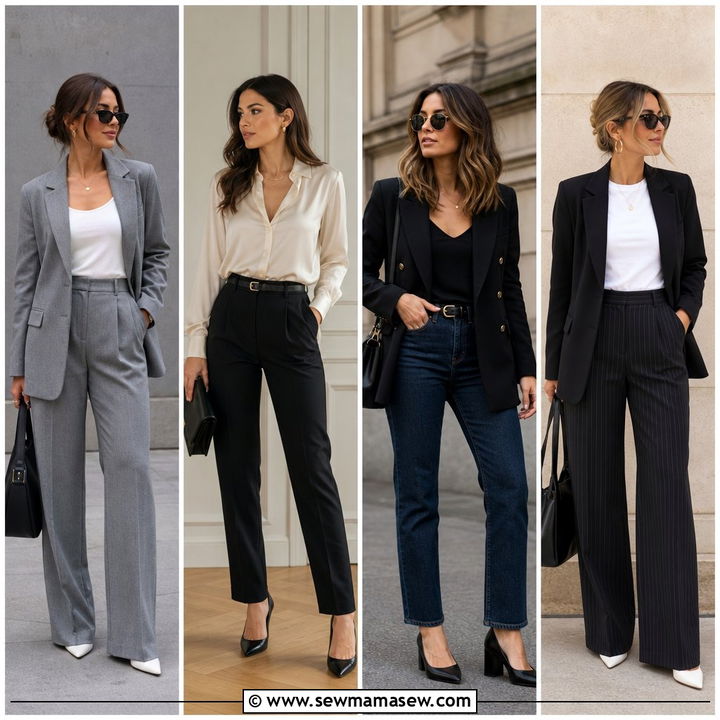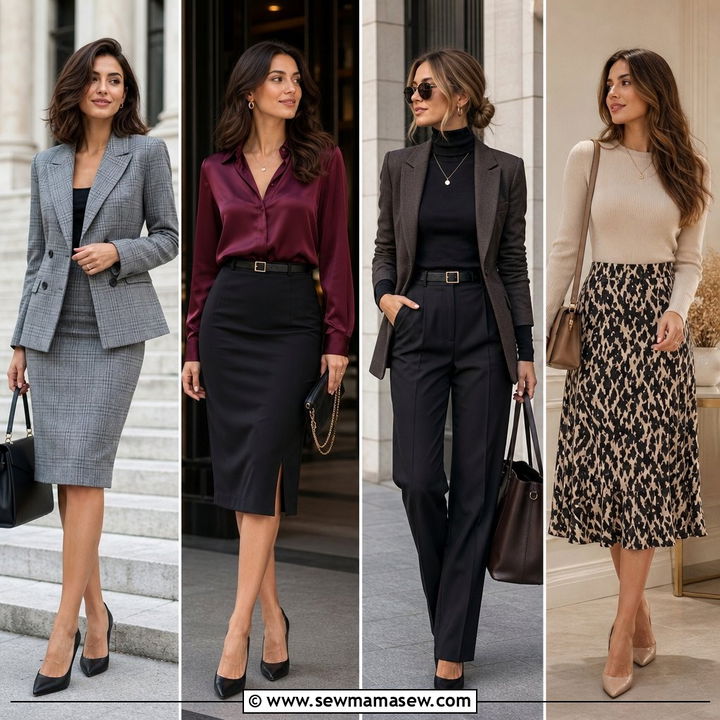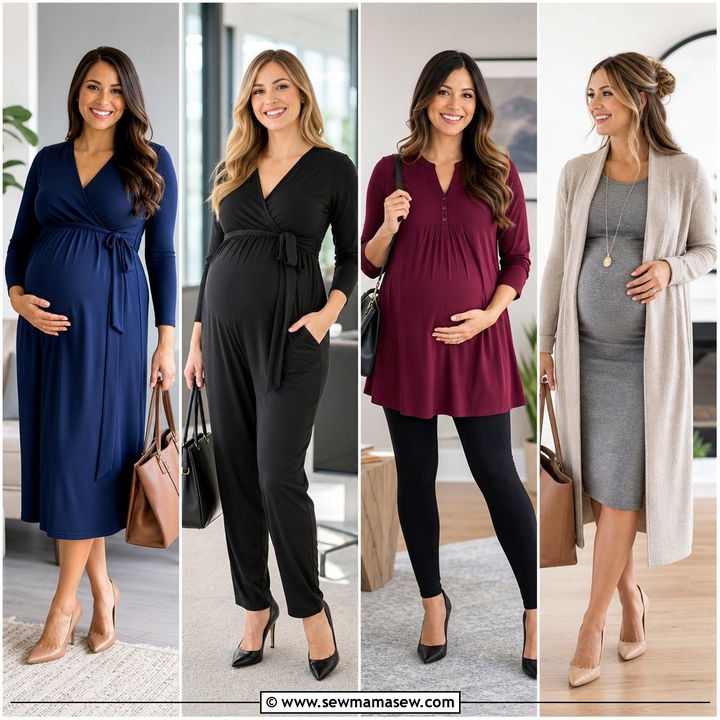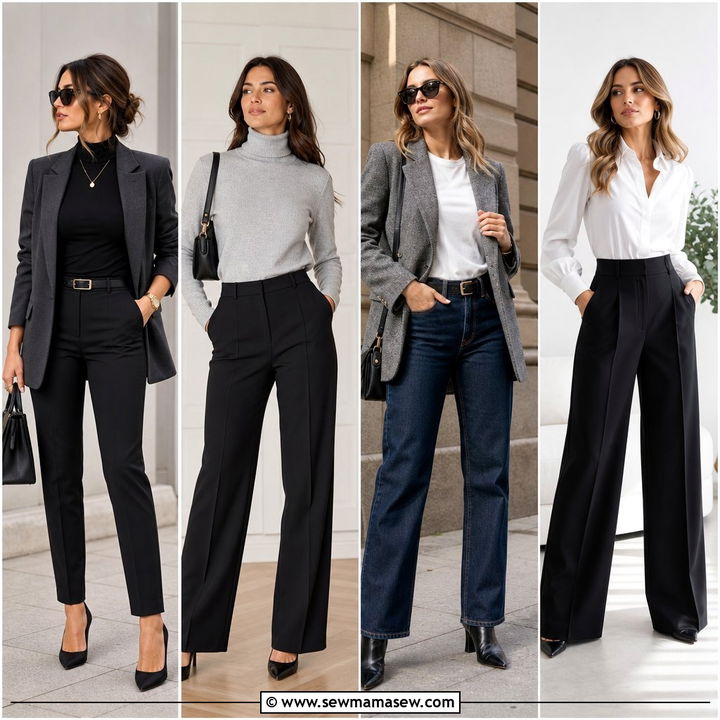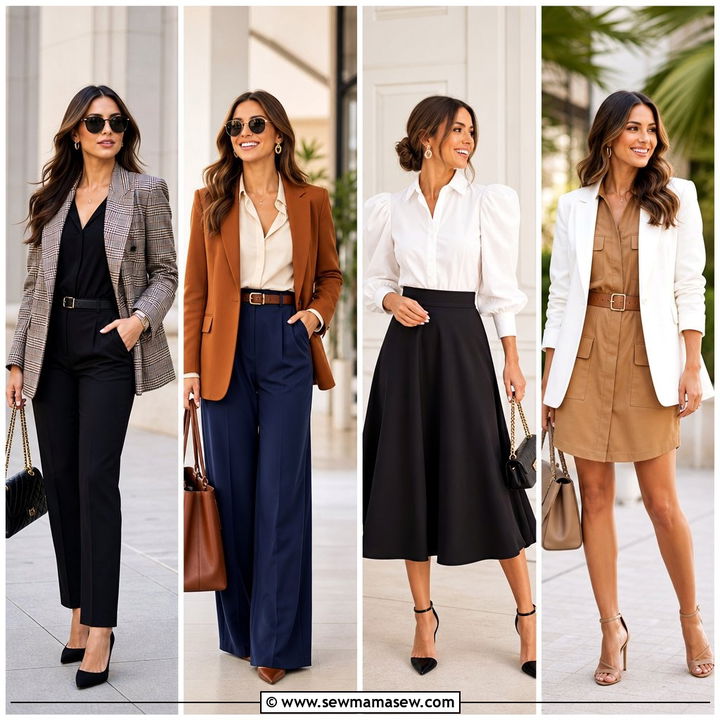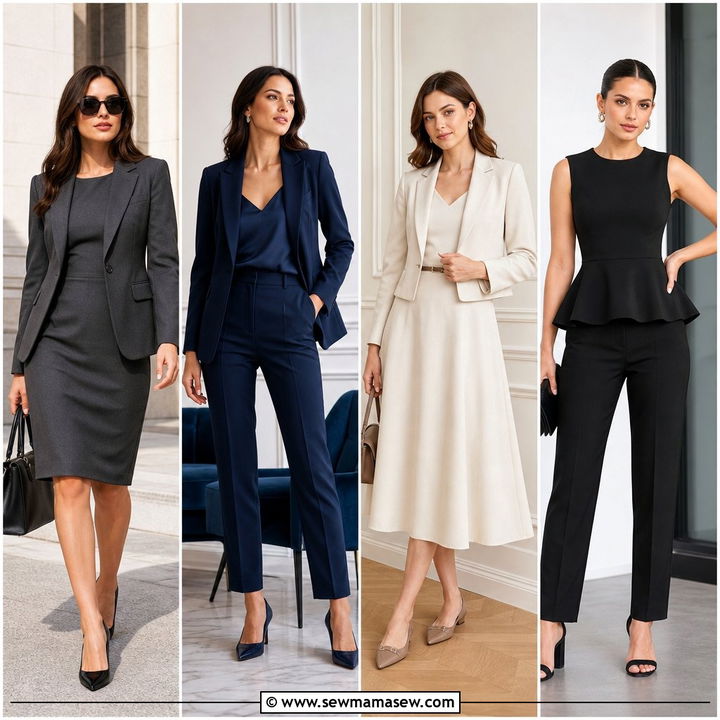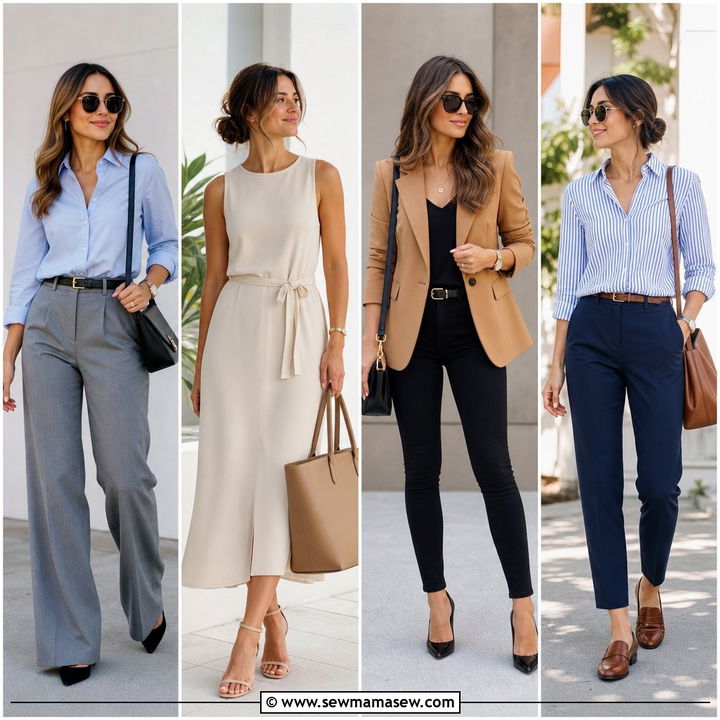
Dressing for a summer job interview means planning for two climates: the hot street or car park, and an office cooled to a temperature that makes bare arms prickle. Heavy suiting and dark layers leave you damp before you've shaken a hand, and that shows in how you sit and speak. When I dress clients for summer interviews, I look at fabric first, then the formality of the company, then how the outfit copes with a commute. Below are 35 complete outfits, from a law firm to a relaxed startup, each with my notes on where it fits and what to check before the day.
How Formal Is This Office, Really?
Before picking an outfit, I find out how the people already working there dress. The company's own team photos, social media posts and careers page usually show it. If you can, ask the recruiter directly; they get the question all the time and would rather you ask than guess.
- Formal (law, finance, executive roles): a full suit in a light fabric, closed shoes, covered shoulders.
- Business casual: tailored trousers or a skirt with a blouse, and a blazer you can take off.
- Casual or creative: smart separates, a clean dress or dark jeans with a jacket; still a step above what staff wear daily.
When in doubt, dress one level above the office's everyday standard. Arriving slightly overdressed is easy to fix by taking off a jacket; arriving underdressed isn't.
1. Linen Blazer and Trousers Outfit
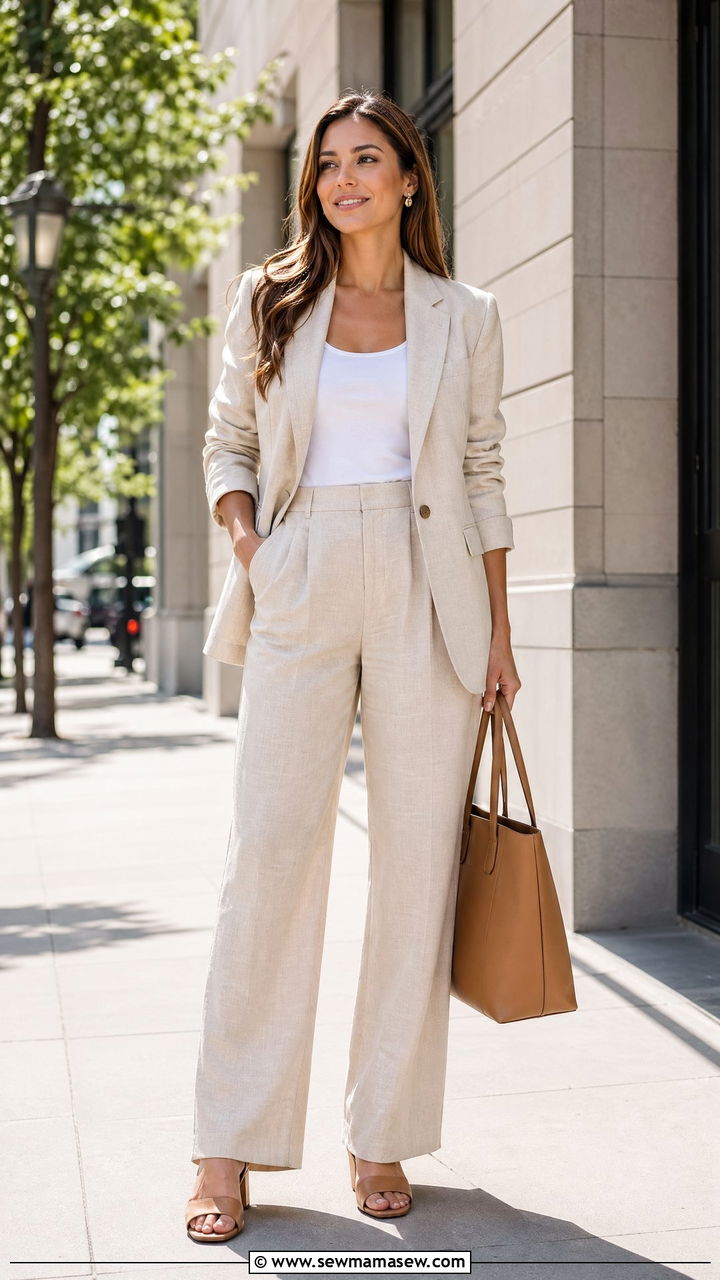
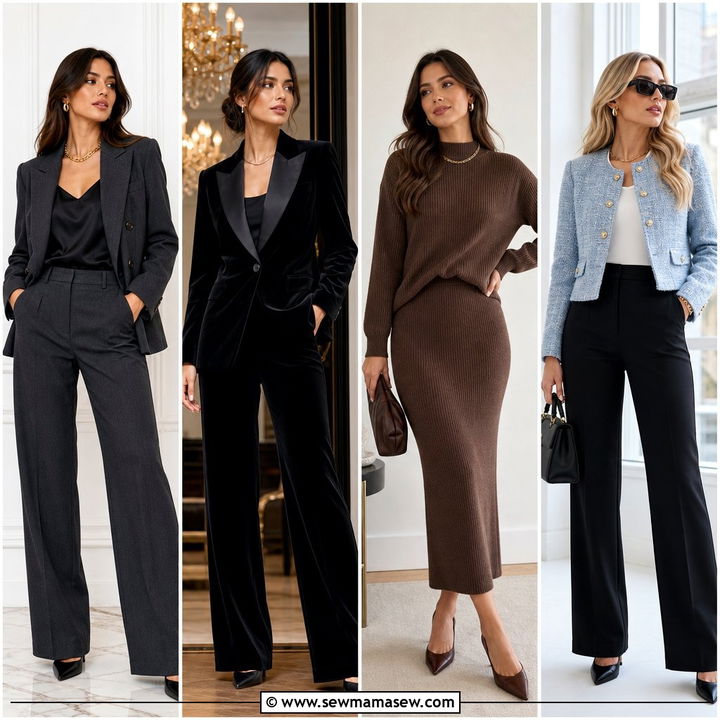
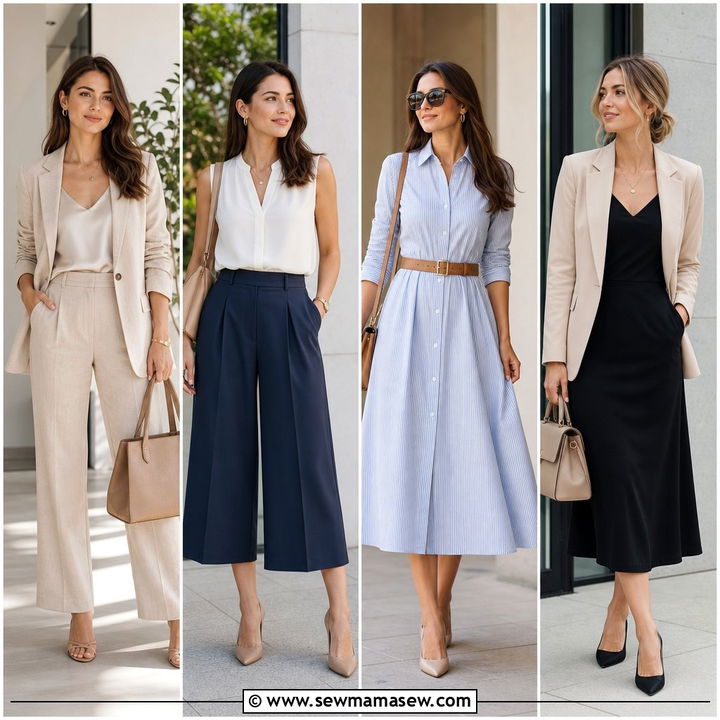
A softly tailored linen-blend blazer over a plain cotton tank, with matching wide-leg linen trousers, is the most breathable suit you can wear. I prefer a blend over pure linen for interviews because it creases less in the lap after a train ride. Low block-heel sandals in tan or bone, a slim belt and a structured neutral tote finish it. Oatmeal, ivory and sand look modern without looking casual. It suits a business-casual or smart-casual office; for a formal firm, swap the sandals for closed shoes.
2. Midi Dress with Lightweight Blazer
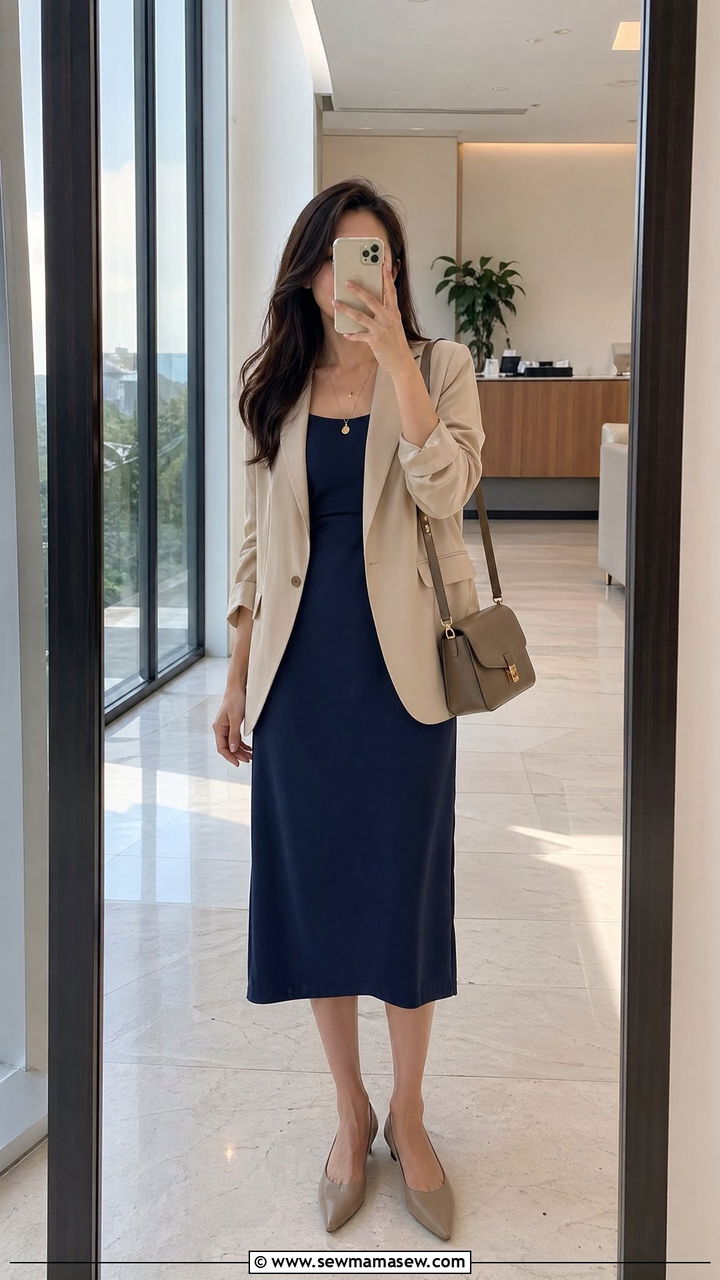
A midi dress in breathable cotton or crepe is a one-piece base that looks interview-ready with very little effort. I add a lightweight single-button blazer in a coordinating neutral, and keep the dress shape simple, either a gentle A-line or a tailored sheath, so there's no bunching under the jacket. Pointed low pumps or sleek ballet flats, a fine pendant and a structured crossbody finish it. Check the sleeve fit before the day: a dress with flutter sleeves won't sit flat under a blazer.
3. Sleeveless Sheath Dress with Cardigan
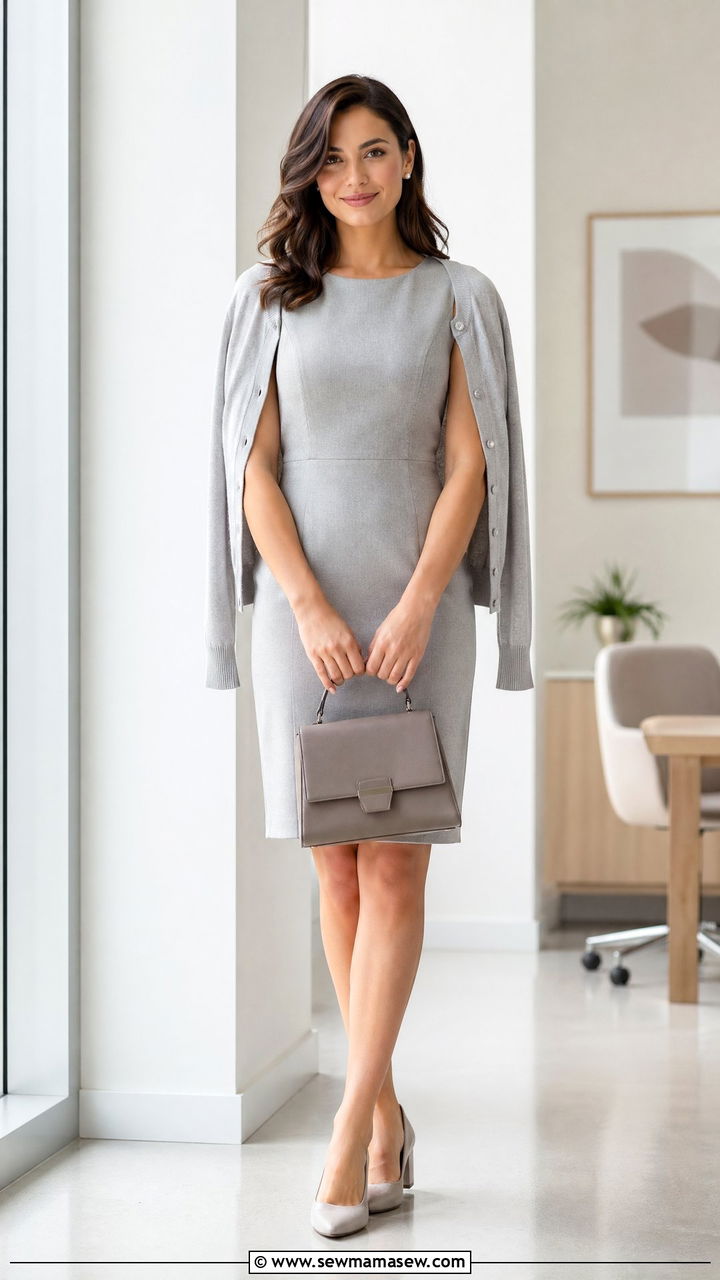
Sheath dresses are my first suggestion for clients who hate decisions on interview mornings. Choose a wrinkle-resistant cotton blend with a boat or modest V-neck that ends just above the knee. Wear a fine-gauge cardigan over your shoulders or carry it until you reach the cold lobby. Low block-heel pumps or pointed flats, small gold hoops and a top-handle bag are all it needs. Sit down in it at home; a sheath that rides several inches up when seated is the wrong length for an interview chair.
4. Wide-Leg Trousers and Silk-Like Blouse
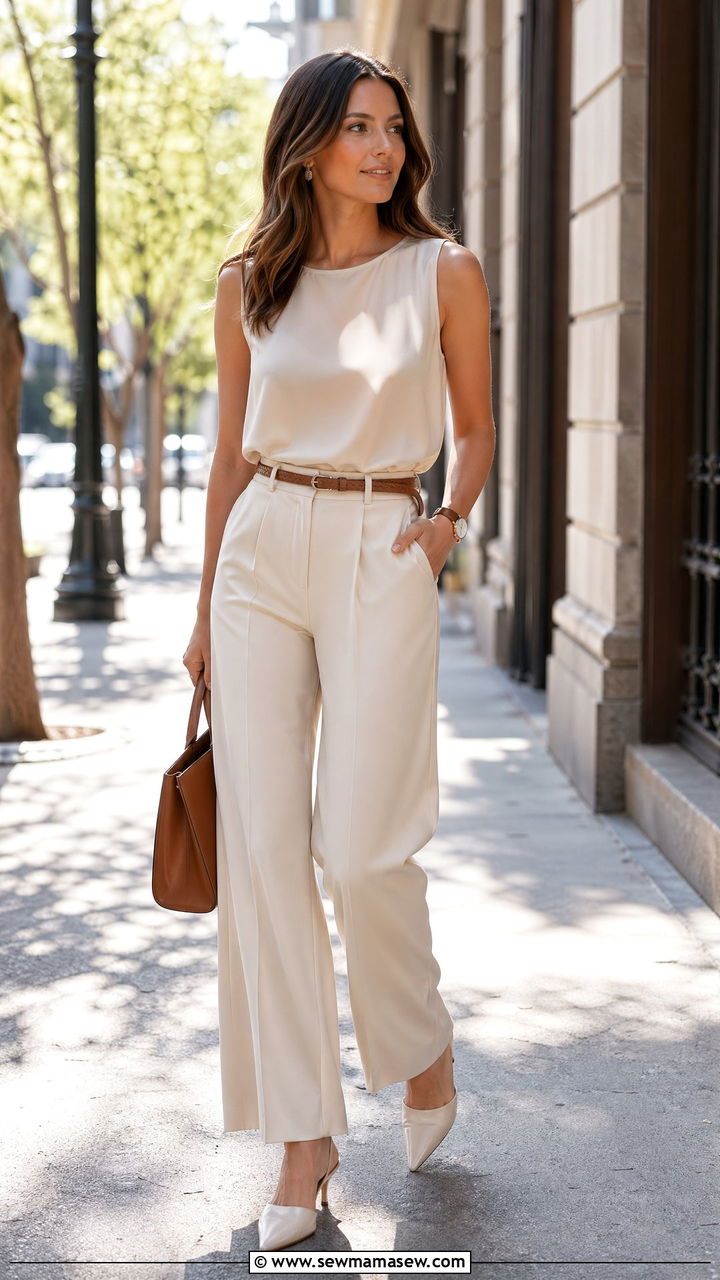
Wide-leg trousers in a fluid crepe or light suiting stay cool because they hang away from the skin. I tuck in a sleeveless shell with a soft sheen in ivory or champagne, add a slim braided belt and pointed mules, and keep the jewelry to a leather watch. The drape moves well as you walk into the room. It suits client-facing roles and creative offices. Hem the trousers for the exact shoes you'll wear; wide legs that drag at the heel look sloppy and wear through quickly.
5. Tailored Shorts Suit
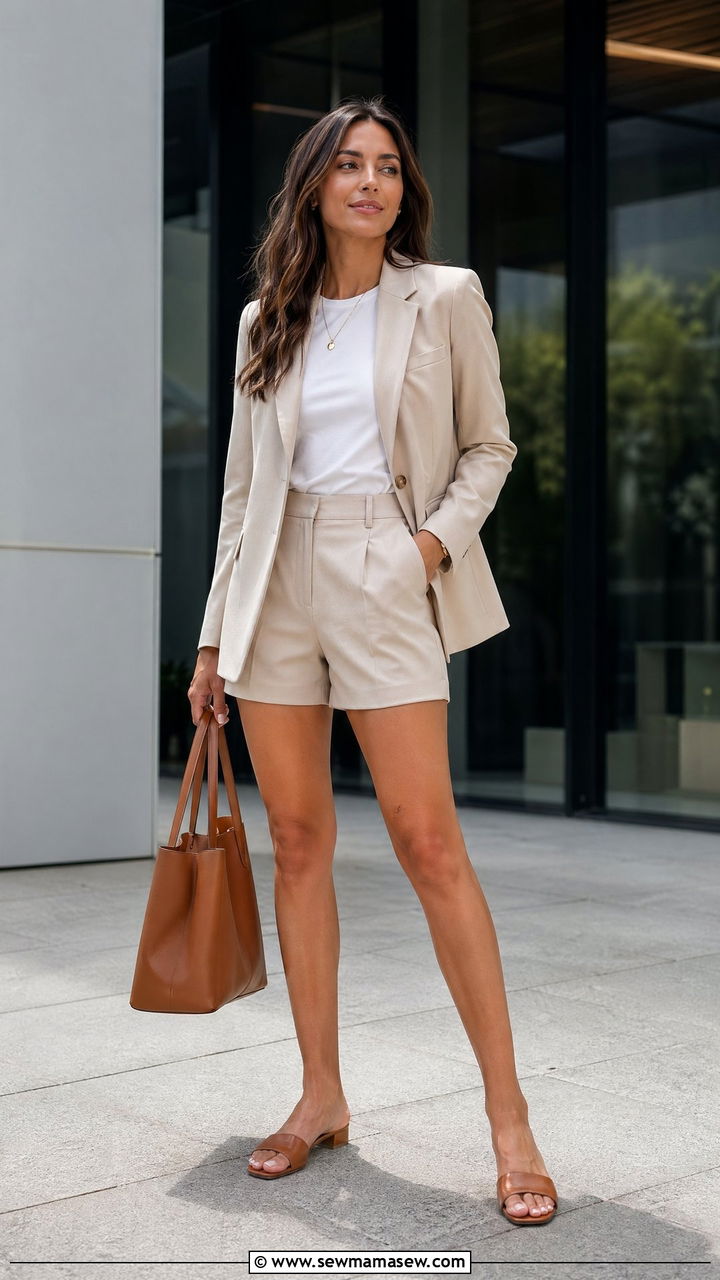
A tailored shorts suit only belongs in a very hot climate or an office you know is relaxed. The shorts should end roughly four to five inches above the knee in a fabric with some body, worn with a matching single-breasted blazer. A fine cotton crewneck or sleeveless knit shell sits underneath. Low leather slides or pointed flats, a thin chain and a structured tote finish it, and the single colour makes it look intentional. If you have any doubt about the dress code, I'd choose trousers; a missed guess here is hard to recover from.
6. Culottes and Button-Down Shirt
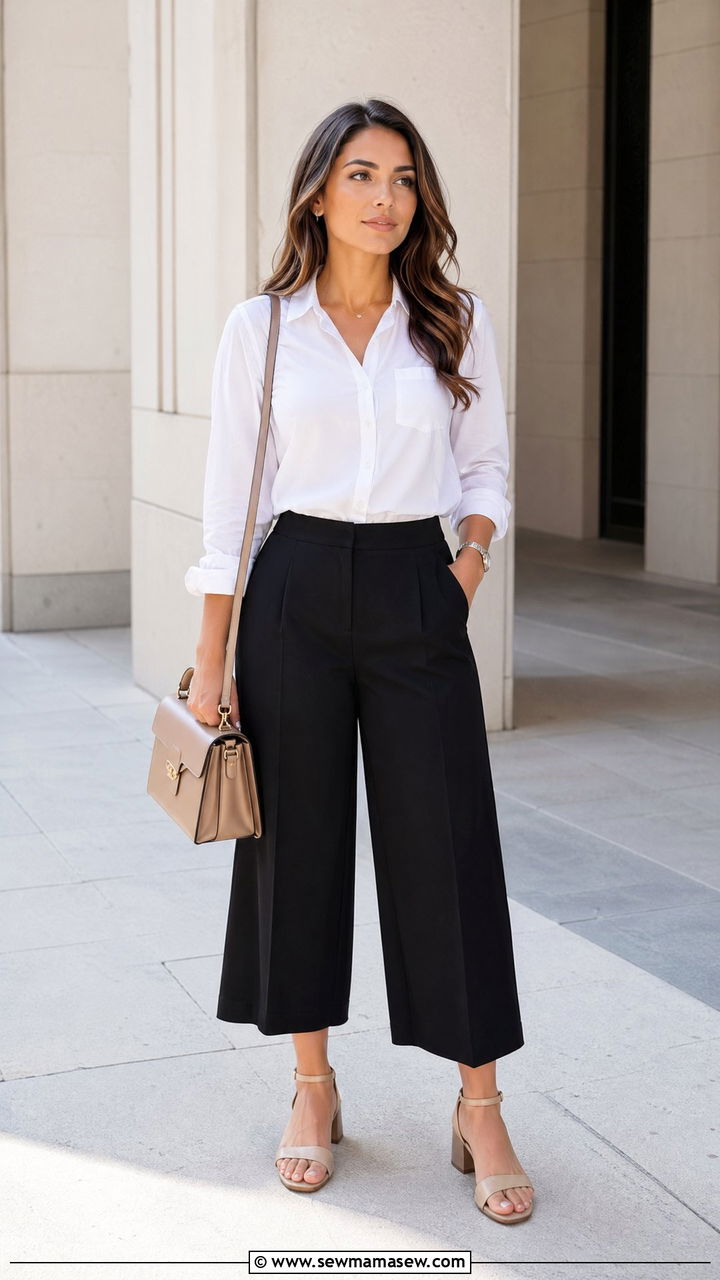
Culottes give you the look of trousers and the airflow of a skirt. Choose black or navy crepe that ends at mid-calf, then tuck in a crisp white button-down with sleeves rolled to just below the elbow. The contrast is sharp and graphic. Low block-heel sandals or loafers, a thin belt and a structured satchel finish it, and it works even in conservative offices. Culottes can make a petite frame look shorter, so I'd pair them with a pointed shoe and keep the top tucked.
7. Wrap Dress with Low-Heel Sandals
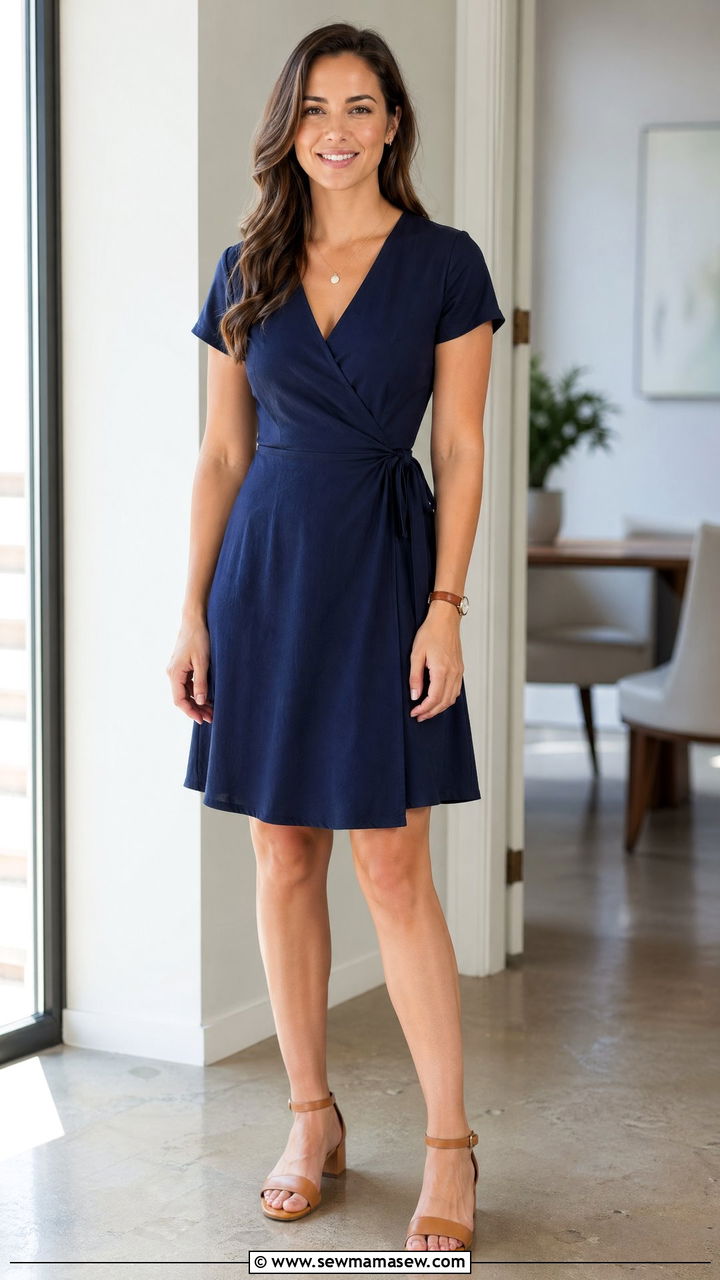
A true wrap dress in cotton or a jersey blend adjusts to your shape, giving a V-neck and a defined waist. For interviews I'd stay with navy, burgundy or olive, with a hem at or just below the knee. Low block-heel sandals, a simple pendant and a leather watch are enough. Wrap dresses are the ones that gape when you lean forward to shake hands, so stitch the cross point or pin it discreetly. Skip bold prints; you want them remembering what you said.
8. Pencil Skirt and Short-Sleeve Knit Top
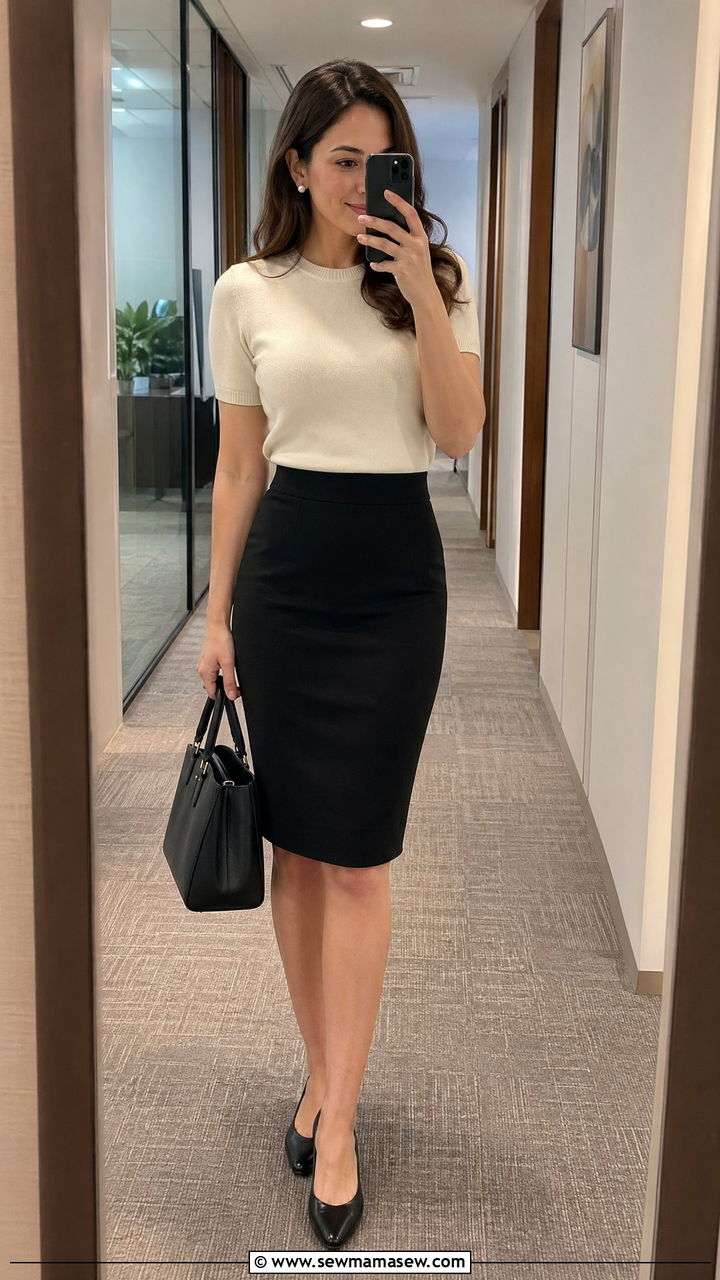
Pencil skirts in stretch cotton or light suiting keep their shape and still let you walk. I pair one with a short-sleeve fine-gauge knit, such as a fitted ribbed sweater in ivory or a silky shell in a coordinating neutral, tucked in cleanly with a skinny belt. Low block-heel pumps or pointed flats in a matching shade, a structured bag and pearl studs give it a classic finish for formal corporate interviews. Make sure the vent or slit lets you take a normal stride; a tight skirt that forces small steps undermines confidence.
9. Jumpsuit with Block Heels
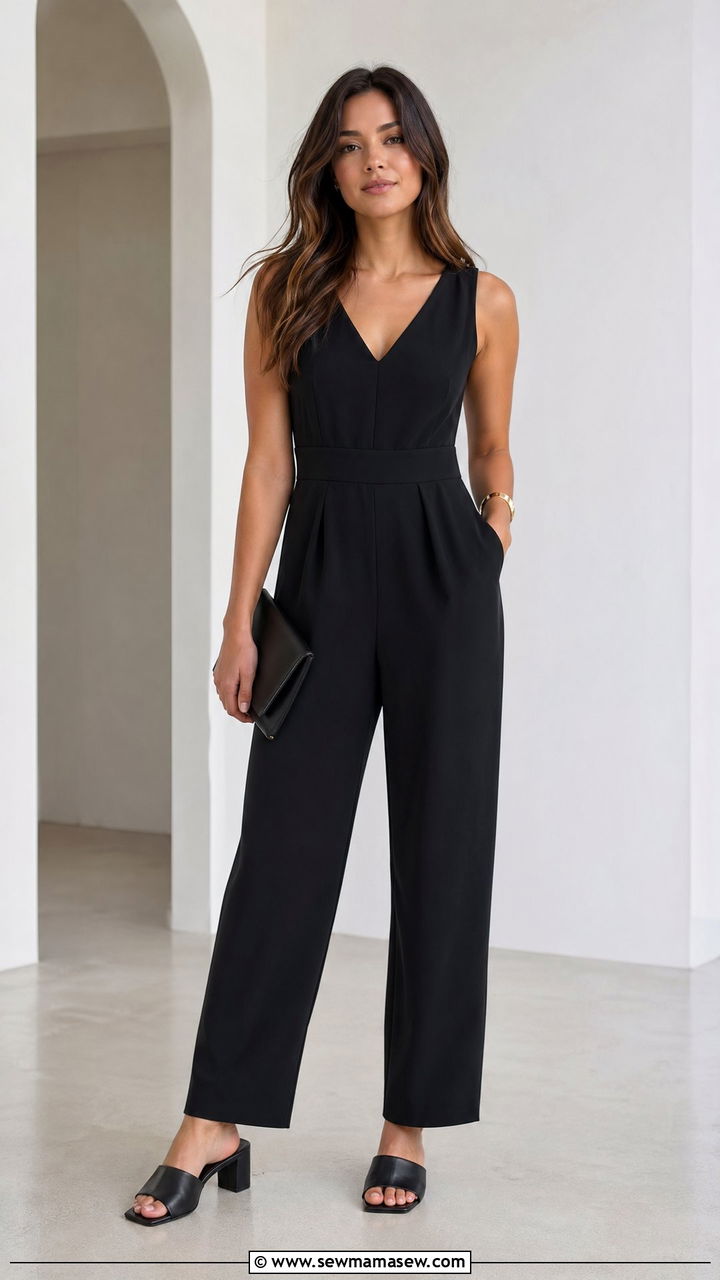
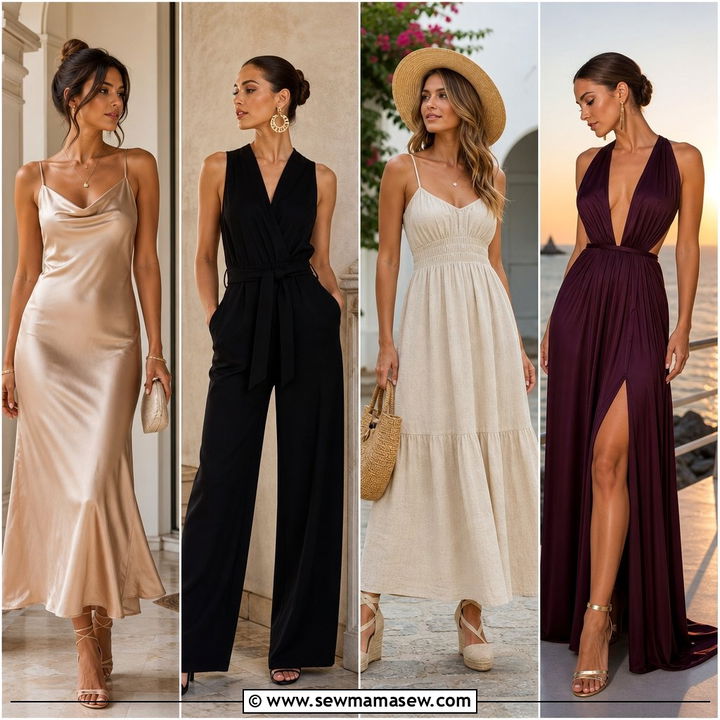
A tailored jumpsuit in matte crepe or a light woven fabric gives you the ease of a dress and the polish of a pantsuit in one piece. I look for a seamed or belted waist and a modest V-neck, and the long wide legs add height. Low block-heel sandals or closed mules, a slim gold cuff and a clutch or top-handle bag are plenty. It suits creative, tech and media interviews. Check the torso length by sitting; a jumpsuit that pulls at the crotch will distract you for the whole conversation.
10. Shirtdress with Leather Belt
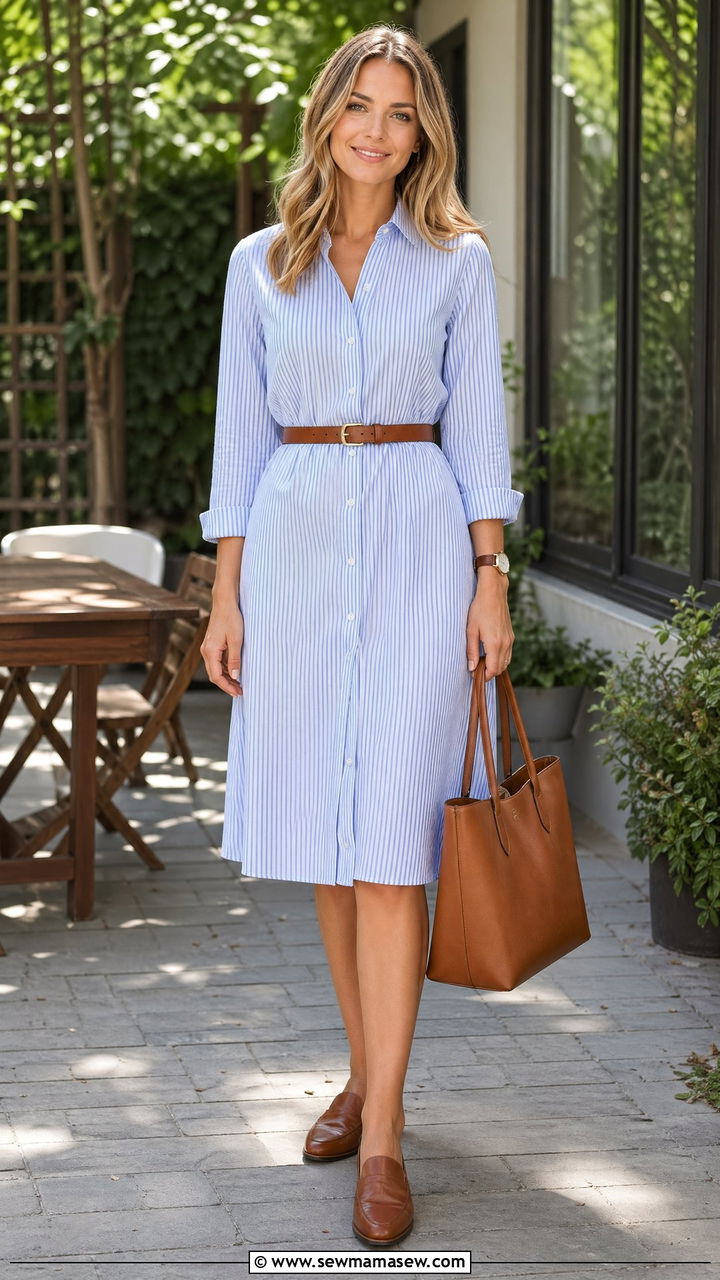
A crisp cotton shirtdress in a classic stripe or pale blue has the structure of a button-down and the ease of a dress. Pick one that ends at or just below the knee, cinch it with a slim tan or black belt and roll the sleeves once or twice. Low leather loafers or ballet flats, a simple watch and a roomy structured tote suit business-casual offices. The gap between buttons at the bust is the weak spot; if you can see through it, go up a size and use the belt for shape.
11. Tropical Wool Suit
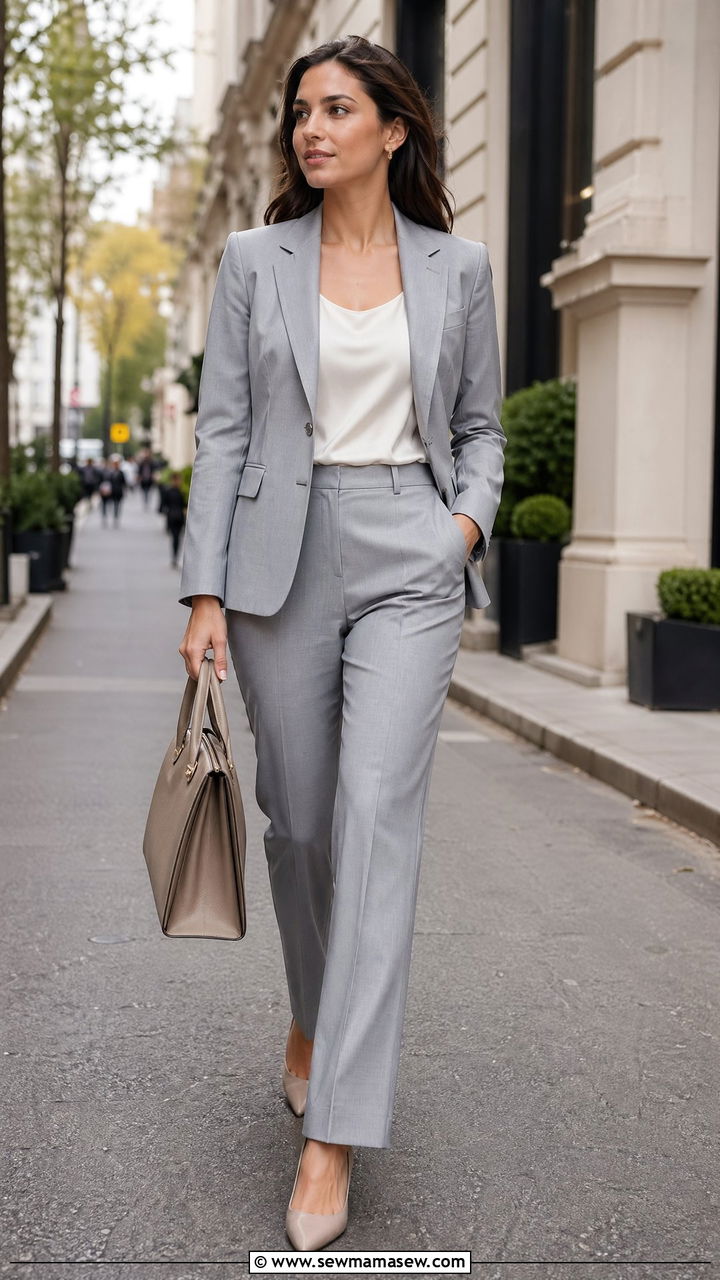
People are surprised when I suggest wool in summer, but lightweight tropical wool breathes, handles moisture and holds its press well in humid conditions. Choose an unlined single-breasted blazer with matching straight-leg trousers in pale gray or soft navy, and wear a silk shell or fine cotton tee underneath. Pointed low pumps or polished oxfords, a slim watch, small studs and a structured bag finish it. This is the choice for finance, law and executive interviews where formality isn't negotiable.
12. Cotton Twill Blazer Dress
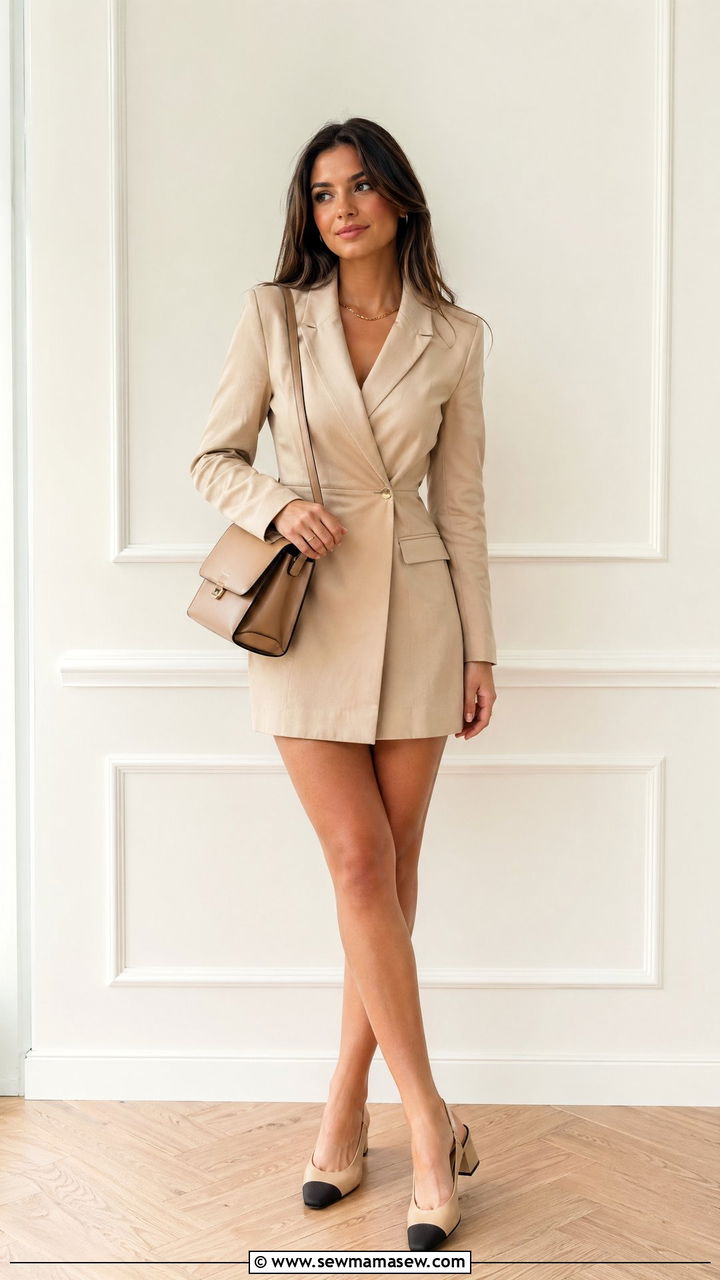
A blazer dress combines two working pieces into one. Choose a single-breasted style in cotton twill or a cotton-linen blend with a defined waist and a hem no shorter than two inches above the knee. Because it has built-in structure, you don't need another jacket, though a light cardigan can go over the shoulders. Low block-heel slingbacks or pointed flats, a thin gold chain and a structured crossbody finish it. Look at the neckline before buying; some blazer dresses plunge, and a cami underneath fixes that.
13. Linen-Blend Skirt and Flutter-Sleeve Blouse
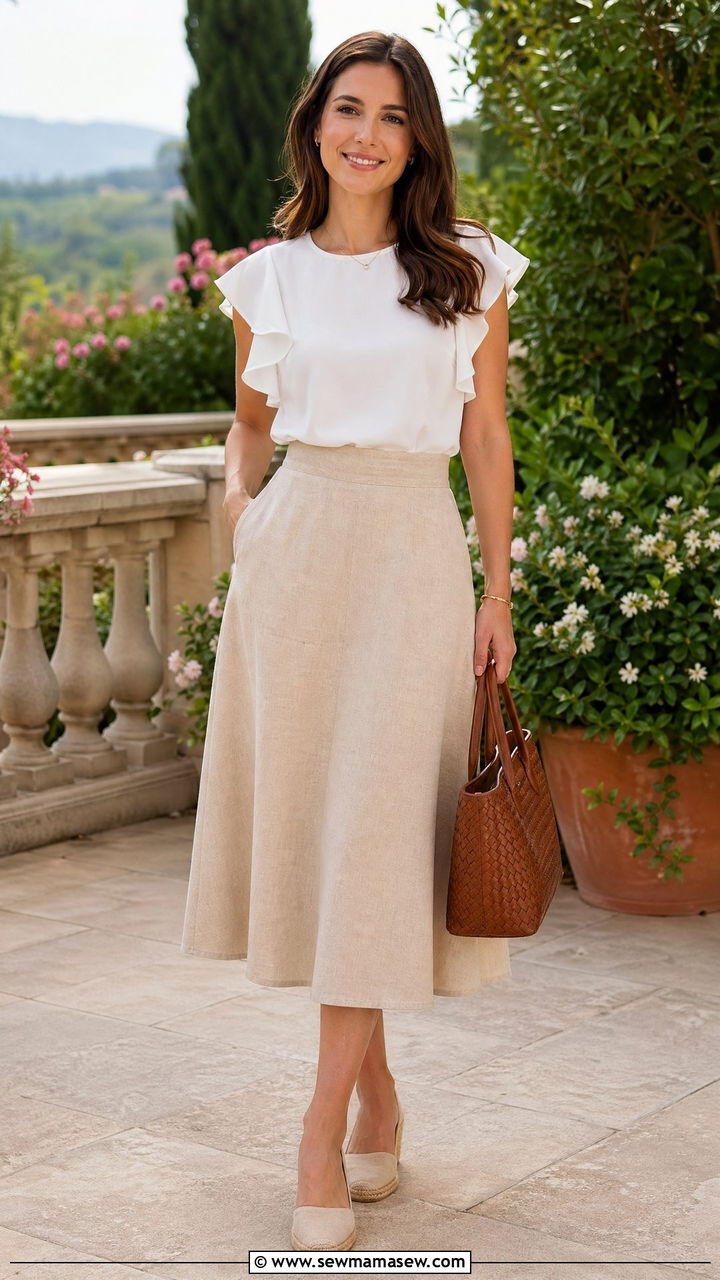
A light linen-blend A-line or flared midi skirt moves easily and stays cool. I tuck in a flutter- or cap-sleeve blouse in a soft solid or very subtle print, so the fitted top balances the fuller skirt. Low closed espadrilles or leather ballet flats, a thin braided belt and a structured woven-leather bag finish it. It's a warm, approachable outfit for education, nonprofits and people-focused roles. Linen-blend skirts crease at the back after sitting, so give it a quick steam before you leave.
14. Tweed-Look Lightweight Blazer and Ankle Pants
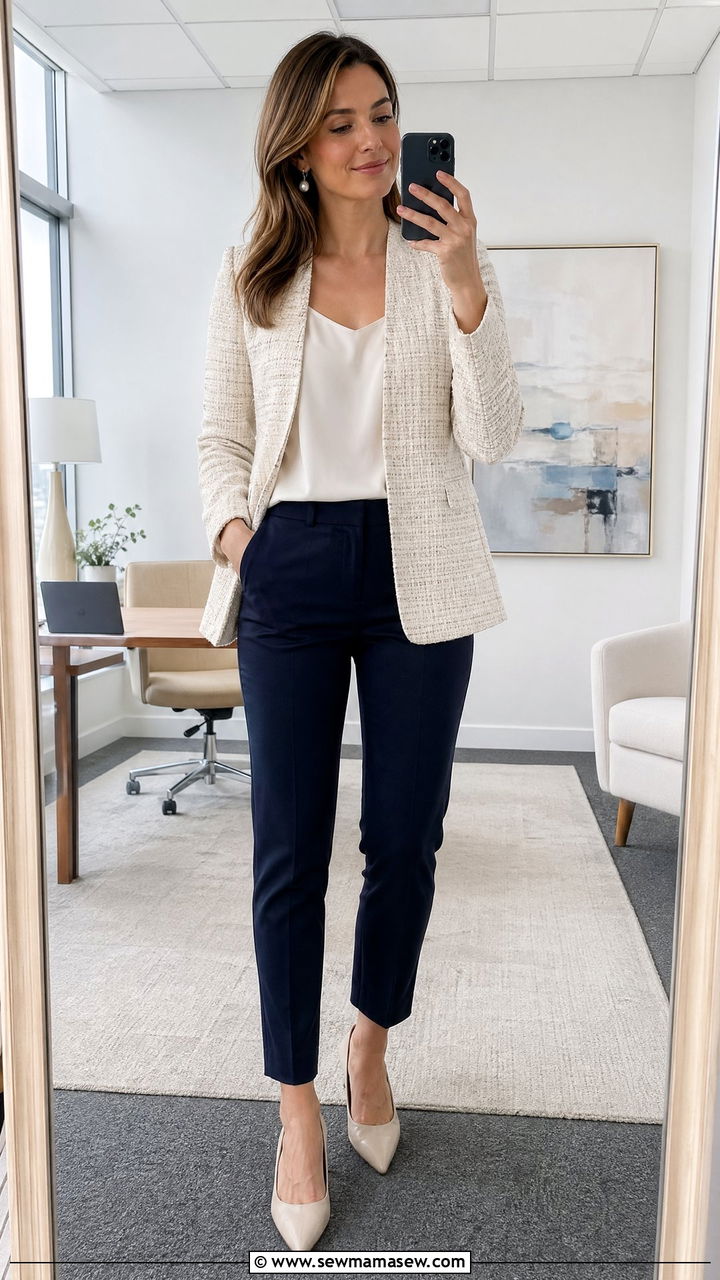
An open-weave, tweed-look blazer in a pale pastel or ivory hints at tradition without the weight of real wool tweed. Slim ankle trousers in neutral crepe show a little ankle, and a silk shell or fine cotton crewneck sits underneath. Pointed low pumps, a structured bag and pearl drops finish it. Because the jacket has so much texture, keep everything else plain. Loose-weave jackets snag on bag clasps and bracelets, so I'd carry a bag with smooth hardware.
15. High-Waist Chinos with Classic Polo
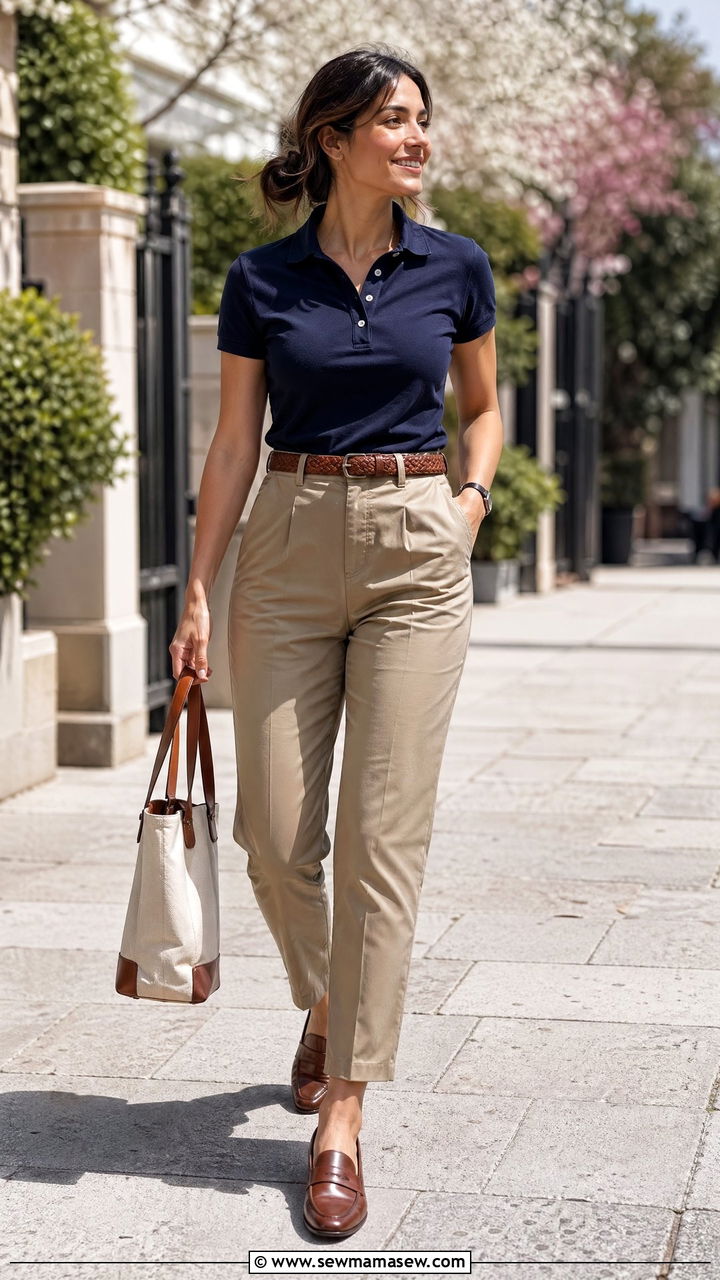
For business-casual and smart-casual interviews, high-waist pleated chinos in light khaki or stone are comfortable and crisp. A good cotton piqué polo in navy or olive tucks in with a slim braided belt, giving you a collar without the heat of a shirt. Polished loafers worn with no-show liners, a canvas-and-leather tote and a leather-strap watch finish it. It suits startups and tech firms. Make sure the polo fits close at the shoulder; a baggy one reads as weekend wear.
16. A-Line Midi Dress with Flat Sandals
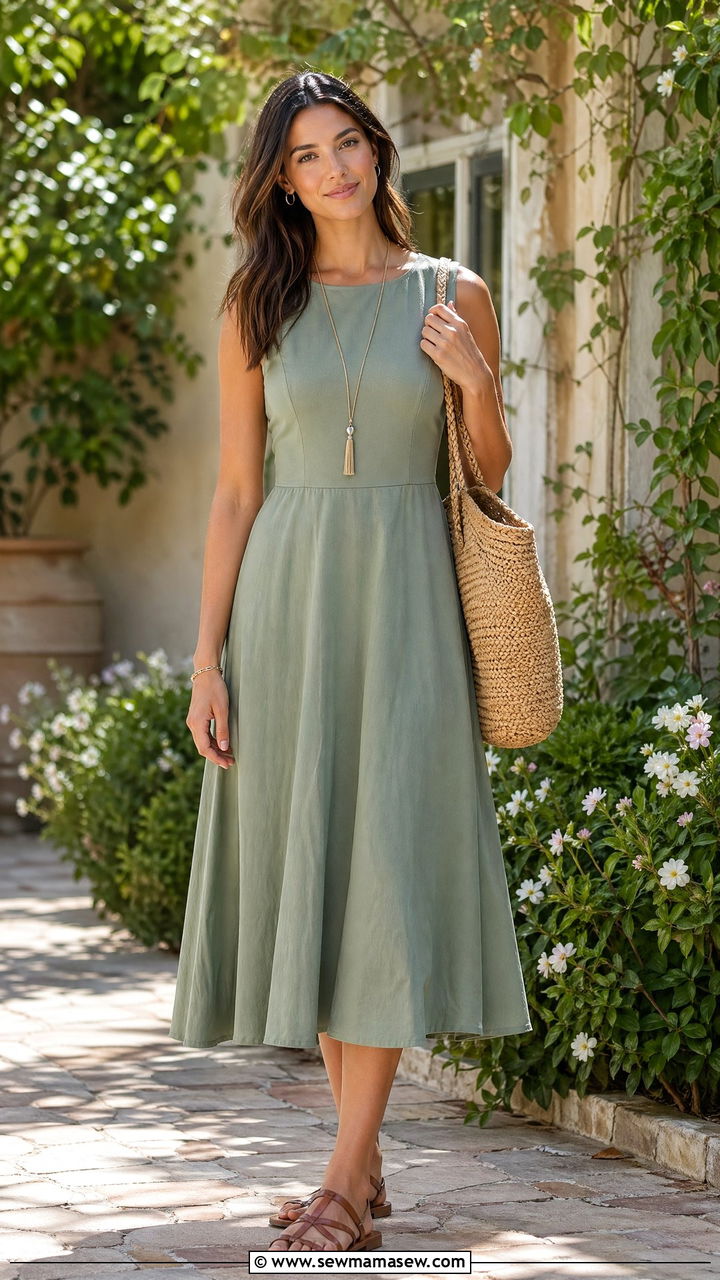
An A-line midi in light cotton or chambray skims the body and ends at a conservative mid-calf. Solid dusty blue, sage or terracotta keep it grounded. Flat strappy leather sandals suit an outdoor or informal setting, and a long pendant, a slim belt at the natural waist and a woven tote pull it together. I'd only wear flat sandals to an interview where the dress code is clearly relaxed; for anything more formal, the same dress works with a closed flat.
17. Cigarette Trousers and Sleeveless Turtleneck
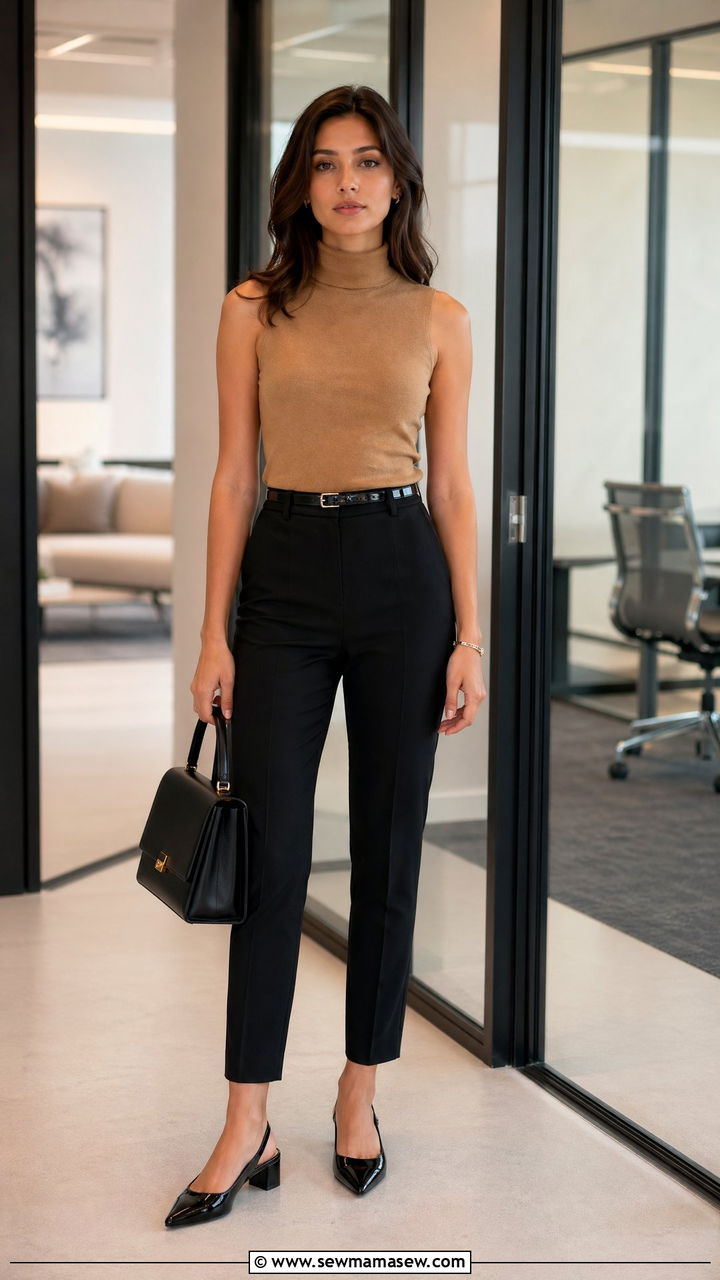
Slim cigarette trousers in stretch cotton or light suiting lengthen the leg, and a fitted sleeveless turtleneck knit on top looks covered and sharp without adding heat. Tuck it in cleanly and add a skinny patent belt. Low block-heel slingbacks or pointed flats in a dark neutral, a structured top-handle bag and small gold earrings finish it. Choose a thin viscose or cotton turtleneck; a thicker knit around the neck becomes uncomfortable within the first few minutes of a hot commute.
18. Belted Paperbag-Waist Pants with Blouse
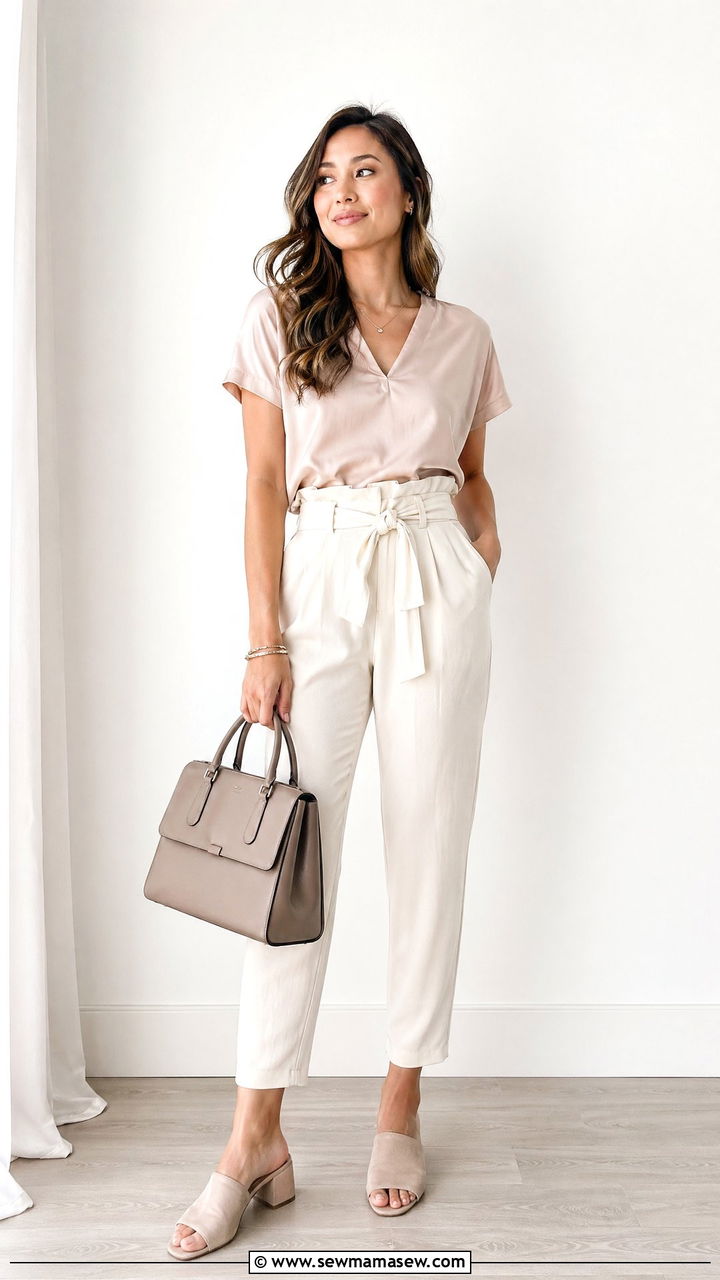
Paperbag-waist trousers in crepe or a light linen blend add a current detail while staying professional. The self-tie belt marks the waist and adds a little volume through the hip before the leg tapers to a cropped or ankle length. A sleeveless shell or short-sleeve silk blouse tucked in keeps the focus on the waist. Low block-heel mules or pointed flats, a fine bracelet and a satchel suit media and marketing interviews. The gathered waist adds bulk, so I'd skip this cut if you're short-waisted.
19. Structured T-Shirt Dress with Statement Necklace
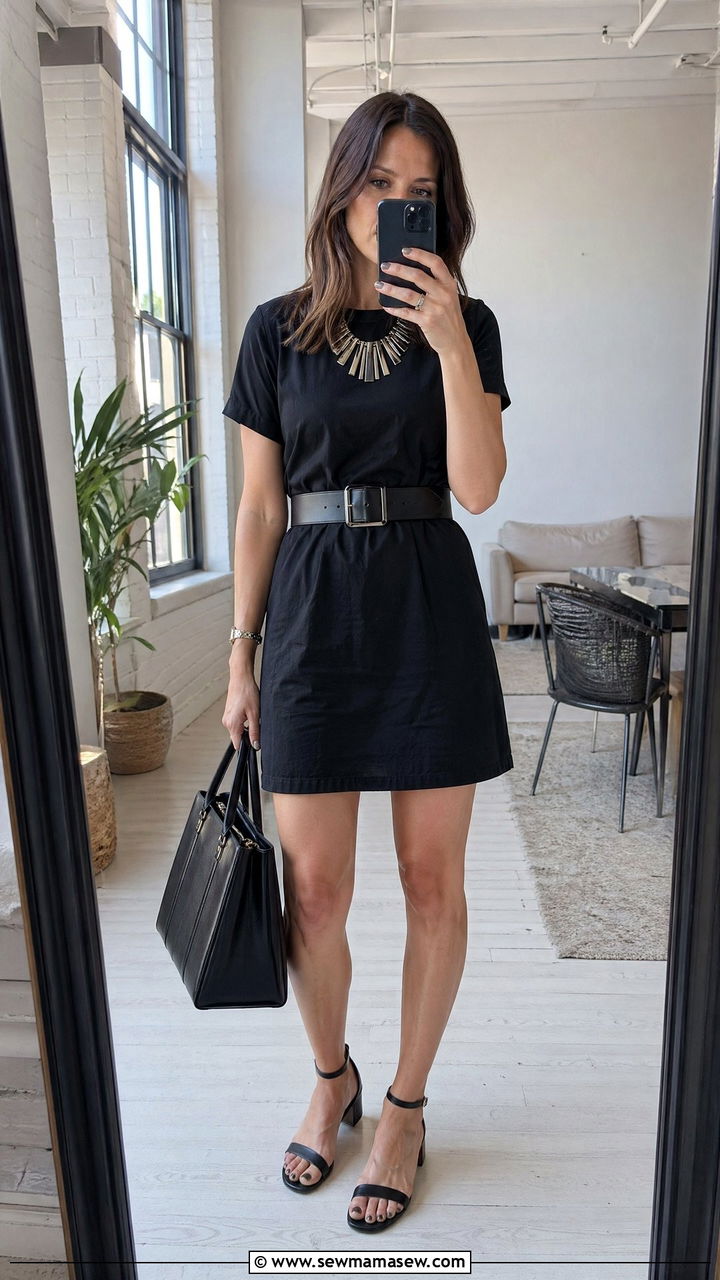
A T-shirt dress in heavy cotton or ponte knit holds its shape and barely creases, which helps on a long interview day. Pick a knee-length style with a clean crew neck and short sleeves. The accessories do the work: a bold but tasteful metal necklace, a wide leather belt at the waist and low leather sandals or ballet flats. Carry a structured leather tote to offset the casual cut. Thin jersey versions cling and show every line, so I always check the weight before recommending one.
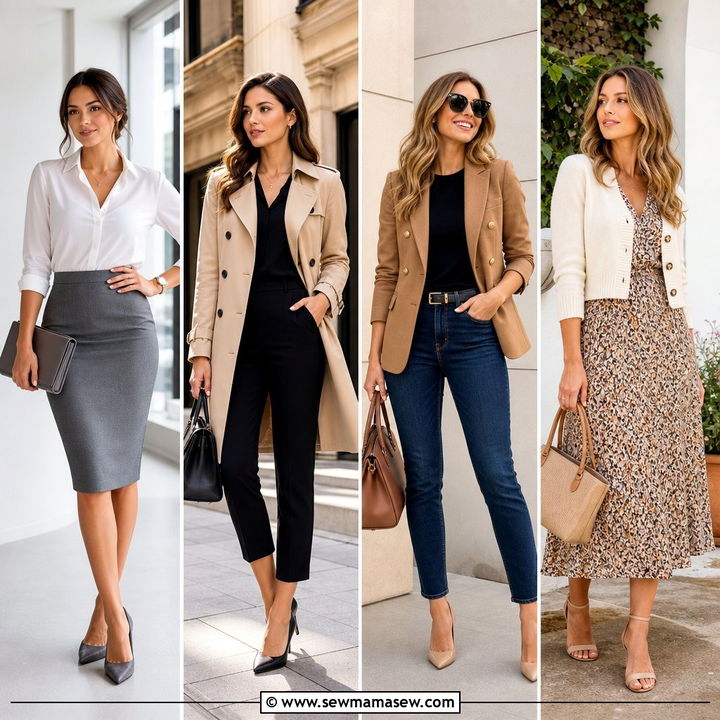
20. Cap-Sleeve Blazer and Matching Shorts
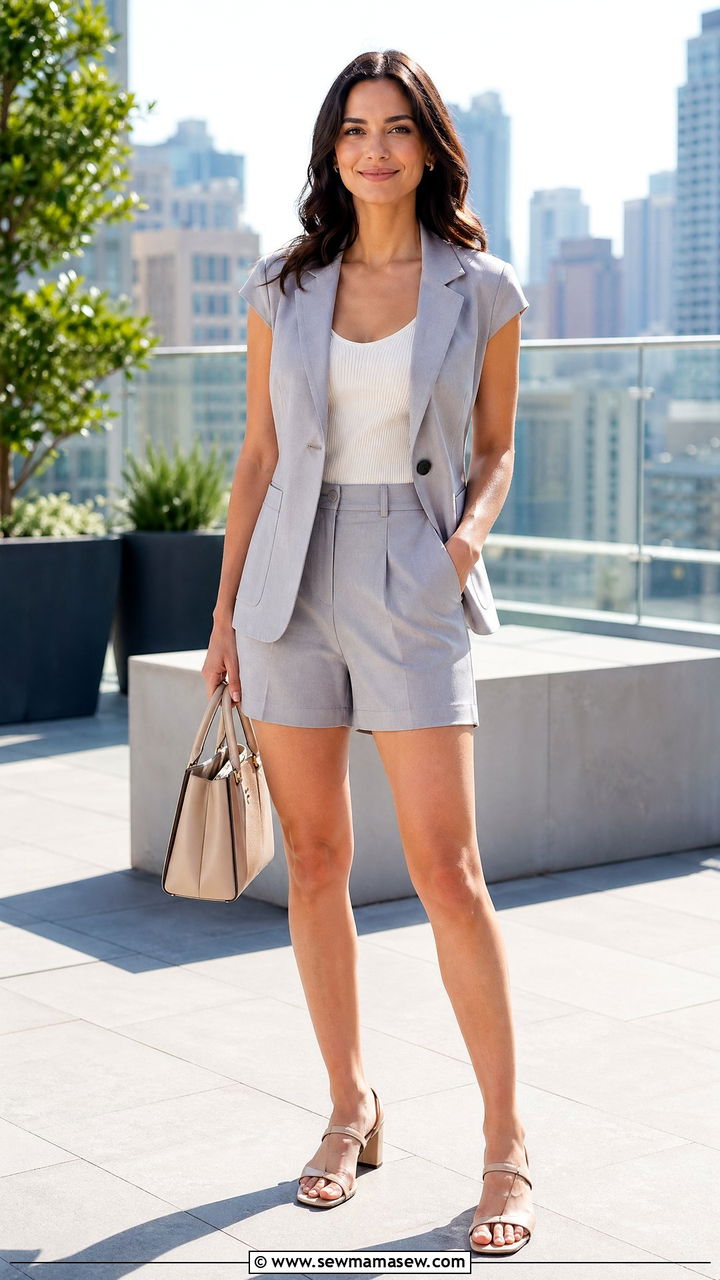
A cap-sleeve blazer in light stretch cotton gives you shoulder coverage without the heat of full sleeves. Matching tailored shorts end just above the knee with a flat front and a pressed crease, and an ivory knit tank sits underneath. Low block-heel sandals or leather slides, a structured bag and minimal jewelry keep it professional. Like the shorts suit above, I'd keep this for creative, tech or startup interviews where you already know the dress code is relaxed.
21. Pastel Suit Set
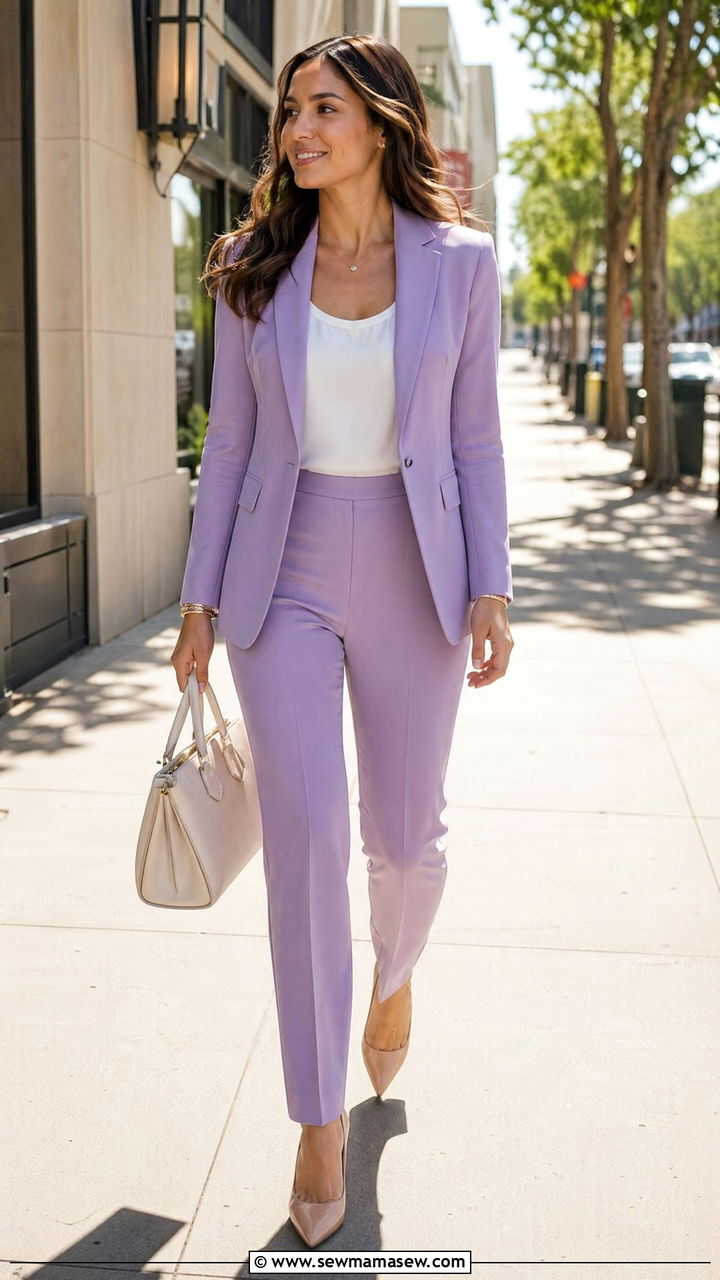
A pastel suit in lilac, soft mint or powder blue is memorable without being loud. Choose an unlined single-breasted blazer and matching straight or slightly tapered trousers, with a white cotton shell or crewneck underneath. Pointed low pumps in a neutral, a white or beige structured bag and small silver jewelry keep it crisp. The traditional cut keeps the colour formal enough, which suits creative industries, PR and beauty. Pastels can wash out fair skin, so hold the jacket up to your face in daylight before committing.
22. Striped Maxi Dress with Denim Jacket
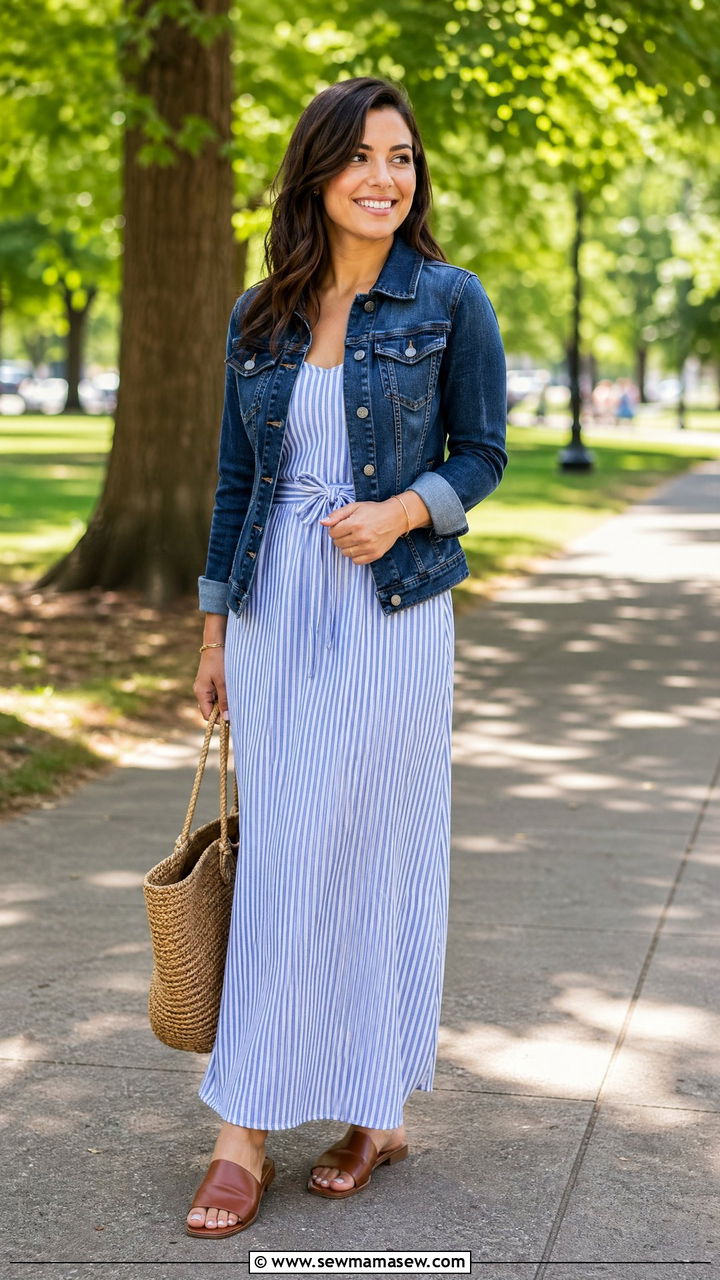
A striped cotton or linen-blend maxi works only for casual, creative or outdoor interviews. I'd choose one with a modest neckline and a defined waist, then add a fitted dark-wash denim jacket for structure. Low leather slides or clean white leather sneakers, a long pendant, a woven tote and simple hoops finish it. The denim says approachable and the length keeps it modest. If you're unsure how casual the office is, swap the denim for a linen blazer.
23. Cropped Wide-Leg Pants with Structured Shell
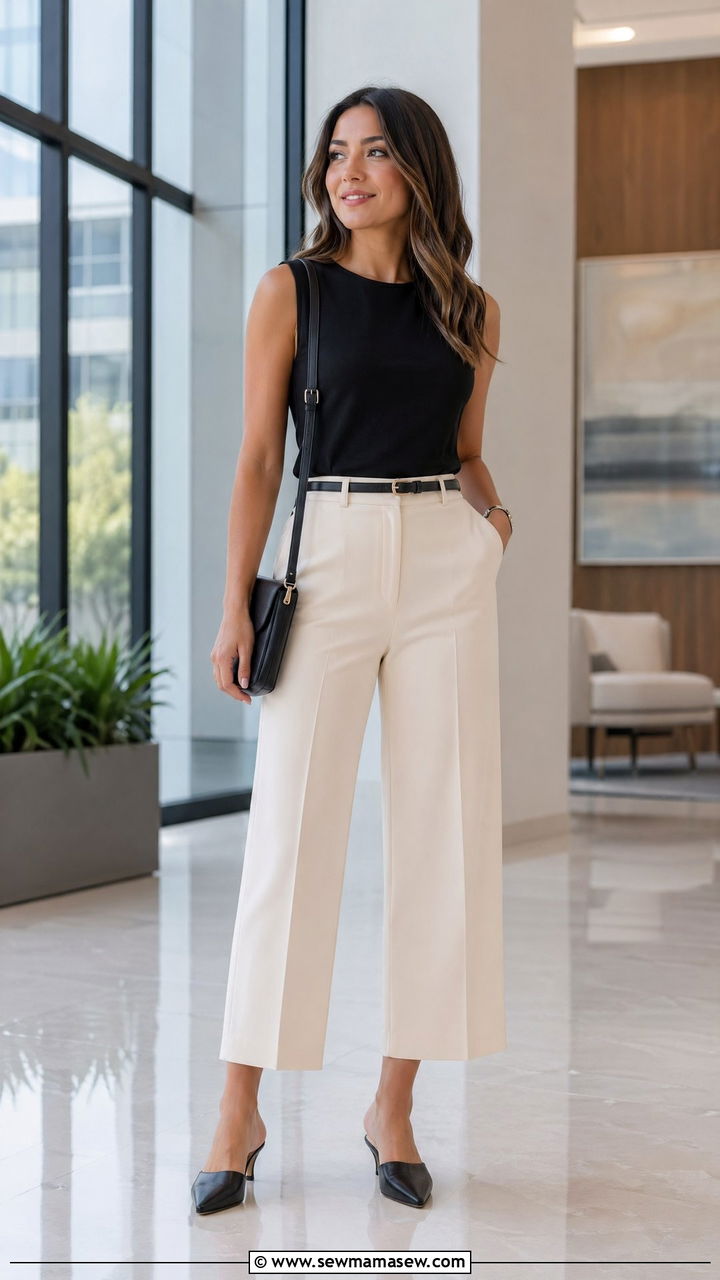
Cropped wide-leg pants that stop just above the ankle are a breezy alternative to full-length trousers. Pair them with a structured sleeveless shell in a contrasting neutral for a clean, architectural shape. The short length puts the shoe on display, so I'd choose a refined flat sandal or a pointed mule. A slim belt, a structured crossbody and a sleek cuff finish it. Cropped wide legs widen the look at the hem, so a pointed toe helps keep the line long, especially on petite clients.
24. Floral Midi Dress with Heeled Sandals
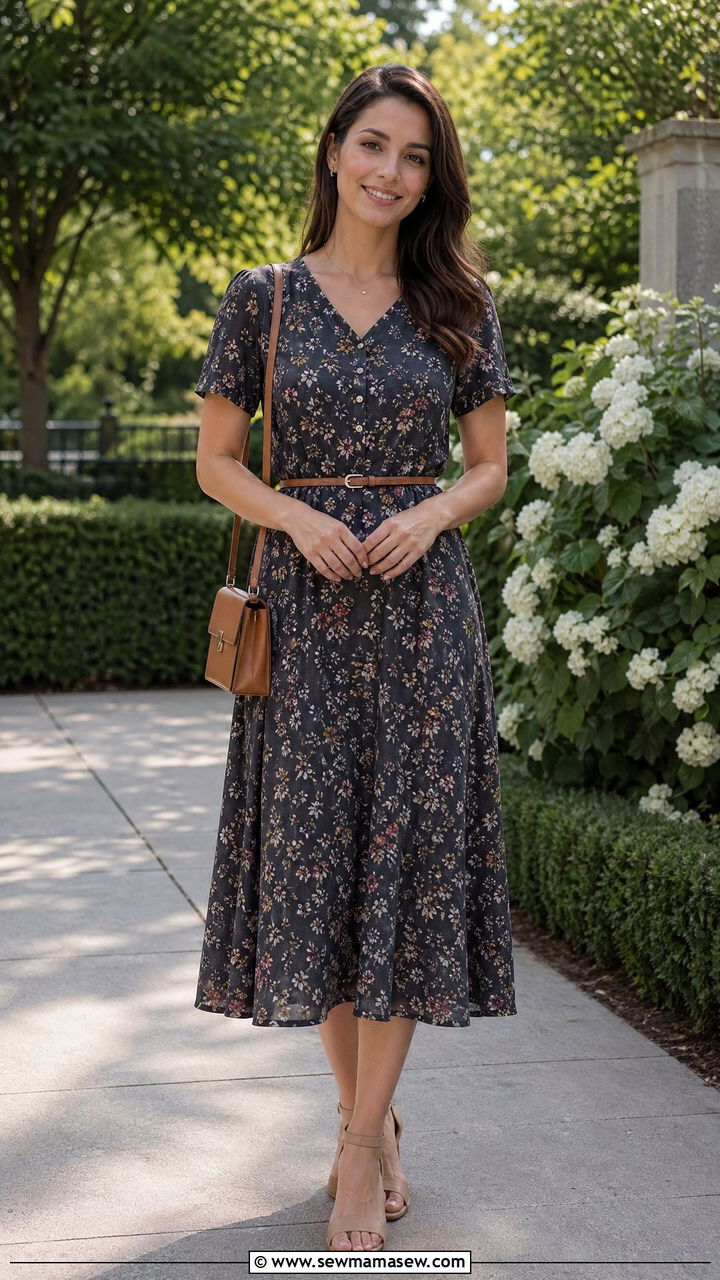
A floral midi can work for an interview if the print is dark or muted and the styling is restrained. Choose a knee- or mid-calf length with a modest neckline, sleeveless or with short sleeves, and add a light solid cardigan or tailored jacket if the office needs more coverage. Low block-heel sandals, a slim belt and a structured crossbody keep it grounded. It suits creative fields, wellness and education. Avoid large, bright florals; they compete with your face across the table.
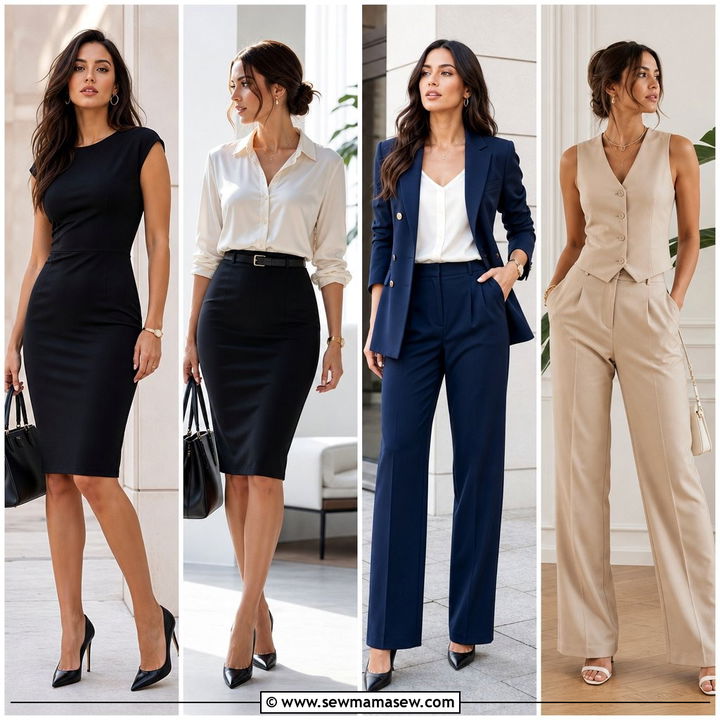
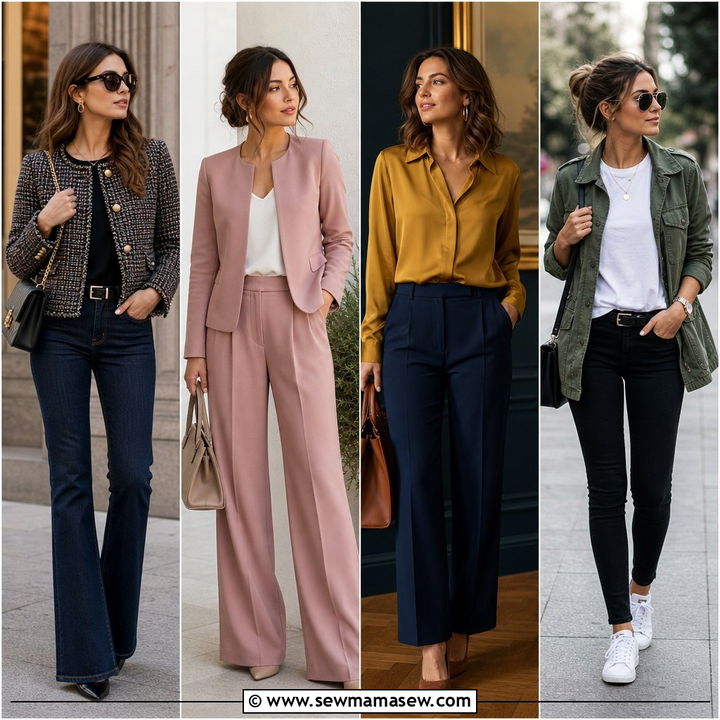
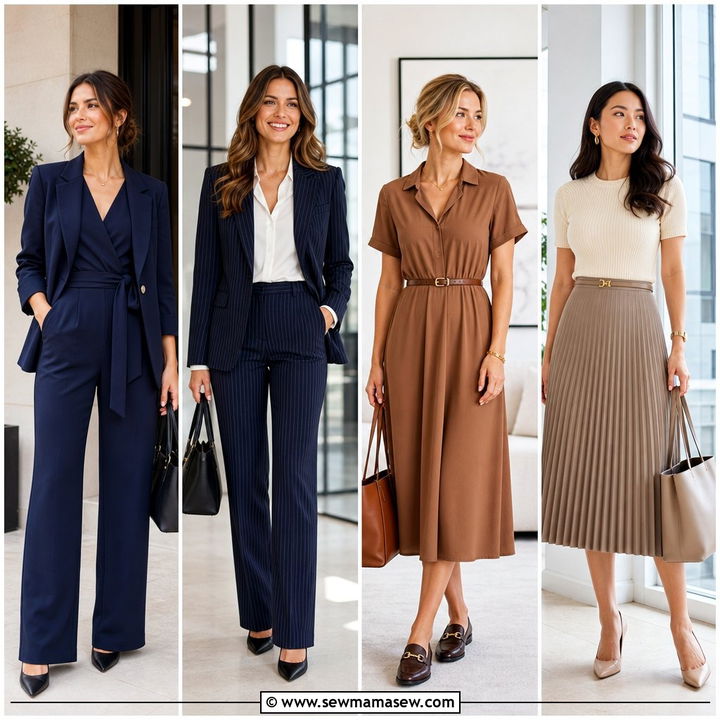
25. Neutral Colored Romper with Blazer
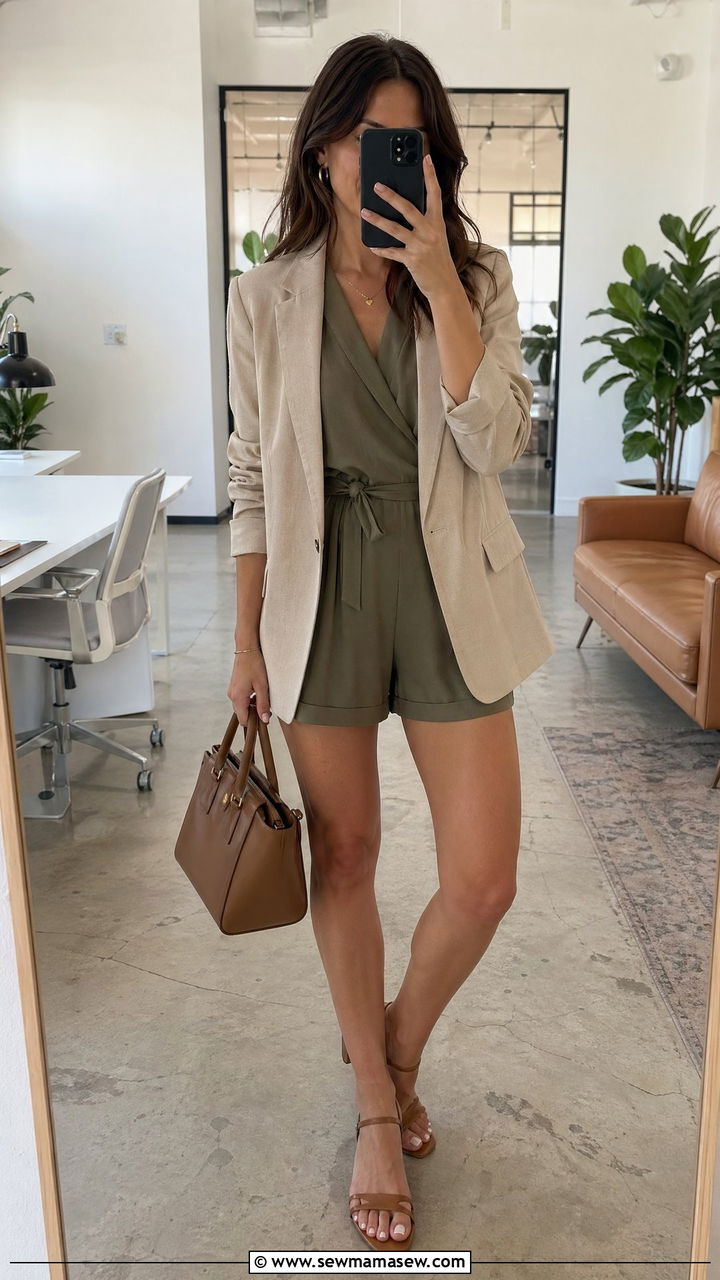
A tailored romper in olive, sand or navy is an unexpected interview option, and it only works with a jacket. Look for a defined waist, a modest leg length and a clean neckline, then add a soft-shouldered blazer in a matching or complementary neutral. Low leather sandals or pointed flats, a slim belt and a structured bag finish it. Save it for less formal industries and confirm the dress code first. I'd also check the leg length while sitting, since rompers ride up more than people expect.
26. White Jeans and a Dressy Top
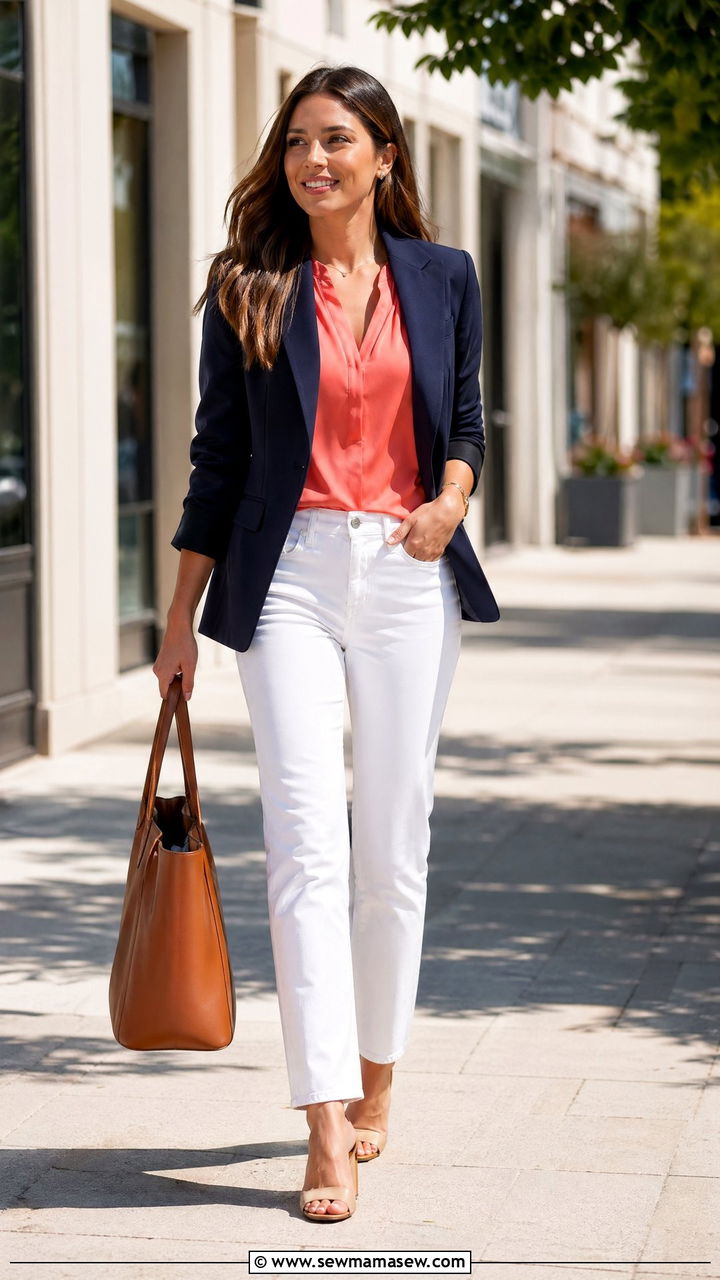
White jeans can work for business-casual or creative interviews if they look tailored. Choose a straight or slim-straight cut in heavy denim with no distressing, fraying or embellishment. A sleeveless shell or short-sleeve silk blouse in a rich solid or subtle print goes on top, with a tailored blazer or structured cardigan over it. Low block-heel sandals or ballet flats, a structured tote and simple gold jewelry finish it. Thin white denim shows pockets and underwear through it, so the heavier the fabric, the better.
27. Knit Two-Piece Set
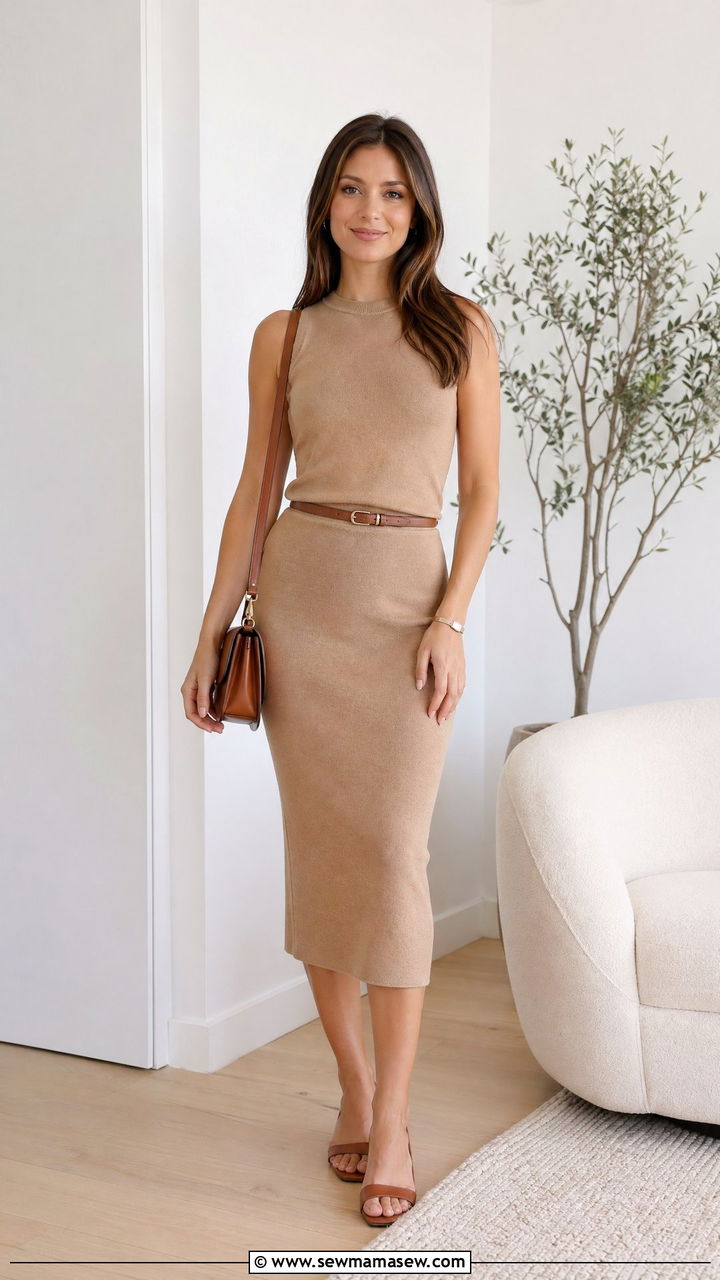
A knit two-piece with a slim top and coordinating midi skirt feels like loungewear and looks like a planned outfit. Choose a fine-gauge rib or flat knit in camel, navy or charcoal. The top should be a sleeveless or short-sleeve shell with a modest neckline, and the skirt should sit at or below the knee. A thin belt, low block-heel sandals and a structured bag finish it, which suits fashion, design and lifestyle companies. Knit skirts can seat out by afternoon, so a little elastane in the yarn helps them recover.
28. Pleated Midi Skirt with Cotton Blouse
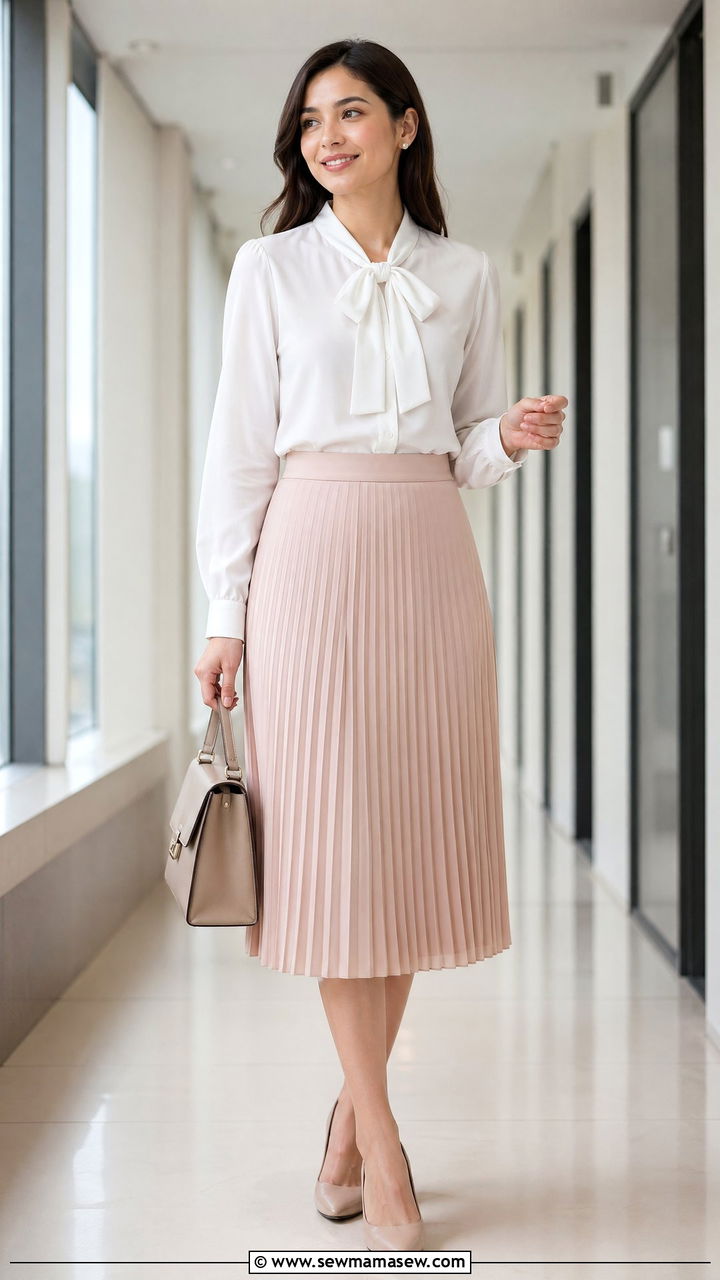
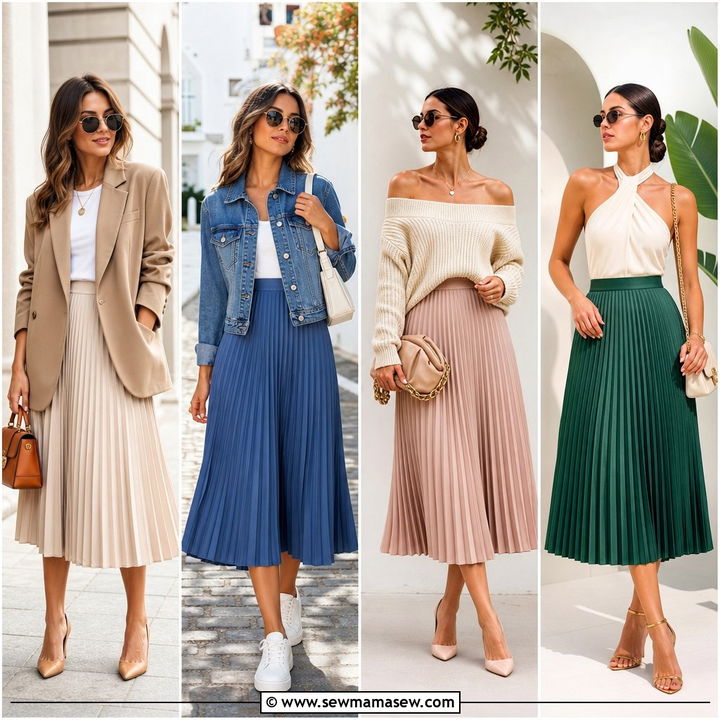
A pleated midi in light polyester or crepe de chine moves nicely and stays cool. I tuck in a crisp cotton blouse with a small detail, such as a soft neck bow or pintucks. The structured top against the fluid skirt gives a balanced shape. Low pumps or ballet flats, a slim belt, a structured satchel and pearl or gold studs finish it. It's suitable for conservative offices and panel interviews. Polyester pleats survive washing and humidity better than natural fibres, which is why I'd pick them for a summer interview.
29. One-Shoulder Top with Tailored Trousers
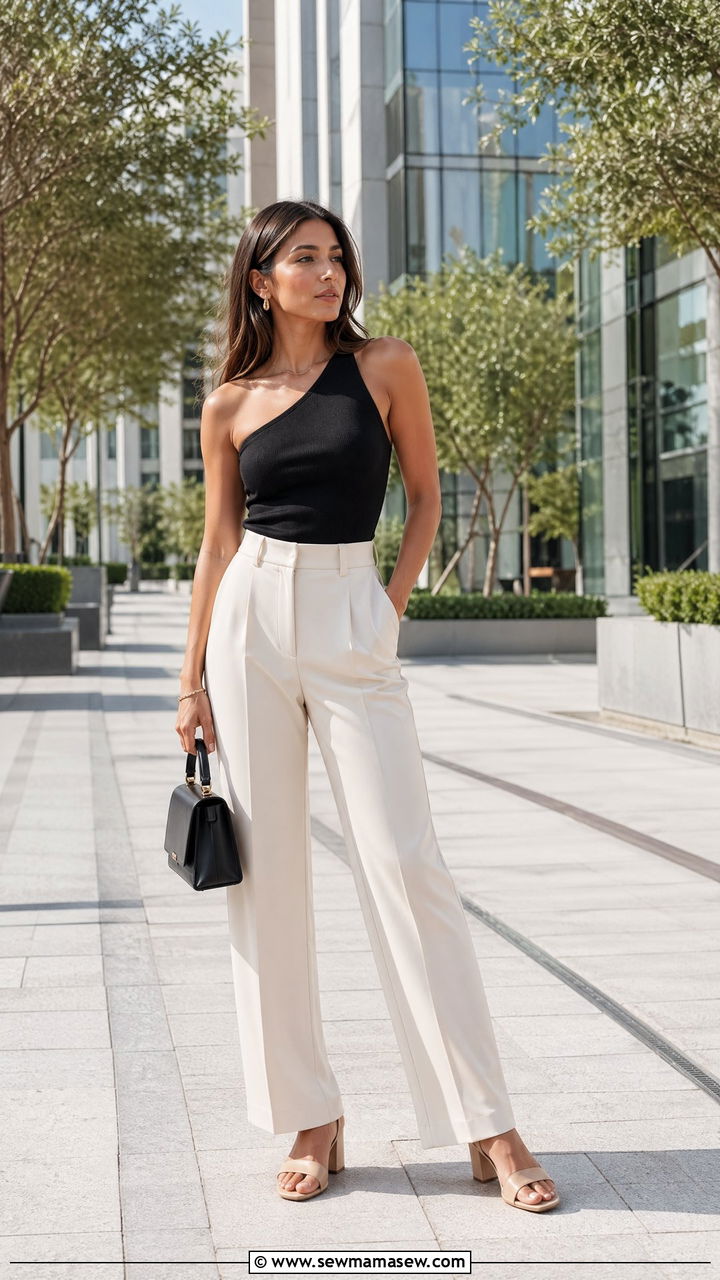
A one-shoulder top can be interview-appropriate if it's modest and made in a fabric with structure, such as a good knit or woven silk. High-waist tailored trousers in neutral crepe give a long line, and a light blazer or structured cardigan can go over the shoulders if you need more coverage. Low block-heel mules or pointed flats, a minimalist cuff and a structured bag finish it. It suits creative industries and media interviews. Check what kind of bra the neckline needs before the day, not the morning of it.
30. Monochromatic All-White Outfit
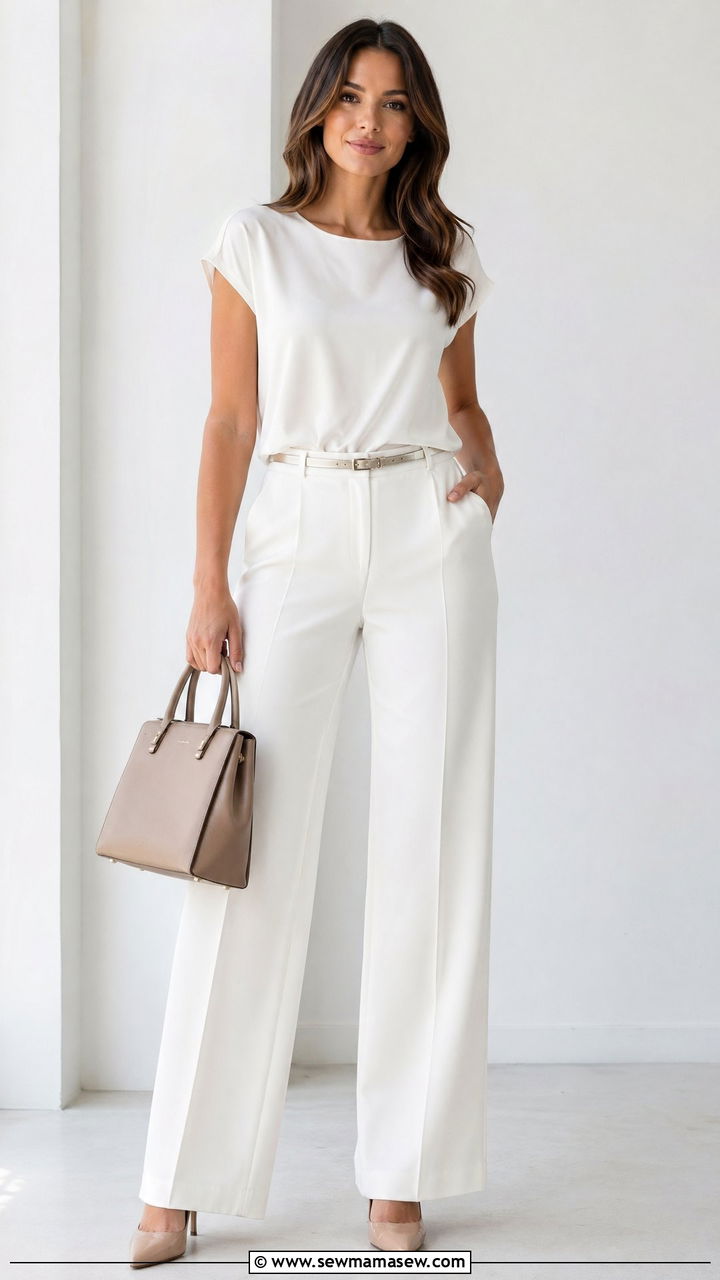
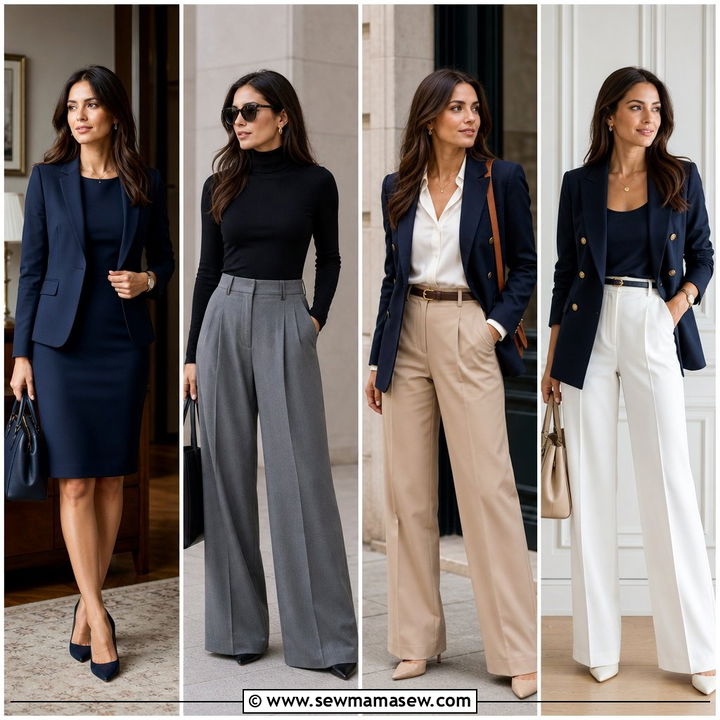
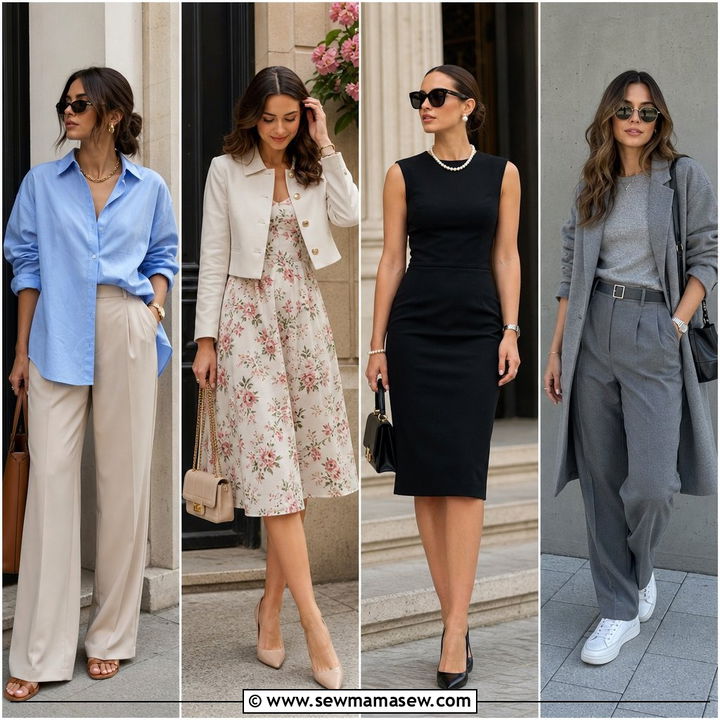
All-white or all-cream looks fresh and polished in summer. Pair a silky short-sleeve or sleeveless shell with matching tailored trousers or a full midi skirt in a similar shade, and mix textures, such as a matte crepe top with a slightly shiny trouser, so the outfit has depth. Low pumps or pointed flats in your own skin tone, a slim metal belt, a natural leather bag, a fine gold necklace and studs finish it. White shows coffee, sweat and makeup instantly, so I'd dress after breakfast and carry a stain pen.
31. Light-Wash Jeans with Oxford Shirt and Blazer
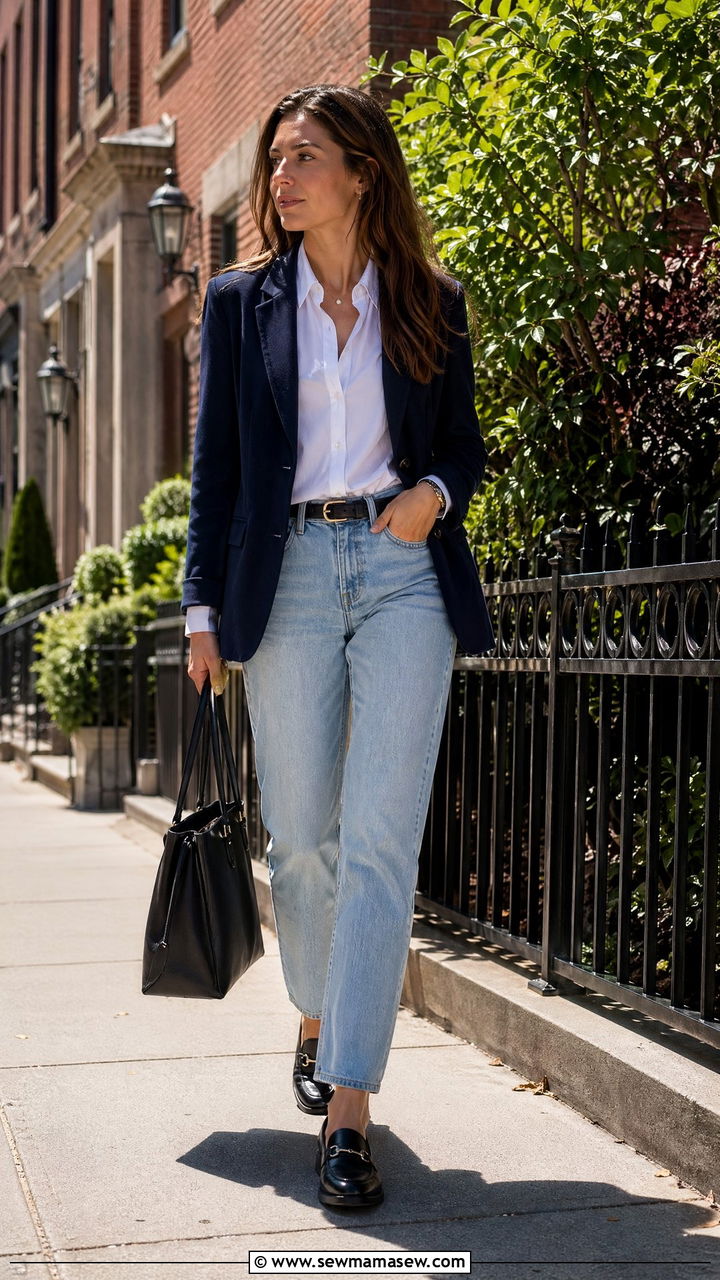
In business-casual offices, light-wash straight-leg jeans without any distressing can be the base of a smart outfit. A crisp white Oxford button-down tucks in with sleeves rolled, and a soft navy or beige blazer goes over it. That blazer is what makes the outfit interview-appropriate. Polished loafers or low block-heel sandals, a belt that matches the shoes and a structured tote finish it, with very little jewelry. It suits tech and casual creative workplaces where you still need to make a strong first impression.
32. Navy Blazer with Beige Trousers
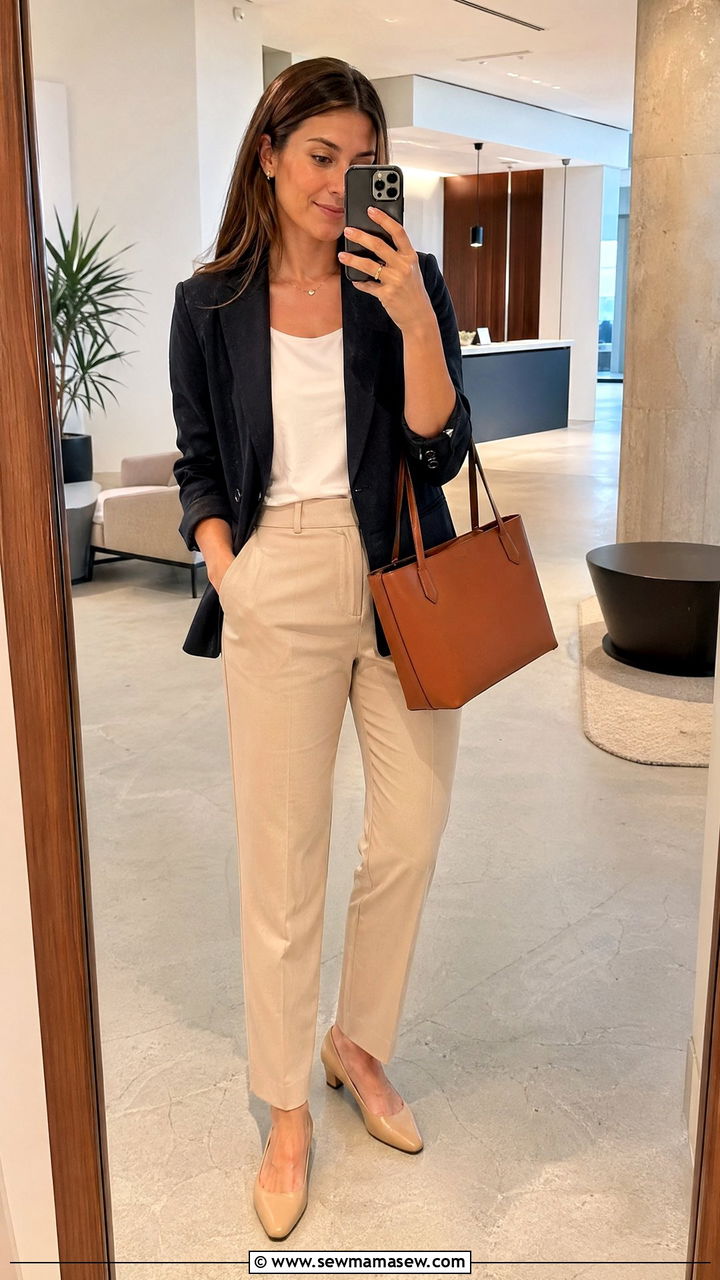
If I could give one summer interview piece to everyone, it would be a navy single-breasted blazer in light linen or a cotton blend. Pair it with beige or stone tailored trousers in a breathable crepe and a white cotton shell or short-sleeve blouse. Navy and beige look professional and calm. Low block-heel pumps, a slim gold bracelet and a caramel or tan structured tote complete it. It works for almost every industry, from business formal to smart casual, so it's my default when a client doesn't know the company culture.
33. Olive-Green Lightweight Suit
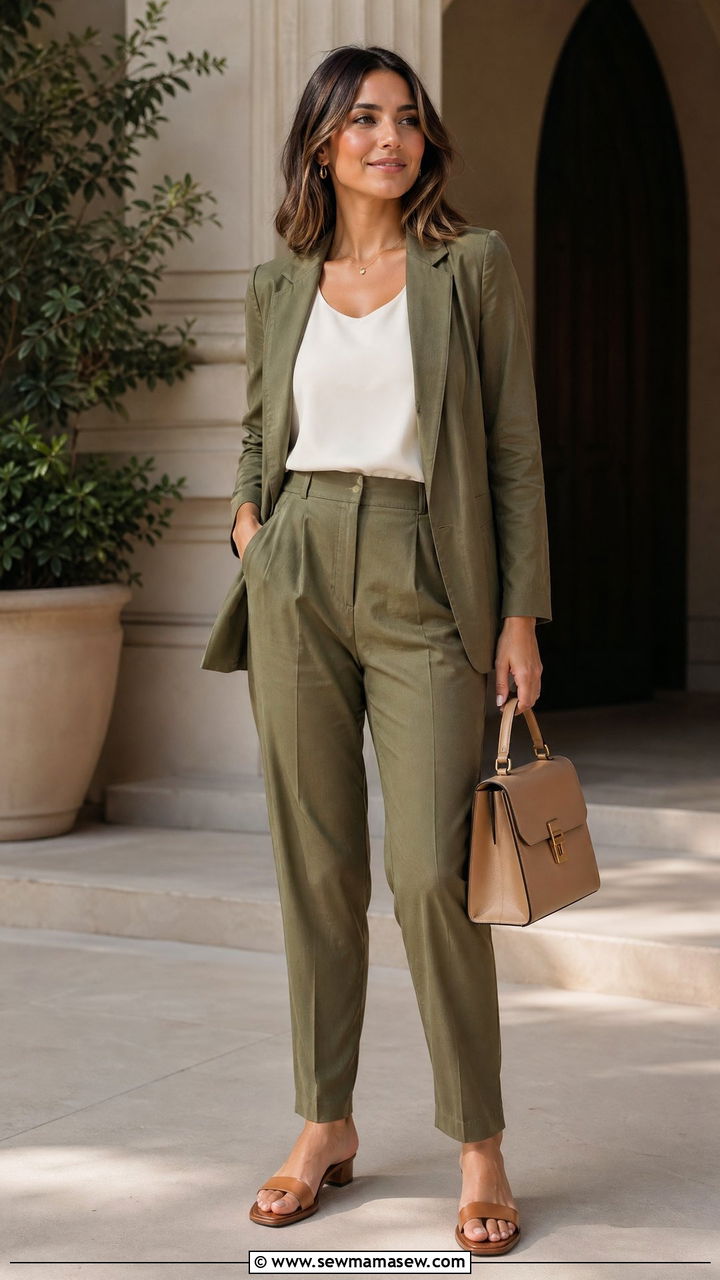
Olive is a softer, more modern alternative to navy or charcoal suits. Choose an unlined single-breasted jacket in breathable cotton or a linen blend with matching tapered or straight trousers, plus an ivory or cream sleeveless shell underneath. Tan low sandals or loafers, a slim gold watch and a warm neutral bag finish it. The earthy colour feels approachable and still professional, and it suits environmental, education and design roles. Olive leans yellow or grey depending on the dye, so try a few shades against your skin.
34. Blush-Colored Shift Dress with Nude Pumps
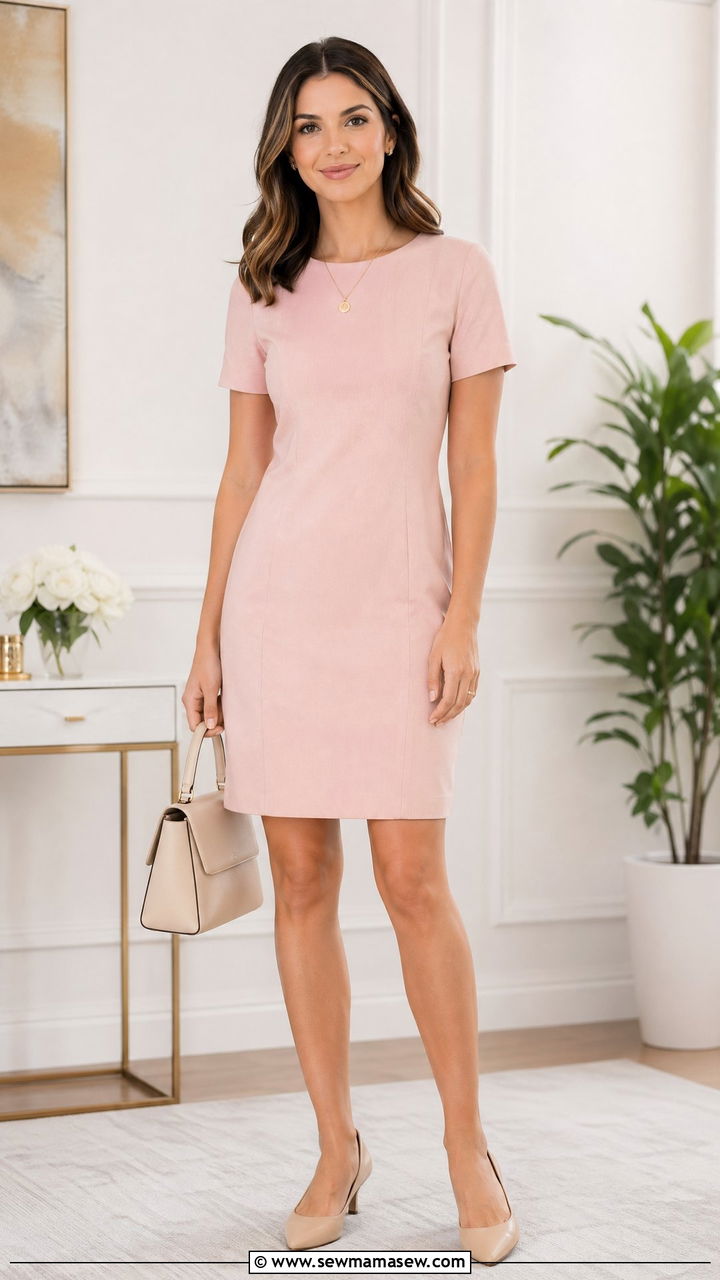
A blush or pale pink shift in structured cotton or crepe holds its shape and looks business-appropriate. The shift skims the body and usually ends at or just above the knee. Low nude pumps lengthen the legs and keep the palette light. A fine gold pendant, a slim belt if the dress needs a waist and a structured pale bag finish it. It's a good fit for fashion, beauty, nonprofits and people-centered roles. Very pale pink can look see-through under strong office lights, so check it under a lamp at home.
35. Satin Slip Dress Under Tailored Blazer
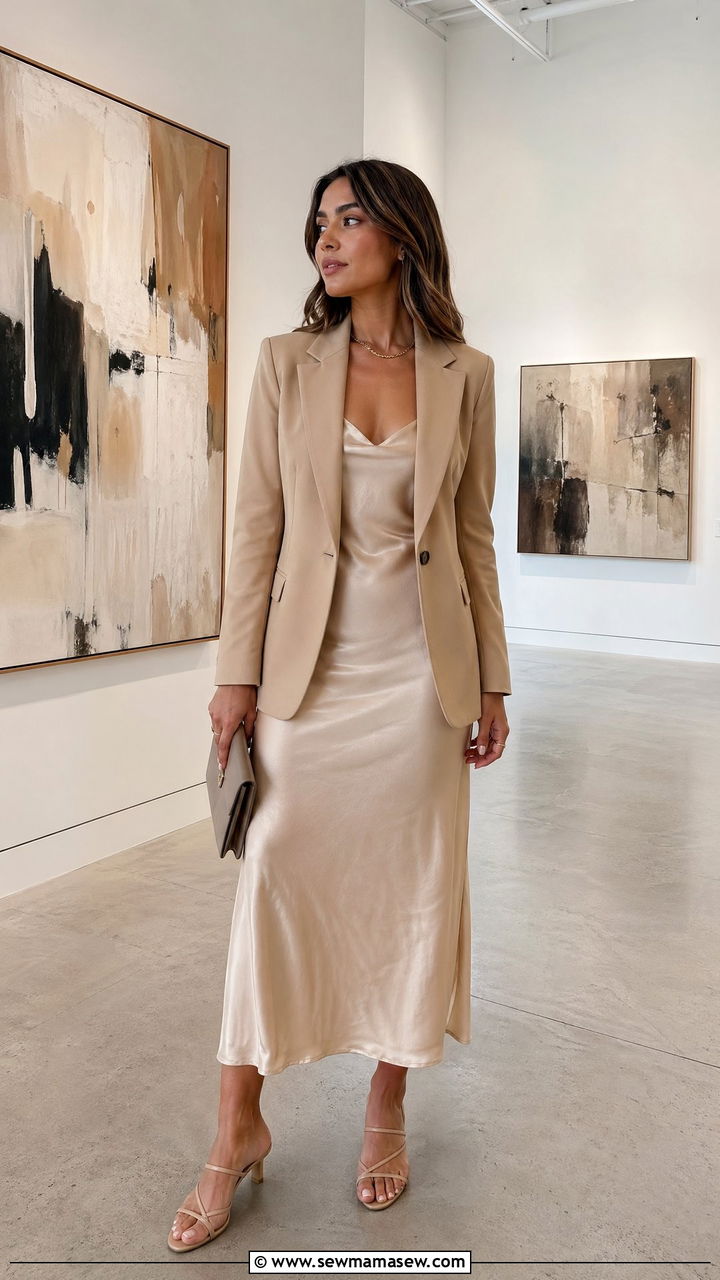
A satin slip dress in champagne, mocha or dusty blue feels cool on a hot day, and the right blazer makes it work for an interview. Choose a tailored single-breasted jacket that ends at the hip, in a contrasting or complementary neutral, so the fluid satin sits against a firm structure. Low strappy sandals or pointed mules, a minimal chain and a structured clutch or top-handle bag finish it. Keep this for creative, fashion and media interviews. Satin shows sweat and creases, so I'd keep the blazer on throughout.
Arriving Cool After a Hot Commute
Heat is the real test of a summer interview outfit, and most of the damage happens on the way there. I tell clients to carry the jacket rather than wear it, and to arrive ten minutes early so they can cool down in the lobby before going in.
- Natural fibres such as linen, cotton and tropical wool breathe; shiny polyester traps heat and shows sweat.
- Mid-tones and small prints hide damp patches better than pale grey or bright solids.
- A thin cotton layer under silk protects it from deodorant marks.
- Keep blotting papers and a small stain pen in your bag.
Try the Whole Outfit on Two Days Ahead
I never let a client wear something new for the first time on the day. Put the entire outfit on, including the shoes and bag, then sit, stand, walk up stairs and reach for something. Check whether the jacket buttons comfortably while sitting, whether the skirt rides up and whether the shoes rub. That leaves a day to press, hem or swap before it matters.
What Interviewers Actually Notice in July
A summer interview outfit has one job: let your qualifications do the talking while you stay cool and comfortable. The looks here favour breathable fabrics, good proportions and a layer you can add or remove, whether you lean toward a pastel suit, a fluid midi or a knit set. Match the formality to the company, plan for a warm-weather interview day, and put your budget into one good lightweight blazer and well-fitted trousers. Fit and grooming will be noticed long before the label is.
Related posts: