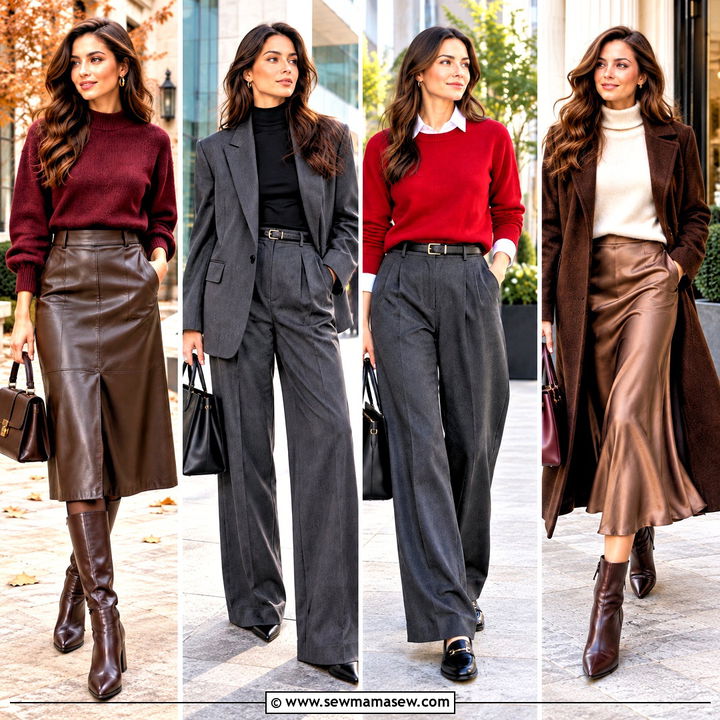
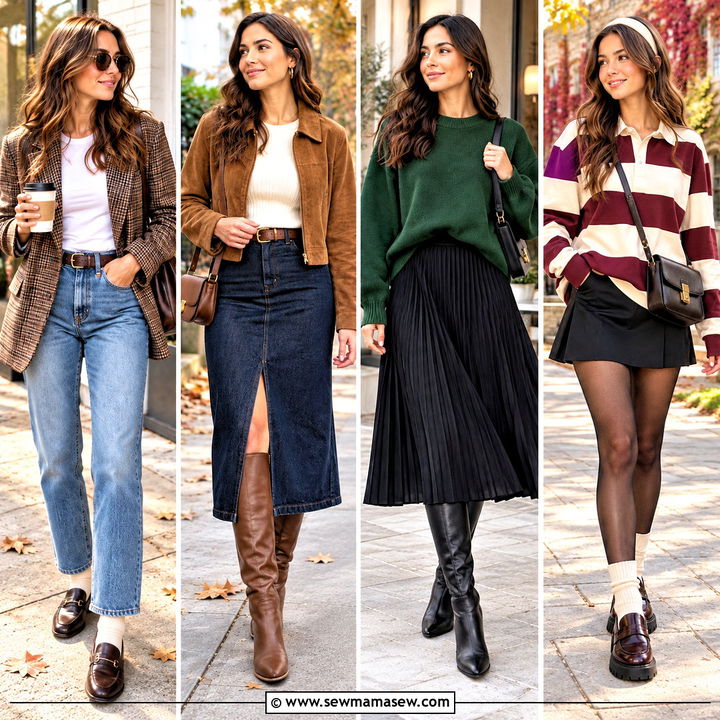
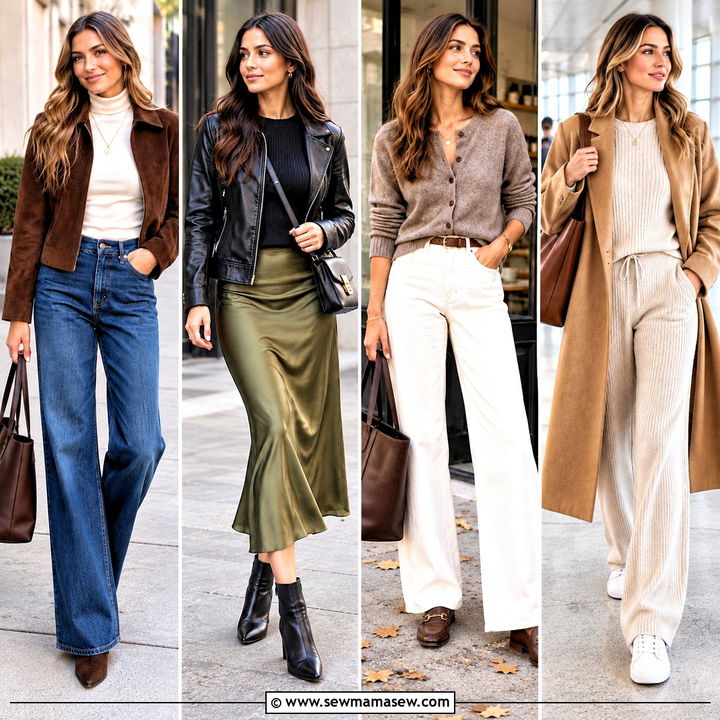
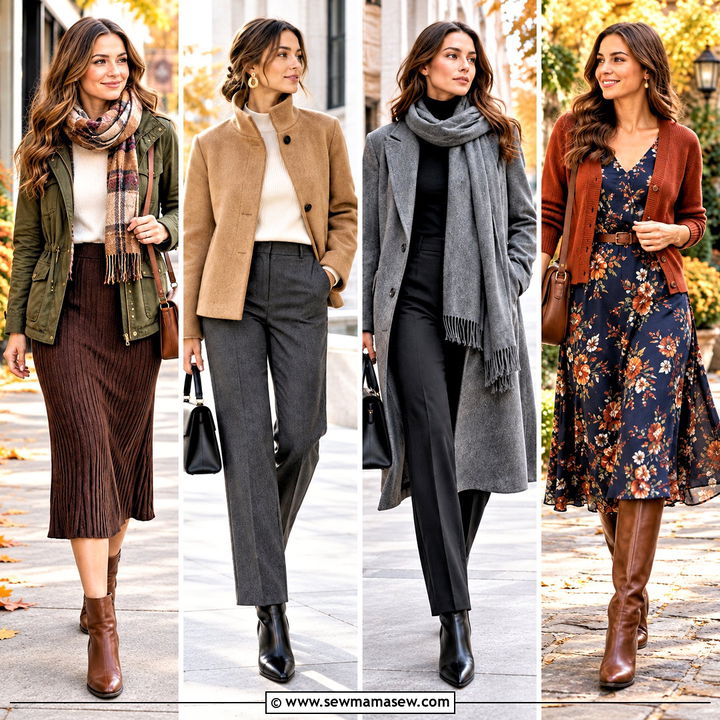
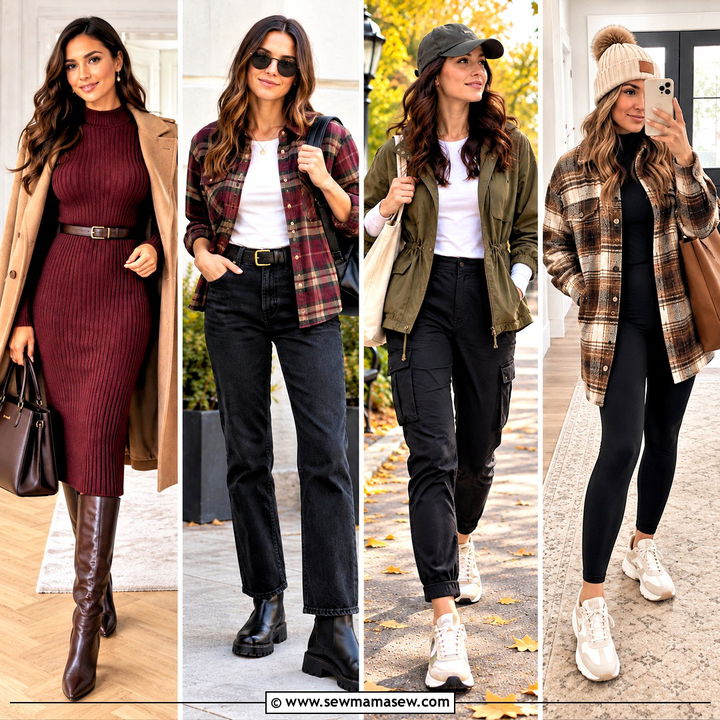
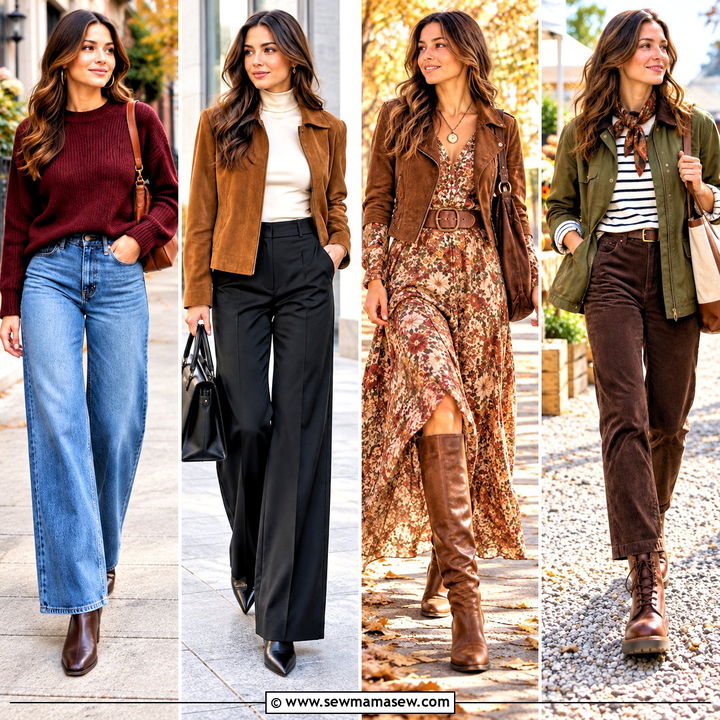
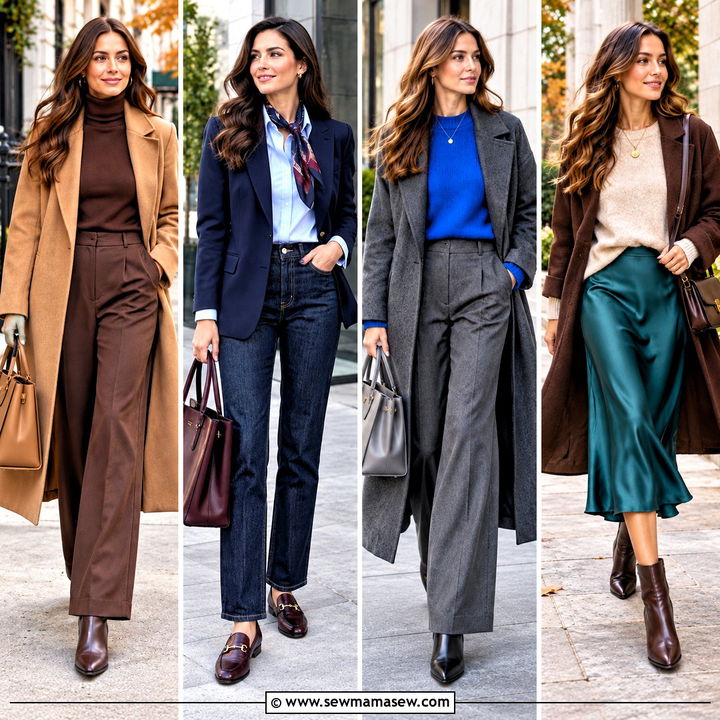
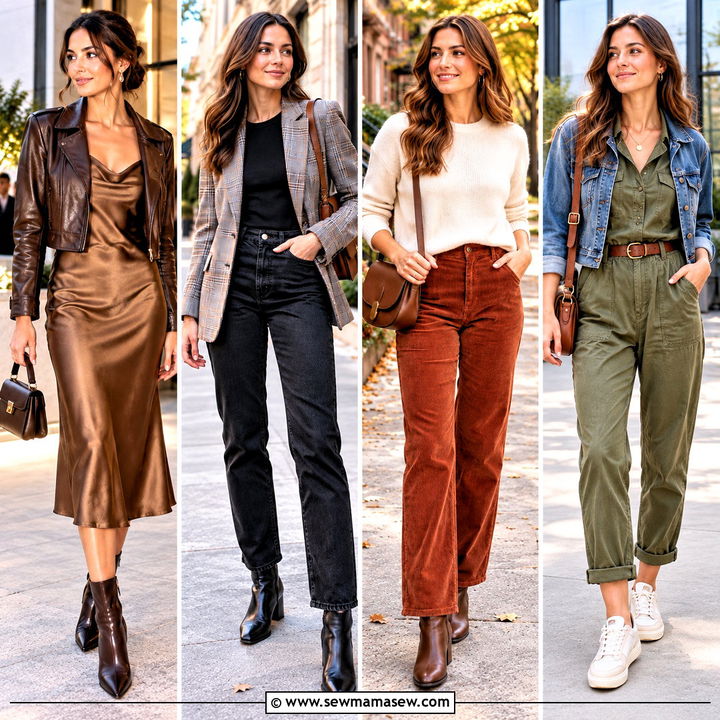
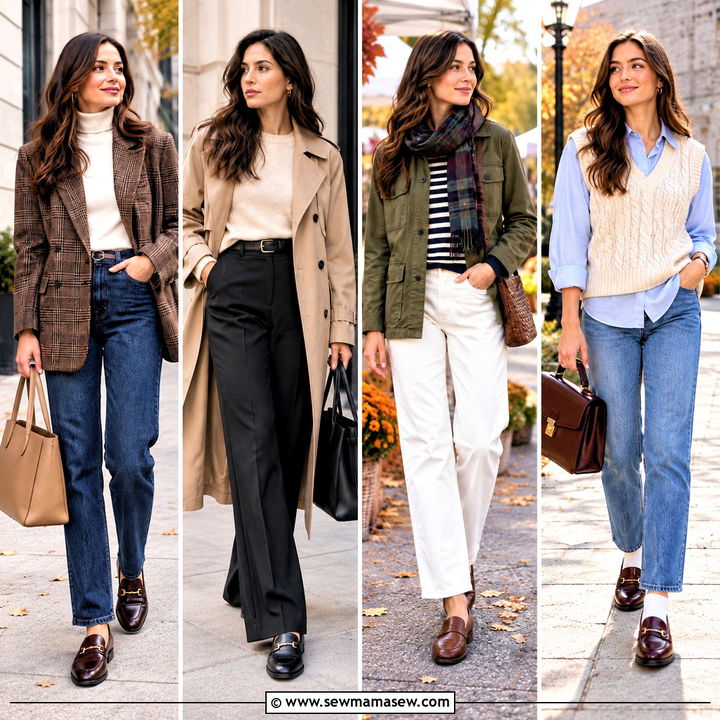
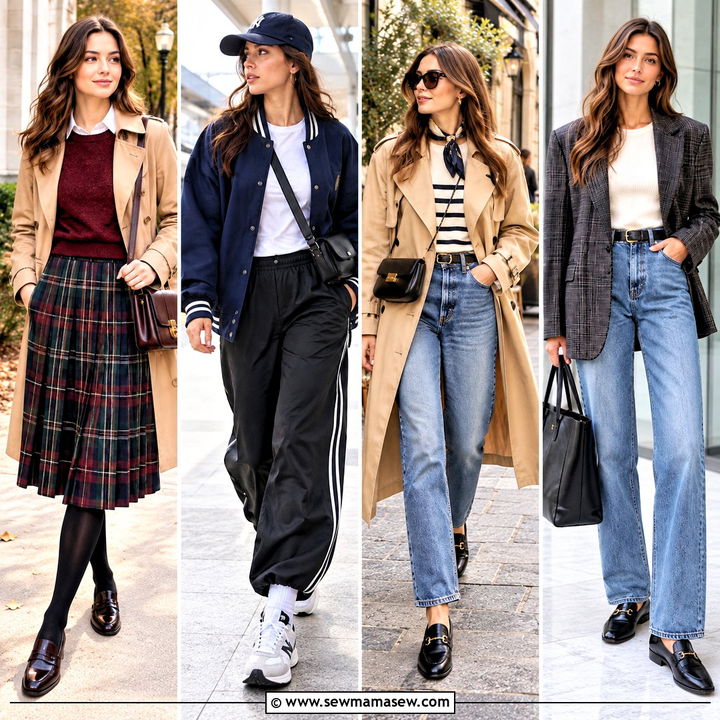
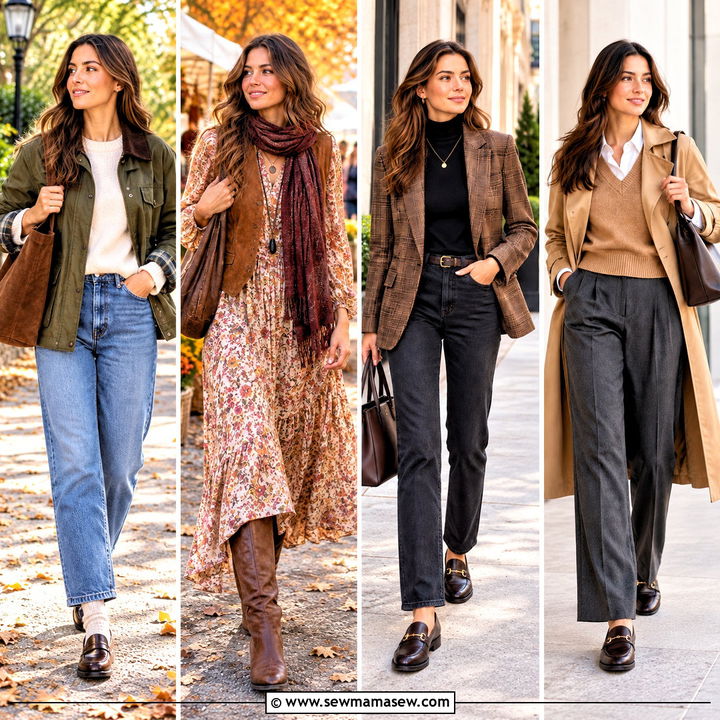
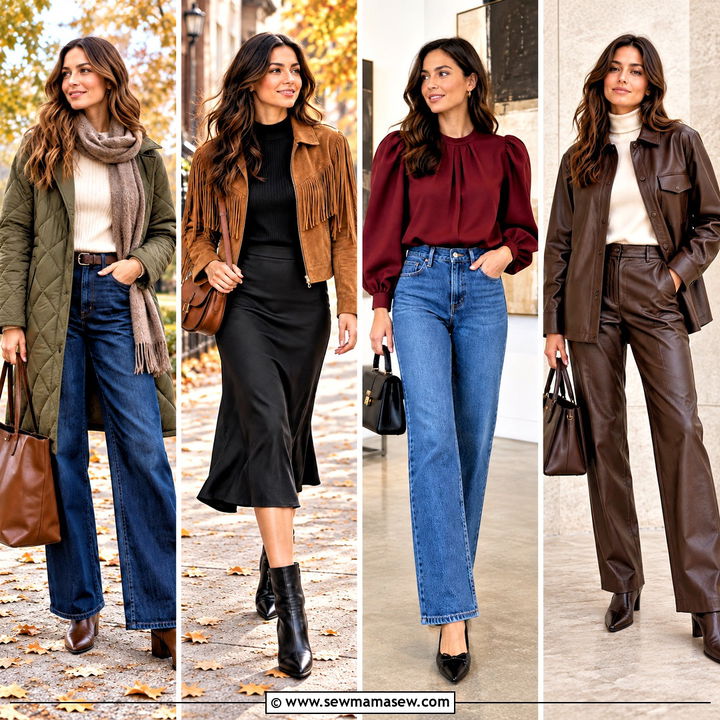
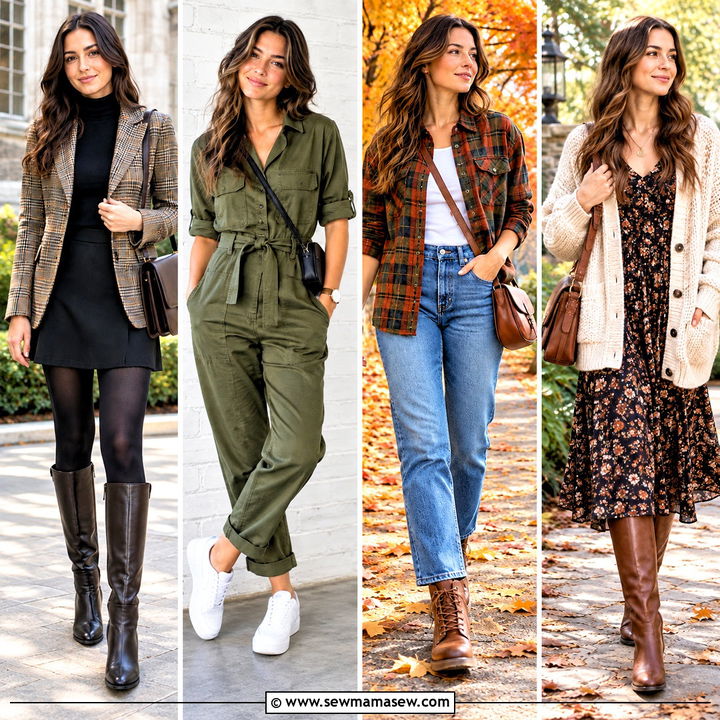
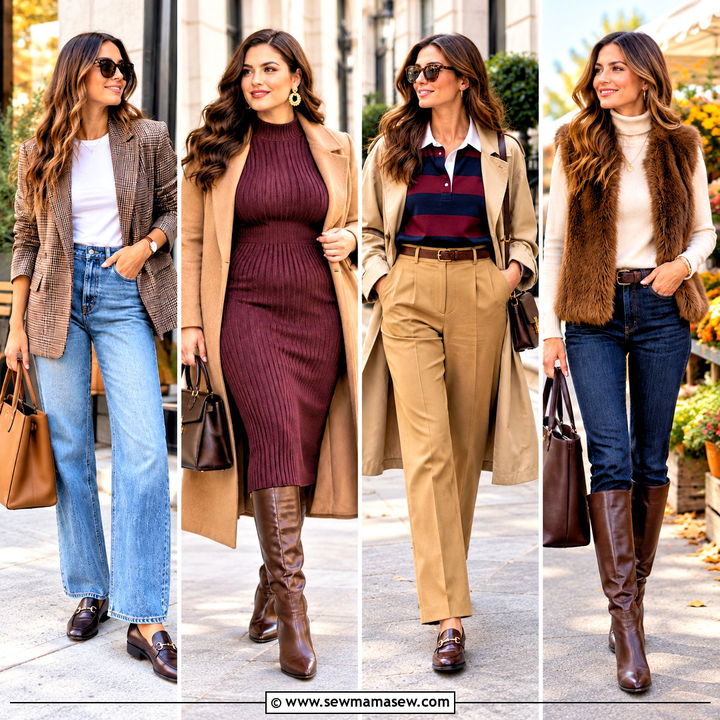
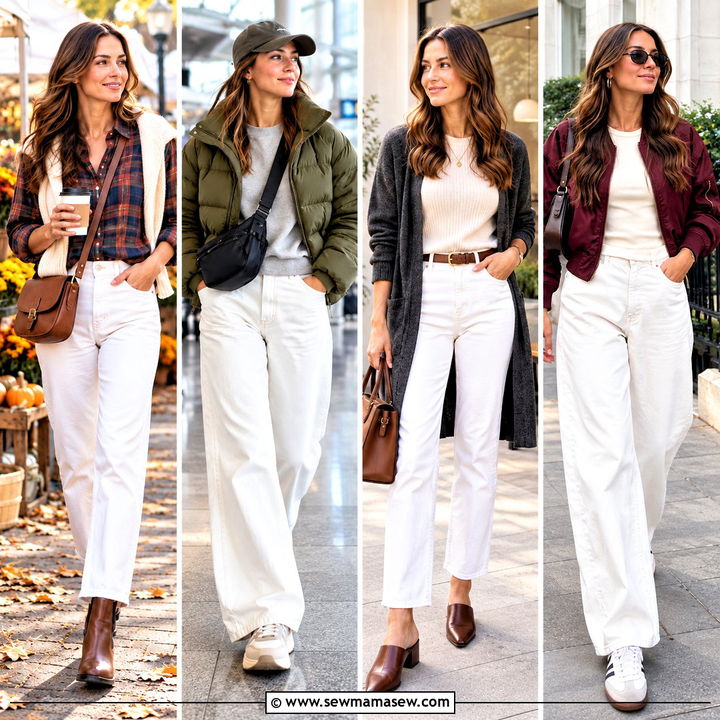
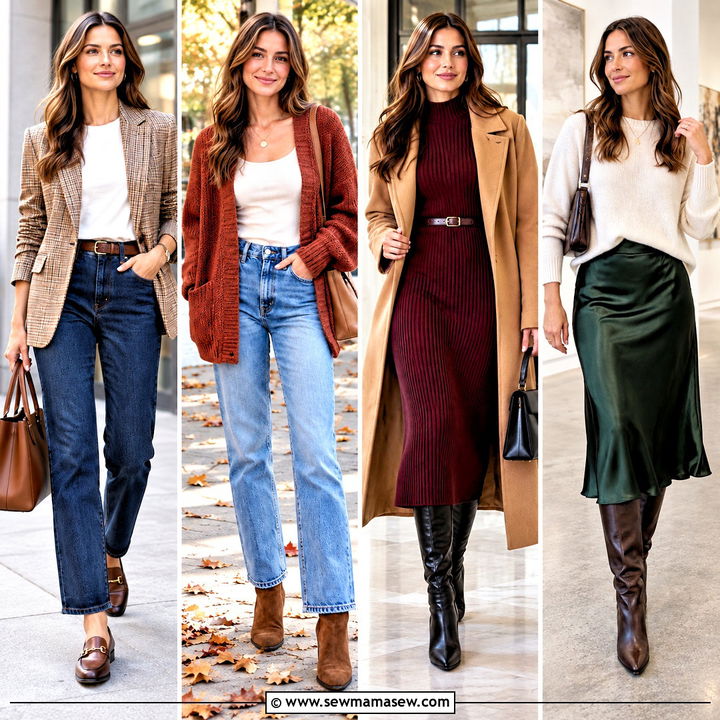
Fall 2026 was a big boot season. Moto hardware, riding shafts, pointed toes, Western stitching and over-the-knee lengths all came back at once, leopard print showed up on everything from ankle boots to knee-highs, and the plain black boot never left. When I style boots, I start from the shoe and work up, because the boot decides the hem, the sock and the coat length. Below are fifteen complete outfits, each built around one pair, with notes on where each style is easy and where it fights you.

Boot Openings, Calves and Zippers
Most tall-boot returns come down to the shaft, not the foot. Before I order a knee-high or riding boot, I measure the widest part of the calf while seated, over the tights or jeans I plan to wear underneath, and compare it to the shaft circumference listed by the brand. Jeans add more width than people expect, often close to an inch.
- Slim calves: look for stretch panels, back laces or an inner tie so the shaft doesn't slide down and bunch at the ankle.
- Fuller calves: wide-calf sizing or a full-length zip with a gusset behind it. A half-zip boot rarely gives enough room.
- Shaft height: the top should sit about an inch below the knee crease. Higher than that, it rubs when you sit and climb stairs.
- Ankle boots: check where the opening hits your leg. A shaft that ends at the widest part of the ankle shortens the leg; a little higher or lower is more flattering.
I also try boots on in the afternoon, when feet have swollen slightly, and with the socks I'll actually wear. A boot that feels snug in a thin sock in the morning can be painful by the end of a long day.
1. Moto Boots With Midi Skirt
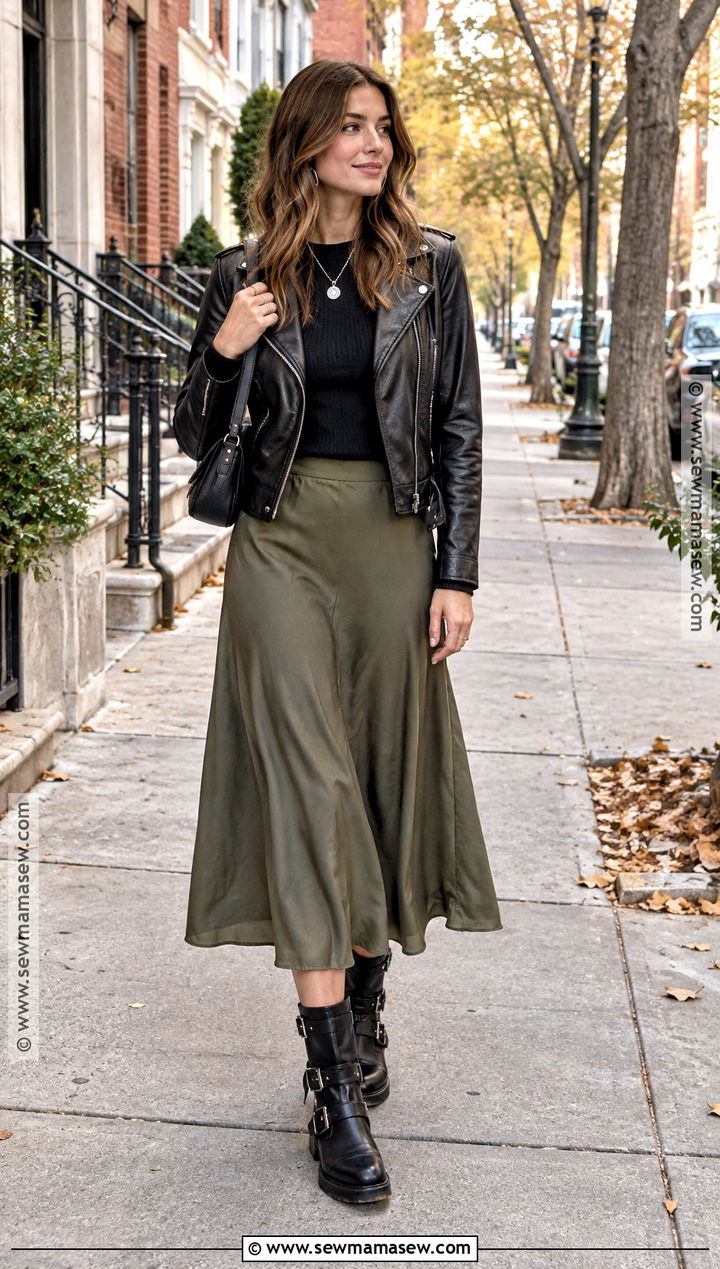
A moto boot is the quickest way to take the sweetness out of a midi skirt. Black leather with buckles is the version I reach for first, since the hardware reads as tough even from across a room. I pair it with a satin, denim or pleated midi in black, olive or chocolate and a fitted crewneck so the top half has some shape against all that skirt. A cropped leather jacket leans into the biker side; a long wool coat makes it office friendly. The hem matters more than people expect: I want two or three inches of gap between skirt and boot top, otherwise a heavy moto shaft looks like it's swallowing the leg. Tall socks inside the boot stop the buckles rubbing through tights.
2. Riding Boots With Blazer And Jeans
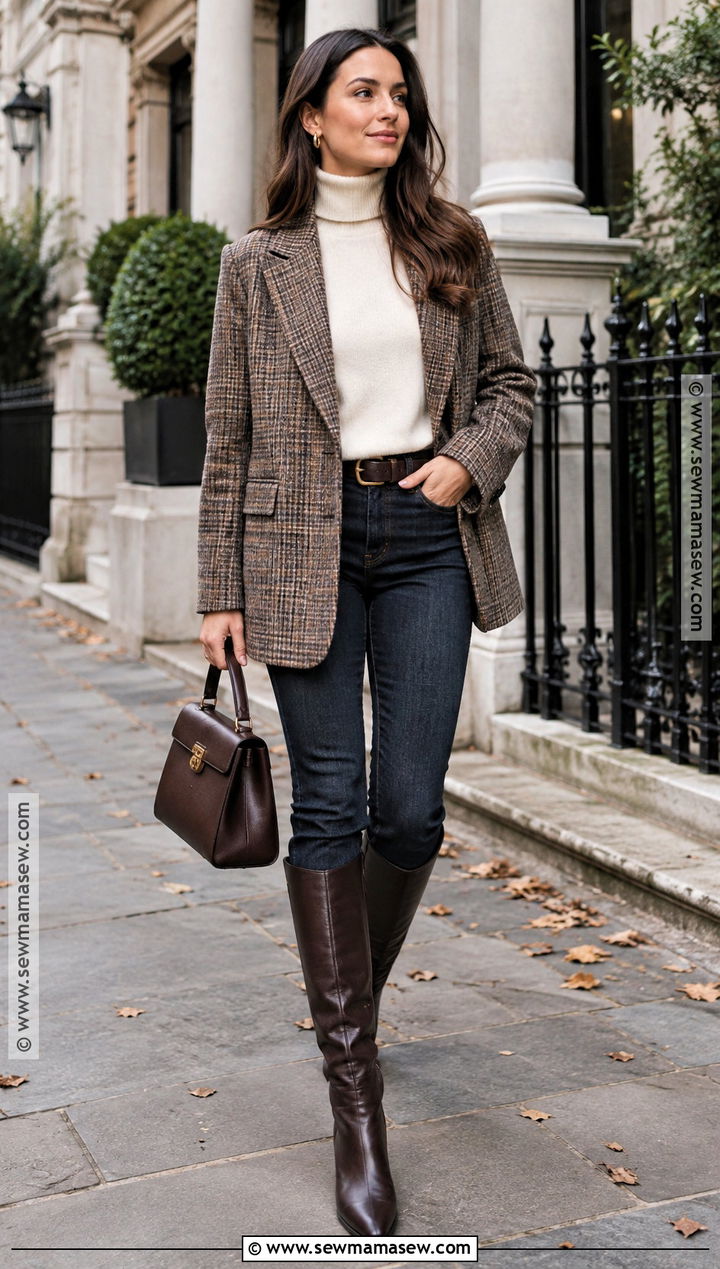
Riding boots with jeans and a blazer is the equestrian outfit that never really dates. I look for dark brown or black leather, a low heel and a slim shaft that ends just below the knee crease; any higher and it digs in when you sit. Slim or straight jeans tuck in only if the denim is thin enough, so I smooth the fabric flat and check in a mirror that nothing bunches at the knee. A fine turtleneck and a slightly oversized plaid, camel or navy blazer finish it, and a belt in roughly the boot's shade ties things together without needing a perfect match. Expect new riding boots to feel stiff at the ankle for the first week or two.
3. Pointed Knee-High Boots With Knit Dress
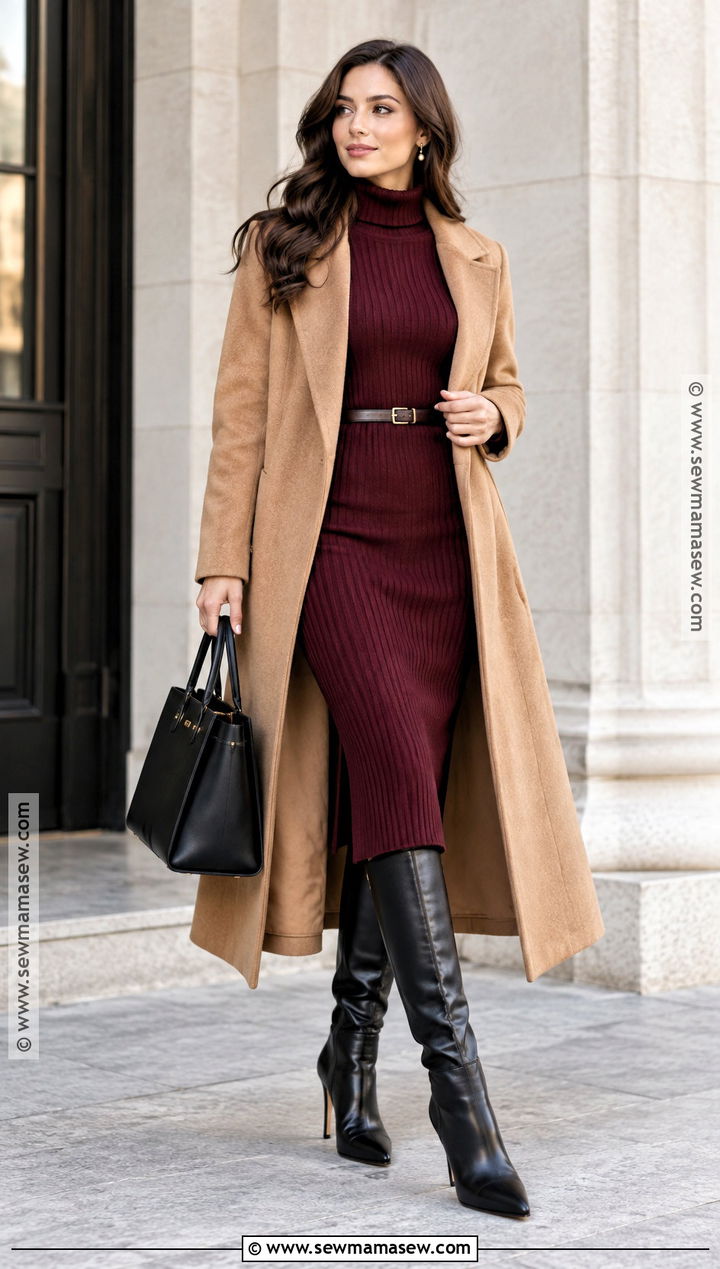
Pointed knee-highs sharpen a ribbed knit dress more than any other shoe I've tried with it. I choose a midi in cream, charcoal, burgundy or taupe and belt it at the natural waist so the knit doesn't hang straight down. Block or kitten heels are the sensible choice here; a thin stiletto on a knee-high shaft is hard to walk in for a full day. A camel coat ending near the dress hem keeps one long line. One thing to watch: ribbed knit clings, so the top of the boot can show through a fitted dress as a ridge. A slightly looser knit, or a hem that clears the boot top, avoids it.
4. Over-The-Knee Boots With Mini Skirt
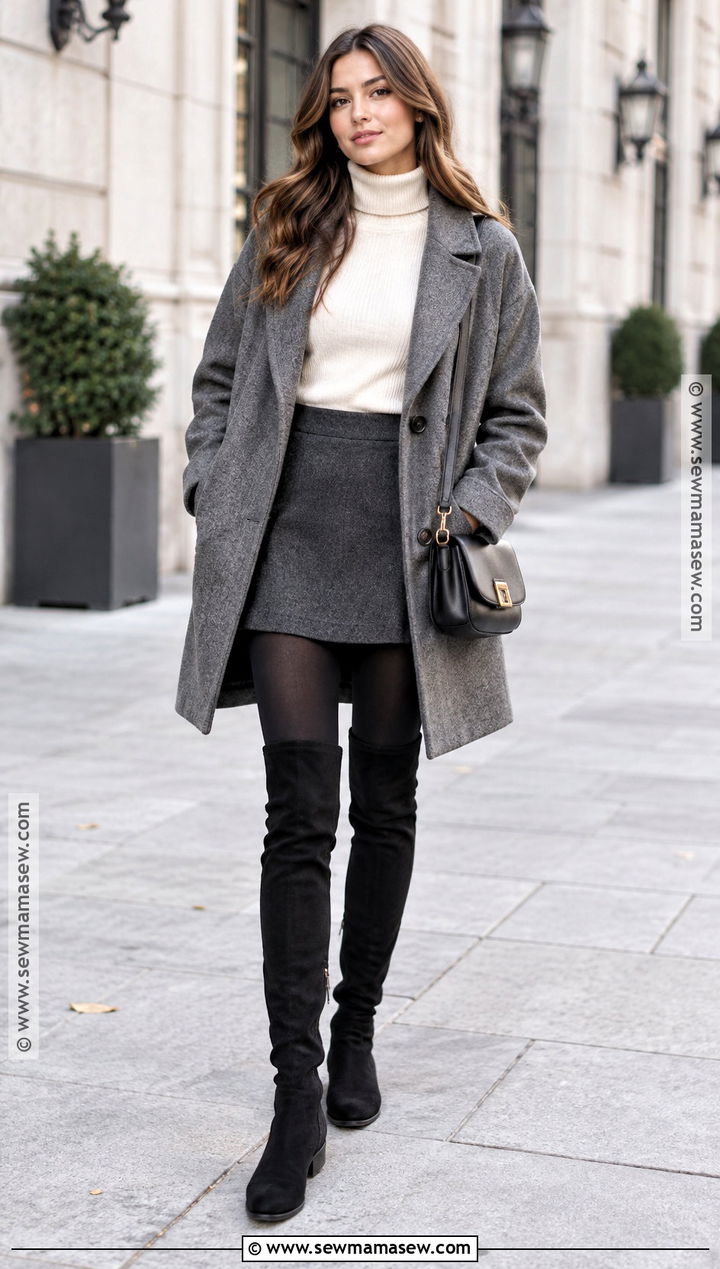
Over-the-knee boots are the most dramatic shape in this list, and the easiest way to wear them is flat or low-heeled, in black, dark brown or deep gray suede. I put them with an A-line mini and opaque tights, then add a tucked turtleneck and an oversized wool coat that covers most of the skirt. Keeping everything in one tone matters: when tights, boot and skirt are close in color, the boot reads as part of the leg instead of a costume piece. Suede over-the-knees do slide down on bare legs and thin tights, so I look for a pair with a back stretch panel or an inner tie, and I'd skip them entirely if you have very slim calves and the shaft is fixed.
5. Suede Chelsea Boots With Straight Jeans
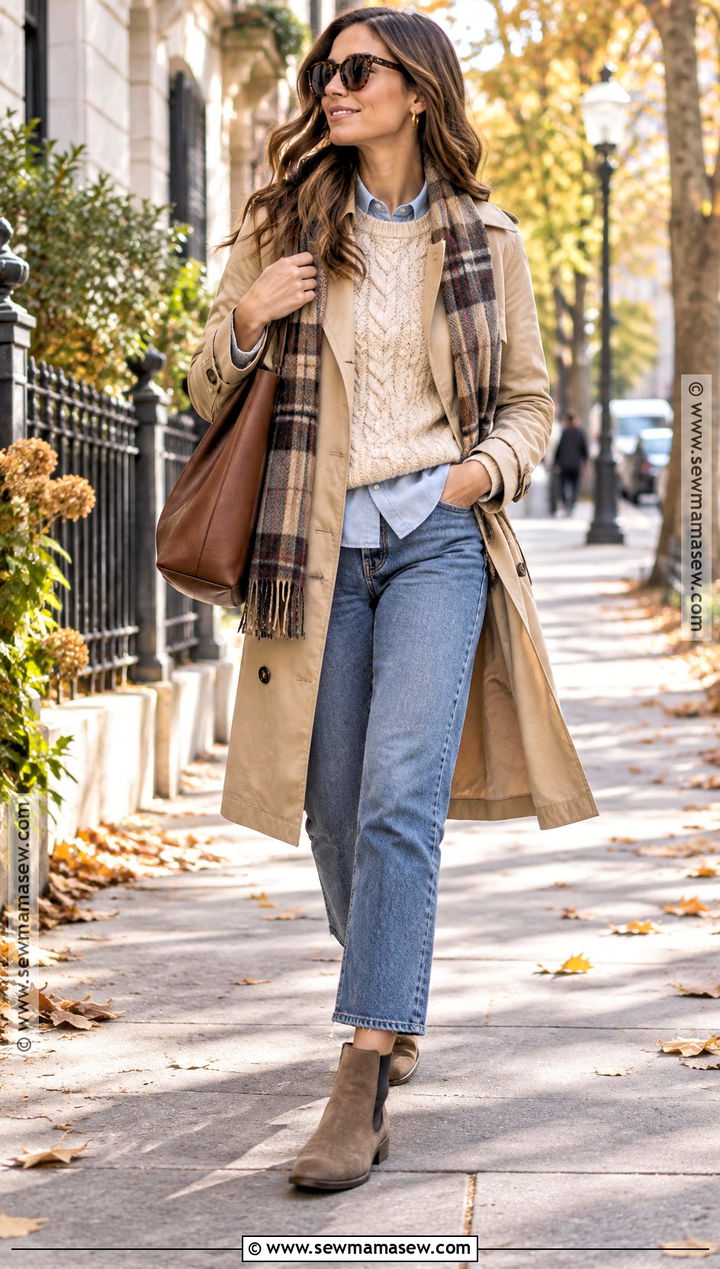
Suede Chelsea boots are softer and more forgiving than polished leather, and they hide scuffs better. Cropped straight jeans should end right at the top of the boot, so the elastic panel and the ankle shape stay visible. I layer a relaxed button-down under an oatmeal, forest or navy cable knit and throw a water-resistant trench over it. Tan, chocolate and taupe are the easiest suede colors to live with. Before the first wear I treat them with a suede protector spray, and on rainy forecasts I simply leave them home, because suede darkens and stiffens when it soaks through. A brass-bristle suede brush lifts the nap again once they're dry.
6. Kitten-Heel Boots With Wide-Leg Trousers
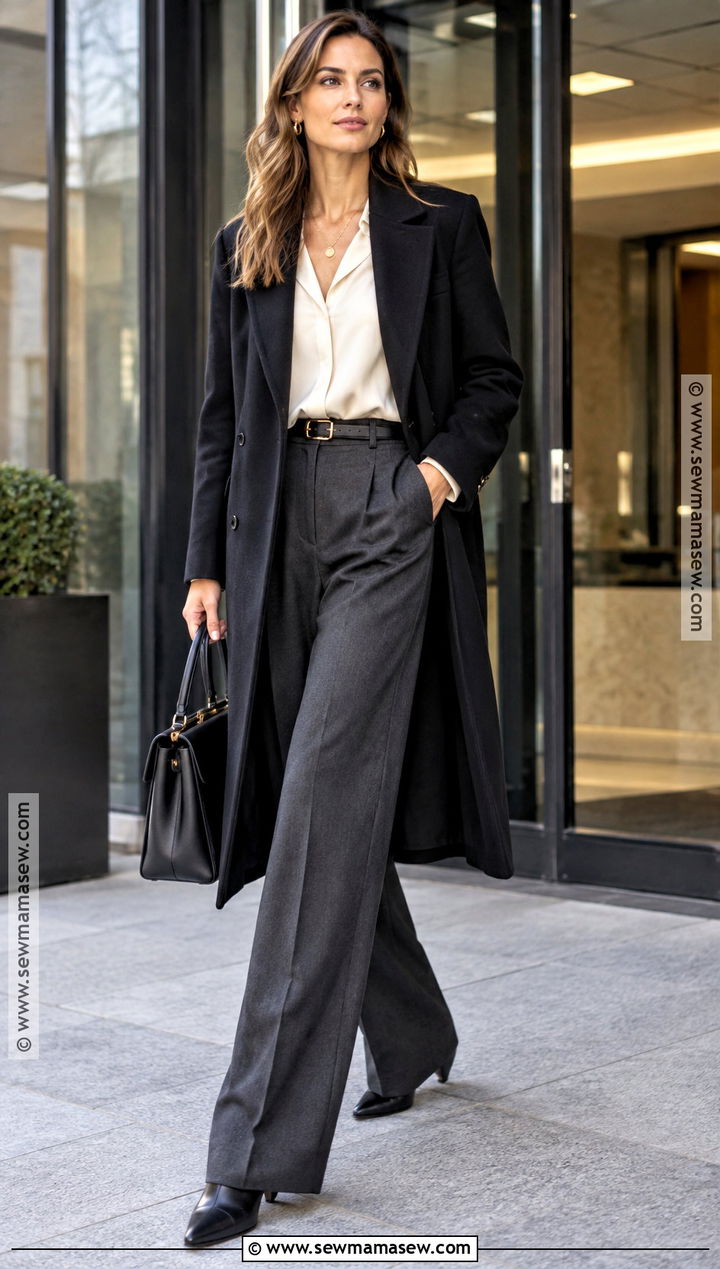
Wide-leg trousers swallow most ankle boots, which is why a pointed kitten heel suits them so well. The toe peeks out under the hem and gives the outfit a clean point. I have the trousers hemmed with the boots on, so the fabric nearly reaches the floor at the back without dragging. High-waisted trousers with a tucked silk blouse or fine knit, plus a tailored coat, keep the line long. If you walk a lot or stand on hard floors, look for a wider kitten heel; a narrow one wobbles on cobbles and grates. Black and dark burgundy are the two colors I'd buy first.
7. Square-Toe Boots With Midi Skirt
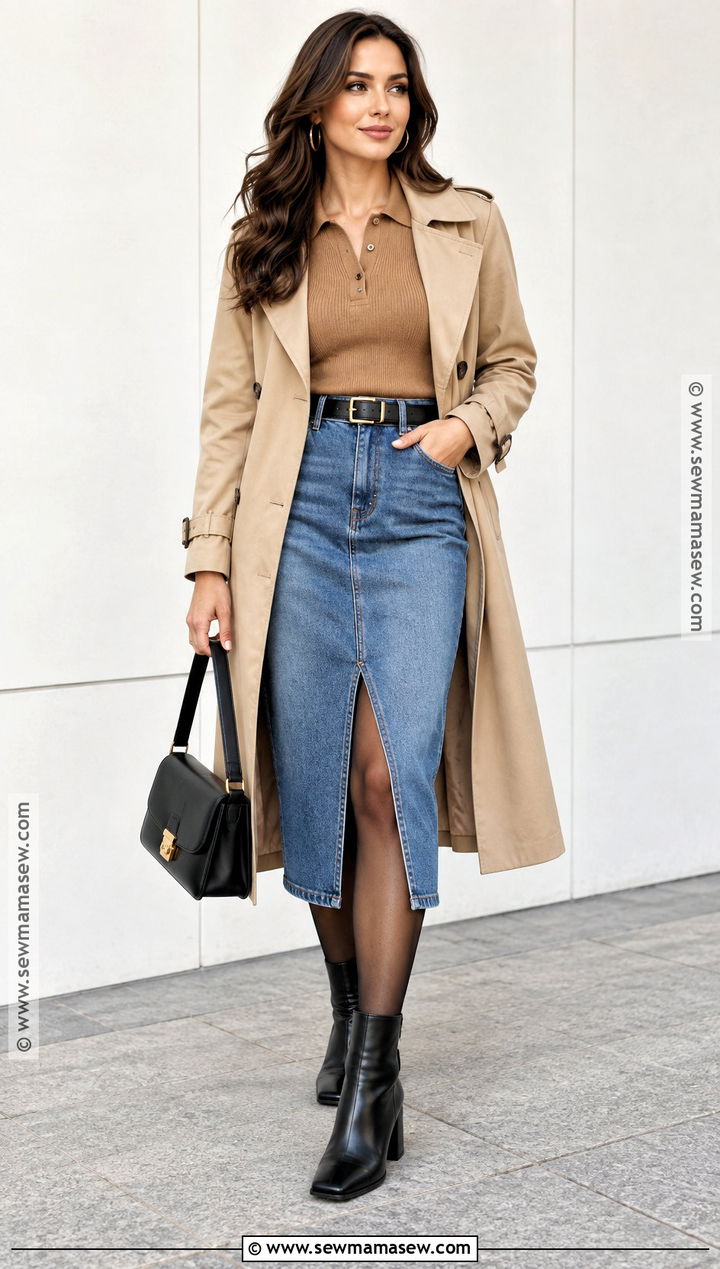
A square toe makes a plain midi skirt look current without much effort. I like black leather ankle boots on a block heel with a denim or wool midi that has a slit, so the skirt moves when you walk. Up top, a fine-knit polo and a belted trench give the outfit shape. Sheer tights on mild days, opaque when it's cold. The square toe is already a strong shape, so I keep the bag structured and the jewelry to simple hoops. Square toes also run roomier across the front than almond toes, which helps if you have wide feet, but check that your heel doesn't slip at the back.
8. Western Boots With Denim Dress
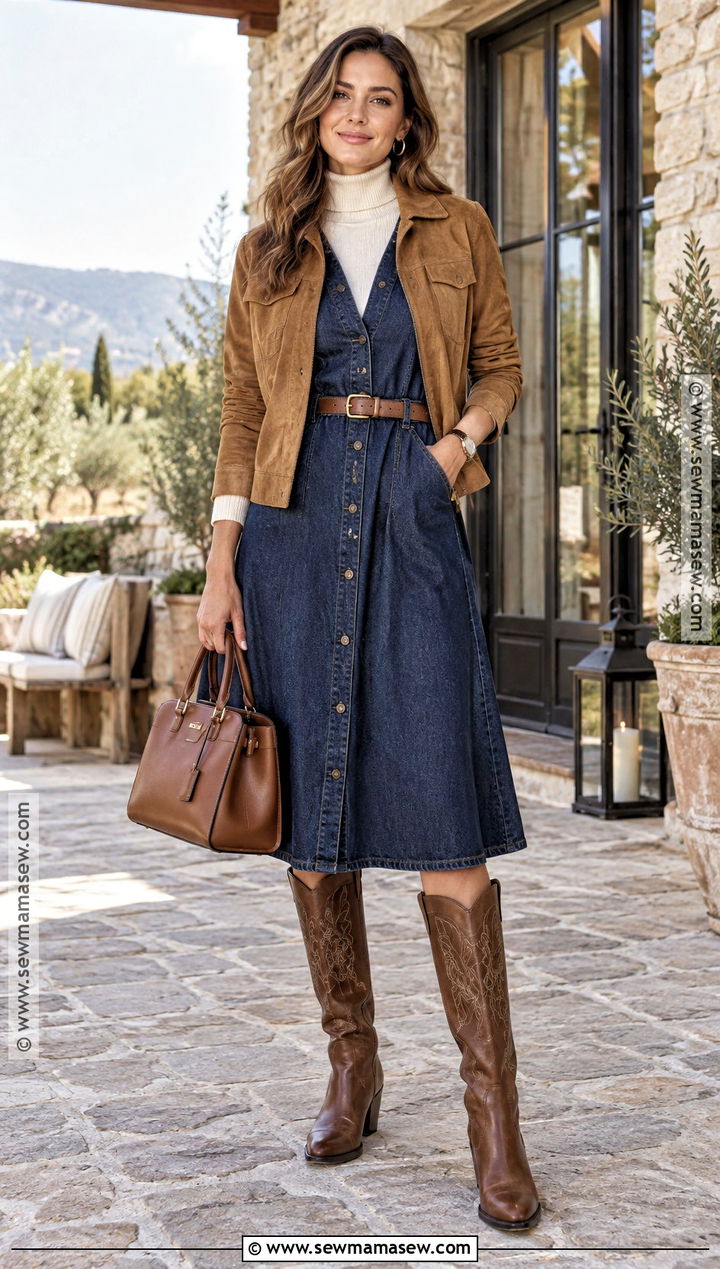
Western knee-highs, with their stitched shafts, angled heels and pointed or almond toes, were everywhere this fall. I pair brown ones with a belted dark-denim midi dress and open a couple of buttons at the neck; when it turns colder, a fitted turtleneck goes underneath. A suede jacket or long camel coat suits the rustic texture without tipping it into fancy dress. I keep accessories simple: a structured leather bag, not a fringed one, plus small gold hoops and a watch. The dress needs either to end above the boot shaft or to have a front slit, because the stitching on a Western boot is the whole point and it's wasted under a long hem.
9. Leopard-Print Boots With Black Outfit
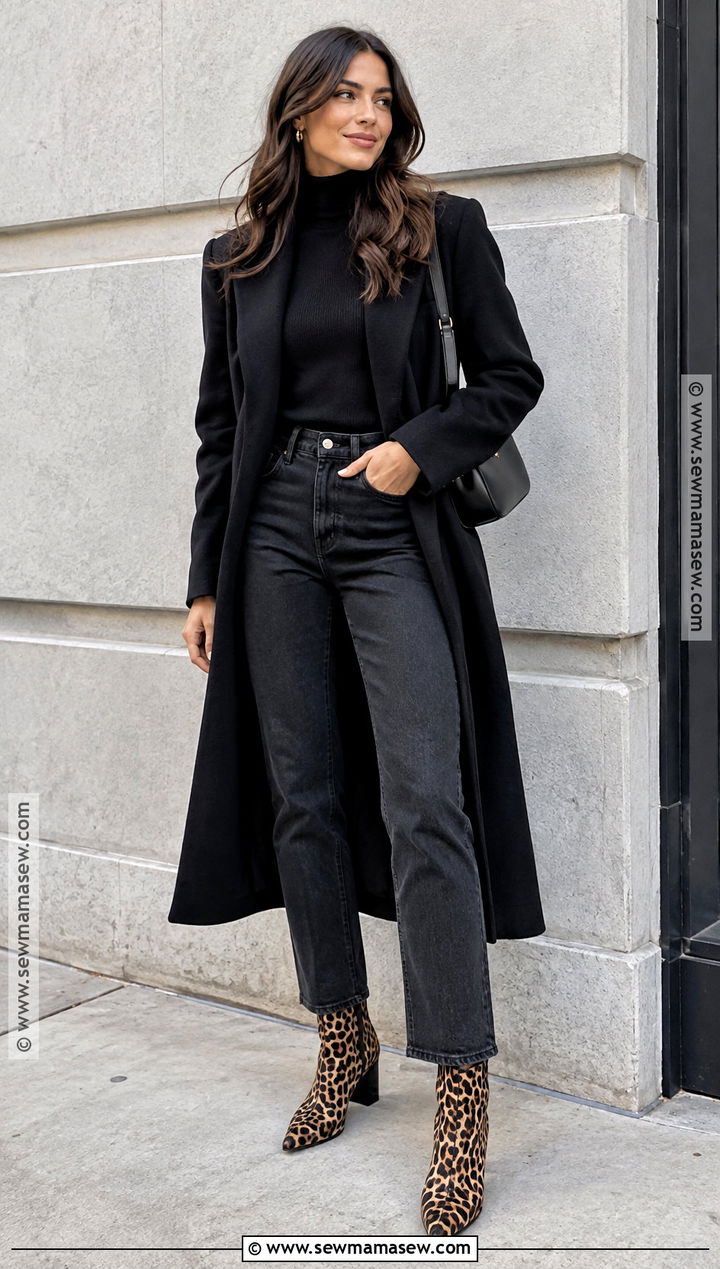
Leopard ankle boots are the bold choice that still goes with nearly everything, as long as everything else is black. Straight black jeans and a black turtleneck give a long, unbroken base, then a long wool coat or a relaxed leather jacket sets the level of polish. I keep the bag black with minimal hardware and add small gold earrings, which pick up the warm tones in the print. One print per outfit is my rule with leopard. Add a striped scarf or a floral bag and the boots stop looking deliberate. Calf-hair leopard sheds and flattens with wear, so I brush it in the direction of the hair and keep it out of the rain.
10. Burgundy Boots With Gray Suit
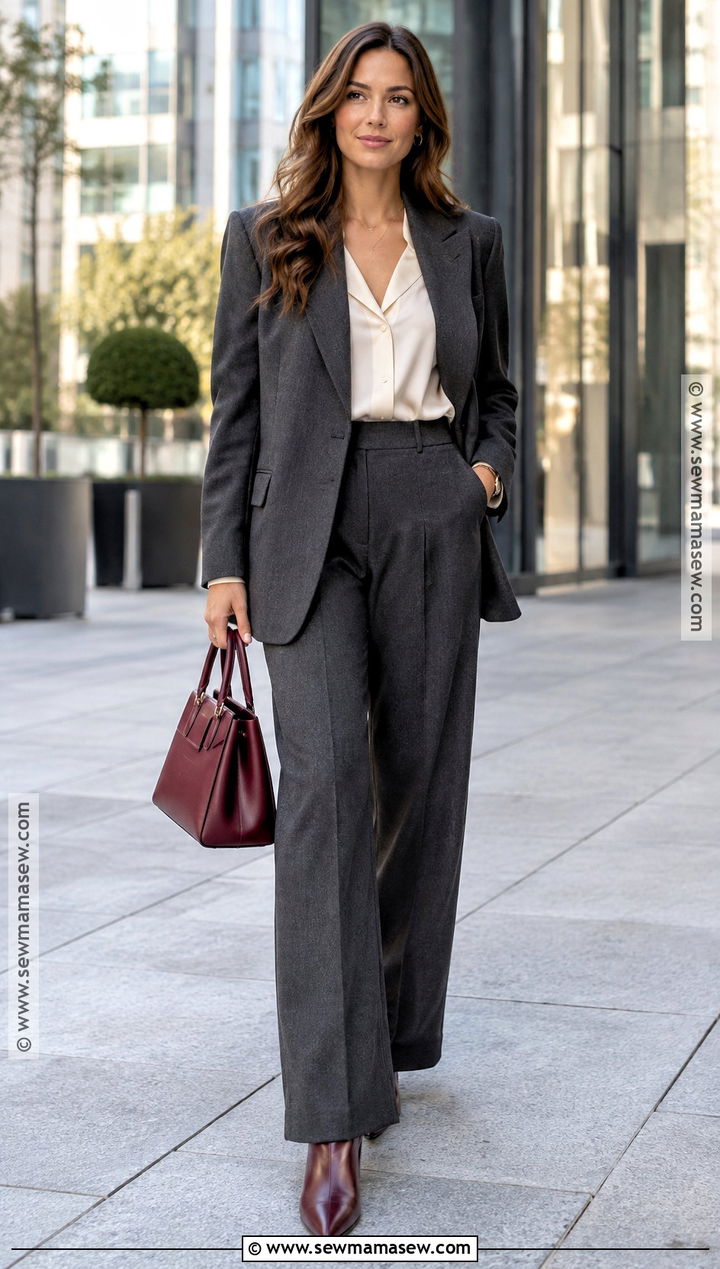
Burgundy boots under a gray suit add color without making the suit look less serious. I go for sleek ankle boots with a pointed or soft square toe, charcoal wide-leg trousers and a matching relaxed blazer, with a cream silk blouse, light turtleneck or white tee underneath depending on the day. Repeat the burgundy once, in a belt or the bag, and stop there. Two matching accessories start to look planned. Silver jewelry keeps it cool and gold warms it up. With cropped trousers, I always add fine charcoal or burgundy socks, because a strip of bare ankle between a suit hem and a boot looks like a mistake.
11. Slouchy Boots With Boho Midi Dress
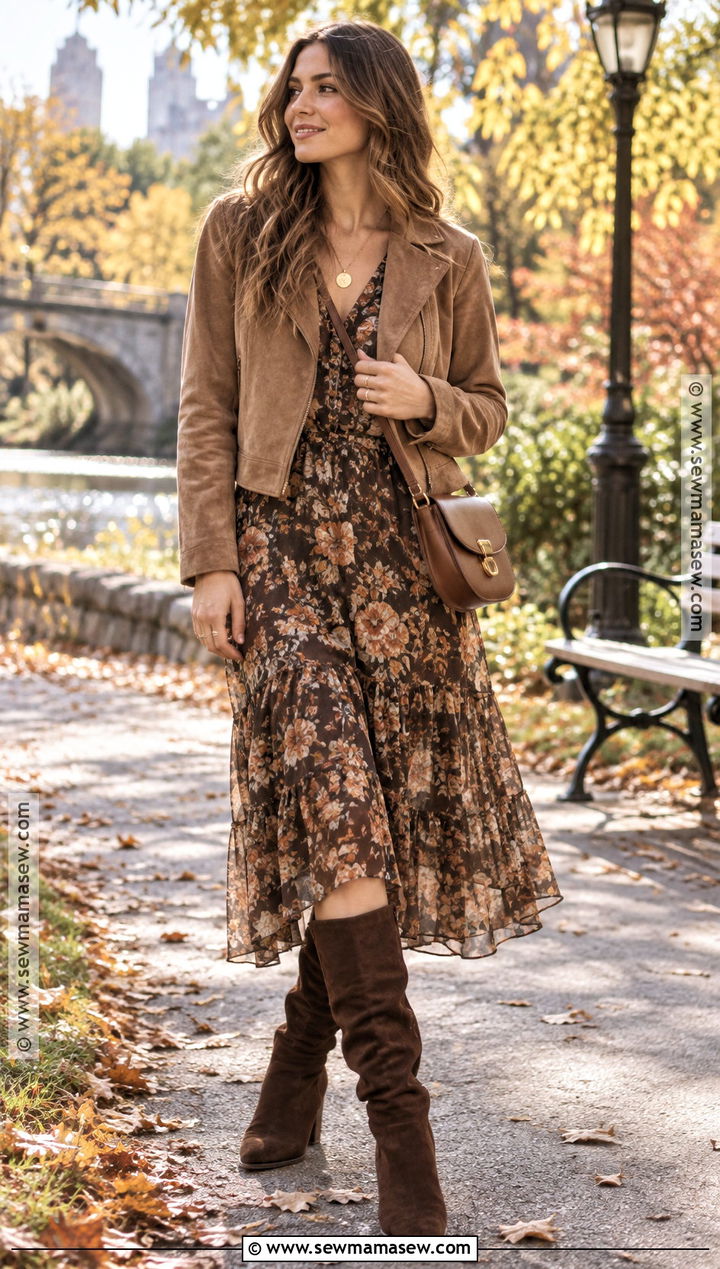
Slouchy suede boots and a flowing midi dress are the relaxed, bohemian pairing here, and they give good coverage on a cool day. I pick a long-sleeved dress in a floral, paisley or solid earth tone with some movement in the skirt, then add tan or chocolate boots with a softly folded shaft and a low stacked heel. A cropped suede jacket marks the waist; a long cardigan is the softer option. Keep the dress hem a few inches above the boot top. Without that gap, the slouch and the skirt merge and the outfit looks heavy from the knee down. A felt hat is optional, and I'd only add it if you'd wear one anyway.
12. Combat Boots With Cargo Pants
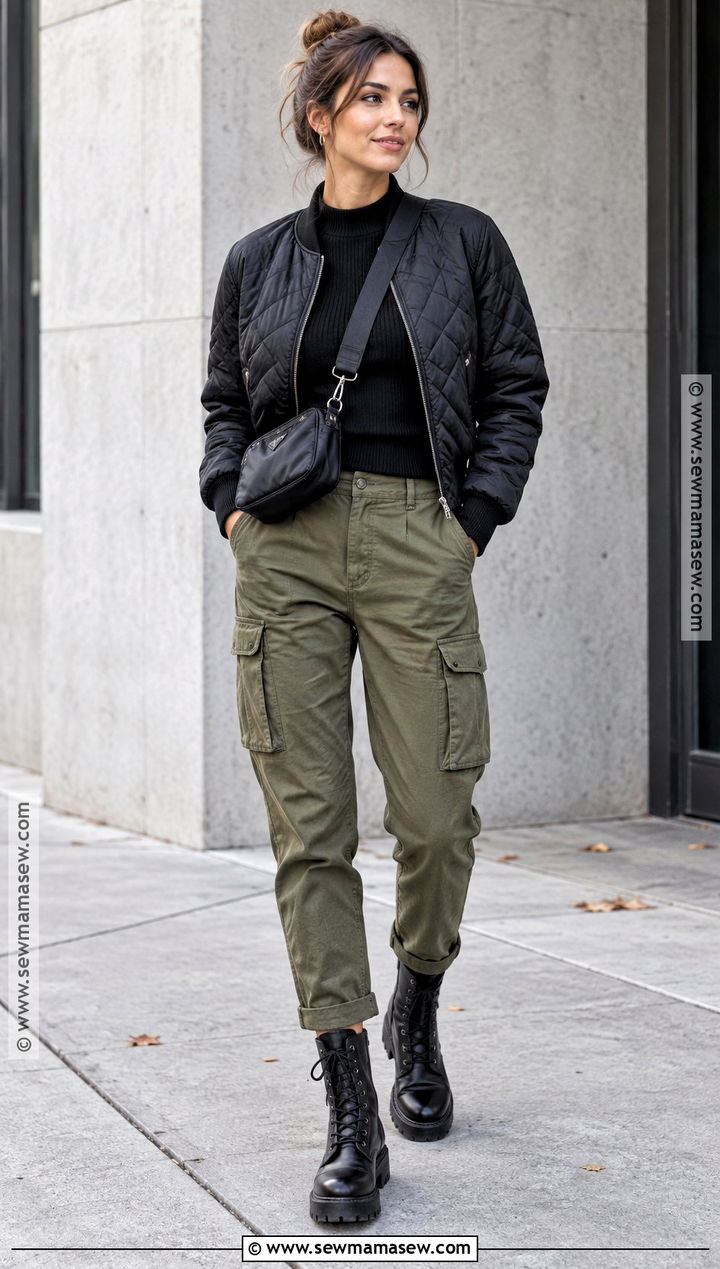
Combat boots and cargo pants make a practical outfit for long walking days. I look for black lace-ups with a supportive sole and pair them with olive, khaki or charcoal cargos. The hem is the part people get wrong: wide cargos pile up on the boot tongue, so I choose a tapered or cuffed leg, or tuck them into the boot. A fitted rib sweater balances the bulk below, and a cropped bomber, quilted jacket or utility coat goes on top. If a chunky boot feels like too much, a moderate lug sole gives the same grip without the extra height. Leather combat boots also mold to your feet over the first few weeks, so expect a short breaking-in period.
13. Sock Boots With Column Skirt
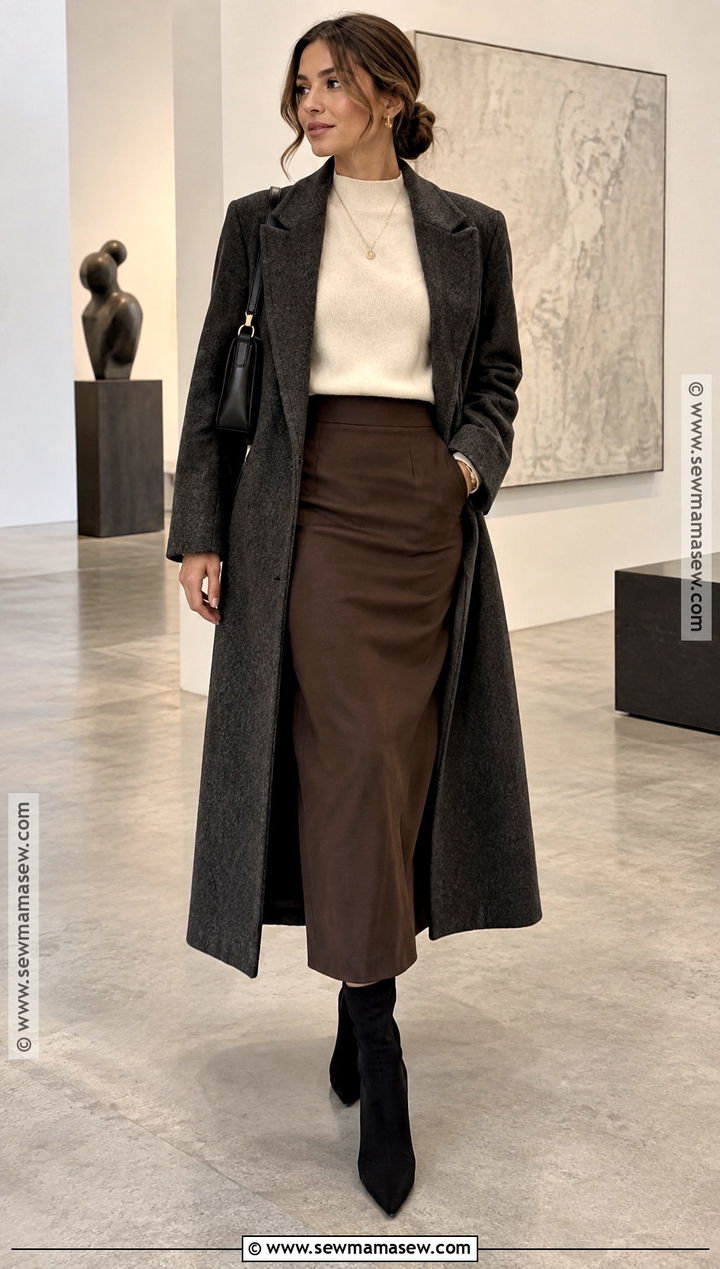
Sock boots are made for column skirts. The close stretch upper sits flush with the leg, so the skirt and boot read as one line. I wear a black pair with a pointed toe and slim block heel, under a straight midi or maxi in charcoal, cream or chocolate, with a fitted sweater tucked in. The coat should follow the same narrow shape; a puffy or boxy coat breaks the column in half. The detail I always check is overlap: the skirt hem should cover the top of the boot by an inch or so, standing and walking. Stretch uppers also show every crease at the ankle, so these suit narrower feet better than wide ones.
14. White Boots With Trench Coat
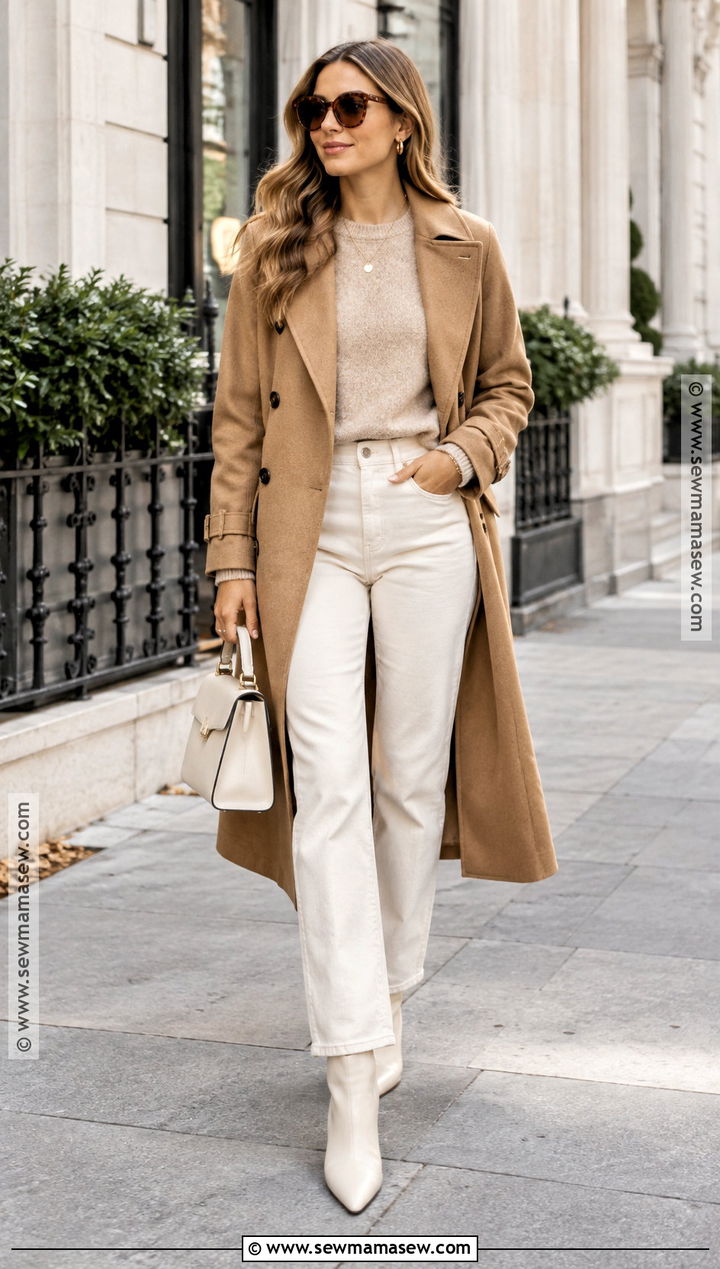
Pale boots lighten a fall wardrobe full of dark neutrals. I start with ecru straight jeans and a soft beige sweater, then add a camel trench for contrast. Almond or pointed toes with a mid-height heel keep cream boots from looking like summer shoes. A cream bag holds the palette together, and tortoiseshell sunglasses and gold jewelry warm it up. On wet days, smooth leather or a good leather alternative is the only sensible choice in a pale shade, since it wipes clean; pale suede marks permanently in rain and on muddy pavements. Let the jeans end near the boot opening so nothing crumples at the ankle.
15. Lug-Sole Boots With Leggings And Puffer
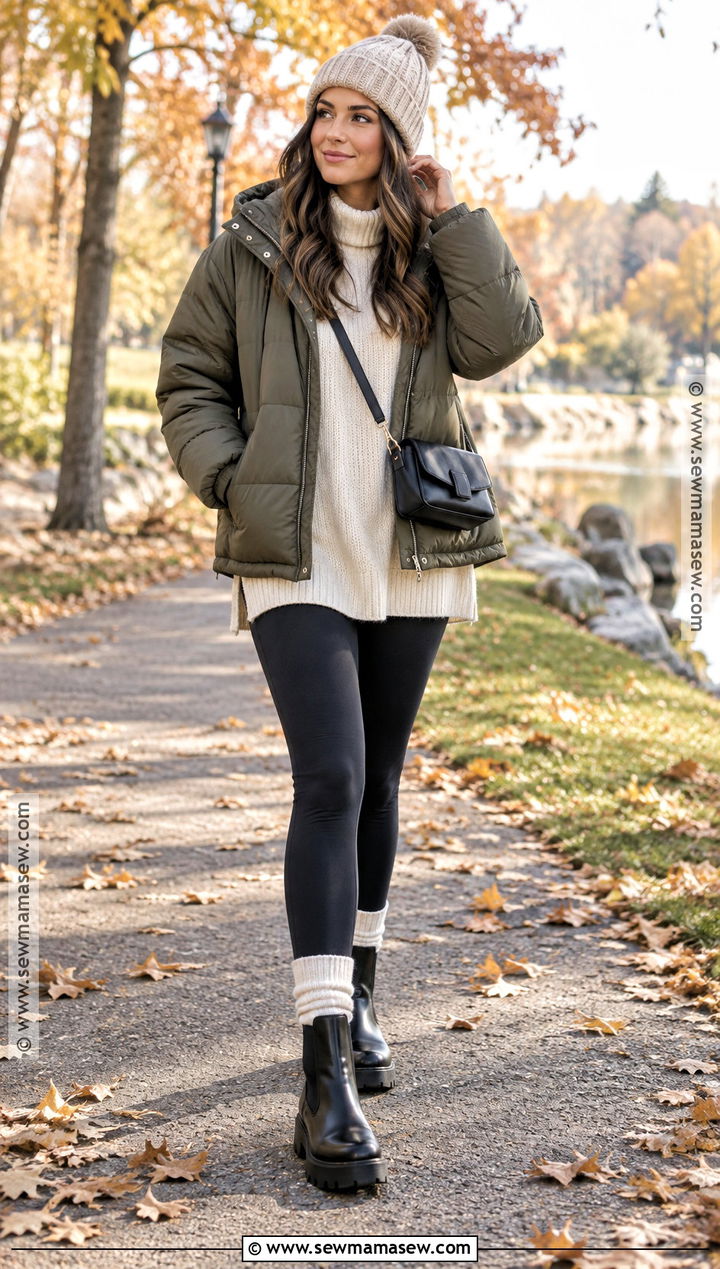
On cold, wet days I'd pick grip and warmth over everything else. Black lug-sole Chelsea boots, thick black leggings and a longline knit that covers the hips are the base, with a hip-length quilted puffer in olive, taupe, navy or burgundy for color and wind protection. Tall ribbed socks can show slightly above the boot for warmth and texture. A crossbody bag or small backpack keeps your hands free, and a knit beanie finishes it. I'd choose a boot with a slim shaft here, because a wide shaft on fitted leggings makes the foot look oversized. Deep lugs also collect gravel and mud, so a quick rinse after a muddy walk keeps the rubber from cracking.
Heel Height for Days Spent on Your Feet
Several boots here come in heeled versions, and the heel shape matters more than the number. A block heel spreads your weight and copes with grates and gravel; a kitten heel is low but narrow, so it can wobble on uneven paving. For a full day of walking, I keep heels under about two inches and look for a rubber heel tip rather than hard plastic, which slips on wet stone.
If you stand all day, put a thin cushioned insole in before the first wear, and check there's still room for your toes to move. Pointed toes are the least forgiving shape on this list; if your feet are wide, an almond or square toe gives the same polish with less pinching.
Waterproofing, Resoling and Storing Your Boots
Good boots can last many seasons if you look after them. Smooth leather wants a cream conditioner every few weeks of regular wear and a wax or spray on the welt and seams before rainy months. Suede needs a protector spray, then a suede brush and an eraser block for marks. When leather boots come in soaked, I stuff them with newspaper and let them dry at room temperature, away from radiators, because direct heat cracks the leather.
- Resole leather-soled boots at a cobbler before the sole wears through to the welt; replacing just the heel tip is a cheap, quick repair.
- Store tall boots upright with boot shapers or rolled magazines inside, so the shafts don't crease and fold over.
- Clean off road salt the same day with a damp cloth. Left on, it leaves white tide marks that are hard to remove.
A Black Ankle Boot and One Tall Pair Go a Long Way
This season had both statement boots and quiet ones. Moto, riding, Western, over-the-knee and leopard pairs were the bold side; Chelsea, sock, square-toe and kitten-heel boots were the ones that go with nearly anything. What made each outfit above work was the same handful of checks: where the hem lands, how the shaft fits the calf, whether the boot can handle the weather and whether you can walk in it all day. If I were buying for the first time this fall, I'd get one black ankle boot you can wear four days a week and one tall pair in brown or black, then add a statement boot only once those two are earning their keep.
Related posts: