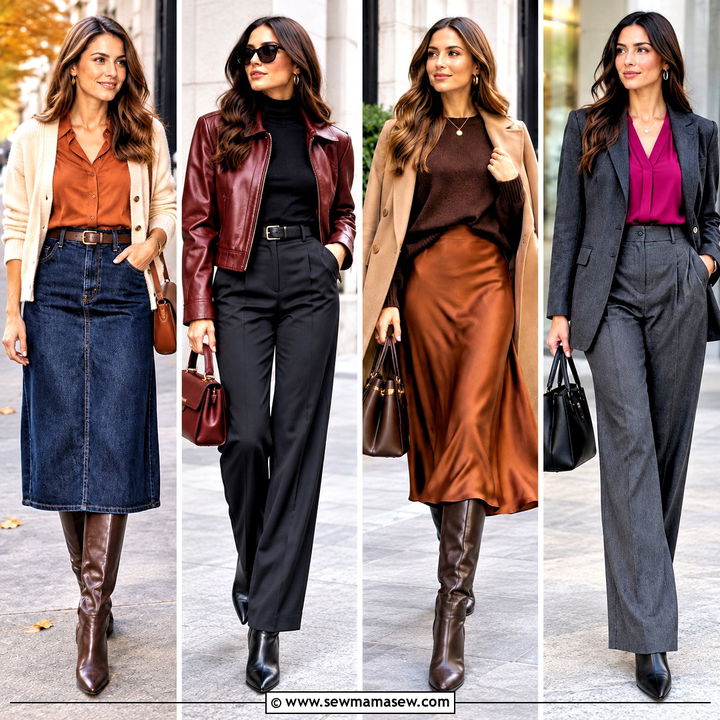
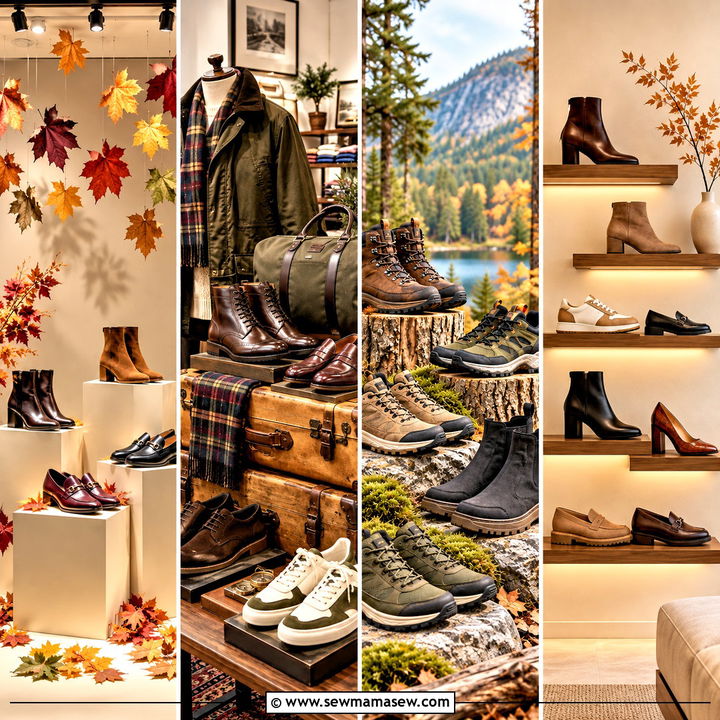
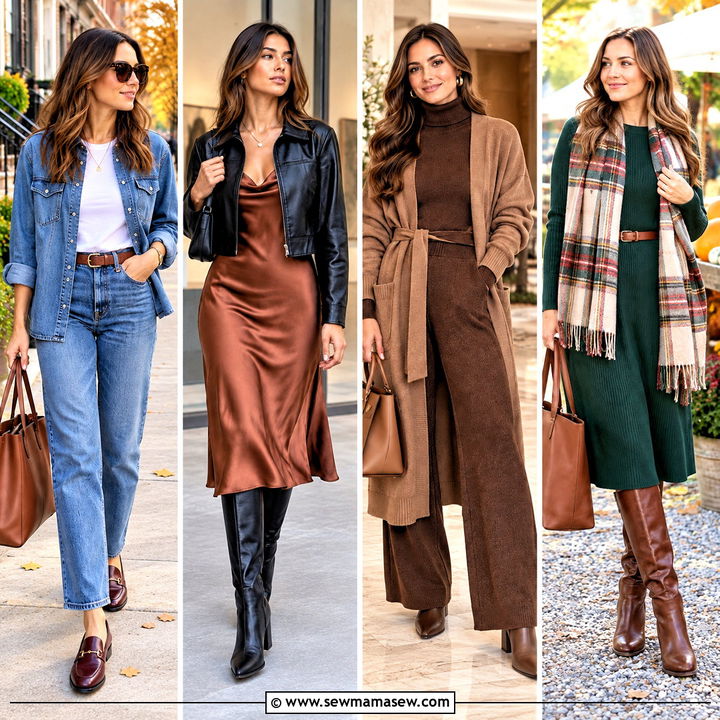
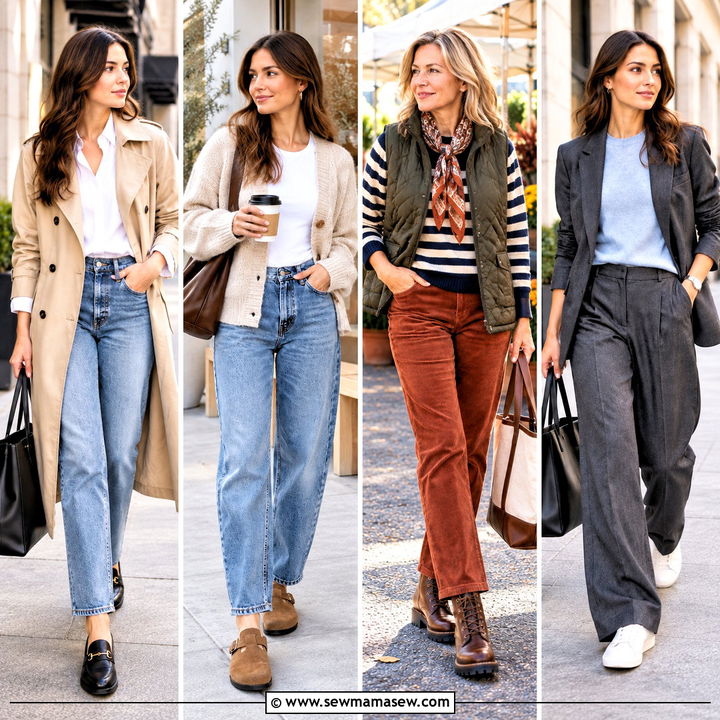
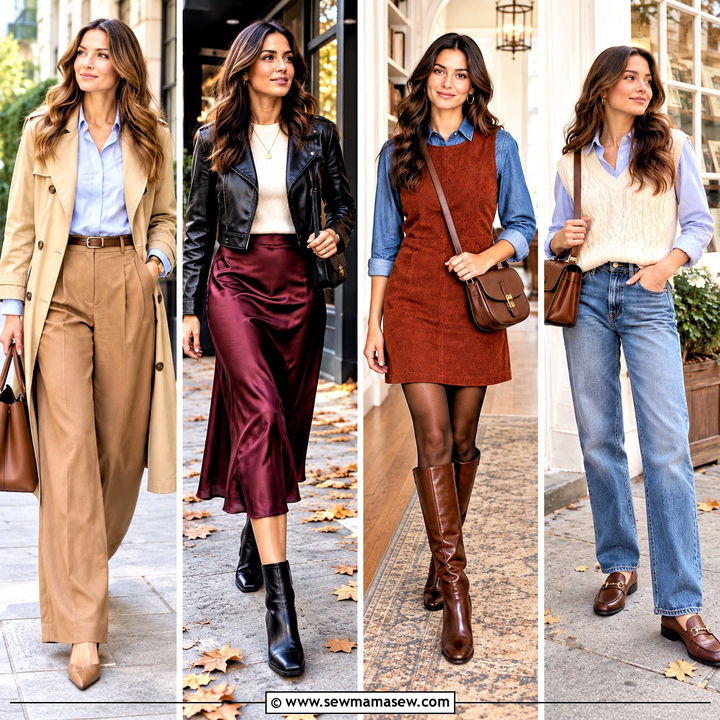
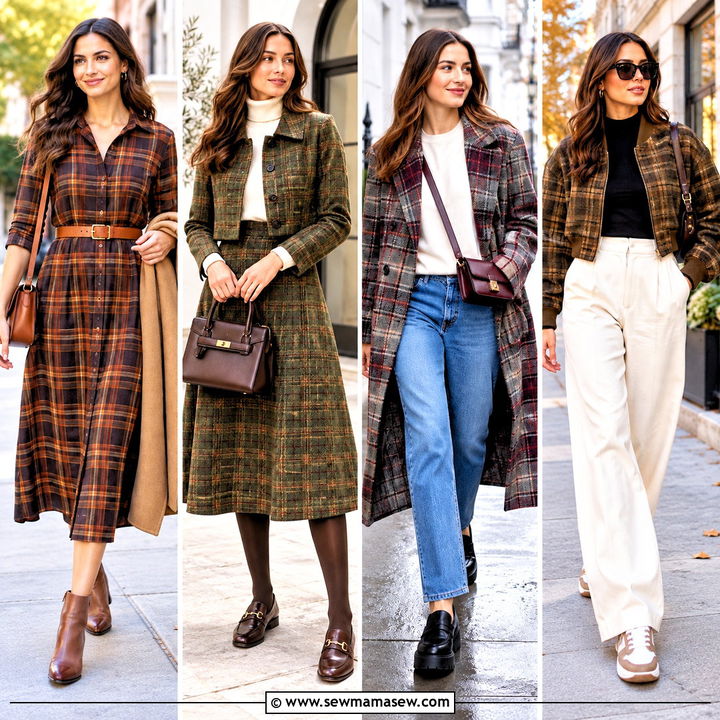
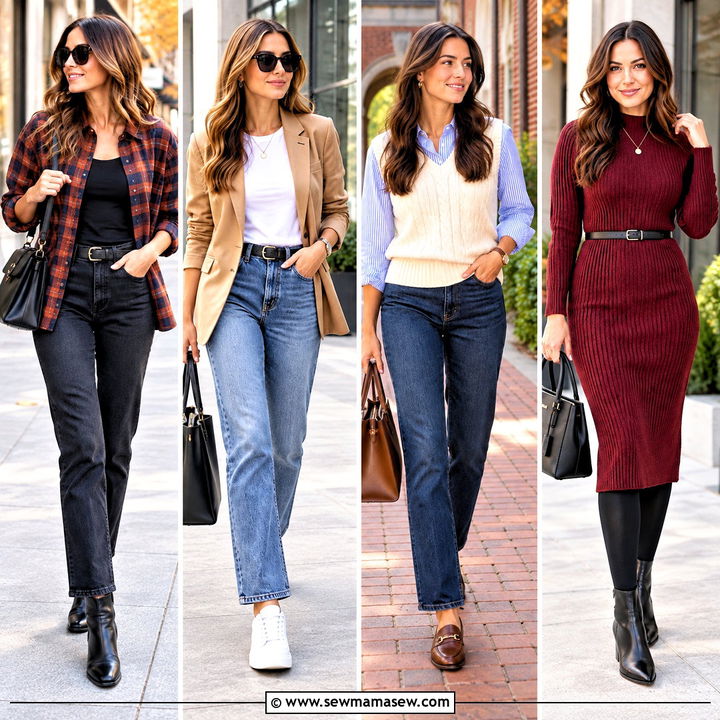
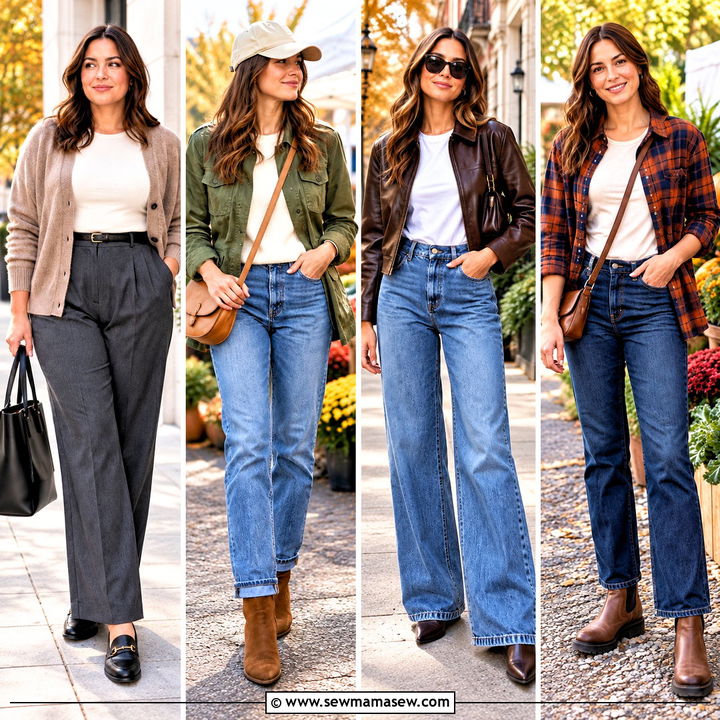
A fall display has one job: make a shopper picture herself in the whole outfit, not just admire a sweater on a hanger. When I dress a window or a front table, I think like I'm styling a client. One complete look, every piece in it available within a few steps, and nothing around it competing for attention. Mannequins show how separates go together; the racks and tables beside them make those pieces easy to find in a size. A clear color story, a few different heights and some empty space do more for autumn stock than any amount of pumpkins and leaves.
The fifteen setups below work in a boutique window, an entry table, a market booth or a small showroom, and each one comes with the styling details I'd check before stepping back.
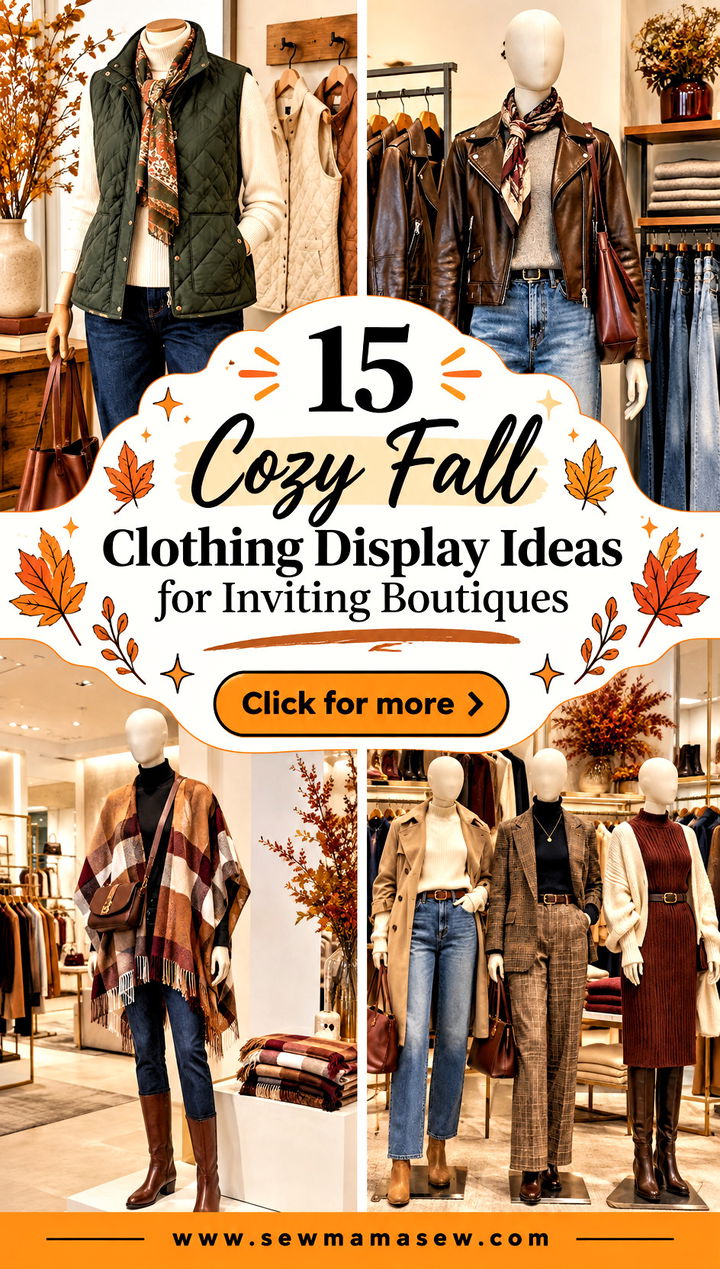
Dressing a Mannequin So the Clothes Look Worn
Most flat-looking displays fail for the same reasons: the clothes don't fit the form, they're creased from the box, or they hang with no sign that a body is inside them. I work through the same short routine on every form before I think about props.
- Steam everything on the mannequin, not on a hanger. Knits relax onto the shape, and satin and cotton lose their fold lines in place.
- Fit before you pin. If a garment needs more than a small tuck at the back, it's the wrong size for the form. Heavy pinning shows through thin knits as pulls and dimples.
- Dress from the inside out, the way a person would: base layer, bottoms, then the knit or jacket, so every hem and cuff sits in the right order.
- Break the symmetry. One sleeve pushed up, a half tuck, a scarf off center. Perfectly even styling looks staged.
- Check the shoes. Boots need stuffing so the shafts stand up, and the jean hem should break over them the same way it would on a person.
Then walk out of the shop and look back from the sidewalk, and again from the far side of the room. The display has to read in about two seconds at that distance. If you can't name the main piece from there, there's too much going on.
1. Neutral Knitwear Fall Clothing Display
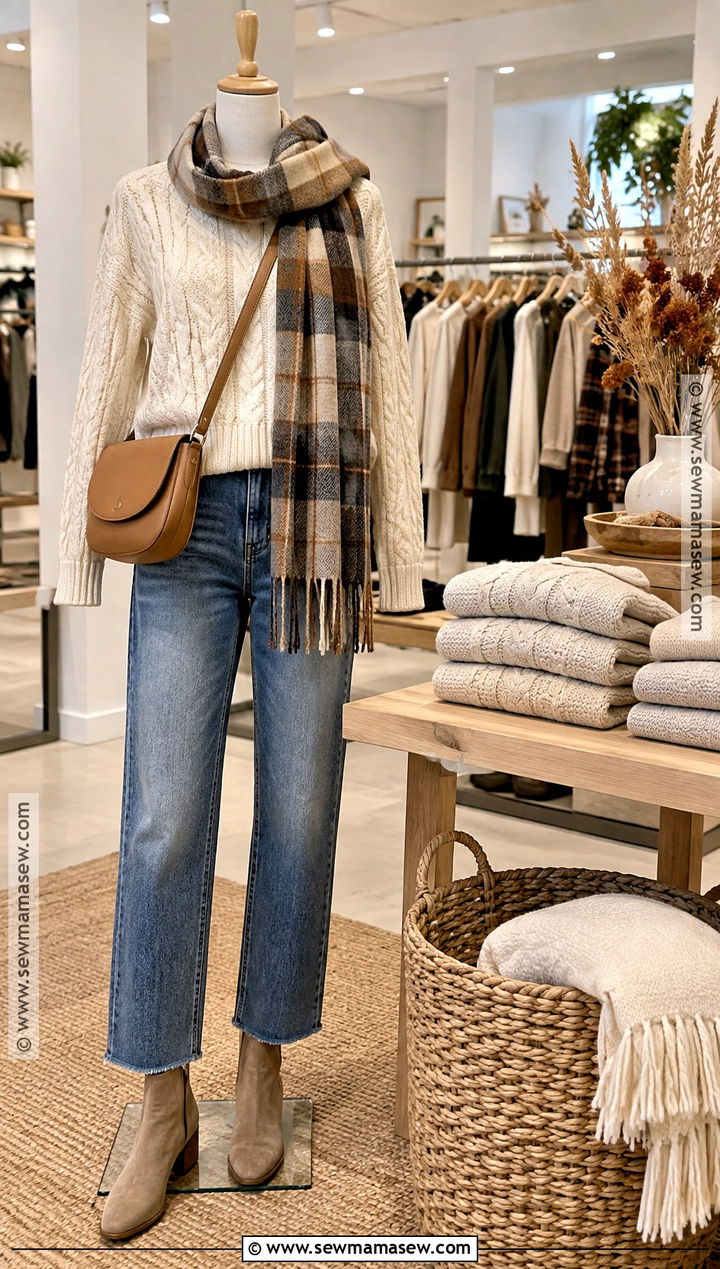
Neutral knitwear is the safest opening display of the season, and the easiest to get flat and boring. The fix is a relaxed front tuck on the cream cable-knit, so the mannequin looks like someone actually got dressed rather than had clothes placed on her. Straight blue jeans, taupe ankle boots and a camel crossbody complete the outfit, with a plaid scarf loose over one shoulder for the only pattern. Next to it, stack sweaters in cream, oatmeal and soft gray on a light wood table. A woven basket and a couple of wooden risers give texture. Keep the backdrop pale, and put the actual jeans, boots and bags close by so nobody has to hunt for them.
2. Camel Coat Fall Clothing Display
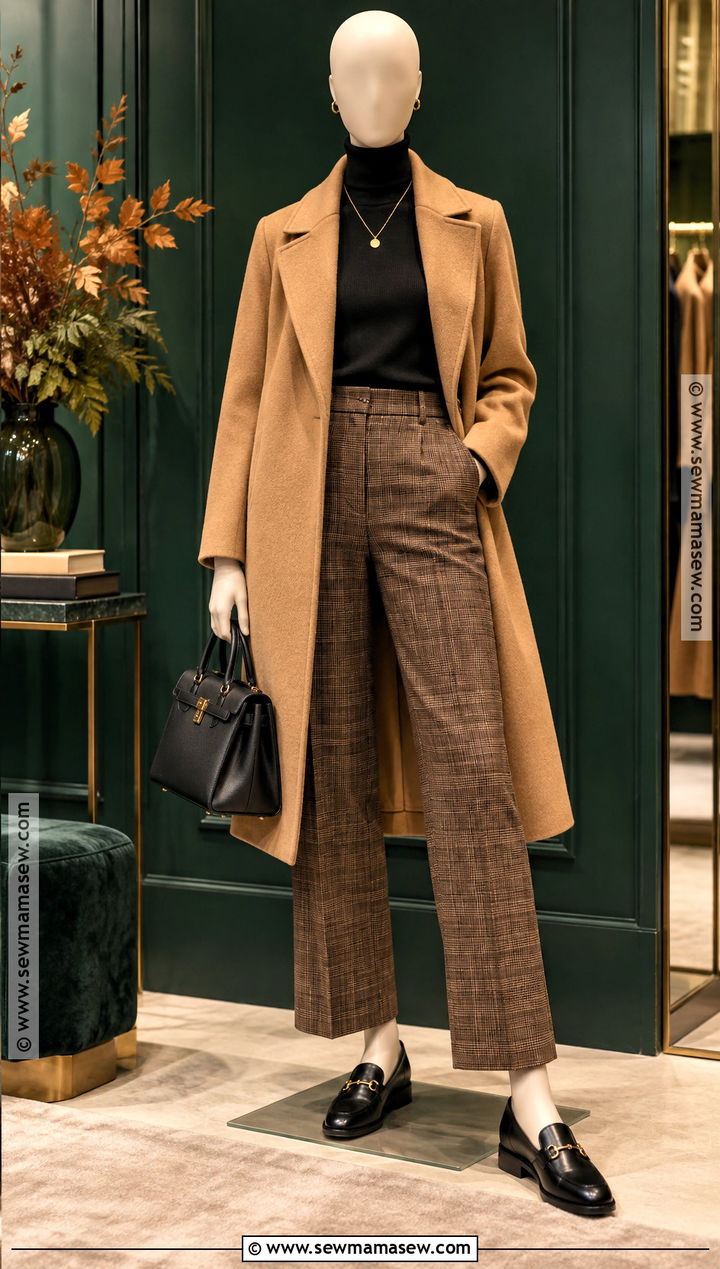
A camel coat pulls the eye from across a room, so I build the window around it and keep it open to show what's underneath: a fitted black turtleneck, brown plaid trousers, black loafers, a structured handbag and small gold-tone jewelry. A deep forest-green backdrop warms the camel without pushing it toward orange, which a red or rust wall tends to do. Turn the mannequin a few degrees off square from the glass. Facing straight out, a coat looks like a flat rectangle; angled, you see the lapel, the drape at the side and how the trousers break over the shoe. A low wooden bench in front holds folded turtlenecks and a second bag.
3. Cardigan And Midi Skirt Fall Clothing Display
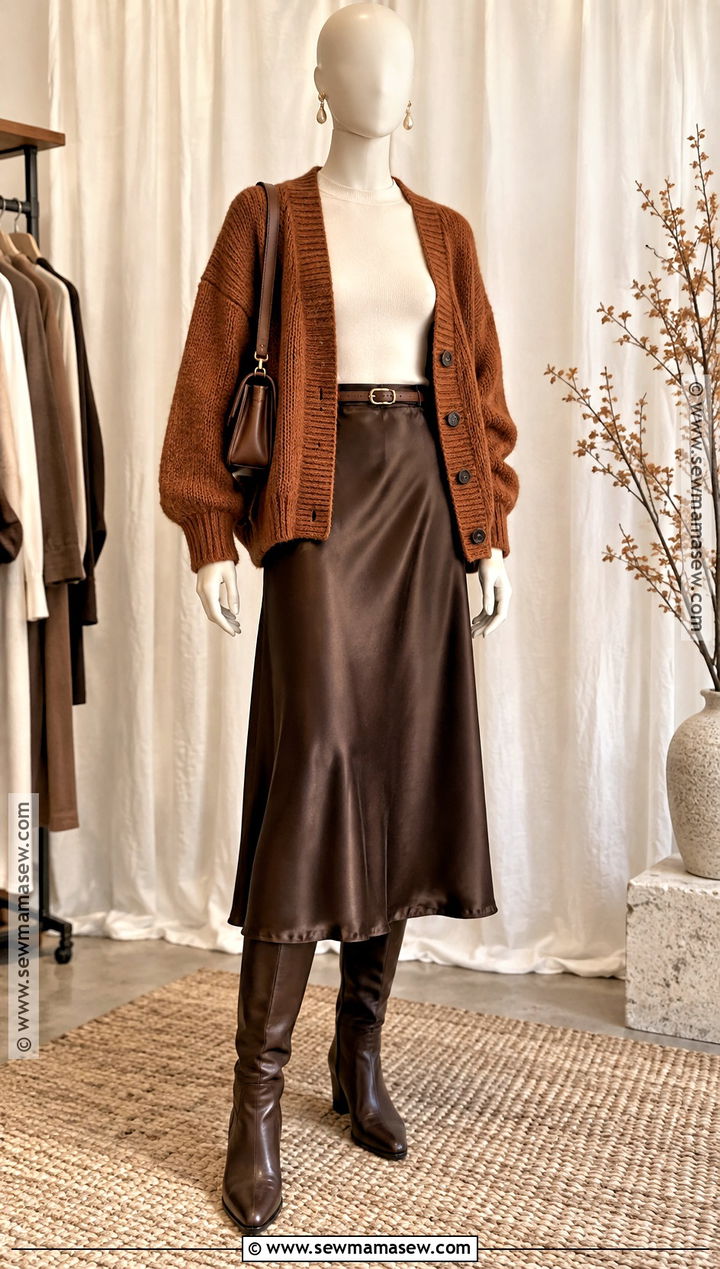
Satin and knit together give this display movement, which is why I like it near a door where air shifts as people come in. Dress the mannequin in an oversized rust cardigan over an ivory fitted top, a chocolate satin midi skirt and brown knee-high boots. Then decide on the waist: a slim leather belt, or just the middle buttons fastened. Satin shows every crease, so steam the skirt in place on the form rather than before dressing it. A small shoulder bag and fine earrings finish it. Hang alternative cardigans and skirts on a rack graded light to dark, and stop at one ceramic vase with a few dried branches on the base. More props start hiding the hem.
4. Sweater Dress Fall Clothing Display
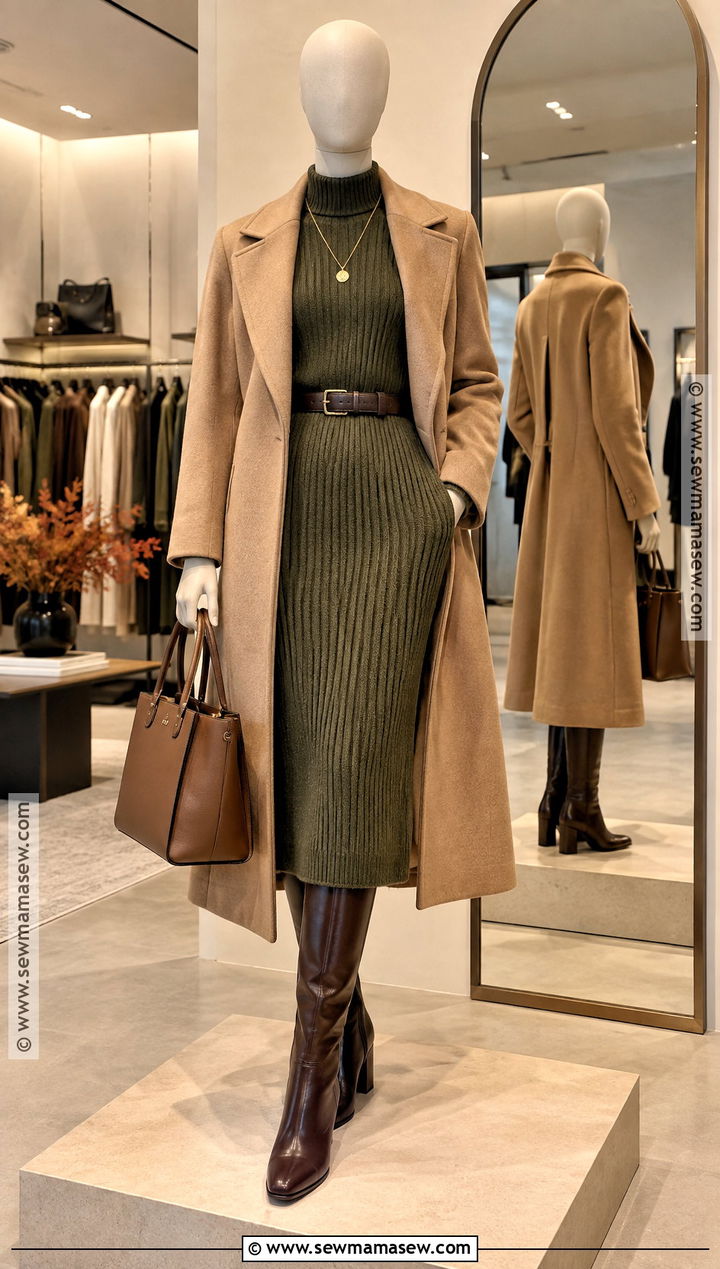
A sweater dress sells itself as a one-step outfit, and the display should make that obvious. Pick a ribbed midi in olive, burgundy or camel, then add tall leather boots, a long wool coat, a structured tote and a plain pendant. I like showing it belted on the mannequin with an unbelted one hanging next to it, because customers often can't picture what a belt does to a rib knit until they see both. A low fabric-covered platform and a full-length mirror behind make a small corner feel bigger. Light it from slightly to the side rather than straight on; side light picks out the ribbing, while direct overhead light flattens it.
5. Shacket And Leggings Fall Clothing Display
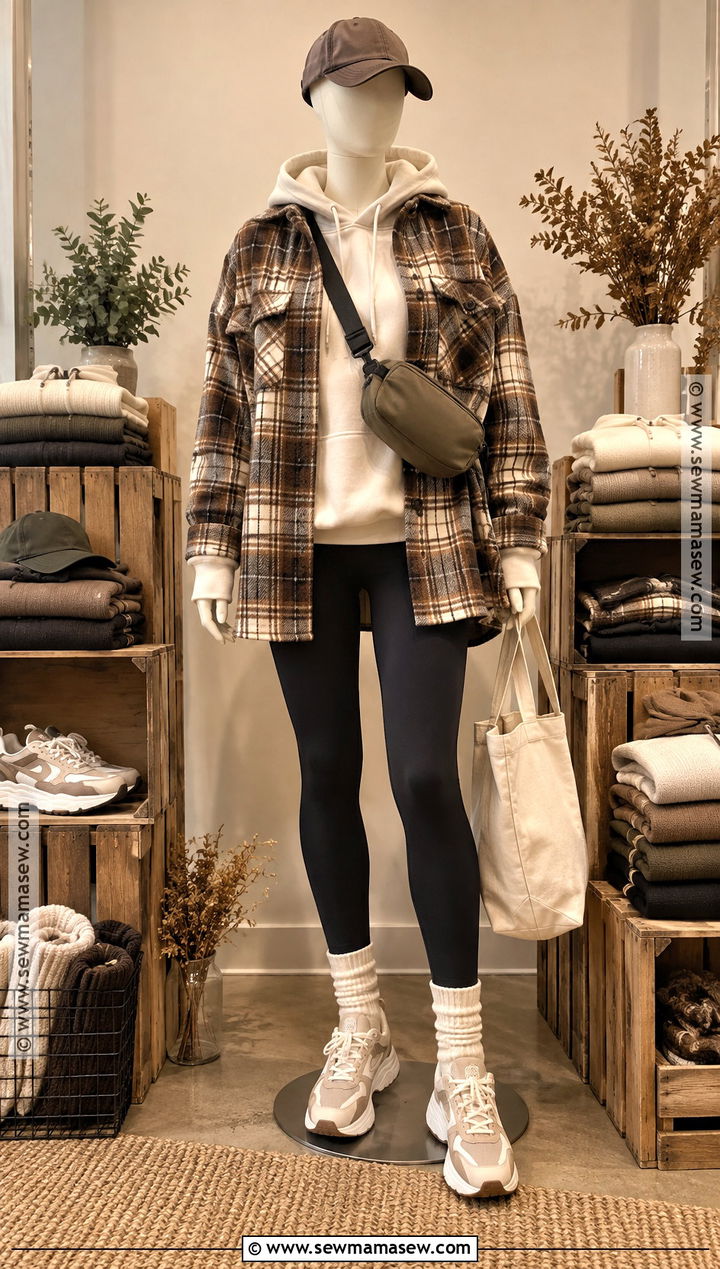
Casual boutiques sell a lot of weekend layering, and a shacket display shows the formula in one glance. Style the mannequin in a cream hoodie under an oversized brown plaid shacket, black leggings, ribbed socks and chunky neutral sneakers, with a canvas tote, a cap and a small crossbody pouch. Roll the hoodie cuffs so a little shows past the shacket sleeve; that visible layer is what tells people how the pieces stack. Stacked wooden crates hold folded leggings and hoodies at different heights. Keep the floor in front clear so the sneakers can be seen. A soft beige or muted sage backdrop keeps the whole thing fresh rather than rustic.
6. Quilted Vest Fall Clothing Display
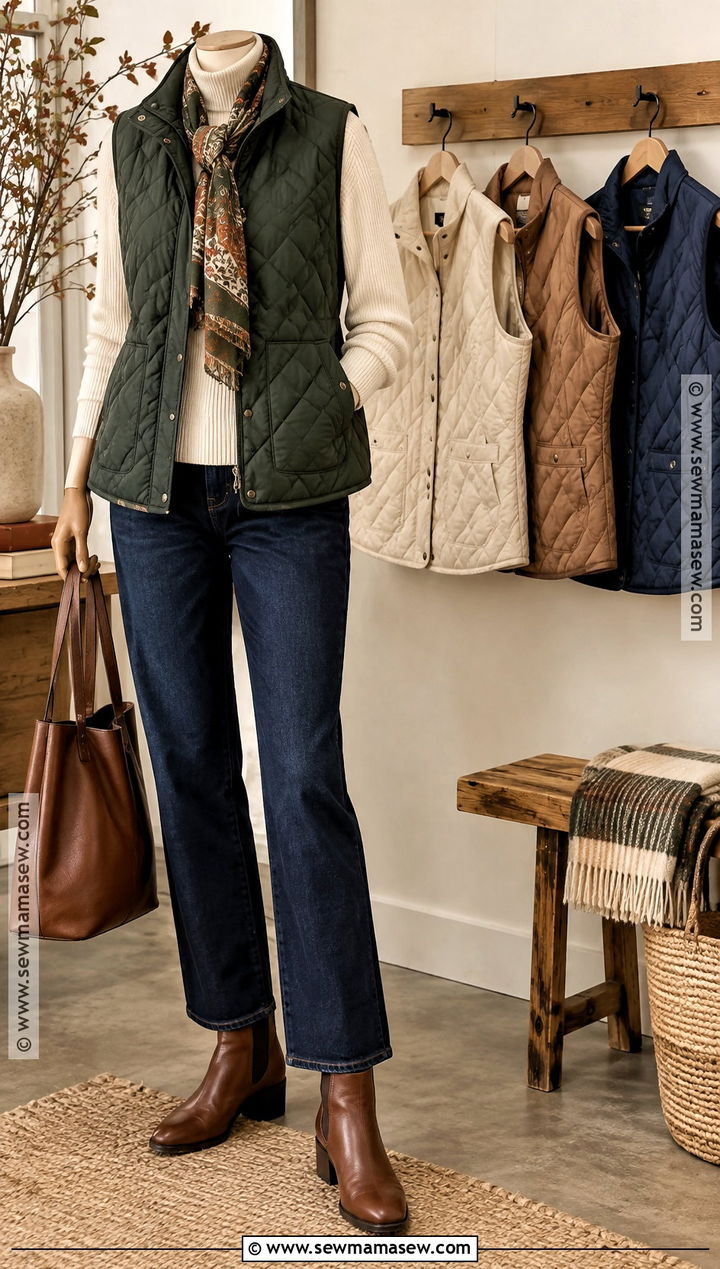
A quilted vest is one of the easiest pieces to add on at the register, provided shoppers see it styled over something warm. Here it's forest green over a cream mock-neck sweater, dark straight jeans and chestnut ankle boots, with a patterned scarf and a medium leather tote. Leave the vest unzipped so the knit and scarf show. Behind the mannequin, a simple peg rail can hold the vest in its other colors, with matching sweaters folded on a narrow shelf beneath. Putting the vest, sweater and scarf side by side means one customer can pick up the full look at once. A single tall branch arrangement balances the height without adding clutter.
7. Trench Coat And Knit Set Fall Clothing Display
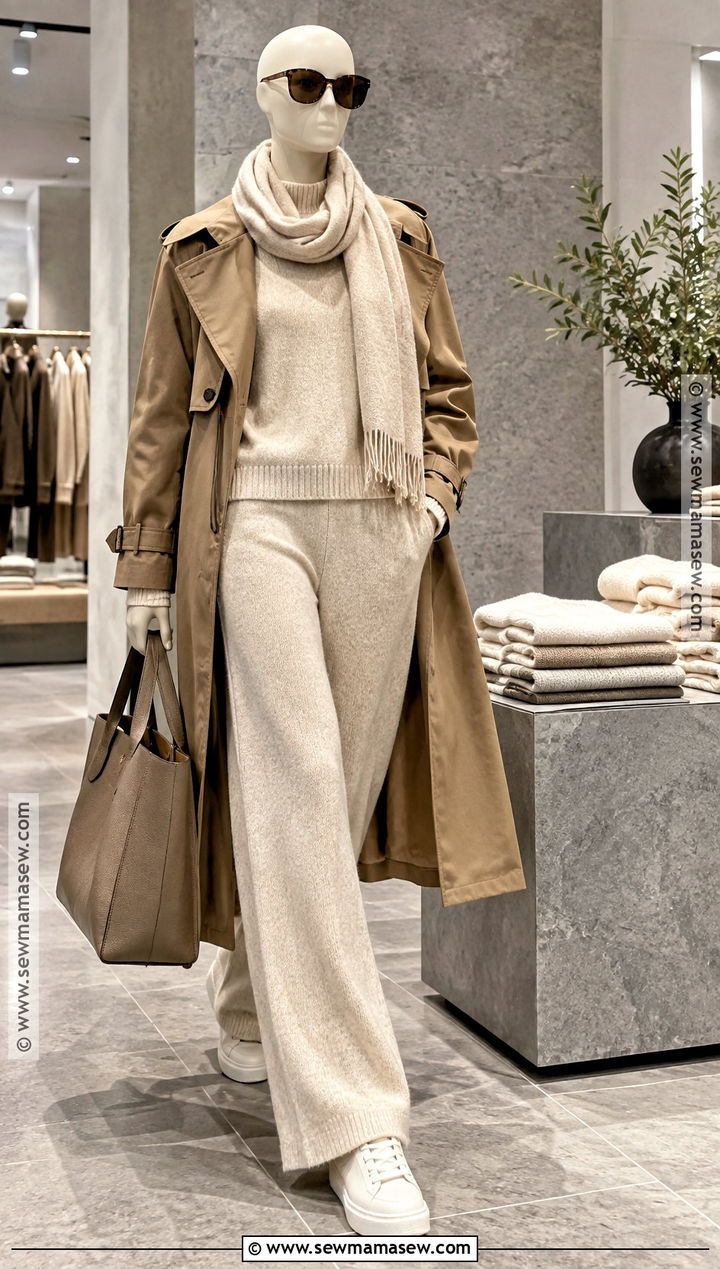
Pairing a trench with a matching knit set shows soft clothing looking deliberate, which is exactly what travel and work-from-anywhere shoppers want to see. Start with an oatmeal sweater and wide-leg knit pants, then put a khaki trench over them, open. White leather sneakers, a roomy tote, sunglasses and a light scarf finish it. A walking pose matters here: wide knit pants and a long coat hang dead on a static form but show their drape when one leg is forward. Fold knit sets on a nearby table and give shoes and bags their own risers. A stone-gray backdrop with almost no props keeps the mood modern.
8. Leather Jacket Fall Clothing Display
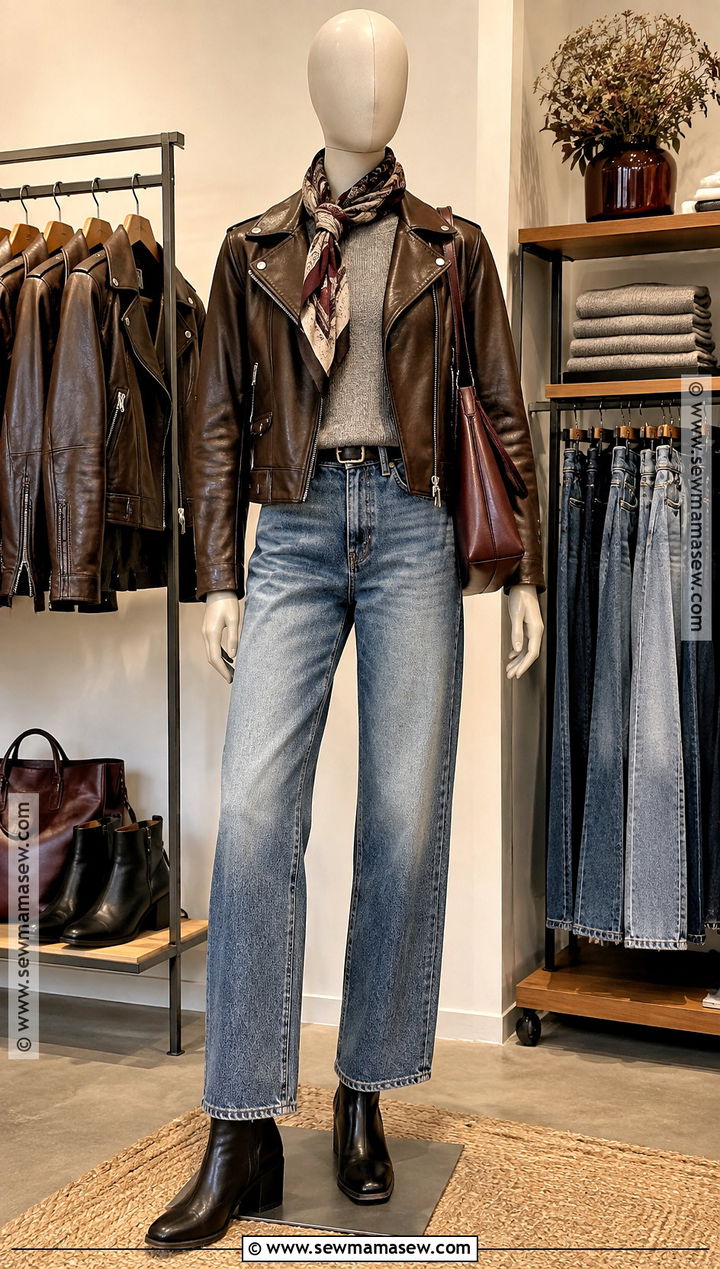
A leather jacket looks harder on a mannequin than on a person, so I soften it on purpose with a heather-gray crewneck, high-rise vintage-wash jeans, black ankle boots, a burgundy shoulder bag and a subtle printed scarf. Leave the jacket half open and push the sleeves up a little; mannequin arms are straight and stiff, and slightly crumpled sleeves make the leather look broken in rather than new. A matte cream backdrop lets the dark pieces stand out. Use a narrow metal rack for coordinating jackets and jeans, with one low pedestal for boots and another for bags. Every item should be easy to find in the next section over.
9. Corduroy Jacket Fall Clothing Display
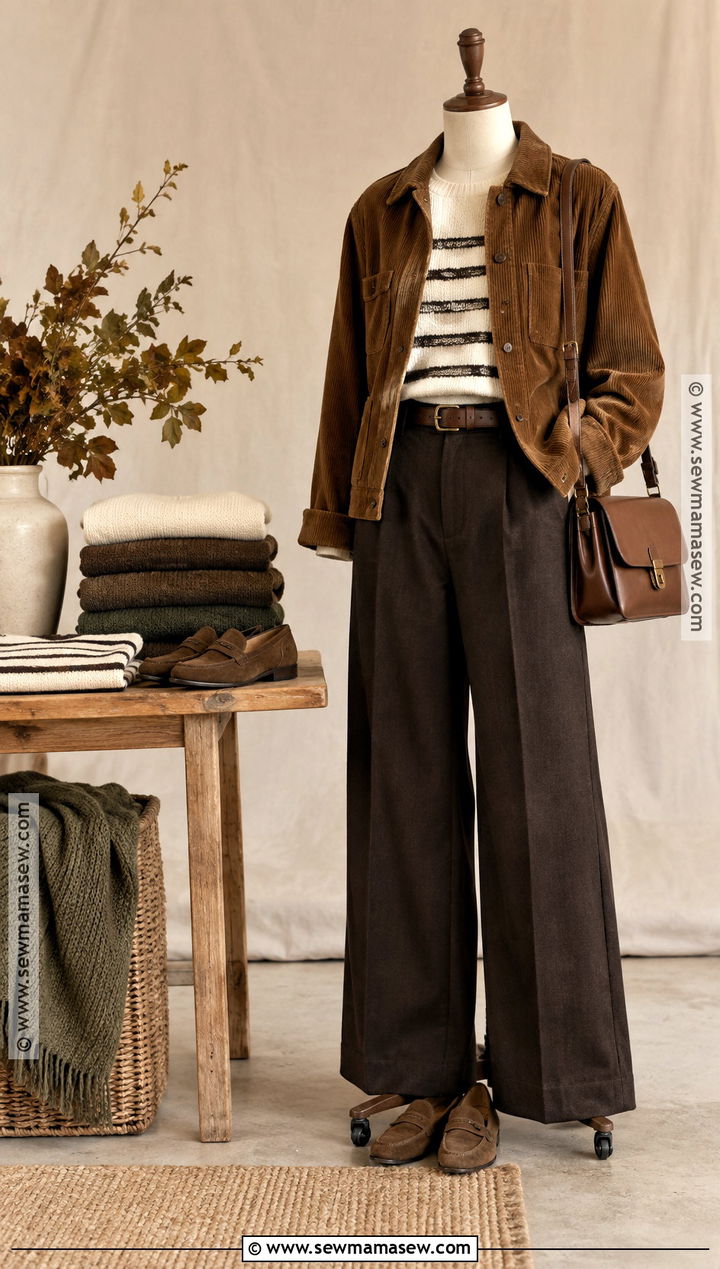
Corduroy reads best in raking light, so this is a display to place where side light can hit it. Choose a rust or tobacco cord jacket over a cream striped knit top, with dark wide-leg pants, suede loafers, a leather belt and a structured satchel. Cuff the jacket sleeves once to show the knit. Rather than adding autumn decorations, repeat the outfit's colors in the folded stock: cream tops in one stack, olive pants in another, rust jackets in a third, all on a wood table. A canvas backdrop and small blocks at different heights keep it from looking flat, and grouping by color walks the eye from the mannequin across each product category.
10. Puffer Vest And Flannel Fall Clothing Display
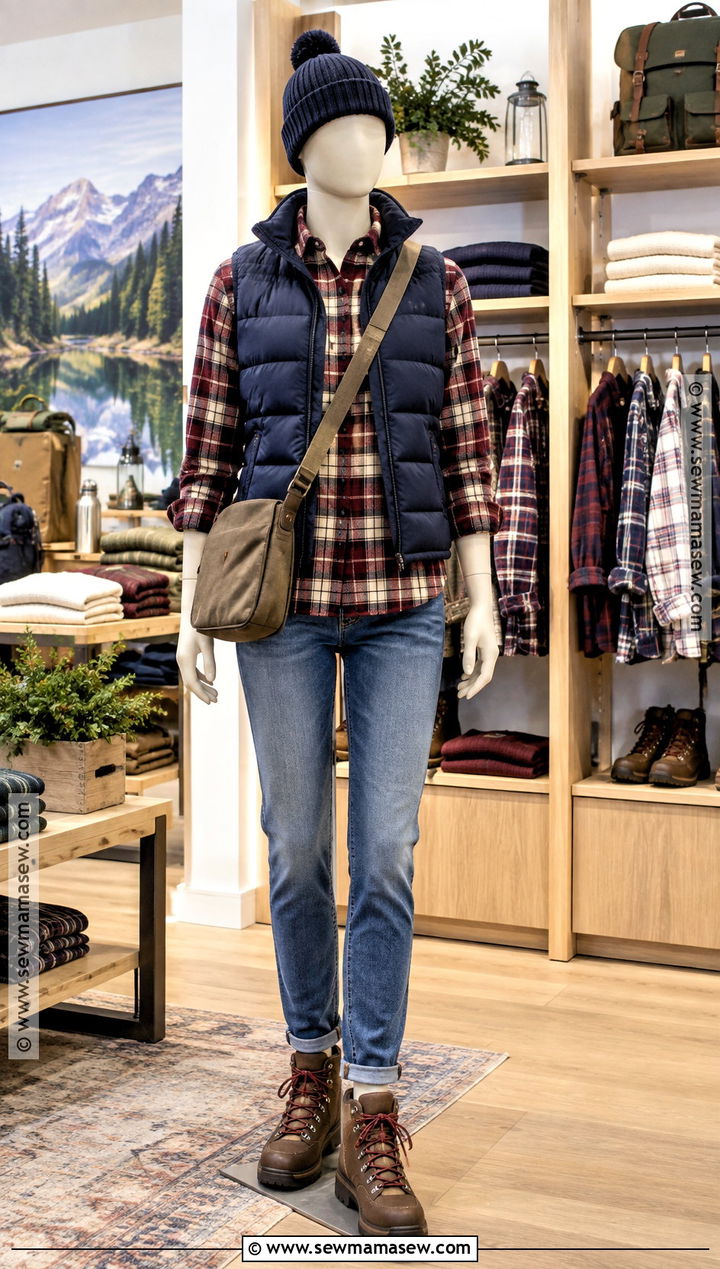
Outdoor-leaning boutiques do well with this one because it shows practical pieces looking good together. Dress the mannequin in a lightweight navy puffer vest over a burgundy-and-cream flannel, medium-wash jeans, lace-up hiking-style boots, a knit beanie and a casual crossbody. Pull the flannel hem a couple of inches below the vest so the layering is obvious. Puffers can look lumpy straight out of a box; I shake and fluff the fill and let it hang a day before it goes in the window. Hang alternate shirts on a wall rail by color, roll jeans into open cubbies and keep boots on a low platform where they can be seen.
11. Blazer And Turtleneck Fall Clothing Display
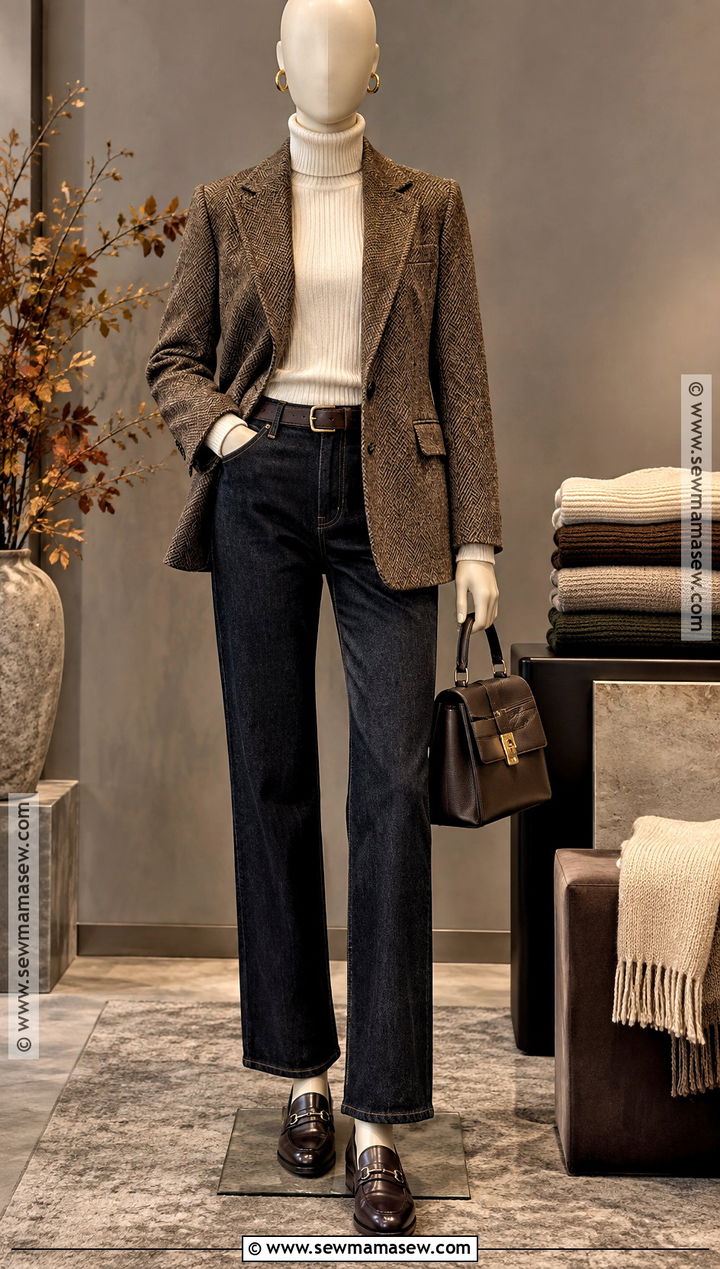
Tailoring can feel cold in a fall window unless something soft sits against it. A brown herringbone blazer over a cream turtleneck does that, with dark tailored jeans, chocolate loafers, a leather belt, a top-handle bag and small hoops. Leave the blazer open and turn back one cuff so the lining shows; that small detail invites people to come in and look closer. If you have room for a second mannequin, put the same blazer with wide-leg trousers. Showing one jacket two ways is the quickest argument for buying it. A navy or warm gray backdrop suits it, with turtlenecks, bottoms and bags on a table nearby.
12. Poncho And Jeans Fall Clothing Display
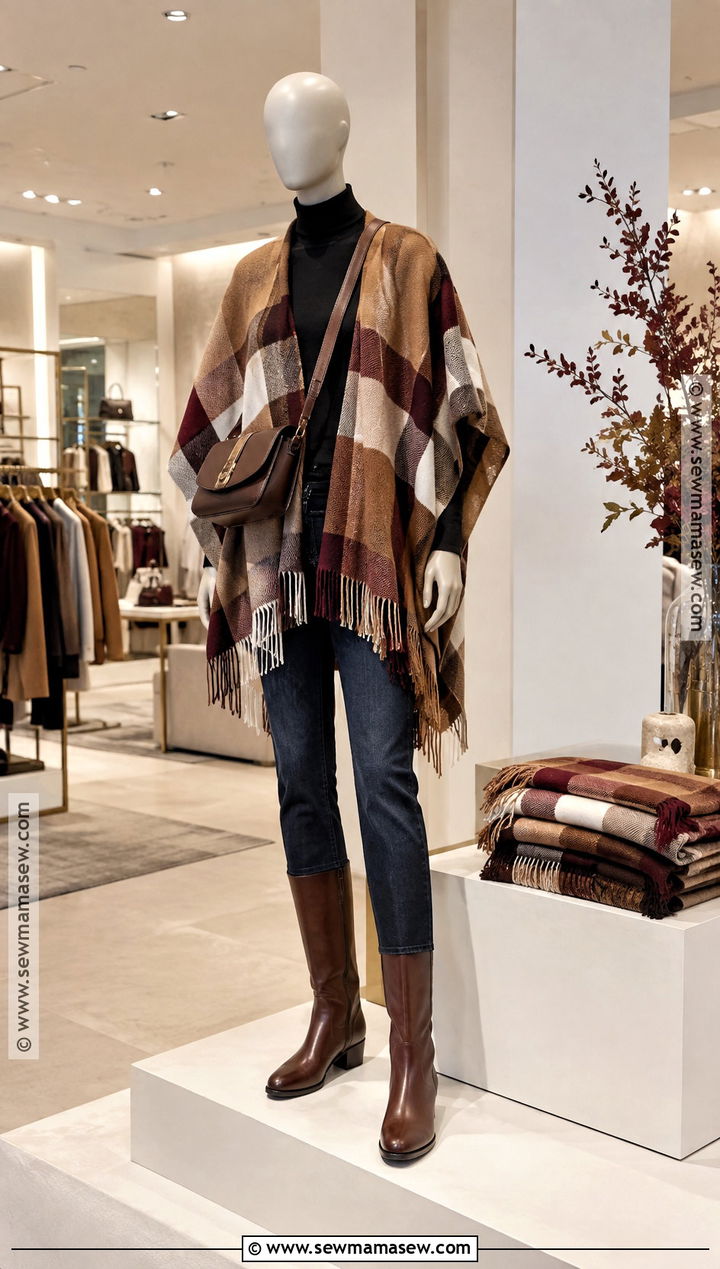
Ponchos are tricky on a mannequin because they hide everything beneath them, so the styling has to work against that. Choose a plaid or color-block poncho in camel, cream and burgundy over a slim black turtleneck and dark straight jeans, with tall brown boots and a structured crossbody. Angle one of the mannequin's arms away from its body so the poncho opens and shows the outfit beneath it. A raised platform keeps the boots visible and stops the hem from blending into the stock behind. Fold ponchos in shallow stacks, a few colors per group. Generous empty space around the form lets people see the shape of the garment.
13. Monochrome Brown Fall Clothing Display
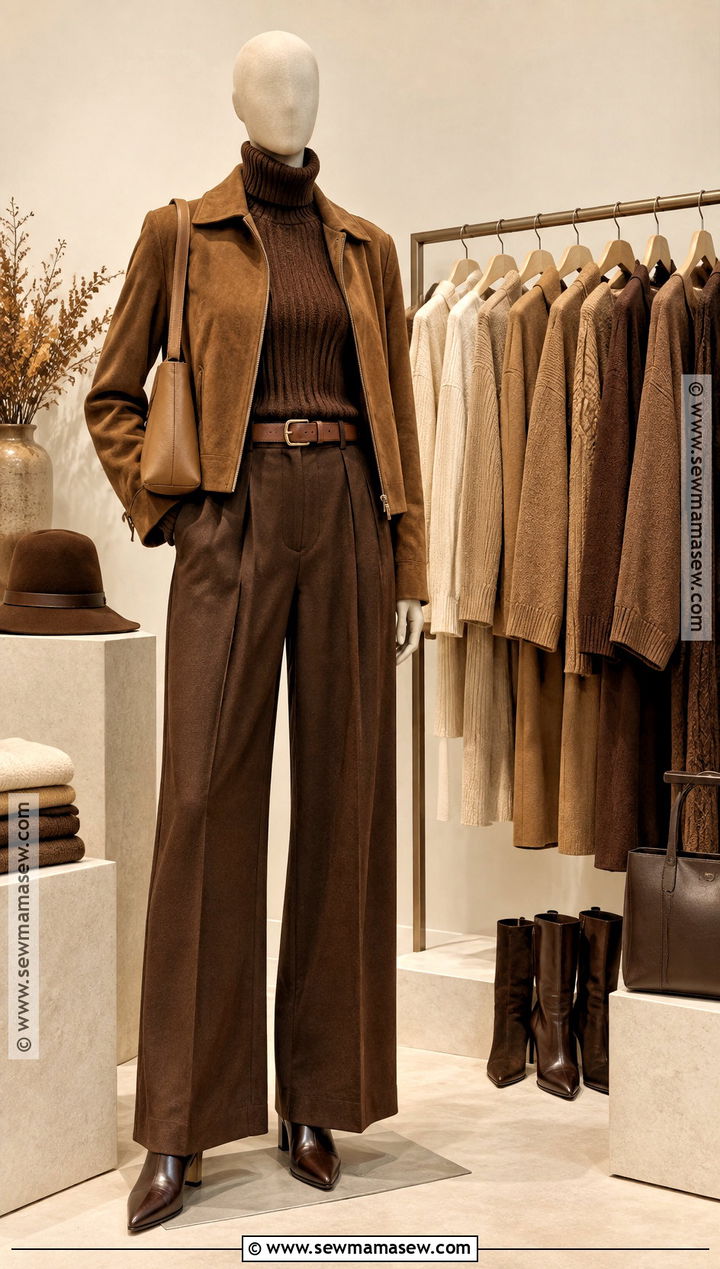
A tonal brown outfit looks seasonal without any themed props, but it only works if the textures change. Here it's a ribbed cocoa turtleneck, a brushed caramel suede jacket, chocolate tailored wide-leg trousers, dark brown pointed boots, a tan shoulder bag and a belt one shade deeper than the trousers. Each surface catches light differently, and that difference is what keeps one color from going flat. A pale cream backdrop gives contrast. On a long table, fold related pieces from light beige to espresso so the gradient continues past the mannequin. A couple of matte ceramic props are enough, with plenty of air around the outfit.
14. Plus-Size Layered Fall Clothing Display
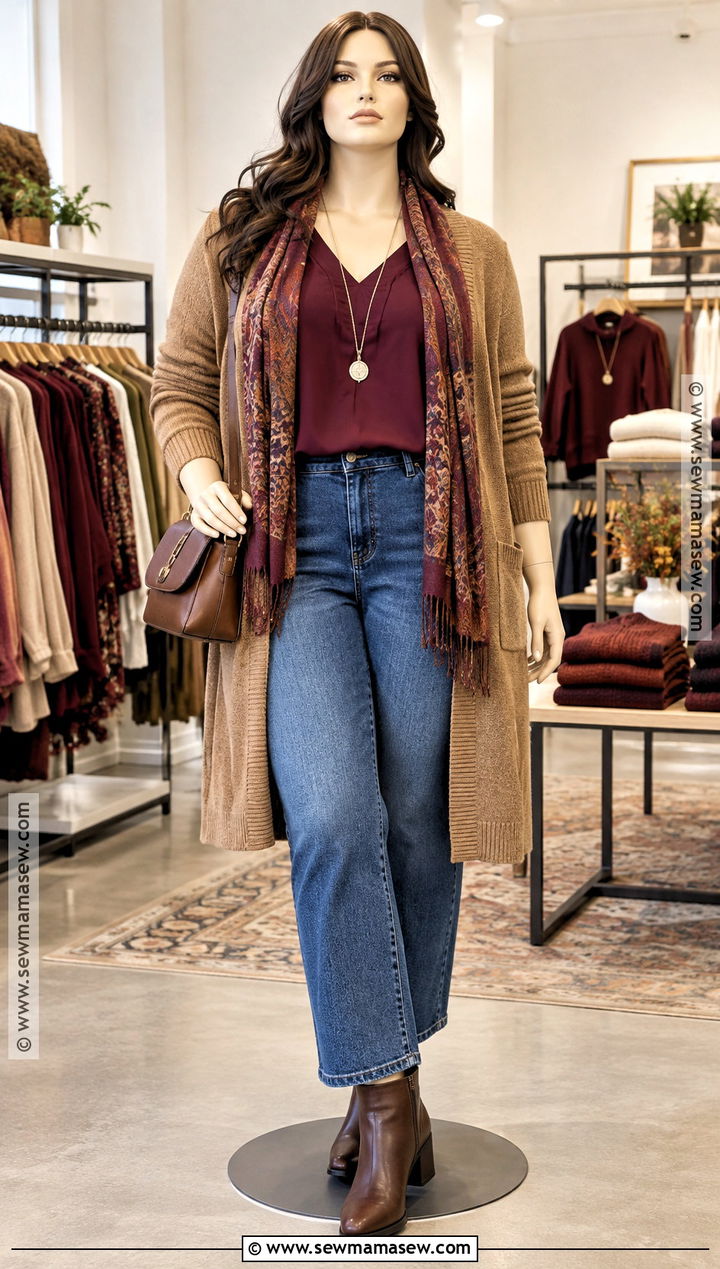
Shoppers respond when a mannequin looks like someone they know, and a plus-size form is where that matters most. Style it in a long open-front cardigan, a soft V-neck blouse, high-rise straight-leg jeans and supportive ankle boots, with a pendant, a medium crossbody and a light scarf. The rule I hold to: dress the form in the size that actually fits it. Pinning a smaller garment tight at the back makes the clothes look better on the mannequin than they will on a customer, and that leads to returns. Stock the featured pieces across the full size range right beside the display and keep size labels easy to read. A seated plus-size form, if you have space, shows how the cardigan and jeans fall when someone sits down.
15. Fall Capsule Wardrobe Clothing Display
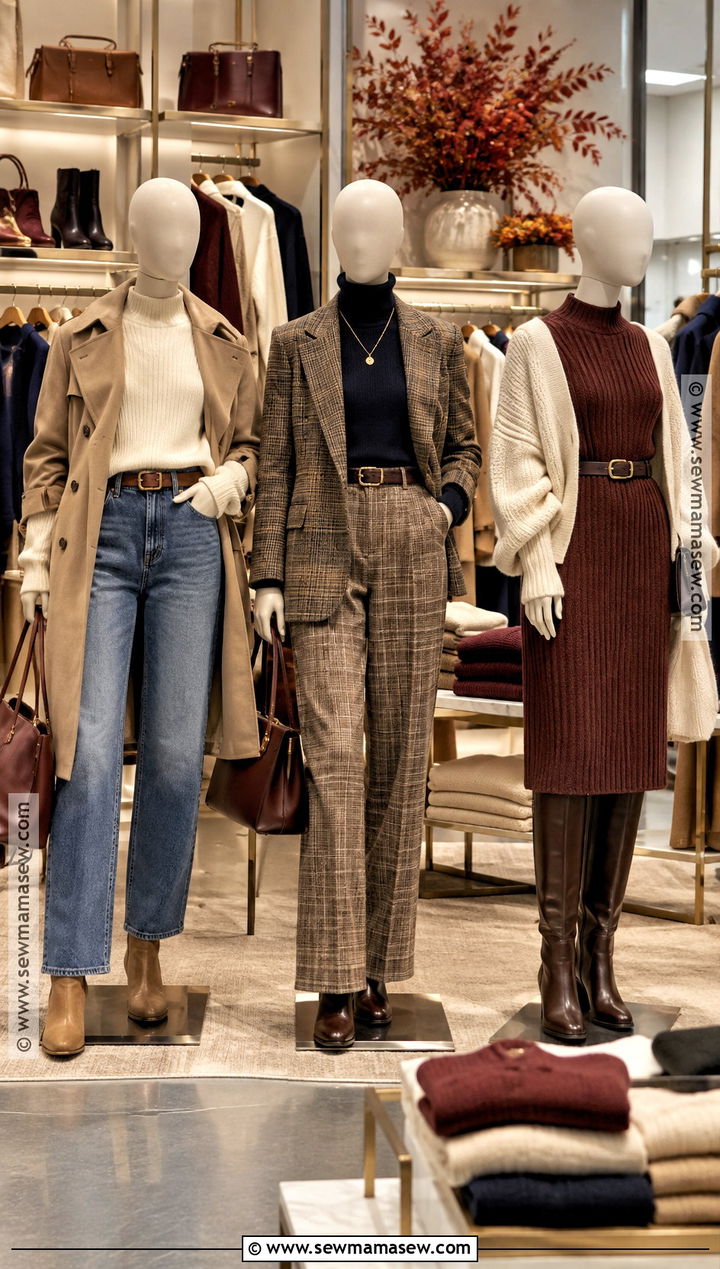
A capsule display is my favorite way to sell several pieces at once, because it shows the same small set of clothes doing three jobs. Use three mannequins in one palette of camel, cream, navy and burgundy. The first wears a cream sweater, jeans, loafers and a trench. The second has a turtleneck, plaid trousers, ankle boots and a blazer. The third gets a knit midi dress, tall boots and a long cardigan. Put the strongest look in the middle and stagger the heights or angles. Group the coordinating garments and accessories close by, so a shopper can see that the trench from the first look works over the dress in the third.
Lighting Knits, Suede and Plaid So They Read as Warm
Fall stock is mostly texture and warm color, and the wrong light flattens both. Cool, bluish bulbs make camel look gray and turn cream knits a little dingy, so for autumn displays I use warm white lamps in roughly the 2700 to 3000 kelvin range. Look for a high color-rendering rating on the packaging too; cheaper lamps can make burgundy look brown and olive look muddy.
Angle matters more than brightness
Light coming in from the side or at a steep angle throws small shadows into cable knits, corduroy wales and quilting, which is what makes them look touchable. Straight-on light from in front erases that depth. Aim one light at the mannequin from above and to one side, and add a softer fill from the other side so the face of the outfit isn't in shadow. Keep hot spots off satin and leather, which glare and hide their color.
Moving the display along with the weather
An autumn window works best when it changes as the season does. I start with lighter layers like the shacket, the trench and knit sets, then shift toward coats, ponchos and heavy knits as it gets colder. Moving one mannequin and its table every couple of weeks tells regular customers there's something new without a full rebuild. Sunlight through the glass also fades fabric faster than people expect, so rotate garments that sit in a sunny window and check dark colors for fading along the shoulders.
A Window That Sells the Whole Outfit
A good fall display does more than decorate a shop for the season. It shows real outfits a customer can buy and wear, with every garment, shoe and bag right there to pick up. Start from one color story and one focal outfit, then keep the supporting stock close. Texture, a few simple props, varied heights and good light carry the autumn mood without burying the clothes. Above all, dress your mannequins for different sizes and different reasons to get dressed. One dress form or a row of full-body mannequins can both do it, as long as each outfit looks like something a real person would wear out the door.
Related posts: