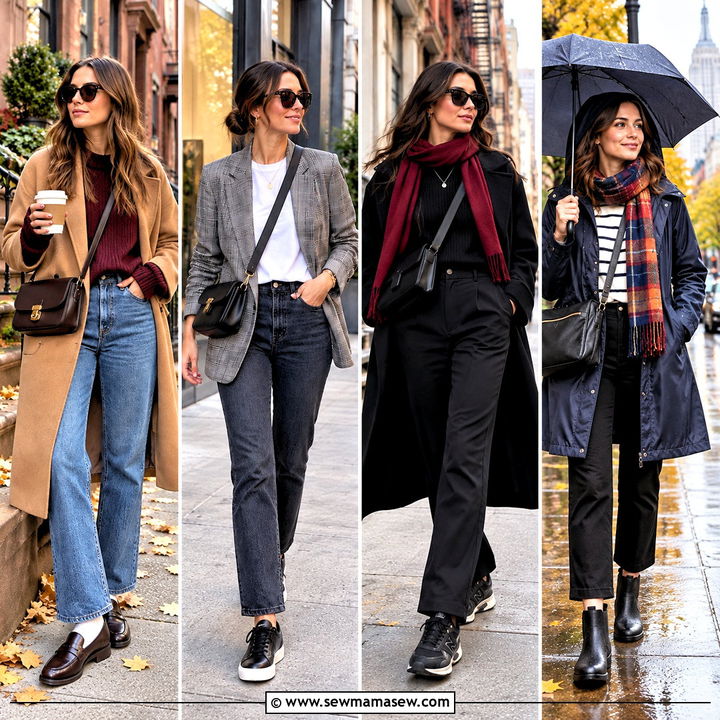
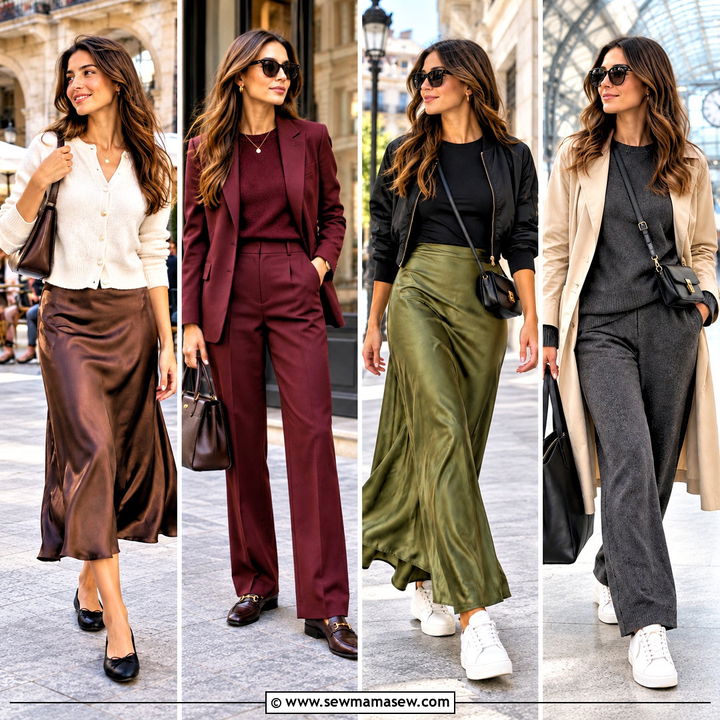
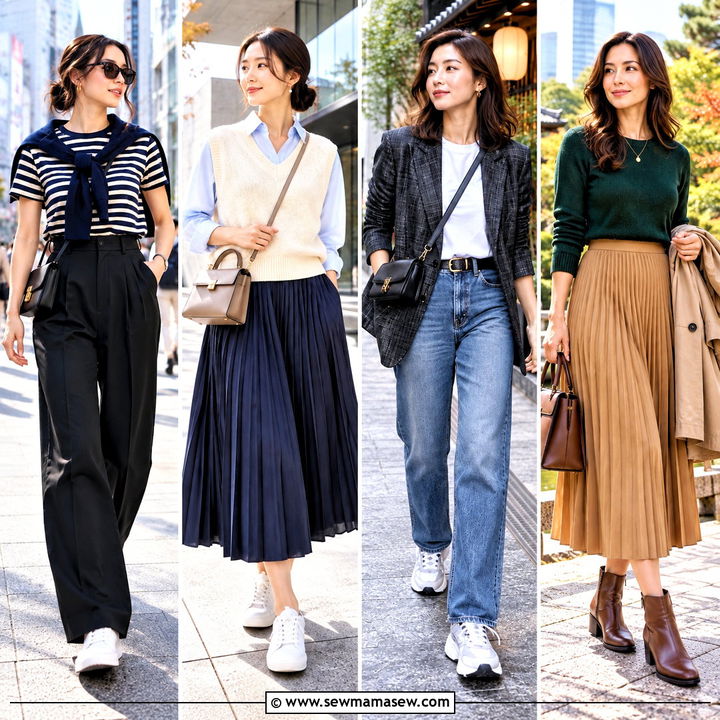
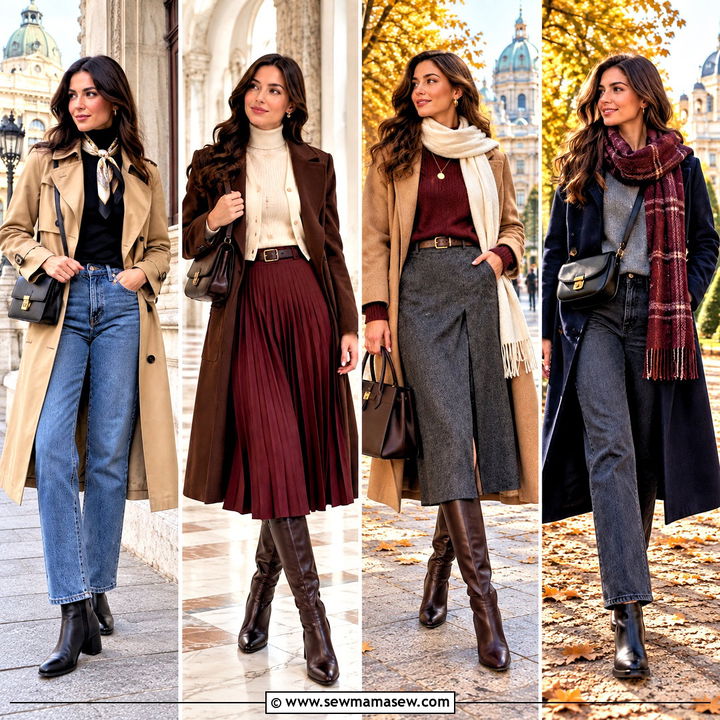
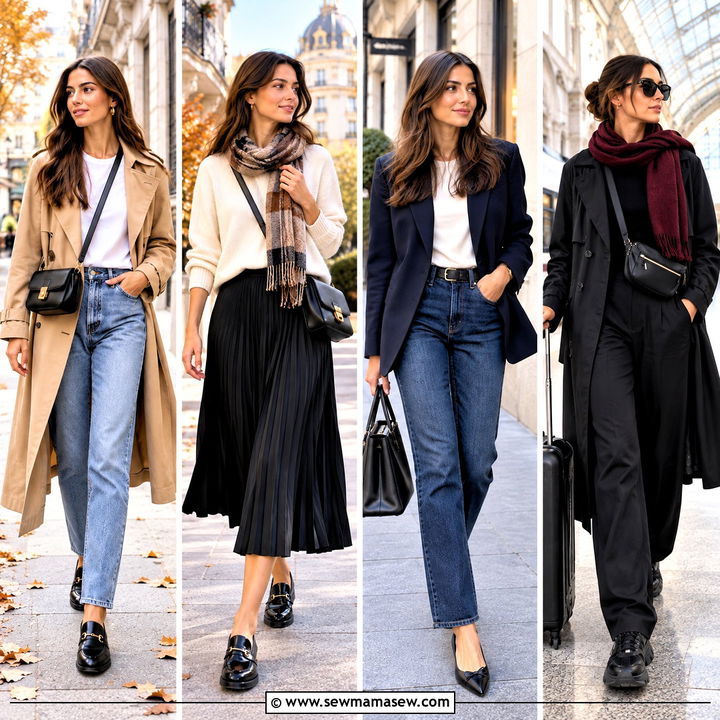
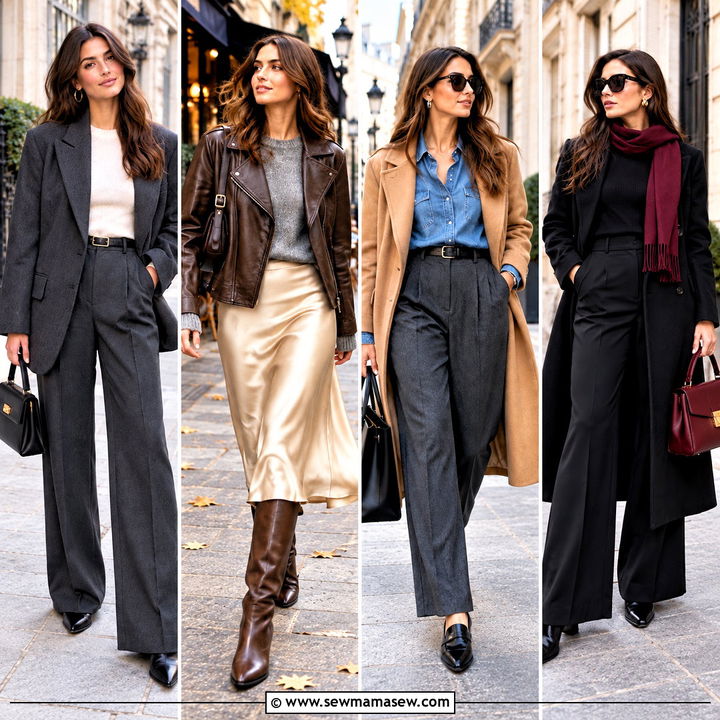
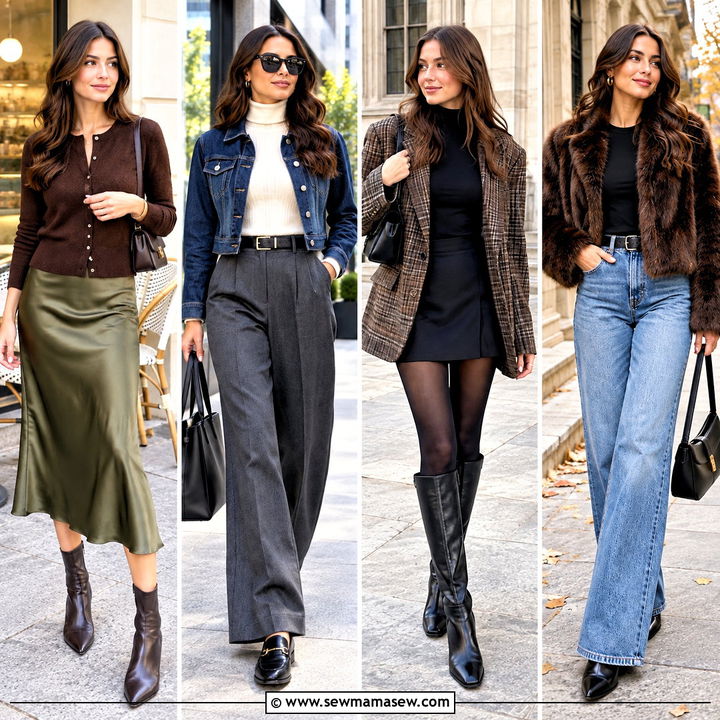
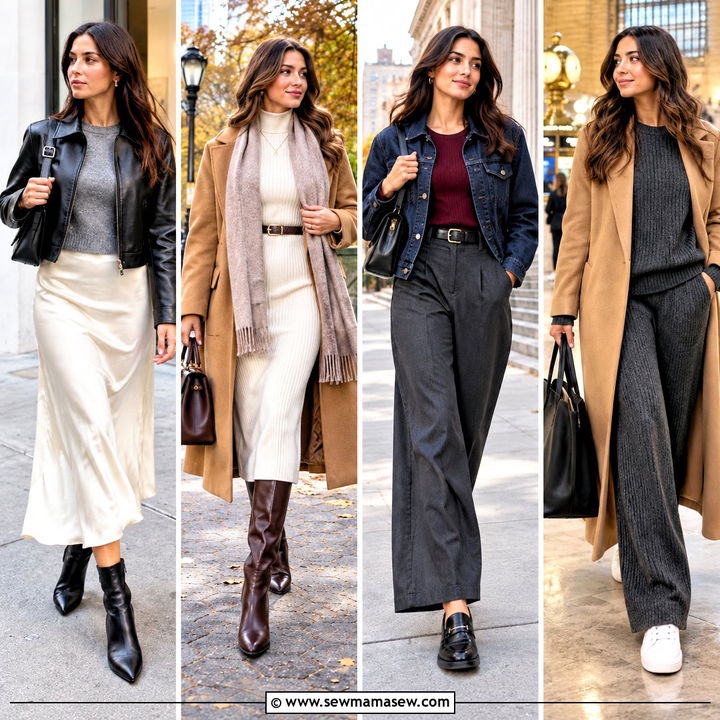
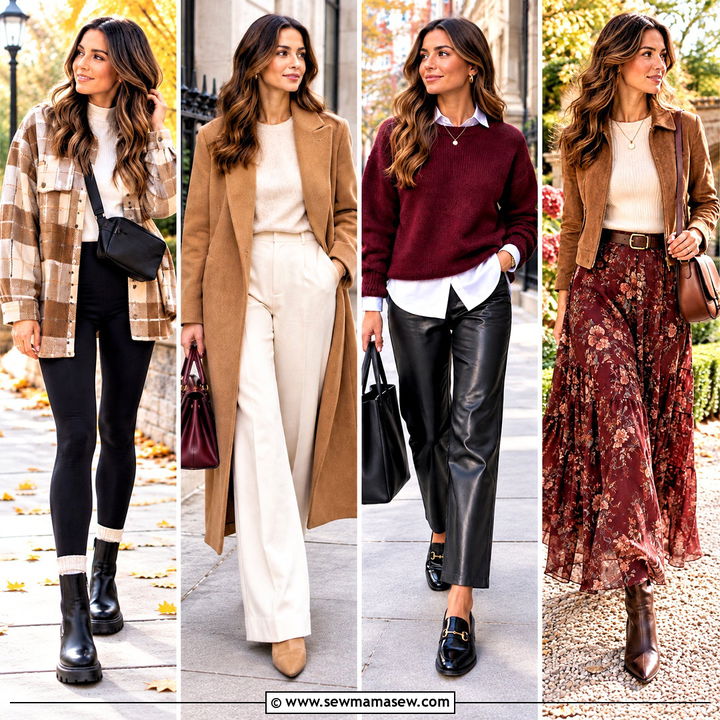
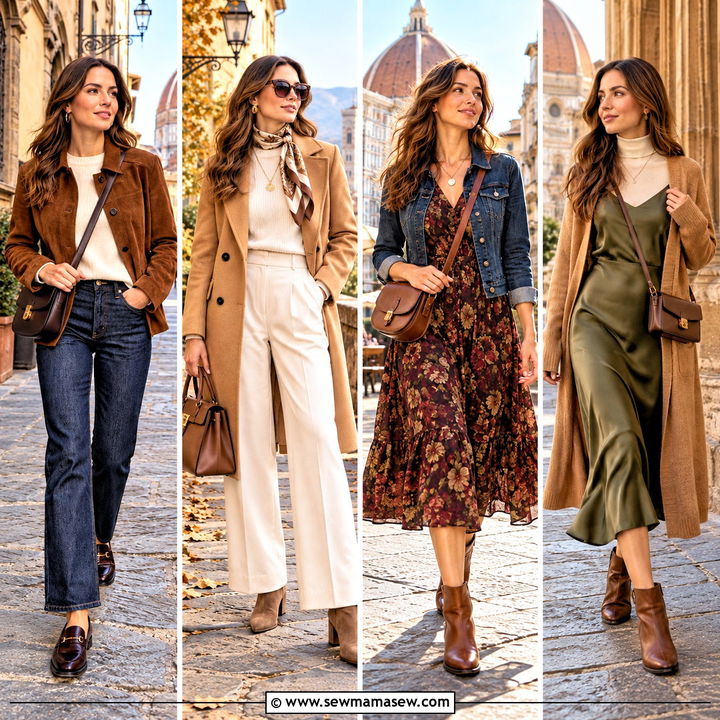
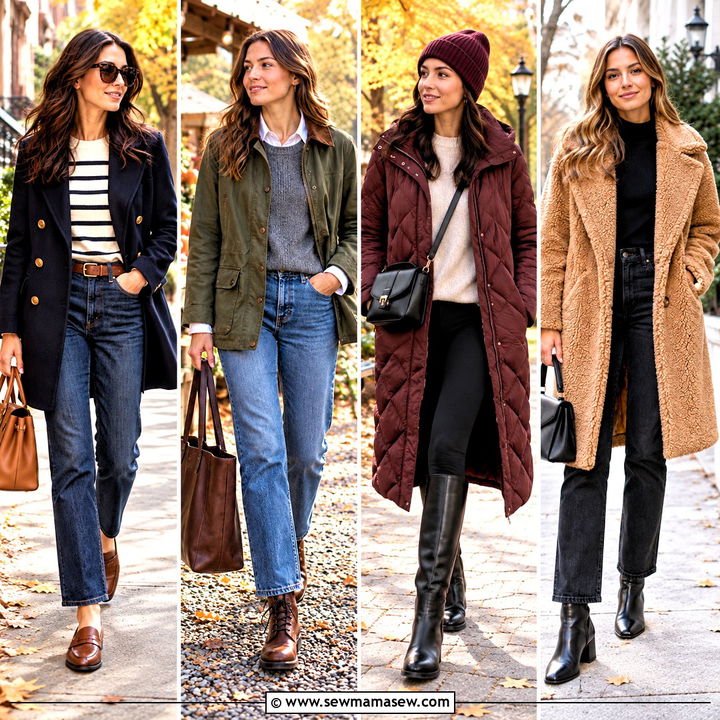
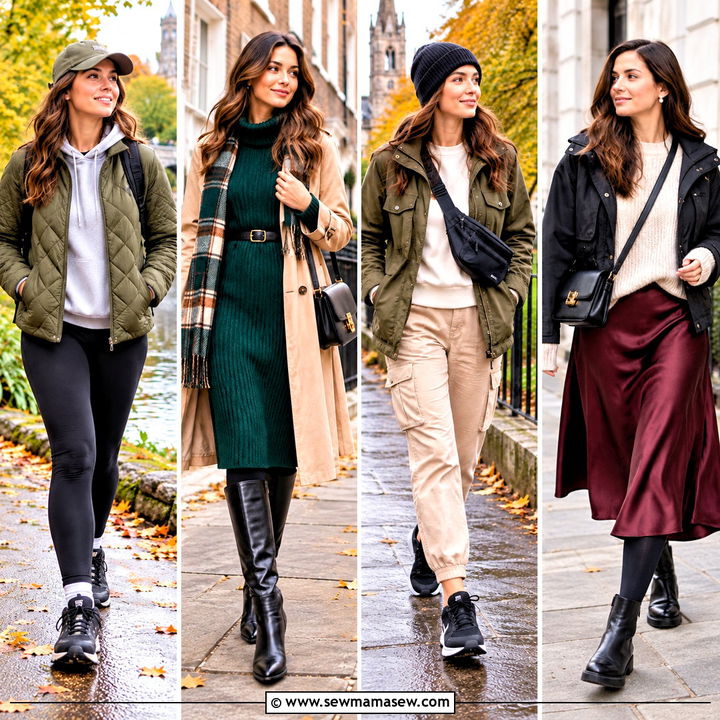
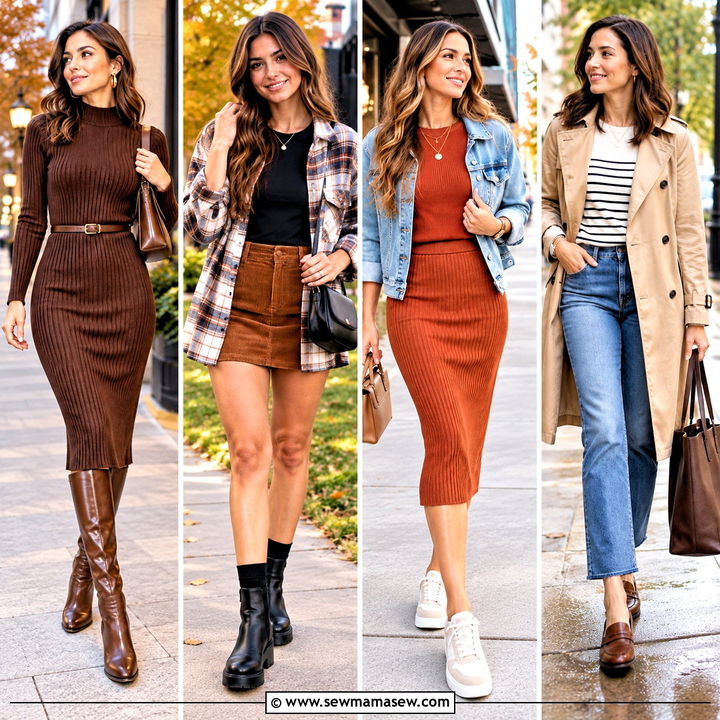
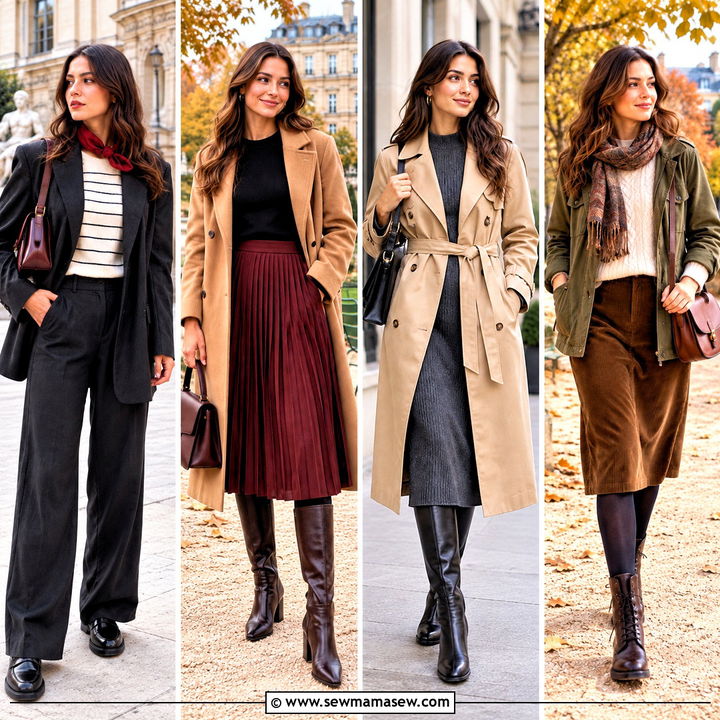
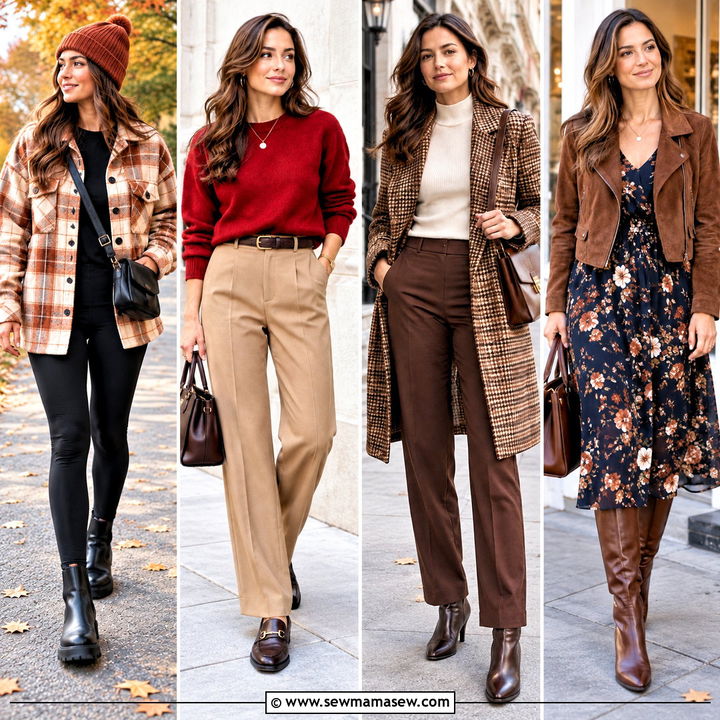
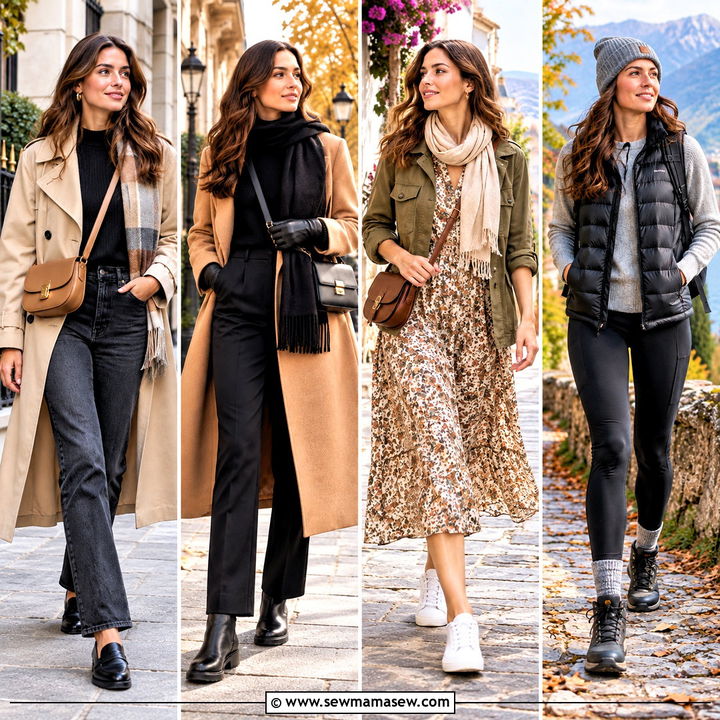
Autumn sightseeing in Europe means a cold start, a mild middle, a shower you didn't plan for and a lot of walking. The tourists who look comfortable at four in the afternoon are the ones who dressed in layers that come off one at a time and wore shoes they trusted. I always tell people to build the suitcase around neutrals, light knitwear, a coat that copes with weather and a crossbody bag that zips. Then every top goes with every bottom, and you can wear something different each day without packing much. None of that means looking like you're about to go hiking. The fifteen outfits below, from a classic trench to a relaxed sweater dress, move between museums, cafés, train platforms and old neighborhoods without looking out of place in any of them.
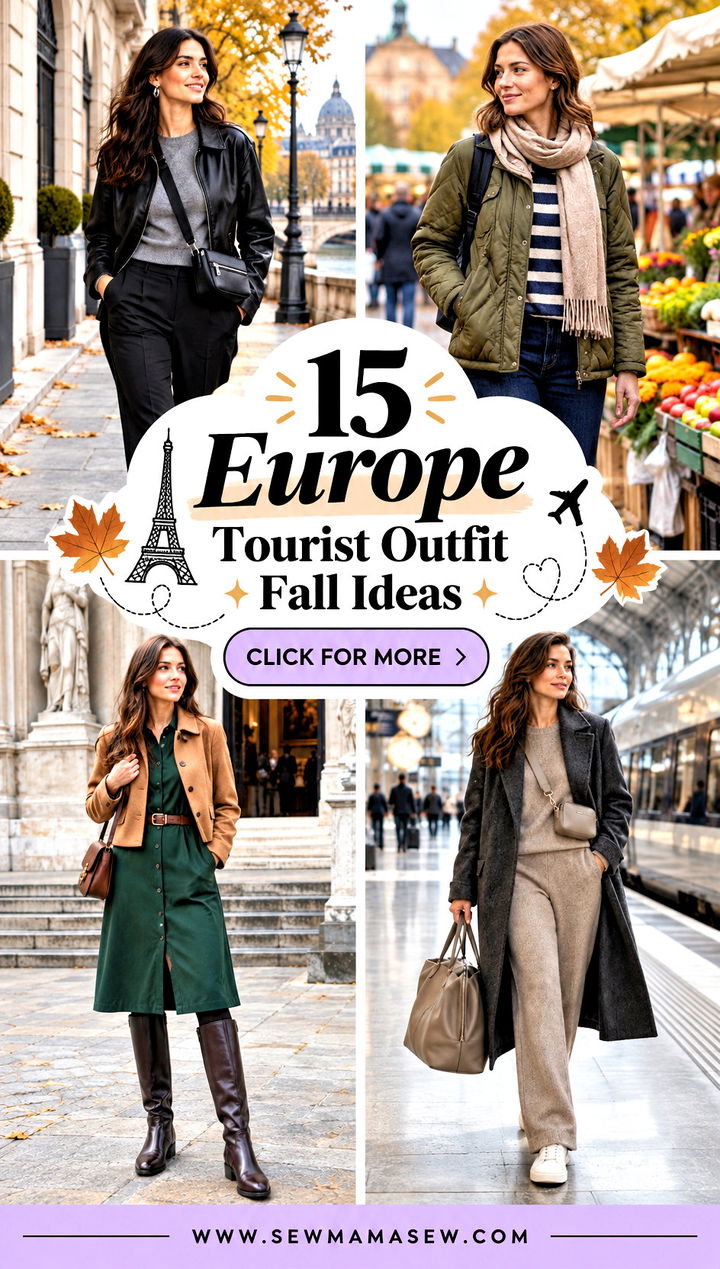
Layering for a Morning That Starts at 45 and Ends at 65
Autumn days in much of Europe swing by twenty degrees between breakfast and mid-afternoon, then drop again after sunset. You'll often be out for all of it with no chance to go back to the hotel. So I dress from the skin out, with each layer able to come off and still leave a complete outfit.
- Base: a thin tee, long-sleeve top or fine turtleneck. On cold days, a lightweight thermal underneath.
- Middle: a merino or cotton knit, cardigan or blazer. This is what you'll take off by noon, so it should fold small.
- Outer: the coat or jacket that handles wind and rain, chosen for the forecast that day.
- Extras: a scarf and, in late fall, thin gloves. They add a surprising amount of warmth and fit in a pocket.
The test I use: take off the outer layer and the middle layer in turn. If what's left still looks like an outfit you'd be happy to sit in a café wearing, the layering is right.
1. Trench Coat and Straight-Leg Jeans for Europe
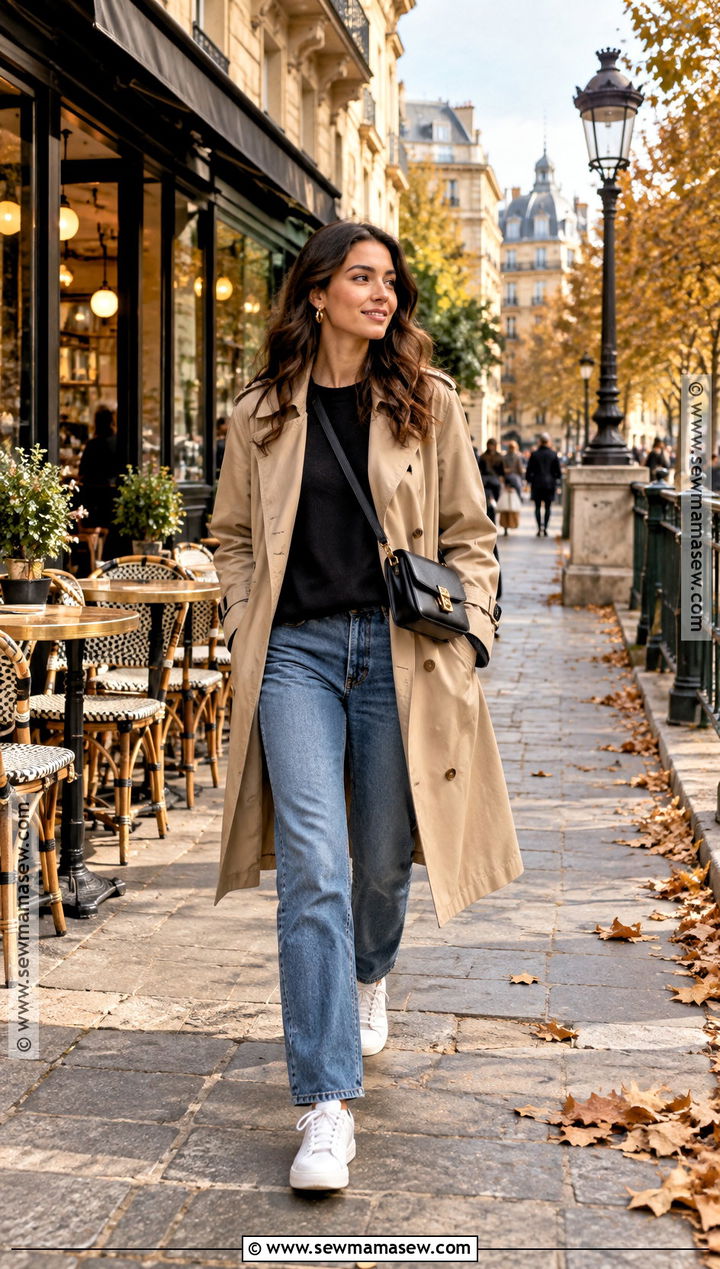
The trench-and-jeans pairing is the one I'd recommend to a first-time visitor who doesn't want to think about clothes. A beige trench over a thin black sweater and straight blue jeans looks at home in most European cities, and the coat folds flatter in a suitcase than any wool coat. Check that the jeans have a soft waistband and some stretch; you'll sit on trains, climb tower stairs and eat big lunches in them. White leather sneakers, a small black crossbody and gold earrings finish it. A thin scarf for the morning chill tucks into your bag by noon. When it drizzles, the trench keeps you dry enough to carry on.
2. Blazer and Wide-Leg Trousers for Europe
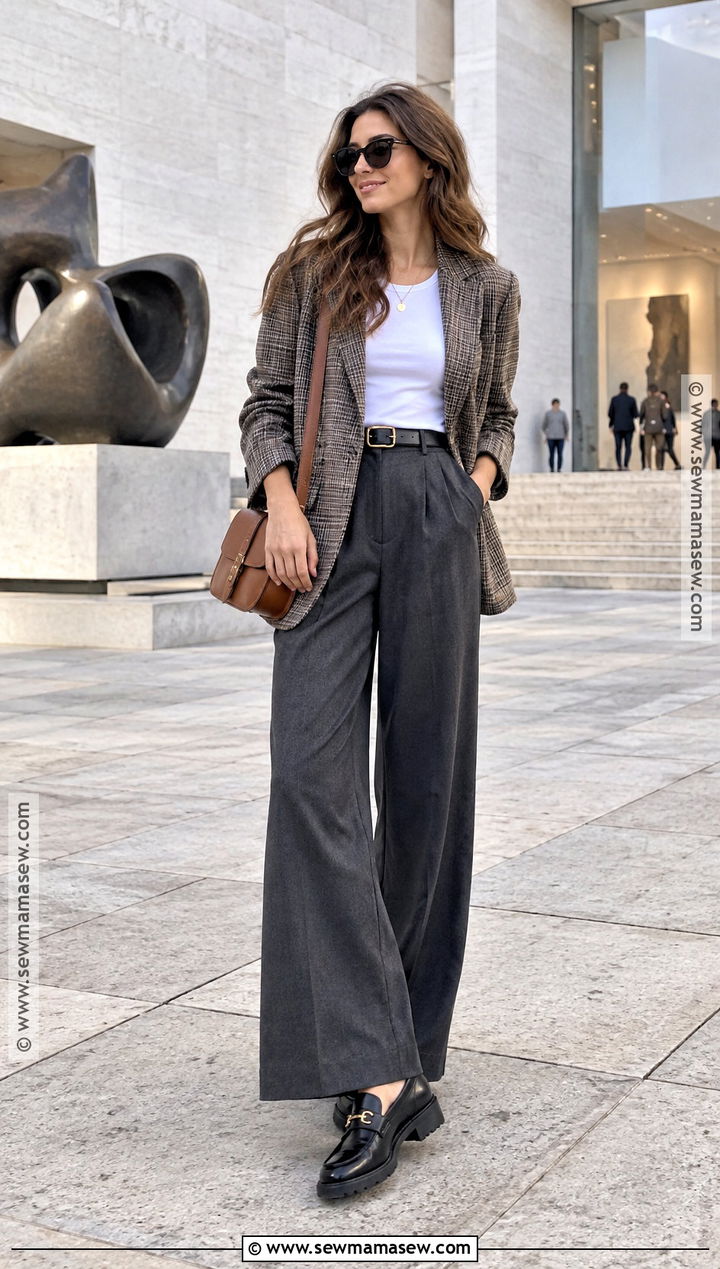
Want to look put together without wearing anything stiff? A relaxed blazer, plaid or plain, over a fitted cotton tee with high-waisted wide-leg trousers does it. The blazer gives shape; the trousers give room to move. Loafers or leather sneakers, broken in at home, not on the first day. A medium crossbody that doesn't drag the blazer's shoulder down. Swap the tee for a thin merino crewneck when it's cooler. Wide legs need watching in the rain, because a hem that touches the ground wicks up water and grime from the street. I'd have them hemmed to just clear the top of your shoe. Stick to charcoal, camel, navy and cream and every piece gets reused.
3. Sweater Dress and Ankle Boots for Europe
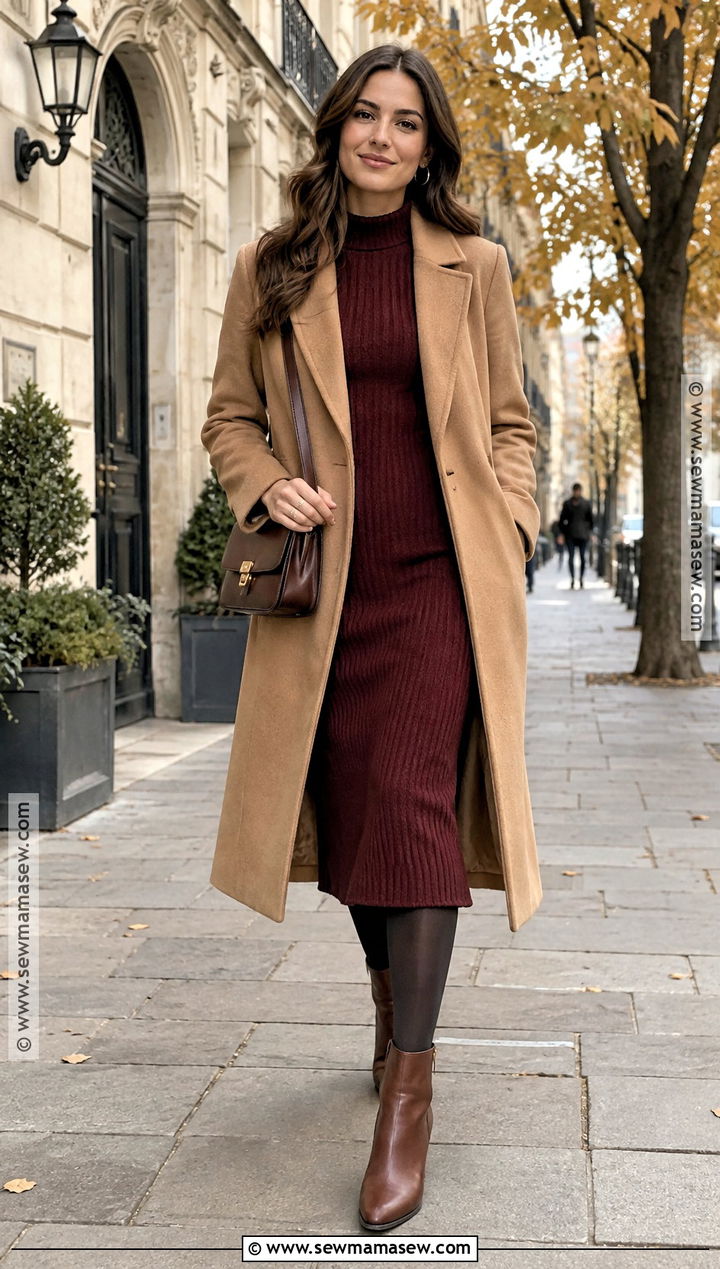
A midi sweater dress is the warmest single thing you can wear and takes about thirty seconds to get dressed in. Choose a straight, ribbed or lightly belted shape with room to stride, not a tight bodycon knit that rides up when you walk. A long wool-blend coat on top, and low-heeled ankle boots with cushioned insoles and a slip-resistant sole underneath, because polished stone gets slippery. Sheer or opaque tights depending on the cold. A structured crossbody, small hoops and a light scarf. Deep brown, burgundy, forest and charcoal hide travel wear best. I'd skip pale knit dresses on a trip; they show every café spill. This one suits museums, nice lunches and scenic train rides.
4. Leather Jacket and Black Trousers for Europe
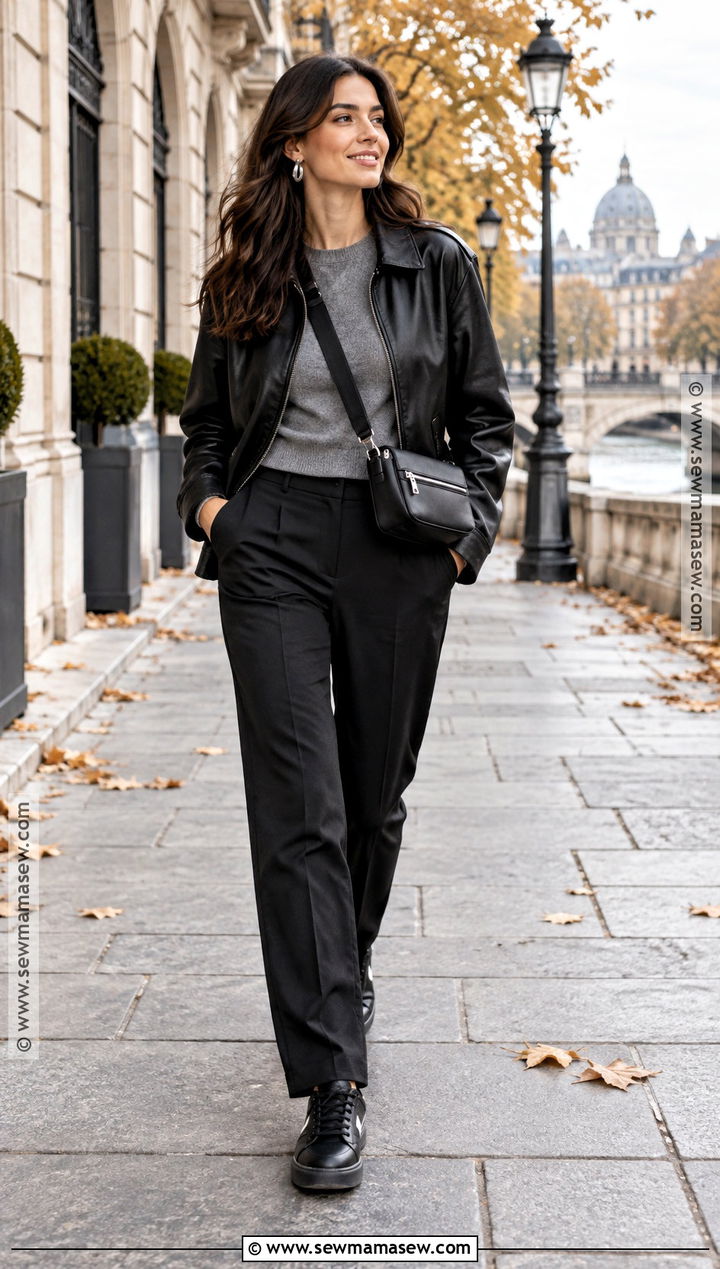
For cool city streets I like a little edge: a soft white or gray long-sleeve, straight black trousers and a relaxed leather or faux-leather jacket. Dark colors hide the marks you pick up on trains, and they mix with anything else in the bag. Black leather sneakers or flat ankle boots keep it streamlined. A zippered crossbody, silver earrings and a compact umbrella. On a colder forecast, a thin turtleneck under the jacket. Leather blocks wind surprisingly well, which is why it works on gusty northern streets, but it's not warm on its own once the temperature drops into the forties. Berlin, London, Amsterdam and Copenhagen suit this look.
5. Cardigan and Midi Skirt for Europe
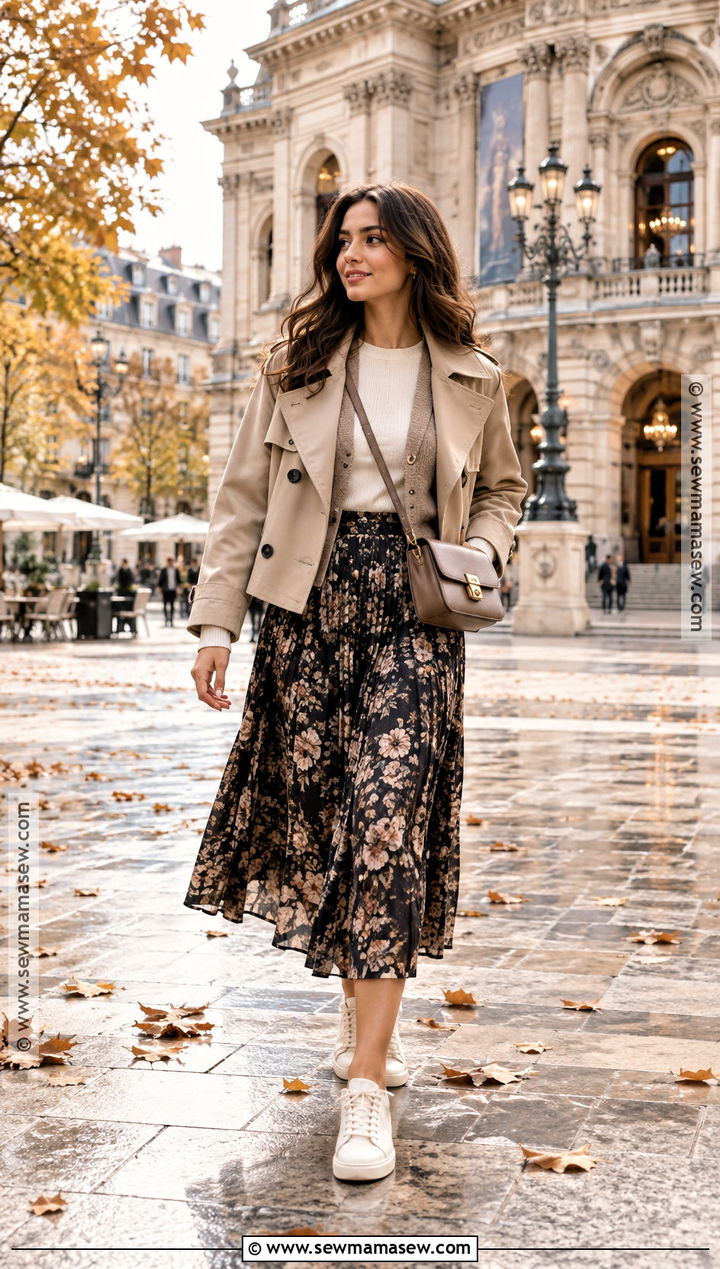
Midi skirts are more walkable than people expect, as long as you style them for the weather. A knit or softly pleated skirt is easier than satin, which creases in a suitcase and spots in rain. Add a fitted long-sleeve top tucked in, with a button cardigan worn open or half done. Low sneakers for daytime, loafers for the evening. A cropped trench or a hip-length jacket protects you from weather without cutting the skirt in half visually. Wear the bag across your body. A dark printed skirt hides wrinkles far better than a solid. It goes from landmarks to cafés to an evening concert without a change.
6. Quilted Jacket and Dark Jeans for Europe
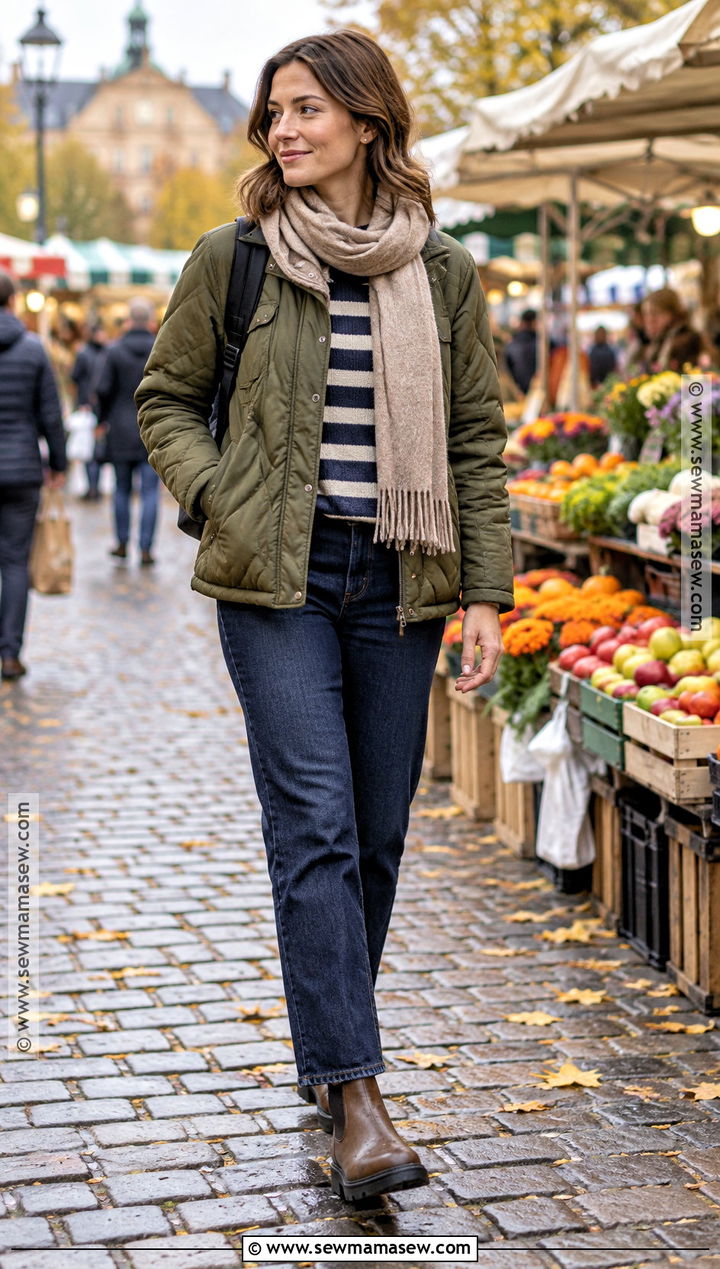
A light quilted jacket is the most useful layer I know for autumn day trips outside the big cities. Olive, navy or chocolate, with a striped knit and dark straight jeans. It reads more polished than sportswear but you can still sit on a damp bench in it. Waterproof leather sneakers or flat Chelsea boots, depending on rain and distance. A small backpack is fine in quiet places; in crowded areas I'd switch to a zippered crossbody. If your jeans are long, roll them once so the hem stays off wet ground. A soft scarf and studs finish it. Quilted jackets aren't fully waterproof, so they suit dry, cold days at parks, markets and castles better than a heavy downpour.
7. Turtleneck and Pleated Trousers for Europe
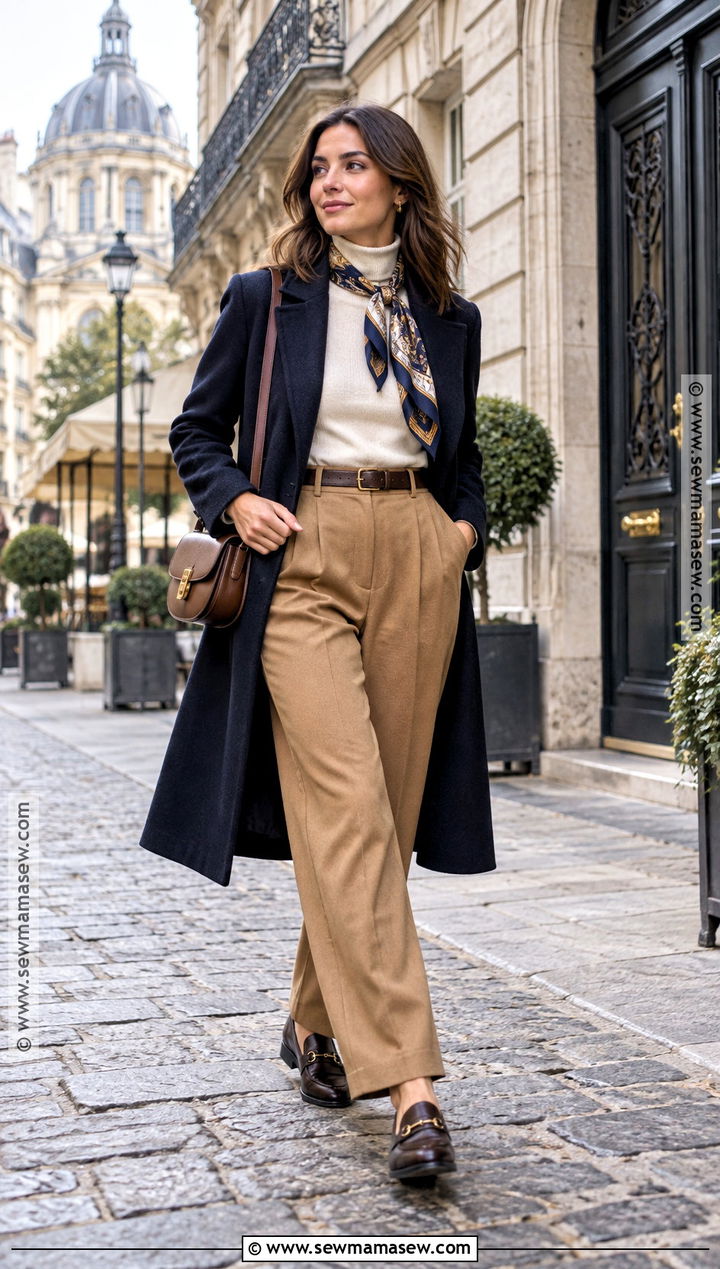
A fitted turtleneck keeps you warm without the thickness of a heavy sweater, which matters when you want a coat to close over it. Black, cream, navy or burgundy, with high-waisted pleated trousers and a tailored wool-blend coat. The trousers should hang clear of the ground, especially on rainy days. Loafers, walking sneakers or low block-heel boots all work. A leather crossbody and a patterned scarf add color without another bulky piece. Pleats at the front give the hip and thigh room, so this suits a wide range of figures; the waist stays defined while the leg falls loose. Comfortable enough for a long walk through old streets, smart enough for a good restaurant after.
8. Denim Jacket and Knit Midi Dress for Europe
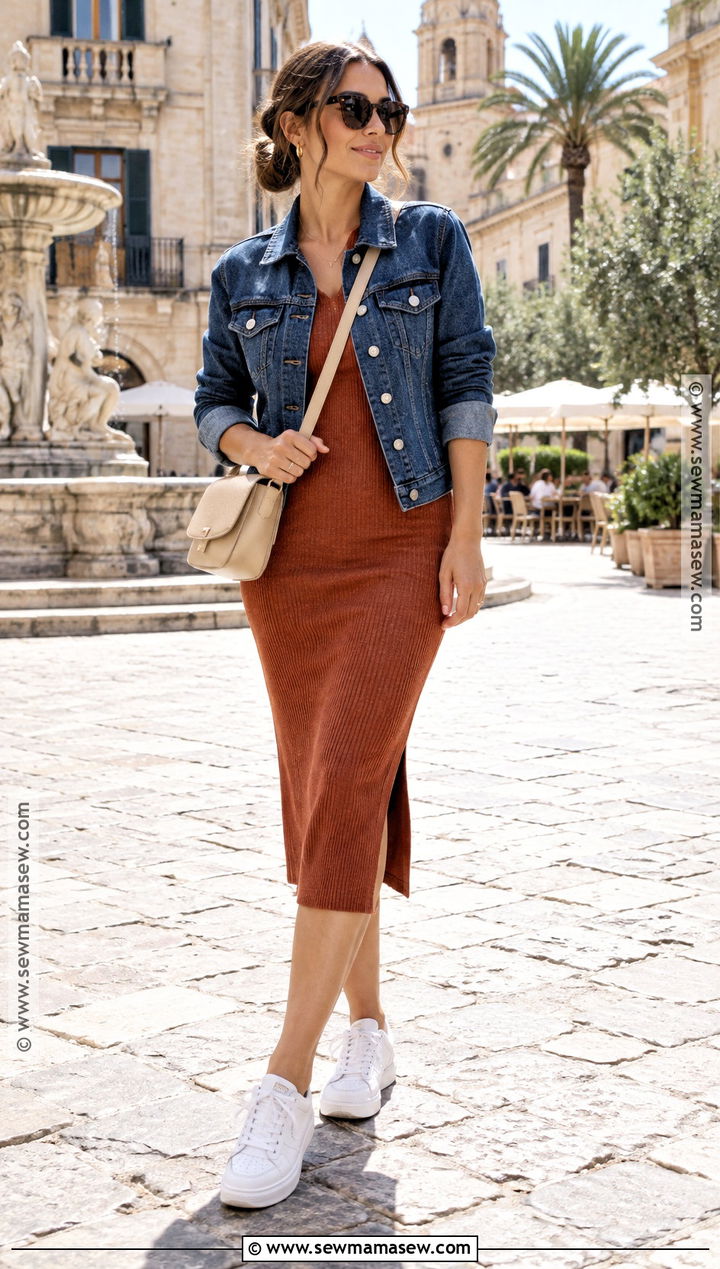
Early fall mornings can be chilly and afternoons warm, and a denim jacket over a knit midi dress handles both. Short or long sleeves, in a column, A-line or wrap-style shape. White cushioned sneakers, a neutral crossbody, sunglasses and small hoops. On a cold morning, thin tights and a scarf you can take off later. Dark denim dresses it up a little, classic blue keeps it relaxed. This is a southern Europe outfit or a September one. In the north by late October, a denim jacket simply isn't warm enough, and denim takes a long time to dry if it gets rained on.
9. Raincoat and Cropped Pants for Europe
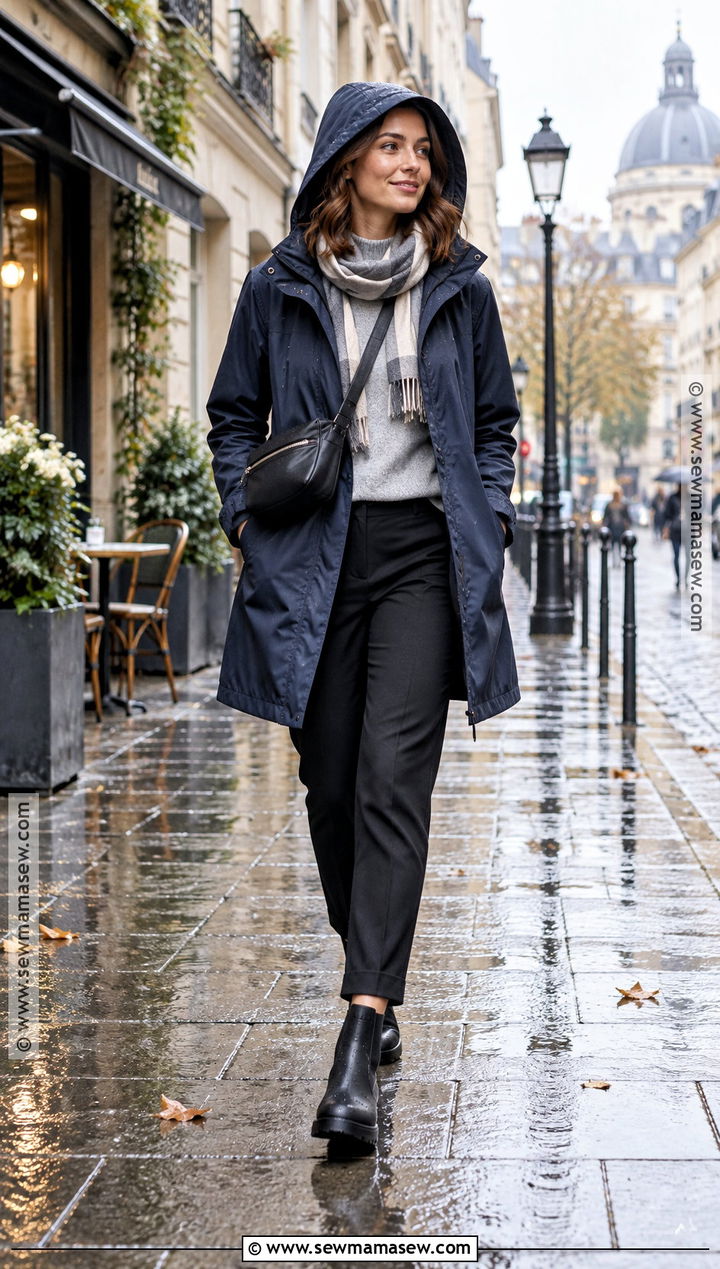
Rain doesn't have to wreck a sightseeing day if the outfit is built for it. A light waterproof raincoat over a fine knit, with ankle-length tailored pants that stop well above the puddles. Waterproof Chelsea boots or weather-resistant sneakers with real grip. A hooded raincoat means you can leave the big umbrella behind, which in a crowded old town is a relief. Zippered crossbody, moisture-wicking socks and a thin scarf. Camel, navy, olive or a muted color that fits your capsule. Check the seams: a coat labeled water-resistant will soak through in a long downpour, while a properly waterproof one has taped seams. London, Dublin, Brussels and Amsterdam all reward the difference.
10. Wool Coat and Monochrome Knit Outfit for Europe
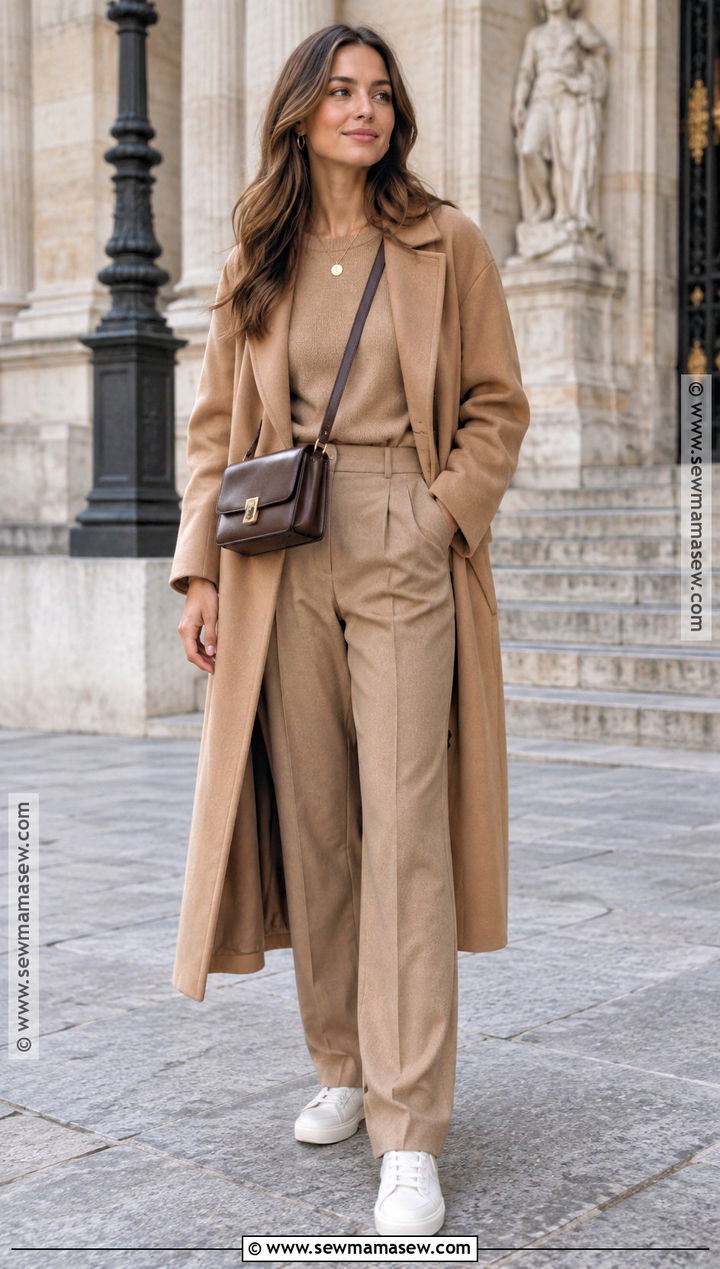
One color from neck to ankle makes plain travel basics look expensive. A fine-knit sweater, matching or tonal trousers, and a long wool-blend coat in camel, charcoal, navy, chocolate or soft gray. Break it slightly at the feet with white sneakers, dark loafers or leather ankle boots. A structured crossbody, little jewelry. Look for trousers with an elastic back or some stretch; you'll be sitting on trains. The thing that makes monochrome work is a slight shift in shade between pieces, a lighter sweater over darker trousers, rather than a perfect match that can look like a uniform. If the coat's too warm at midday, carry it. This suits cooler October and November trips through central and northern Europe.
11. Puffer Vest and Travel Pants for Europe
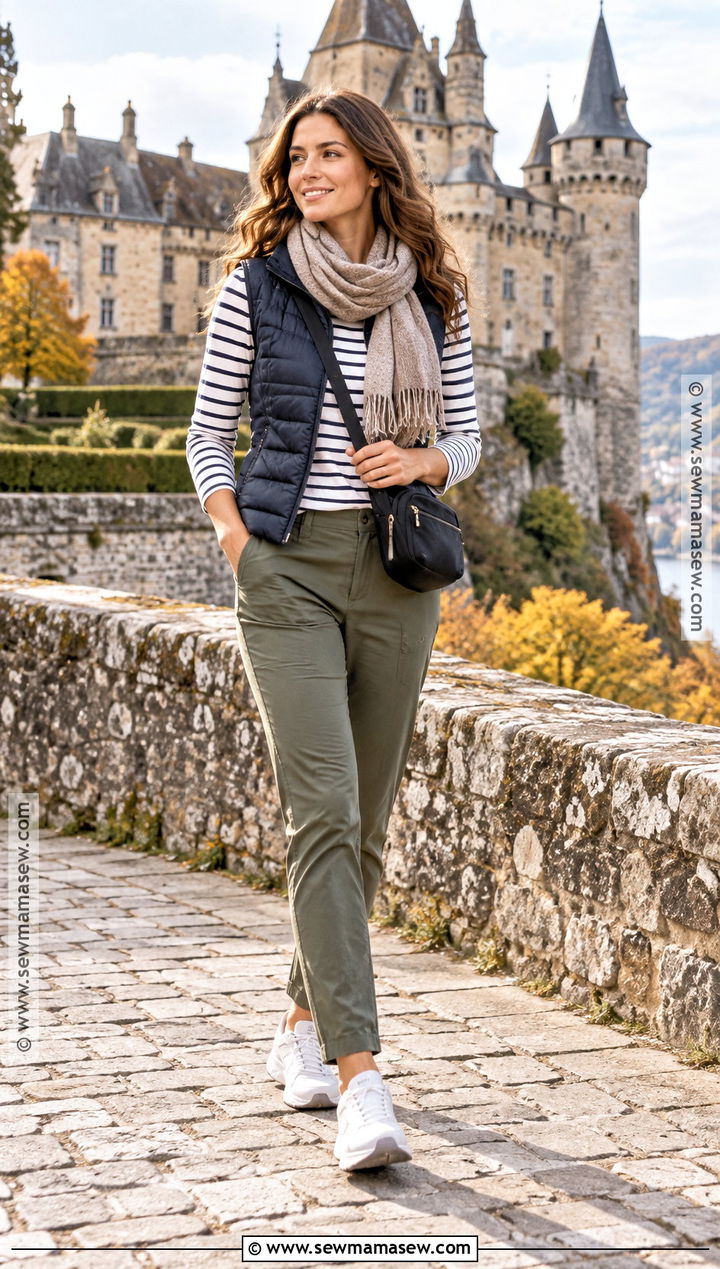
On walking-tour days, a puffer vest warms your core and leaves your arms free. Slim vest over a striped long-sleeve or a light sweater, with tapered travel pants in black, navy or olive. Look for pants with zip pockets, a flexible waist and a matte finish that passes for ordinary trousers; shiny technical fabric reads as gym wear in a city. Supportive sneakers, good socks and a compact crossbody. A cap for the countryside, a wool scarf in town. A thin rain shell over the vest if showers are likely. Good for walking tours, castles and the long days spent moving between cities.
12. Shirt Dress and Tall Boots for Europe
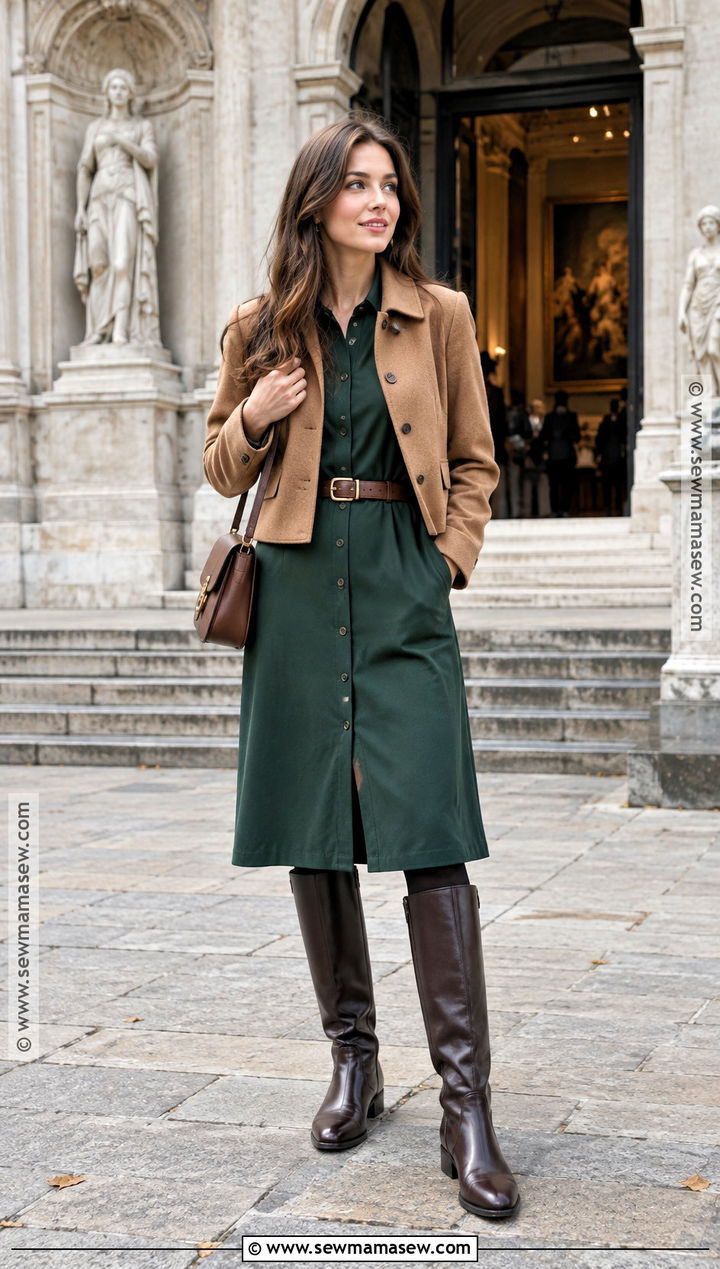
A midi shirt dress adjusts through the day better than almost anything else here: sleeves rolled, top button open, belt loosened after lunch. Long sleeves in a neutral, a quiet print or a rich fall shade. The matching tie belt or a slim leather one. Flat knee-high boots with cushioned soles, but only if you've walked in them for hours already; tall boots that pinch at the calf are miserable on a long day. A cropped jacket, trench or cardigan for warmth. A structured crossbody keeps it practical. On cold days, opaque tights and a thin thermal. It suits city tours, museums and relaxed dinners.
13. Utility Jacket and Black Jeans for Europe
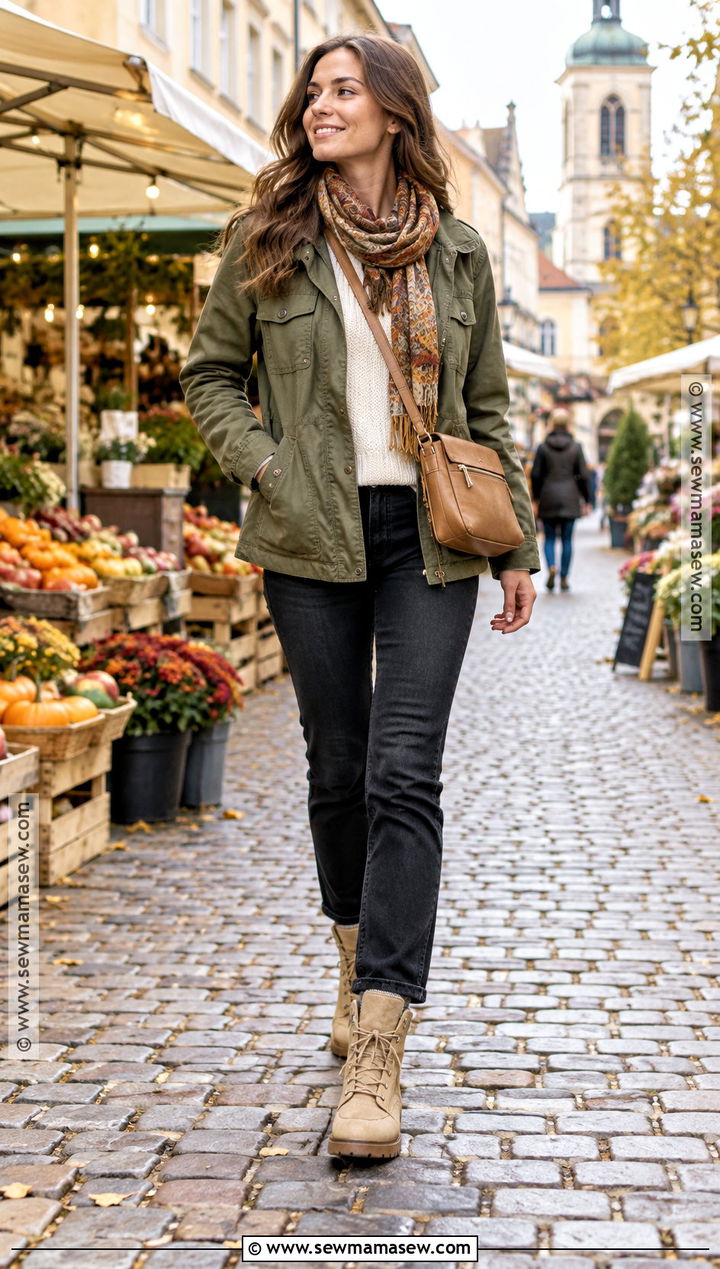
Markets, outdoor landmarks and casual neighborhoods are where a utility jacket makes sense. Olive or tan over a light cream sweater with slim-straight black jeans. A jacket with a defined waist or a clean tailored shape keeps it from looking shapeless. Cushioned neutral sneakers or waterproof lace-up boots. A patterned scarf lifts the earthy colors, and a zippered crossbody holds your phone and cards securely. Resist loading every pocket. A utility jacket with full pockets looks bulky and swings when you walk. It's a good outfit for day trips, botanical gardens and casual train travel.
14. Matching Knit Set and Long Coat for Europe
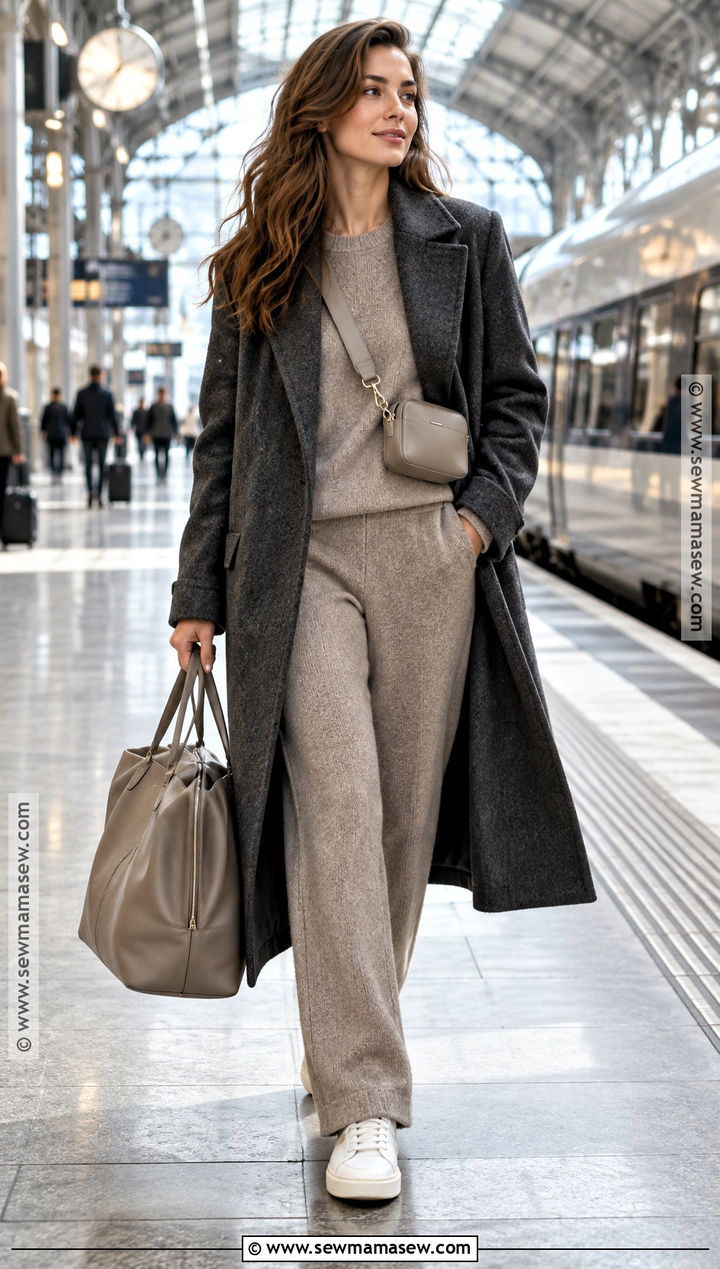
Travel days are when a matching knit set pays for its suitcase space. A crewneck sweater and relaxed straight pants feel like loungewear but look far cleaner, especially with a long tailored coat over them. Leather sneakers and a roomy zip-top tote. Keep the passport and wallet in a small crossbody or an inner pouch rather than loose in the tote. Choose a fine or medium knit; airports and trains are often overheated, and a chunky set gets uncomfortable fast. Cream, taupe, charcoal and navy all split into separates later in the trip. I'd wear it for arrival day, rail transfers and a first gentle walk after check-in.
15. Scarf Coat and Straight Trousers for Europe
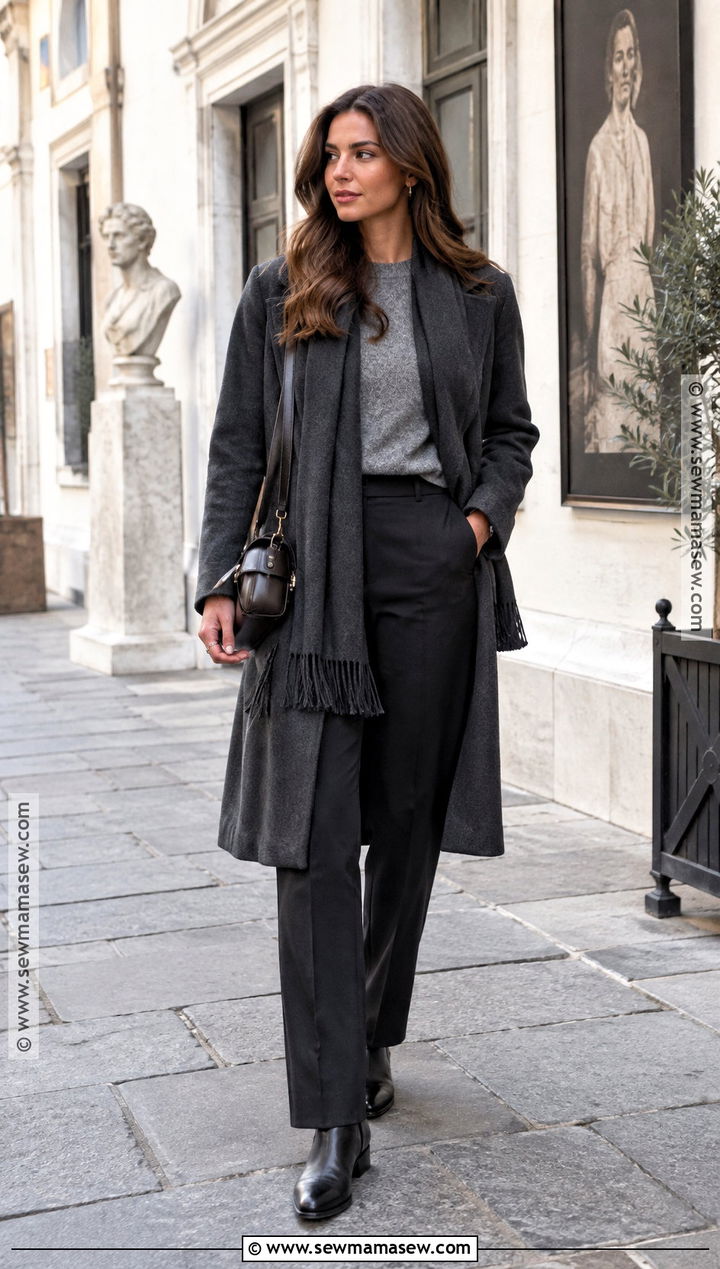
A coat with a built-in scarf gives you a layered look and one less thing to lose. Wear it over a plain crewneck and straight tailored trousers in a neighboring neutral. The attached scarf blocks wind at the neck on breezy days, which is where you feel the cold first. Flat leather boots or loafers with rubber soles. A small top-handle bag with a crossbody strap gives you two ways to carry it. Keep jewelry minimal; the coat is enough. For extra warmth, add a thin base layer rather than a second sweater, or the coat won't sit right. Good for cool city breaks, architecture tours, galleries and dinner reservations.
Pickpockets, Zips and Where Your Bag Should Sit
Pickpocketing is a real nuisance in busy tourist areas, metros and crowded squares in many big cities. Clothes and bags can make you a harder target without making you look nervous.
- A crossbody bag with a zip, worn toward the front of your body, is far safer than a tote or an open shoulder bag.
- Keep your phone in a closed bag or zipped pocket, not in the back pocket of your jeans.
- Coats with inside zip pockets are useful for passports and cards on travel days.
- Backpacks are fine for countryside days. In crowds, wear one on your front or switch to a crossbody.
Dressing in quieter neutrals also helps you blend in, which is one more reason the outfits above lean on camel, navy, black and gray.
Washing Knits in a Hotel Sink
On a trip of more than a week, you'll want to freshen a few things. Merino and wool blends resist odor well and often just need airing overnight on a hanger near an open window. When something does need a wash, a small amount of gentle detergent in cool water, a quick squeeze rather than wringing, then roll it in a dry towel and press out the water before laying it flat. Thin knits are usually dry by morning; jeans won't be, so don't plan to wash those. Hang creased tops in the bathroom while you shower and the steam will relax most wrinkles. A small stain pen in the bag sorts out the coffee drips before they set.
Layers, Shoes and One Coat That Works Hard
Every outfit that works for autumn sightseeing comes down to layers you can peel off, shoes you trust, a simple color scheme and fabrics that cope with weather. You don't need a huge suitcase or a new wardrobe. Start with reliable trousers and jeans, light knits and one or two coats, then rotate scarves, shoes and bags so each day feels different. Think about where you're going, what you'll be doing and which month it is before you choose fabric weights. Above all, wear every pair of shoes before you leave, and pack clothes you can walk, sit and climb stairs in. That's what lets you enjoy the trip instead of thinking about your feet.
Related posts: