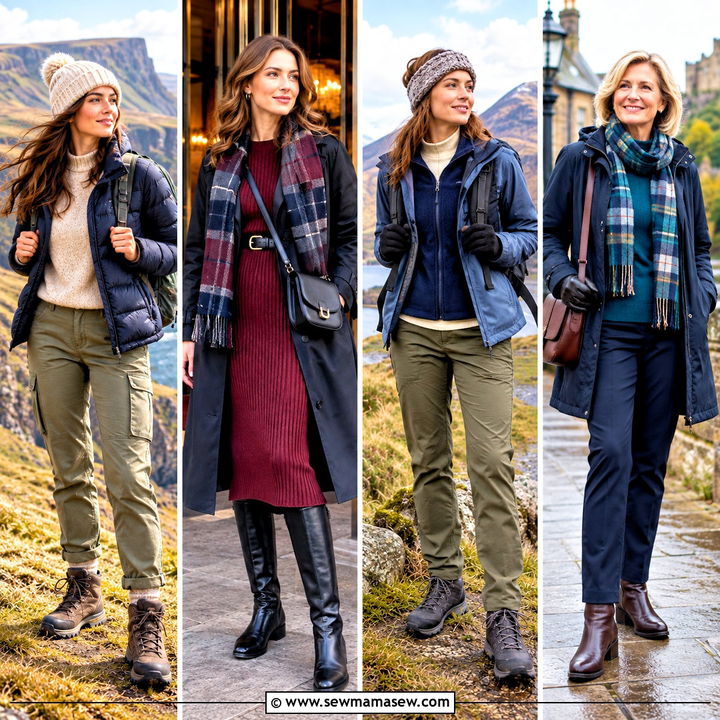
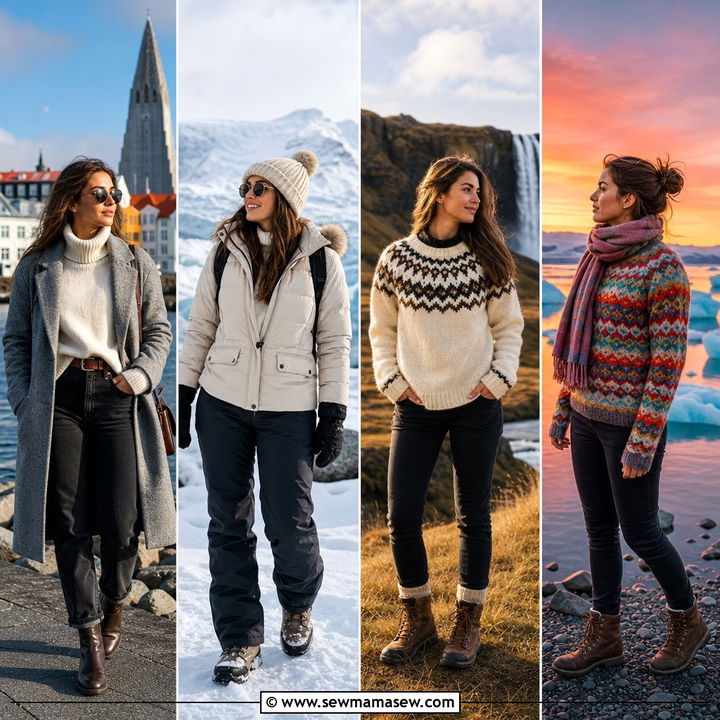
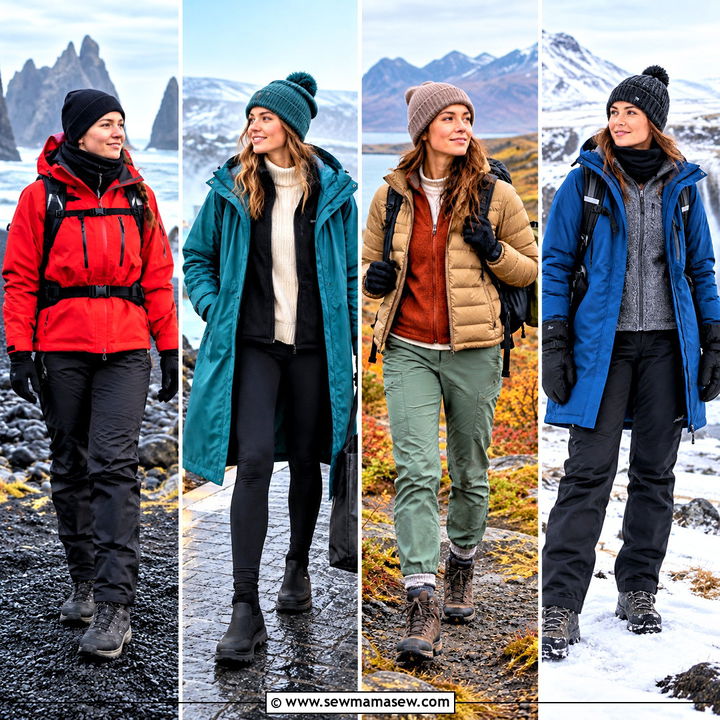
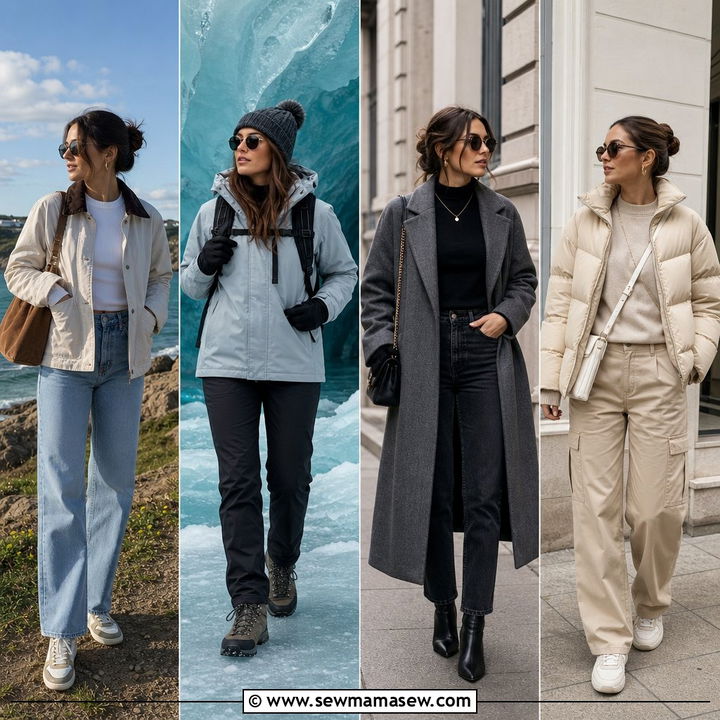
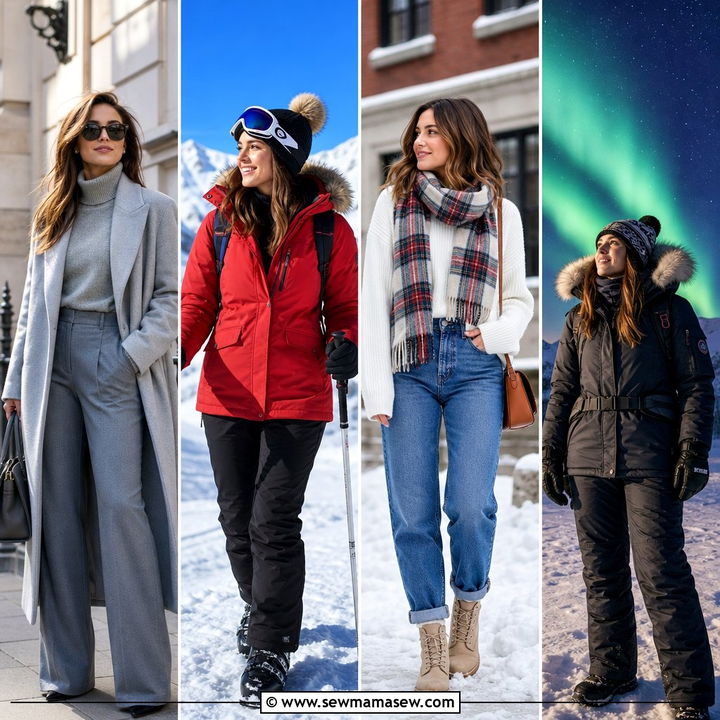
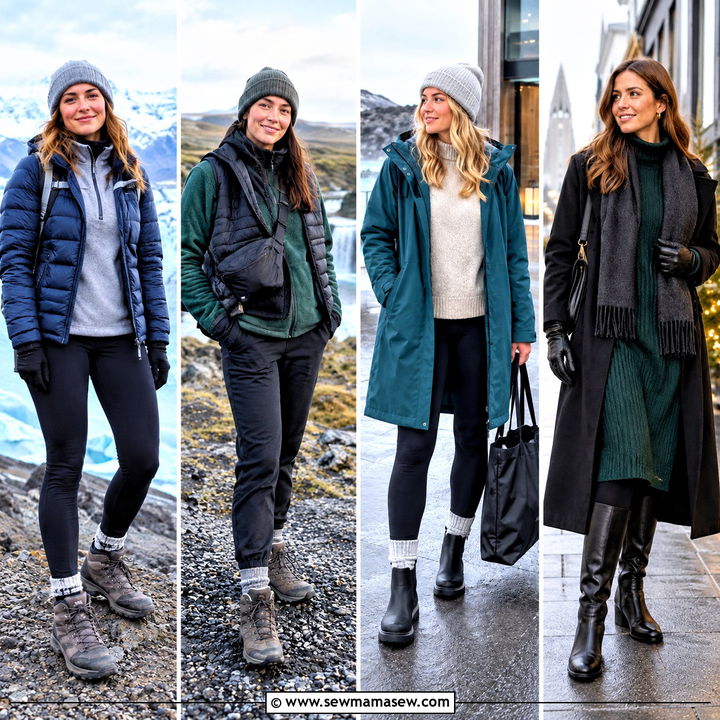
Packing for Iceland in autumn is less about one warm coat and more about wind and water. The temperature itself is rarely extreme. What catches people out is a mild morning turning into horizontal rain at a waterfall, or a beach where the wind cuts straight through a sweater. So every outfit below follows the same system: a base layer that moves sweat away from your skin, a warm middle layer, and a waterproof, windproof shell on top, with boots that can handle wet gravel. Each one is built for a specific day, from Golden Circle driving to standing still under the northern lights, and lists clothes, shoes and accessories. Turn the insulation up or down depending on whether you run warm and how much time you'll spend outside.

What September, October and November Feel Like in Iceland
On paper, autumn in Iceland doesn't sound especially cold. Around Reykjavik, daytime highs typically sit near 50°F (about 10°C) in September, drop to the mid 40s (around 7°C) in October and reach roughly 39°F (4°C) by November, with nights several degrees colder. Inland and in the north it's usually colder still, and early snow on higher roads isn't unusual by late October.
The numbers leave out wind and rain, and those are what you're really packing for. A steady wind can make 45°F feel close to freezing, and autumn is one of the wetter times of year. How I adjust the outfits below by month:
- September: a light fleece under the shell is often enough during the day. Daylight is long, so you'll be outside more hours.
- October: add the puffer as a regular layer and switch to insulated gloves. Daylight shrinks noticeably through the month.
- November: thermal leggings every day, mittens, and an insulated parka for anything after dark. Plan for only a handful of daylight hours.
1. Iceland Autumn Golden Circle Outfit
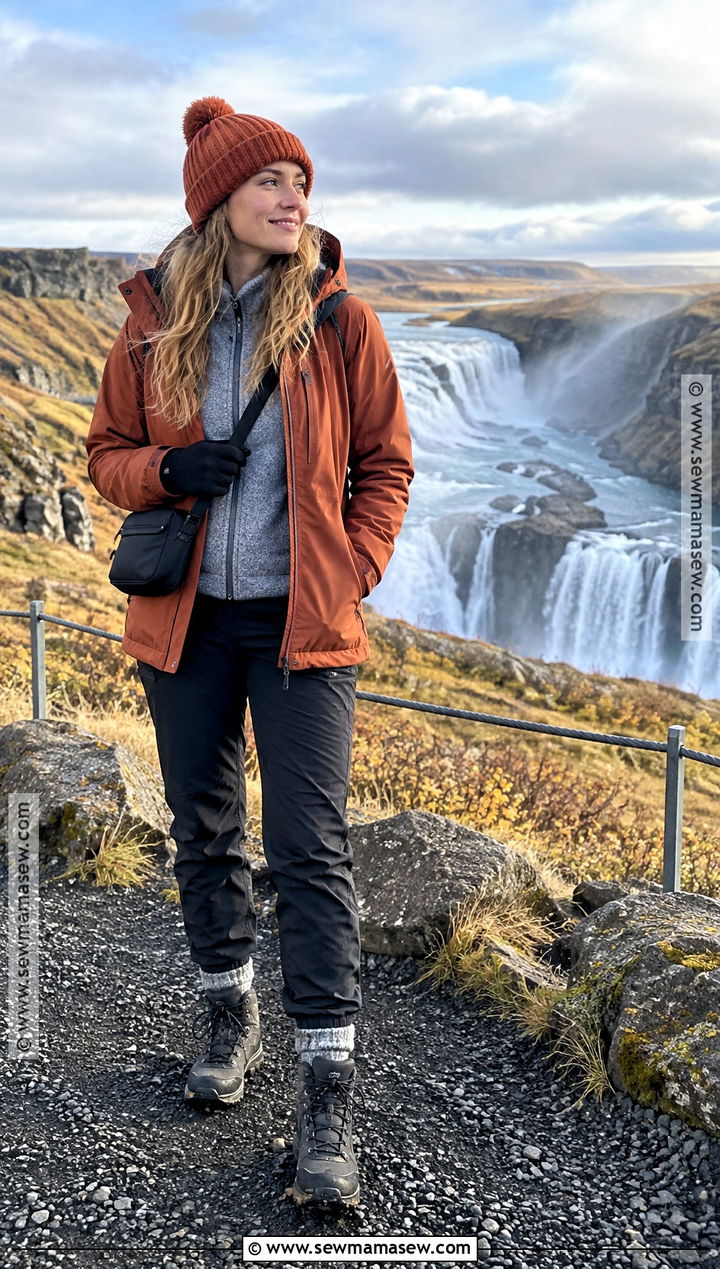
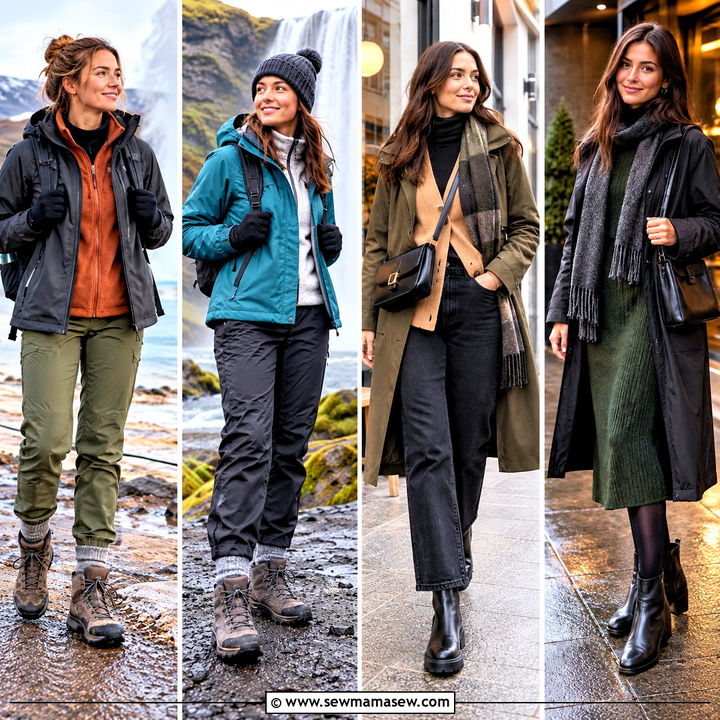
A Golden Circle day is mostly car time broken up by short, exposed stops, so you want layers you can peel off in the car without undressing completely. Start with a fitted merino or synthetic long-sleeve top and thermal leggings, then straight-leg hiking pants, a light fleece and a hooded waterproof shell. The fleece is the piece that comes off and goes back on at every stop. Waterproof hiking boots, wool socks, a close-fitting beanie and gloves. I wear a small crossbody under the jacket so the phone stays dry and reachable for photos. Black pants and boots keep the base simple; a rust, teal or red shell is what shows up against gray rock and steam.
2. Iceland Autumn Waterfall Outfit
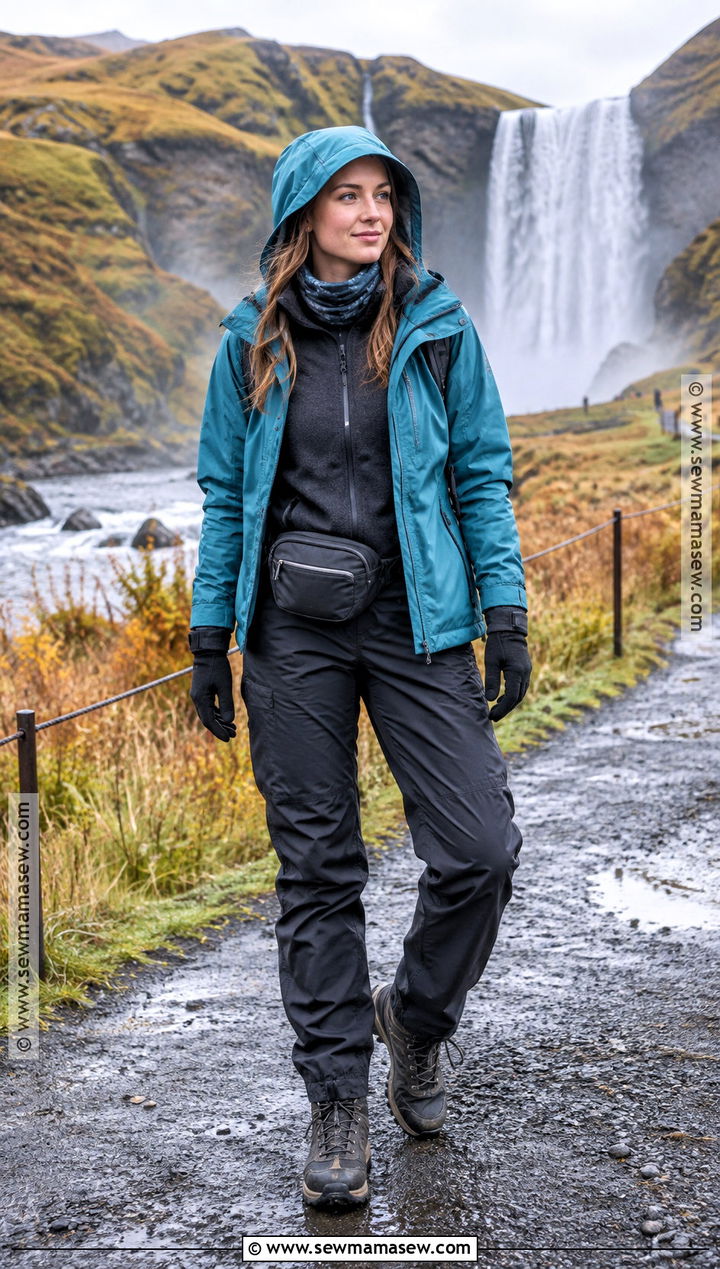
At the bigger waterfalls you can walk right up close, and the spray soaks anything that isn't waterproof within a couple of minutes. Jeans are the worst choice here: denim absorbs water, stays cold and takes hours to dry. Wear thermal tights under waterproof overpants, a moisture-wicking top, a quarter-zip fleece and a waterproof jacket with a hood that cinches tight. A longer shell that covers the hips keeps water from running down into the waistband. Mid-height waterproof boots, cushioned wool-blend socks, waterproof gloves and a neck gaiter finish it. Phone and keys go in a zipped jacket pocket or a water-resistant belt bag. Paths near falls are often muddy, so expect to wipe your boots afterward.
3. Reykjavik Autumn City Outfit
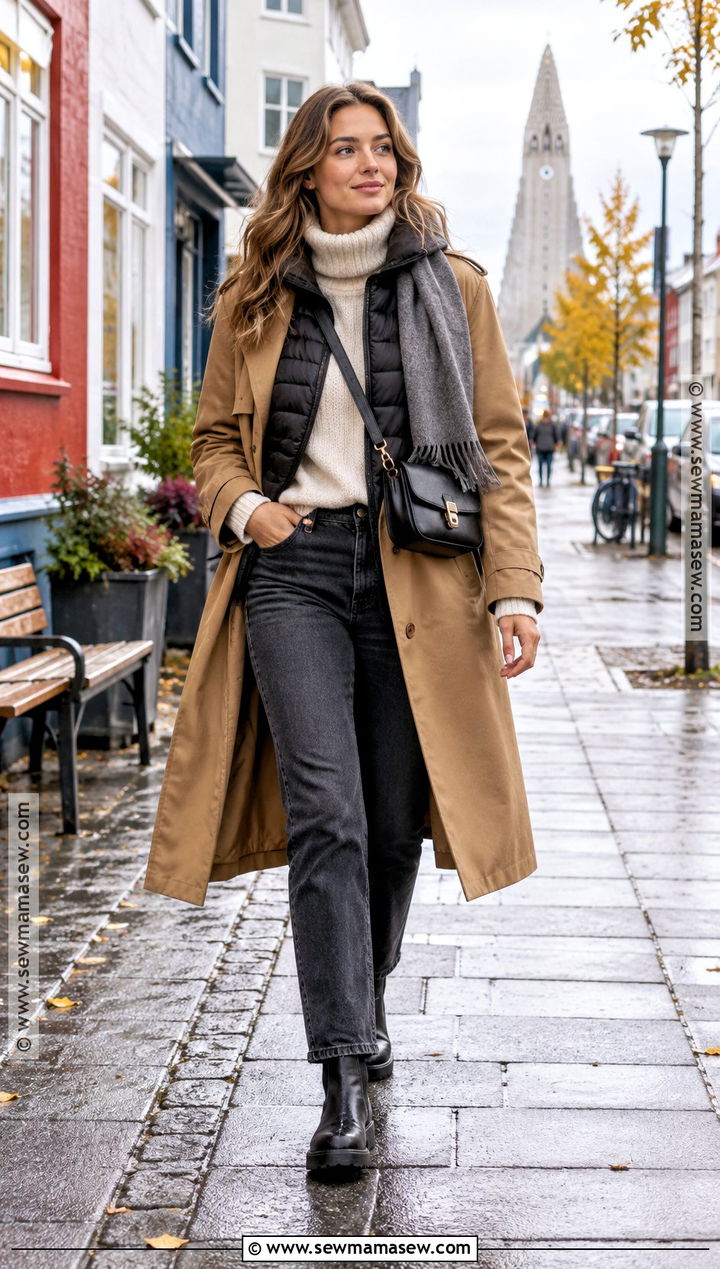
Reykjavik is the one place on most itineraries where you can dress like you're in a city. Underneath, a thin thermal camisole or long-sleeve base layer, then a soft turtleneck and dark straight-leg jeans. A light insulated jacket under a water-resistant trench gives you warmth plus a city silhouette. Leather Chelsea boots are fine if they're treated or waterproof; untreated suede will mark in the first shower. Add wool socks, a structured crossbody, simple earrings and a compact scarf. Black, camel, gray and cream rewear easily. Keep a beanie and touchscreen gloves in your bag. On a properly rainy day I'd swap the trench for a hooded shell, because the wind often turns umbrellas inside out.
4. Iceland Autumn Black Sand Beach Outfit
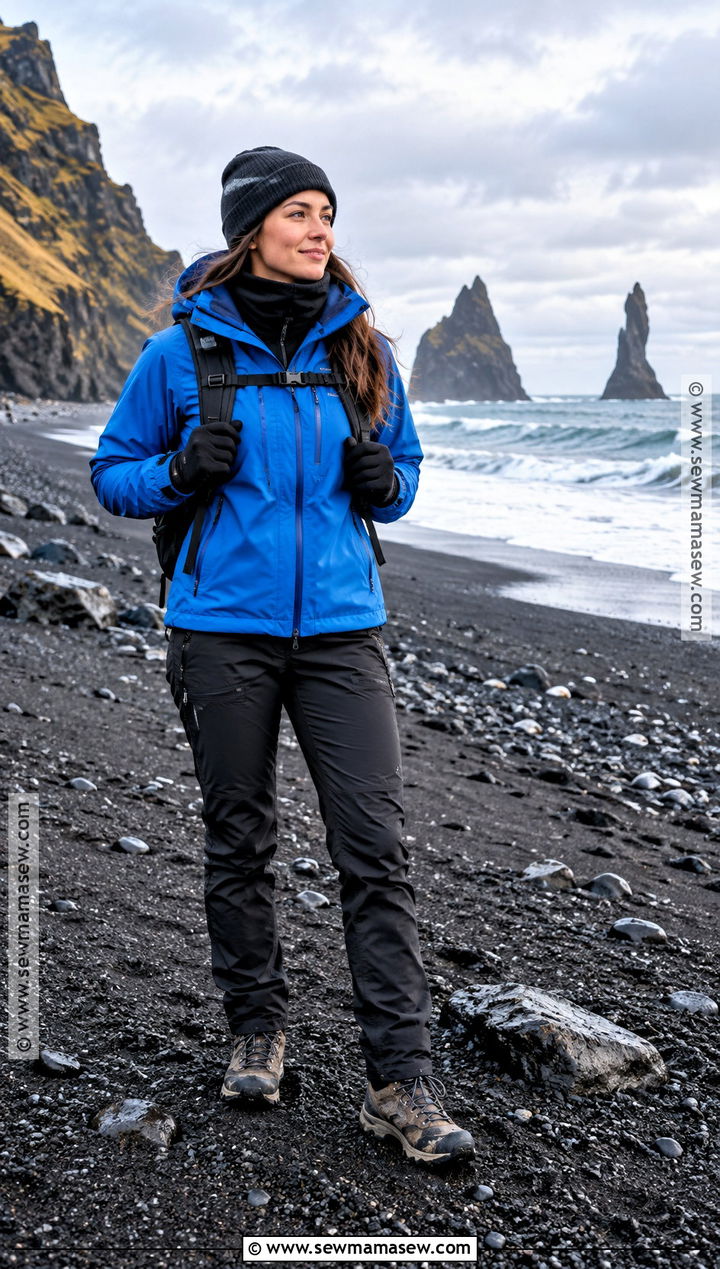
Black sand beaches are the most exposed stop on most trips, and the wind there is relentless. Build from a close-fitting thermal set, fleece-lined hiking pants and a high-neck fleece pullover, topped with a hip-length windproof, waterproof shell in a color you can be spotted in, like mustard, berry or cobalt. Grippy waterproof lace-up boots matter on wet sand and rock. Thick socks, fitted gloves, a neck gaiter and a beanie over the ears. Leave loose scarves, wide-brim hats and long flowing layers at the car; they whip around and pull at your neck in a gust. The waves on these beaches can surge far up the sand without warning, so stay well back from the waterline whatever you're wearing.
5. Iceland Autumn Ring Road Outfit
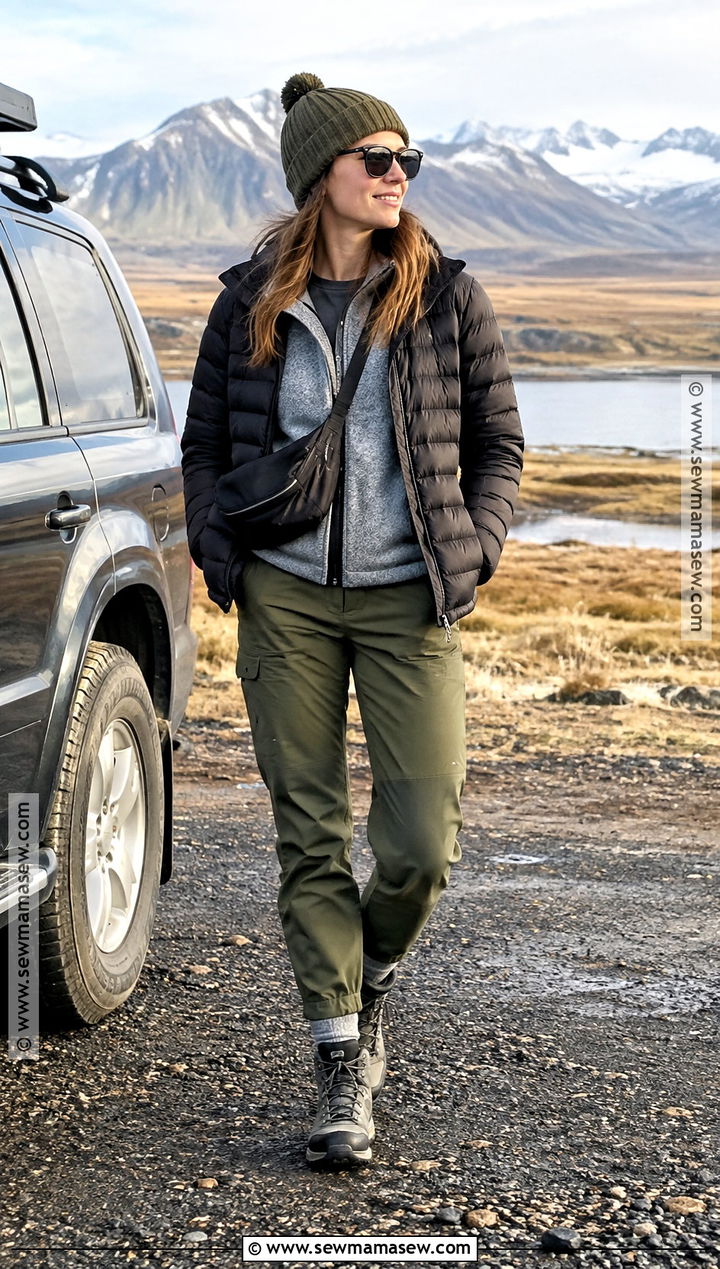
Ring Road days mean several hours of driving punctuated by stops you didn't plan. The trick is having two separate warm layers, a full-zip fleece and a packable puffer, so you can shed one when the car heater kicks in and keep the other. A breathable long-sleeve base layer and flexible water-resistant travel pants go underneath, with a roomy waterproof shell on the back seat. Waterproof hiking boots are the one shoe that covers every stop. Choose a medium crossbody that won't press into your back against the seat. Wrinkle-resistant fabrics in colors that go together will still look decent after six hours folded into a car, which matters if you're taking photos at the end of the day.
6. Iceland Autumn Hot Spring Outfit
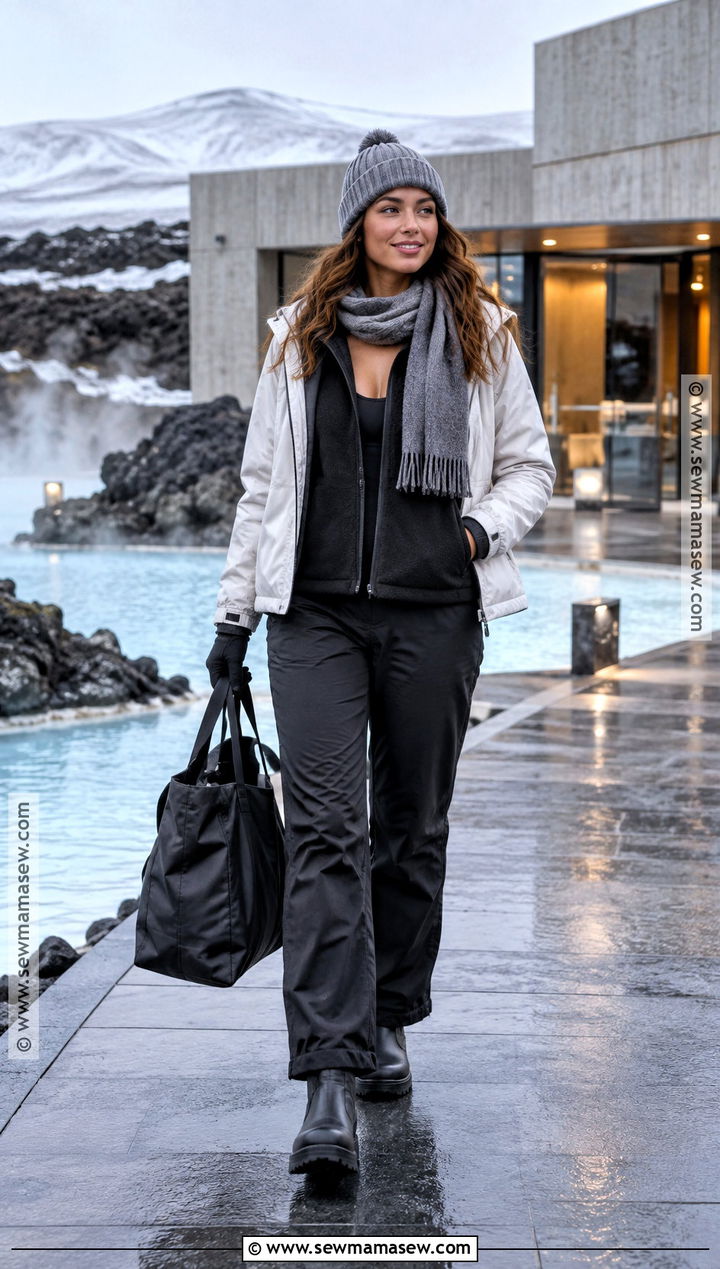
Getting dressed again after a hot spring is the moment everyone forgets to plan for. You'll be damp and the air will be cold, so everything should pull on easily over wet skin. Wear a one-piece swimsuit under a quick-dry long-sleeve top and pull-on joggers, with a full-zip fleece, insulated jacket and a waterproof shell if it looks like rain. Slip-on waterproof clogs or water sandals for the wet areas, but warm socks and waterproof ankle boots for getting there and back. A beanie goes on first when you get out, since wet hair loses heat fast. Pack a water-resistant tote with a separate pouch for the wet swimsuit. Public pools and lagoons in Iceland expect you to shower without a swimsuit before you go in, so allow time for that.
7. Iceland Autumn Glacier Lagoon Outfit
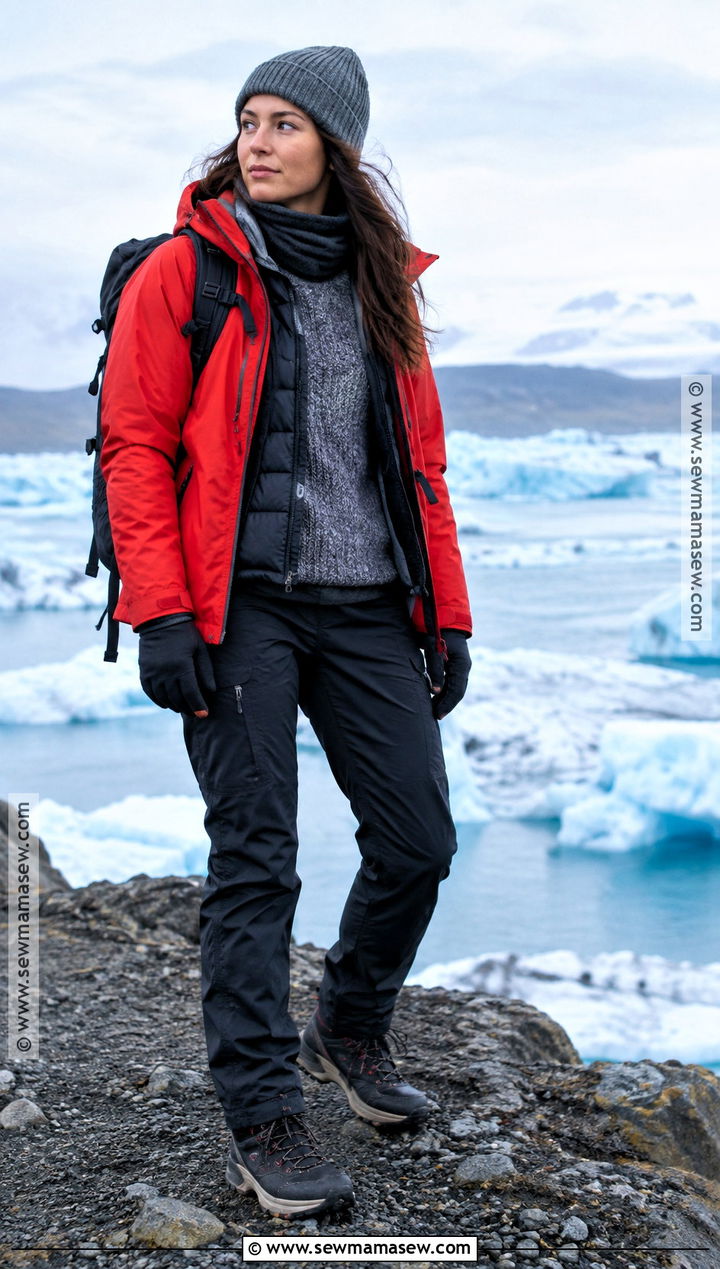
Around a glacier lagoon, standing still in cold air off the ice is what chills you, not hiking. I'd go monochrome underneath with one strong outer color, because a red, emerald or deep orange shell looks sharp against blue ice and gray water. Thermal leggings and a fitted moisture-wicking top, insulated hiking pants, a wool or fleece sweater, then a lightweight puffer under the shell. Make sure the shell is sized to go over the puffer without squashing it; compressed down loses much of its warmth. Waterproof boots, thick socks, a fleece-lined beanie, insulated gloves and a gaiter. If you'll be outside a long time, add a vest rather than switching to one huge coat.
8. Iceland Autumn Northern Lights Outfit
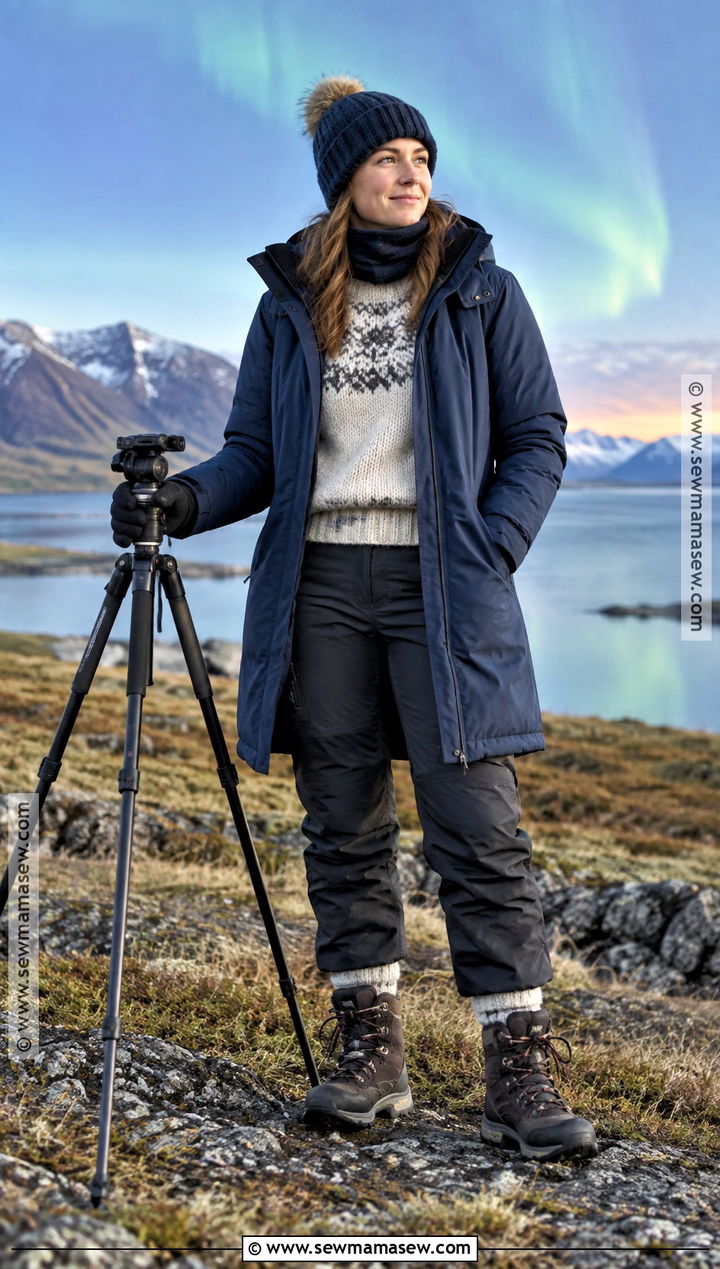
Northern lights watching is the coldest thing you'll do in Iceland, because you're standing still at night, often for an hour or more. Dress warmer than feels sensible. A thermal top and leggings, fleece-lined pants over them, a thick wool sweater, an insulated puffer and a windproof waterproof parka on top. The outer layers should be roomy, not fitted; trapped air is what insulates, and a tight parka presses the layers flat. A long parka covering the hips and thighs makes a real difference. Insulated waterproof boots, heavy socks, a lined beanie, warm gloves and a fleece neck warmer. In the backpack: a spare fleece, hand warmers and a small sitting pad. Reflective details help in dark parking areas.
9. Iceland Autumn Hiking Outfit
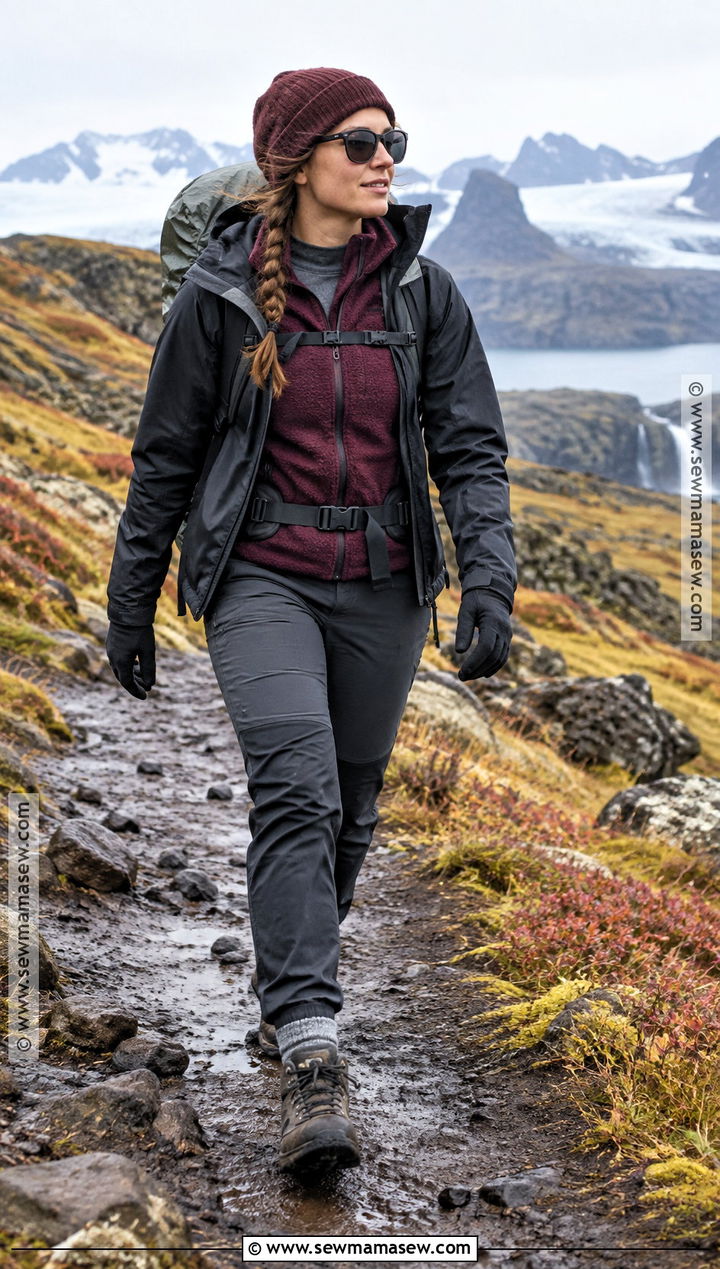
On an active hike, overheating is the bigger risk than cold, and sweat is what makes you freeze at the first rest stop. That's why the base layer should be merino or synthetic; cotton holds sweat against the skin and stays wet. Flexible hiking pants, with thin thermal leggings underneath only when it's cold. A grid fleece or quarter-zip on top, and a waterproof shell with pit zips you can open on climbs. Supportive waterproof boots, moisture-wicking socks and low gaiters to keep mud and grit out. The puffer rides in the daypack for breaks, not on your back while climbing. Add a fitted beanie, light gloves, sunglasses and a rain cover for the pack.
10. Iceland Autumn Road Trip Outfit
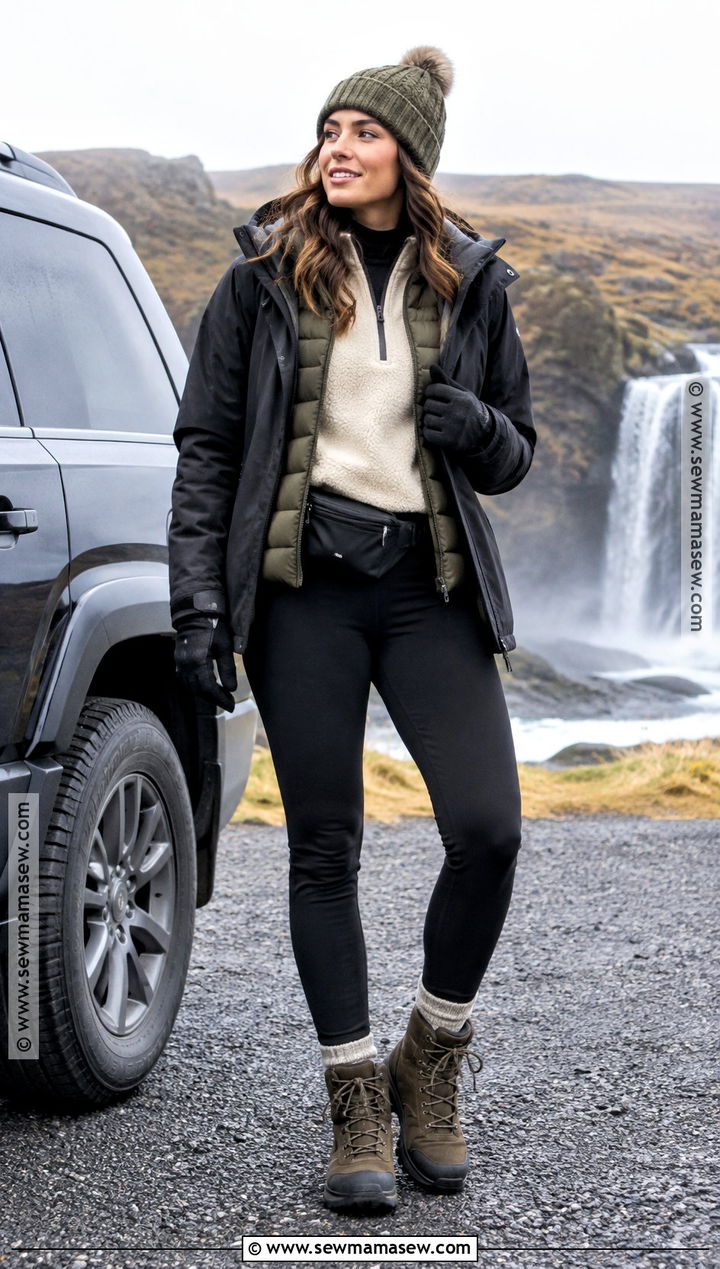
A road trip outfit should be soft enough to sit in for hours without looking like pajamas at a restaurant stop. I'd use high-rise ponte pants or lined travel leggings with a fitted thermal top, then a long wool-blend sweater or half-zip fleece. A light puffer vest goes under the waterproof jacket, keeping your core warm without bulky sleeves when you're driving. Waterproof lace-up ankle boots are less clumsy on pedals than heavy hiking boots. Wool socks, a knit beanie, touchscreen gloves and a belt bag. Black base, oatmeal sweater and an olive jacket look put together in photos. Keep waterproof overpants folded in the car for the short trail that turns out to be a bog.
11. Iceland September Layered Outfit
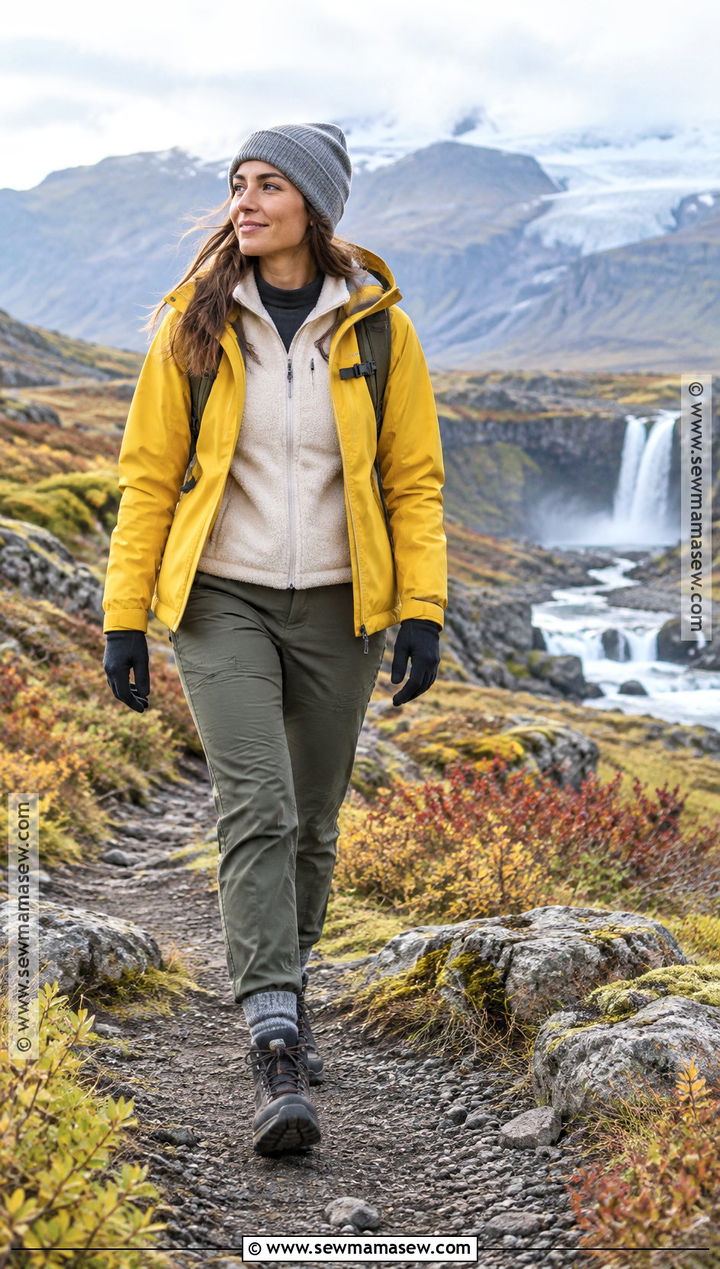
Early September can feel almost mild in the south, and this is the lightest outfit on the list. Even so, I'd never leave the waterproof shell behind. Layer a short-sleeve merino tee under a thin long-sleeve thermal, then tapered hiking pants, a medium fleece and a packable shell. Low-profile waterproof hiking boots look less heavy than insulated ones if you're mixing town and countryside. Wool socks, a thin beanie, light gloves and a compact backpack. Olive, taupe, brown and charcoal sit nicely against the turning moss and grass. On warmer afternoons the fleece comes off and the shell goes straight over the base layers. Keep thermal leggings in the car for when the wind picks up.
12. Iceland October Puffer Outfit
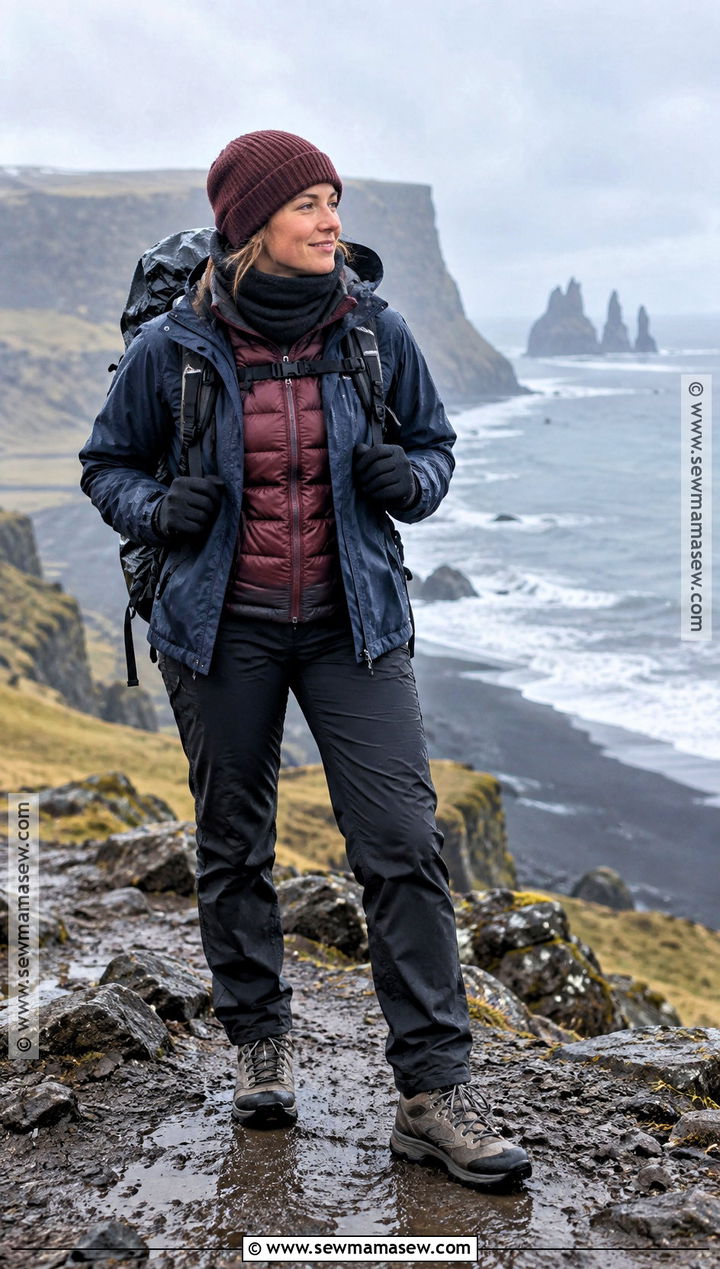
By October the puffer earns its place, but I treat it as a layer, not the coat. Most puffers aren't waterproof, and wet insulation stops working, so a roomy shell over it protects the warmth and looks cleaner. Underneath, a thermal crewneck, fleece-lined leggings and water-resistant hiking pants, plus a fitted fleece jacket under a hoodless midweight puffer. Hoodless matters because two hoods stacked under a shell hood are uncomfortable. Insulated waterproof boots, thick socks, a ribbed beanie, lined gloves and a gaiter. Burgundy, forest green, navy and chocolate look rich against muted autumn scenery. A crossbody phone pouch under the shell, larger items in a backpack with a rain cover.
13. Iceland November Parka Outfit
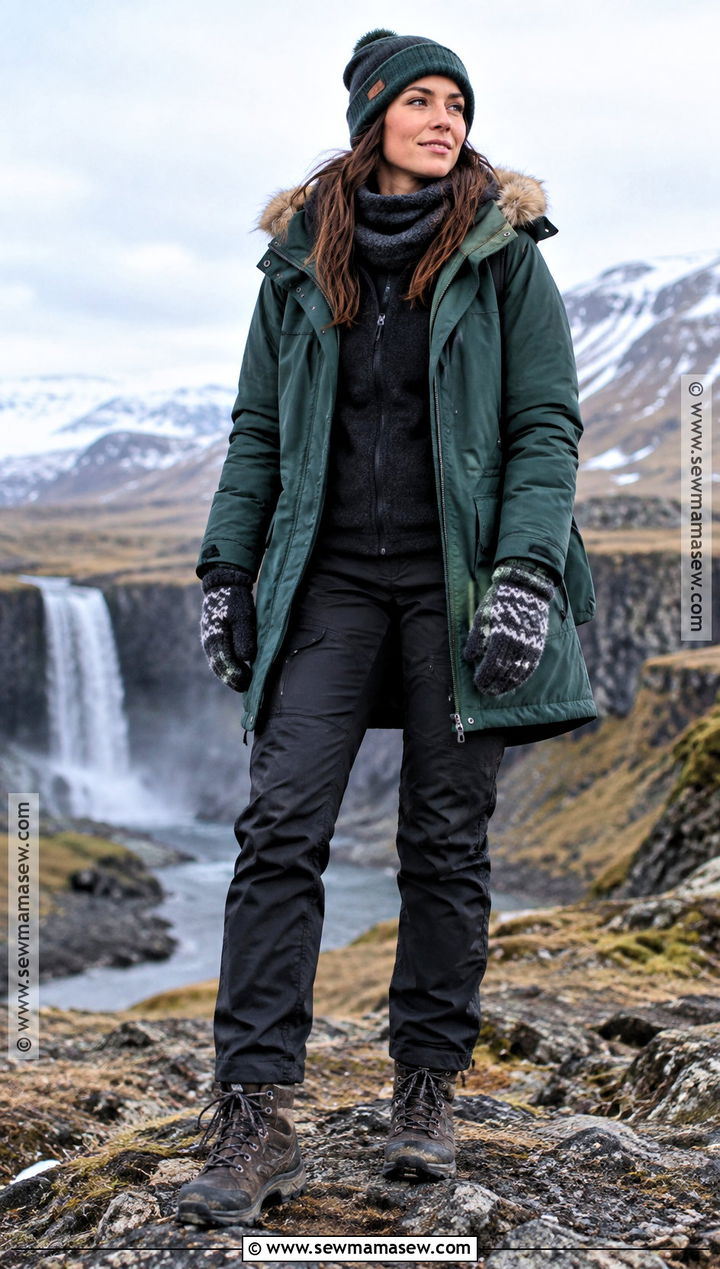
November has short days and genuine cold, especially at early starts and long outdoor stops. This is the warmest daytime setup here. Heavyweight thermal leggings and a high-neck thermal top, lined hiking pants, a thick fleece, then an insulated waterproof parka that covers the hips. Make sure the thermal socks still leave room in your boots; squeezed toes get cold faster because circulation drops. Rugged-soled waterproof boots, an insulated beanie, waterproof mittens and a fleece-lined neck warmer. Mittens are warmer than gloves because the fingers share heat. A parka with an internal drawcord gives some shape. Black trousers and boots with a plum, blue or evergreen coat. Pack spare socks and gloves to swap in when the first pair gets damp.
14. Iceland Autumn Wool Sweater Outfit
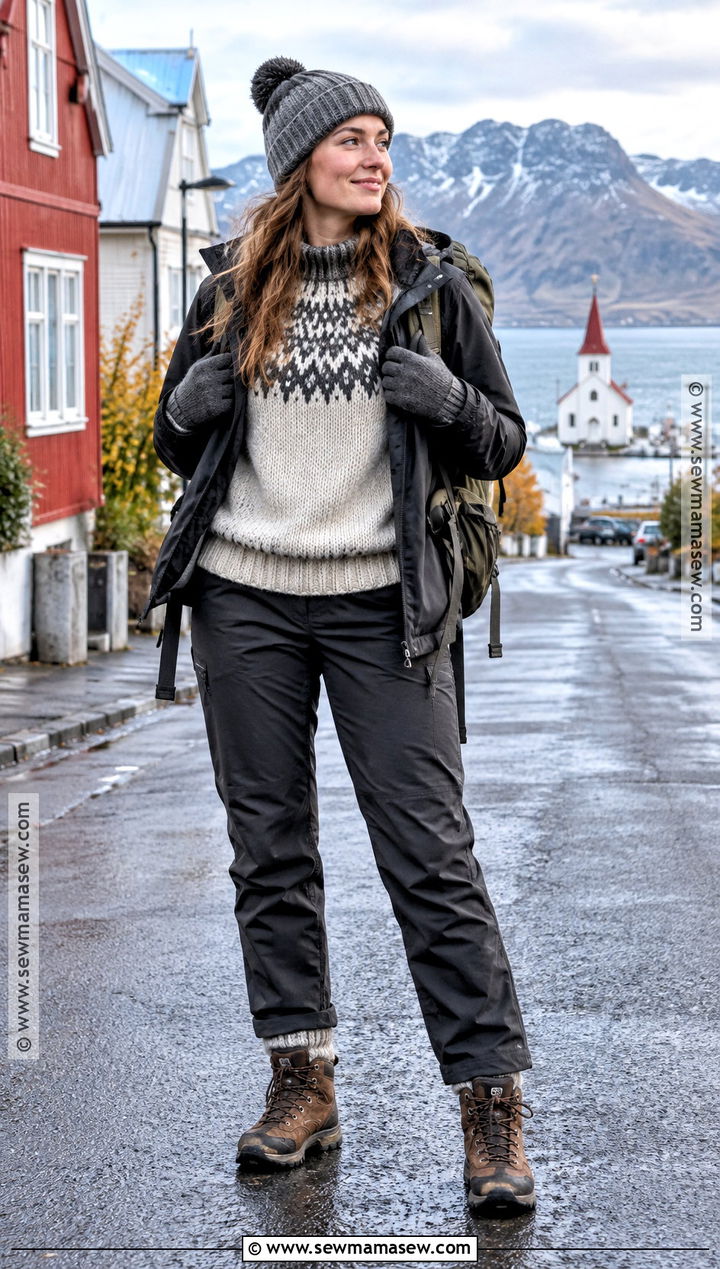
A patterned wool sweater is the piece most people want in their Iceland photos, and it works, as long as you remember wool insulates but doesn't keep out rain. Treat it as the mid-layer. A fitted thermal goes underneath, then straight-leg water-resistant pants with thermal leggings hidden under them. The shell has to be big enough to go over a thick knit without flattening it, so try them on together before you leave. Waterproof leather hiking boots, thick socks, a simple beanie, gloves and a structured backpack. Cream, gray, brown and black are the classic Nordic palette. Indoors at a café the shell comes off and the sweater does the talking. Hand-knit wool can feel scratchy against the neck, which is another reason for the thermal underneath.
15. Iceland Autumn Travel Day Outfit
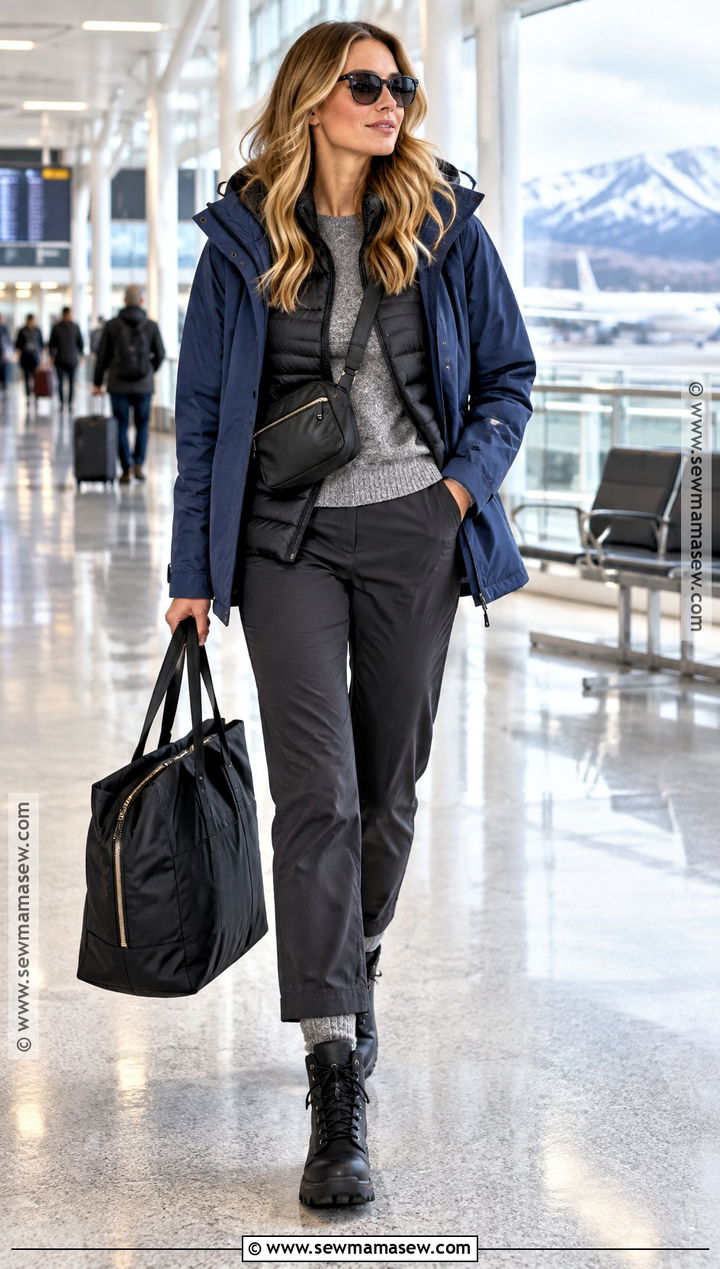
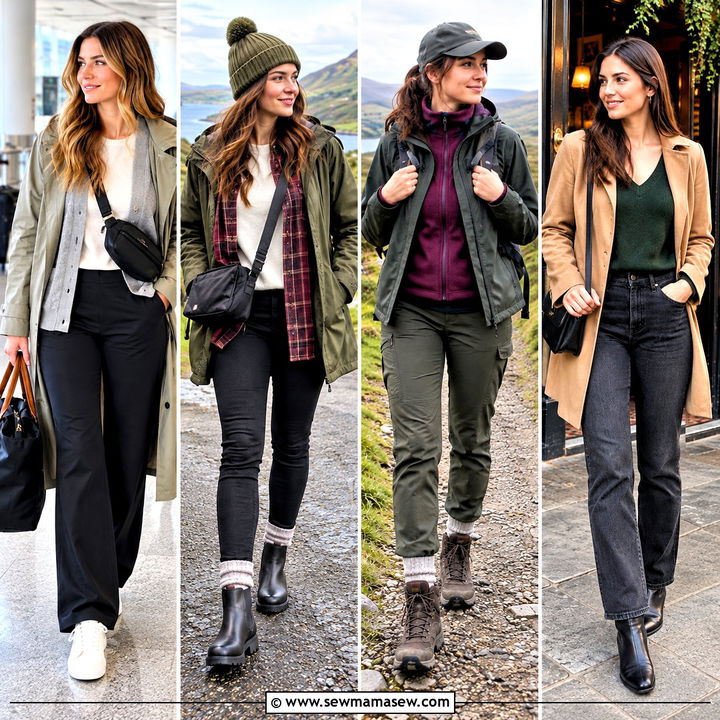
The travel day outfit is mostly a packing strategy. Wear your heaviest boots and bulkiest jacket on the plane, because they take up the most room in a suitcase. Start with a breathable long-sleeve tee and stretchy straight-leg travel pants, then a fine-knit sweater, a light puffer vest and the waterproof hooded jacket. A large zip tote holds gloves, beanie, scarf, documents and a spare base layer, so you can dress for the weather the moment you land. A compact crossbody for valuables. Skip complicated belts and heavy hardware to get through security faster. Black, navy or charcoal pieces that don't crease well, with color in the jacket, can all be worn again on later days of the trip.
Fifteen Outfits From One Carry-On and a Daypack
These outfits look like a lot of clothing, but they share almost everything. For a week to ten days, this is roughly what I'd pack, and it rotates through every look above:
- Base: two thermal tops, two pairs of thermal leggings, one short-sleeve merino tee.
- Warmth: one grid or full-zip fleece, one packable puffer, one wool sweater, one puffer vest.
- Outer: one waterproof, windproof shell with a hood, plus waterproof overpants.
- Bottoms: two pairs of hiking pants, one pair of dark jeans or ponte pants for town.
- Shoes: waterproof hiking boots worn on the plane, plus Chelsea boots or water shoes depending on your plans.
- Small things: three or four pairs of wool socks, a beanie, gloves and mittens, a neck gaiter, a swimsuit.
Merino can be worn several days in a row without smelling, which is why it's worth the cost for base layers on a trip like this. Cotton tees can stay home.
Drying Boots and Wool Overnight
After a waterfall or a wet hike, you'll want everything dry by morning. Pull the insoles out of your boots, loosen the laces fully and stuff them with newspaper or a dry towel, changing it once before bed. Keep them a little away from radiators; direct heat can crack leather and weaken the glue that holds the sole.
Wool sweaters and socks should be squeezed, not wrung, then laid flat or hung somewhere airy. Hanging a wet knit from the shoulders stretches it out of shape. Waterproof shells only need to drip dry, but if water stops beading on the surface, the outer coating has worn and a wash with a reproofing product will bring it back.
One Shell, Two Warm Layers, and Good Boots
If you remember one thing from these outfits, it's that layers beat a single heavy coat in Iceland. A breathable thermal base, fleece or wool for warmth and a reliable waterproof shell will handle almost every day of an autumn trip. Hiking pants and sturdy boots for waterfalls, beaches and trails; jeans, knitwear and Chelsea boots for Reykjavik when the weather's kind. Pack a beanie, gloves, warm socks and a neck gaiter even if the forecast looks easy, since it can change within the hour. Keep your colors in one family so a small suitcase gives you many combinations, and choose pieces that let you move freely. Dressed that way, you'll be comfortable at every stop and still look good in the photos.
Related posts: