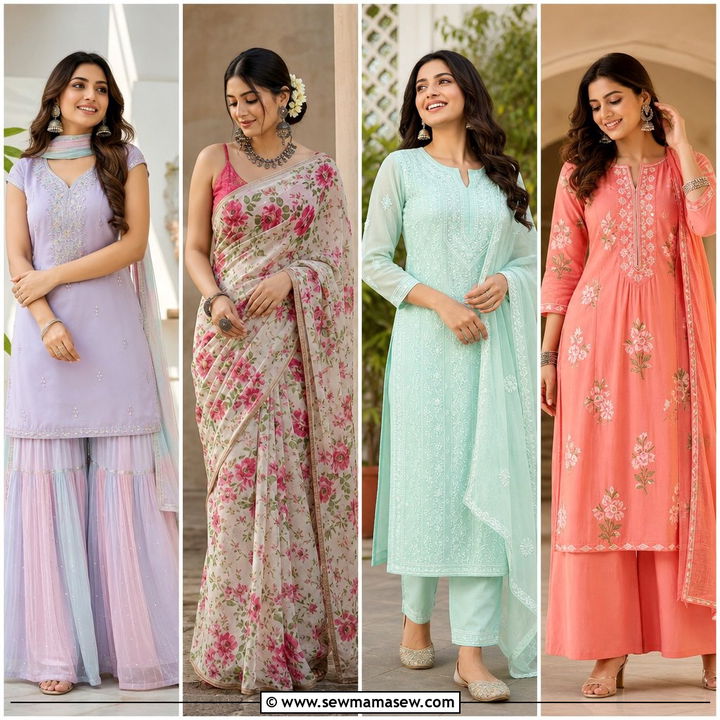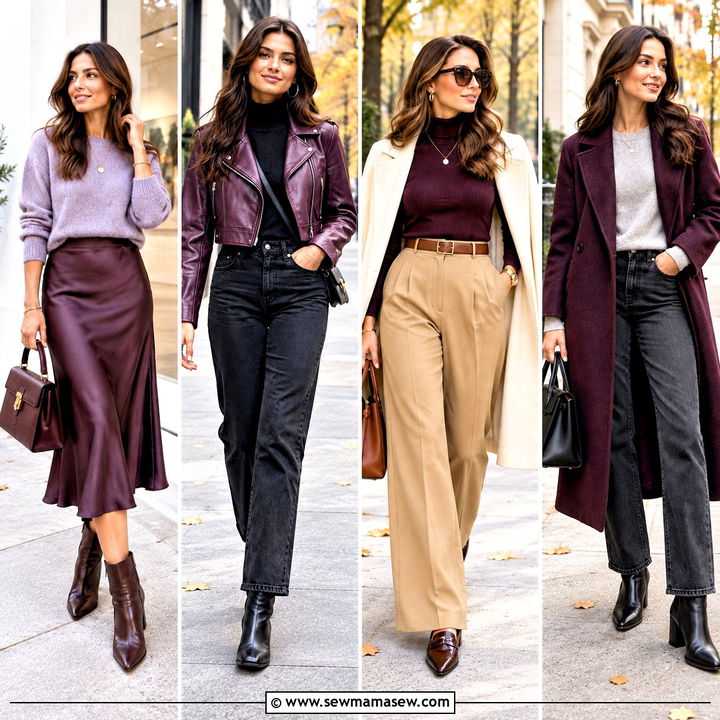
Jaipur asks a lot of one suitcase. You might climb the ramps at Amer in the morning, drink chai in C-Scheme at noon and sit through a palace wedding at night, and the same pair of shoes has to carry you through the dust in between. When I plan a Jaipur wardrobe I start with the heat and the dress codes, then let the city's color do the rest. Below are 25 complete looks, from breathable cotton kurtas and block-printed co-ords to lehengas and Indo-western pieces, each one chosen for walking, sitting cross-legged and photographing well against pink sandstone.

Jaipur's Seasons Decide the Fabric Before the Outfit Does
Jaipur has three very different travel seasons, and I plan fabric around them before I pick a single outfit. From roughly October to March, days are warm and dry, often in the low to mid twenties Celsius, but December and January mornings and nights can drop close to single digits. That is when denim, a shrug or an embroidered jacket earns its suitcase space.
April to June brings fierce heat, regularly near or above 40°C. In those months I pack only loose cotton, mulmul and linen, leave dark synthetics at home and plan sightseeing for early morning. July to September is monsoon season, humid with sudden downpours. Thin cotton dries fastest, while suede juttis and anything trimmed with metallic gota should stay in the room on a rain day.
Whatever the month, these are the pieces I lay out first:
- Two cotton kurta sets or co-ords that also mix with each other
- One dupatta or large cotton scarf for sun and temple cover
- Flat shoes already broken in, plus one block heel for evenings
- One warm layer from November to February
1. Block Print Kurta Set with Palazzo Pants

A hand-block printed cotton kurta set with wide-leg palazzos is the closest thing Jaipur has to a uniform, and I pack one before anything else. Sanganeri prints tend to be fine florals on pale grounds; Bagru prints run darker and earthier, which hides dust better on fort days. The palazzo cut gives your knees room on the high, uneven steps at Amer, and the dupatta doubles as shade for your neck and a cover at temple doors. I finish it with tan leather juttis, silver jhumkas and a crossbody sling so both hands stay free for the camera. One warning: new juttis are stiff at the heel, so wear them around the hotel for an evening before a full day out.
2. Floral Cotton Kurta with White Palazzos and Juttis

White palazzos under a small floral kurta read cool in dry heat, and they glow against terracotta and pink walls in photos. The catch is that white shows every bit of bazaar dust by evening, so I treat this as a morning outfit or pack a second pair. Mulmul and kota doriya are the fabrics to look for: mulmul is a soft, loosely woven cotton, and kota doriya has a small open check that lets air through even when the afternoon passes 38°C. Pastel embellished juttis, small studs and a potli bag keep it light from Hawa Mahal to the textile lanes of Bapu Bazaar. Hold the kurta up to daylight before you buy, because very fine mulmul can be sheer.
3. Front Tie Crop Top with Printed Maxi Skirt

A front-tie crop top tucked into a high-waisted printed maxi skirt is the loose, easy shape I reach for on breezy rooftop evenings. Keep the top solid in white, black or mustard and let the skirt carry the local craft, such as leheriya waves or a small mirror-work border at the hem. Where the knot sits matters. Tie it right at the skirt's waistband so no midriff shows when you raise an arm, which keeps you comfortable in the older lanes where more coverage is the norm. Flat leather sandals, thin silver bangles and one ring are enough, and if you hate retying a knot all day, swap in a fitted tee.
4. Printed Co Ord Set with Sneakers

On days when I don't want to think about matching separates, a co-ord does the thinking for me. Block-printed cotton in indigo, mustard or terracotta pulls straight from the city's textile palette and stays cool through long stretches in Johari Bazaar and Tripolia Bazaar. White sneakers make it sporty and handle hours on hot pavement better than any flat sandal, though they won't stay white for long. Oversized sunglasses, a canvas tote and a light watch finish it. If you have a long torso, test the cropped co-ord top by lifting a bag overhead in the fitting room; many ride up further than you'd expect.
5. Long Colorful Shrug with Tank Top and Denim

Winter mornings in Jaipur can start cool and turn warm by noon, and a long block-printed shrug handles that swing. Over a plain tank and straight-leg denim it gives you the color without a full ethnic outfit, then comes off and folds into a backpack once the sun is high. Bold leheriya or bandhani prints catch the light well on camera. For long walking days I choose white sneakers; for a short café stop, Kolhapuri chappals. Denim is the weak point. It's heavy and slow to dry in heat, so I only plan this look for roughly November to February.
6. Floral Shirt with High Waisted Jeans and Kolhapuris

For minimalists who still want something romantic, I tuck a loose half-sleeve floral shirt in peach or sage into light-wash high-waisted jeans, roll the sleeves and add a slim leather belt. Handmade Kolhapuri chappals bring the artisan touch, but go slowly with a new pair: the leather straps are stiff and can rub the top of the foot raw until they soften with wear. A small camera bag keeps it practical around Patrika Gate and the Albert Hall Museum. Those painted arches and carved facades are so busy that a plain outfit actually reads better in photos there.
7. Flowy Maxi Dress with Statement Earrings

A full-length maxi in emerald, ruby or maroon is what I pack for a rooftop dinner or an evening at a heritage hotel. The length suits the city's modest norms and still feels dressed up. Georgette moves more in a breeze but traps heat; cotton-silk drapes almost as well and breathes better, so I pick it in the warmer months. Swap the flats for low block heels, since thin stilettos catch in the gaps of old stone floors, then add chandelier earrings or a choker and a metallic clutch. Bring a light wrap too. Winter evenings cool quickly once the sun drops.
8. Halter Neck Crop Top with Linen Trousers

In the hottest part of the afternoon I want clothes that barely touch me, and a soft halter crop with high-waisted wide-leg linen trousers does exactly that. Linen creases within the hour, so either accept the rumpled look or choose a linen-cotton blend that wrinkles less. Olive, sand and rust sit naturally with the city's own tones. Flat leather sandals, a woven jute bag and one pendant finish it. I save this one for café-hopping in C-Scheme rather than the old city or temples, where bare shoulders draw attention, and I keep a thin scarf in the bag in case plans change.
9. Strappy Top with Printed Flared Pants

Printed flared pants give you some of a lehenga's swing while still letting you climb into a tuk-tuk without gathering a skirt. I keep the top plain, a strappy neutral, so the block print or bandhani on the pants does the talking. Watch the hem. Flares should graze the top of your foot in flat sandals; any longer and they drag through dust and get stepped on during stairs. Kolhapuris or leather slides, stacked silver bangles and a small crossbody are all it needs, and it stays modest when you sit cross-legged at a traditional Rajasthani dinner after an evening cultural show.
10. Short Kurti with Linen Pants and Oxidized Jewelry

A short, straight-cut cotton kurti over neutral linen pants is lighter to wear than a full kurta set, and I like it for days that run from a morning heritage walk at Amer Fort straight into a late lunch. The kurti should end around mid-thigh; any shorter and it starts to read as a western top. Oxidized silver, a chunky necklace with stacked rings and textured bangles, gives it Rajasthani character. Flat kolhapuris or cushioned juttis and a small fabric potli finish it. Oxidized metal can leave grey marks on pale cotton where it rubs, so keep the bangles off a white sleeve.
11. Cotton Anarkali Kurta with Dupatta and Sandals

A floor-length cotton Anarkali is the most regal daytime shape you can pack. The fitted bodice and flared skirt look graceful under the arches of City Palace and on the steps of Panna Meena ka Kund, though on the stepwell I'd lift the skirt with one hand, since a full hem and narrow steps are a bad mix. Ivory or a soft pastel with a little gota at the neckline keeps it right for daytime, and the dupatta goes over one shoulder or over your head at temples. Flat embellished sandals, pearl or kundan earrings and a slim clutch are plenty. A very full Anarkali uses a lot of fabric and gets hot, so for April or May I'd choose a lighter, less gathered cut.
12. Bandhani Lehenga with Kundan Jewelry Set

For a wedding function or a festive dinner, a bandhani tie-dye lehenga carries more Rajasthani craft than almost anything else you could wear. Each bandhani dot is a pinch of cloth tied off with thread before dyeing, which is why a handmade piece looks slightly irregular up close. Bright pink, yellow and orange are the classic shades. I balance all that pattern with a fitted choli and a dupatta in one solid contrasting color, then add kundan jewelry: a necklace, matching earrings and a maang tikka. Block heels handle palace courtyards far better than stilettos, and a metallic potli holds your phone.
13. Block Printed Cotton Saree with Kolhapuri Sandals

A hand-block printed cotton saree in indigo, dusty pink or mustard is one of the best things to pack for Jaipur. Cotton breathes through hot afternoons, and the prints come from the textile villages just outside the city, Sanganer for fine florals and Bagru for bolder, earthier motifs. If you're new to draping, a simple Nivi drape with the pleats pinned firmly at the waist is the one I'd learn, because it stays put on stairs. Add a solid contrast blouse, Kolhapuri sandals, small silver jhumkas and a single bangle. It goes from a morning at Jantar Mantar to sunset at Nahargarh Fort, but pin the pallu before you step onto the windy ramparts.
14. Angrakha Kurta with Dhoti Pants and Jhumkas

The angrakha, with its crossover front and side ties, is an old Rajasthani shape that still feels current. In cotton, in ochre, rust or deep teal, it sits well over relaxed dhoti pants that taper at the ankle. The tie closure is the part I check first. If it's loose, the overlap gapes every time you lean forward, so I tie it snug and add a small safety pin inside on slippery fabric. Oxidized jhumkas, a few bangles and juttis in a complementary shade are all it takes for a heritage walk that ends at a café.
15. Mirror Work Kurta Set with Palazzo and Dupatta

Mirror work, or sheesha embroidery, is one of Rajasthan's brightest crafts, and a straight-cut kurta with mirrors on the yoke and sleeves turns plain cotton into an evening piece. I keep the palazzos solid in ivory, black or sand so the mirrors stay the focus, and pleat the dupatta for a neater neckline. Silver juttis, chandbali earrings and a small sling bag balance the sparkle. The mirrors are held on by stitching alone, so hand wash it inside out and never wring it, or the threads around them loosen. Wear it to a cultural evening or a Diwali gathering when you want craft with restraint.
16. Gota Patti Lehenga with Embroidered Blouse

When the invitation asks for full festive dress, a gota patti lehenga is my pick. Gota is a metallic ribbon cut into shapes and stitched by hand onto silk or organza, and it catches candlelight more softly than heavy sequins. Choose a jewel tone such as Moroccan blue, deep maroon or emerald, and keep the blouse lightly embroidered so the skirt carries the weight. A sheer dupatta with gota borders, metallic heels and a kundan choker complete it. Gota can tarnish, so I store the lehenga folded in plain cotton cloth rather than plastic. Save it for destination weddings, sangeet nights and grand palace venues.
17. Hand Block Printed Maxi Dress with Sling Bag

A full-length maxi in hand-block printed cotton gives you coverage and comfort in a single piece. All-over florals or paisleys in muted natural-dye tones look rich against the old city's pink walls, and an A-line cut lets air move around your legs on a hot market walk. A slim leather belt gives it shape, flat tan sandals carry you all day, and a structured sling keeps cash and phone secure in crowded lanes. Natural dyes often bleed in the first few washes, so wash it alone in cold water. It covers a whole day, from morning sightseeing to an evening chai stop, without a change.
18. Cotton Kaftan with Flat Sandals and Sunglasses

When the sun is relentless and the schedule is full, I reach for a lightweight cotton kaftan. The loose cut moves air and covers you fully, which suits temples and open forts with little shade. A Jaipur block print or a pastel stripe both work with flat leather sandals, oversized sunglasses, a wide-brimmed hat and a roomy canvas tote. Its one drawback is wind. A very wide kaftan balloons on fort ramparts, so a belt or a quick knot at the side keeps it under control. For travelers who put comfort first, this is the easiest outfit on the list.
19. Embroidered Sharara Set with Heels

A sharara set gives you the flare of a lehenga with divided legs, so sitting, walking and dancing all get easier. An embroidered sharara in mustard, fuchsia or deep teal feels celebratory without being hard to move in. I always try shararas on with the exact shoes I'll wear, because the legs are cut long; mid-height block heels lift the hem off the floor so it falls cleanly instead of pooling. Statement earrings and a slim clutch finish it. I'd put this first for a mehendi, a pre-wedding gathering or any night with dancing.

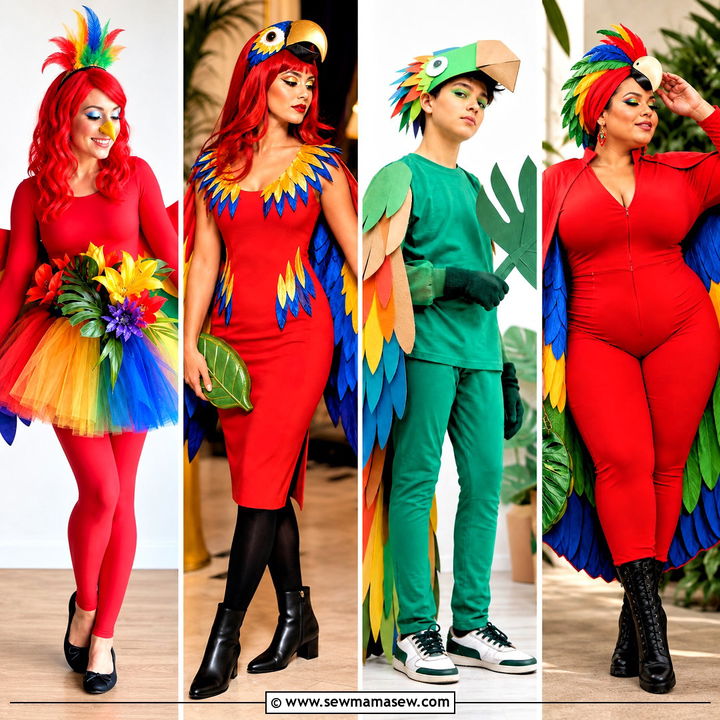
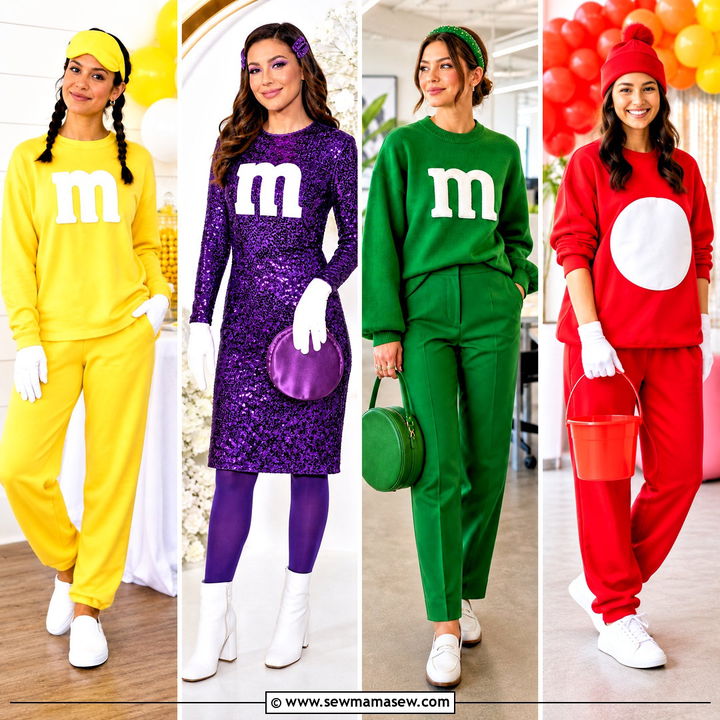
20. Jacket Style Kurta with Sharara Pants

A long embroidered jacket over a simple kurta and sharara pants gives a regal Indo-western shape that still feels Rajasthani. The jacket, block-printed or with light mirror work, adds structure over the soft sharara. I keep the colors tonal: an ivory jacket over pastel, or a jewel-toned jacket over black. Shoulder fit is the thing to check, because a long jacket that's wide at the shoulder makes the whole outfit look borrowed. Block heels, one statement ring and a potli bag finish it. Winter weddings and evening receptions in Jaipur get cool enough that the extra layer is welcome.
21. Leheriya Saree with Oxidized Silver Jewelry

Leheriya, the diagonal wave pattern made by rolling and tying cloth before dyeing, is a summer favorite in Rajasthan and makes a light, bright saree. Magenta, sunshine yellow and orange stand out against muted sandstone. I pair it with a solid contrast blouse and let the waves do the talking, then calm the loud color with oxidized silver: chunky earrings, a textured cuff and toe rings. Flat juttis keep it walkable. Leheriya is usually dyed on thin cotton or chiffon, so the pallu flies about in any breeze; pin it at the shoulder before an outdoor stop.
22. Off Shoulder Top with Printed Maxi Skirt

An off-shoulder top in white or soft blush with a high-waisted printed maxi skirt is my golden-hour outfit. The open neckline frames the face well in photos, and the long skirt adds movement while covering the legs. That neckline is also its limit. I wear it to a rooftop or a haveli dinner, not to temples or the old bazaars, and I make sure the elastic grips firmly so I'm not hitching it up all evening. Flat strappy sandals, a small choker and a compact clutch keep the proportions balanced.
23. Vest Top with Pleated Wide Leg Trousers

For a sleek modern take, I pair a tailored vest top with high-waisted pleated wide-leg trousers in cotton or a linen blend. Beige, cream, olive or soft black worn tonally gives a clean outline that stands out against ornate backdrops. If you're short-waisted, choose single pleats over double; they add less fullness at the front and keep the waist from looking bunched. Flat leather sandals or pointed mules keep it refined, and structured gold jewelry adds polish. A plain tote and slim sunglasses finish it for museum galleries and design shops.
24. Crop Top with Tailored Trousers and Block Heels

A fitted crop top with high-waisted tailored trousers sits between modern and modest, as long as the trouser waist actually meets the top's hem. Crisp trouser lines look sharp next to the detailed carving of forts and palaces. Choose cotton or a natural crepe so you stay comfortable on long afternoon tours; polyester crepe looks smart but holds heat against the skin. Wooden or neutral block heels add height and still walk well, and a structured handbag polishes it off. Gold hoops and a slim watch are all the jewelry it needs.
25. Embroidered Jacket with Palazzo Pants

An embroidered short jacket or waistcoat over a plain tank and wide-leg palazzos is the most flexible piece I pack. The jacket brings the craft, whether gota borders, mirror work or fine thread embroidery, while the palazzos and base keep you comfortable. Change the jewelry and it moves from a casual dinner to a cultural show or a low-key pre-wedding function. Silver juttis, a fabric potli and layered pendants finish it. Because the jacket does all the work, it's also the cheapest way to bring a western travel wardrobe closer to Jaipur.
Telling Hand Block Prints From Screen Prints at the Stall
Most of these outfits lean on block prints, and you will want to buy some in Jaipur. Hand block printing is stamped one block at a time, so look for small irregularities: a repeat that sits slightly off, a color that's a touch heavier in one spot, faint joins where blocks meet. A perfectly even print with identical, razor-sharp repeats over many meters is usually screen printed. Both are wearable. Just pay for what you're actually getting.
Turn the cloth over too. On hand-printed cotton the dye usually soaks through, so the reverse shows a softer copy of the pattern. Natural dyes can bleed in the first washes, so wash new pieces alone in cold water and dry them in shade, because strong sun fades indigo and madder reds quickly.
Temple Days Mean Slip-On Shoes and Covered Shoulders
Several looks here are fine for a fort but need an extra layer for a temple. Most temples ask you to leave your shoes at the entrance, so on temple days I wear slip-on juttis or sandals rather than laced sneakers. Shoulders and knees should be covered, and a dupatta over a strappy top or crop does that in seconds. Stone floors and courtyards heat up badly by midday in summer, which is one more reason I plan temple visits for the morning.
Jaipur Rewards Cotton, Flat Shoes and a Spare Dupatta
One Jaipur day can hold a hot afternoon, a cool evening, dusty lanes and a palace dinner. Across all 25 looks the same habits carry you: natural fabrics that breathe, flat or block-heeled shoes you've already broken in, and a dupatta or scarf within reach for temples and sun. Build around the city's terracotta, pink and gold, pack lighter than you think you need, and leave room in the bag for the block prints you'll buy there.
Related posts: