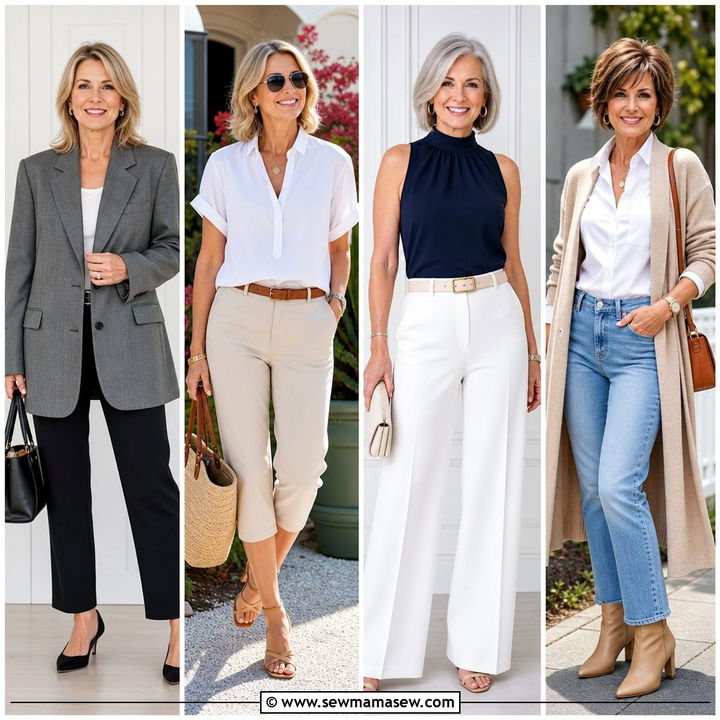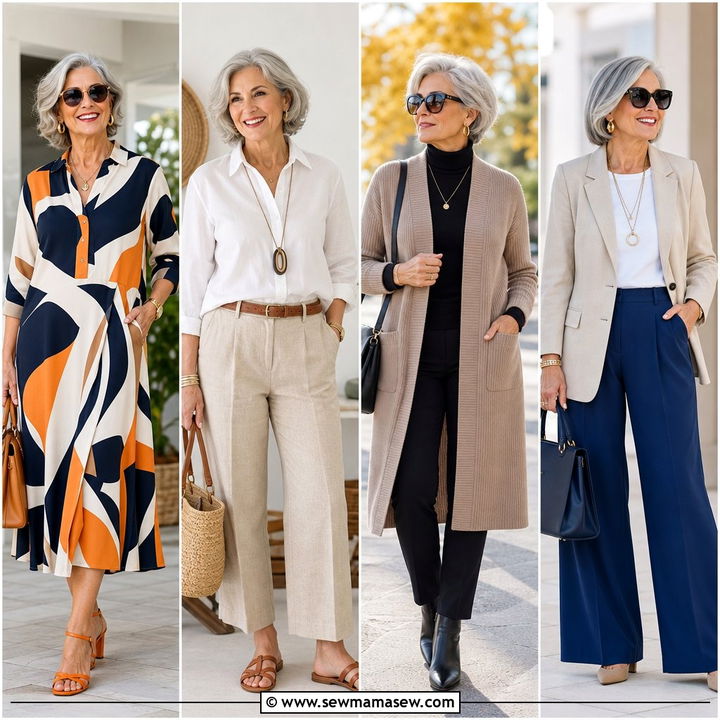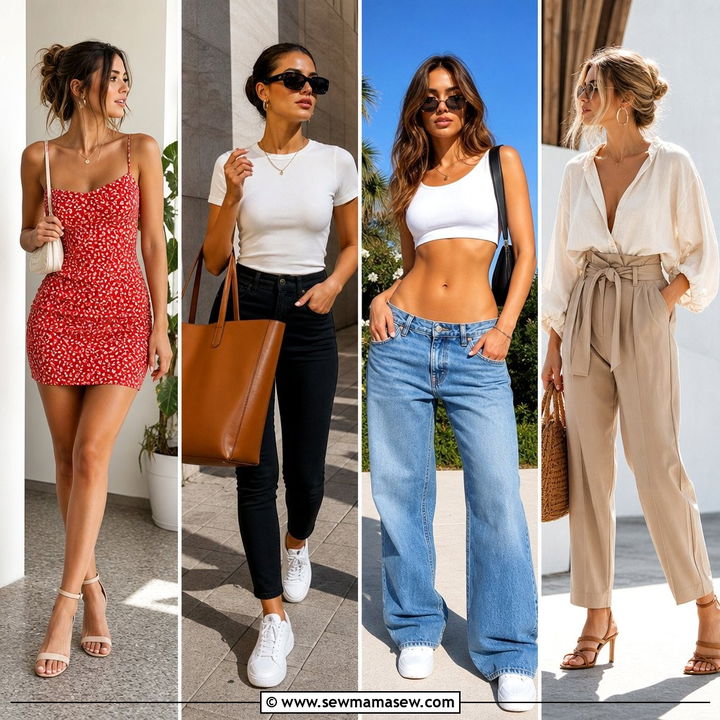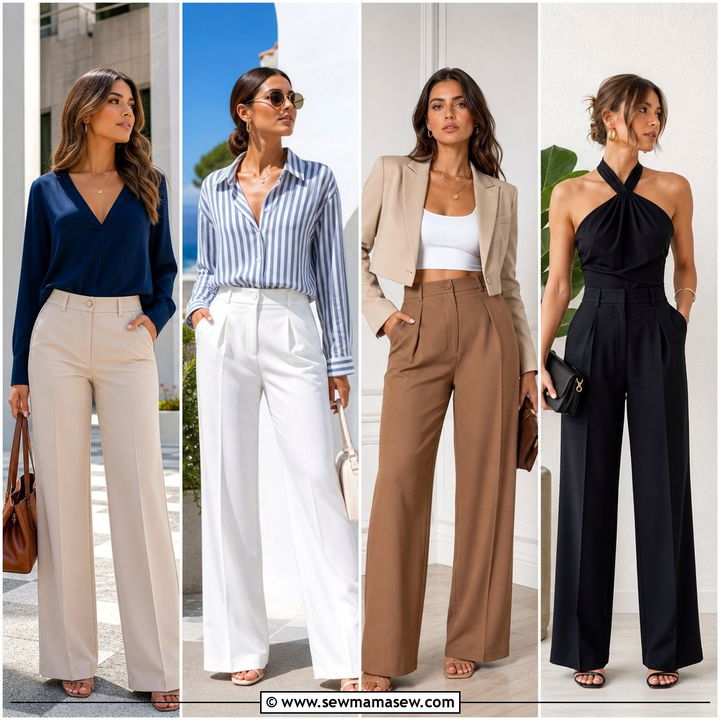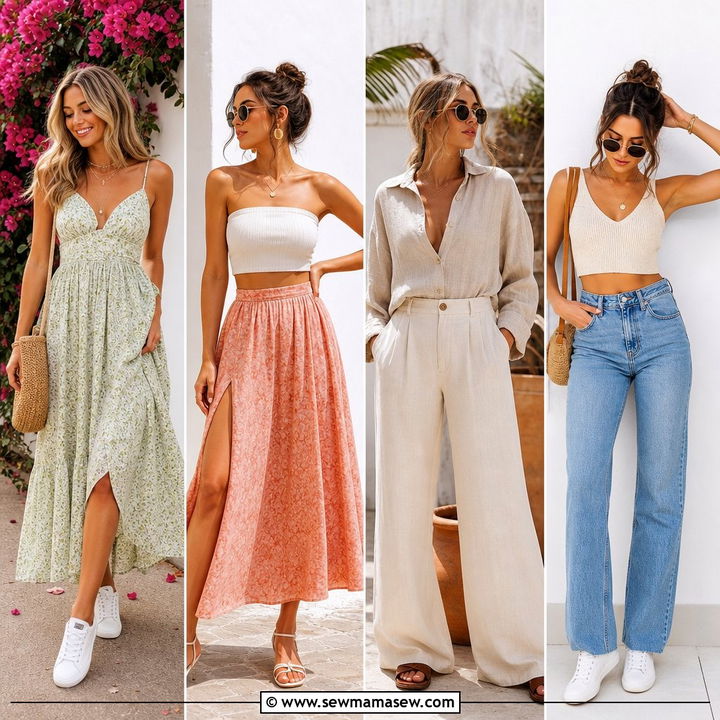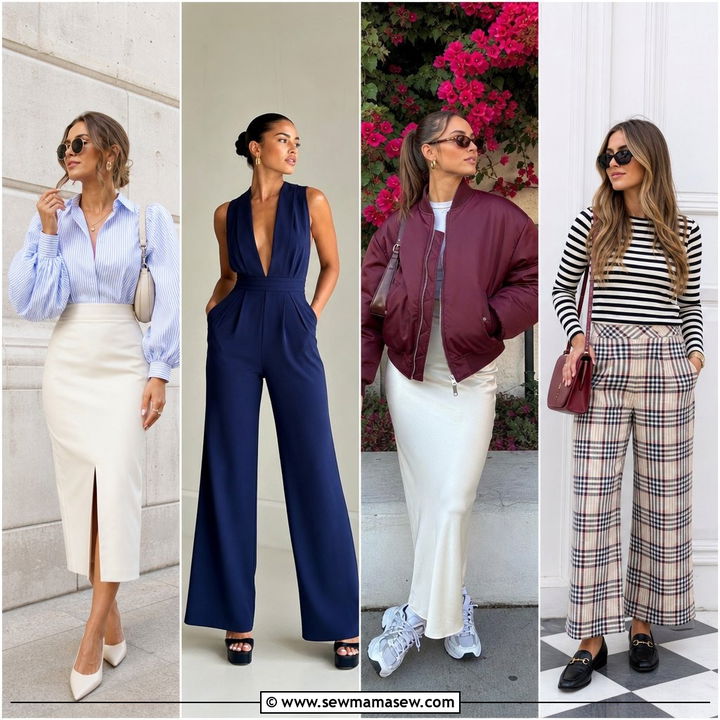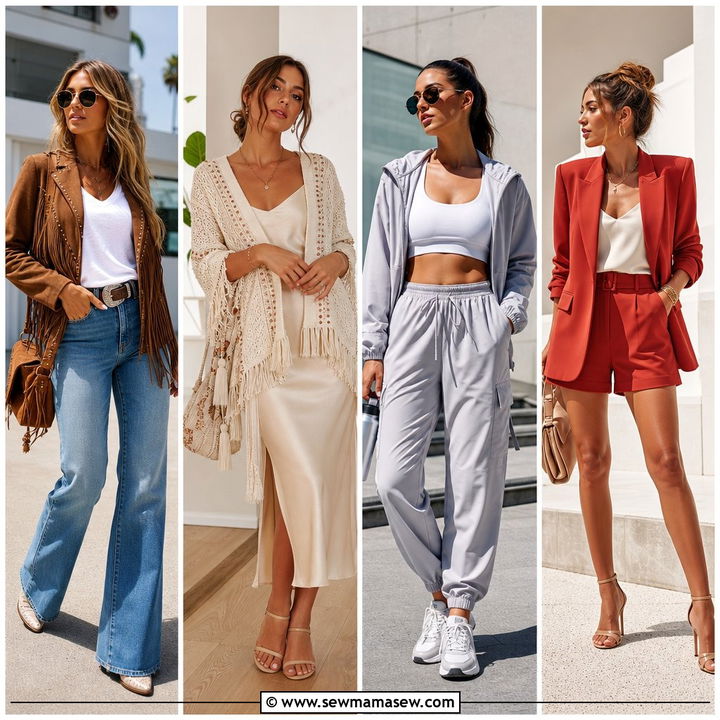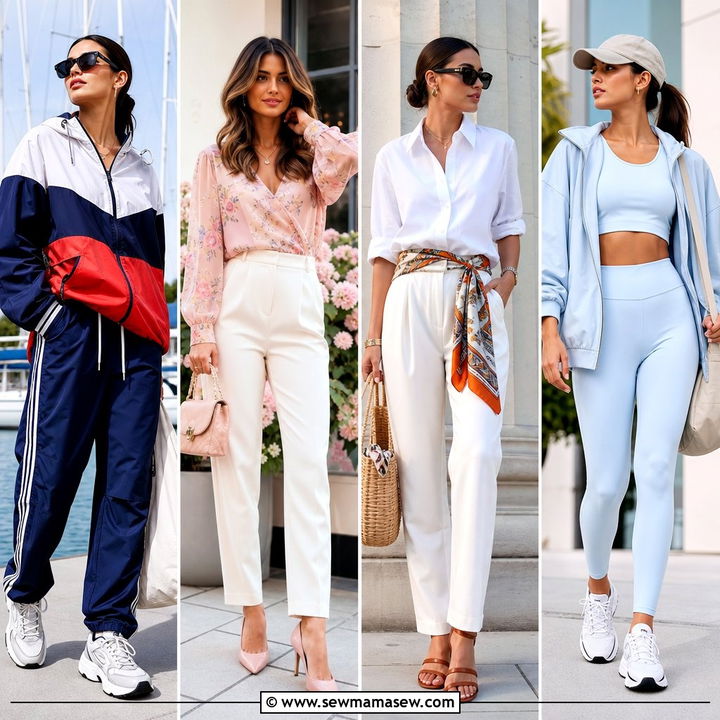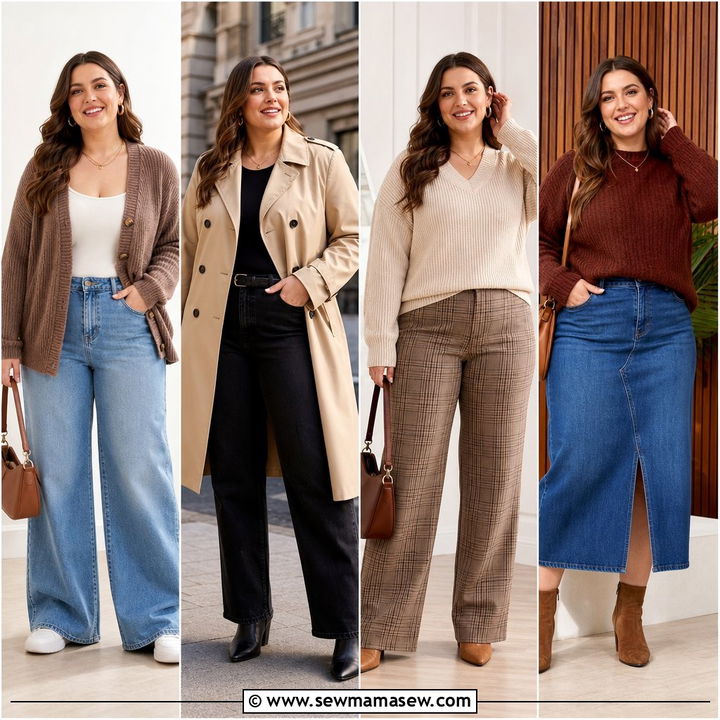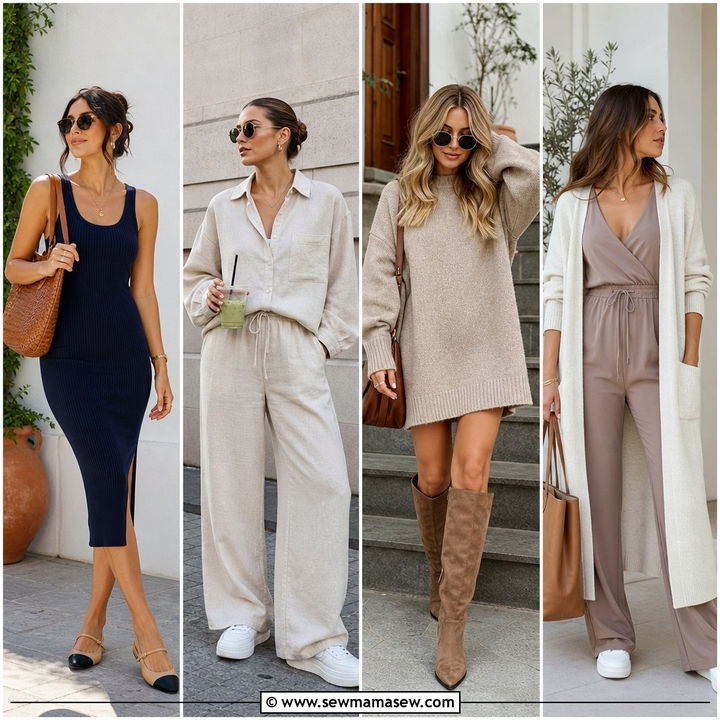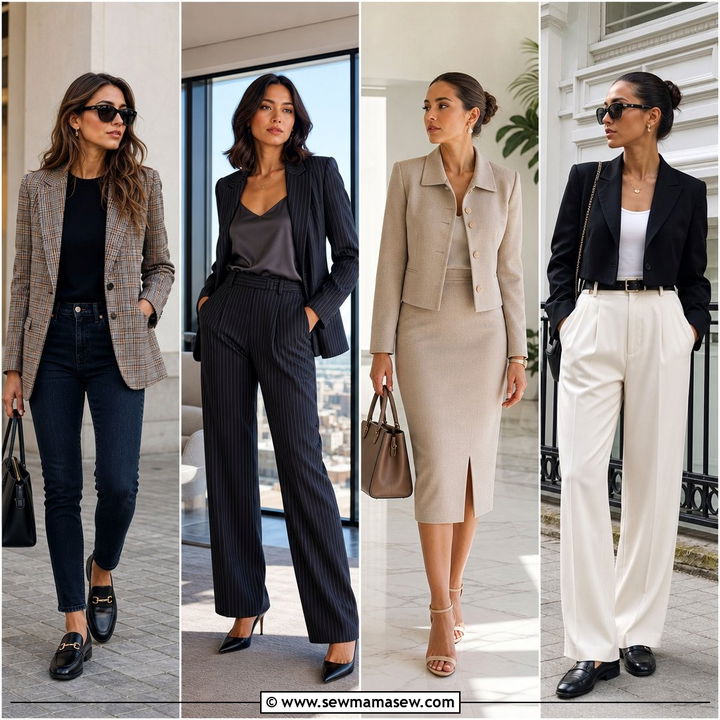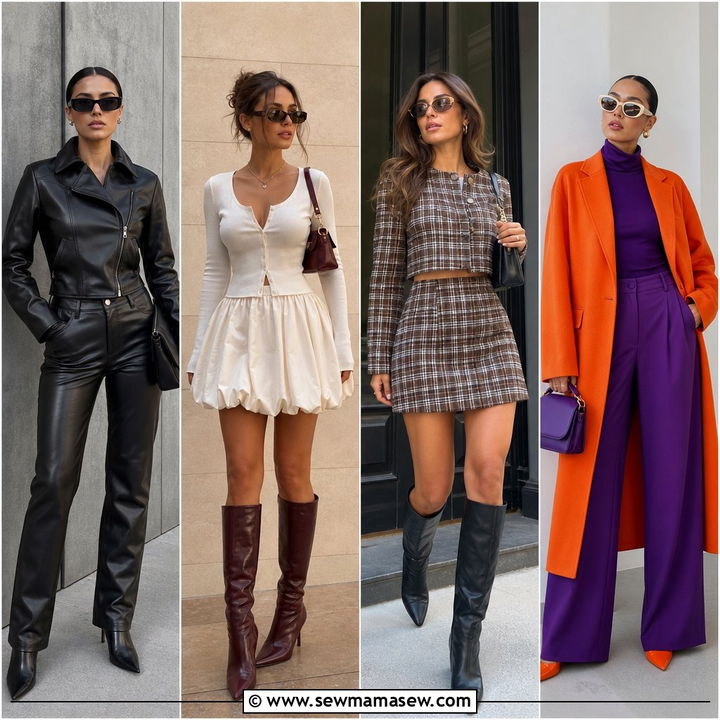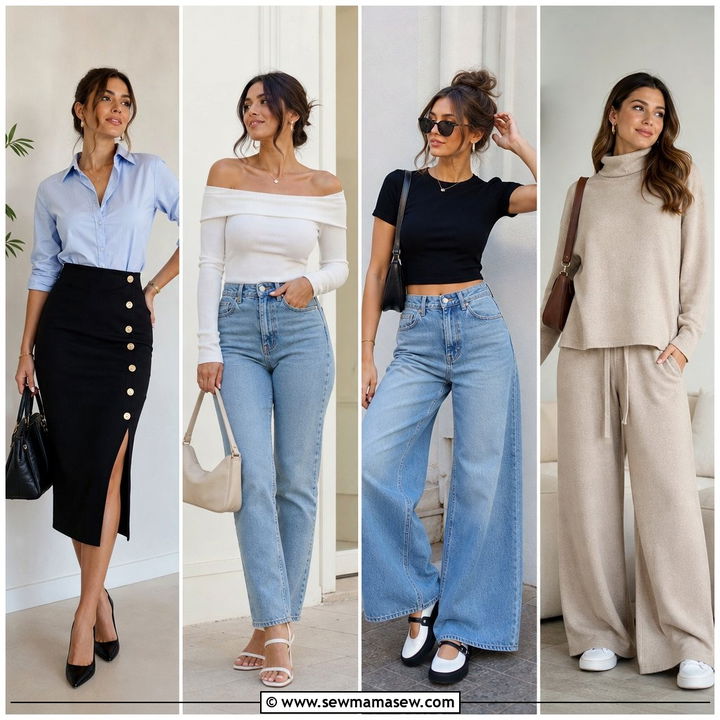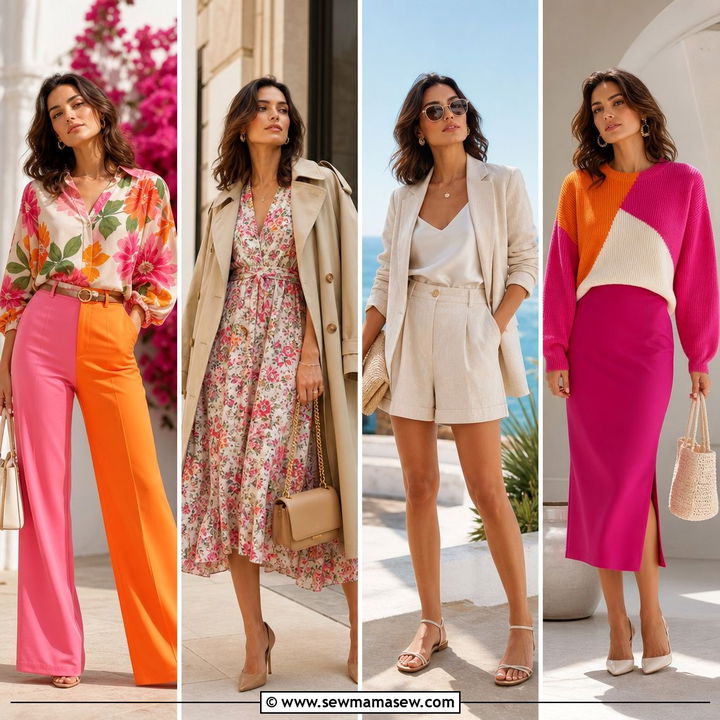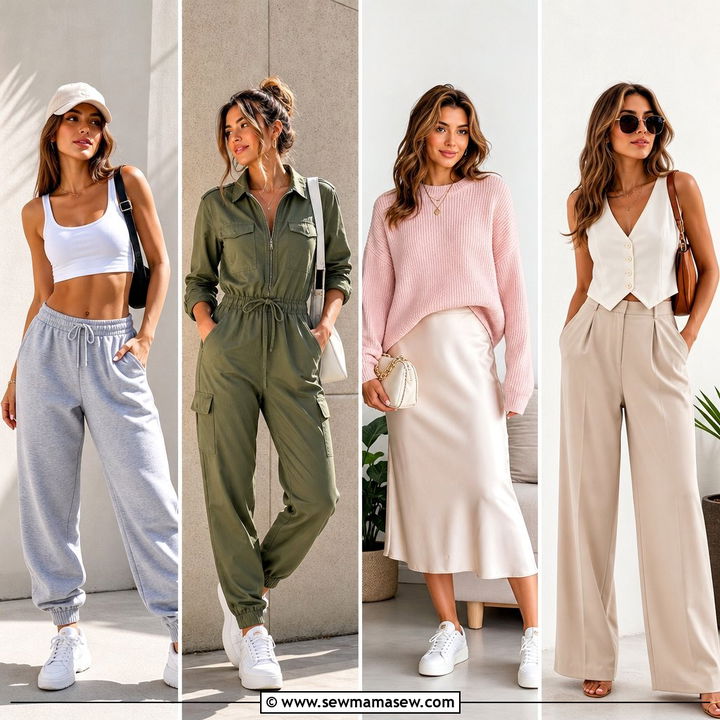
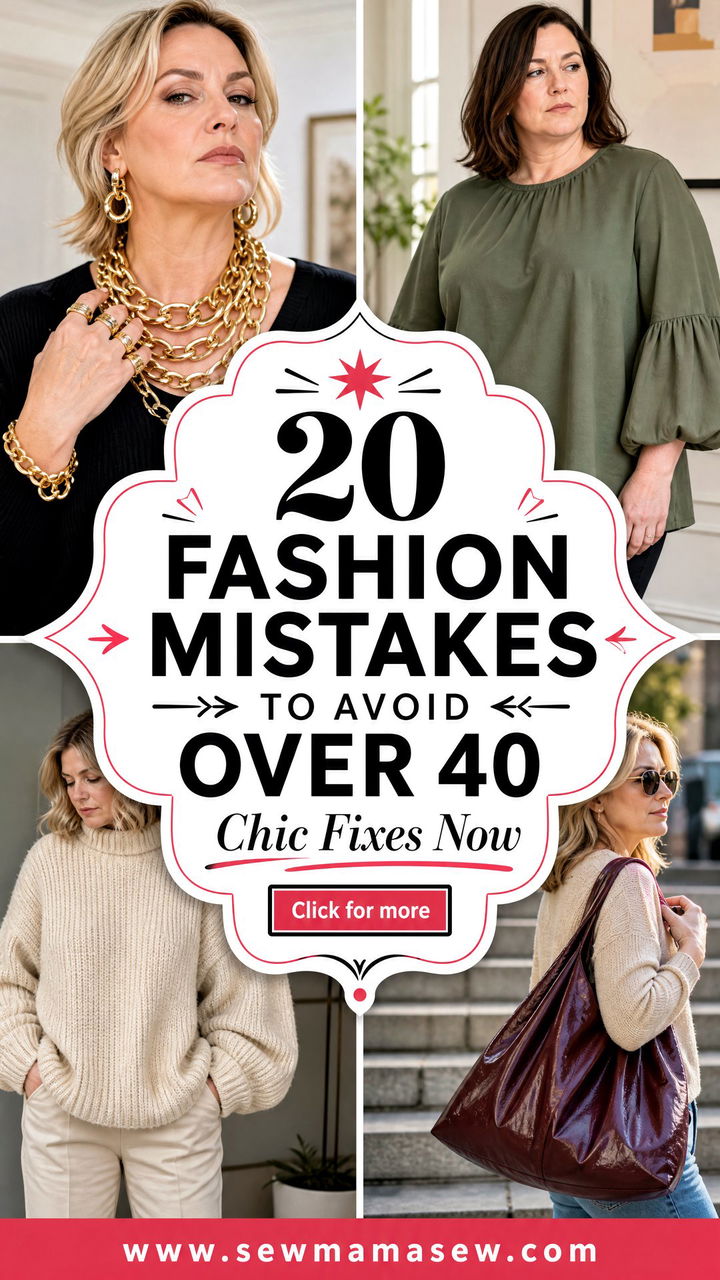
Fashion after 40 isn’t about following rigid rules — it’s about refining your instincts so every outfit feels intentional, modern, and completely you. The pieces and pairings that worked in your 30s can quietly start working against you, adding visual weight, draining your complexion, or simply making your look feel stuck in another decade. These 20 fashion mistakes to avoid over 40 are the subtle, often overlooked habits that stylists see again and again. They aren’t about hiding your body or dressing “age-appropriate.” They’re about small shifts in fit, proportion, color, and styling that instantly refresh your presence. Once you see them, you can’t unsee them — and that’s exactly the point. Let’s walk through what to leave behind and what to reach for instead.
1. Wearing ill-fitting clothes over 40
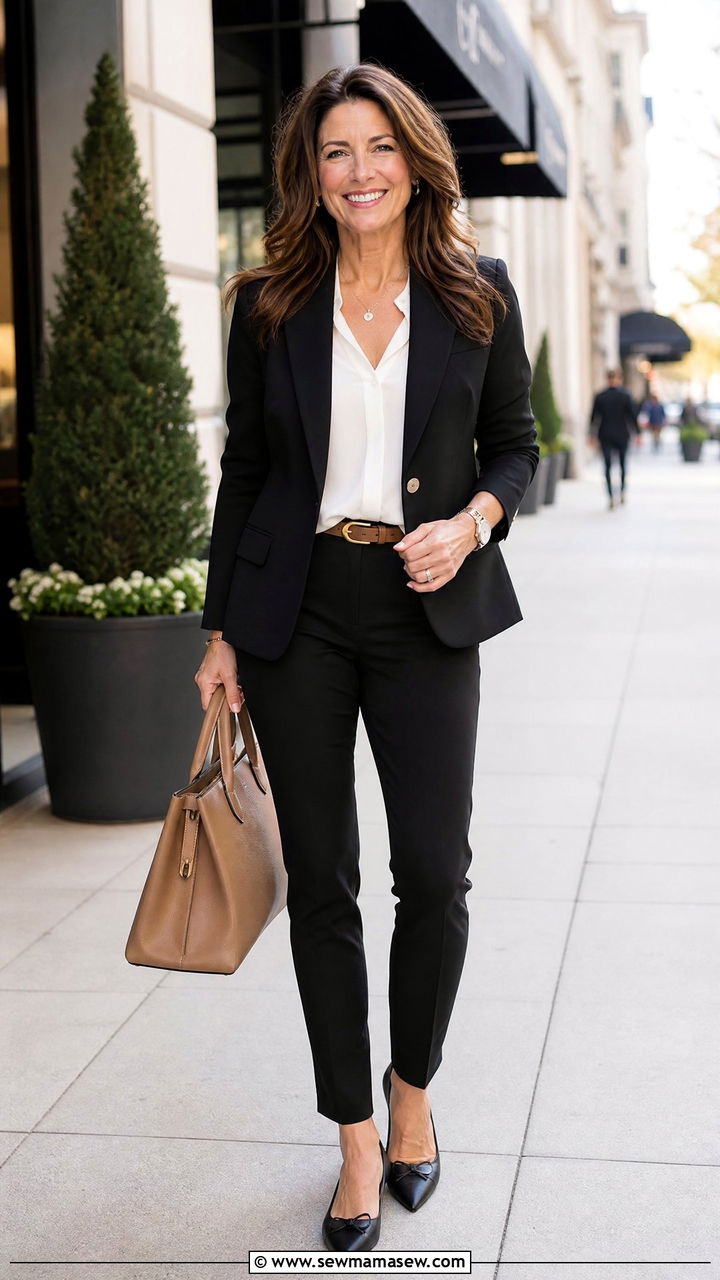
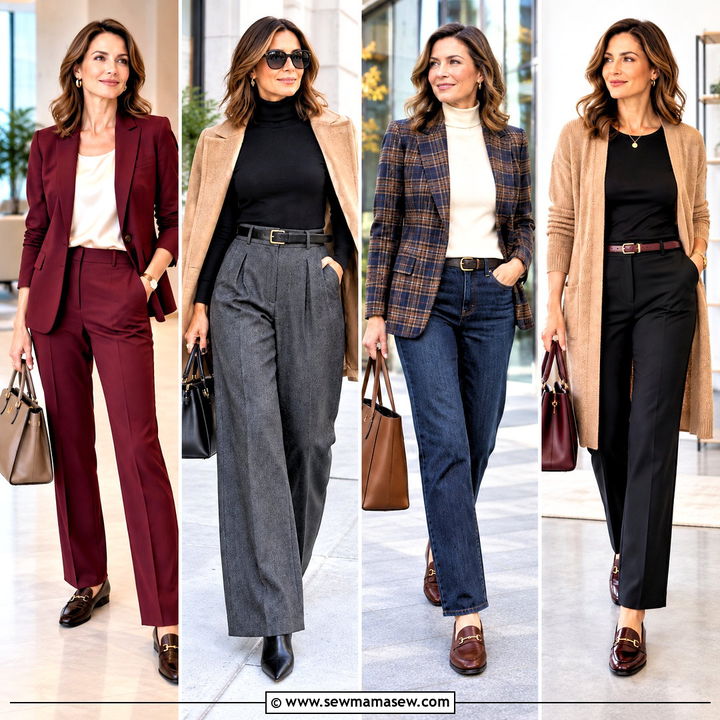
Nothing ages an outfit faster than fabric pulling across the bust, gaping at the waist, or pooling around your ankles. After 40, your body has likely shifted — even subtly — and the numerical size you’ve always bought may no longer serve you. Fit is about how the garment skims your frame, not the label inside. Look for pieces with shaping details like darts, seams, and gentle structure. And here’s a secret stylists swear by: a tailor is your best style investment. A $20 hem or a nip at the waist can make a department-store find look custom. When every piece follows your actual shape, you look polished, pulled-together, and undeniably modern.
2. Oversized clothing mistake over 40
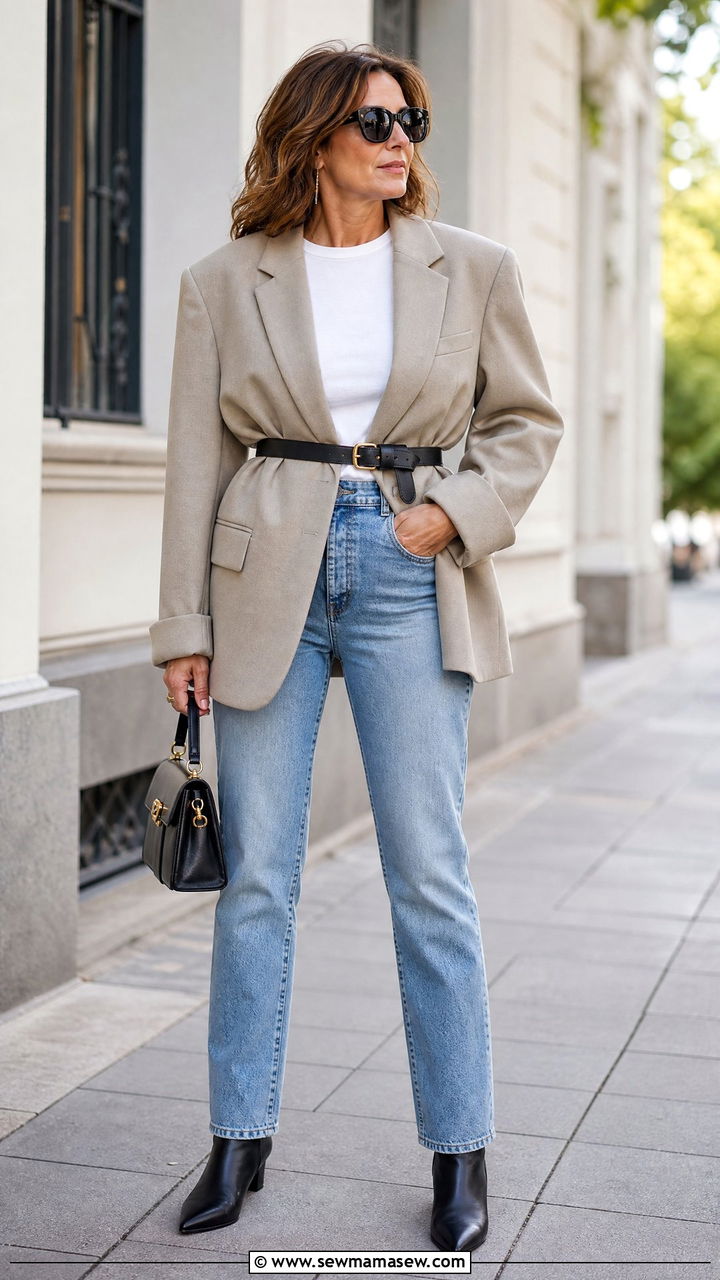
Reaching for billowy tunics and slouchy cardigans can feel like a safe, comfortable choice, but head-to-toe oversized silhouettes often erase your shape entirely. Without a defined shoulder, bust, or waist line, the eye has nowhere to land, and the result reads as sloppy rather than effortlessly chic. The fix is simple: balance. Pair an oversized blazer with slim ankle pants, or tuck a voluminous blouse into high-waisted jeans. Belts are your best friend here — cinching a loose dress or long cardigan instantly creates a waist. The goal isn’t to avoid volume, but to anchor it with structure somewhere in the outfit.
3. Sticking only to dark colors over 40
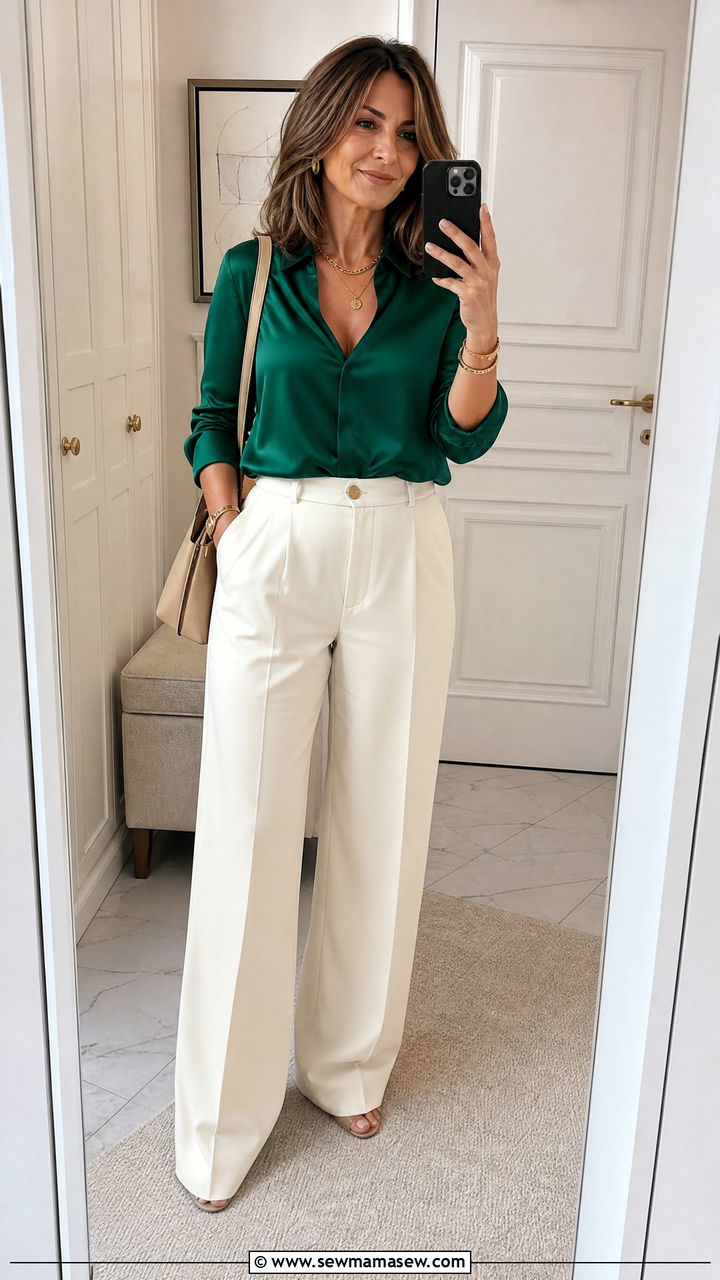
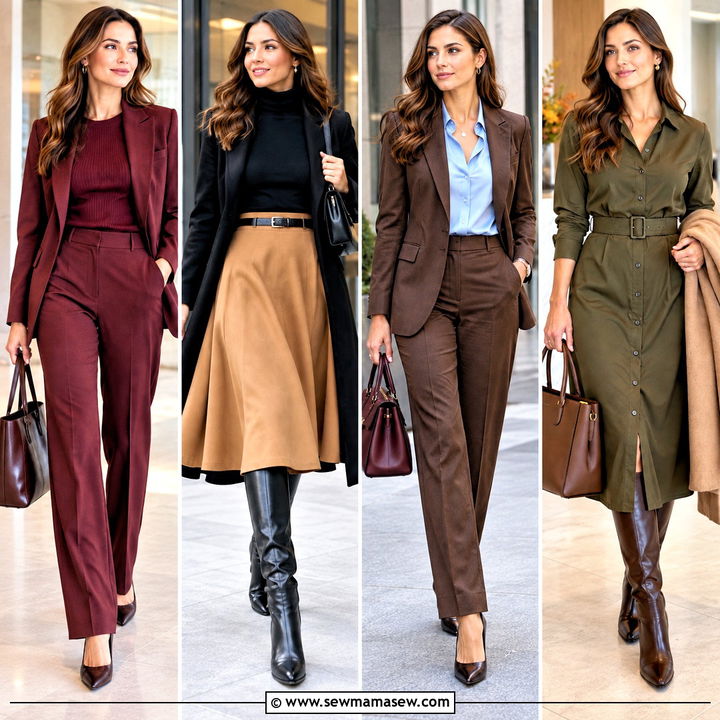
Black and charcoal have a reputation for being slimming and sophisticated, but too much darkness near your face can drain warmth and accentuate shadows you didn’t know you had. As skin tone naturally softens over time, a wardrobe that leans exclusively into deep neutrals can make you look tired or washed out. You don’t need to abandon your beloved black trousers — just introduce richer, more luminous shades up top. Jewel tones like emerald, sapphire, and plum, or soft warm neutrals like camel and cream, reflect light beautifully onto the complexion. A colorful scarf, blouse, or even a bold lip can transform your entire presence.
4. Ignoring modern footwear over 40
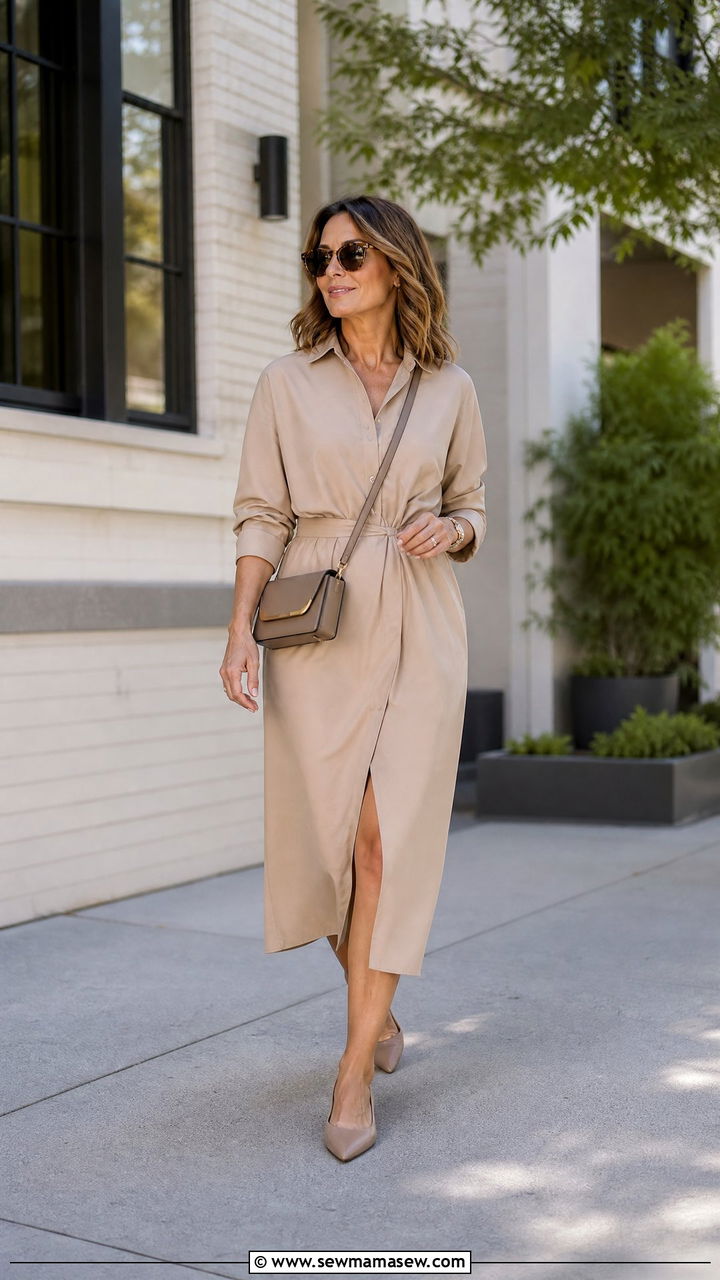
Shoes can single-handedly date an outfit. Chunky square-toed pumps from the early 2000s, heavily worn ballet flats, or purely orthopedic-looking sneakers pull even the chicest ensemble backward. The good news is that comfort and style now live together happily. Block-heel mules, sleek pointed flats, minimalist white trainers, and structured loafers offer support without sacrificing a modern edge. Pay attention to the toe shape — softly pointed or almond toes elongate the leg far more than round or overly square shapes. When your shoes look current and intentional, the entire outfit follows.
5. Wearing outdated jeans over 40
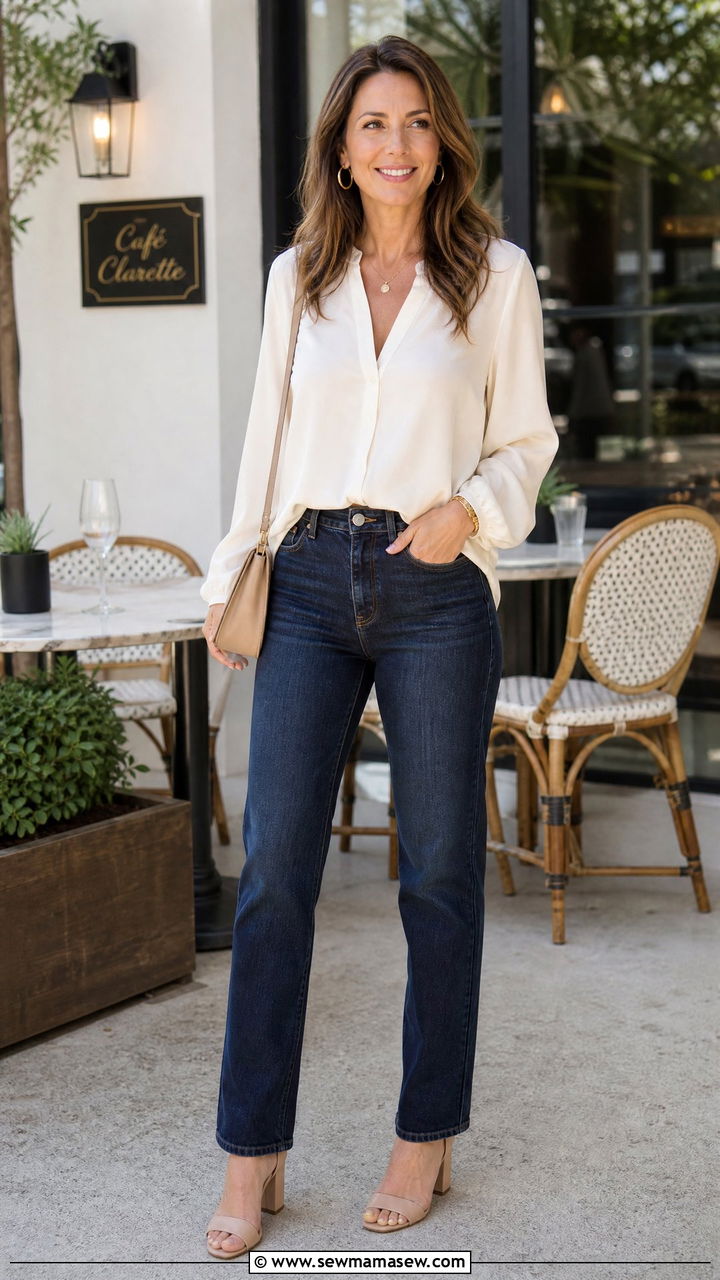
Low-rise, overly whiskered, or boot-cut jeans that sag in the seat can add years to your silhouette in seconds. Denim has evolved, and the most flattering cuts today celebrate your shape rather than fight it. Mid-rise and high-rise straight-leg styles create a long, clean line and offer comfortable support through the midsection. Dark washes with minimal distressing read as polished and versatile, easily dressed up with a blazer or down with a knit. Look for fabric with a touch of stretch for ease of movement. You don’t need to chase every denim trend — just find the updated version of the cut you love.
6. Too matchy-matchy outfits over 40
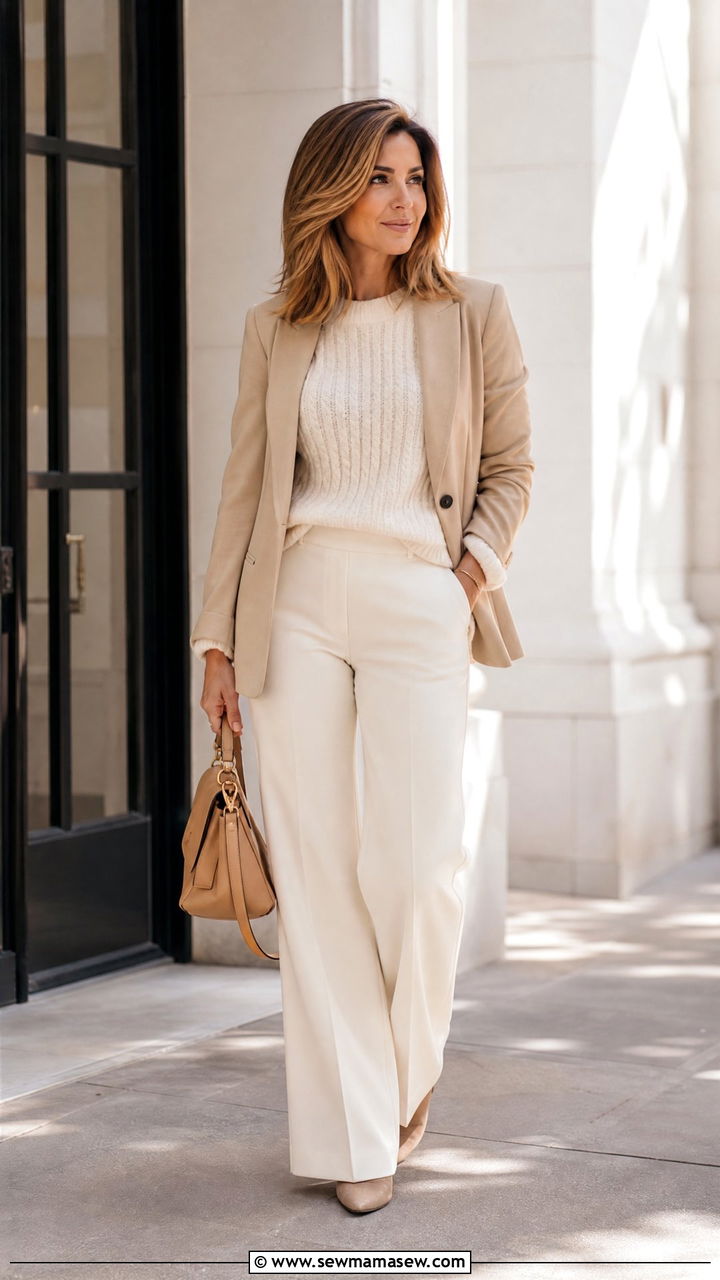
Matching your handbag precisely to your shoes, or wearing the same shade from necklace to hem, can feel like flipping through a catalog from decades past. Today’s styling is all about tonal contrast and texture play. A monochrome look in varying shades — think cream, ivory, and sand — feels cohesive and elevated without being stiff. Mixing metals in your jewelry or pairing a navy bag with burgundy pumps adds visual energy. The goal is an outfit that feels collected, not pre-packaged. Let your pieces talk to each other rather than match exactly.
7. Chunky jewelry mistake after 40
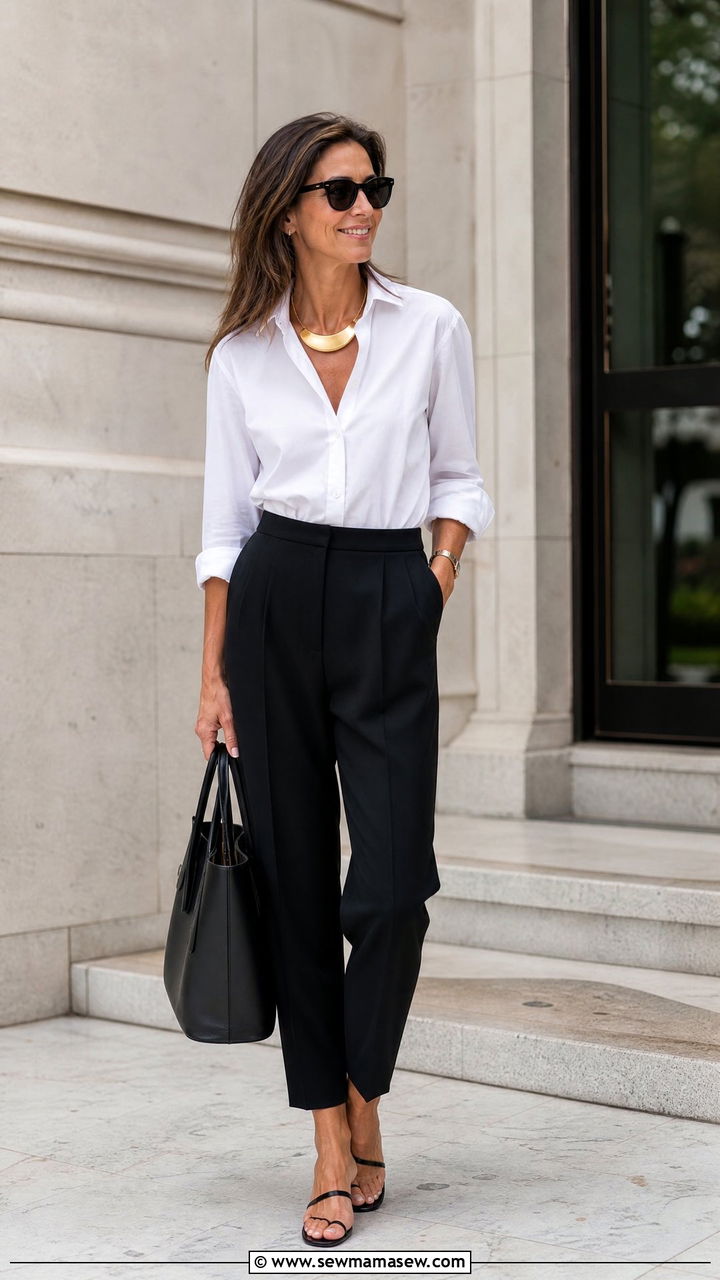
Statement jewelry is joyful, but wearing multiple heavy, chunky pieces at once can overpower your features and weigh down your look. After 40, the focus should shift toward curation — one striking necklace or a pair of bold earrings, not both. Scale matters too; extremely oversized bibs or thick collar necklaces can crowd the neck and jawline. Instead, try pieces with negative space, like an open-link chain or a pendant on a longer chain, which elongate the neck. A single sculptural cuff or layered delicate rings feel modern and intentional. Let each piece breathe.
8. High necklines that age you over 40
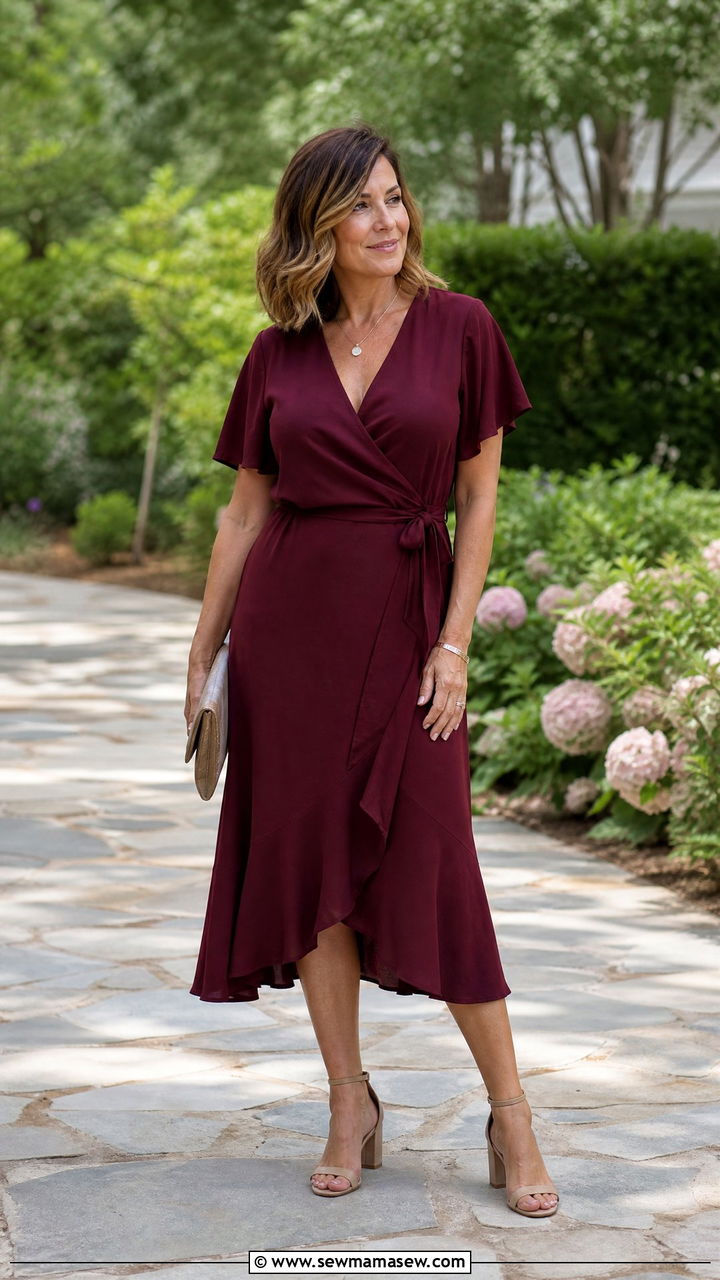
A crew neck that sits tightly against the base of the throat can visually compress the neck and draw the eye downward, creating a heavier, shorter appearance. As collagen naturally decreases, necklines need to open up, not close off. V-necks, scoop necks, and soft square necklines lengthen the neck and frame the face with an instant lifting effect. Even a half-tucked button-down with a few buttons undone can achieve the same openness. If you love covered-up looks, try a draped cowl neck or an off-the-shoulder silhouette — both create elongation while still feeling sophisticated and comfortable.
9. Avoiding prints and patterns over 40
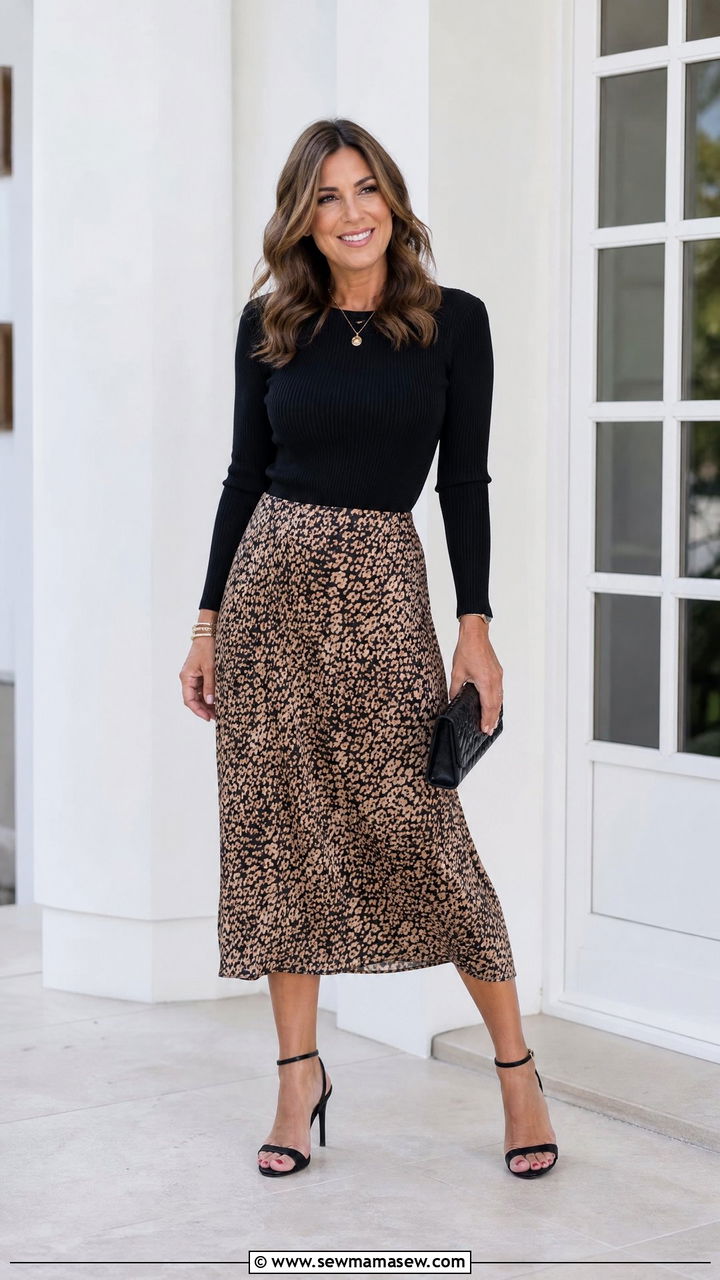
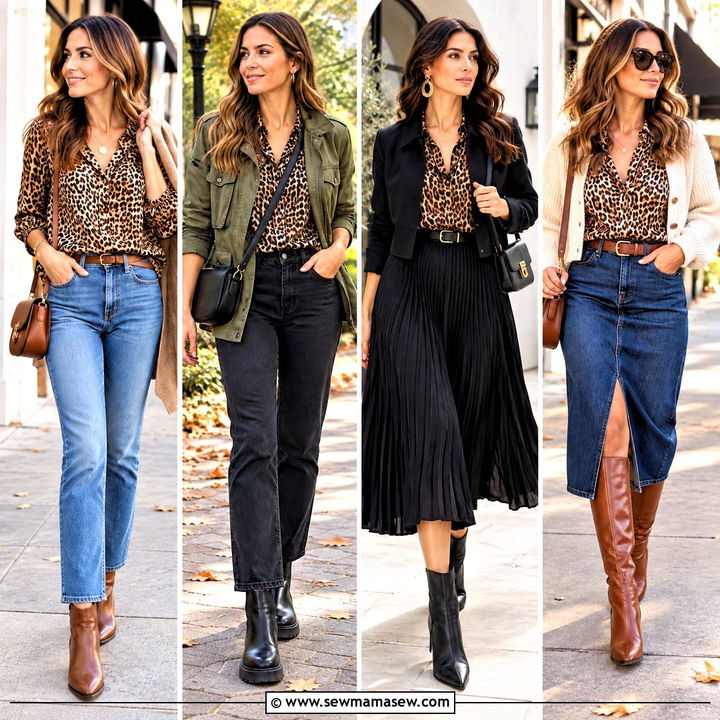
After a certain age, many women abandon prints altogether, worried they’ll look too loud or draw unwanted attention. But an all-neutral, print-free wardrobe can start to feel flat and uninspired. The trick is in the scale and placement. Small, busy florals or overly whimsical motifs can read as dated, while modern abstract prints, subtle stripes, or a well-placed animal pattern add energy and personality. Keep prints concentrated on one piece — a midi skirt or a blouse — and ground it with solid separates. A touch of pattern near the face can act like a natural highlighter, bringing warmth and vibrancy.
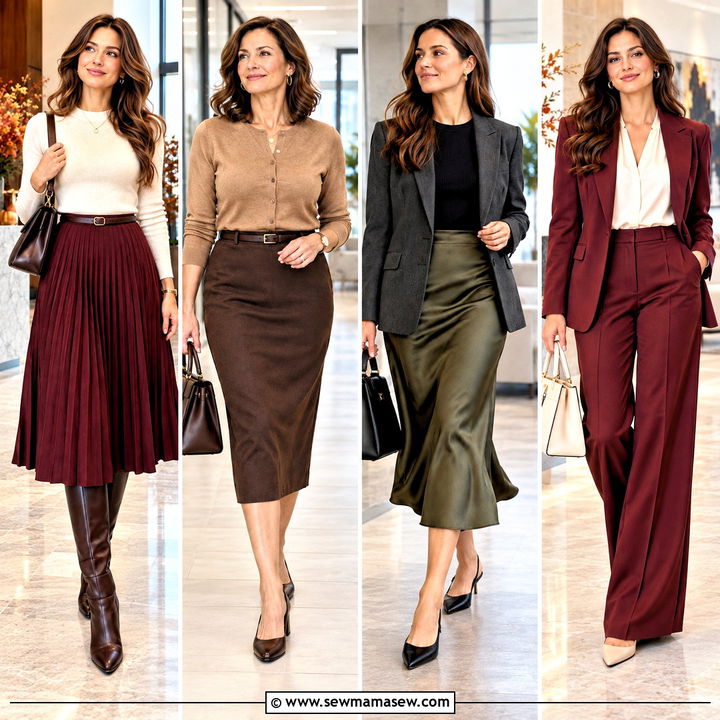
10. Neglecting proper undergarments over 40
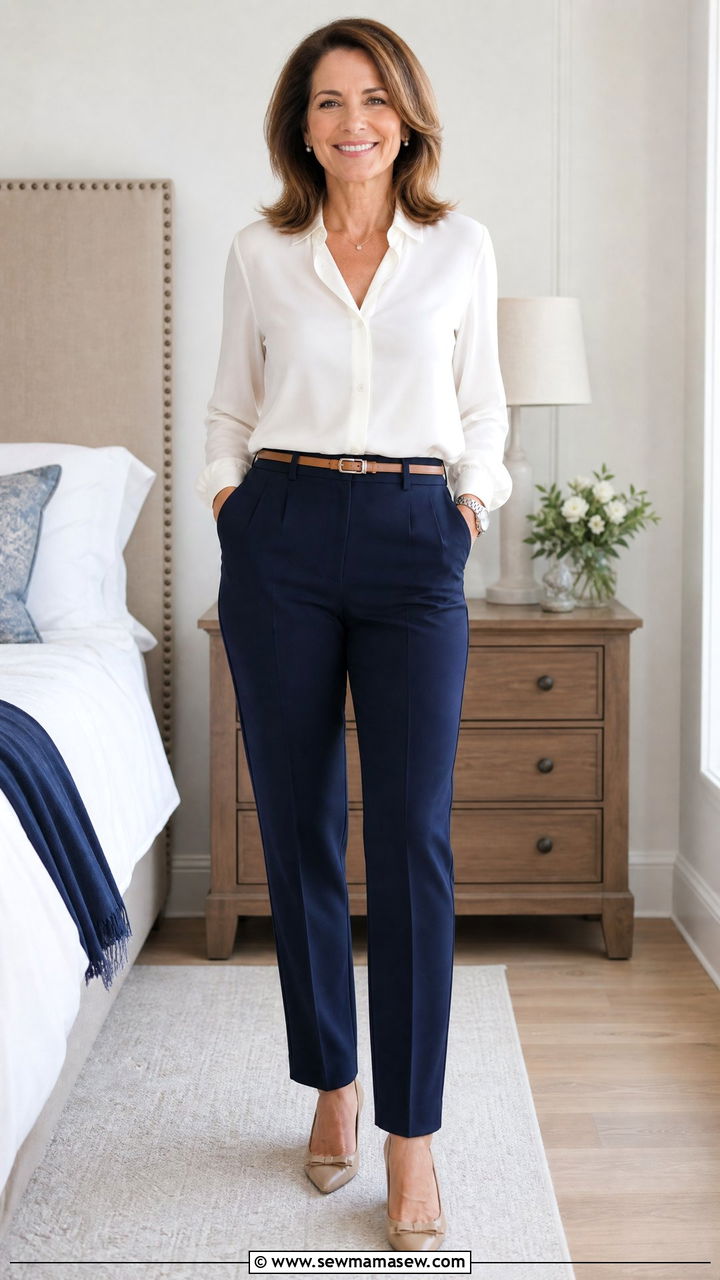
The most beautifully constructed outfit collapses when the foundation isn’t right. A bra that pulls the bust too low, straps that dig, or visible lines disrupting a smooth silhouette quietly undo all your styling effort. After 40, hormonal shifts and body recomposition mean your previous bra size and style may no longer fit. A professional fitting is transformative — not once, but every couple of years. Invest in seamless, supportive pieces in nude-for-you shades. The right undergarments don’t just improve how clothes hang; they change your posture and the way you carry yourself.
11. Wearing dated silhouettes over 40
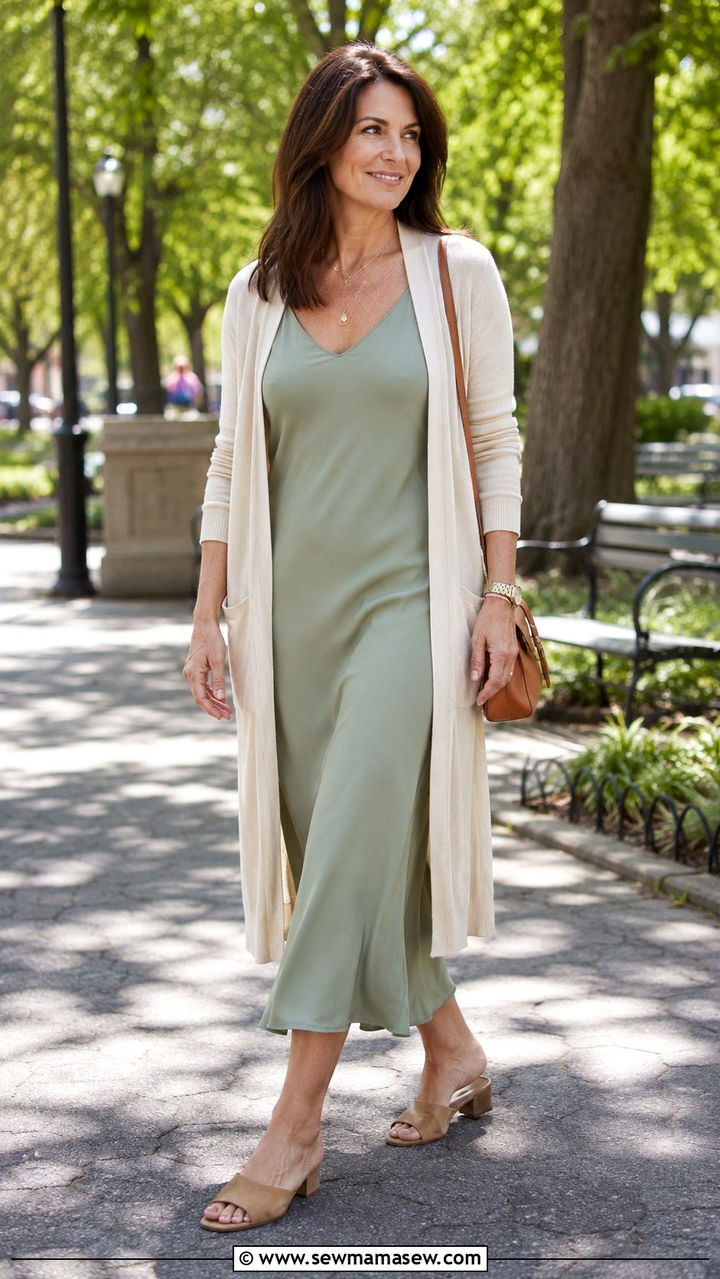
Certain shapes become so familiar that we stop seeing them clearly on ourselves. The boxy blazer that hits mid-hip, the A-line skirt that lands exactly at the knee, the capri pant that crops mid-calf — these are silhouettes that can quietly add visual years. Modern cuts are softer, more fluid, and strategically elongated. Swap that boxy blazer for a slightly longer, gently nipped style. Trade the knee-length A-line for a bias-cut midi. And if you love cropped pants, choose a tapered ankle-length style instead of a calf-grazing capri. Small proportion shifts make a dramatic difference.
12. Over-accessorizing over 40
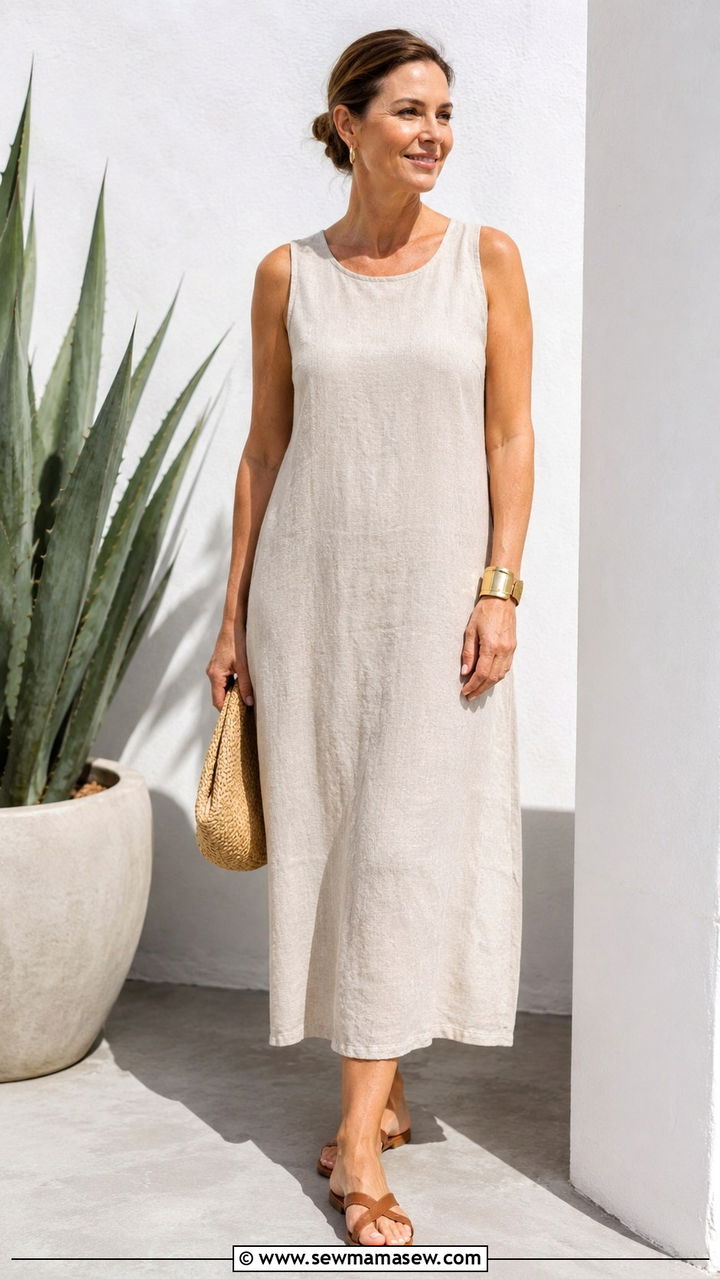
There’s a fine line between thoughtfully layered and visually chaotic. Multiple bangles clanking, a scarf competing with a necklace, and earrings that fight for attention with your glasses — it’s sensory overload for anyone looking at you. The modern approach is restraint. Choose one focal point per outfit: if your earrings are dramatic, skip the necklace. If your scarf is printed and beautiful, let it be the star. Remove one accessory before you walk out the door, and you’ll often find the outfit breathes better. Negative space is a styling tool, not emptiness.
13. Ignoring your evolved body shape over 40
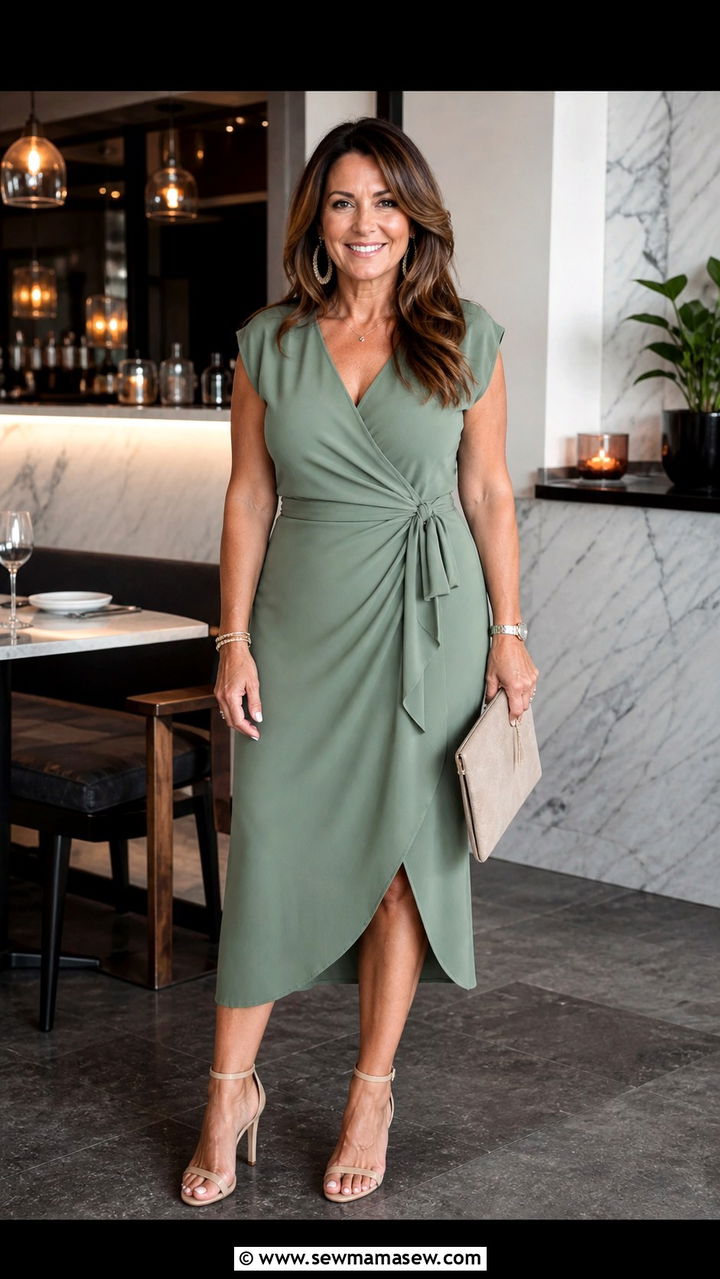
Dressing for the body you had at 25 is one of the most common — and most fixable — fashion mistakes. Menopause, stress, lifestyle changes, and simply the passage of time redistribute weight in new ways. Yet many wardrobes remain frozen in a past silhouette. Take fresh measurements. Notice where your waist sits now, where fabric pulls, where it hangs. Maybe you’ve developed a beautiful curve through the hip that deserves a wrap dress, or broader shoulders that shine in a boat neck. Your current body isn’t a problem to solve — it’s a new canvas to dress with creativity and self-respect.
14. Relying on outdated makeup with your outfit
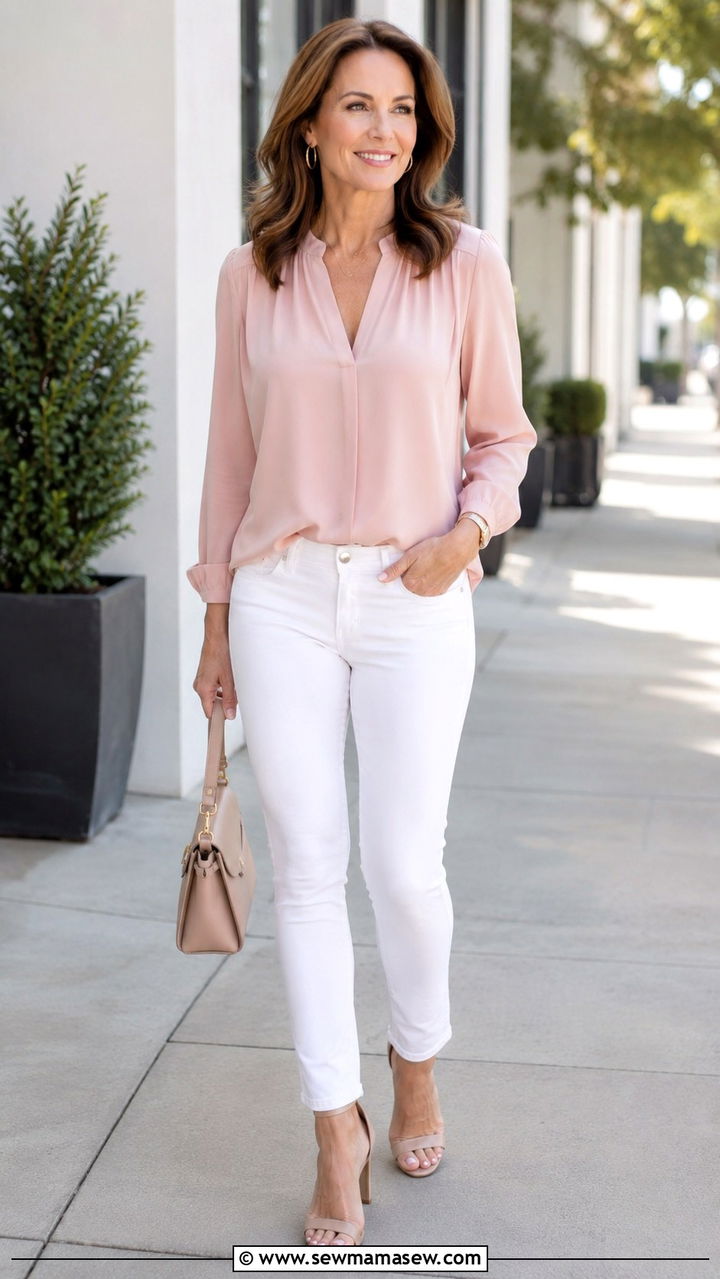
Even the sharpest outfit can be undercut by makeup that settled into fine lines hours ago or a heavy foundation that sits on the skin’s surface. As texture and tone change, formulas need to shift toward lighter, hydrating products. A fresh, luminous base, softly defined brows, and a touch of cream blush sync beautifully with a modern wardrobe. The synergy between your outfit and your beauty choices creates a cohesive, intentional look. Think of makeup as the finishing accessory — it should feel like it belongs in the same era as your clothes, not a decade behind.
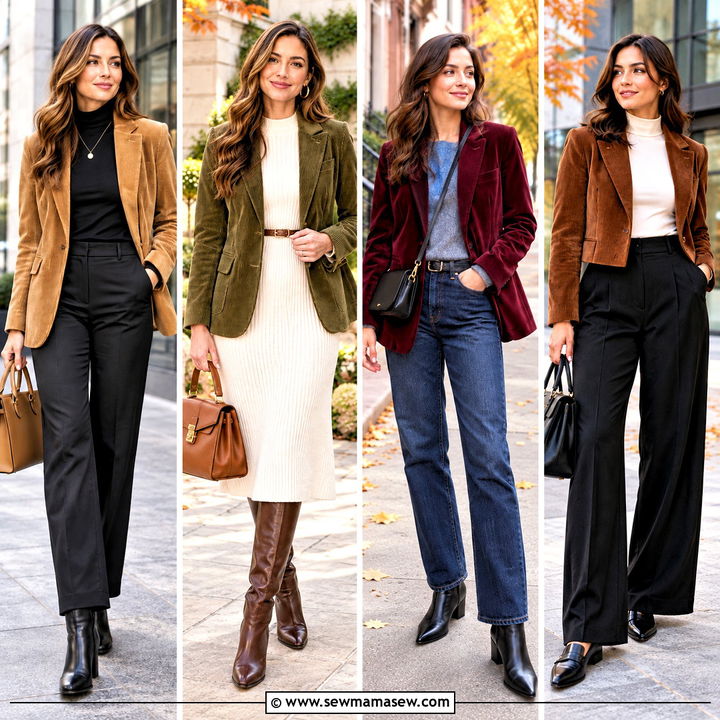
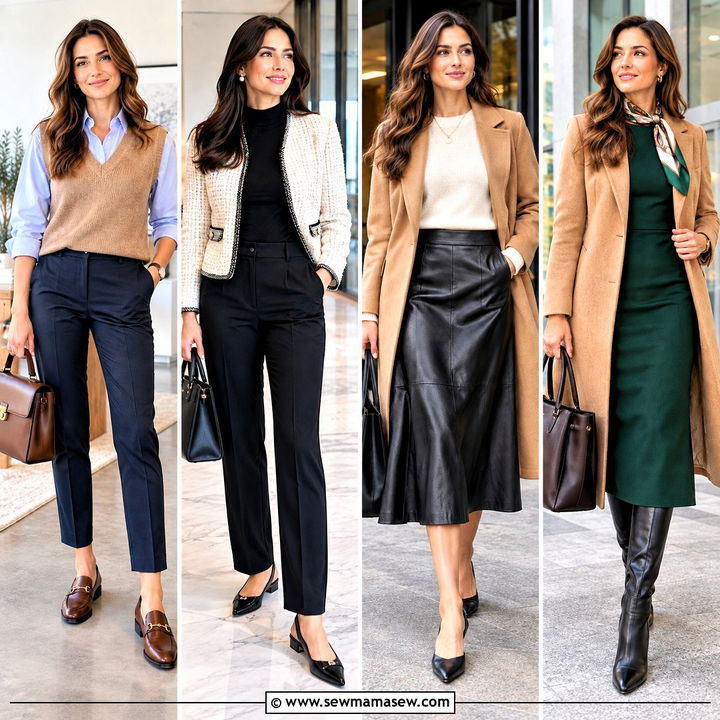
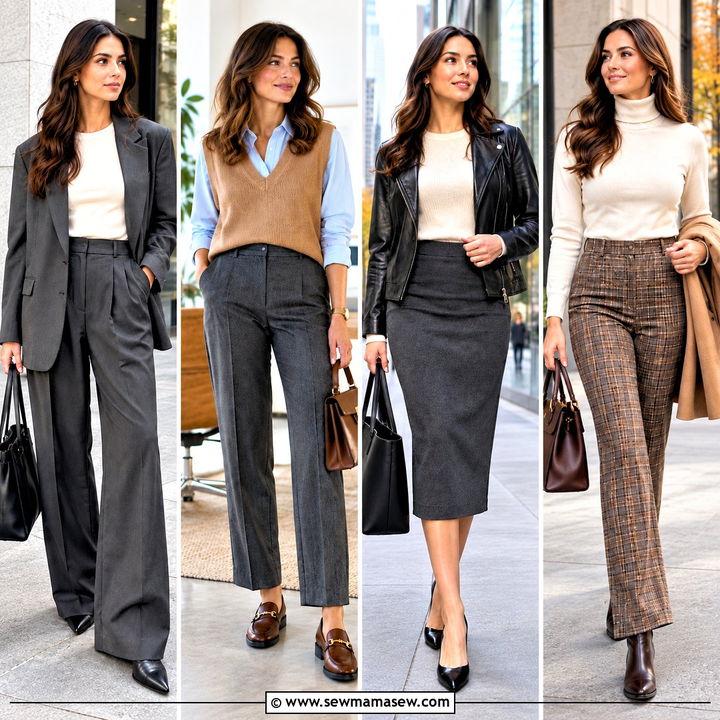
15. Not tailoring clothes over 40
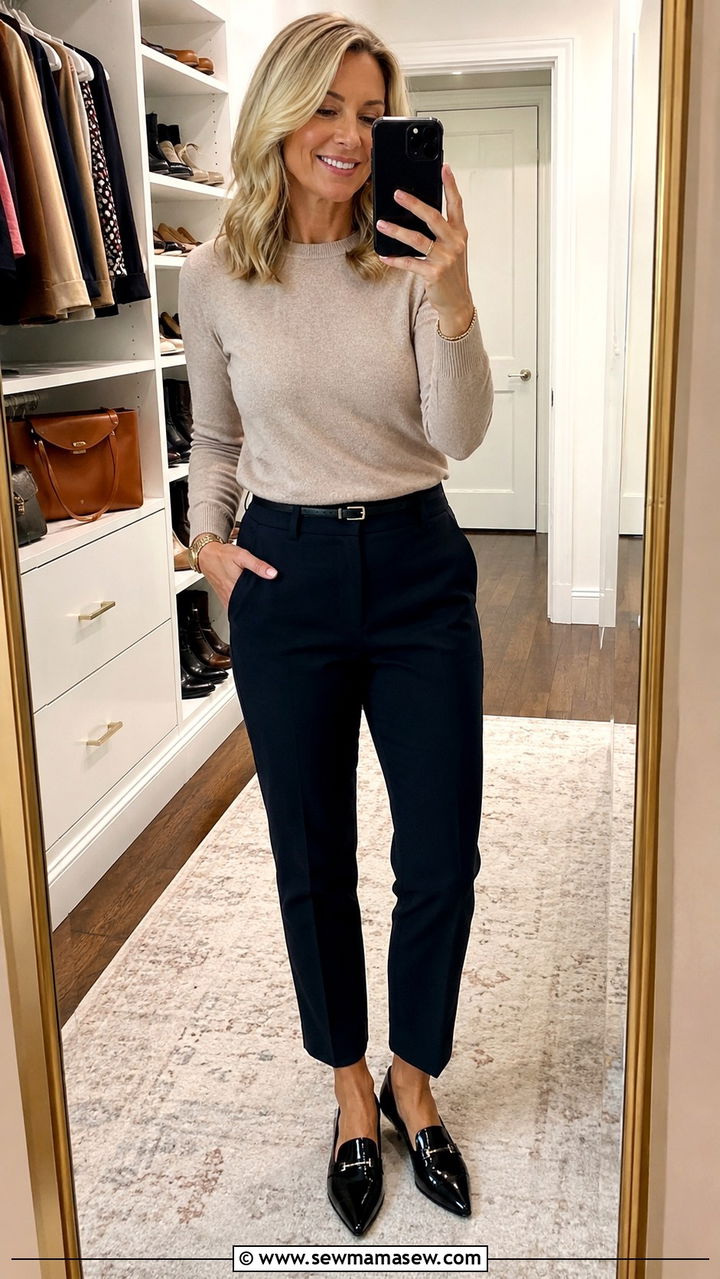
Off-the-rack clothing is designed for an imaginary average body, and almost no one is average. Sleeves that are slightly too long, pants that puddle at the ankle, a waistband that gaps — these tiny fit failures add up to a look that feels careless. Tailoring is the single most effective way to look expensive without spending a fortune. A good tailor can adjust shoulder seams, slim a pant leg, or shorten a hem to the exact point that flatters your height. When clothes fit you precisely, the entire outfit shifts from “I bought this” to “this was made for me.”
16. Following trends blindly over 40
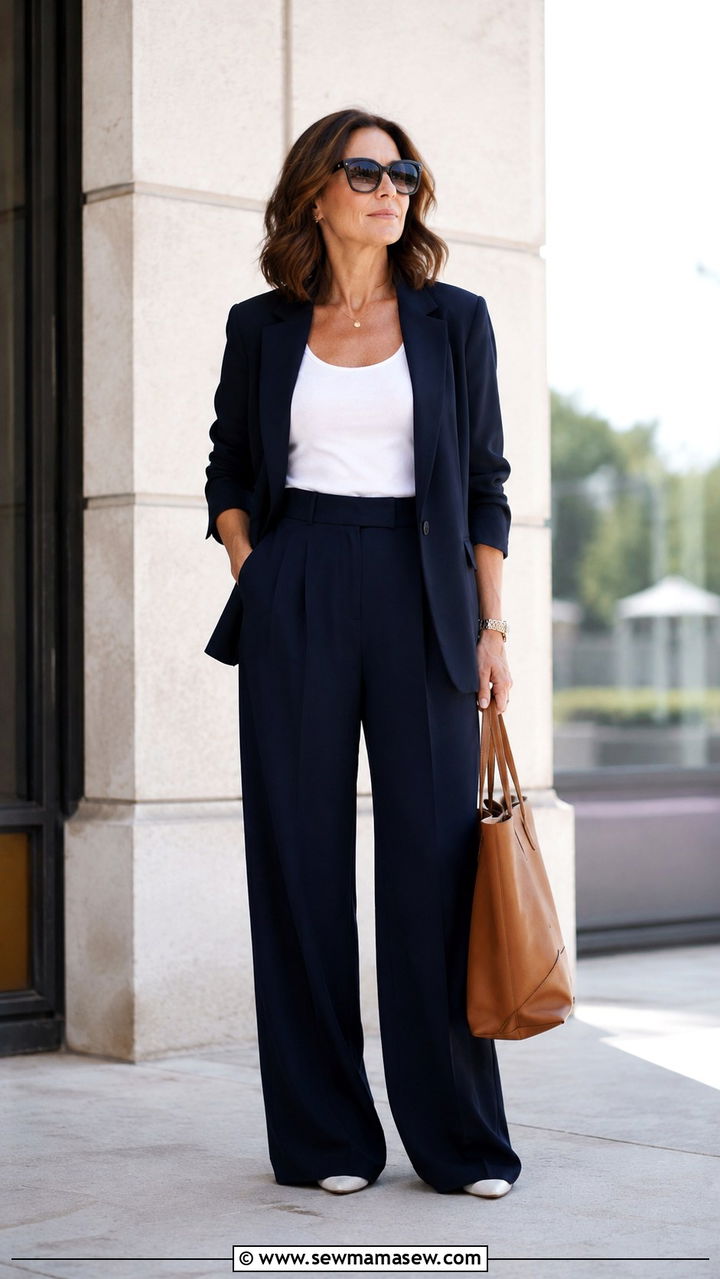
Trends are invitations, not commands. Chasing every micro-trend that floods social media — from ultra-low-rise pants to sheer everything — can leave you feeling uncomfortable and inauthentic. After 40, style is about curation, not accumulation. When a new trend catches your eye, ask yourself: does this silhouette, color, or proportion honor my body and my lifestyle? Borrow the spirit of the trend, not the literal look. Maybe that means trying a wide-leg silhouette in a dark wash rather than a distressed cargo, or experimenting with sheer layers via a lightweight mesh top under a structured jacket.
17. Hiding your arms in unflattering sleeves
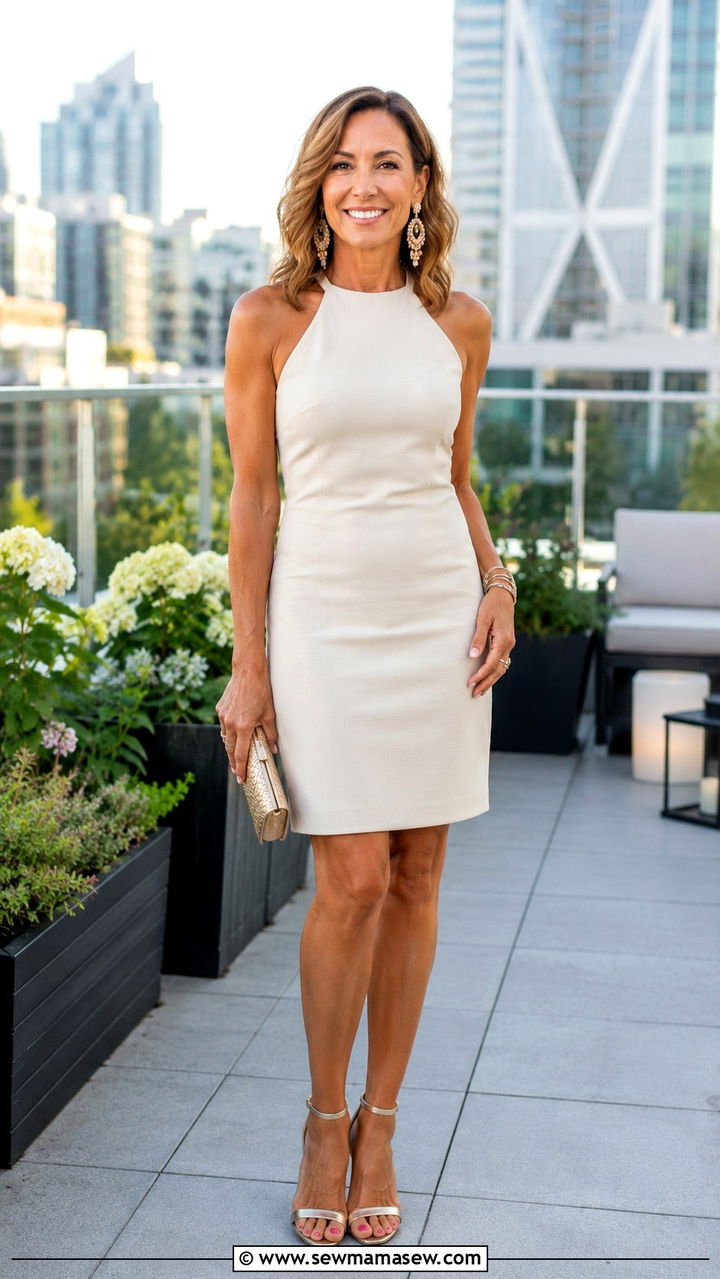
Many women instinctively reach for long sleeves as soon as they feel self-conscious about their arms, but tight, short cap sleeves or stiff elbow-length cuts often draw more attention to the area. A better strategy is either a full, fluid sleeve that skims gracefully or a clean sleeveless shape that shows the shoulder and collarbone — one of the most universally flattering and youthful areas to highlight. Sheer or lace sleeves offer a beautiful middle ground, providing coverage without bulk. Confidence in your arms doesn’t come from hiding them; it comes from wearing what makes you forget about them entirely.
18. Holding onto nostalgia pieces that no longer work
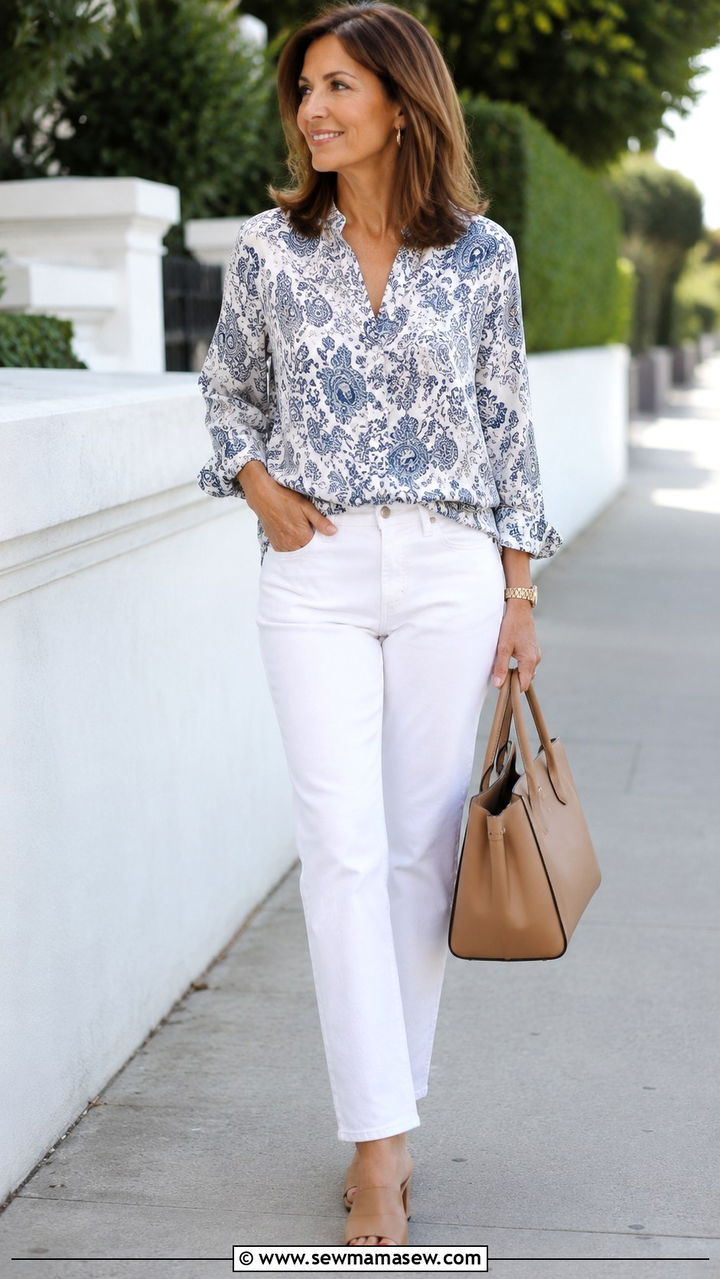
That sequined jacket from 2002, the dress you wore to a milestone birthday, the jeans that fit perfectly a decade ago — sentimental pieces take up physical and mental space, creating closet clutter and decision fatigue. When every morning starts with pushing past items you’ll never wear again, your current style gets buried. Do a quarterly edit with a trusted friend who will be honest. Keep only the vintage pieces that still flatter your body and align with your aesthetic today. For the rest, take a photo, honor the memory, and let the item go on to serve someone else.
19. Choosing heavy fabrics that add visual weight
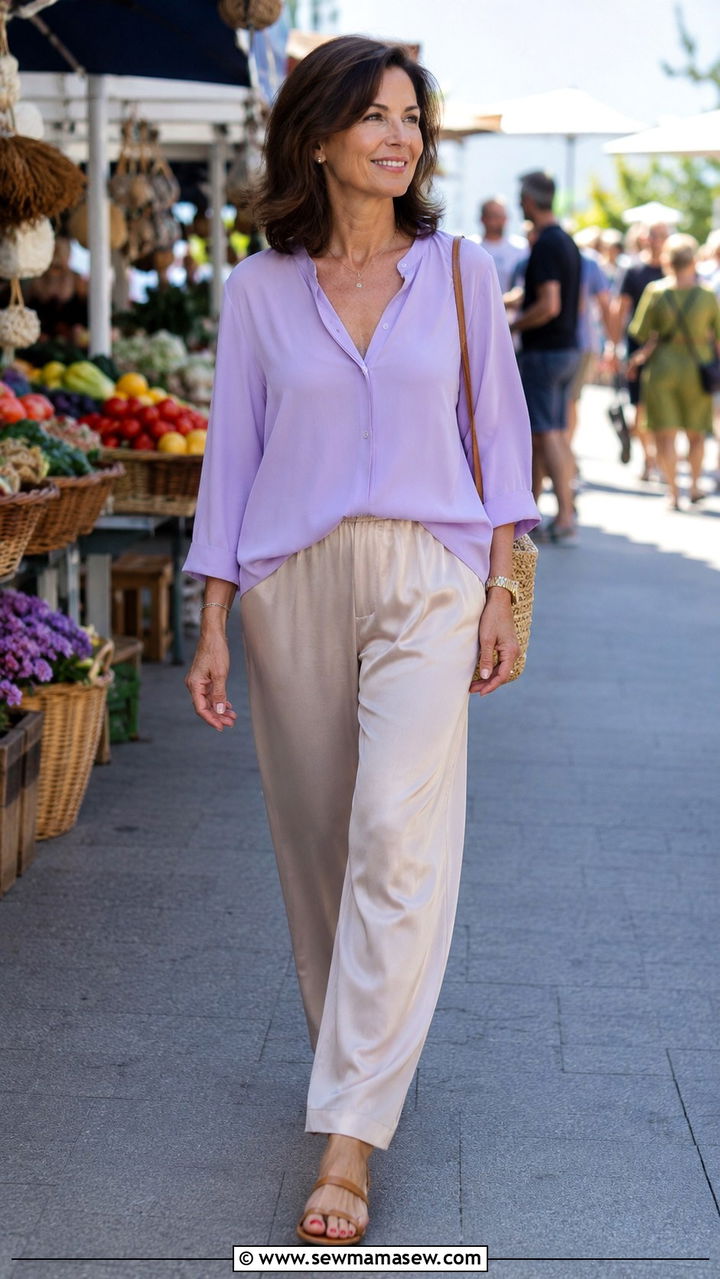
Thick brocades, stiff poly blends, and bulky tweeds can create a boxy, immovable silhouette that adds pounds where there are none. After 40, fabric choice becomes as important as cut. Fabrics with movement — crepe, chiffon, modal, soft cotton blends, lightweight wool — skim the body rather than encasing it. They create a gentle, feminine outline that looks modern and feels effortless. When you shop, do the “hand test”: if the fabric feels stiff and unyielding on the hanger, it will likely wear that way too. Fluid, breathable materials bring a sense of ease that instantly refreshes your entire presence.
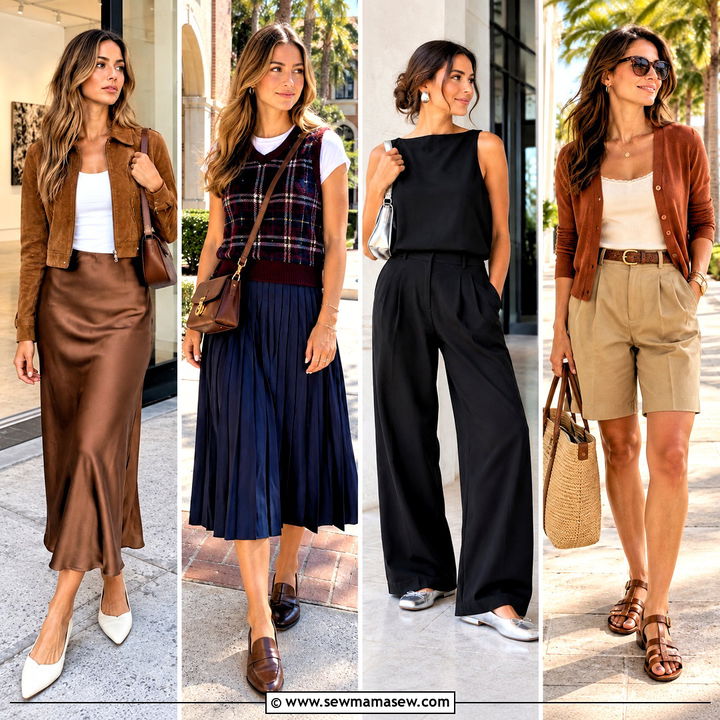
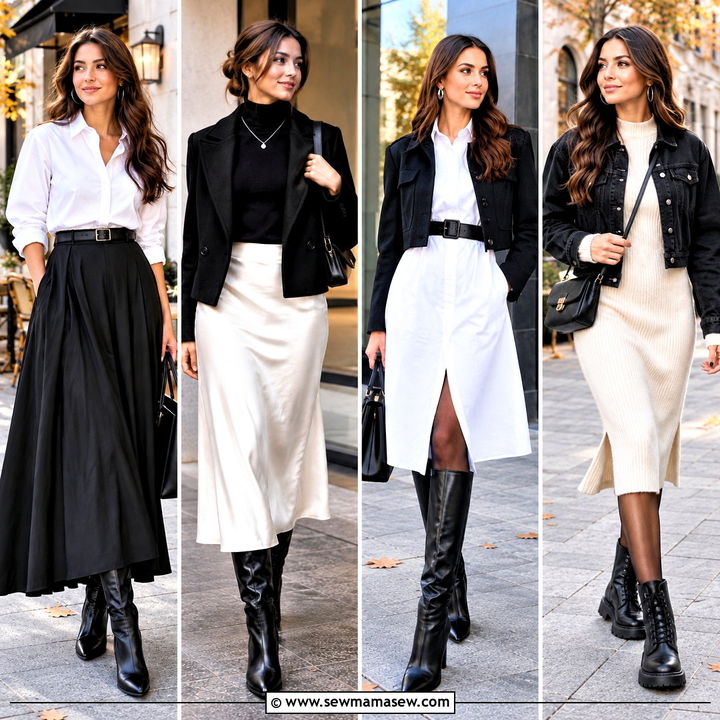
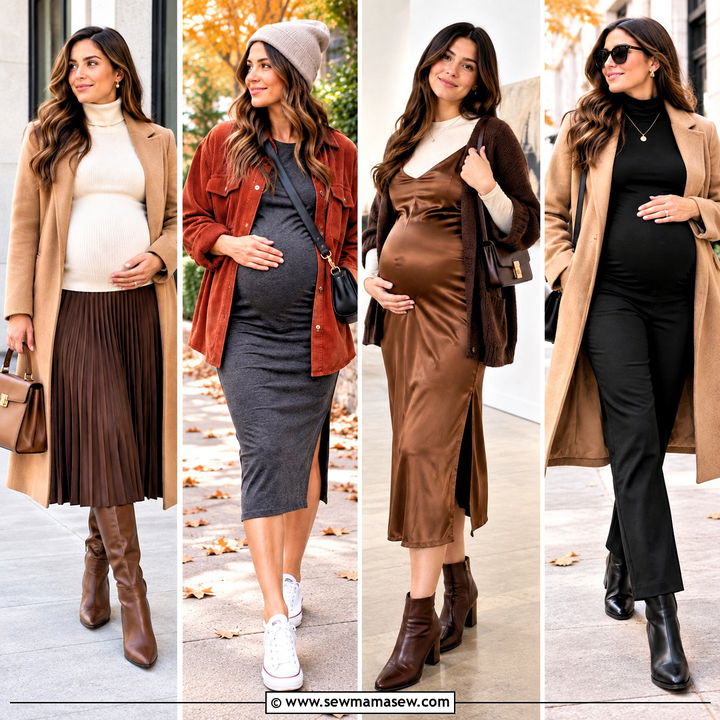
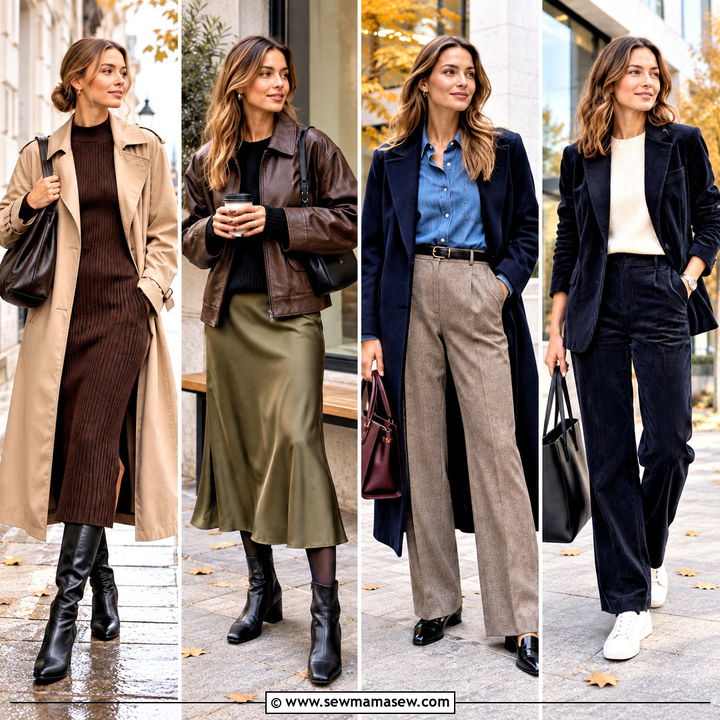
20. Wearing the wrong bag over 40
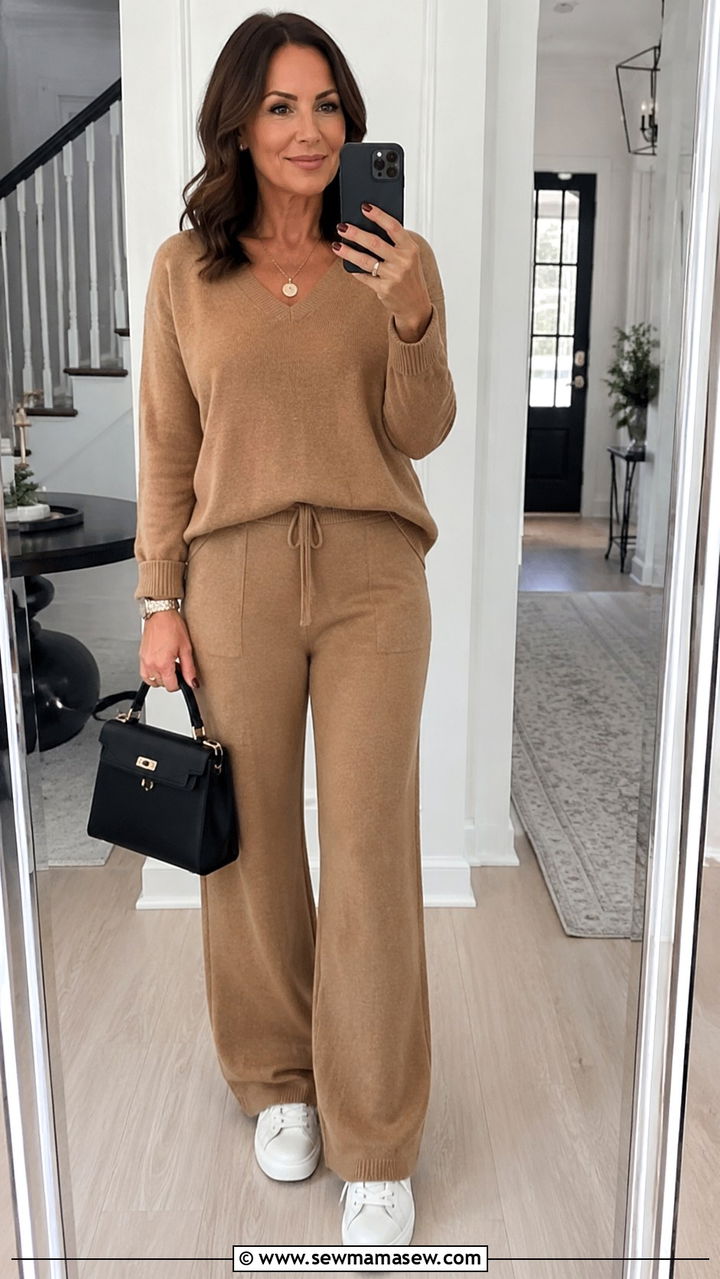
An oversized, slouchy tote with peeling trim or a bag with heavy, outdated hardware can quietly anchor your entire look in the past. The bag you carry every day is a focal point — it deserves as much consideration as your shoes or your coat. Structured top-handle bags, sleek crossbody styles, and softly sculpted shoulder bags in rich leather or suede instantly elevate even a simple jeans-and-tee outfit. Pay attention to scale: a bag that’s too large overwhelms your frame, while one too tiny can feel inconsequential. A thoughtfully chosen bag pulls your whole look current.
Conclusion:
Style after 40 isn’t about less — it’s about better. Better fit, better fabrics, better awareness of what genuinely flatters the person you are today. These 20 fashion mistakes aren’t hard rules meant to intimidate you; they’re gentle course corrections that lead to a wardrobe that works harder and feels more joyful. When you let go of dated silhouettes, neglected fit, and habits that no longer serve you, you make room for pieces that reflect your experience, your confidence, and your evolving taste. The goal isn’t to look younger — it’s to look like the most vibrant, self-assured version of exactly the age you are.
Related posts: