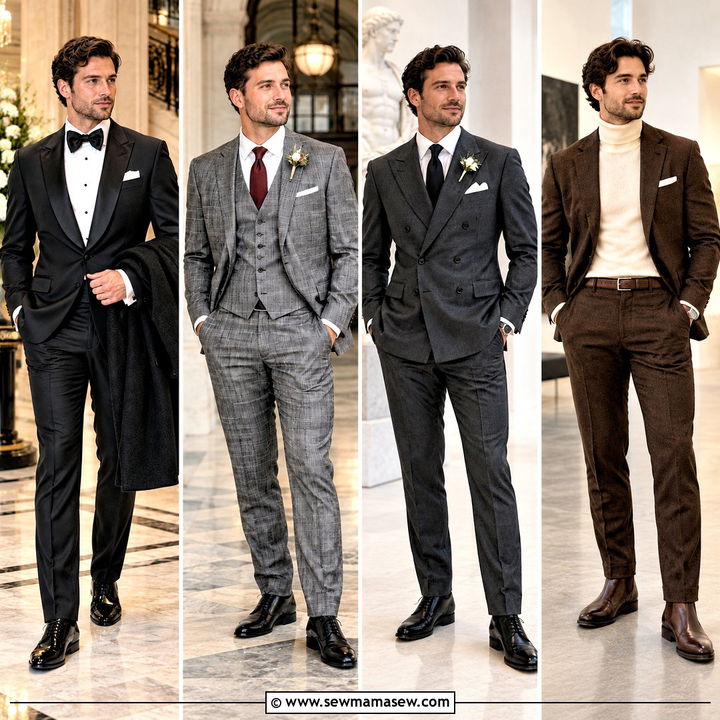
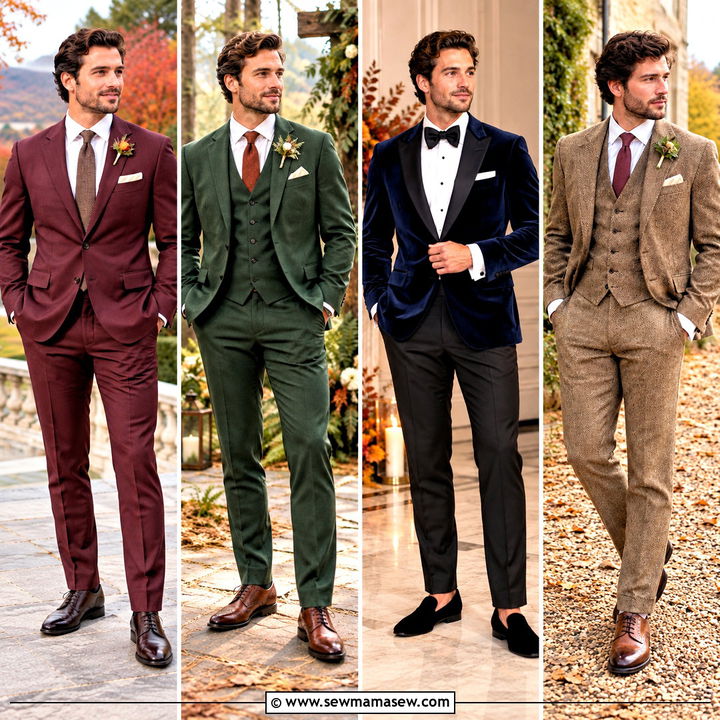
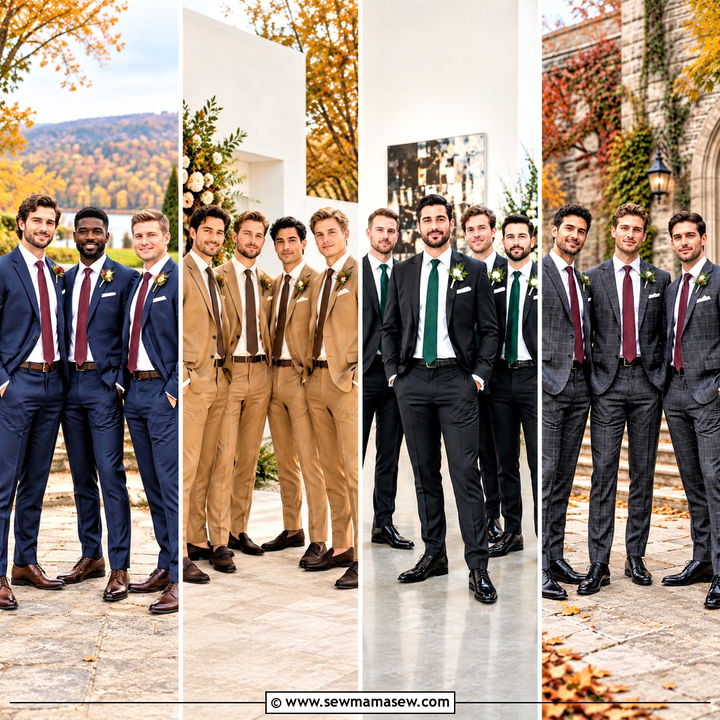
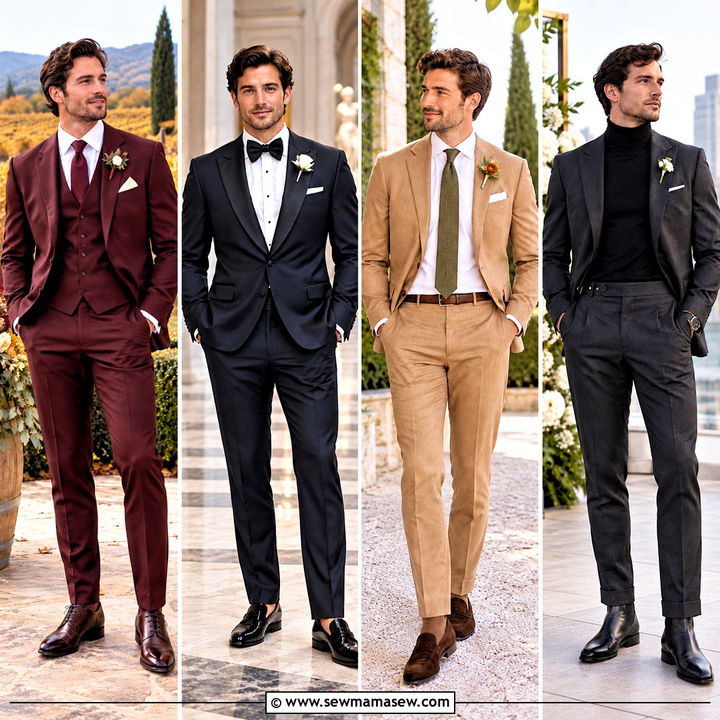
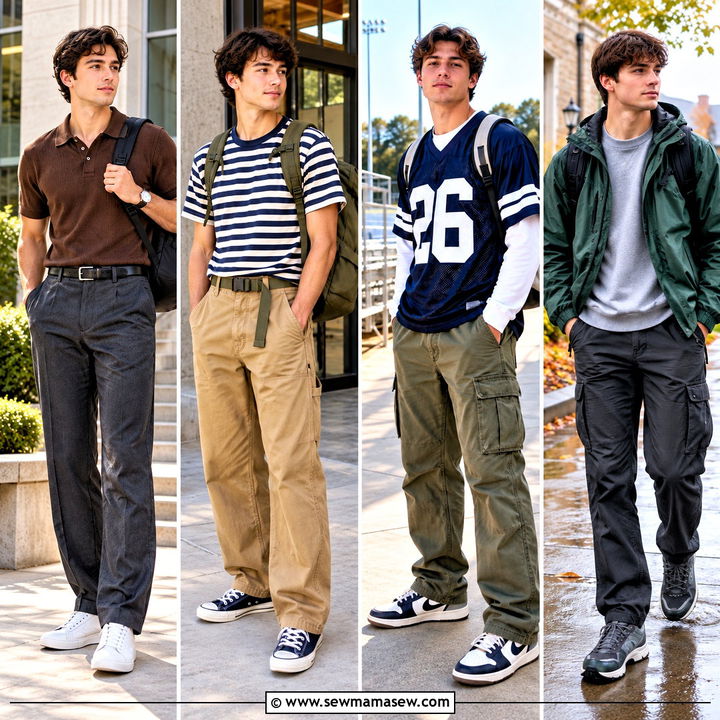
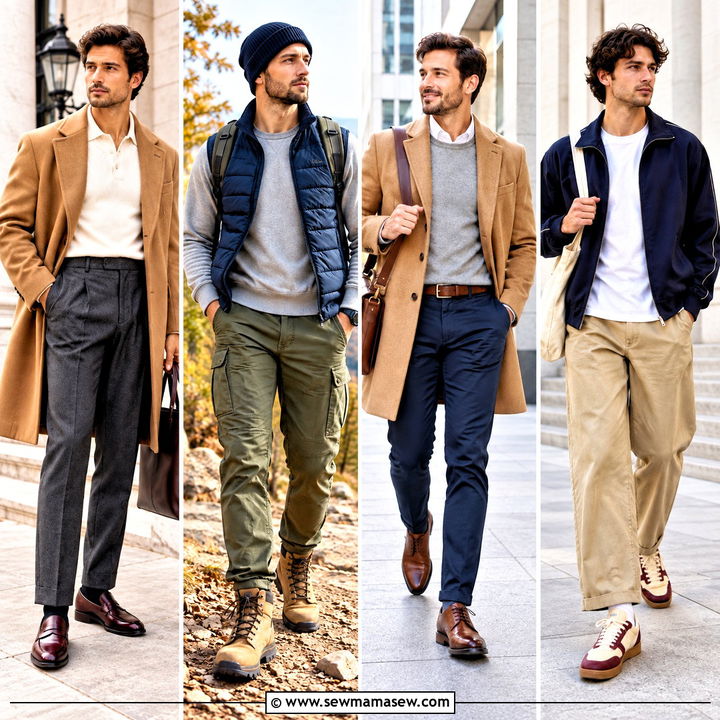
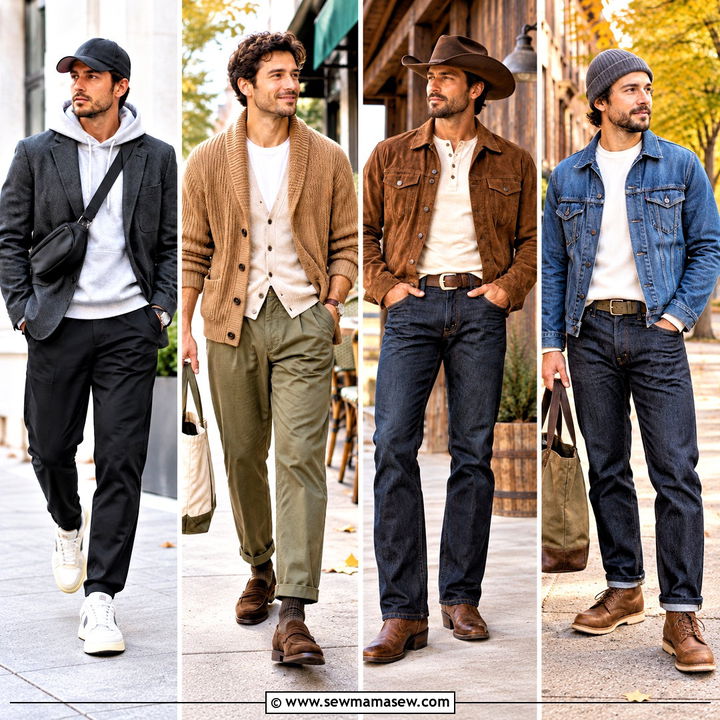
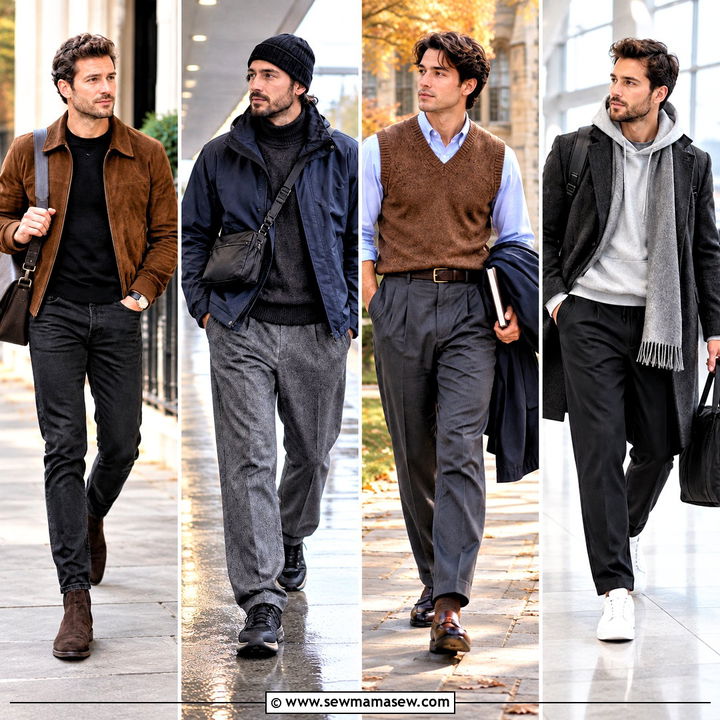
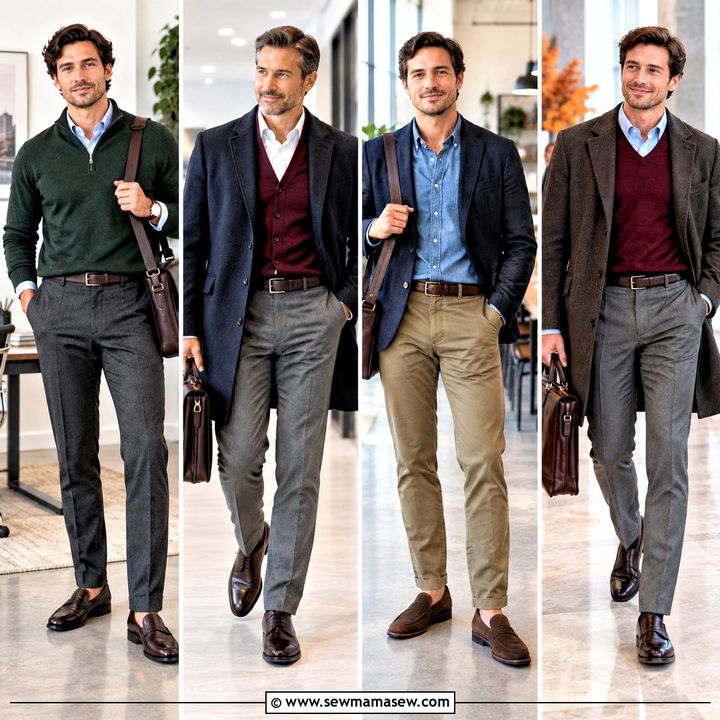
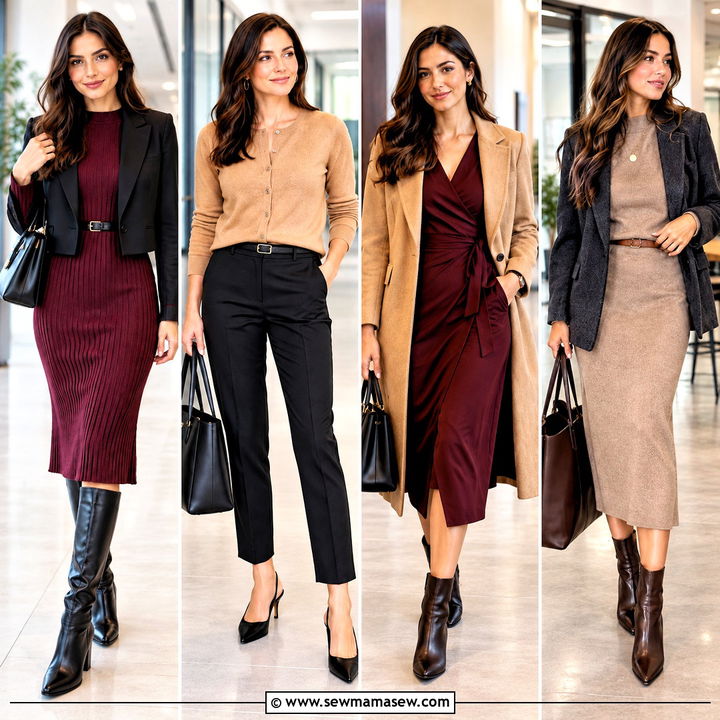
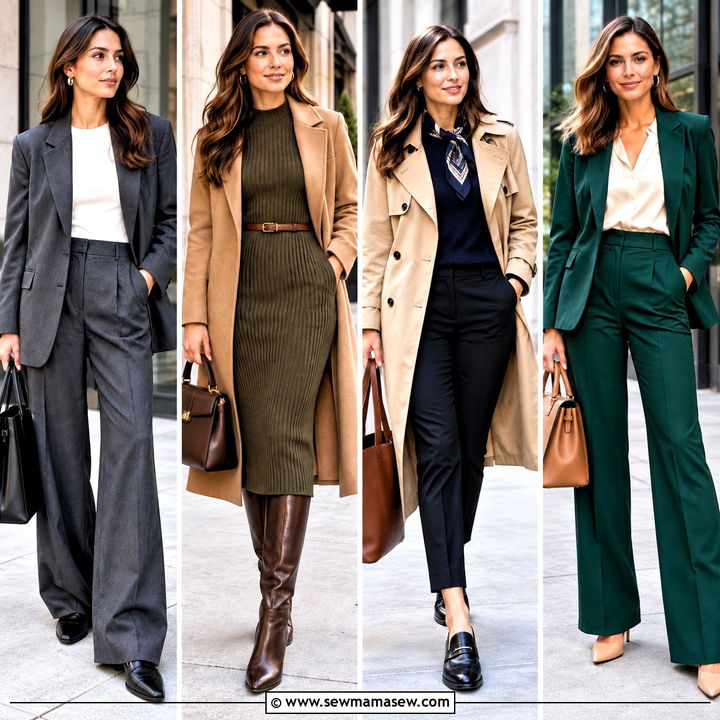
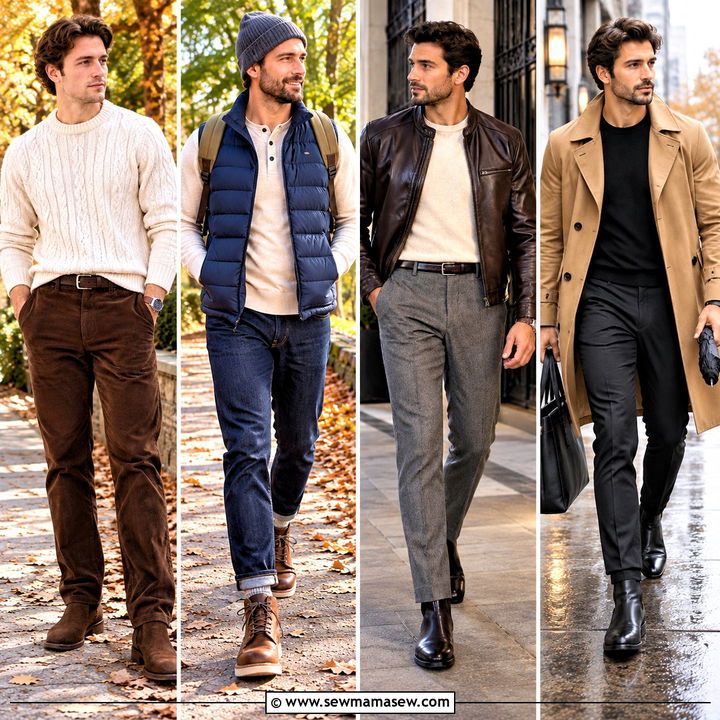
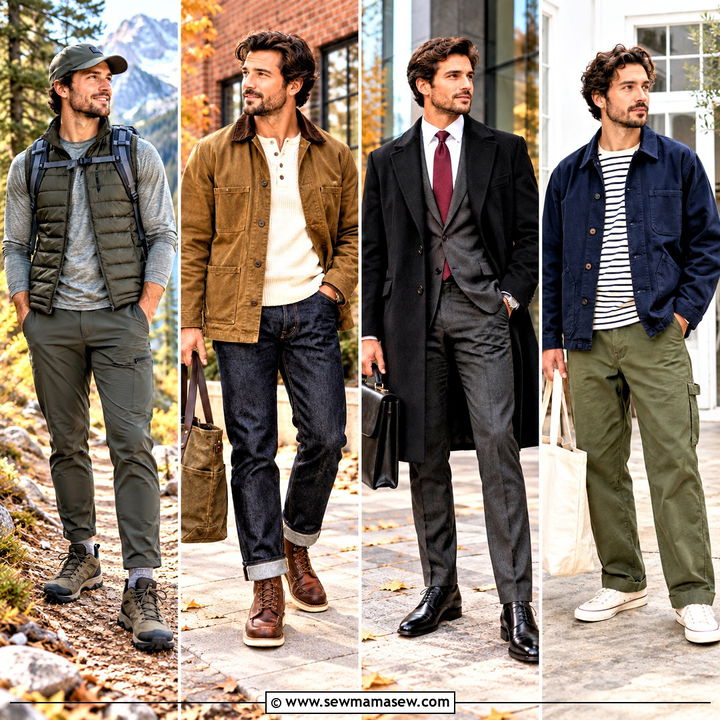
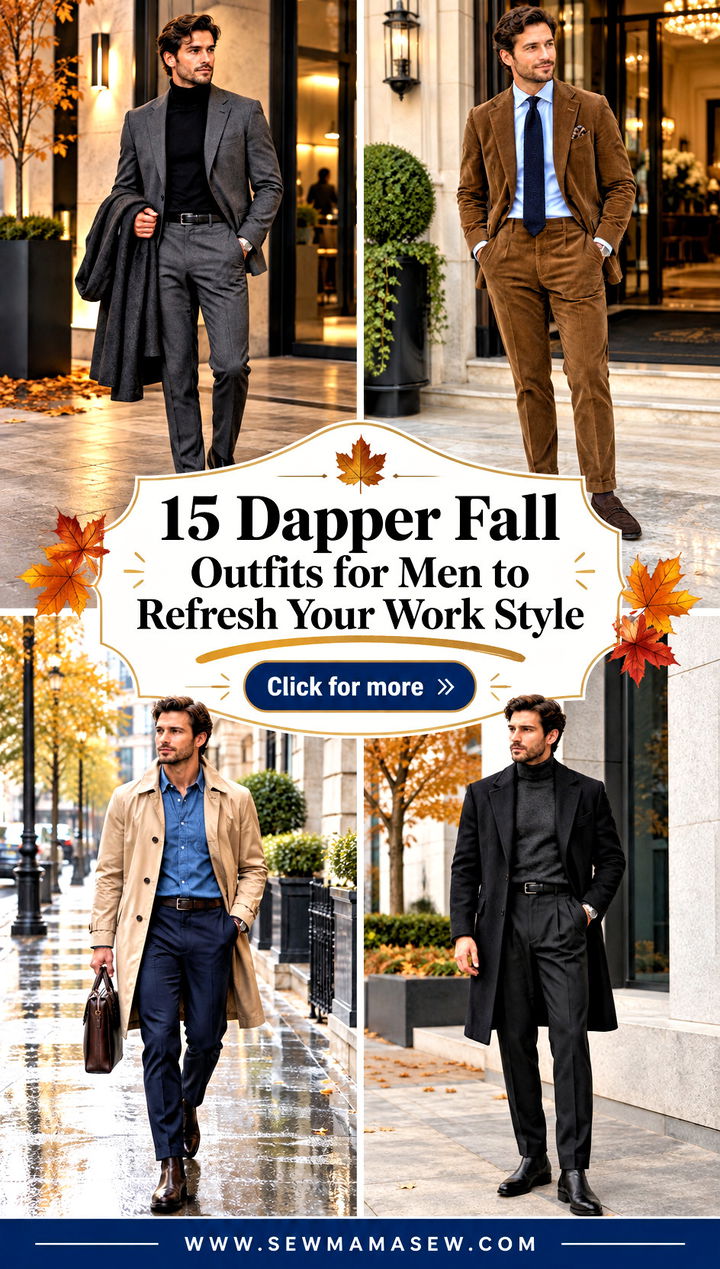
Fall is the easiest season for a man to look sharp without looking stiff. The fabrics get heavier and more textured, layers start to make sense, and leather shoes finally look right with everything. This year the clothes I reach for most are crisper tailoring, substantial knitwear, corduroy, suede, practical outerwear and plenty of brown. The skill is balancing those pieces with comfortable proportions and a handful of basics. A structured coat makes jeans look deliberate; relaxed trousers make a blazer feel less corporate. Below are fifteen complete outfits for work, weekends, travel and evenings out, each with the fit details that actually make them work.
What a Tailor Can Fix and What They Can't
Almost every outfit below depends on fit more than on the clothes themselves, and most men buy jackets and trousers that are close but not quite right. Knowing which problems are cheap to fix and which aren't saves you from buying something that will never sit properly.
Easy and inexpensive
- Trouser hems. A slight or no break looks cleaner with loafers and boots than fabric pooling on the shoe.
- Jacket sleeves. Aim for about a quarter to half an inch of shirt cuff showing when your arms hang.
- Trouser waist, usually by an inch or so in either direction.
- Taking in the sides of a jacket that is boxy through the middle.
Hard or not worth it
- Shoulders. If the seam sits past your shoulder or the sleeve head dents, walk away; it is the most difficult and costly alteration.
- Jacket length. A jacket that is too short or too long can't really be fixed.
- A collar that gaps away from your neck when you stand normally.
So buy for the shoulders and the chest, then let the alterations handle the rest. Alteration costs vary widely by area, but hems and sleeves are usually far cheaper than people expect.
1. Navy Blazer With Gray Flannel Trousers
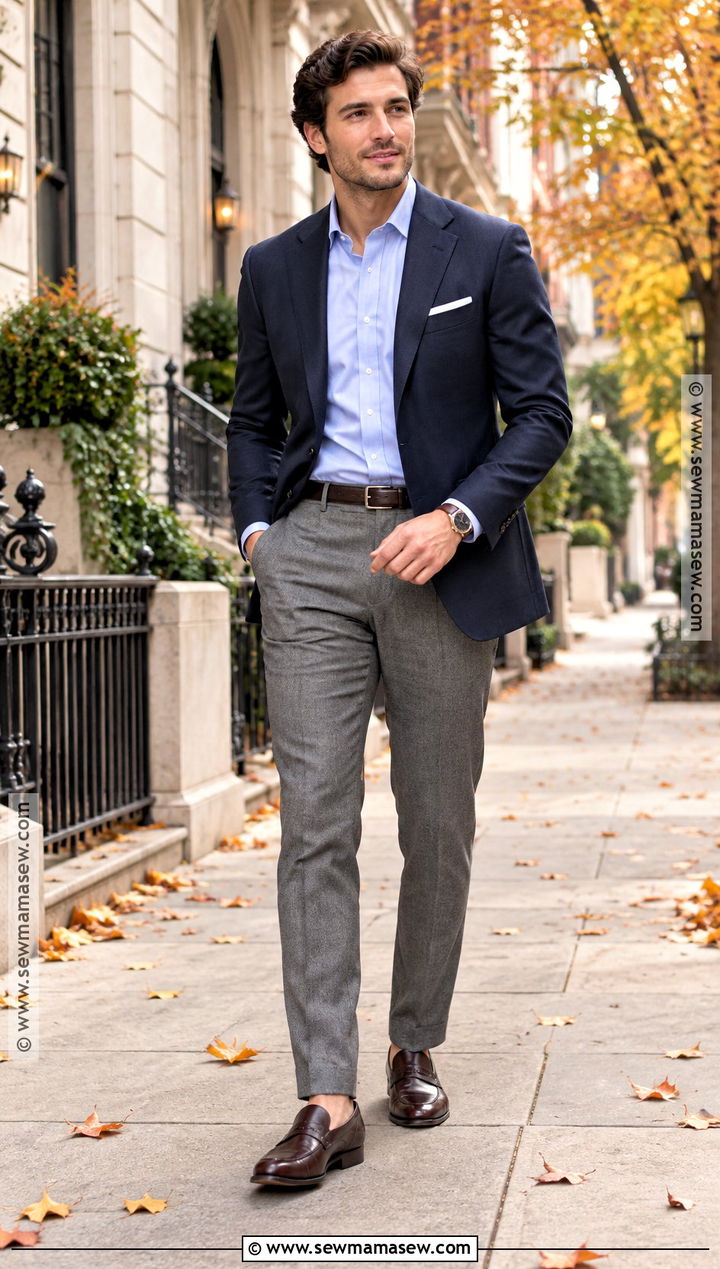
If I could give a man only one fall outfit, it would be a navy blazer with gray flannel trousers. Start with a pale blue Oxford shirt and a softly structured blazer, not a stiff business jacket, so it doesn't look like half a suit. Medium-gray flannel brings texture; the brushed surface also hides creases better than smooth worsted wool. Dark brown loafers or cap-toes, socks in the trouser color and a slim leather belt keep it simple. A white pocket square is enough of an accent. Add a charcoal overcoat on cold days. What makes it look expensive is the tailoring: a clean, minimal trouser break and sleeves short enough to show a little shirt cuff.
2. Brown Suede Jacket With Dark Jeans
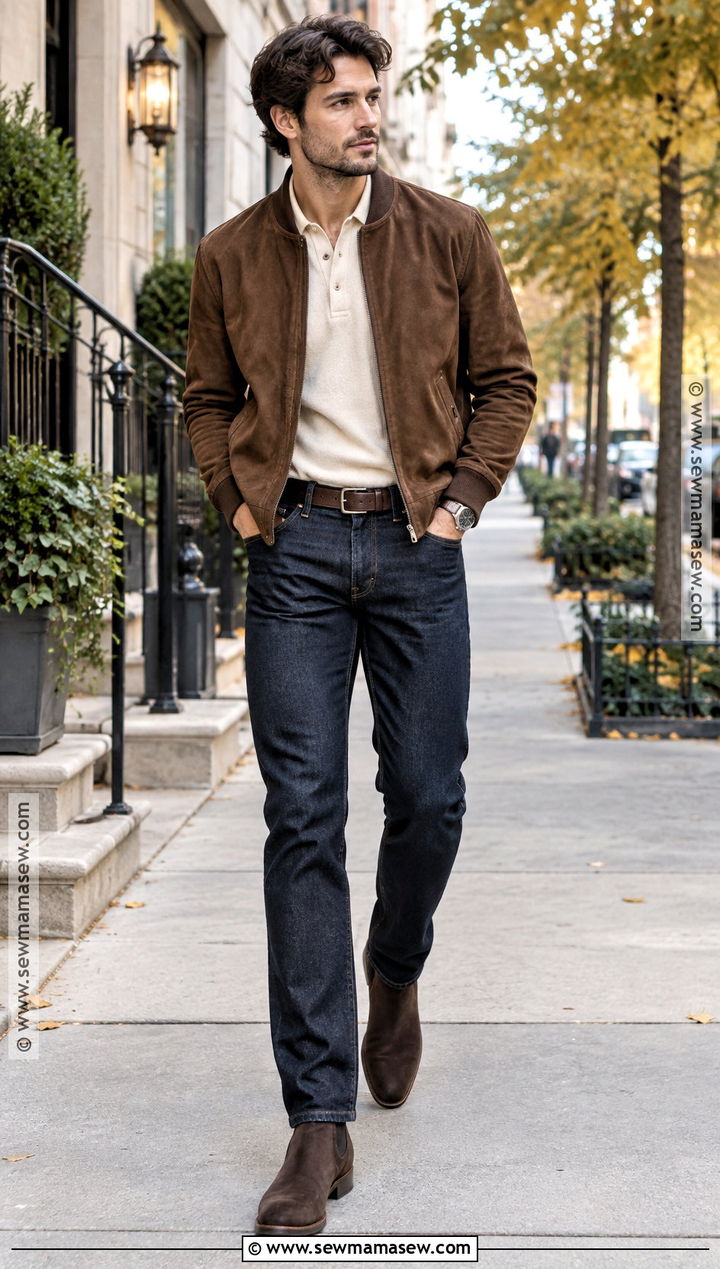
Suede adds instant depth to a casual fall outfit. I choose a streamlined brown jacket, bomber, trucker or zip-front, and wear it over a cream knit polo or fine crewneck with dark indigo jeans in a straight or slightly tapered cut. Chocolate Chelsea boots, a matching belt and a simple metal watch finish it. Cream, brown and deep blue together look like autumn without needing any pattern. Skip distressed denim and chunky trainers, which drag the suede down. Suede doesn't love rain, so I treat it with a protector spray before the first wear and leave it home on wet days. A light taupe or olive scarf helps when it's cold.
3. Charcoal Suit With Black Turtleneck
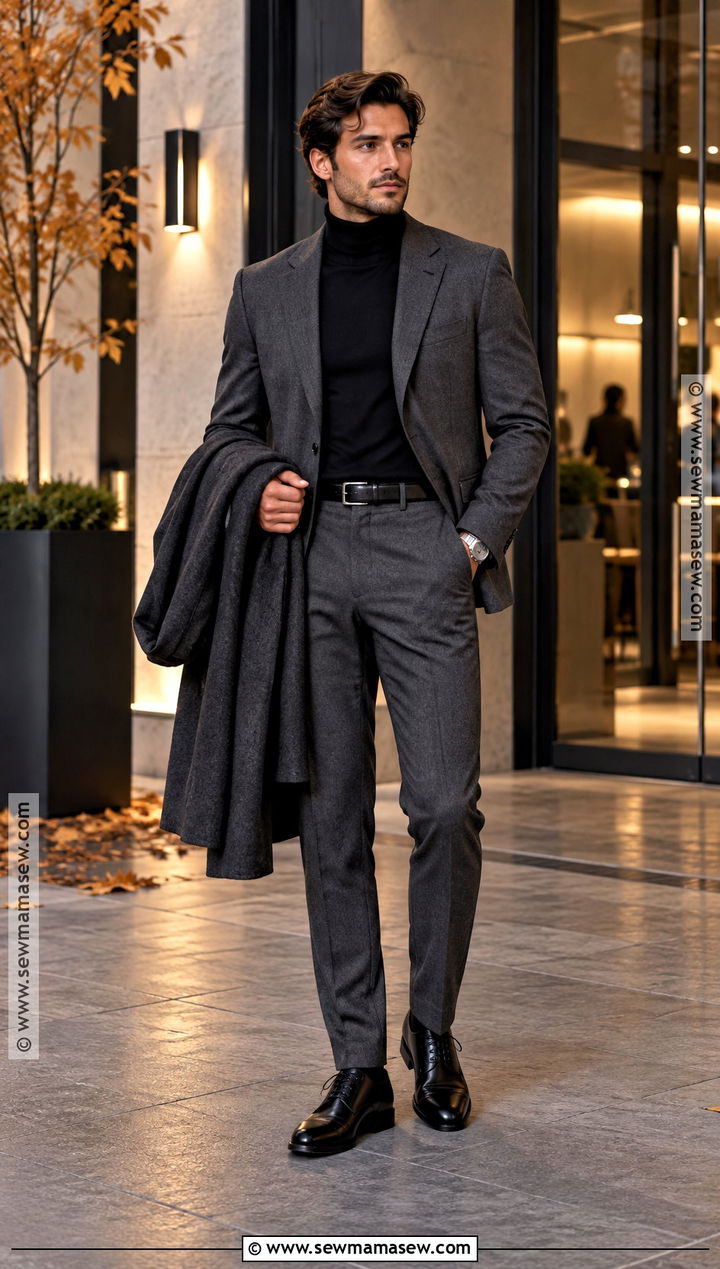
Swapping the dress shirt for a black turtleneck changes a charcoal suit completely. The wool suit gives a sharp base, and the knit makes a smooth, unbroken neckline. Choose a fine-gauge turtleneck that sits close without pulling across the chest; a chunky one bunches under the lapels and pushes the jacket collar away from the neck. Black Derbies or polished Chelsea boots keep the dark color story going, and a silver watch and black belt are all the accessories you need. The trousers can run a little fuller for a current shape, but the jacket must still fit cleanly at the shoulder. It's a strong choice for dinners, receptions and creative offices.
4. Tweed Sport Coat With Chinos
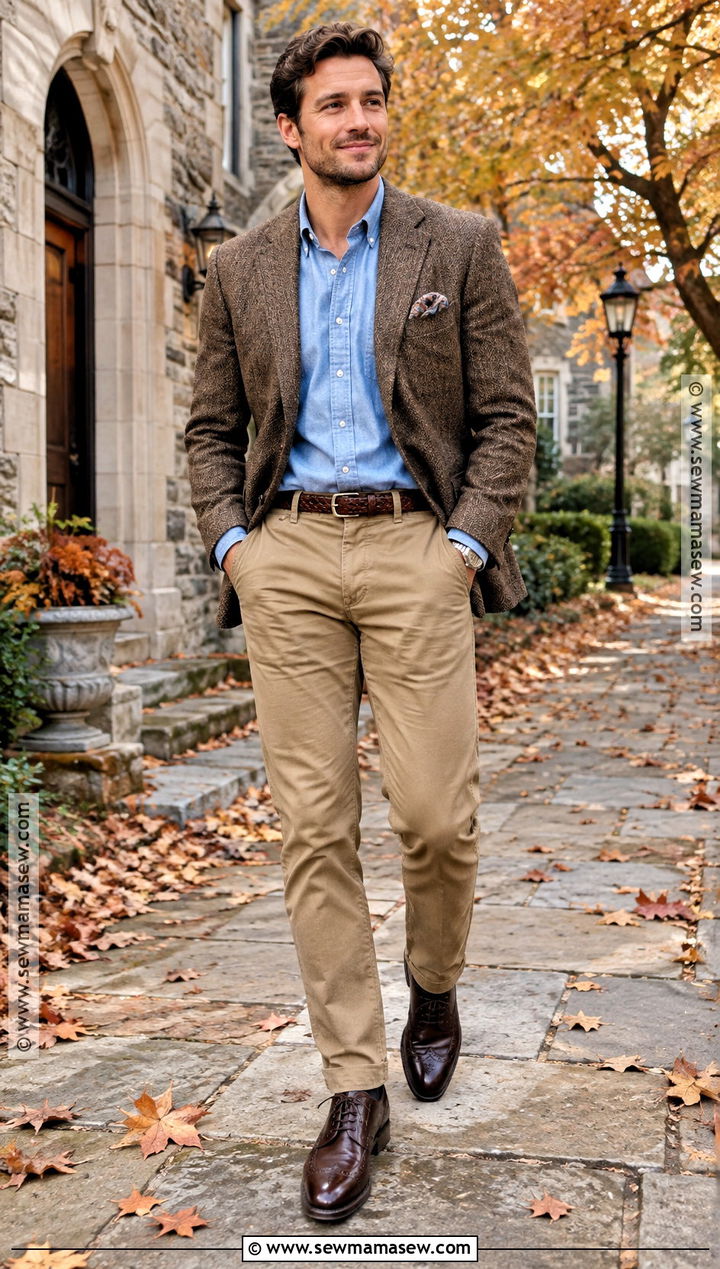
Tweed is the fabric I most associate with cold air. Build this around a brown, olive or gray tweed sport coat with a quiet herringbone or windowpane, and wear a light blue chambray or white Oxford underneath. Tan chinos keep it approachable so the jacket doesn't look like a costume from another decade. Dark brown brogues, Derbies or suede chukkas all suit tweed's rough surface. Add a braided belt and a muted cotton pocket square. Tweed is thick, so size the jacket with enough room for a shirt and maybe a thin knit, but no more; one size up looks sloppy at the shoulder. Leave the collar open for a weekend version.
5. Camel Overcoat With Merino Sweater
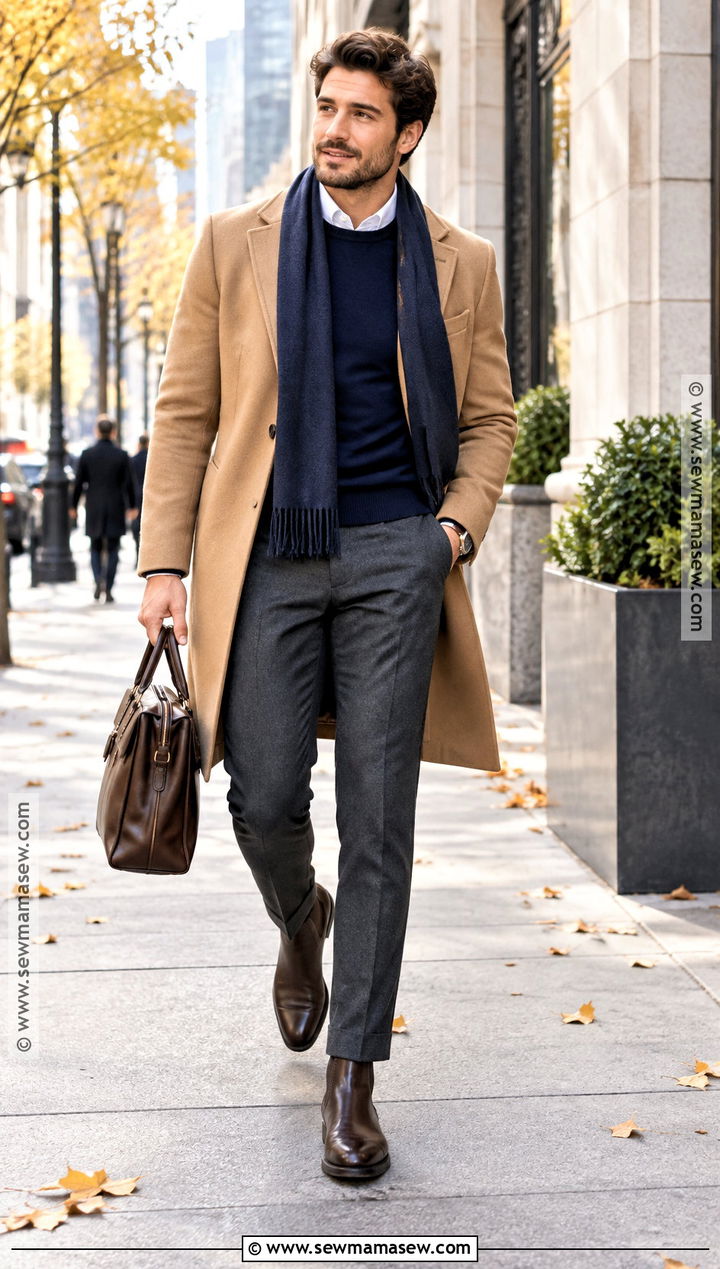
A camel overcoat makes plain basics look considered. I put a knee-length, tailored coat over a navy merino crewneck and a crisp white Oxford, letting a little collar and shirt hem show. Merino is the right sweater here: it's thin enough that the coat closes smoothly, where a thick lambswool would make the chest look puffed out. Charcoal wool trousers look more polished than chinos, and dark brown Chelsea boots ground the lighter coat. A navy scarf links the sweater to the rest. Add a leather briefcase for work. Camel does show dirt at the cuffs and collar, so it needs brushing more often than a navy or charcoal coat.
6. Corduroy Suit With Oxford Shirt
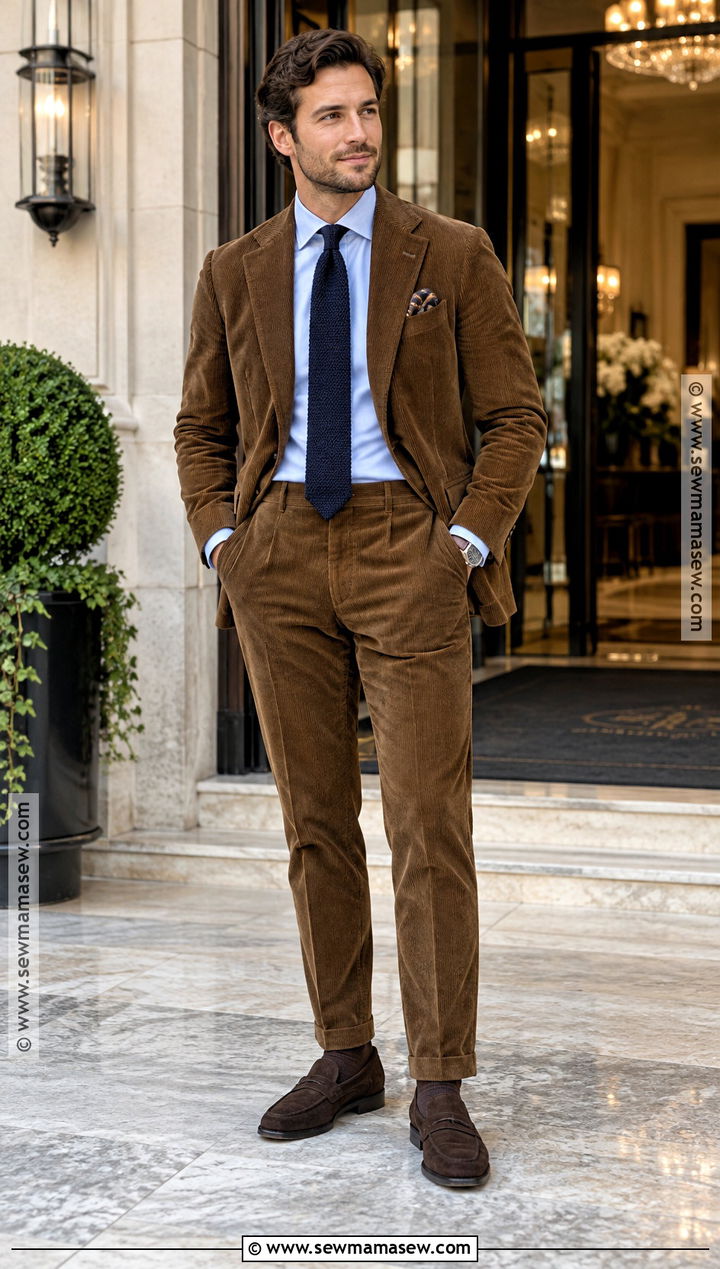
A corduroy suit is warmer and friendlier than a wool one. I go for dark brown, olive or tobacco with a medium wale, cut relaxed but not loose, and a white or pale blue Oxford to brighten the fabric. A knitted navy tie makes it work-appropriate; an open collar makes it casual. Dark brown suede loafers, Derbies or slim chukkas finish it. Corduroy already brings plenty of texture, so keep the extras to a watch, tonal socks and a folded pocket square. The real value is splitting it up later: the jacket goes over jeans and the trousers go with a sweater. Cord does shine at the seat and elbows with heavy wear, so rotate it.
7. Quilted Vest With Chinos And Chukka Boots
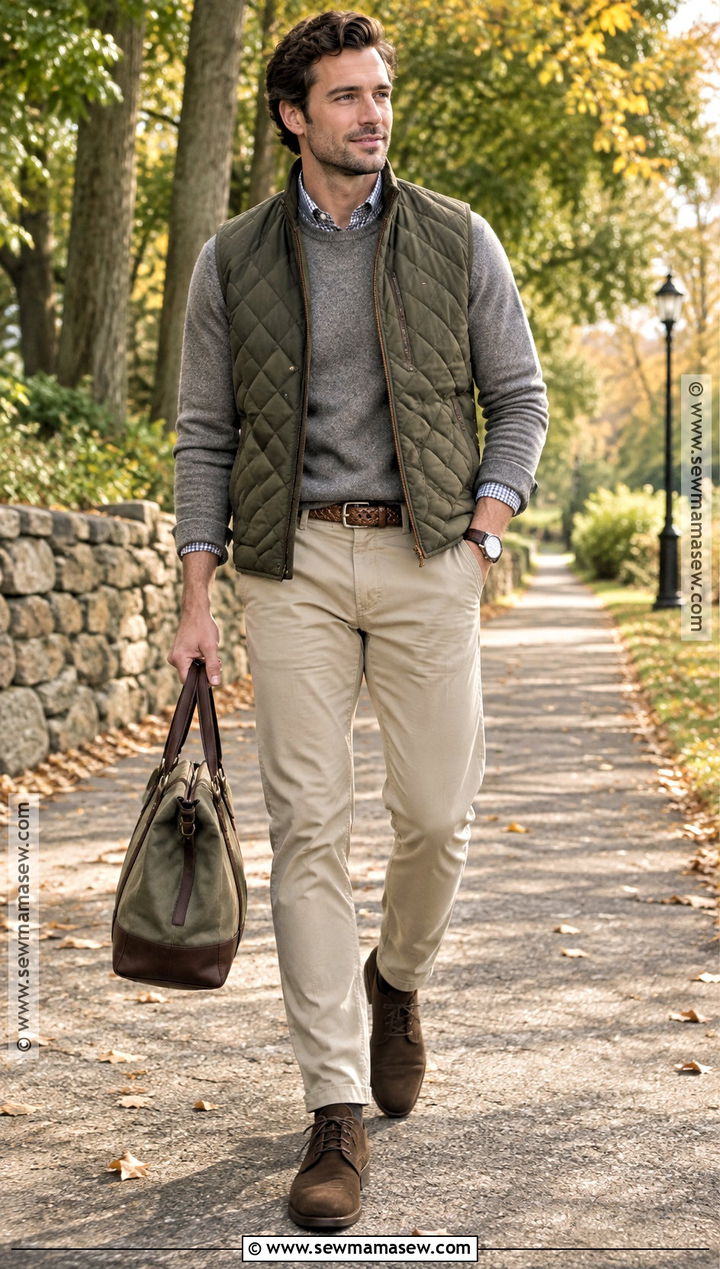
For mild fall days, a quilted vest adds warmth and leaves the rest of the outfit on show. I pick a fitted navy or olive vest over a small-check button-down, with a thin gray crewneck between them when the temperature drops. Stone, khaki or tobacco chinos in a straight cut keep it tidy. Brown suede chukkas are more relaxed than dress shoes but still look finished. The vest should end at the waistband; a longer one hangs over the belt and shortens the legs. Fit it close enough that the quilting doesn't puff out at the sides. A woven belt and a canvas-and-leather bag complete it for a casual office or a weekend away.
8. Leather Bomber With Wool Trousers
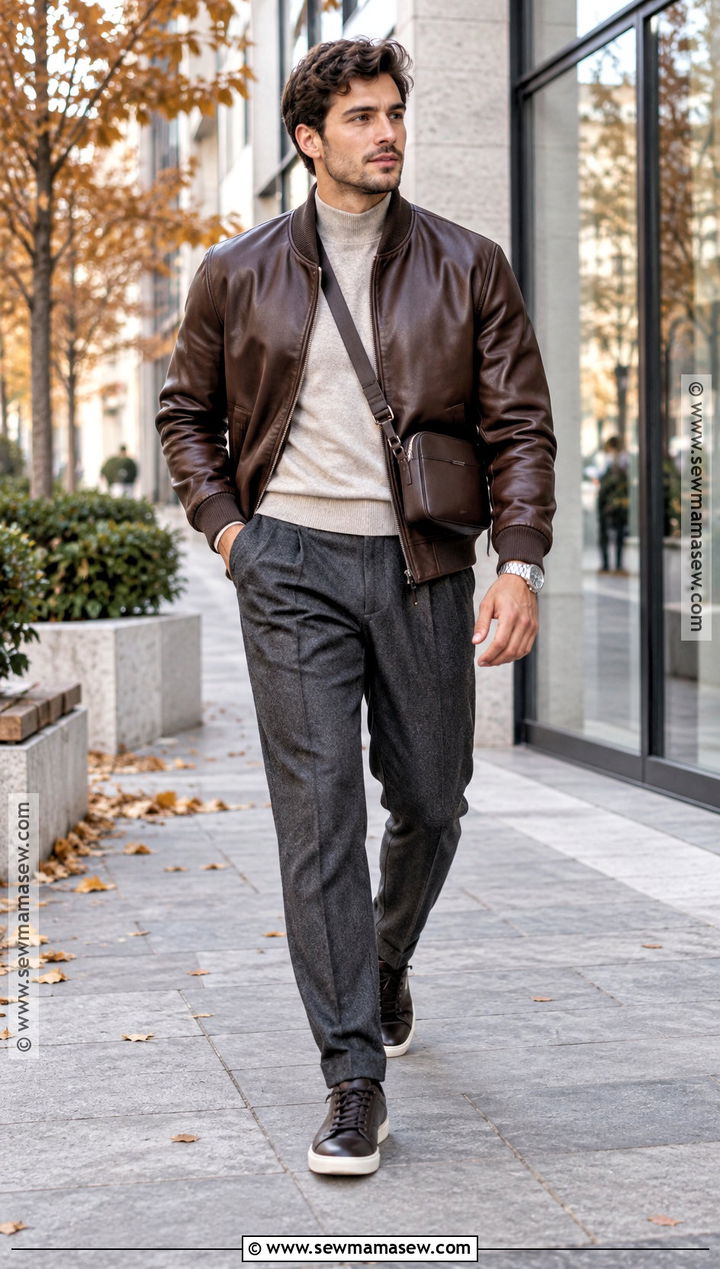
A leather bomber with tailored trousers looks far more grown-up than the same jacket with jeans. Choose a clean brown or black bomber with little hardware and a ribbed waistband that sits at the belt line, plus an oatmeal mock-neck or plain fine crewneck underneath. Charcoal pleated wool trousers contrast with the leather's rough edge, and the pleats give room through the hip that balances the short jacket. Minimal leather sneakers keep it casual, and Chelsea boots dress it up. Keep the sweater tucked or neatly fitted at the waist so it doesn't peek out under the jacket's hem. It works for city weekends, casual meetings and travel.
9. Trench Coat With Denim Shirt And Trousers
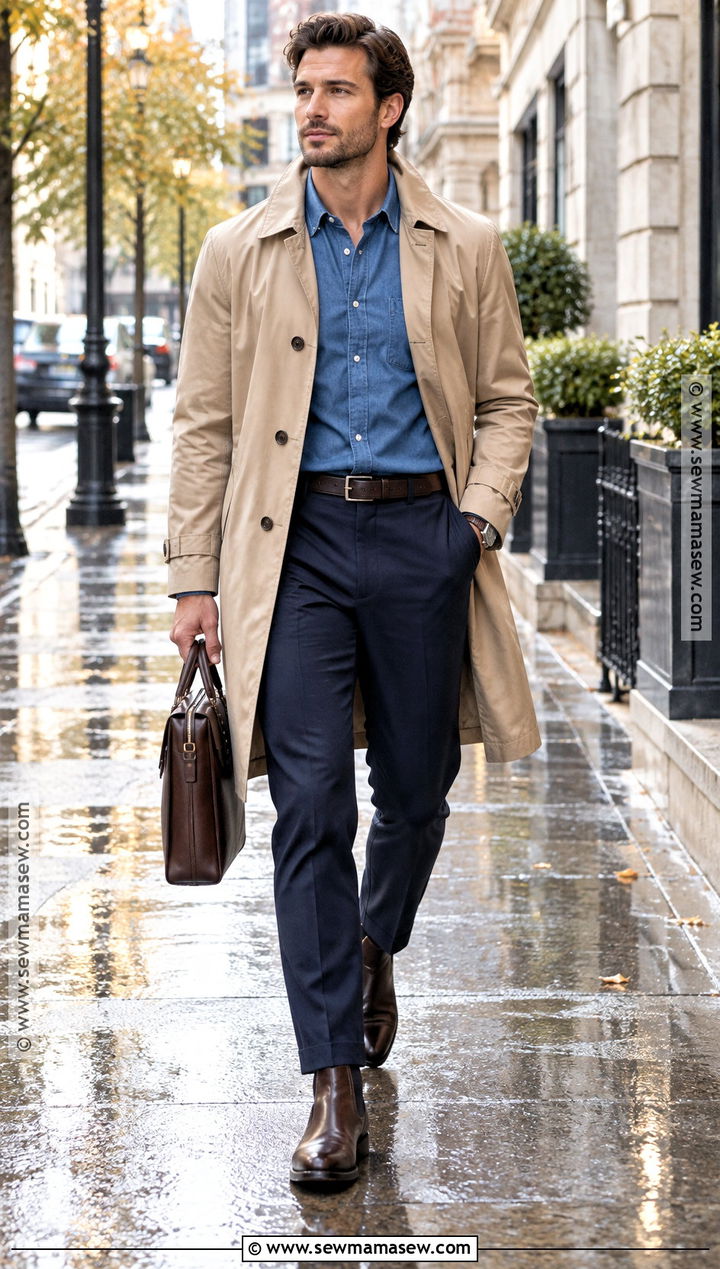
A trench is the most useful coat for unpredictable fall weather. I wear a stone or khaki trench over a medium-blue denim shirt with the top button open, plus navy tailored trousers that keep things smart without reading as a suit. Dark brown Chelsea boots stand up to wet pavements. A matching belt and a slim briefcase finish it for the city. In real rain, button the trench fully and tie the belt rather than buckling it, which is quicker and sits flatter. The denim shirt adds casual texture while the trousers stop the outfit sliding into workwear. It moves from the commute to the office to dinner without a change.
10. Shawl Cardigan With Dark Denim
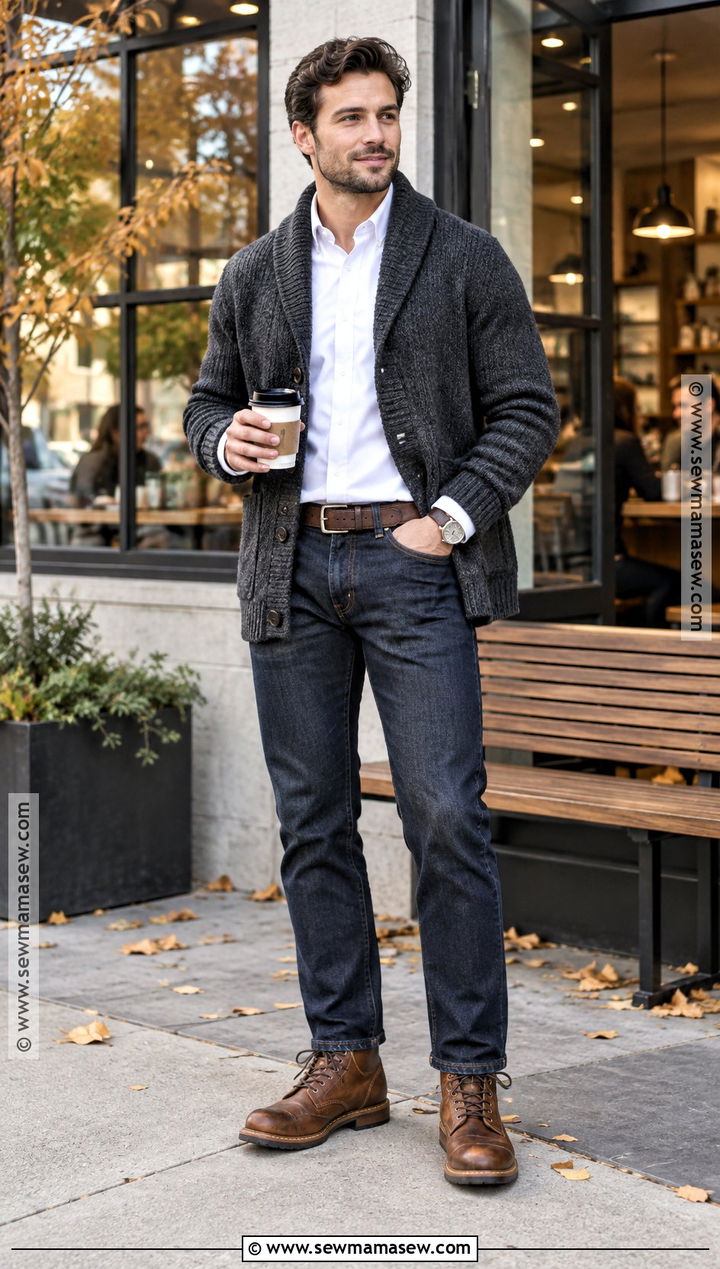
A heavy shawl-collar cardigan does the job of a casual jacket in early fall. I choose charcoal, navy, oatmeal or deep green over a white Oxford, with dark straight-leg jeans in a clean, even wash. Brown leather service boots or suede chukkas give the lower half some weight to match the chunky knit. A belt close to the boot color and a classic watch finish it. Fit matters: the cardigan should skim the torso, and its hem shouldn't fall far below the hips, or it starts to look like a robe. For a dressier take, tuck the shirt in and fasten the middle button. It suits coffee meetings and relaxed offices.
11. Field Jacket With Turtleneck And Pleated Trousers
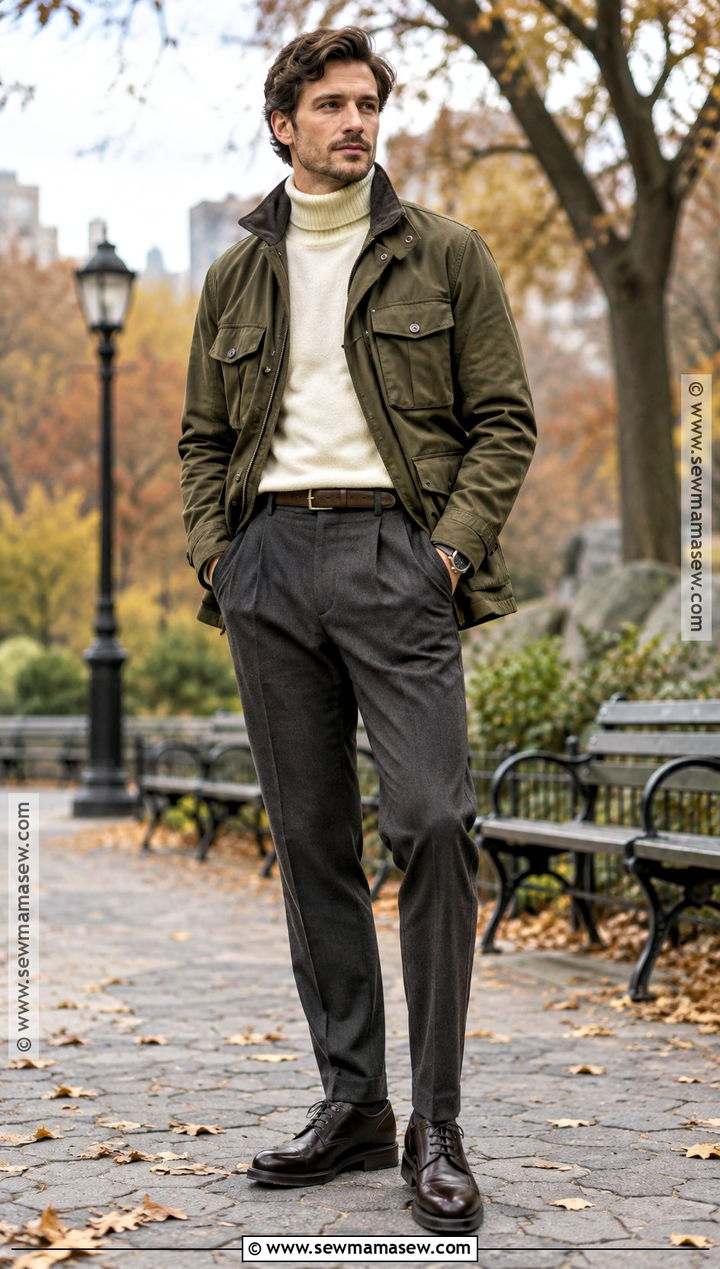
Military outerwear looks surprisingly refined over fine knits and tailored pants. Start with an olive field jacket with a clean shape and restrained pockets, then a cream or beige turtleneck underneath, which brightens the face against the olive. Charcoal pleated trousers give structure at the waist and room through the leg. Dark brown Derbies or suede Chelsea boots, a brown belt and a simple watch keep things consistent. The trap here is stacking rugged pieces: cargo pants, hiking boots and a big bag on top of a field jacket turn it into a costume. One utilitarian piece with polished trousers is the whole point. Good for smart-casual offices and travel.
12. Denim Jacket With Wool Overcoat
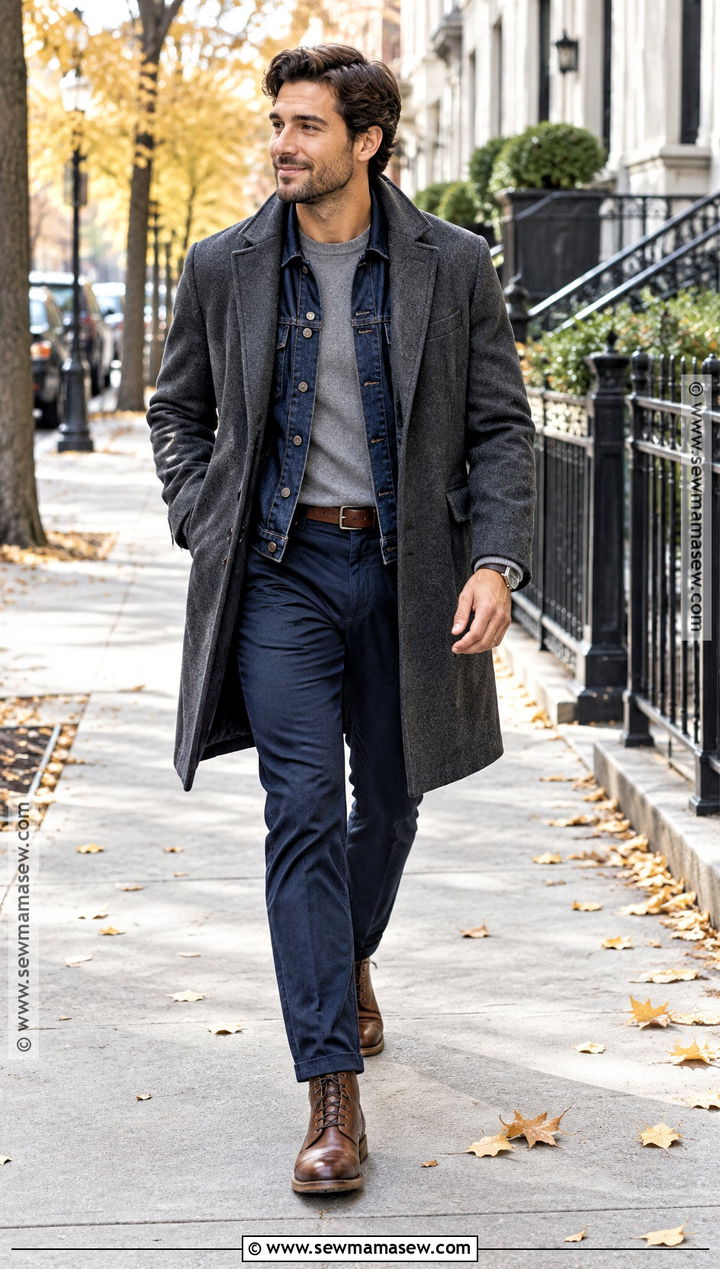
Two outer layers can look sharp if each one has a job. Start with a dark indigo denim jacket over a gray crewneck or white Oxford, then a charcoal or camel wool overcoat on top. Before buying, try the overcoat over the denim: it needs enough room through the shoulders and upper arm that the seams don't strain when you reach forward, and many slim coats simply won't fit over a jacket. Black or deep navy trousers keep the lower half clean, and brown leather boots add a break from the dark colors. Leave the coat open in mild weather so the denim shows. Keep both jackets plain, with no distressing or heavy hardware.
13. Black Overcoat With Monochrome Layers
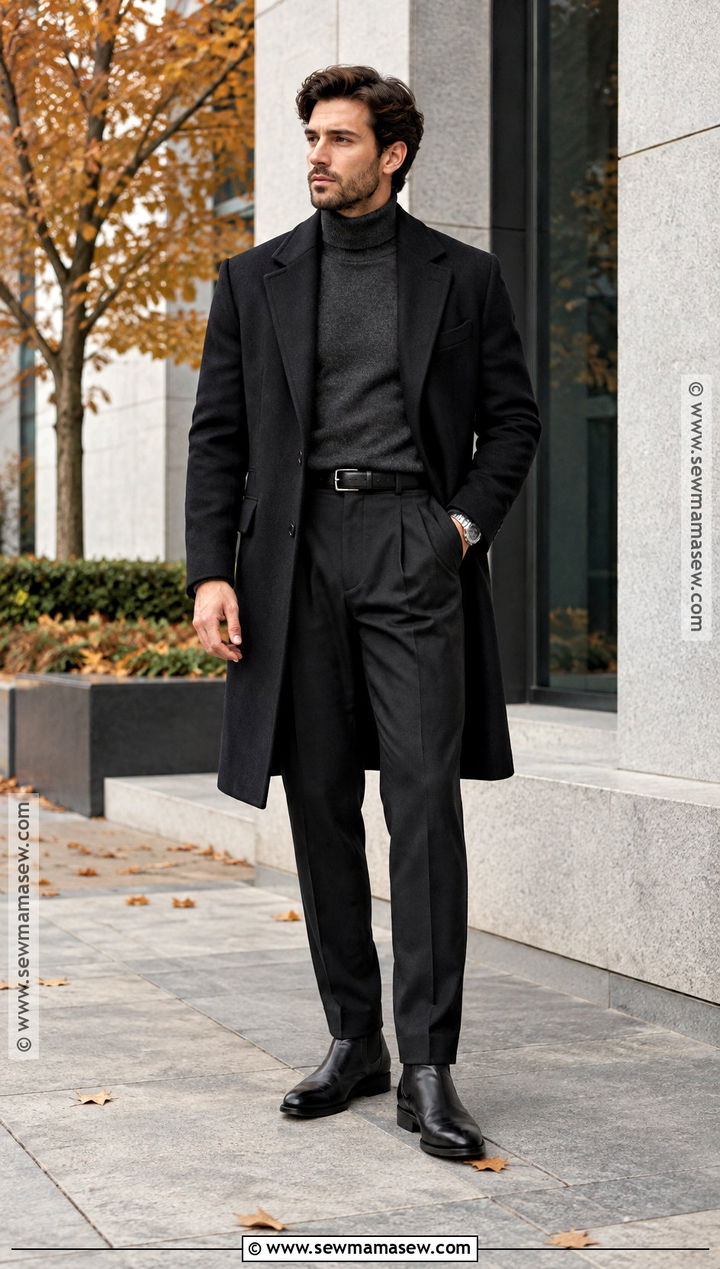
An almost all-black outfit gets its interest from shape and texture rather than color. I layer a tailored black overcoat over a charcoal mock-neck and black or deep gray pleated trousers that drape cleanly from the waist. Sleek black Chelsea boots continue the line to the floor without a break. A black belt and silver watch add just a little contrast. Texture is what saves this look: soft wool, smooth leather and fine knit next to each other stop it looking flat. Don't try to match every black exactly, because different dyes and fabrics never quite agree; let the shades differ on purpose. It suits evening events and creative offices.
14. Rugby Shirt With Pleated Chinos
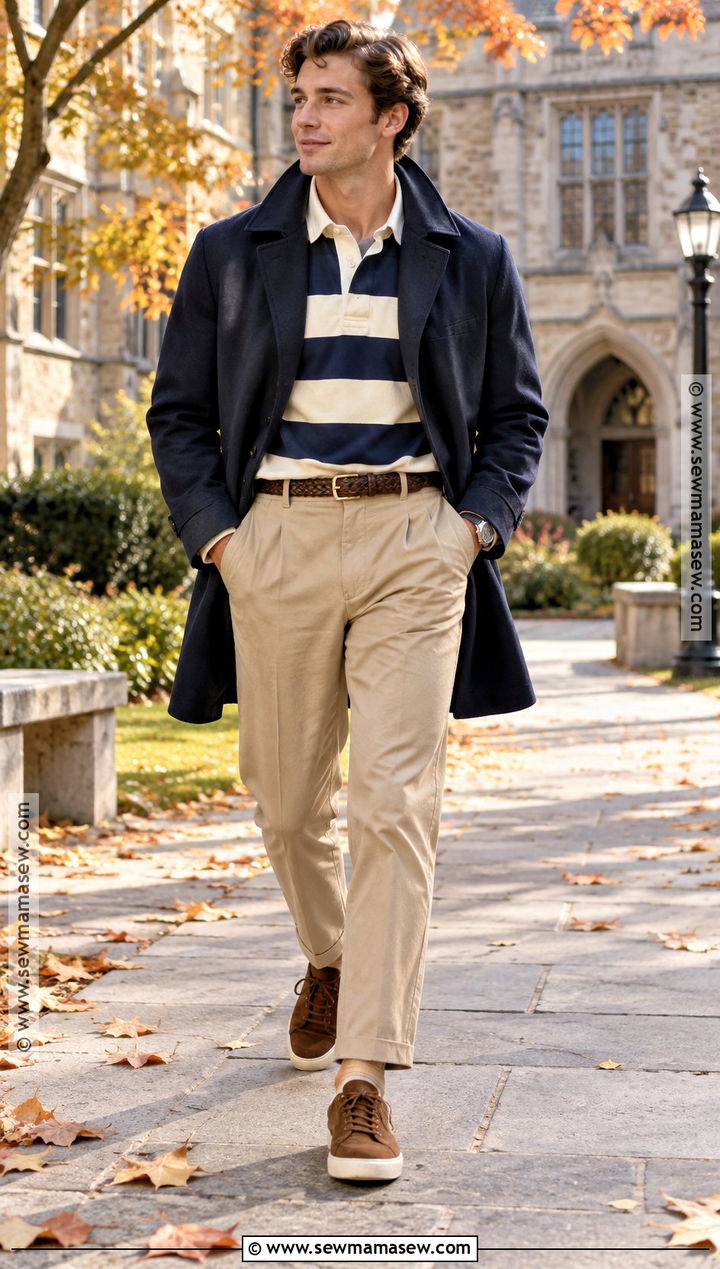
A rugby shirt can look dapper rather than sporty if you put it with polished pieces. Choose a heavyweight shirt in navy, burgundy, forest green or cream with a crisp contrasting collar, and tuck it into tan pleated chinos with a medium or high rise. The tuck is what makes it work; untucked over chinos, a rugby shirt reads like weekend sportswear. A navy mac or unstructured jacket adds warmth. Brown suede sneakers keep it casual, while penny loafers make it smarter. Add a woven belt and neutral socks. Avoid heavily faded jeans with it, which push it toward student. It suits relaxed offices and weekends.
15. Velvet Blazer With Black Trousers
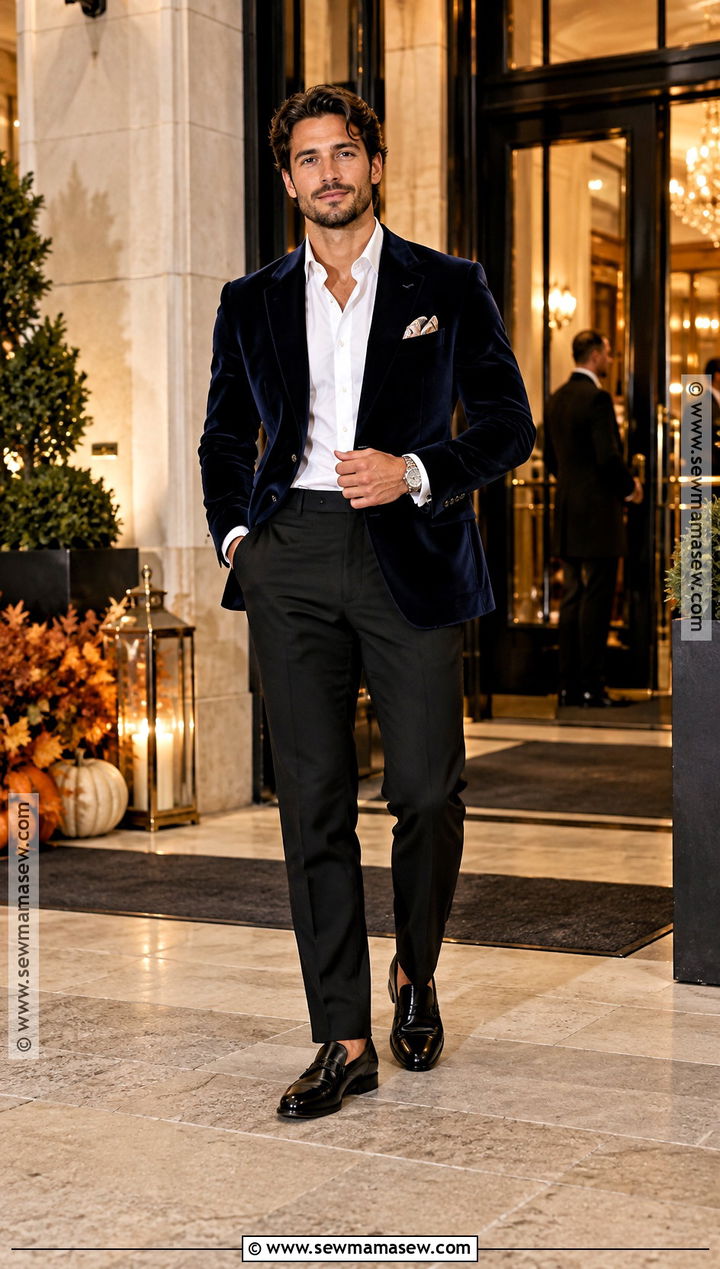
For dressy fall evenings, a velvet blazer brings richness without a full formal suit. Choose midnight blue, deep green, burgundy or black, and wear it with a white spread-collar shirt and tailored black wool trousers. Black loafers or polished wholecuts keep the base sleek. A silk pocket square is a restrained accent, and you can skip the tie when the dress code allows. Velvet shows every pull, so the blazer must sit cleanly at the shoulders and close without straining across the chest. Keep the trousers matte; a shiny fabric fights with the pile. Brush velvet gently in the direction of the nap after wearing to keep it from flattening. It's right for receptions and celebration dinners.
Belts, Socks and Shoes That Keep These Looks Coherent
The small leather and sock decisions are where a good fall outfit quietly falls apart. A few rules cover nearly every combination above.
- Keep belt and shoes in the same color family. They don't need to be an exact match, but a black belt with brown boots looks like a mistake.
- Match socks to the trousers, not the shoes, with tailoring. It keeps the leg line unbroken when you sit.
- Brown shoes suit navy, gray, olive and tan. Black suits charcoal and black, and works best in the dressier looks.
- Suede shoes read casual, so they're perfect with corduroy and chinos but softer than you want with a velvet blazer.
Wool, Flannel and Suede Between Wears
Fall fabrics last a long time if you let them rest. Hang jackets and coats on wide, shaped hangers so the shoulders keep their form, and give a wool garment a day off after wearing so creases relax. A soft clothes brush lifts dust and lint from flannel, tweed and overcoats far more gently than frequent dry cleaning, which can wear wool down over time.
For suede, use a suede brush once it's fully dry and keep it away from heat. Leather shoes benefit from cedar shoe trees, which absorb moisture and hold the shape, and from a rotation that lets each pair dry out for a day between wears.
A Good Coat, Trousers That Fit and One Bold Piece
A sharp fall wardrobe combines tailoring with practical layers and textured fabrics. Navy, charcoal, camel, olive and brown give you a color base that mixes freely, while suede, flannel, corduroy, leather and wool add depth. You don't need to replace your closet to wear these looks. Start with a versatile coat, trousers that fit well, good knitwear and reliable leather shoes. Then add one more distinctive piece, a tweed jacket or a velvet blazer. Pay attention to proportion, trouser length and clean layering, because fit does more for these outfits than any single garment. Treat each look as a template and adjust it to your climate and your days.
Related posts: