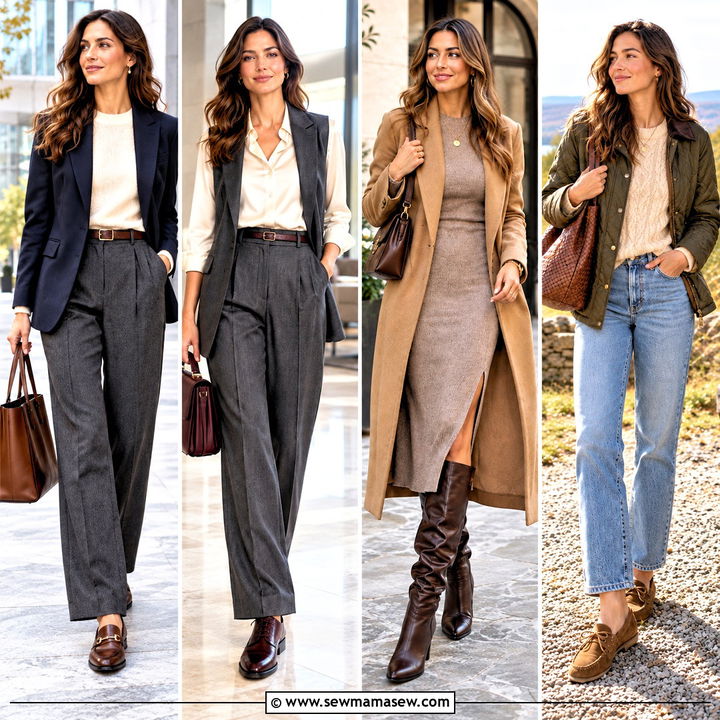
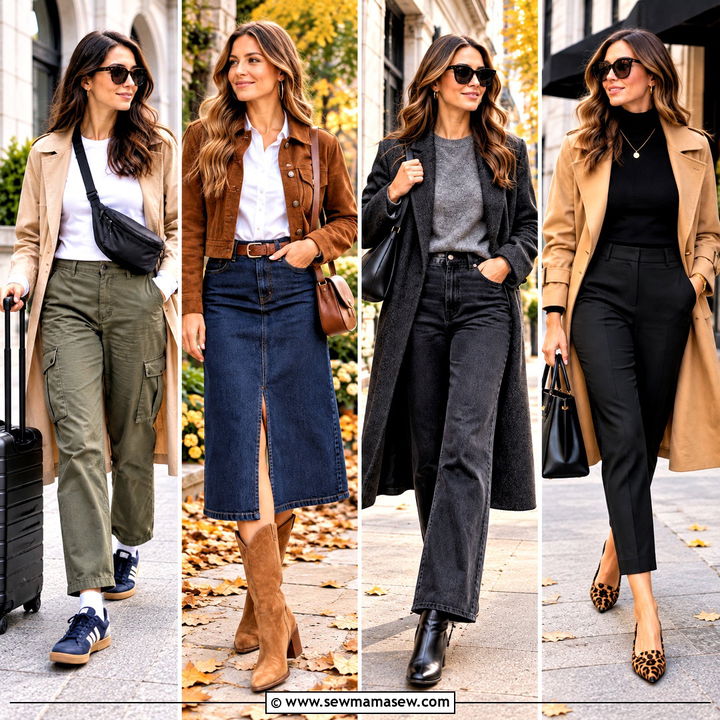
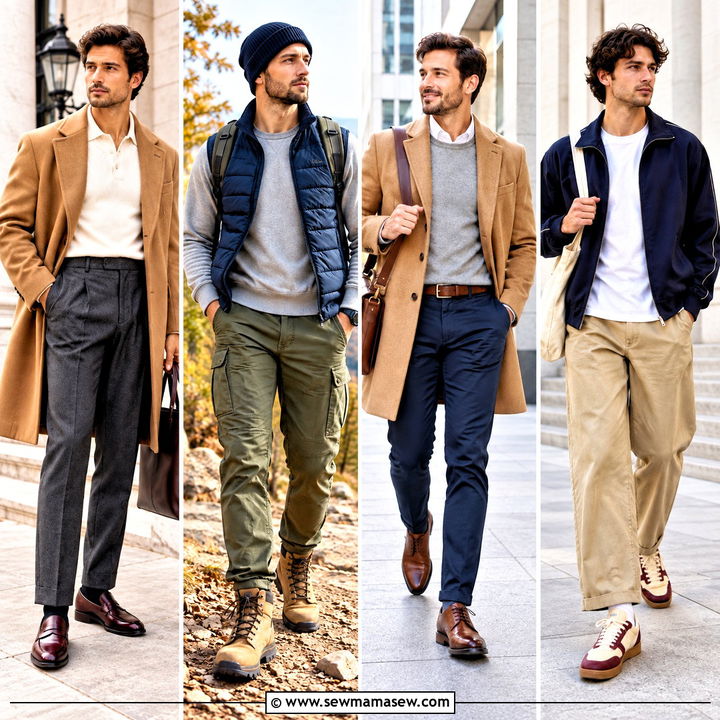
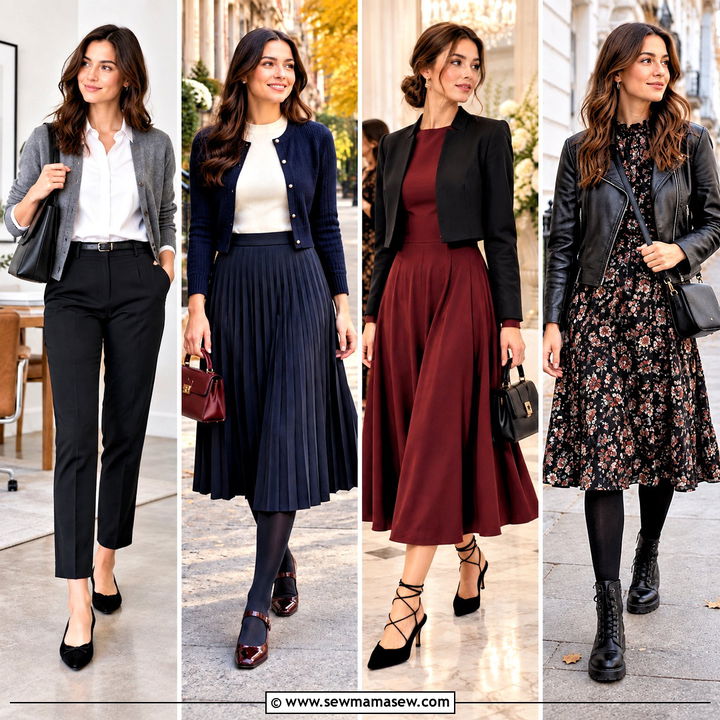
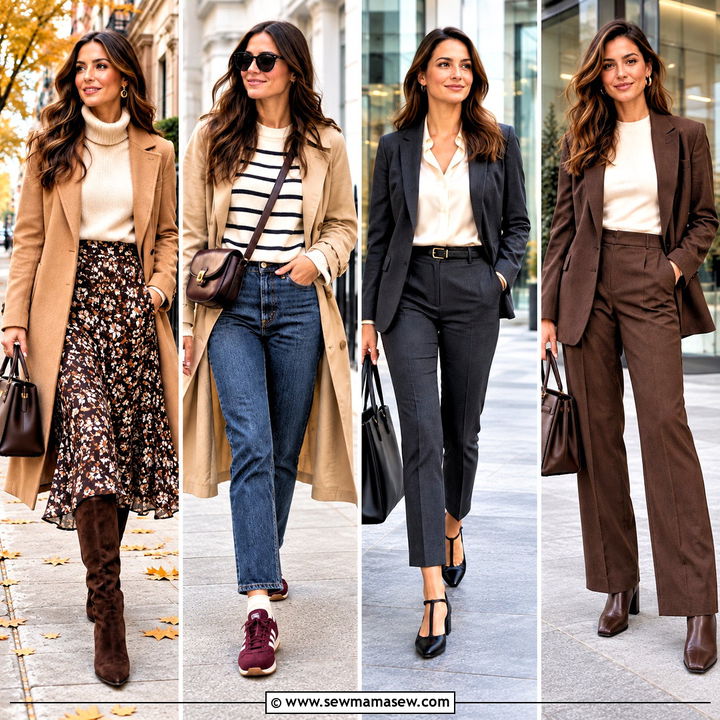
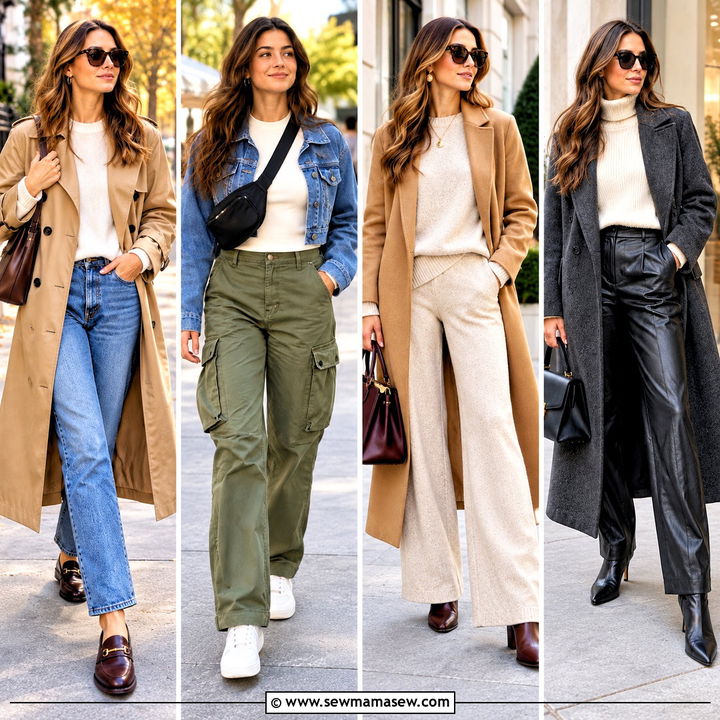
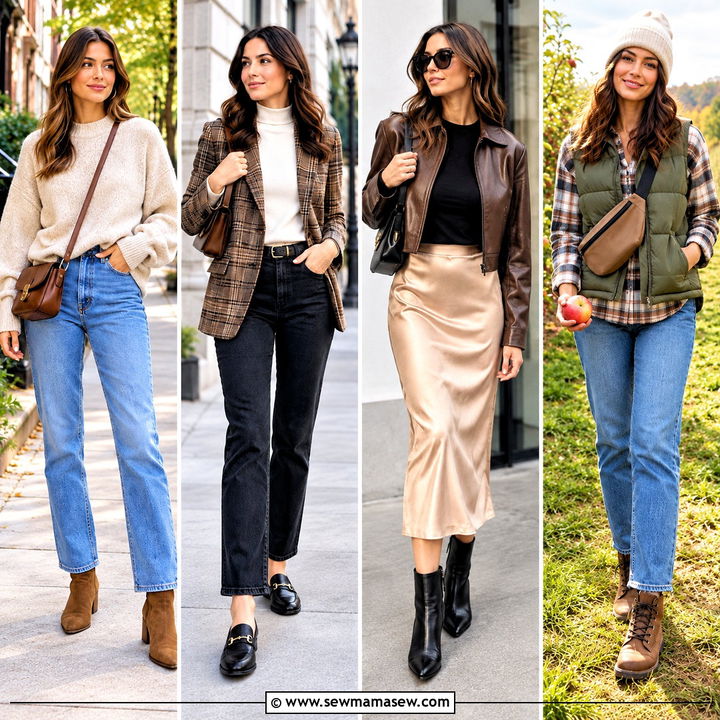
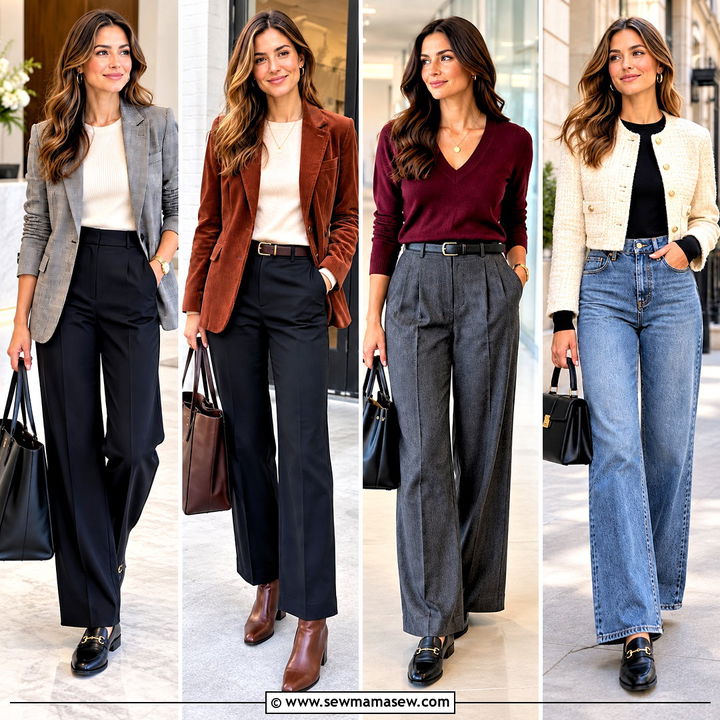
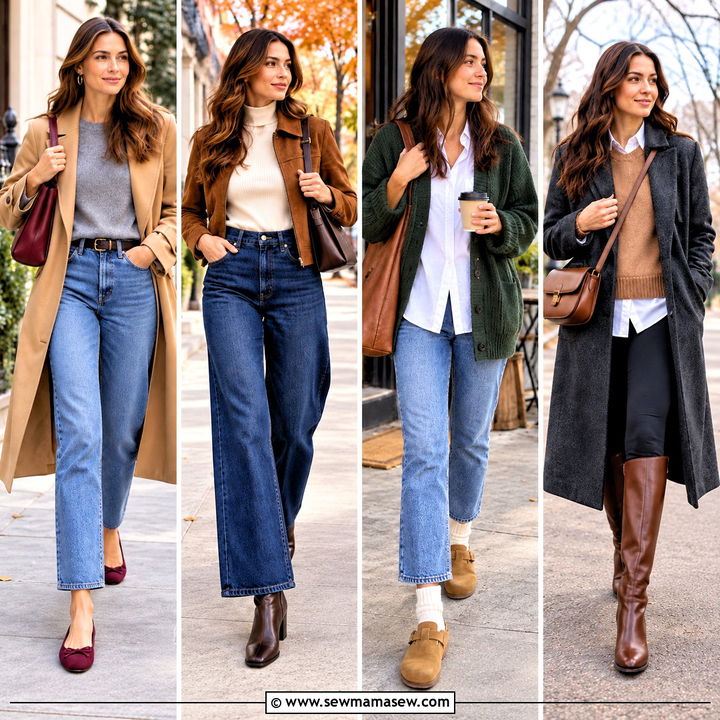
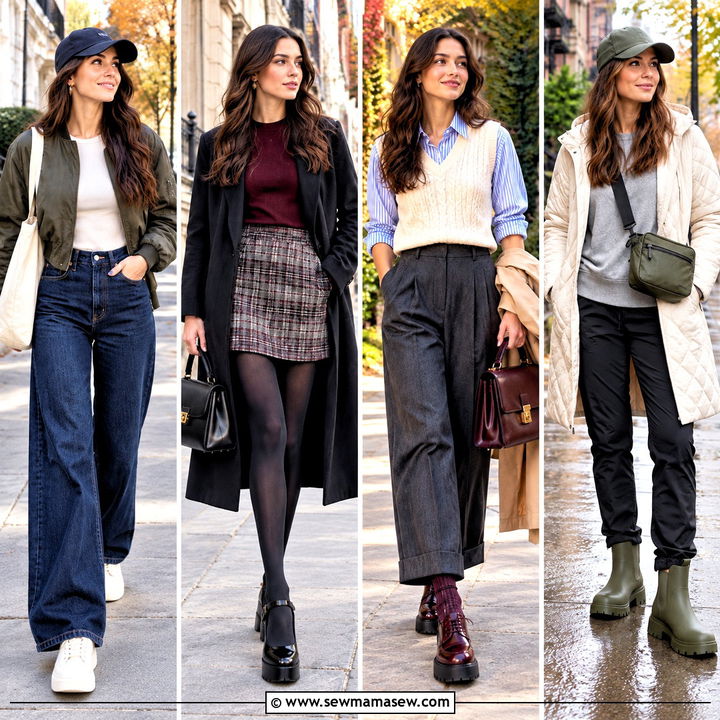
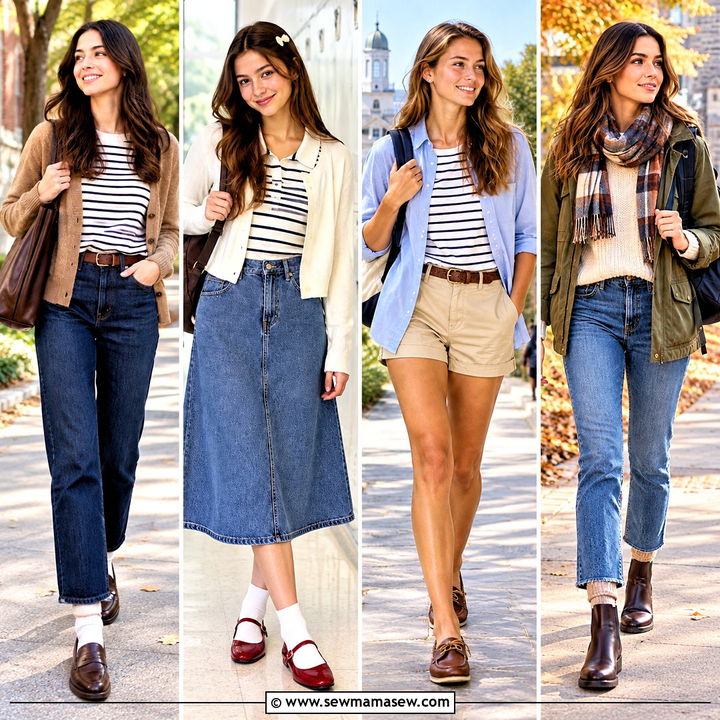
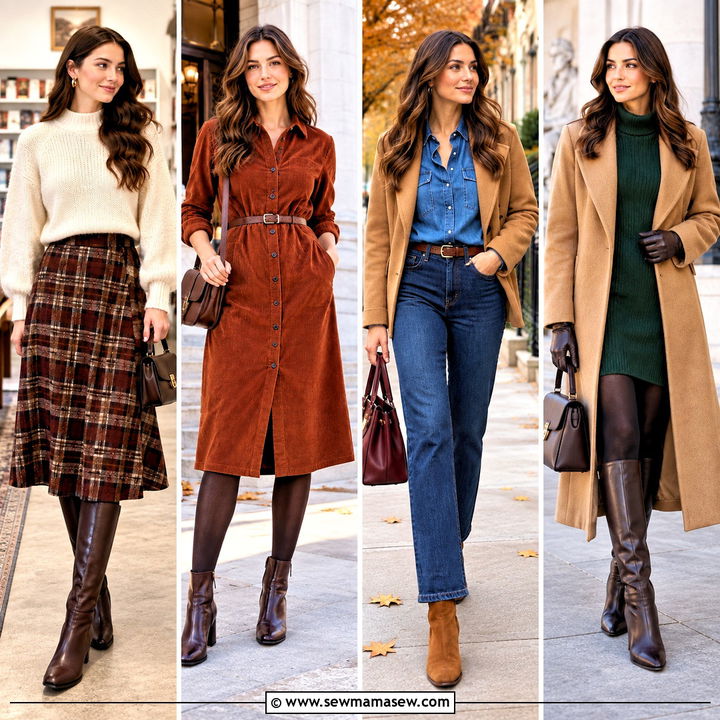
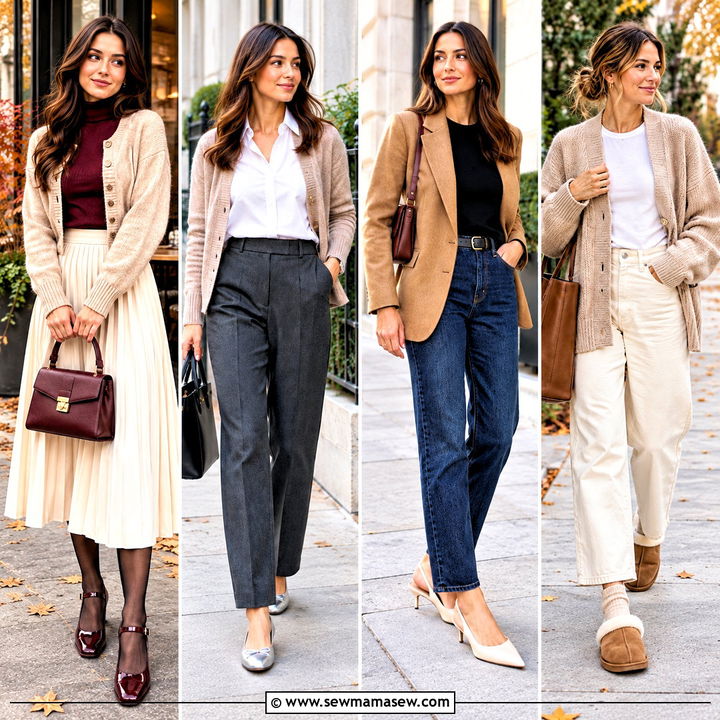
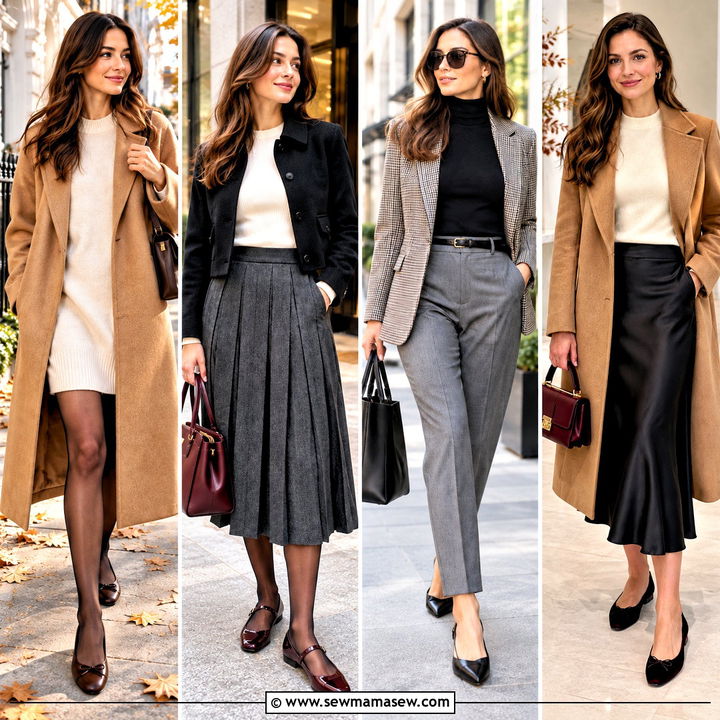
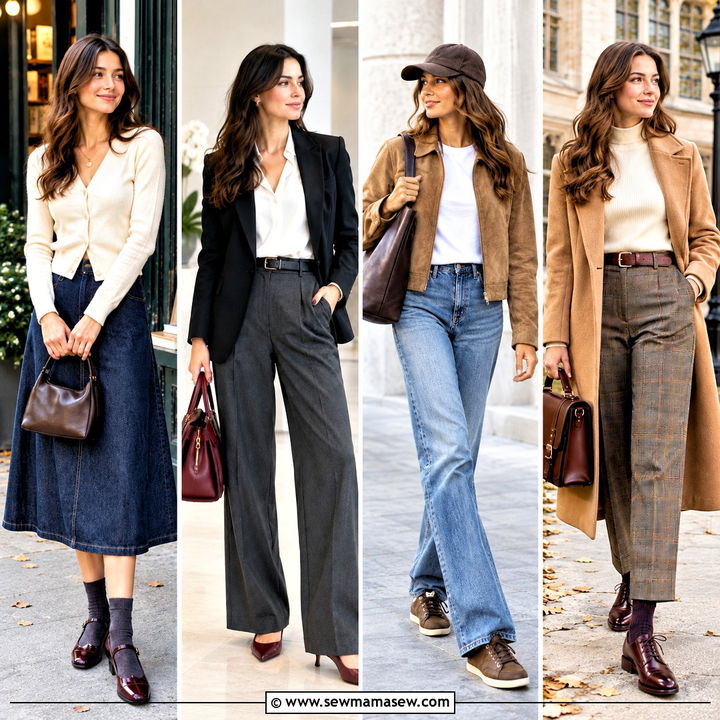
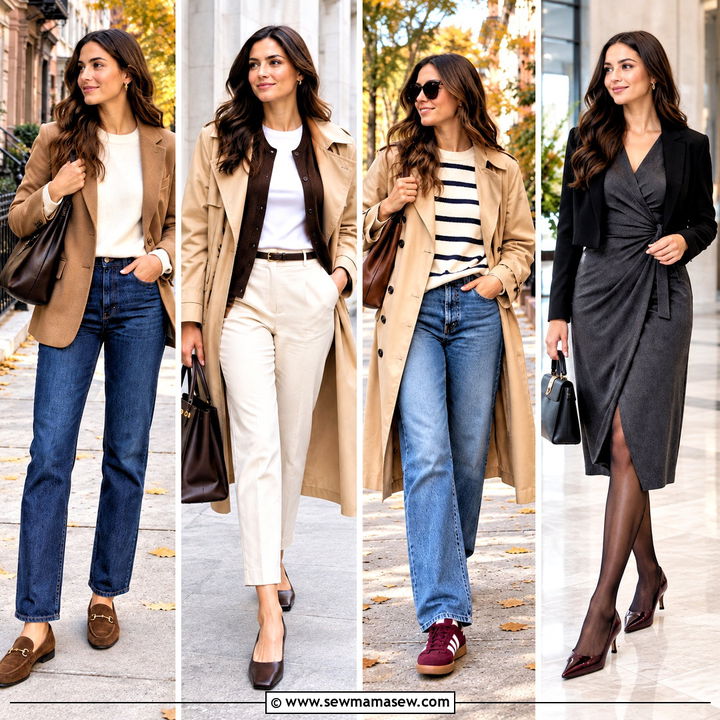
Changing your shoes is the fastest way I know to make the same clothes feel new. A good fall pair has to cope with weather, carry you through a full day of walking and still finish an outfit properly. This season that means Chelsea and riding boots, sleek loafers, slim sneakers, clogs, jazz shoes and low kitten heels, mostly in brown, burgundy and suede. The trick is buying shoes that suit the trousers, dresses and coats you already own, rather than shoes that need a whole new wardrobe. Every outfit below is built from ordinary closet pieces.
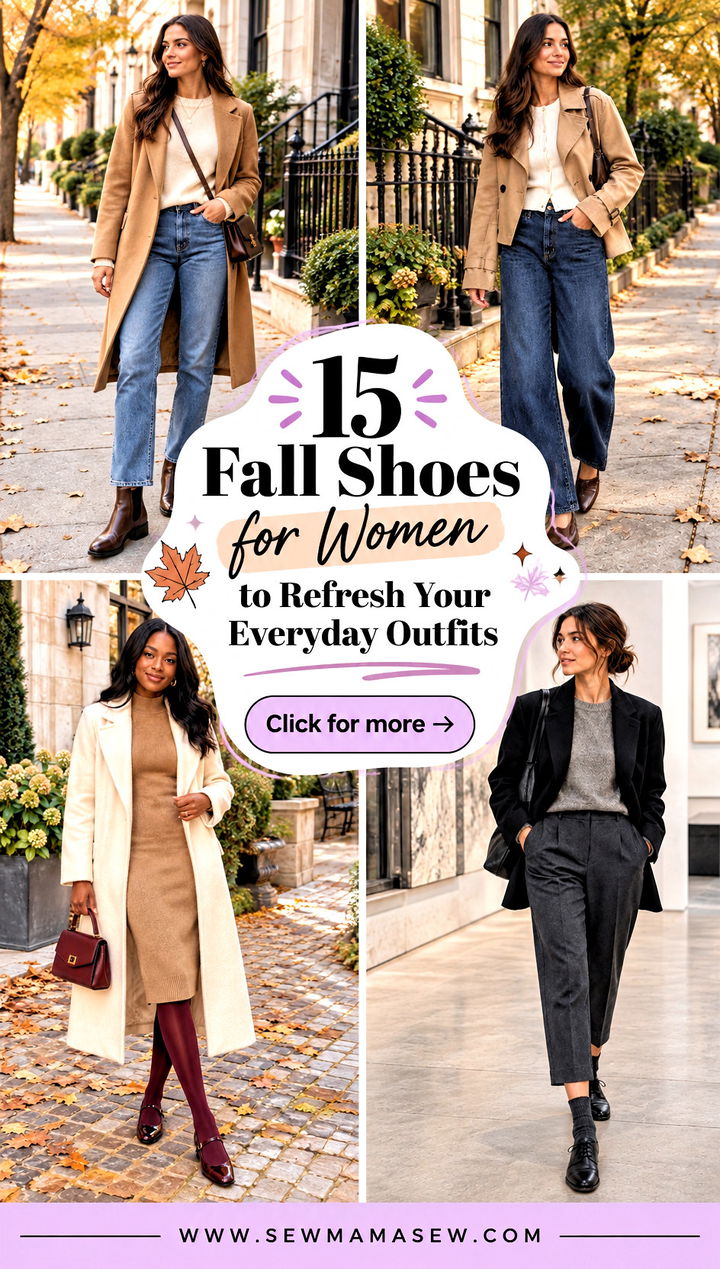
Where Each Trouser Hem Should Land on Your Shoe
Most of the outfits below succeed or fail at the ankle. When a client tells me a shoe looks wrong, it's usually the trouser length, not the shoe. Here is the rule of thumb I use in fittings.
- Ankle boots with straight or slim jeans: the hem should touch the top of the boot or cover it slightly. A gap of an inch or two of skin looks accidental.
- Loafers and Oxfords with tailored trousers: the hem should just graze the top of the shoe with a slight break, or none at all if the pants are cropped.
- Ballet flats and jazz shoes: cropped hems that stop at or just above the ankle bone, so the whole shoe shows.
- Wide-leg trousers with any shoe: about half an inch from the floor in the shoes you'll wear, which means hemming them while wearing those shoes.
- Sneakers and clogs: the hem can rest on the top of the shoe, but it shouldn't touch the ground behind your heel.
If you wear both flats and heels with the same pair of wide trousers, hem for the flat. A slightly short trouser with a heel looks fine; a long one dragging over a flat looks sloppy and wears through.
1. Chelsea Boots With Straight-Leg Jeans
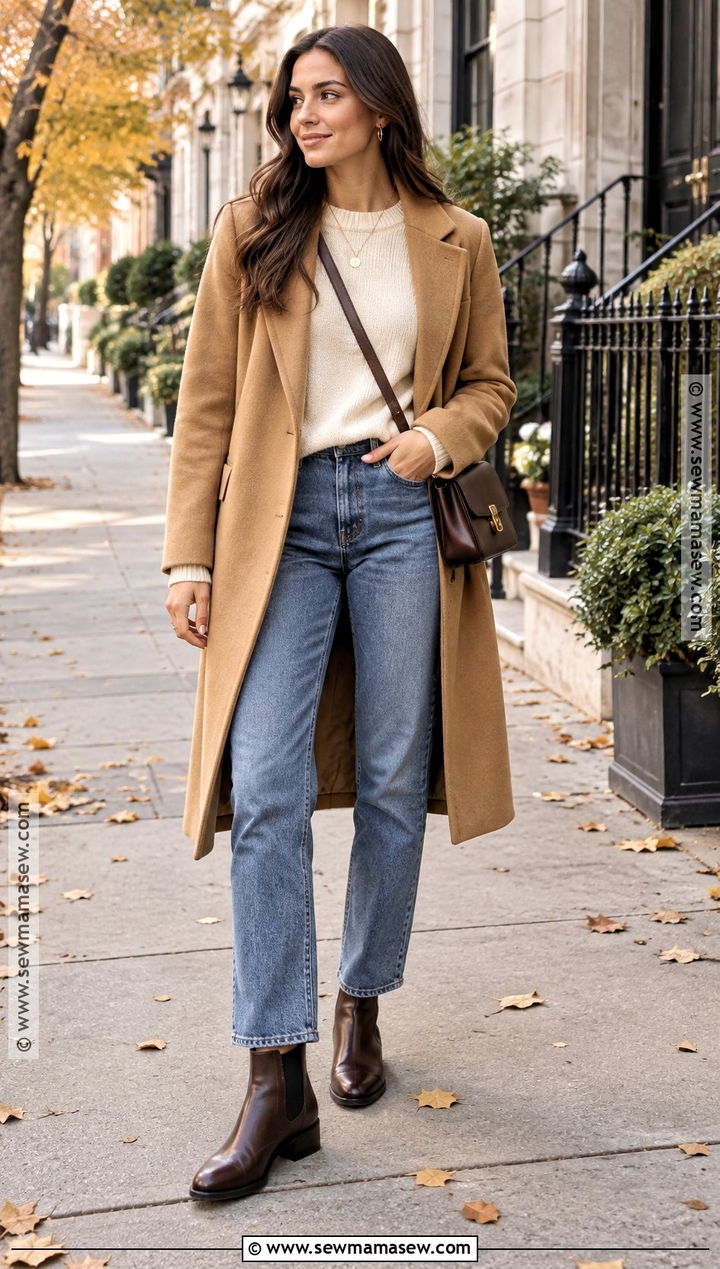
Chelsea boots under straight-leg jeans is the outfit I'd give anyone starting from scratch. Black, dark brown or burgundy leather all work, as long as the shaft is slim enough to slide under the denim without making it bulge at the ankle. A fitted crewneck and a relaxed wool coat keep the proportions easy. If your jeans stop above the boot, wear socks in the jean or boot color so you don't get a stripe of bare skin. For extra support, pick a pair with a cushioned insole and a low block heel, and choose water-resistant leather if your mornings are unpredictable.
2. Knee-High Boots With A Midi Skirt
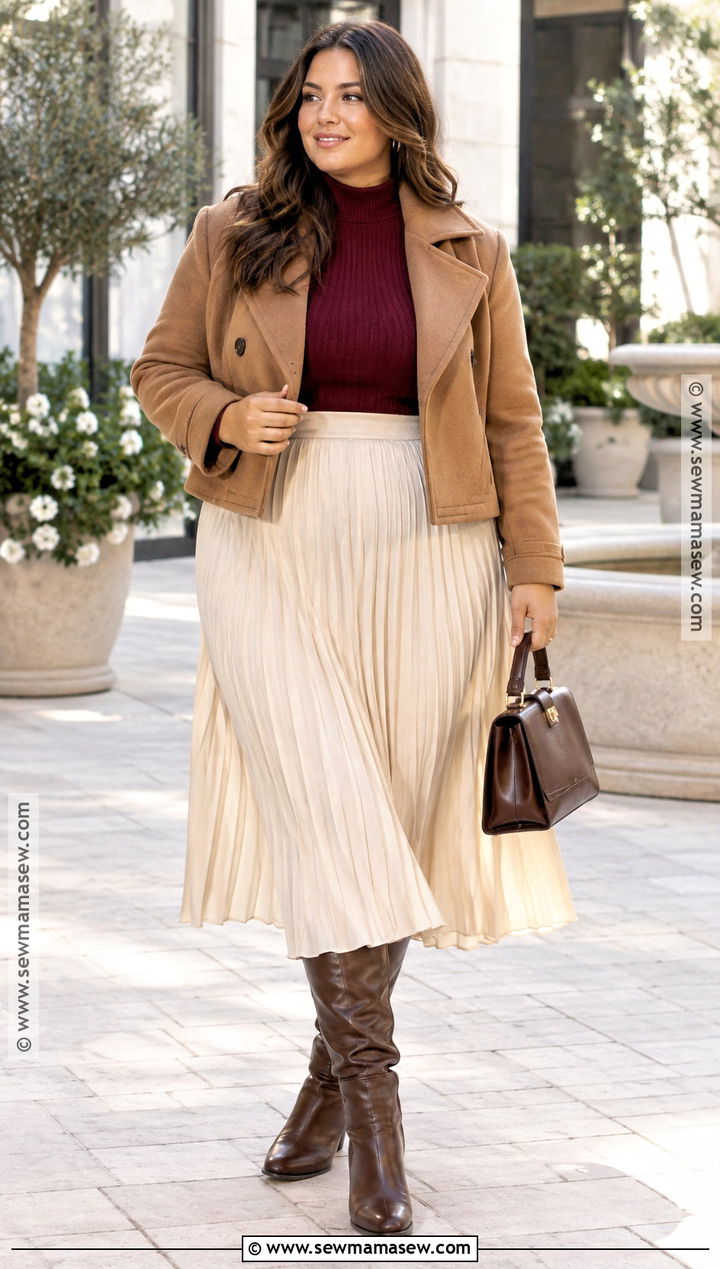
Knee-high boots under a midi skirt is one of the most polished pairings a closet can produce. I use chocolate, black or taupe leather or suede, with a pleated or draped skirt long enough that little or no leg shows between hem and shaft. That overlap is what makes it look intentional. A tucked knit marks the waist, and a cropped jacket stops all that length from feeling heavy. A fitted shaft gives a sleeker line; a slightly relaxed one looks softer. On a cold day, tall boots give your legs real coverage without a heavy coat.
3. Riding Boots With Leggings And A Blazer
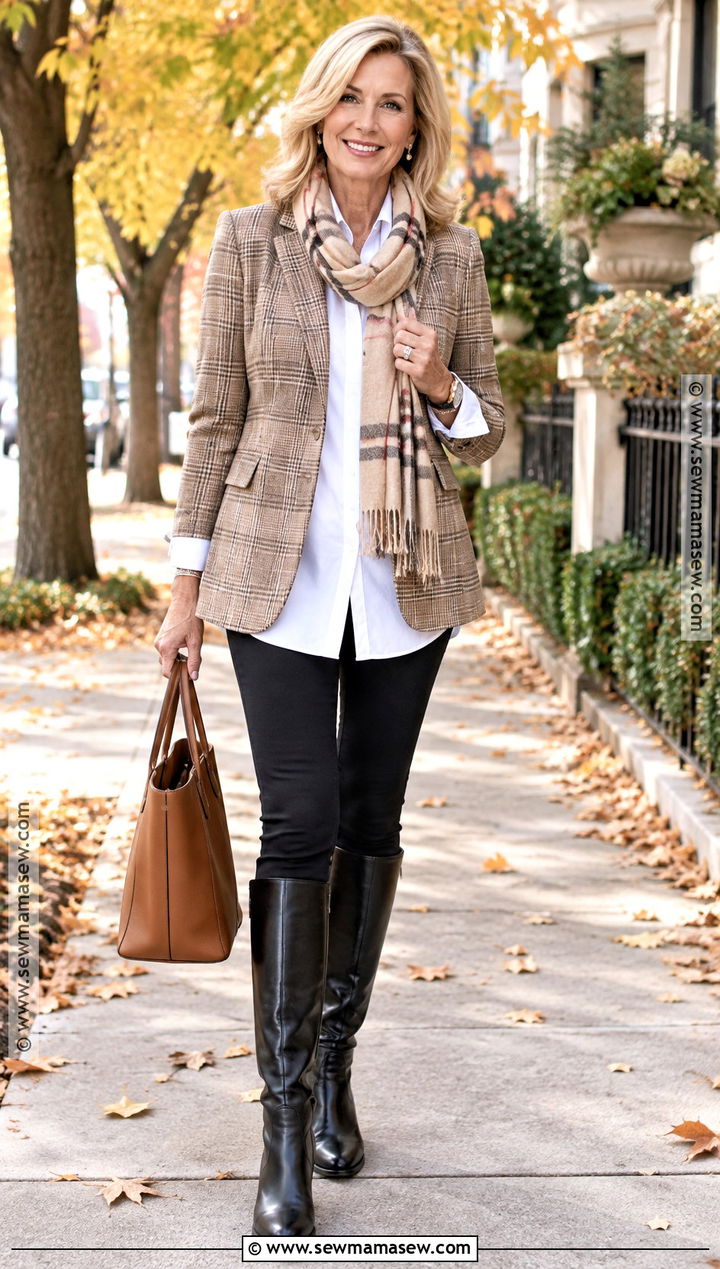
Riding boots with leggings and a long blazer is my answer for people who want comfort but hate looking sloppy. Flat or low-heeled boots with a rounded or almond toe are the easiest to walk in. The blazer has to be long enough to cover your hips; if it isn't, add a longer white shirt or fine knit underneath. Camel, olive, gray or plaid brings in autumn color. Riding boots often run narrow in the calf, so an adjustable back panel or gusset is worth looking for if you wear them over leggings and thick socks. A structured tote and a light scarf make this a travel or school-event outfit.
4. Western Boots With A Denim Dress
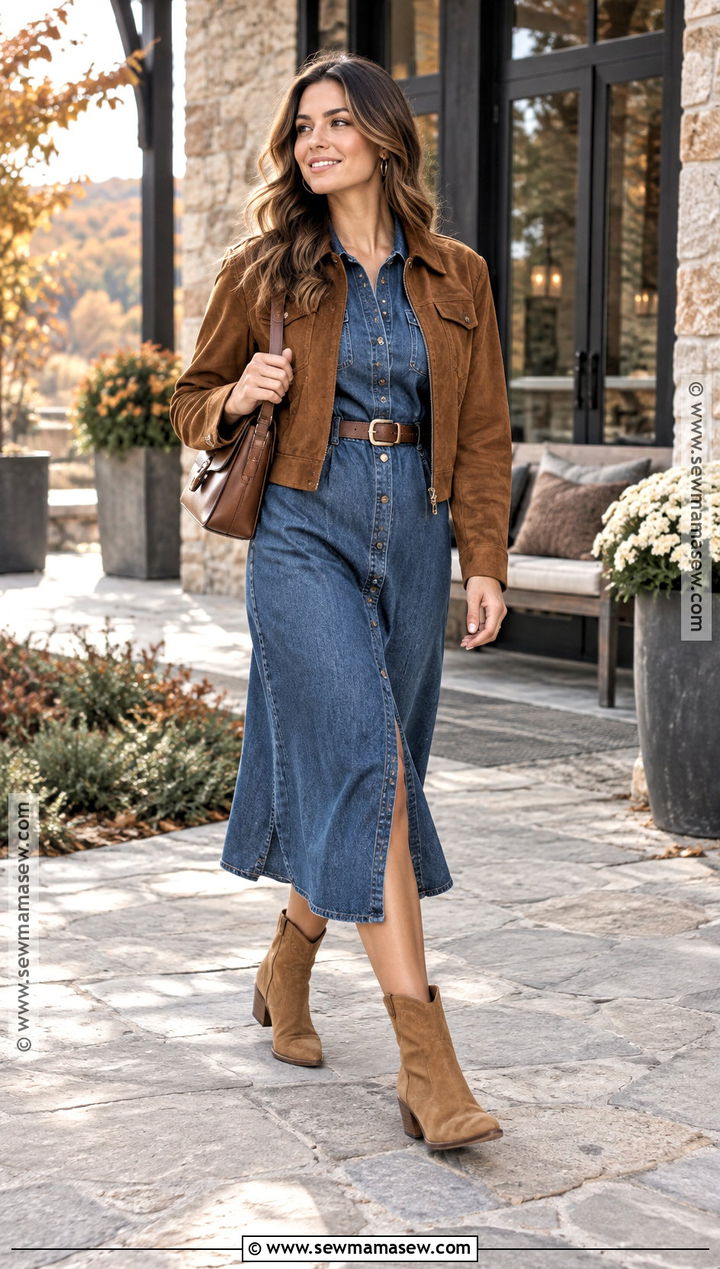
Western boots can turn a plain denim dress into something with personality, as long as you don't pile on fringe and turquoise. I choose ankle or mid-calf boots with modest stitching, a walkable heel and a gently pointed toe. Brown suede looks relaxed; black leather looks sharper. A belted denim shirt dress or a long-sleeve denim midi works, with a cropped suede jacket on top. Keep the jewelry to small hoops and a structured bag. If cowboy details make you nervous, pick a pair with almost no embroidery and let the shape of the boot carry the idea.
5. Burgundy Ankle Boots With Neutral Layers
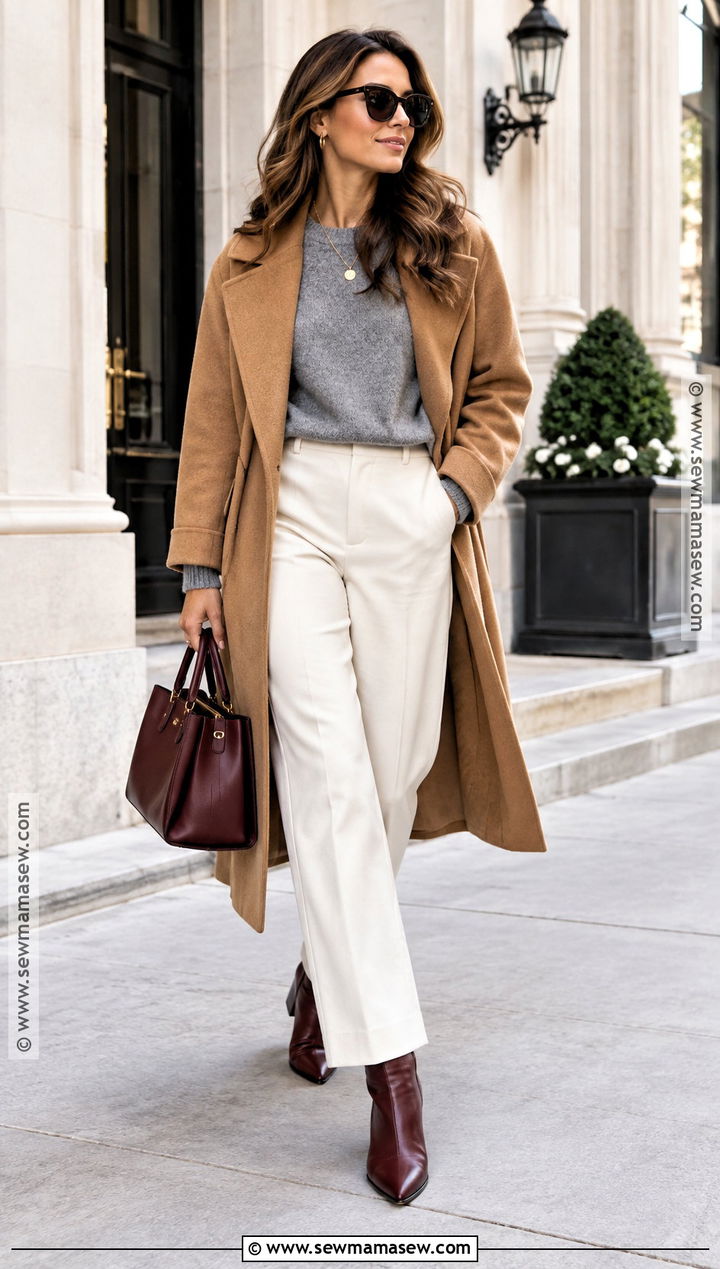
Burgundy ankle boots are the pair I suggest when someone's closet is all black and beige. They act like a neutral but add warmth. Wear them with cream straight trousers, a soft gray sweater and a camel wrap coat, and the boots become the one spot of color. A burgundy bag matches; tan or chocolate is subtler. With cropped pants, a pointed or almond toe makes the leg look longer. Keep the heel low and the sole rubber for long days. Burgundy also goes with navy, charcoal, denim and olive, which is why I often recommend it over another black pair.
6. Leather Loafers With Tailored Trousers
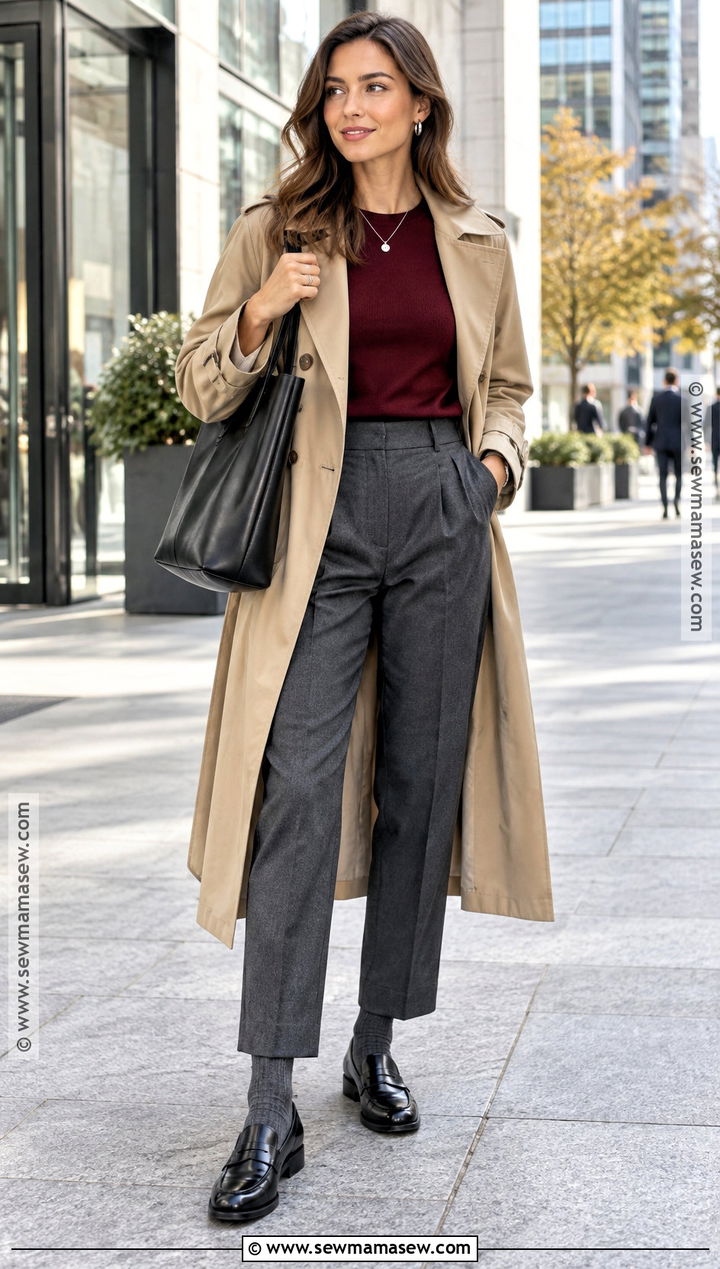
Leather loafers give tailored trousers a clean finish that suits most offices. Black loafers sit well with charcoal; rich brown goes with camel, cream and navy. Tuck a fine-gauge sweater into high-waisted trousers and add a long trench or structured blazer for cold mornings. The hem is the detail I check first: it should just touch the top of the shoe. Any longer and it breaks and bunches over the vamp. A thin ribbed sock in burgundy, gray or the trouser color can be part of the look. Flexible, cushioned soles make loafers a fair swap for sneakers on a commute.
7. Heeled Loafers With A Pleated Midi Skirt
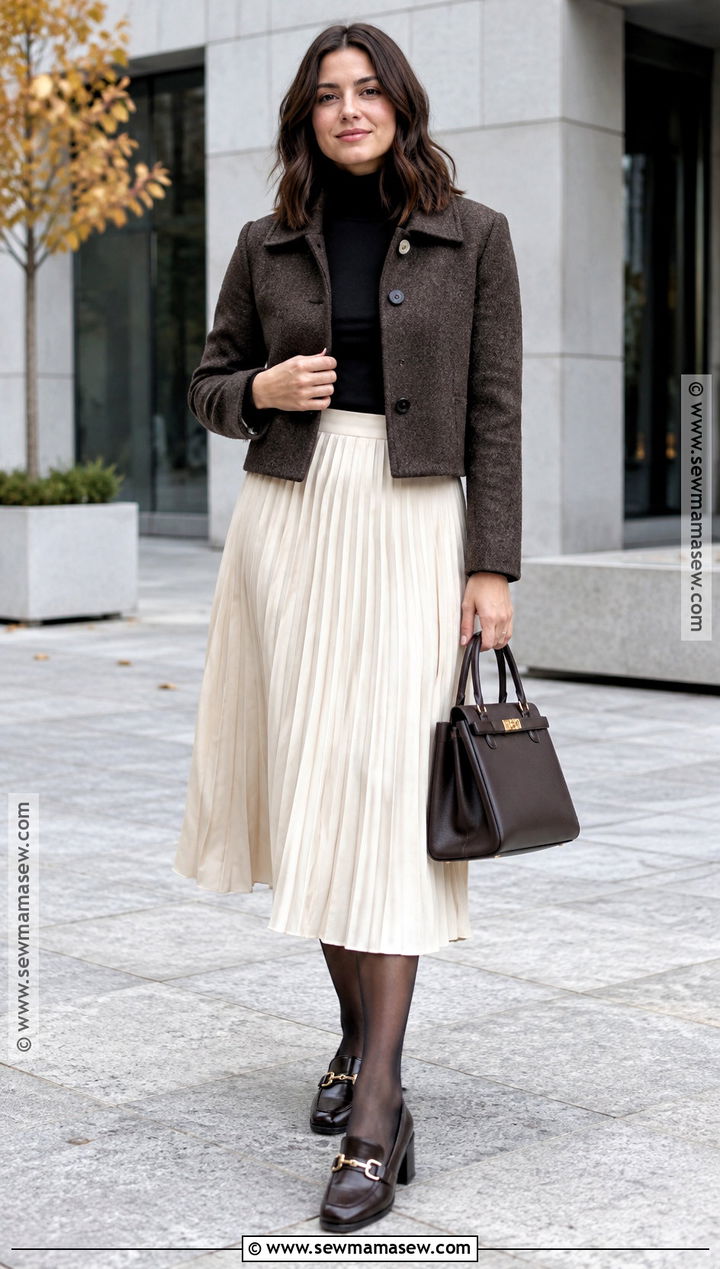
Heeled loafers give you a bit of height while keeping the steady feel of a flat. I style them with a pleated midi, a fitted turtleneck and a cropped wool jacket. A low block heel stays comfortable, and a higher vamp covers more of the foot so the shoe doesn't slip off. Black loafers look crisp with gray or plaid; burgundy and brown soften cream, camel and olive. On cold days add sheer tights in a tone between the skirt and the shoe, so neither looks cut off. This one handles work and dinner without a change.
8. Ballet Flats With Wide-Leg Jeans
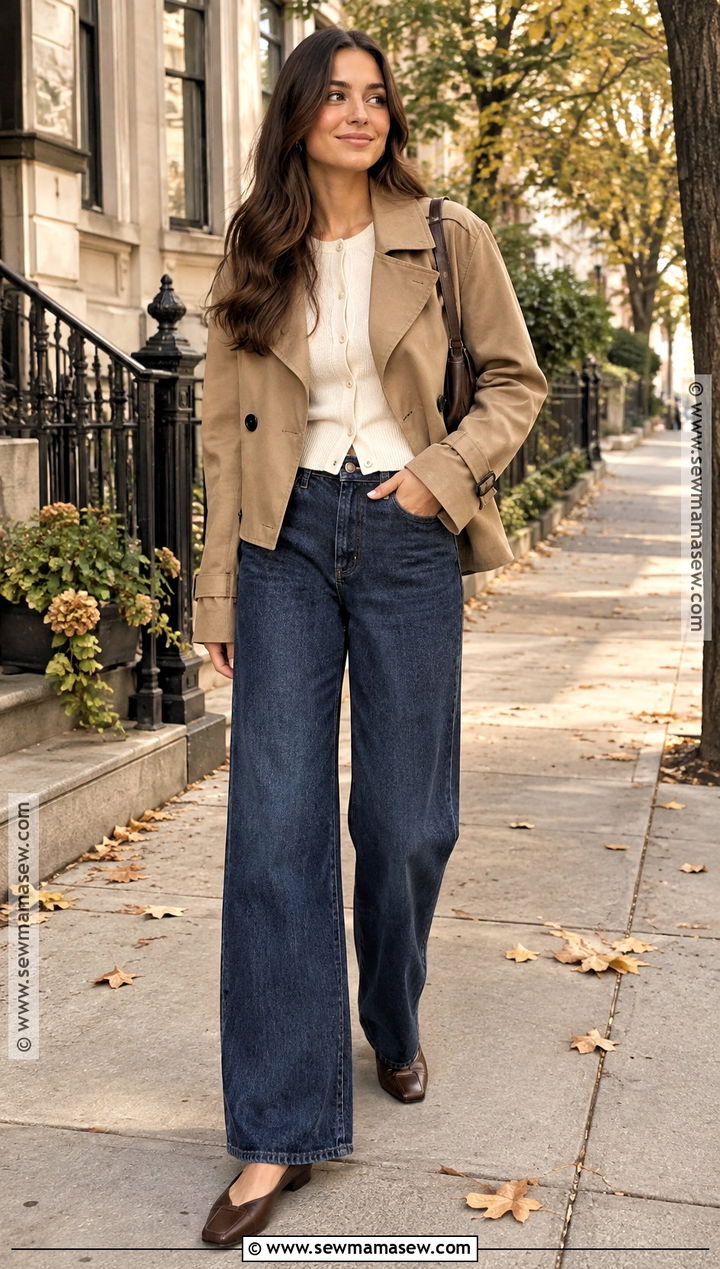
Wide-leg jeans and ballet flats are a mild-weather favorite, but the hem decides whether it works. The jeans should nearly reach the floor while letting the toe of the shoe peek out. Pointed, square or high-vamp flats show up better under wide denim than very dainty round ones, which disappear. Balance the leg volume with a fitted cardigan or a tucked long-sleeve top, then a cropped trench or suede jacket. Chocolate, burgundy, leopard or two-tone flats are fresher than plain black. If you need more support, a small stacked heel and a cushioned footbed help.
9. Mary Jane Flats With A Sweater Dress
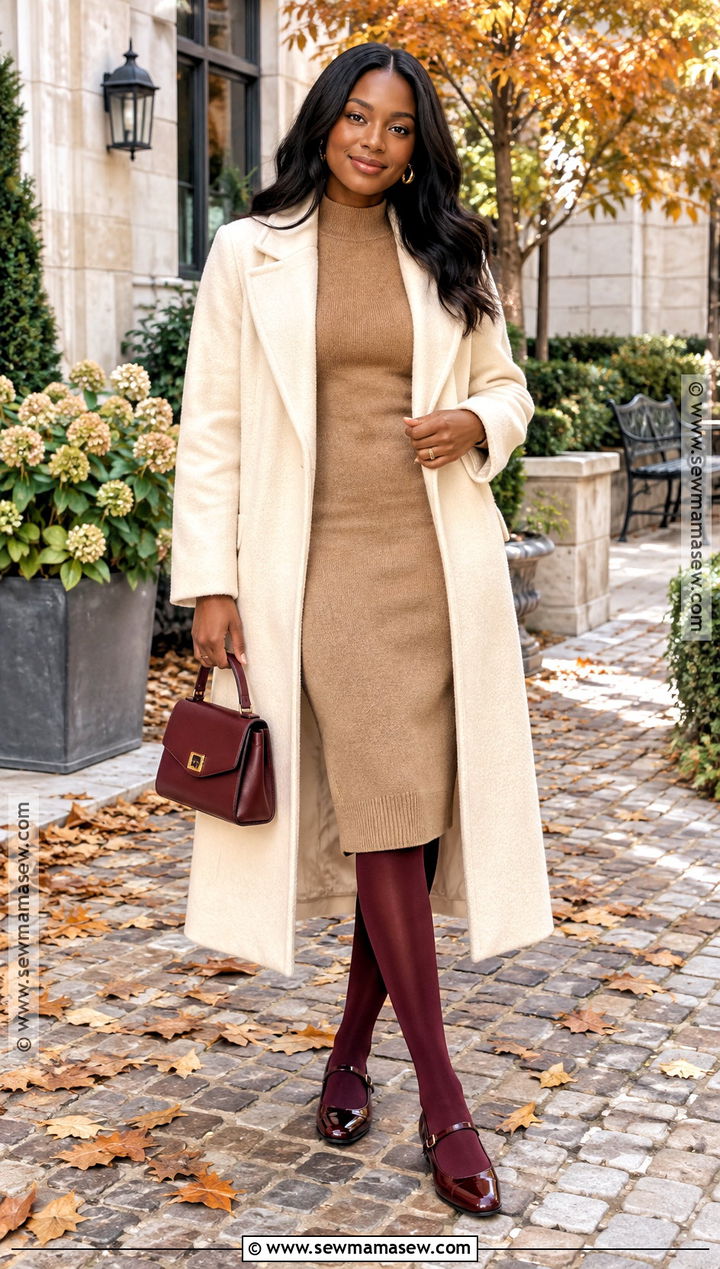
Mary Jane flats suit a sweater dress because both feel soft and a little vintage. I pick a midi sweater dress with some waist shape and leather or suede flats with one or two slim straps. Black is classic; deep red, espresso or metallic adds contrast. When it gets chilly, opaque tights close to the shoe shade keep the leg line unbroken. A long wool coat over the dress adds height and warmth. The strap is the practical win here, since it keeps the shoe on your foot, and a square or almond toe looks more modern than a round one.
10. Jazz Shoes With Cropped Pants
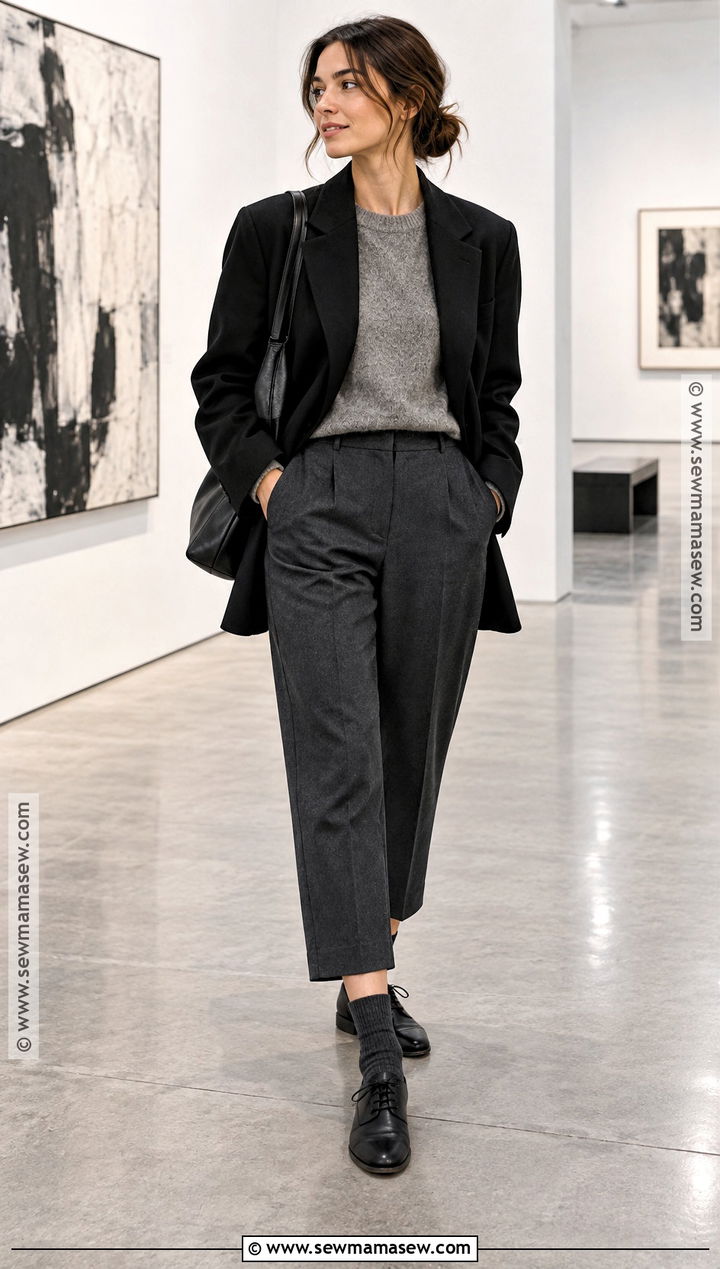
Jazz shoes are a sleeker option than loafers or ballet flats. They're made from soft, flexible leather and look best with cropped tailored pants that show the whole shoe. I wear black or chocolate jazz shoes with ankle-length trousers, a light knit and an oversized blazer. Keep the trouser leg straight or slightly tapered; a very wide leg swamps such a slim shoe. Thin socks in the shoe color keep your ankles warm. The trade-off is the sole: many are close to dance-studio thin, so I add a supportive insole before any day with real walking.
11. Low-Profile Sneakers With A Trench Coat
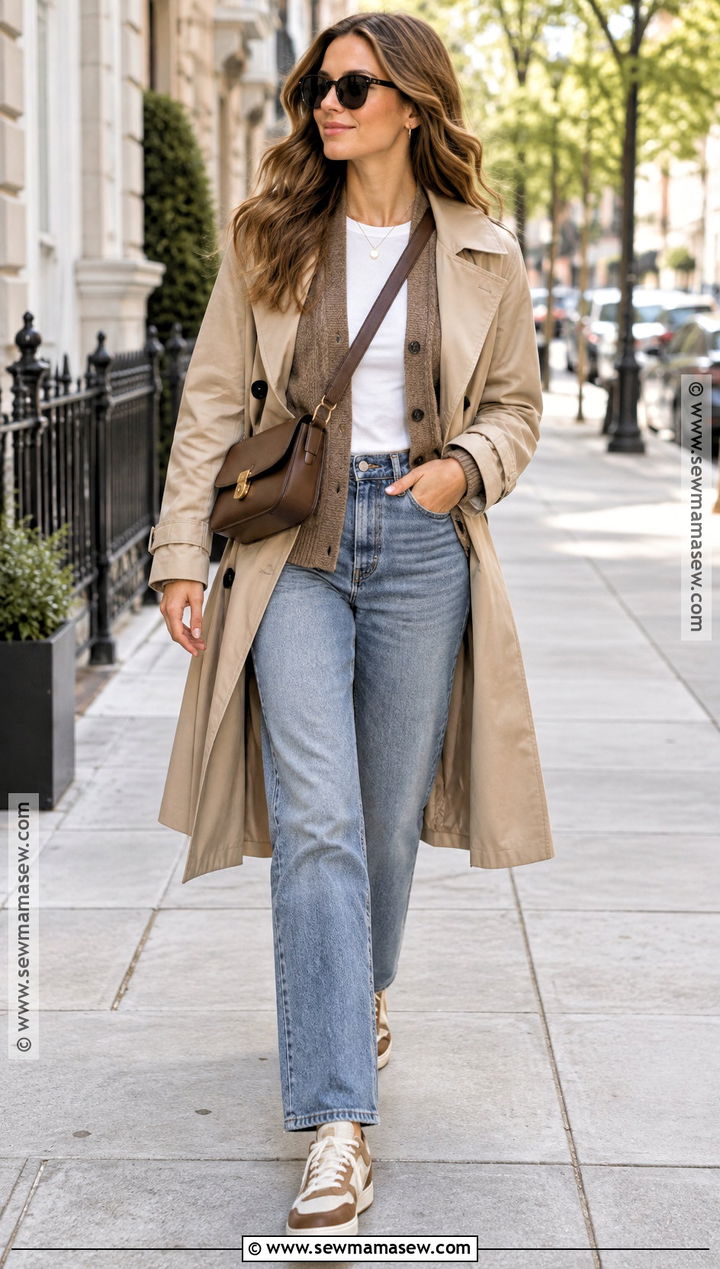
Slim sneakers make heavy fall layers feel lighter. Start with straight jeans or casual trousers, a fitted tee and a cardigan, then the trench on top. Suede, leather or mixed-material sneakers look neater than chunky running shoes, and brown, cream, burgundy, olive or soft gray all fit an autumn palette. Match your socks to your trousers so the leg reads as one line, or choose a thin stripe for a sporty touch. I'd carry a crossbody to keep your hands free. This is my default outfit for a day of walking around a city or an airport.
12. Retro Sneakers With Corduroy Pants
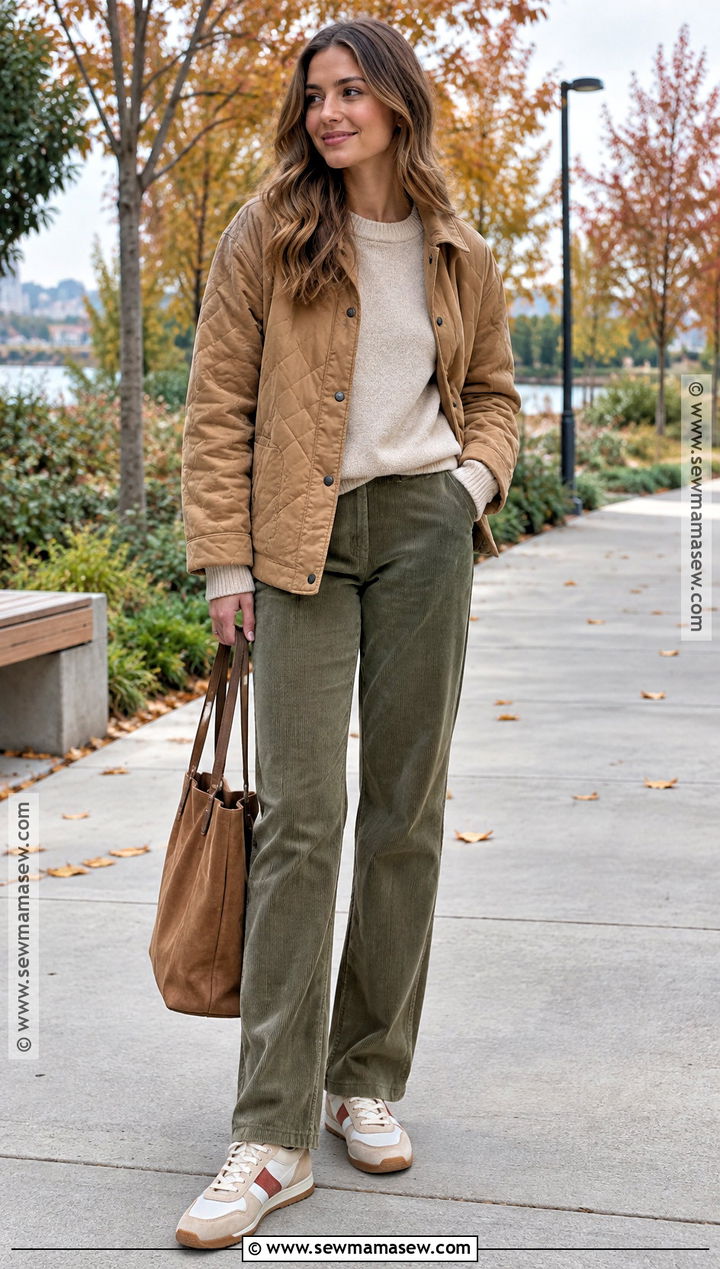
Corduroy and retro sneakers share the same slightly nostalgic feel, so they pair naturally. Straight, flared or relaxed cords in rust, olive, chocolate or tan go well with cream sneakers that have a colored stripe or suede detail. A knit polo or crewneck keeps it clean, with a denim jacket, chore coat or quilted jacket depending on the weather. Corduroy hems that cover the sneaker drag on the ground and fray, so have long ones taken up. I keep this outfit to three main colors, which stops all that texture from looking busy.
13. Suede Clogs With Barrel Jeans
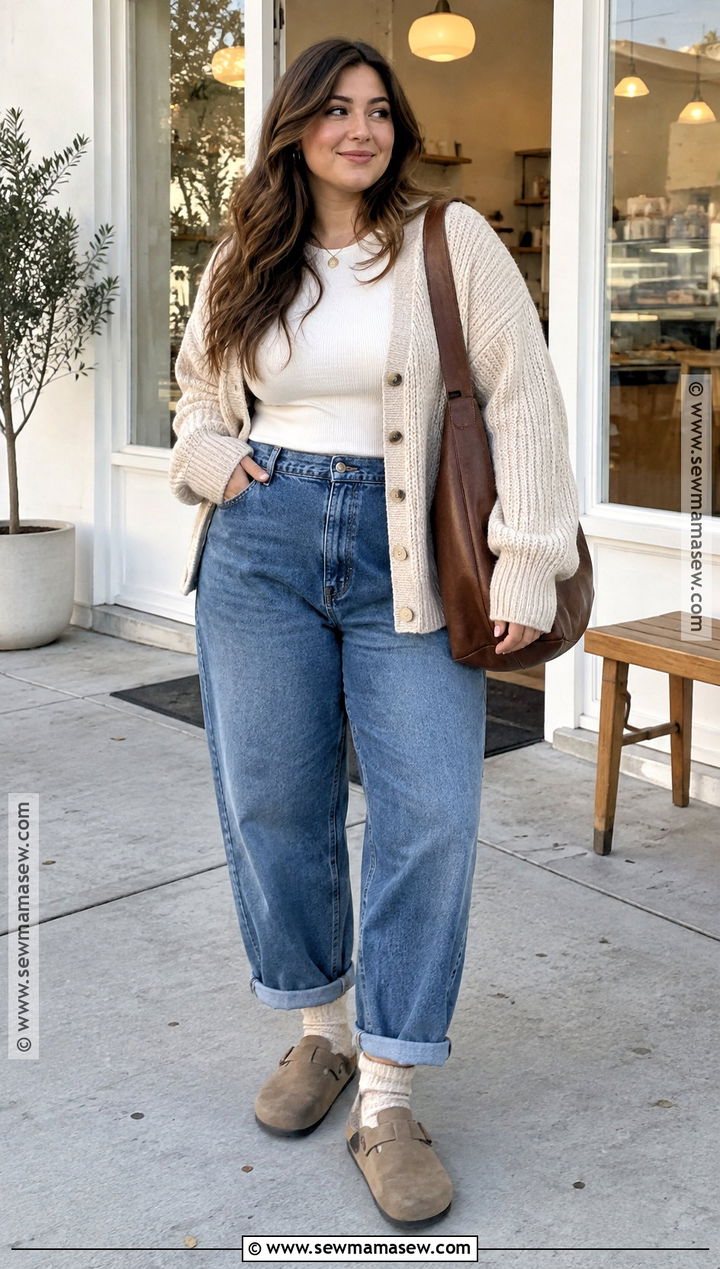
Barrel jeans curve out at the knee and back in at the ankle, so they need a shoe with some weight. Suede clogs give exactly that. A ribbed long-sleeve top and a chunky cardigan in cream, oatmeal or gray sit easily over medium-wash denim with brown or taupe clogs. If socks show, make them deliberate, maybe matching the cardigan. A slouchy leather tote keeps the mood relaxed. Backless clogs make your toes grip with every step, so I'd look for a heel strap, a supportive footbed and a rubber sole for wet pavements.
14. Kitten Heels With A Midi Dress
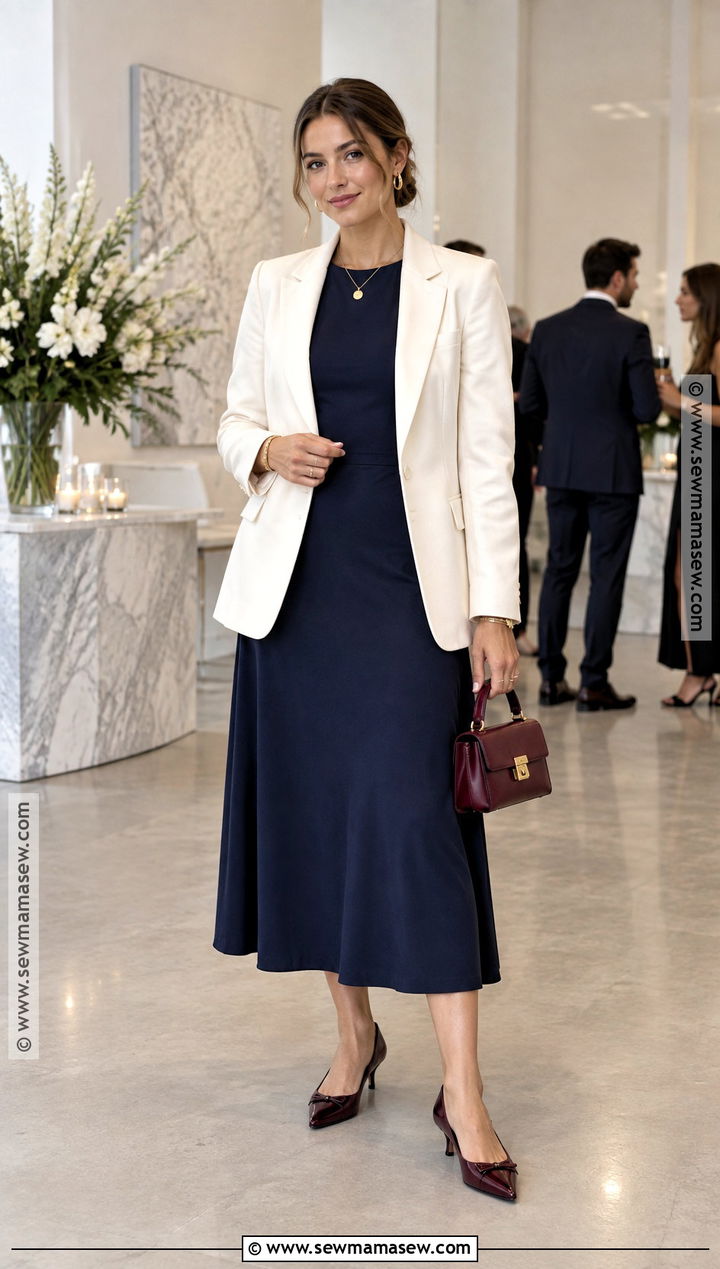
Pointed kitten heels dress up a fall midi dress without the misery of a stiletto. I pick a long-sleeve dress in a jewel tone, small print or rich neutral, with slingback or closed-back heels in burgundy, black, chocolate or two-tone. A tailored blazer or cropped jacket adds warmth. Keep the bag small and the jewelry quiet. For stability, check that the heel sits directly under the center of your own heel, not set back behind it; a heel placed too far back is what makes kitten heels wobble. I'd wear this to a work event or a dinner.
15. Oxford Shoes With Plaid Trousers
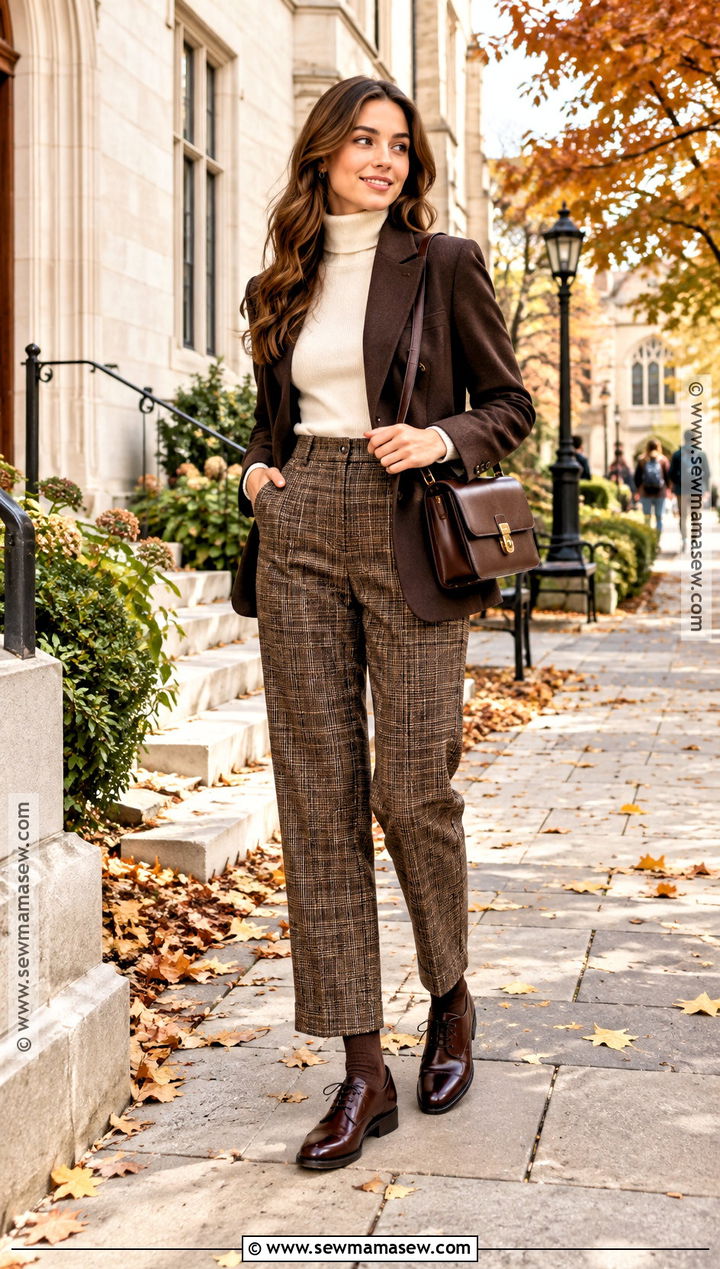
Oxfords give plaid trousers a grounded, slightly menswear finish. I choose streamlined black, oxblood or dark brown leather and avoid very heavy soles if I want the shoe to work with more than one outfit. Ankle-length plaid trousers with a fitted turtleneck or button-down, plus a solid blazer that doesn't compete with the pattern, is a strong base. My favorite small detail is picking one color from the plaid for your socks. If you want something softer, almond-toe suede Oxfords are less formal. Add a supportive insole and a flexible sole, and they'll last a commute and an office day.
Reviving Last Year's Pairs Before You Shop
Before buying anything, I go through the shoes already in someone's closet. Plenty of tired-looking boots and loafers only need an evening of care or a quick cobbler visit.
Leather that looks dull or creased
Wipe off dust and salt with a damp cloth, let it dry, then work in a leather conditioner and a cream polish in the matching color. Scuffs on the toe usually fade, and the creases soften. Store them with cedar shoe trees so the shape comes back.
Suede that looks flat
A suede brush and a rubber eraser lift most marks and raise the nap again. Hold a stubborn spot over steam from a kettle for a few seconds, then brush. Finish with a protector spray before the first wet day.
Worn heels and thin soles
Heel tips wear down unevenly, and walking on a worn tip damages the heel block. Replacing tips is quick and inexpensive at most cobblers, and a thin rubber sole guard on a good leather sole adds grip and years of wear. If the upper is still sound, repair almost always beats replacing.
Start With Two Pairs and Add as You Go
A fall shoe wardrobe gets easier when every pair already goes with clothes you like wearing. I'd start with Chelsea boots and loafers or slim sneakers, then add a tall boot, a refined flat, a clog or a kitten heel depending on your days. Think about your weather, how much you walk, your workplace and your usual trouser length before you buy. A comfortable footbed, a steady sole, a heel height you'll really wear and a material that handles rain make a nice-looking shoe much easier to live with. The aim is enough variety to cover casual, work and dressier days.
Related posts: