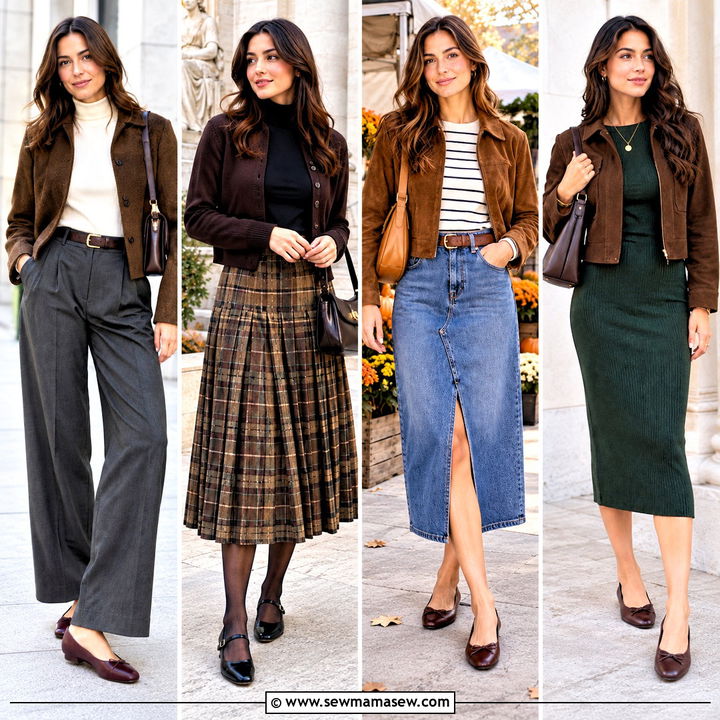
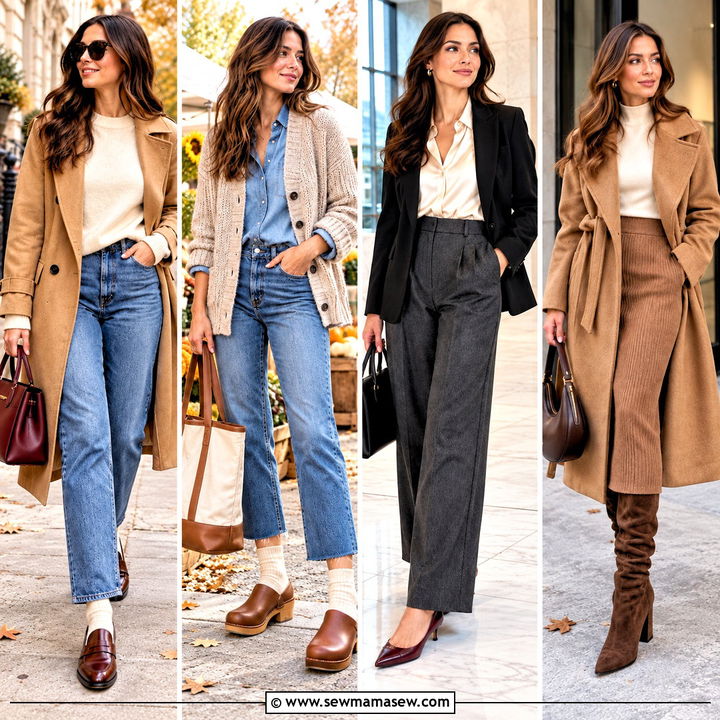
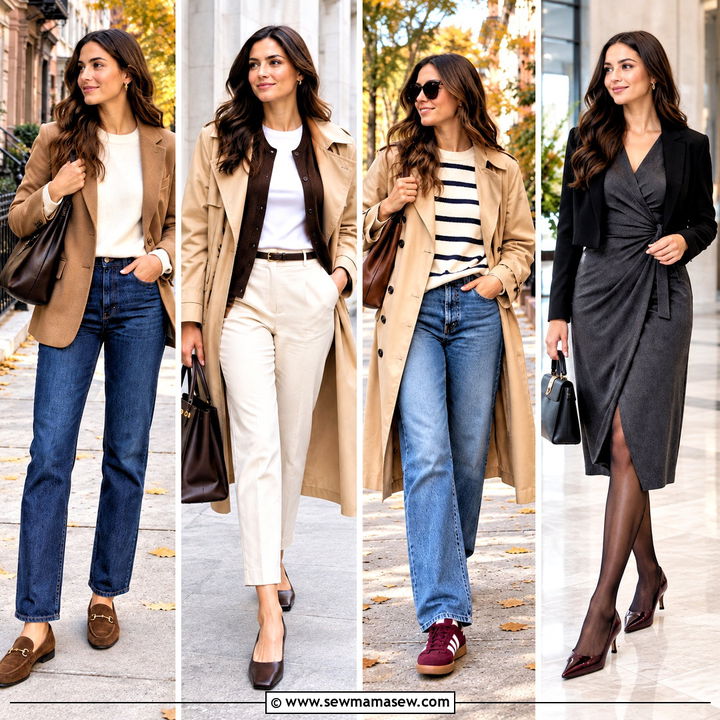
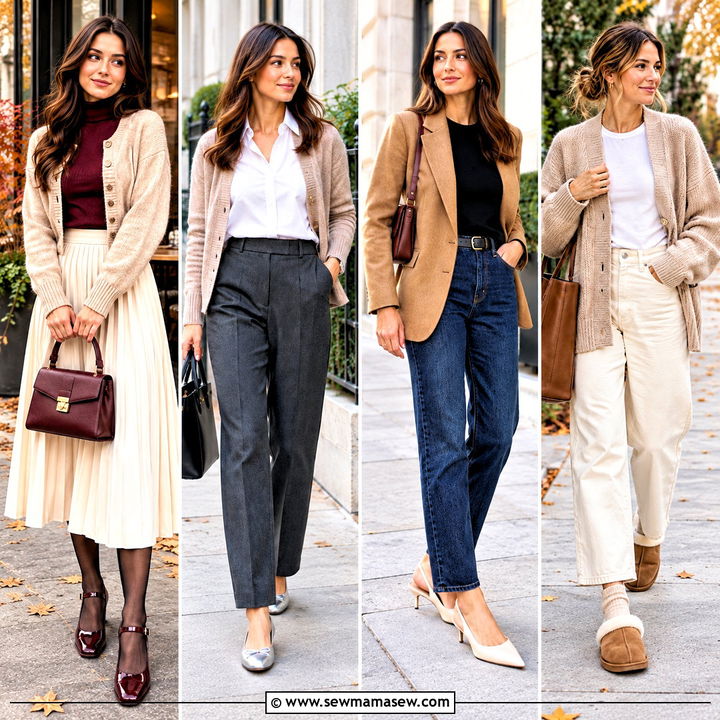
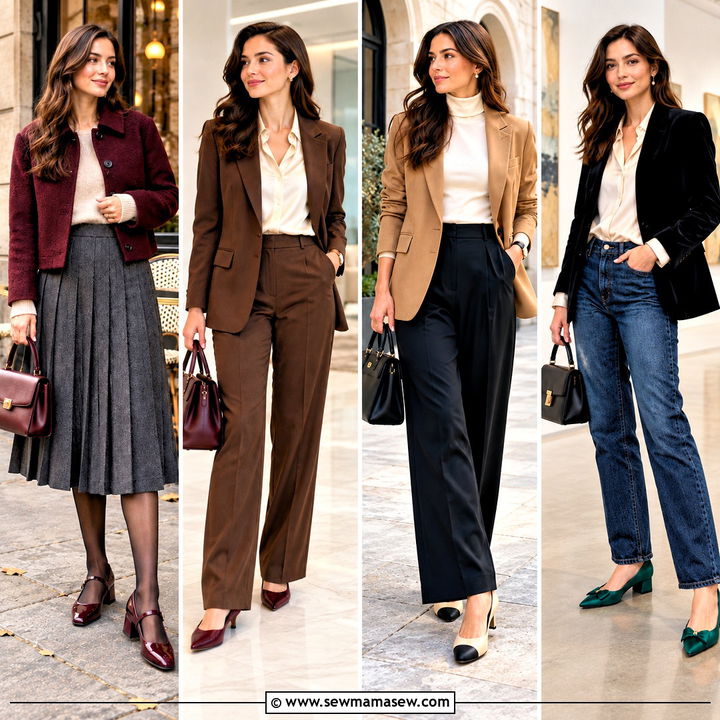
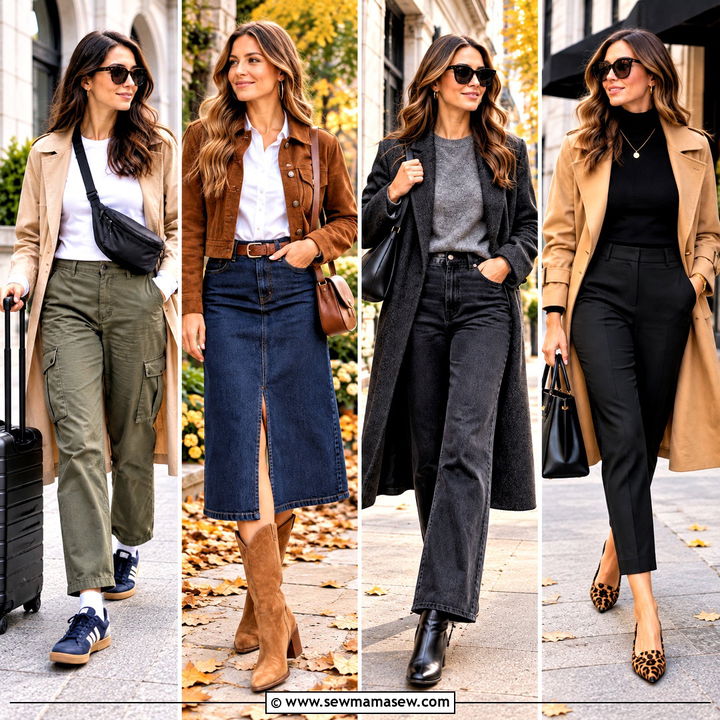
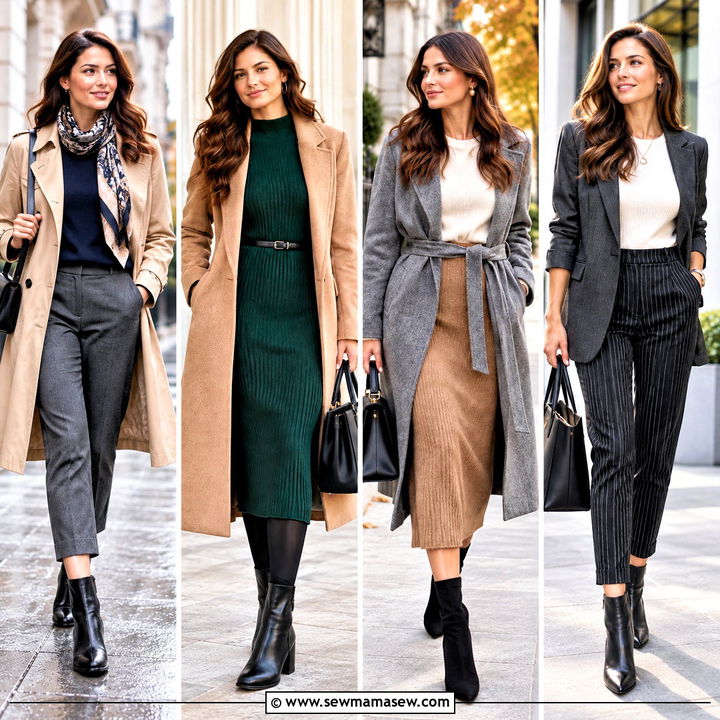
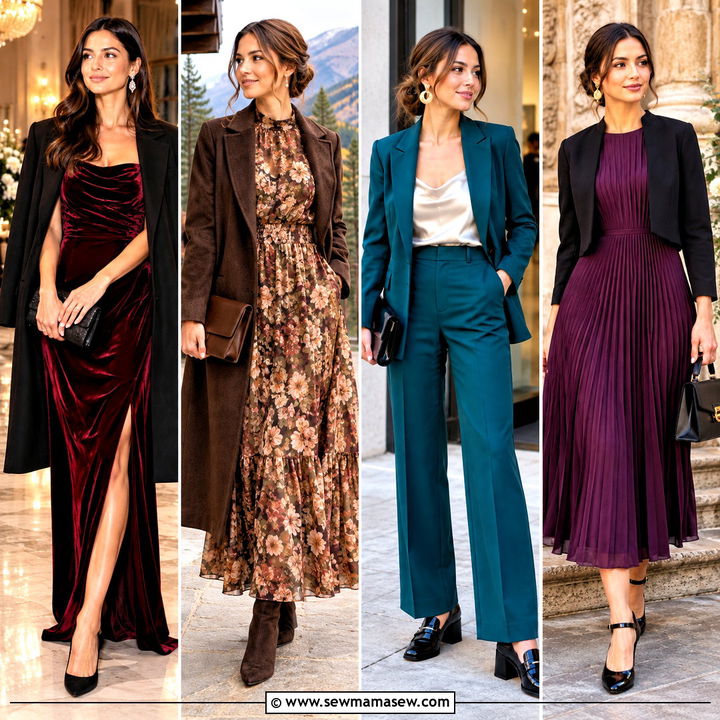
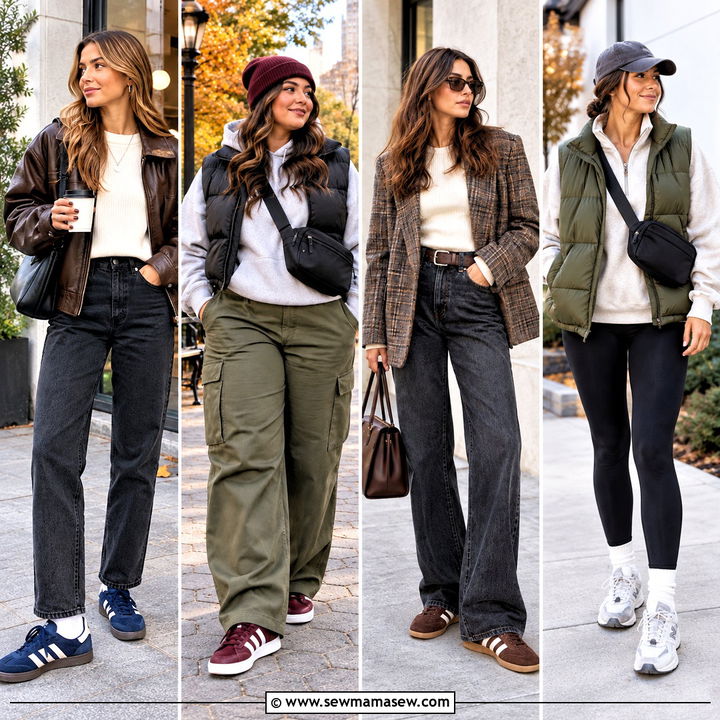
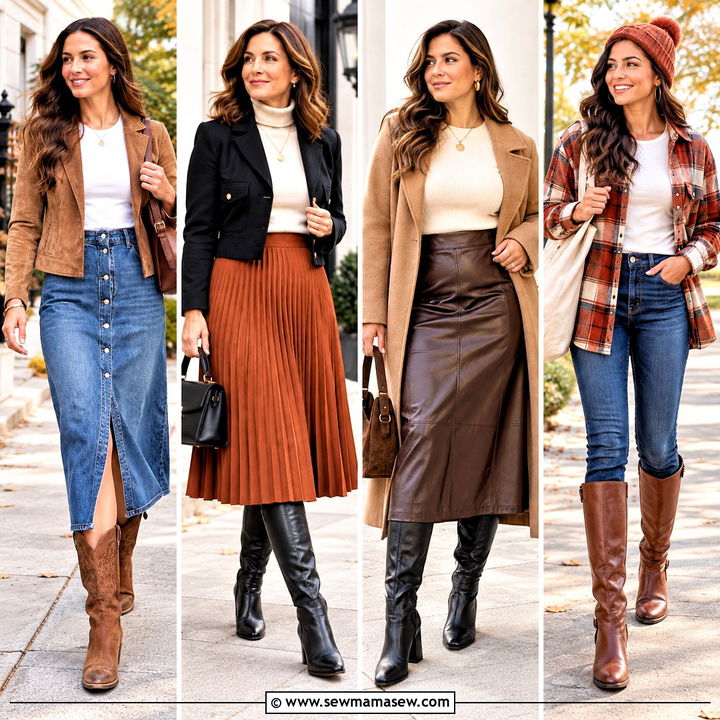
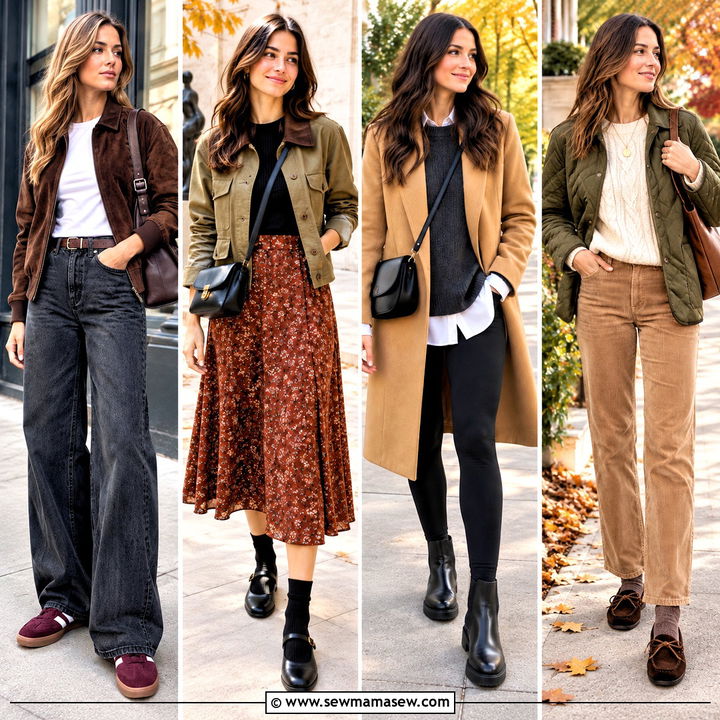
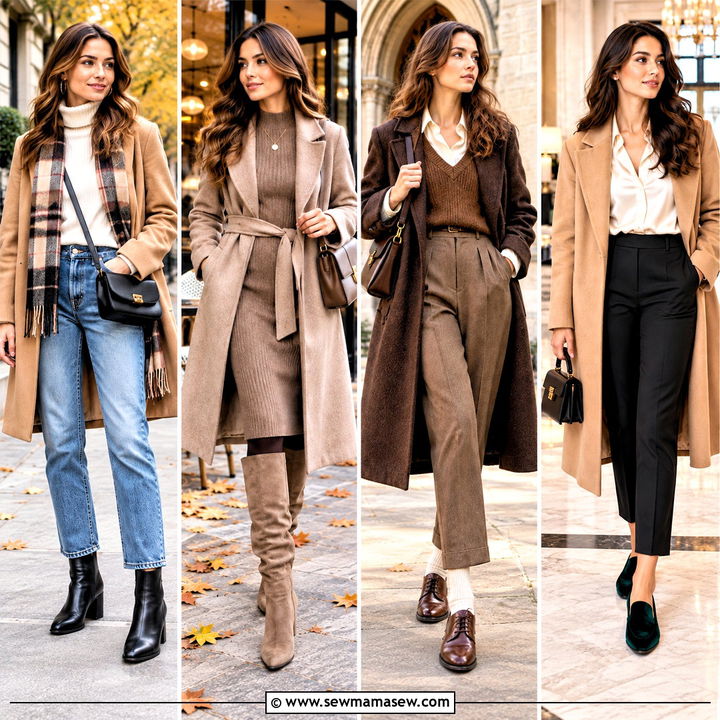
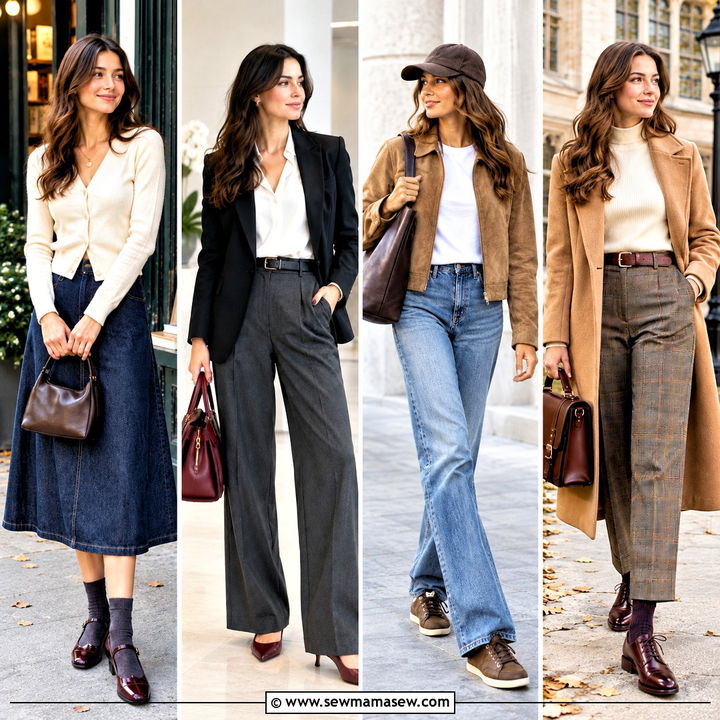
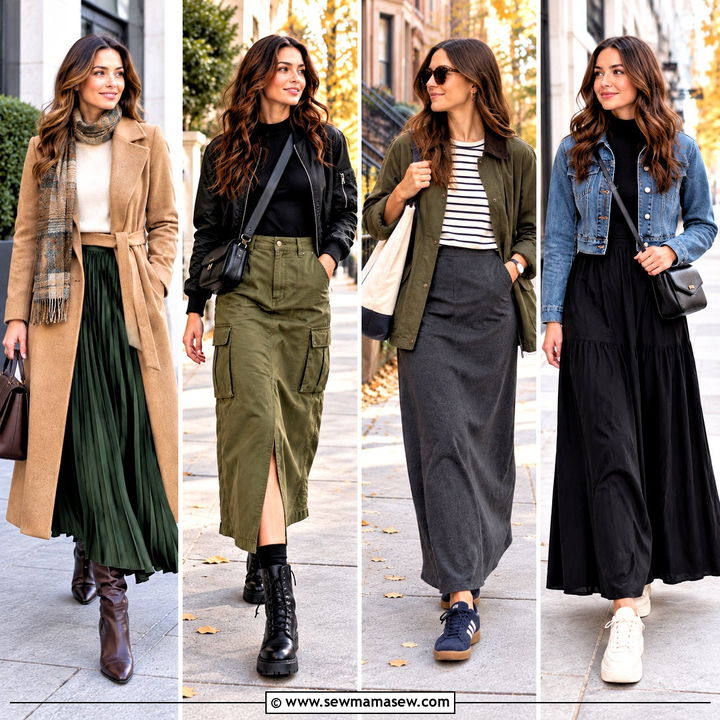
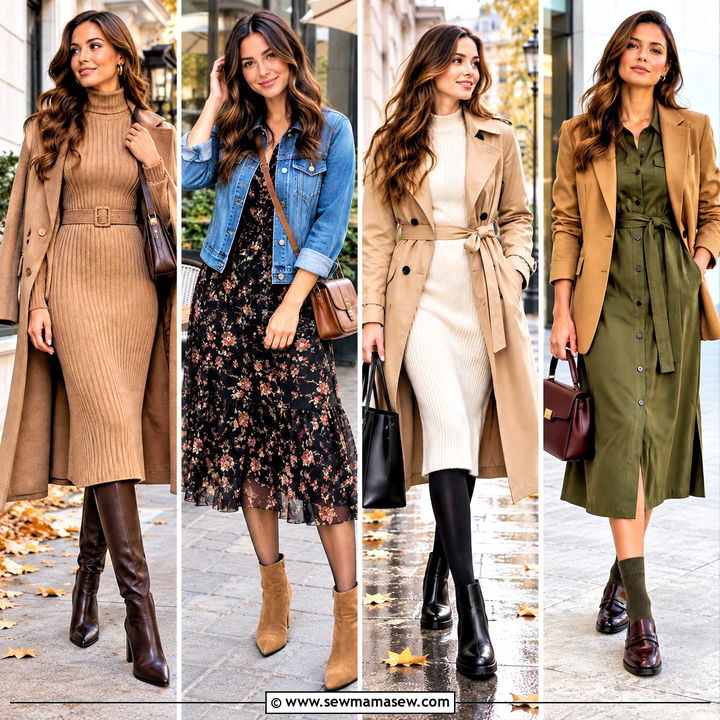
I rarely judge a shoe on its own. The real question is what it does to the outfit above it: where the pant hem lands, how much ankle shows, whether the sole feels heavy next to the fabric. So every pair below comes with a full outfit. You'll find loafers, boots, sneakers, pumps, flats and clogs, plus the notes I'd give a client on hem length, socks, bags and coats. My one standing rule for fall shoe shopping is to buy pairs that work with at least three things already in your closet. A shoe that only goes with one skirt ends up on the closet floor most of the year.
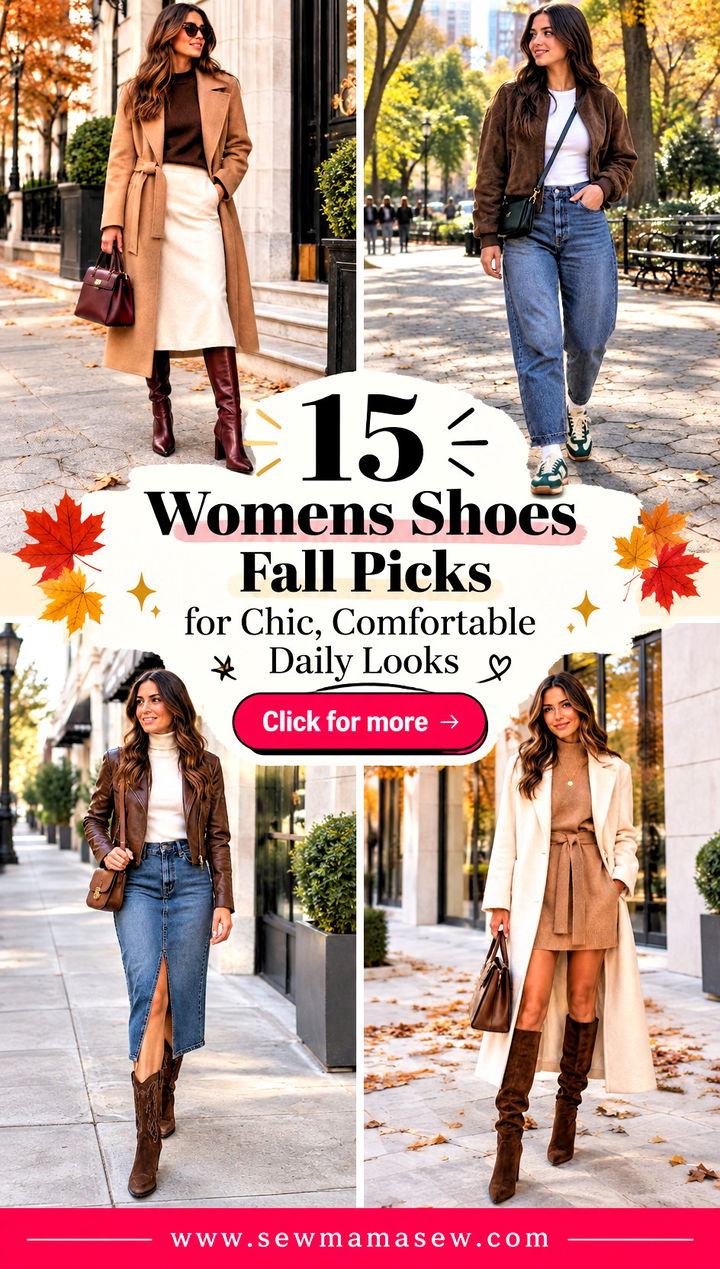
Pant Hems Matched to Each Kind of Shoe Here
Nearly every shoe on this list looks better or worse depending on what happens at the ankle. Before I style any pair, I sort out where the hem should fall, since it is the cheapest fix with the biggest payoff.
- Loafers, Mary Janes and ballet flats: crop the pant at or just above the ankle bone so the whole top of the shoe shows.
- Ankle boots under wide trousers: the hem nearly covers the boot and almost touches the floor at the back.
- Ankle boots with straight jeans: either tuck a slim leg in or end the jean just above the boot. A bunched hem sitting on the shaft is the look to avoid.
- Sneakers with barrel or straight jeans: a cropped hem with a little sock showing keeps a slim sneaker visible.
- Pumps and heeled loafers: trousers reach the top of the shoe with a slight break, so the heel lifts the line.
Take your shoes to the tailor. A hem set with flats will look too long in boots and too short in heels, and that mismatch is behind a lot of outfits that feel slightly off without anyone knowing why.
1. Brown Loafers With Straight-Leg Jeans
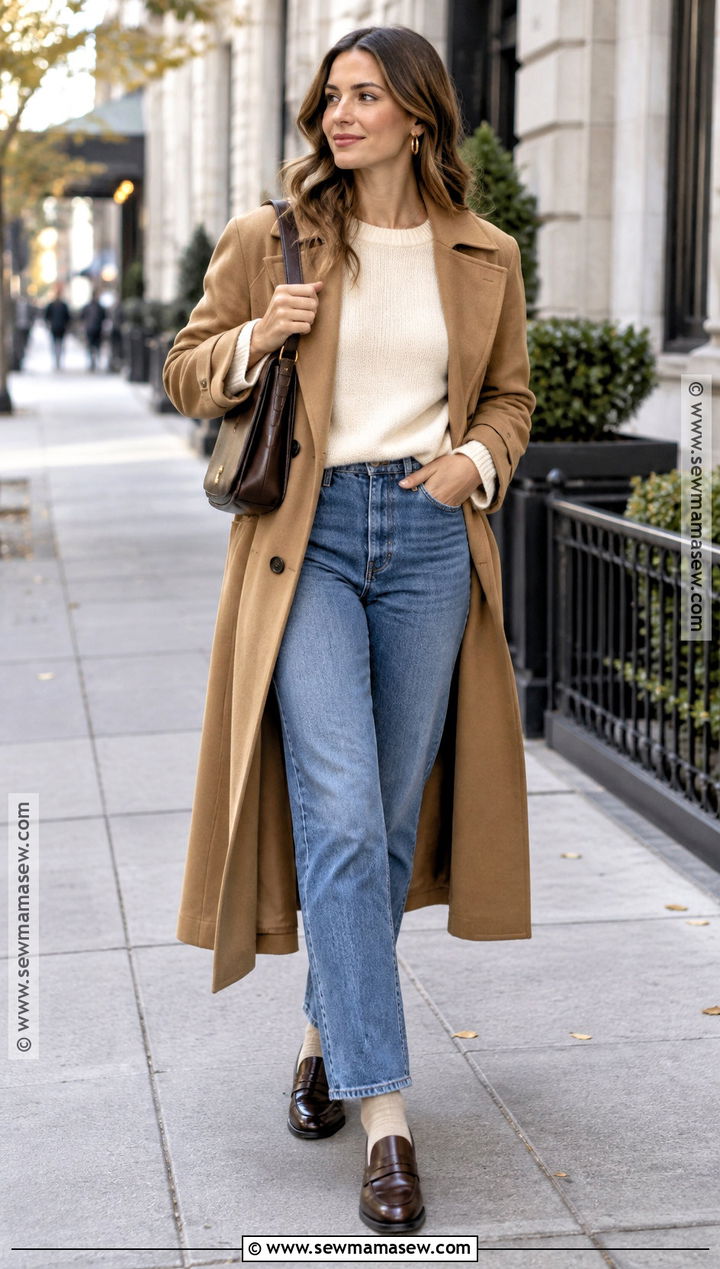
Brown loafers are the pair I'd buy first for fall, because they make jeans look considered without dressing them up too far. The jeans should stop right around the ankle bone so the whole loafer shows; a puddle of denim over the vamp hides the shape you paid for. A cream crewneck or knit polo and a camel trench round it out. Dark brown leather sits well against a medium wash, while cognac reads lighter and suits early fall. If your loafers have a chunky lug sole, keep the jeans straight and slim, because a wide leg over a thick sole makes the feet look clumsy. Thin neutral socks go in once mornings get cold.
2. Black Ankle Boots With Wide-Leg Trousers
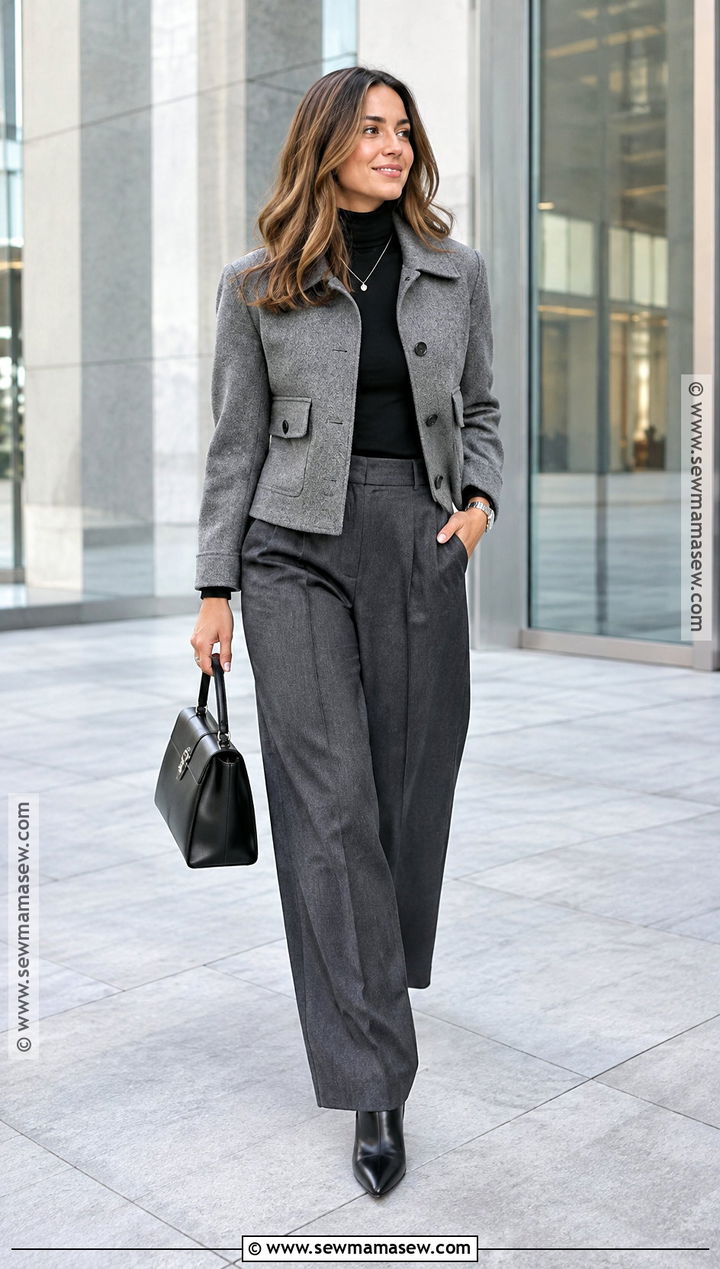
Wide-leg trousers drag through puddles in flats, and a sleek black ankle boot solves that by lifting the hem a little and keeping your foot dry. I look for an almond or softly pointed toe, which peeks out under the trouser and lengthens the line, rather than a round toe that stops it short. Always hem these trousers while wearing the boots: the fabric should nearly cover the shaft and break just above the floor at the back. Charcoal, black or taupe trousers with a fitted turtleneck balance the volume, and a cropped wool jacket brings the waist back. If you walk a lot, a low block heel with a cushioned insole is the version that survives a full day.
3. Burgundy Knee-High Boots With Midi Skirt
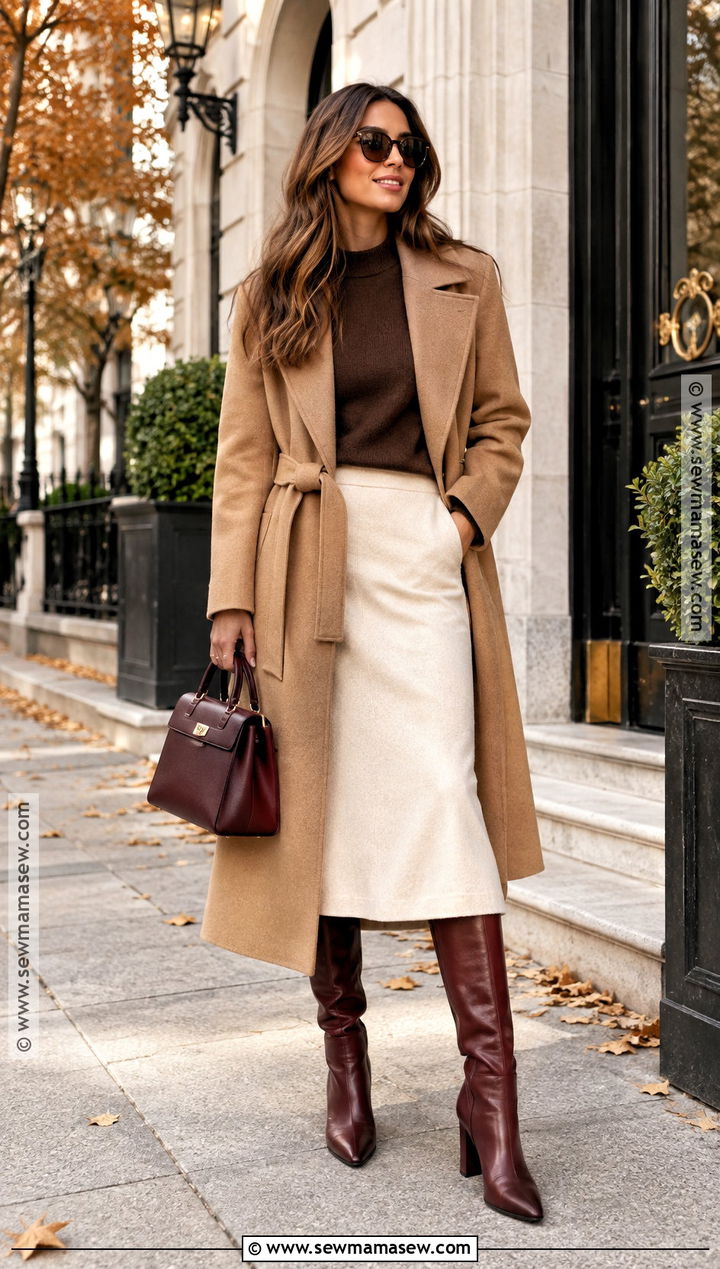
Burgundy is the boot color I suggest to anyone tired of black, since it acts like a neutral but still feels seasonal. Under a chocolate, navy or cream midi skirt, the main thing I check is the gap: the hem should meet the top of the boot or slightly overlap it. A few inches of bare leg between them cuts you in half visually. A fine knit tucked loosely into the waist keeps things defined, and a belted wool coat finishes it. If the skirt has a print, find one with a thread of burgundy in it. Flat riding-boot styles look more casual; a low block heel reads more office.
4. Retro Sneakers With Barrel Jeans
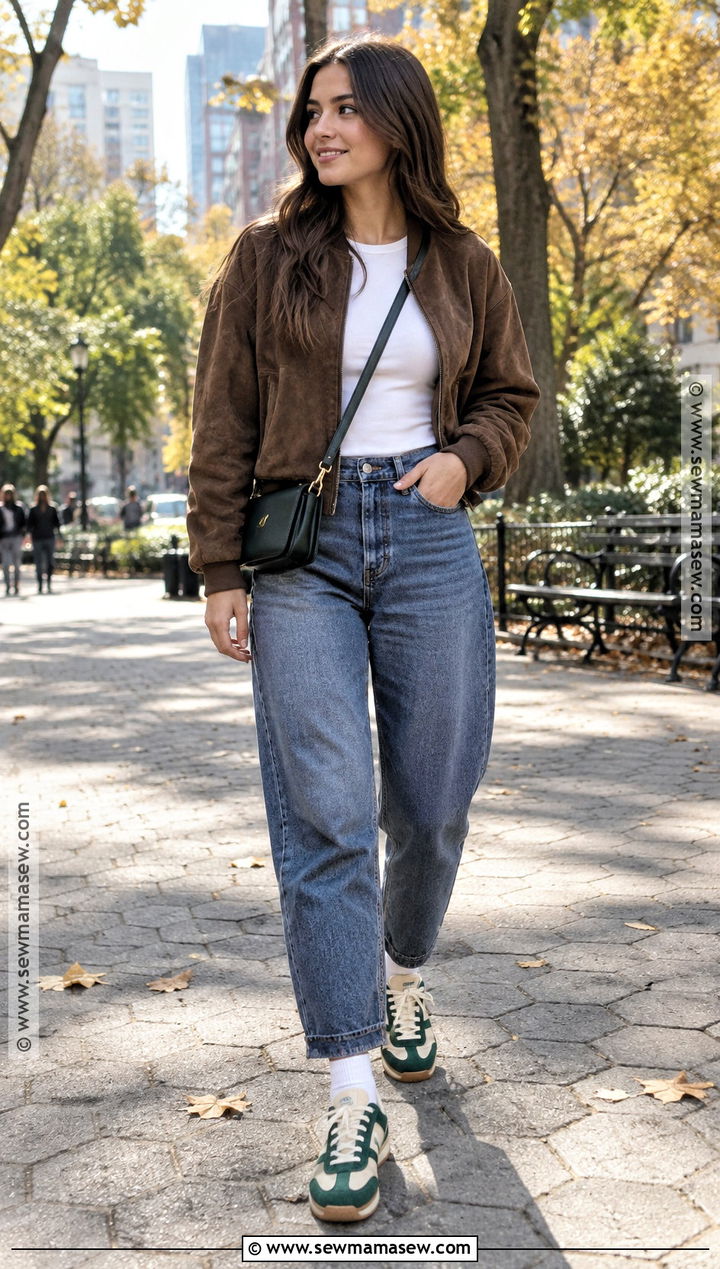
Retro sneakers are slim and low, which is exactly why they suit barrel jeans better than chunky trainers do. A curved leg needs a narrow shoe at the bottom or the whole outfit turns balloon-shaped. Suede pairs in cream, brown, burgundy or forest green feel more fall than white leather. Keep the jeans cropped at the ankle so the sneaker outline stays visible, and wear a fitted long-sleeve tee or ribbed sweater on top. A crew sock in a shade pulled from the sneaker ties it together. One caveat from experience: thin retro soles have little cushioning, so for a full day of sightseeing I'd add a supportive insole.
5. Suede Clogs With Corduroy Pants
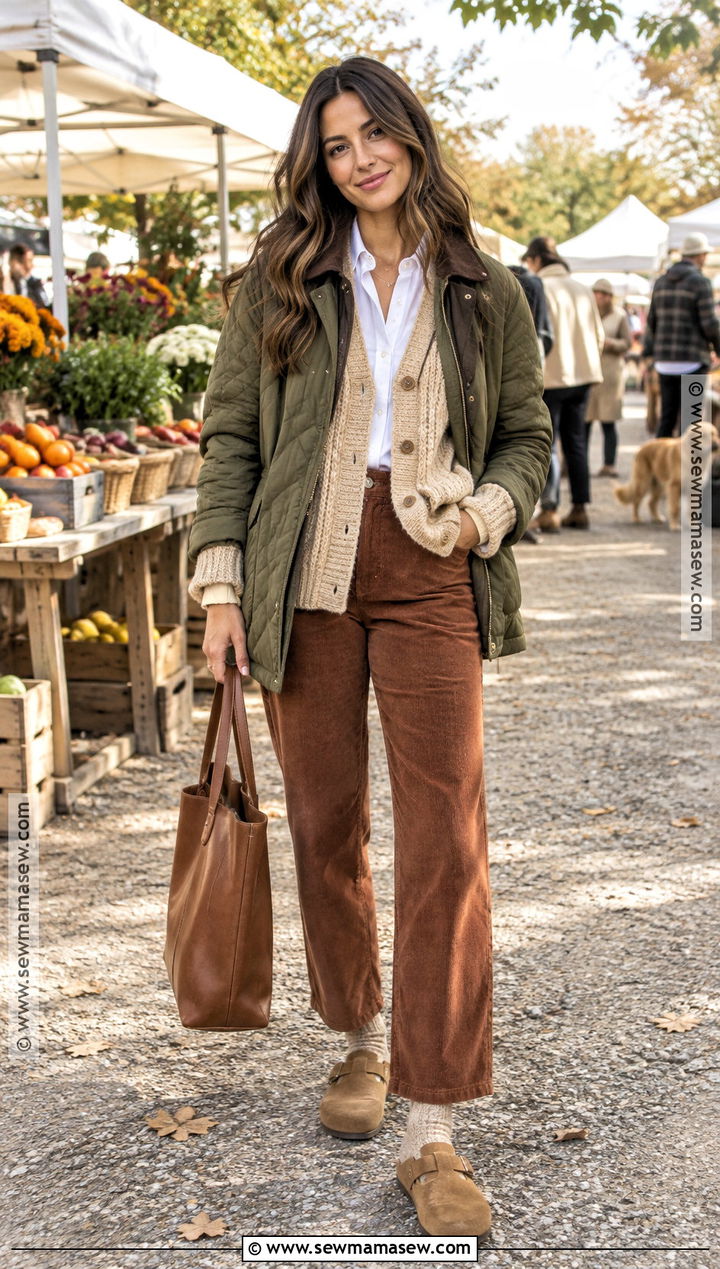
Clogs and corduroy share the same chunky, earthy texture, which is why they look so natural together. Straight or slightly flared cords in olive, rust, tan or dark brown work best, since the flare sits neatly over the clog's wide toe. Layer a cotton button-down under a chunky cardigan and add a barn coat or quilted jacket. The fit check I always make with clogs is the heel: open-back styles slap and slide when you walk any distance, so if you'll be on your feet, choose a pair with a back strap. Keep the palette to a few earthy shades. Heavy fabric plus heavy shoes plus lots of colors starts to look crowded.
6. Mary Jane Flats With Plaid Trousers
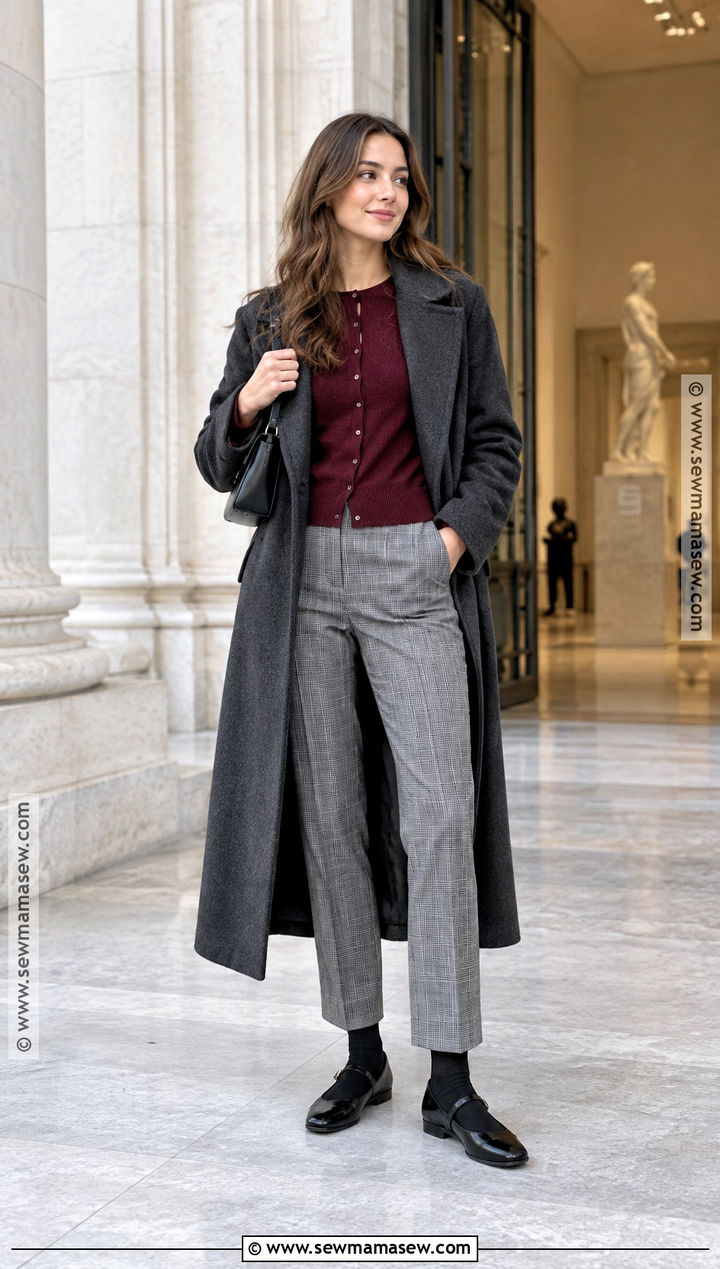
Mary Janes bring a sweet note to something as buttoned-up as plaid trousers. A streamlined leather pair with a secure strap, round or softly squared toe, keeps the look grown-up rather than schoolgirl. The trouser hem must stop above the instep so the strap shows; if it covers the strap, the shoe just looks like a plain flat. Gray, brown or navy plaid with a fitted cardigan and a long wool coat gives a clean vertical line. On cold days I match thin ribbed socks or opaque tights to either the shoe or the trouser, never a third color. Small jewelry keeps attention on the mix of tailoring and that dainty strap.
7. Western Boots With Denim Midi Skirt
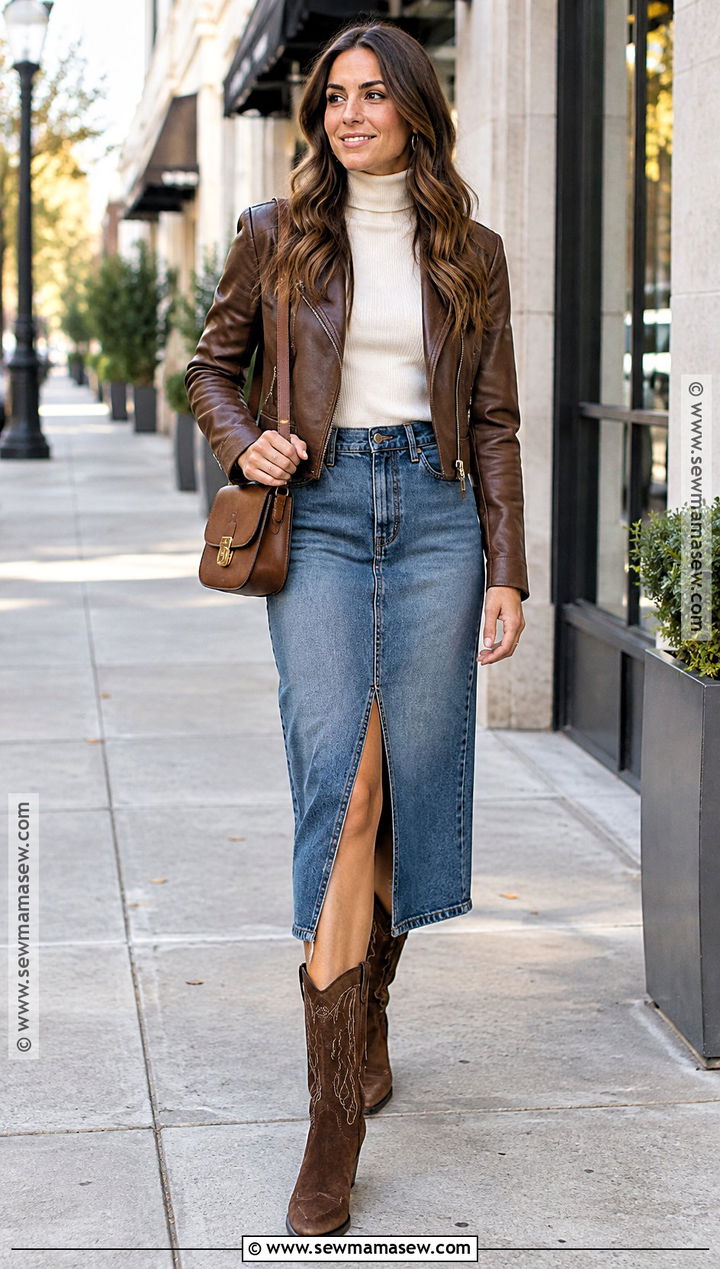
Western boots carry a lot of decoration, so everything else should calm down. A straight denim midi skirt with a front slit is ideal, because the slit lets the boot show when you walk and keeps the stiff denim from catching on the shaft. Add a fitted turtleneck or simple crewneck and a cropped leather jacket or relaxed wool blazer. I'd stop there. Fringe, a big belt buckle and a cowboy hat all at once turns it into a costume. Mid-calf shafts are often wide at the top, so tall socks underneath add warmth and stop the leather from rubbing your calf. Brown, black or weathered suede all suit the skirt.
8. Chelsea Boots With Black Leggings
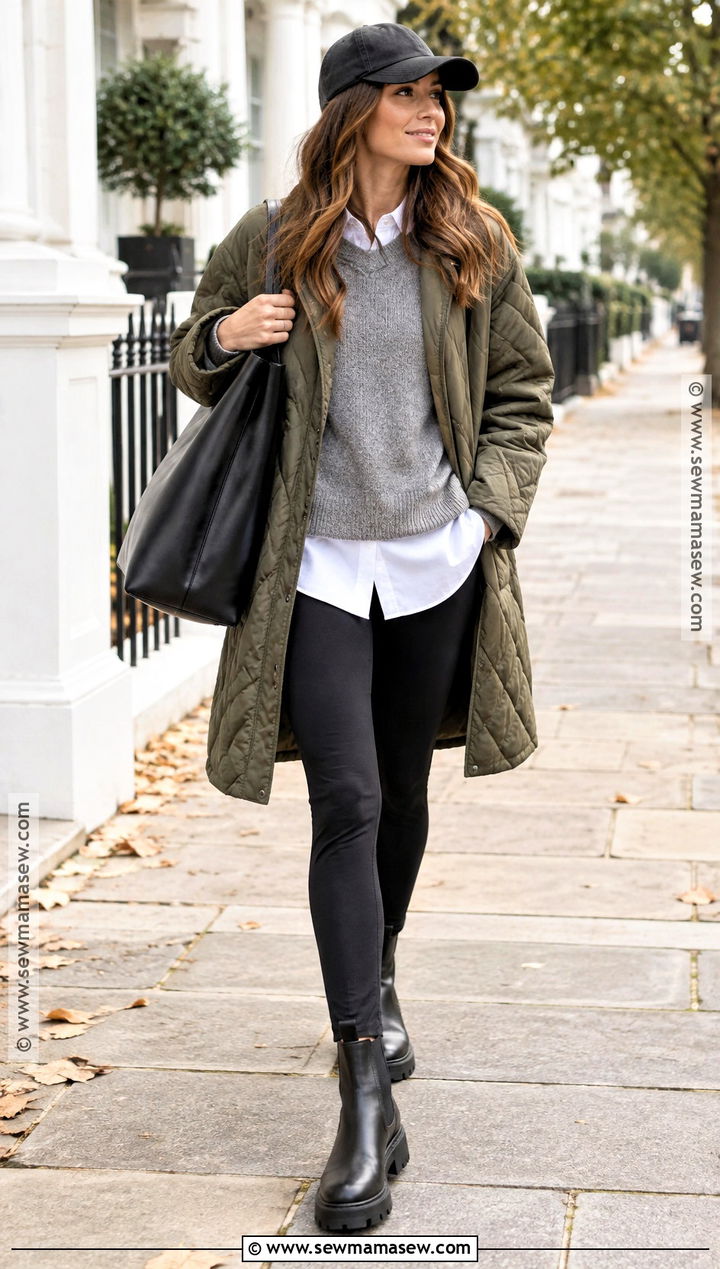
Chelsea boots and leggings are what I'd call a reliable errand uniform. Pick leather or a water-resistant pair with a slightly thick sole, which gives narrow leggings a sturdier base. The boot should sit close at the ankle so the leggings tuck in without bunching above the shaft. Elastic side panels make them easy to pull on, though that elastic loosens over a few seasons, so buy a pair that feels snug in the store rather than roomy. Up top, a long white button-down or thermal shirt under an oversized sweater covers the hips, and a hip-length trench or quilted coat goes over everything. A roomy tote finishes it.
9. Modern Pumps With Dark-Wash Jeans
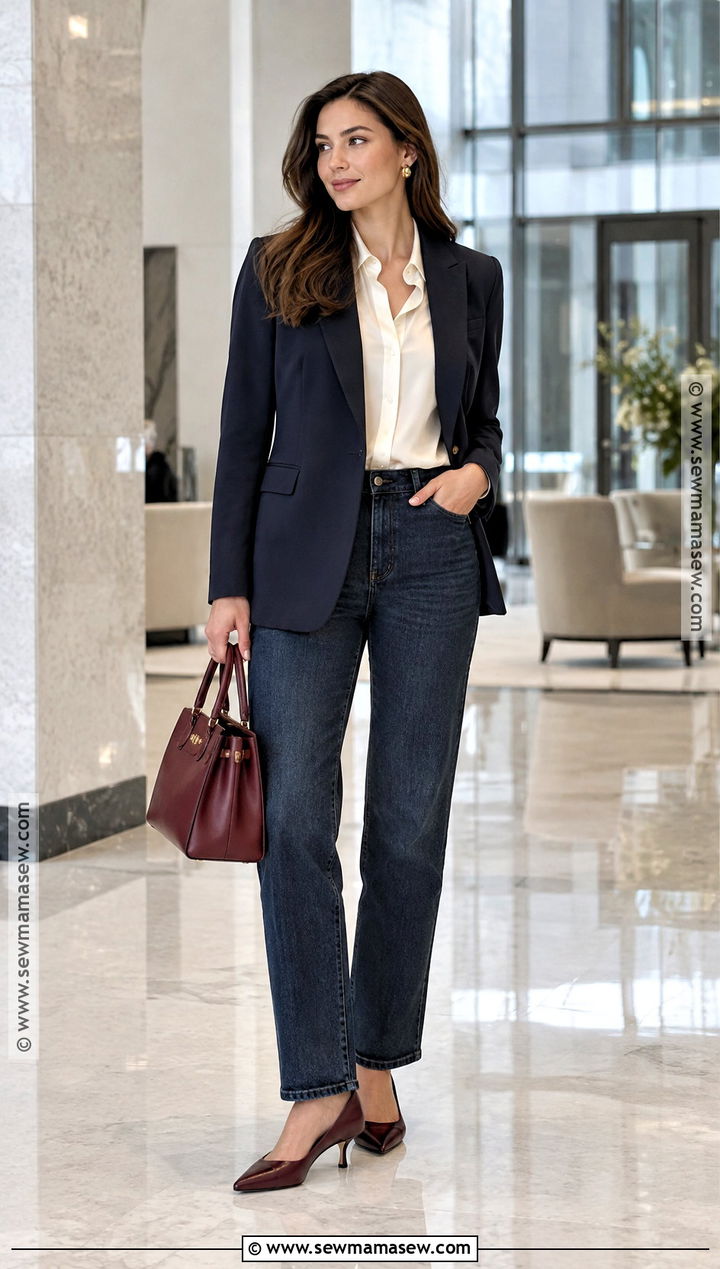
A modern pump is what lets dark jeans go to a meeting. I steer people toward a high vamp, a kitten heel or a stable block heel in black, chocolate or deep red, since a high vamp grips the foot better than a low-cut pump and stops the heel slipping out. Straight-leg or slim wide-leg jeans should reach the top of the shoe. Skip distressed denim here; the dark, clean wash is what makes the heel look intentional. Add a silk blouse or fitted knit and a tailored blazer. If pointed toes crush your feet, an almond toe with room across the ball of the foot gives you the same sleek effect without the pain.
10. Printed Ballet Flats With Neutral Separates
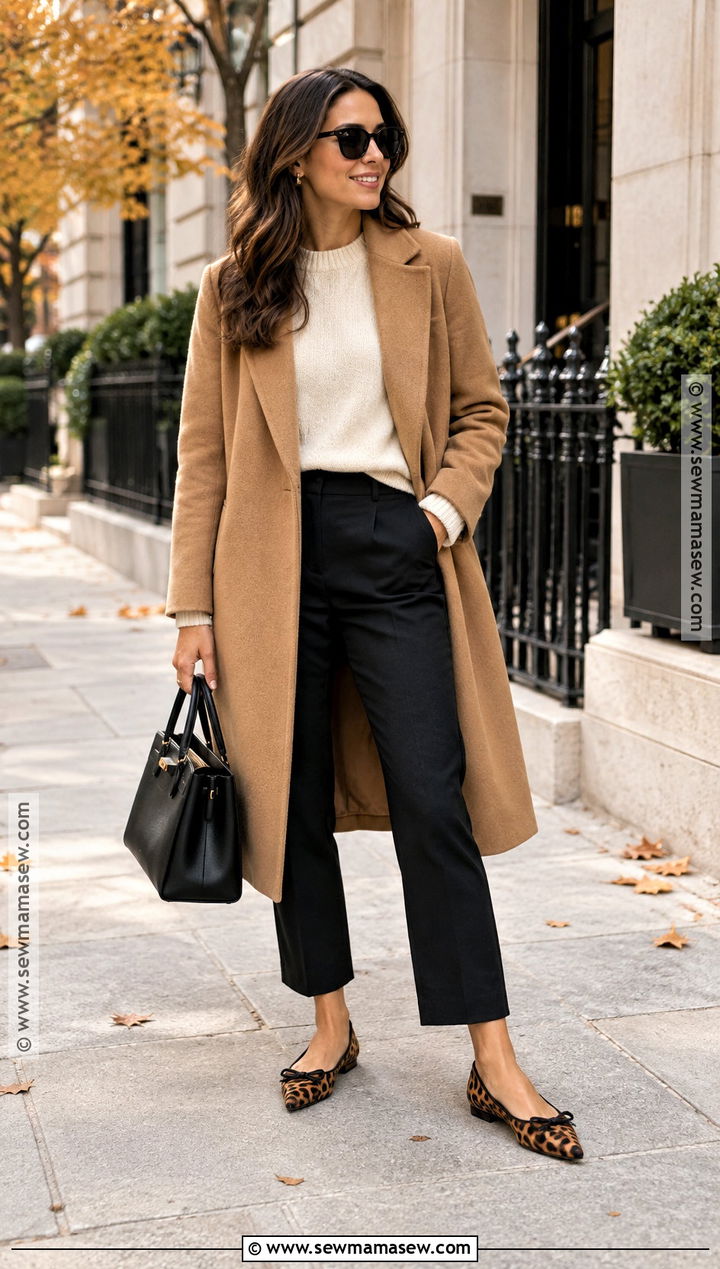
A printed flat is the easiest way I know to make plain clothes look new. Leopard, zebra, plaid or a small geometric pattern does the work, so the clothes should be solid: cropped black trousers, a cream sweater and a camel coat, or straight jeans and a black cardigan for weekends. Pull the bag color from the shoe print so the outfit looks planned. A pointed or almond toe looks longest with cropped trousers. Ballet flats have almost no support and very thin soles, so I treat them as office or short-walk shoes. On chilly days, thin black socks give contrast or no-show liners keep the bare-ankle look.
11. Combat Boots With Floral Midi Dress
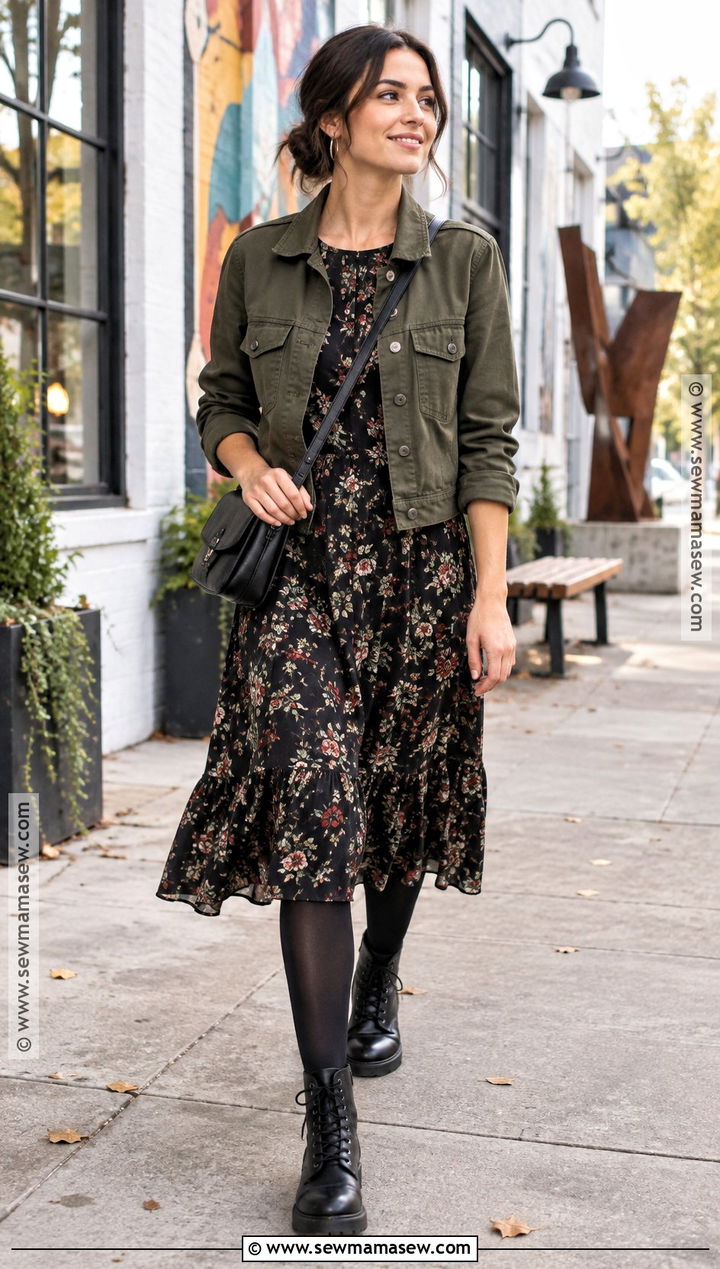
Combat boots stop a floral dress from looking too summery and make it wearable through wet weather. Choose a darker floral midi and black or brown lace-ups with a sole you can actually lift all day; very heavy lug soles get tiring by evening. The hem should end high enough to show the top of the boot. If it falls right at the laces, the outfit looks heavy and the dress gets caught. A cropped denim, utility or leather jacket links the soft dress to the tough boots. Opaque tights and a thin thermal under the dress let you wear it well into November.
12. Slouchy Boots With Sweater Dress
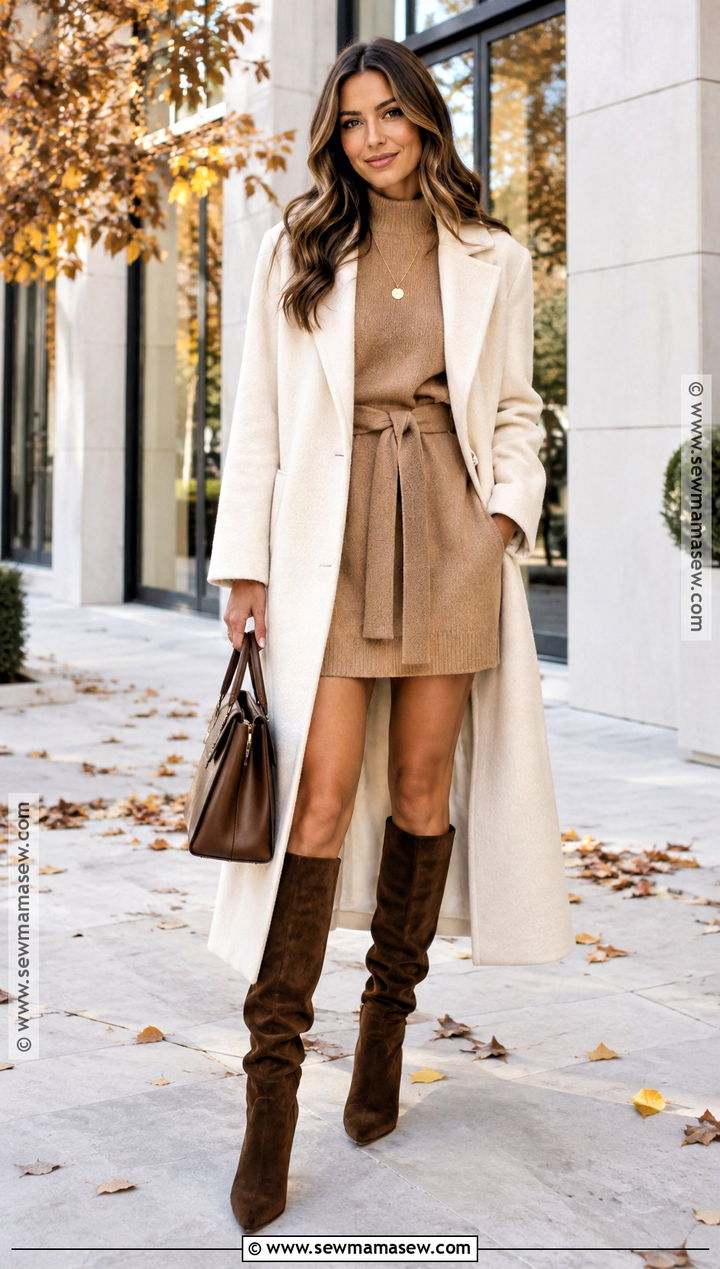
Slouchy boots have soft shafts that pool around the calf, so they need a dress with clean lines above them. A midi or just-above-the-knee sweater dress with some shaping, or a narrow belt, gives the boots the contrast they need. If the dress is loose too, all that soft volume competes and the outfit looks shapeless. Suede slouches more gracefully than stiff leather. I like a long tailored coat ending near the dress hem and a tonal palette: camel with chocolate, or gray with black. A low heel suits daytime; a steady mid-height heel works for dressier evenings. Slouchy suede marks easily at the folds, so brush it after each wear.
13. Boat Shoes With Slip Skirt
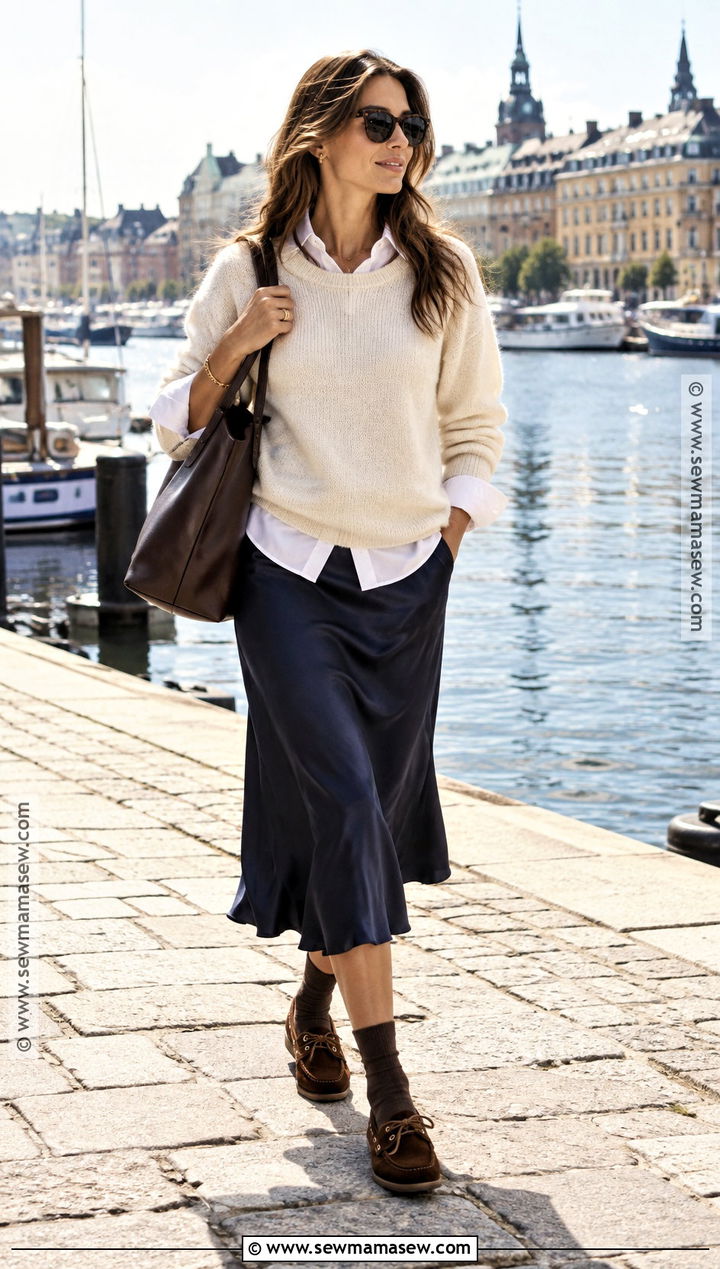
Boat shoes are an unexpected swap for loafers in September, when boots still feel too warm. Their siped rubber soles were designed to grip wet decks, which also makes them handy on slick city sidewalks. Pair leather or suede ones with a satin or matte slip skirt in chocolate, navy, olive or burgundy, and add a relaxed cashmere sweater with a button-down underneath. Keep the shoes clean and plain; contrast laces and rope trim push the look toward sailing club. Bare ankles suit mild days, and fine socks in brown, cream or charcoal take you into cooler weeks. A roomy leather tote finishes it.
14. T-Strap Heels With Tailored Midi Dress
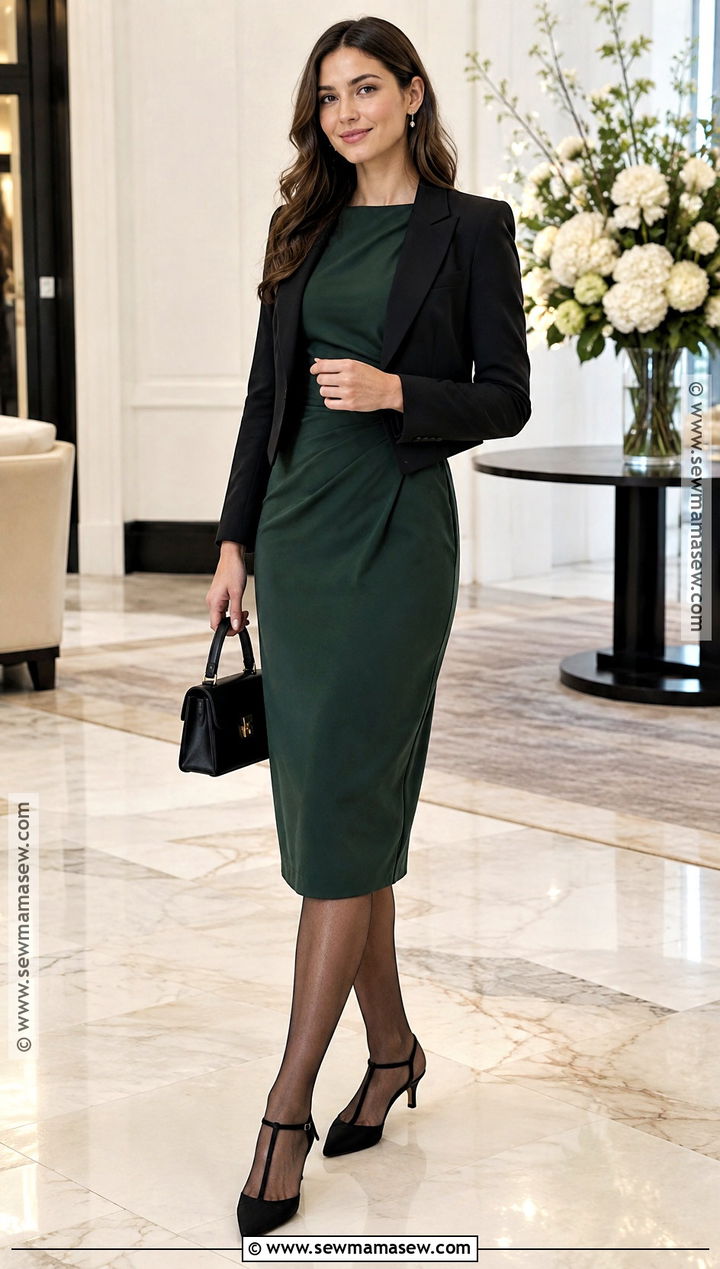
A T-strap is one of the most secure heels you can wear, because the strap anchors the foot at both the instep and the ankle. That's why I suggest it for events where you'll stand for hours. Choose a low or kitten heel and wear it under a solid tailored midi dress in navy, burgundy, forest green or chocolate, so the strap is the detail people notice. A cropped jacket or fitted blazer should follow the shape of the dress. If the shoe is two-tone, repeat one shade in the bag. With tights, pick sheer or opaque in a color close to the shoe so the strap doesn't disappear.
15. Heeled Loafers With Pleated Midi Skirt
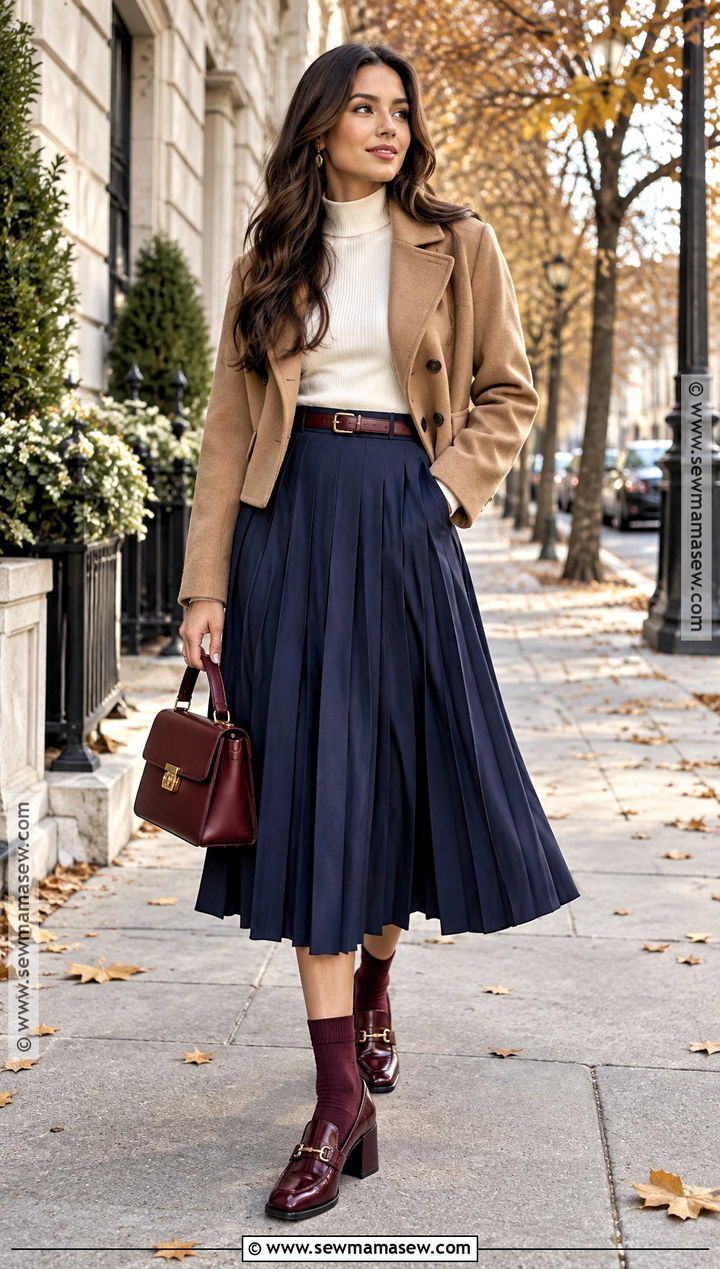
Heeled loafers give you some height with the stability of a loafer, and they're far easier to walk in than a pump. Style them with a pleated midi and a fitted mock-neck sweater, then add a cropped blazer or waist-length wool jacket to keep the top half defined. The pleats soften what is a fairly solid shoe. Black loafers with a gray skirt are classic; burgundy loafers with navy or camel feel richer. The skirt should end a few inches above the shoe so there's a clear break between them. Fine socks look current here, while opaque tights add warmth. Test the heel on a hard floor before buying.
Fit Checks Worth Doing in the Afternoon
Feet swell over the course of a day, so I always try shoes on later in the afternoon and in the socks or tights I'll wear with them. A pair that feels perfect at ten in the morning can pinch by five.
- Toes: in boots, sneakers and clogs you want roughly a thumb's width past your longest toe. Loafers and flats should be closer, since they rely on a snug fit to stay on.
- Heel slip: a new leather loafer often lifts slightly at the heel until the sole flexes in. A heel that pops fully out of the shoe won't settle.
- Width: if the sides of your foot bulge over the sole, go wider, not longer. Sizing up only adds slip.
- Boot shafts: sit down while you try them. Knee-high boots that feel fine standing can dig in behind the knee when you sit.
Protecting Suede and Leather From Rain and Road Salt
Fall is hard on shoes. Suede darkens and stiffens when it soaks through, and salt from icy sidewalks leaves white rings on leather. A protector spray applied before the first wear, and topped up through the season, helps a lot.
When a pair does get wet, stuff it with paper and let it dry at room temperature, away from radiators, which crack leather and harden suede. Brush suede once it's fully dry to lift the nap back up. Wipe salt marks off leather with a damp cloth and a little diluted white vinegar, then condition it. Rotating between two pairs also helps, since leather lasts longer when it gets a full day to dry out.
Which Pair Earns Its Spot First?
A good fall shoe makes the clothes you already own easier to wear. Start with whatever matches your week: loafers if you're at a desk, waterproof boots if you walk or commute in rain, low sneakers if you're on your feet. Then dress each pair with a sensible hem, a few layers and a short palette. The small checks make the biggest difference: show the ankle when the shoe needs it, hem trousers in the shoes you'll wear, and let the bag pick up the shoe color. Two or three well-chosen pairs will carry most of these outfits through the season.
Related posts: