
English Paper Piecing (EPP) is a captivating hand-sewing technique that has been cherished for generations. It involves wrapping fabric around paper templates and then meticulously stitching the pieces together to create intricate designs. While it might seem daunting at first, EPP is a rewarding craft that anyone can learn with patience and practice. In this guide, we'll help you learn the basics of EPP, offering tips and project ideas to help you start on your EPP journey.
What is English Paper Piecing?
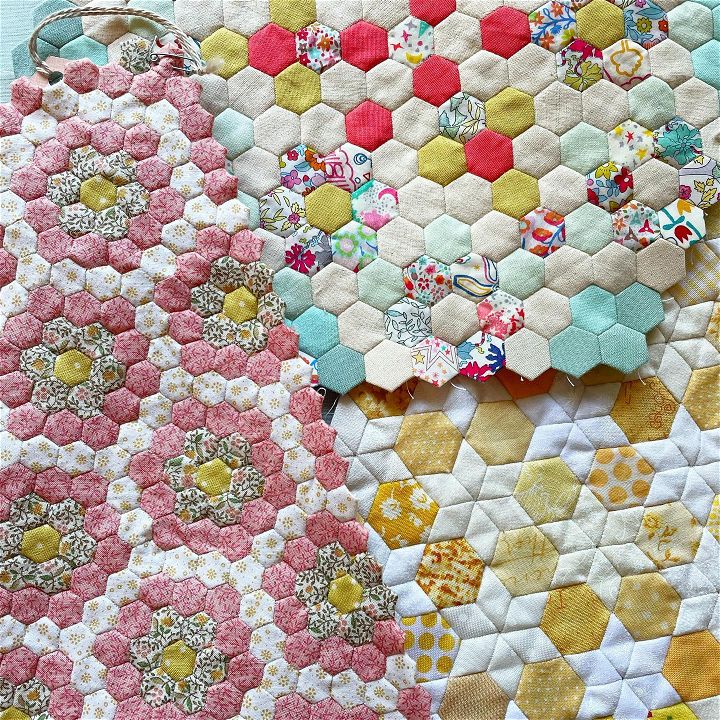
EPP is a form of hand sewing where you use paper templates to guide the shape and size of your fabric pieces. You carefully wrap fabric around these templates and then stitch the pieces together by hand. This technique allows for incredible precision and the creation of complex geometric patterns.
Why Start Small with EPP?
EPP is a labor of love, and projects can take time to complete. Starting with smaller projects is a great way to learn the ropes without feeling overwhelmed. It allows you to practice essential skills like basting (securing the fabric to the paper) and whip stitching (joining the pieces together). As you gain confidence, you can gradually tackle larger and more intricate designs.
Beginner-Friendly EPP Projects
1. Simple Hexagons
Hexagons are a classic EPP shape and a perfect starting point for beginners. Here's how to get started:
- Practice Basting: Begin by basting fabric onto hexagon paper templates. This involves folding the fabric edges over the paper and securing them with small stitches.
- Applique Hexagons: Once you have a few basted hexagons, you can applique them individually onto various projects. Consider adding them to purses, tote bags, or even quilt blocks for a touch of handmade charm.
- Joining Skills: As you become more comfortable, practice joining hexagons together to create small series. These can be used to embellish drawstring pouches, zipper bags, or other accessories.
2. Small Blocks
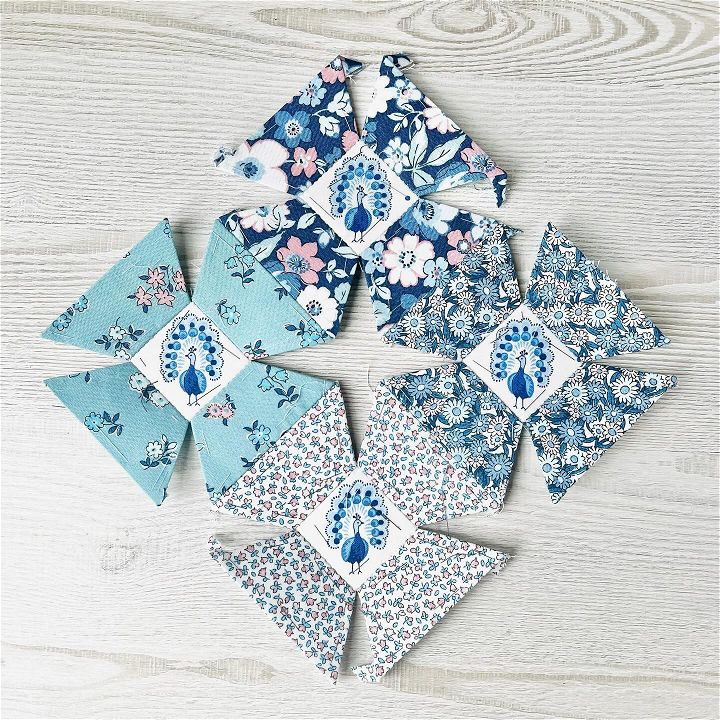
Creating small EPP blocks is another excellent way to build your skills.
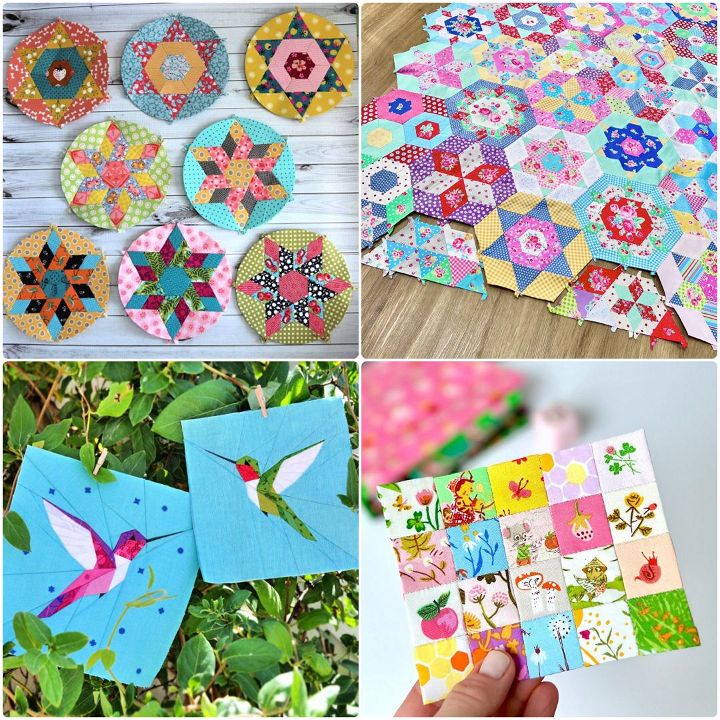
- Choosing Patterns: Look for simple EPP patterns that result in flower or star-shaped blocks roughly the size of your hand.
- Creating a Collection: Make a small collection of these blocks in various colors and fabrics.
- Applique on Pillow: Arrange your blocks on a pillow cover and applique them in place. Add some hand stitching around the edges for a beautiful finishing touch.
3. Big, Fancy Block
If you're feeling adventurous, try tackling a larger, more intricate EPP block.
- Selecting a Fancy EPP Block: Choose a block design that you love. There are countless patterns available online and in EPP books.
- Applique on Background Fabric: Once your block is complete, applique it onto a larger piece of background fabric to create a square or rectangle.
- Utilize the Block: This block can become the centerpiece of a medallion quilt, or you can wrap it around a canvas for a stunning piece of wall art.
4. Mini Patchwork Series
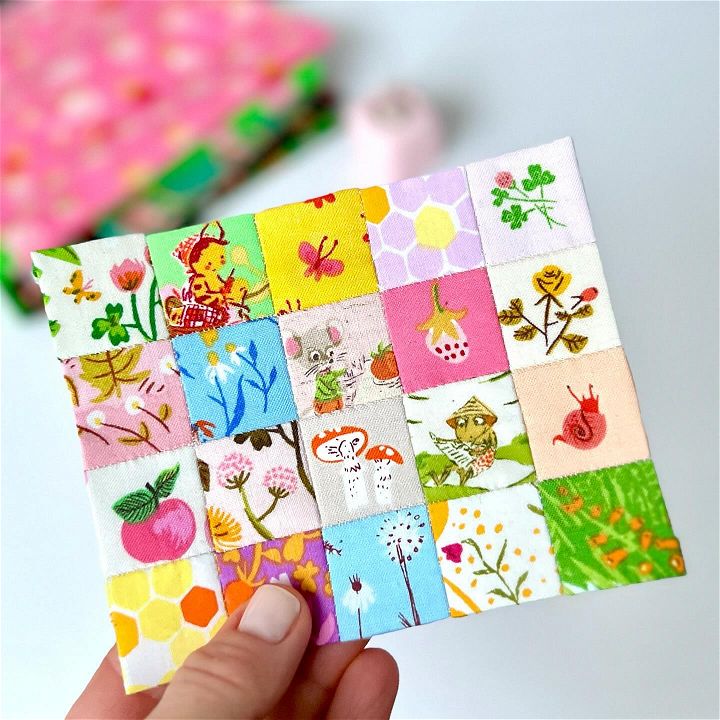
If you're dreaming of a quilt but want to start small, consider a mini patchwork series.
- Follow a Pattern: Find an EPP pattern designed for a throw quilt.
- Make Fewer Blocks: Instead of making all the blocks required for a full quilt, create a smaller number to finish with a baby quilt or table runner.
- Practice and Scale Up: This approach allows you to practice your EPP skills on a manageable scale before committing to a larger project.
English Paper Piecing Patterns
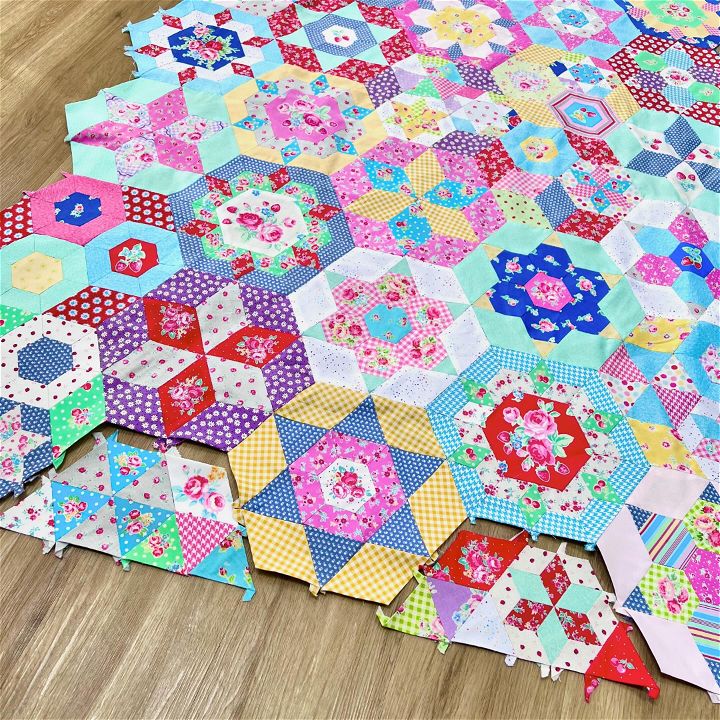
Discover free English Paper Piecing patterns to enhance your quilting projects with easy-to-follow, stunning designs for all skill levels.
Essential Tips for EPP Success
- Refine Your Skills: Practice different EPP techniques like basting, whip stitching, and joining pieces. The more you sew, the more precise and efficient you'll become.
- Gather Your Tools: Invest in essential EPP tools like fabric, paper templates, needles, thread, and a seam ripper (for those inevitable mistakes).
- Choose the Right Fabric: Opt for quilting cotton for its ease of use and wide variety of colors and patterns.
- Be Patient: EPP is a slow and steady craft. Enjoy the process and don't rush yourself.
- Join a Community: Connect with other EPP enthusiasts online or in person. They can offer support, inspiration, and valuable tips.
Conclusion
English Paper Piecing is a beautiful and rewarding craft that allows you to create stunning textile art with your own hands. By starting with small projects and gradually building your skills, you'll be amazed at what you can achieve. So, gather your materials, choose a project, and let the EPP adventure begin!
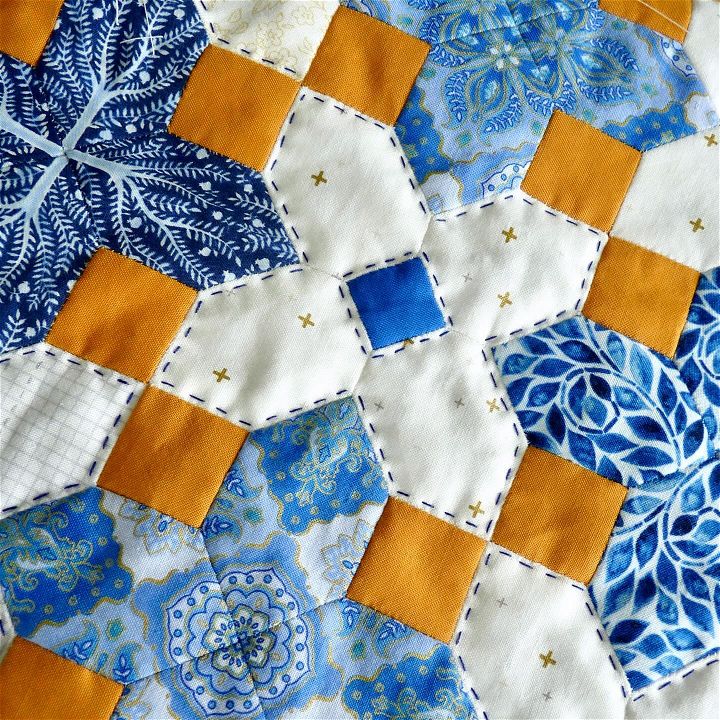
Faqs About English Paper Piecing (EPP)
Explore key FAQs About English Paper Piecing (EPP) to master this quilting technique. Learn tips, tools, and methods for perfecting your EPP projects.



Quilting cotton is the most popular choice for EPP due to its ease of handling and wide variety of colors and patterns. It's readily available and comes in various weights, making it suitable for different projects.
To get started with EPP, you'll need a few essential tools:
Fabric: Quilting cotton is recommended.
Paper templates: These can be purchased pre-cut or printed and cut out yourself.
Needles: Choose sharp needles designed for hand sewing.
Thread: Use a thread that complements your fabric choices.
Seam ripper: This handy tool helps you correct mistakes.
Cutting mat and rotary cutter: These make cutting fabric more efficient.
Glue stick or basting spray: These help secure the fabric to the paper templates.
While you can technically use regular sewing thread, it's recommended to use thread specifically designed for hand quilting or applique. These threads are often stronger and less prone to tangling, making your EPP experience smoother.
EPP offers several benefits:
Precision: The paper templates ensure accurate shapes and sizes, resulting in precise piecing.
Portability: EPP projects are easily portable, making them perfect for on-the-go crafting.
Relaxation: The repetitive nature of hand stitching can be meditative and relaxing.
Creativity: EPP allows for endless design possibilities and creative expression.

