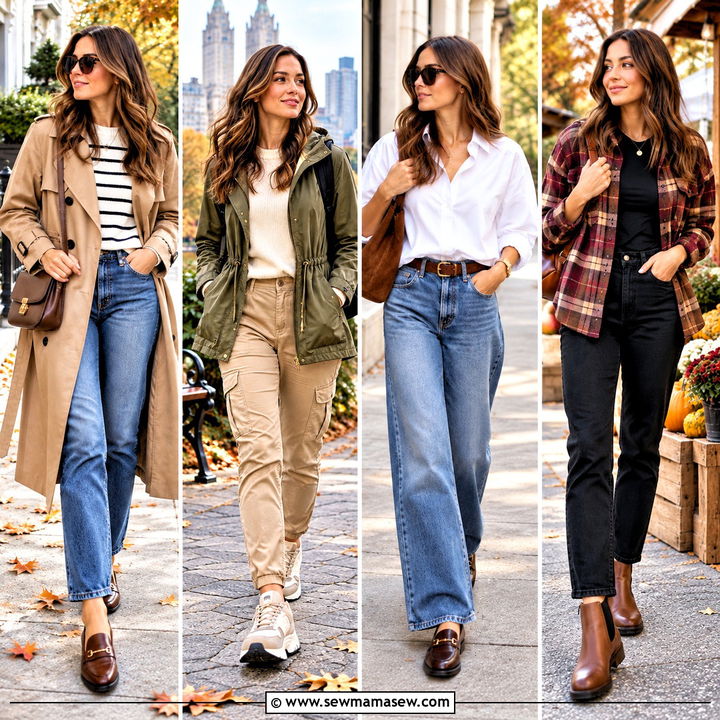
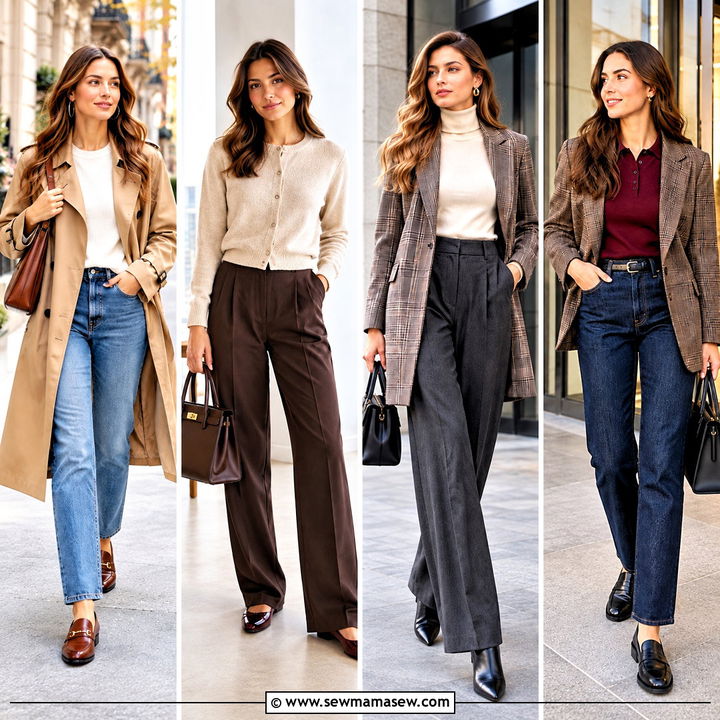
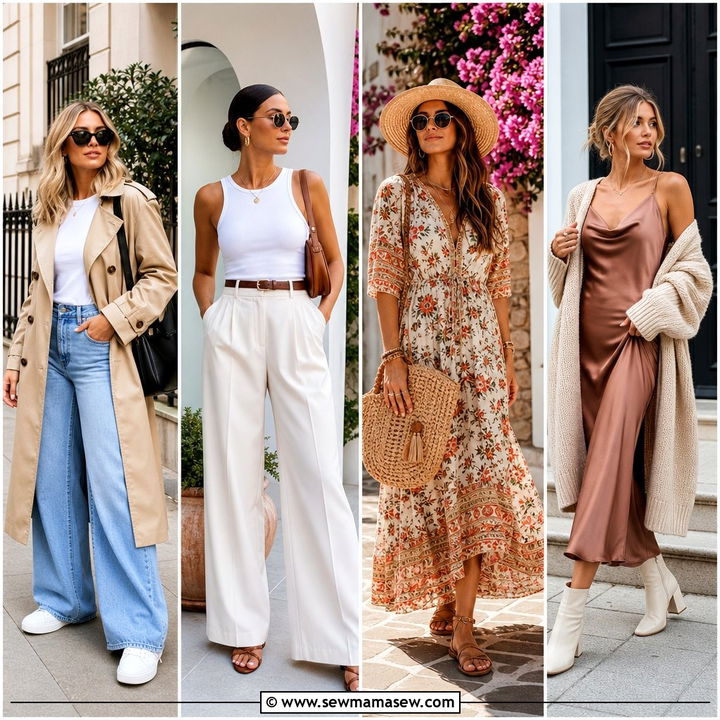
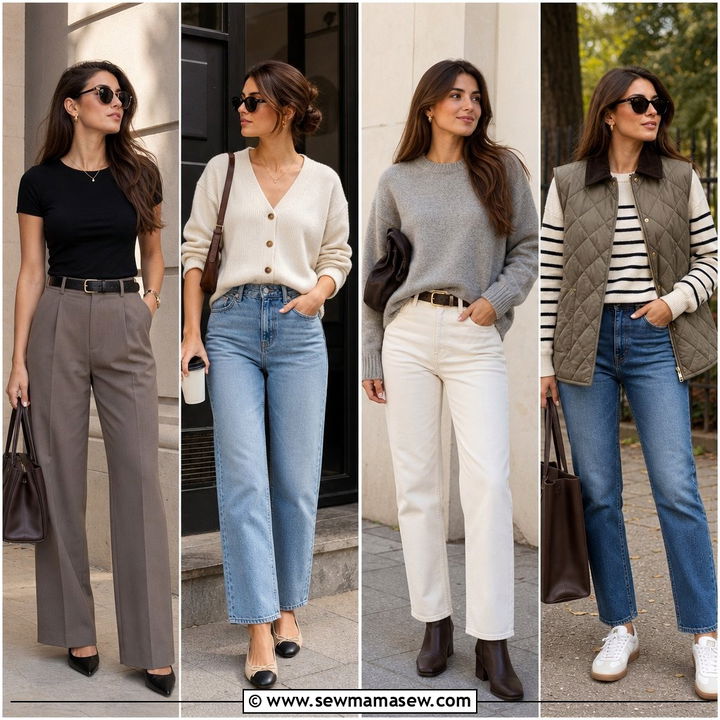
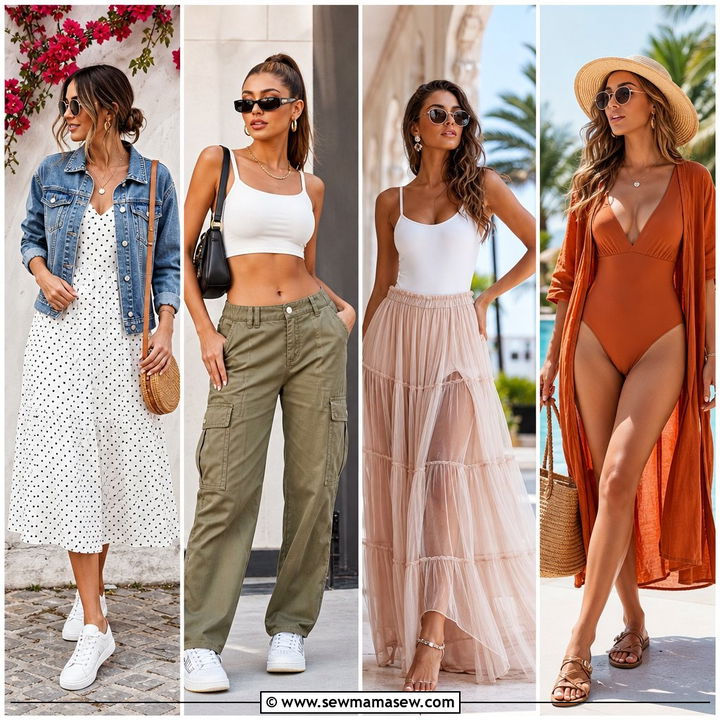
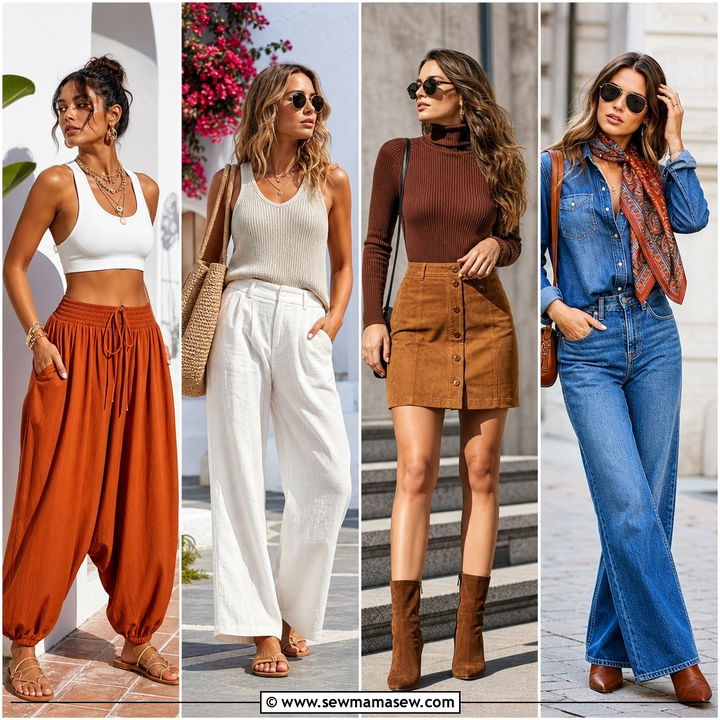
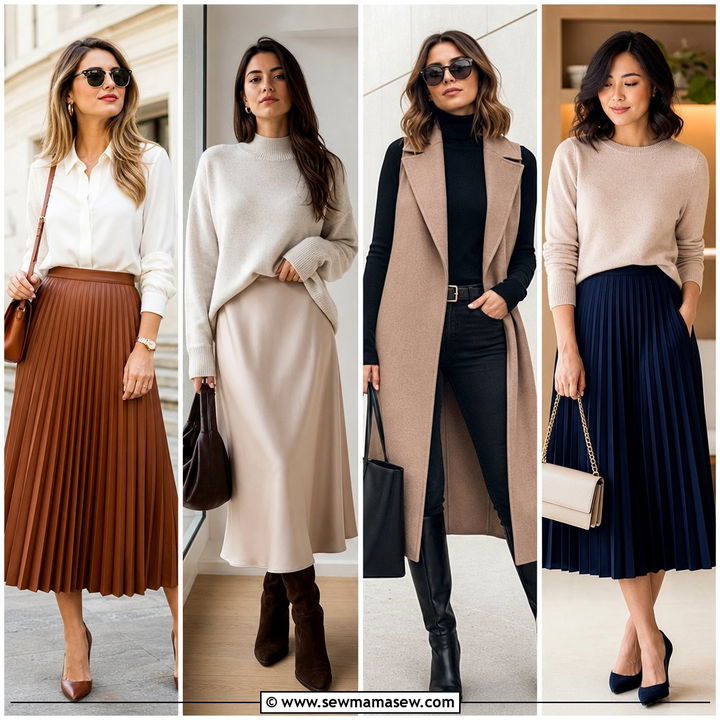
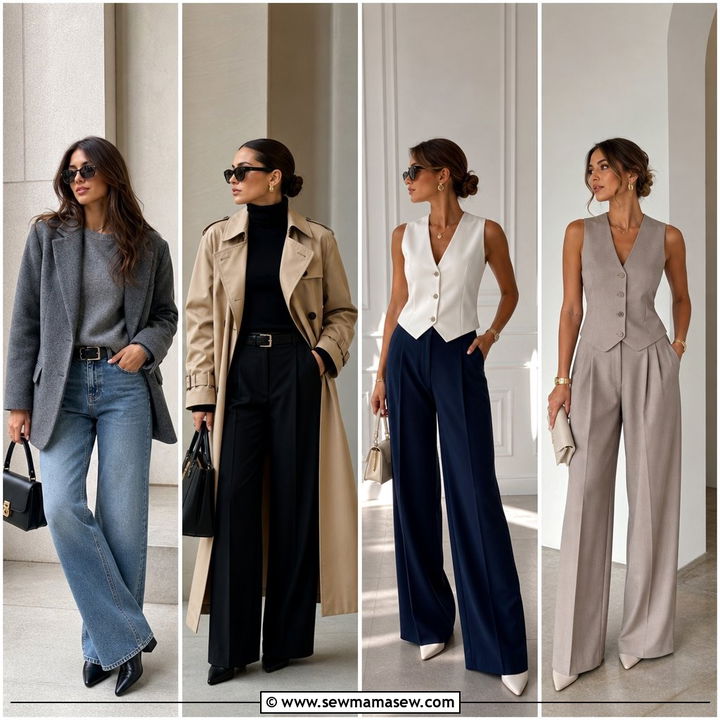
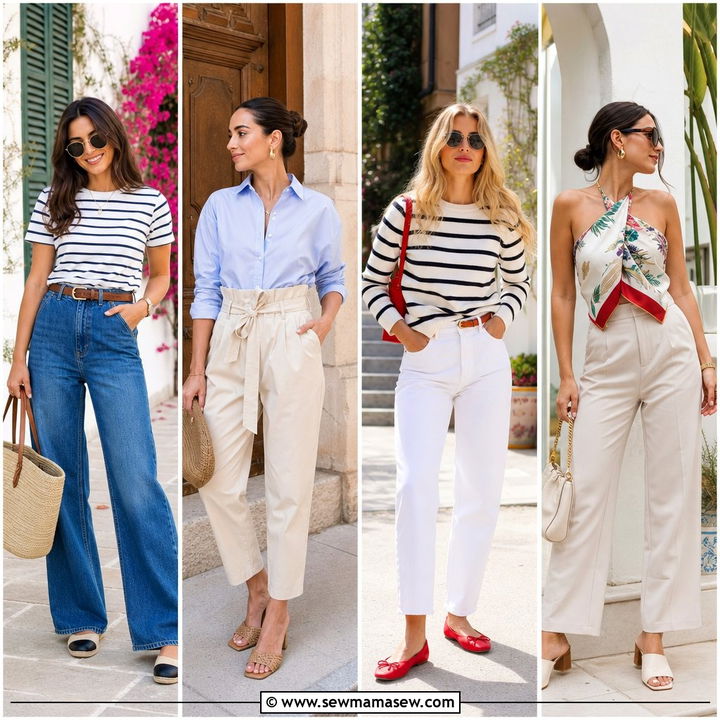
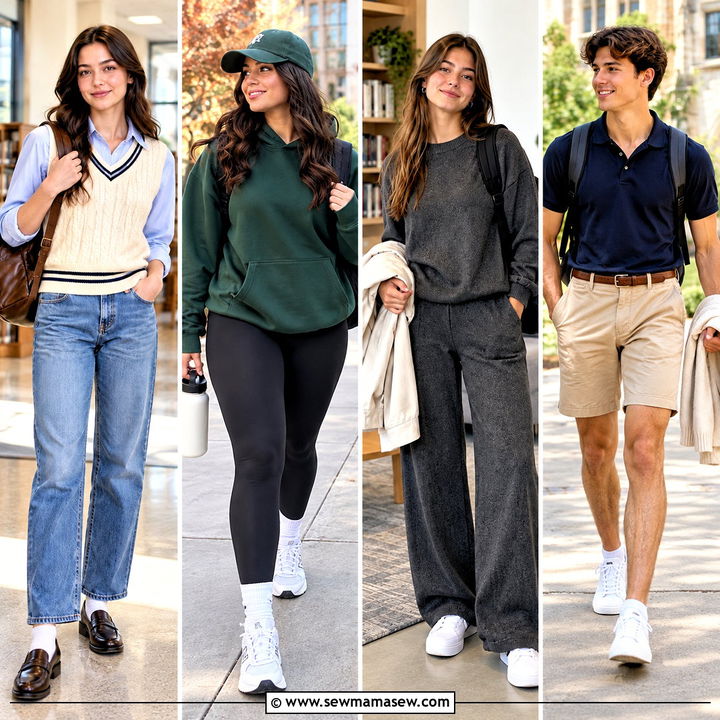
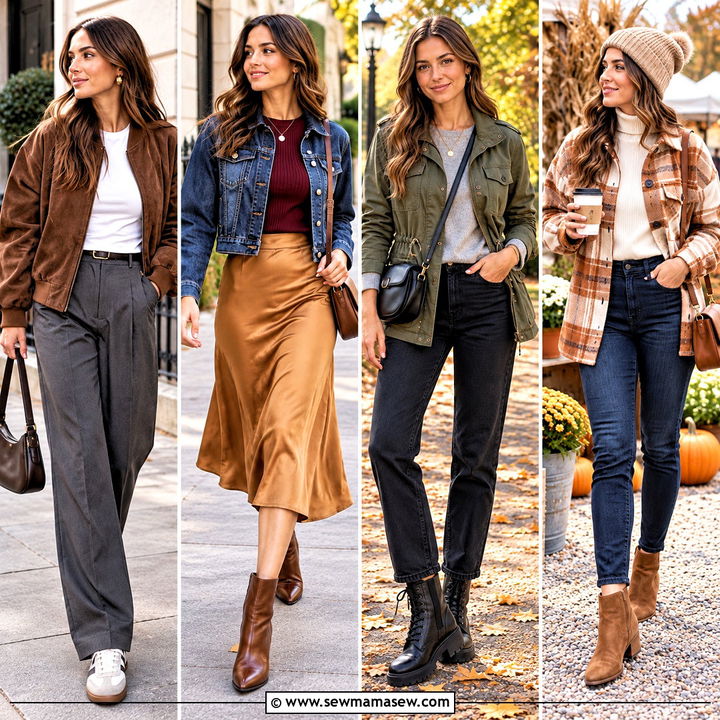
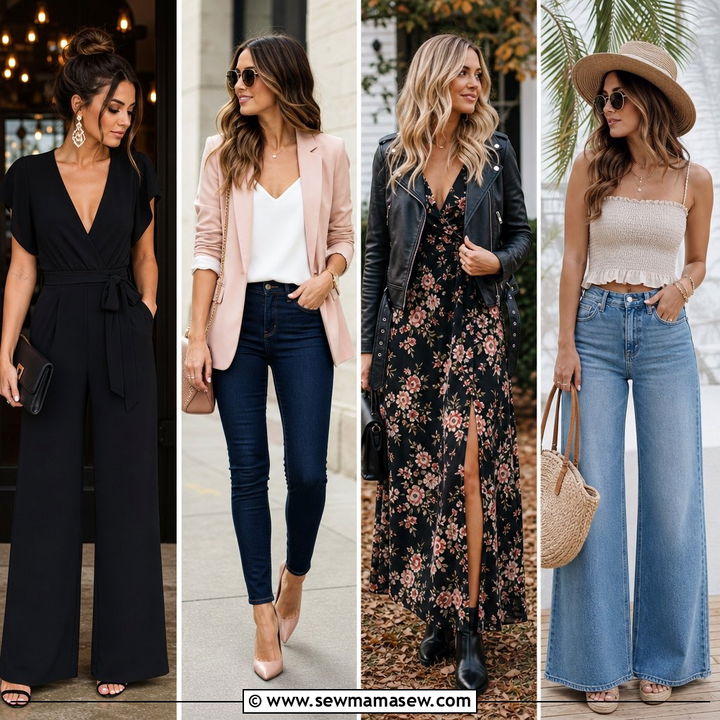
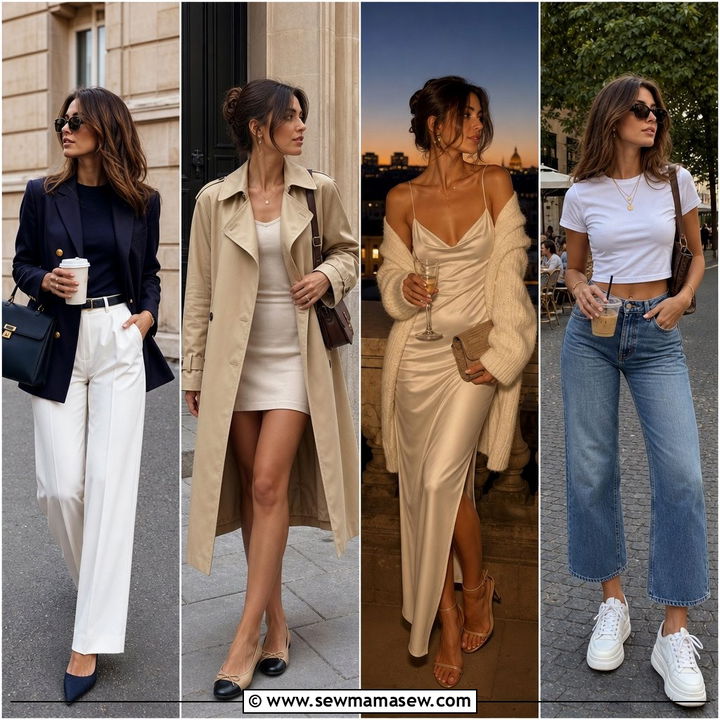
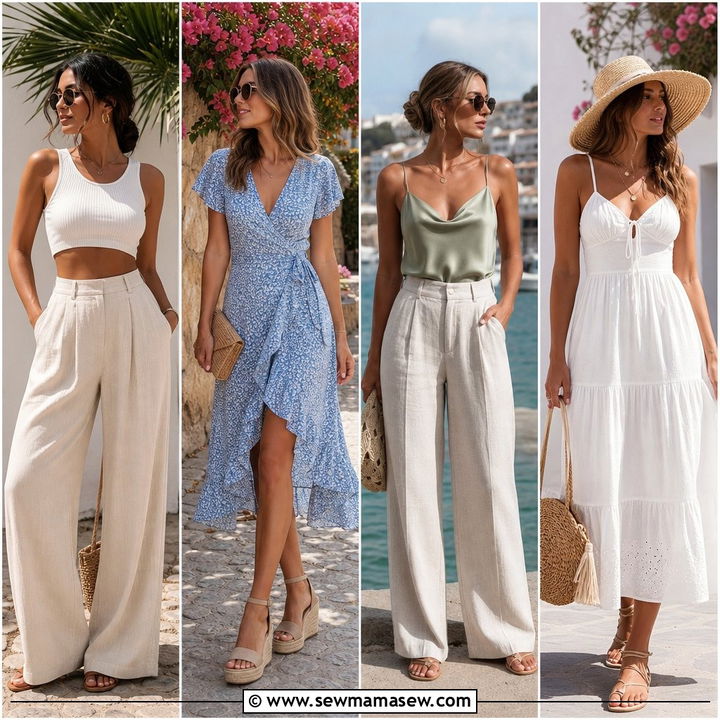
A fall closet that actually works rarely comes from a big shopping trip. When I edit a client's wardrobe for the season, the pieces doing the heavy lifting are almost always the plain ones: a coat that goes over everything, a couple of knits, jeans in a dark wash, trousers that fit at the waist and shoes you can walk in. I start with two or three neutrals that already dominate the closet, then add one seasonal color the person genuinely likes wearing near their face. Before anything gets bought, I pull out what can be rewashed, re-hemmed or restyled, because a ten-dollar tailoring fix beats a new purchase nearly every time. The fifteen outfits below are built around those workhorse pieces, with notes on what to check before you pay for each one.
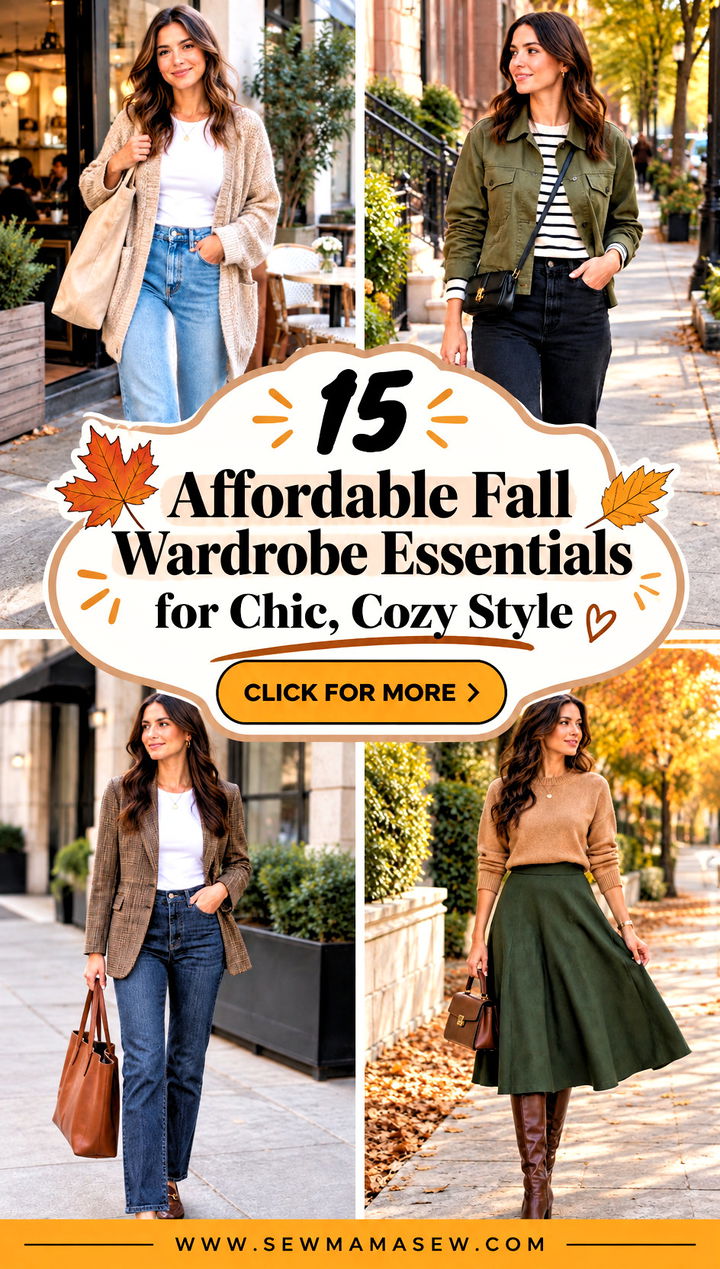
Spending in the Right Order
Most budget wardrobes fail because the money goes to the fun pieces first. A plaid blazer is exciting, but if you don't own jeans that fit or shoes you can stand in, it has nothing to sit on. I work from the foundation outward, and I only move to the next tier once the one below it is covered.
- Bottoms that fit at the waist and hem: dark jeans and one pair of black or neutral trousers. Ill-fitting bottoms ruin every top you put on them.
- One pair of walkable shoes for most days, usually ankle boots or loafers, plus clean sneakers.
- Two or three knits in your main neutrals, then one in your seasonal color.
- A single outer layer that closes over your thickest sweater, which for most climates is a trench.
- Only then the personality pieces: the striped tee, the plaid blazer, the faux leather jacket.
Set a little money aside for tailoring at every tier. Hemming trousers and taking in a waist are usually modest jobs, though prices vary a lot by area, and they do more for how cheap clothes look than anything else I know.
1. Trench Coat With Straight-Leg Jeans
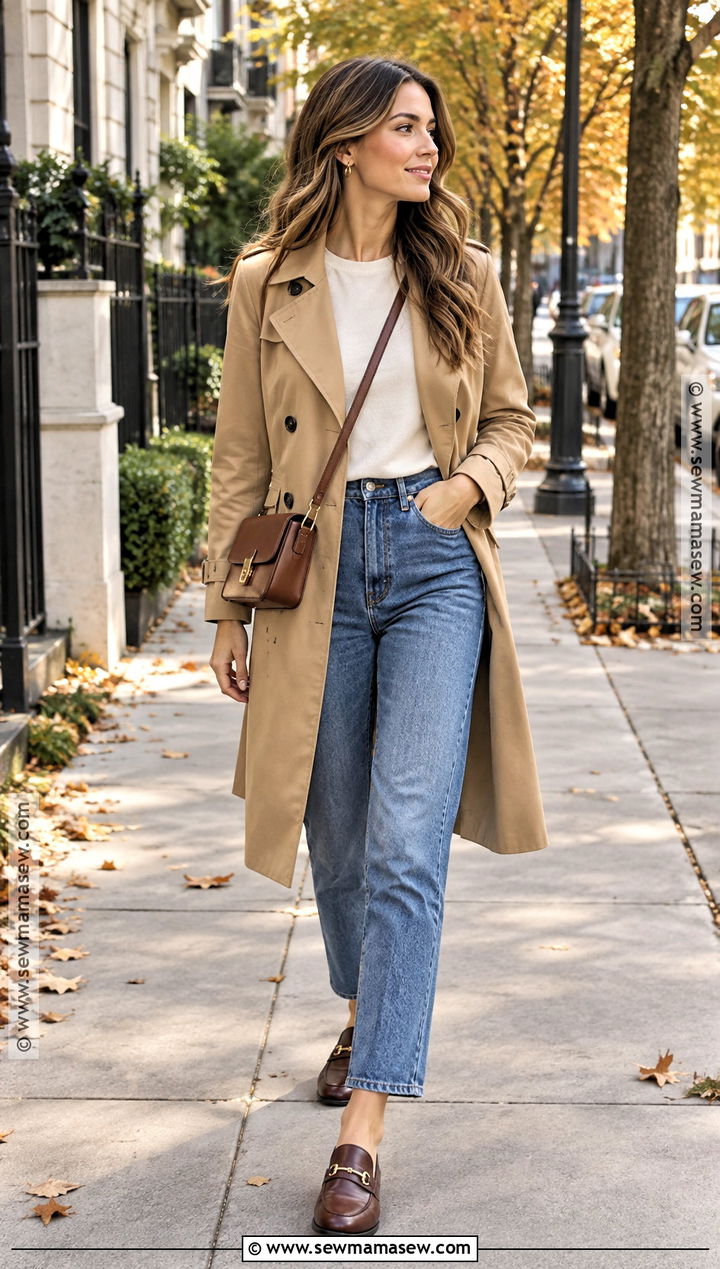
A trench is the first coat I'd buy on a tight budget, because it covers the long stretch of fall when a wool coat is still too much. Look for one that lands near the knee and has enough room through the back to close over a sweater; try it on with your thickest knit, not a tee. Over a fitted crewneck, straight-leg jeans and loafers, it reads finished with almost no effort. A cotton-blend shell sheds light rain, but it isn't waterproof, so don't expect it to survive a downpour. On cheaper versions, the belt is usually the giveaway: if it's thin and flimsy, knot it at the back instead of the front. Wear it open on mild afternoons and buttoned with a scarf when the wind picks up.
2. Oversized Cardigan With Jeans And Sneakers
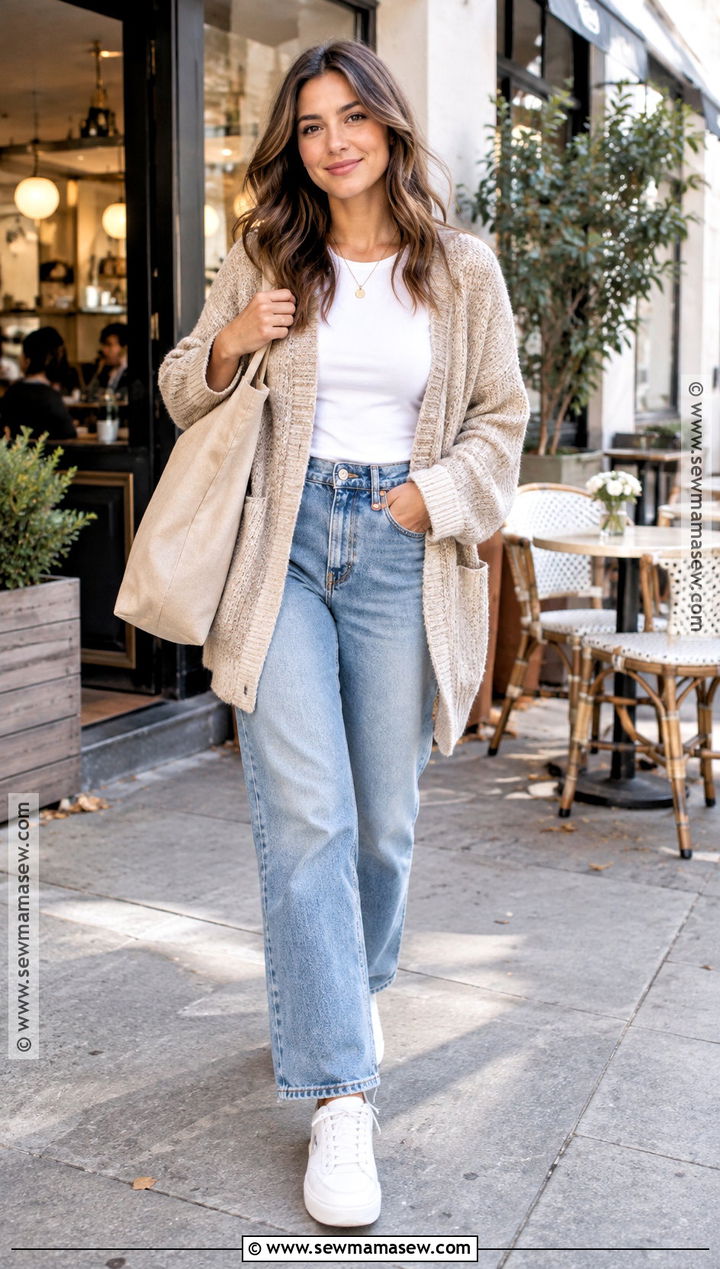
I treat an oversized cardigan as a jacket you can wear indoors, which is why it earns its place. Over a fitted white tee with relaxed jeans and clean white sneakers, it's the outfit I reach for on mornings that start cold and end warm. The fit trap is volume on volume: if both the cardigan and the jeans are roomy, the whole shape goes square, so keep one of them closer to the body. Check the button band before you buy. On cheap knits it stretches and gapes after a few wears, and ribbed cuffs that snap back in the store are a good sign the yarn will hold. If it swamps you, push the sleeves to the forearm and front-tuck the tee so the waist shows.
3. Crewneck Sweater With Tailored Trousers
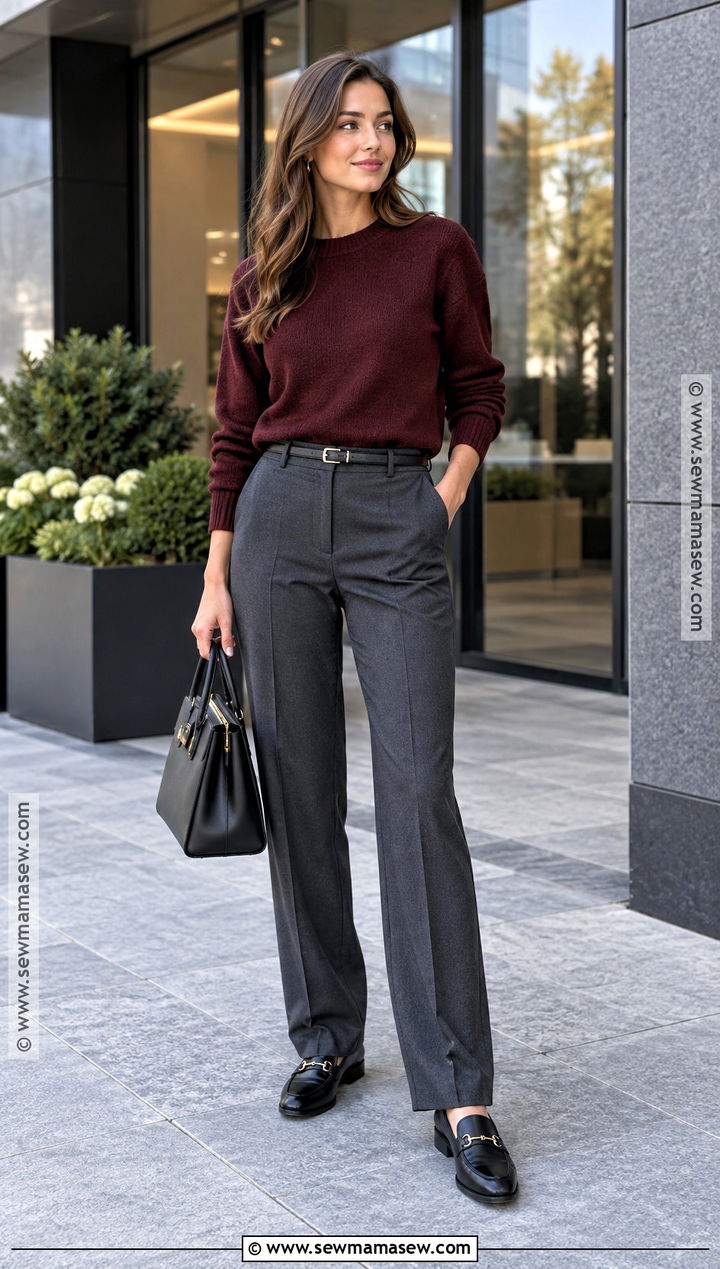
This is my answer for days that mix a meeting, errands and dinner. A crewneck sweater in a fine or medium gauge over high-rise tailored trousers looks neat without feeling stiff, and loafers keep it grounded. Thin, loosely knit sweaters are the ones that lose shape first, so I hold a knit up to the light in the store; if I can see through it easily, it won't last the season. Trousers with a little stretch or an elastic back panel are fine as long as the front stays flat when you sit. Chocolate, burgundy, charcoal and forest green all sit well together. For a sharper version, put a white shirt underneath and let only the collar and cuffs show.
4. Striped Long-Sleeve Tee With Black Jeans
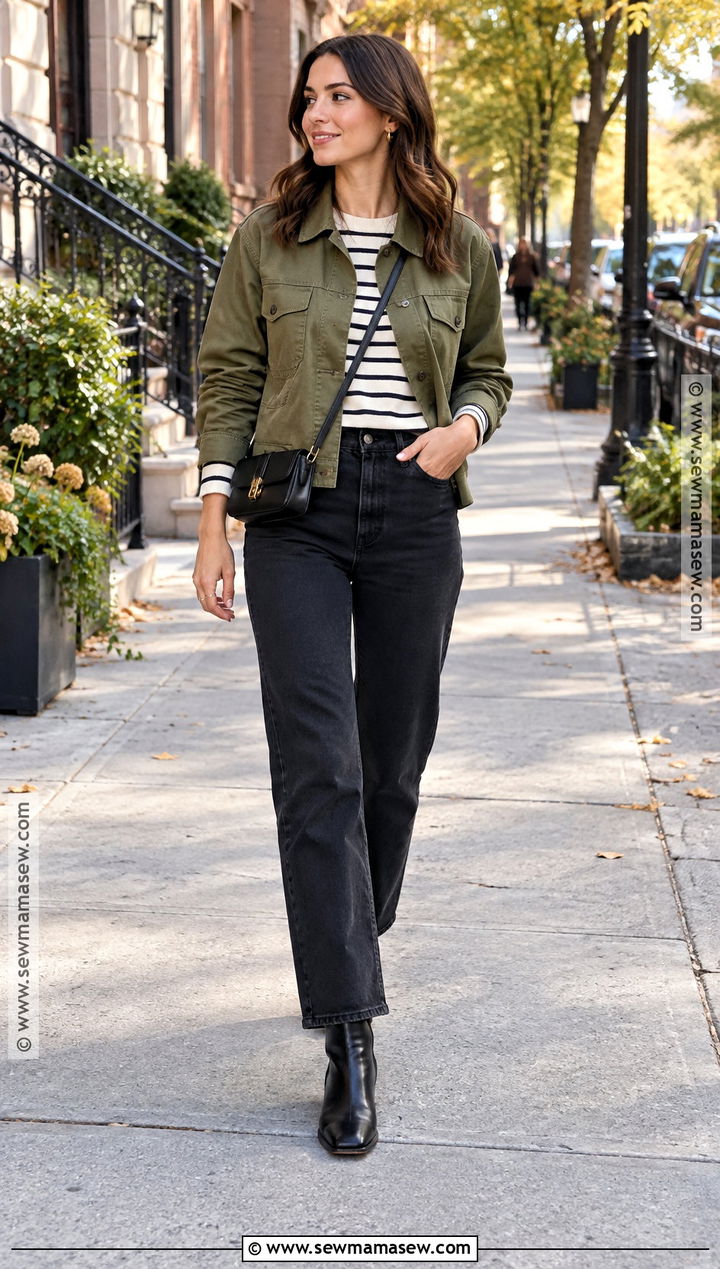
Stripes are the cheapest way I know to make jeans and a tee look like a decision rather than a default. A navy-and-cream or black-and-white long-sleeve tee with black straight-leg jeans and ankle boots is simple, and a cropped utility jacket adds warmth without covering the stripe. The detail most people miss is the side seam: on well-made tees the stripes line up where front meets back, and on rushed ones they jump. Fabric weight matters too. Thin cotton stripes go see-through and twist after washing, so pick something with a little body. If black feels harsh, swap to dark indigo jeans and cognac accessories.
5. White Button-Down With Wide-Leg Jeans
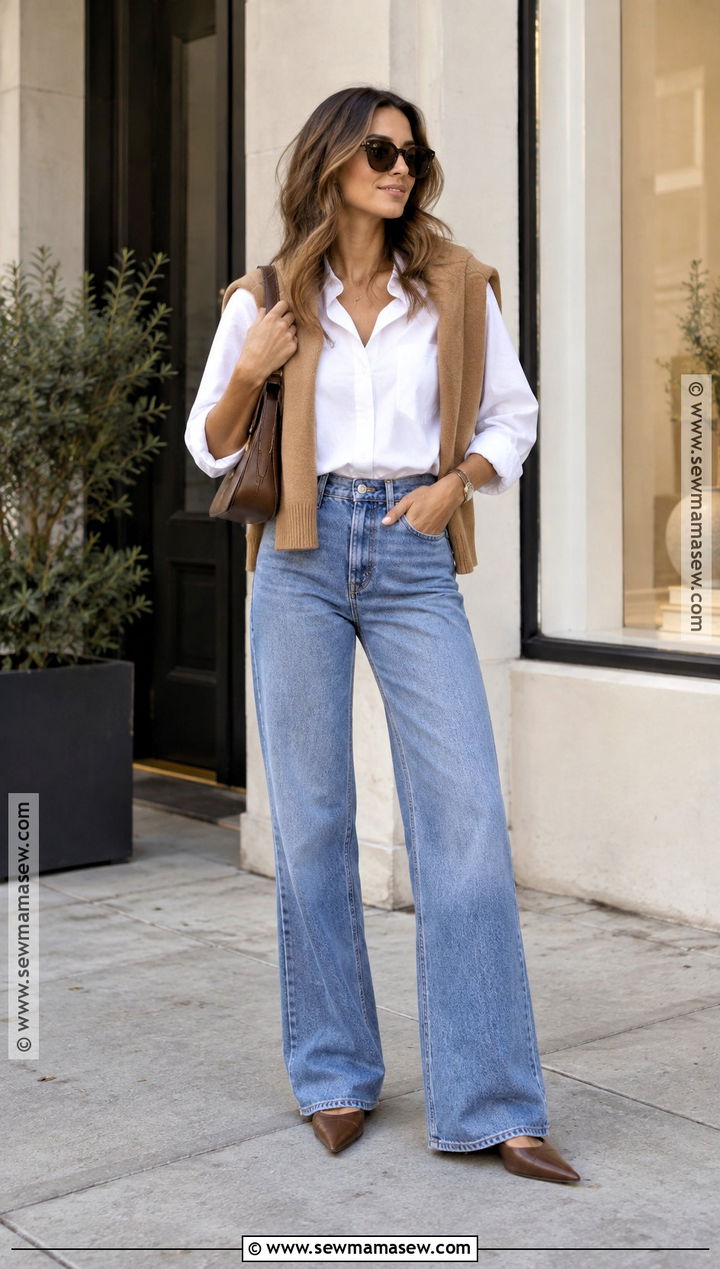
A white button-down gets worn more than almost anything else I recommend, which is why I'd spend a bit more here or hunt for a good secondhand one. Half-tucked into high-rise wide-leg jeans, it needs a pointed flat or a sleek loafer, since a chunky sneaker makes the wide hem look heavy. A camel sweater thrown over the shoulders adds warmth you can take off. In thrift and resale shops, check the collar first: if it's curling or the points are frayed, put it back, because collars are the hardest part of a shirt to fix. Roll the sleeves on warm days, or wear it open over a fitted tank once the weather drops into the sixties and you want an extra layer.
6. Plaid Blazer With T-Shirt And Jeans
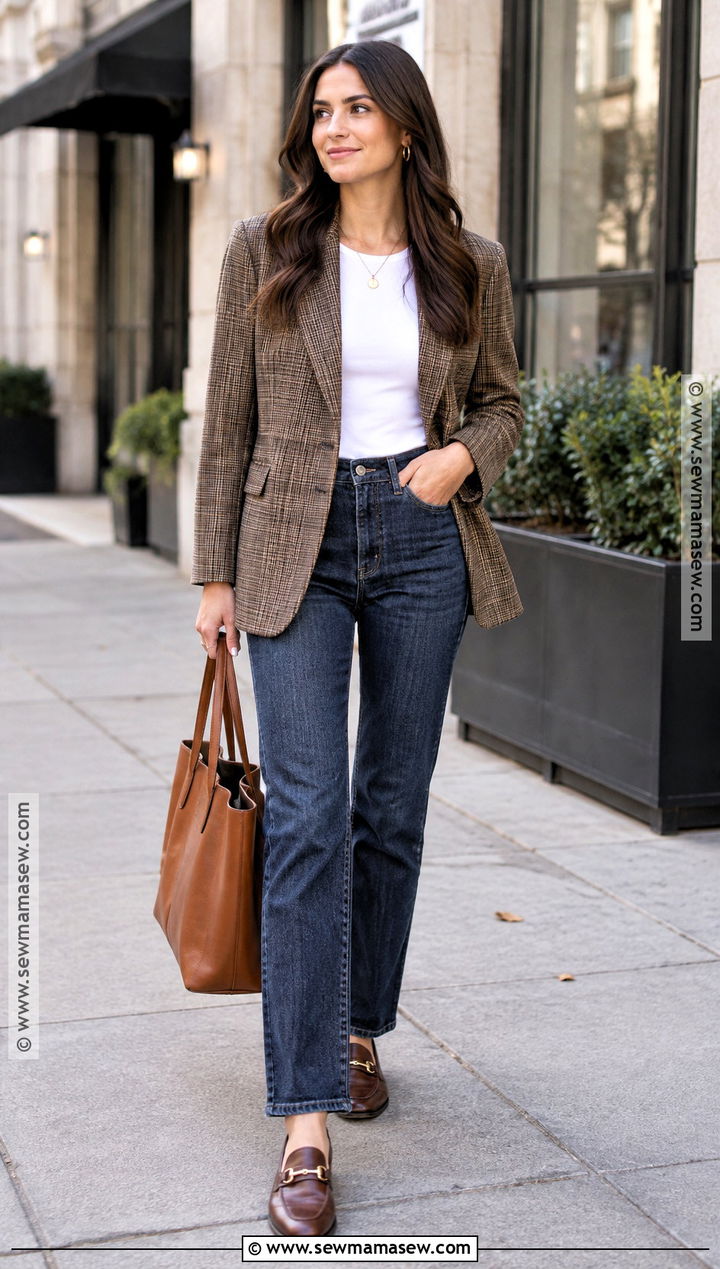
When jeans and a tee look unfinished, a plaid blazer fixes it faster than any accessory. I steer people toward a softly tailored blazer rather than a stiff office cut, since it sits better over denim and skirts and doesn't fight a casual shoe. Small checks in brown, gray or navy mix far more easily than a loud oversized plaid. Before buying, push the sleeves up: if the lining bunches or the sleeve won't stay put, it'll annoy you every day. Keep the tee plain and the jewelry minimal so the pattern is the only busy thing in the outfit.
7. Faux Leather Jacket With Midi Skirt
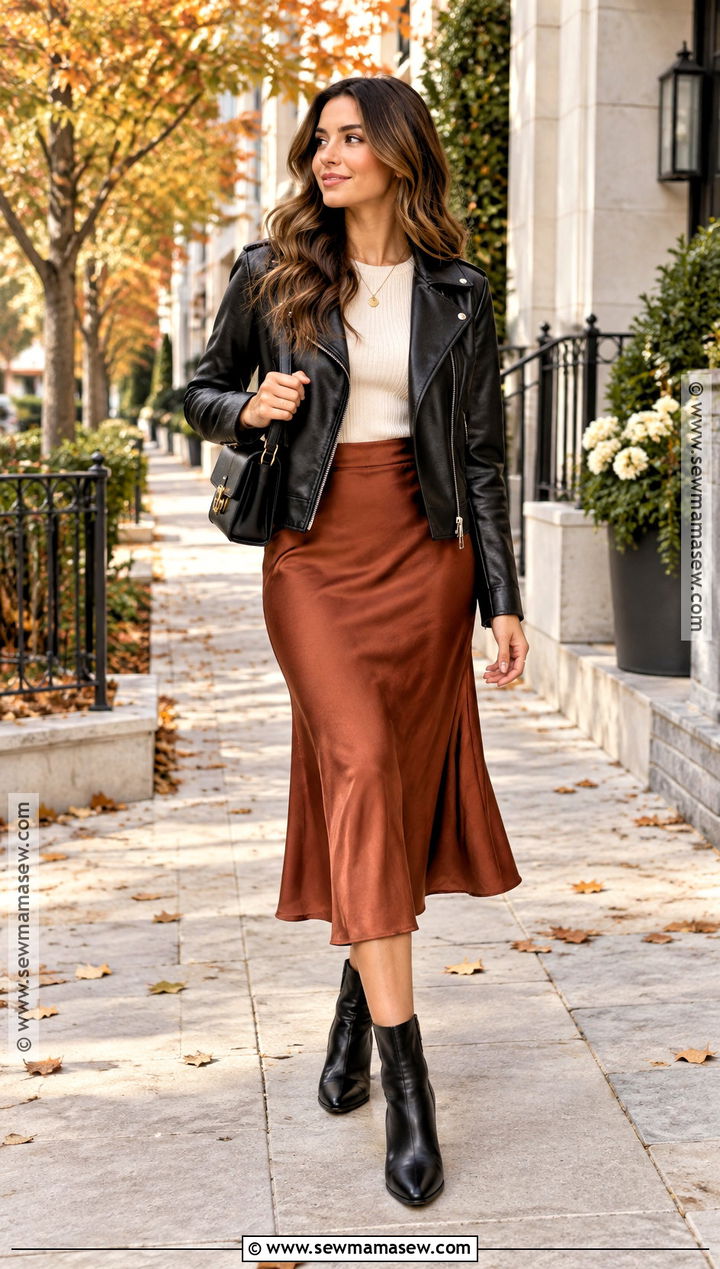
A faux leather jacket over a soft midi skirt is one of my favorite contrasts for fall, the hard surface against a skirt that moves. Pick a black or deep brown jacket that ends at the hip, because that length works with midi skirts now and jeans later. Matte finishes look less plasticky than shiny ones, and I always bend the sleeve in the store; if it creases white or crackles, it'll peel at the elbows within a season. Skip heavy hardware and extra zips, which date quickly. With a printed skirt, take one of its darker colors into the boots so the outfit hangs together.
8. Dark-Wash Jeans With A Knit Polo
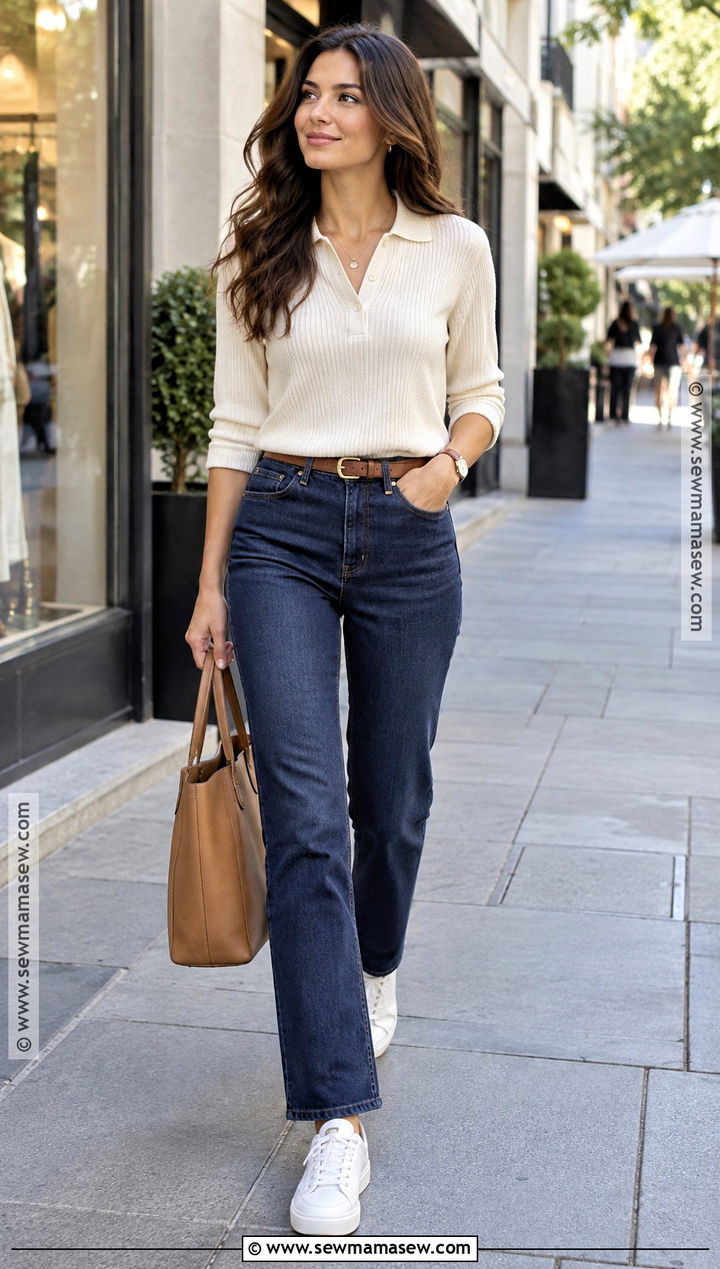
Dark-wash jeans look more put-together than faded denim, and that's most of their value. With a fitted knit polo, a belt and low-profile sneakers, they cover most casual plans. Deep indigo goes with cream, rust, burgundy and gray, so you'll rewear it constantly. I look for minimal distressing and a modest amount of stretch; very stretchy denim bags out at the knee by midday. Hem length is where cheap jeans either pass or fail. A hem that just touches the top of the shoe looks intentional, and getting that done once costs less than buying a second pair. Add a trench or blazer on top when it turns cold.
9. Black Trousers With A Fitted Turtleneck
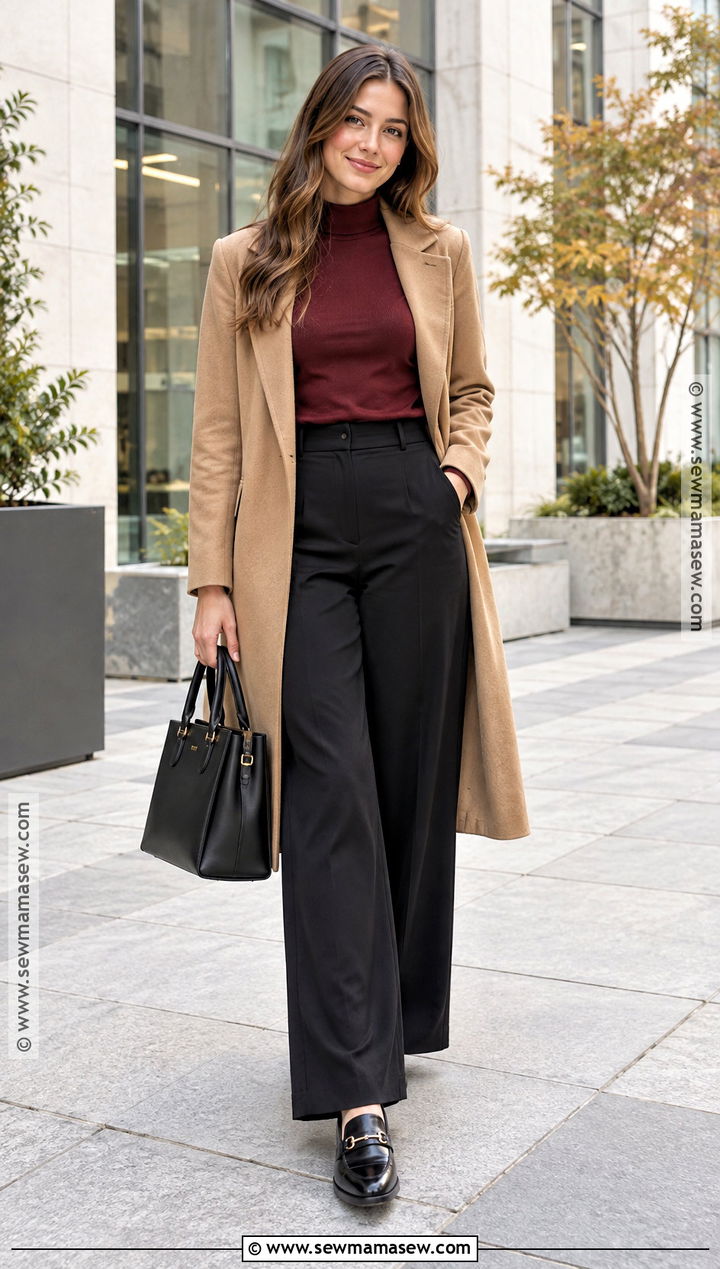
Black trousers and a fitted turtleneck form the base I give almost everyone, because it changes with the coat and shoes you add. Straight or gently wide trousers with a smooth, flat waistband sit best under a fitted knit; pleats and bulky closures show through. If a high neck feels tight, a mock-neck gives the same line without the pressure on the throat. Washable trousers and cotton-blend knits keep care costs down, which matters as much as the price tag. The hem is the giveaway on budget pants: a clean break over the loafer makes them look far pricier than they were.
10. Denim Jacket With A Knit Dress
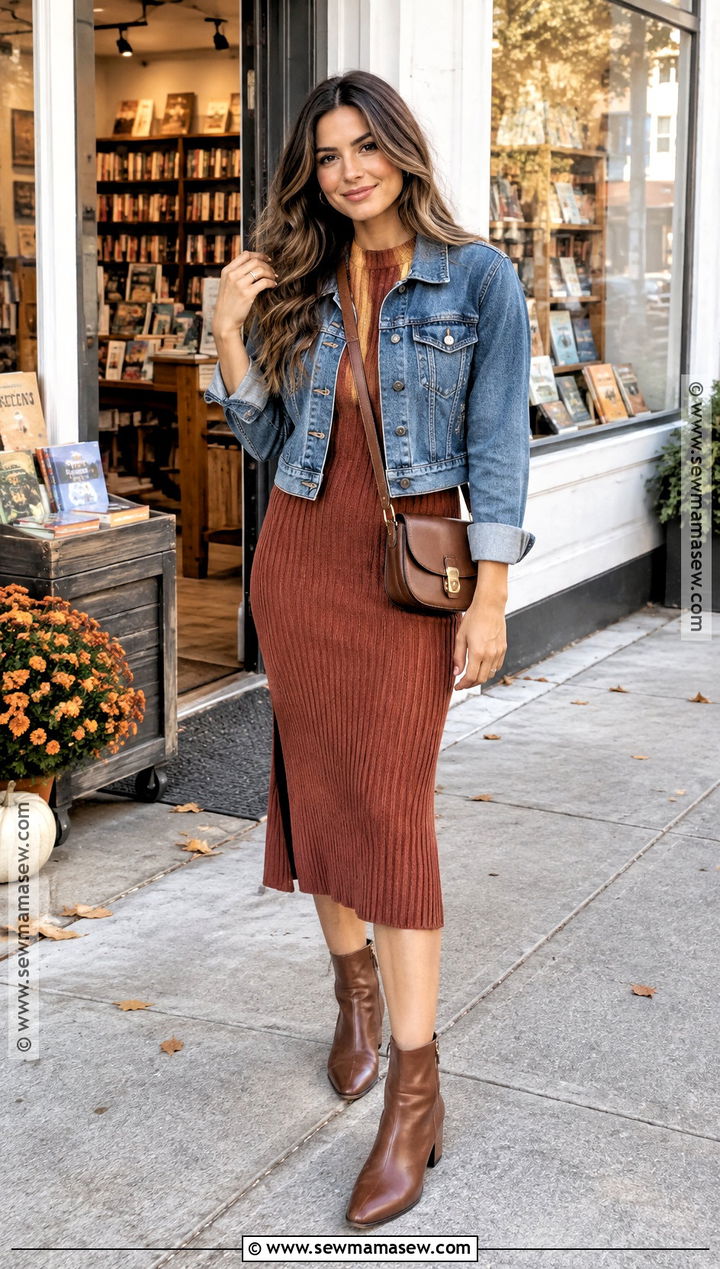
A knit dress is the fastest outfit in this list, and a denim jacket keeps it from feeling too dressy. The dress should skim the body rather than grip it; I check by sitting down in the fitting room, since clingy ribbed knits ride up and show every seam underneath. A lined or heavier knit hangs more smoothly. The jacket should end at the waist or just above the hip, because a long denim jacket over a midi cuts you in half. Add ankle boots and a crossbody, and once the weather turns, opaque tights. Later in the year the same dress goes under a longer coat with tall boots.
11. Midi Skirt With A Cropped Sweater
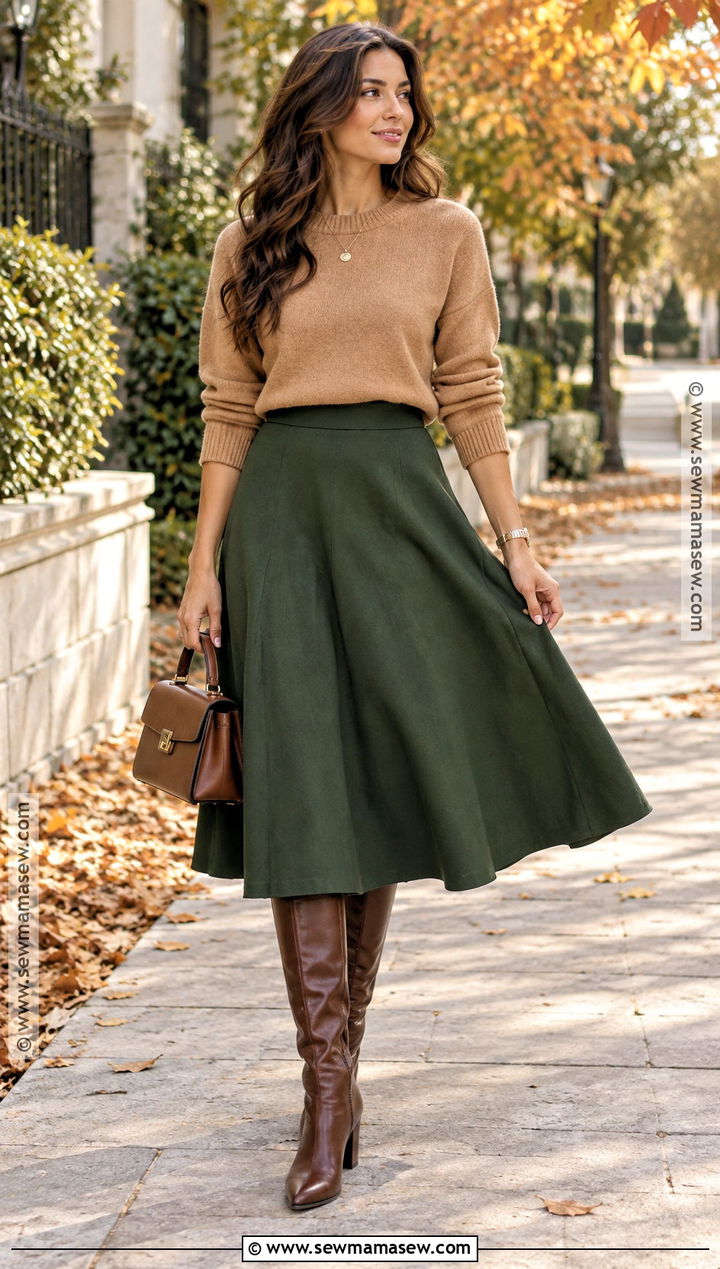
Proportion is everything in this pairing. A slightly cropped crewneck that just meets the waistband of an A-line or pleated midi shows the waist and lets the skirt swing; a long sweater over a midi skirt tends to swallow both. If you only own longer sweaters, tuck the hem up under itself or cinch it with a thin belt hidden by the knit. Knee-high boots should disappear under the skirt hem with no gap, while ankle boots need a skirt that ends mid-calf. Solid skirts are the safest buy, though a small check can still pair with most of your tops.
12. Utility Jacket With Leggings And Sneakers
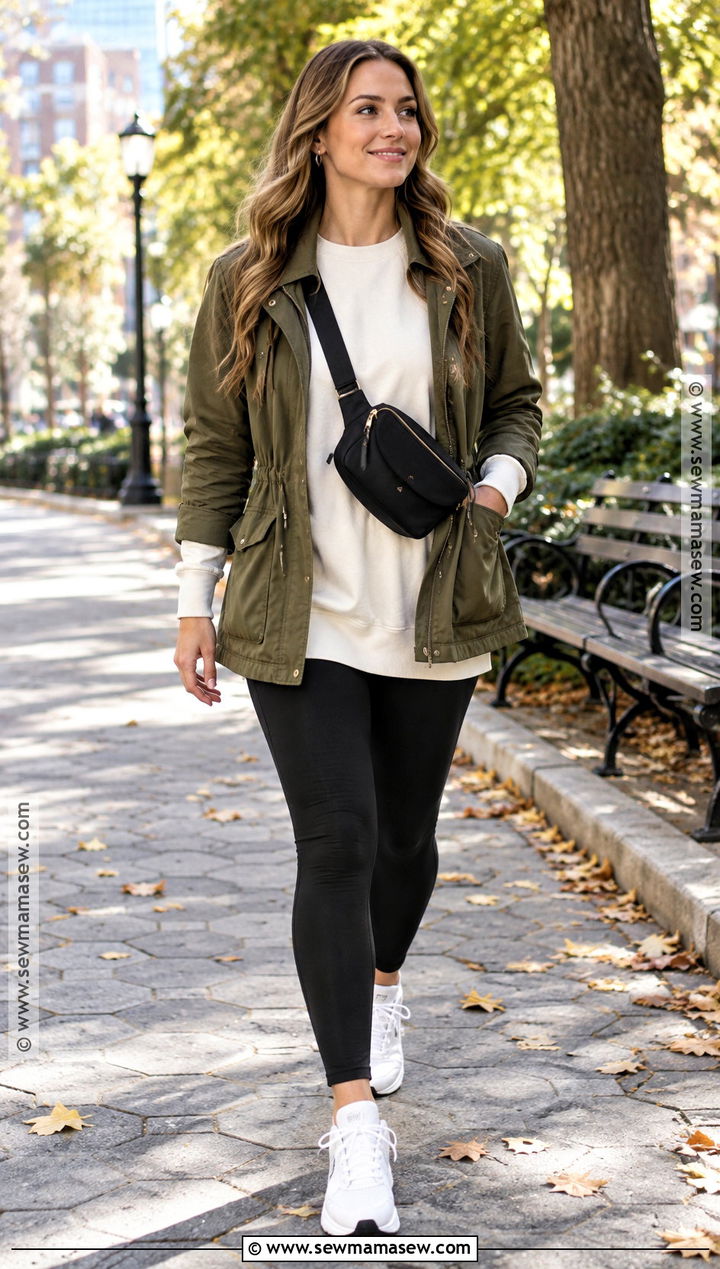
Leggings outfits fall apart when the top is too short, so the first thing I sort out is coverage: a long cotton tee or a fitted sweatshirt that reaches past the hip. Over that, an olive or navy utility jacket gives the outfit some structure and pockets you'll actually use on a long errand day. Hold the leggings up to a window before buying; cheap pairs go sheer when stretched, especially in black. A wide waistband stays put better than a thin elastic one. Clean supportive sneakers and a hands-free bag finish it, and if the bag and shoes share a color, the whole thing looks considered rather than thrown on.
13. Ankle Boots With Sweater And Jeans
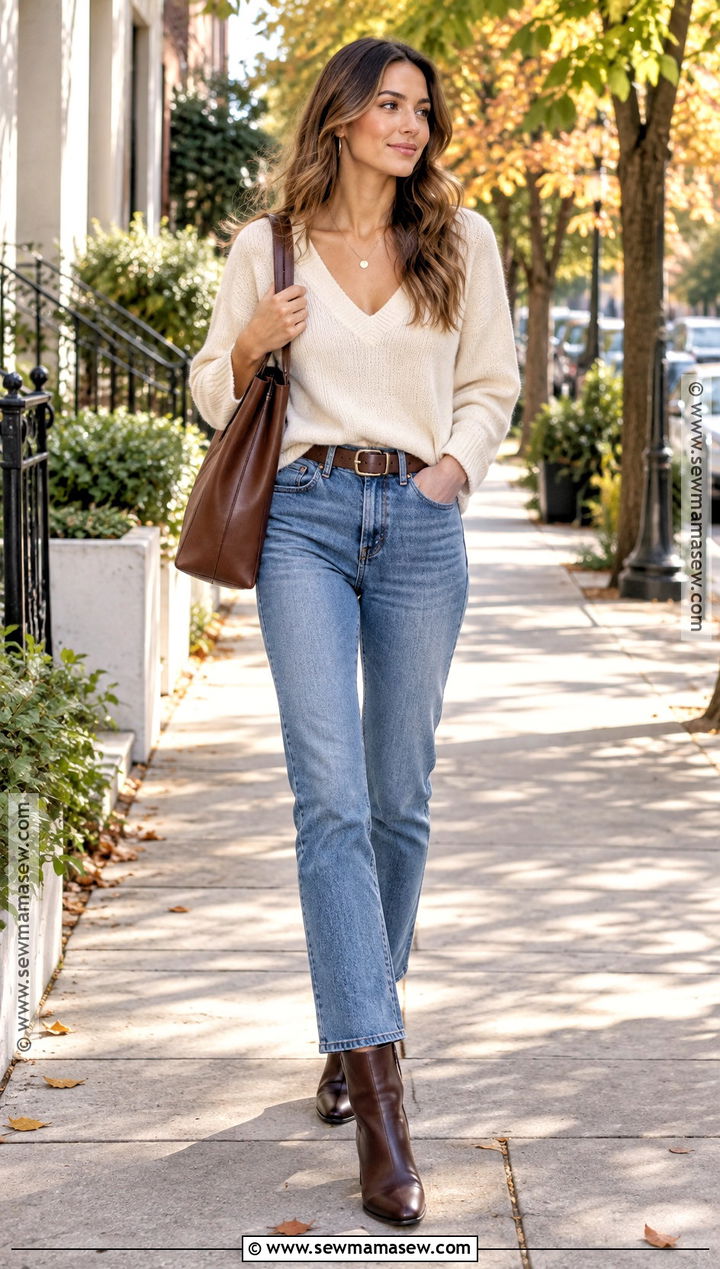
I'd put a comfortable pair of ankle boots ahead of almost any other fall purchase, because they make jeans, skirts and dresses all look seasonal. A low block heel is the one you'll actually walk in all day; an almond or slightly pointed toe lengthens the leg without the pinch of a sharp point. On budget boots, inspect the sole and the heel join before the leather: a glued sole that already lifts at the toe won't last. Try them with the socks you'll really wear. Then sort the jeans: a hem that sits right at the top of the shaft avoids bunching, or a single neat cuff works for a relaxed version.
14. Loafers With Cardigan And Trousers
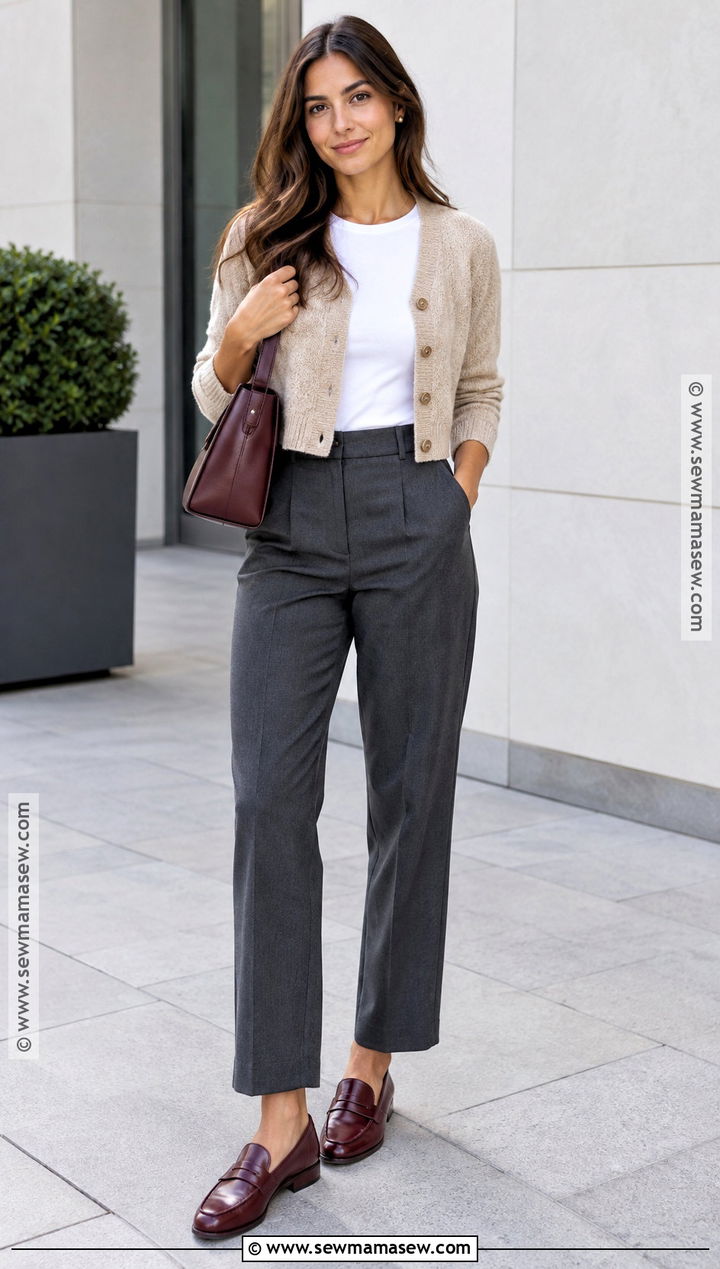
Loafers give a soft cardigan and trousers some backbone without asking you to wear a heel. A cropped cardigan over a fitted tank, ankle-length trousers and black or burgundy loafers is a combination that goes from a workday to an appointment to a casual dinner. Budget loafers are often stiff at the heel, so wear them around the house for an evening before you cut the tags; if they rub there, a heel grip helps, but a narrow toe box can't be fixed. Show a sliver of ankle early in the season, then switch to fine socks in a matching color. Repeating the loafer color in your belt or bag ties it together.
15. White Sneakers With A Sweater Dress
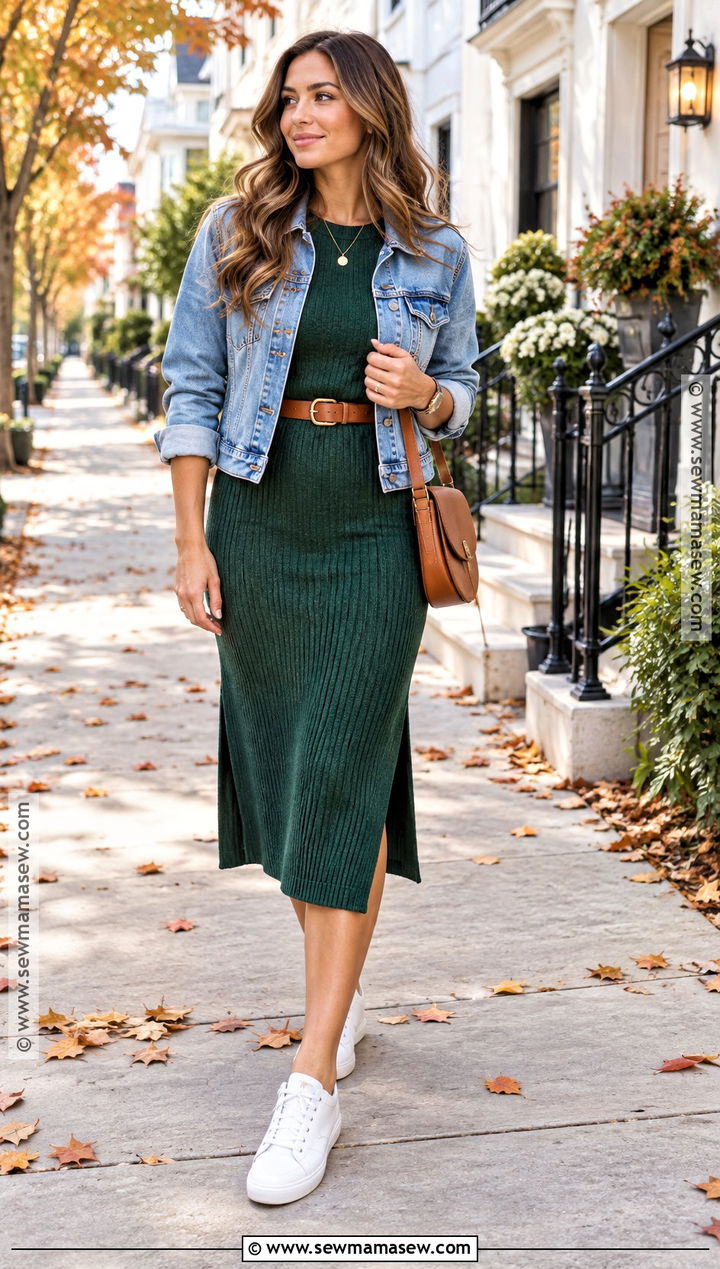
White sneakers turn a sweater dress into something you can wear on a weekday without feeling overdressed. A relaxed midi or knee-length dress in camel, gray or deep green, clean leather-look sneakers and a light crossbody are all it needs. Make sure the dress is opaque in daylight, not just in the fitting room, and check the care label; some sweater dresses are dry-clean only, which quietly doubles their cost. A cropped denim or utility jacket adds a layer without hiding the dress shape. No-show socks work in early fall, and ribbed crew socks look intentional once it gets colder.
A Five-Minute Quality Check in the Fitting Room
Price tells you very little about how long something will last. A few quick checks in the store tell you much more, and they apply as well to a thrift rack as to a new-season display.
- Stretch a knit gently across your hand and let go. If it snaps back, it'll hold its shape; if it stays stretched, it'll sag by spring.
- Hold thin fabrics up to the light. Sheer tees, leggings and dresses only get thinner with washing.
- Tug lightly on buttons and look at the seams from the inside. Loose threads and narrow seam allowances are the first things to fail.
- Sit, bend and lift your arms. Jackets that pull across the back and trousers that dig in at the waist won't get worn.
- Read the care label before the price tag. Dry-clean-only on an everyday piece adds a cost you'll keep paying.
Making Inexpensive Knits Last Past November
Cheap sweaters usually die from washing, not wearing. I wash knits inside out on a cold, gentle cycle, or by hand, and dry them flat; hanging a wet sweater stretches the shoulders out permanently. Pilling shows up first under the arms and where a bag strap rubs, and a fabric shaver takes care of it in a few minutes. Fold knits rather than hanging them, and give a sweater a day off between wears so the fibers can recover. It's dull advice, but it's the difference between a sweater that lasts one season and one that lasts four.
What I'd Buy First on a Small Budget
A fall wardrobe gets easier when every new piece has to work with at least three things you already own. That's the rule I'd hold yourself to with this list. Treat it as a checklist rather than a shopping order: start with the outfits that fit your climate and your weekdays, then fill the single biggest gap first. Check fabric, seams and fit in person whenever you can, and lean on resale apps, end-of-season sales and swaps with friends for the pricier items like coats and boots. Buy complete outfits, not isolated bargains, and the closet will cover more days on less money.
Related posts: