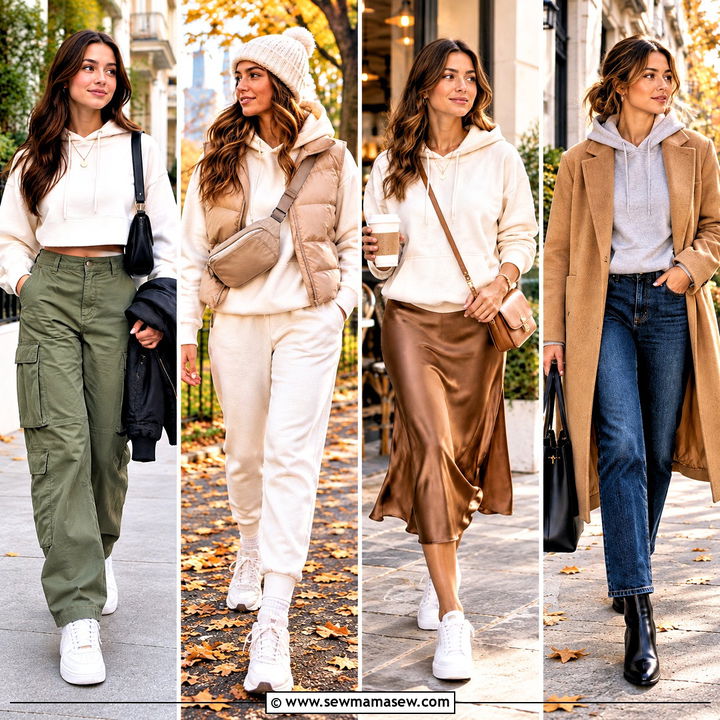
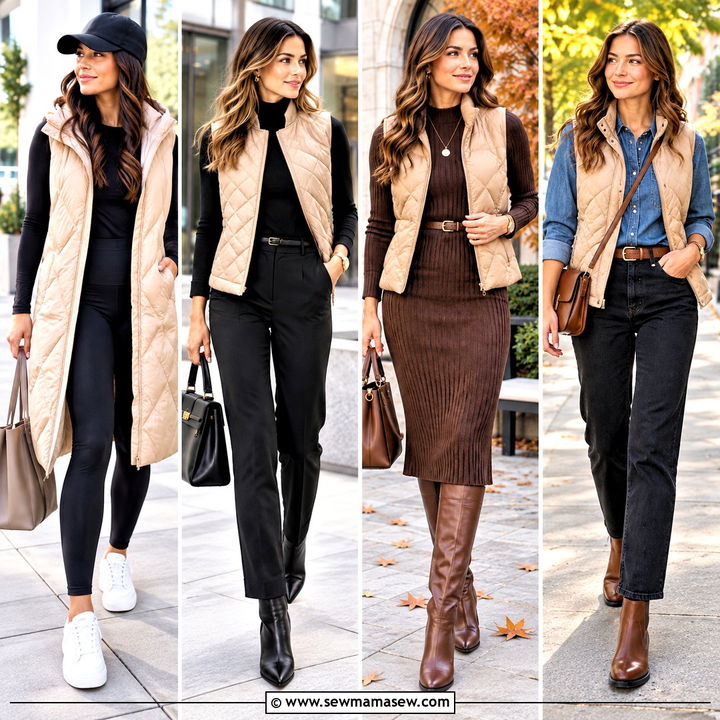
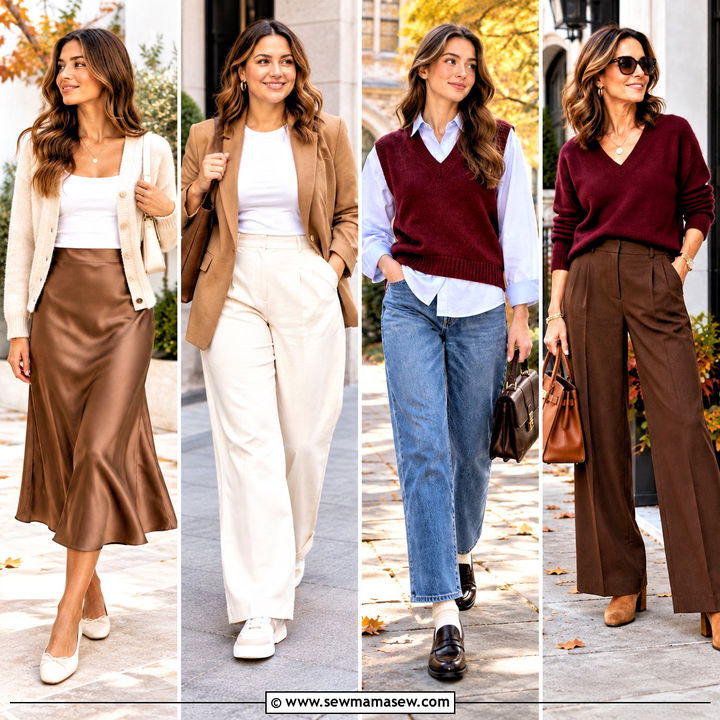
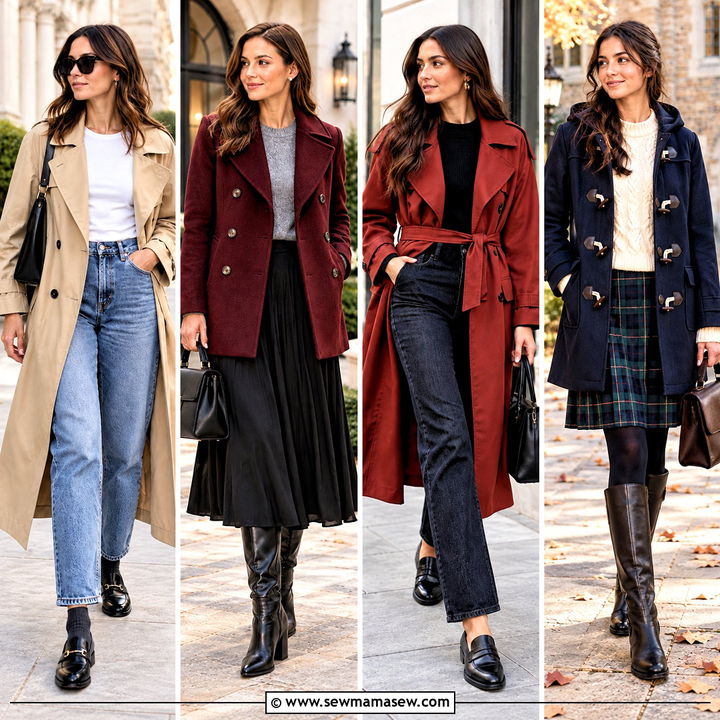
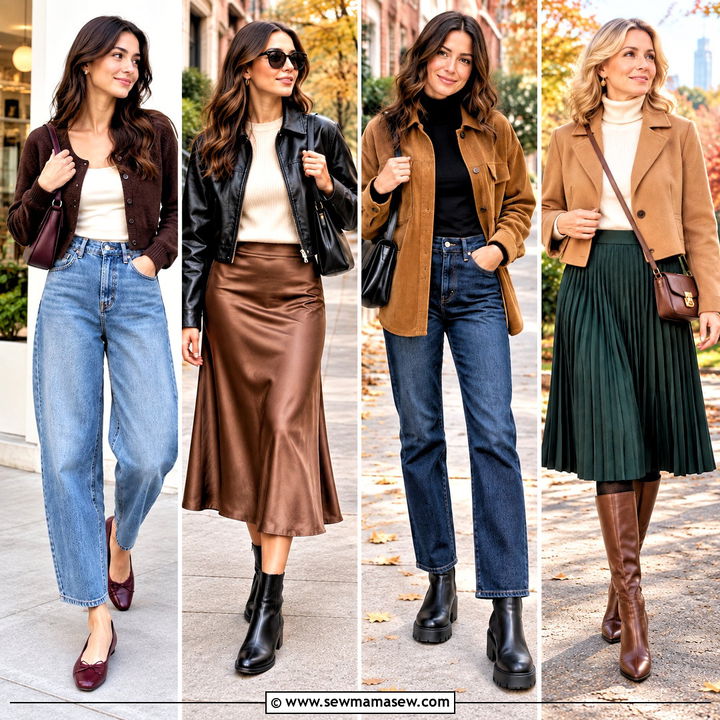
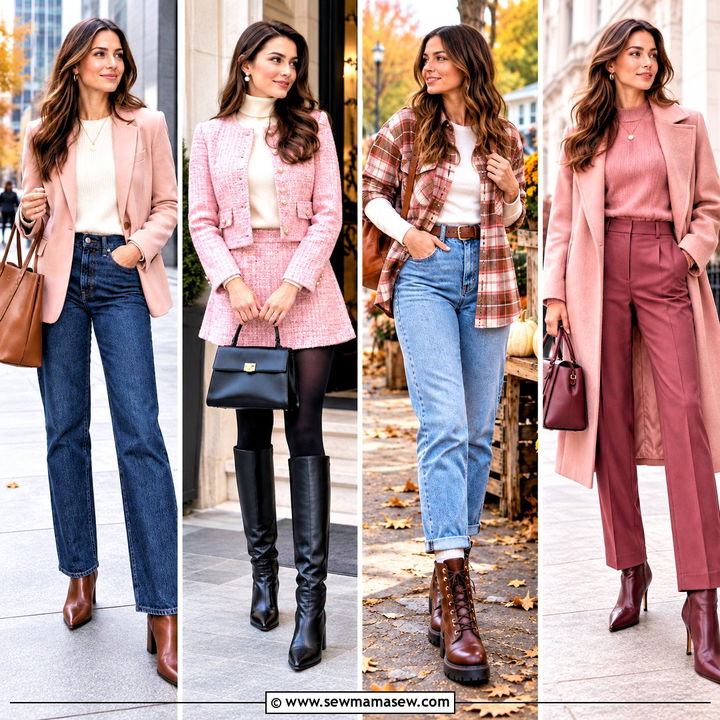
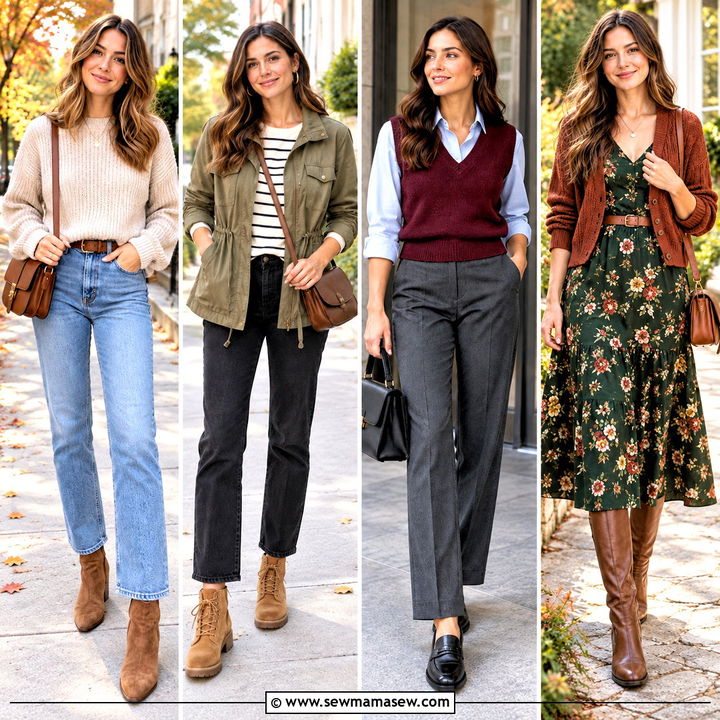
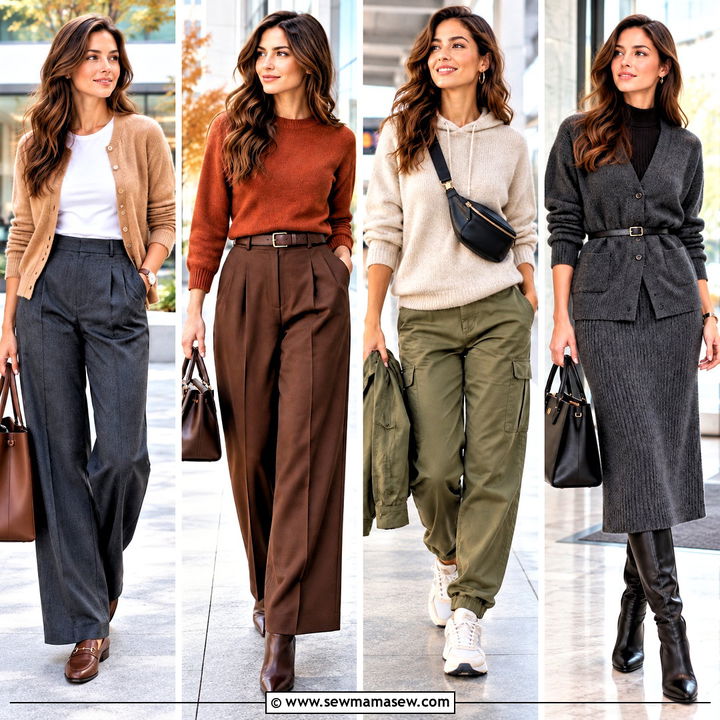
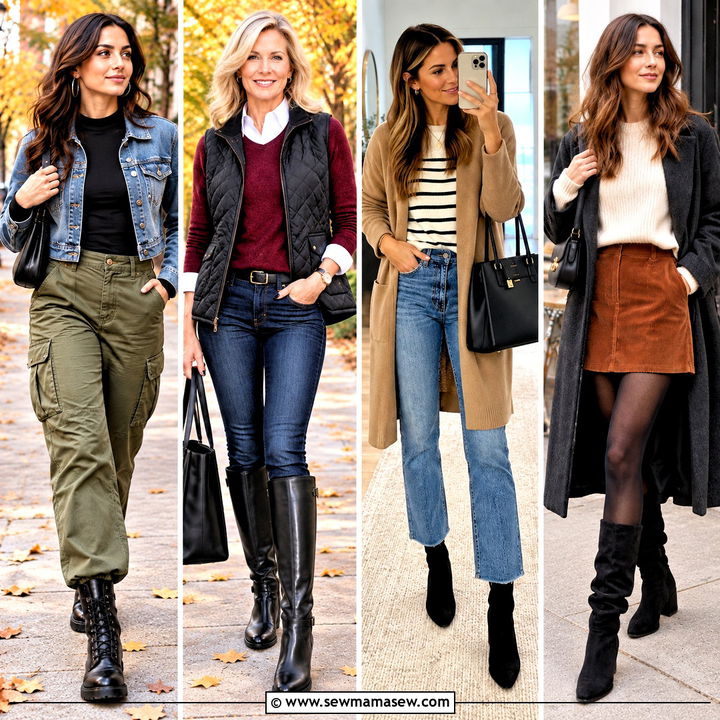
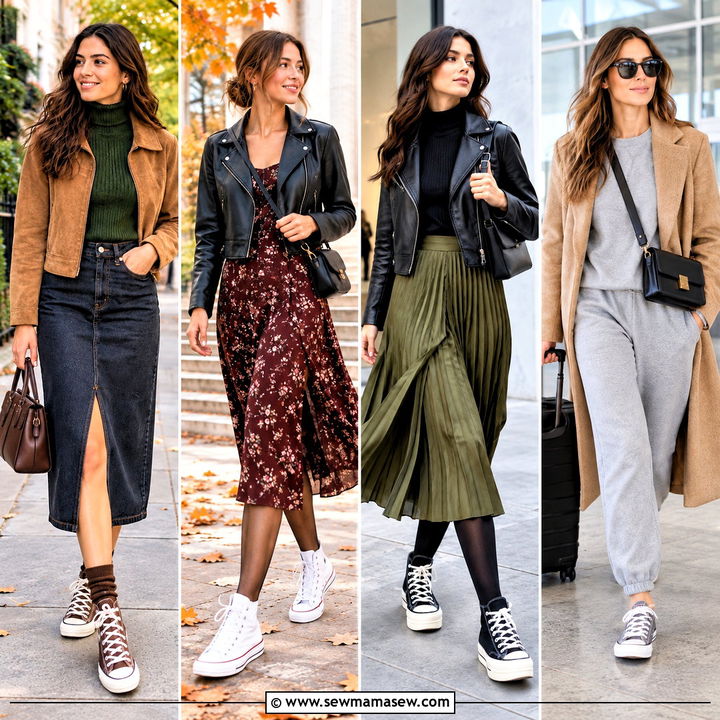
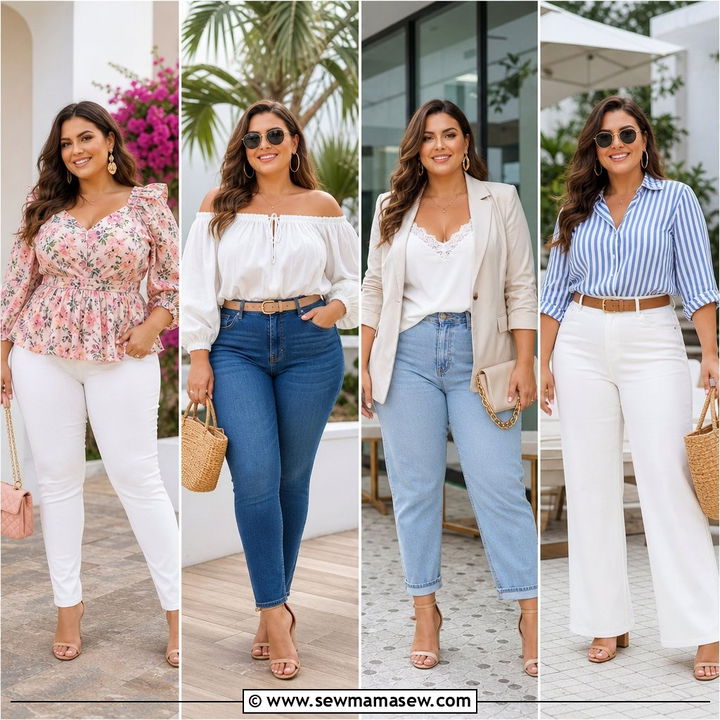
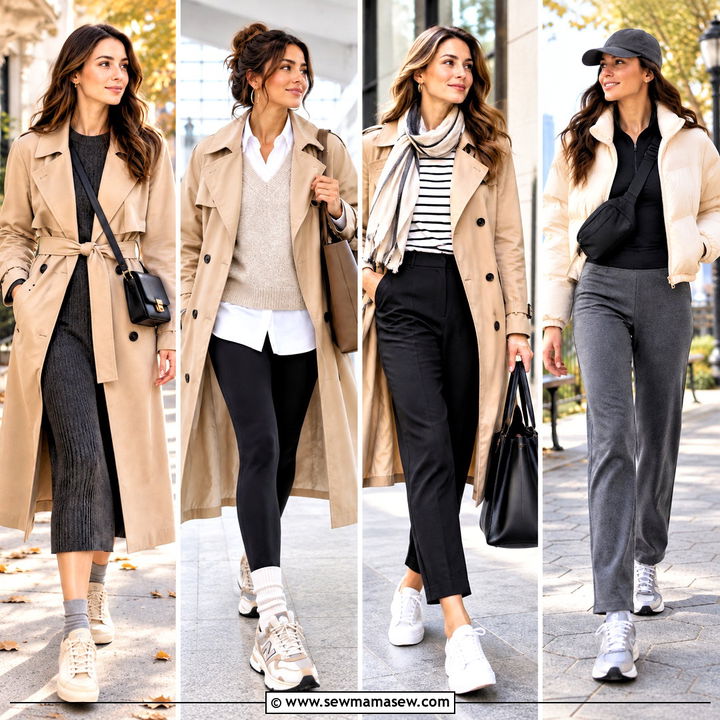
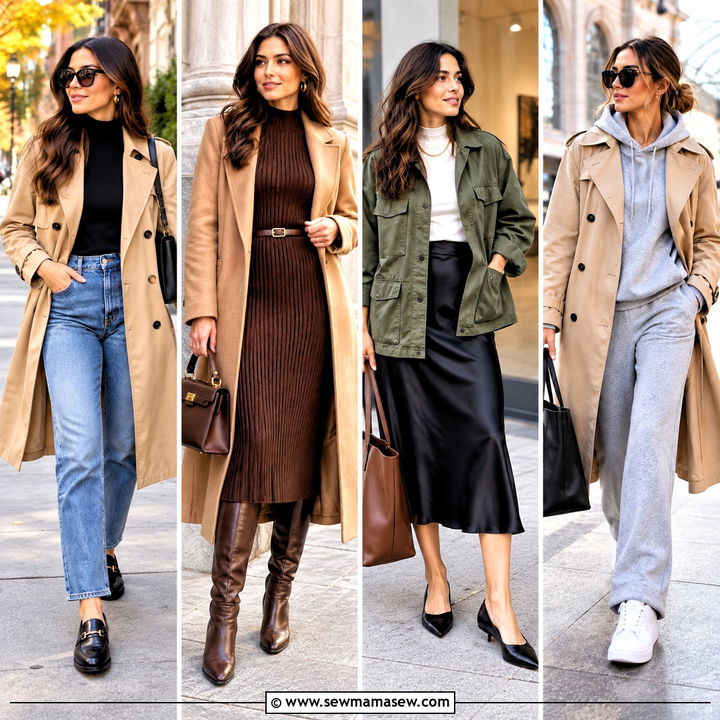
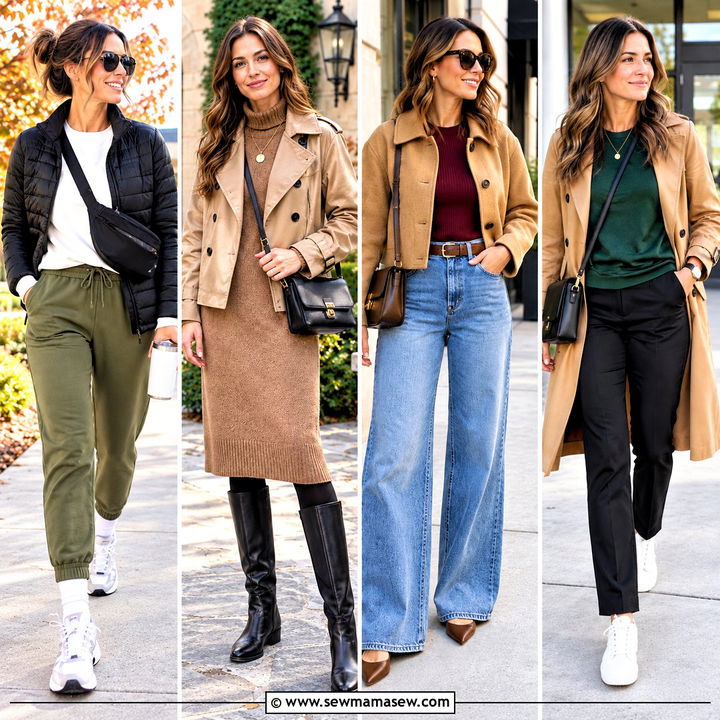
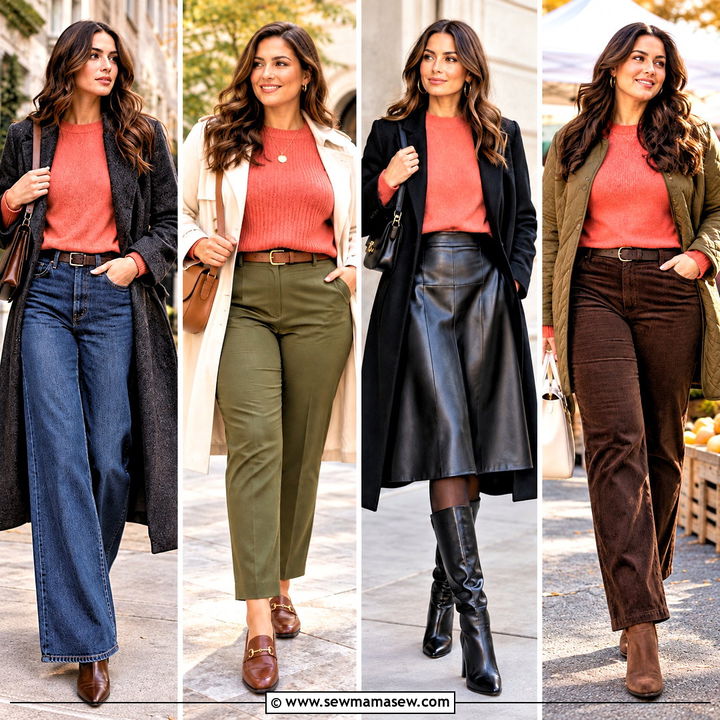
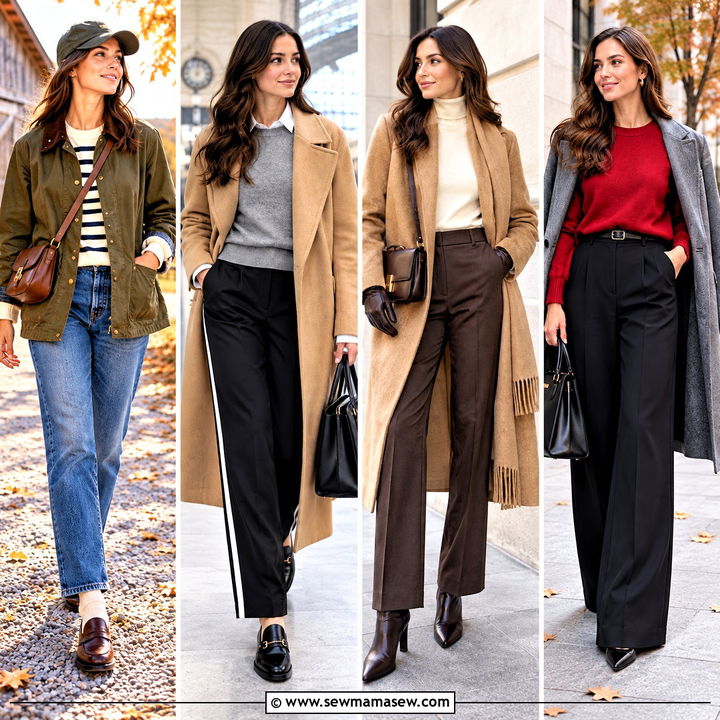
Knit tops are the piece I pull most often when I edit a client's closet in September. They're warmer than a tee, softer than a shirt, and a single good one can sit under a blazer on Monday and over jeans on Saturday. Slim polos, stripes, sleeveless roll-necks, argyle and a few brighter colors are all in the mix this year, and plain neutrals still carry most outfits. What makes a knit look finished is everything around it: the rise of the trouser, the shoe, the coat length. Below are fifteen combinations I'd build, each with the fit detail or fabric quirk I'd check before you leave the house.
Gauge and Fiber Tell You More Than the Price Tag
Before I look at color, I turn a knit inside out and read the label. Two things predict how a top will look after a season of wear: the fiber and the gauge. Gauge is how fine the knit is. A fine gauge, with small tight stitches, looks smooth and sits well under a blazer. A chunky gauge is warmer but adds bulk at every tuck and under every coat.
- Merino wool regulates temperature well and resists odor, so it suits days that swing between warm and cold. Fine merino can pill at the underarms and where a bag strap rubs.
- Cotton knits are easy to wash and good for early fall, but they stretch out at the hem and elbows and don't recover well.
- Acrylic and polyester blends are soft and inexpensive, though they pill fast and trap heat, so you can feel sticky indoors.
- A little nylon or elastane mixed into wool helps a knit hold its shape and stay put when tucked.
Give the fabric a gentle stretch across your hand. If it springs back, it will keep its shape. If it stays wavy, it will grow longer with every wear.
1. Knit Polo Top With Wide-Leg Trousers
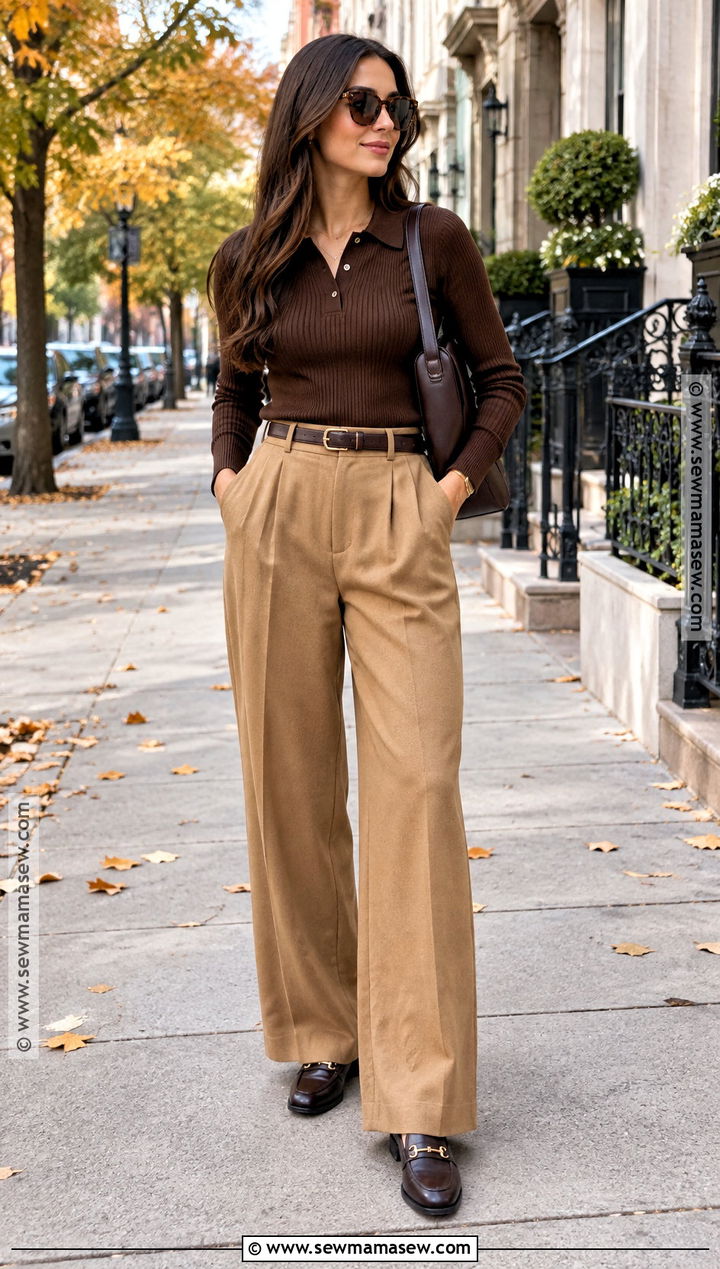
A knit polo is the bridge between a T-shirt and a sweater, and with wide-leg trousers it handles those mild fall days when nothing feels right. Chocolate, burgundy, navy or cream all work. I tuck it into high-rise trousers if the polo is long, and leave it out only when the hem stops near the hip bone; anything lower makes wide legs look short. Leather loafers, a structured shoulder bag and a slim belt keep it tidy. A trench or a relaxed wool blazer goes over the top as the weeks get colder. Check the collar before you buy: cheap knit collars curl and flip within a few washes.
2. Striped Knit Top With Straight-Leg Jeans
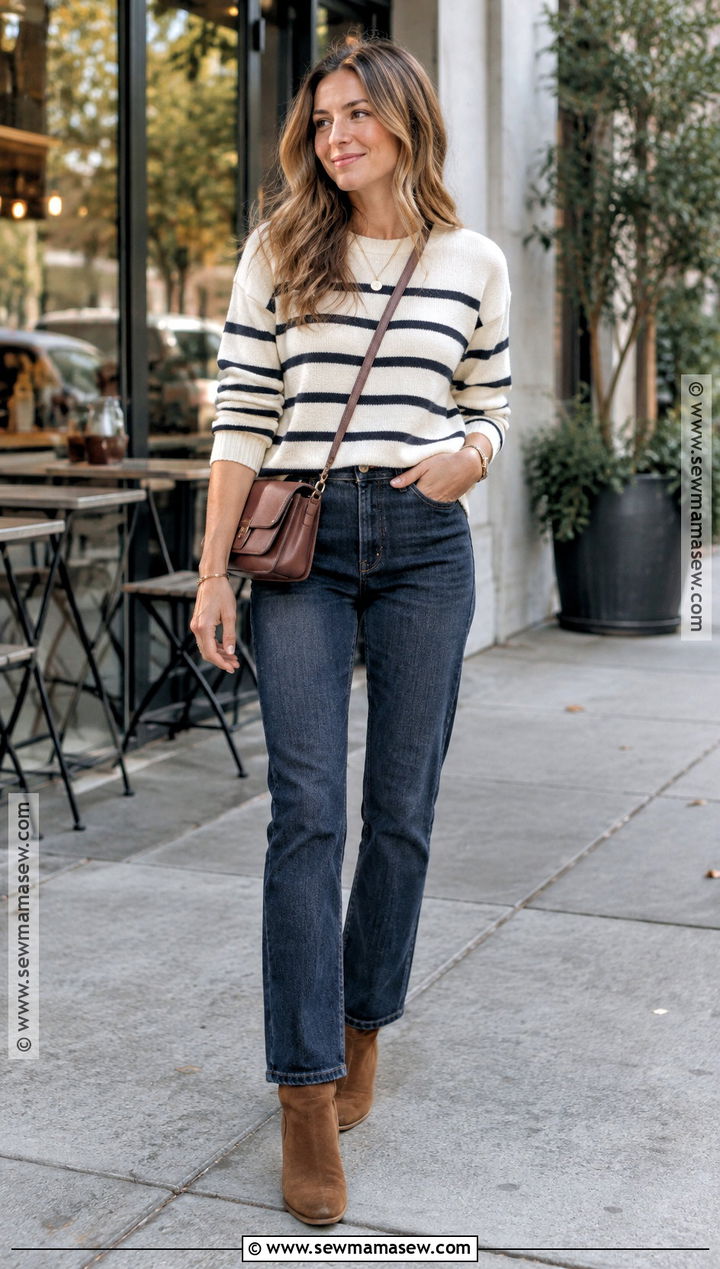
Stripes and denim are a pairing I never have to talk anyone into. A striped crewneck in cream and navy, brown and beige, or burgundy and ivory sits well with medium or dark straight-leg jeans. A French tuck, just the front few inches, marks your waist without the stiffness of a full tuck. Suede ankle boots, a crossbody and simple jewelry finish it, and an olive utility jacket or camel coat adds warmth. Keep everything else solid. One styling note from fitting rooms: wide horizontal stripes add width across the bust, so if that's where you carry weight, choose narrow stripes or a breton with more space between them.
3. Sleeveless Turtleneck Knit Top With Satin Midi Skirt
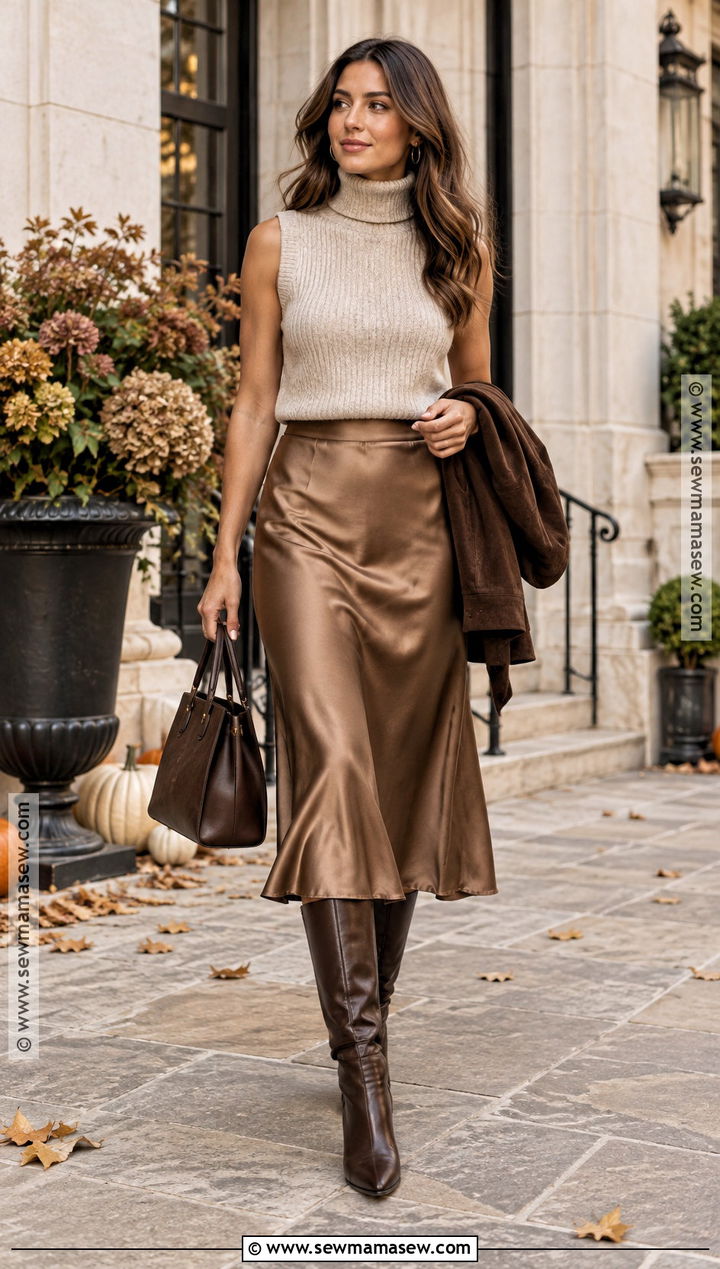
Sleeveless turtlenecks are made for that warm stretch of early fall when your arms are still hot but your outfit should look seasonal. Oatmeal, black, plum or charcoal in a fitted or slightly relaxed cut all pair nicely with a satin midi skirt, where the matte rib and the glossy skirt play off each other. Knee-high boots take care of the lower leg, and a short suede jacket or a blazer covers your arms when the sun goes down. Half-tuck a longer top; a cropped one can sit right at a high-rise waistband. Satin shows every lump, so I check the tuck from the side before anything else.
4. Cable-Knit Top With Corduroy Pants
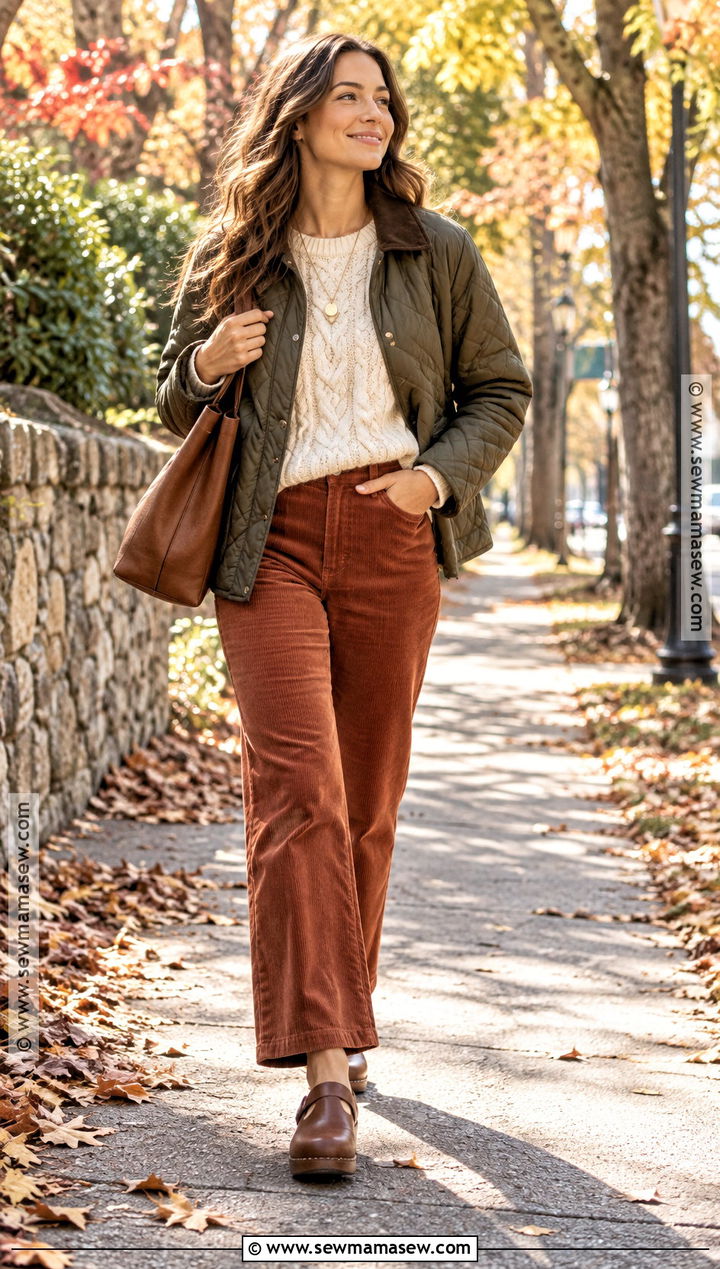
Cable knit and corduroy are both textured, which is exactly why they look like fall together, and also why the colors need to stay simple. Cream, rust, forest green or mustard for the sweater; brown, camel or deep navy for straight or slightly flared cords. A thick cable adds real bulk at the waistband, so I either front-tuck just an inch or pick a shorter sweater that meets the pants on its own. Leather clogs, lug-sole loafers or ankle boots match the weight of the fabrics. Carry a practical tote, and if you add a quilted jacket, leave it open so the cables still show at the neck and cuffs.
5. Mock-Neck Knit Top With Plaid Midi Skirt
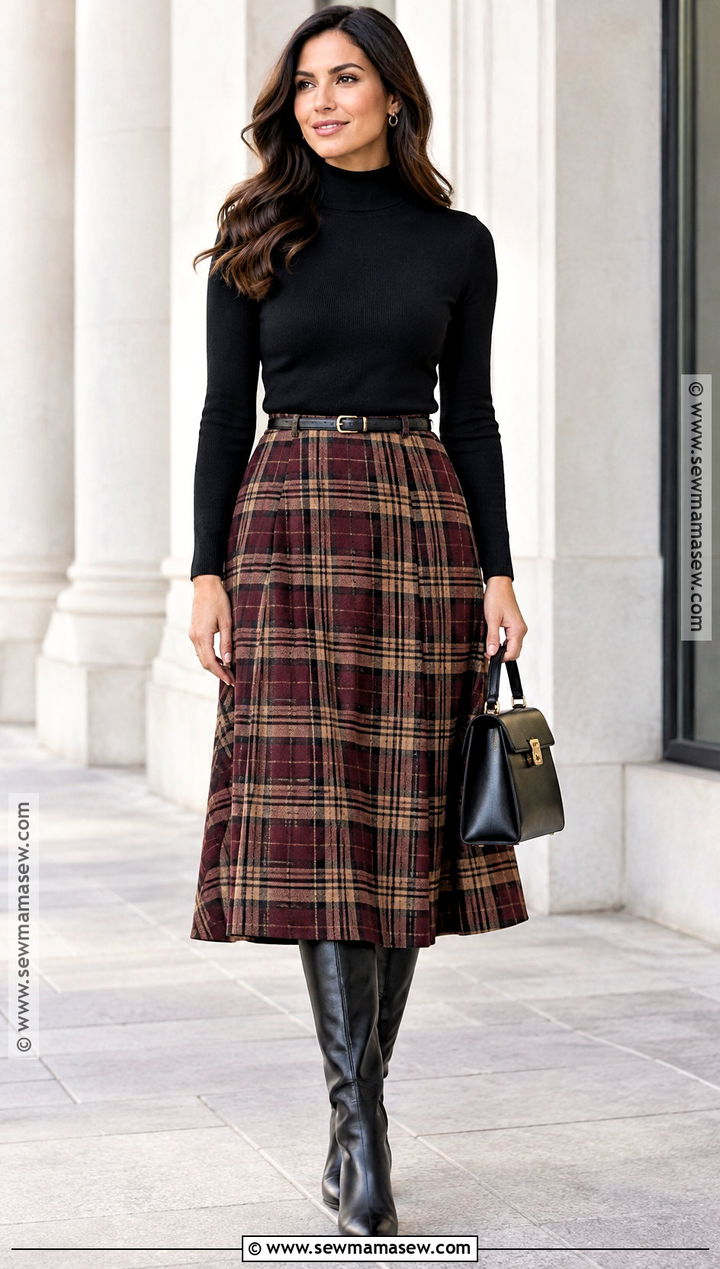
Plaid skirts need a quiet top, and a close-fitting mock neck is the quietest there is. Pull its color straight from the skirt, or go black, cream or rust. Pleated and flared midis swing as you walk; bias-cut skirts skim the hips and look longer. I tuck the mock neck fully here, because a loose knit over a pleated waist adds two layers of bulk exactly where you don't want it. Knee-high or heeled ankle boots both work, with a compact top-handle bag. A cropped leather jacket keeps the skirt visible, and a long wool coat softens everything for colder days.
6. Short-Sleeve Knit Top With Dark Jeans And Blazer
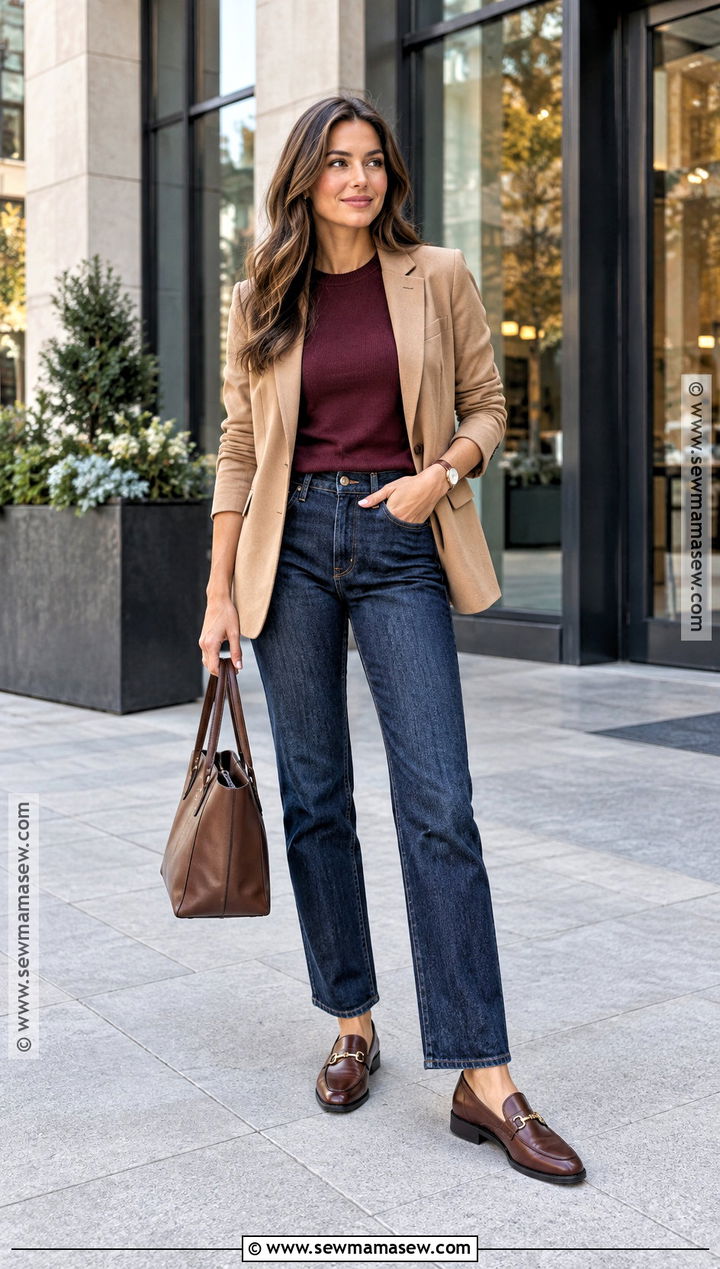
Short-sleeve knits under a blazer solve the days that start cold and end warm, because you can take the jacket off at lunch and still look dressed. Burgundy, camel, gray and deep teal suit a fitted crewneck or collared knit. High-rise dark jeans in a straight or slight bootcut keep it grounded, and a relaxed blazer in brown plaid, charcoal or warm beige does the polishing. Loafers or low block-heel boots, a structured tote and a slim watch finish it. Leave the blazer open for a long line down the front. Sleeve length matters more than people think: the knit sleeve should end above the blazer's elbow so it doesn't bunch.
7. Peplum Knit Top With Tailored Pants
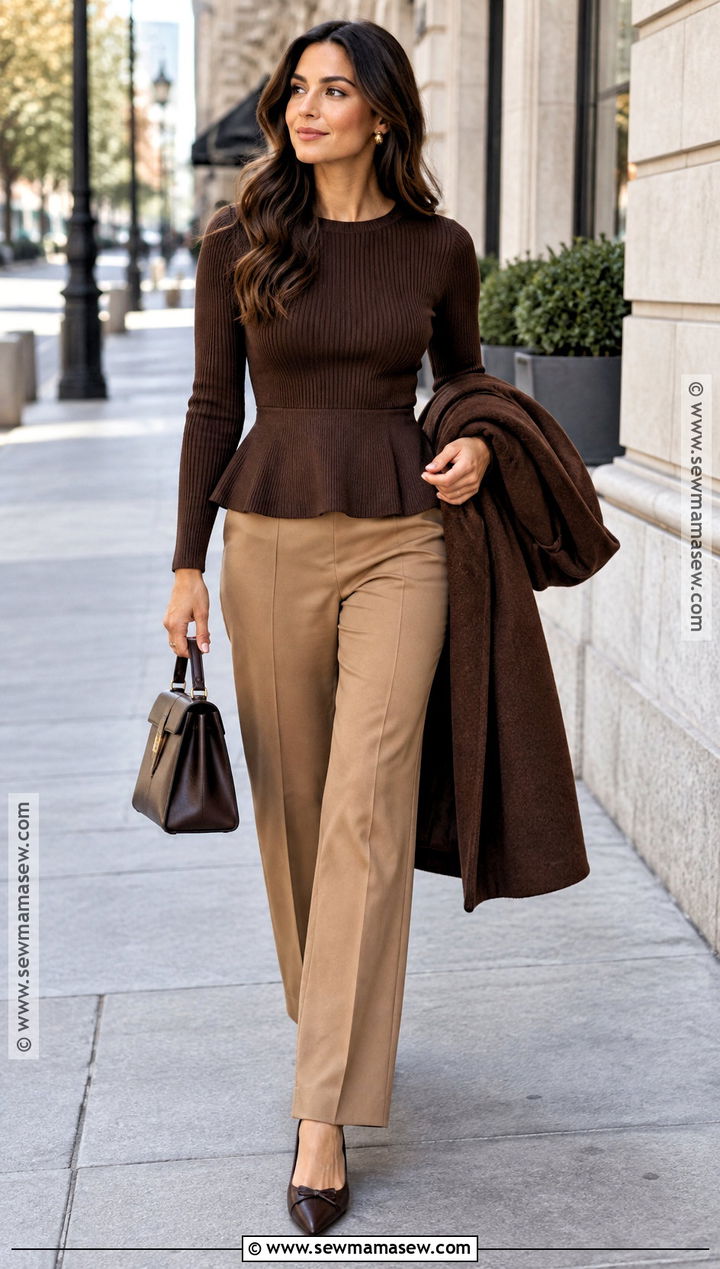
Peplum knits give you a waist without a tuck, which is why I suggest them to clients who hate tucking. The key is a modest flare. An exaggerated ruffle adds width at the hip; a gentle one shapes it. Slim-straight or softly wide tailored pants let the top stay the focus, and tonal pairings like chocolate with camel, navy with blue or charcoal with gray lengthen the whole outfit. Pointed flats, slingbacks or sleek ankle boots keep it refined, and a structured bag with minimal jewelry keeps it clean. A long straight coat sits over the peplum without crushing it; a belted wrap coat would flatten it.
8. Asymmetrical Knit Top With Maxi Skirt
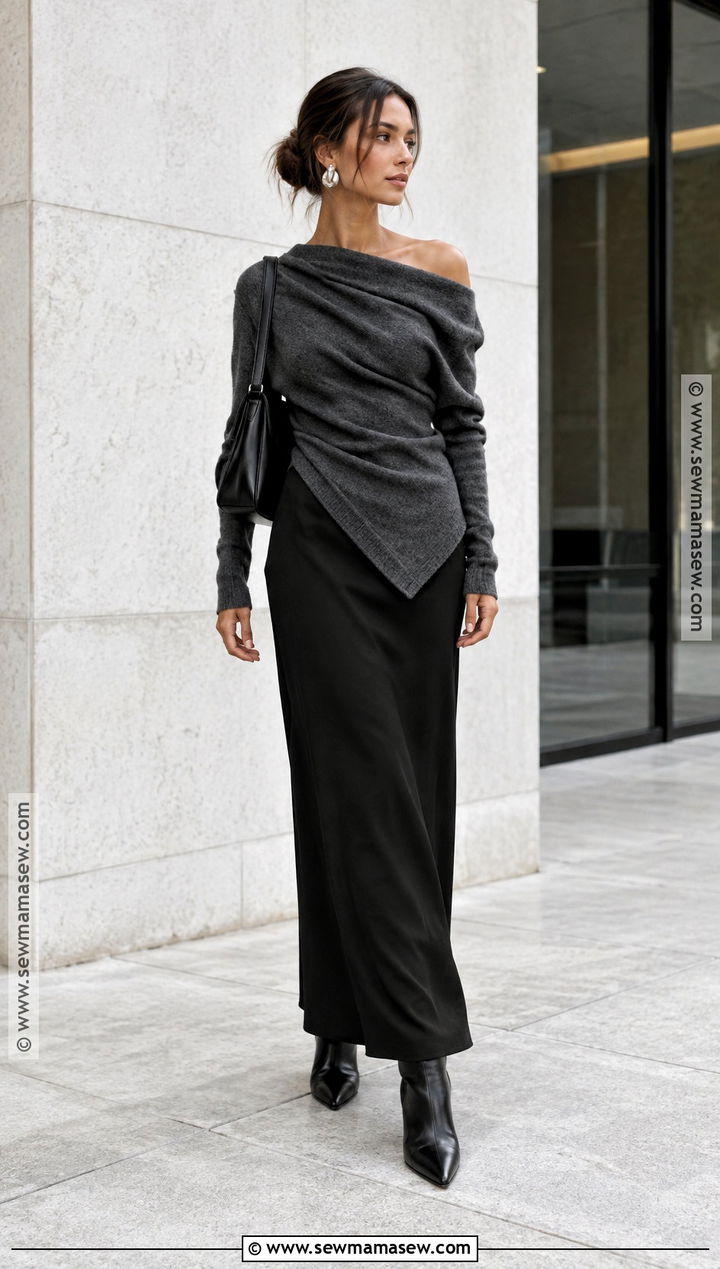
An asymmetric neckline or hem is a small detail that makes a plain knit look newer than a crewneck. Look for clean draping, an angled neck or an off-center button line. Keep the skirt simple: a column maxi in denim, ponte or a fluid woven fabric. Two busy shapes fight each other. Pointed ankle boots continue the skirt's line, and a medium shoulder bag with sculptural earrings finishes it. A cropped jacket that stops near the waistband keeps the proportions right. If the knit is fitted, a fuller skirt works too. Drapey knits can slip off one shoulder through the day, so check that the neckline stays where it was meant to sit.
9. Knit Vest Over A Button-Down Shirt And Trousers
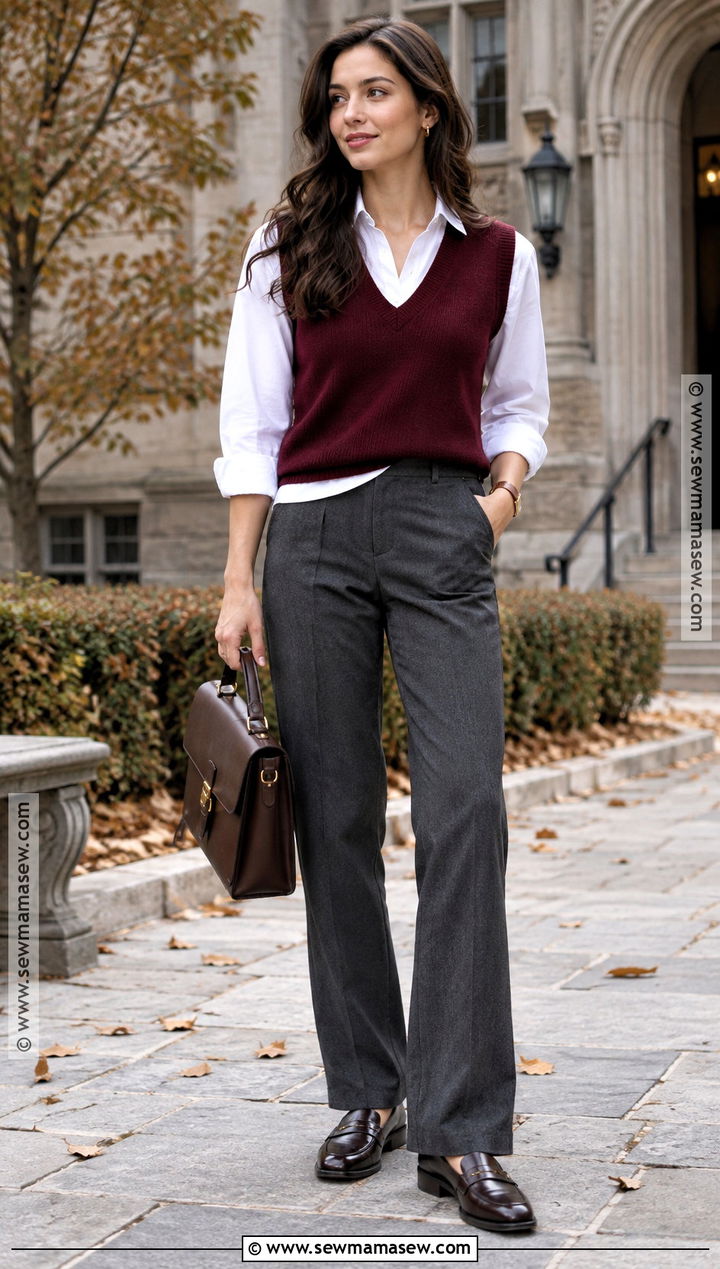
A sweater vest over a button-down is pure fall, and the layering is easy once you get the proportions right. Start with a crisp white, pale blue or fine-striped shirt, then a V-neck or crewneck vest in camel, burgundy, olive or gray. Straight trousers make it polished; relaxed chinos make it casual. Let the collar and cuffs show, and if the vest is cropped, let a little shirt peek below it. Loafers, brogues or clean sneakers, plus a leather satchel, finish it. The balance rule I use is one loose layer and one close one: a big shirt under a neat vest, or a roomy vest over a slim shirt, never both oversized.
10. Button-Front Knit Top With Slip Skirt
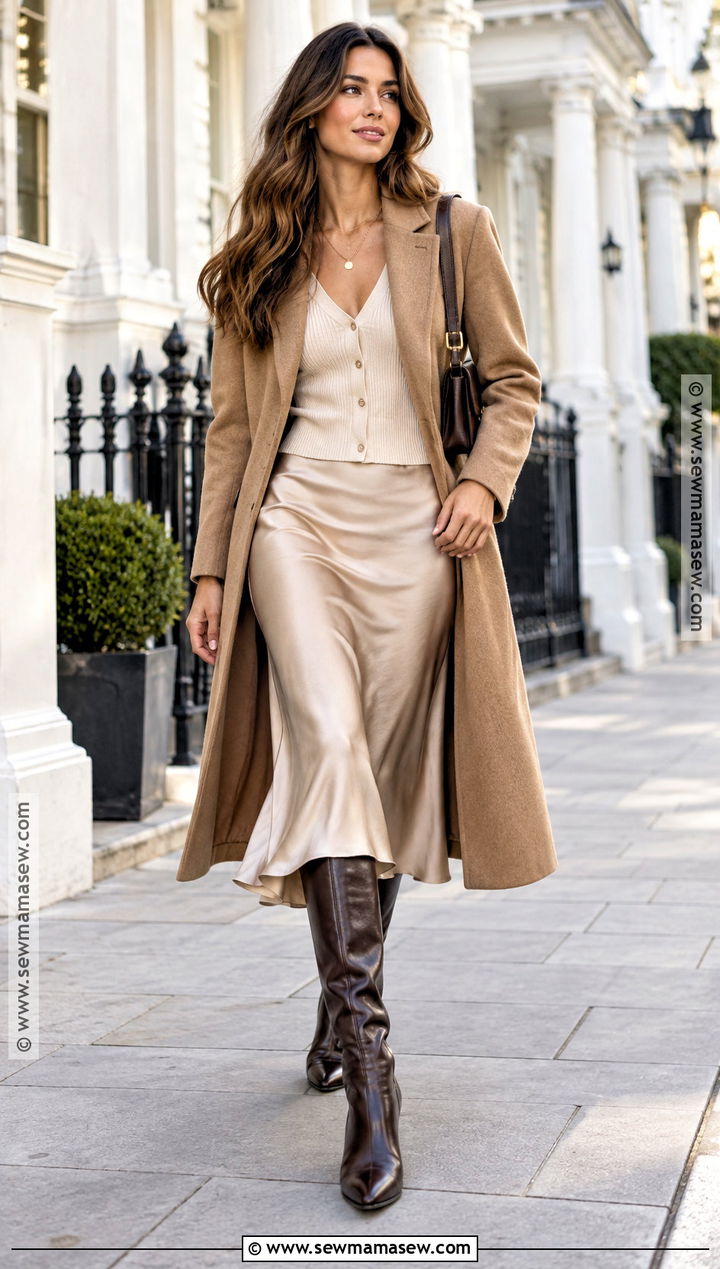
A button-front knit top worn as a shirt, buttoned up with just the neckline open, is one of my favorite ways to soften a slip skirt. Fine-gauge fitted knits sit smoothly over a fluid skirt; a roomier cardigan can be front-tucked for shape. Tonal pairs like espresso and bronze, cream and champagne, or burgundy and dusty rose keep it gentle. Ballet flats suit warm afternoons, and knee-high boots take over later in the season. A small shoulder bag and fine layered necklaces are enough. With a shiny skirt, keep accessories matte. Watch the button placket: if it gapes between buttons, the knit is too small across the bust.
11. Argyle Knit Top With Jeans And Riding Boots
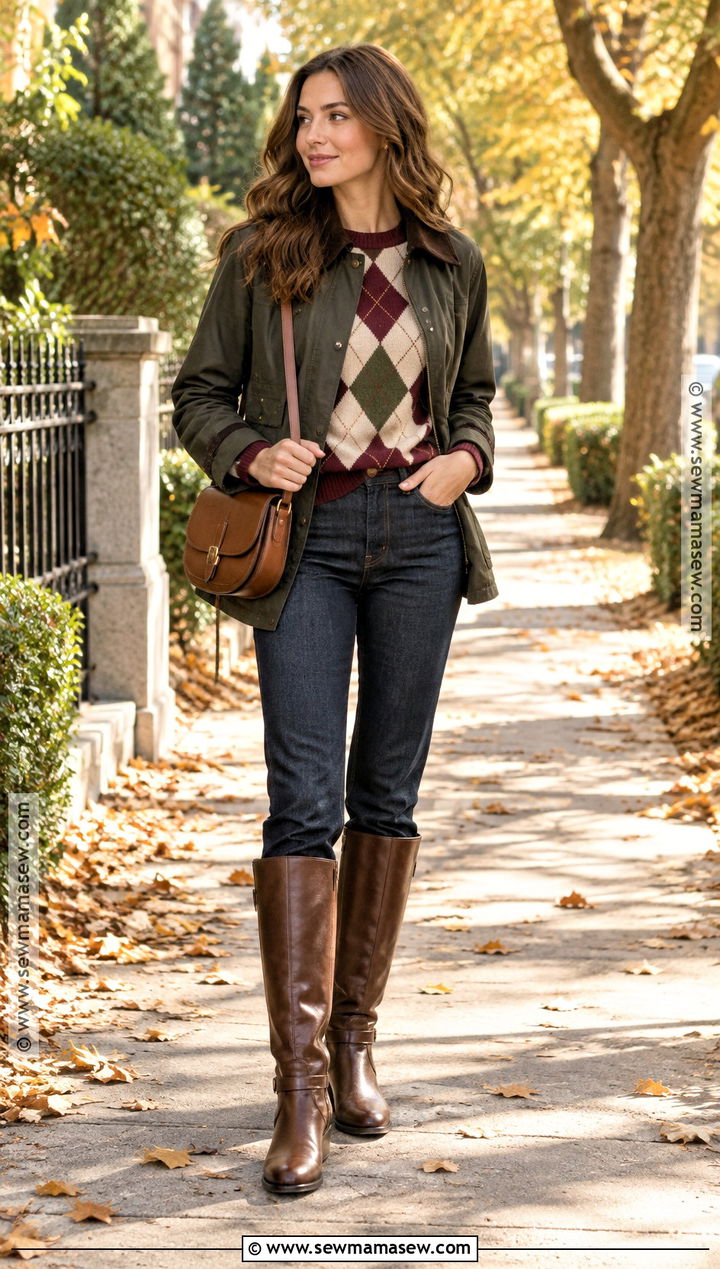
Argyle reads as instantly autumnal, and it's easiest when the palette is limited to two or three colors. Wear it as a fitted sweater, a short-sleeve knit or a vest, with straight or slim bootcut jeans in a dark wash. Tall riding boots suit the heritage feel of the pattern; for something more casual, switch to loafers and cuff the jeans just above the ankle. A saddle bag or structured crossbody fits the mood, and a waxed jacket, trench or wool blazer layers well over it. Skip a second large pattern, since diamonds and checks compete. Argyle has been around for a century, so it will outlast this season's interest in it.
12. Bright Knit Top With Neutral Pants
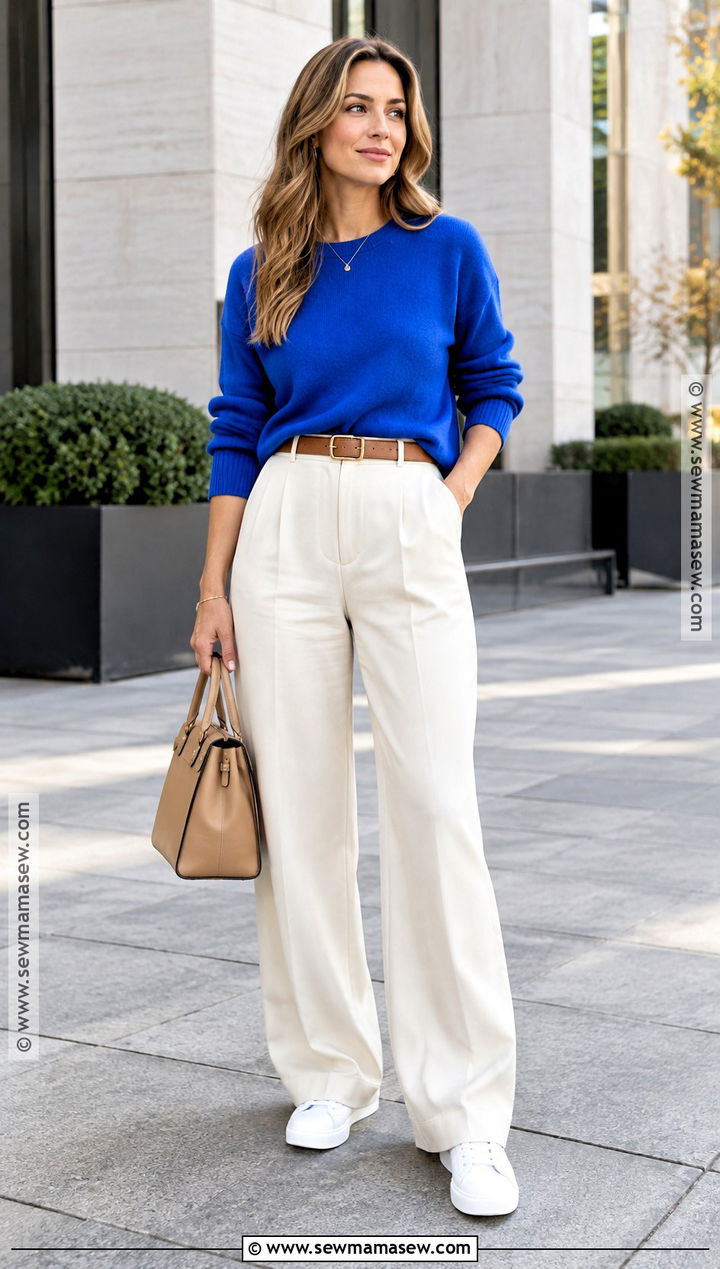
A saturated knit is the fastest way I know to wake up a closet full of camel and gray. Cobalt, tomato red, emerald, violet or marigold, grounded with camel, cream, charcoal or chocolate trousers. Fitted knits balance wide legs; relaxed sweaters sit better over straight or tapered pants. Clean leather sneakers make it casual and loafers dress it up. Keep the bag and belt neutral so the color stays the point. If a bright shade feels like too much, a jacket worn open shows only a strip of it. Hold the color under your chin in daylight before buying; a bright that suits your skin makes you look rested, the wrong one makes you look tired.
13. Wide-Neck Knit Top With Faux Leather Pants
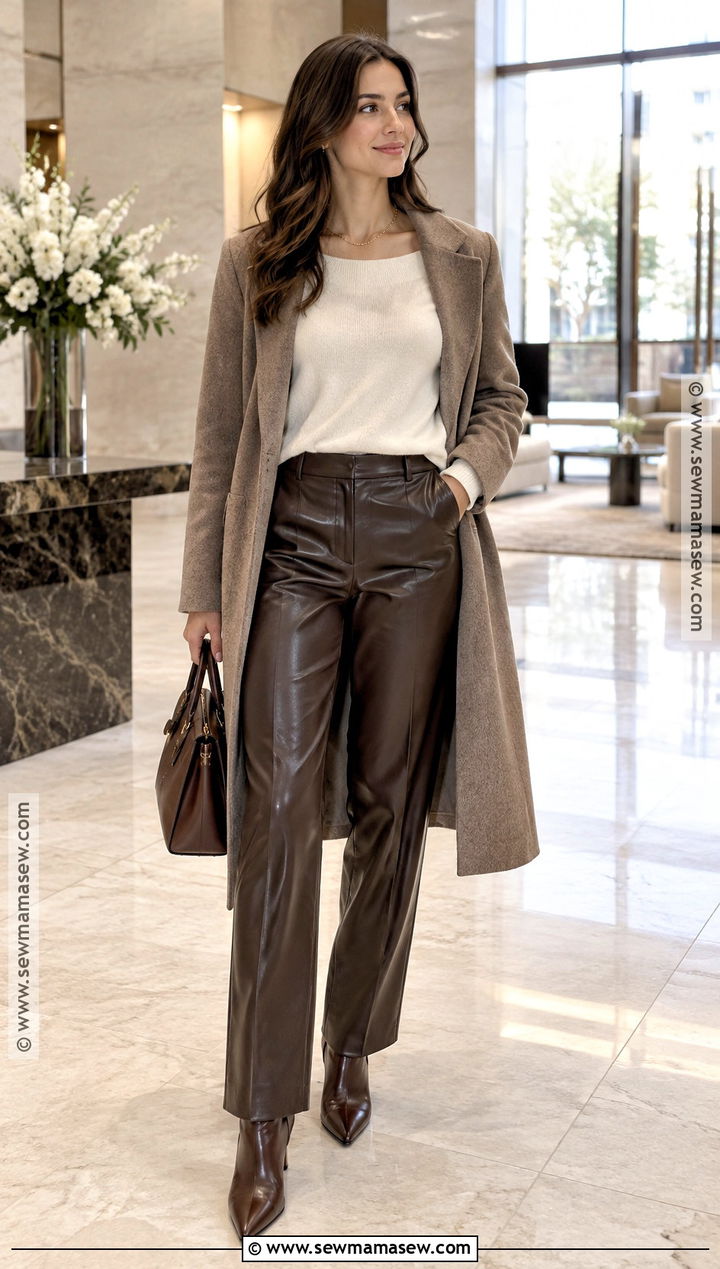
Faux leather pants look sleek, and a wide-neck knit softens them so the outfit doesn't feel too hard. The neckline should rest across the collarbones without sliding off; if you keep hitching it up, it's too wide for your shoulders. Soft gray, cream, taupe or deep berry balance black, brown or burgundy pants. Straight-leg faux leather is easier to wear than skin-tight styles and leaves room for thin base layers when it's cold. Pointed ankle boots and a structured bag finish it, with simple studs or a short necklace for the open neckline. A tailored coat with clean lapels is the right outer layer, and I'd keep hardware to a minimum.
14. Matching Knit Top And Midi Skirt Set
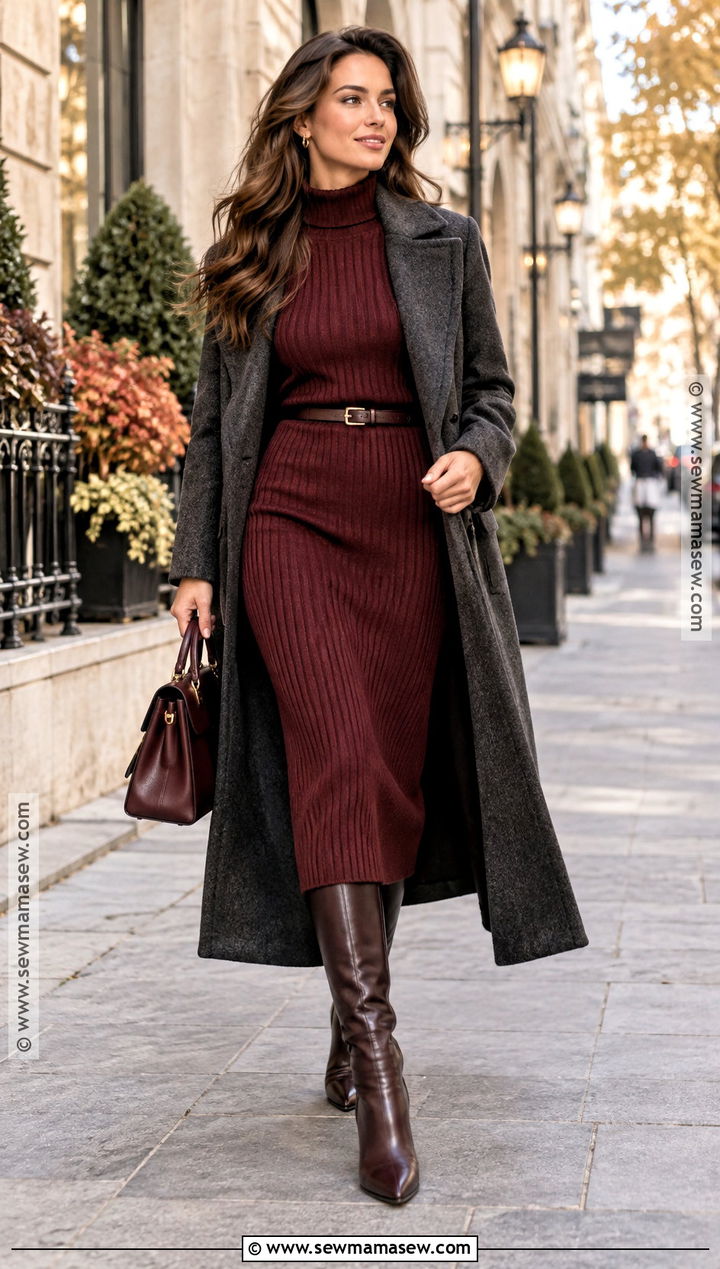
A matching knit set is the closest you'll get to a one-decision outfit. Look for a crewneck, polo or fitted cardigan with a coordinating midi skirt. Ribbed sets draw the eye up and down; thicker knits hold more shape. Deep brown, navy, olive, charcoal and wine red suit fall. A slim belt adds a waist, or you can leave the set unbroken for one long column. Knee-high boots fit under the skirt and keep you warm, and a structured bag with a long wool coat completes it. Knit skirts can seat out, meaning the back stretches where you sit, so I look for a firmer knit or a lining. Separately, the top works with jeans and the skirt with shirts or tees.
15. Pointelle Knit Top With Suede Skirt
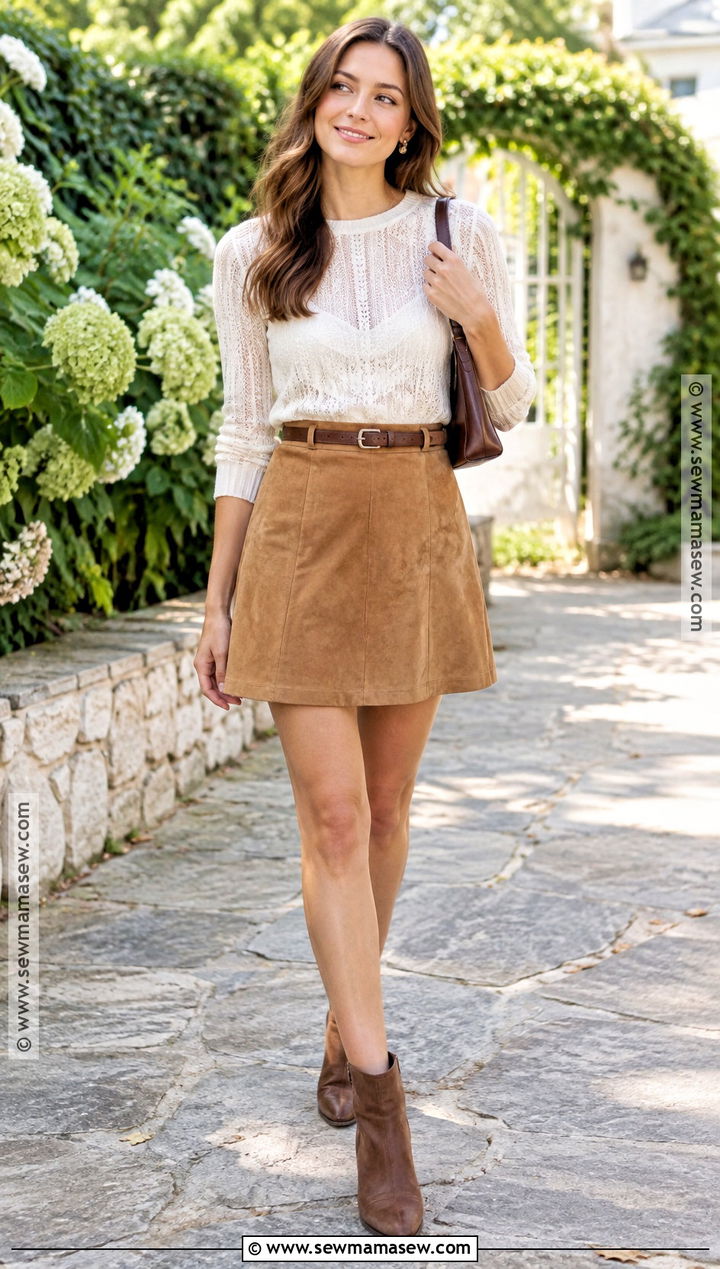
Pointelle is a summer-weight openwork knit, and it carries into fall when the fabrics around it get heavier. Choose a modest pattern and wear a smooth camisole underneath for coverage. A suede skirt, A-line or straight, in camel, rust, chocolate or olive gives it a seasonal anchor. Ankle boots ground it, and tall boots warm a shorter hem. Add a leather belt, a compact shoulder bag and plain earrings. A cropped denim jacket keeps it casual; a wool coat dresses it up. Openwork snags easily on jewelry and bag clasps, so skip chunky bracelets and anything with prongs. It's the right top for those first weeks when a sweater still feels too heavy.
Tucking a Sweater Without a Lump at the Waist
Most of the outfits above use a tuck somewhere, and knits are harder to tuck than shirts because the fabric is thicker. My order of preference goes from least bulk to most.
- Front tuck: push just the center front, two or three inches wide, into the waistband and let the sides fall loose.
- Half tuck: tuck one side toward the hip. It works well with jeans and looks deliberate when the untucked side is no longer than the top of the thigh.
- Full tuck: only with fine-gauge knits, and fold the hem flat against your body rather than stuffing it in.
- Faux tuck: roll the hem under itself at the waist with no tuck at all. Thick cables respond best to this.
A belt hides a lot. If a tuck still bulges, wearing a belt one size looser over the tuck flattens the fabric without squeezing it.
Keeping Knits Out of the Pill-and-Stretch Cycle
Pills form where fibers rub, so they show up first under the arms, at the sides and wherever a crossbody strap sits. A fabric shaver or a sweater comb takes them off in a few minutes; scissors leave holes. Wash knits inside out on a cold, gentle cycle, or by hand for wool, and always dry them flat on a towel. Hanging a wet sweater pulls it longer, and a dryer shrinks wool and stretches cotton unevenly. Store them folded, not on hangers, which leave shoulder bumps. Between wears, a day of rest lets the fibers relax back into shape.
Your First Knit Top Should Fit What You Already Own
Knit tops earn their space because one good one can work four or five ways. Polos, mock necks, vests, button-fronts, patterned knits and matching sets each cover a different part of the week, from casual to office to dinner. You don't need all of them, and you don't need this year's colors. Begin with a knit that fits well and sits easily with the bottoms you wear most. Shoes, jackets, belts and bags then set the mood. Fine-gauge knits suit the warmer weeks, and cables and layering take over when it turns cold. Build around your own coverage, climate and routine, and the outfits will feel like yours.
Related posts: