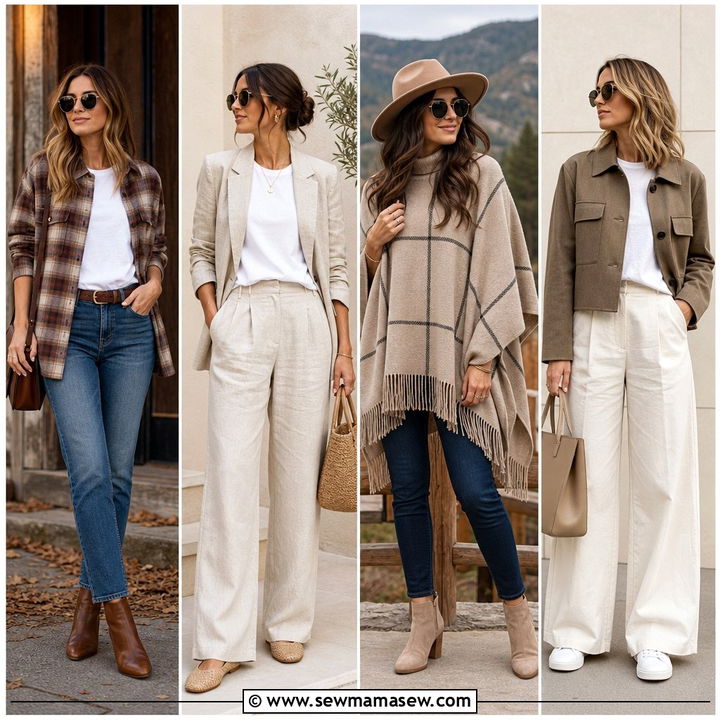
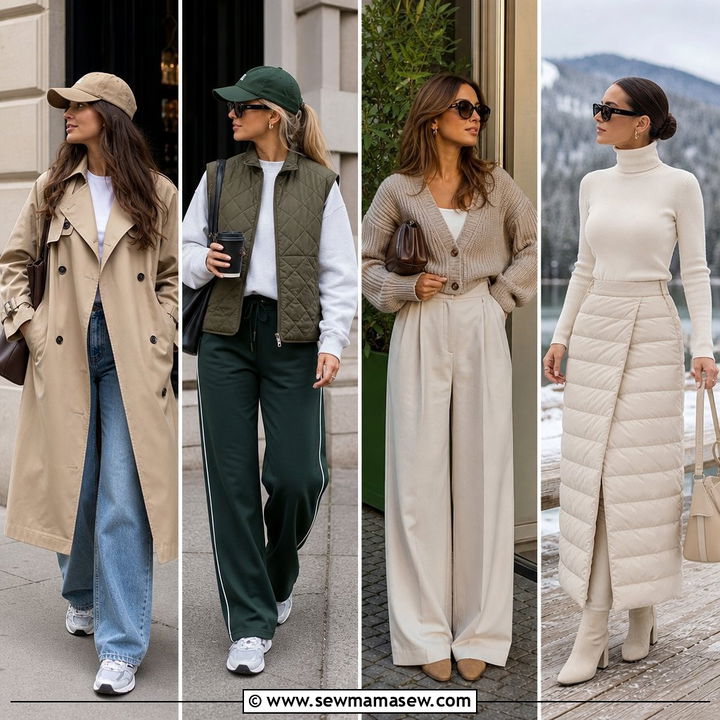
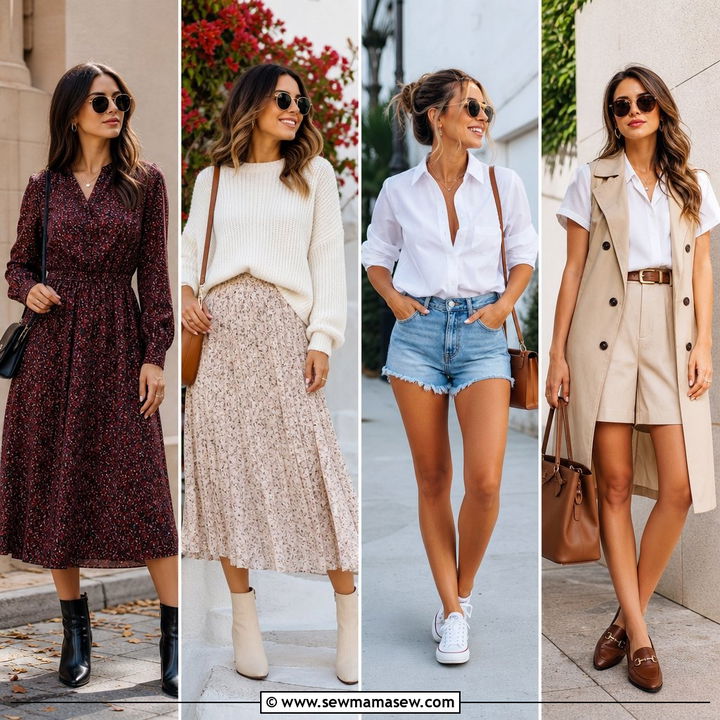
Once the forecast drops into the 20s and low 30s, a nice sweater on its own stops being an outfit and starts being a gamble. What keeps people warm at that point is a system: a close base layer, something that holds heat in the middle, a coat that stops the wind, and boots that keep feet dry. I build every look below from those parts, so you can see which piece is doing the work. Thermal tops, wool coats, lined pants, insulated boots and proper socks all belong in an everyday wardrobe, and none of it has to look like ski gear. I've also noted where an outfit falls short in wind, rain or a long day outside, because freezing weather punishes the weak spot first.
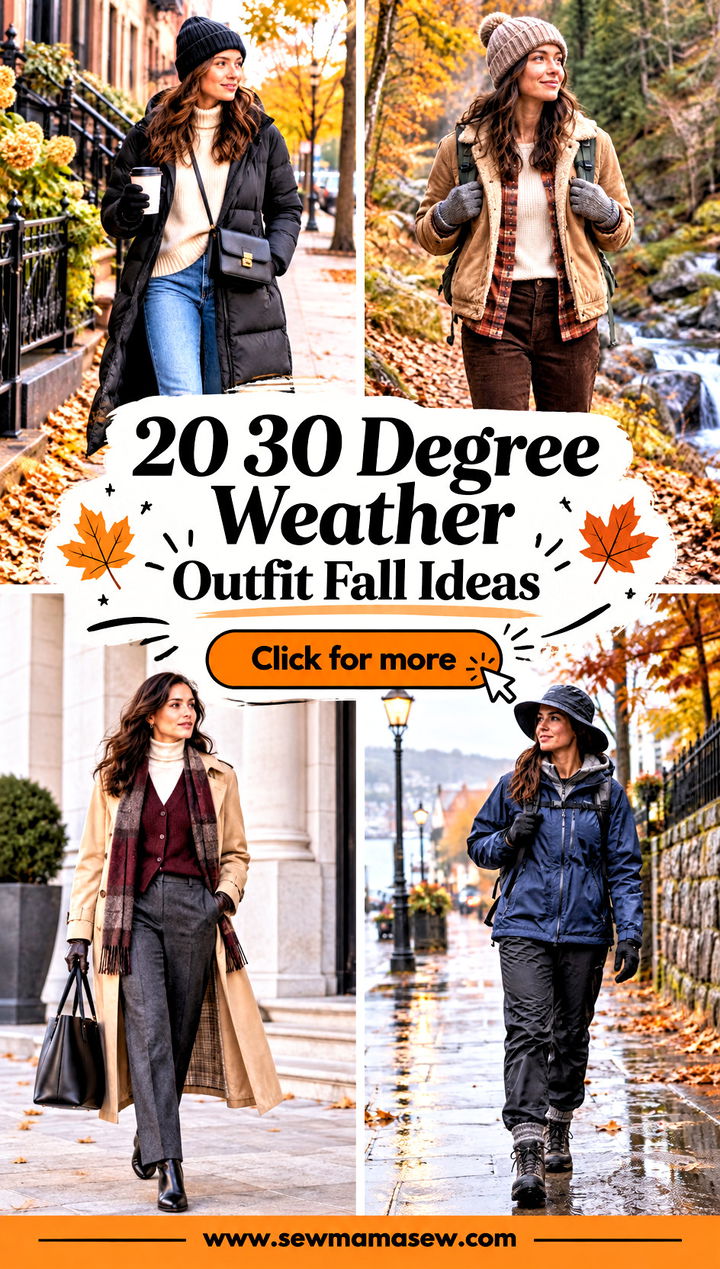
What Each Layer Is Actually Doing
Every outfit below follows the same three-part logic, and once you understand it you can swap pieces freely. The base layer sits against the skin and moves moisture away. The middle layer traps warm air. The outer layer stops wind and wet from stealing that warm air. Get any one wrong and the other two struggle.
Base layers
Merino wool and synthetic thermals both work; plain cotton is the one I steer people away from. Cotton soaks up sweat from a brisk walk and then holds it against your skin, so you feel colder the moment you stop. Merino stays warm when slightly damp and doesn't hold odor, which makes it worth the higher cost for anyone who wears thermals several days a week. Fit matters as much as fiber: a base layer should be close but not tight, because a loose one leaves gaps where cold air pools.
The middle and the shell
A thick knit or fleece insulates by holding still air, so it only works if the coat over it doesn't crush it flat. When I shop for a winter coat, I take the bulkiest sweater I plan to wear and try the coat on over it, arms forward and up. The outer layer should close fully at the neck and wrists. A gorgeous coat that can't be buttoned to the collar is a fall coat, not a freezing-weather one.
1. Puffer Coat With Sweater And Straight-Leg Jeans
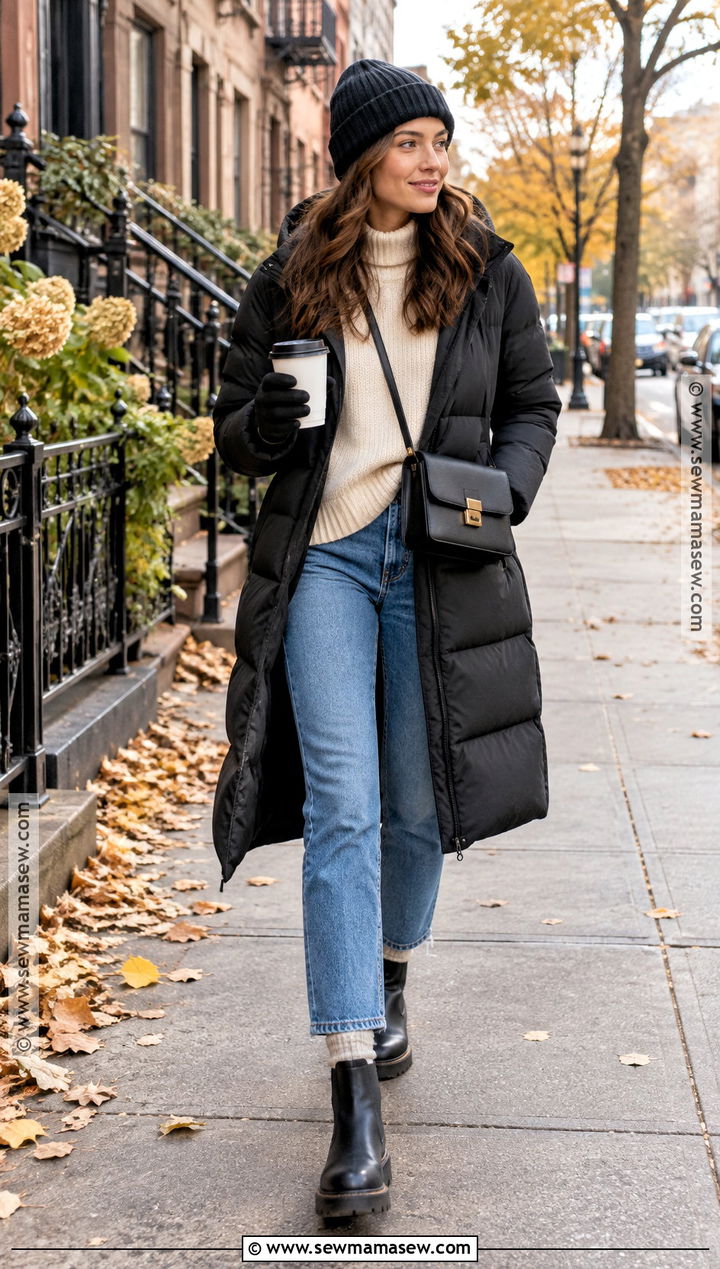
A long puffer is my first suggestion for anyone who stands outside at bus stops or school gates, because it covers the hips and thighs where jeans alone feel thin. Underneath, a fitted thermal top and a chunky crewneck sweater trap heat without crowding the sleeves; I always check that the sweater cuffs fit inside the coat cuffs before buying either. Straight-leg jeans leave room for thin thermal leggings. Add wool socks, waterproof Chelsea boots, a ribbed beanie, touchscreen gloves and a crossbody bag so your hands stay free. If you're in and out of heated shops all day, a hip-length puffer is easier to carry. Black, olive, chocolate brown and deep navy hide road salt far better than pale colors.
2. Wool Coat With Turtleneck And Wide-Leg Trousers
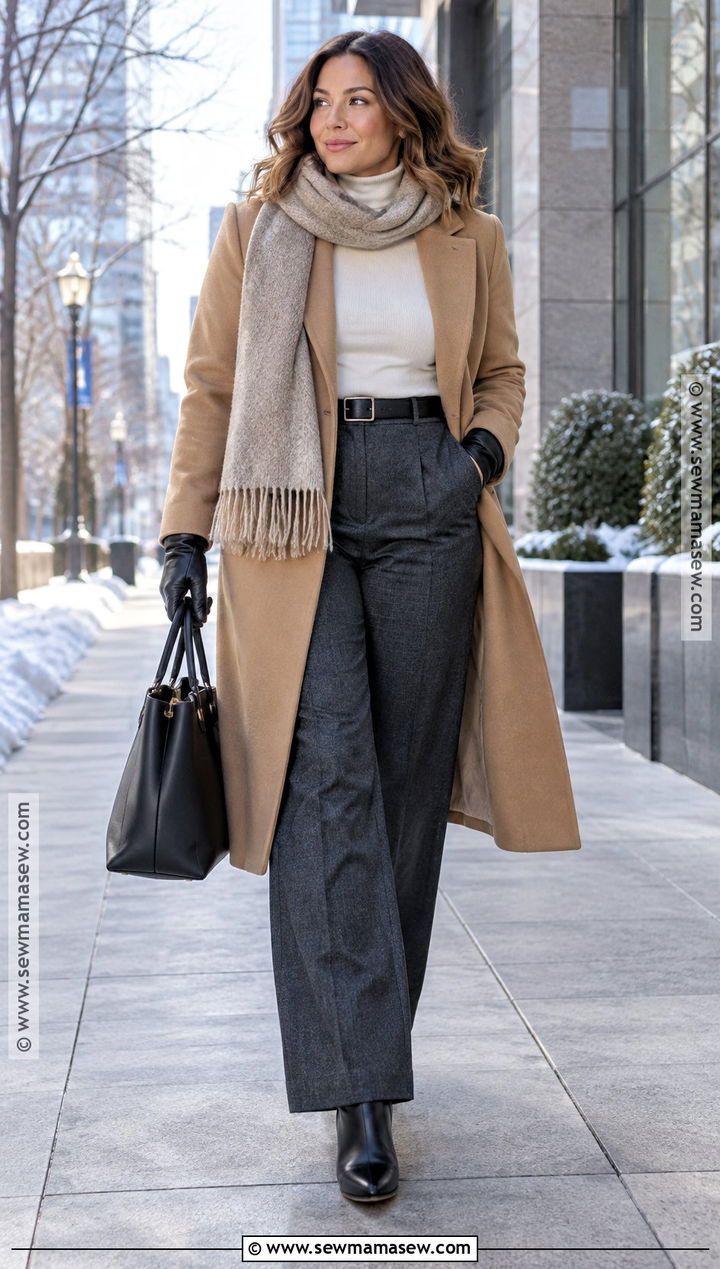
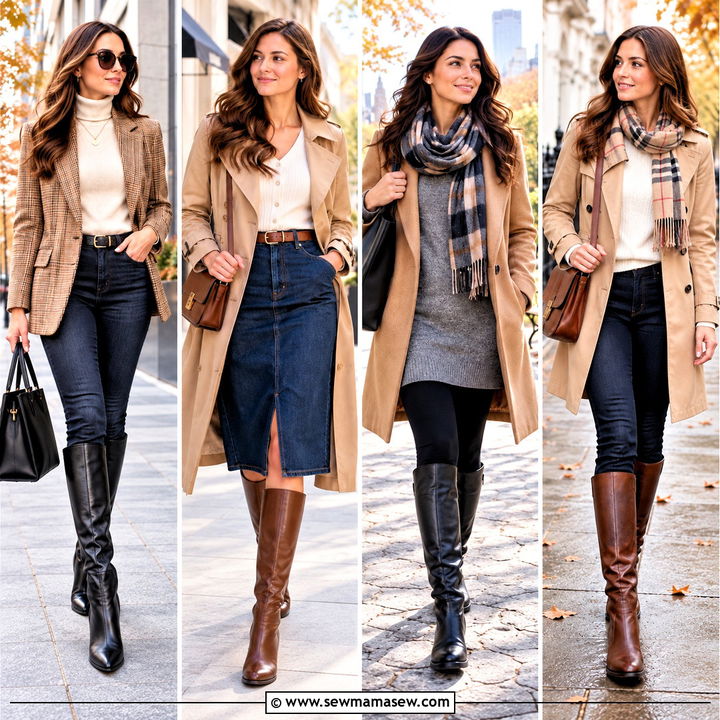
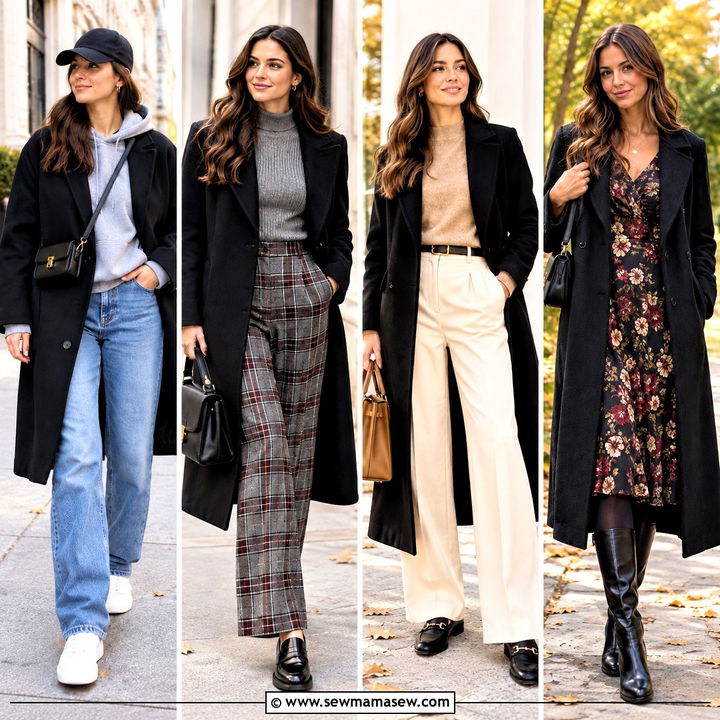
This is the outfit I'd wear to an office or a meeting when it's below freezing. A heat-retaining fitted shirt goes under a wool or cashmere-blend turtleneck, then lined wide-leg trousers long enough to cover the boot shaft without touching the pavement. The tailored wool coat gives the structure. Leather ankle boots need grippy soles; smooth leather soles on a frosty sidewalk are how people fall. Warm socks, a large scarf and lined gloves finish it, with a structured tote for the day. Unlined trousers get thin thermal leggings underneath. I love camel, charcoal, cream and burgundy here, but keep the trousers dark if the sidewalks are slushy, because a wide hem catches every splash.
3. Parka With Hoodie And Fleece-Lined Leggings
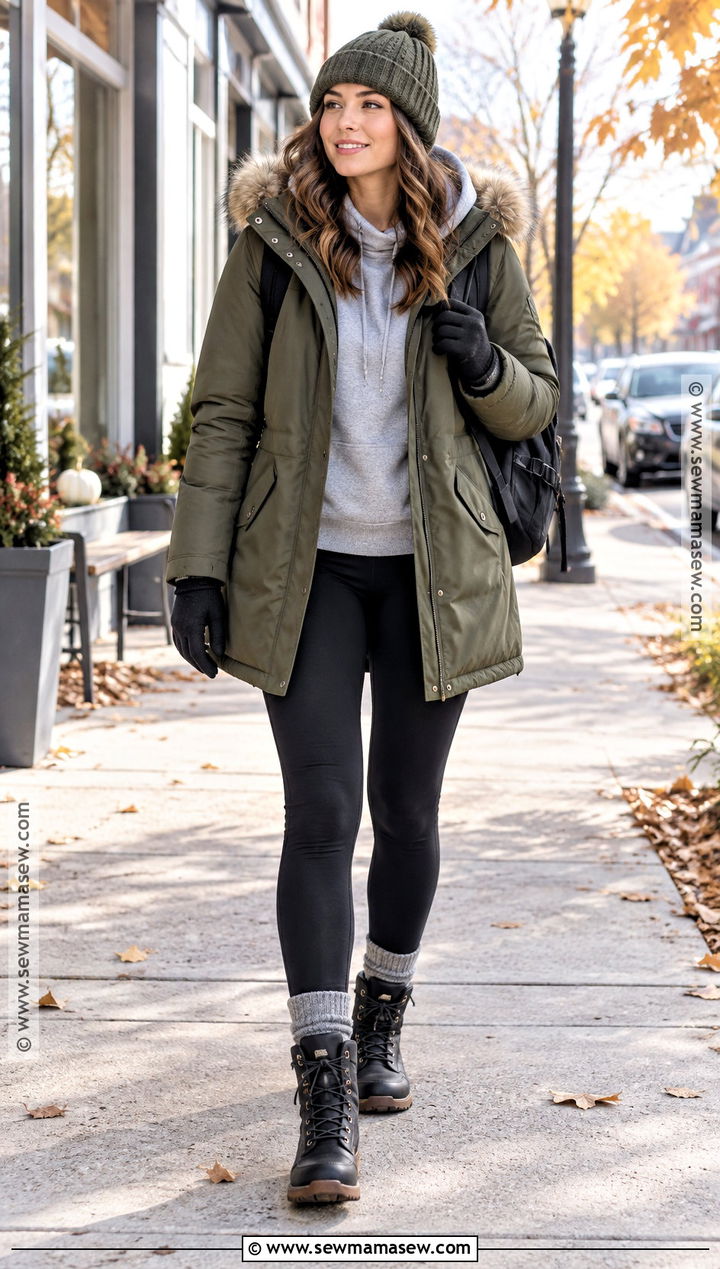
Some mornings you only want to be comfortable. For those, I start with a long-sleeve base layer that moves sweat away from the skin, add a relaxed hoodie and pull a thigh-length insulated parka over the top. Fleece-lined leggings are a different animal from gym leggings; the brushed inside holds warm air, and you notice it within a block. Thick crew socks and waterproof lace-up boots with slip-resistant soles handle errands and school runs. A beanie, insulated gloves and a soft scarf cover the parts that chill fastest. Black leggings, a gray hoodie and an olive, navy or taupe parka keep it tidy. Carry a belt bag or backpack, since shoulder bags slide straight off a puffy parka.
4. Sweater Dress With Long Coat And Knee-High Boots
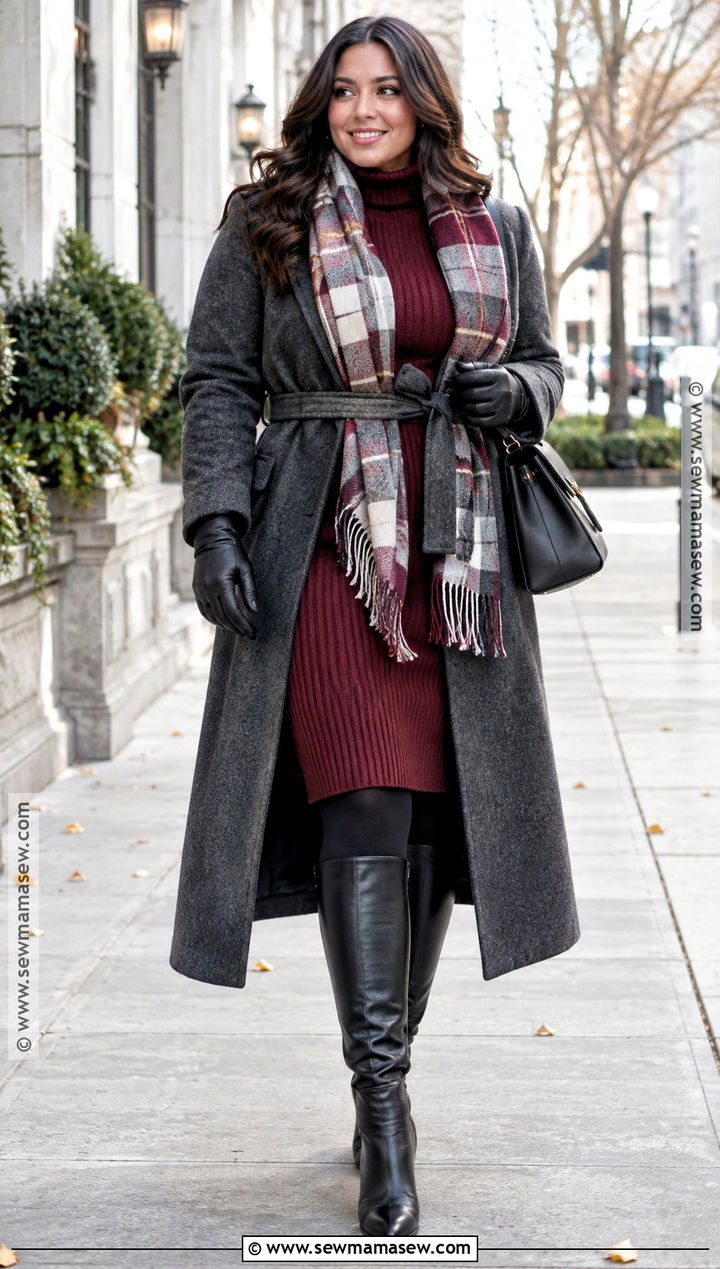
Yes, a sweater dress can work at 25 degrees, but only with real support underneath. I go for a midi in a dense wool blend, because loosely knitted dresses let wind straight through, and put a fitted thermal camisole or long-sleeve layer under it. Fleece-lined tights are not optional here. Tall leather boots with warm socks inside close the gap at the calf, and the coat should reach close to the dress hem; a short jacket over a midi leaves a cold band of leg exposed. A blanket scarf, leather gloves and a shoulder bag finish it. A gently defined waist keeps all those layers from swallowing you. Deep green, burgundy, chocolate, camel and charcoal sit happily under neutral coats.
5. Sherpa Jacket With Thermal Top And Corduroy Pants
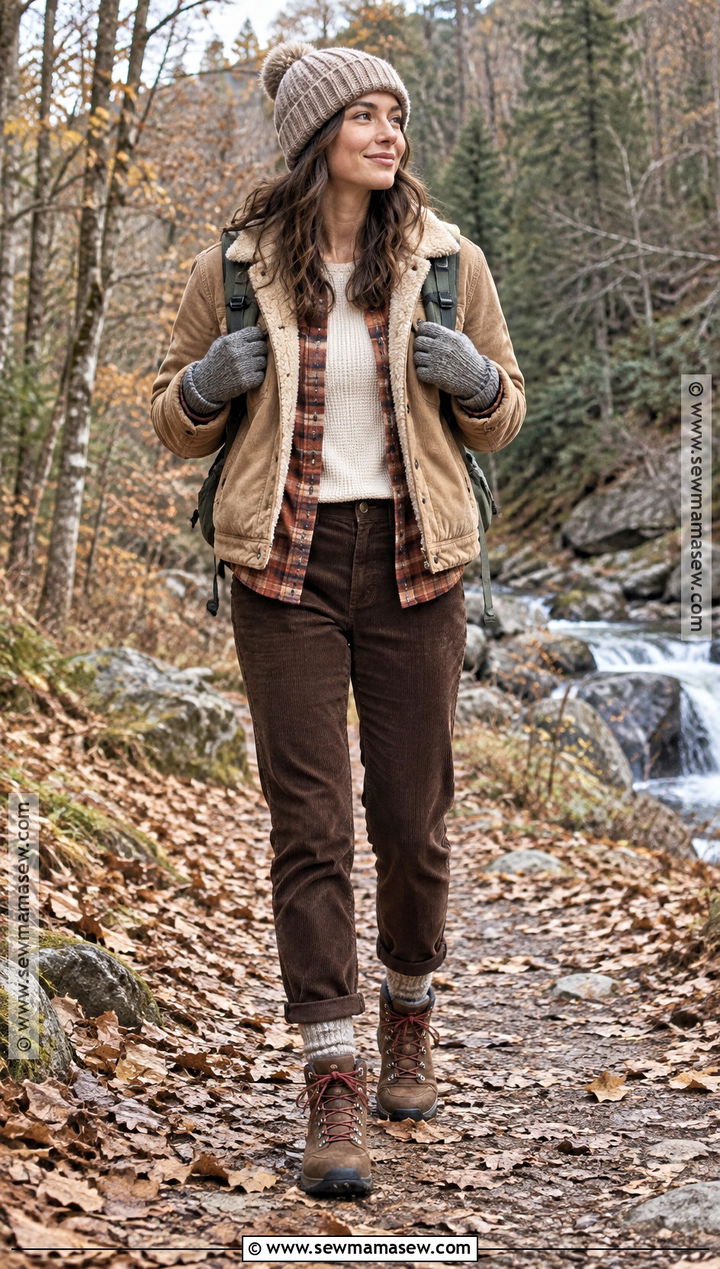
Corduroy is warmer than it looks. The raised wales trap a thin layer of air, which is why cord trousers feel so much cozier than flat cotton chinos. I layer a close thermal top under a heavyweight knit or brushed flannel shirt, then add straight or wide-leg cords with space for thin leggings. A lined sherpa jacket that falls below the hips covers the lower back. Hiking-style boots, thick socks, a knit hat, insulated gloves and a compact backpack suit the outdoorsy feel. Rust, tan, forest green, cream and dark brown all belong together. One warning: exposed sherpa fleece lets wind through, so on a gusty day choose a jacket with sherpa on the inside and a tight woven shell outside.
6. Quilted Coat With Cardigan And Black Jeans
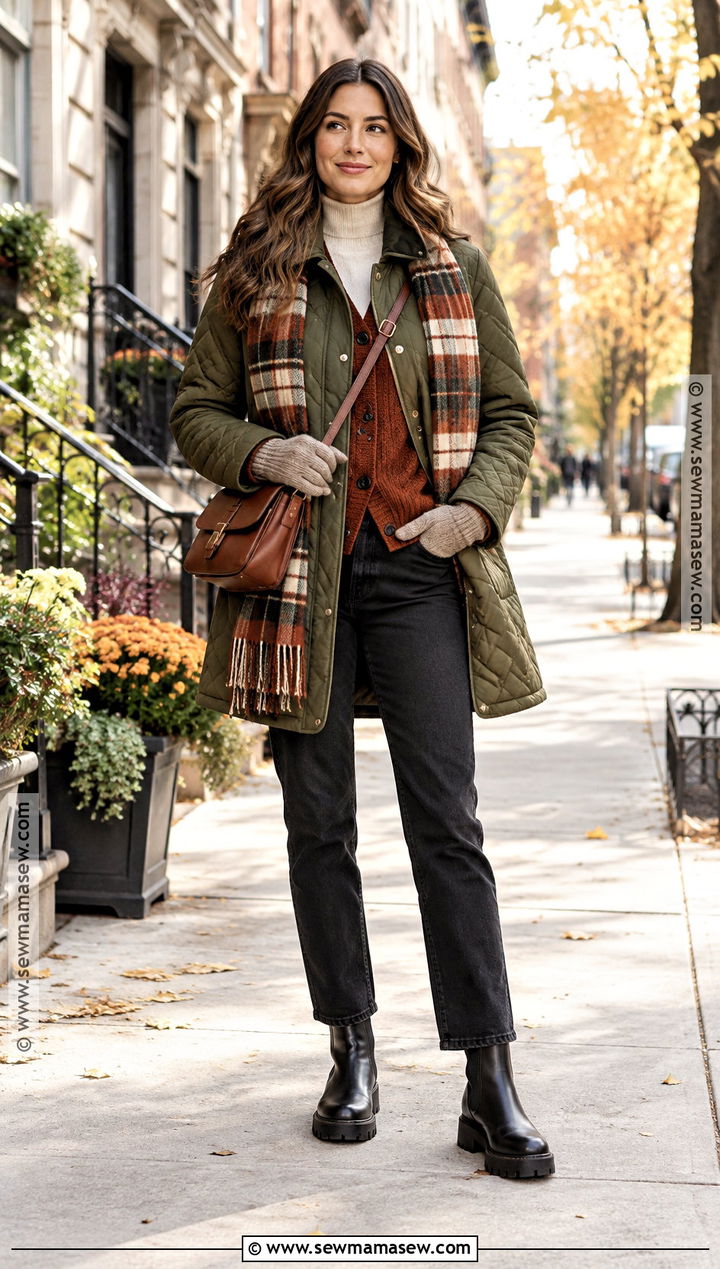
A quilted coat gives you lightweight insulation without the inflated look of a heavy puffer, so I reach for it with people who dislike bulk. Wear it over a fitted mock-neck base layer and a button-front cardigan, and keep the cardigan buttoned outdoors. Black straight-leg jeans streamline the whole look and hide thermal leggings better than light denim, which shows every lump. Lug-sole ankle boots, wool-blend socks, a soft plaid scarf and knit gloves round it out, with a leather crossbody for shopping or appointments. When trying the coat on, wear the cardigan and reach forward; if the back seam pulls, size up. Olive, navy, black or deep taupe outerwear pairs with cream, gray, rust or berry underneath.
7. Teddy Coat With Knit Set And Sneakers
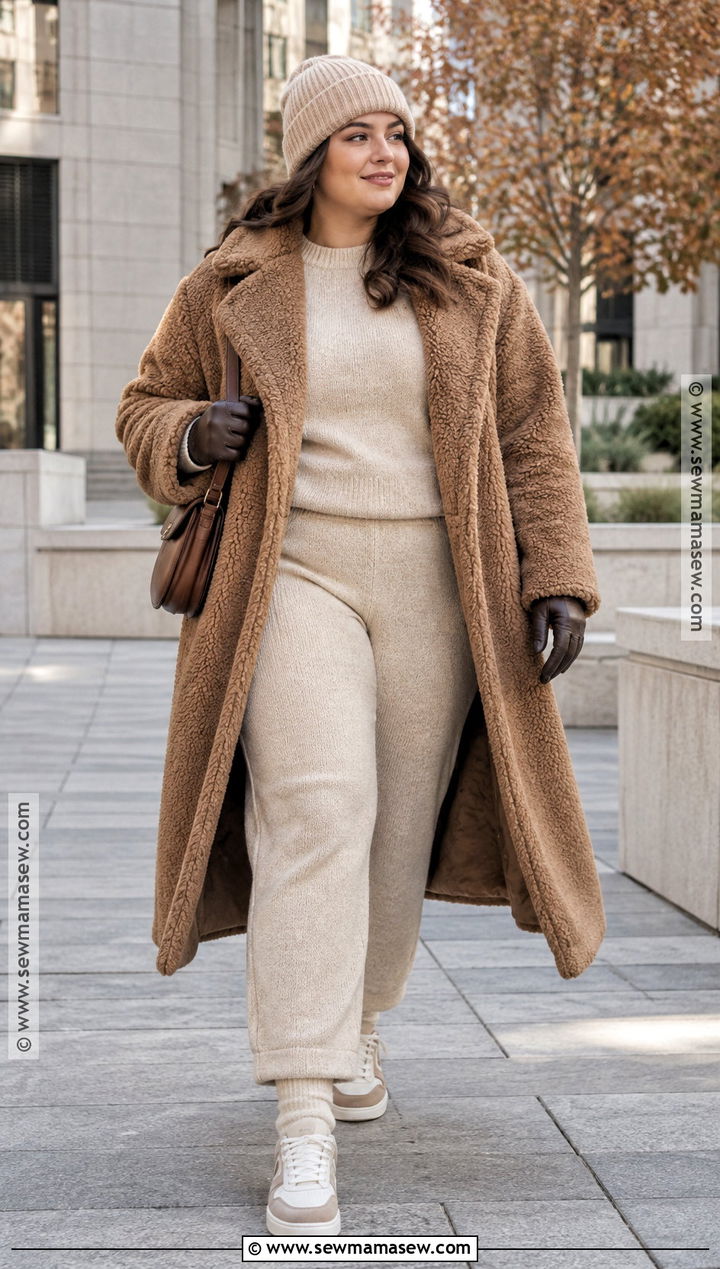
On days when deciding feels like too much, a matching knit set takes the thinking out of it. The set has to be dense, though; thin rib knits feel like pajamas once the wind hits. I put thin thermal layers under both pieces and cover everything with a long teddy coat that closes properly, since an open teddy loses most of its point. Leather sneakers are fine for short, dry trips if you wear insulated socks and the soles are thick rubber. A fitted beanie, warm gloves and a small shoulder bag complete it. Cream, oatmeal, camel and gray look clean in one tone, though pale teddy fabric mats and grays quickly in wet weather. For hours outside, swap the sneakers for insulated ankle boots.
8. Trench Coat With Sweater Vest And Wool Pants
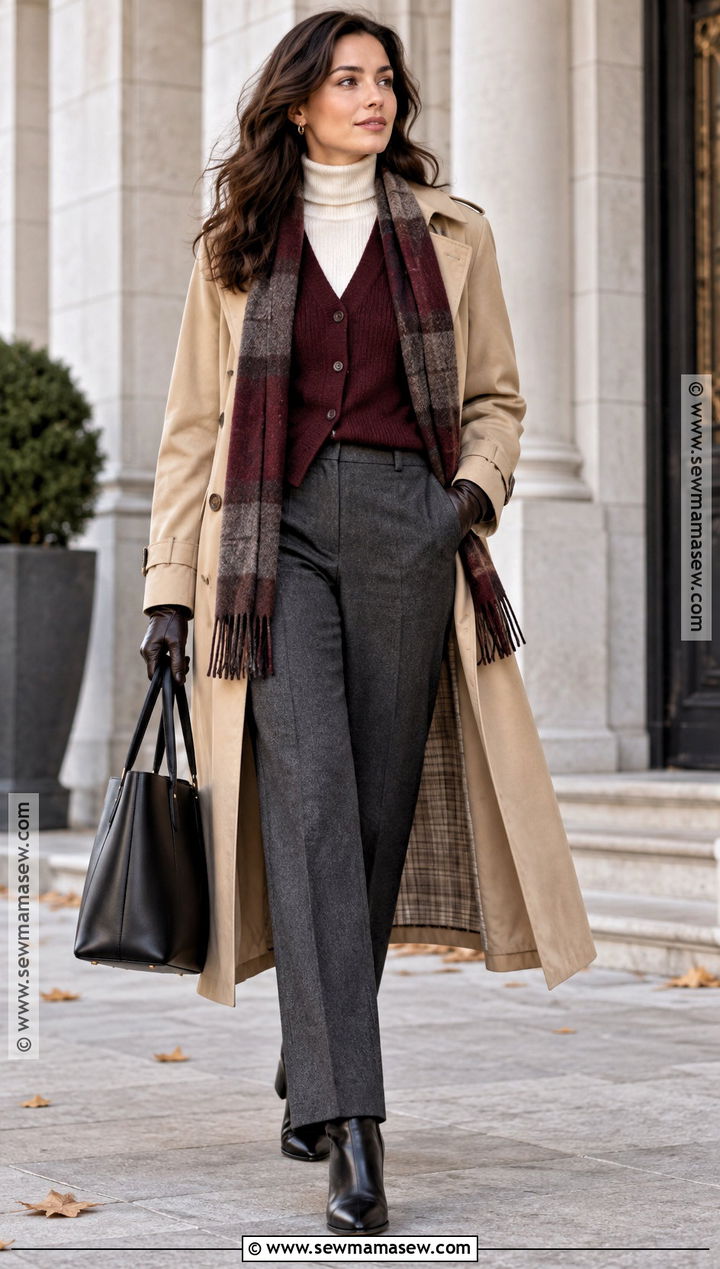
A trench is a rain coat at heart, so below freezing it needs help. I look for one with a removable or quilted lining rather than a single layer of cotton gabardine, then build warmth underneath with a thermal turtleneck and a thick sweater vest. Tailored wool trousers keep out more cold than unlined dress pants, and thermal leggings go under them if you'll be outdoors for long. Leather loafers with thick socks are fine for a short commute; ankle boots cover more. Add a wool scarf, lined gloves and a structured tote. A burgundy or forest-green vest brings color into an otherwise neutral outfit. Do the trench up to the collar when the wind starts, because an open storm flap does nothing.
9. Leather Jacket With Chunky Sweater And Dark Jeans
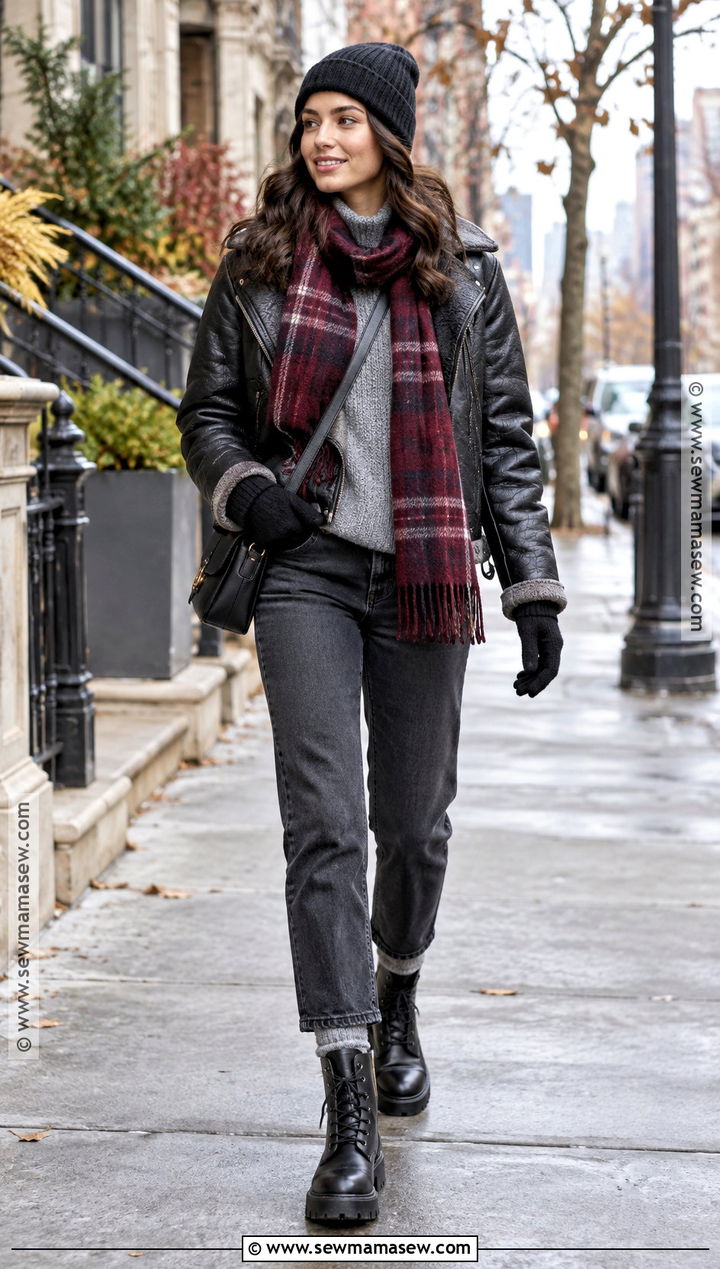
Leather jackets stay in my rotation into real cold, with one condition: a lining and a bit of room. Start with a thin thermal shirt and a chunky mock-neck sweater, which guards the neck so you're not fiddling with a scarf all day. If the knit is crushed flat under the leather, it stops insulating, so I size the jacket with the sweater on. Dark straight-leg jeans can hide fleece-lined tights. Weather-resistant combat boots, wool socks, a beanie and leather gloves finish it, and a plaid scarf softens all that black. Honestly, this one suits short outdoor stretches or days near 30. For longer exposure, a shearling-lined leather jacket that falls past the waist is the better buy.
10. Peacoat With Cable-Knit Sweater And Plaid Pants
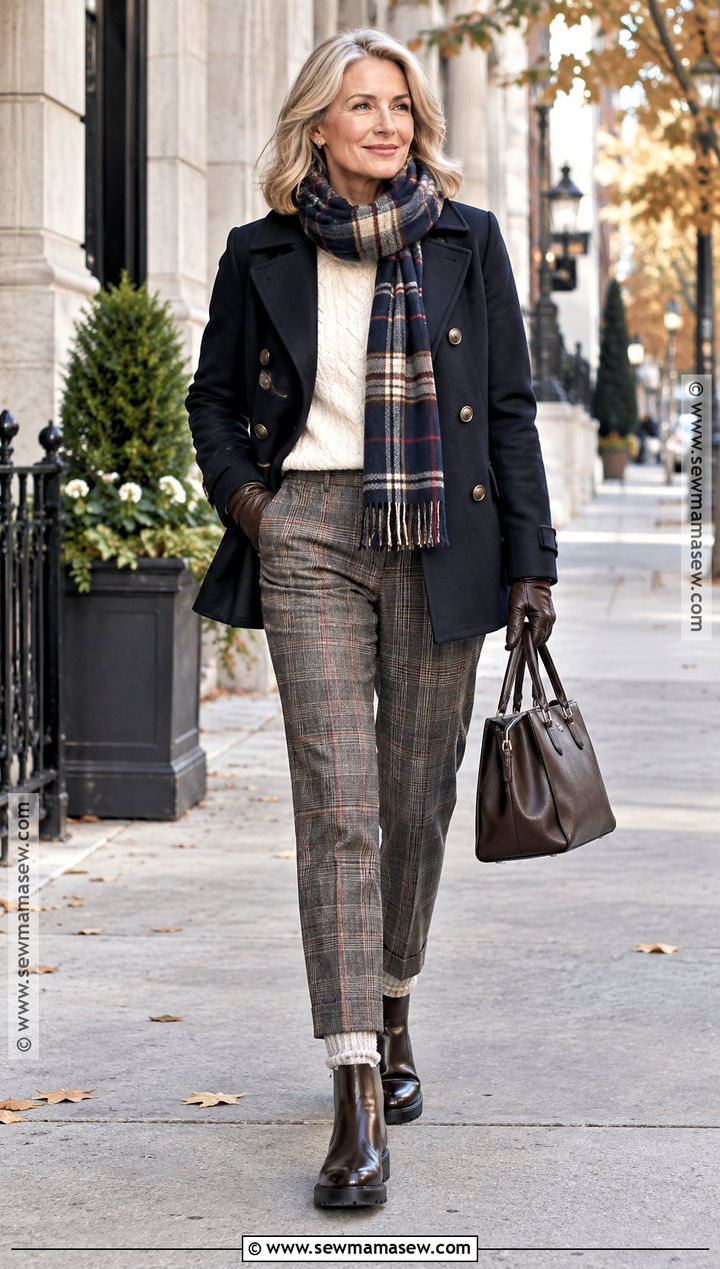
The double-breasted front of a peacoat is the reason it suits cold wind: the overlap means two layers of heavy wool across your chest. I wear it over a fitted thermal shirt and a cable-knit sweater in cream, gray, navy or burgundy. Plaid wool trousers bring pattern in while staying right for work, a daytime gathering or a city walk; thin base-layer leggings go underneath if they're only half lined. Polished Chelsea boots, thick socks, leather gloves and a matching wool scarf follow, with a top-handle bag. The detail that matters most is length. A peacoat that stops at the waist leaves the hips cold, so I always pick one that reaches the upper thigh.
11. Down Vest With Fleece And Cargo Pants
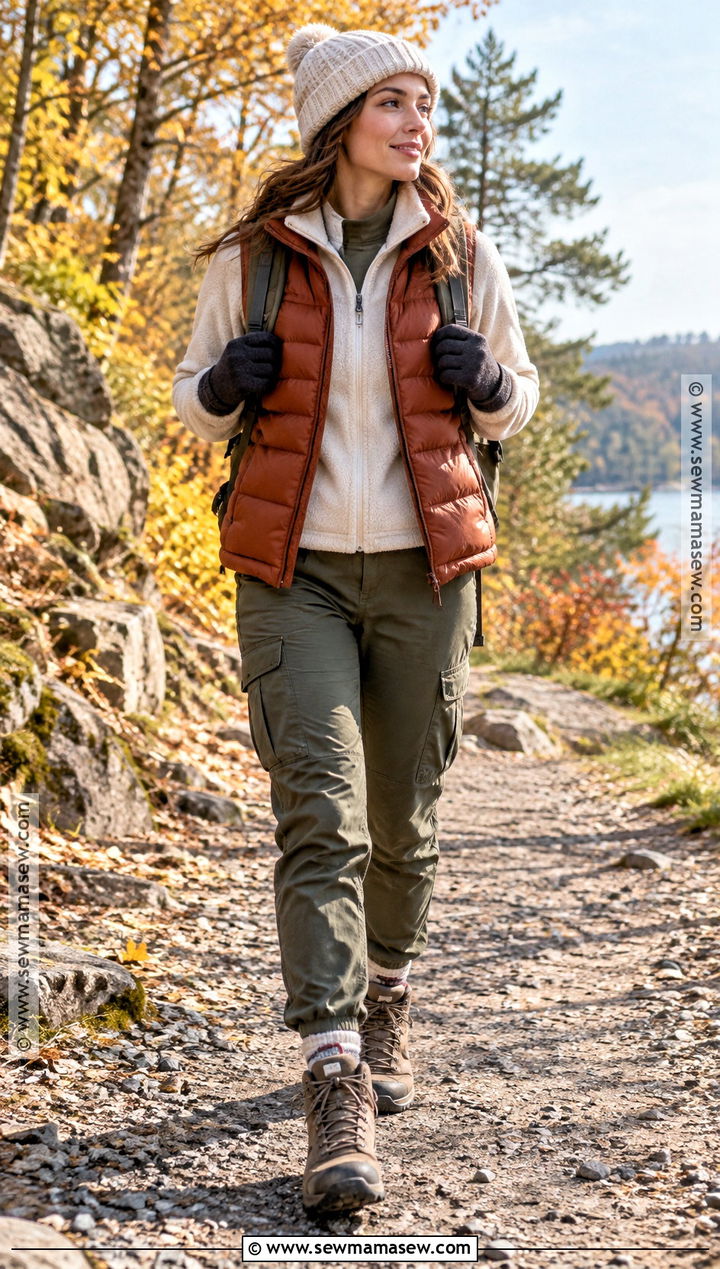
A down vest keeps your core warm and leaves your arms free, which is why I like it for days with lots of carrying, loading or walking. I put it over a thermal long-sleeve shirt and a zip-front fleece you can open indoors. Lined cargo pants or relaxed utility trousers leave room for a base layer. Waterproof hiking boots, cushioned wool socks, a fleece-lined beanie and insulated gloves suit outdoor markets and nature walks, and a small backpack holds water and any layer you peel off. Olive, stone, brown and rust look right with it. Arms lose heat fast, though, so I'd save this outfit for active, calm days near the warmer end of the range.
12. Wrap Coat With Knit Top And Midi Skirt
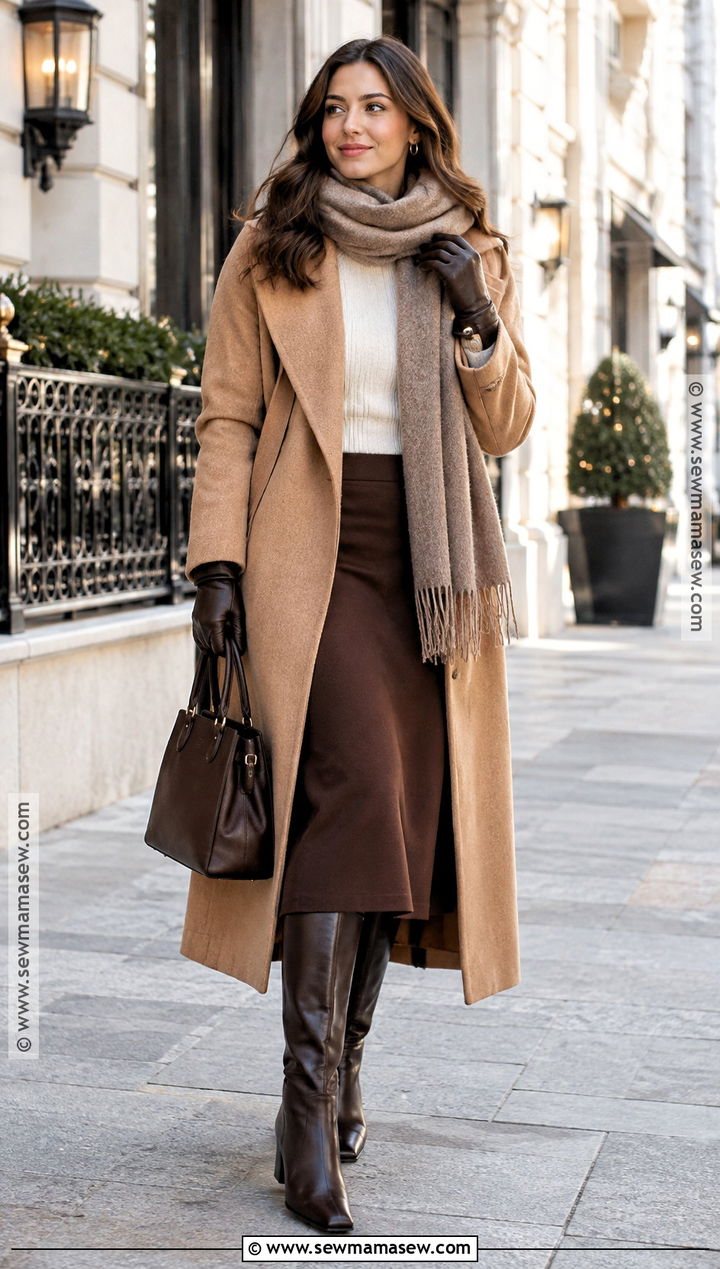
Midi skirts survive freezing weather when the fabric has weight. A lined wool or heavy knit skirt that falls below the knee hangs straight over fleece-lined tights, while a flowing chiffon one lifts in the first gust and lets cold air underneath. I start with a fitted thermal top and a fine-gauge wool sweater, then add tall boots so the skirt hem overlaps the boot shaft. A long wrap coat should cover most of the skirt and tie firmly at the waist. A wide scarf, lined leather gloves and a structured handbag finish it. Camel with cream, charcoal with black, or chocolate with burgundy all look polished in a tonal mix.
13. Puffer Vest With Flannel Shirt And Relaxed Jeans
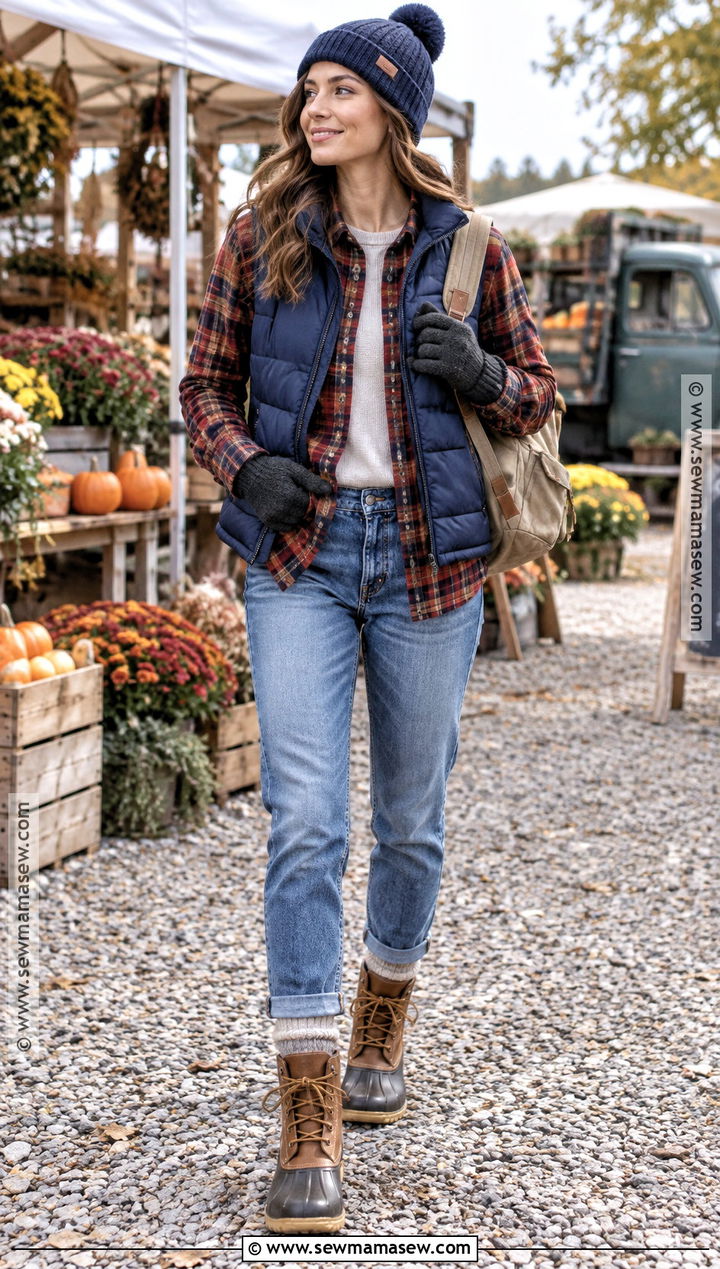
Here's the easy weekend layering I come back to every fall. Begin with a fitted thermal crewneck and a heavyweight flannel shirt over it, buttoned outdoors and opened at the collar once you're inside. The puffer vest keeps heat on the torso while your arms move freely. Relaxed jeans fit leggings underneath and balance the bulk on top. Waterproof duck boots with thick boot socks handle wet leaves and slush, with a ribbed beanie, insulated gloves and a canvas crossbody or backpack. Red plaid is the classic choice, but brown, navy, green and cream flannels feel softer. Because the sleeves are only flannel, I save this one for dry, still days or anything that keeps you moving.
14. Long Puffer With Sweatshirt And Joggers
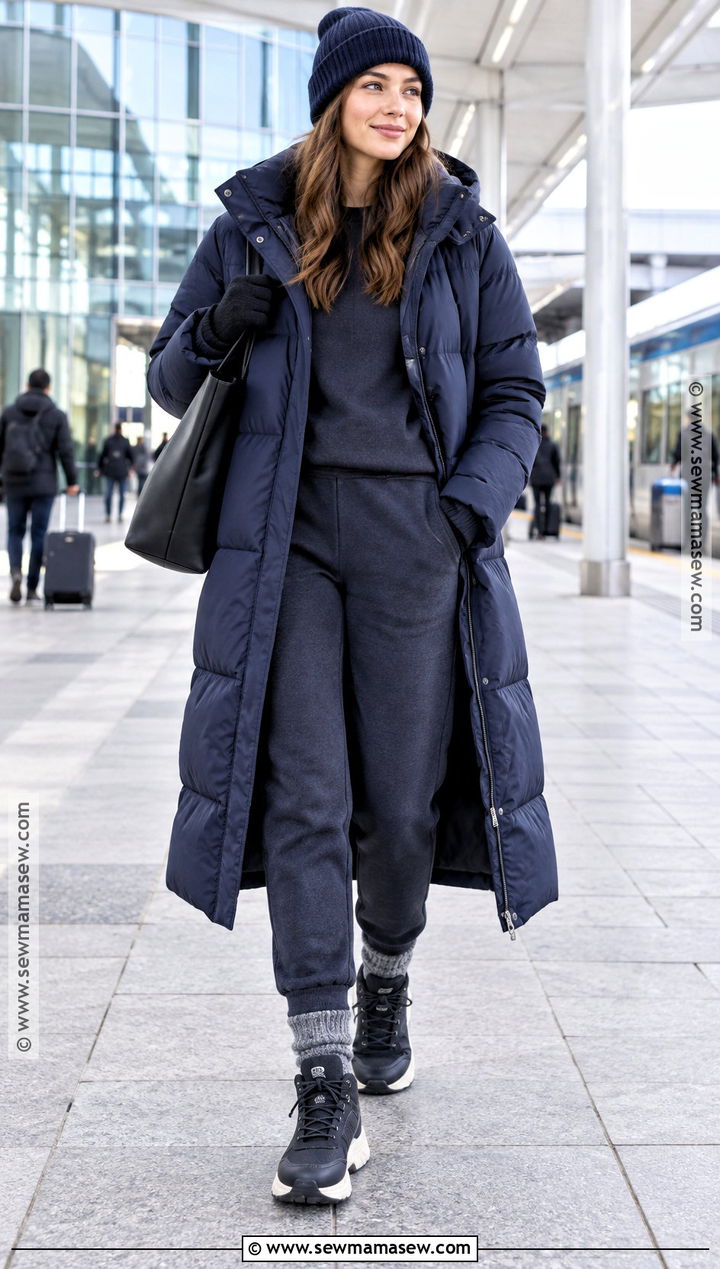
For a long drive, a flight or a day of errands, a long puffer over a sweatshirt and fleece-lined joggers is hard to beat. Put a thermal base layer under the sweatshirt so you're still comfortable when the coat comes off in the car. Pick tapered joggers in a substantial fabric, and add thermal leggings when the forecast heads toward 20. A calf-length puffer shields the legs from wind. Insulated sneakers handle dry sidewalks, waterproof snow boots handle wet ones. Wool socks, a close-fitting beanie, gloves and a roomy tote finish it. A matching sweatshirt and jogger set in charcoal, navy, chocolate or deep green looks deliberate in a way odd separates don't.
15. Faux Fur Coat With Turtleneck And Leather Pants
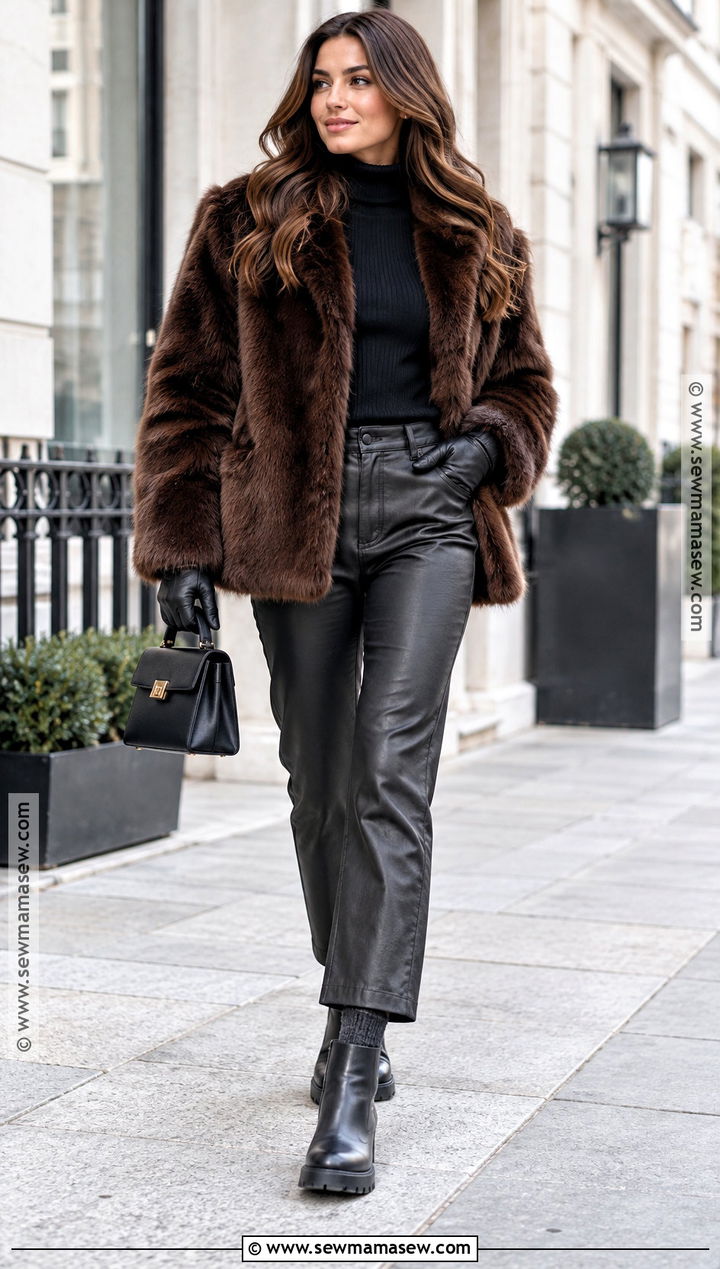
Faux fur is warmer than people expect because the long pile holds still air close to the body, but it is not wind-proof, and it mats if it gets soaked. I wear it over a fitted thermal shirt and a fine-knit turtleneck, which keeps the upper body warm without thickness under the coat. Straight-leg faux leather pants lined in fleece, or layered over thin thermal leggings, are a sleek match. Block-heel ankle boots with treaded soles, wool socks, leather gloves and a small structured bag finish it. Keep the coat and pants in related neutrals such as black, chocolate, taupe or cream, so the texture is the only drama. This is a dinner-out outfit; on icy pavement or a long walk, flat boots are safer.
16. Barn Jacket With Wool Sweater And Carpenter Pants
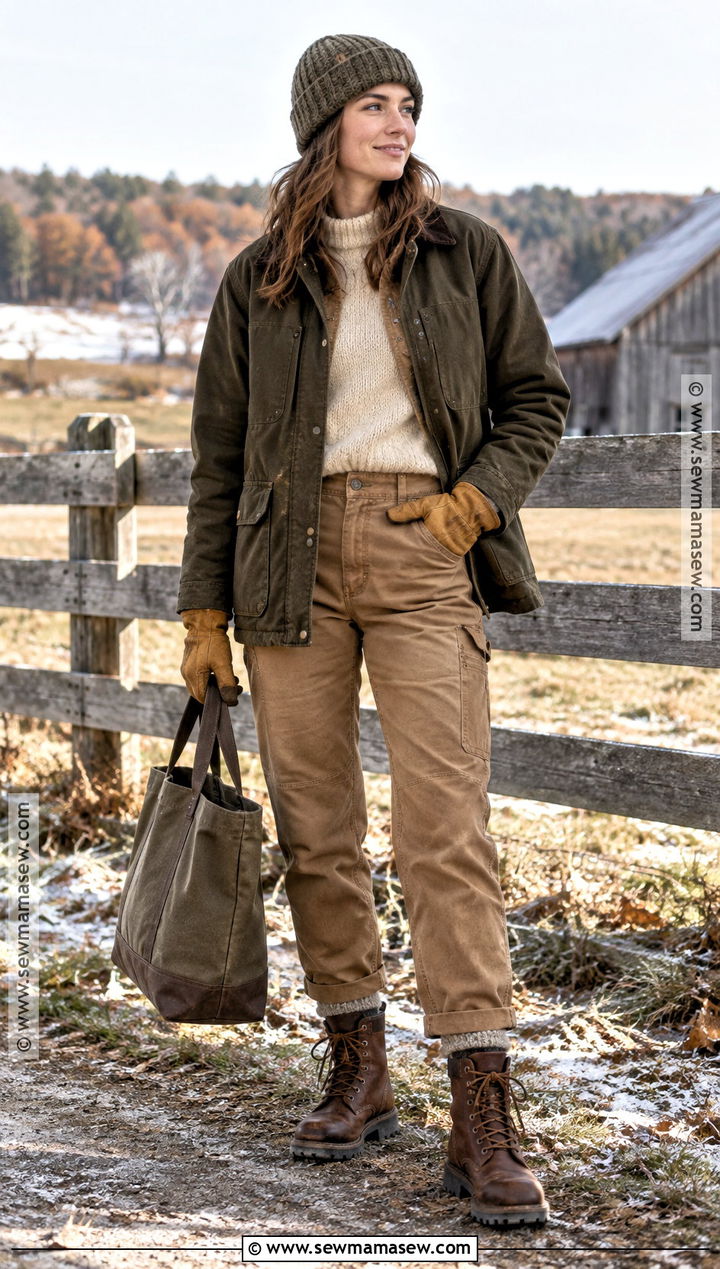
Barn jackets were made for outdoor work, so they take scrapes and rain better than most coats. For freezing days I look for one with light insulation, a wind-resistant shell and enough room for a wool sweater; a thermal base layer underneath adds warmth without changing the jacket's shape. Heavyweight carpenter pants or canvas trousers in a relaxed cut leave space for leggings. Waterproof lace-up boots, thick socks, a wool beanie and workwear gloves complete the look, with a canvas tote or crossbody. Olive, brown, tan, navy and rust all sit together. Most barn jackets end at the hip, so wear a longer sweater or tuck the base layer in to keep cold air off the small of your back.
17. Poncho With Turtleneck And Skinny Jeans
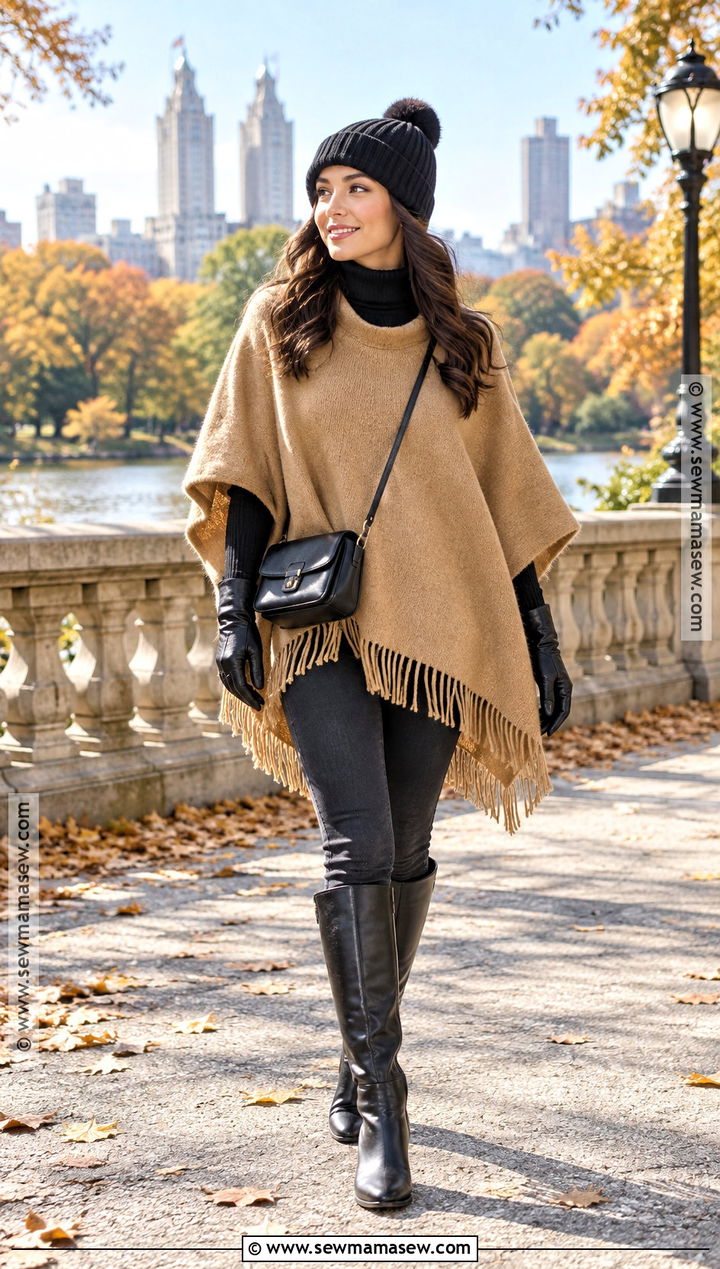
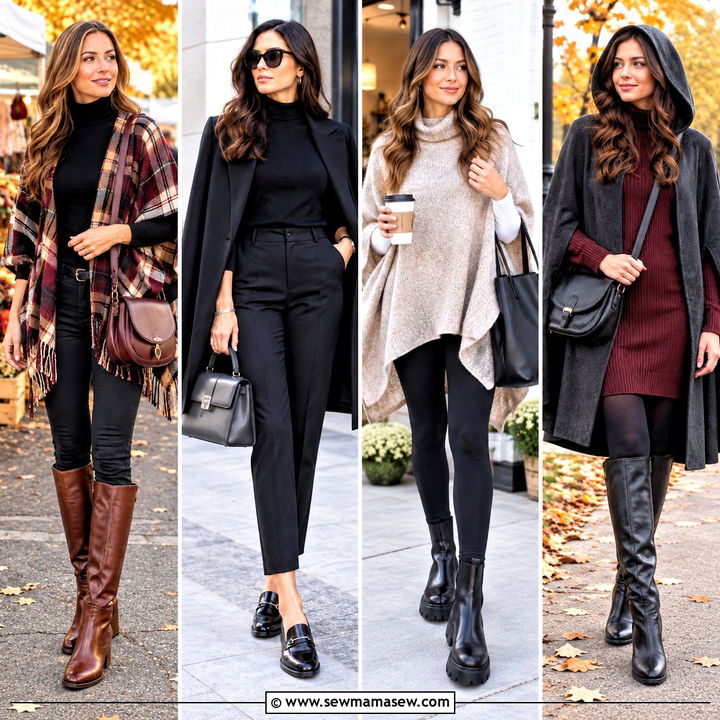
Ponchos are tricky in real cold. I only recommend a dense wool one with a snug neck opening, worn over fitted layers. Start with a thermal turtleneck, adding a thin cardigan only if the poncho has room. Skinny or slim-straight jeans balance the volume on top and tuck neatly into knee-high boots; fleece-lined tights under the denim and thick socks in the boots do the insulating. Long gloves matter more than usual, because poncho openings leave the forearms bare. A close-fitting beanie and a small crossbody worn under the poncho finish it. If the forecast says windy, leave the poncho at home. Loose ones lift like a sail and let cold air circulate.
18. Insulated Raincoat With Hoodie And Waterproof Pants
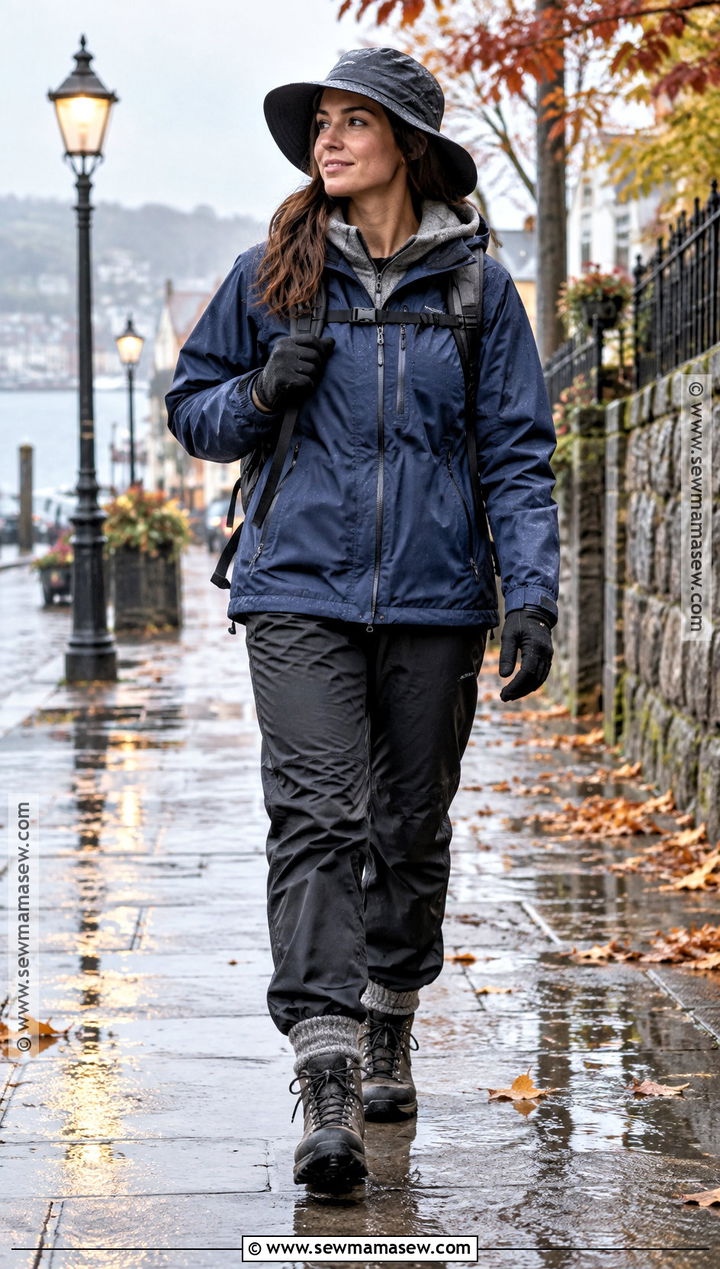
Cold rain is the worst weather to dress for, because wet fabric pulls heat away from the body far faster than dry. I start with a moisture-wicking thermal top, add a fleece-lined hoodie and cover both with an insulated waterproof raincoat. Lined water-resistant pants work for short trips; for longer time outdoors, I put waterproof overpants over thermal leggings. Boots need deep tread and a waterproof upper, with wool socks inside, which stay warm even when damp. A brimmed waterproof hat, insulated gloves and a water-resistant backpack finish it. Bright outerwear helps drivers see you on gray days. Before buying, check that the hood cinches close around your face and the cuffs close snugly.
19. Blazer With Turtleneck And Fleece-Lined Trousers
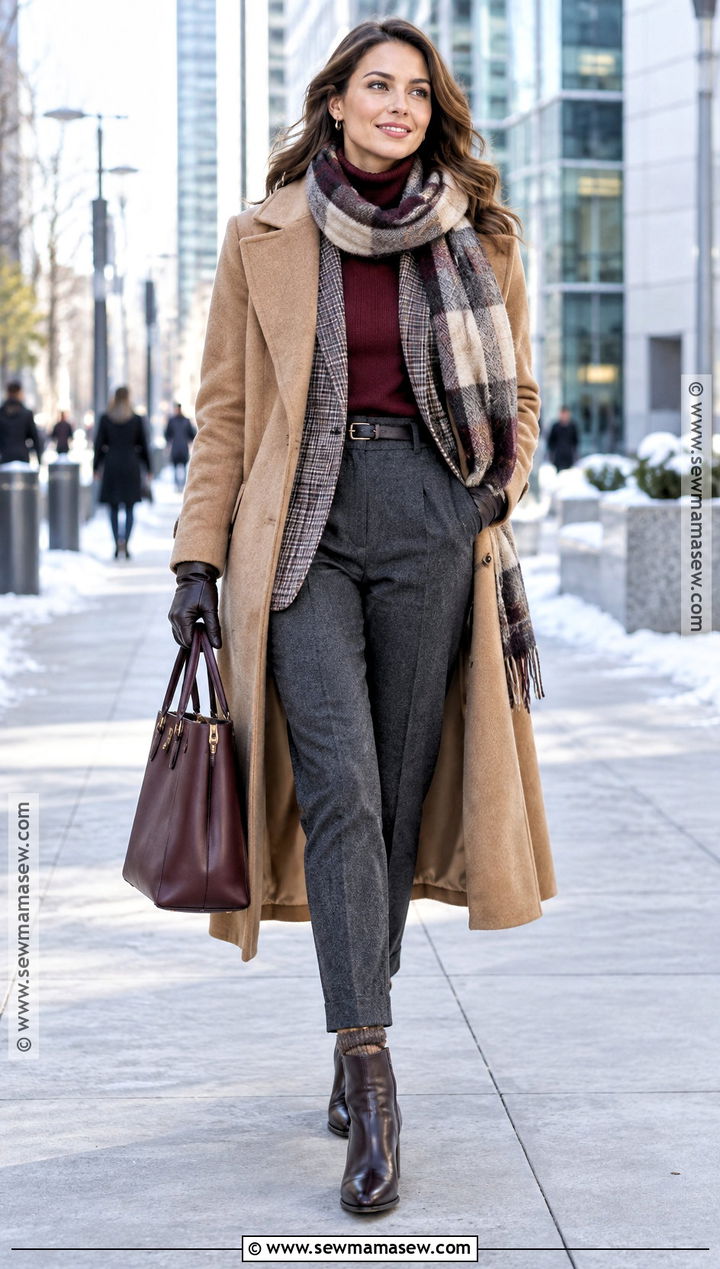
A blazer can't be your coat at 25 degrees, but it makes an excellent middle layer. I put a fitted thermal top under a wool turtleneck, then a slightly oversized blazer that leaves room to move. Tailored fleece-lined trousers, or thin leggings under regular wool pants, keep the legs warm. A long wool coat goes over everything for the commute. Leather ankle boots, warm socks, a big scarf and lined gloves finish it, plus a structured tote that fits your scarf and gloves once the coat comes off. A camel coat over a plaid blazer reads as autumn; an all-charcoal look reads as sharp. Once you're in the office, you just shed the coat and look ready for work.
20. Shearling Coat With Henley And Flared Jeans
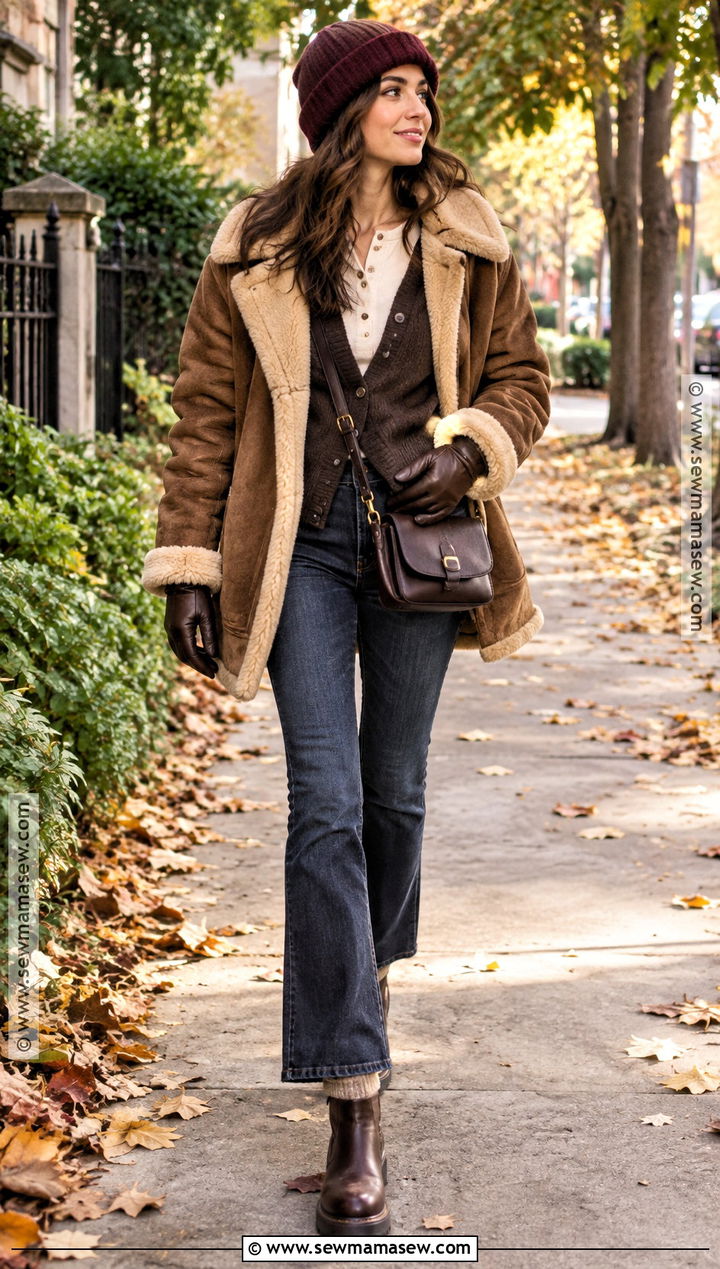
Real or faux shearling lining is one of the warmest coat linings you can buy, which is why it turns plain jeans into proper cold-weather clothing. I layer a fitted thermal shirt under a long-sleeve henley, and add a medium-weight wool cardigan only if the coat has inside room. Dark flared jeans need a hem that clears the floor, or they wick up slush. Thin thermal leggings fit under them without changing the shape. Ankle boots with sturdy rubber soles, heeled or flat, plus wool socks, a knit beanie, leather gloves and a crossbody finish it. Brown shearling with dark denim, cream knits and burgundy accessories looks rich. Keep the flare moderate so it sits cleanly over the boots.
Why 30 With Wind Feels Colder Than 20 Without
The number on the forecast is only half the story. Wind strips away the thin layer of warm air your clothes hold around you, so a breezy 30 degrees can feel harsher than a still, sunny 20. Before choosing an outfit, I check the feels-like temperature and the wind speed, not just the high.
- On windy days, choose a coat with a tight weave or a windproof shell. Loose knits, open-pile teddy and ponchos lose most of their warmth in a gust.
- Cover the neck. A turtleneck or a scarf tucked inside the coat collar stops the chimney effect, where warm air escapes up and out.
- Pick longer hems. A coat that covers the seat and upper thigh blocks wind from the most exposed part of your legs.
- On still, sunny days, you can go one layer lighter and wear the quilted coat or the vest outfits comfortably.
Hands, Feet and Ears Lose Heat First
Most people who tell me they're freezing in a good coat are actually cold at the edges. Feet are the usual culprit. Boots need enough room for a thick wool sock without squeezing the toes; a tight boot cuts circulation and makes feet colder, not warmer. Thin glove liners under leather gloves add a surprising amount of warmth, and they let you use your phone without baring your fingers. For the head, a beanie that covers the ears beats a fashionable one that perches on top.
Keep a spare pair of socks in your bag on wet days. Damp socks lose their warmth, and swapping to dry ones at lunch can rescue the whole afternoon.
Start Warm at the Skin and Work Outward
Cold fall days reward layers that each have a job, not one enormous coat. Start with a fitted thermal base, add a sweater or fleece that holds heat, and finish with outerwear that blocks the wind. Socks, boots, gloves, scarves and hats deserve as much thought as the coat, because one cold extremity makes the whole outfit feel like a failure. Adjust each look for how long you'll be outside, how much you'll move, and whether it's windy or wet, and take off the middle layer when you go indoors. Pick one outfit from the list that matches your normal week, and buy the missing piece first.
Related posts: