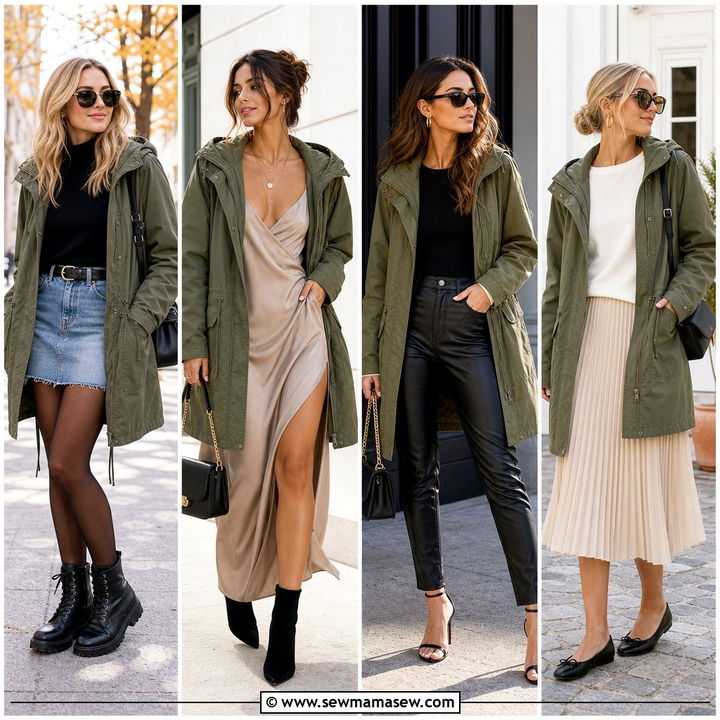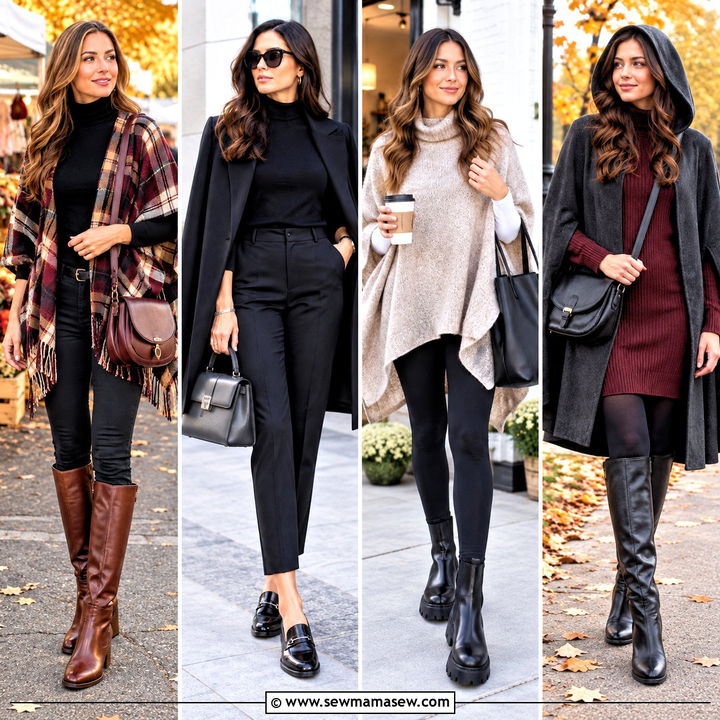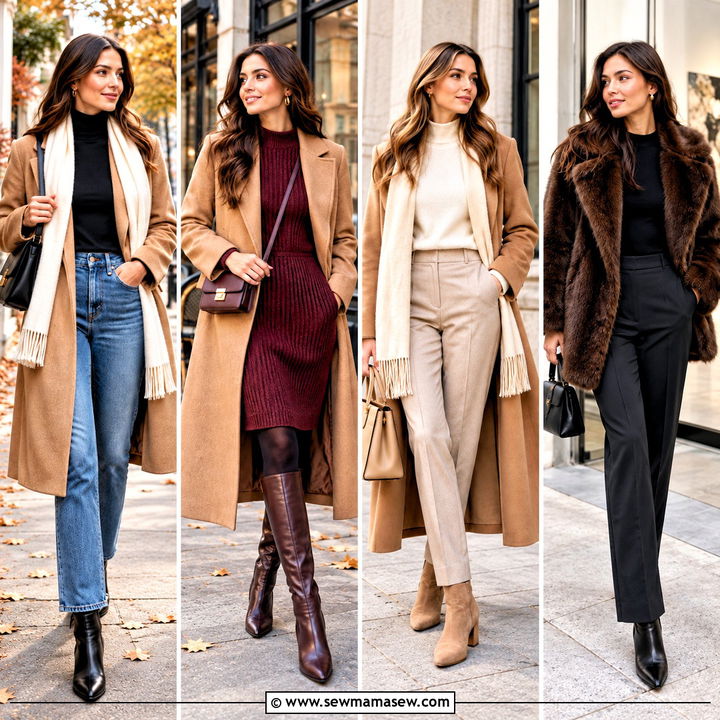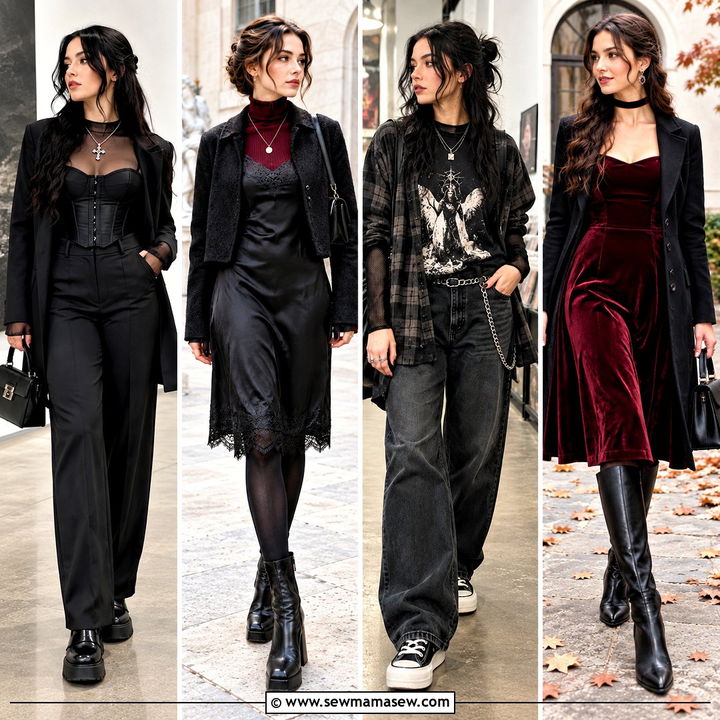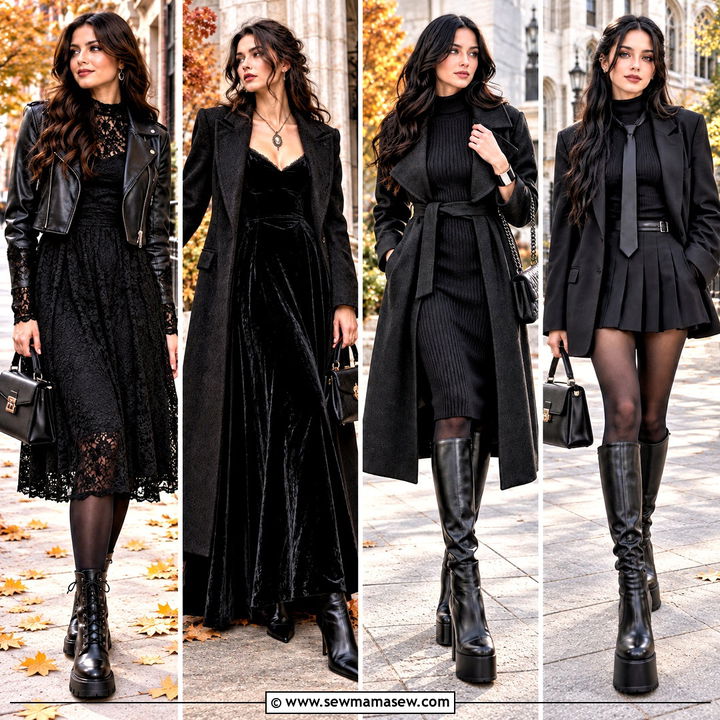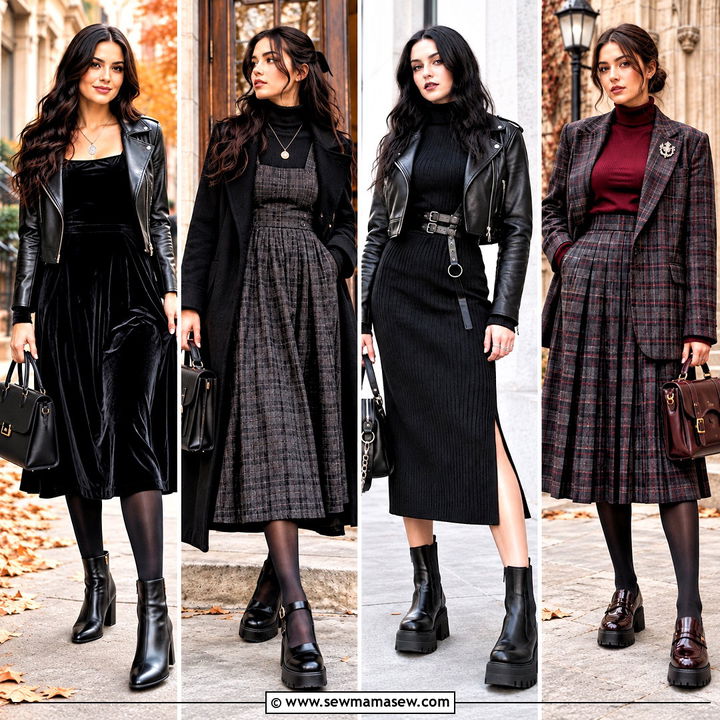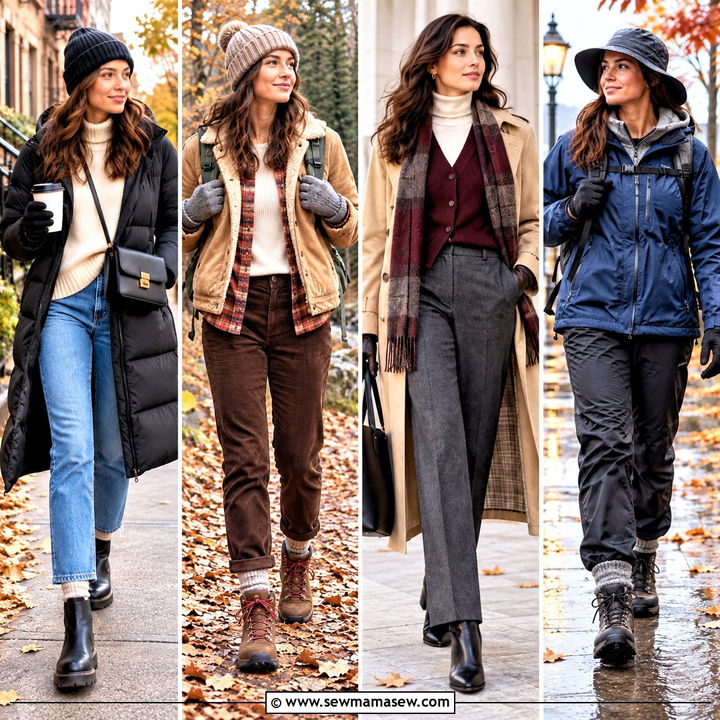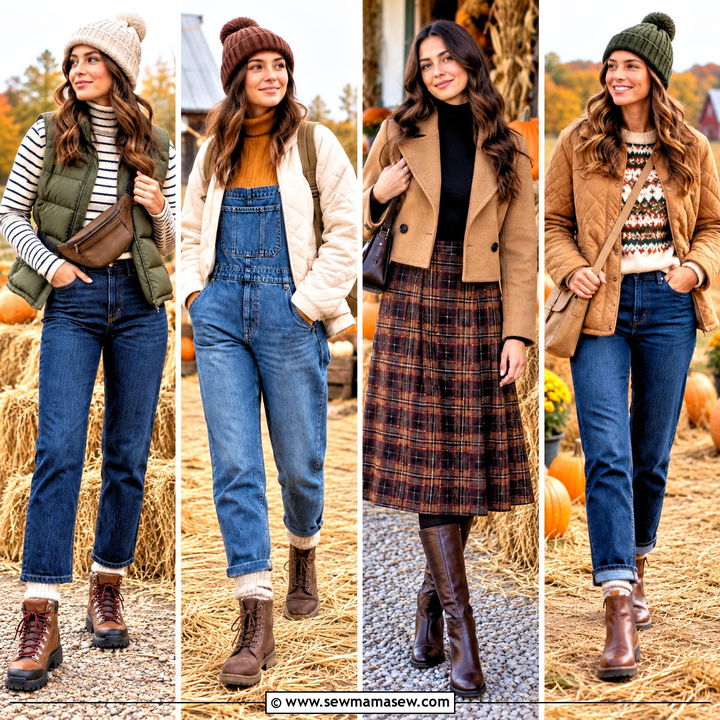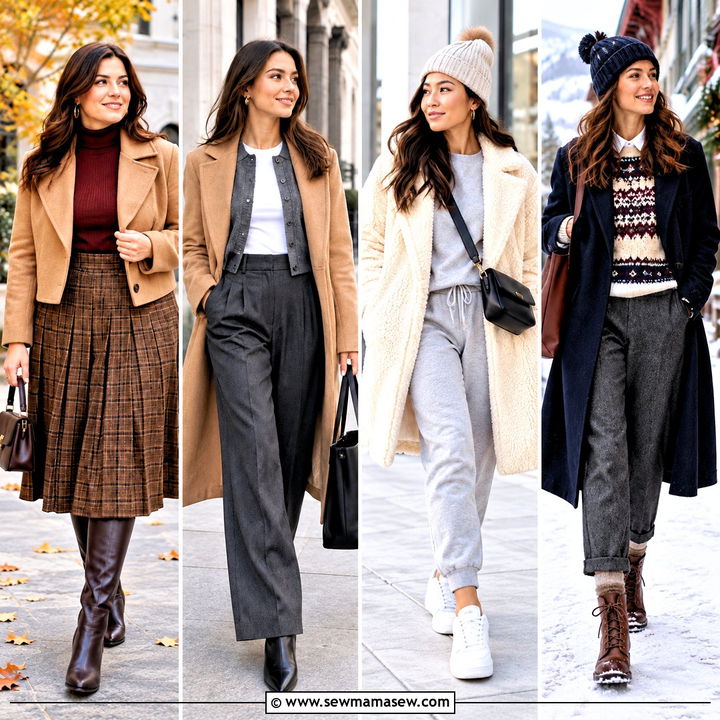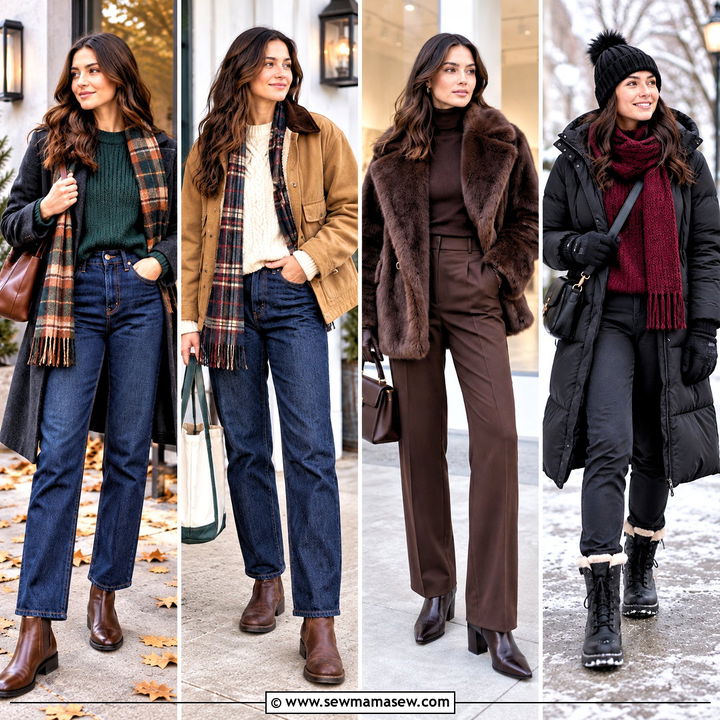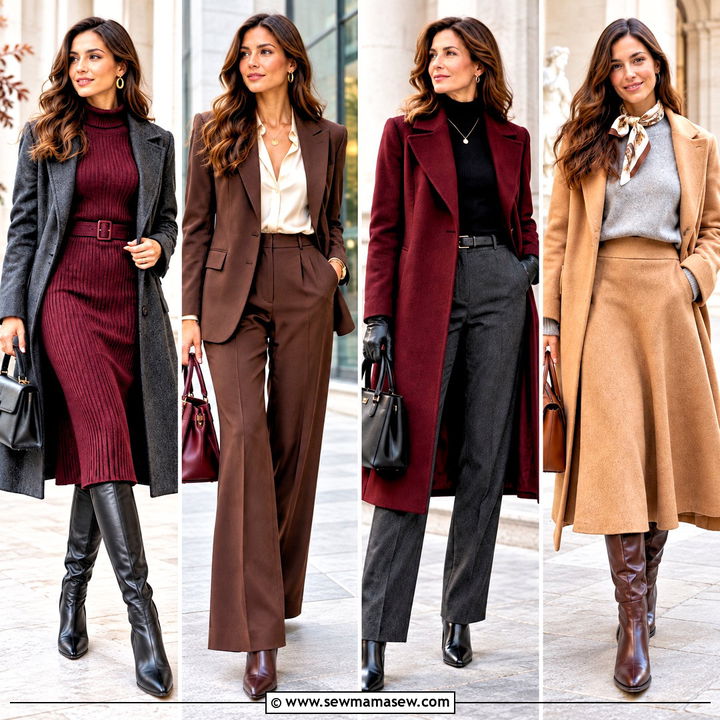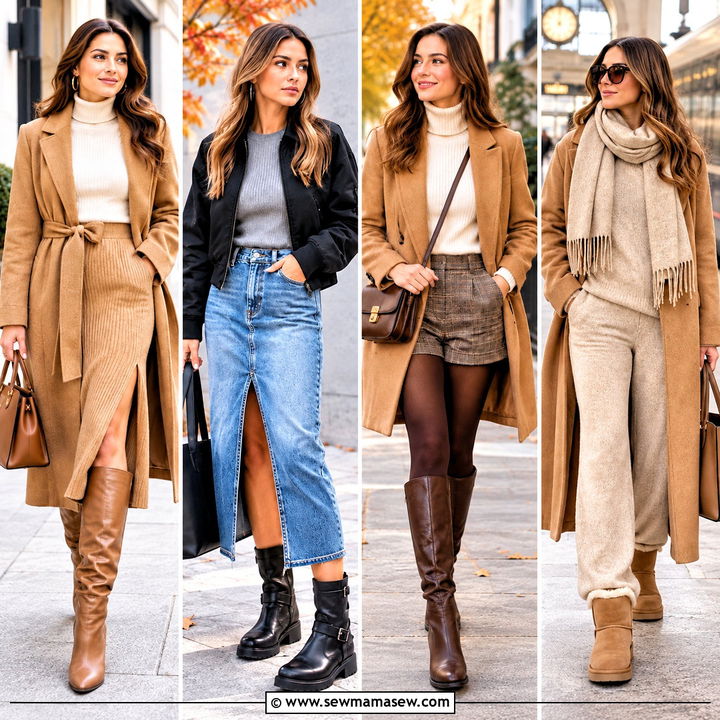
I used to think of thermals as the layer nobody sees. Then I started letting the waffle texture show at the cuff and collar, and they turned into one of the hardest-working pieces in a winter wardrobe. A fitted thermal is thin enough to slide under a blazer, a slip dress or overalls, yet warm enough to replace a sweater on a mild day. The trick is getting the bulk right: the thermal stays slim, the outer layer brings the shape. Here are twenty ways I wear them, from snowy school runs to a casual office, with what I watch for in each.

Cotton, Merino or Synthetic Under Your Coat
The word thermal covers very different fabrics, and the fiber matters more than the waffle pattern. Here's how I match them to the day.
- Cotton waffle: soft, breathable and the most casual looking. It's the best one for showing off under a denim jacket or flannel. The catch is moisture: cotton holds sweat, so on a long walk in the cold it can leave you chilled.
- Merino wool: thin, warm for its weight and slow to hold odor, so it can be worn more than once between washes. Fine merino usually doesn't itch. It is the one I'd slide under a blazer or slip dress.
- Polyester or nylon blends: they dry fastest and move sweat away from the skin, which suits snow days and active outings. They tend to hold onto smells and look a little shiny.
- Brushed or fleece-backed thermals: very warm but thicker, so keep them for outfits with roomy outer layers like parkas and puffer vests.
A quick test I use: if you'll be moving and outdoors for hours, skip pure cotton. If you'll be in and out of warm buildings, merino or a thin cotton blend is easier to live with.
1. Thermal Top With Straight Leg Jeans

If you only try one outfit from this list, try this one first. A ribbed or waffle thermal in white, gray, black, oatmeal or soft brown tucks into high-rise straight jeans with very little bulk, which is why the thermal top with straight leg jeans combination looks tidy instead of padded. A leather belt keeps the tuck in place. I let the texture show rather than burying it under three layers; a wool coat or quilted jacket on top is enough. Ankle boots with thick socks, small hoops and a crossbody bag finish it.
2. Thermal Top With Leggings

Leggings and a thermal are as comfortable as it gets, and the risk is looking like you're about to go for a run. Length is the fix. I choose a longline thermal that covers the seat, or layer a shorter one under an oversized sweatshirt, fleece half-zip or puffer vest. Black leggings look sleekest; brown, charcoal or olive feel softer. Matte, thick leggings beat shiny ones, which show every seam. Crew socks and chunky sneakers suit school drop-offs and airport days. Fitted below, structure above: that's the balance to aim for.
3. Thermal Top With Wide Leg Pants

Wide trousers carry volume at the leg, so a slim crewneck or mock neck thermal on top keeps the proportion right. High-waisted trousers, ponte pants or soft draped pants all work. A thicker waffle thermal can make a full tuck bulky, so I do a neat front tuck instead and smooth the sides flat. Loafers, pointed flats or slim ankle boots let the trouser hem fall cleanly. A long wool coat over the top gives the whole outfit a long, straight line, and a structured bag and simple scarf keep it office-ready.
4. Thermal Top With Denim Jacket

This works because denim is smooth and stiff while a thermal is soft and textured, so the two never compete. White, cream or a striped thermal under a medium-wash jacket is my go-to. Let the thermal show at the neck and roll the jacket cuffs once so a strip of waffle peeks out at the wrist; that tiny detail does most of the styling. Black jeans, relaxed blue jeans or corduroys below. A plain denim jacket stops being warm enough somewhere in the forties, so for colder days I switch to a sherpa-lined one or add a scarf.
5. Thermal Top With Puffer Vest

A puffer vest keeps your core warm and leaves your arms free, which is why I like it for walking and anything outdoors. A fitted thermal underneath matters; a loose one bunches at the armholes. Black, white or gray are easy, and a burgundy or forest green thermal gives the outfit some color. Hip-length vests suit straight jeans and cargos, while a cropped vest works better over high-rise joggers or fleece-lined leggings. Sneakers or hiking-style boots, a beanie, and a crossbody bag you can wear hands-free make it ready for a market or a long dog walk.
6. Thermal Top With Cargo Pants

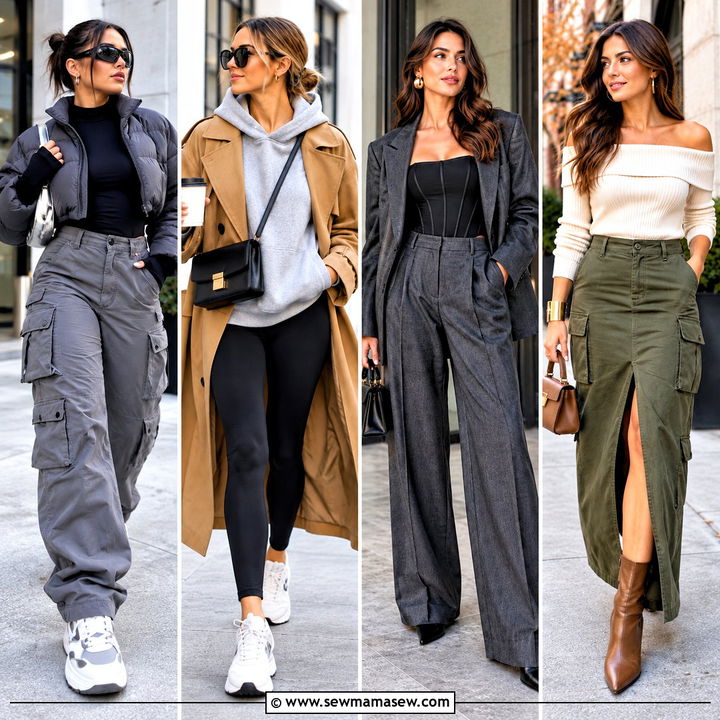
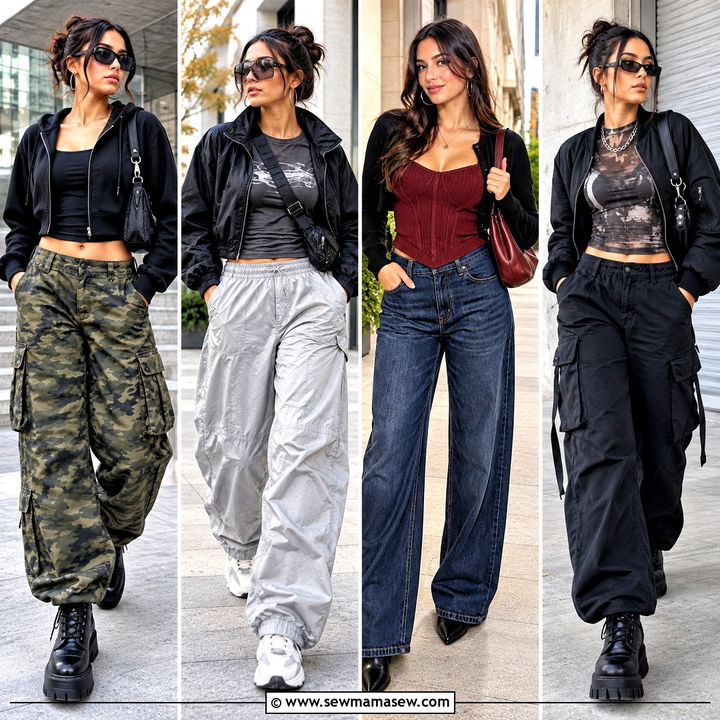
Cargo pants are roomy through the thigh and pockets, so the thermal should be the trim half: fitted, cropped, or tucked in. Olive, tan, black or charcoal cargos with cream, gray or black thermals keep the palette tight. I'd steer clear of a loose thermal left out over loose cargos, which reads like pajamas. Chunky sneakers or lug-sole boots carry the weight of the pant leg better than a slim shoe. A bomber or cropped puffer stops at the waist and keeps the proportions right. A belt bag and cap, and it's ready for the city.
7. Thermal Top With Midi Skirt

A thermal is the easiest way I know to keep wearing midi skirts in winter. Pick a fitted thermal top so it tucks smoothly; a ribbed mock neck looks especially neat with satin, knit or wool-blend skirts. With a lightweight skirt, I add thermal tights underneath and the outfit stays warm on a windy platform. Tall boots that meet the skirt hem leave no bare leg, which is warmer and looks deliberate. A heathered or striped thermal makes it more casual; a plain neutral makes it office-appropriate. Finish with a long coat.
8. Thermal Top With Mini Skirt And Tights

A short skirt in cold weather only works if the legs are properly covered, and that's what this outfit gets right. Opaque or fleece-lined tights, knee-high boots or chunky loafers with socks, and a fitted black or cream thermal tucked into a wool, corduroy, denim or faux leather mini. Heavy fabrics like wool and cord hold their shape better than thin ones and look more wintery. A long coat balances the short hemline. I'd keep this for casual lunches and relaxed workplaces rather than formal offices, where a mini can feel out of place.
9. Thermal Top Under A Slip Dress

Wearing a slip dress over a thermal is my favorite way to stretch a summer dress into winter. The thermal has to be slim, in black, ivory, gray or espresso, so the dress straps lie flat and nothing bunches at the armhole. A mock neck looks sleek; a scoop neck is softer. The dress can be satin, knit or velvet-style, midi length, with boots and a long coat. Satin clings to anything textured, so I choose a smooth thermal rather than a chunky waffle under a bias-cut slip. Tights underneath, minimal jewelry at the neck.
10. Thermal Top With Flannel Shirt

Thermal plus open flannel is a relaxed, practical uniform for weekends and cabin trips. White, black or gray thermals underneath let the plaid stay the focus. I size the flannel loosely enough to wear it like a light jacket and choose a brushed cotton, which is warmer than a thin printed one. Straight jeans, leggings or cargo pants all work. Lace-up boots make it more rugged; sneakers keep it easy. Knotting the flannel at the waist gives some shape over high-rise jeans. Add a beanie and a canvas tote and you're dressed for the outdoors.
11. Thermal Top With Shacket

A shacket sits between a shirt and a jacket, which makes it the right weight for a mild winter day when a heavy coat is too much. A fitted or semi-fitted thermal underneath stops the layers from bunching. Plaid, corduroy, wool-blend or fleece shacket styles each give a different texture against the waffle. I'd wear it open with jeans or straight pants and push the sleeves up slightly so the thermal cuff shows. Chelsea boots look a bit sharper than lug soles; sneakers are the most casual. A ribbed beanie and crossbody bag finish it.
12. Thermal Top With Blazer

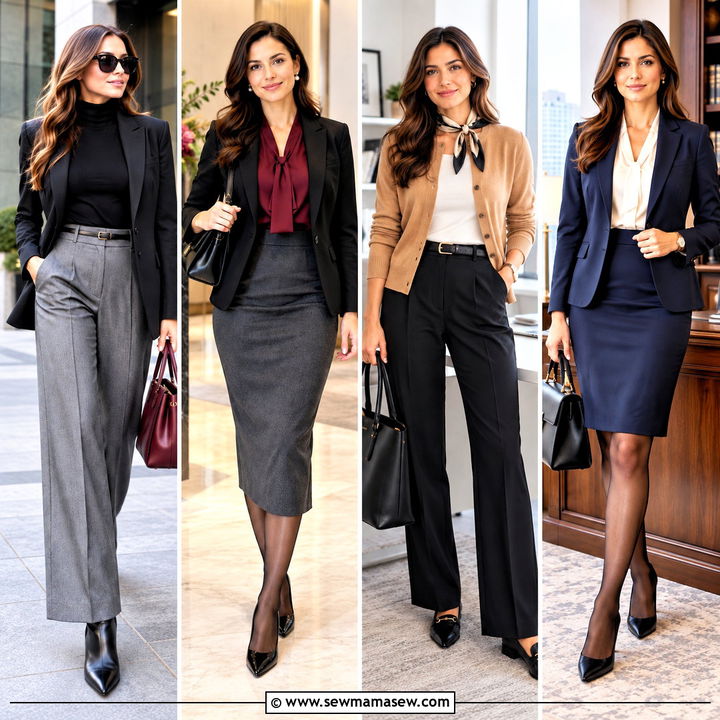
Yes, a thermal can go under a blazer, but only a thin, fitted one. Anything thick fills out the blazer sleeves and makes the shoulders pull. A black thermal with a gray blazer is classic; ivory with camel looks soft. A mock or crewneck sits neater under lapels than a henley's buttons. Straight jeans, tailored trousers or ponte pants all work. Loafers or ankle boots, a structured bag and a watch keep it professional for a casual office. Indoors, offices run warm, so I'd make sure the thermal is comfortable on its own when the blazer comes off.
13. Thermal Top With Cardigan

Cardigans and thermals are an easy pair, but stacking two textures adds bulk quickly. With a chunky knit cardigan, I keep the thermal very thin and the bottom half streamlined: straight jeans or leggings rather than wide trousers. A cropped button-front cardigan gives more waist shape; a longline one covers the hips and feels cozier. Ankle boots, clogs, loafers or sneakers all suit it. A scarf adds warmth at the neck, which a cardigan leaves open. Good for classrooms and work-from-home days when the heating can't make up its mind.
14. Thermal Top With Overalls

Overalls are a smart reason to own a fitted thermal, because a loose one bunches under the bib and around the side openings. Cream, black, striped or heather gray thermals all pair with denim, corduroy or canvas overalls. The sleeves showing below the strap is what makes the look, so I don't add a heavy sweater underneath. For more warmth, a cardigan, chore jacket, or cropped puffer goes on top instead. High-top sneakers or clogs keep it playful. Check the overall straps are adjusted so the bib sits at chest level, not sagging.
15. Thermal Top With Joggers

This is a comfort outfit, so the effort goes into making the pieces look like they belong together. Fleece, cotton or soft knit joggers with a fitted waffle, cropped or longline thermal depending on how much coverage you want. Tonal neutrals like gray, cream, black or taupe make it look planned. I'd choose joggers with a cuff at the ankle that sits on top of the sneaker rather than bunching inside it. A puffer, zip hoodie or sherpa jacket handles the cold. Clean sneakers, crew socks and a belt bag for travel days and errands.
16. Thermal Top With Faux Leather Pants

Faux leather is shiny and stiff, a thermal is matte and soft, and that contrast keeps the outfit from feeling too hard. A fitted black, cream or taupe thermal tucked into straight or slim faux leather pants gives a clean line. Faux leather doesn't breathe much, so the thermal also helps absorb moisture if you're inside a warm restaurant. Ankle boots, loafers or sleek sneakers, depending on the night. A wool coat, oversized blazer or cropped jacket on top. Keep the bag small and the jewelry minimal so the texture mix does the work.
17. Thermal Top With Sweater Vest

A sweater vest over a thermal gives warmth at the core without the bulk of a full sweater, and the thermal sleeves fill in where the vest stops. A slim thermal in white, black, gray or cream underneath; a knit vest in a neutral, stripe or soft pattern on top. Pleated trousers or corduroys with loafers look preppy; ankle boots with jeans look more wintery. If the vest is oversized, keep the trousers fitted. I check that the thermal's neckline sits evenly inside the vest's V so it doesn't twist to one side.
18. Thermal Top With Long Coat

A long coat does most of the styling in this outfit, and the thermal underneath simply needs to be neat. Wear it with straight jeans, trousers, leggings or a knit skirt, then add a long wool, wrap or tailored coat in camel, black, gray, navy or chocolate. The coat's length is what makes the outfit look finished; I like one that reaches at least the knee so the lines stay long. Check the coat sleeves cover the thermal cuff when your arms hang. Ankle boots or loafers, a scarf and a structured bag for commuting and city errands.
19. Thermal Top With Snow Boots

On icy pavement, the boots come first and the rest of the outfit follows. A warm thermal base, then fleece-lined leggings, straight jeans or insulated pants, and a puffer coat, parka, or quilted jacket. Jeans tucked into snow boots stay dry; jeans worn over them wick slush up the hem. I match the beanie, scarf and socks to the boots so they look intentional rather than functional. Cotton thermals hold moisture if you sweat walking, so for a long outdoor day I'd choose a wool or synthetic thermal instead.
20. Thermal Top With Denim Skirt

A denim skirt with a thermal carries well from fall to early spring. Tuck a fitted thermal into a midi, knee-length or mini denim skirt, and add opaque tights or fleece-lined tights once it's cold. Dark denim looks more winter-appropriate; light denim suits mild days. Knee-high boots change the feel completely from loafers with socks, so pick by the mood you want. A cardigan, shacket, leather jacket or long coat on top. Denim skirts are stiff, so I check the slit doesn't open too far in cold wind.
Three Thin Layers Beat One Thick Sweater
Warmth comes from the air trapped between layers, so several thin pieces usually keep you warmer than one heavy knit, and they let you adjust as you go in and out. This is the order I build in.
- Base: a fitted thermal close to the skin. Too loose and it can't trap heat.
- Middle: something that holds warmth but can come off indoors, like a cardigan, sweater vest, shacket or fleece.
- Outer: a coat or puffer that blocks wind. In wet weather, this layer matters most, because wool and down lose warmth when soaked.
Size each layer slightly larger than the one beneath it. If your coat feels tight across the back over a cardigan and thermal, it's compressing the insulation and you'll actually feel colder. Leave a bit of ease, and you can also lift your arms without the whole stack riding up.
Washing makes a difference too. Merino goes on a cool wool cycle and dries flat; cotton waffle shrinks in a hot dryer and loses its texture. A thermal that's been tumbled hot for a season stops fitting closely, and it stops keeping you as warm.
One Thin Layer That Changes the Whole Coat
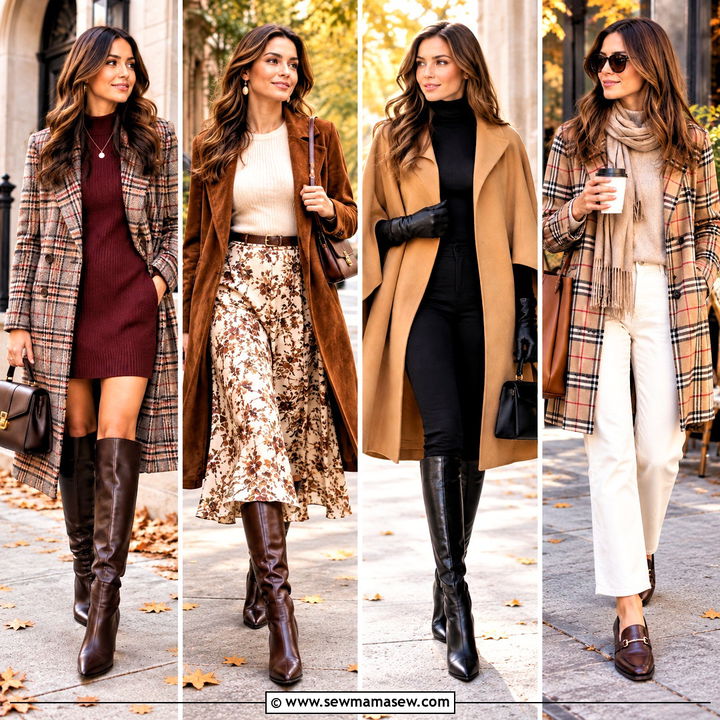
Once you think of a thermal as a visible layer rather than underwear, it starts working in outfits you'd never have tried in winter: slip dresses, midi skirts, overalls, even a blazer. Keep it fitted under anything structured, let the waffle texture show at the cuffs and collar when the outfit is casual, and let the outerwear bring the shape. Choose the fiber for the day you're actually having, and a single thermal can carry you from a snowy walk to a lunch indoors without a change.
Related posts: