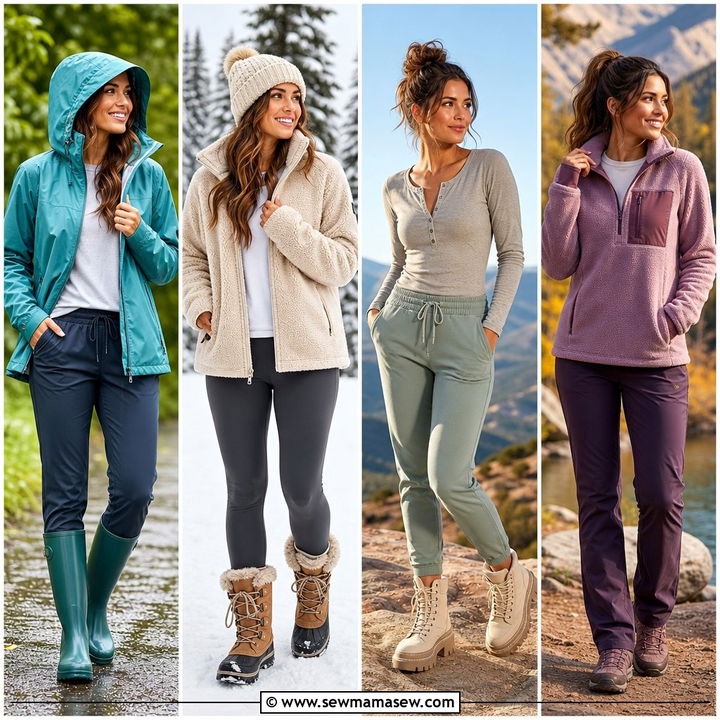
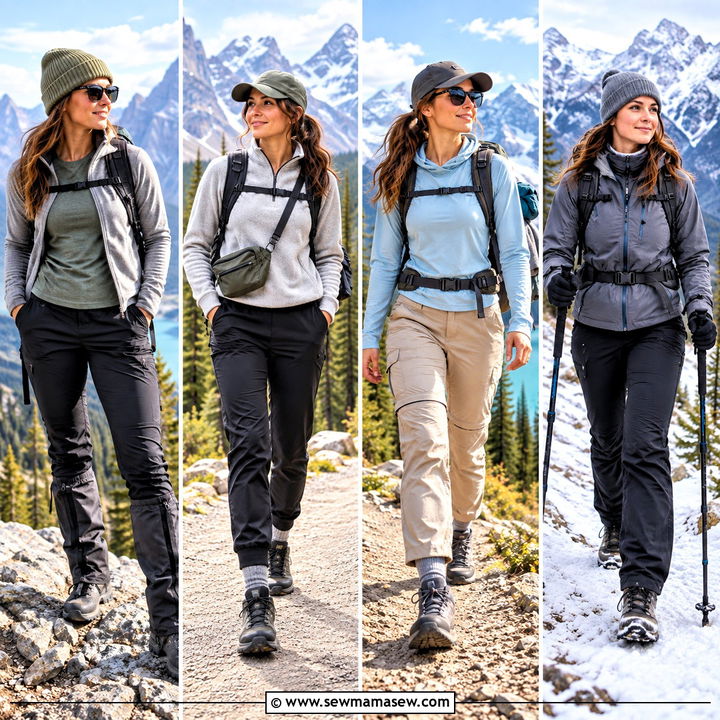
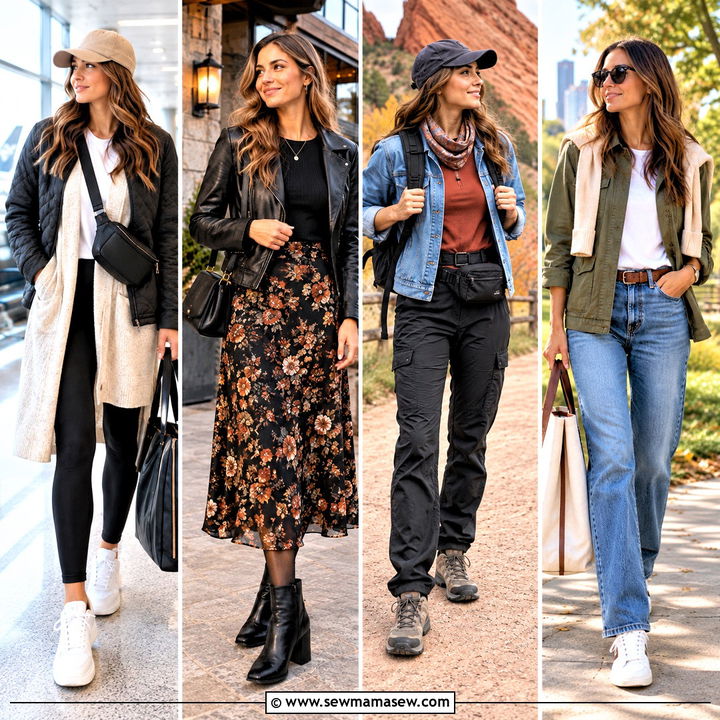
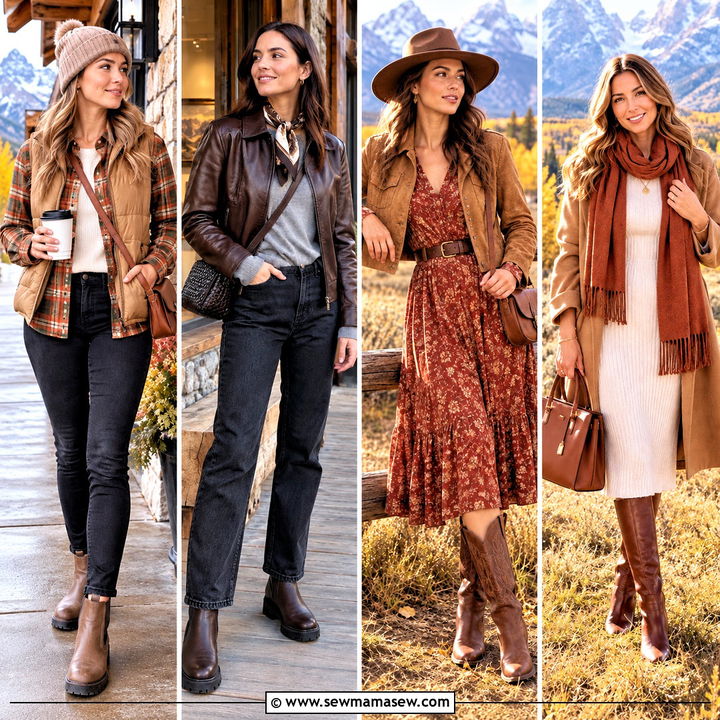
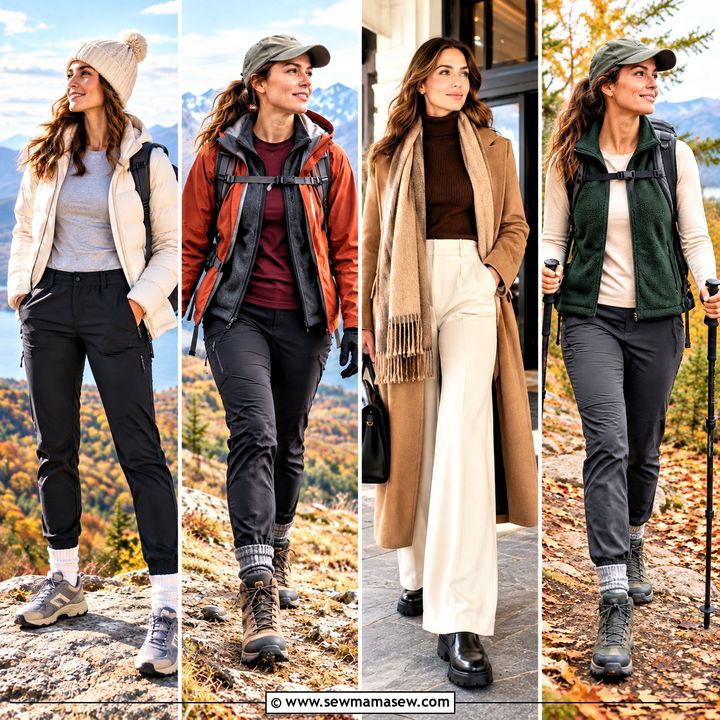
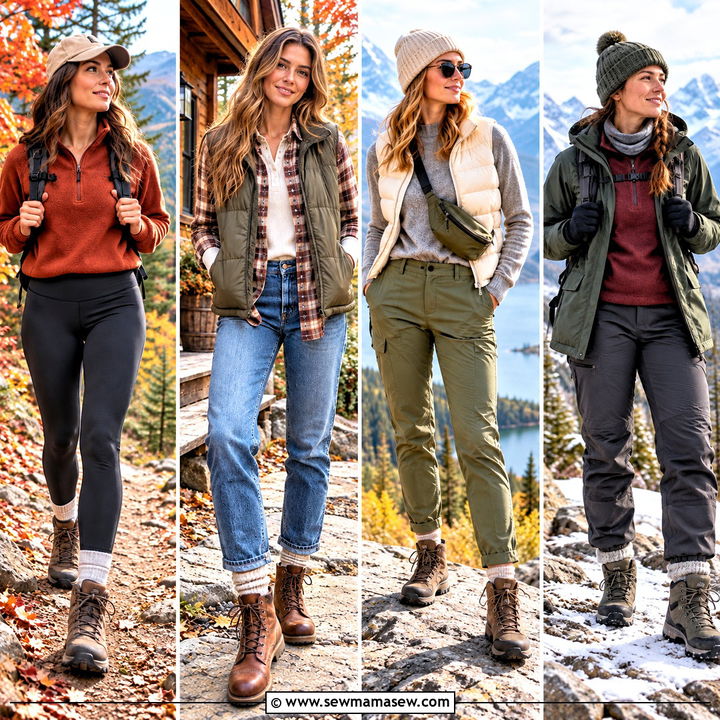
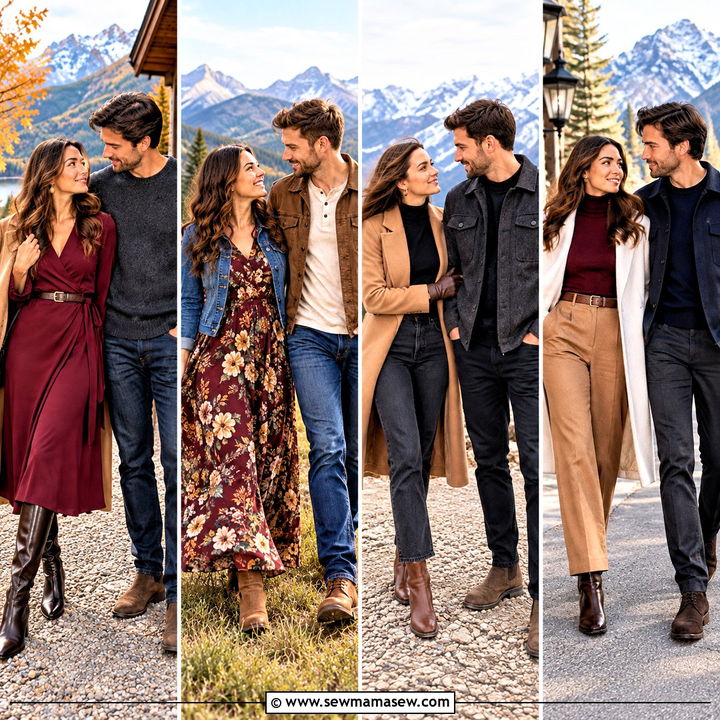
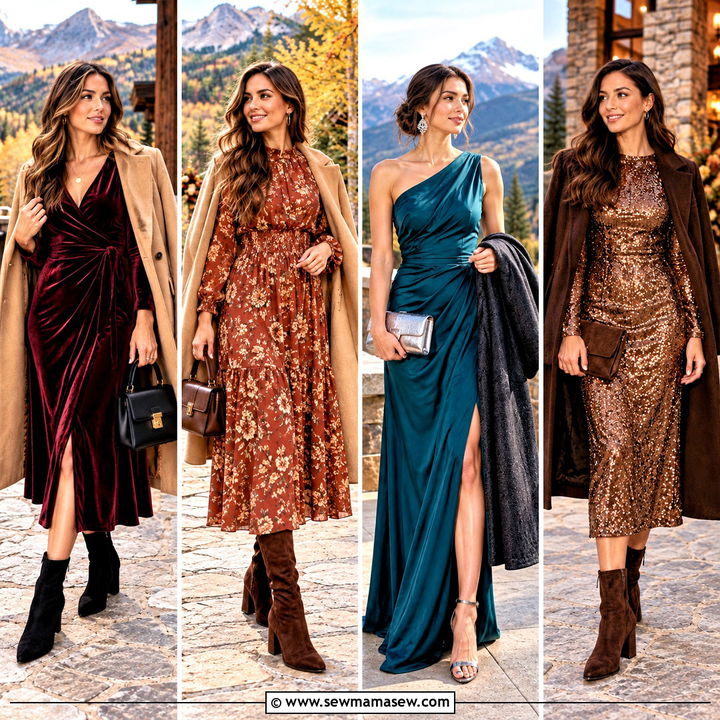
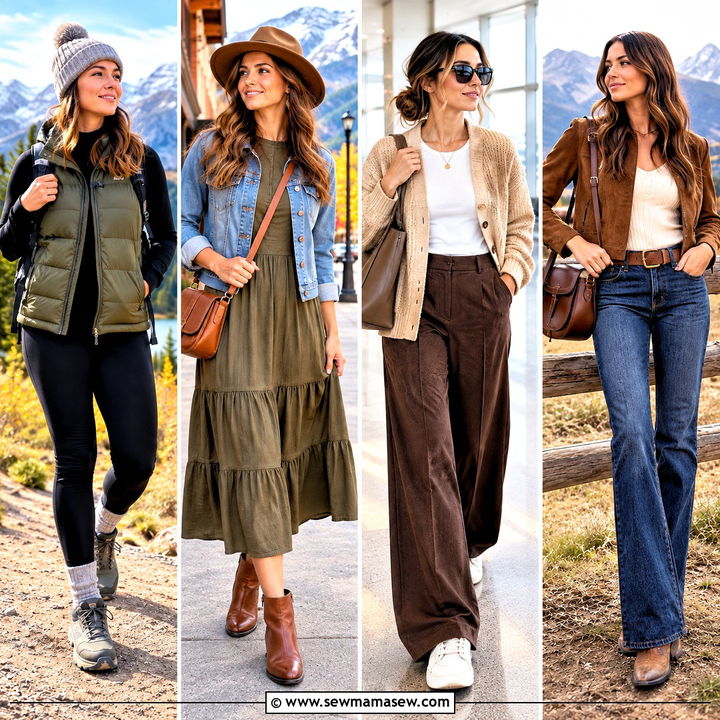
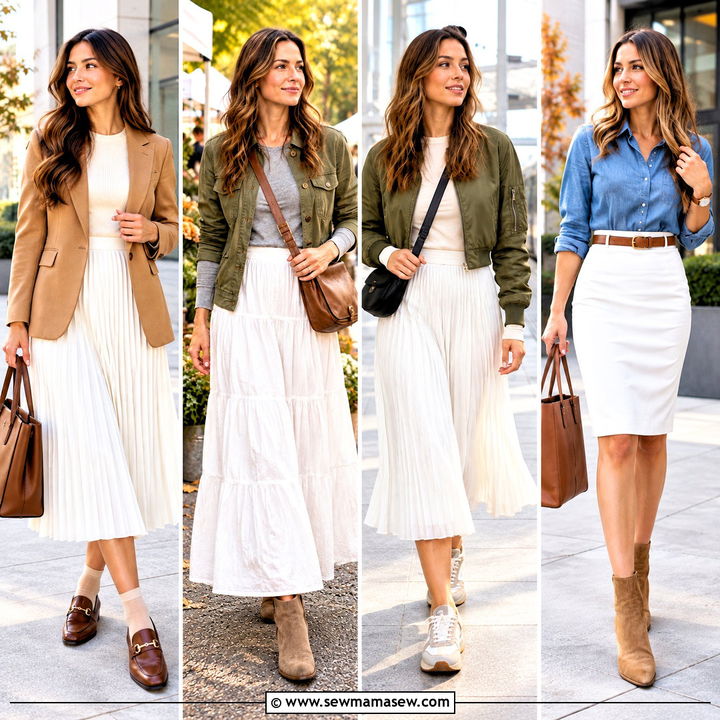
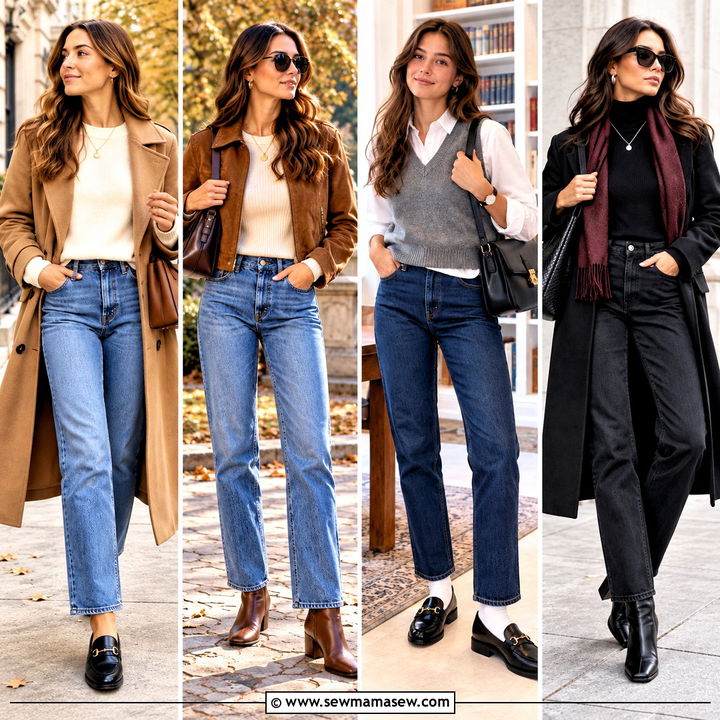
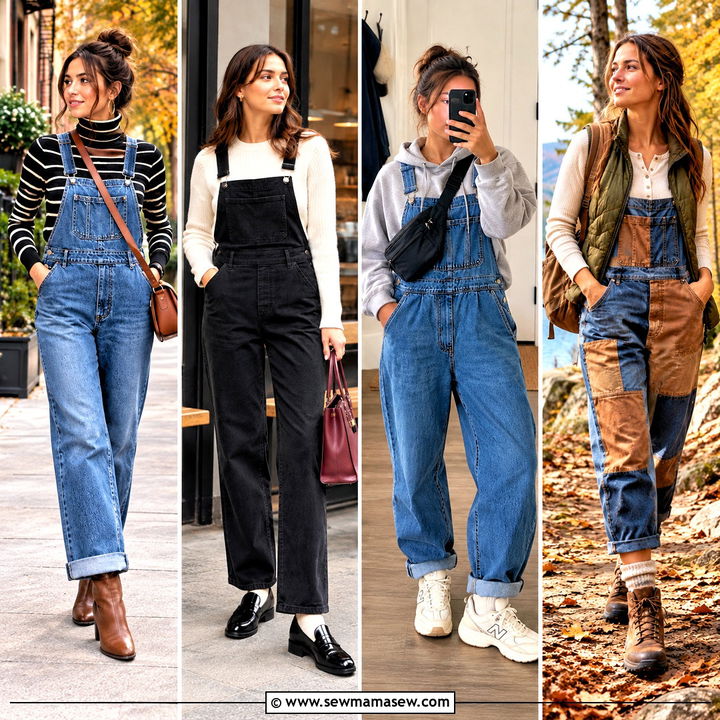
Packing for Banff in fall is mostly a lesson in how fast mountain weather turns. A sunny afternoon in town can become a raw wind at the lakeshore an hour later, and September or October can bring rain or an early dusting of snow on the same trip. When I plan a mountain wardrobe, I build it from layers that come off and go back on, a shell that truly keeps water out, and shoes chosen for where you will actually walk. Neutrals carry most of the load, and one or two seasonal colors like forest green or rust keep the photos from looking flat. The twenty outfits below run from lake walks and easy trails to gondola days, long drives and relaxed dinners in town.
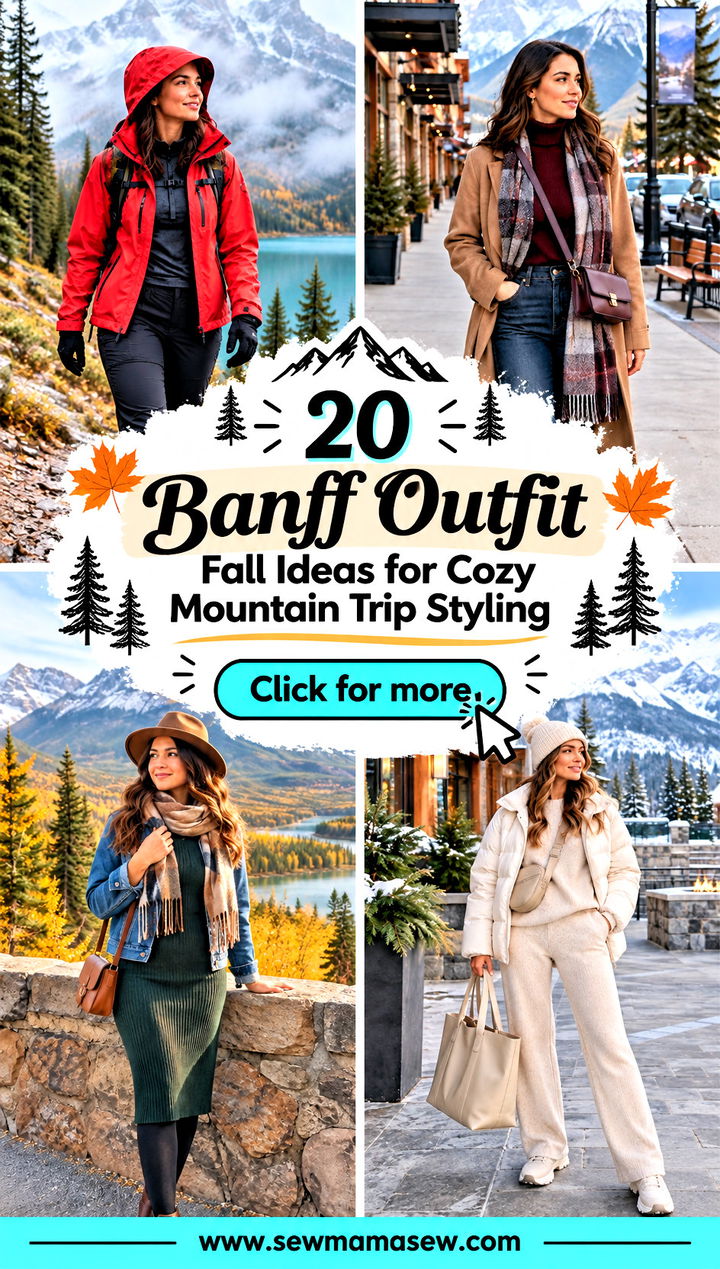
Layering for a Frosty Lake Morning That Turns Mild by Noon
Banff sits high in the Rockies, and in September and October the spread between dawn and mid-afternoon is wide. Mornings near freezing are common, afternoons can reach jacket-optional weather on a sunny day, and lakes like Louise and Moraine sit higher still, so they feel colder than town. I plan every outfit as three layers that each do one job, so you can take one off without rethinking the whole look.
- Base: a fitted merino or synthetic long-sleeve. It moves sweat off your skin, which keeps you warm once you stop walking.
- Middle: a fleece, a light puffer or a sweater. This is the layer that comes off around lunch and goes back on at sunset.
- Outer: a shell that blocks wind and rain. Size it one up if you plan to wear a puffer under it.
The order you remove things matters too. Shed the middle layer first and keep the shell on when the wind is up; it is the wind on the shore, more than the air temperature, that makes people feel frozen at the lakes. Hats and gloves go in your pocket, never the trunk.
1. Banff Fall Outfit With Puffer Jacket And Leggings
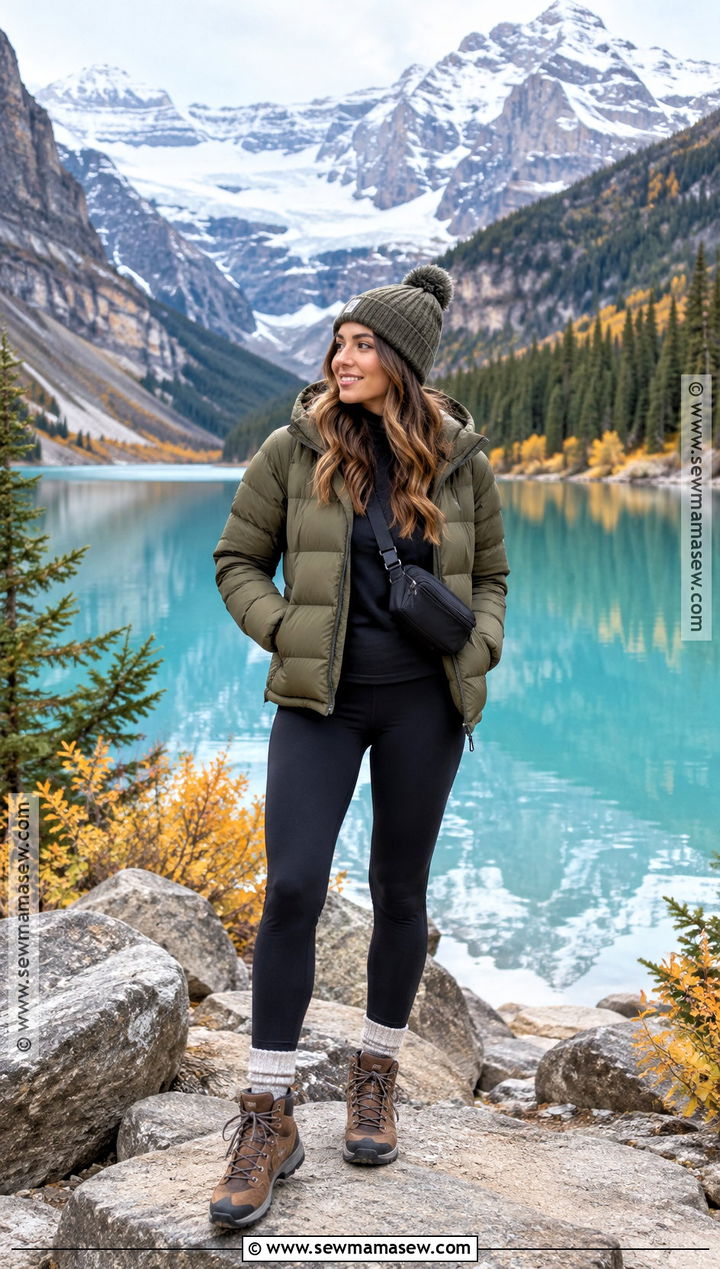
For a day of hopping between viewpoints, I start this one with a long-sleeve top that wicks sweat, because cotton stays damp and turns cold the moment you stop walking. Over it goes a hip-length puffer in olive, burgundy or navy, and under it high-rise thermal leggings that move with you. Waterproof hiking boots, wool socks, a beanie and a small crossbody handle the rest. The puffer is the piece that earns its place here: it zips open in a heated car and closes in seconds at a cold lookout. Keep a rain shell rolled in your daypack, since down loses most of its warmth once it soaks through.
2. Banff Fall Outfit With Fleece And Hiking Pants
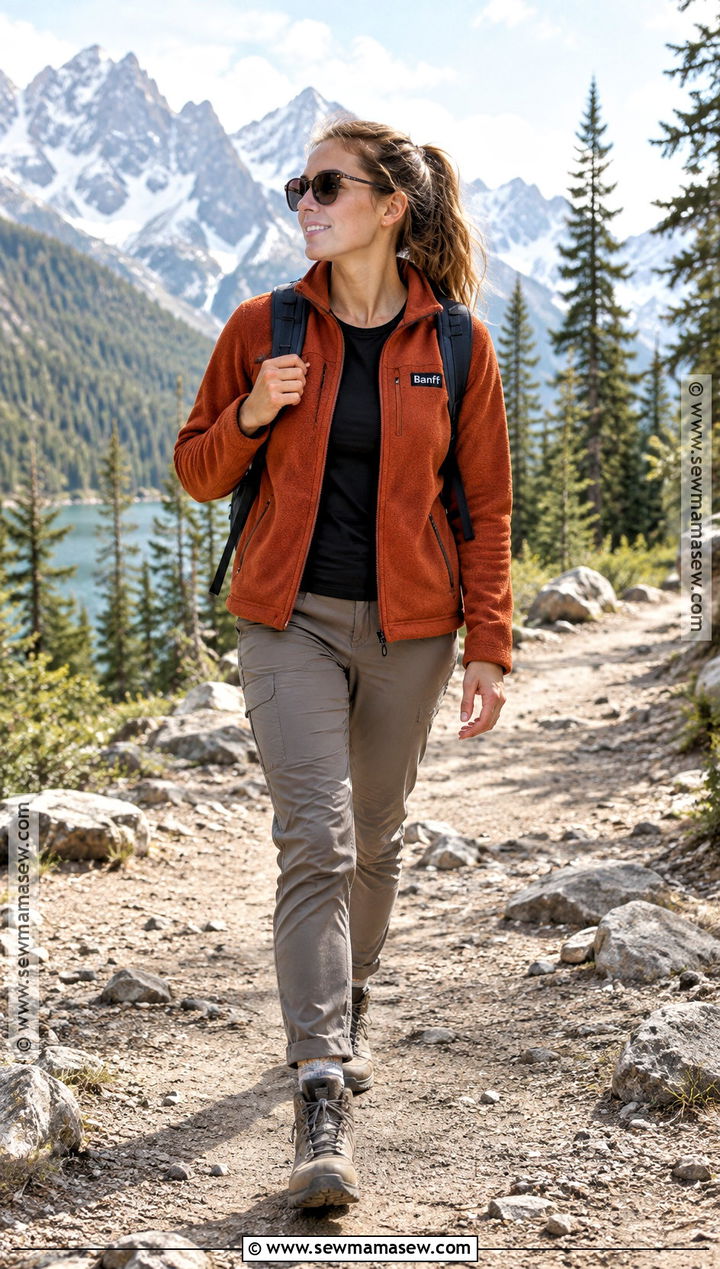
I reach for a zip-front fleece on trail days because you can vent it a little at a time instead of stripping off a whole layer on a climb. Wear it over a fitted base layer with stretch hiking pants, which shrug off brush and wind in a way rigid denim never will. Waterproof trail shoes give good grip without the weight of full backpacking boots. Add wool socks, a cap and a light daypack. Charcoal or taupe keeps the outfit quiet; a rust or teal fleece gives the photos a focal point. Fleece blocks very little wind, so carry a packable insulated jacket for shaded overlooks.
3. Banff Fall Outfit With Plaid Shacket And Jeans
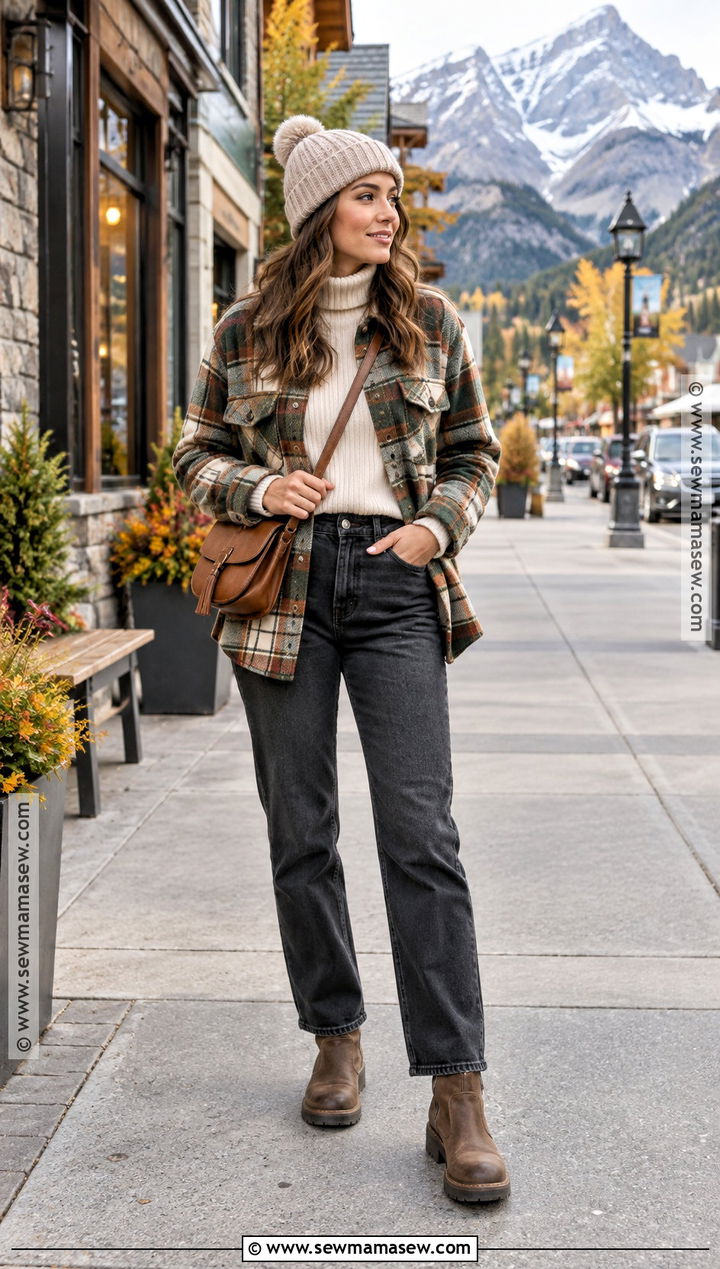
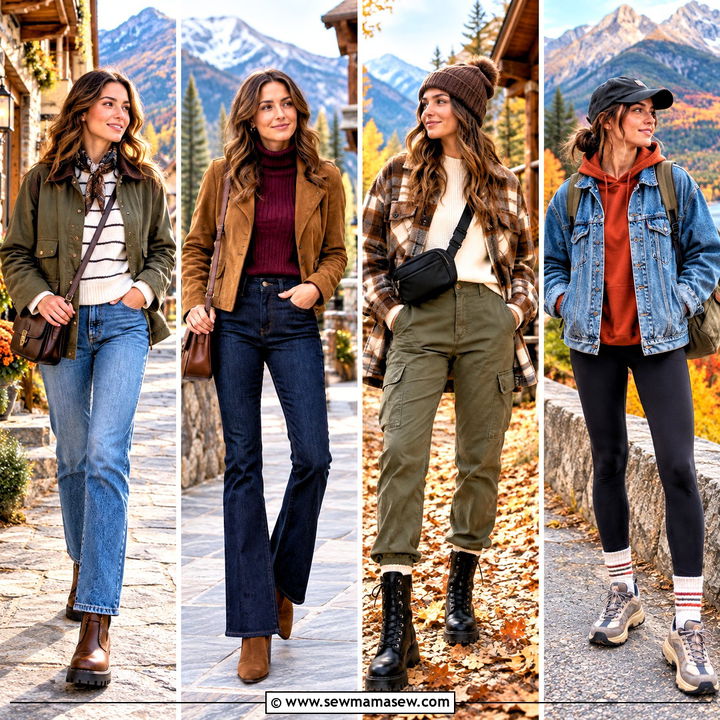
A brushed plaid shacket over a cream thermal or cotton turtleneck is the easiest town outfit in the mountains. Straight-leg jeans in a dark wash or black hide the marks you pick up from damp benches and trail dust. Weather-resistant ankle boots, thick socks, a leather crossbody and a ribbed beanie finish it. When I fit a shacket for travel, I check that it closes over a thin insulated vest, because that hidden layer is what makes it work on a cold morning. It reads casual and seasonal without the head-to-toe technical feel some visitors want to avoid in town.
4. Banff Fall Outfit With Sweater And Cargo Pants
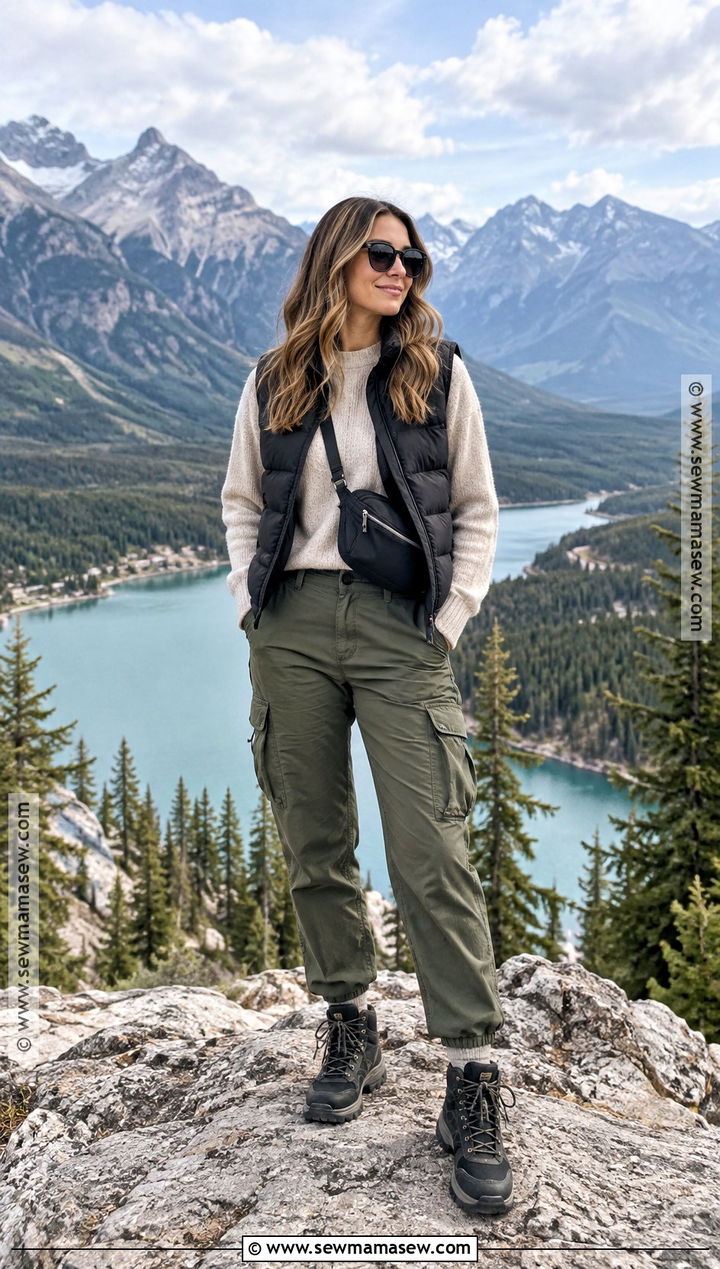
Cargo pants and a medium-weight crewneck give you comfort and pockets without looking like trail gear. I like oatmeal, camel or moss for the sweater and olive or black for the pants, with a thin base layer underneath so you can adjust as the day warms. Water-resistant lace-up boots handle uneven sidewalks and easy paths, and a cropped puffer vest plus a belt bag keep your hands free. The one thing I steer people away from is a very oversized sweater. It bunches under a coat, rides up at the hem and makes the whole outfit look heavier than it is.
5. Banff Fall Outfit With Rain Jacket And Trail Pants
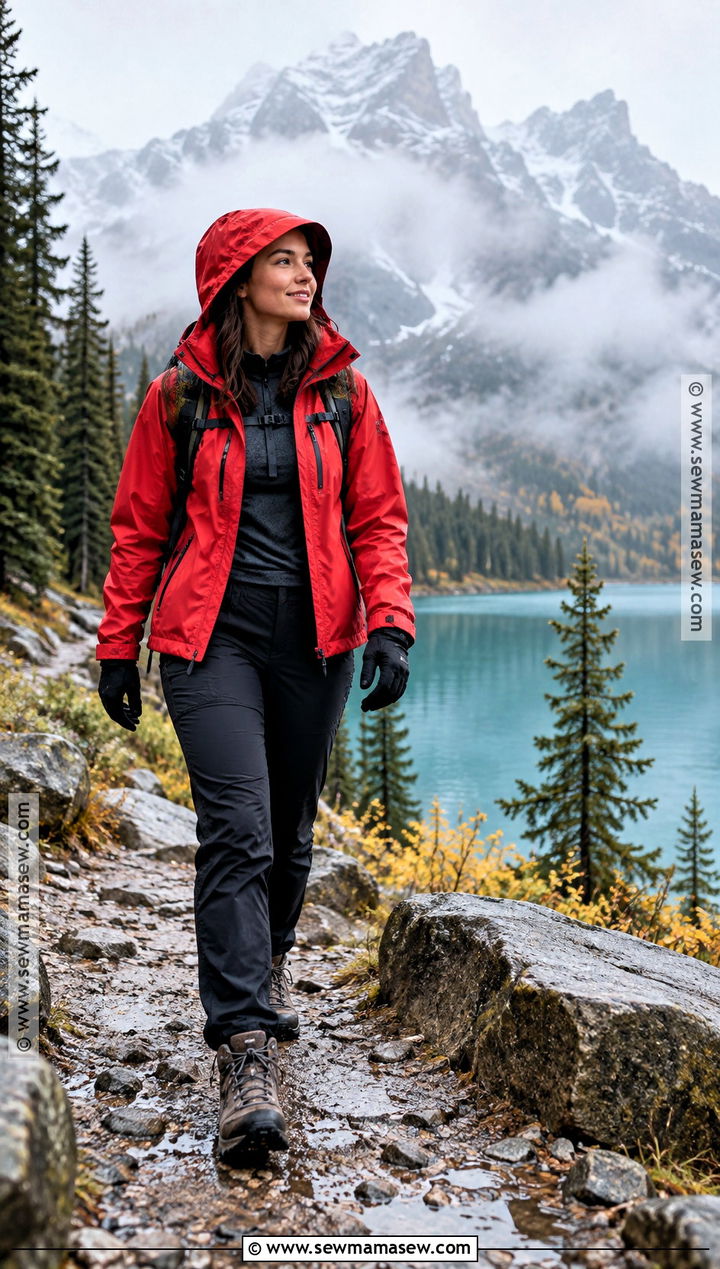
Rain days are where a good outfit pays for itself. Choose a waterproof hooded jacket cut with room for a fleece underneath, because a shell sized only for a T-shirt will bind at the shoulders once you layer. Quick-drying trail pants beat jeans here; wet denim gets heavy, cold and slow to dry. Waterproof boots with deep tread, merino socks, a brimmed cap and touchscreen gloves round it out. A red, cobalt or mustard jacket shows up well against grey mist. Put your phone and documents in a zip pouch inside the bag, since most daypacks are only splash resistant.
6. Banff Fall Outfit With Quilted Vest And Thermal Top
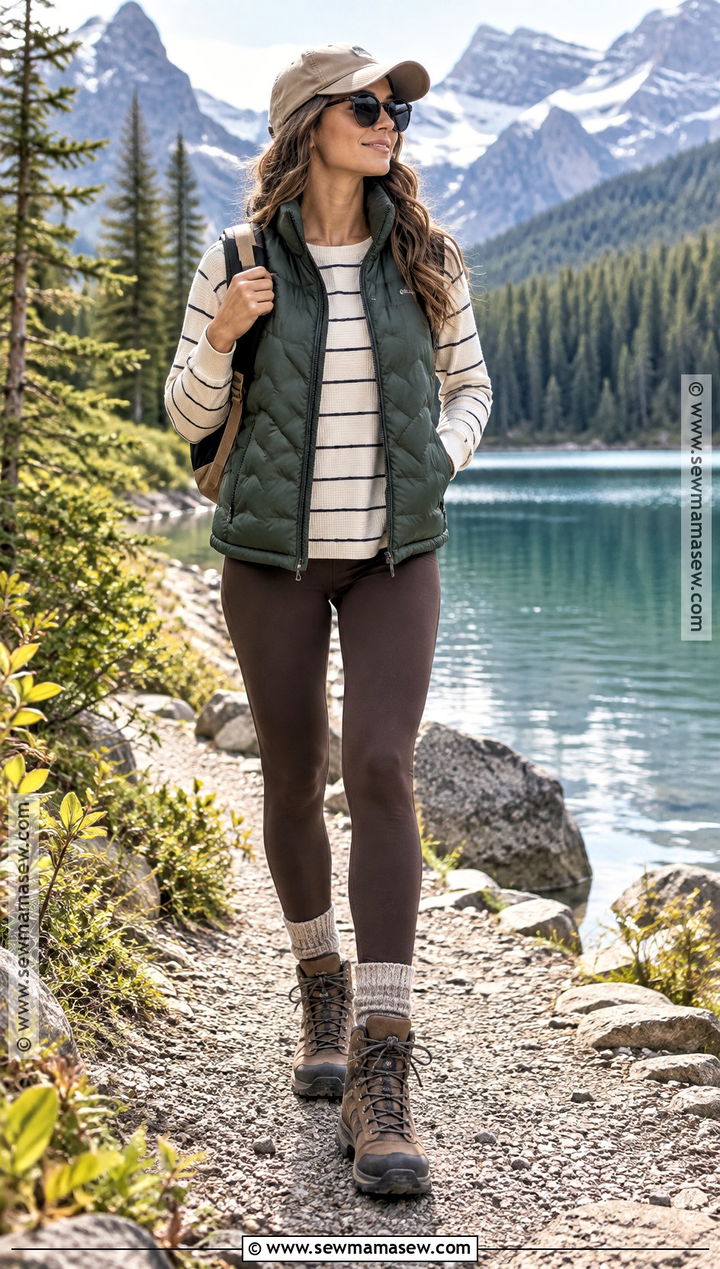
On a mild early-fall afternoon, a quilted vest keeps your core warm and leaves your arms free. I layer it over a fitted thermal or a striped long-sleeve tee, with black or chocolate leggings, tall hiking socks and waterproof boots. A longer vest gives more coverage over the hips; a cropped one defines the waist but leaves your lower back exposed when you bend to tie a lace. Add a small backpack, a cap and polarized sunglasses for the glare off the lakes. Even if the morning looks sunny, pack a shell and light gloves, because clouds can roll in over the peaks quickly.
7. Banff Fall Outfit With Turtleneck And Straight-Leg Jeans
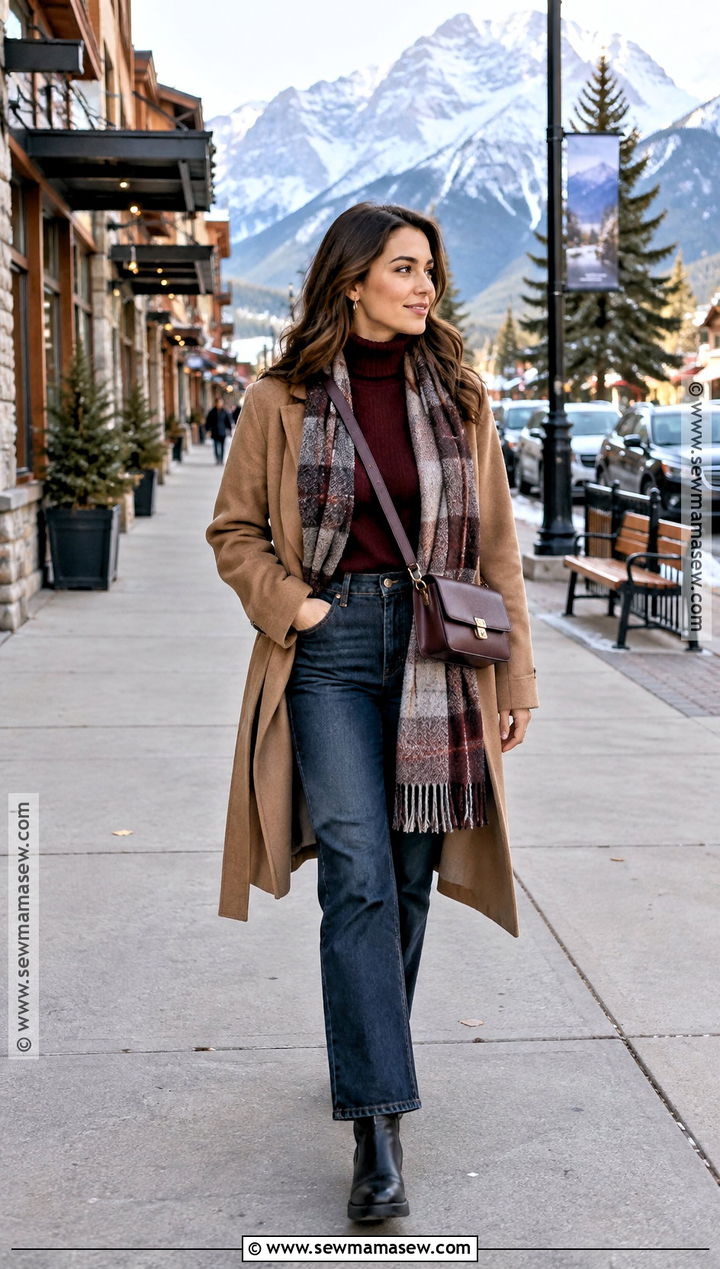
This is my pick for downtown Banff, where you want to look put together for galleries and dinner. A fine merino turtleneck in ivory, black, burgundy or chocolate sits under a belted wool-blend coat, with dark jeans that have enough stretch to sit through a long meal. Weather-resistant Chelsea boots keep it neat. Merino matters here: it stays warm without the itch of coarse wool at the neck. Thermal socks and a thin base layer under the jeans add warmth nobody sees. I would not take this outfit onto a muddy trail, since wool coats and suede boots both hate wet ground.
8. Banff Fall Outfit With Hoodie And Puffer Vest
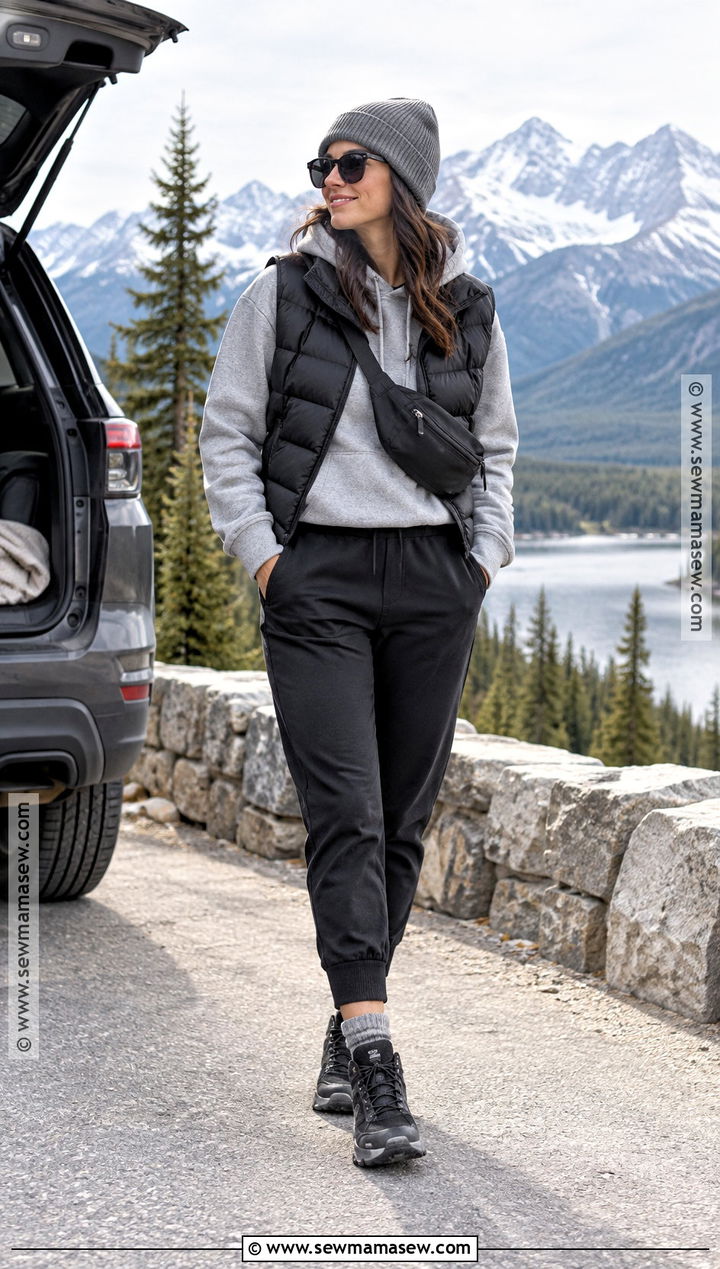
A hoodie with a puffer vest is the outfit I suggest for road-trip days and easy town walks. Start with a breathable tee or thermal, add a hoodie with a modest hood that won't bunch under the vest collar, then a water-resistant puffer vest for core warmth. Fleece-lined leggings or tapered joggers and supportive waterproof sneakers keep it comfortable for hours in the car. Sticking to two related colors, like grey with black, stops the casual pieces from looking random. Cotton hoodies soak up rain fast, so bring a shell for any stop longer than a short stroll.
9. Banff Fall Outfit With Denim Jacket And Knit Dress
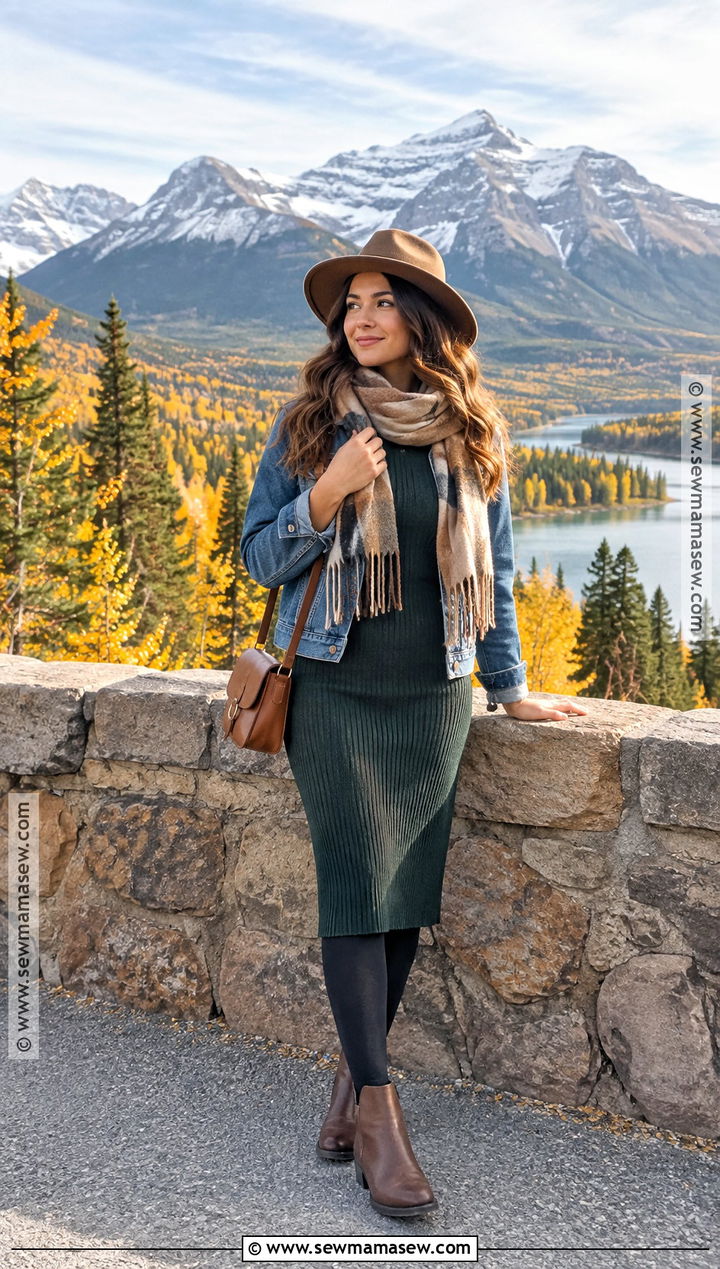
Yes, a knit dress can work in the mountains, as long as the fabric is substantial. A ribbed long-sleeve midi with thermal tights underneath holds warmth far better than a thin jersey dress. I add a slightly oversized denim jacket in early fall so a thin puffer vest fits beneath it on colder mornings. Low-heeled waterproof ankle boots, a wool scarf and a crossbody keep it practical. Wear a felt hat only on a calm day; mountain gusts take hats off at viewpoints. Save this one for town, lunch and accessible lookouts, not for hiking.
10. Banff Fall Outfit With Sweater Dress And Tall Boots
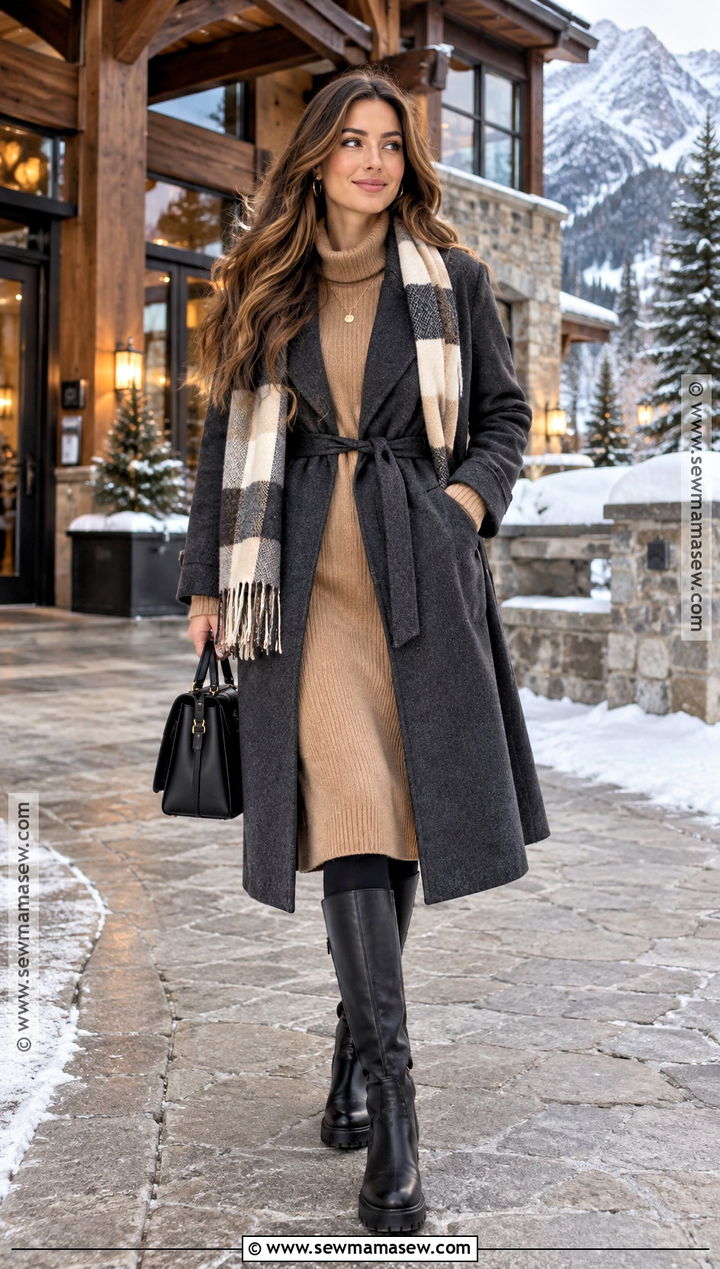
For dinner or a hotel lounge, a knee-length or midi sweater dress with tall boots is the dressiest look I would pack. Fleece-lined tights do most of the warming, and a belted coat or packable puffer goes over the top for the walk. Choose flat or low-heeled boots with a grippy sole, since icy sidewalks in late fall are no place for narrow heels. A blanket scarf, a small shoulder bag and simple gold jewelry are enough. Camel, charcoal, deep green or wine all sit well against the season. Keep a beanie and gloves in the bag, because the walk back after dark is noticeably colder.
11. Banff Fall Outfit With Flannel Shirt And Black Jeans
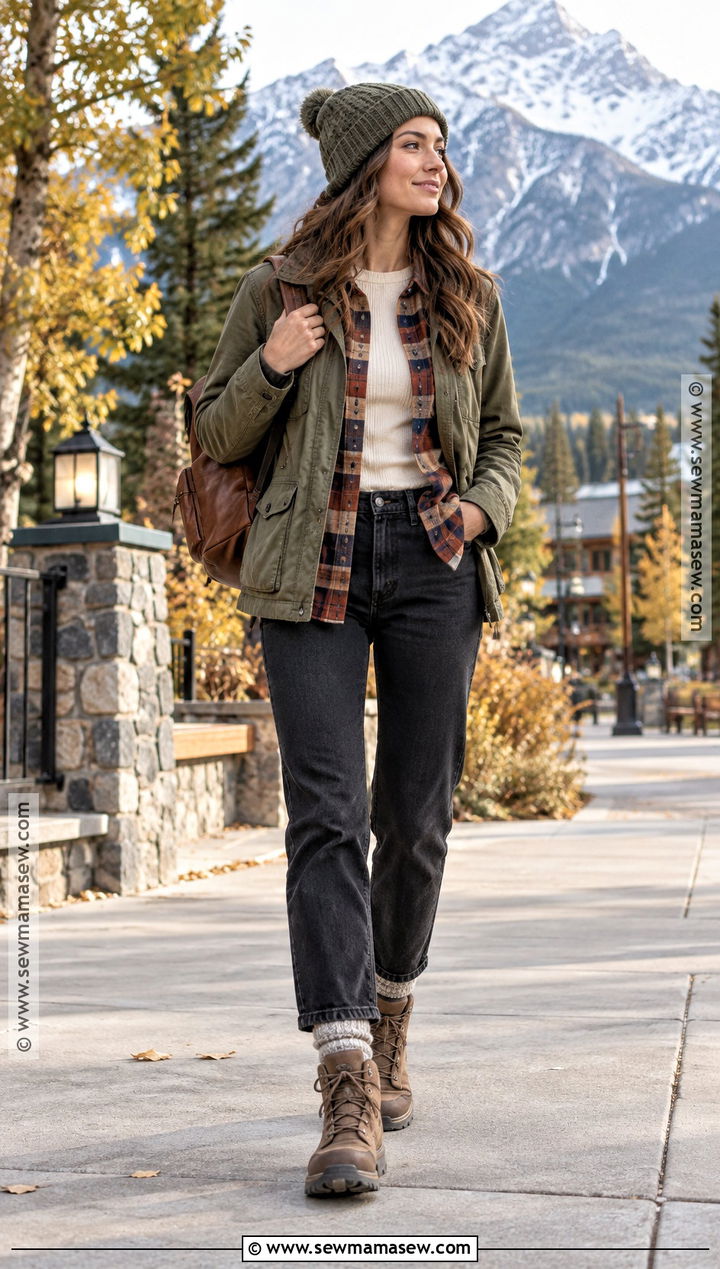
Flannel and black jeans adjust to the whole day better than almost anything else on this list. Wear a fitted thermal underneath and leave the flannel open when the afternoon warms; roll the sleeves indoors and button up before heading out. Black denim matches any plaid you pack. Waterproof lace-up boots, wool socks and a waxed utility jacket make it trail-adjacent without looking like hiking gear. In colder October weather, I swap the regular denim for fleece-lined black pants, which look nearly the same and are far warmer when the wind picks up.
12. Banff Fall Outfit With Sherpa Jacket And Leggings
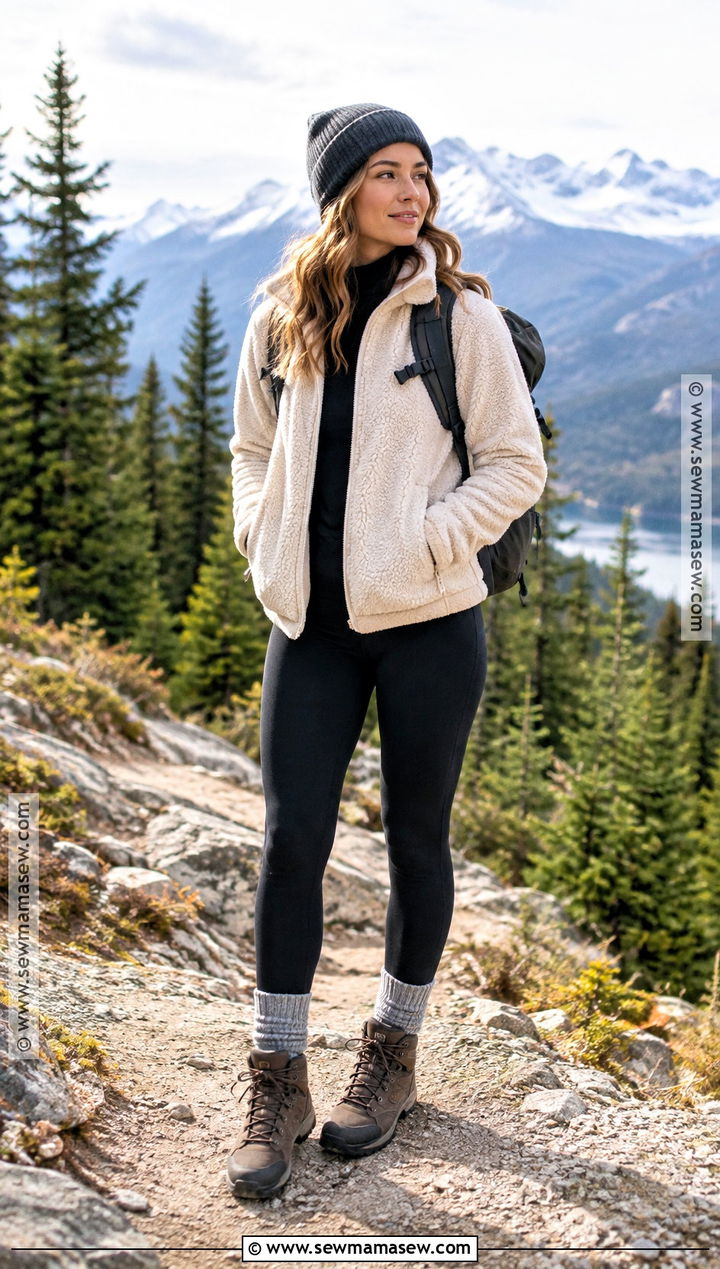
Sherpa gives a plain leggings outfit some texture. A zip-front jacket with a relaxed fit goes over a moisture-wicking mock-neck, with thick thermal leggings, waterproof boots, ribbed socks and a beanie. Cream sherpa photographs brightly, but camel or olive hides trail dust much better. The catch is that most sherpa lets wind straight through and absorbs drizzle, so I always size a light shell to fit over it. On dry days I'd happily wear it for easy trails, lake stops and slow mornings in town.
13. Banff Fall Outfit With Wool Coat And Hiking Boots
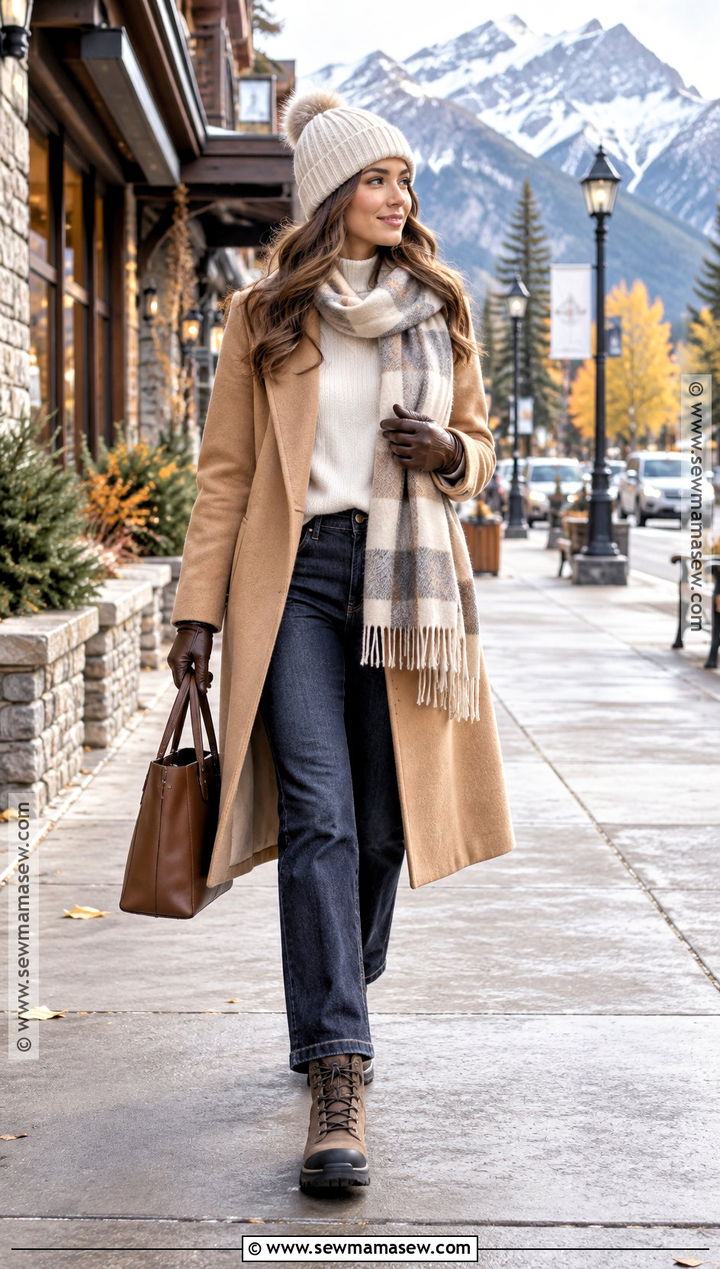
A tailored wool coat over hiking boots is a combination I like for town days with short scenic stops in between. Under the coat, a fine-knit sweater with straight trousers or dark jeans; on the feet, sleek waterproof hikers rather than chunky expedition boots, which overwhelm a refined coat. A big scarf, a structured tote, leather gloves and a ribbed beanie finish it. When fitting the coat, check that you can lift your arms with a sweater underneath. Wool sheds light drizzle for a while, but in steady rain it gets heavy and smells like a wet sheep, so pack a shell.
14. Banff Fall Outfit With Packable Down Jacket And Joggers
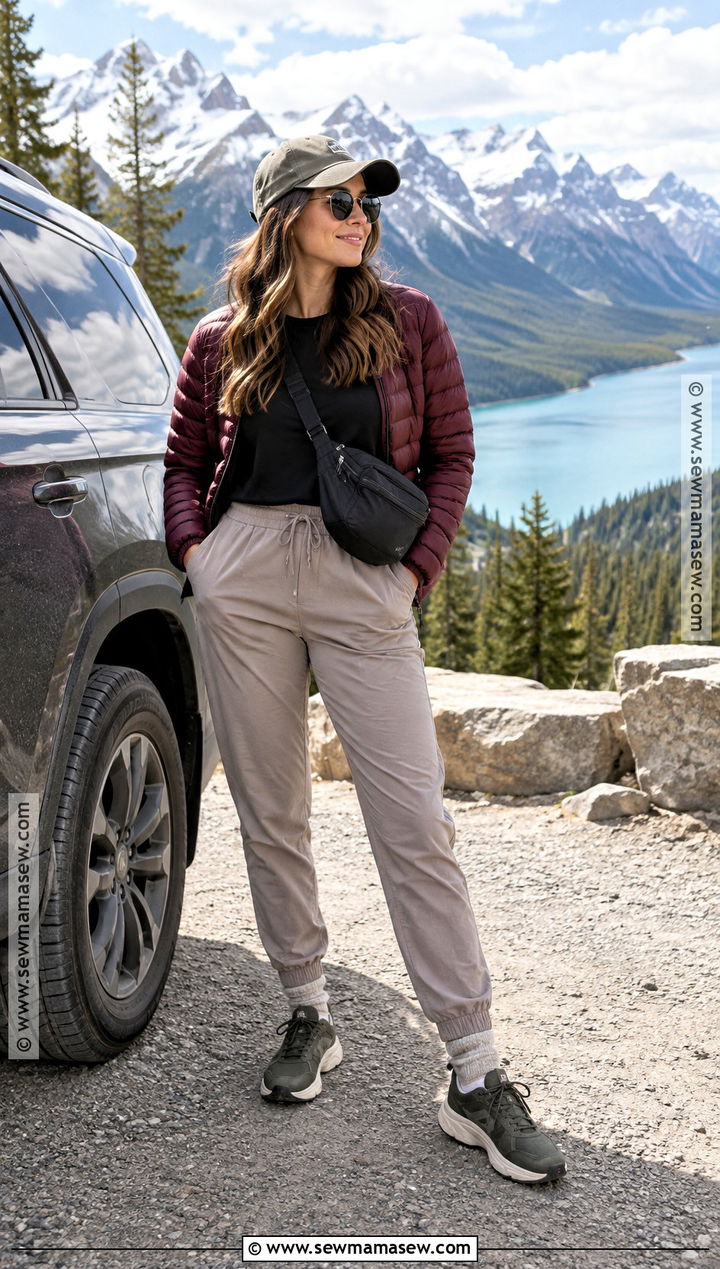
Long drives between lakes call for clothes that feel fine in a warm car and still work at a cold pullout. I pair a long-sleeve base layer with tapered travel joggers in a quick-drying fabric, then add a packable down or synthetic jacket that stuffs into its own pocket when the heater is on. Waterproof sneakers or light hiking shoes cope with short walks without feeling stiff on the pedals. Keep gloves and a beanie in the jacket pockets, not buried in luggage. Black, taupe and cream make the athletic pieces read as one outfit. It suits viewpoints, picnic stops and casual cafés.
15. Banff Fall Outfit With Teddy Coat And Thermal Leggings
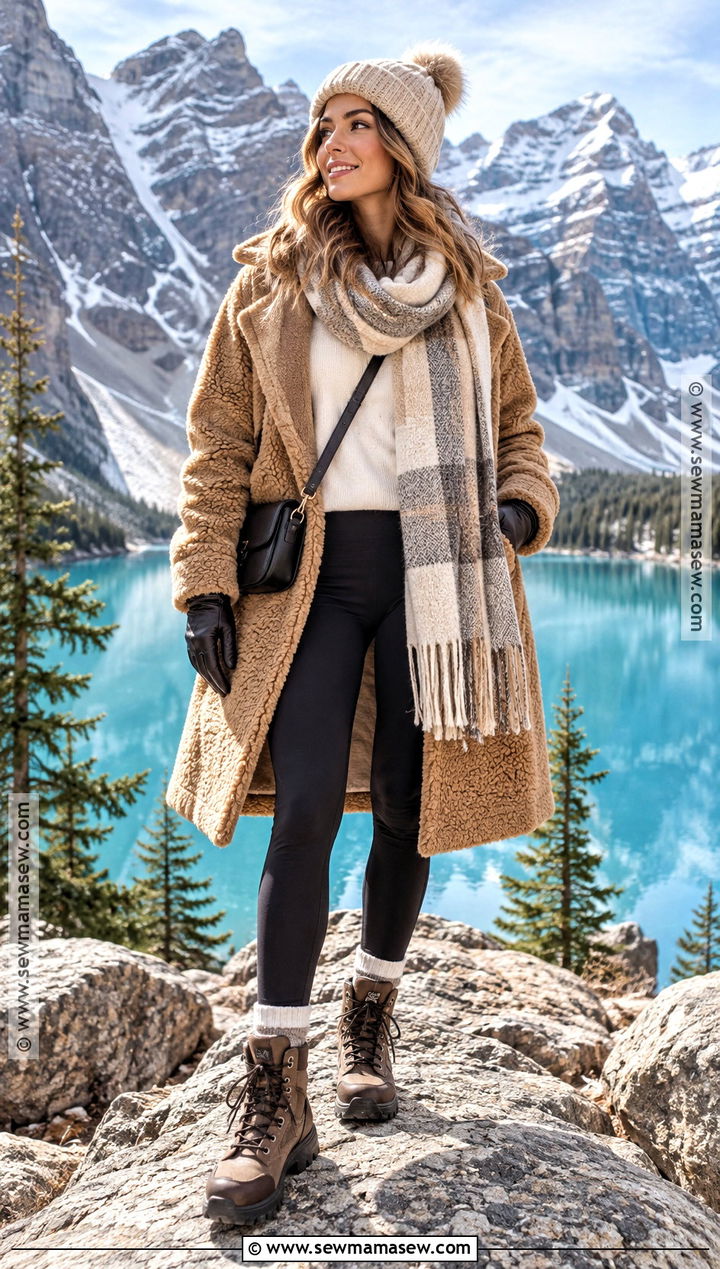
A teddy coat is warm and photographs well, but I only recommend it on a dry forecast. Layer it over a close-fitting thermal and a light fleece, with matte black thermal leggings and chunky waterproof boots. A large scarf, leather gloves and a small crossbody are enough accessories. Camel, cream and chocolate look soft against blue lakes and dark spruce. Plush pile soaks up rain and dries slowly, and it mats where the bag strap rubs, so keep this look for town and accessible lookouts. If showers are likely, swap it for a water-resistant insulated jacket.
16. Banff Fall Outfit With Puffer Coat And Snow Boots
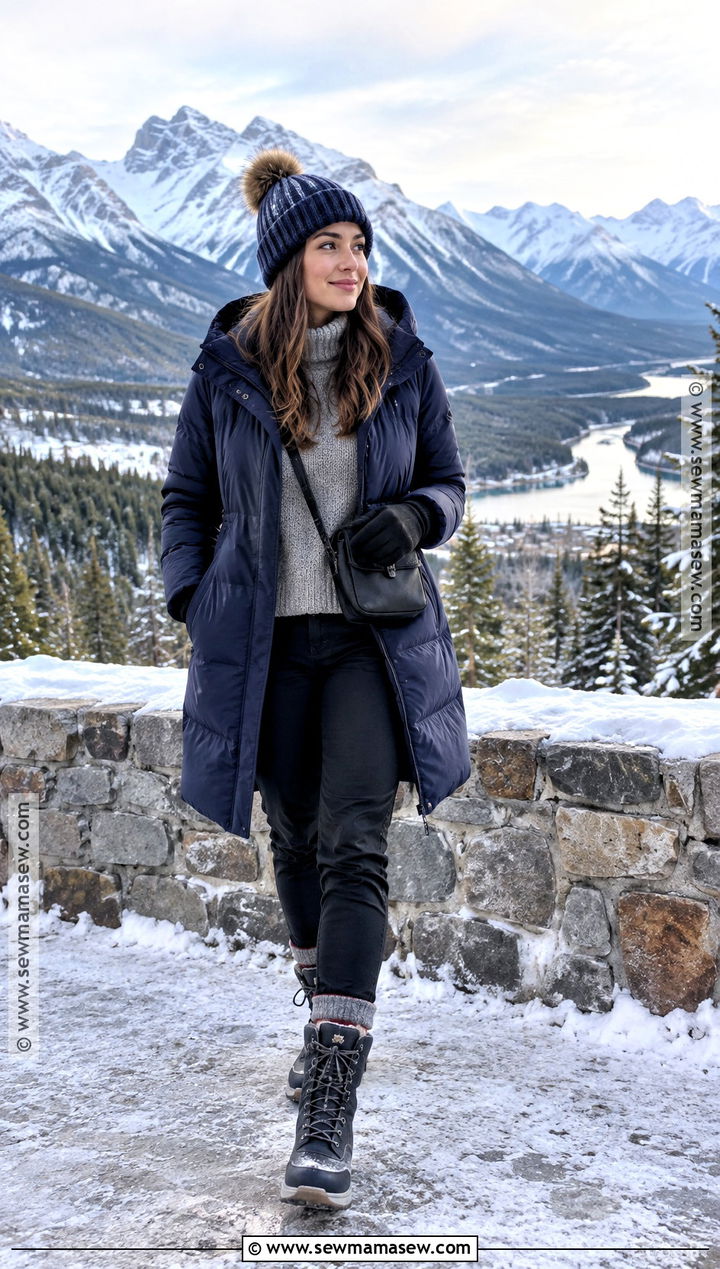
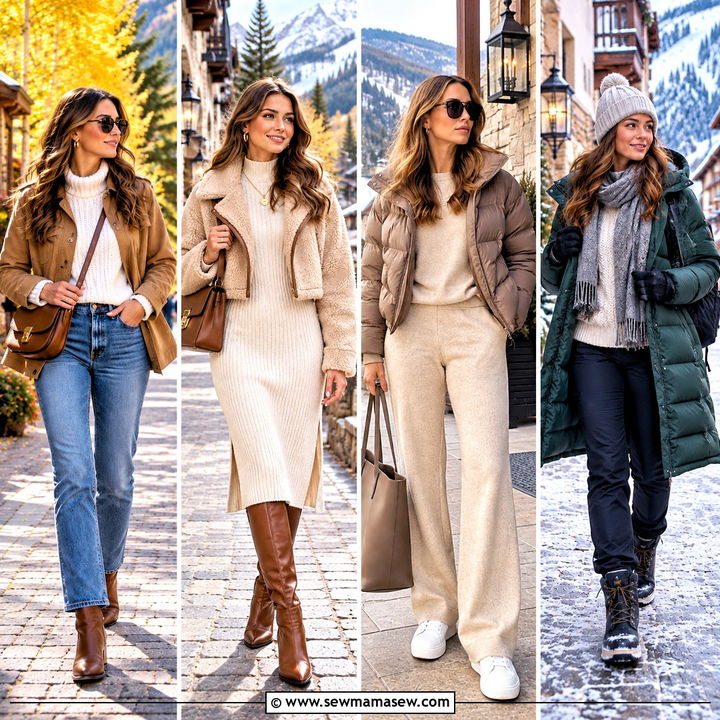
Late fall can bring frosty mornings and the first snow, and this is the outfit for it. A moisture-wicking base, a fleece or wool sweater and a knee-length puffer cover you from neck to knee; fleece-lined pants or thermal leggings take the wind off your legs. Insulated waterproof boots with real tread matter most here, because slush and black ice are common at that time of year. Wear the crossbody under the coat so the strap doesn't compress the insulation. I'd still open the coat while walking uphill, since sweating under a long puffer leaves you chilled at the next stop.
17. Banff Fall Outfit With Cardigan And Wide-Leg Pants
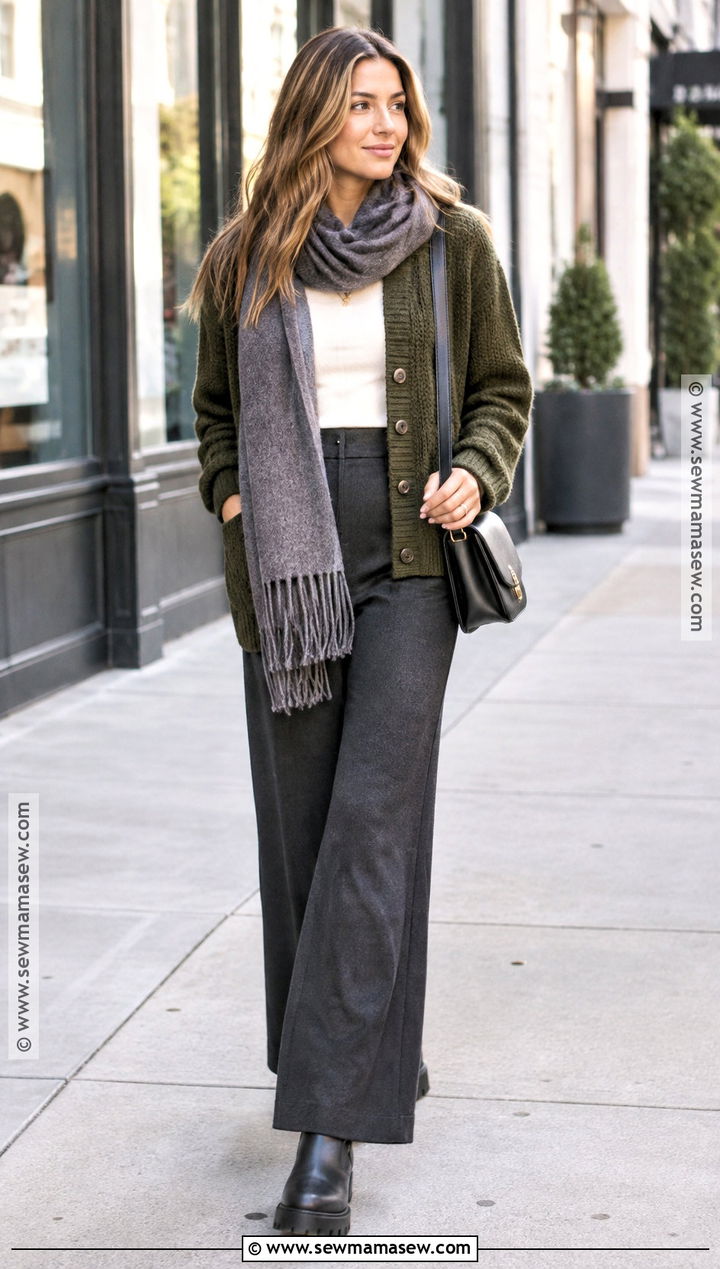
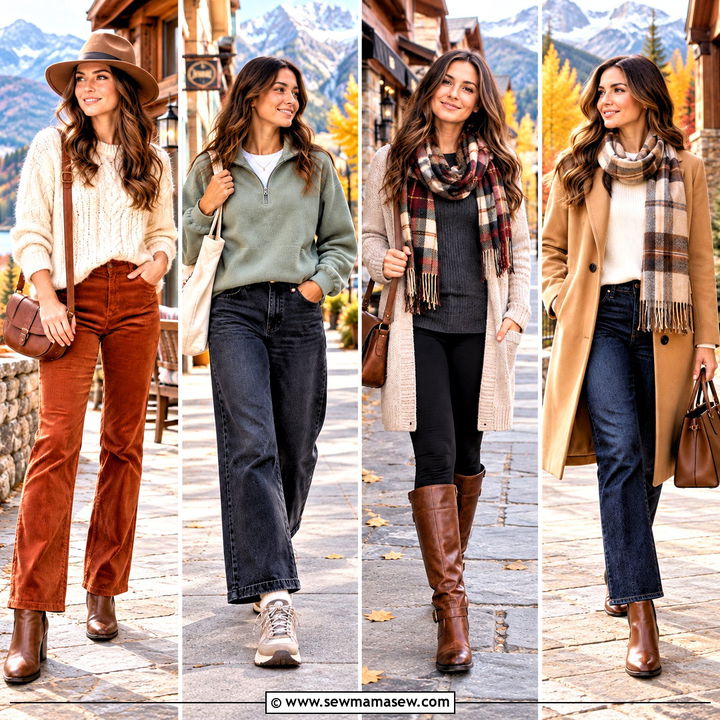
Cardigan and wide-leg pants are for slow days in town: brunch, shopping and time at the hotel. Put a fitted long-sleeve under a chunky cardigan you can button when it cools down. For the pants, I pick ponte or heavy knit rather than flowy viscose; the weight keeps them from whipping around in mountain wind and holds more warmth. Lug-sole ankle boots or waterproof platform sneakers keep it practical. Hem the pants so they clear the ground by a finger width, or the cuffs will wick up water from wet sidewalks within minutes.
18. Banff Fall Outfit With Corduroy Pants And Puffer Vest
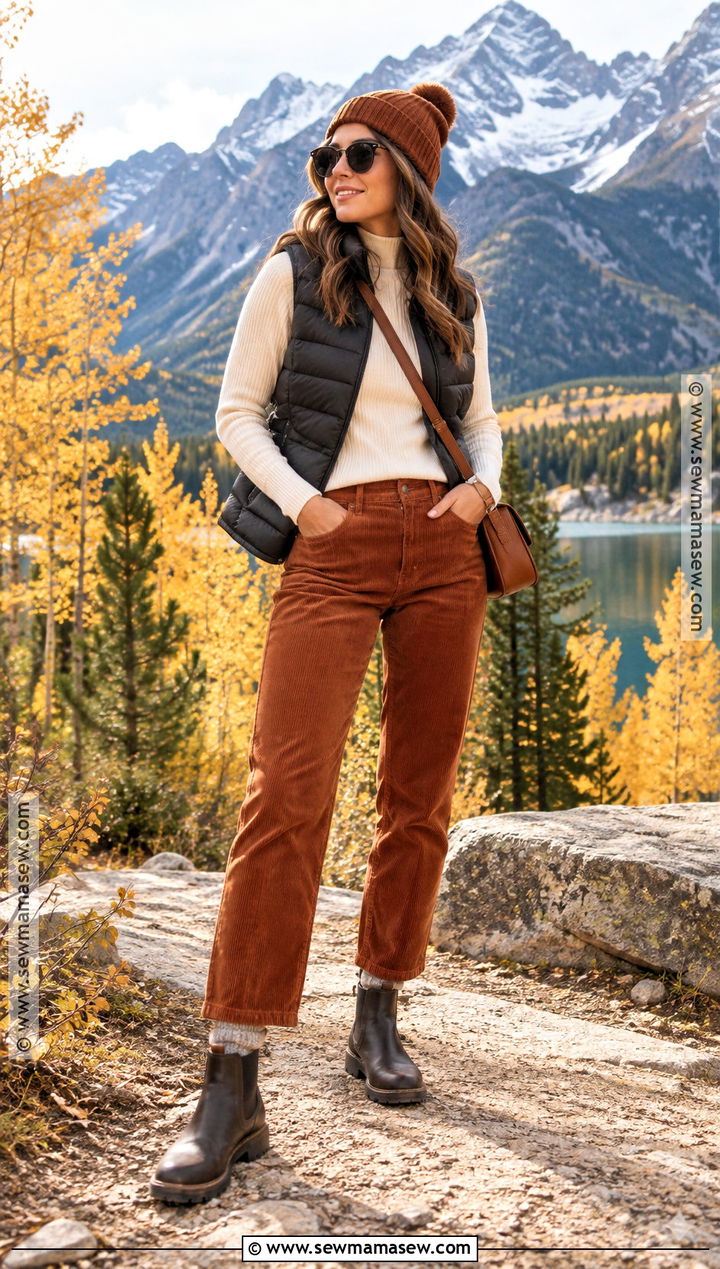
Corduroy in rust, olive or chocolate brings real fall texture without needing a pattern. I keep the cut straight and pair it with a fitted cream thermal, a lightweight puffer vest and Chelsea boots, with a shell tucked in the daypack. Wide-wale cord adds bulk under outer layers, so a fine or medium wale fits better here. Cotton corduroy also dries slowly and goes cold once wet, which is why I save it for a mostly dry forecast. On a shaky weather day, earthy technical pants in a similar color give the same look with less risk.
19. Banff Fall Outfit With Matching Knit Set And Sneakers
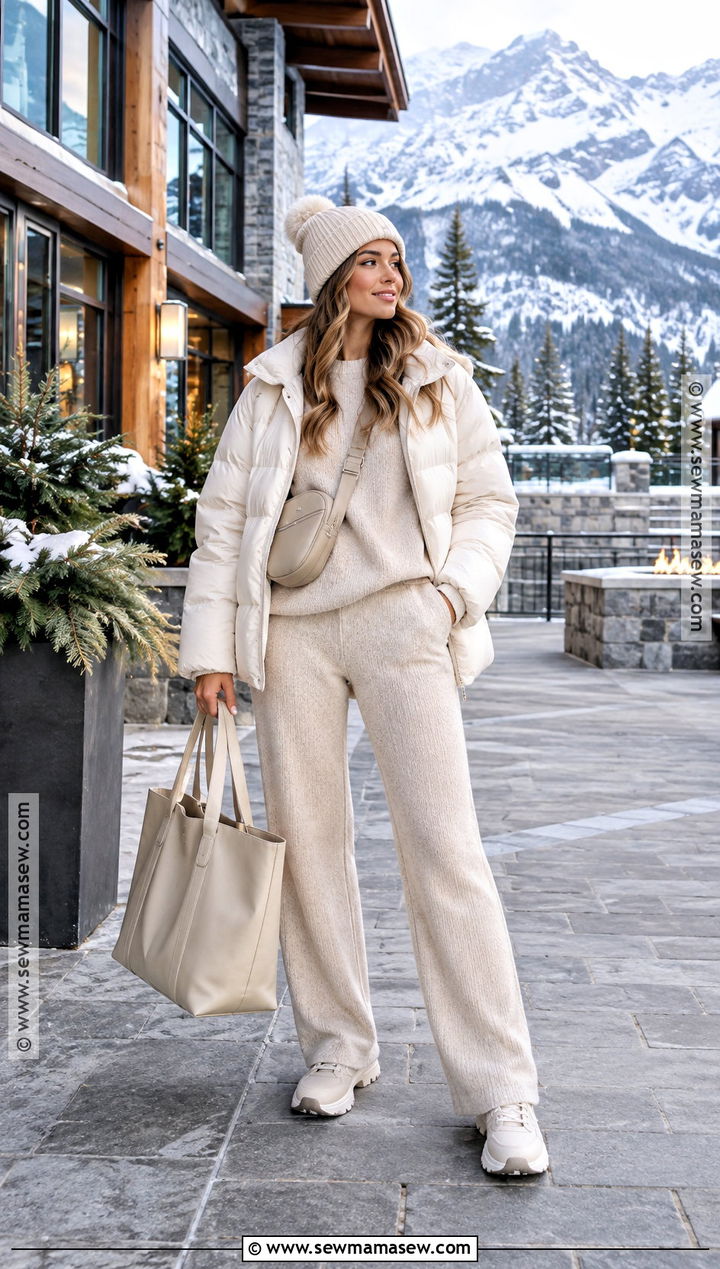
A matching knit set looks deliberate with very little effort, which is why I like it for travel days and early mornings. A long-sleeve knit top and straight pants in oatmeal, grey, taupe or black, a thin thermal underneath if needed, and a hip-length puffer over the top to keep wind and damp off the knit. Water-resistant sneakers work for driving and paved paths. Check the pant length before you go: knit stretches and drops slightly with wear, and hems that touch wet pavement darken and fray fast. Leave this one at the hotel on muddy or steady-rain days.
20. Banff Fall Outfit With Base Layers And Waterproof Shell
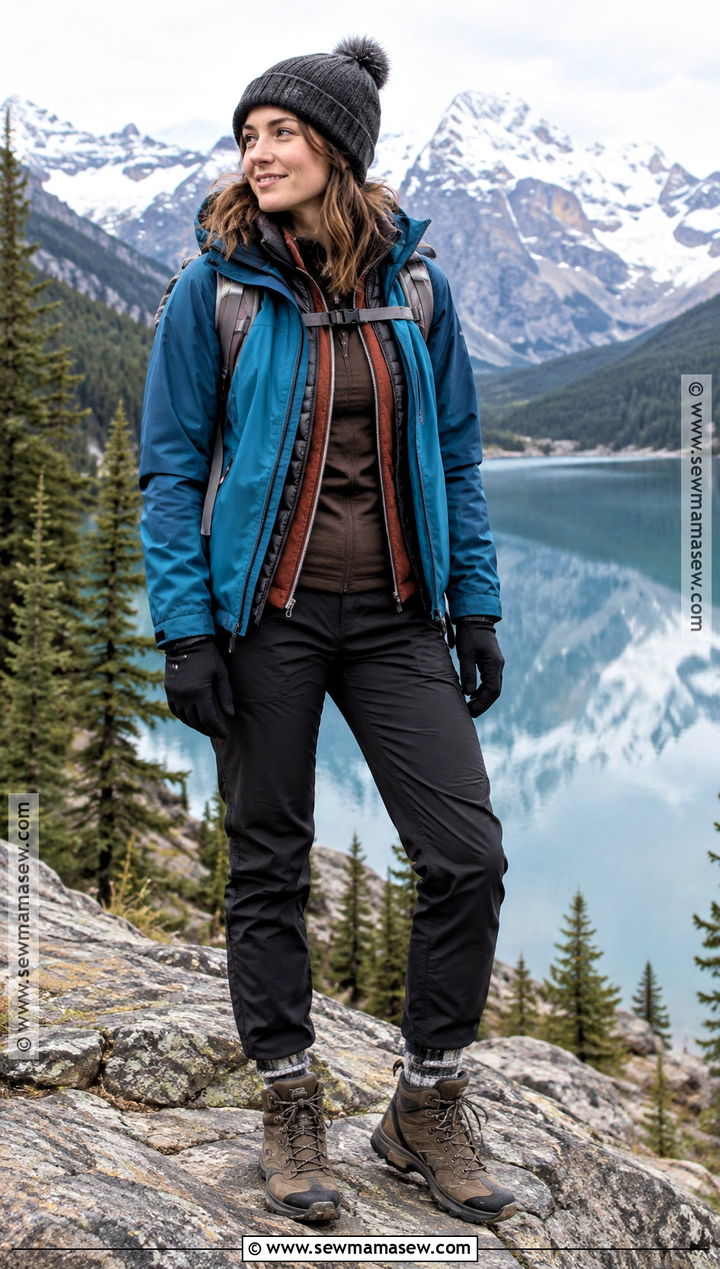
For a full day outdoors, I would trust a proper layering system over any single coat. Start with a moisture-wicking base and thermal leggings or hiking pants, add a zip fleece, then a packable puffer for cold stretches, and finish with a waterproof, windproof shell cut big enough to go over everything without pulling at the shoulders. Merino socks, gloves and a warm beanie protect the hands, feet and head, where you lose comfort first. A daypack with spare room holds whatever comes off. Black, grey and olive keep it clean; a bright shell makes you easy to spot on a trail or a high lookout.
Boots for Wet Boardwalks, Gravel Trails and Icy Sidewalks
Footwear decides whether these outfits work at all. Lakeshore paths are often wet, trail gravel is loose, and by mid October the shaded sidewalks in town can freeze overnight. I would rather a client packed two good pairs than five pretty ones.
- A waterproof hiking boot or trail shoe with deep lugs for anything outside town. Break it in at home over a few walks; new boots rub at the heel on the first long day.
- A weather-resistant Chelsea or lace-up ankle boot with a rubber sole for town and dinner. Leather handles drizzle once treated; untreated suede will stain and darken in the first puddle.
- Wool or merino socks in every pair. Cotton socks hold moisture, and cold toes end a sightseeing day faster than anything else.
How Twenty Looks Fit Into One Carry-On
You do not need twenty separate outfits. Most of the looks above share the same handful of pieces: one shell, one packable puffer, a fleece, two bases, leggings, hiking pants and a pair of dark jeans. Add a sweater, a flannel and one dress, and you can build nearly every combination on this list by swapping the middle layer.
Wear the bulkiest items on the plane or in the car, usually the boots and the puffer. Roll knits instead of folding them so they crease less, and keep a small bag of hat, gloves and buff at the top of your luggage so you can grab it at the first stop. If your hotel has laundry, you can halve the number of base layers you bring.
Packing the Banff Layers That Actually Get Worn
Every outfit here rests on the same quiet structure: a breathable base, a warm middle layer, outerwear that matches the forecast and shoes picked for the ground you will be on. Leggings, hiking pants, jeans, knits, puffers and shells can all work once you know where each one stops being useful. Pack gloves, wool socks and a beanie even if the first morning is mild. Let neutrals do the heavy lifting and bring one or two fall colors for the photos. Check the forecast and trail conditions each evening, then lay out tomorrow's layers before you sleep.
Related posts: