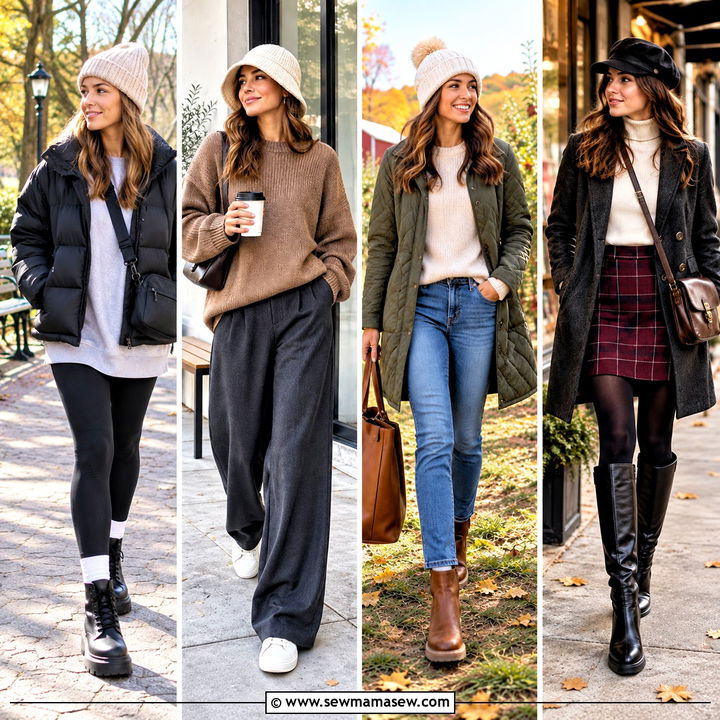
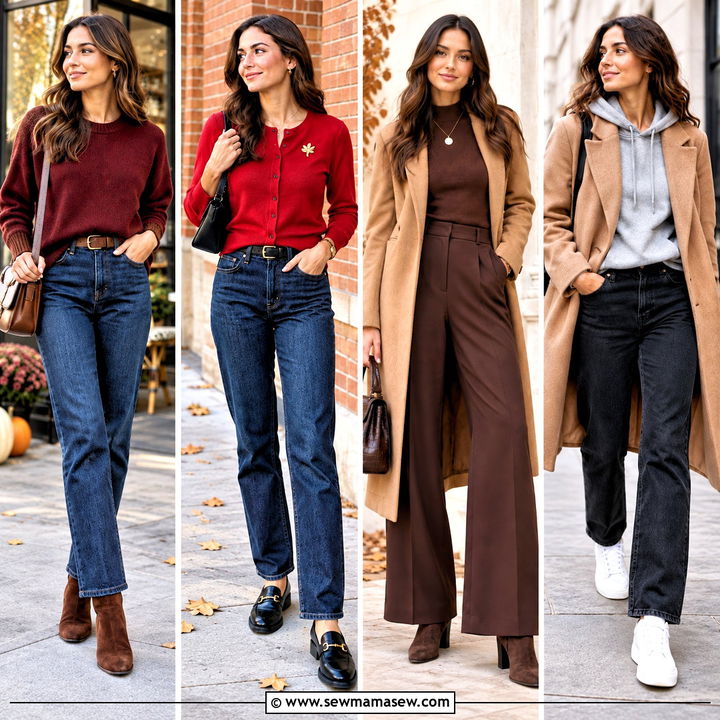
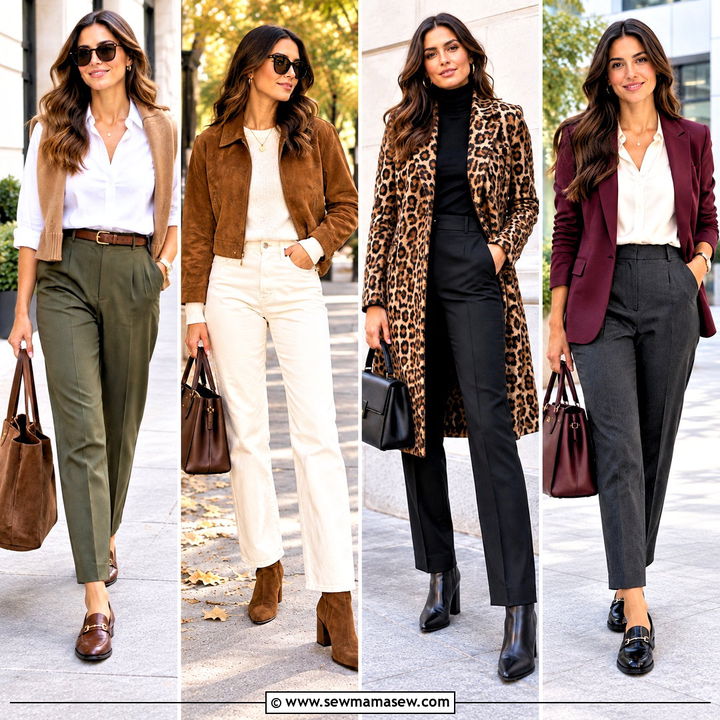
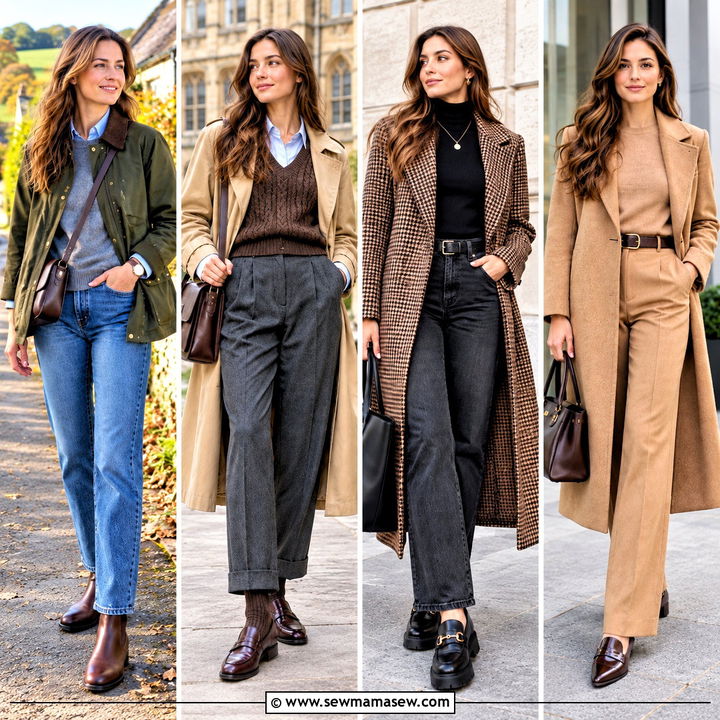
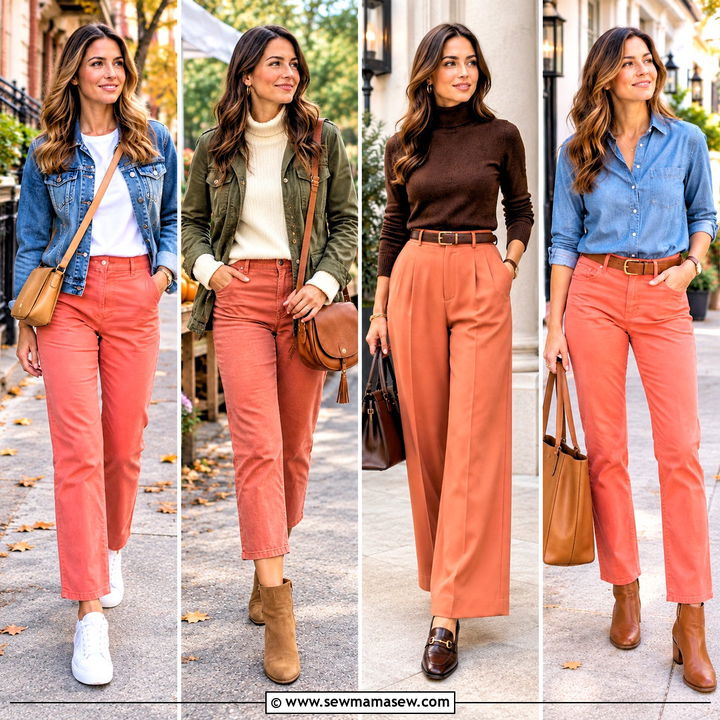
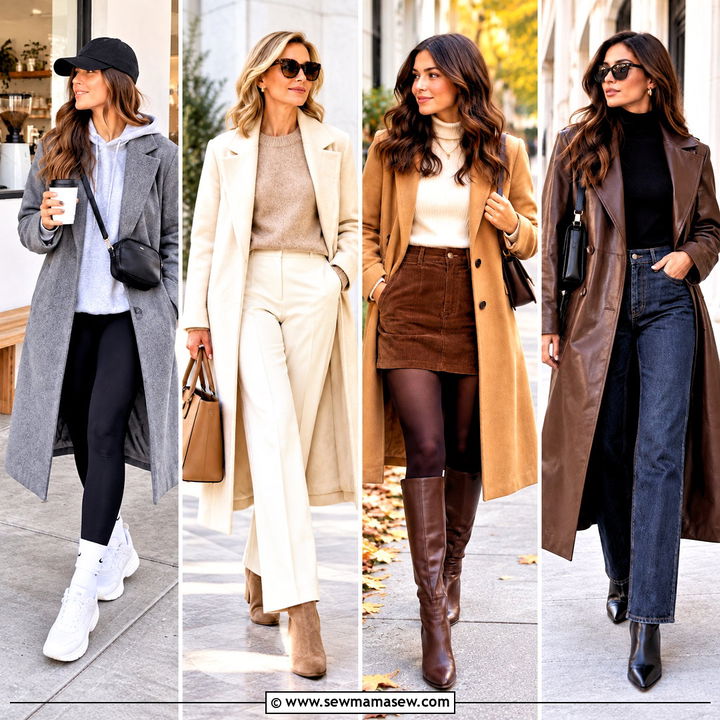
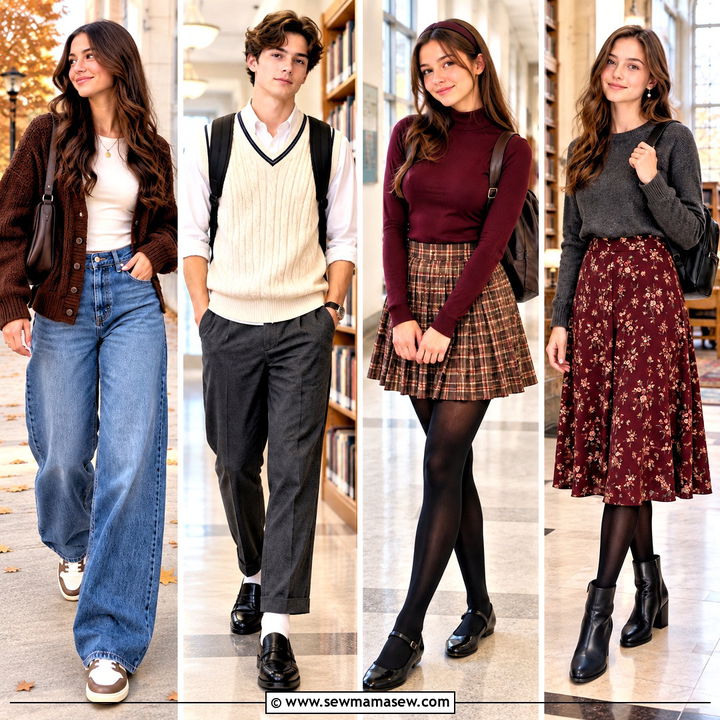
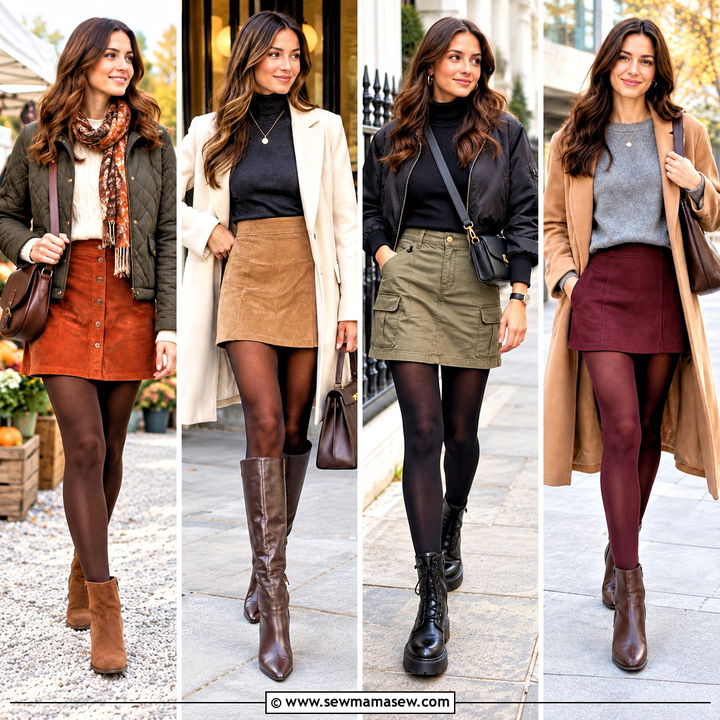
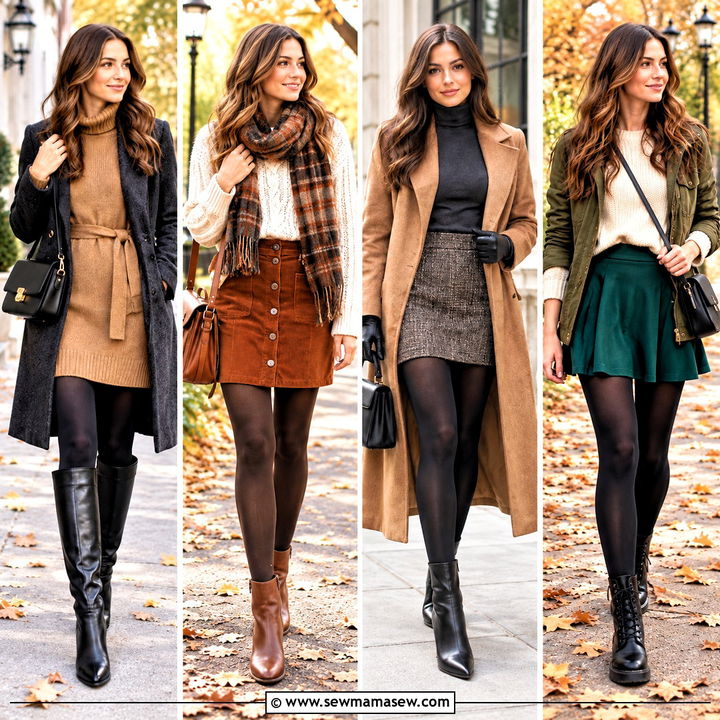
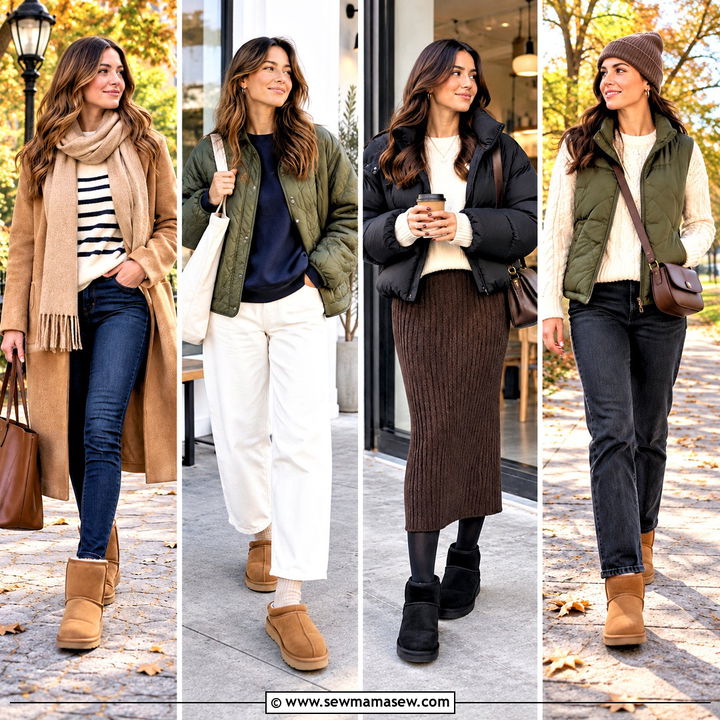
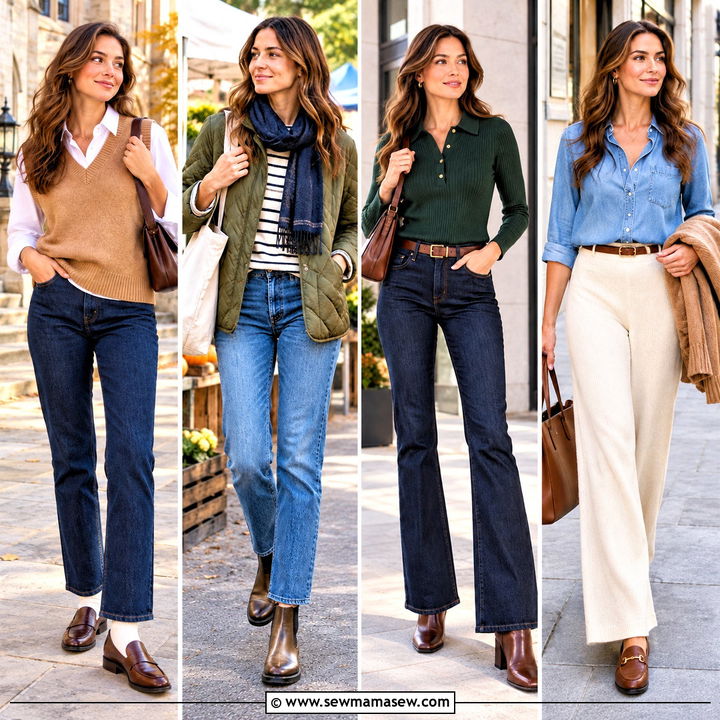
I build most fall outfits from the floor up. Once you know which boot you're wearing, the pant length, the skirt hem and even the coat fall into place, because the boot decides where the leg visually ends. The outfits below cover knee-highs, Chelsea boots, combat soles, Western shapes and a few you might not have tried, styled for weekends, offices, rain and dressier evenings. For each one I've noted what to check on the hem and the fit, since that's where boot outfits usually go wrong. Use them as starting points and swap in the colors you already own.
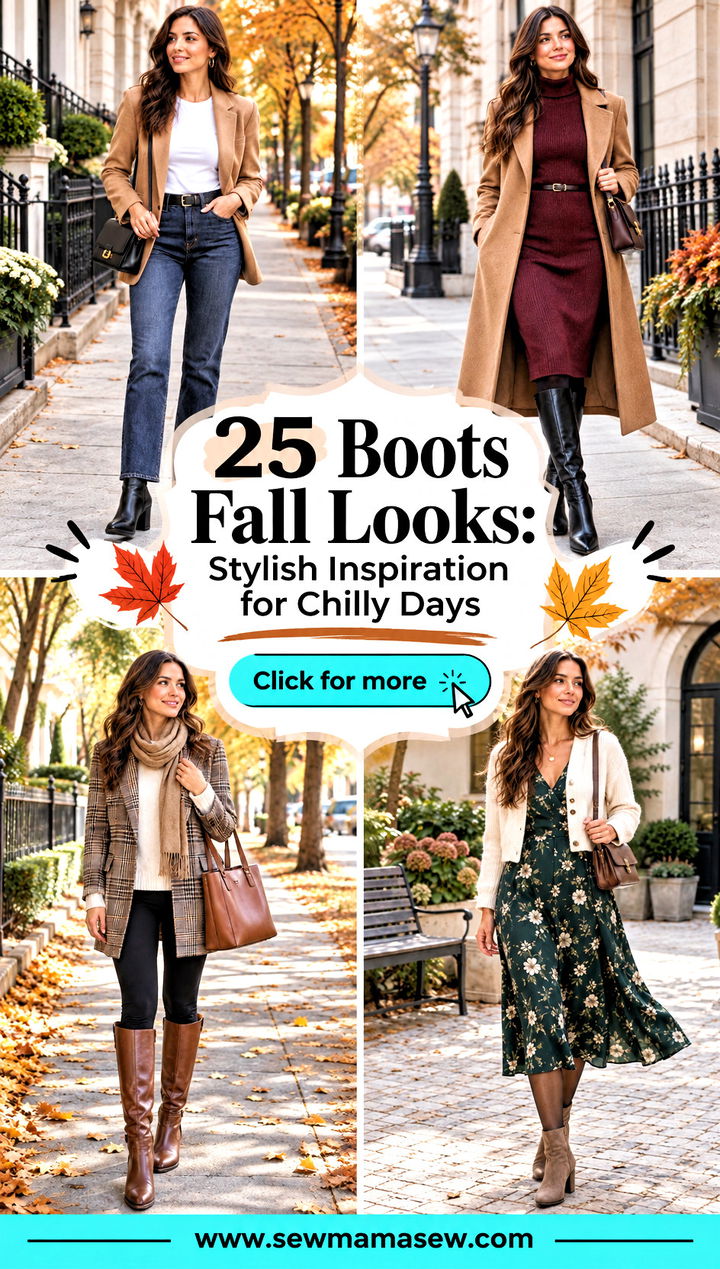
Trying On Boots the Way You'll Actually Wear Them
Most boot regrets start in the shop. A pair that felt fine for two minutes on carpet pinches by lunchtime or slides off the heel on stairs. These are the checks I run with anyone buying fall boots.
- Shop later in the day. Feet swell as the day goes on, so a morning fit can feel tight by evening.
- Bring the socks or tights you'll wear. Thick wool socks can take up most of a half size.
- Check heel slip. A little lift is normal in new leather, but if your heel rises more than slightly, the boot is too big or too wide.
- Zip tall boots all the way while standing, then sit down. The calf expands when you sit, and a shaft that's snug standing can dig in.
- Walk on a hard floor and a slope if the shop has one. That's where a stiff sole or a narrow toe shows itself.
Leather usually relaxes a little with wear, especially across the width. Rubber, patent and synthetic boots mostly stay as they are, so buy those comfortable from the first step.
1. Black Ankle Boots With Straight-Leg Jeans
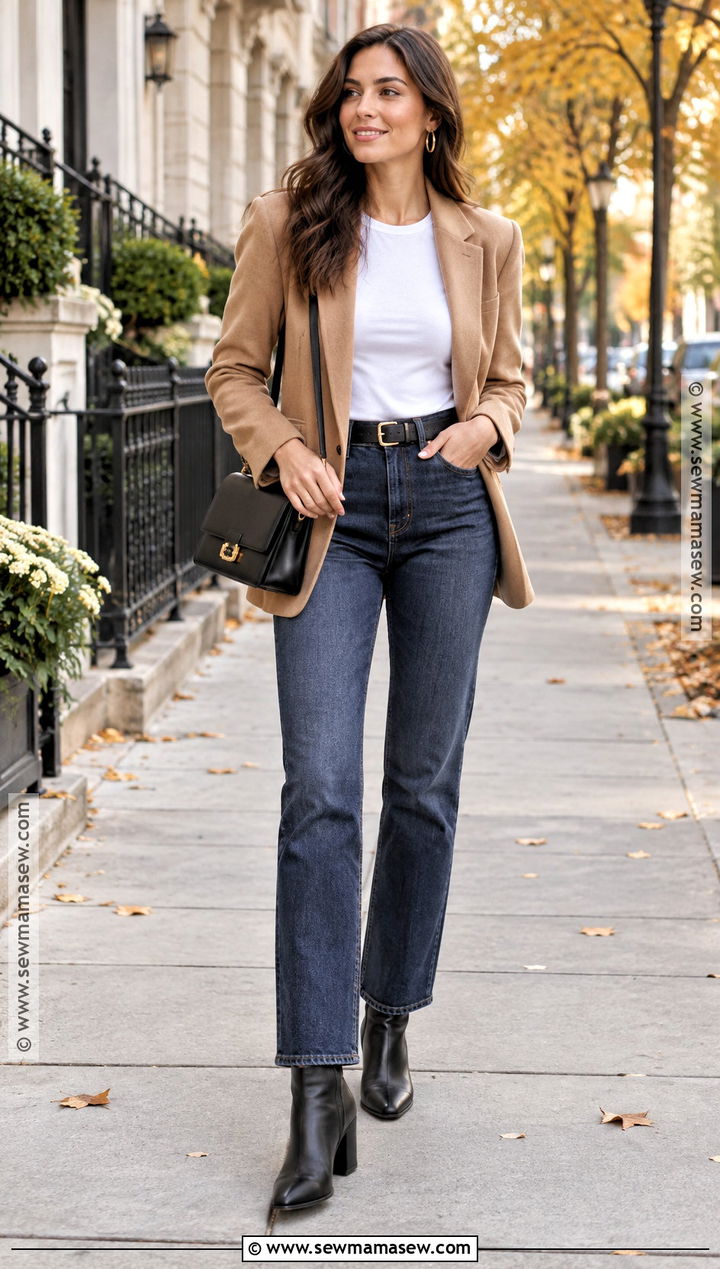
This is the pairing I'd keep if I could only have one. The hem is the part to get right: straight jeans should end just above the boot shaft or fall over it with a single soft break. Fabric that bunches on top of the boot makes the whole leg look heavy. A white tee and camel blazer give a clean base; swap in a fine turtleneck when it gets cold. A black belt links jeans to boots. If you're buying the boots, a low block heel and an almond toe will work with the most outfits, and a cushioned insole matters more than any styling detail.
2. Brown Chelsea Boots With Wide-Leg Trousers
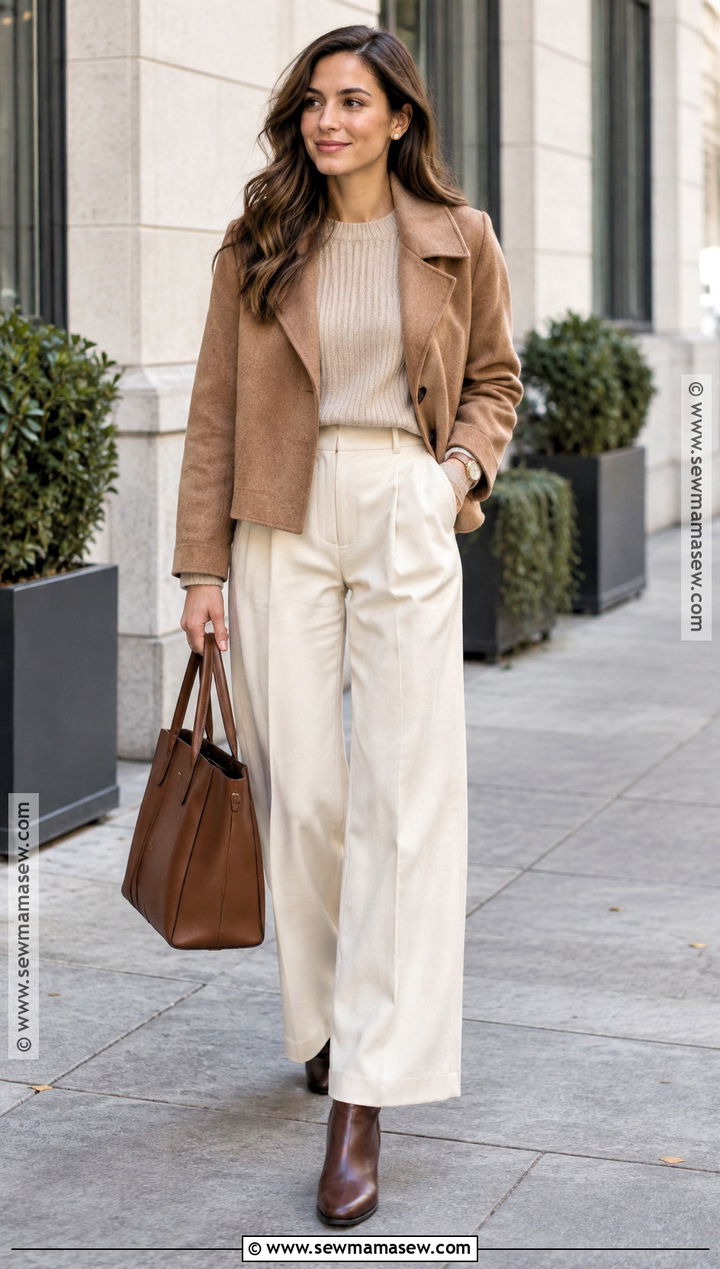
Chelsea boots sit flat under wide trousers, with no laces or buckles to catch the hem, which is why they suit this shape so well. Choose high-waisted cream or chocolate trousers that just skim the boot. A tucked ribbed sweater keeps the waist visible, and a cropped wool jacket stops all that leg volume from taking over. Petite women do best with a slightly shorter trouser and a boot with a small platform. Taller women can wear full-length trousers with flat Chelseas. Mixing browns looks more natural than matching them.
3. Knee-High Boots With A Sweater Dress
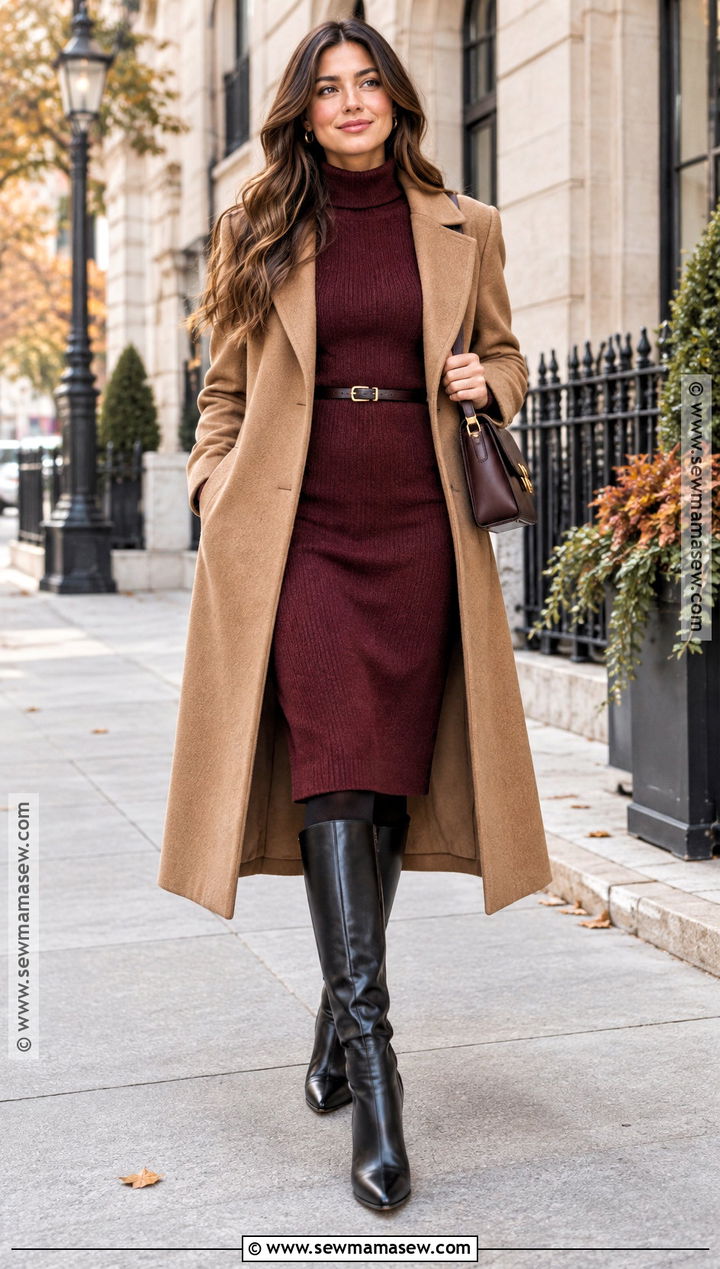
The fit check I do with sweater dresses is where the hem meets the boot. A gap of a few inches of tights is fine; a knit that rides up and catches on the boot top isn't. Choose a midi or knee-length knit that skims rather than clings. Black leather boots contrast well with camel, burgundy or forest green. Add opaque tights and a long wool coat. If calf fit is a struggle, look for stretch panels, adjustable buckles or wide-calf sizing rather than forcing a zip, which strains the seams and eventually splits.
4. Cowboy Boots With A Denim Midi Skirt
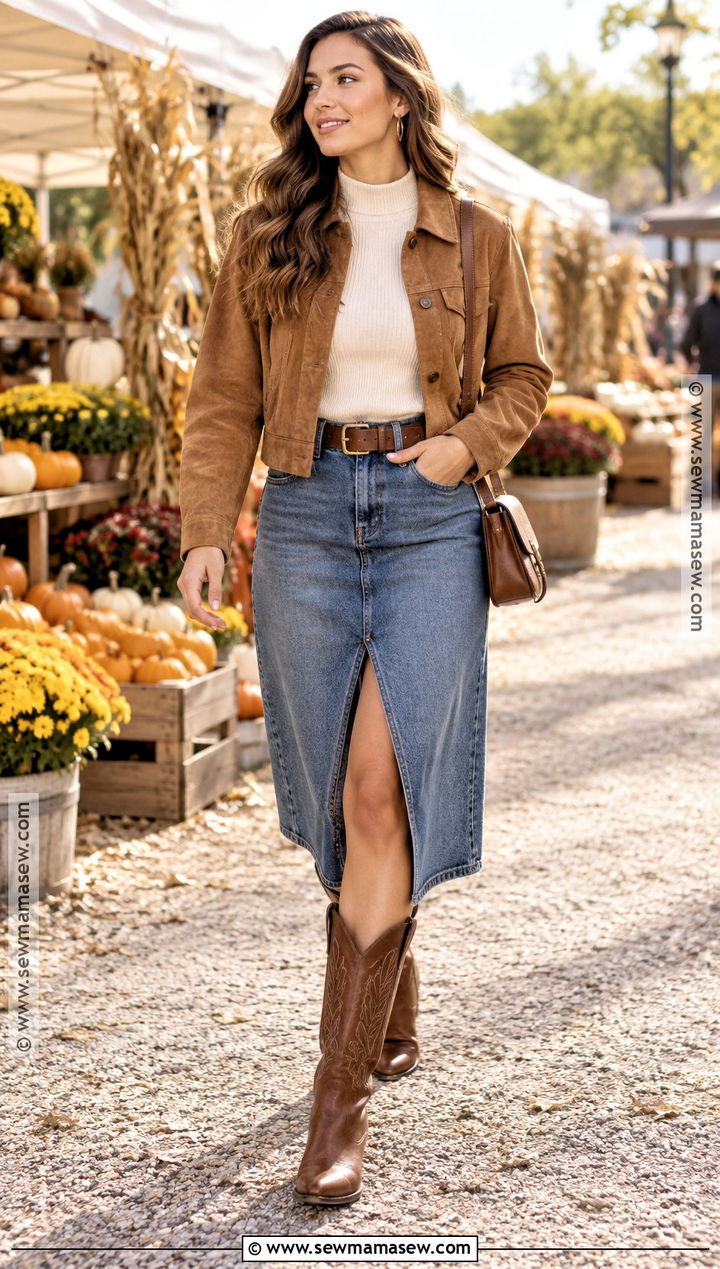
Cowboy boots need the leg to show, so the denim midi needs a front slit. That slit also makes walking possible; a straight denim midi without one is restrictive. Add a fitted long-sleeve top and a cropped suede or leather jacket. Brown, tan, black and even deep red boots work with medium-wash denim. Let the boots be the only Western piece and keep the belt related in color. New cowboy boots are often snug across the instep at first and ease with wear, so break them in at home before a long day out.
5. Combat Boots With Cargo Pants
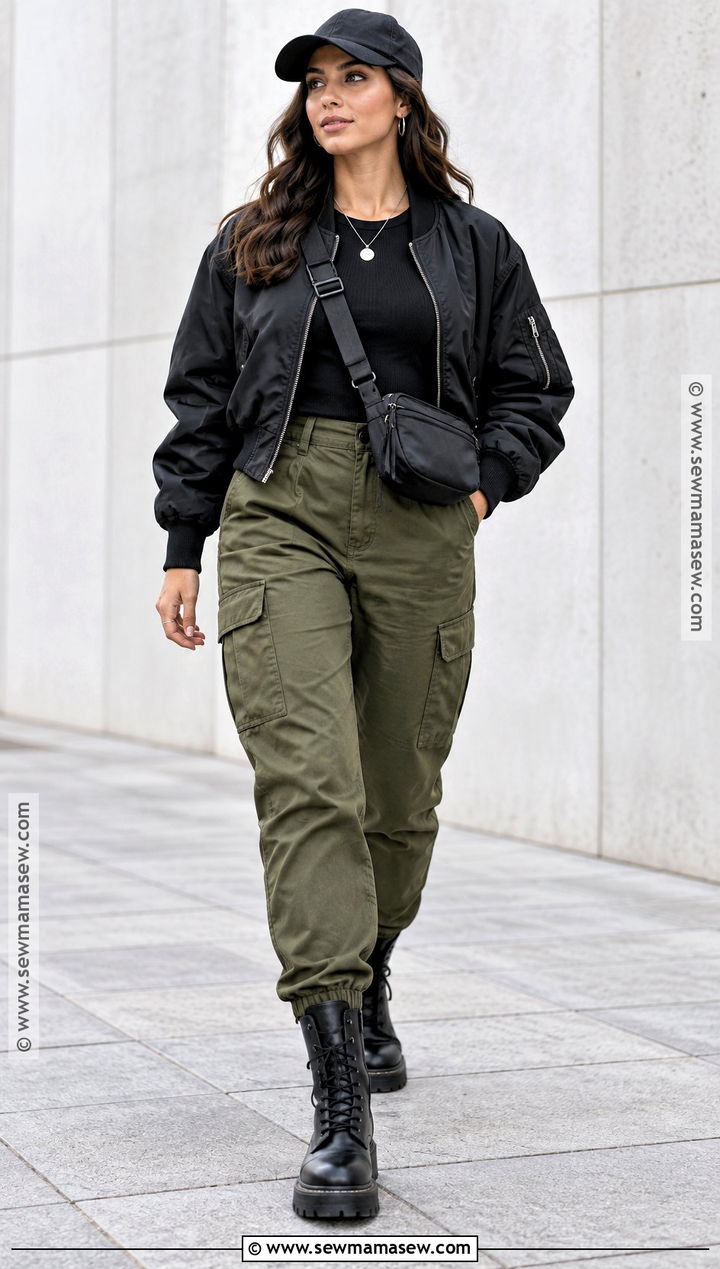
Combat boots look sharpest when the trousers clear them. Choose tapered or straight cargo pants that sit just above the boot so fabric doesn't pile around the laces. A fitted crewneck balances the roomy pants, and a cropped bomber or utility jacket keeps the overall shape tidy. Black boots go with olive, khaki and charcoal. Chunky soles can feel heavy on smaller frames; a slimmer lug profile gives the same look with less weight at the foot. This is a strong outfit for walking all day.
6. Riding Boots With Leggings And A Blazer
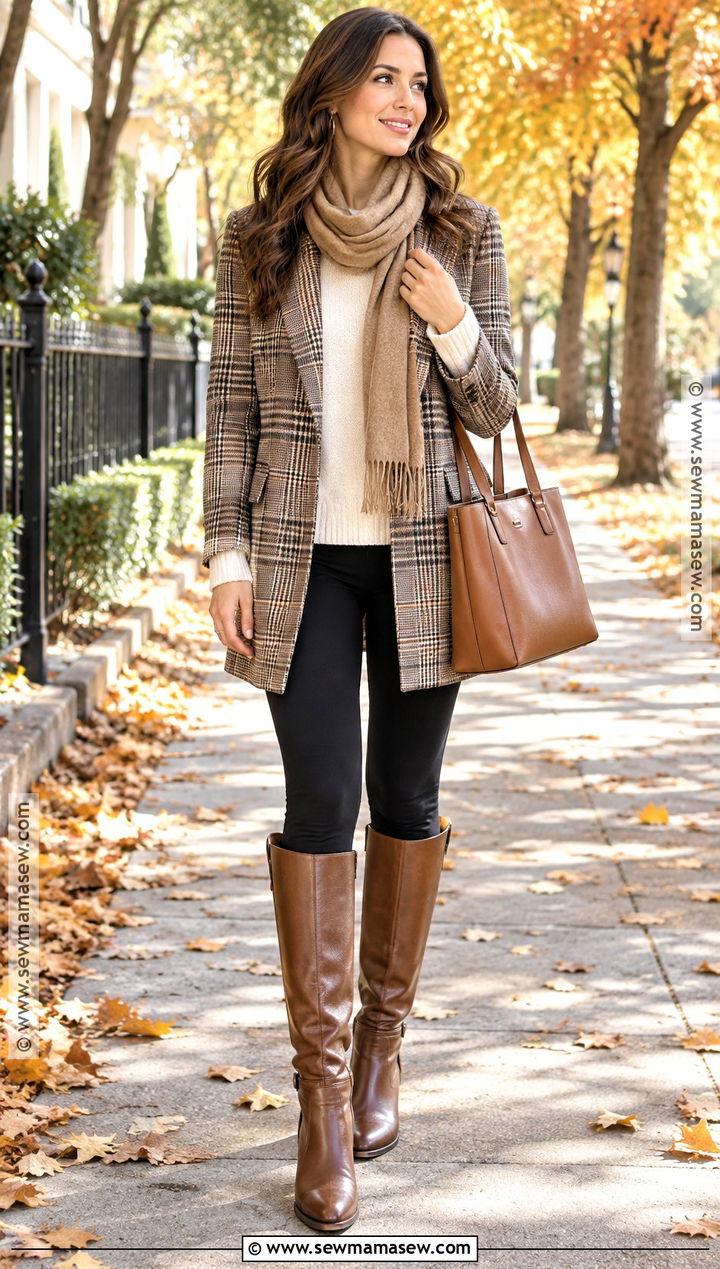
Riding boots and leggings need a long top layer to look finished, and a hip-covering blazer does that. Under it, a soft crewneck or a crisp button-down. Black boots with black leggings make one unbroken line; brown boots bring a countryside contrast. For long walking days, look for a shaft with some flex at the ankle and a supportive flat sole. Stiff shafts rub at the back of the calf. Petite, tall and wide-calf versions exist, and choosing the right shaft height matters: the top should sit just below the bend of the knee.
7. Suede Ankle Boots With A Floral Midi Dress
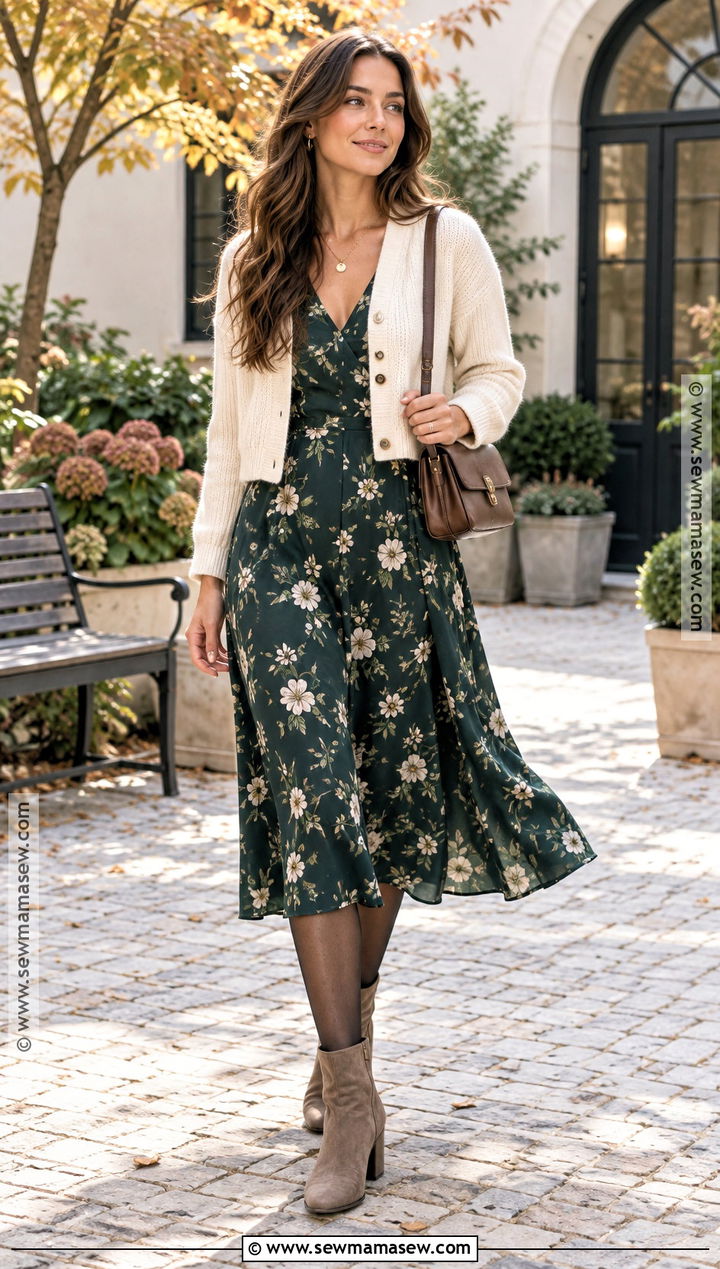
Suede ankle boots in taupe or tan carry a floral midi into October. Pick a dress in deeper colors like rust, navy or plum, and add a fitted cardigan or cropped denim jacket so the waist stays visible. With a longer hem, a close-fitting boot shaft matters; a wide shaft leaves a gap that looks like a mistake. On cooler days I match thin tights to the boots so the leg reads as one color. Suede and wet grass don't mix, so save this pairing for dry days or treat the boots first.
8. Burgundy Boots With Dark-Wash Jeans
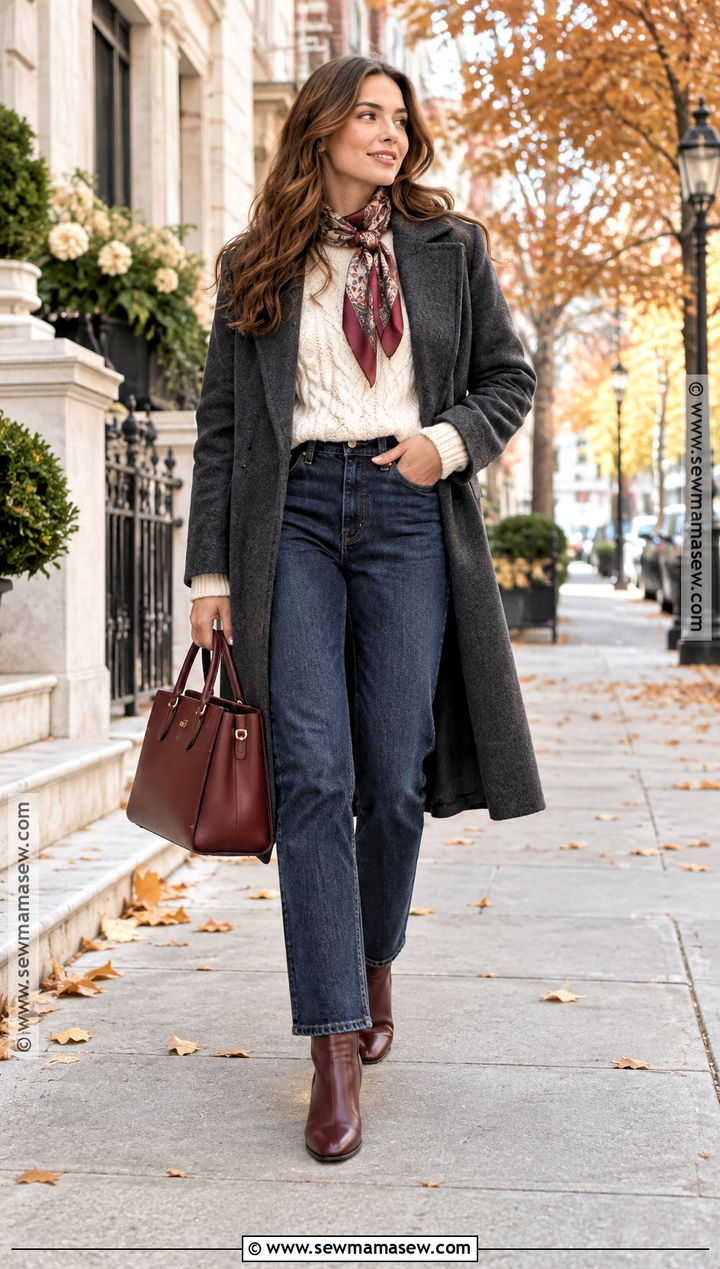
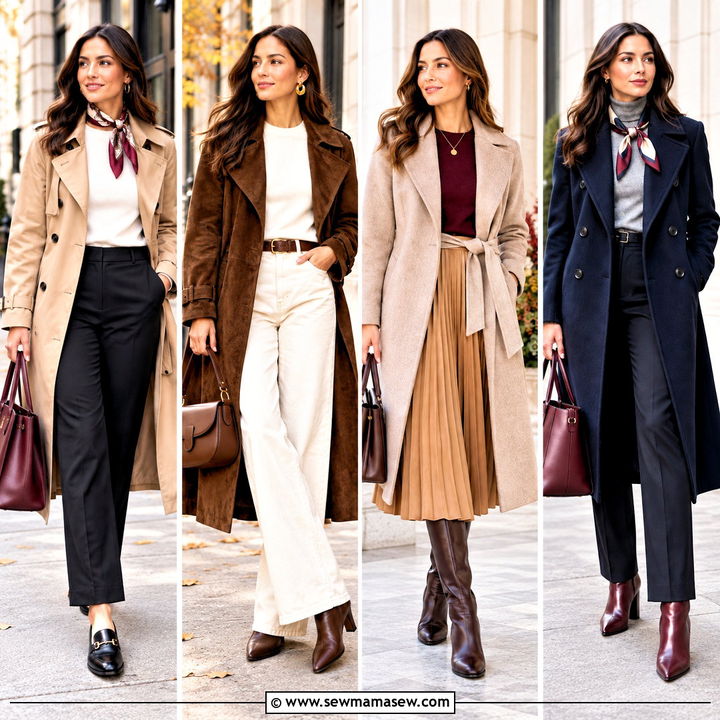
Burgundy is the boot color I recommend to people who own too much black. It reads as a neutral with dark denim but adds warmth. Pair straight or slightly flared jeans with a cream knit, and a charcoal or navy wool coat. Repeat the burgundy once, in a bag or a scarf, and stop there. An almond or pointed toe lengthens the leg; a block heel keeps it walkable. Burgundy leather also hides scuffs better than tan, which is a practical bonus.
9. Square-Toe Boots With A Tailored Suit
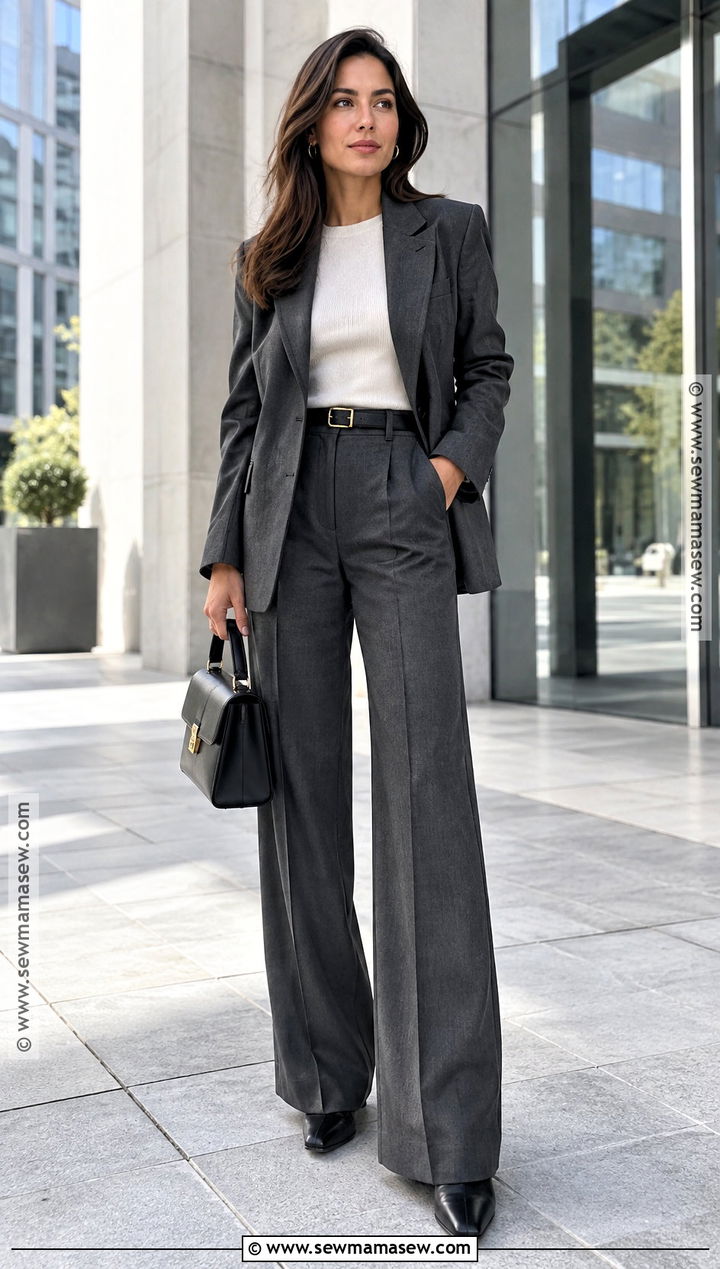
Square-toe ankle boots modernize a suit, but the trouser hem has to be precise. It should cover the shaft and touch the top of the foot without dragging behind the heel. Charcoal, navy or chocolate suits all work; an ivory blouse or fine knit softens them. A low or medium block heel gets you through a full day. Square toes take more room in the toe box than pointed styles, which many people find more comfortable. For a relaxed version, wear the blazer open over a plain cotton tee.
10. Slouchy Boots With A Knit Midi Skirt
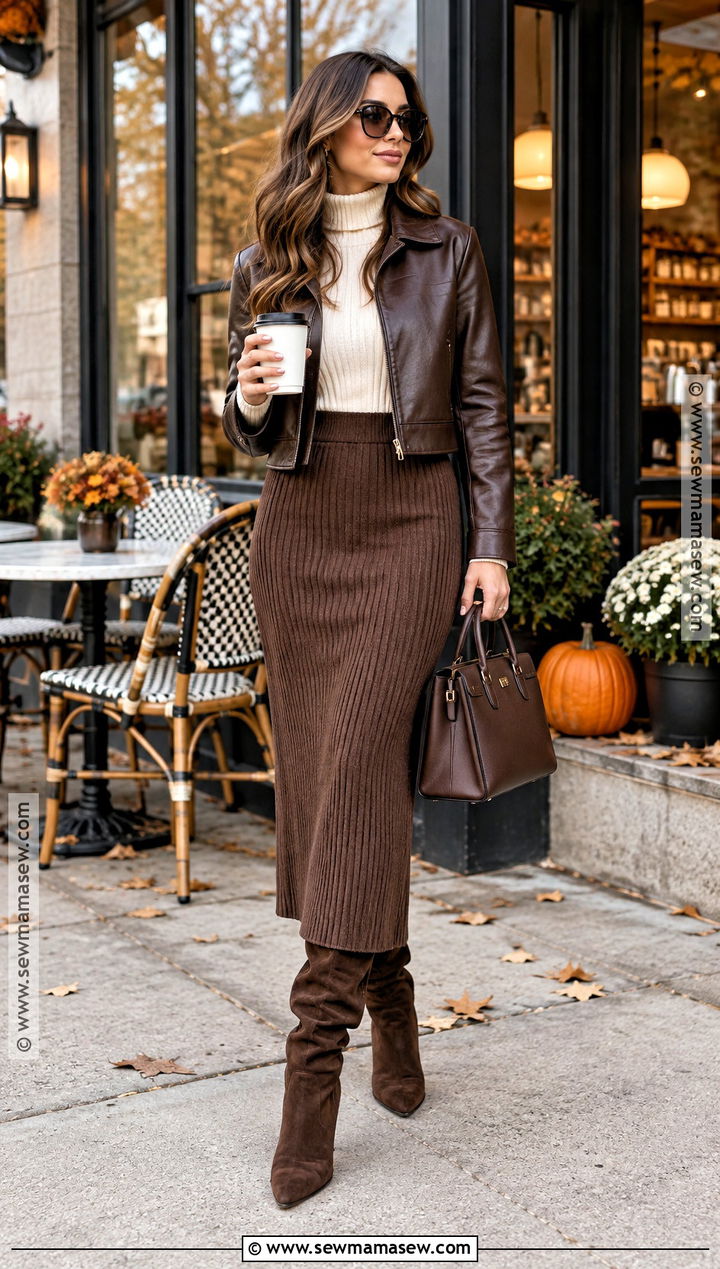
Slouchy boots add volume at the ankle, so I keep the skirt above them fitted. A ribbed knit midi in cream or gray, a matching sweater, and a cropped jacket to define the waist. Let the hem overlap the top of the boot slightly so there's no strip of leg. A pointed or almond toe offsets the bulk of the slouch. Suede slouch boots look best here, and they hold their folds better if you store them with boot shapers rather than letting them collapse flat.
11. Platform Boots With A Mini Skirt And Tights
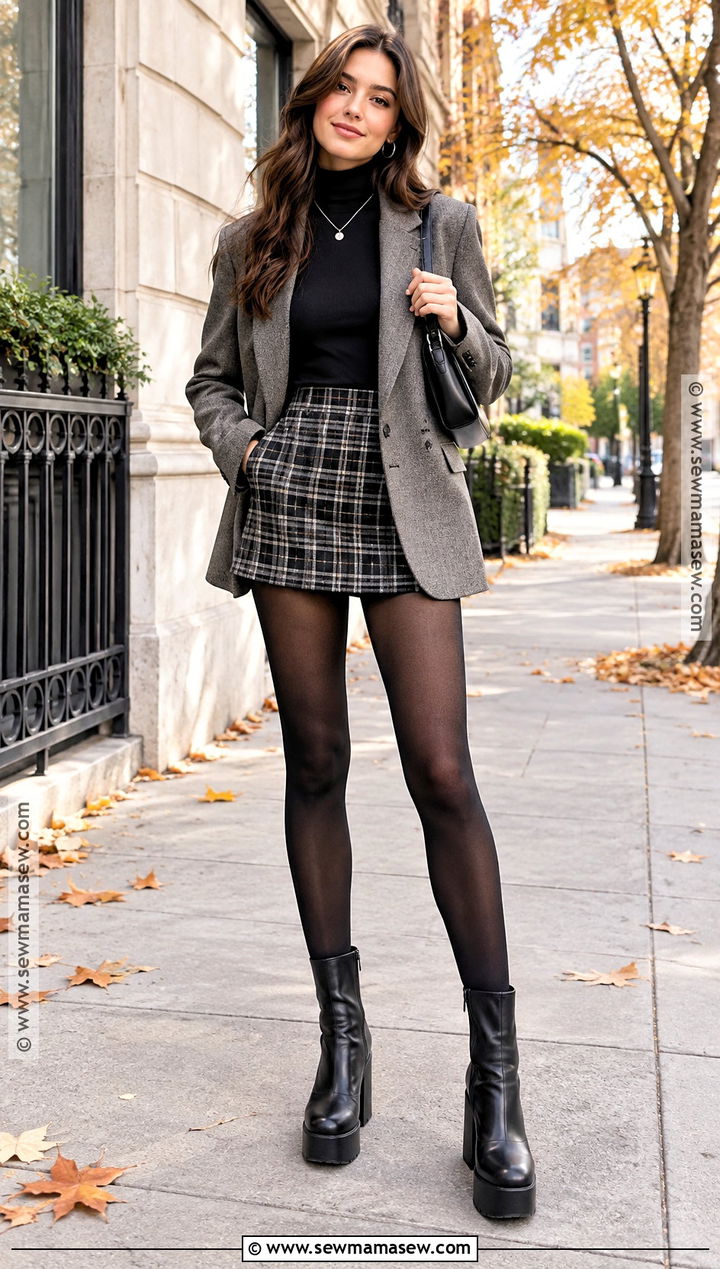
Opaque tights are the bridge that makes platforms and a mini work together. Pair a tailored, denim or corduroy mini with black tights and black platform boots so the leg reads as one long line, which is especially helpful on petite frames. A fitted turtleneck under an oversized blazer or wool coat balances the short skirt. Do the sitting test before buying the skirt. Very high platforms change your stride and are tiring on stairs; a moderate lug sole gives the same look with less effort.
12. Rain Boots With A Trench Coat And Jeans
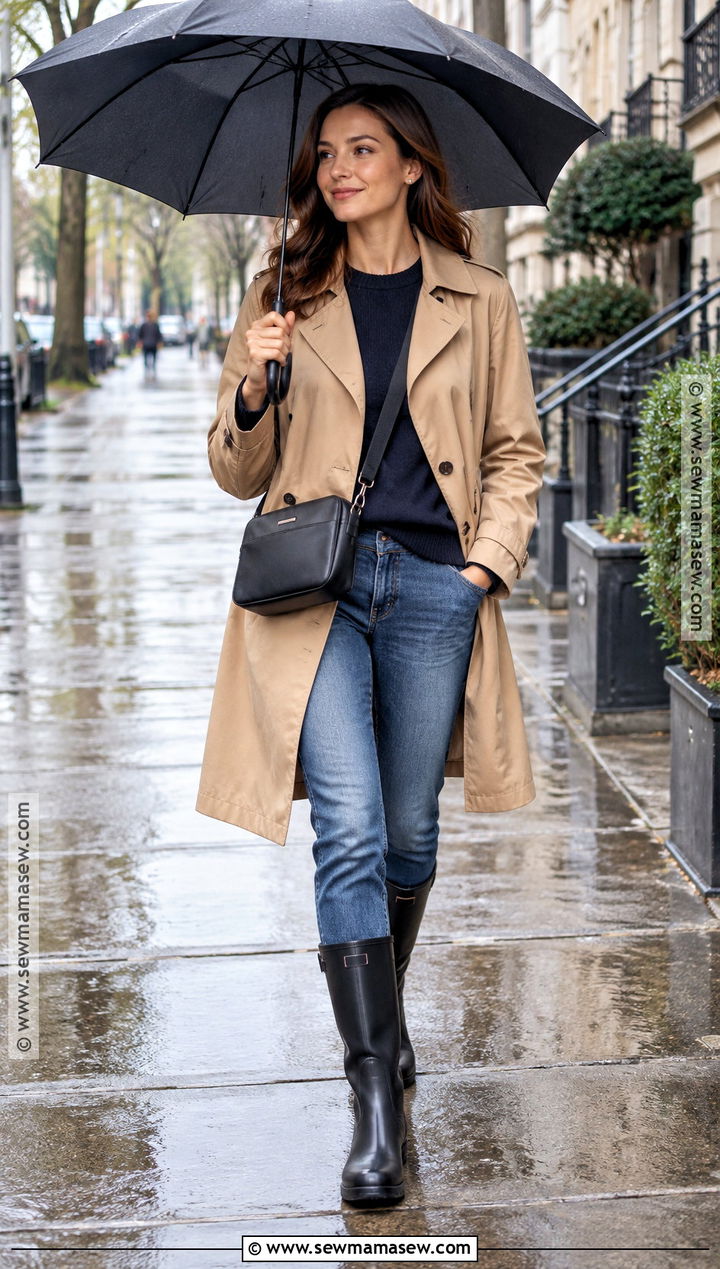
Rain boots finally make sense with slim jeans tucked inside, since the hems stay dry and the boot looks deliberate. Add a light crewneck and a water-resistant trench in tan or olive. Size rain boots with the socks you'll wear; rubber doesn't stretch, and a tight pair is cold because there's no air around the foot. Mid-calf shafts suit most heights; shorter women may prefer ankle-height styles that don't hit at the widest part of the calf. Feet sweat in rubber, so wool-blend socks beat cotton.
13. Hiking Boots With A Puffer Vest And Leggings
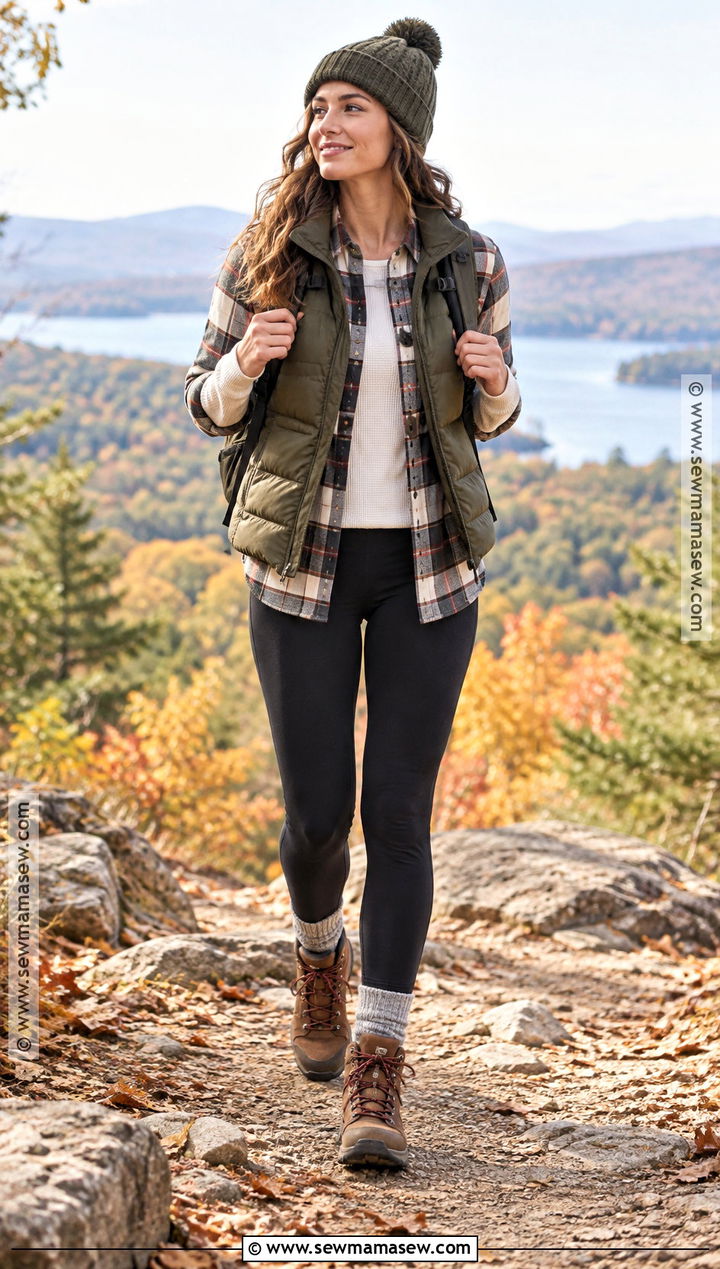
Hiking boots with leggings and a puffer vest is the outfit for long days outdoors. A thermal top, an open flannel and a quilted vest keep the core warm while arms move freely. Neutral boots in brown or olive go with everything casual. The socks matter as much as the boots: wool-blend, cushioned, and tall enough to sit above the boot collar so it doesn't rub. Leggings need to be opaque and supportive. A backpack and a beanie finish it.
14. White Boots With A Monochrome Knit Outfit
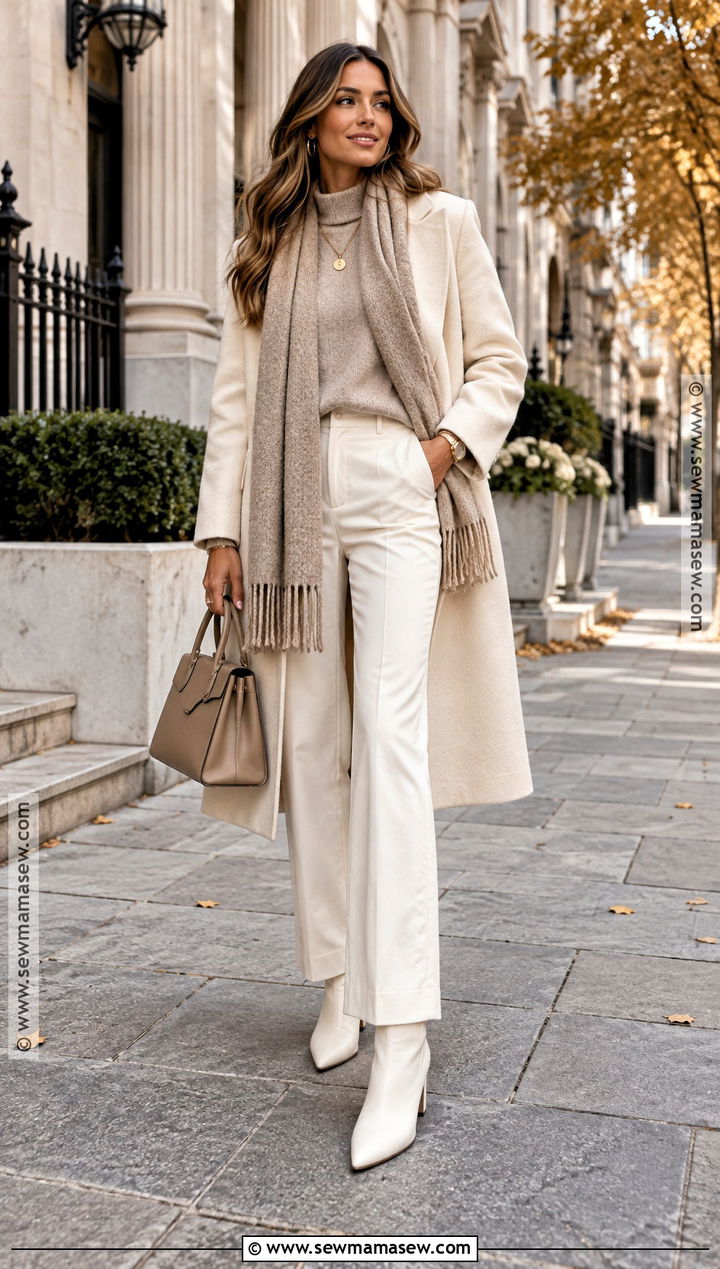
Cream boots brighten a fall wardrobe, but only with a pale outfit around them. Ivory straight-leg pants, an oatmeal sweater and a cream coat build tone on tone. Smooth leather ankle boots sit cleanly under the pants; a pointed toe sharpens the palette. I'd choose a taupe or light gray bag over trying to match cream exactly. Pale leather marks fast. Treat it with a protector before the first wear and keep a white leather cleaner handy, because scuffs on the inside ankle appear within days.
15. Animal-Print Boots With An All-Black Outfit
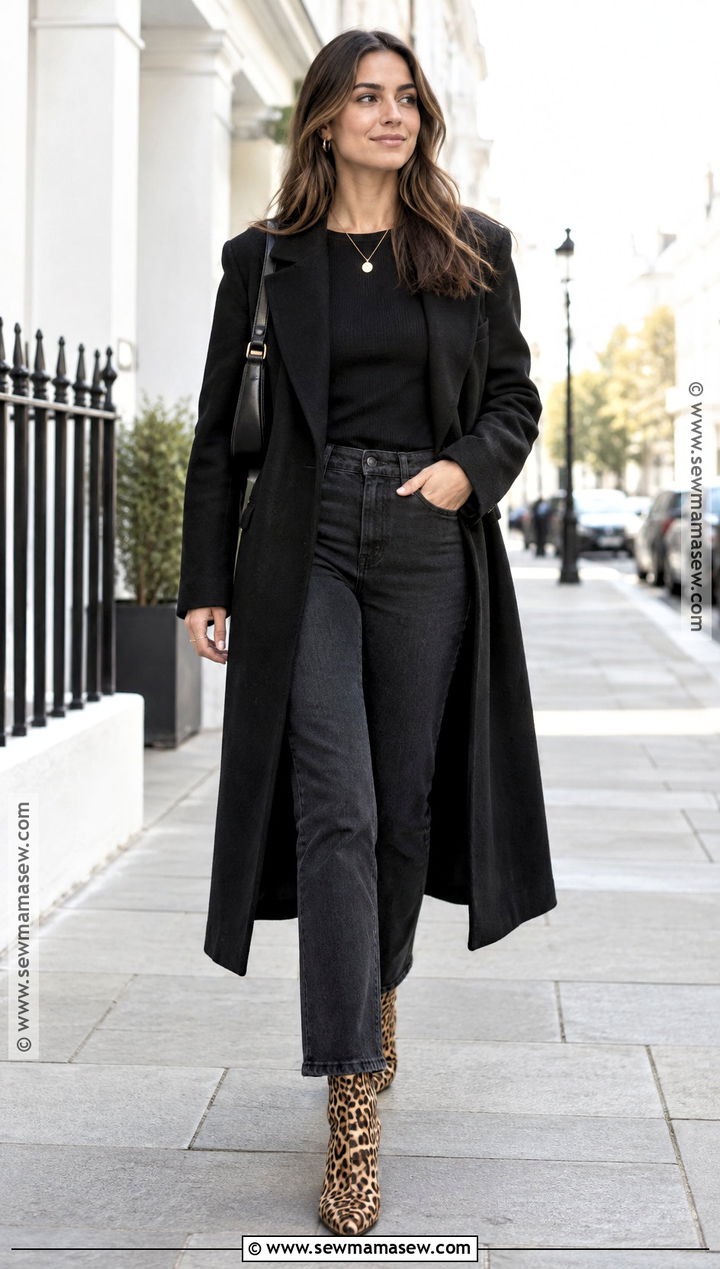
Animal-print boots are easy once everything else is black. Black jeans or trousers, a fitted black sweater, and a leather jacket, blazer or coat depending on the day. The boots become the only pattern. Low-heeled ankle boots get the most wear. If leopard feels too much, start with a small-scale snake or a muted print in browns and grays. Calf-hair prints flatten and shed where your ankles brush together, so expect some wear at the inside of the shaft.
16. Sock Boots With Cropped Trousers
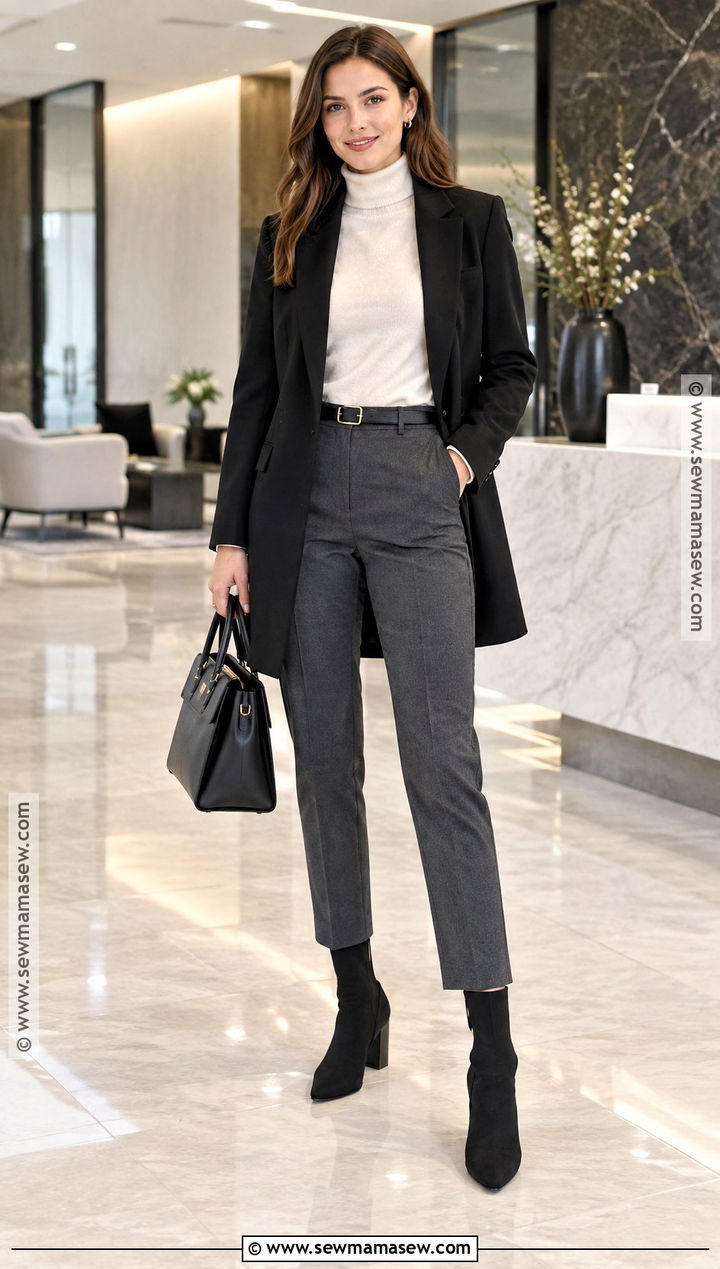
Sock boots fit tight to the ankle, which makes them ideal under cropped trousers. Choose high-waisted tailored pants ending just above the ankle bone so the boot fills the space cleanly. A turtleneck or tucked blouse and a longline blazer finish it. Matching boot and trouser color lengthens the leg; contrasting boots put the focus on the feet. Avoid very wide cropped hems, which swamp a narrow boot. Stretch sock boots can loosen over a season, so a snug first fit is right.
17. Lug-Sole Boots With A Pleated Skirt
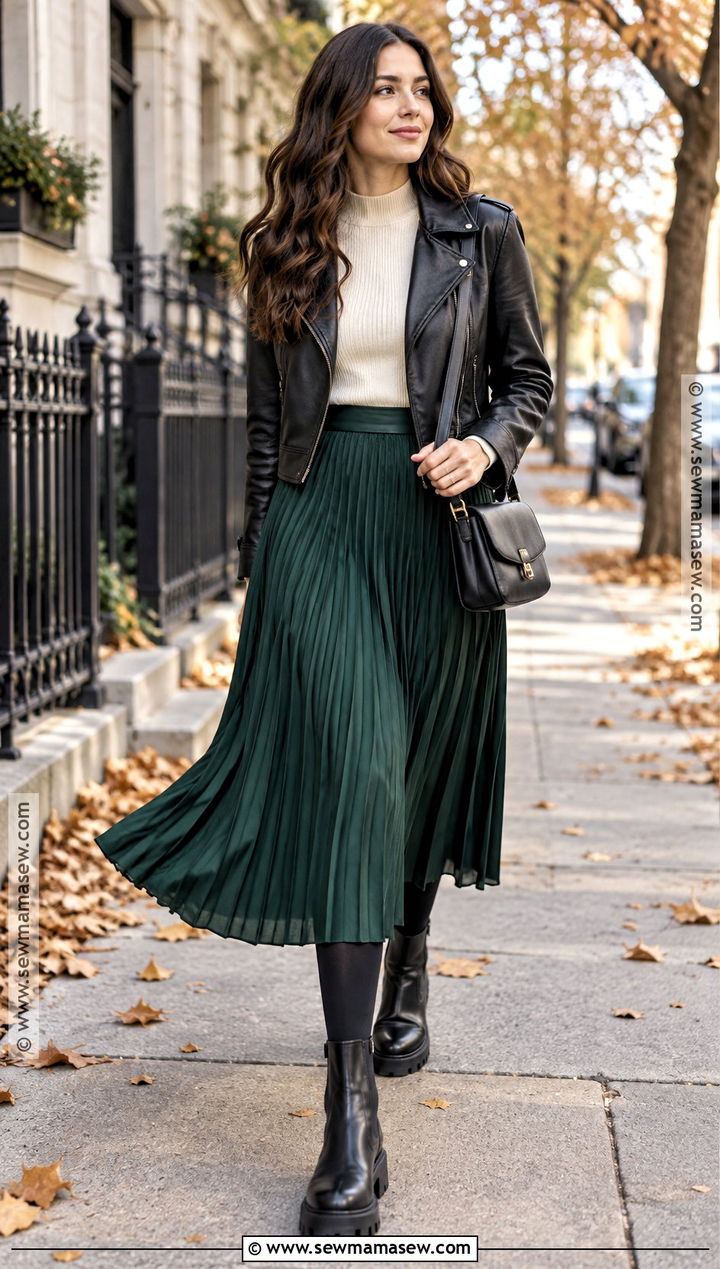
Pleated midi skirts and lug soles give a soft-plus-sturdy contrast. Wear a fitted sweater on top and a cropped leather jacket that echoes the weight of the boots. Black boots suit almost any skirt color; brown or burgundy soften prints. Opaque tights add warmth. Shorter women should choose a less exaggerated sole and a skirt ending just below the knee, since a heavy boot plus an ankle-length skirt leaves very little visible leg. Pleats also swing, so check in a mirror that they clear the boot when you walk.
18. Western Boots With A Shirt Dress
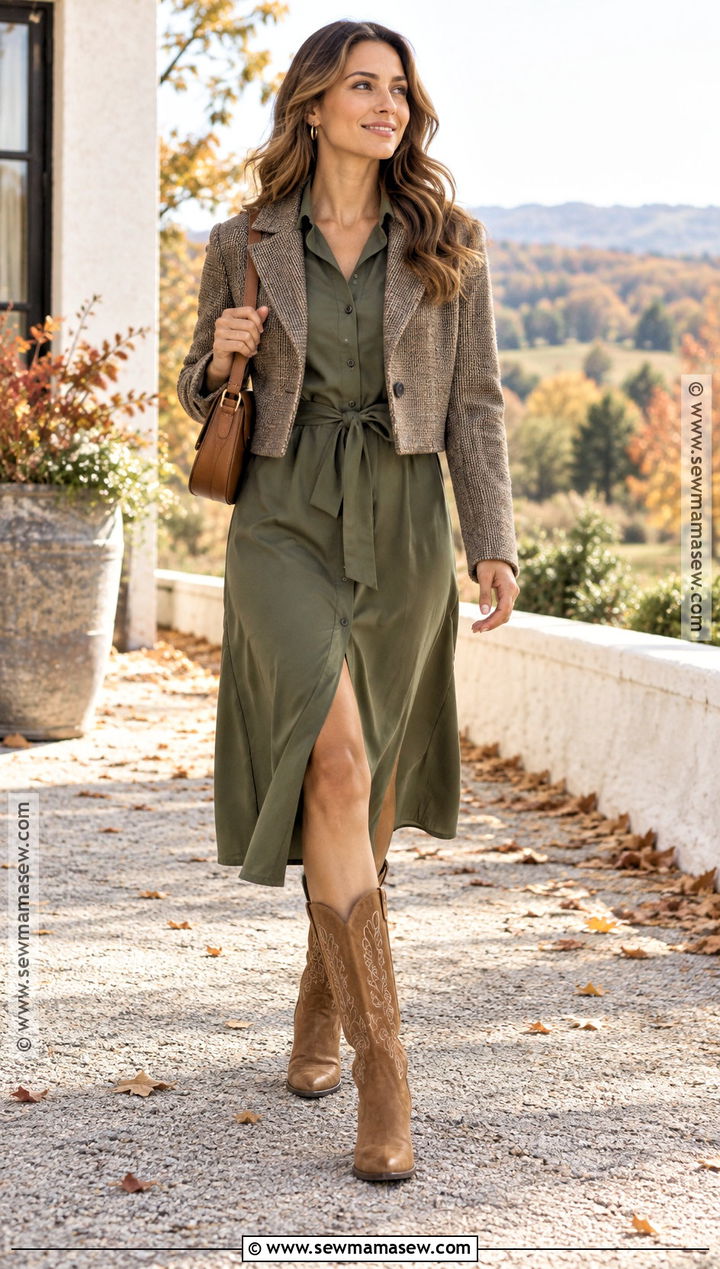
Shirt dresses give Western boots a clean backdrop. Choose a midi in denim, olive or a subtle print, belted with room to move. The boot has to show, either through a front slit or a slightly shorter hem; a dress that covers the whole shaft hides the point of wearing it. If the boots have decorative stitching, keep the dress plain. A tailored jacket or long cardigan handles cooler days, and small hoops are enough jewelry.
19. Tall Boots With Denim Shorts And A Cardigan
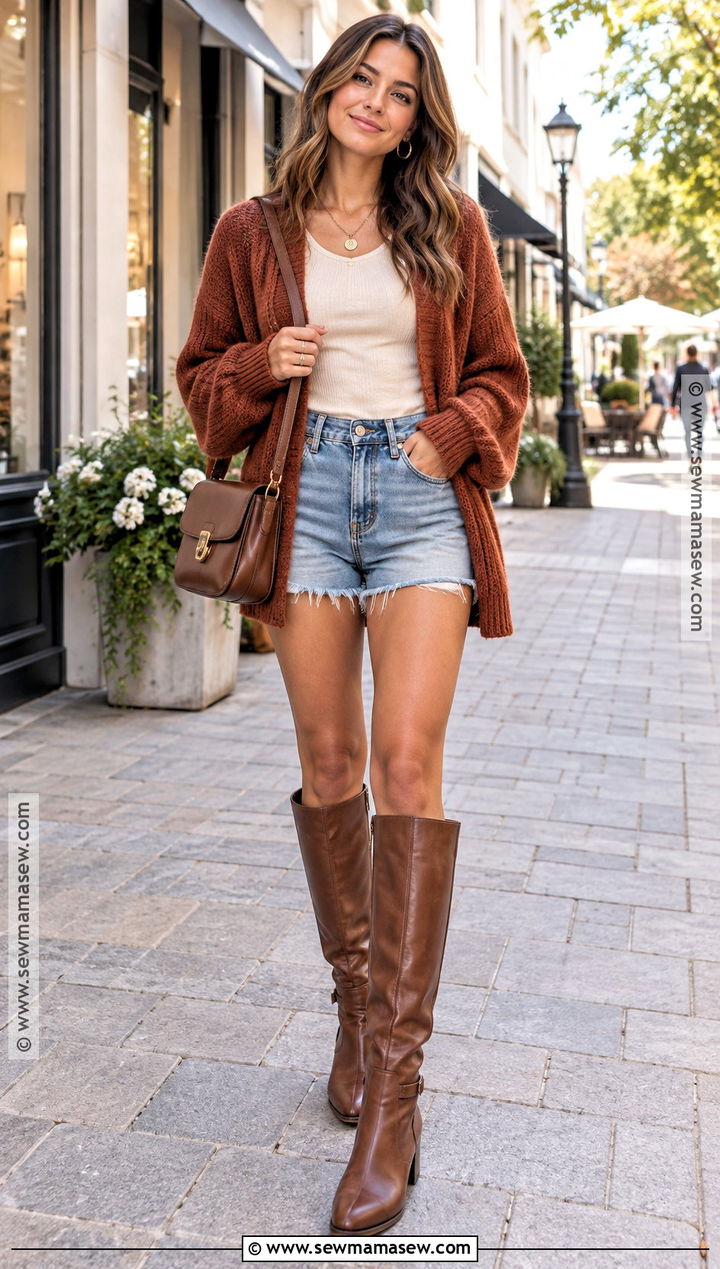
Shorts with tall boots is strictly a mild-weather look, but it bridges September nicely. Choose relaxed mid-rise shorts with a longer inseam and tuck a cotton tee or fitted knit into them. An oversized cardigan that ends below the shorts balances the bare leg. Knee-highs in brown or black give coverage. Wear thin crew socks or no-show liners inside, because bare skin against a leather lining chafes and the boot lining absorbs sweat. Add opaque tights when it cools.
20. Kitten-Heel Boots With Bootcut Jeans
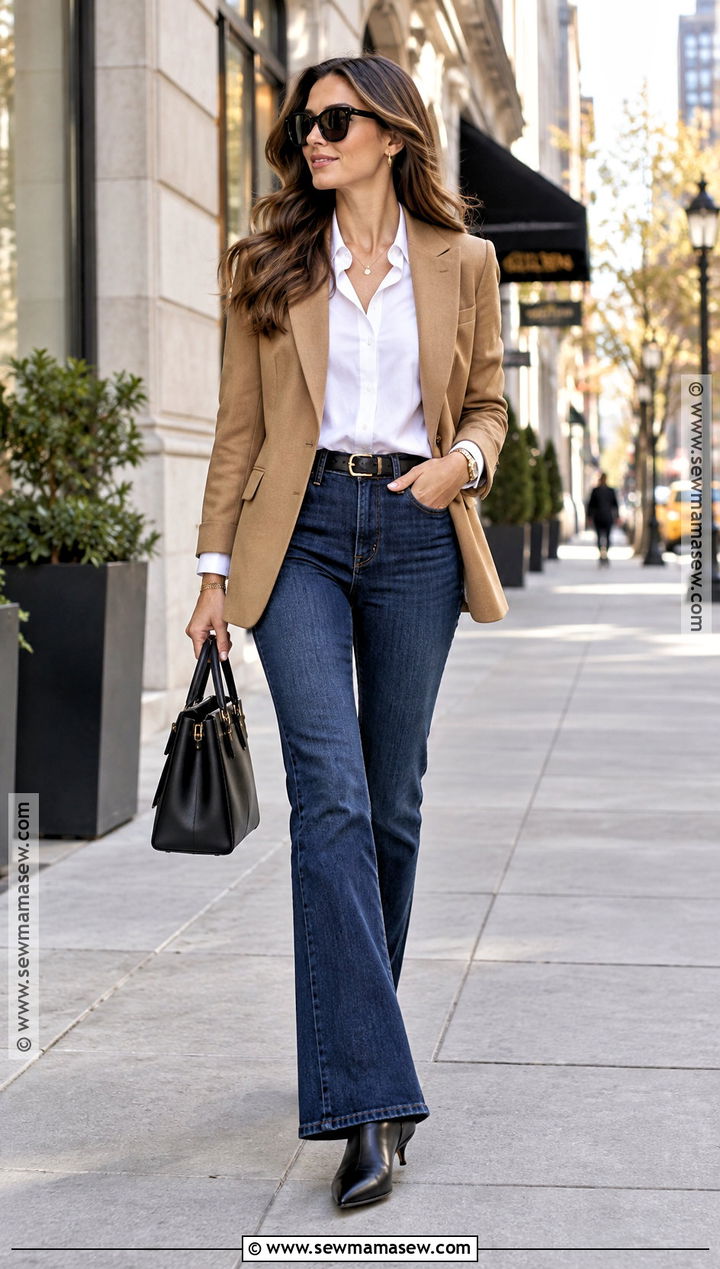
Kitten heels give bootcut jeans a lift without the ache of a high heel. Hem the jeans with these exact boots on; the hem should skim the floor at the back and let the pointed toe peek out at the front. Even a half-inch heel difference changes where it lands. Add a tucked button-down or fitted knit and a tailored blazer. Dark wash for dressier days, faded for casual. A slim belt and structured bag complete it.
21. Biker Boots With A Slip Skirt And Sweater
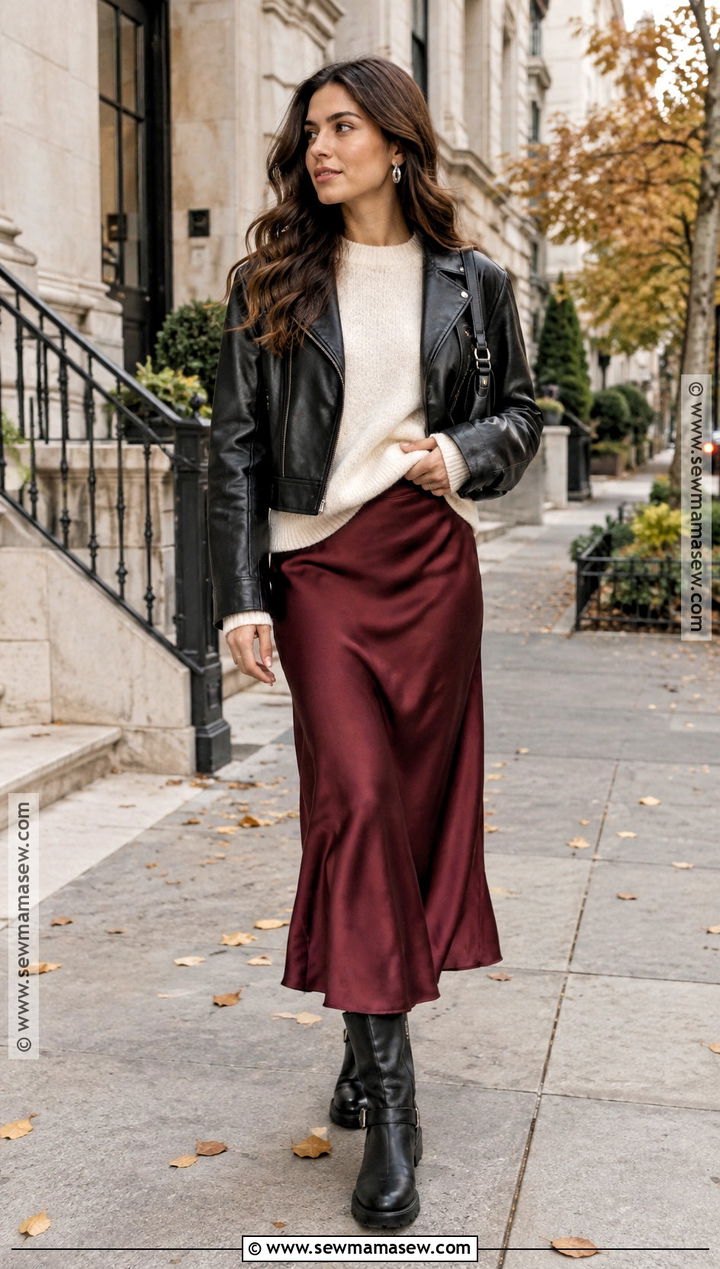
Biker boots bring weight and buckles to a soft slip skirt. Pair a satin or matte midi with a relaxed crewneck and a partial front tuck. Black boots go with charcoal, olive, burgundy and muted florals. The hem should end above the shaft or overlap it slightly; a narrow strip of exposed leg between them looks accidental. A cropped leather jacket or oversized blazer adds structure. Biker boots are heavy, so if you're walking far, check the sole flexes at the ball of the foot.
22. Wedge Boots With Corduroy Pants
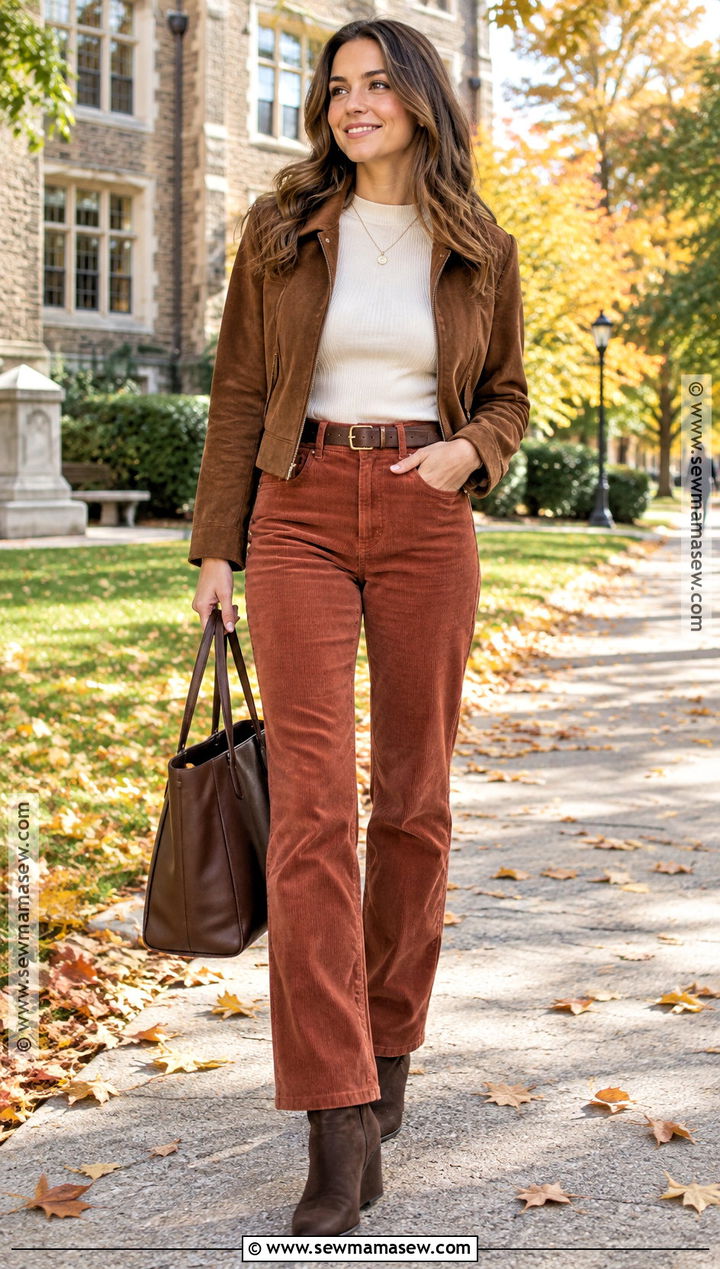
Wedge boots give height with a broad, stable base, which helps on long standing days. Choose straight or slight bootcut cords in camel or forest green, a ribbed top, and a structured denim or suede jacket. The trousers should cover most of the wedge and show the toe. A cushioned wedge is worth looking for. Avoid very flared pants or heavy platforms with this; the wedge already adds visual weight at the foot. Corduroy against leather gives the outfit texture without extra color.
23. Over-The-Knee Boots With A Tunic Sweater
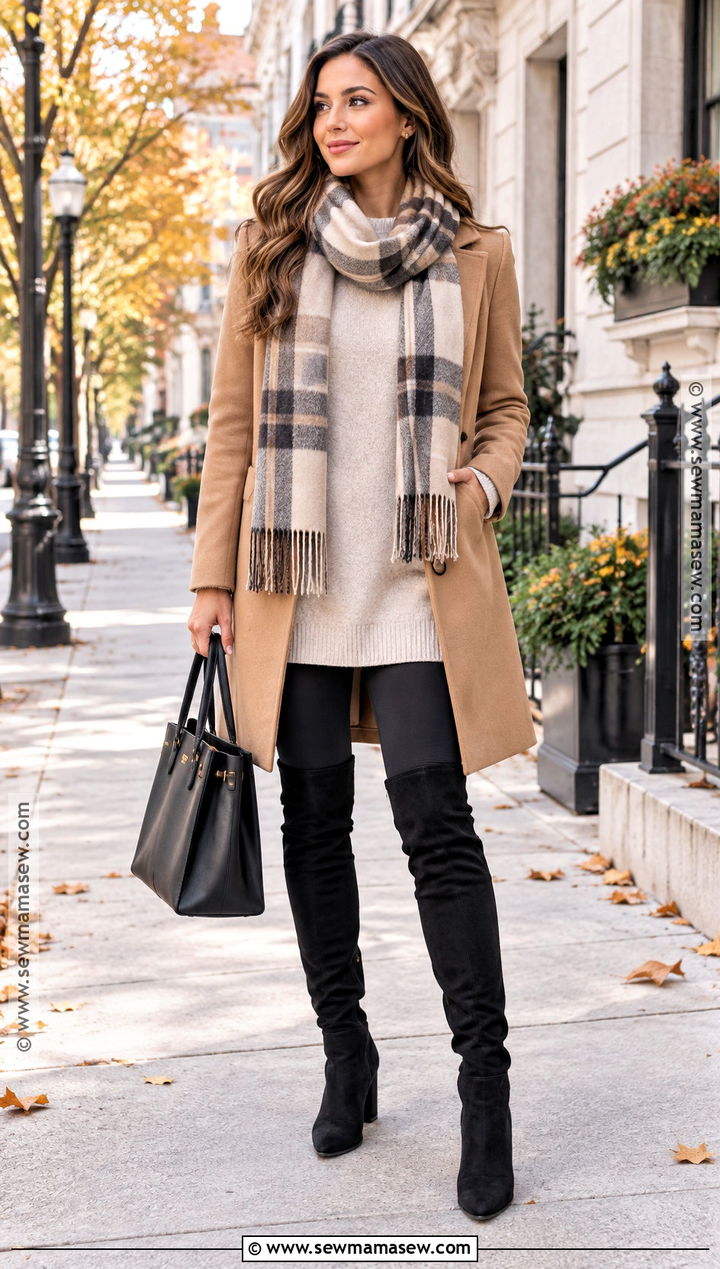
Over-the-knee boots look streamlined when the leg underneath is slim and dark. Opaque black leggings or ponte pants, a long tunic sweater for coverage, and boots in the same color as the pants. The shaft has to stay up. Look for silicone grip strips inside the top, a back lace or a stretch panel; boots that slide down all day are the most common complaint I hear. Flat or low heels are easier to walk in. A long tailored coat balances the soft sweater.
24. Mid-Calf Boots With A Wool Coat And Jeans
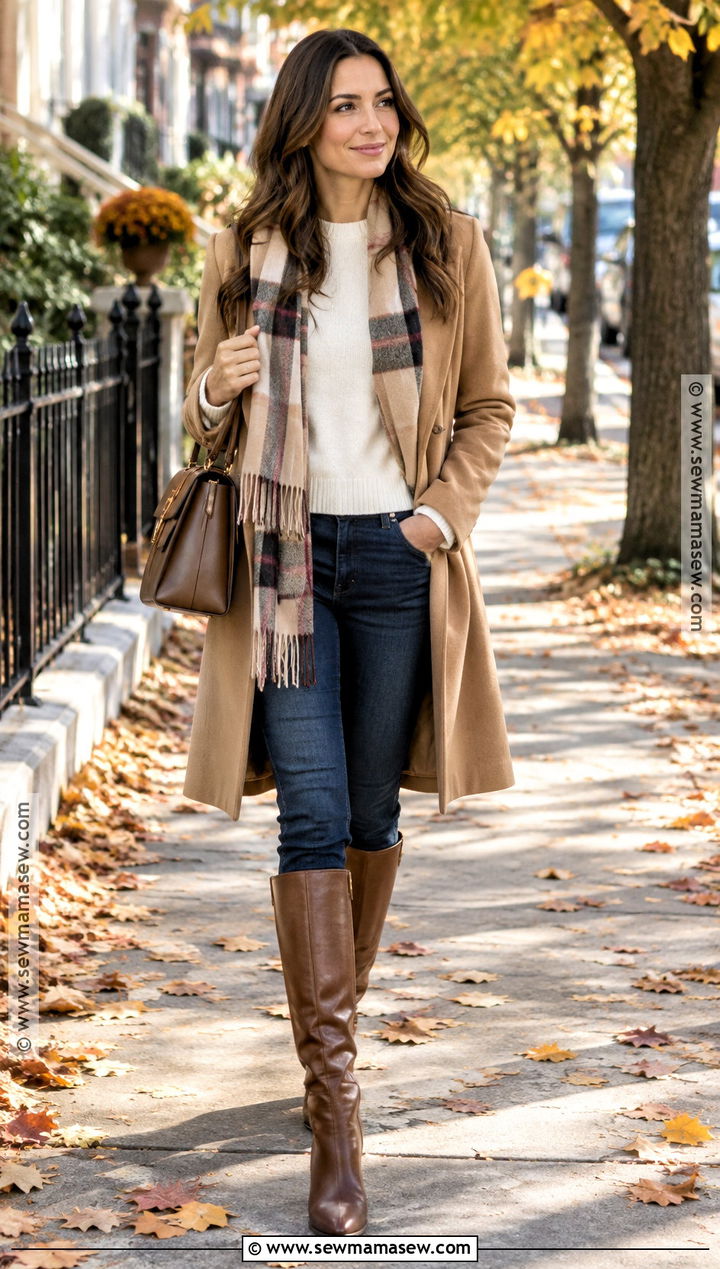
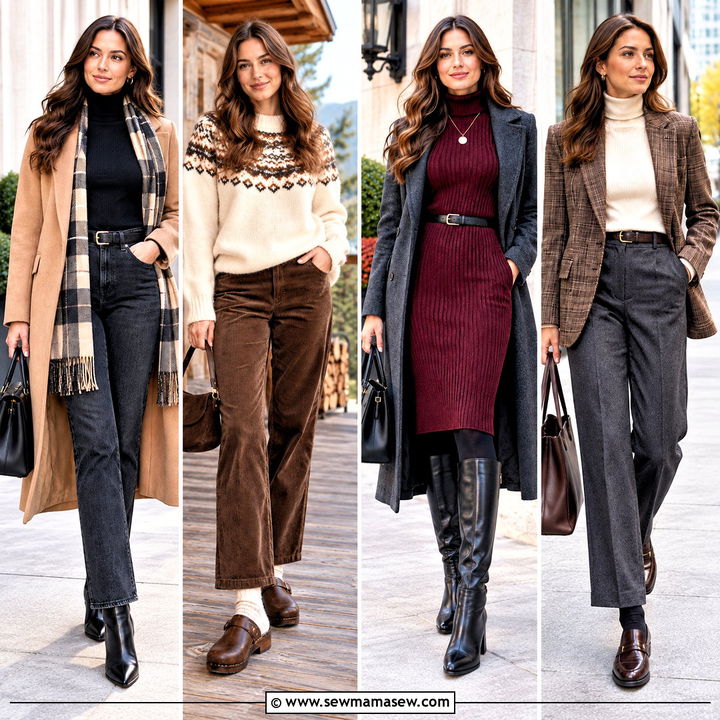
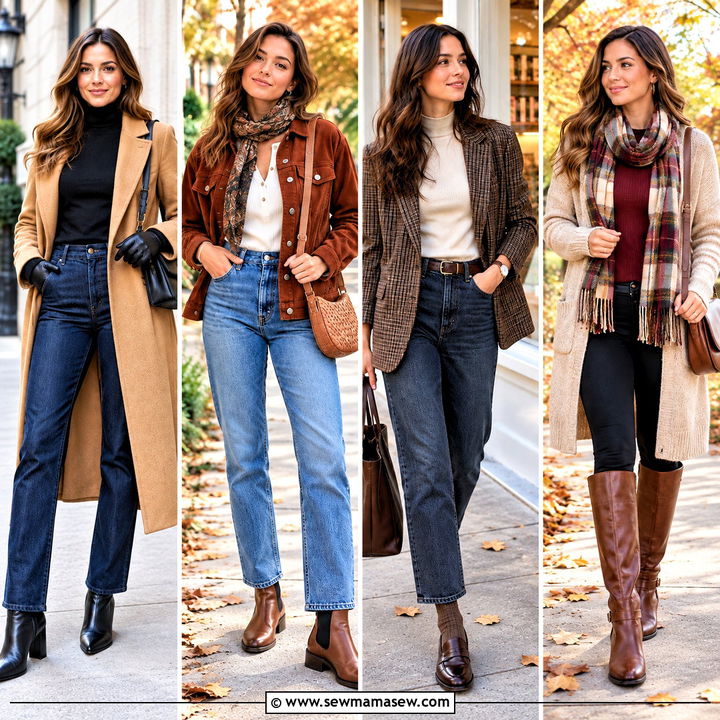
Mid-calf boots can cut the leg at its widest point, so tonal dressing helps here. Slim straight-leg jeans tuck in only when the shafts are roomy enough to lie smooth; otherwise choose cropped jeans that end just above the boot. Dark jeans with dark boots look longest. Add a crewneck in cream or burgundy and a knee-length wool coat. A small heel gives gentle lift. A plaid scarf and structured satchel complete a dependable commuting outfit.
25. Flat Ankle Boots With Plaid Pants And A Cardigan
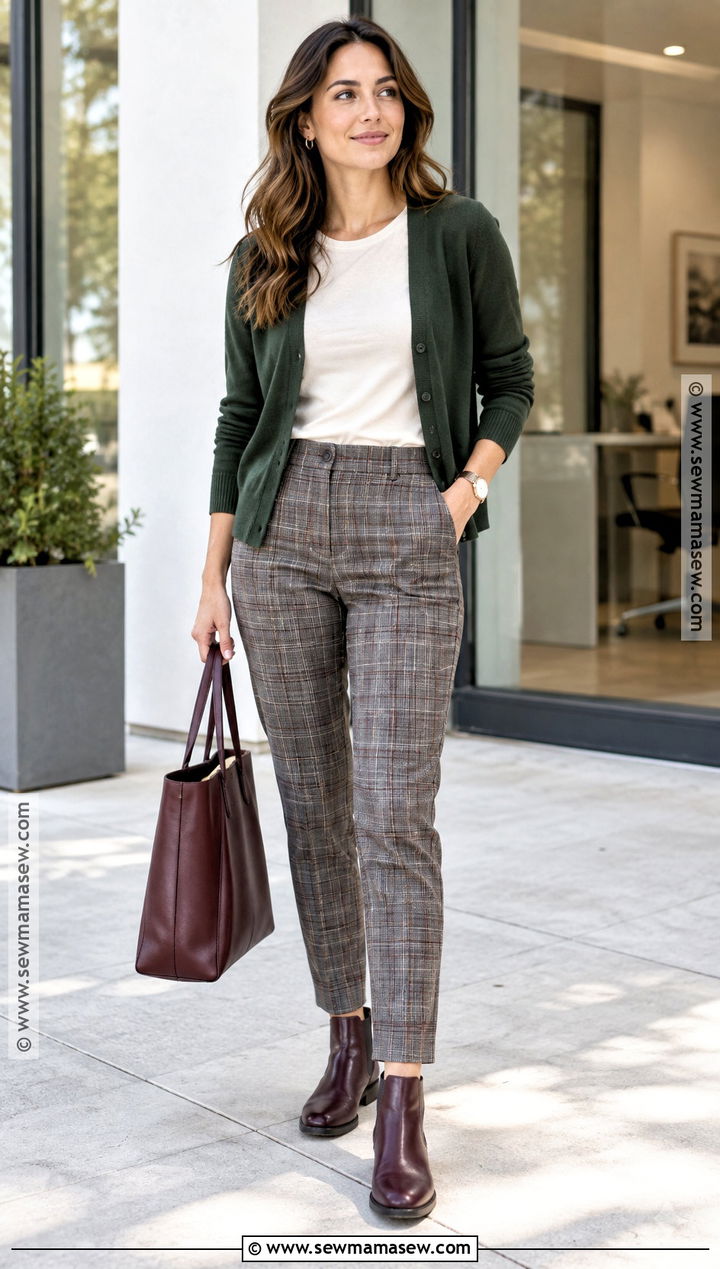
Flat ankle boots with plaid trousers suit teaching days, travel and anything with a lot of standing. Tapered plaid pants should end near the top of the boots so the footwear stays visible. A solid tee or fine knit, and a hip-length cardigan in a color pulled from the plaid. Pick the boot color from the pattern too: brown for warm plaids, black for cool. Flat boots still need arch support and a flexible sole; a thin flat sole is the main reason feet ache by afternoon.
Salt Lines, Scuffs and Wet Suede
Boots take a beating once the weather turns. A few habits keep them looking like the ones in these outfits rather than a tired pair at the back of the closet.
Smooth leather
Wipe off mud while it's wet. Salt from treated pavements leaves white tide lines that dry the leather out, so wipe those with a damp cloth and a little diluted white vinegar, let them dry naturally, then condition. Polish or cream on the toes covers most scuffs and adds a thin protective layer.
Suede and nubuck
Spray with a suede protector before the first wear and again every few weeks in wet months. If they get soaked, stuff them with paper and let them dry at room temperature, never on a radiator, which stiffens and cracks the hide. Brush the nap once dry.
Storing tall boots
Tall shafts slump and crease if they're left to fall over. Boot shapers, or even rolled magazines, keep them upright. Rotating pairs so each gets a day off lets the lining dry out between wears, which helps both the smell and the leather.
Two or Three Good Boots Will Carry the Whole Season
You don't need dozens of pairs. A few comfortable boots can cover most of these outfits once you watch shaft height, pant length and color. Ankle boots handle everyday dressing, tall boots bring warmth and polish, and combat, Western or lug soles add character. Outerwear and a repeated accessory color connect each pair to clothes you already have. Above everything, get the fit right: correct length, room in the calf and toe, and a sole you can stand on all day.
Related posts: