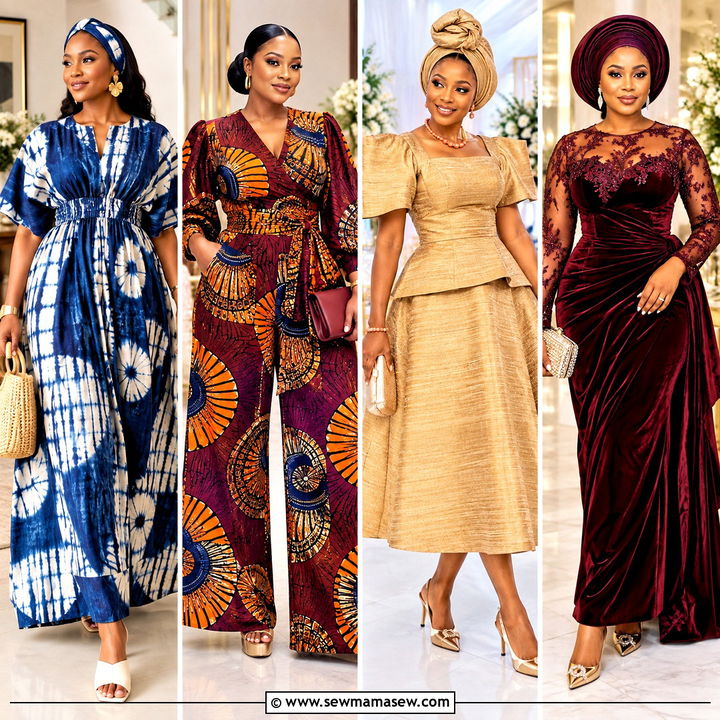
Diwali dressing rarely means one outfit. There is the evening puja at home, the round of visits with boxes of mithai, and often a party where someone has a dhol going. When I plan festive looks I start with the rituals, because sitting cross-legged in front of the mandir asks very different things of a garment than dancing in heels does. Below are 35 complete outfits, from heirloom silk sarees to Indo-western co-ords, each with the jewelry and footwear I'd actually put with it and the occasion it suits best.

Diyas, Sparklers and a Trailing Dupatta
Diwali is a festival of open flames, and that changes how I choose fabric. Diyas sit on the floor and along window ledges, sparklers get passed around, and a loose pallu or dupatta swings right past them. Cotton and silk burn rather than melt, so a stray spark leaves a scorch mark. Polyester georgette and nylon net can melt and stick to skin. For the outfit you'll wear while lighting lamps or standing near fireworks, I lean toward silk, cotton or chanderi.
- Pin the pallu or dupatta at the shoulder and again at the waist, so the loose end can't swing forward when you bend over a diya.
- Choose sleeves that stop at the elbow or sit close to the arm. Bell sleeves and long flared cuffs hang right over the flame.
- Put the sequined or net dupatta aside before anyone hands out sparklers.
- Keep long hair tied back for the lighting, even if you let it down later.
None of this means giving up georgette. Save the synthetic pieces for the party, and wear silk or cotton for the hour when you're actually lighting the lamps.
1. Silk Saree Outfit For Diwali

Kanjivaram and Banarasi silks are heavy, and that weight is exactly why they pleat so crisply and hold a clean pallu line. I'd go with emerald or maroon and let the sheen carry the color, then add an elbow-sleeve blouse, matching or contrast, with a thin line of zari at the neck. Pleat the pallu at the front and pin it lightly at the shoulder; a heavy silk pallu pulled too tight drags the blouse sideways within an hour. Gold temple jewelry, jhumkas and a fine maang tikka are enough. Embroidered gold mojris and a small silk potli finish it, and the flat mojris matter once you're standing through the aarti.
2. Lehenga Choli Diwali Look

Georgette and raw silk are the two lehenga fabrics I reach for when someone wants to dance, because both are light enough that the flare actually swings. Rani pink or deep fuchsia with mirror-work, sequins or zari buttis reads well under string lights. A fitted sweetheart-neck crop choli with pearl-drop tassels and a sheer organza dupatta over both shoulders frames the top half. I'd skip the heavy necklace here and wear chandbalis with one stack of glass bangles. Metallic block heels keep you steady through a sit-down dinner and whatever spontaneous garba session follows it.
3. Anarkali Suit For Diwali

Before anyone orders a floor-length anarkali, I check the length against the shoes they'll actually wear, because a hem that skims the floor in flats gets trodden on all night. Aubergine or wine with gota patti at the bodice and hem gives the flare enough weight to swing rather than cling. A churidar in the same tone keeps the leg line unbroken, and a chiffon dupatta with contrast piping adds a little edge. Polki drops and one statement ring are plenty. Embellished flats or low juttis suit an evening of moving between house parties and puja setups, with a matte lip and loose waves to soften it.
4. Sharara Set Diwali Outfit

Sharara pants flare from the knee, so the hem border does most of the visual work when you walk. Pair a short, heavily embellished kurti in teal or mustard with wide-legged sharara pants trimmed in lace or a rich border, and throw a contrast-border dupatta over one shoulder to trail behind. Chunky jhumkas, a single-row choker and thin bangles are the right weight for it. One practical warning: the trailing dupatta and the wide hem both sweep the floor, so watch them around rangoli and diyas set at ground level. Embroidered khussas or block-heel mojris carry it from a long lunch into the evening.
5. Kurta Set With Palazzo Pants

This is the set I suggest to anyone heading to an office celebration and then home for puja. A straight silk-blend kurta in powder blue or blush, with tonal embroidery at the neck and cuffs, looks festive without shouting. Wide palazzos lengthen the leg, but only if the hem nearly covers the heel, so have them hemmed with your sandals on. Wear the sheer dupatta loosely across the chest or over one shoulder. Small chandbalis, a structured potli and metallic heels are all it needs for a brunch or a home puja.
6. Embroidered Lehenga For Diwali

A lehenga covered edge to edge in thread, bead and sequin work is heavy, and I always tell people to try it on and sit down in it before committing. On an antique gold or champagne base the embroidery reads as texture rather than color. A raw silk choli with a high neck and bracelet sleeves keeps the top clean, and a sheer embroidered cape replaces the dupatta so there's less fabric to manage. Oversized studs, one cuff and metallic pointed heels are enough. Save this one for a formal Diwali dinner, where you'll be seated more than you're dancing.
7. Banarasi Saree Outfit

Banarasi brocade has the gold woven right into the cloth, so it catches diya light from every angle in a way printed gold never does. On red, purple or navy, a short-sleeve blouse in emerald or mustard gives it a current feel. I drape this one seedha pallu style, with the pallu brought over the right shoulder to the front, because it keeps your arms free during the puja. Warm gold suits these jewel tones: a layered necklace, matching bangles and small chandbalis. Gold mojris and a beaded potli complete it for the main ceremony.
8. Crop Top With Lehenga Skirt

A structured crop top in place of a choli is the easiest way to modernize a lehenga you already own. Coral or tangerine with floral gota sits well against a sleeveless ivory or gold top. The proportion I check is the gap: on a high-waisted skirt, a top that ends at the natural waist shows a sliver of skin, while a shorter one shows more than most people expect once they lift their arms. Wrap a printed dupatta around the waist or tuck it in at the side. Layered gold chains, a chunky maang tikka, ring stacks and strappy metallic sandals suit a cocktail party or a friend's get-together.
9. Dhoti Pants With Kurta

Dhoti pants give you more leg room than almost anything else here, which is why I steer people who want to dance or sit on the floor toward them. Silk or crepe in forest green or mustard, with soft pleats at the waist, drapes better than stiff cotton. A flared embroidered kurta ending just above the knee balances the low-slung drape. Tuck a light dupatta into the waist or run it along one arm. Oversized silver hoops, a statement ring and a slim handcuff bracelet keep it playful, with embroidered mojris or heeled juttis for an evening of card games and fireworks.
10. Indo-Western Gown For Diwali

An Indo-western gown is a fitted Western shape carrying Indian embroidery, and it's best for someone who doesn't want to manage a dupatta at all. Midnight blue or charcoal with zari or sequins along the bodice and sleeves looks rich without bright color. The flared lower half gives you room to walk, so check that the fitted section ends at the hip rather than the knee. Crystal chandelier earrings, a metallic clutch and pointed stilettos are enough, plus a low updo with fresh flowers tucked in. I'd wear this to a formal Diwali dinner or a festive event at a venue rather than a long puja at home.
11. Jacket Set With Straight Pants

For a day that starts with a family puja and ends at dinner, a long embroidered jacket over a plain kurta and straight pants is the most practical outfit on this list. Maroon raw silk with gold threadwork on the front panels and cuffs carries the color, so keep the kurta tone-on-tone. Have the straight pants tailored to break just above the shoe. With the jacket on, I usually drop the dupatta for a cleaner line. Pearl or kundan, a structured bag and block-heel juttis finish it, and the jacket comes off if a crowded room gets warm.
12. Palazzo Suit With Long Jacket

An open-front, floor-length jacket over a palazzo suit adds length and a second layer without any weight on the shoulders. Pastel pink or mint with silver threadwork, over a sleeveless kurta and wide palazzos in the same shade, creates one long vertical line that suits most heights. A printed organza dupatta loosely over the shoulders gives texture. The thing I watch for is a jacket hem that drags on the floor along with the palazzo, so pick one that stops at the ankle. Keep accessories light, with a pearl drop necklace, a fine maang tikka and metallic mojris for a daytime puja or a sit-down lunch.
13. Velvet Anarkali Suit

Velvet is the fabric I bring out when Diwali falls on a cool night, since the pile holds warmth far better than georgette or chiffon. A plum or midnight teal velvet anarkali with gold embroidery at the neck and cuffs needs very little else. Fitted leggings and a light net dupatta keep the bulk down. Velvet already has its own sheen, so go easy on shimmer makeup: a glowy base, a berry lip, emerald or ruby drops and a plain gold bracelet. It crushes when you sit for long, so steam it rather than pressing an iron flat on the pile.
14. Mirror Work Lehenga Choli

Mirror work throws light back in tiny flashes, so it looks livelier in person and in photos than almost any embroidery. A multicolored lehenga in rust, mustard and ivory already carries plenty of pattern, so I keep the blouse a plain rust with only a few mirrors at the hem. Drape the dupatta across the body for a cleaner line. The stitching around each mirror can catch on a delicate dupatta, so a sturdier net or cotton one is the safer choice. Thin gold hoops, metallic juttis and a beaded clutch are all it needs for a night of dancing and diya lighting.
15. Bandhani Print Saree

Bandhani is made by pinching and tying off tiny points of cloth before dyeing, which gives the dots their slightly irregular, handmade look. A pure silk Bandhani saree in bright yellow and maroon is busy enough that the blouse should stay plain: maroon, with three-quarter sleeves. An open pallu falls freely and keeps the drape simple. Small jhumkas and gold bangles are all the jewelry it needs, with tan and gold mojris and a carved wooden potli. I'd wear it to a daytime puja or a lunch, where the warm colors show best in natural light.
16. Chikankari Kurta Set

Most of the comfort in this set comes from the base cloth. Delicate Chikankari embroidery on white or ivory chanderi silk is light enough to wear for hours, and the hand-stitched motifs look best in daylight, seen up close. Matching straight pants and a sheer organza dupatta keep it quiet, so I add the color through a pink or turquoise potli, statement jhumkas and bright embroidered mojris. Chanderi is thin, so check the kurta's lining before you buy; an unlined one can turn sheer in sunlight. Wear it to a morning puja or a visit to a relative's home.
17. Leheriya Saree Outfit

Leheriya is a Rajasthani resist-dye technique that leaves diagonal wave stripes, and those stripes add movement even when you're standing still. A pink and orange silk blend is cheerful, and a solid pink blouse with a keyhole back gives it a modern finish. Leave the pallu loose if you like the swing, or pin it if you'll be carrying mithai boxes around all afternoon. Oxidized silver suits it better than gold: big earrings, a statement ring and a kundan bangle. Neutral block heels carry you through a long day of visits.
18. Gota Patti Lehenga

Gota patti is metallic ribbon cut and stitched onto the cloth, so it gives off a soft glint rather than the hard flash of sequins. On a pastel pink or mint lehenga with a gota border and scattered motifs, it looks refined. A round-neck choli with a thin gota trim and a net dupatta edged to match keep the set coherent. Older or real metal gota can tarnish with moisture, so I store it wrapped and away from perfume. Pearl chandbalis, a slim bracelet, a small bindi and traditional mojris suit a home Lakshmi puja or a small dinner.
19. Organza Saree With Embroidered Blouse

Organza is crisp and sheer, so a saree in it holds its shape instead of clinging. Powder blue with a zari border and scattered florals feels nearly weightless, and the heavily worked cap-sleeve blouse in silver and turquoise thread gives the outfit its substance. Because organza springs back, pleats need pinning or they fan out within the hour. Silver jewelry with a bold geometric necklace, matching earrings and silver block heels suits the cool palette, and you won't need a separate dupatta. It shows best at an evening party under warm lights.
20. Silk Kurta With Churidar

A knee-length silk kurta in burnt orange or rust, with tonal hand embroidery at the neck, is the quiet option on this list and often the one people end up wearing most. A churidar in the same shade keeps the line unbroken. Churidar should gather in soft rings at the ankle; cut too short, it pulls tight across the knee every time you sit. A silk or brocade dupatta on one shoulder adds contrast, with a single strand of kanjeevaram beads and drop earrings. Embroidered juttis and a simple potli finish it for a quiet family puja or an evening visiting relatives.
21. Peplum Style Kurta Set

A peplum kurta flares from a seam at the waist, so it defines the middle without a belt. Bright yellow embroidered along the waistband and hem, over slim ivory or white cigarette pants, makes a sharp contrast. Where that seam lands is everything: at the natural waist it flatters, but a seam sitting too low cuts the torso and makes the legs look shorter. Tuck a sheer dupatta into one side. Statement gold earrings, a cuff and heeled sandals suit an office celebration or an evening at a friend's place.
22. Asymmetrical Hem Anarkali

A high-low hem shows a little more of the shoe and ankle, which makes this anarkali easier to walk in than a full floor-length one. Navy or mahogany with gold embroidery down the front panel looks formal. Slim trousers in place of the churidar give a more current shape, and a light crêpe dupatta looped around the neck like a scarf adds a fusion touch. The longer back panel draws the eye downward and lengthens the figure. Silver statement earrings, a ring set and silver khussas finish it for a formal dinner.
23. Ruffle Saree Outfit

Ruffled borders make a georgette saree feel light, and since the ruffles carry the detail, there's no need for a dupatta. Peach or mint with layered ruffles along the border and pallu, over a shell-pink sleeveless blouse, is enough on its own. Georgette has a slightly grainy texture, so it holds ruffles better than slippery satin does. Pearl studs, a delicate bracelet and barely-there sandals are all I'd add, with a low ponytail that leaves the pallu visible. Wear it to a rooftop party or a small gathering of friends.
24. Belted Lehenga Set

A belt gives a flared lehenga a defined waist, and it also holds a dupatta in place if you tuck the end through. On an ivory or soft gold silk lehenga with silver motifs, a matching or contrast embroidered belt adds structure. A fitted corset-style choli and an organza dupatta over one shoulder complete the top. Belts suit pear and hourglass shapes most; on a short torso I'd pick a slim one so it doesn't swallow the space between bust and hip. Matte gold earrings, a sleek bun and metallic strappy heels suit a cocktail-style Diwali celebration or a formal dinner.
25. Jacket Style Saree

A jacket over a saree is my answer for a cold Diwali night, because it adds warmth without hiding the drape below the waist. A plain satin or silk saree in royal blue or emerald, under a matching embroidered jacket worn open or belted, keeps the color unified. Three-quarter sleeves and metallic buttons give it a tailored finish. With that much structure, simple diamond or crystal studs and a slim watch are enough, and pointed nude heels lengthen the leg. It suits a formal family dinner or a corporate Diwali party.
26. Dhoti Style Pants With Crop Top

Dhoti pants with a crop top is the fusion look I suggest to someone planning to dance all night, since nothing restricts the knees. Crepe in ivory or gold with neat front pleats hangs better than a stiffer cloth. Choose a structured crop top with floral or geometric embroidery. If the crowd is more traditional, a long sheer jacket or a dupatta draped at the waist covers the midriff. Oversized earrings, a chunky bracelet and heeled sandals are all you need.
27. Jewelled Neck Kurta Set

When the neckline is heavily jeweled, everything else should step back. A straight kurta in beige or blush with embellishment around the neck and shoulders needs only matching trousers or a churidar. Skip a heavy dupatta, since it would cover the work, and keep earrings to small studs with a simple bracelet. Dense beading at the neck can scratch, so I always turn the kurta inside out to check it's lined. Embroidered mojris and a soft potli suit a Lakshmi puja.
28. Pastel Lehenga With Statement Jewelry

Pastels let you go big on jewelry without the outfit looking overloaded. A pale lilac or mint lehenga with silver threadwork, a matching cropped choli with a deep back and a sheer white dupatta trimmed in silver make a quiet base. The color then comes from a heavy kundan necklace, matching earrings and a maang tikka set with ruby or emerald stones. I keep the shoes and clutch silver or white gold so nothing competes with the necklace. Wear it to an evening event.
29. Red And Gold Saree Look

Red and gold is the traditional Diwali pairing, and a deep red silk saree with a broad brocade border and gold buttis is about as classic as it gets. A matching red blouse with a low back and gold tassels keeps the color unbroken from shoulder to hem. Heavy gold is right here: a choker, layered chains and jhumkas. Pin the pallu so it stays put while you move between rooms. Gold heeled mojris and a red potli suit the main puja or a large family gathering.
30. Yellow Kurta Set For Diwali

Yellow is linked with auspicious beginnings in many Indian traditions, which makes it a natural choice for a morning puja. A silk or cotton-silk kurta set with white or gold embroidery on the front, over slim white trousers, stays fresh. An ombré dupatta in yellow and white adds a soft layer. Bright lemon yellow can drain some complexions in harsh daylight; if that happens, a deeper gold or mustard near the face fixes it. Pearl drops, floral juttis and a small wicker potli suit a Diwali mela or a daytime visit.
31. Green Silk Lehenga Outfit

Deep forest green silk with gold embroidery of flowers and animals is my pick for a party under fairy lights, because a dark ground makes gold threadwork stand out. A plain gold blouse with green beadwork at the neckline keeps the focus on the skirt. Hang the dupatta from one shoulder to the hem for a long line. Gold jhumkas and one statement ring are plenty, with nude heels and a gold clutch. Silk shows water spots, so hold your drink away from the skirt.
32. Blue Velvet Saree Outfit

Velvet sarees are heavy and warm, so I only suggest them for cool evenings. Navy or midnight blue with silver embroidery looks rich, and a silver-sequined boat-neck blouse plays up the cool palette. Keep the drape simple, since velvet doesn't pleat as sharply as silk. Silver or white-gold jewelry, such as a crystal necklace with matching drops, plus silver heels and a sleek clutch, finishes it for a formal event. It also suits anyone who prefers cool tones to the traditional warm ones.
33. Pink Sharara Set

Rose and hot pink suit a wide range of skin tones, which is why pink sharara sets turn up at so many Diwali parties. Heavy gold embroidery on the kurti, wide sharara pants for volume and a net dupatta with a lace border make a cheerful set. Oversized chandbalis, a layered necklace and stacked bangles match its energy, and gold khussas or low sandals let you dance and mingle over mithai. In photos, pink deepens nicely in the warm light from diyas and rangoli.
34. White Chikankari Kurta With Palazzo

White on white looks calm, and in a warm climate it's the coolest option on this list. A chikankari embroidered muslin kurta with flowing white palazzos and a sheer dupatta with a lace border reflects light and breathes. I bring in color with a pink or turquoise potli, bright jhumkas and multicolored juttis. Muslin is fine and can be sheer, so check for a slip or lining. At a puja, the real risks to white are turmeric, kumkum and ghee, so sit back from the thali.
35. Printed Co-Ord Set For Diwali

A printed co-ord is the most relaxed outfit here, and it's what I'd wear for a casual dinner or a day of visiting friends. Bagru or indigo handblock prints on a straight kurta with wide trousers give it a handmade feel, and a few silver accents add enough festivity. Skip the dupatta for a cleaner line. Chunky oxidized silver, large earrings and leather mojris suit it, with a fringed potli and a low bun. Handblock cotton can bleed in the first few washes, so wash it cold and on its own.
Five Festival Days From One Trunk
Diwali runs over five days, from Dhanteras through Lakshmi Puja to Bhai Dooj, and very few people buy five new outfits. I plan it as a small wardrobe instead. One heavy piece, a silk saree or an embroidered lehenga, goes to the main puja night. The other days run on lighter sets that share blouses, dupattas and jewelry. Customs differ by region and family, so adjust the days to the ones you actually celebrate.
How I'd split the week
- Dhanteras: a cotton-silk kurta set, since you'll probably be out shopping and on your feet.
- Choti Diwali: a sharara or palazzo set with the dupatta you plan to reuse.
- Lakshmi Puja: the heavy silk, with the good gold jewelry.
- Govardhan Puja: the Dhanteras kurta again, with a different dupatta and earrings.
- Bhai Dooj: a printed co-ord or chikankari set for a long family lunch.
A plain contrast blouse is the most useful piece you can own for this week. One in gold or maroon works under three or four different sarees, and changing only the dupatta on a kurta set makes it read as a new outfit in photos.
Putting Silk and Zari Away After Bhai Dooj
Heavy silks and zari need a little care after the festival or the damage shows by next Diwali. I air every piece for a day before storing it, because trapped sweat can mark silk. Spray perfume on skin, not cloth, since the alcohol can spot silk and dull metallic thread. Fold zari sarees with muslin or acid-free tissue between the layers, and refold them along new lines every few months so the zari doesn't crack at the creases. Store them in cotton or muslin bags rather than plastic, which holds moisture in.
Let the Puja Decide the Outfit
Start with the event, not the outfit. A silk saree or embroidered lehenga suits the main puja, a sharara or dhoti set suits a night of dancing, and a co-ord or chikankari set gets you through a day of visits. Before Diwali, I'd check two things: shoes you can stand in through the aarti, and fabric that won't melt near a diya. Get those right and any of these 35 outfits will carry you comfortably through the festival.
Related posts: