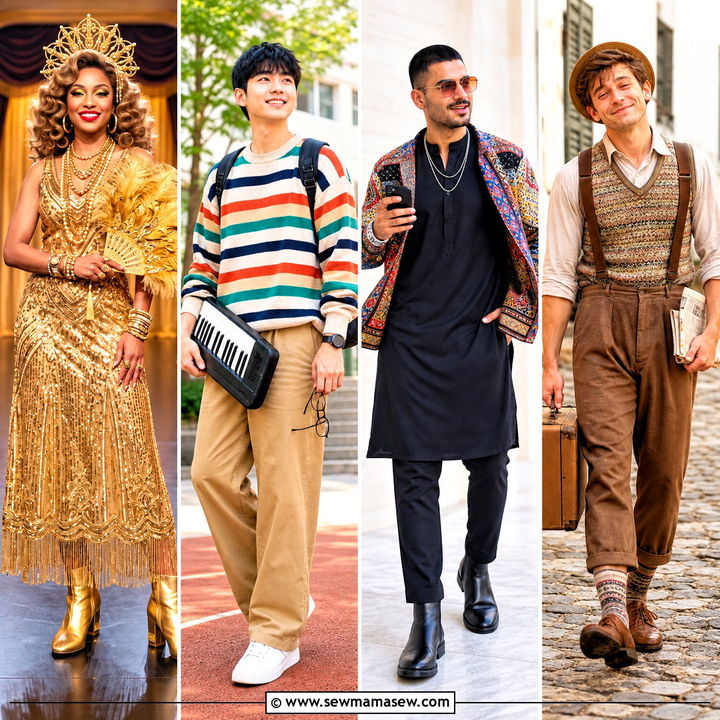
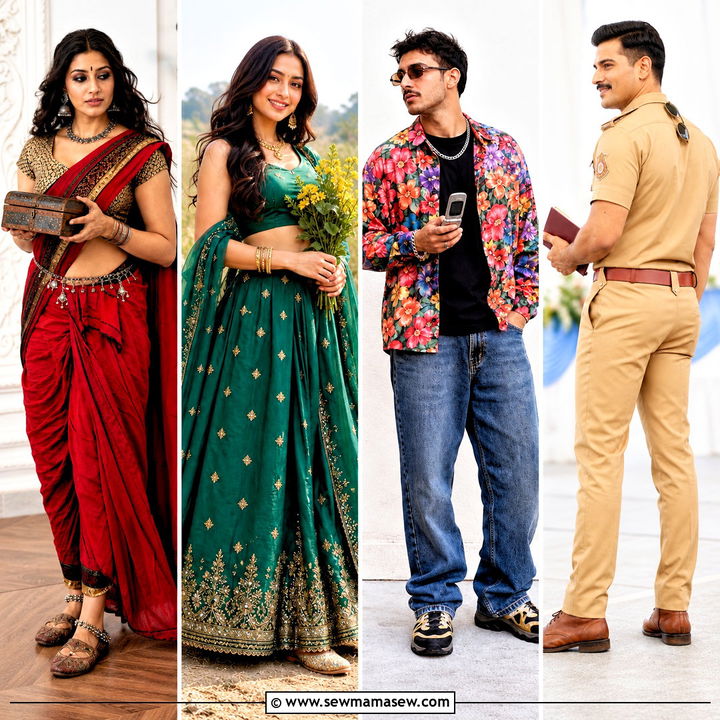
Diwali is the one festival where nobody I dress asks if an outfit is too much. Between the diyas, the sweets and a house full of family, the clothes are part of the celebration. The mood right now mixes fusion silhouettes with handloom weaves, and plenty of sparkle sits alongside very simple, easy pieces. A Banarasi saree, a swinging sharara and a sharp Indo-Western co-ord can all be right. The deciding factor is the event: a morning puja, a card party or a late dinner. Below are 35 Diwali party outfit ideas, each with the fitting or fabric note I'd give before you commit to it.

Puja, Card Party or Office Do: Fit the Outfit to the Event
Diwali is several different occasions packed into a few days, and each one asks something different of your clothes. Before choosing a look below, I'd think about where you'll actually be wearing it.
- A home puja usually means sitting on the floor and leaving shoes at the door. Shararas, Anarkalis and sarees handle cross-legged sitting well, and juttis or mojris slip on and off easily.
- Card parties mean hours in a chair, so choose a waistband you can sit in and sleeves that won't drag across the table.
- Office parties call for more coverage. Jackets over lehengas, kurta sets and jumpsuits read as festive without looking like wedding wear.
- Evening parties with dancing suit lighter fabrics, secure drapes and a heel you can stand in for a long time.
Weather matters too. Diwali falls in October or November, when evenings can be cool in northern India and still warm and humid further south. Velvet and brocade suit the cool nights; georgette, chiffon and cotton silks are kinder in the heat. If you're celebrating somewhere much colder, plan a shawl or a long coat that looks right over the outfit.
1. Banarasi silk saree with gold blouse

A Banarasi silk in emerald or ruby is the saree I'd choose for the main Diwali evening. Real zari brocade has a weight to it that drapes cleanly and catches lamplight as you move from puja to party, and that weight is also why the pleats stay put. A fitted gold blouse with a sweetheart or halter neck keeps it current. Gold chandbalis, glass bangles in a matching shade and metallic heels finish it, with a lightly embroidered potli. Heavy brocade is warm, though, so if your celebration is in a hot, humid city, I'd look at a lighter Banarasi georgette instead.
2. Embroidered lehenga choli with sheer dupatta

A richly embroidered lehenga choli is still the silhouette most families picture for a grand Diwali gathering. Velvet or raw silk holds the flare, and zardozi, mirror work or sequins across the panels give it life. I always check the skirt's weight before buying: a heavily worked lehenga can pull on the waist by the end of the night, so a broad, well-fitted waistband matters more than the embroidery. A structured crop choli, a sheer dupatta off one shoulder, jhumkas, a maang tikka and embellished juttis complete it. Soft waves or a low bun suit the volume.
3. Pre-draped saree with cape blouse

A pre-draped saree in shimmering georgette or satin is the answer for anyone who can't drape, or doesn't want to re-pin halfway through the evening. The pleats are stitched in, so the saree stays where it should while you dance. A cape blouse with silver or gold threadwork adds movement behind you. Strappy metallic heels, a slim clutch and oversized chandbalis finish it. Pre-draped styles are sized like a garment, so the waist must fit properly; there's no adjusting the tuck later. I'd steer it toward card parties and cocktail-style evenings.
4. Velvet sharara set with contrast dupatta

Velvet turns a sharara set into evening wear. A short embroidered kurta in deep purple or wine over wide, flared sharara pants in the same fabric is the base, and a contrast dupatta in silk or organza with a heavy border gives the outfit depth. Kundan jewelry, a metallic clutch and embellished block heels work well with it. I like shararas for long evenings because you can sit cross-legged during the puja without any strain, then stand up and look just as polished at dinner. Velvet does get warm in a crowded room, so a lighter dupatta helps.
5. Floor-length Anarkali suit with metallic heels

A floor-length Anarkali gives instant drama, and in georgette or chiffon it stays light enough to wear for hours. I look for embroidery concentrated at the bodice and hem, which keeps the middle of the dress fluid. Sapphire, deep maroon or burnt orange glow under festive lighting. Have it hemmed to just touch the top of your heel, because a floor-length flare that drags will catch on stairs and pick up dust. Statement earrings, a slim bracelet and a structured clutch keep it refined from an afternoon puja to the late celebration.
6. Palazzo suit with embroidered straight kurta

Not everyone wants volume. For those clients, I suggest a straight embroidered kurta with wide palazzos, which gives a clean, modern line. Raw silk or crepe holds its shape, and zari or thread embroidery at the neckline and cuffs adds the festive part. Powder blue, blush or mint feel fresh in daylight. Silver oxidized jewelry, a potli and embellished sandals keep it easy. It's the outfit I'd wear for Dhanteras shopping or a Chhoti Diwali get-together, when you'll be on your feet and in and out of cars.
7. Crop top with high-waist embellished lehenga skirt

Swapping the choli for a crop top is still the most popular fusion move, and it suits a younger crowd. An embroidered crop with puffed sleeves or a structured sweetheart neckline pairs with a high-waisted lehenga skirt worked in sequins or mirrors. Only a hint of midriff should show; I'd take the skirt's waist up to the natural waist so the gap stays small when you raise your arms to dance. A choker, stacked bangles and strappy block heels finish it. Drape a light dupatta over your forearm for photos, or skip it for rooftop parties with friends.
8. Jacket lehenga with statement choker

An embroidered jacket over a lehenga gives you structure and coverage at once, which is why I suggest it for office Diwali parties. Choose a cropped or hip-length jacket in silk or brocade with metallic threadwork over a simple bustier or crop top, and a lehenga in a matching solid or a contrasting shade. The jacket's shoulder seam should sit exactly on your shoulder bone; brocade doesn't drape, so a sloppy fit shows. A statement choker frames the open neckline, with metallic heels and a slim clutch.
9. Velvet kurta set with silver jewelry

Velvet kurtas have a rich surface that reads well in both daylight and lamplight. A straight or A-line kurta in emerald, sapphire or ruby with matching churidar or straight pants is the base. Silver jewelry, such as large jhumkas and a statement ring, contrasts nicely with the plush pile. A silk dupatta with light embroidery, soft makeup and embellished mojris finish it. Velvet crushes where you sit, so I'd steam it right before you leave. It's the right weight for a family puja on a cool evening.
10. Bandhani print saree with gold accessories

Bandhani, the tie-dye craft from Gujarat, gives a saree real energy. A silk or georgette Bandhani in hot pink, turmeric yellow or royal blue, dotted with tiny white or gold ties, celebrates the handwork. A solid contrasting blouse, layered gold chains, jhumkas and metallic sandals complete it, with a mirror-work potli for texture. Real Bandhani has a slightly crinkled feel from the tying, and that texture is a sign of handwork, not a defect. I'd wear it for daytime pujas and family lunches, where its colors look brightest in natural light.
11. Organza saree with embellished sleeveless blouse

Organza has an airy body and a soft sheen that suit daytime. A pastel organza saree with floral embroidery or sequin borders, paired with a sleeveless embellished blouse with a high neck or keyhole back, looks fresh and modern. Silver or pearl jewelry, metallic heels and a box clutch keep it refined. Organza is crisp, so the pleats stand away from the body rather than clinging; that suits slim frames but can add width at the hip, so I'd keep fewer pleats if that concerns you. It's my pick for Diwali brunches and garden parties.
12. Mirror work Anarkali suit with chandbali earrings

Shisha, or mirror work, reflects every diya you walk past, so it's made for this festival. An Anarkali with mirrors concentrated at the bodice and hem in royal blue, maroon or forest green flares nicely without feeling heavy. Oversized chandbalis, stacked bangles and embellished juttis suit it, with kohl-rimmed eyes and a bold lip. Mirrors are stitched on by hand, so check the threads around each one before you buy; a loose mirror falls off on the first night. It's a lively choice for evening card parties and community celebrations.
13. Chikankari kurta with flared palazzo pants

Chikankari, the Lucknow embroidery, is the quietest look in this list and one of my favorites for daytime. A straight-cut chikankari kurta in powder blue, blush or ivory with wide flared palazzos gives a refined Indo-Western line. A sheer organza dupatta adds a layer. Silver oxidized jhumkas and a ring suit the handcrafted feel, and embellished flats or low block heels keep you comfortable. Chikankari is often worked on fine cotton or georgette, so wear a matching slip underneath; it can be more sheer in daylight than it looks on a hanger.
14. Embroidered Indo-Western jumpsuit with ethnic belt

An embroidered jumpsuit is the outfit I suggest when someone wants to stand out in a room full of lehengas. In silk or crepe, with zari, mirror work or chikankari across the bodice, it looks Indian and modern at once. An embellished belt adds waist definition. Statement earrings, metallic heels and a potli finish it, with a sleek ponytail or soft waves. Check the torso length by sitting down in it; a short body pulls uncomfortably once you're seated. It suits cocktail-style parties and office celebrations.
15. Dhoti pants with embroidered crop top and jacket

Dhoti pants give a draped, voluminous line at the bottom, so everything above should be fitted. An embroidered crop top balances that volume, and a long embroidered jacket or a sheer shrug adds drama and coverage. Metallic heels, a statement necklace and stacked bangles tie it together. The drape on dhoti pants sits low between the legs, which can make shorter women look shorter, so I'd add a heel and keep the jacket long. It's for women who enjoy experimenting, and it works at evening parties with friends.
16. Cape lehenga with chandelier earrings

A floor-length embroidered cape over a simple lehenga choli is one of the most dramatic ways to dress for Diwali. The cape replaces the dupatta, which leaves your hands free and creates a clean, regal line as you walk. I'd choose a sheer cape with heavy border embroidery over a solid lehenga and fitted blouse, so the border has something plain to stand against. Chandelier earrings, a slim clutch and metallic heels finish it. Keep it for grand evenings and wedding-season events, and watch the cape near diyas on the floor.
17. Saree with brocade corset blouse

A structured brocade corset in place of a traditional blouse changes the whole feel of a saree. Keep the saree itself light, in chiffon or georgette with minimal work, and let the gold or silver brocade, light boning and a sweetheart neckline carry the outfit. Statement earrings, slim bangles, metallic heels and an embellished clutch are enough. Corsets need to be fitted by someone who knows them; too tight and you can't eat, too loose and the top edge gapes when you lean. It's a strong choice for cocktail-style parties.
18. Maxi dress with embroidered dupatta drape

A solid maxi dress becomes festive the moment you add a heavily embroidered dupatta. Choose a silk or crepe maxi in one color, then drape the dupatta across one shoulder or around the neck like a scarf. The plain Western shape lets the Indian textile do the talking. Silver jewelry, strappy heels and a slim clutch complete it. I pin the dupatta at the shoulder with a small brooch on the inside so it doesn't slide off every time you turn. It suits casual brunches and mehendi evenings.
19. Embellished kaftan with statement jewelry

A silk or velvet kaftan with embroidery at the neck and cuffs is the most comfortable outfit in this list. The relaxed cut hides nothing important and needs no fitting, which is why I recommend it to clients hosting at home. A metallic belt or a tassel tie gives it shape. Statement earrings, a cocktail ring and metallic sandals finish it, with a bold lip and soft waves. Wide kaftan sleeves swing near diyas and serving dishes, so I'd pick a version with a narrower sleeve if you're the one cooking or lighting lamps.

20. Embroidered co-ord set with block heels

Embroidered co-ord sets are the fuss-free option: a structured crop top or short kurta with wide-leg pants, made to match. Raw silk, brocade or velvet in emerald, sapphire or deep fuchsia with zari work suits an evening. Block heels give height without wobbling, and statement earrings, a potli and gold bangles finish it. I'd check that the pants have a proper waistband rather than a thin drawstring, which rolls and shows a ridge under a short top. It works well for Chhoti Diwali and card parties.
21. Lehenga gown hybrid with side slit

A lehenga gown combines the flare of a lehenga with the line of a gown, and a side slit gives it a modern finish without needing a dupatta. Silk or satin with heavy embroidery at the bodice and hem looks rich. Statement earrings, metallic heels and a structured clutch complete it. The slit should start no higher than you're comfortable showing when seated, since it opens more once you sit down. It's built for fashion-forward evening parties.
22. Saree with statement belt and structured blouse

Belting a saree is a quick way to make it look new. A light saree in a solid jewel tone, draped neatly and cinched with an embellished kamarbandh in gold or silver, shows off the waist. A structured blouse with architectural sleeves or a high neck balances the belt. Statement earrings, metallic heels and a slim clutch finish it. I put the belt on after the pleats are pinned and over the pallu, which keeps the drape from shifting all night. It suits fashion-forward parties.
23. Short kurta with sharara pants and heavy dupatta

A short embroidered kurta over wide sharara pants keeps the outfit balanced and lets the sharara's detail show. A heavy dupatta with gota patti or zari borders adds festive weight. Jhumkas, a maang tikka and embellished mojris finish it, in fuchsia or emerald. Shararas look best moving, which is why I suggest them for evenings with dancing. Gota is a metal ribbon, so it tarnishes if stored damp; keep it wrapped in cotton between wears.
24. Anarkali gown with layered jewelry

An Anarkali gown takes the floor-length shape further with heavy embroidery at the bodice and lighter work down the panels. In ruby, emerald or sapphire, it holds its own at the most formal Diwali party. Layered fine necklaces, statement earrings, metallic heels and a pearl potli finish it. I'd watch the total weight here; embroidered gowns get heavy, and a heavy gown pulls on the shoulders by the end of the evening, so try it on for twenty minutes before buying. It suits grand galas and formal evening parties.


25. Silk kurta with churidar and organza dupatta

A silk kurta with fitted churidar is the outfit I'd suggest for morning pujas and visits to relatives. Mustard, maroon or teal with light embroidery at the neckline and cuffs looks traditional without effort. An organza dupatta with fine border work adds a light layer. Pearl jewelry, juttis and a simple potli keep it understated. Churidar bottoms are cut long so they bunch at the ankle; that ruching is intended, so don't have them shortened. It works for anyone who prefers comfort and quiet tradition.
26. Gharara set with embroidered short kurta

Ghararas look like shararas but are joined at the knee, often with a band of gota, before flaring out. Pair wide-legged gharara pants with a short embroidered kurta featuring gota patti or zari, a contrast silk dupatta, kundan jewelry and embellished heels. The shape has an old Mughal feel that sets you apart from lehengas and shararas. The knee joint is the fit point I check; it should sit at or just below your knee, or the flare starts in the wrong place.
27. Pastel lehenga with pearl and mirror work

Pastel lehengas in dusty rose, mint or lavender look fresh for daytime events. Pearl embroidery, subtle mirror work or light sequins catch the sun without overwhelming the soft color. A matching choli, a sheer dupatta with tonal embroidery, a pearl choker and studs complete it, with rose gold or silver heels and a pastel potli. Pale lehengas show every mark, so take care with oily sweets and turmeric at the table. They suit daytime pujas, ladies' lunches and garden parties.
28. Sequin saree with minimalist jewelry and sleek clutch

A sequin saree is the party pick for Diwali night. I'd choose one color, such as champagne gold, rose gold or midnight blue, with sequins worked closely into the fabric so the drape stays smooth rather than stiff. A plain fitted blouse lets the saree carry the outfit. Small diamond studs or fine chains, a slim clutch and metallic heels are enough, with dewy makeup and a glossy lip. Sequins scratch the inner arms, so a blouse with a little sleeve helps. Cocktail parties and late evenings are where it belongs.
29. Brocade lehenga with polki jewelry and juttis

A silk brocade lehenga with woven gold or silver patterns lets the fabric be the star, so the choli should be simple and matching. Polki or kundan jewelry suits the weave, and embellished juttis or mojris ground the look, with a velvet or silk potli. A soft smoky eye and a deep lip finish it. Brocade is stiff, so the lehenga will hold a shape rather than swirl; that's what gives it the formal look, but it's less comfortable for dancing. It suits grand pujas and formal family evenings.


30. Long kurta with palazzo pants and embroidered jacket

An embroidered jacket over a long kurta and palazzos builds a polished outfit with depth. A straight kurta in a neutral or pastel and a jacket worked along the front panels and sleeves look smart for an office Diwali party or a formal dinner. Wide palazzos add comfort. Statement earrings, metallic heels and a structured bag finish it. I keep the jacket a few inches shorter than the kurta so both layers show; if they end at the same point, the outfit looks bulky.
31. Dhoti-style saree drape with embroidered blouse

A dhoti-style drape pleats the saree and wraps it like dhoti pants instead of the usual Nivi drape, with the pallu over one shoulder. Lightweight silk or georgette holds the shape best. A heavily embroidered blouse with cutouts or statement sleeves suits the bold drape, along with metallic heels, chandelier earrings and a slim clutch. This drape takes practice, so I'd try it at home first or ask someone experienced to drape it for you. It suits fashion-minded cocktail parties.
32. Peplum top with flared lehenga skirt

A structured peplum top in place of a choli gives a lehenga a youthful, modern shape. The peplum flares at the waist and covers the join between top and skirt, which suits anyone who would rather not show midriff. Pair it with a flared lehenga skirt in a matching or complementary shade, with statement earrings, stacked bangles, metallic heels and a slim clutch. The peplum should start at your natural waist; set lower, it shortens the legs.
33. Long cape with wide palazzo pants and bustier

A floor-length embroidered cape over wide palazzos and a fitted bustier makes a sharp Indo-Western outfit. The cape takes the dupatta's place and draws long vertical lines that lengthen the frame. A sheer cape with heavy gold or silver border work, metallic heels, chandbalis and an embellished clutch complete it. With a long open cape, I'd keep the bustier firmly fitted, since the cape tends to drag a loose top sideways. It suits formal Diwali evenings and receptions.
34. Printed sharara set with traditional jhumkas

A printed sharara set is the playful alternative to heavy embellishment. Block prints, leheriya or florals in orange, pink and yellow on a matching kurta and flared sharara feel festive, especially with a contrast dupatta. Jhumkas, colorful bangles and embellished juttis complete it. Print-on-print works best when the dupatta's print is a different scale to the set, so the two don't blur together. It's easy to wear for daytime events, mehendi gatherings and casual family celebrations.
35. Saree gown with minimal accessories and metallic clutch

A saree gown gives you a saree's look in one pre-stitched piece. It skims the body and often has a train or cape-style pallu, so the drama is built in with no draping. A rich festive color with embroidery at the bodice and hem is all it needs, with delicate earrings, a bracelet, a metallic clutch and strappy heels. Because it's stitched, the bust and waist fit must be right before the day; it can't be adjusted with pins. It's my pick for formal evening parties.
Diyas, Sparklers and a Trailing Dupatta
This is the one festival where your clothes spend the evening near open flames. Many festive fabrics, including polyester georgette, net and synthetic organza, melt and catch quickly, and sequins can melt onto the fabric beneath. Silk and cotton burn more slowly, but they still burn.
- Pin your dupatta or pallu at the shoulder and the waist before lighting lamps, so it can't swing forward.
- Tie back long capes and wide sleeves, or take them off, while you light diyas or hold sparklers.
- Keep a bucket of water or sand nearby when fireworks start, and stand back from them in anything loose.
- Choose cotton or silk for the outfit you'll wear outdoors with sparklers, and save the sequins for indoor parties.
Why Zari Cracks at the Fold
Heavily worked festive clothes last for years if they're stored well. Metallic zari threads break where they're folded the same way for months, so I refold sarees and lehengas along different lines every few months. Wrap them in soft cotton or muslin rather than plastic, which traps moisture and dulls the metal. Spray perfume on your skin, not on the zari, since it tarnishes the threads. Velvet and heavy embroidery should be dry cleaned by someone used to handwork, and a quick airing in the shade after the festival keeps everything fresh until next year.
Light the Diyas in Something You Can Move In
The best Diwali outfits are personal, and they still respect the festival. A chikankari kurta and a sequin saree can both be right; what matters is that the fabric suits the event, the fit lets you sit, eat and dance, and the shoes last through hours of greeting family. Pick colors that make you happy, keep loose fabric away from the lamps, and let the evening be about the people you're celebrating with.
Related posts: