A crochet beanie is the fall accessory I'm happiest to see on someone, because it's small enough to finish in an evening or two and still changes the whole outfit. It's also a good test piece for seasonal color and texture before you commit yarn to a sweater. The designs below run from plain ribbing and chunky stitches to slouchy shapes, flowers and a few playful hats. For autumn shades, I lean on rust, mustard, olive, burgundy, oatmeal and chocolate. Before you start any of them, check your gauge, measure the head it's for and decide whether the hat needs stretch, structure or extra warmth. I've added how I'd wear each one.
Sizing a Beanie for Someone Else's Head
Handmade hats given as gifts usually fail for one reason: they don't fit. If you can't measure the person secretly, these are the numbers I work from.
- Head circumference is measured around the forehead, just above the ears. Most adult women fall roughly between 21 and 22.5 inches, most men slightly larger, but heads vary, so treat that as a starting point.
- Make the hat smaller than the head, usually by about an inch or two, so it stretches to fit and stays put. Firmer fabric like cable or waffle stitch needs less of this negative ease, because it doesn't stretch as much.
- For a crown worked in the round, divide the target circumference by 3.14 to get the flat diameter you're aiming for before you stop increasing.
- A fitted adult beanie is typically around 8 inches from crown to brim. Add a few inches for slouch, or extra for a fold-up cuff.
Measure your swatch after washing it if you can. Many yarns relax and grow a little once wet, and a hat that fits on the hook can end up loose after its first wash.
1. Ribbed Crochet Beanie
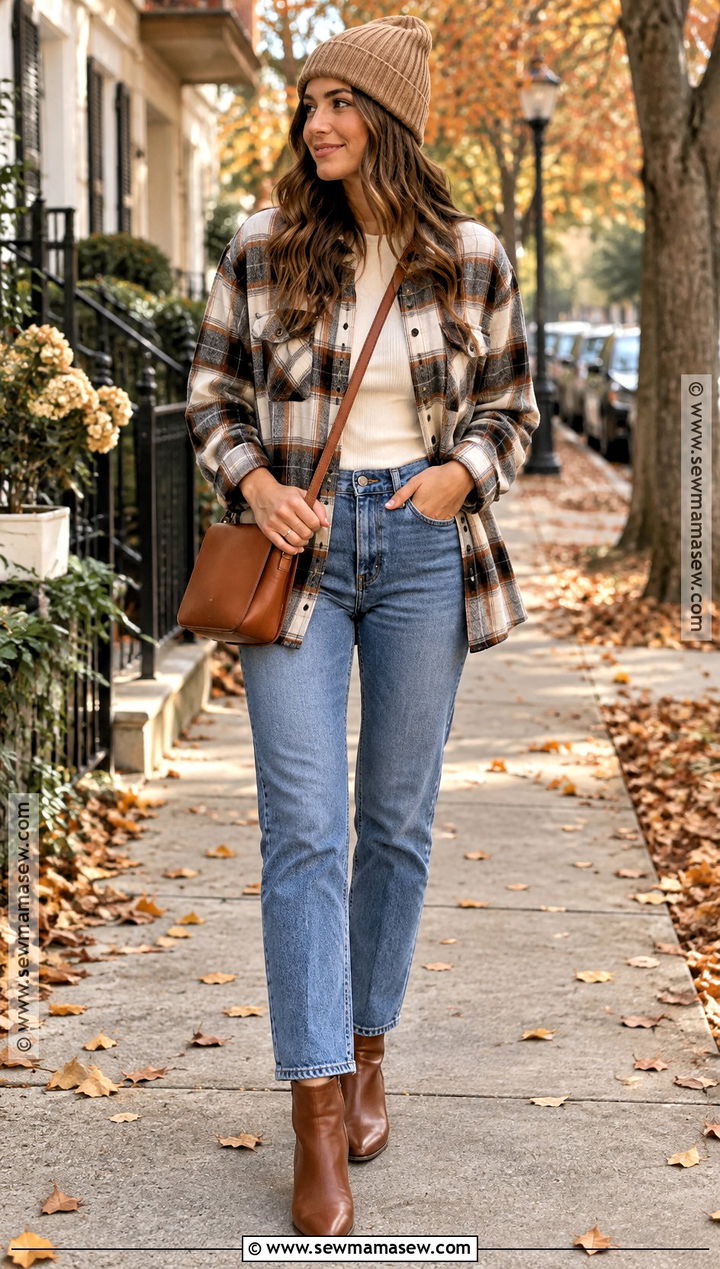
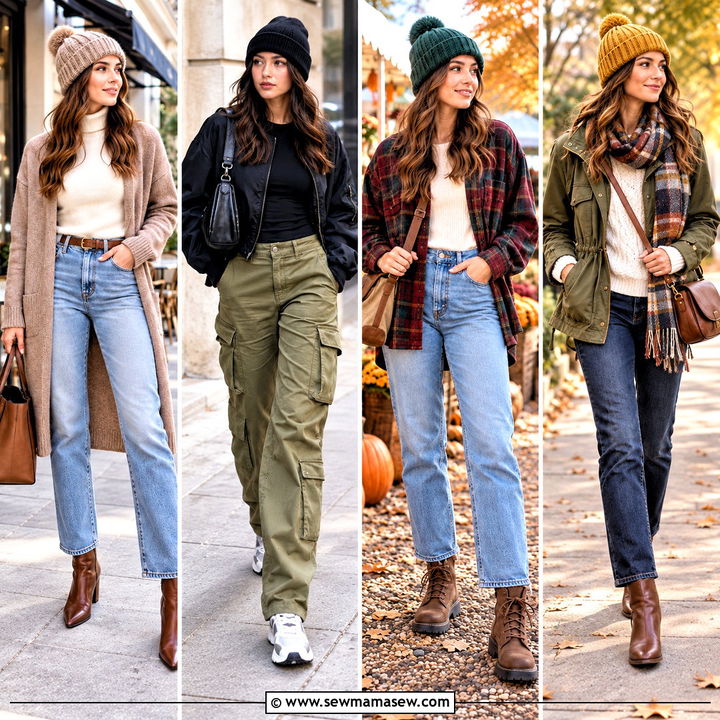
The ribbed beanie is the one I'd make first, because it fits almost everyone. You get the ribbing from back-loop-only single crochet or slip stitches, worked as a flat panel that you then seam and gather at the crown. Worsted weight gives a flexible everyday hat, while bulky gives a thick one for sharp mornings. Camel, charcoal, cream and deep burgundy all go with most fall coats. A folded cuff doubles the fabric over the ears and gives the hat more shape. I'd wear it with a plaid overshirt, a fitted long-sleeve tee, straight jeans, ankle boots and a crossbody bag.
2. Chunky Pom-Pom Crochet Beanie
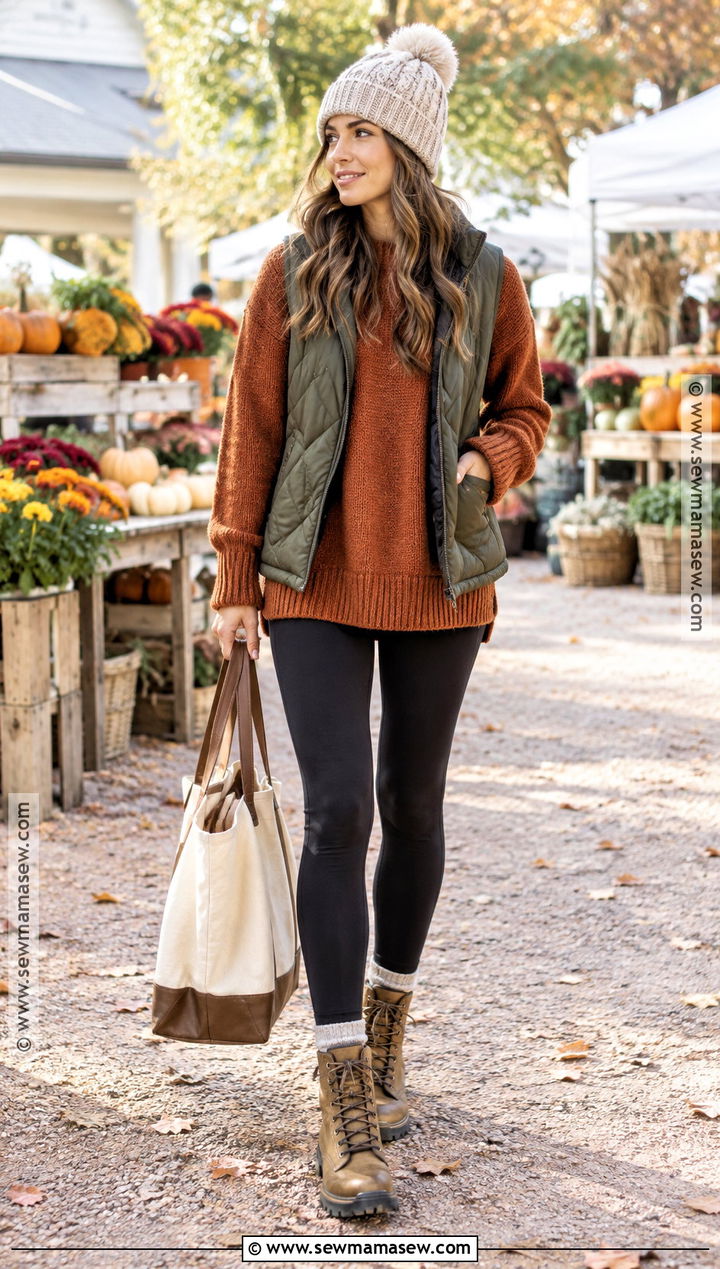
A chunky beanie with an oversized pom-pom is about as quick as crochet gets. Super-bulky yarn and a big hook make it a good first hat or a last-minute gift. Half-double crochet gives a dense body, and a wide ribbed brim helps it grip and stay warm. I always attach the pom-pom with a snap or a tie rather than sewing it on, so it can come off for washing and won't get crushed in a drawer. Burnt orange, oatmeal, forest green and dusty rose all suit the season. Wear it with an oversized sweater, black leggings, hiking-style boots, a quilted vest and a roomy tote.
3. Slouchy Crochet Beanie
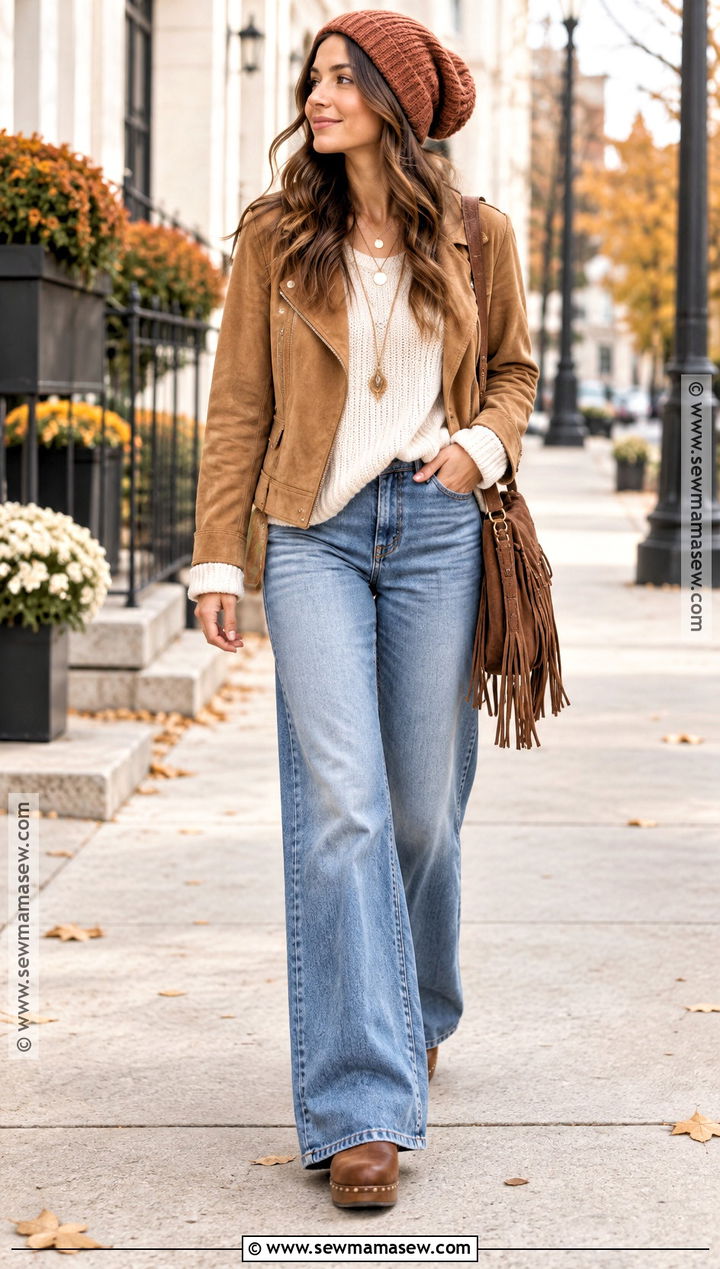
Slouchy beanies get their shape from extra length between brim and crown, so the back folds over instead of hugging the head. Yarn weight matters more here than with any other hat. Light worsted drapes and falls, while very thick yarn just stands up like a chef's hat. Loose half-double crochet, moss stitch or an open mesh round all help it move. Clay, moss, taupe and muted plum keep it earthy. I check that the brim still fits snugly, because a loose brim and a slouchy body together means the hat slides off. Style it with a suede jacket, a light sweater, wide-leg jeans, clogs and layered necklaces.
4. Waffle Stitch Crochet Beanie
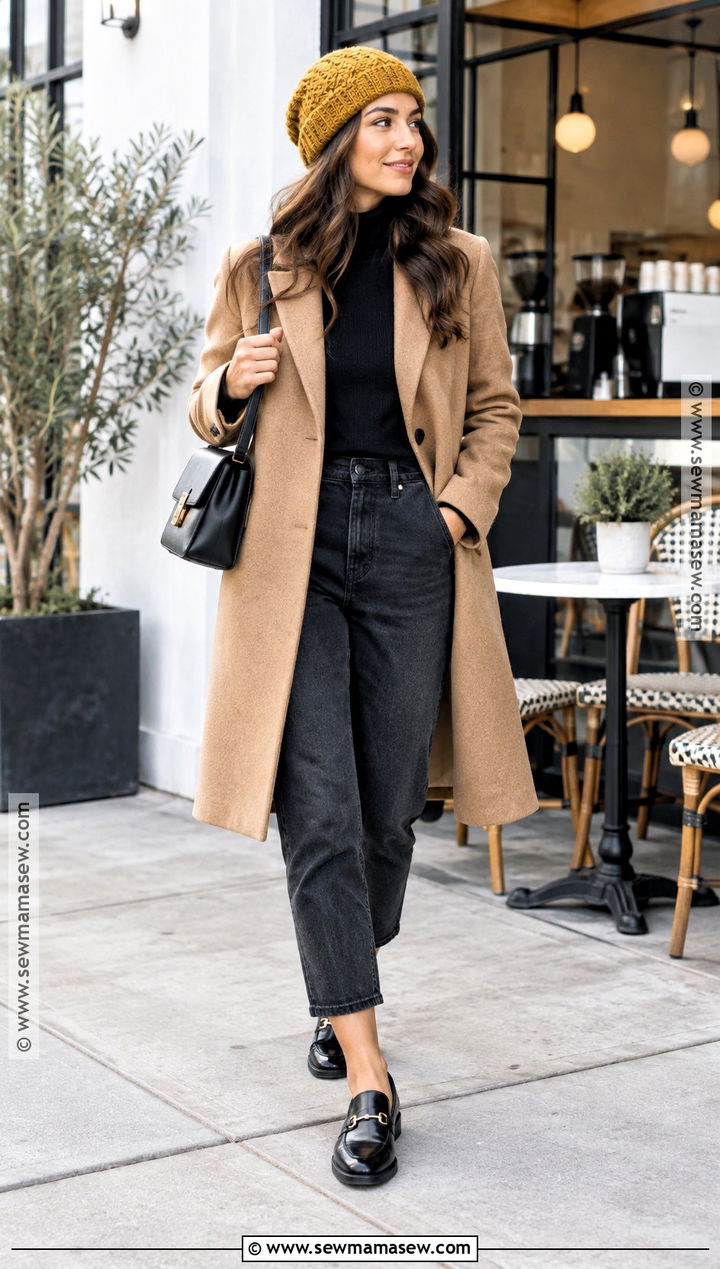
Waffle stitch builds deep squares and raised lines from front-post and regular double crochet, and the result is a thick, warm fabric made for late fall. Smooth, solid yarn shows the grid best, so I skip fuzzy or speckled yarns for this one. Mustard, chestnut, cranberry and teal all make the texture pop. Because the fabric is so dense, the crown decreases need to be gradual or the top puckers, and the brim should be kept slim so it doesn't bulk up at the forehead. I'd wear it with a wool-blend coat, a simple turtleneck, cropped jeans, loafers and a structured shoulder bag.
5. Granny Square Crochet Beanie
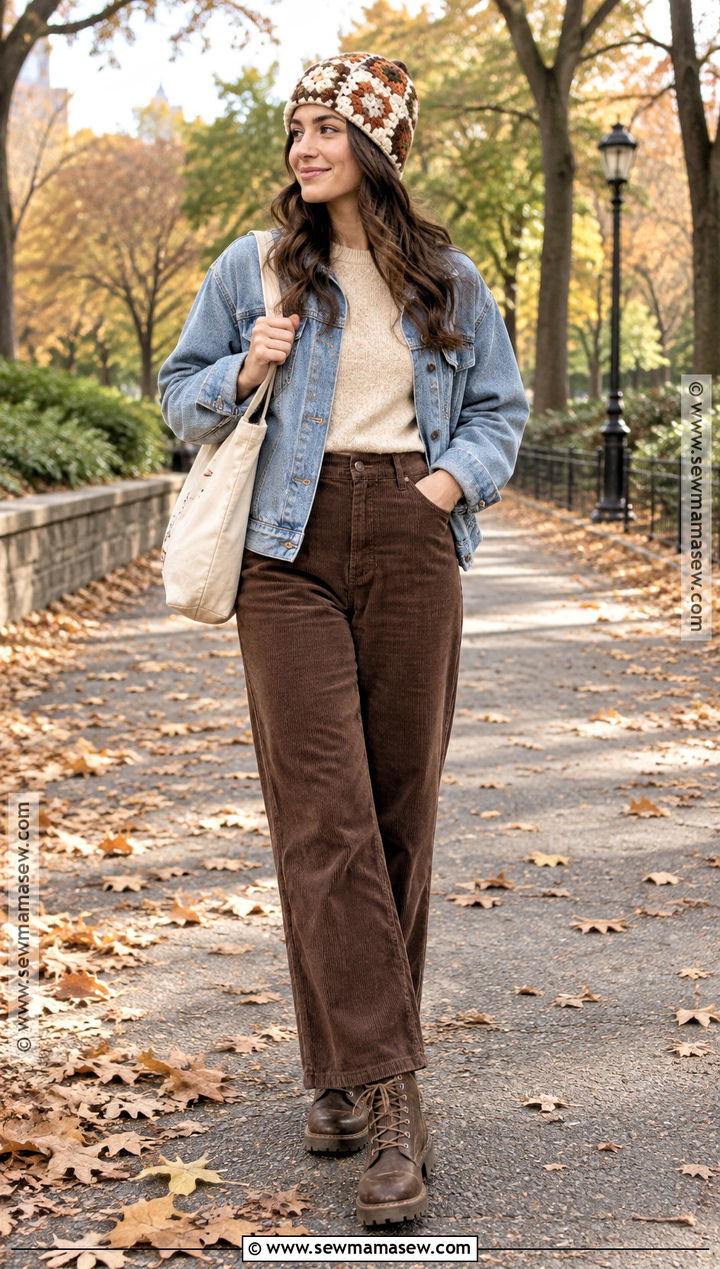
Granny squares turn a classic technique into a playful hat. Make several small squares in seasonal colors, join them neatly and add a solid crown or a gathered top. A ribbed band at the bottom stabilizes the patchwork, which otherwise has little stretch. I keep the palette to three or four colors, like cream, rust, olive and brown, so it reads as one hat and not a scrap bag. Weave every end in firmly. The joins flex each time it goes on and off, and a loose end will work free. Let the hat lead with a plain denim jacket, a crewneck, corduroy pants, lace-up boots and a canvas bag.
6. Pumpkin Crochet Beanie
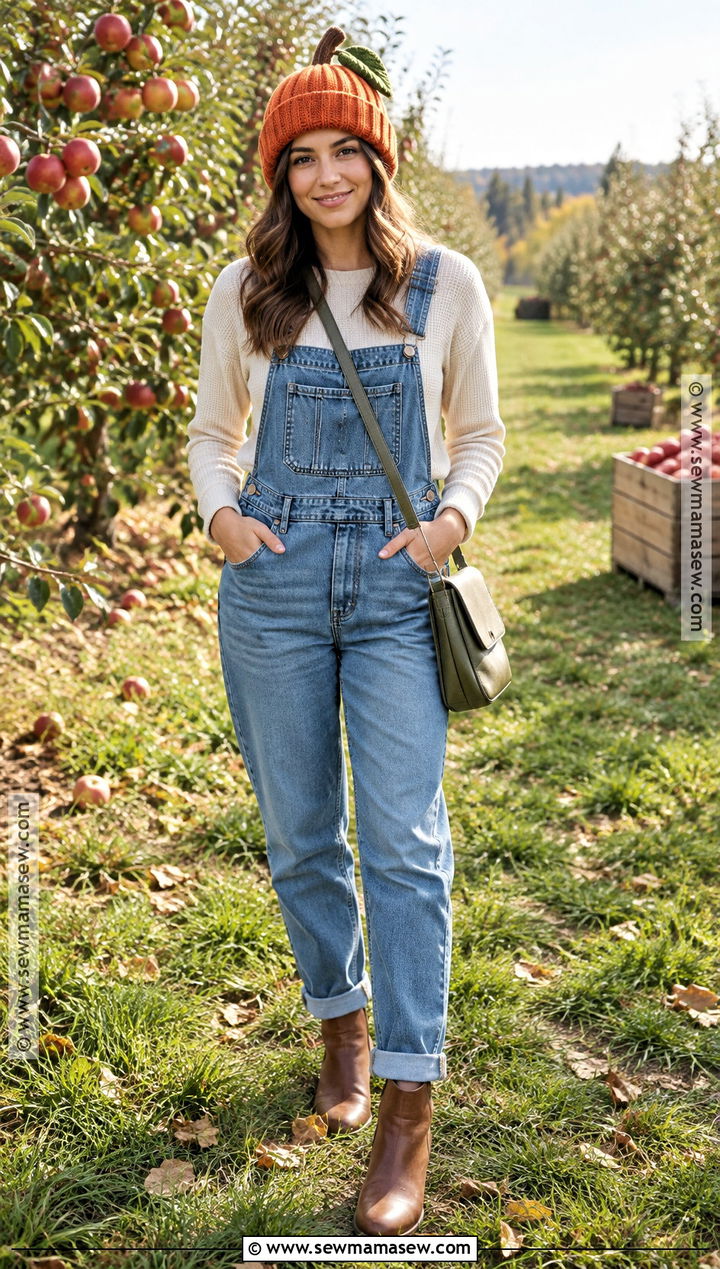
A pumpkin beanie is pure fun, and it's simpler than it looks. Ribbed or raised vertical stitches create the pumpkin's sections. Orange yarn gives the clearest effect, but terracotta, golden yellow or muted sage make a quieter take that's easier to wear past Halloween. Add a short brown stem and one or two leaves at the crown, sewn on firmly. Don't stuff the stem, since a heavy topper drags the hat to one side all day. I'd pair it with denim overalls, a cream thermal, brown ankle boots and a small olive crossbody for an orchard visit or a fall festival.
7. Alpine Stitch Crochet Beanie
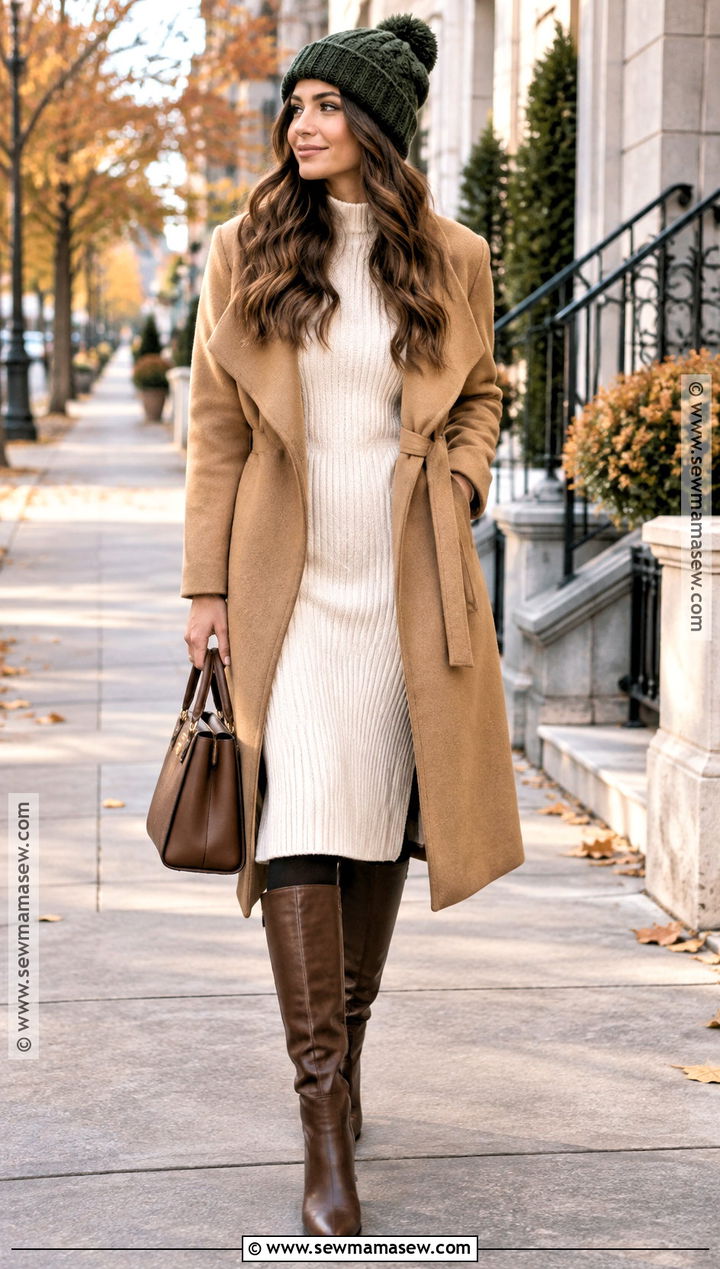
Alpine stitch gives a raised, almost woven texture that makes a hat look much more involved than it is. It alternates rows of plain stitches with rows of front-post stitches. Variegated yarn hides it, so I use solids: ivory for a soft neutral, forest green for a classic fall note, wine for richer contrast. A snug ribbed brim keeps the textured body from stretching out. A small pom-pom is optional, as the stitch is interesting enough on its own. This is the beanie I'd wear with something dressier, like a camel wrap coat, a knit dress, opaque tights, knee-high boots and a structured handbag.
8. Color Block Crochet Beanie
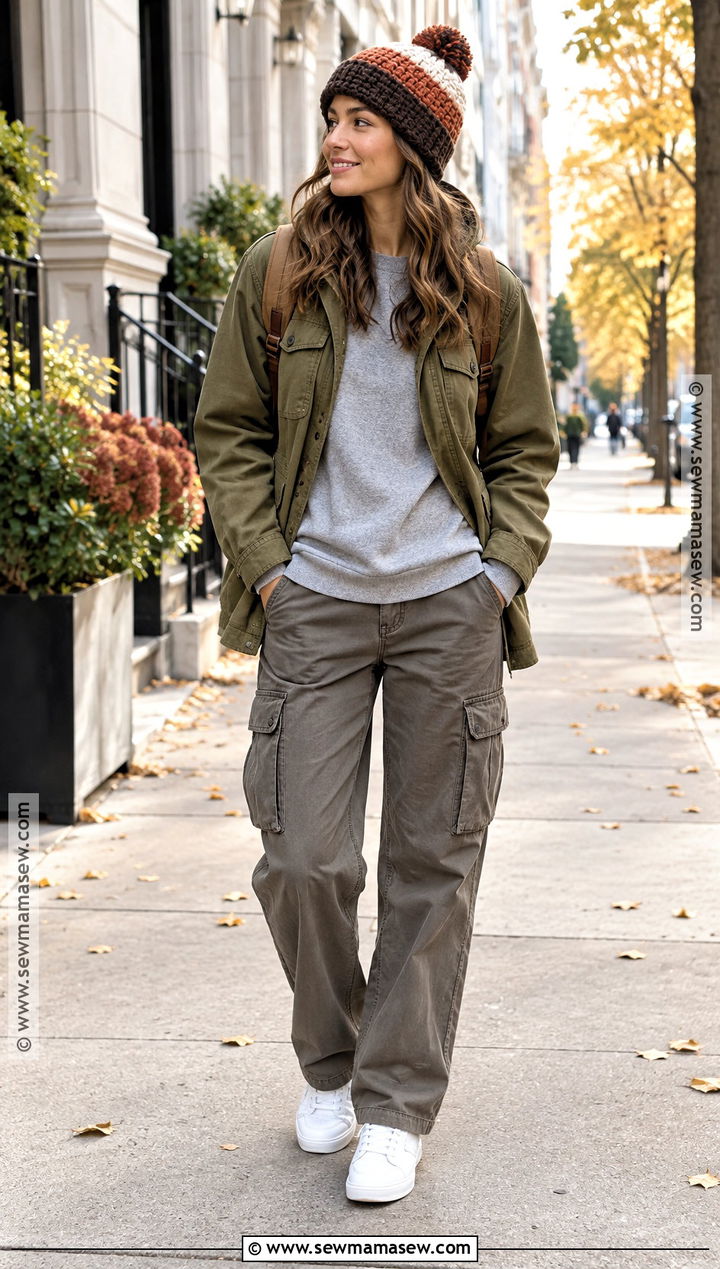
Color blocking is the best way I know to use up leftover yarn and end up with something that looks planned. Split the hat into two or three wide bands rather than lots of thin stripes. You get a cleaner look and far fewer ends to weave. Try cream with rust and chocolate, or gray with muted blue and burgundy. The yarns need to match in weight and, ideally, in fiber, or one band will stretch more than the others and the hat will sit crooked. A contrasting cuff frames the face. I'd wear it with a utility jacket, a sweatshirt, straight cargo pants, white sneakers and a small backpack.
9. Striped Crochet Beanie
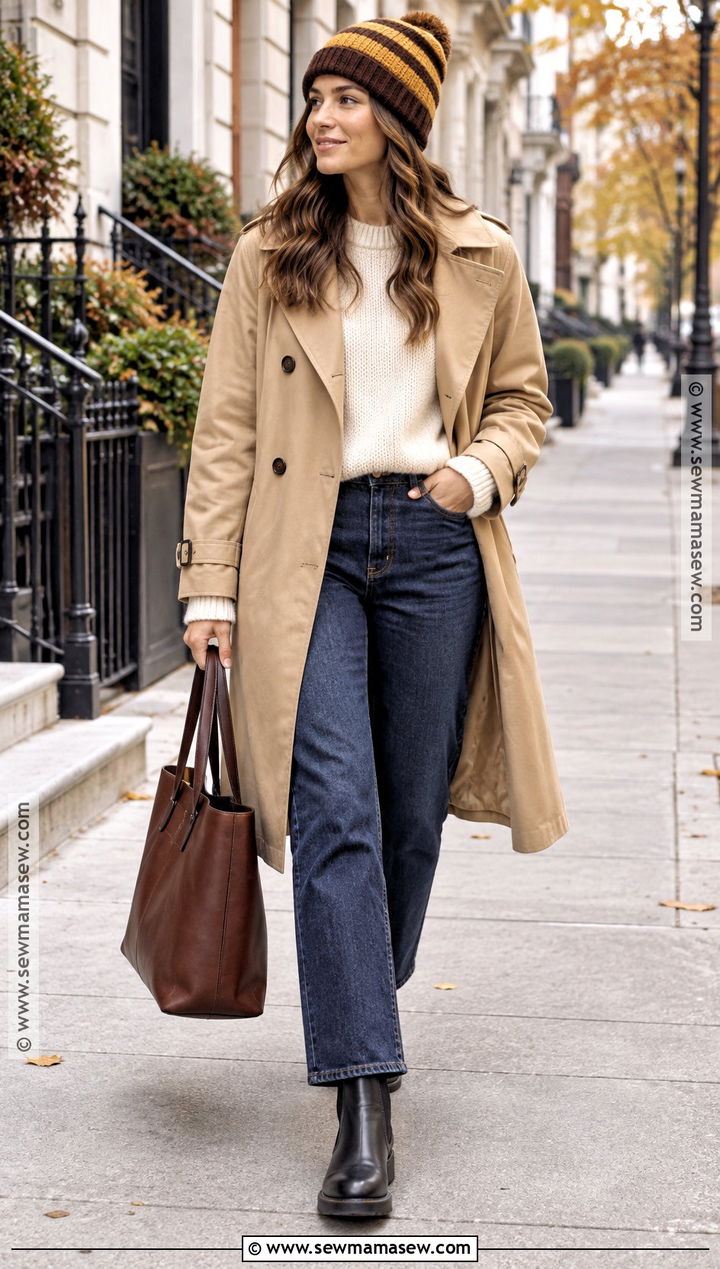
Stripes give a beanie personality without making it hard to crochet. Two colors look minimal; three related autumn tones add depth. For short repeats, carry the unused yarn up inside the hat; for wide bands, cutting and rejoining looks neater. Change colors at the round join and turn that seam to the back, where the little jog in each stripe won't show. Cream and black look graphic, while mustard and brown feel warmer. A solid brim anchors the stripes. Style it with a trench coat, a plain sweater, dark jeans, Chelsea boots and a leather tote.
10. Flower Crochet Beanie
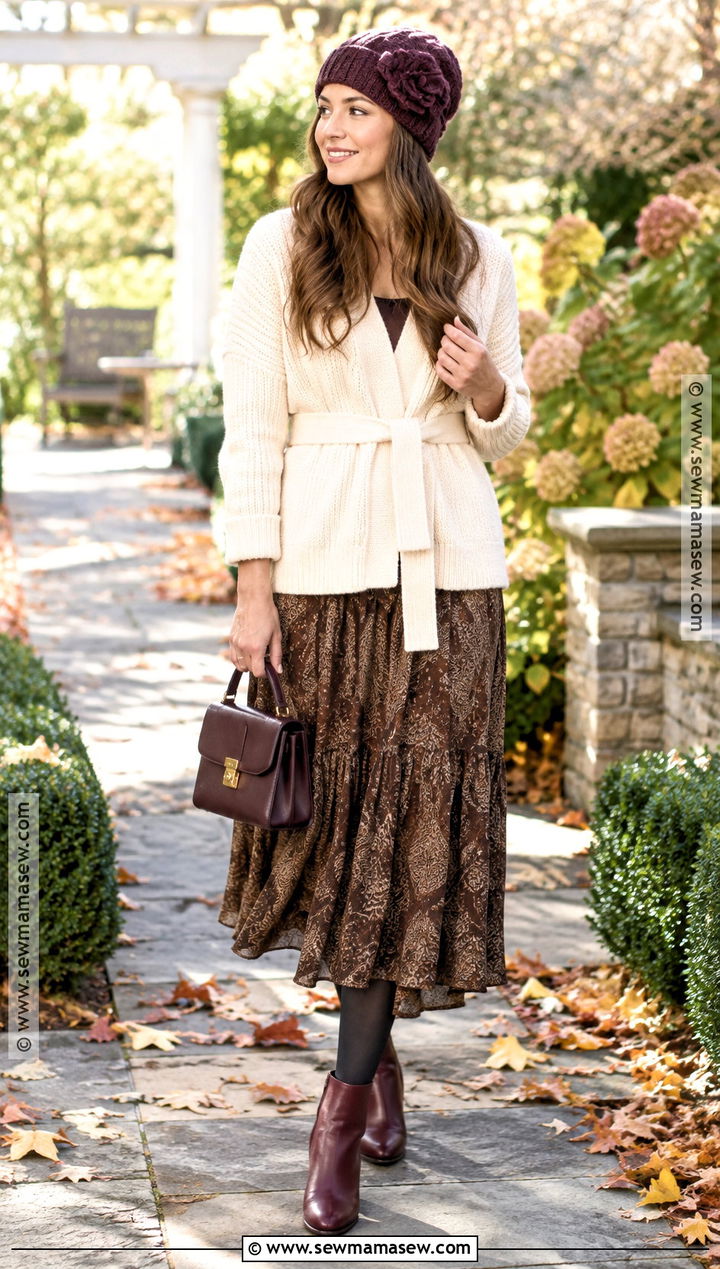
A flower adds a soft detail to an otherwise plain hat. Start with a fitted base in single crochet, half-double or a quiet texture, then make one layered flower and sew it firmly near the side of the brim. Off-center is where I always place it, roughly above the temple, because it frames the face there instead of sitting like a badge in the middle. Dusty rose, plum, cream and mauve work well, and a neutral hat with a contrasting flower is just as nice. Use a washable yarn and press the petals flat with your fingers after washing. I'd wear it with a belted cardigan, a midi skirt, opaque tights, ankle boots and a small top-handle bag.
11. Bobble Stitch Crochet Beanie
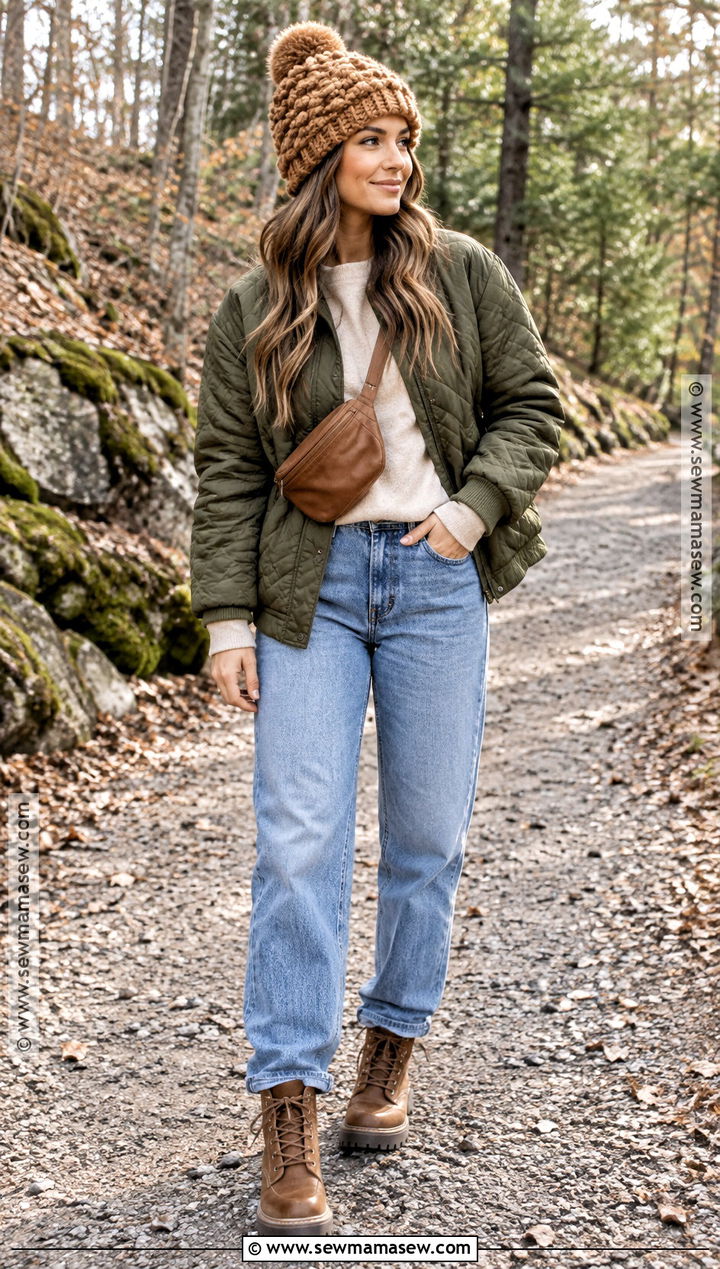
Bobbles make a hat you want to touch. Space them evenly over a plain background. Bobbles everywhere eat yarn and make the hat heavy, so alternating textured and plain sections gives a better, more wearable result. Acrylic, a wool blend or washable merino all hold the bobbles' shape. One solid color, like caramel, cream, deep green or berry, keeps the texture visible. Finish with a plain ribbed cuff and, if you want, a small pom-pom. Style it with a quilted jacket, a neutral sweatshirt, relaxed jeans, lug-sole boots and a belt bag.
12. Cable Look Crochet Beanie
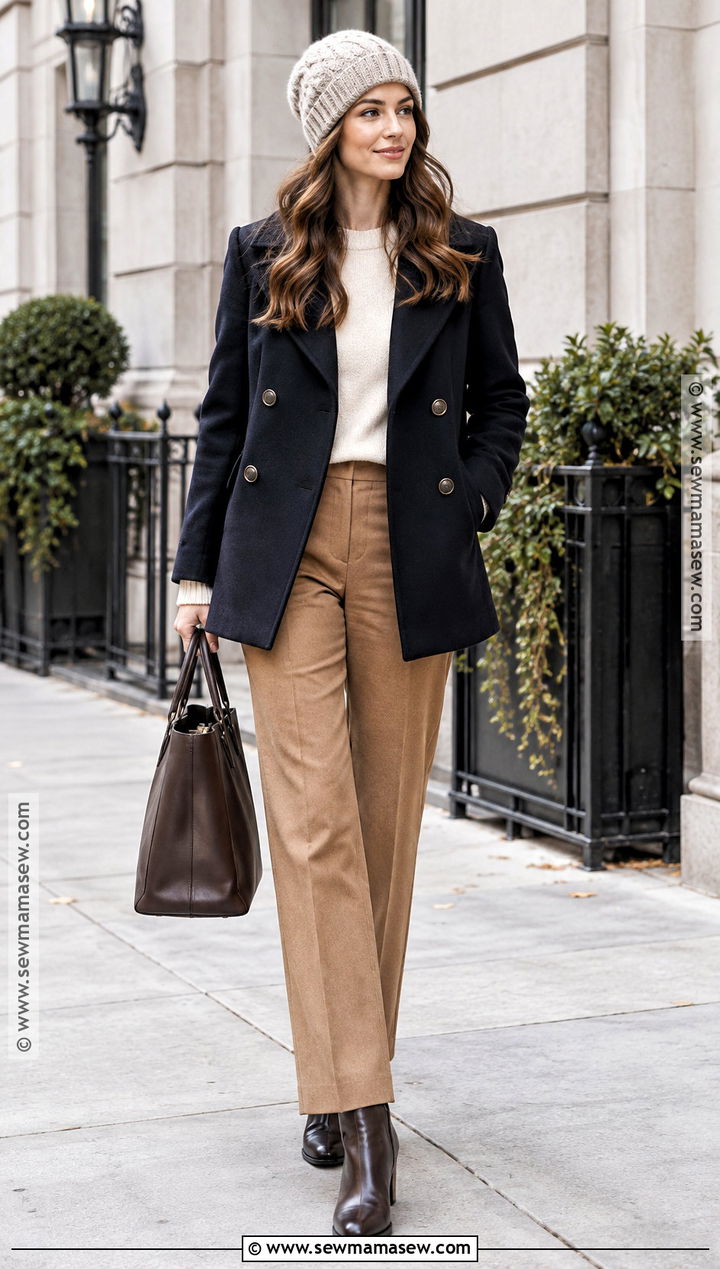
A cable-look beanie fakes knitted cables with crossed post stitches, and done well it's hard to tell apart from knitting. It suits crocheters who are already comfortable working around posts and following a repeat. Light and mid-tone solids show the twists best; dark or multicolored yarn loses them. Soft gray, oatmeal, cinnamon and muted blue are all versatile. Add several rounds of firm ribbing at the base to balance the thick cable section. I'd measure the circumference often as you go, because post stitches make a dense fabric with less stretch, and a cabled hat that's too tight is uncomfortable within an hour. Wear it with a peacoat, a fine-knit sweater, straight trousers, ankle boots and a structured tote.
13. Cat Ear Crochet Beanie
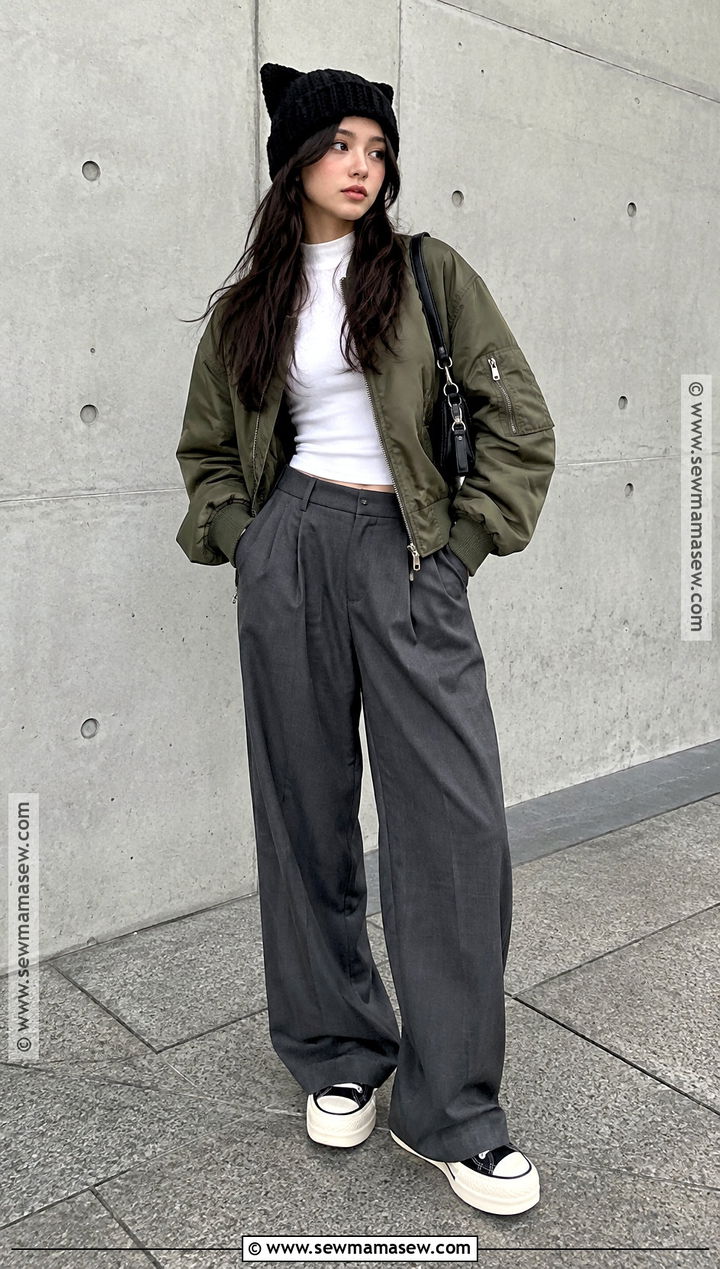
Cat ears look complicated but come from the simplest hat there is: a rectangle or square, seamed across the top, with the two corners popping up as ears when it's worn. A tight stitch keeps the ears standing; loose fabric flops. A stretchy lower band holds it on. Black looks graphic, but chocolate, plum, cream or heather gray are easier to wear day to day. Skip embroidered faces, since the shape already says cat. I'd style it with an oversized bomber, a fitted mock-neck, pleated pants, platform sneakers and a mini shoulder bag.
14. Fitted Crochet Skullcap Beanie
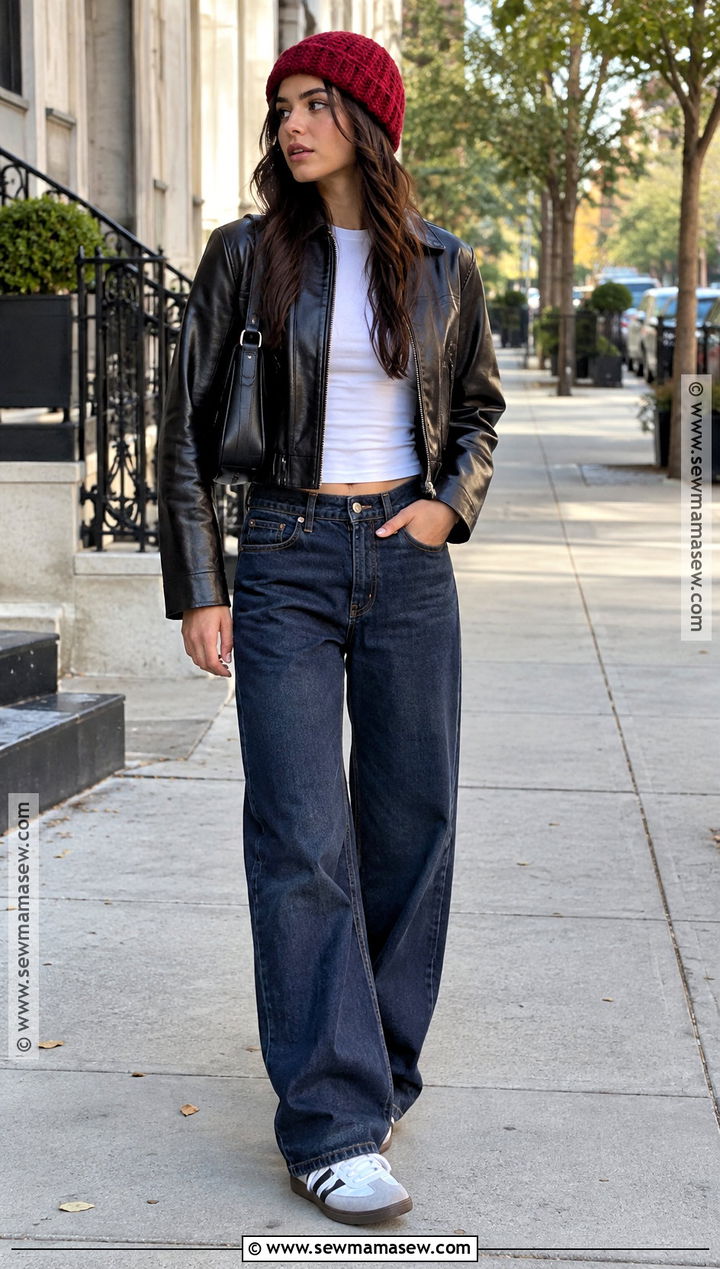
A skullcap sits close to the head with no cuff and no slouch, so it's the hat that shows fit problems first. Medium-weight yarn and plain stitches give a smooth, flexible fabric. Start at the crown and increase evenly until it reaches the right diameter, then work straight down without increases. I'd try it on every few rounds, because one or two extra rounds can turn a skullcap into a regular beanie. Neutrals are versatile, while cherry red, cobalt or bright green make it a real accent. Wear it with a cropped leather jacket, a white tee, loose dark jeans, retro sneakers and a slim shoulder bag.
15. Earflap Crochet Beanie
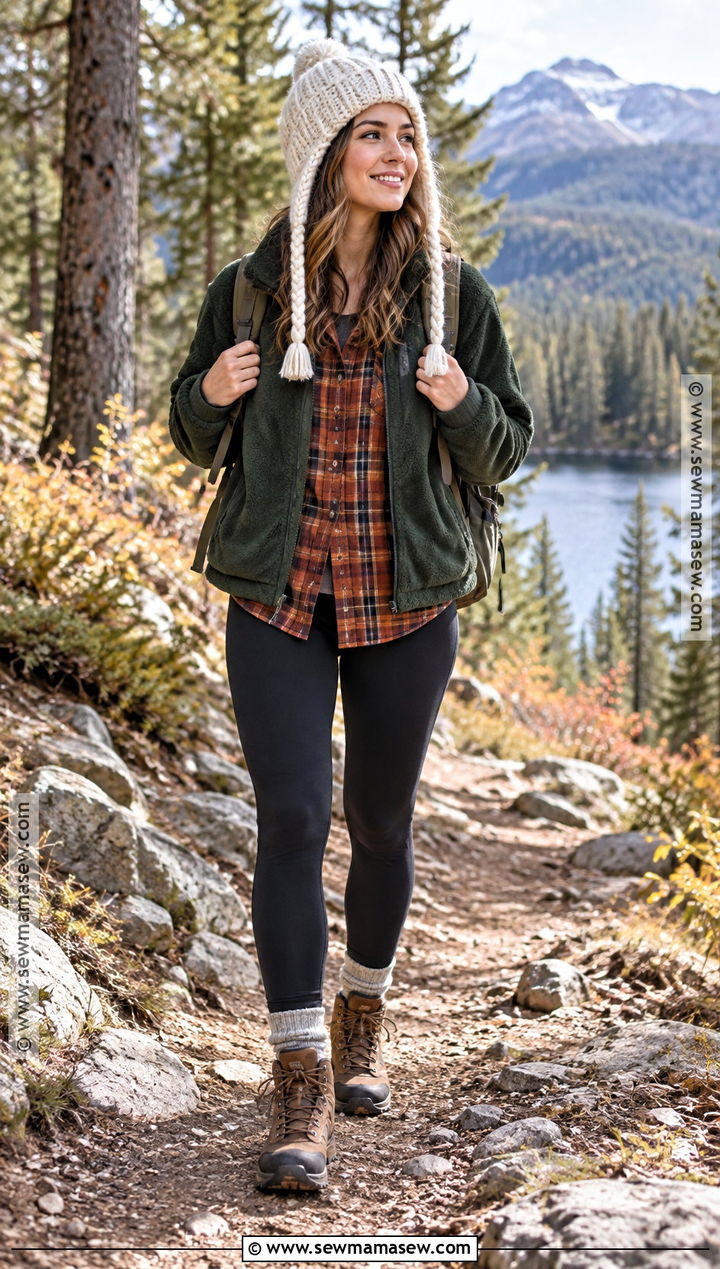
Earflaps make sense once fall starts sliding into winter. Work a fitted crown to the right depth, then add two evenly spaced flaps. I put on the hat and mark where the ears actually sit before placing them, since flaps that land slightly forward or back are surprisingly annoying to wear. Braided ties should be soft and light. A round of edging along the whole lower border gives a clean, durable finish. Oatmeal, brick red, forest green and warm brown suit the outdoorsy shape. Keep any pom-pom small. I'd wear it with a fleece-lined jacket, a flannel shirt, thermal leggings, hiking boots and a backpack.
What Different Yarns Feel Like on a Forehead
A hat sits against some of the most sensitive skin on the body, so fiber matters more than in most projects. Here's how the common choices behave.
- Wool is warm, springy and holds ribbing well, but some people find it itchy along the forehead. Superwash merino is softer and machine-washable, though it can stretch more over time.
- Acrylic is easy to wash, comes in every color and suits kids' hats and gifts for people with wool sensitivities. It's less warm for its weight and can pill where it rubs against a collar.
- Alpaca is very warm and soft, but heavy and drapey. It suits slouchy hats and tends to grow in fitted ones.
- Cotton has almost no memory, so ribbed brims stretch out and stay stretched. I'd keep it for light early-fall hats only.
Blends often give the best of both, like a wool-acrylic mix that keeps its shape and survives the washing machine. Always check the care label before gifting, and add a note about how to wash it.
Color Next to Hair and Coat
When I style a hat, I hold it near the hair and the coat it'll be worn with. A beanie that matches the hair color almost disappears, while one close to the coat color makes the outfit look deliberate. Rich colors like rust and burgundy tend to suit dark hair, and softer neutrals such as oatmeal and mushroom often flatter light hair. If in doubt, a mid-tone that matches nobody's hair but picks up the coat is the safe gift.
Ribbing First, Cables When You're Ready
If you're new to hats, start with the ribbed, striped or chunky designs; they teach fit without fighting texture. Move on to alpine stitch, bobbles, cables or granny squares when you want more of a challenge. Whatever you make, measure, swatch and choose a yarn that feels good on bare skin, then weave in your ends properly and stitch on any trims firmly. Last, think about the coat it will be worn with. A beanie that picks up a color from someone's everyday jacket gets worn all season instead of saved for special days.
Related posts: