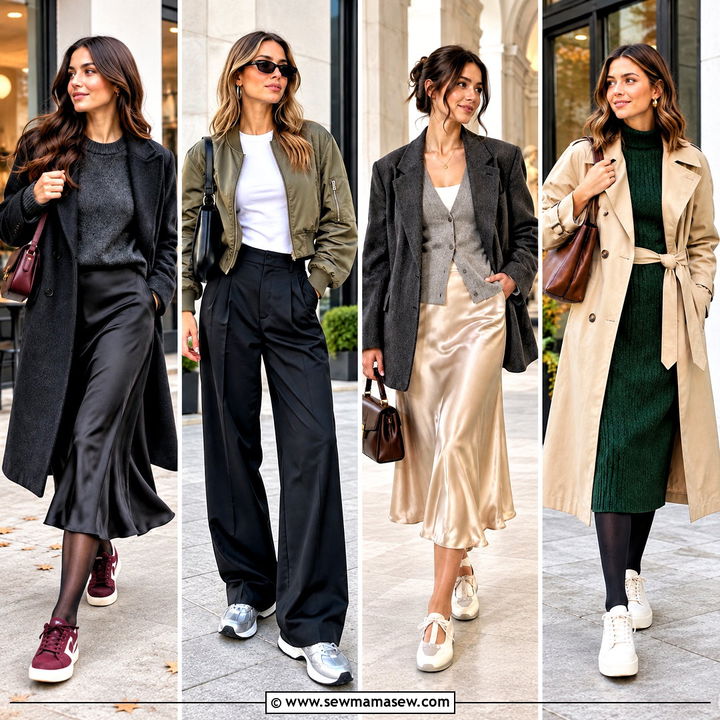
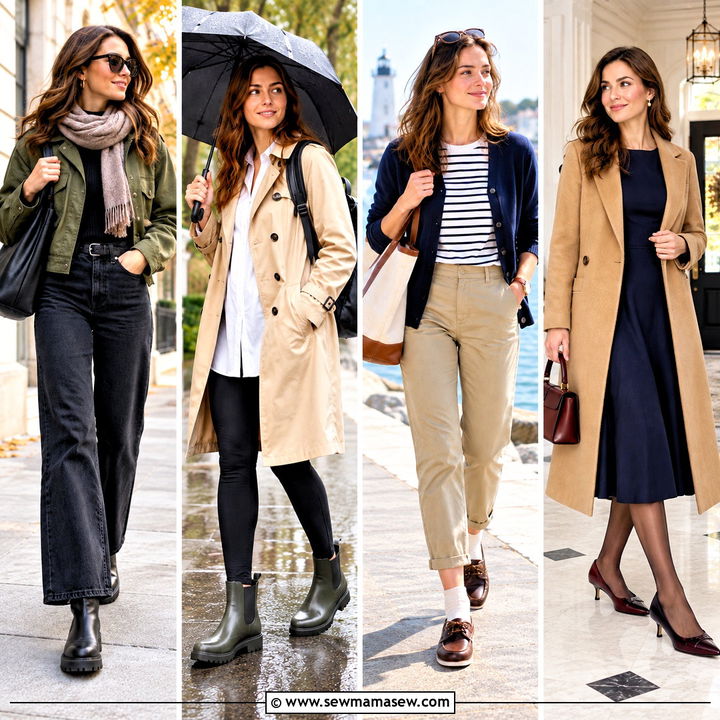
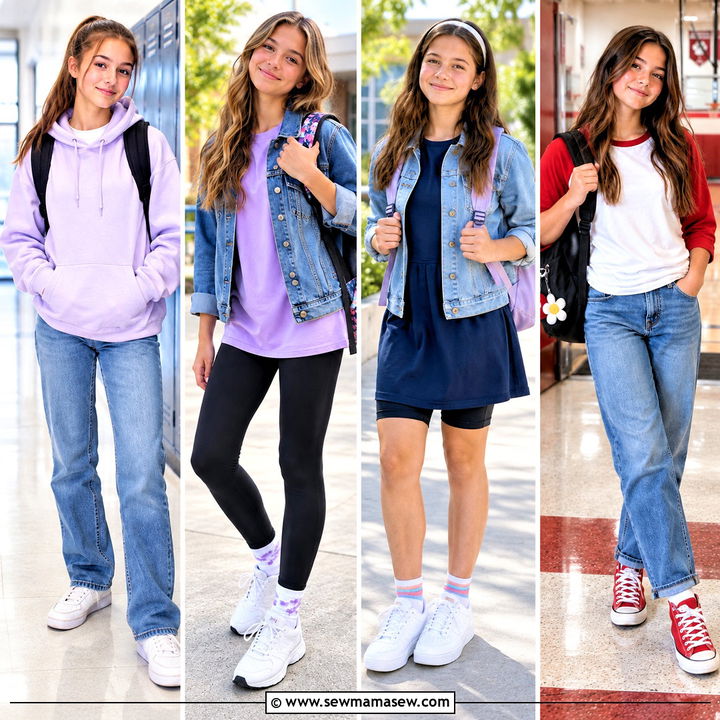
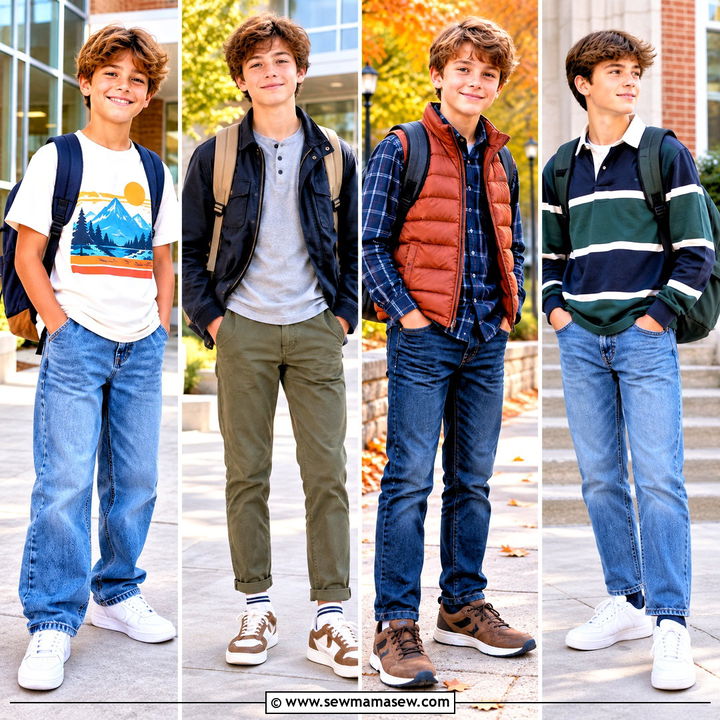
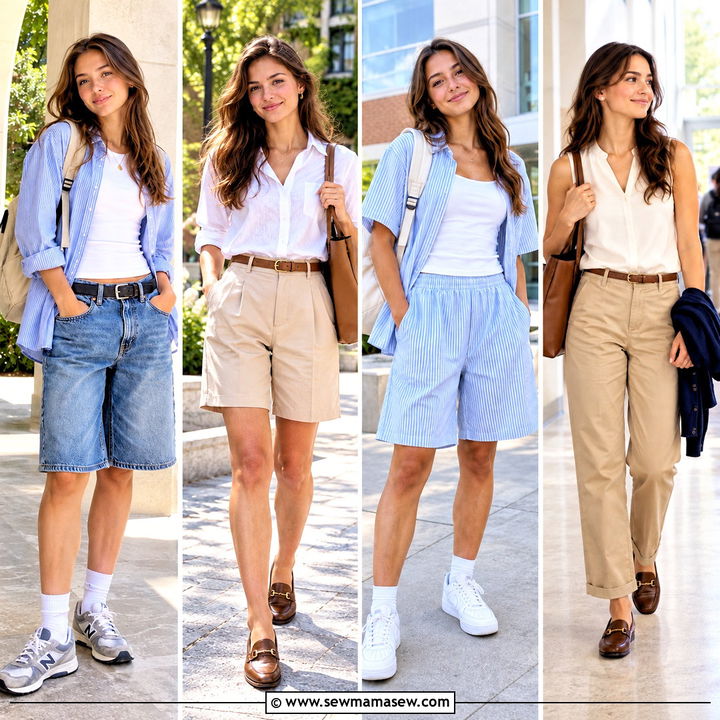
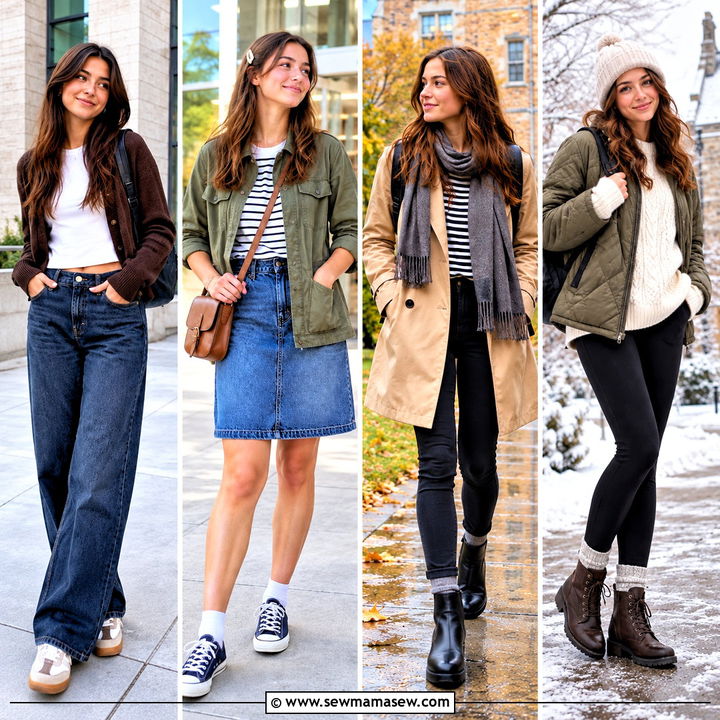
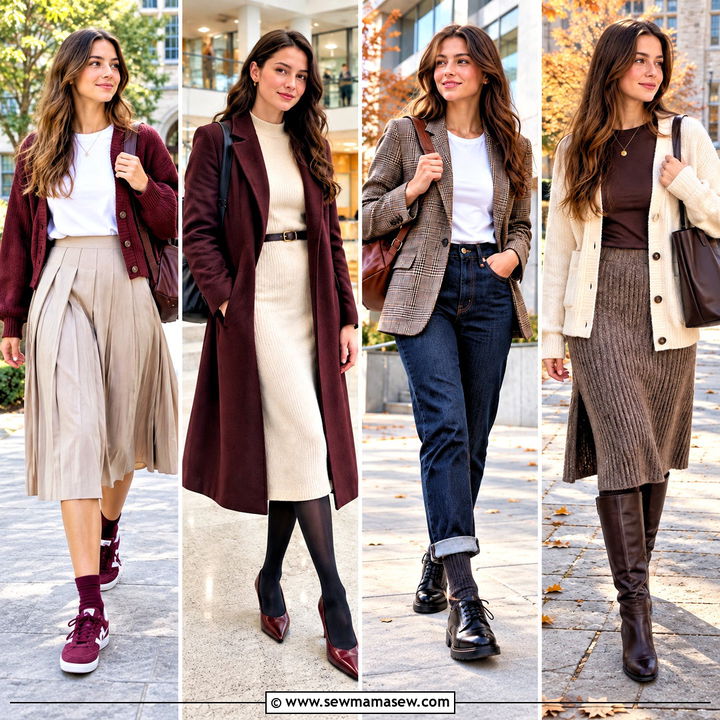
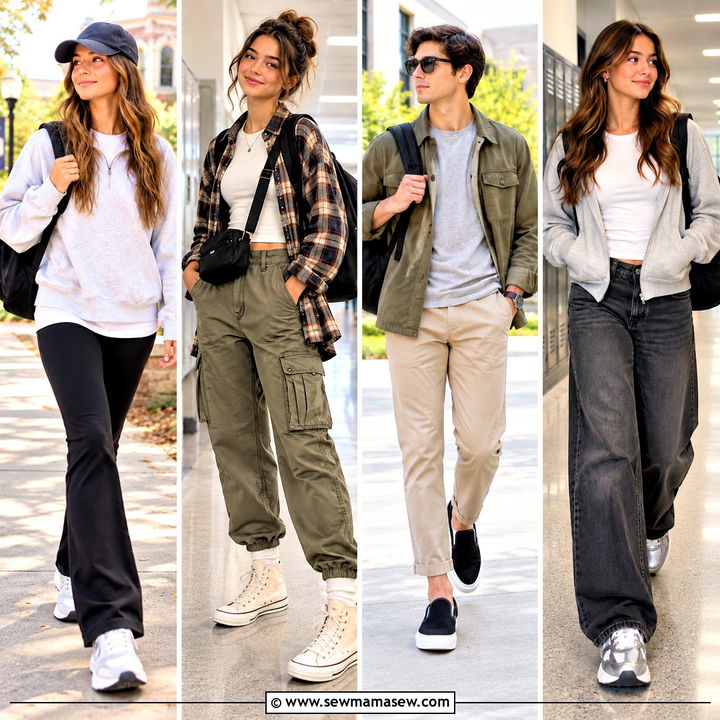
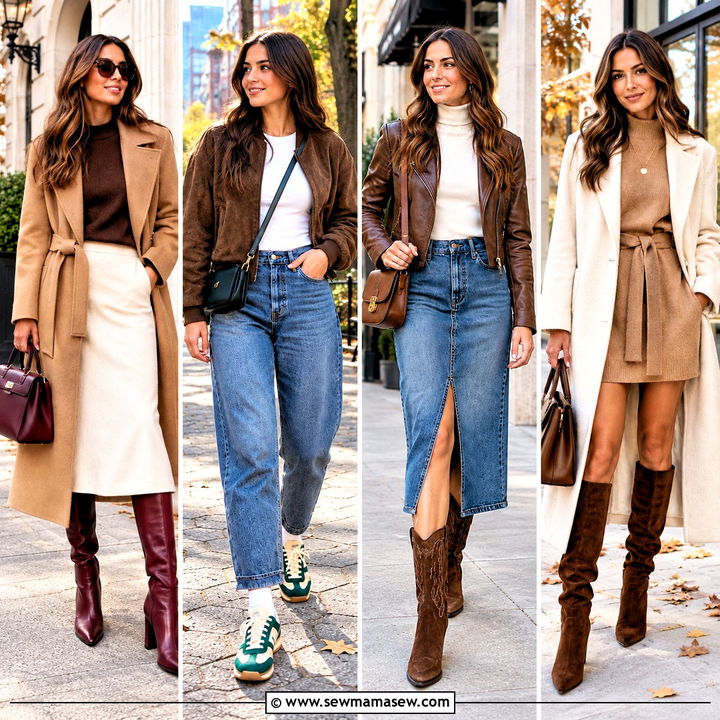
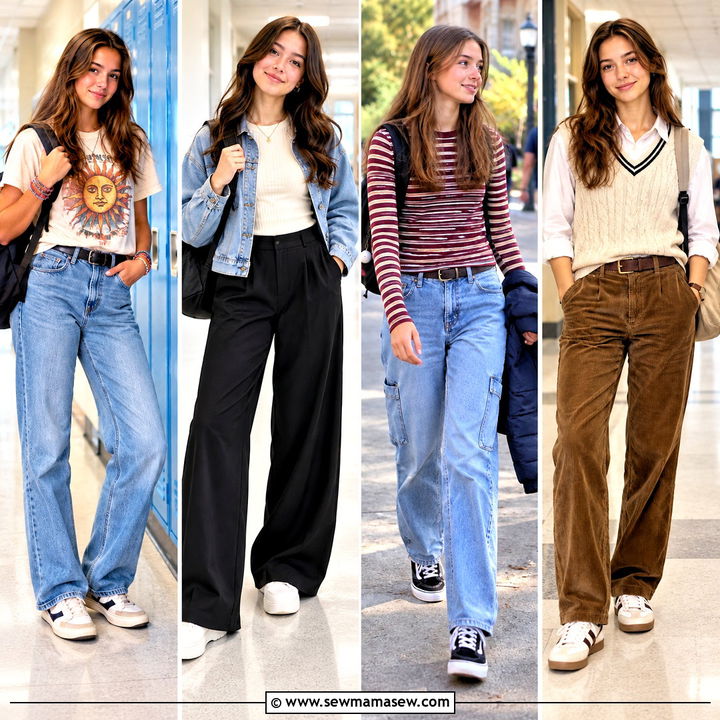
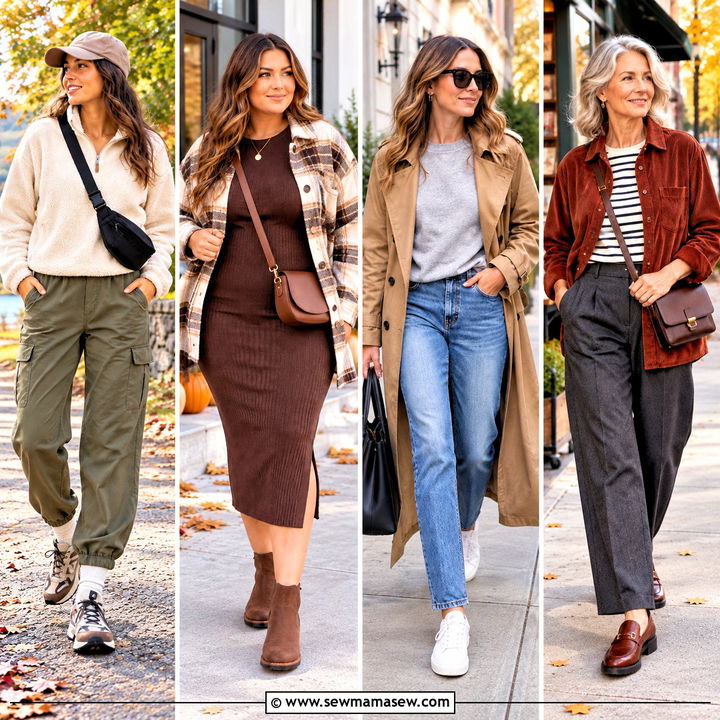
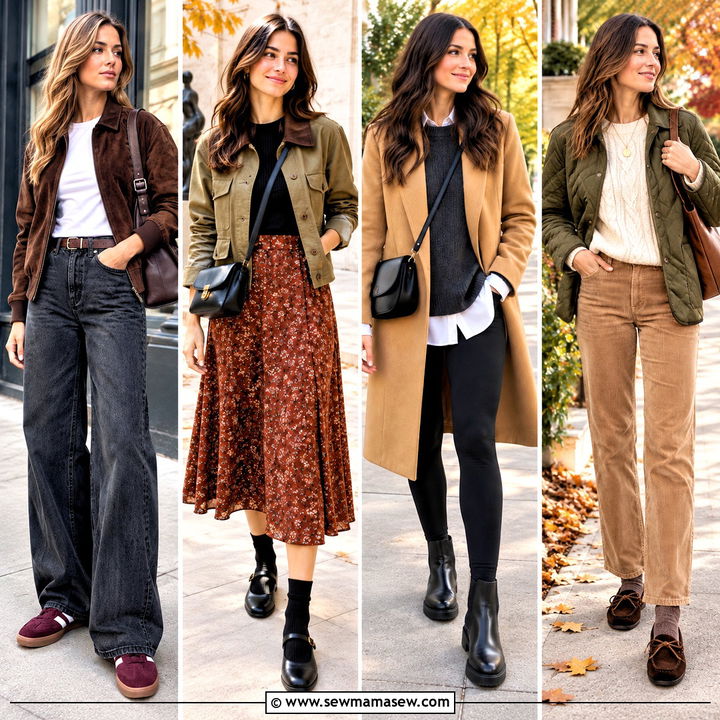
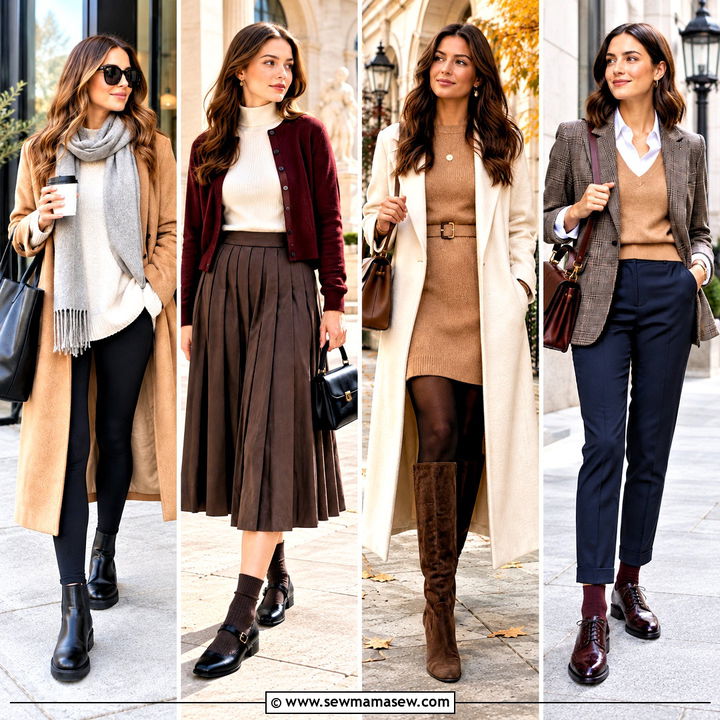
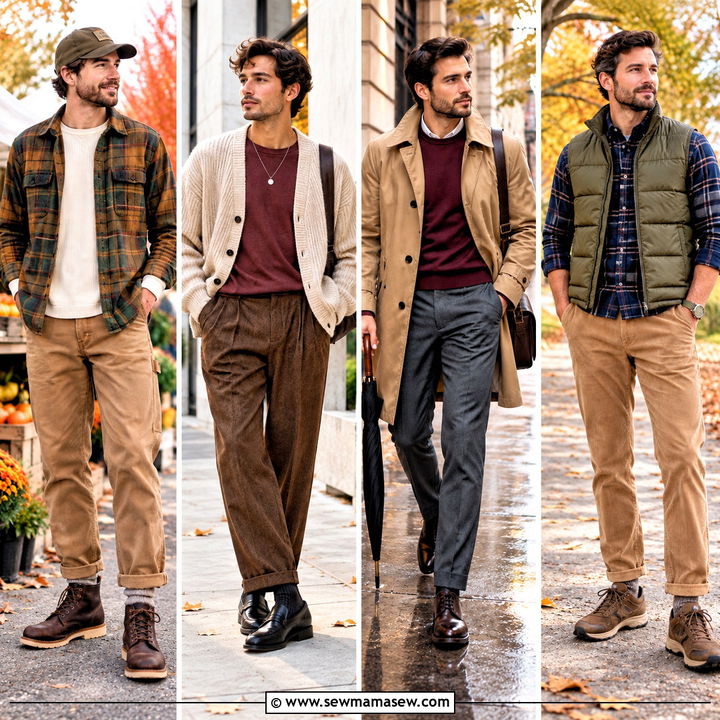
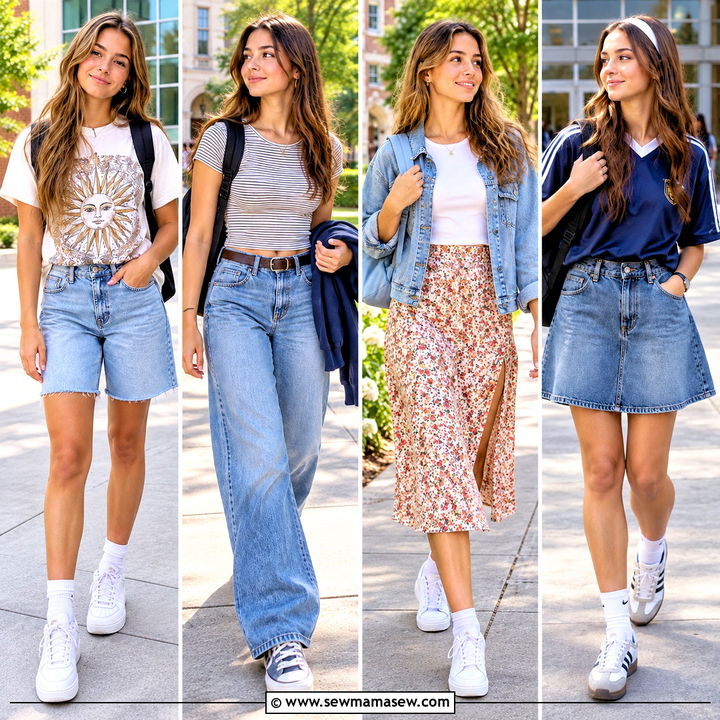
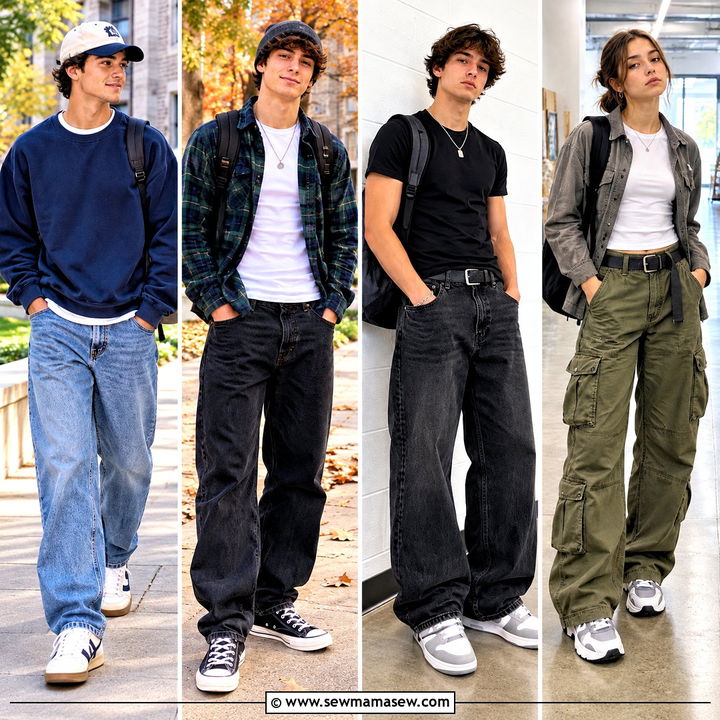
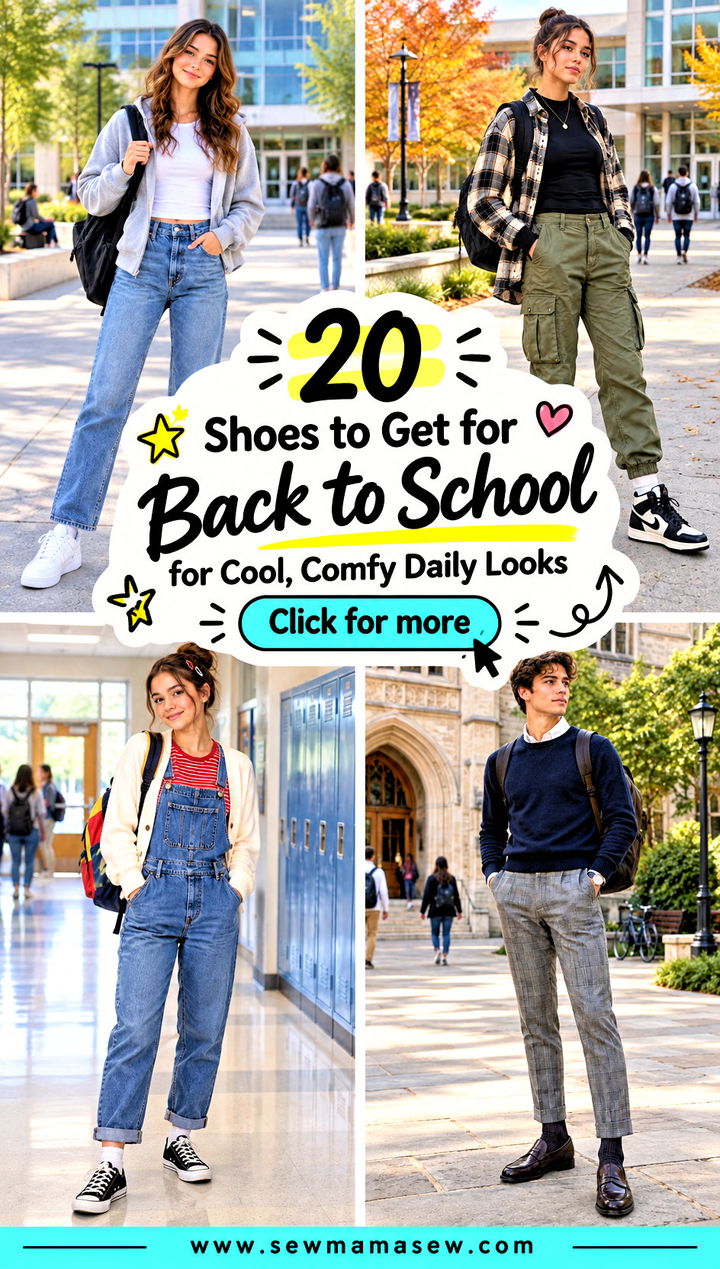
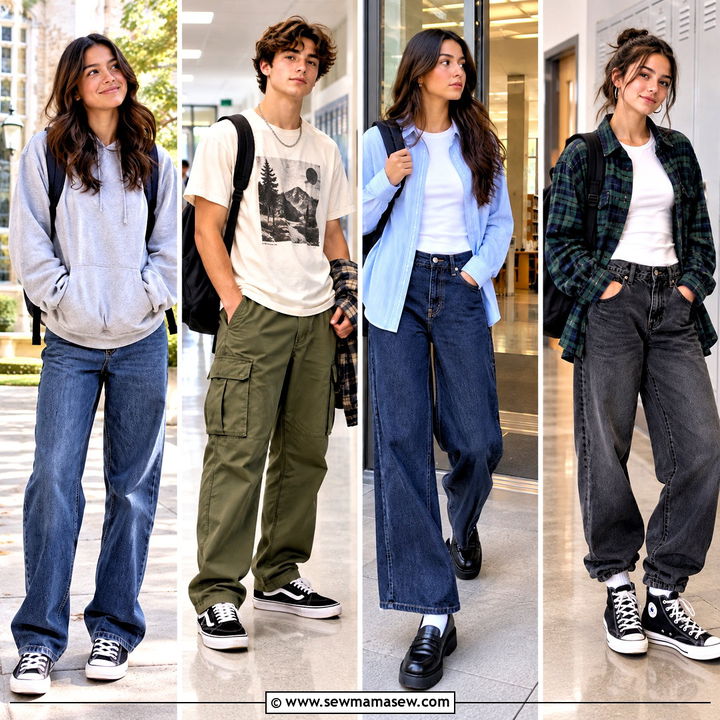
A school shoe has a harder job than almost anything else in the closet. It covers hallways, stairs, a walk from the bus and whatever happens after the last bell, and it has to do that five days in a row. This year the pairs I keep reaching for are retro sneakers, classic basketball shapes, loafers, ballet-style flats and a sturdy boot or two, so there is far more to work with than a plain gym shoe. Before anything goes in the cart, I check the dress code, measure both feet (one is almost always a little bigger) and make sure the toes have room to spread. Below are twenty pairs, each shown with an outfit, from easy basics to dressier options.
Shop After Lunch, With School Socks in Your Bag
Feet swell over the course of a day, so a shoe that fits perfectly at nine in the morning can pinch by mid-afternoon. I book school shoe shopping for the afternoon for exactly that reason, and I bring the socks the student actually wears. A thin store sock and a cushioned crew sock can change the fit by half a size.
Here is the routine I follow for every pair, from sneakers to loafers:
- Measure both feet standing up, with weight on them, and fit to the larger foot.
- Leave about a thumb's width between the longest toe and the end of the shoe. Growing kids need that space more than anyone.
- Walk on a hard floor, not just the carpet. Carpet hides heel slip and a stiff sole.
- Climb a step or two if you can. Heel lift and toe pressure show up on stairs first.
- Press the heel counter. If it collapses easily, the shoe will not hold the foot for long.
If a pair only feels good after you tell yourself it will stretch, put it back. Leather gives a little across the width, but length never changes.
1. White Sneakers With Straight-Leg Jeans
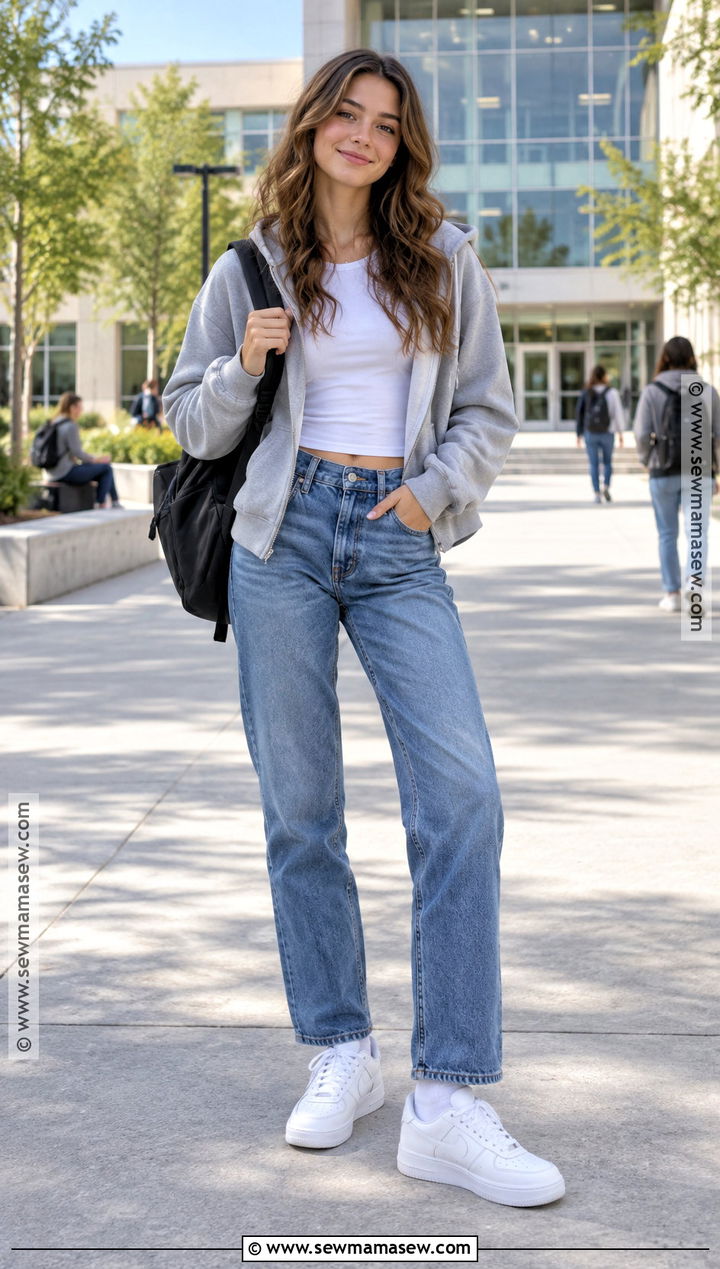
If I could only buy one pair for the year, it would be this one. White sneakers go with straight-leg jeans, a fitted crewneck and a zip-up hoodie without any thought in the morning, and crew socks that peek just above the collar make the outfit look finished. I steer people toward leather or coated synthetic uppers here, because a wipe with a damp cloth gets cafeteria spills off, while white canvas soaks up every mark. When I flex a pair in the store, I want the sole to bend at the ball of the foot and the toe cap to feel reinforced. Cream or off-white is a smart swap if bright white looks too stark next to your skin.
2. Retro Sneakers With Wide-Leg Jeans
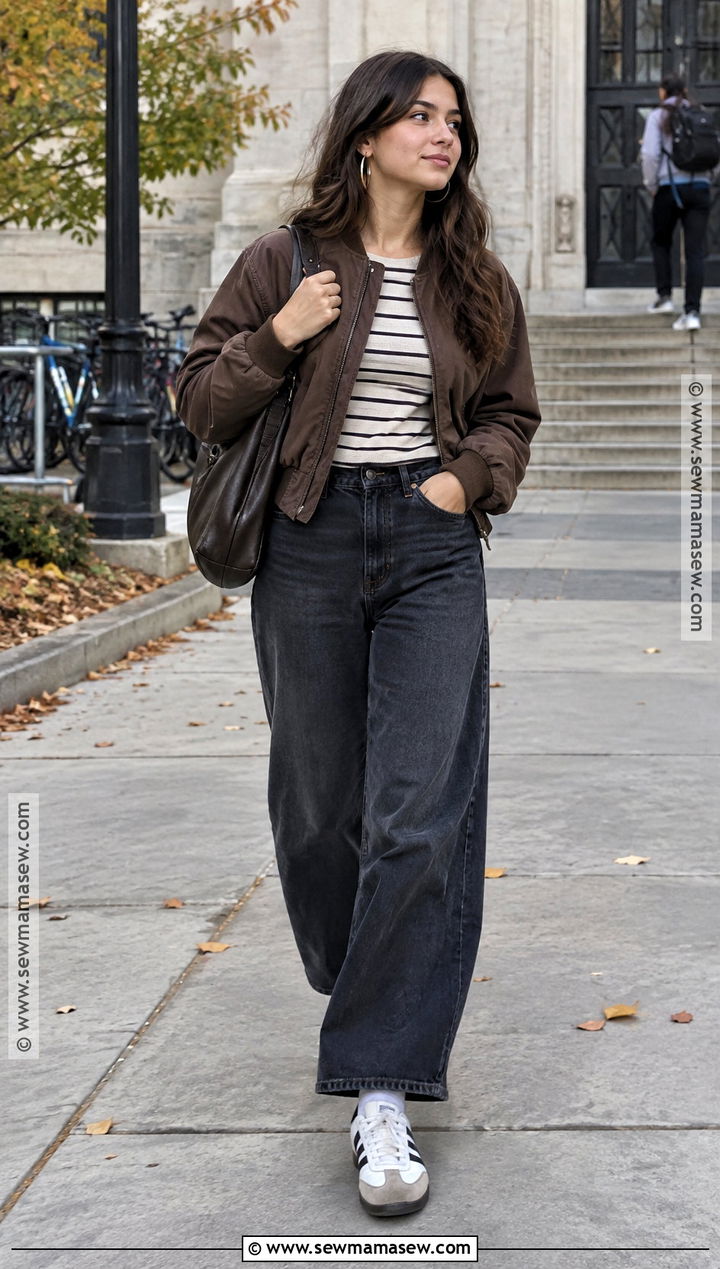
Wide-leg jeans swallow a chunky shoe, which is why I prefer a slim retro sneaker with them. A low suede or leather pair, a tucked striped tee and a cropped bomber keep the whole outline neat, and contrasting crew socks give the ankle a bit of color. For fall I like burgundy, navy, brown or green instead of white. Watch the hem: wide denim should just kiss the top of the shoe, because once it drags under the heel it frays within weeks. These shoes tend to have thin, flat soles, so anyone with flat feet or long walks between buildings should add a cushioned insole.
3. Running Sneakers With Leggings And Sweatshirt
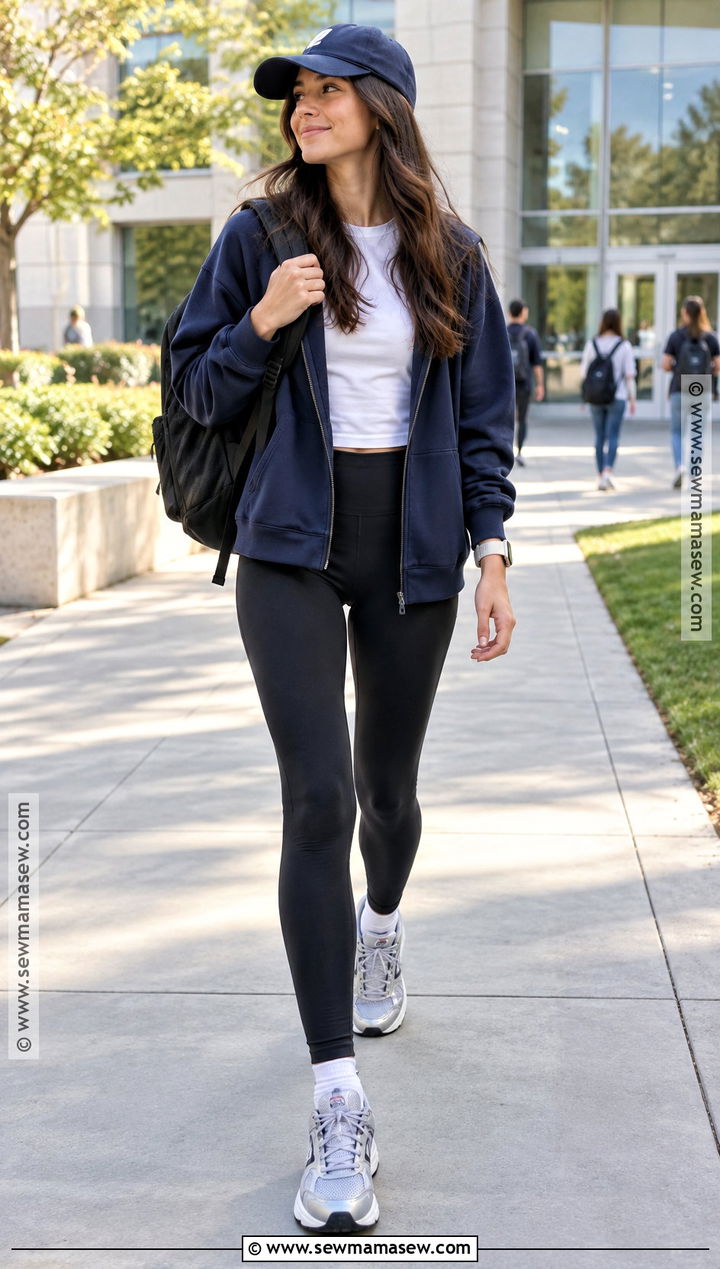
Running sneakers earn their place on days with a lot of walking. Black leggings, an oversized school sweatshirt over a fitted tee, a nylon backpack and a cap make a sporty outfit that still looks put together because the colors relate. Gray, silver or cream shoes sit easily beside a bright sweatshirt. When I try a pair on, I press the heel counter with my thumb: it should hold its shape, and the heel should not lift as you walk. Very soft foam feels great in the store, but a slightly firmer, steadier ride is easier on the feet by sixth period. Leggings with a side pocket are handy for a student ID.
4. High-Top Sneakers With Cargo Pants
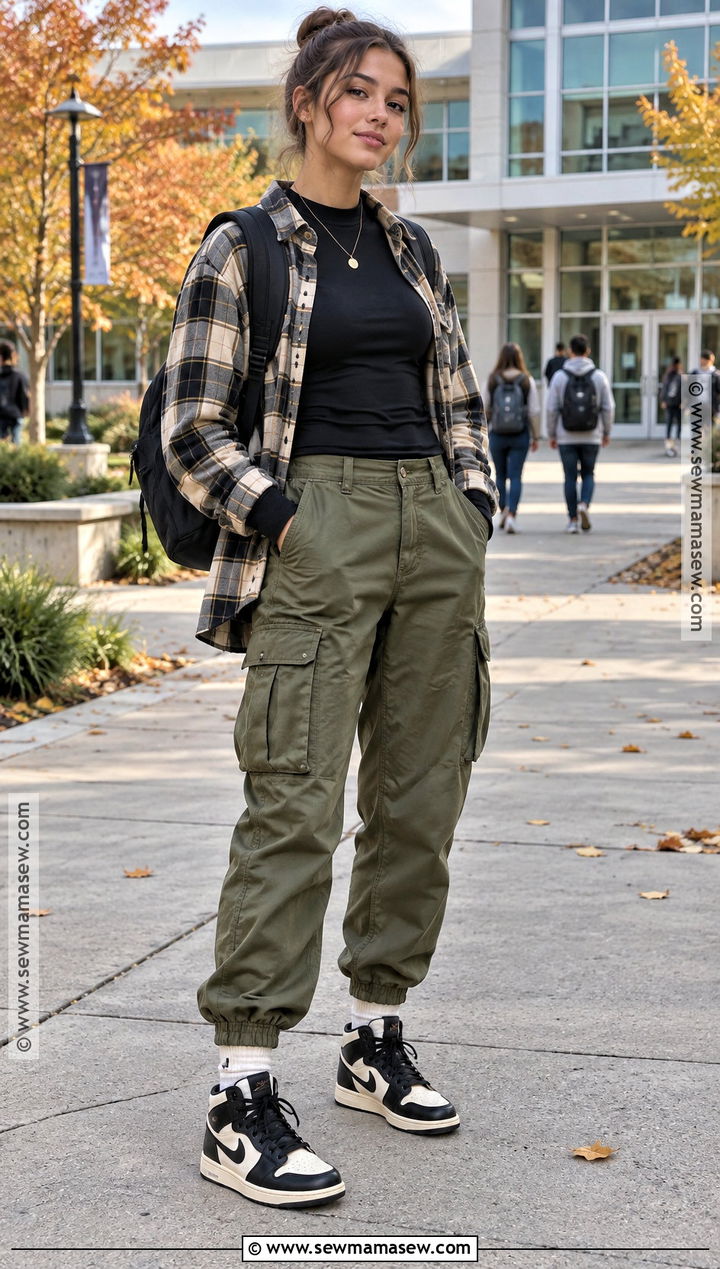
Loose cargo pants need a shoe with some height, otherwise the hem buries the foot. High-tops solve that. I'd wear neutral cargos with a fitted long-sleeve top, an open flannel, ribbed socks and a small backpack. Stick to black, cream, navy or a simple two-tone; busy panels compete with all the pockets on the pants. Lace the top two eyelets firmly but not tight, so the ankle can still flex on stairs. Cargo hems should stop above the sole or be cuffed once. The flannel comes off easily when a classroom warms up, which makes this a reliable early-fall outfit.
5. Canvas Sneakers With Denim Overalls
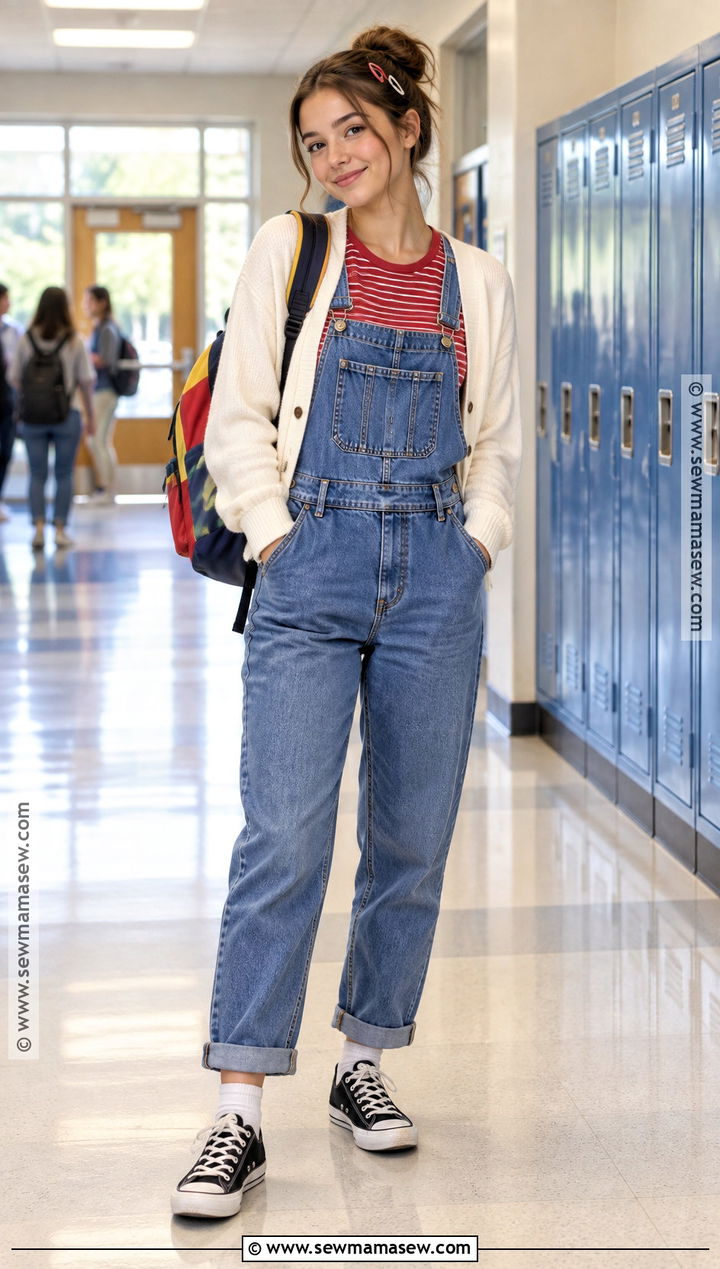
Canvas sneakers and denim overalls are a happy, easy pairing for younger students and anyone who likes a playful outfit. Add a striped or plain fitted tee, a light cardigan for chilly classrooms and a colorful backpack. Black, navy, cream or checkered canvas hides wear best, while a bright pair livens up plain denim. The honest weakness of canvas is support, so I look for a removable insole that can be swapped for an arch-support version. Skip no-show socks here; they creep down into the heel on long days, and ankle or crew socks stay put. Each piece also works on its own with jeans or a skirt.
6. Basketball Sneakers With Baggy Jeans
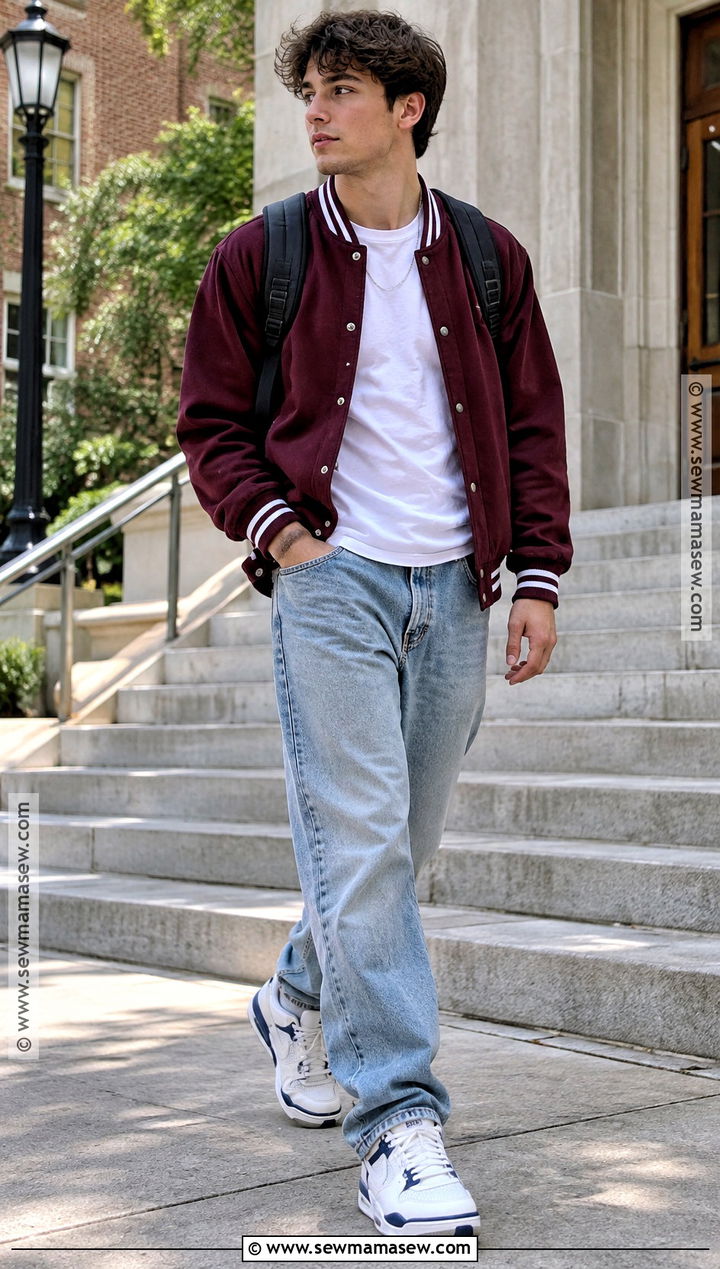
Retro basketball sneakers are heavy, wide shoes, so I balance them with roomy denim and keep the top close to the body. Baggy jeans, a ribbed tank or fitted tee and a varsity jacket, track jacket or oversized button-down all work, finished with a structured backpack, a thin chain and crew socks. A white base with one or two accent colors is the easiest version to wear every week. Because these shoes are heavier, I bend them in my hands before buying; if the sole fights back, it will tire the legs by afternoon. Cuff the jeans once if they cover the whole shoe.
7. Ballet Sneakers With Pleated Skirt
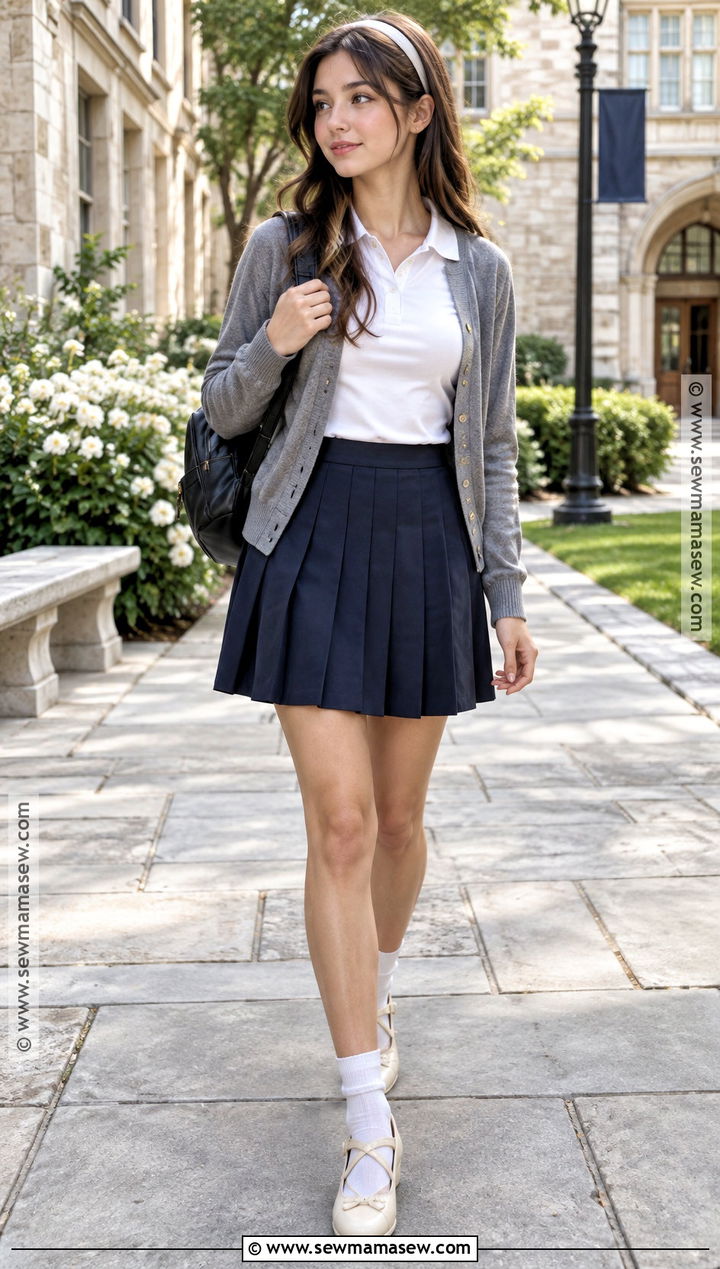
Ballet sneakers sit somewhere between a flat and a trainer: the low, rounded shape of a ballet shoe with a rubber sole underneath. I like them with a knee-length pleated skirt, a fitted polo, a light cardigan, ankle socks and a narrow headband for a neat preppy outfit. Black, silver, cream or muted pink tones sit well next to most school colors. Support varies a lot in this category, so I check for a strap that actually secures the foot and enough space across the toes. For anyone who walks long distances between buildings, a regular sneaker is still kinder.
8. Ballet Flats With Midi Skirt
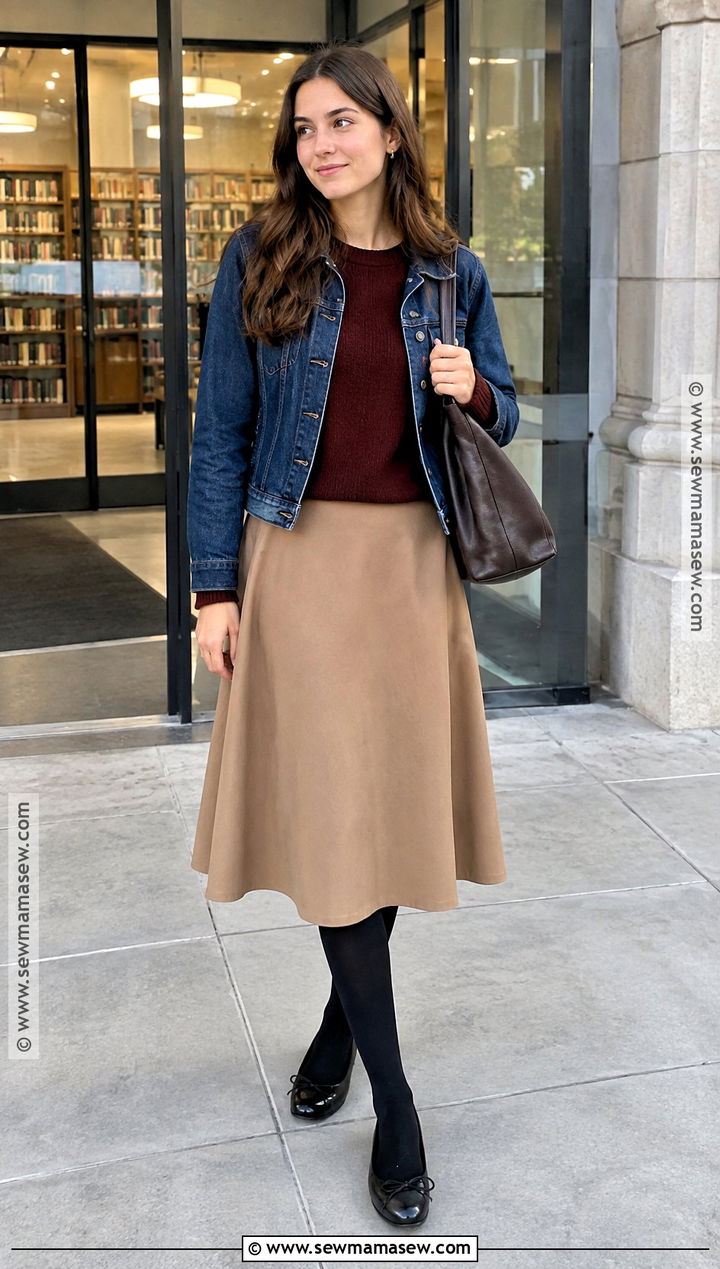
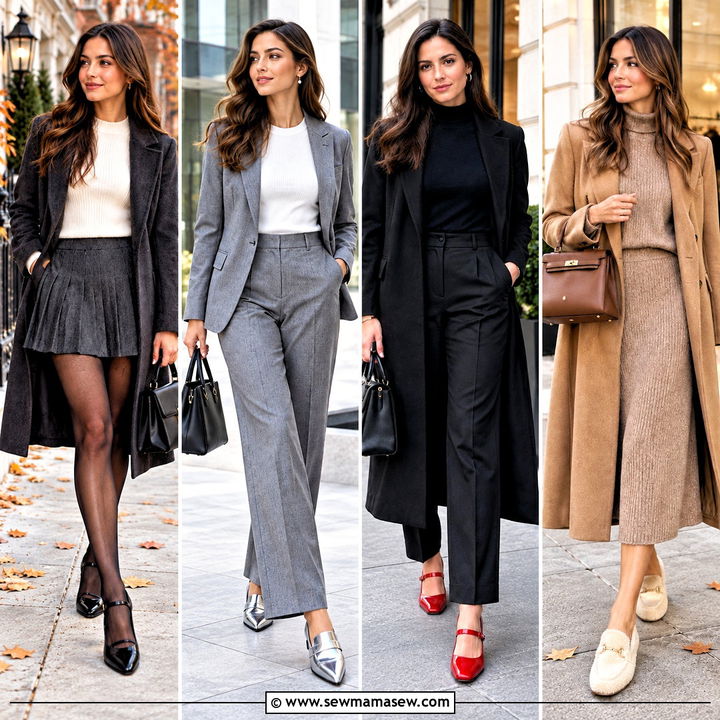
Ballet flats give a polished school outfit without any heel. I put black, brown or burgundy flats with an A-line midi skirt, a tucked crewneck sweater and a denim jacket, and add opaque tights when it turns cold. Shape matters more than people expect: a square or almond toe leaves the toes room, while a sharp point squeezes them by noon. I always check the sole on smooth flooring, because many flats have a slick bottom, and a rubber one makes a real difference on polished hallways. If the back of the heel rubs at the first fitting, try a different size or style; that rub rarely goes away on its own.
9. Mary Jane Shoes With Corduroy Dress
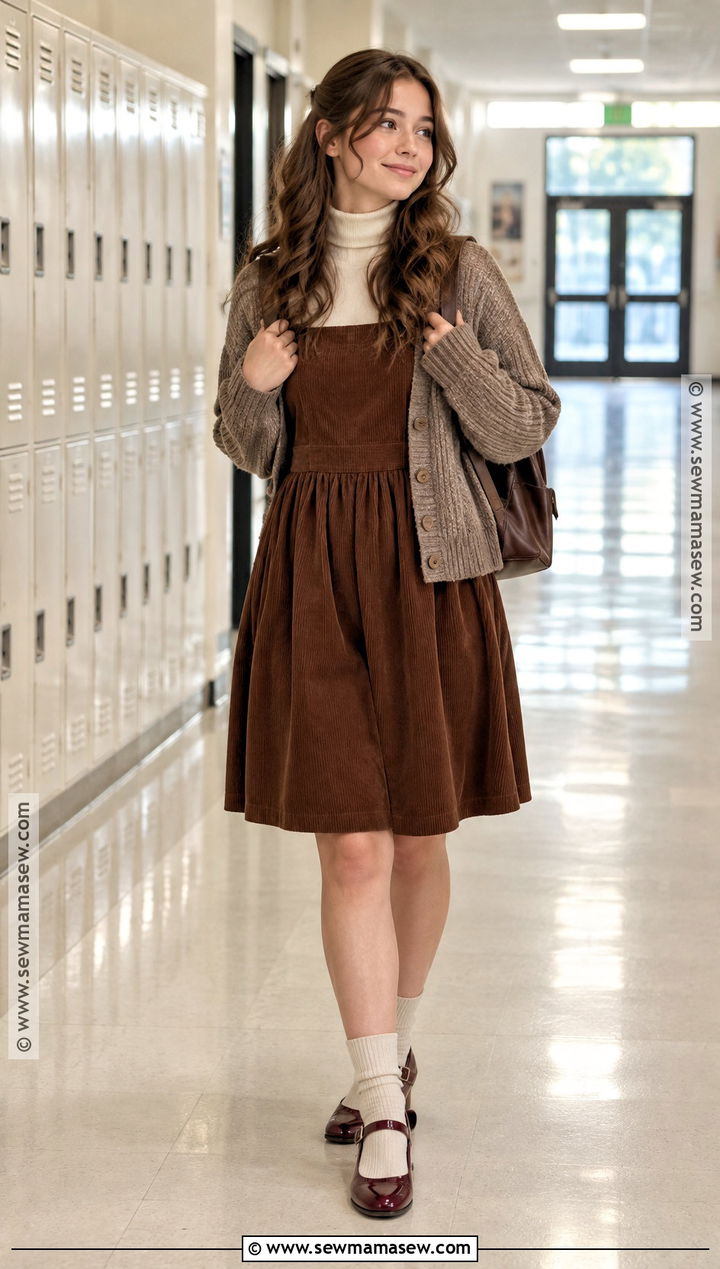
The strap across the instep is what makes a Mary Jane so secure; the foot cannot slide forward the way it does in a slip-on. I pair them with a knee-length corduroy dress over a turtleneck or fitted tee, ribbed ankle socks, a soft cardigan and a small leather-look backpack. Black and dark brown go with almost everything, and burgundy adds color without limiting what you can wear it with. Keep the heel flat or a low block, with a nonslip sole. The strap should hold the foot gently; if it leaves a red line after ten minutes, it is too tight. Swap the socks for tights once the mornings get cold, and this works for photo day too.
10. Penny Loafers With Plaid Trousers
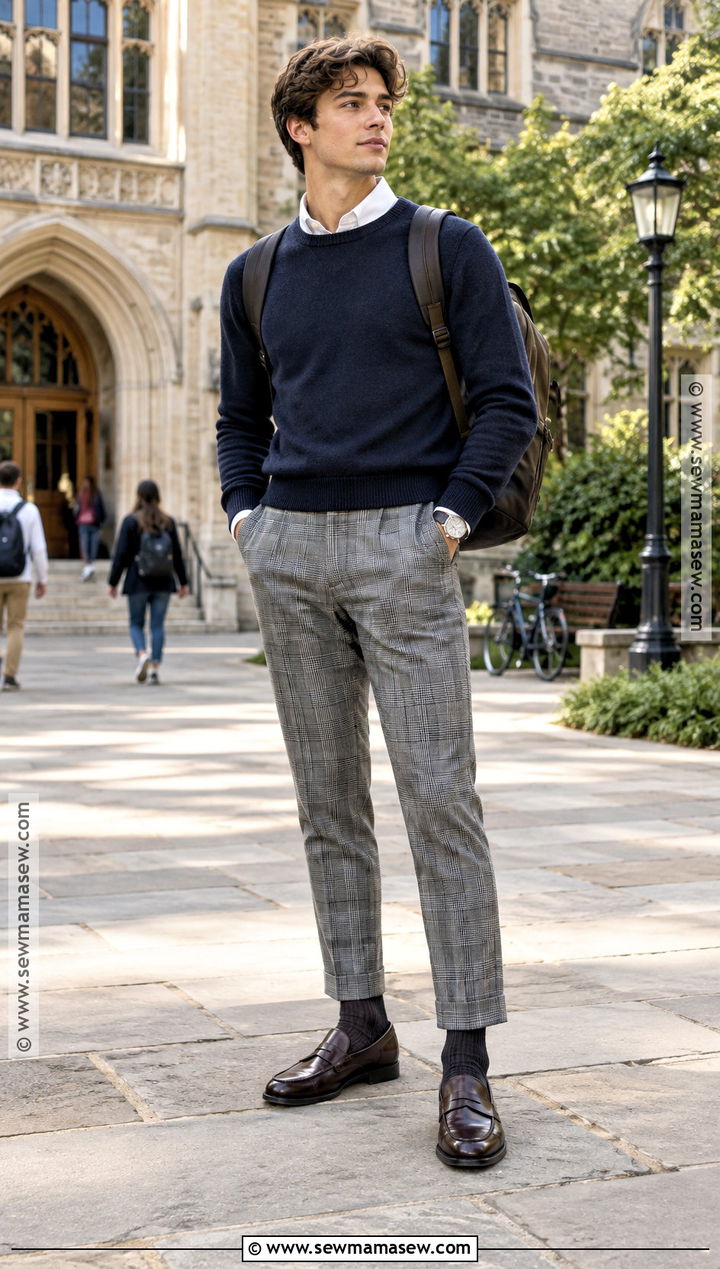
Plaid trousers look sharper the moment a penny loafer goes under them. My version is dark brown or black loafers with ankle-length plaid pants, a white Oxford shirt, a relaxed crewneck sweater, ribbed socks and a simple watch. Leather loafers do give a little with wear, but they should still feel comfortable on day one; I never count on stretching to fix a tight pair. A rubber outsole grips far better than smooth leather on wet steps. If the trousers are wide, tuck the front of the sweater or choose a slimmer knit so the outfit keeps its shape.
11. Chunky Loafers With Mini Skirt And Tights
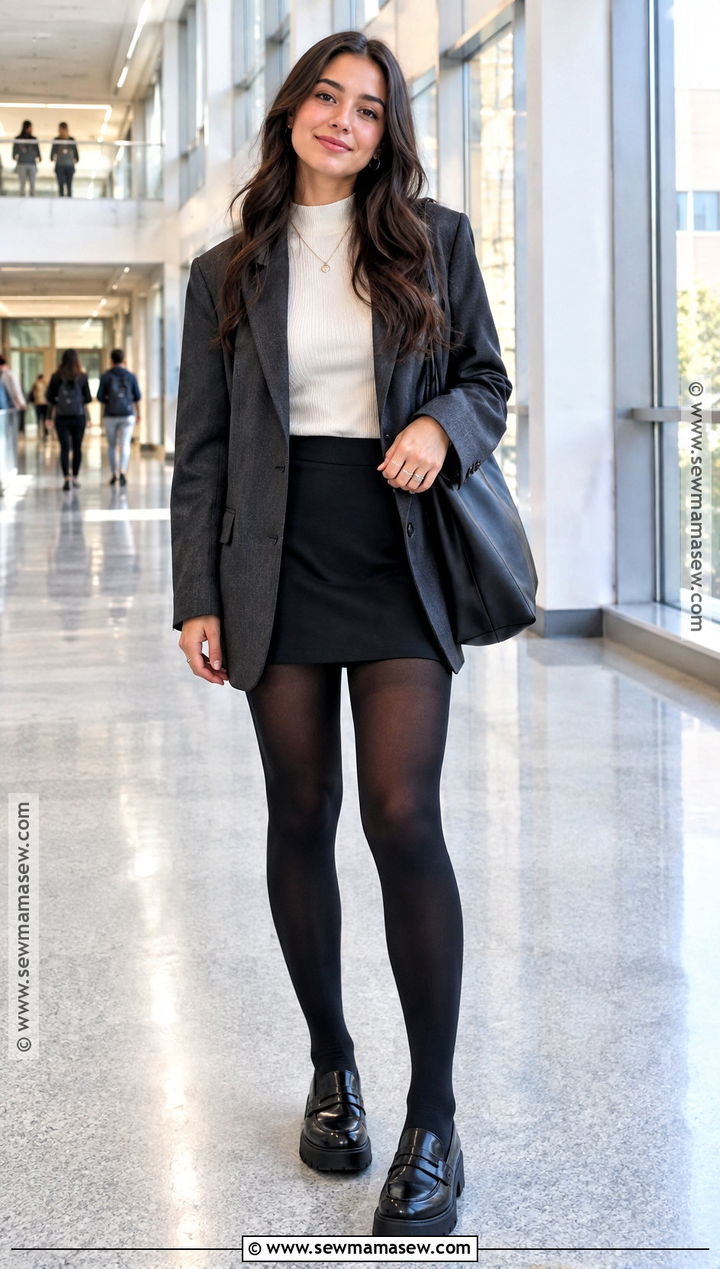
A mini skirt can look slight on its own, and a chunky loafer gives it weight at the bottom. I'd wear black loafers with an A-line skirt, opaque tights, a fitted mock-neck and an oversized blazer or cardigan, plus ribbed socks over the tights if you like the layered look. Keep the skirt at a length that meets the dress code and lets you sit comfortably. A moderate platform adds cushioning, but I walk a full lap of the store before buying; if the shoe feels clunky or tips on the outer edge, it will be worse on stairs. Lug soles grip wet leaves and sidewalks well.
12. Oxford Shoes With Tailored Pants
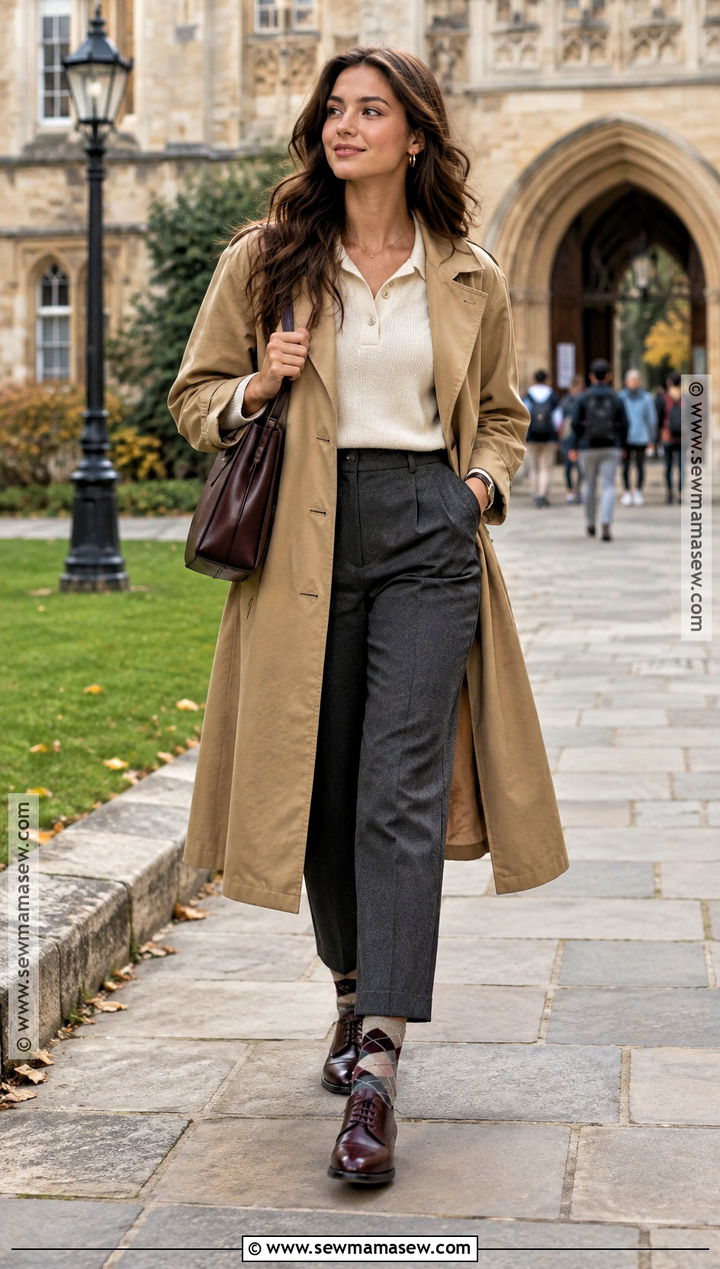
On the days sneakers feel too casual, a lace-up Oxford is my answer. Tailored ankle pants, a knit polo, a relaxed trench or long cardigan, patterned socks and a structured shoulder bag make a smart outfit for presentations or an internship. Brown, oxblood, black and two-tone all sit well next to neutral pants. Leather Oxfords are stiff at first, so I bend them across the forefoot in the store; a sole that barely flexes means a few weeks of sore toes. Thin dress socks wear through quickly in a full school day, so soft crew socks are the better choice. A slightly cropped trouser shows off the laces.
13. Ankle Boots With Straight-Leg Jeans
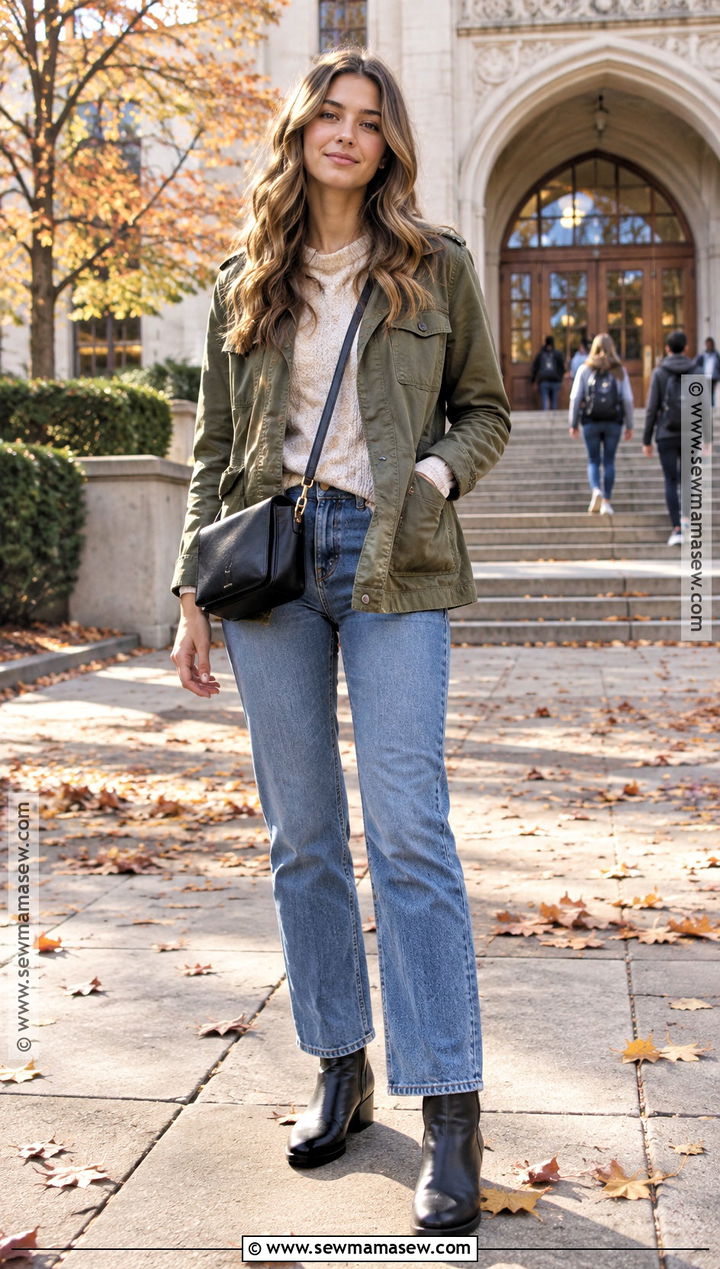
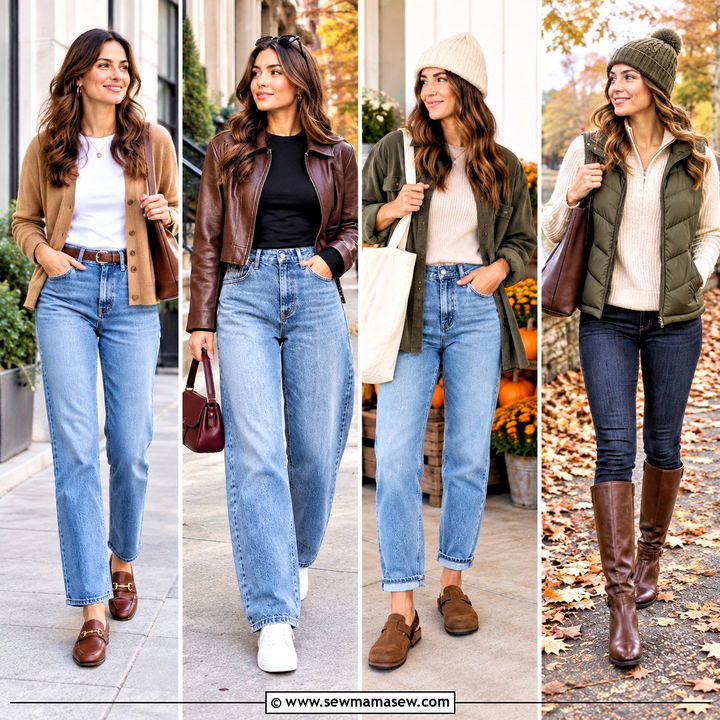
Ankle boots and straight-leg jeans are the outfit I'd wear the most from October on. Choose a flat or low block heel, then add a soft sweater, a light utility jacket and a crossbody bag that keeps both hands free. Black gives a cleaner line, and brown or taupe looks softer against blue denim. The jean hem should either stop just above the boot opening or fall smoothly over it; a hem that catches on the boot top and bunches is the one detail I correct most. Look for a side zipper and a textured sole. Wear new boots around the house for a few evenings before a full school day.
14. Chelsea Boots With Sweater Dress
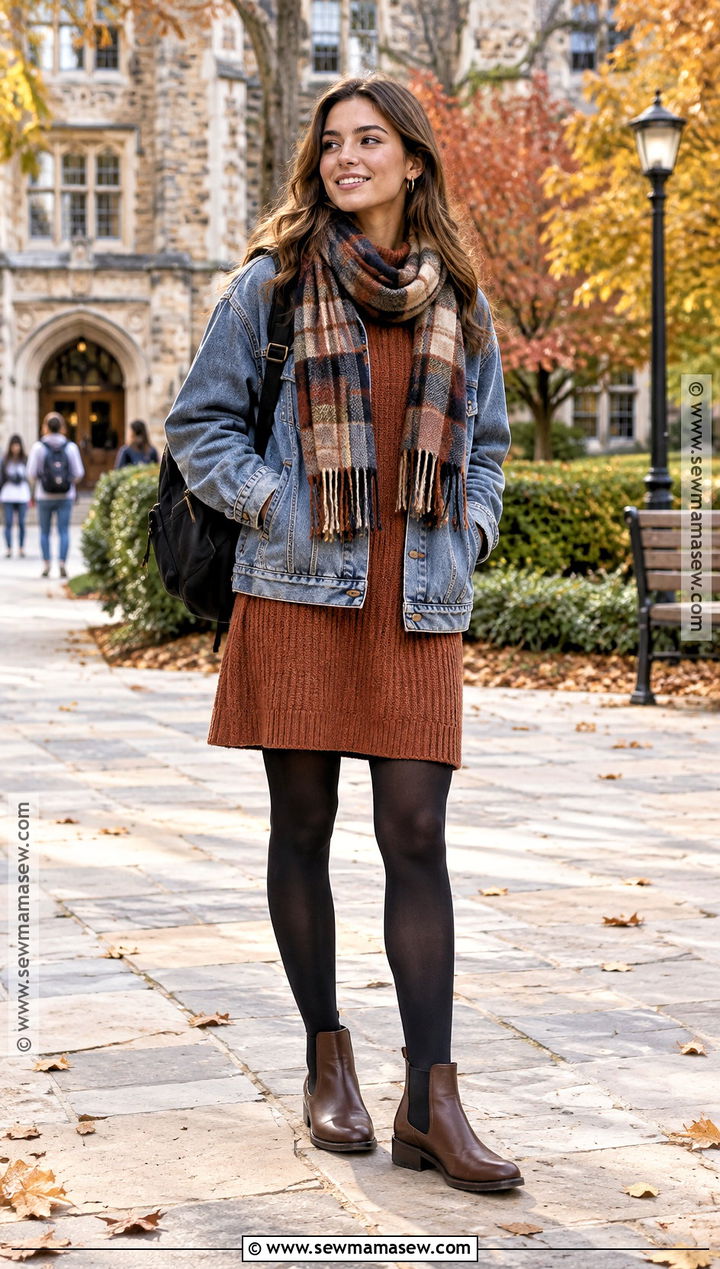
A sweater dress needs a practical shoe, and a flat Chelsea boot is about as practical as it gets. I add opaque tights, an oversized denim jacket, a scarf and small hoops. Check the elastic side panels when you try them on: they should stretch easily over the foot and then hug the ankle, not gape. The pull tab really does save time on rushed mornings, and a rubber lug sole handles damp sidewalks. Pick a dress with a relaxed shape so you can climb stairs and sit on the floor without pulling it down. Three pieces and you are out the door.
15. Combat Boots With Floral Midi Dress
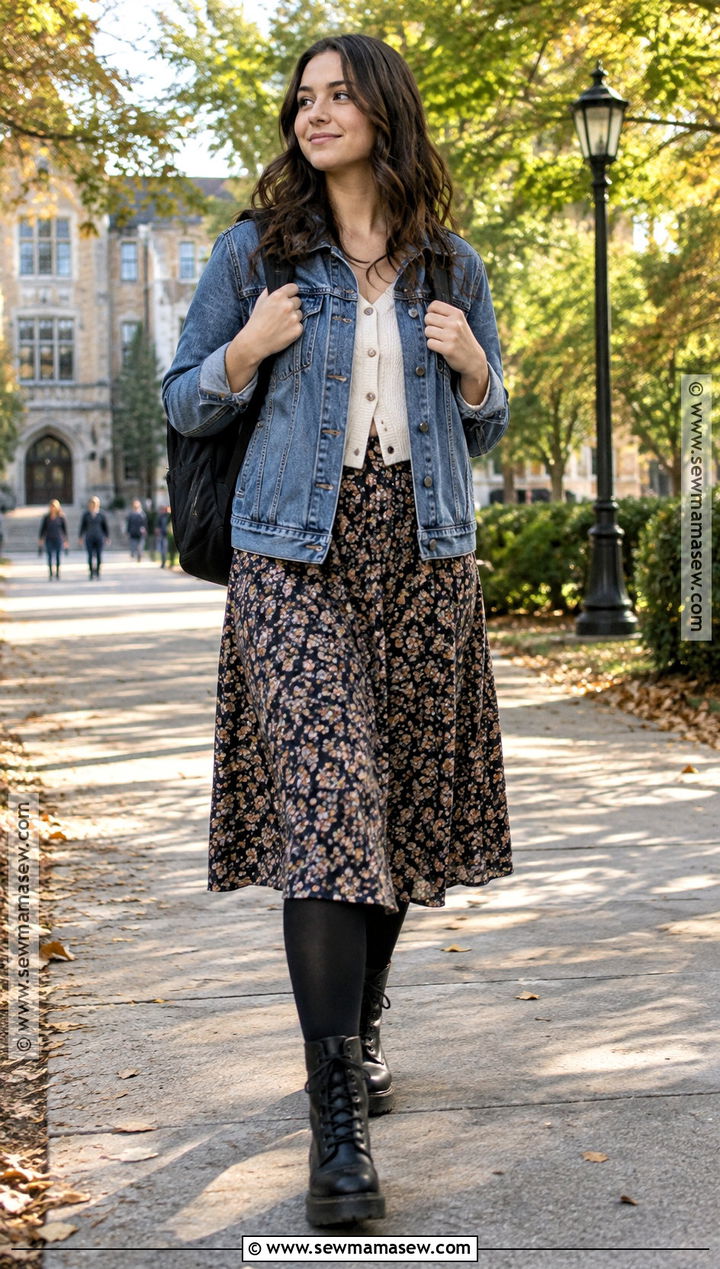
Combat boots give a floral midi dress some backbone. I prefer a lighter lace-up pair here, because a very heavy boot can drag the hem down and make a soft dress look costume-like. Layer on a cropped cardigan, denim jacket or utility jacket, add tights when needed, and keep the jewelry minimal. Black contrasts sharply with pale prints, while dark brown sits softer with earthy florals. Feel the inside of the ankle collar for padding, and lace the boots firmly to check for pressure points. The dress hem should clear the boot top so it does not bunch.
16. Knee-High Boots With Denim Skirt
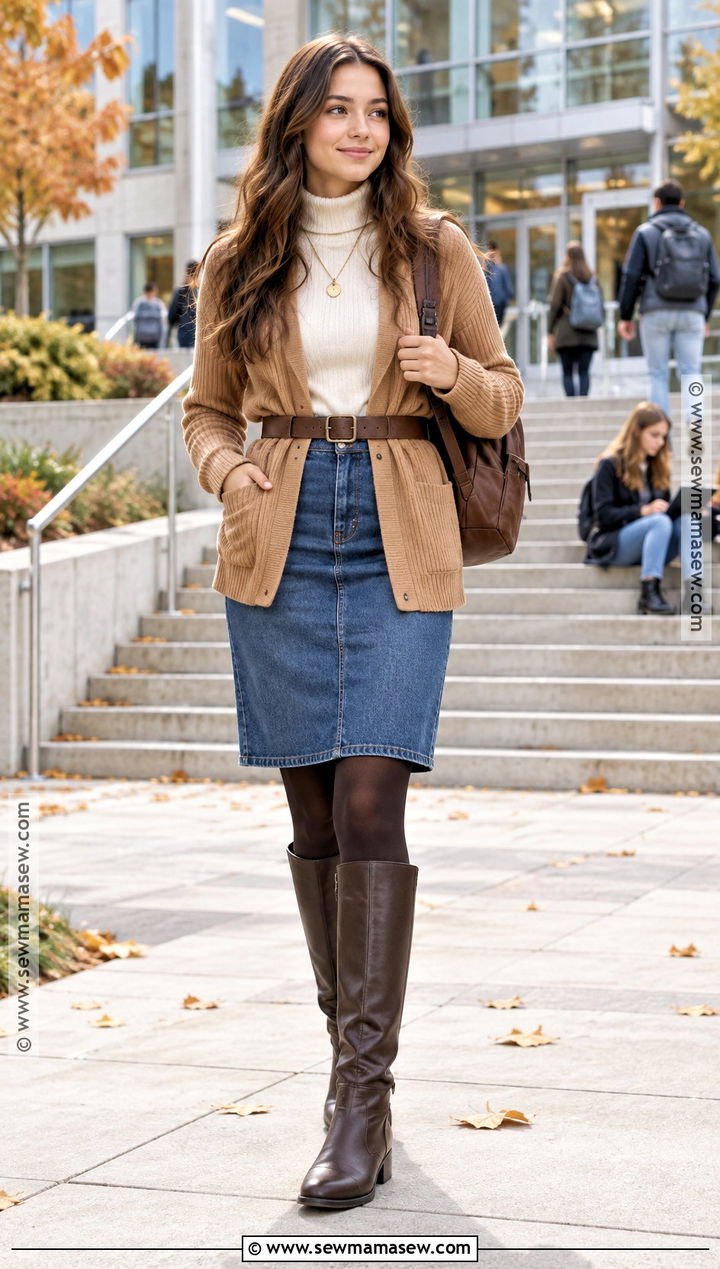
Flat knee-high boots cover more leg than anything else on this list, which makes them welcome once the mornings turn cold. Smooth black or brown boots with a knee-length denim skirt, a fitted turtleneck, a belted cardigan or tailored coat, tights and a small pendant make a warm school outfit. Fit at the calf is where tall boots fail, so I measure the widest part of the calf before ordering; a shaft that pinches cuts off comfort, and one that is too loose slouches down. A full-length zipper makes them much easier to pull on over tights. The same boots work with a sweater dress or a longer pleated skirt.
17. Clogs With Relaxed Jeans
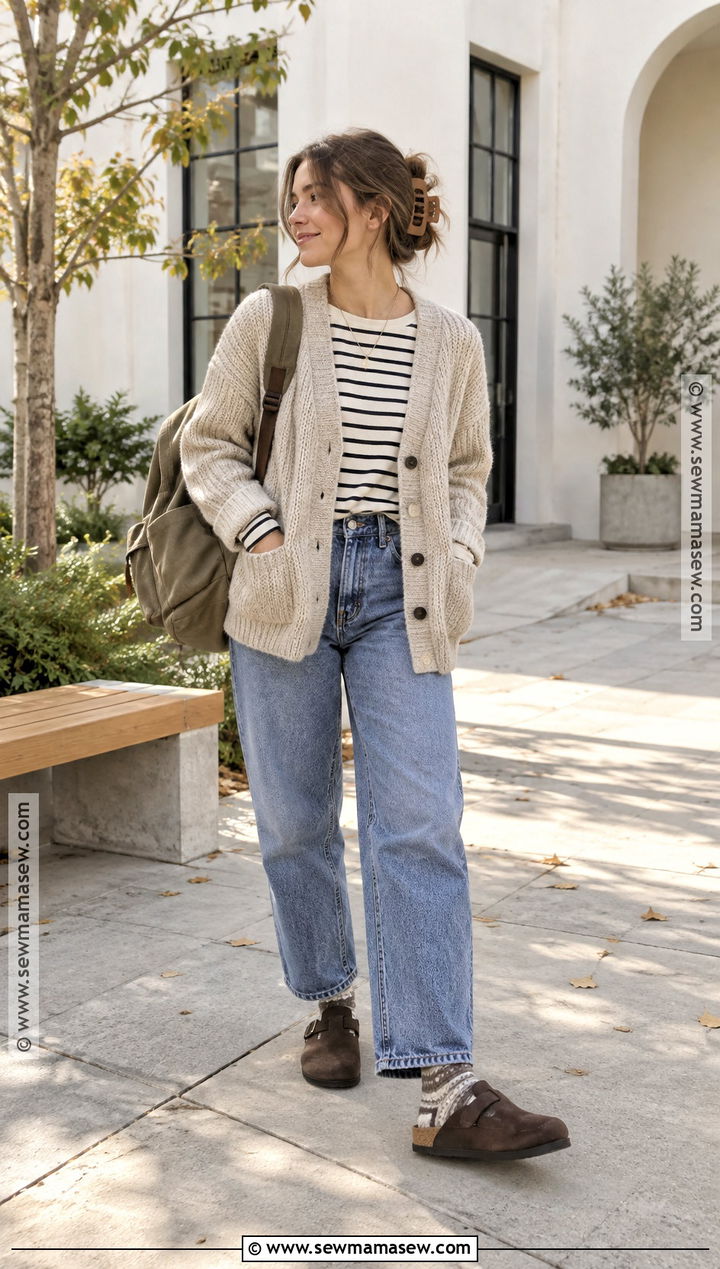
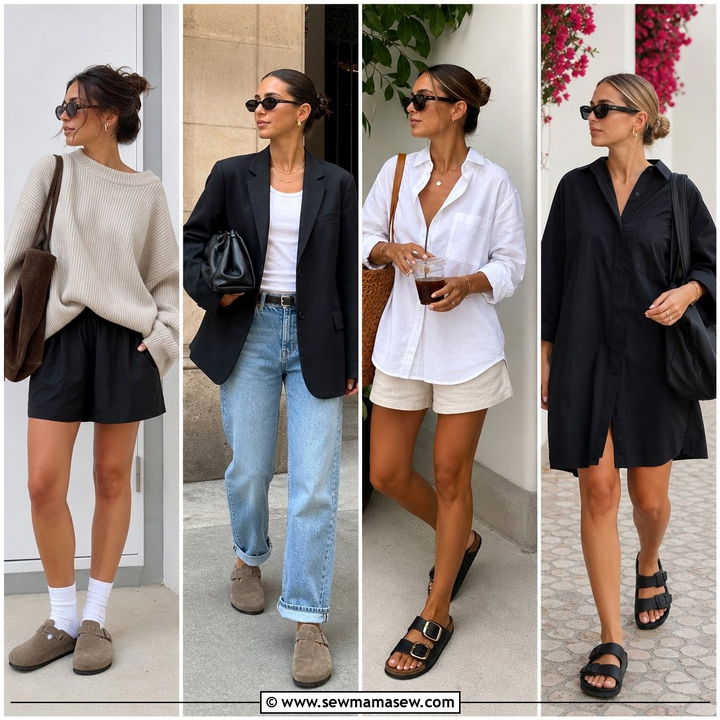
Clogs can work for school, but only with a back strap and a stable sole; an open-back clog slides off on stairs and many schools ban it outright. With the strap, I like them with relaxed straight-leg jeans, a striped long-sleeve shirt, a textured cardigan, patterned crew socks and a simple hair clip. Brown suede-look clogs fit autumn colors, and black leather-look pairs look cleaner. Let the jeans end near the top of the shoe rather than covering the heel. Wooden or rigid soles do not bend, so they suit shorter walks better than a campus with long distances. Save these for mild, dry days.
18. Rain Boots With Leggings And Trench Coat
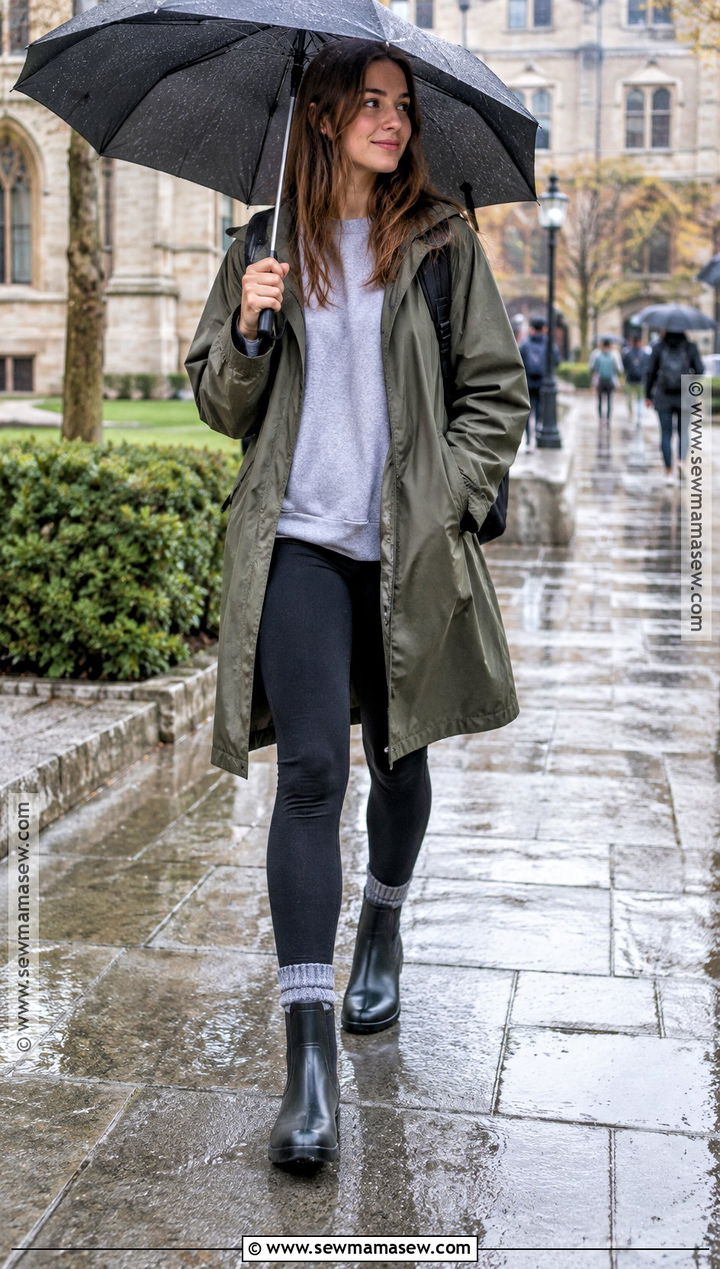
On wet mornings I reach for short rain boots, leggings and a trench. A long sweatshirt or tunic, moisture-wicking socks, a water-resistant backpack and a compact umbrella finish it. Ankle-height boots are easier to walk in than tall ones, and they fit in a locker or bag if the student changes shoes at school. Rubber boots do not breathe, so feet get clammy over a full day; that is why I always suggest packing dry socks. Buy enough room inside for thicker socks, and check the outsole has real tread. Black, olive, navy or cream go with most outerwear.
19. Trail Sneakers With Cargo Joggers
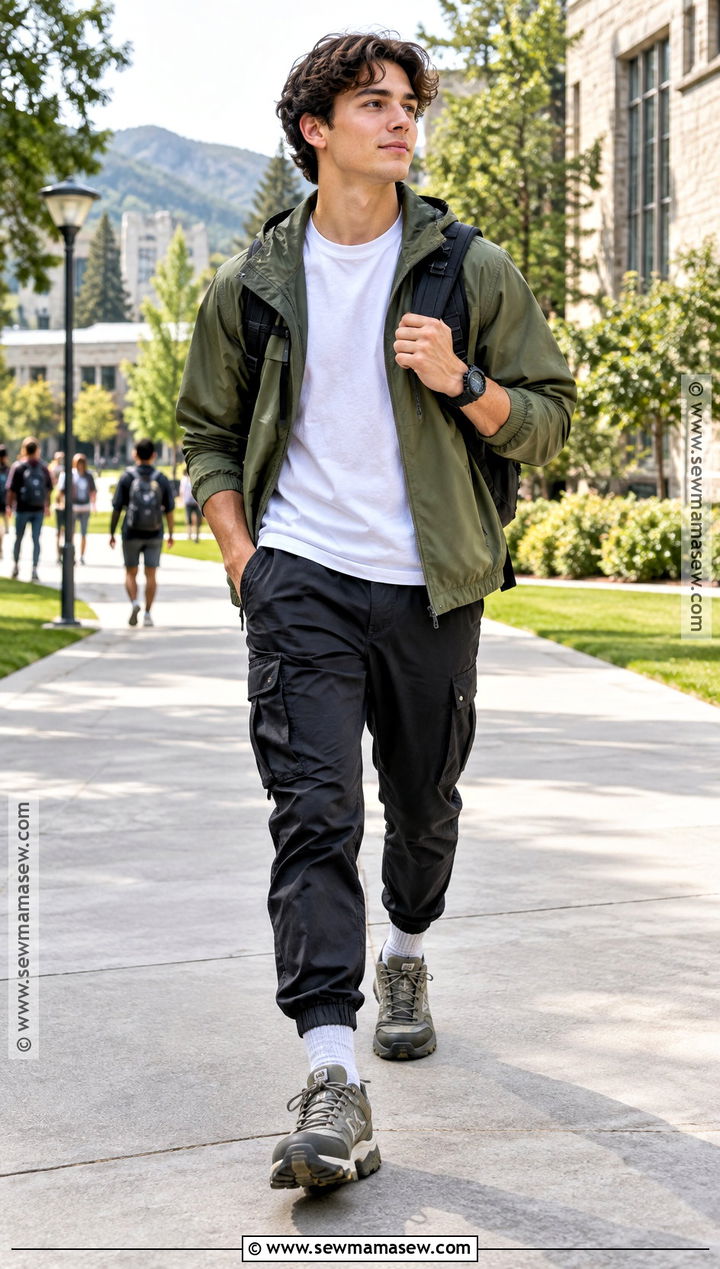
Trail sneakers suit students who cut across grass, walk long distances or head outside after class. Tapered cargo joggers, a breathable tee, a light fleece or windbreaker, a sturdy backpack and wicking crew socks keep the outfit practical. Gray, taupe and olive hide dirt far better than white. One thing I warn about: deep lugs that grip a trail can feel knobbly on hard school floors, so walk on tile before you commit. The heel should stay locked in place and the toe box should let the toes spread. Choose one with a gusseted tongue if wet grass is part of the commute; it keeps debris out.
20. Platform Sneakers With Maxi Skirt
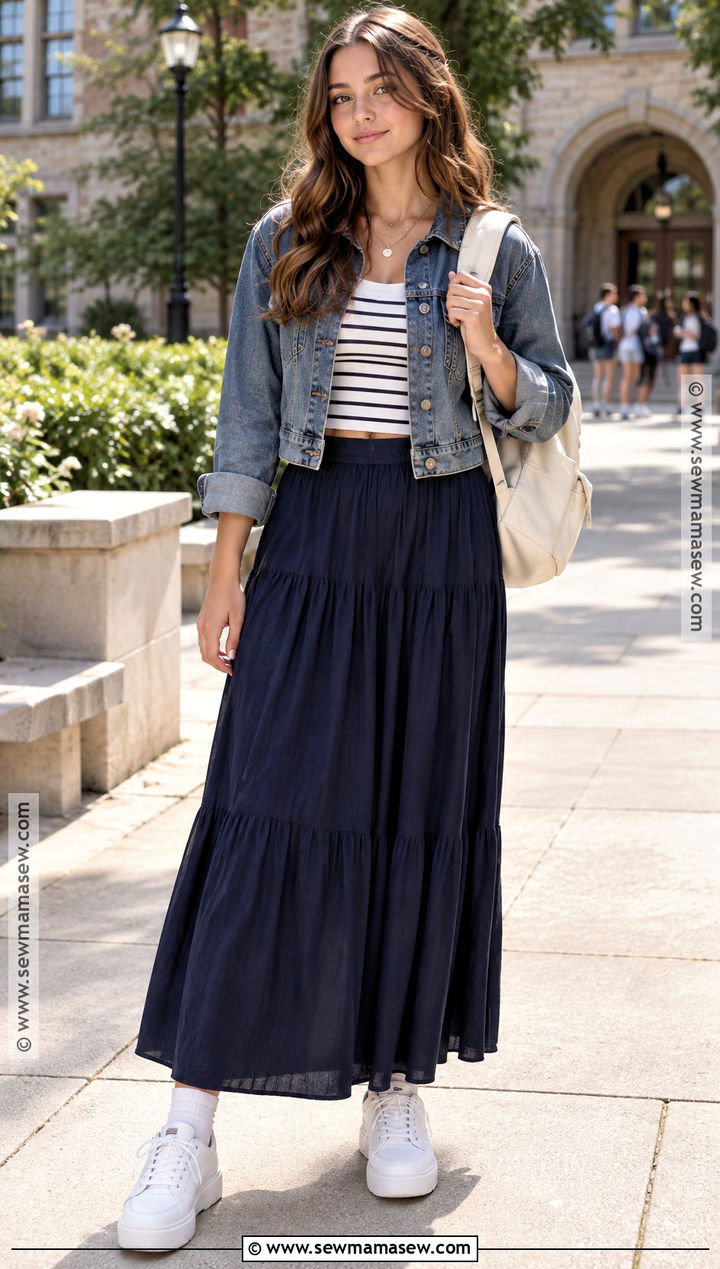
Platform sneakers add height and are still far easier to walk in than a heel. I pair a moderate platform with a casual maxi skirt, a fitted tee, a cropped denim jacket, a canvas backpack and layered necklaces. White, black or a neutral two-tone go with prints and solids alike. Stand on one foot in the store: the platform should feel stable from heel to toe without rocking. The hem matters even more than usual here, because a maxi skirt that reaches the floor can catch under a thick sole on the stairs. Add a sweater once fall arrives.
Four Pairs Can Carry a Whole Semester
Twenty options are useful for ideas, but nobody needs twenty pairs. When I plan a school rotation, I think in jobs, not styles. Each pair should cover something the others cannot.
- The everyday sneaker: white, running or retro. It carries most of the week, so it gets the biggest share of the budget.
- The dressier flat shoe: a loafer, Mary Jane or Oxford for presentations, photo day and anything that calls for more than jeans.
- The weather pair: an ankle boot with a lug sole, or a short rain boot if your fall is mostly wet.
- The gym or after-school pair: kept separate so the everyday sneaker is not worn down by sports.
Rotating matters more than people think. Shoes absorb sweat over a full day, and a pair that gets a day off dries out, keeps its cushioning longer and smells better by October.
Smooth Hallway Floors Are Harder on Shoes Than Rain
Most school floors are polished tile or sealed concrete, and they turn slick the minute someone tracks in rain. That is where flat leather soles and worn-down sneakers let people down. I flip every shoe over before buying it. A sole with a pattern of grooves, or a rubber layer with some texture, grips; a smooth, shiny bottom will skid.
Check older pairs the same way. Once the tread at the ball of the foot is worn flat, the shoe has lost its grip even if the upper still looks new. A cobbler can often add a thin rubber layer to the sole of a leather loafer or flat, which is a cheap way to make a dressy shoe safe for school.
Building the School Shoe Rotation in the Right Order
A shoe only earns its price if it gets worn, and the pairs that sit in the closet are usually the ones that hurt or never matched anything. Start with one dependable sneaker, then add a loafer, flat or boot depending on your climate and dress code. Neutral colors do most of the work, though one colorful pair keeps simple outfits fun. Always try shoes on with the socks you actually wear to school, walk around before the tags come off, and rotate pairs so each one has a day to air out.
Related posts: