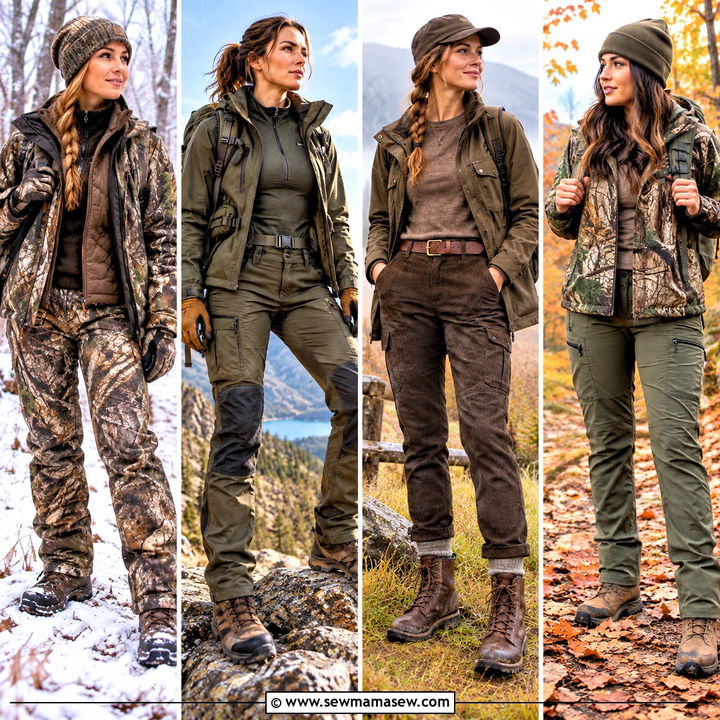
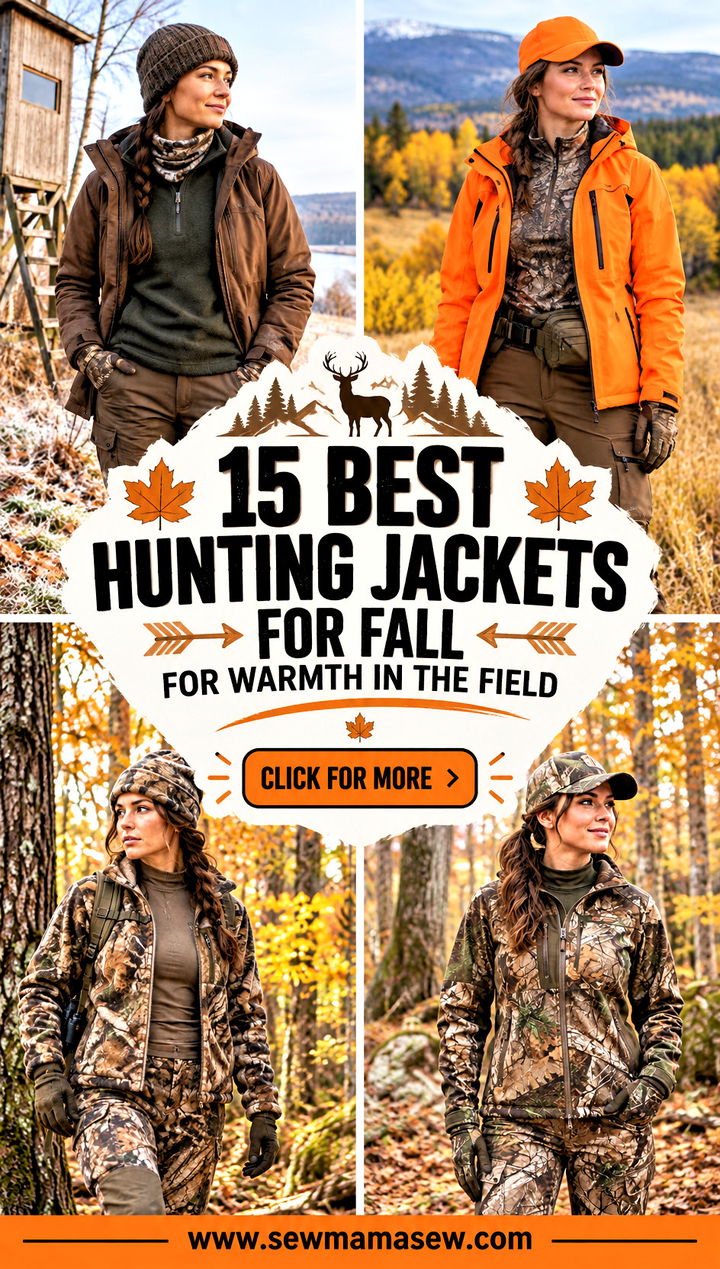
Hunting jackets have more to do than any other fall outerwear. They need to block wind, handle rain, stay quiet and leave room to layer while you walk, climb or sit still for hours. Early-season hunts can mean warm afternoons, while later ones bring cold wind, steady rain and fast temperature swings. The jacket should breathe, stop wind and manage moisture without restricting your arms. Match it to how you hunt: a light shell suits active hunts on foot, and an insulated coat suits long sits in a stand or blind. Round it out with tough pants, supportive boots, gloves and whatever visibility gear the law requires where you are. The fifteen outfits below cover different terrain, weather and methods.
Building the Layers Under a Hunting Jacket
The jacket is only the outside of the system. What goes under it decides if you stay warm at dawn and dry by noon, and I build it in the same order every time.
Base layer: keep the skin dry
Merino or a synthetic knit next to the skin, never cotton. Cotton holds sweat, and wet fabric against your body pulls heat away fast once you stop moving.
Midlayer: warmth you can take off
A grid fleece, light puffer or wool sweater, chosen by how cold and how long the sit will be. Two thin midlayers are easier to adjust than one thick one, and much easier to pull off in a cramped blind.
Walk in a little cold
Start out slightly chilly, carry the warm layer, and put it on once you're in position. Arriving sweaty and then sitting still is the quickest way to end up shivering an hour later.
1. Softshell Hunting Jacket Outfit
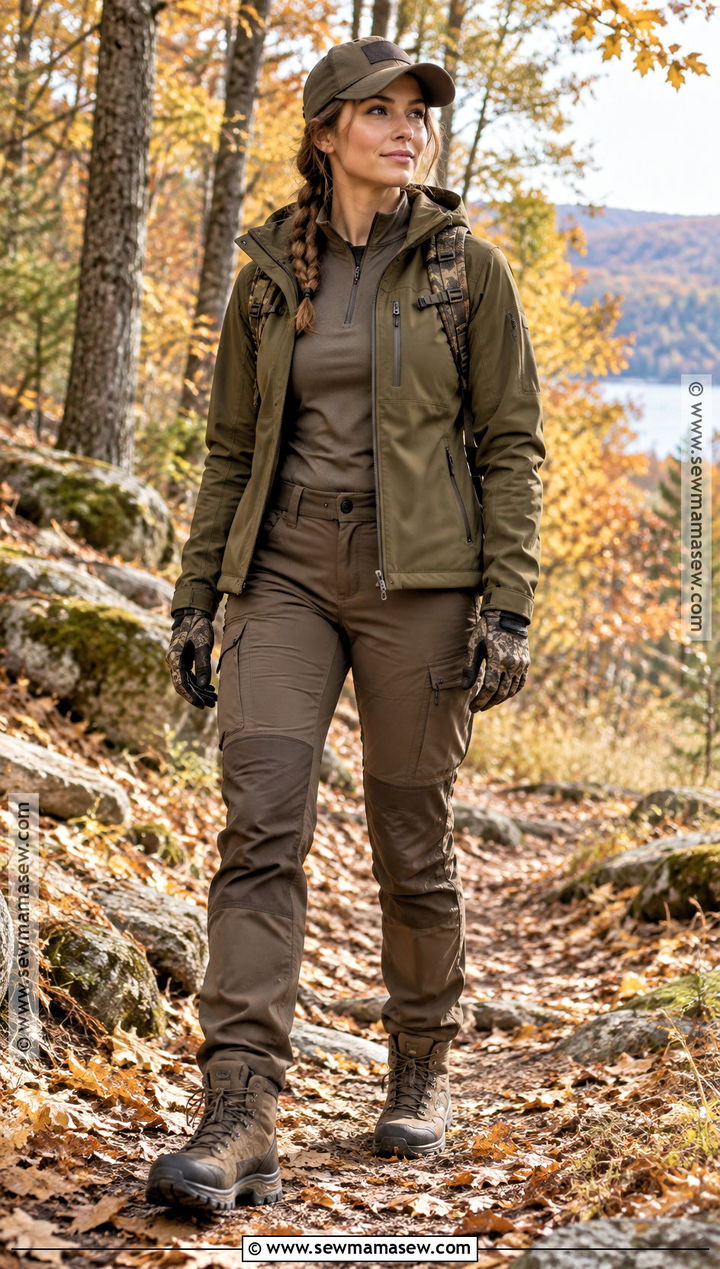
Softshell is the jacket I'd pick for mild, breezy days when you're moving a lot. Choose a quiet, flexible one in camouflage, olive or brown and wear it over a moisture-wicking base layer. Stretch hunting pants let you climb, kneel and step over deadfall without the knees pulling. Waterproof leather boots, merino-blend socks, a low-profile cap and light gloves complete it. Softshell stretches and breathes far better than a hard rain shell, which is exactly why active hunters like it. Look for zippered pockets, adjustable cuffs and underarm vents. A water-repellent finish copes with drizzle, but softshell wets out in steady rain, so pack a proper shell when the forecast is wet.
2. Waterproof Hunting Jacket Outfit
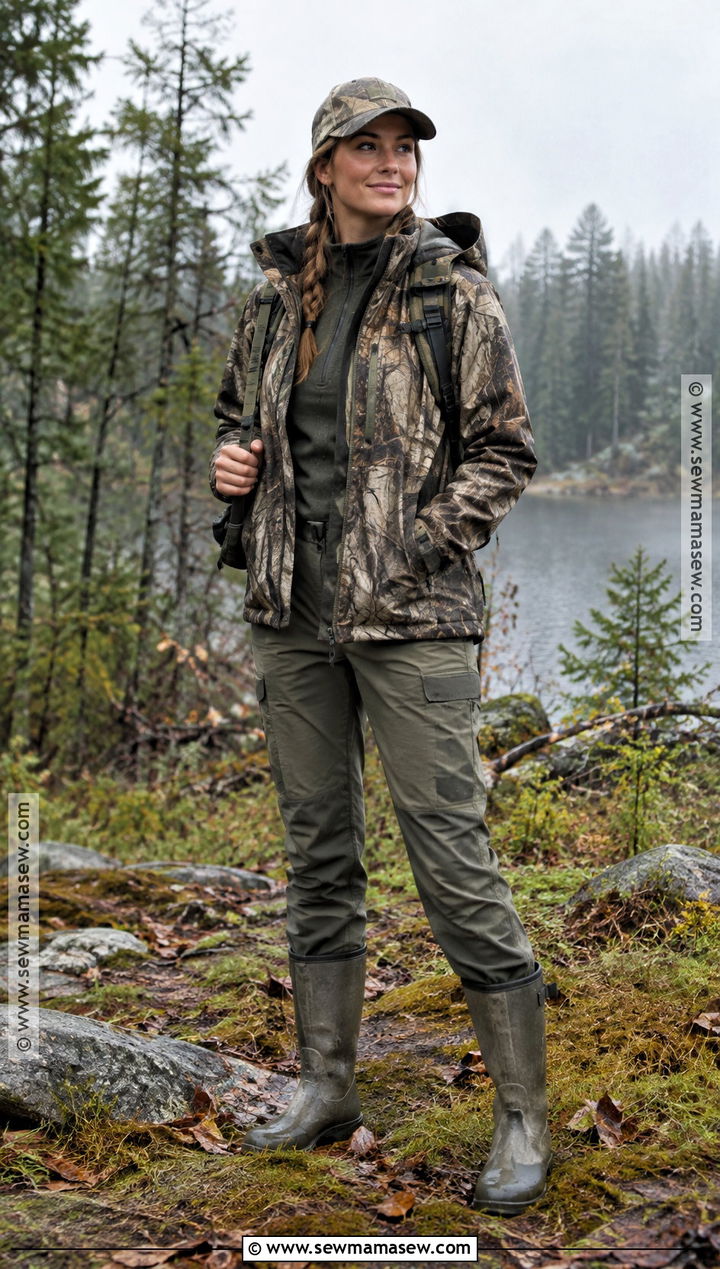
Rain is where a cheap jacket gives itself away. For wet days, the jacket needs to be fully waterproof, with sealed seams, an adjustable hood and covered zippers; a water-resistant label isn't the same thing. Under it, a light synthetic or merino base layer moves sweat off your skin. Waterproof pants or bibs, rubber field boots, quick-drying socks and a brimmed cap under the hood finish it. Go with muted camo for concealment, or an approved high-visibility color where required. Keep the cut close so it doesn't snag in brush. Even good waterproof shells trap heat as you walk, so pit zips, breathable panels and a two-way front zip matter more than they seem to on the hanger. Some hard shells are noisy too, which you can test by swinging your arms.
3. Insulated Hunting Jacket Outfit
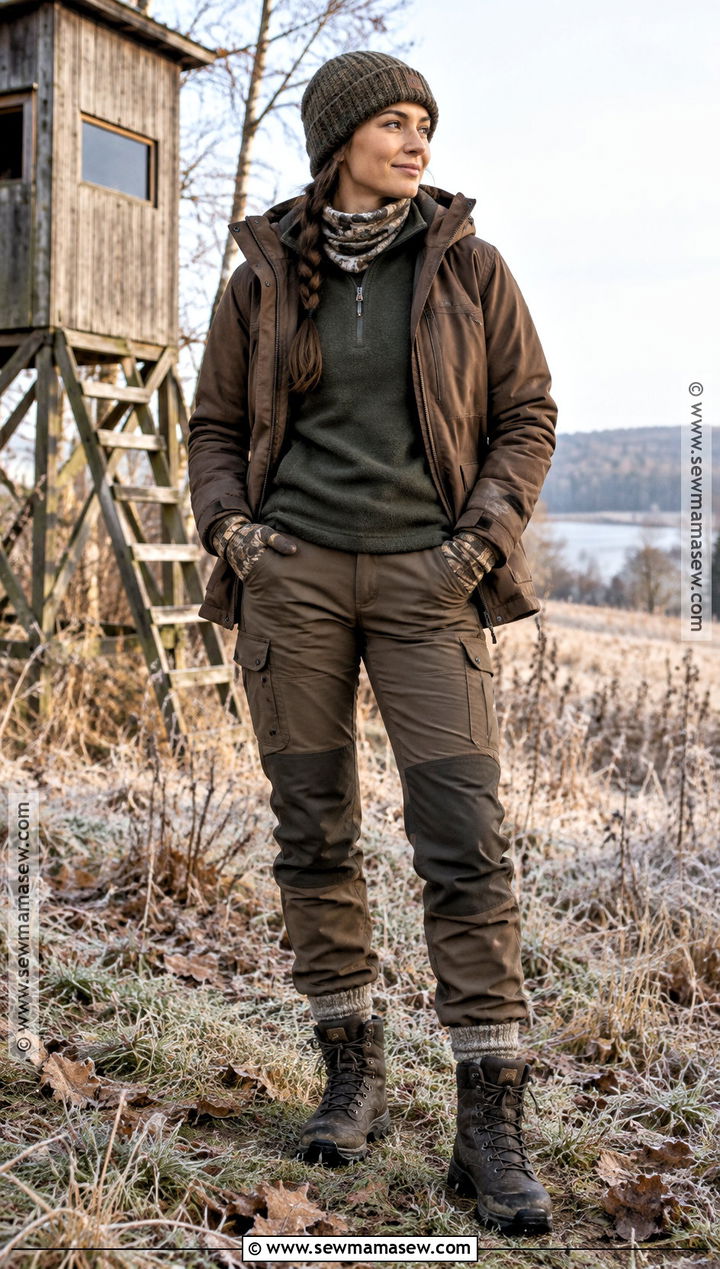
Long, cold sits in a blind or stand are where an insulated jacket earns its weight. I'd look for synthetic insulation, a wind-blocking outer and a brushed, quiet face fabric. I prefer synthetic fill for sitting hunts because it keeps much of its warmth when damp, which down doesn't. Layer it over a fitted thermal top and a midweight fleece instead of relying on one enormous coat. Insulated bibs or lined pants protect the legs, wool socks and waterproof boots protect the feet, and a warm hat, neck gaiter and touchscreen-compatible gloves cover the rest. It should feel roomy without looking oversized. I always test this kind of coat the same way: raise your arms, sit down and reach every pocket. A longer hem keeps cold air off your lower back while you sit.
4. Blaze Orange Hunting Jacket Outfit
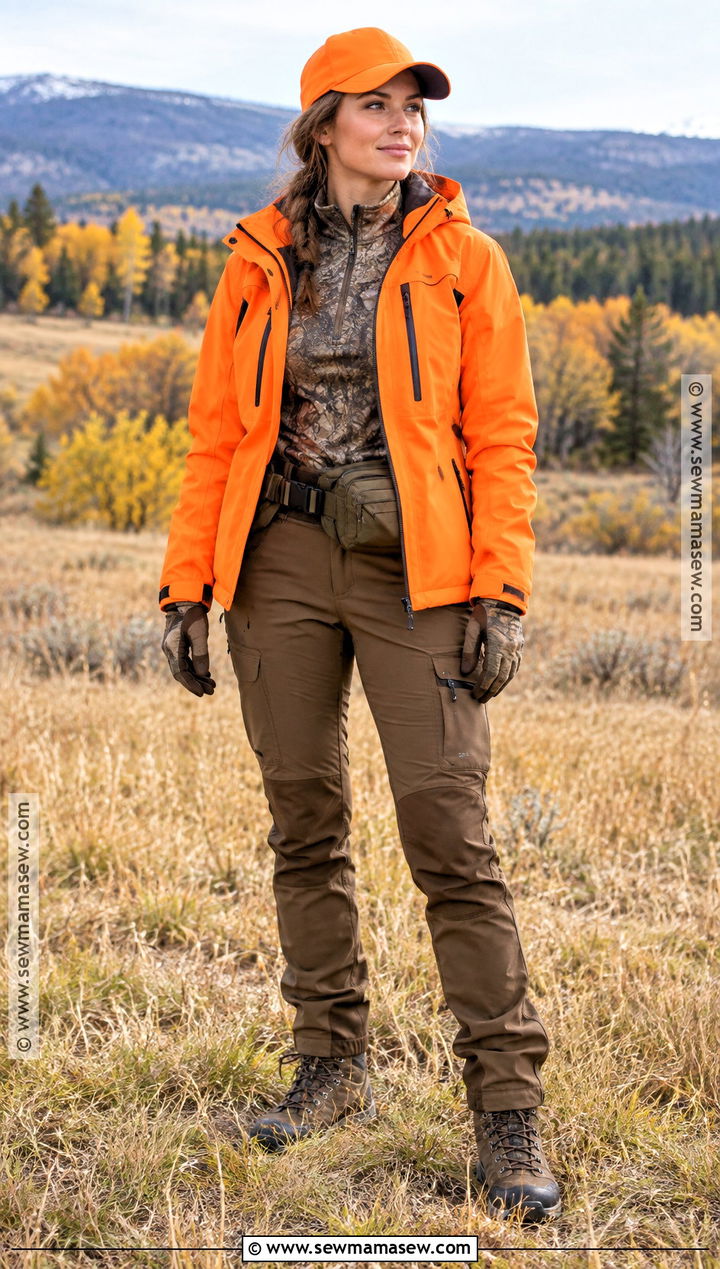
A blaze orange jacket takes care of visibility, so the rest of the outfit can stay simple. Wear it with a moisture-wicking long-sleeve top, rugged brown or camo pants and waterproof boots with good ankle support. Add a blaze cap if local rules require head coverage. Orange requirements differ by state, season, species and hunting method, so check the current regulations for the exact place you're hunting before every trip. Size the jacket to fit over your insulating layers, because orange only helps if it covers enough of you from every side. Quiet fabric, secure cargo pockets and a storm flap over the zipper are the details I'd look for. Neutral gloves and a belt bag finish it without hiding the orange.
5. Upland Hunting Jacket Outfit
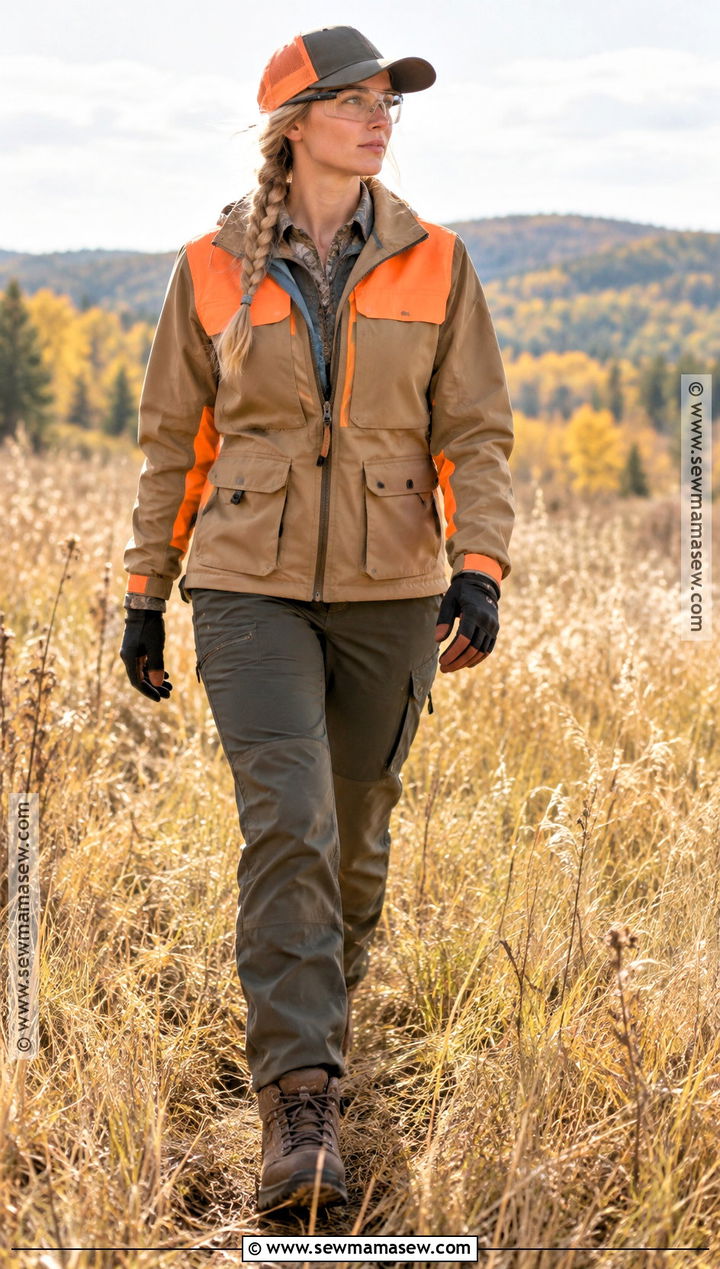
Upland hunts mean walking through grass and thick cover all day, so the jacket has to be tough, light and visible at once. Start with a tan, olive or brown field jacket with blaze orange panels and reinforcement across the shoulders and arms, where brush hits hardest. Thorn-resistant brush pants, a breathable performance shirt and supportive leather boots go with it, plus a blaze cap, protective glasses and light shooting gloves. Breathable weather protection, abrasion resistance, freedom of movement and visible orange are the four things I'd weigh. Choose shell pockets you can reach easily and a game pouch that wipes clean if you'll use one. Keep the whole outfit light enough to walk in all day, because a heavy jacket ends up carried rather than worn.
6. Quiet Fleece Hunting Jacket Outfit
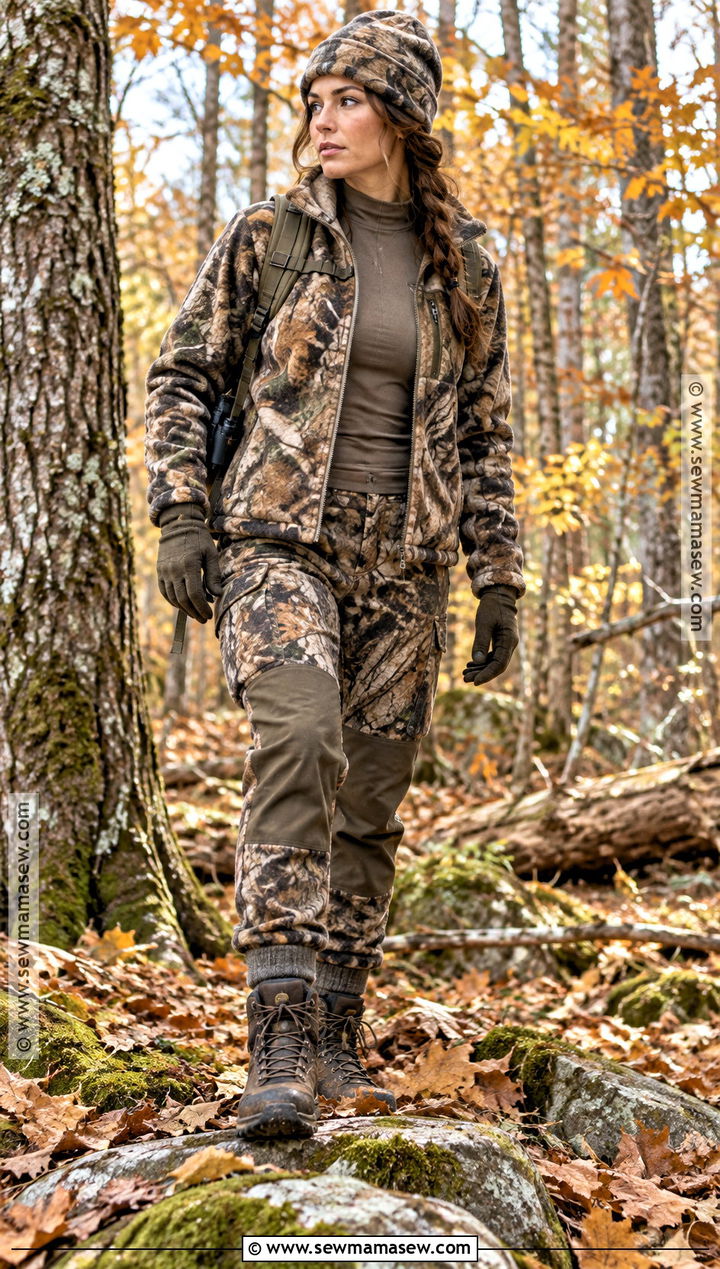
For close-range woodland hunts, noise matters as much as warmth. A quiet fleece jacket goes with a fitted thermal base and soft brushed pants in a matching camo. Add flexible waterproof boots, wool socks, a fleece beanie and thin gloves that keep your fingers nimble. Remove loose straps, exposed metal hardware and stiff accessories that catch on branches or click. The fleece should fit close but comfortably, with a high collar and zippered pockets you can open slowly. Wind goes straight through fleece, so on colder days wear a thin wind-resistant layer underneath rather than a crinkly shell on top. Fleece also collects burrs and seeds, so a tight, smooth face beats a shaggy one.
7. Packable Hunting Jacket Outfit
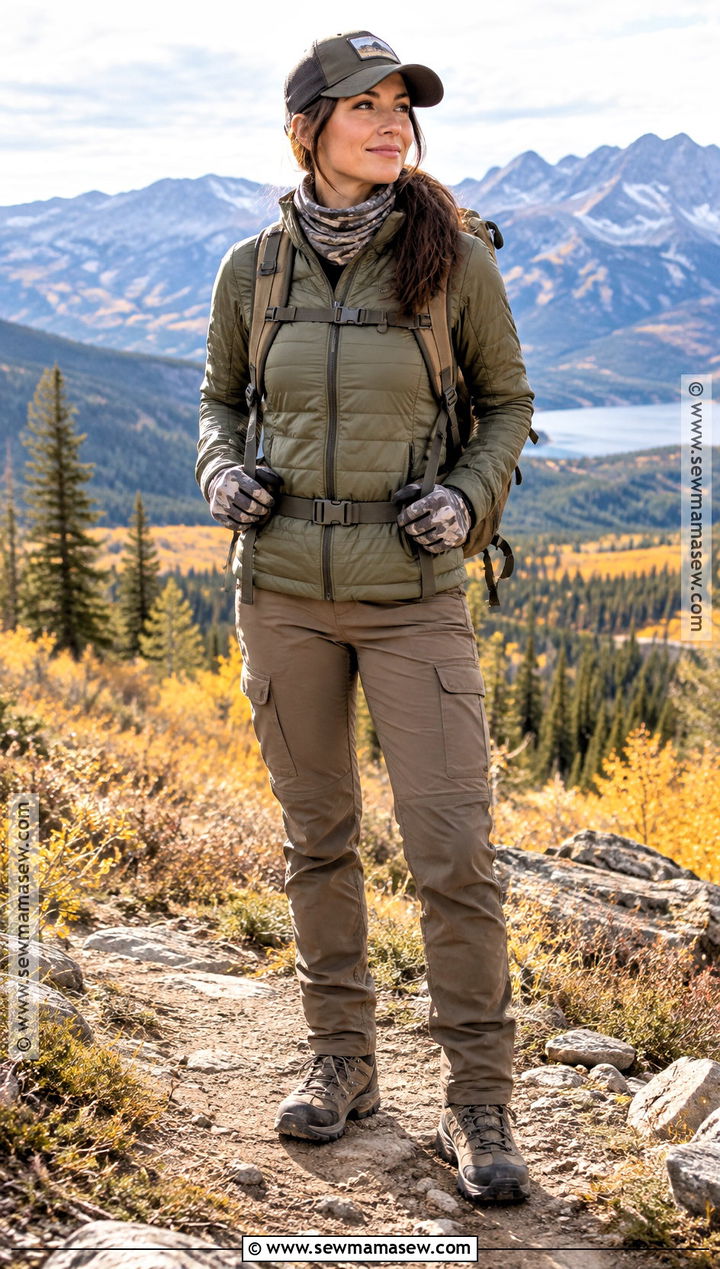
Climbs and changing afternoon temperatures make a packable jacket worth carrying. Choose a light insulated or wind-resistant jacket that stuffs into its own pocket or a small sack. Wear it with a breathable base layer, technical pants, trail boots and a compact daypack, plus a cap, neck gaiter and light gloves. In my experience the routine matters more than the jacket. Take it off before you start sweating on a steep climb, then put it back on the moment you stop to glass or the wind picks up, since sweat-damp layers chill you fast once you're still. Solid neutrals cross over to other outdoor use, while camo is field-specific. Check how it sits under backpack straps, because insulation crushed under a hip belt does very little.
8. Waxed Canvas Hunting Jacket Outfit
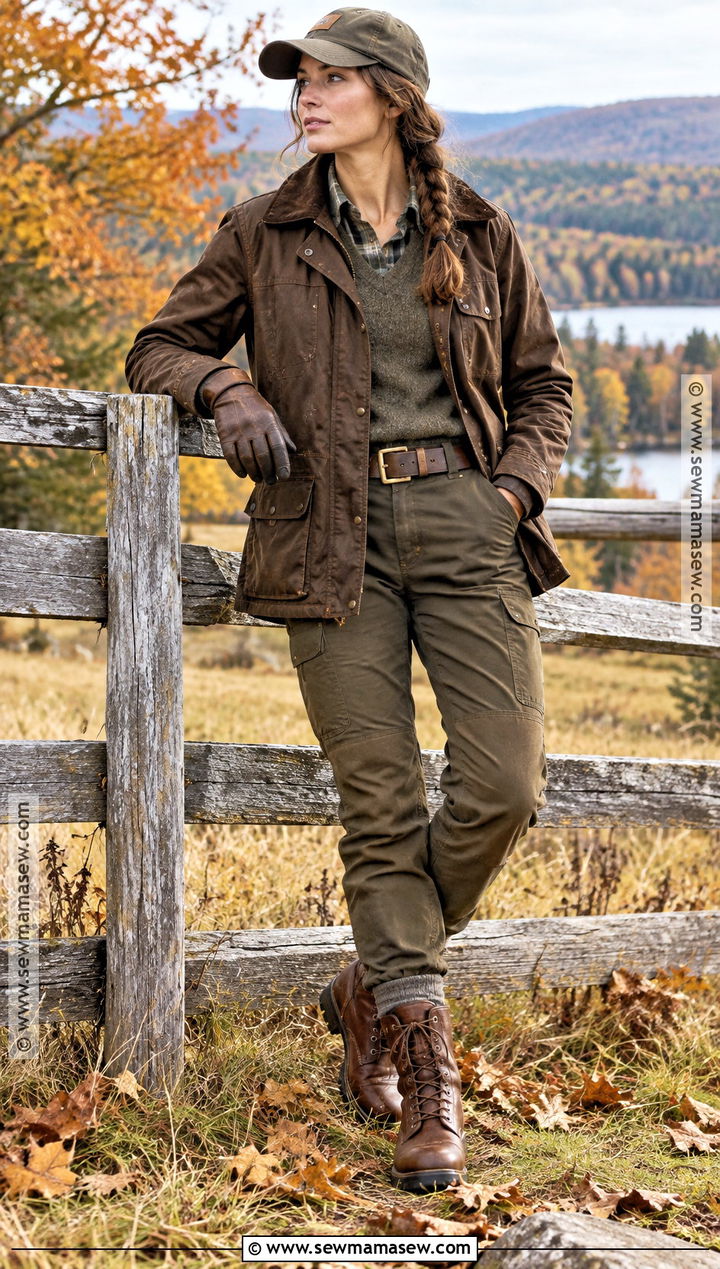
Waxed canvas has a traditional field look and shrugs off brush better than most modern fabrics. Choose brown, tan or dark olive and layer it over a flannel shirt or light wool sweater, with heavy cotton field pants, leather lace-up boots, thick socks and a structured cap. A canvas belt and leather gloves suit its rugged finish. The wax resists wind, thorns and light rain, but it doesn't breathe well, so it's better for cool, moderately active days than steep climbs. New waxed canvas feels stiff at the shoulders and softens with wear, so check that you can reach forward comfortably before buying. Where visibility rules apply, put a legal blaze orange vest and cap over it, since earth tones alone won't count.
9. Lightweight Hunting Jacket Outfit
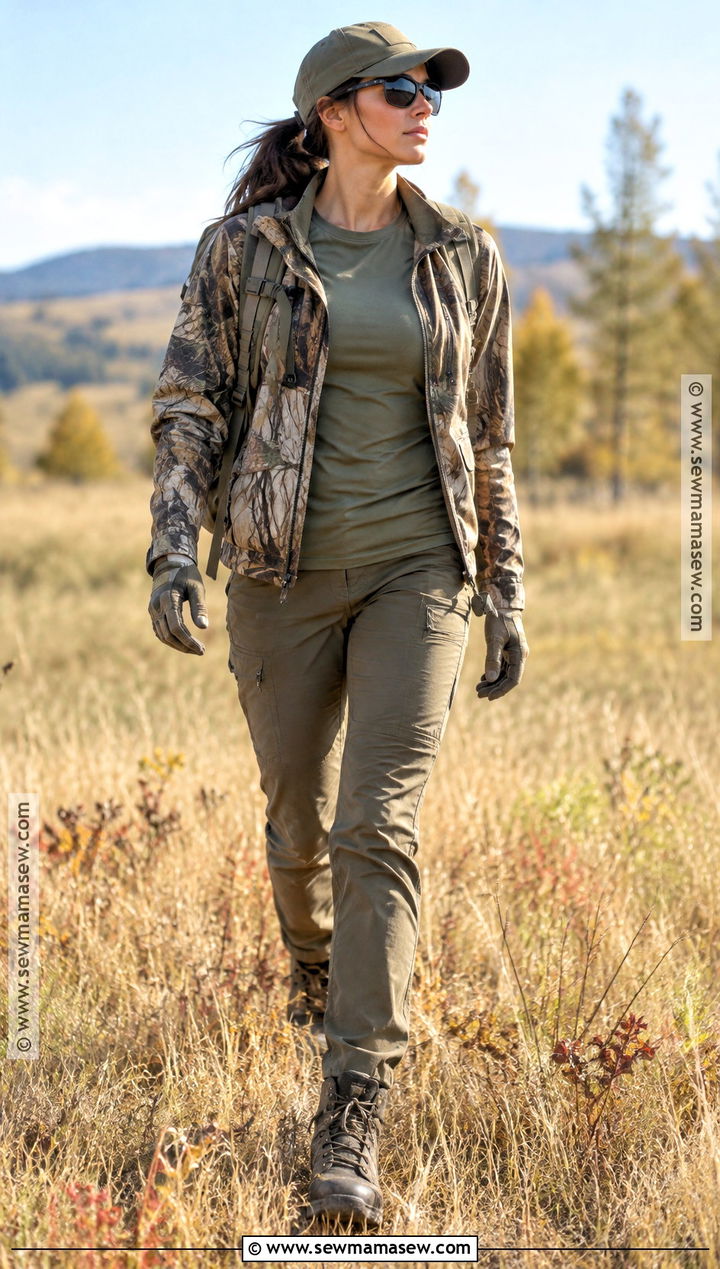
Warm early-season afternoons call for a jacket that protects from brush and sun without trapping heat. Look for a thin, breathable jacket with stretch panels, mesh-lined pockets and adjustable cuffs, over a short- or long-sleeve wicking shirt depending on the day. Light hunting pants, breathable socks and flexible hiking-style boots keep you comfortable on long walks, and a cap, sunglasses and thin utility gloves cover the rest. It should fold easily into a pack once it warms up. I'd skip cotton base layers here. Cotton stays damp after hard walking and turns cold once the sun drops. A slightly relaxed fit lets air move and leaves room for a thin fleece in the evening.
10. Windproof Hunting Jacket Outfit
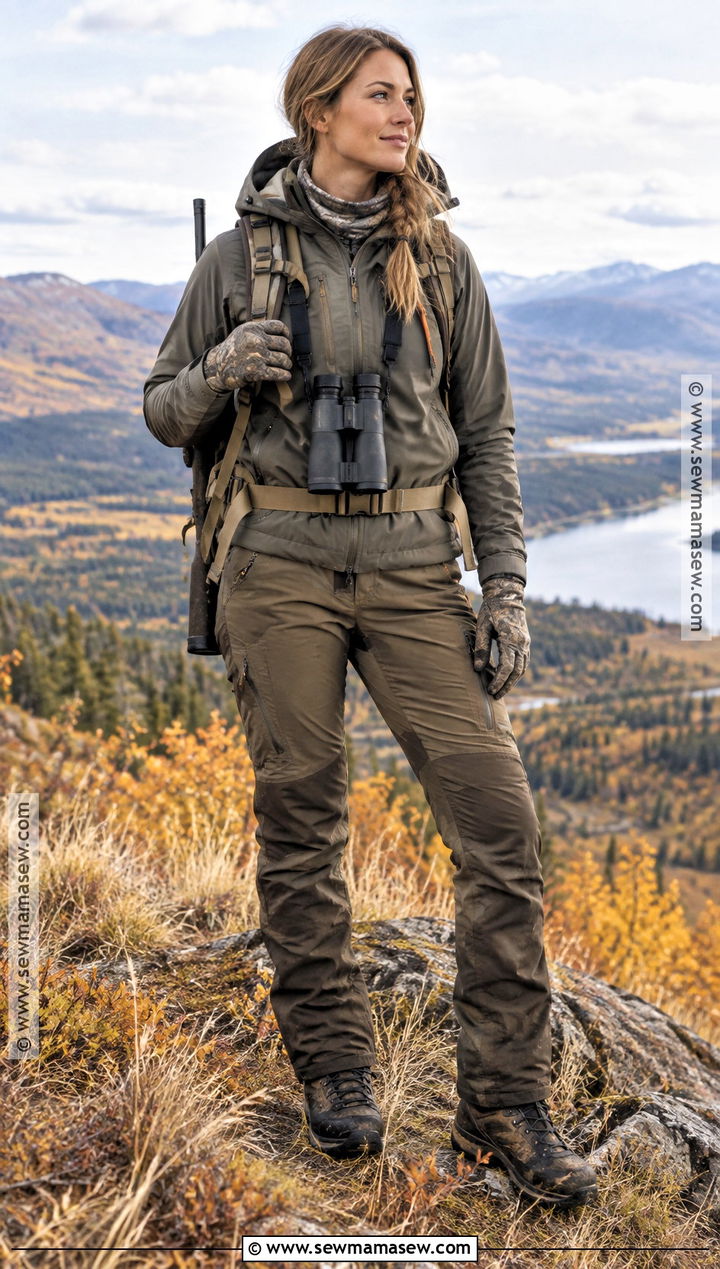
Open fields, ridges and exposed stands feel much colder once the wind gets going, often colder than the thermometer suggests. Build around a windproof jacket with a close hood, adjustable hem and soft lining. Underneath goes a moisture-managing base and a low-bulk fleece; below, wind-resistant pants, insulated socks, waterproof boots and fitted gloves. A neck gaiter seals the gap at the collar. The jacket should cover your waistband when you bend or sit, because a short one lets wind straight up your back. Windproof fabric holds heat during climbs, so open the vents or pit zips before you start working hard and close them again before you stop somewhere exposed.
11. Three-In-One Hunting Jacket Outfit
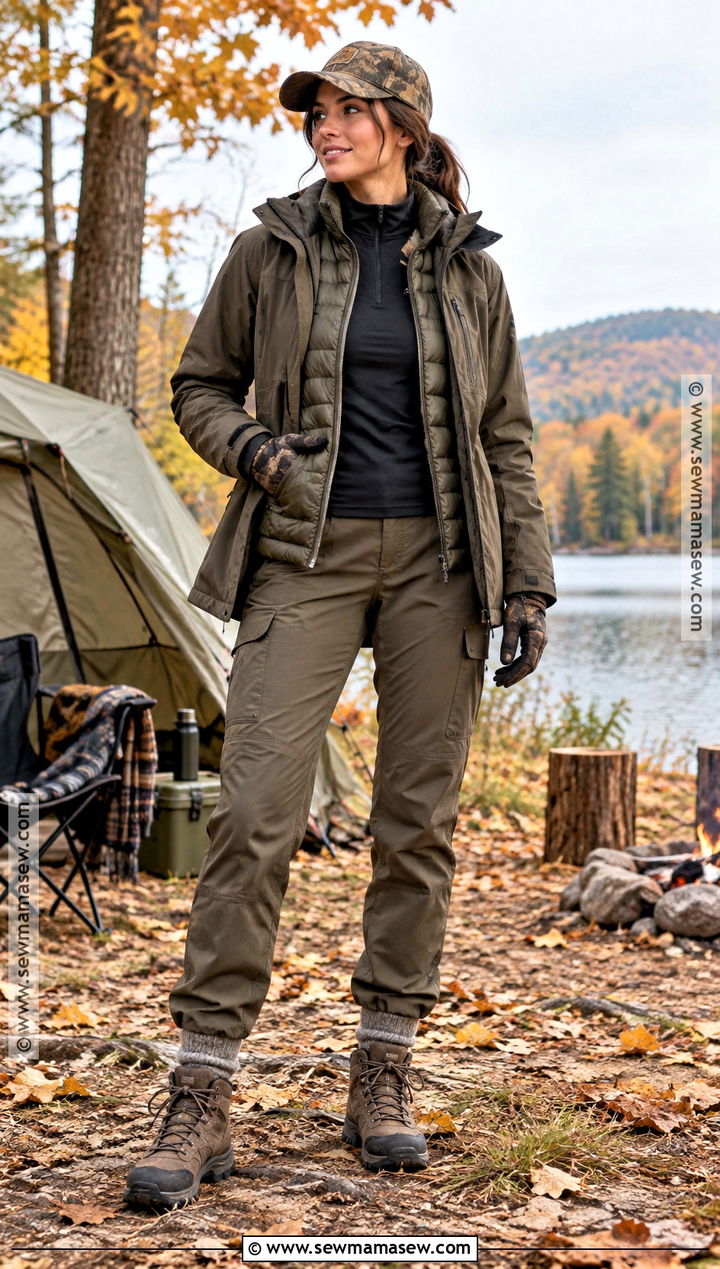
A three-in-one jacket gives you a shell and an insulated liner that zip together or wear separately, which suits days that change from morning to afternoon. Add a breathable thermal top, straight-cut hunting pants, waterproof boots and wool-blend socks, with a cap and midweight gloves. Wear the shell alone when it's wet but mild, the liner alone as a light warm layer, and both together on cold hunts. I'd try the connecting zips and snaps with gloves on, because some are fiddly enough that you'll stop bothering. Combined, the jacket should still let your shoulders move freely and shouldn't bunch at the waist when you sit, crouch or wear a pack. The trade-off is weight: it's usually bulkier than a separate fleece and shell.
12. Camo Hunting Jacket Outfit
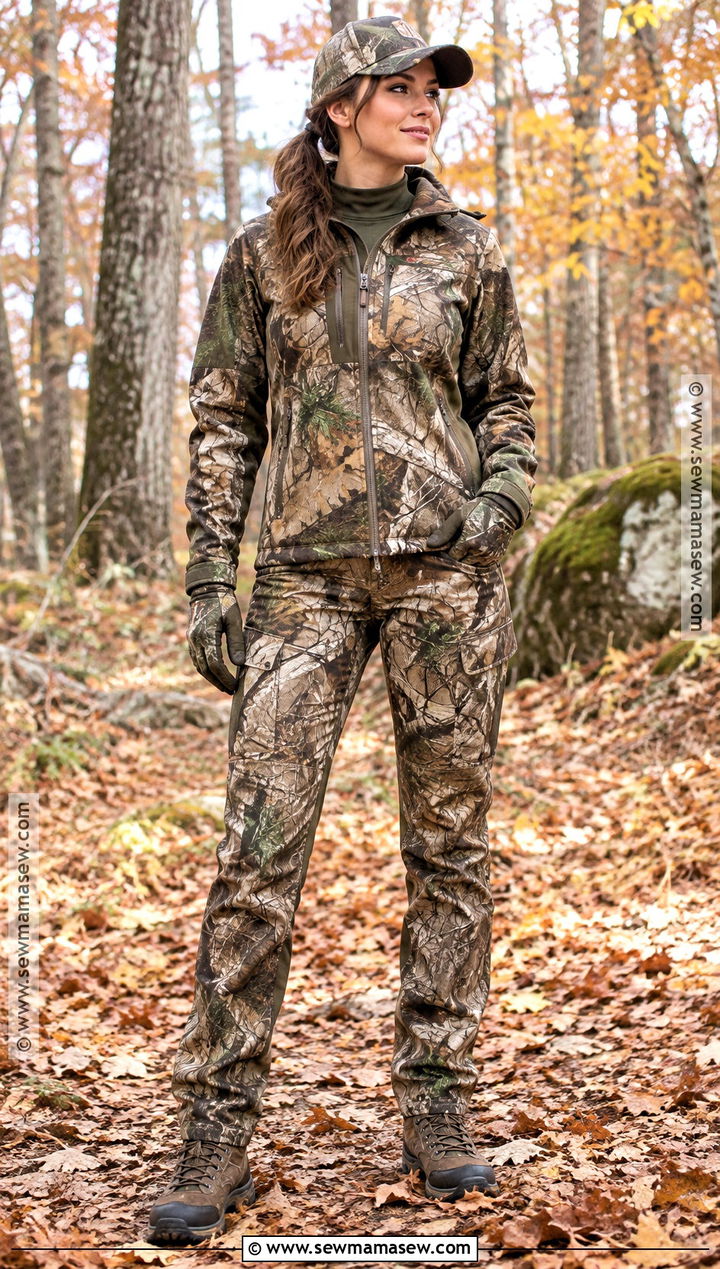
Camo only helps if the pattern matches the ground you're hunting, so I start with the terrain, not the print. Woodland branches suit timber, open-country earth tones suit fields, and marsh vegetation suits wetlands. Pair the jacket with matching or tonally compatible pants, a wicking base, quiet boots, gloves and a close cap. Mixing several unrelated camo prints makes the outfit busy without hiding you any better. Fit, weather protection and quiet fabric count for more than the pattern itself. When the season requires blaze orange or fluorescent pink, add the correct garments. Concealment never comes before visibility law or safe field practice.
13. Puffer Hunting Jacket Outfit
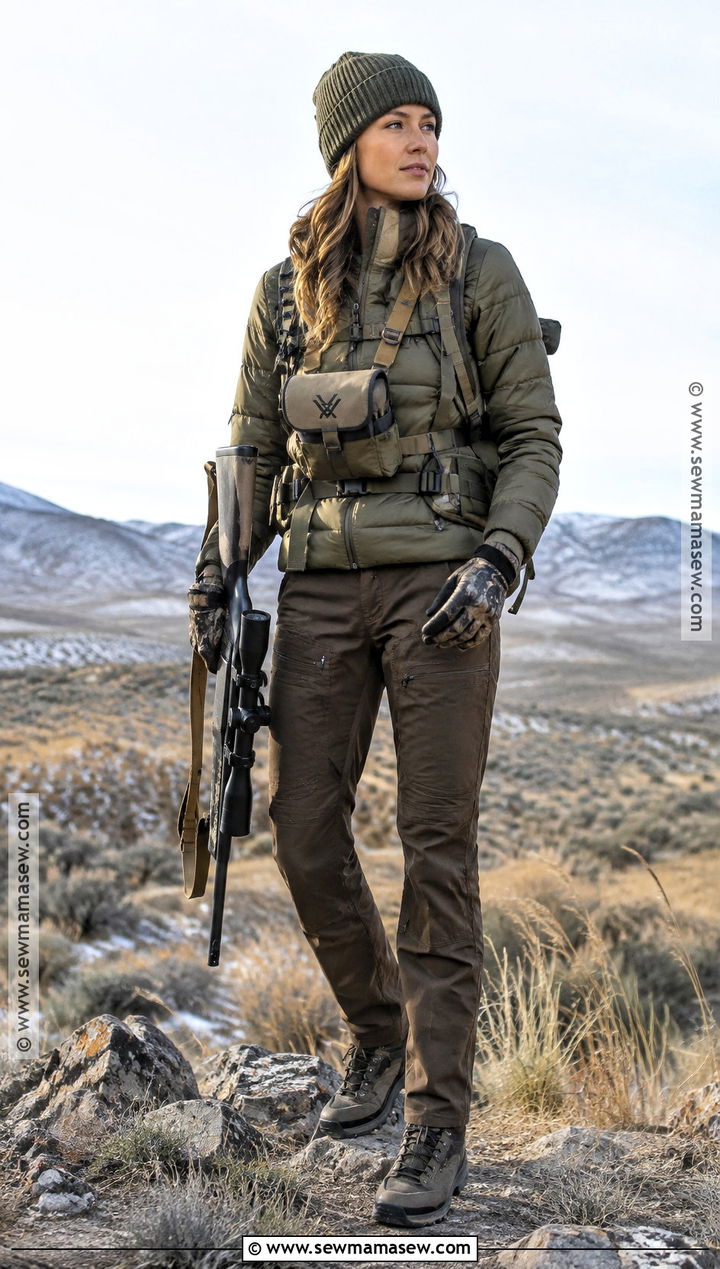
A hunting puffer gives a lot of warmth for its weight on cold glassing sessions, rest stops and dry late-fall mornings. Choose a low-profile one in olive, brown, gray or camo, ideally with a quiet matte shell rather than shiny nylon that rustles. Wear it over a merino base and under a weatherproof shell when wind or rain is likely. Insulated pants, waterproof boots, thick socks, a knit cap and warm gloves finish it. A packable puffer can ride in your pack during hard walks and come out once you slow down. Don't size it tight, because squashed insulation loses warmth and leaves no room to layer. Many puffer shells tear on thorns, and down clumps when soaked, so keep it away from brush and long rain unless the fabric is built for both.
14. Hooded Hunting Jacket Outfit
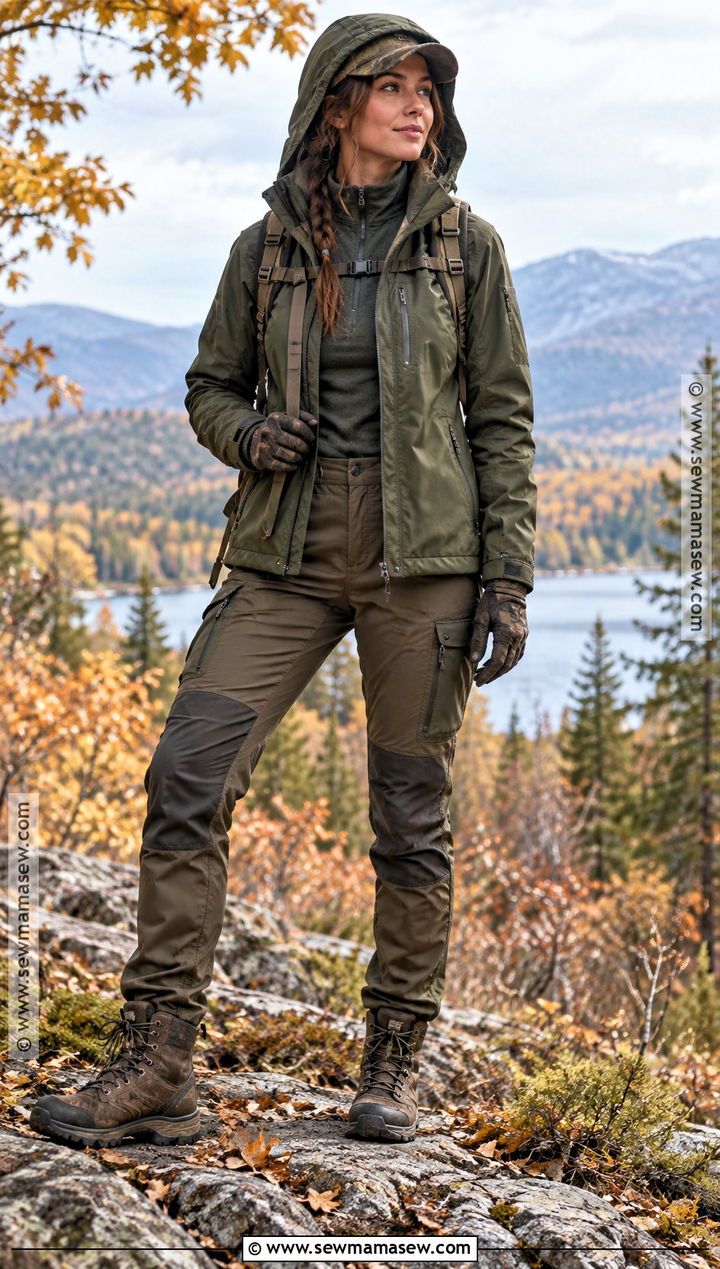
A hood earns its place when the weather keeps turning. The one to look for adjusts to move with your head and doesn't block side vision. Style the jacket with a breathable base, durable stretch pants, waterproof boots, a low-profile cap and light gloves. The cap brim under the hood keeps it off your eyes and sheds rain away from your face. Cinch the hood before you reach windy ground, but leave it loose enough to hear what's around you. A high collar, protected front zip and reachable chest pockets matter too. If you wear a pack, test the hood with the straps fastened; on some jackets the neckline pulls backward against your throat once the pack goes on.
15. Field Coat Hunting Jacket Outfit
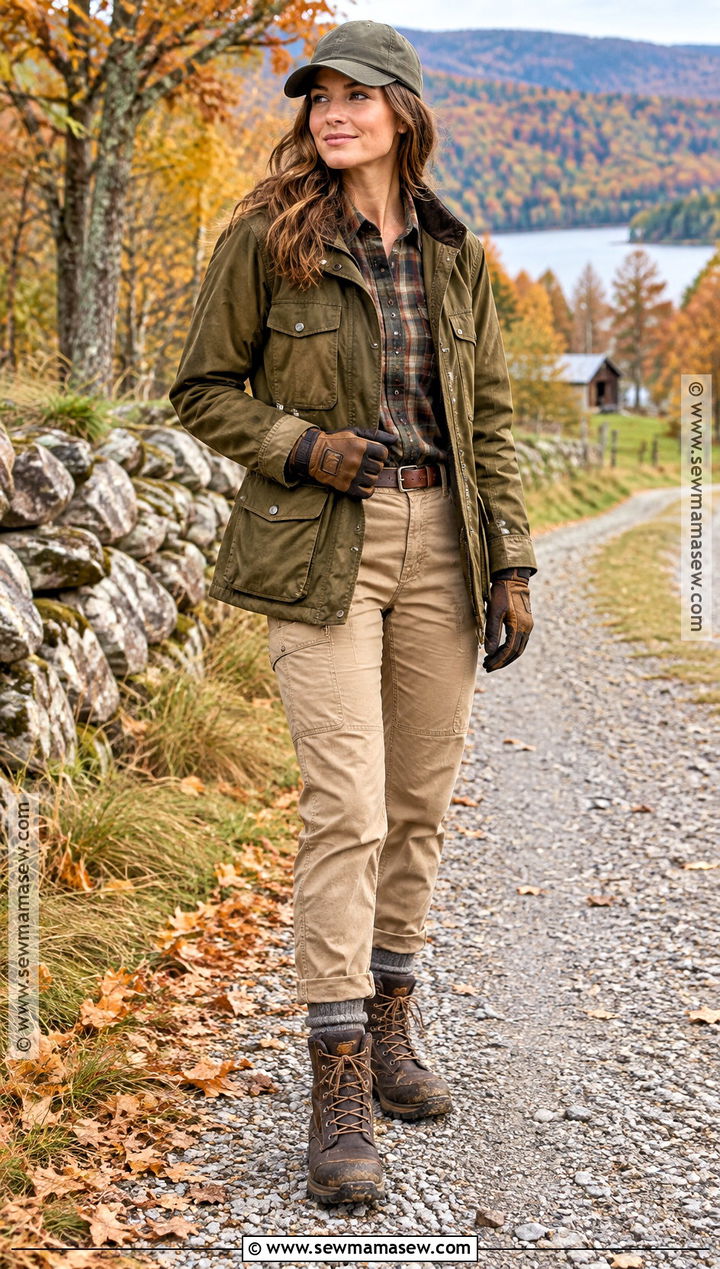
A classic field coat crosses over into everyday outdoor wear more easily than anything else here. Choose olive, brown or tan with large bellows pockets, reinforced shoulders and room for a sweater. Wear it with a plaid performance shirt, straight-leg utility pants, waterproof leather boots and a canvas cap, plus wool socks and fitted work gloves. It's best for mild, dry days, scouting trips and lighter field work. Traditional cotton coats soak up water and get heavy, so pack a waterproof shell if rain is possible. During regulated seasons, add the legally required high-visibility garments rather than assuming the coat is visible enough.
Women's Cuts Fit Differently, and It Shows in the Field
Many hunting jackets are still cut on a men's pattern, and on most women that means sleeves hanging over the hands, shoulders dropping past the bone and a hem that grips the hips when you sit. Women's-specific jackets usually have shorter sleeves and torsos, narrower shoulders and more room through the hips. Whichever you try, wear your real base and midlayer to the fitting, then reach forward, raise your arms, crouch and sit. The cuffs should still cover your wrists with your arms stretched out, and the jacket shouldn't ride up over your waistband. If you'll carry a pack, put that on too, because hip belts and chest straps change how everything sits.
Rewaxing, Reproofing and Off-Season Care
Most of these jackets lose performance because of how they're washed and stored, not because they wear out.
- Waterproof shells: wash with a technical cleaner and skip fabric softener, which clogs breathable membranes. When water stops beading on the surface, renew the repellent finish with a wash-in or spray-on treatment.
- Waxed canvas: never machine wash it. Brush off dried mud, sponge with cold water, and rewax when the fabric starts to look pale and dry.
- Puffers: wash gently and tumble dry on low with dryer balls so the fill doesn't clump.
- Fleece: pick off burrs first, then wash inside out to reduce pilling.
- Storage: hang everything clean and completely dry, and keep puffers loose rather than packed in their stuff sack all winter.
Weather, Terrain, Then the Jacket
Start with weather, terrain and how much you'll be moving. A breathable softshell suits active hunts, and an insulated jacket suits long sits. Waterproof shells handle rain, windproof layers handle exposed ground, and tougher upland jackets survive thick cover. Whichever you choose, leave room for a wicking base and a warm midlayer, and finish with the right pants, boots, gloves and headwear. Fit and freedom of movement matter as much as warmth does. And check the current local regulations before every trip, especially the rules on blaze orange or fluorescent pink.
Related posts: