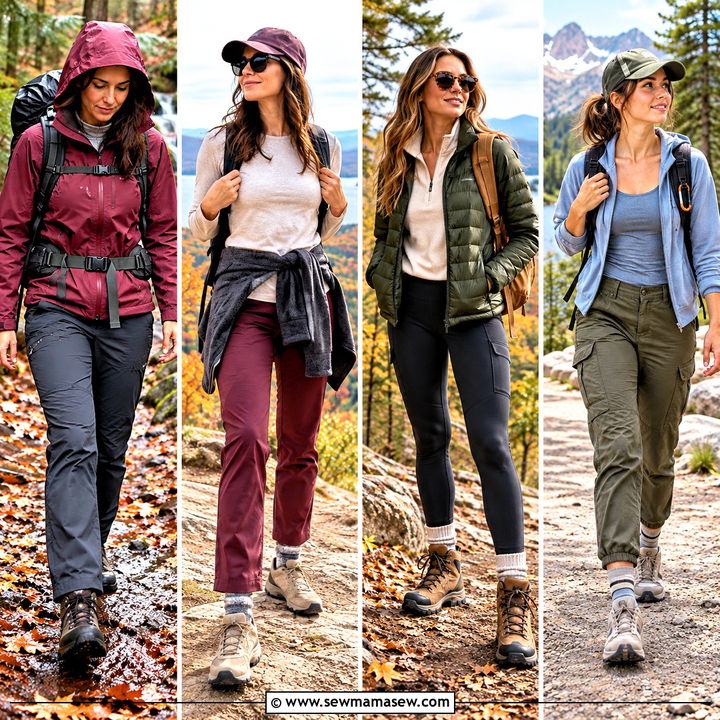
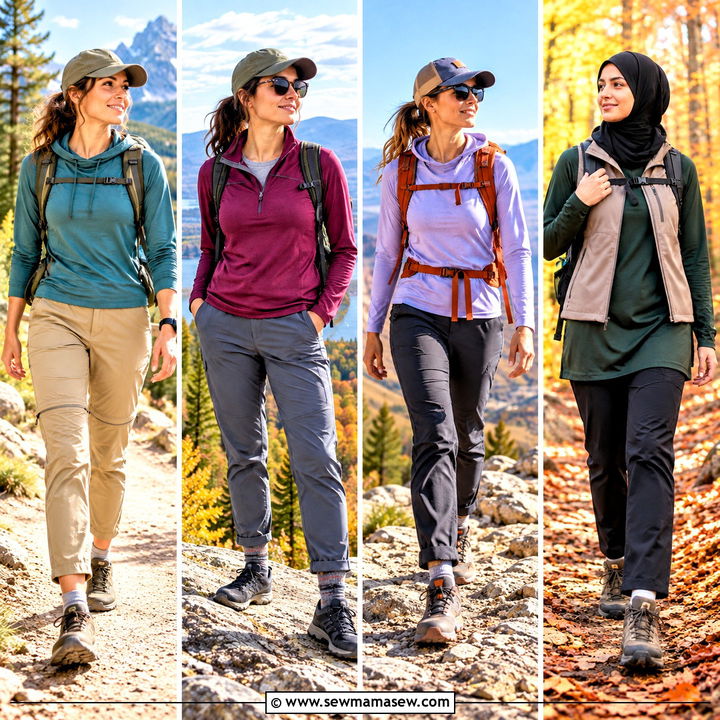
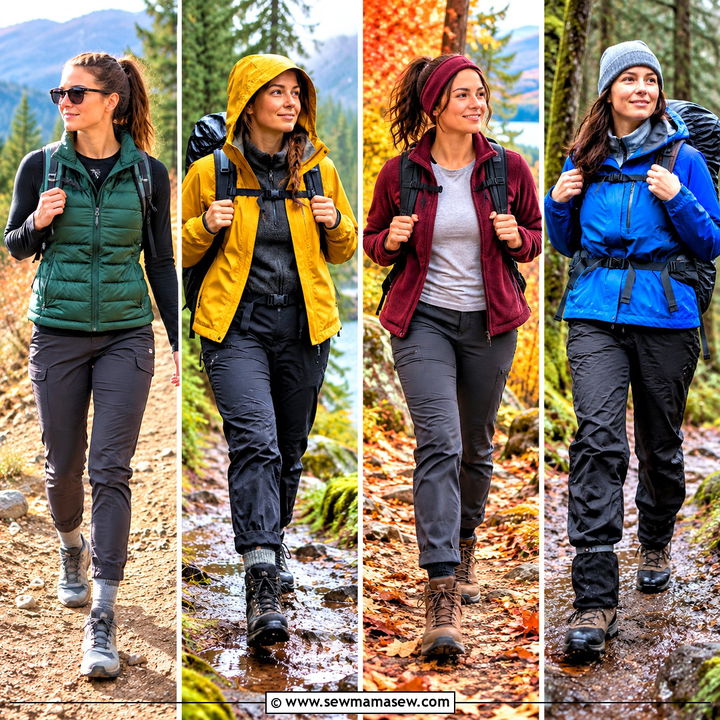
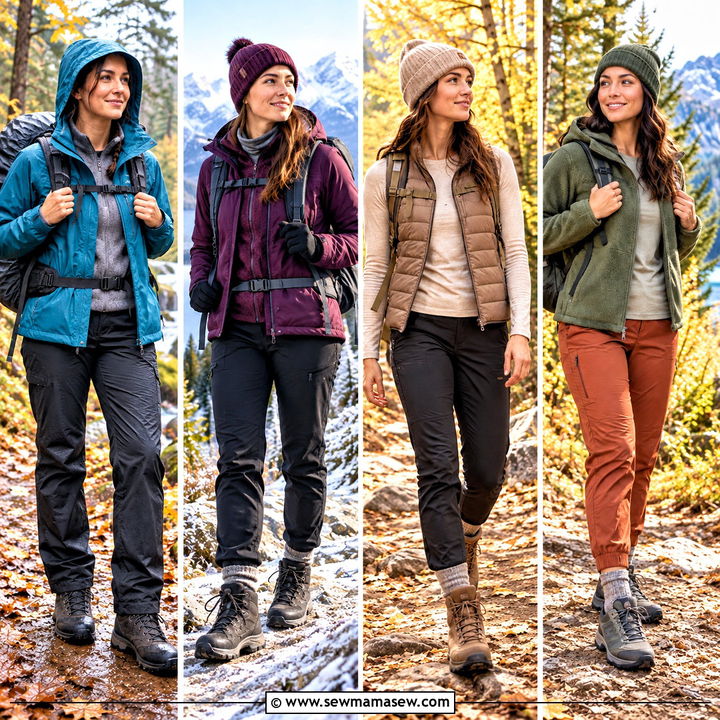
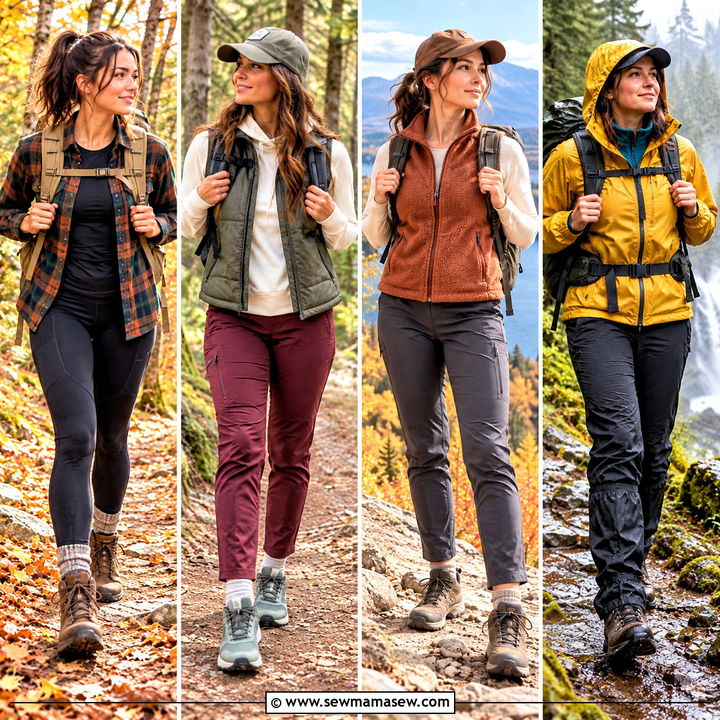
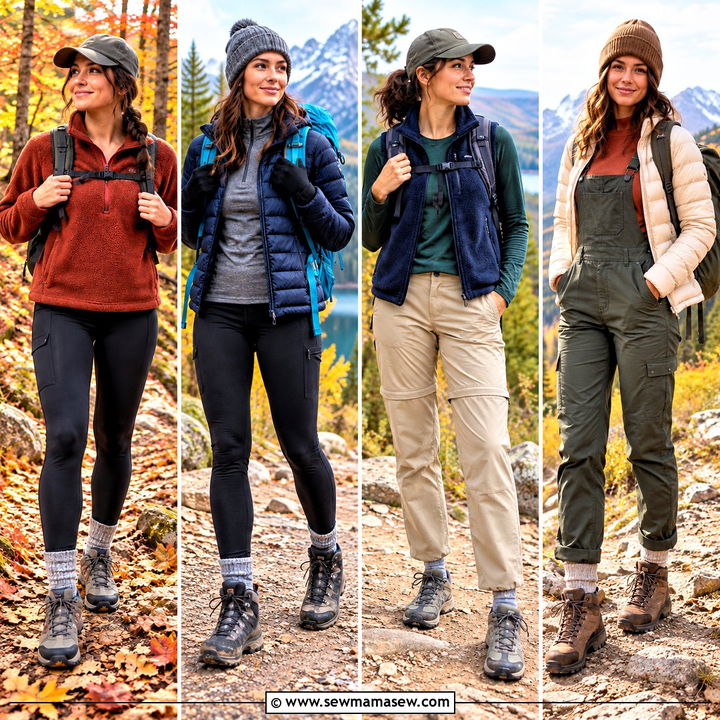
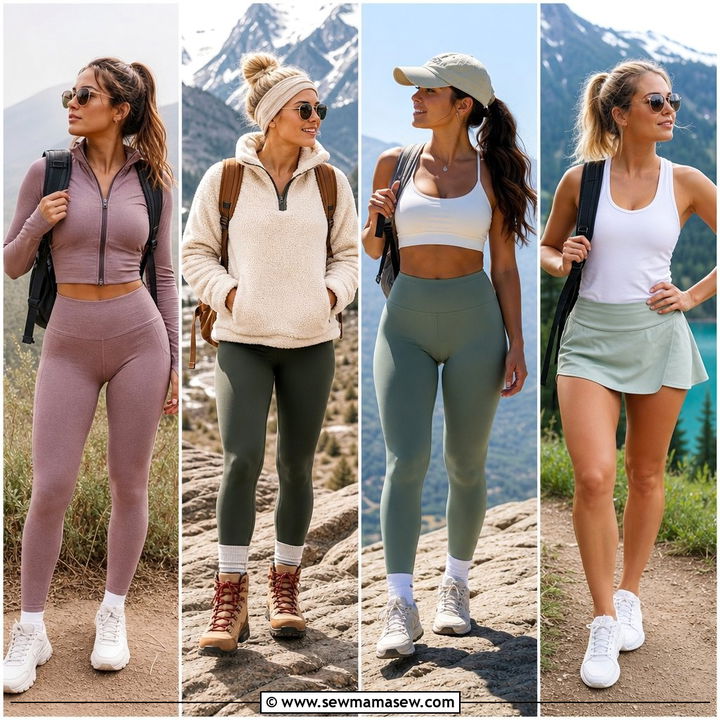
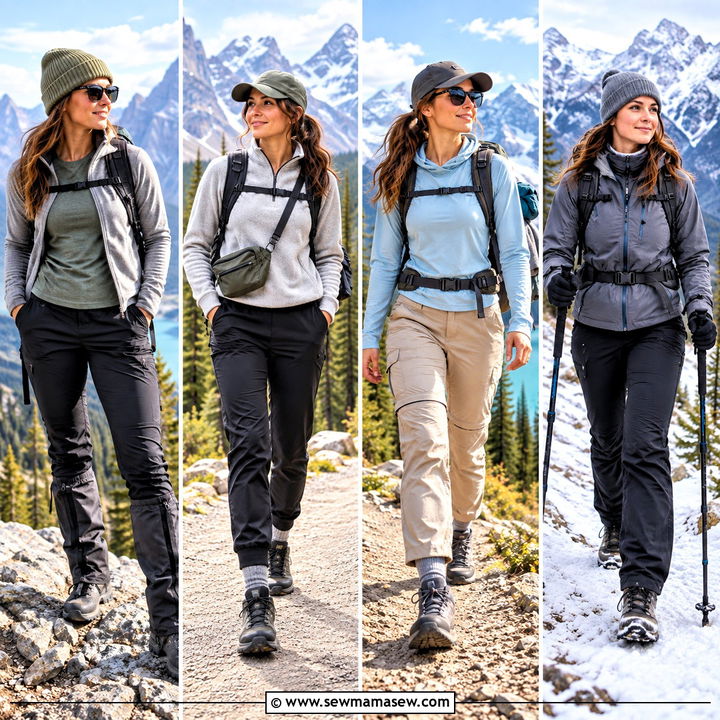
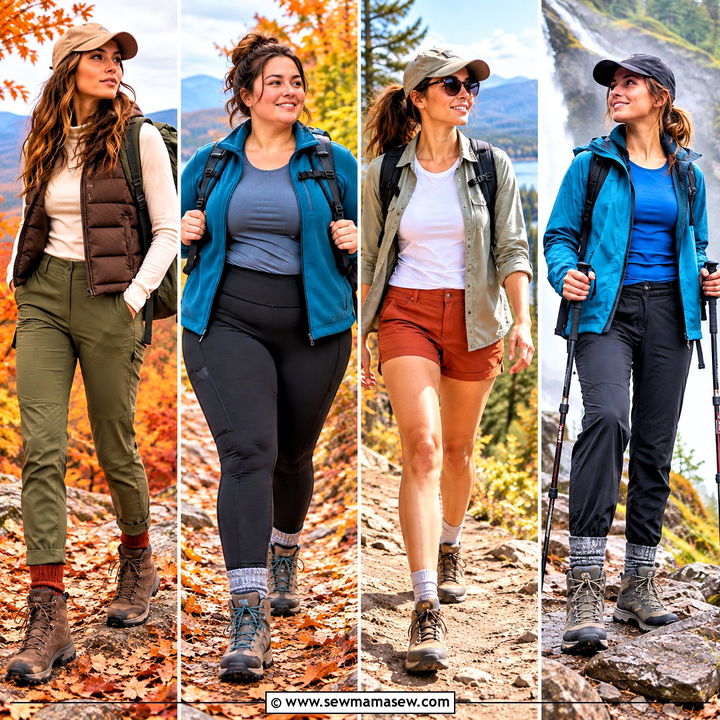
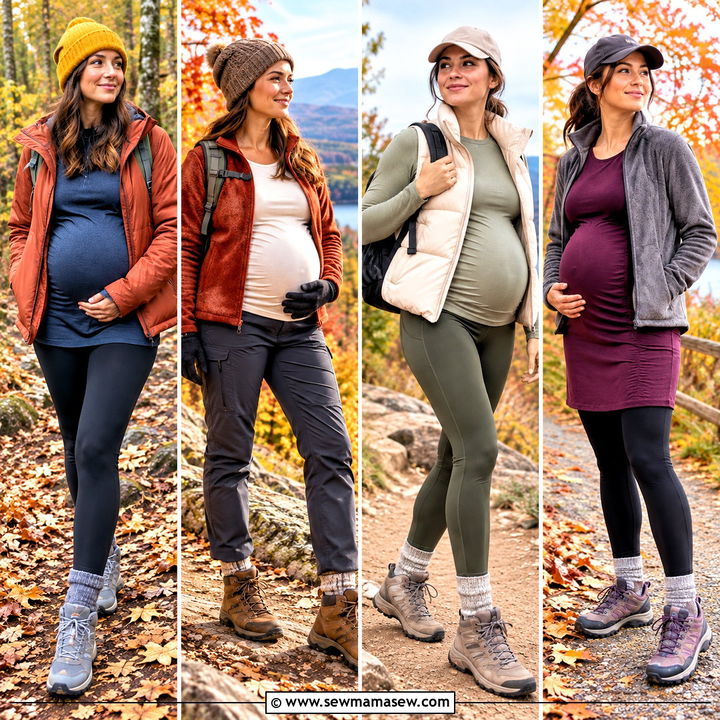
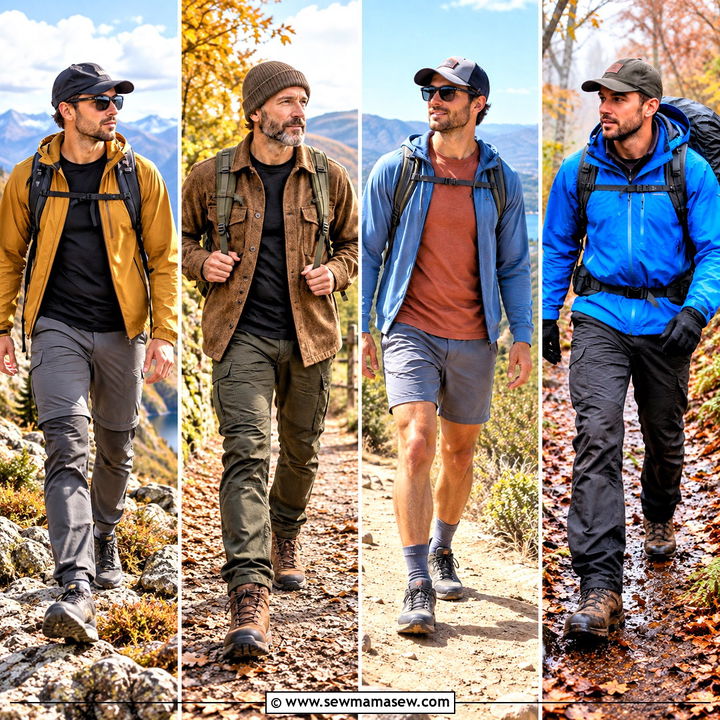
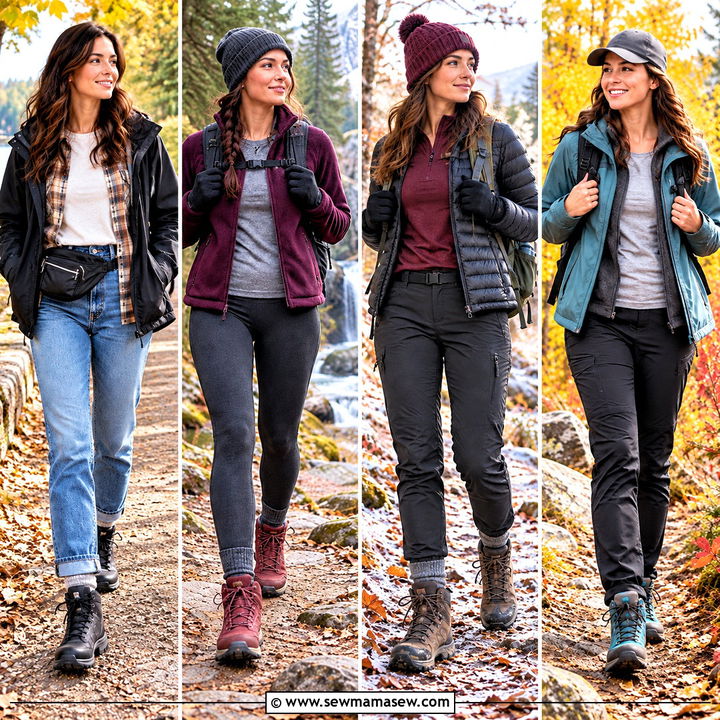
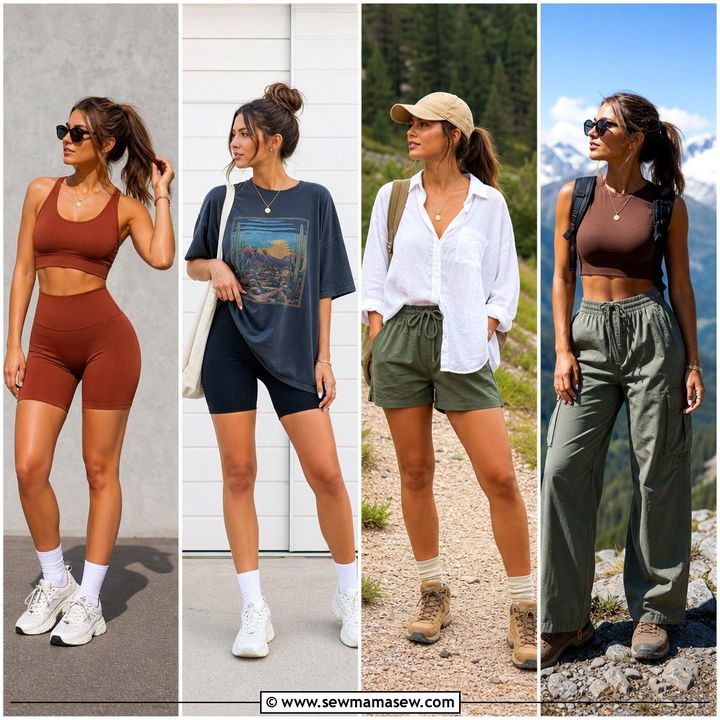
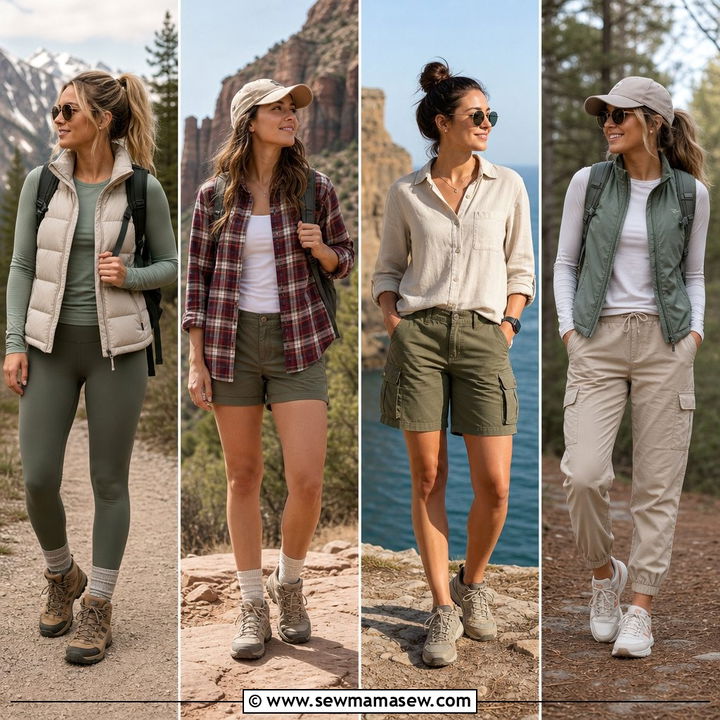
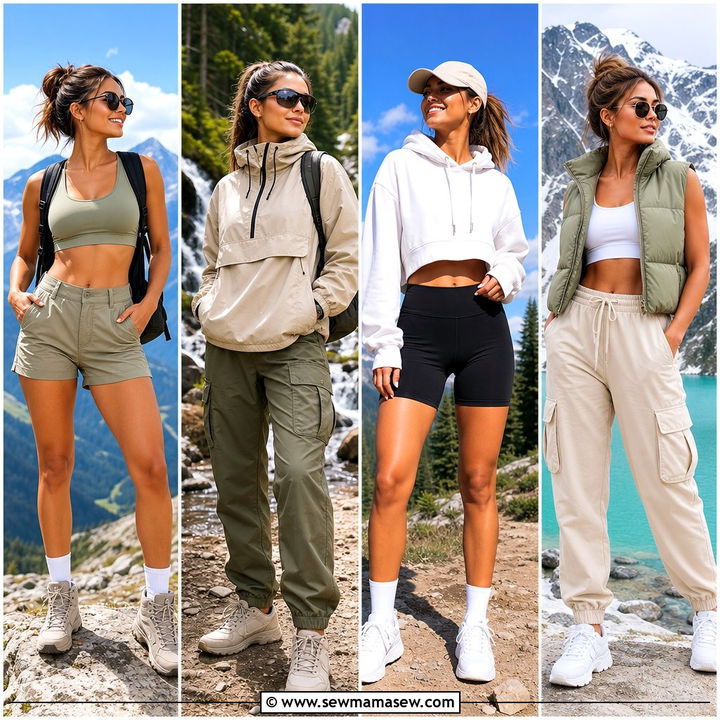
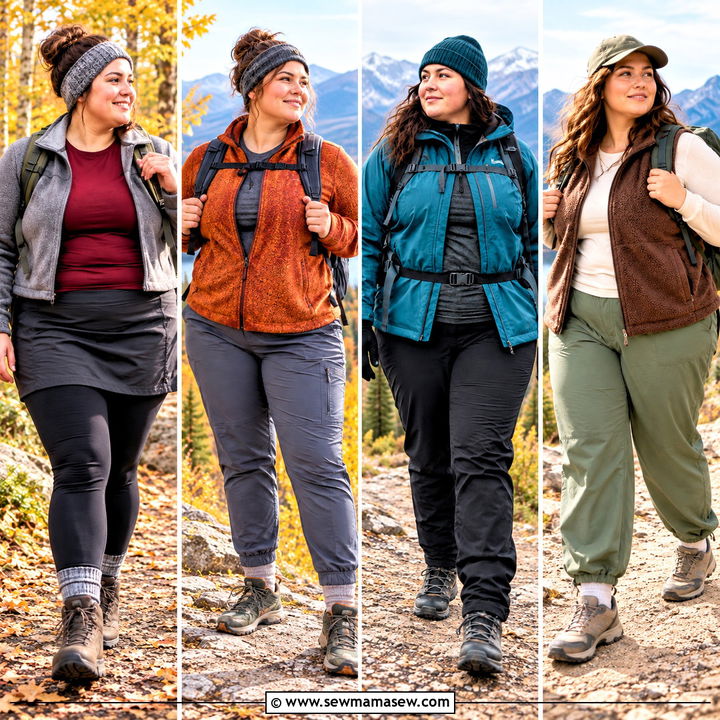
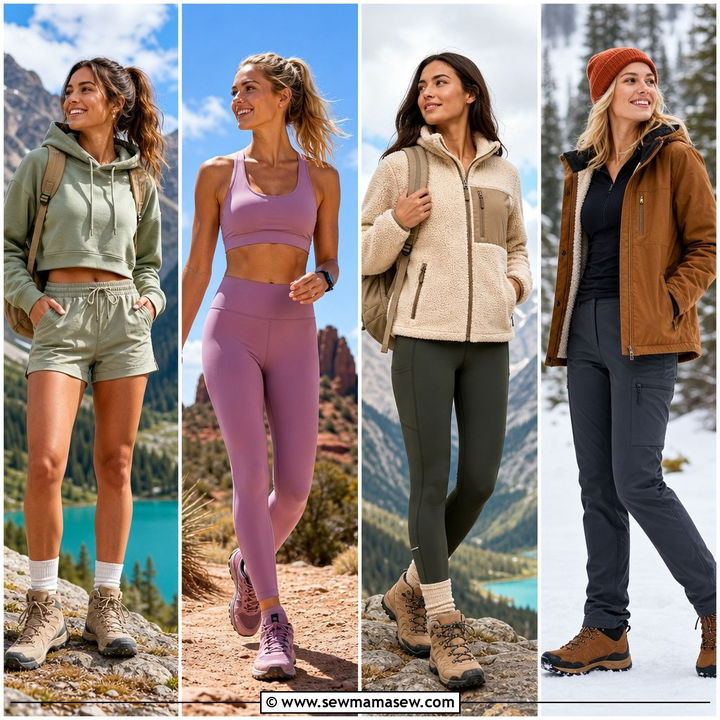
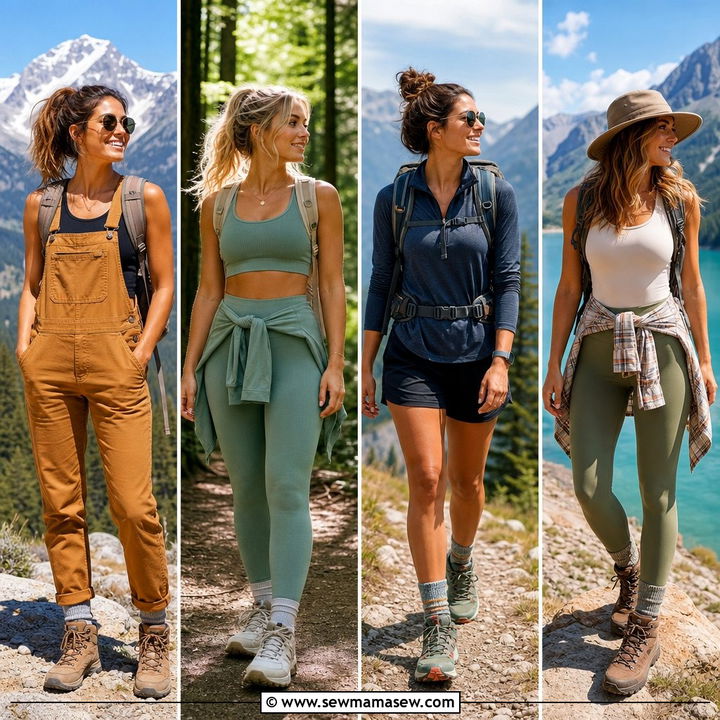
Fall is the best hiking season I know, and the hardest one to dress for. You leave the car in cold, damp air, warm up within twenty minutes of climbing, then cool fast at a windy overlook. The answer is separate layers rather than one warm piece: something next to the skin that moves sweat, something that insulates, and something that stops wind and rain, each one easy to add or remove. The outfits below keep that logic while still looking good in photos, with lighter looks for sunny afternoons, insulated ones for frosty mornings and rain-ready options for wet paths. I've noted where each one stops being sensible, so you can match the look to your route, the forecast and how hard you plan to work.
Start the Hike a Little Cold
Experienced hikers have a saying: start cold. If you feel comfortable standing at the trailhead, you'll be sweating ten minutes into the first climb, and sweat is the real enemy in fall, because a damp shirt turns icy the moment you stop at a viewpoint. So I dress people to feel slightly chilly in the parking lot and let the climb warm them up.
In practice, that means:
- Take the fleece or puffer off before you set out on an uphill start, and put it straight back on at the top.
- Choose zips over pullovers. A half-zip or full-zip lets you vent while walking.
- Keep cotton for easy, dry strolls. Merino and synthetics move sweat away; cotton holds it.
- Pack the warm layer where you can reach it without unpacking everything, because rest stops are short.
1. Black Leggings And Flannel Hiking Outfit
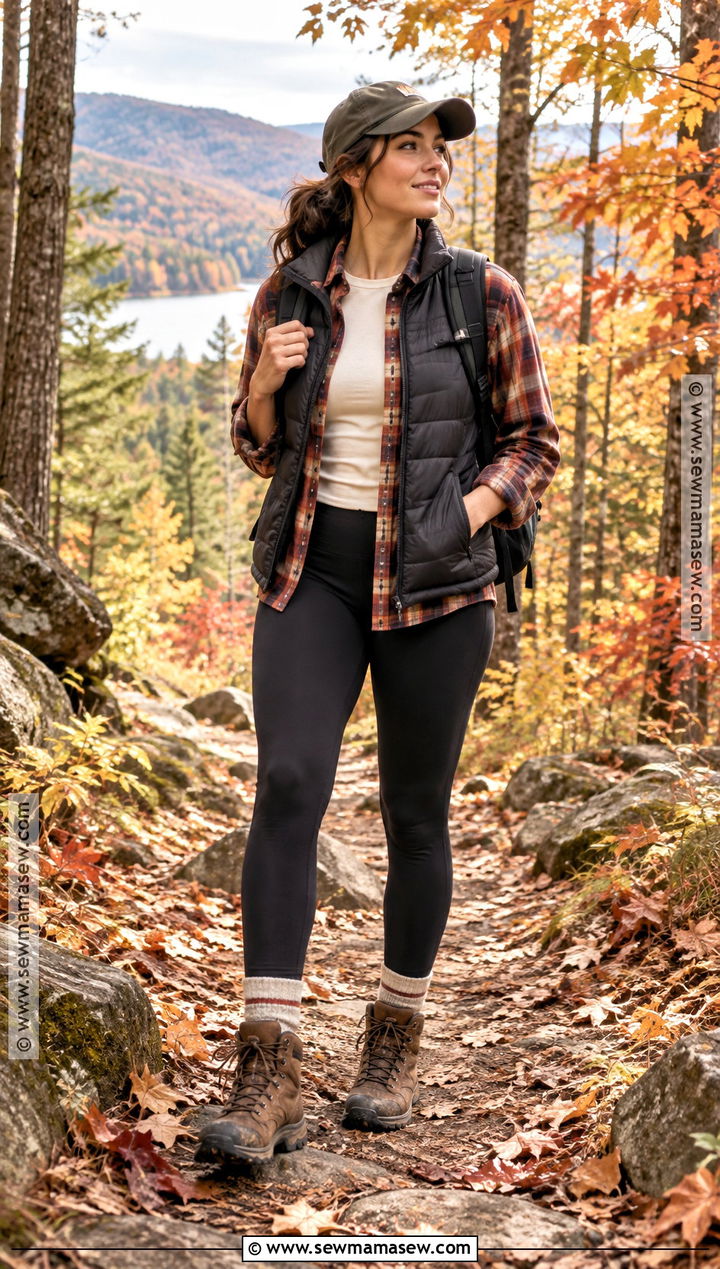
Black performance leggings are the easiest base I know for a relaxed woodland hike, as long as they're a moisture-wicking pair with side pockets and enough stretch for high steps and uneven ground. Over a breathable long-sleeve top in black, cream or rust, I wear a plaid flannel open as the outer layer, and add a quilted vest on a chilly start because it keeps the core warm without pinning the arms. When the climb heats you up, the flannel ties around the waist. Brown waterproof boots, cushioned wool-blend socks and a compact backpack, plus a neutral cap and sunglasses. Just know that a cotton flannel holds sweat, so I keep this one for easy, dry days.
2. Fleece Pullover And Hiking Pants Outfit
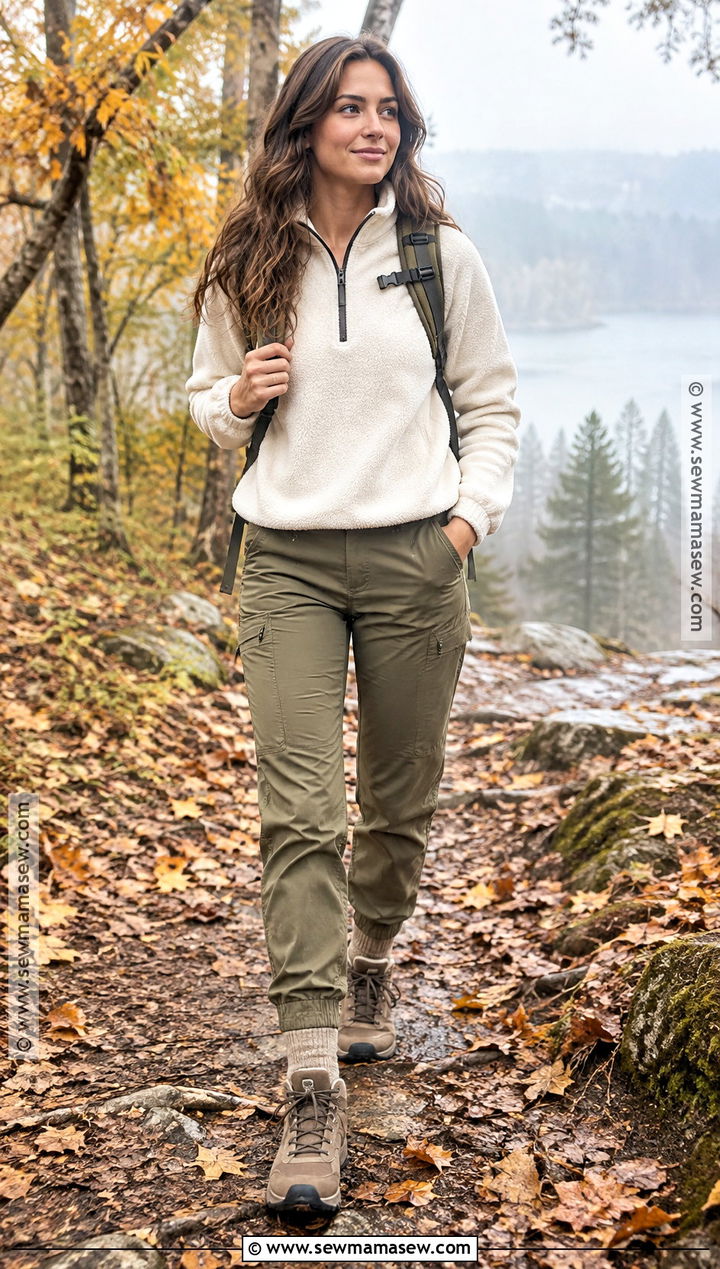
A half-zip fleece is my favorite piece for a misty start, because that zip is a thermostat: open it on the climb, close it at the top. Cream, sage or dusty blue reads soft against fall color. I pair it with tapered hiking pants in a quick-drying, abrasion-resistant fabric, in olive, charcoal or taupe, since they protect your legs from brush and wind far better than leggings. A thin base-layer tee underneath means the fleece can come off on steep sections. Look for an adjustable waistband and zippered pockets so a phone doesn't bounce out. Waterproof boots, ribbed socks and a small utility pack finish a clean look for cool, breezy mornings.
3. Puffer Vest And Thermal Leggings Hiking Outfit
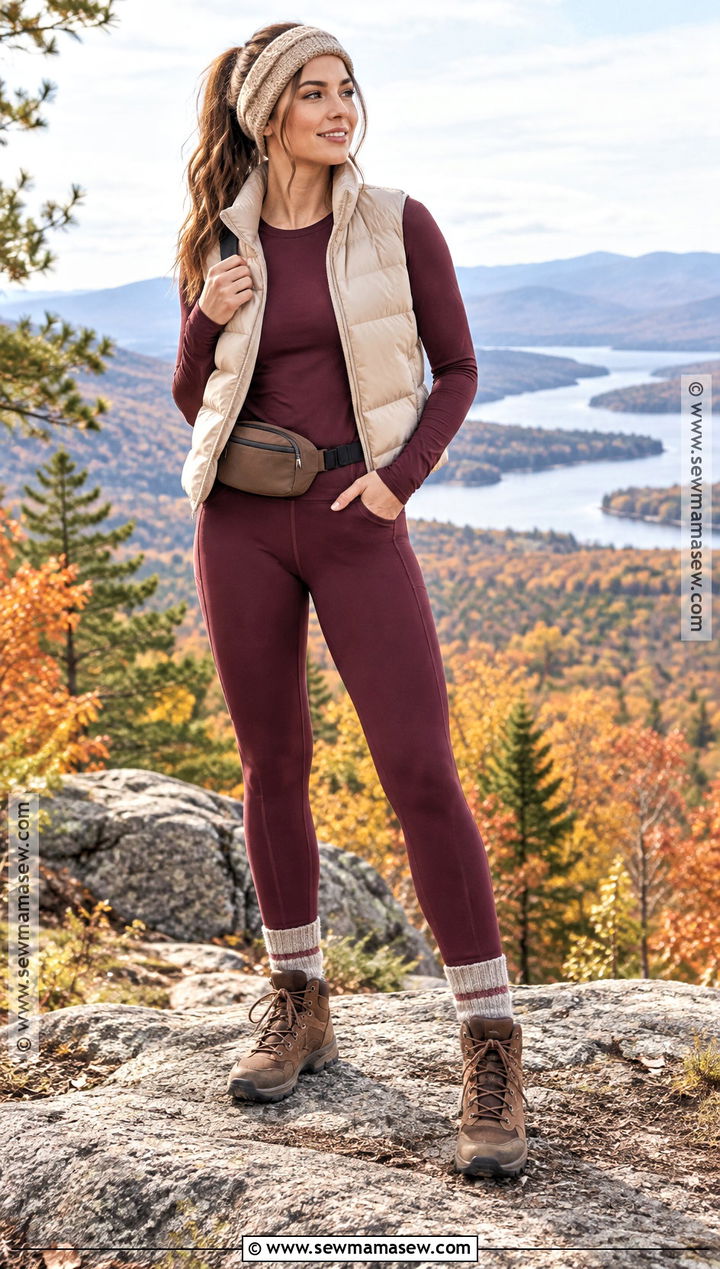
When your core is cold but a full jacket feels like too much, a puffer vest is the answer. I start with a fitted moisture-wicking thermal top in burgundy, forest green or chocolate brown, then high-rise thermal leggings with a brushed interior. The vest goes on last, cut a little relaxed so you can swing your arms. Mid-height boots give ankle support on roots and loose rock; wool-blend crew socks, a knit headband and a belt bag finish it. If the forecast is uncertain, a rain shell rides in the pack, because a down vest loses much of its warmth once it's soaked. Matching the vest to the socks or headband is a small trick that makes practical layers look planned.
4. Rain Jacket And Cargo Hiking Pants Outfit
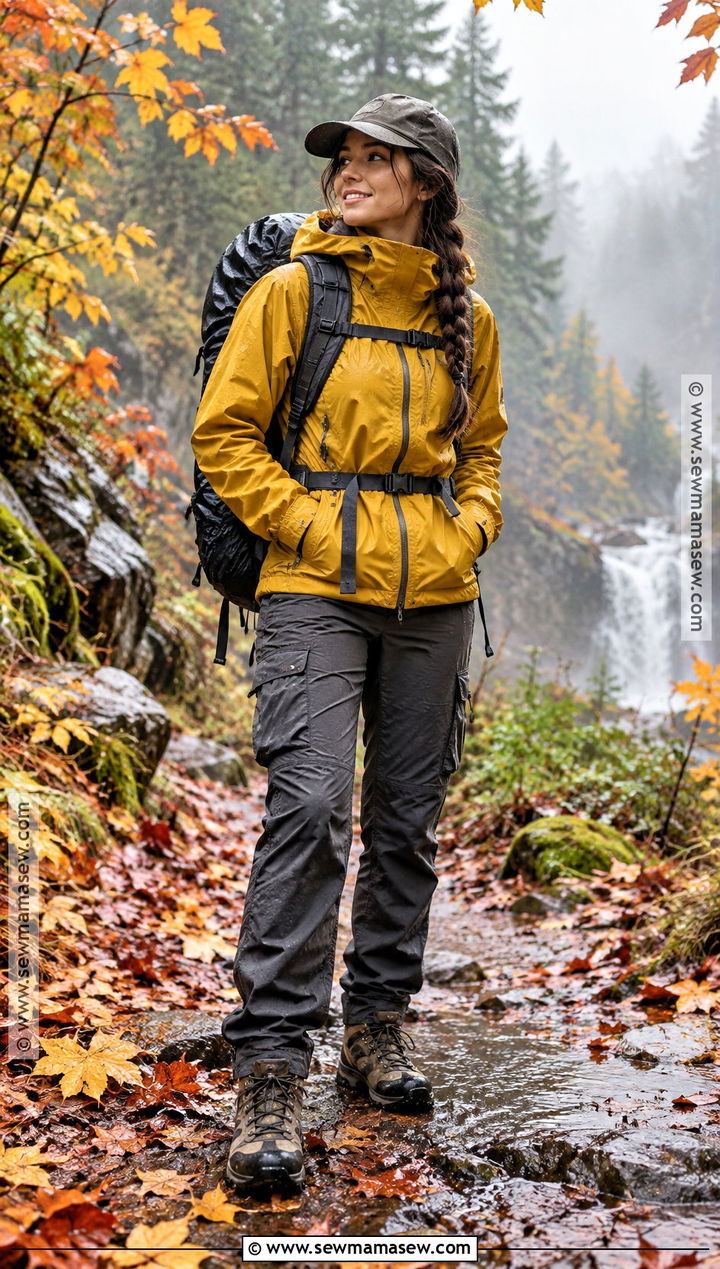
In drizzle the goal is staying dry without overheating, and that's harder than it sounds. A waterproof-breathable rain jacket in mustard, berry, teal or olive goes over a lightweight synthetic base layer, never cotton, which stays wet and cold under a shell. Technical cargo pants with articulated knees and secure pockets let you step up onto rocks, and a straight or gently tapered leg keeps the silhouette tidy. I look for cuffs that cinch or sit high enough to stay out of mud. Waterproof boots with real tread, moisture-managing socks and a brimmed waterproof cap keep rain out of your eyes, and a pack cover protects your spare layers. A bright jacket also looks cheerful against a gray sky and makes you easier to spot on a foggy trail.
5. Matching Leggings And Jacket Hiking Outfit
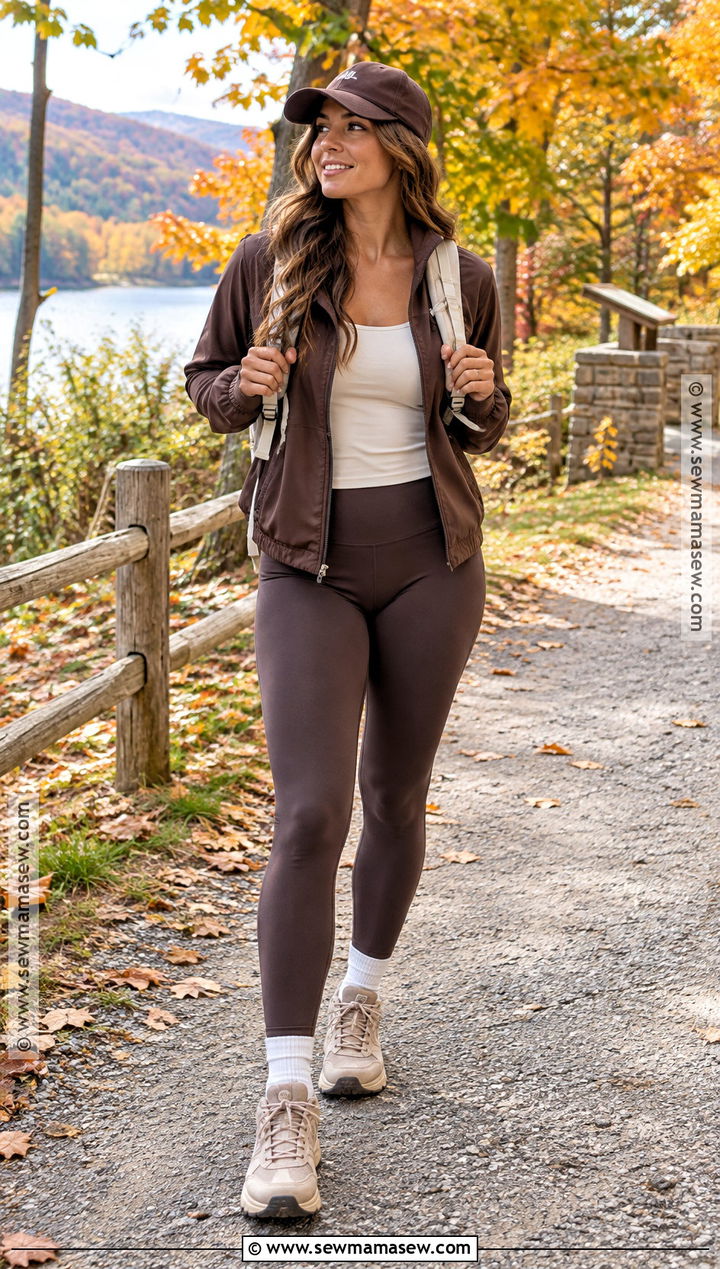
A matching jacket and leggings set is the quickest way to look pulled together on a trail. Espresso, deep plum, navy or moss green feels seasonal without a busy print. The thing I check first is the fabric: yoga-studio leggings are often thin and snag on the first bramble, so I look for a durable knit, a secure waistband and real pockets. A supportive moisture-wicking tank or tee goes under the fitted zip jacket, and the jacket ties at the waist when you warm up. Chunky hiking sneakers or light trail shoes in a neutral ground the set, with crew socks, a cap and a contrasting small backpack. It's best on maintained trails and park loops, especially if lunch or errands follow.
6. Sherpa Jacket And Trail Leggings Outfit
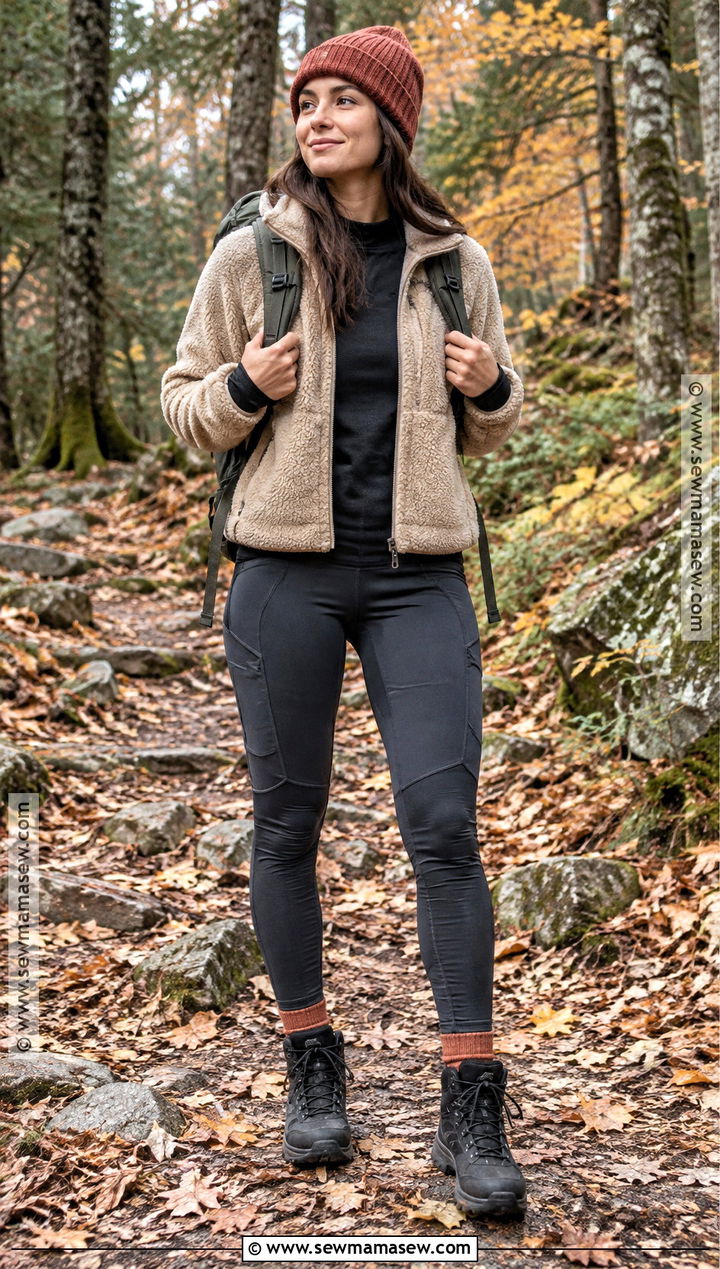
Sherpa is cozy, but it is a cool-day fabric. That deep pile traps a lot of heat, so on a strenuous climb you'll be too warm in it, and it soaks up rain. I save it for shaded trails and gentle routes. Underneath goes a smooth, moisture-wicking long-sleeve shirt so the layer next to your skin handles sweat. Black or charcoal trail leggings balance the jacket's volume; if the route has rocks and dense brush, pick a pair with reinforced panels. A zip-front sherpa beats a pullover because you can vent it without stopping. Lace-up boots, rust socks, a ribbed beanie and a medium daypack complete it.
7. Quilted Jacket And Jogger Hiking Outfit
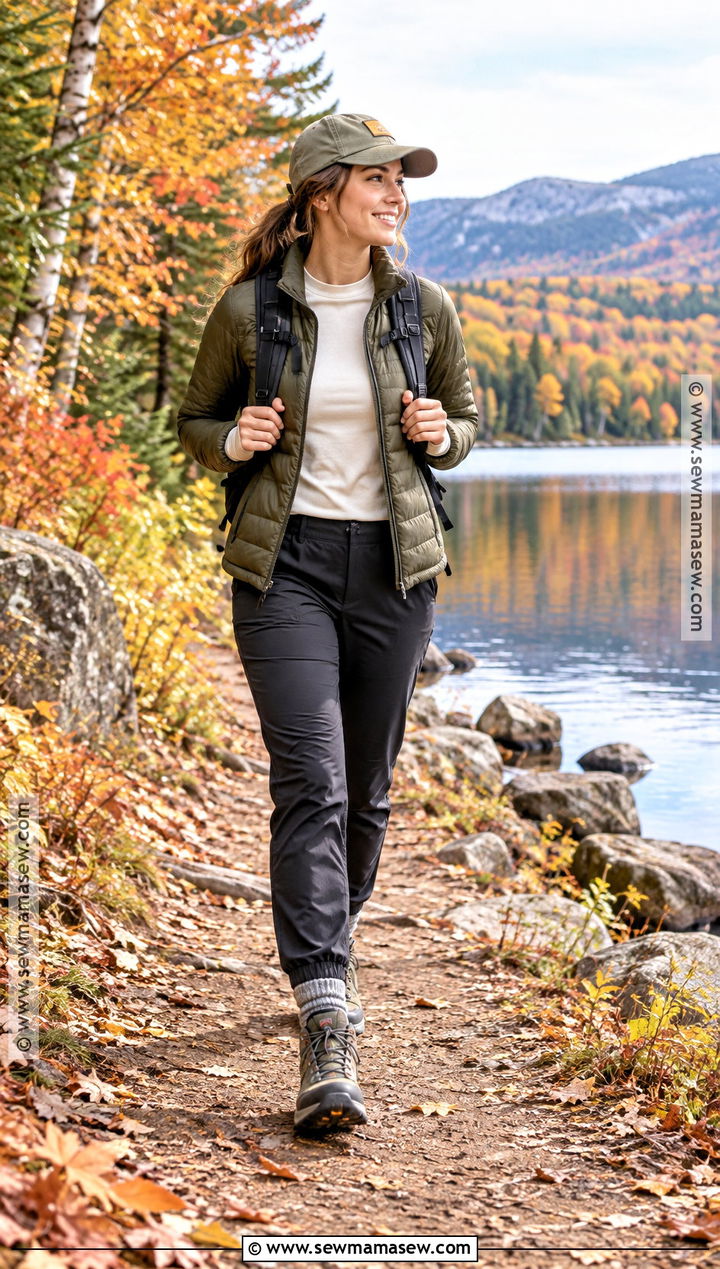
Not everyone likes fitted leggings, and technical joggers are a comfortable alternative on easy and moderate hikes. Tapered olive or black joggers go with a breathable crewneck base layer and a lightweight quilted jacket. I keep the jacket cropped or hip length, because a longer one bunches under a backpack's hip belt. Ankle zips or elastic cuffs keep loose fabric from catching on branches. Waterproof trail shoes, cushioned socks and a soft cap keep it casual, and an olive, tan, cream and dark brown palette stays earthy. The one rule: the joggers have to be a quick-drying, flexible performance fabric, not sweatpants.
8. Merino Base Layer And Softshell Pants Outfit
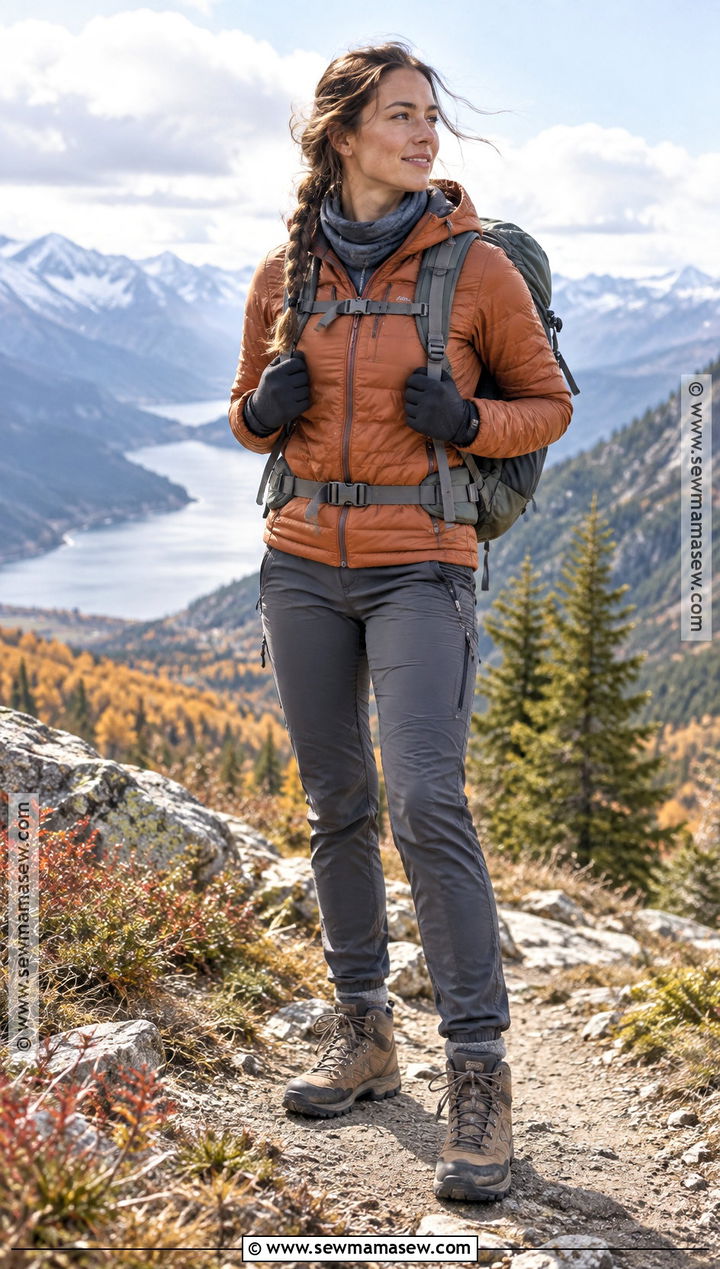
For a long day where shade, wind and elevation keep changing how warm you feel, I trust this layering system most. It starts with a lightweight merino or merino-blend base layer that sits close to the body; merino keeps some warmth when damp and holds onto odor far less than synthetics. Stretchy softshell pants in navy, slate or black block breezes on exposed sections better than leggings. A packable insulated jacket in a fall color goes over the top, and it comes off before you start sweating on a climb, not after. Supportive boots, wool-blend socks, a neck gaiter, light gloves and a compact pack prepare you for colder ground higher up.
9. Oversized Fleece And Biker Shorts Hiking Outfit
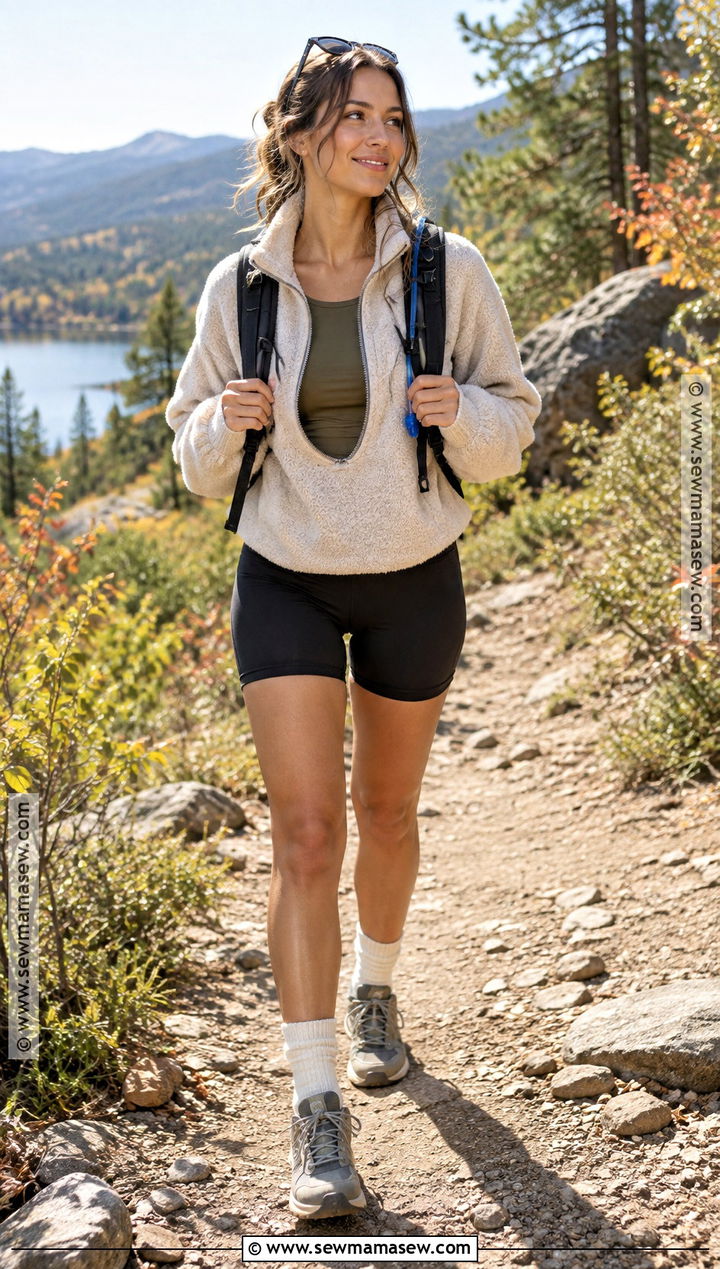
Early fall afternoons can still be warm, and biker shorts make sense on lower trails. I pair high-rise performance shorts with a fitted moisture-wicking tank or tee, then add an oversized quarter-zip fleece for the trailhead that packs away once you're moving. The shorts need a secure waistband and enough inseam length to stop them riding up on every step. Lightweight trail sneakers, crew socks and a small hydration pack keep it sporty, in oatmeal, terracotta, olive and black. I'd only wear this on dry, mild days and maintained paths, since bare legs don't love brush or ticks, and a light windbreaker in the pack covers exposed overlooks.
10. Windbreaker And Wide Leg Hiking Pants Outfit
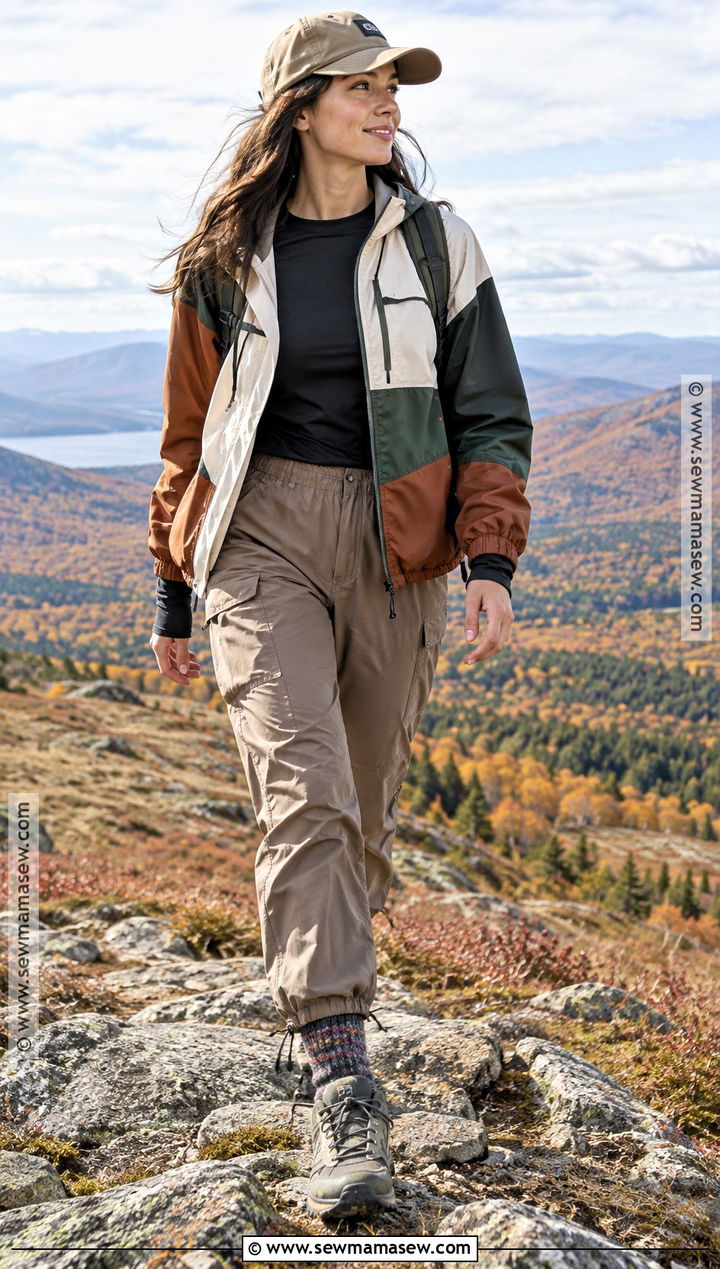
Wide-leg hiking pants are a trend I like, with one caution: a hem that touches your shoes will catch on roots and soak up mud. So the first thing I check is the length, and whether there's a drawcord at the ankle to cinch the leg on rough ground. The windbreaker goes over a fitted long-sleeve performance top or thin mock-neck, and it's the right weight for breezy ridges where wind is the issue, not rain. A color-block windbreaker with neutral pants gives it a modern gorpcore feel. Rugged trail sneakers, patterned hiking socks, a baseball cap and a streamlined daypack finish a look that's current but still behaves outdoors.
11. Fleece Lined Leggings And Puffer Jacket Outfit
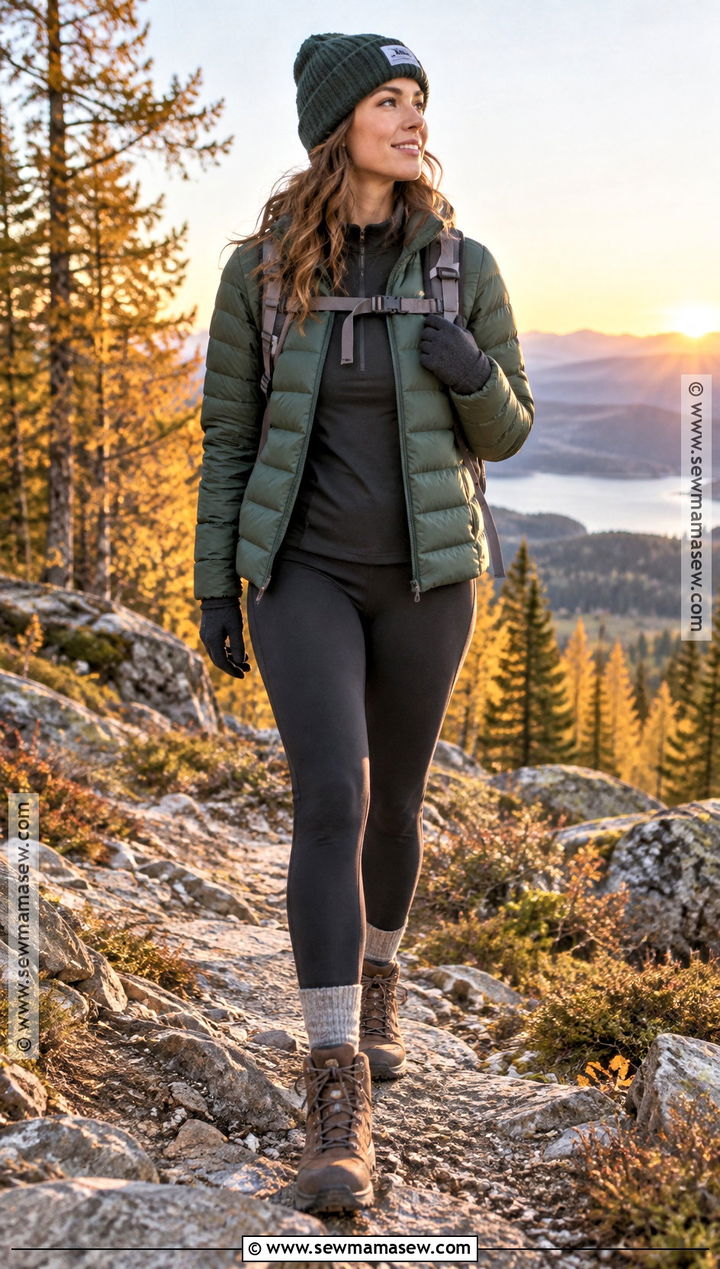
For cold mornings, I'd rather have insulation ready at the trailhead than wish for it later. A moisture-wicking long-sleeve base layer and fleece-lined performance leggings go on first, then a lightweight puffer that packs down small once you warm up. Hip length is the sweet spot; anything longer fights the backpack. Black leggings let a copper, mauve, pine or deep blue puffer stand out. The mistake I see most is hiking uphill zipped to the chin, so open or remove the jacket before you sweat, because damp layers chill you fast when you stop. Waterproof boots, thicker wool-blend socks, a fitted beanie and touchscreen gloves finish it for dry, cold hikes and sunrise walks.
12. Hiking Overalls And Long Sleeve Top Outfit
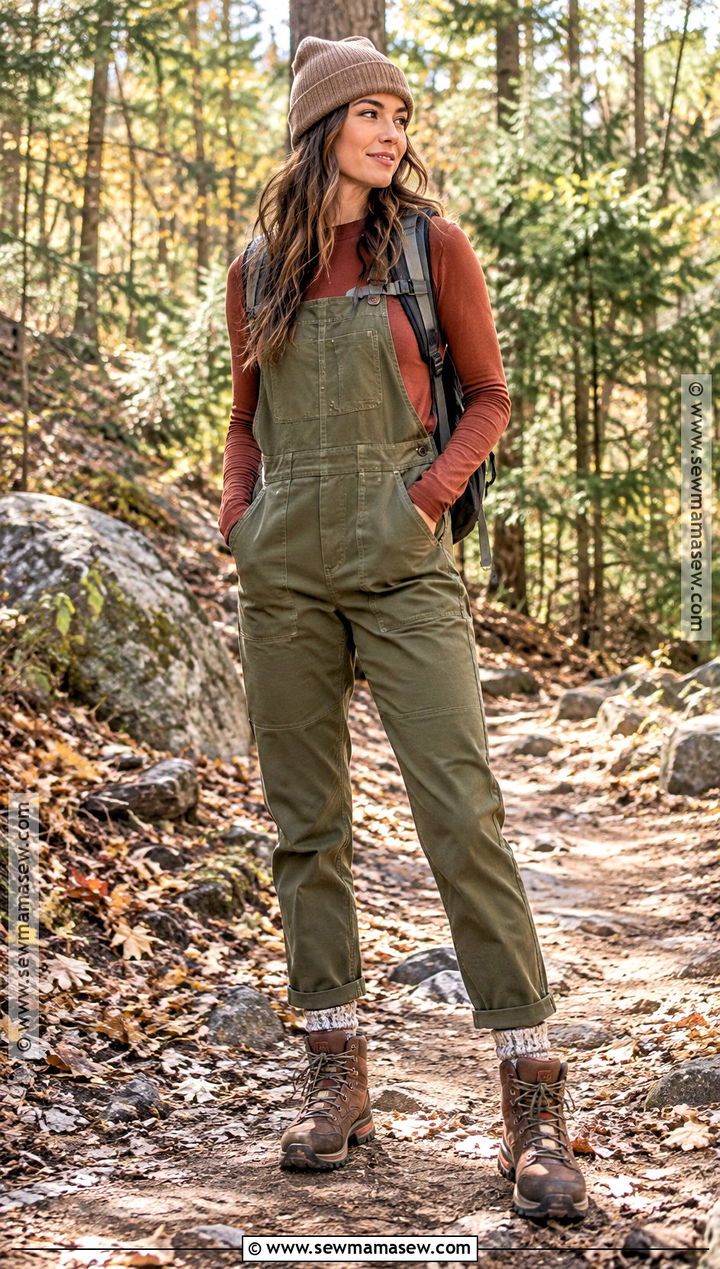
Hiking overalls are playful, and they give you pockets and coverage without a waistband digging in under a hip belt. The trap is buying heavy everyday denim; it's stiff, slow to dry and miserable when wet, so I'd only choose a technical pair with stretch. Wear them over a fitted long-sleeve performance top in cream, rust or a striped neutral, and roll or adjust the hems so they sit clear of the boots. Before a longer route, do a few high steps and a squat to check that the straps stay put and the hips aren't restricted. Wool-blend socks, a light beanie and a coordinating pack finish it, with a thin fleece or packable rain jacket carried for weather.
13. Corduroy Shirt And Hiking Leggings Outfit
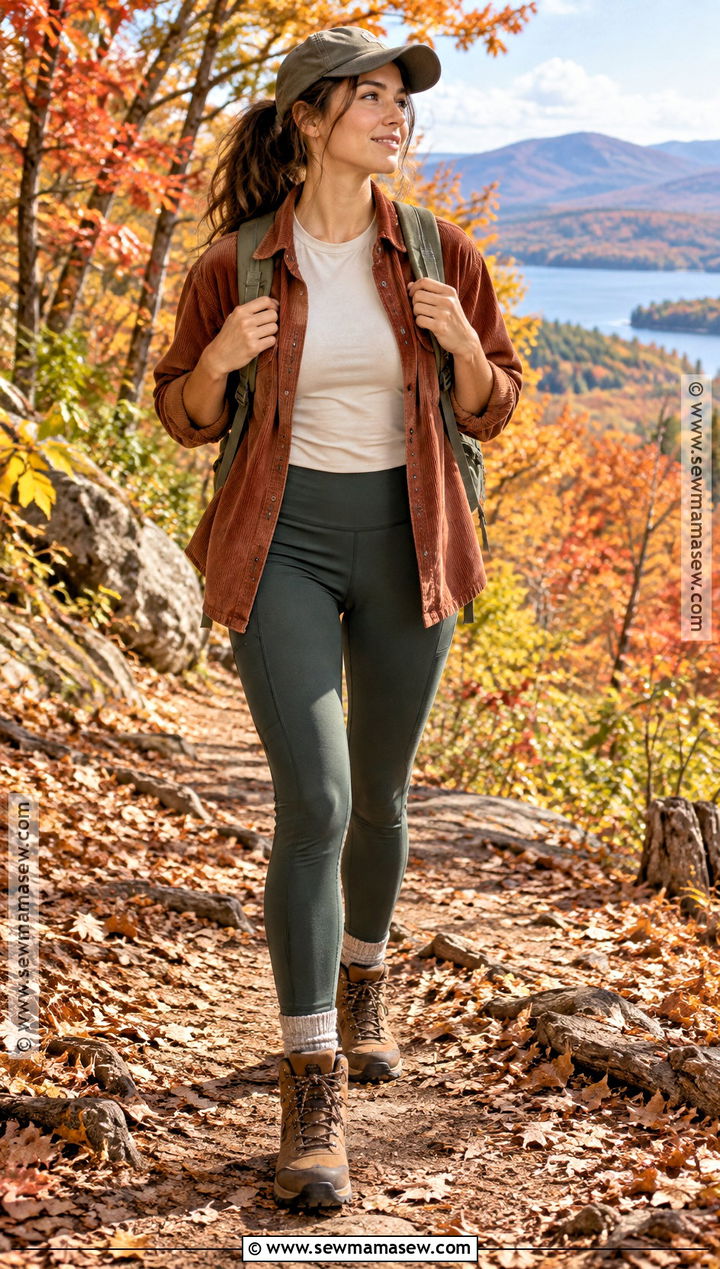
A lightweight corduroy overshirt brings real autumn texture to a trail outfit, but I treat it as a style layer, not protection. Corduroy is usually cotton, so it holds moisture and gets heavy when wet. Keep it for dry weather, short woodland hikes and leaf-peeping walks. Wear it open over a breathable fitted tee or wicking tank so you can adjust as the day warms, with durable black, navy or dark green hiking leggings. A rust, camel or burgundy shirt adds the season's color without everything matching. Brown boots, neutral socks, a canvas-look technical backpack and a simple cap complete it.
14. Colorful Fleece And Black Hiking Pants Outfit
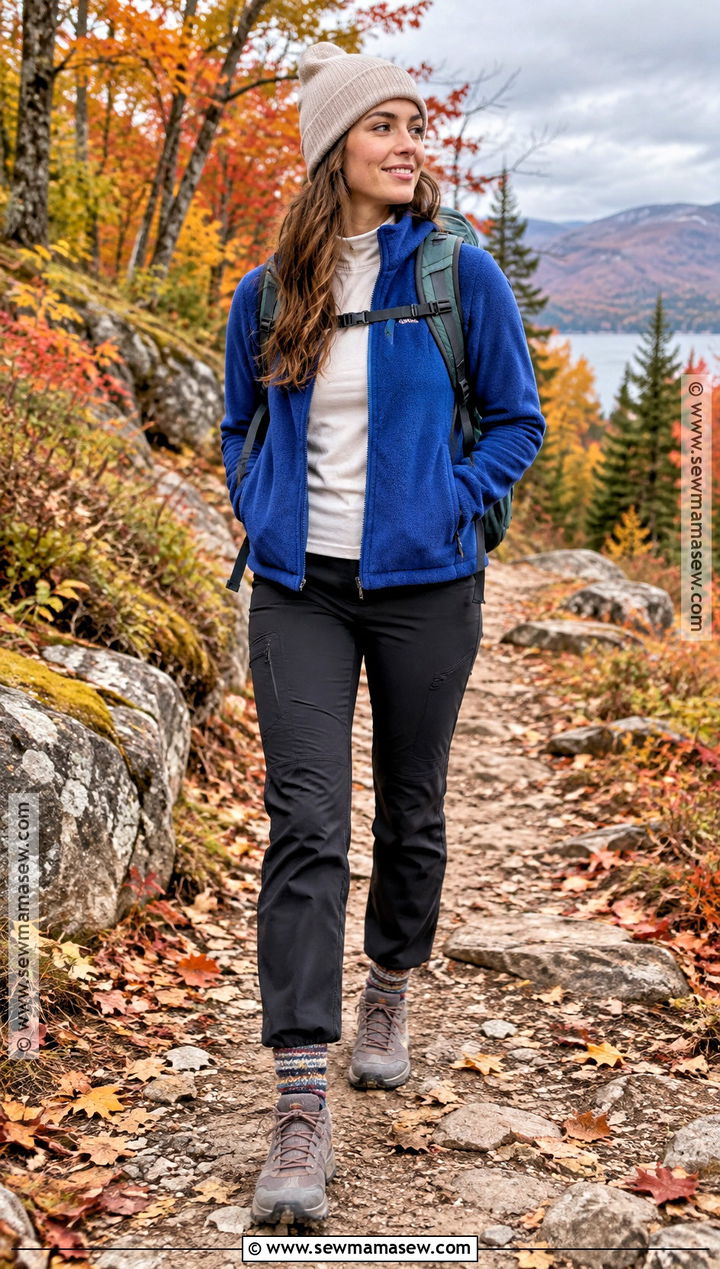
Gray fall days are when I push people toward brighter color. A fleece jacket in cobalt, coral, lilac, golden yellow or raspberry over a neutral base layer and black technical pants looks great against wet bark and fog. Black pants hide trail dust and protect better than thin everyday leggings. Pick a fleece with zippered pockets and a full or half zip so you can vent it. I like the backpack to repeat one color from the jacket, and a neutral beanie keeps it balanced when the temperature drops. Black or gray trail shoes and patterned socks finish a look that proves trail clothes don't have to be all earth tones.
15. Hiking Skirt And Thermal Leggings Outfit
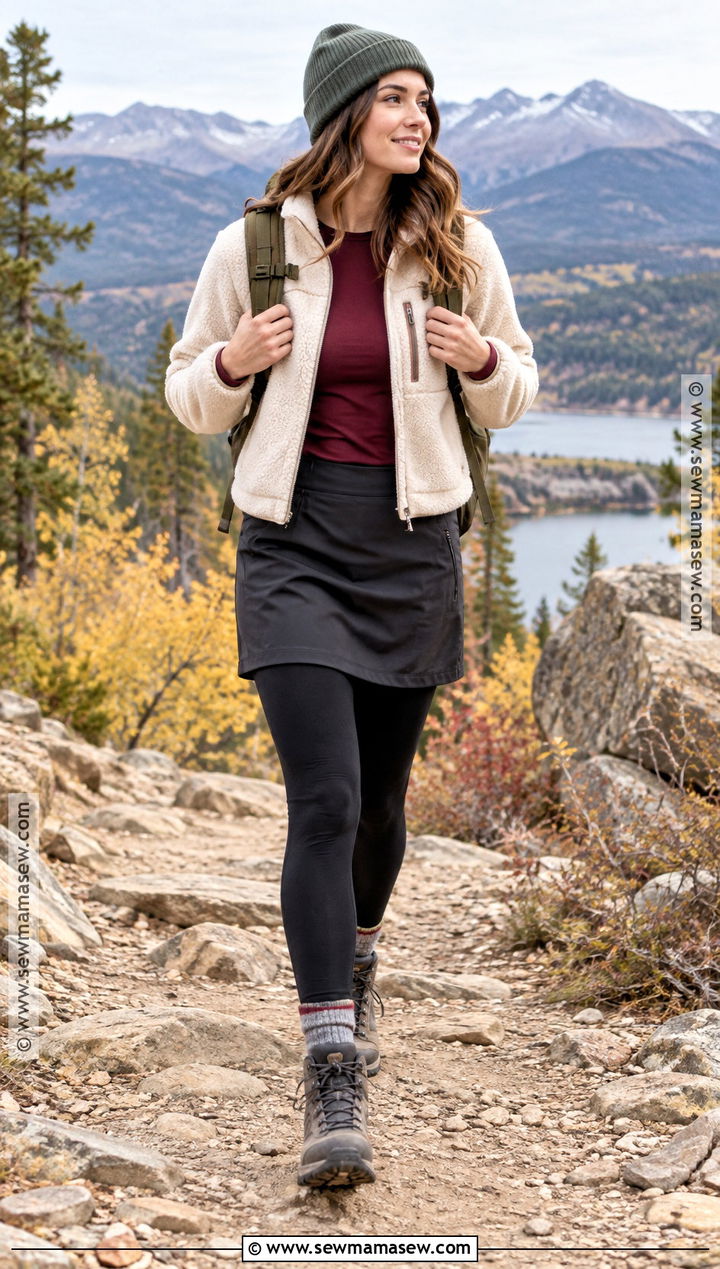
A technical hiking skirt over leggings adds a layer of coverage and a distinctive shape, and some skirts are lightly insulated, which helps on cold, dry trails. I look for stretchy, quick-drying fabric with built-in pockets, worn over thermal leggings in a matching or complementary neutral. Before I'd recommend one, I want to see a full stride and a high step up a rock without the hem pulling; a skirt that restricts steep steps doesn't belong on a trail. A fitted base layer and a cropped fleece keep the proportions balanced. Waterproof boots, wool-blend socks, a ribbed beanie and an olive or burgundy pack finish it.
16. Plaid Shacket And Trail Pants Hiking Outfit
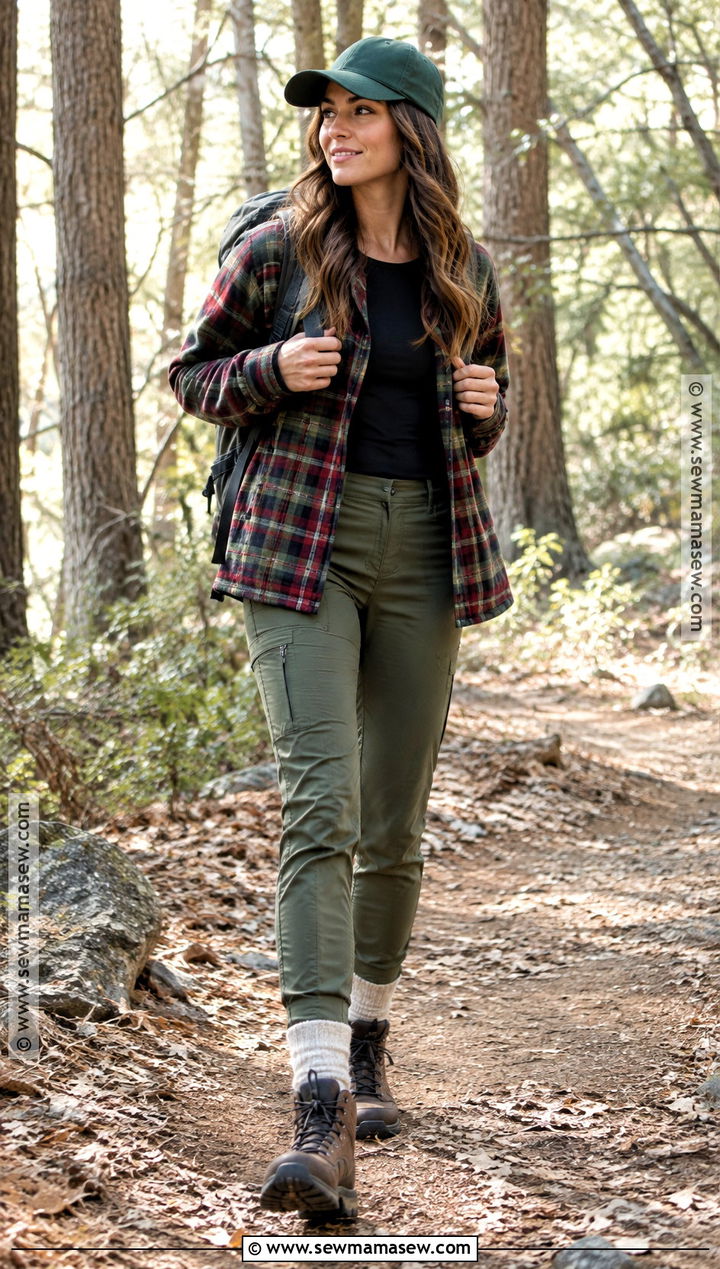
A plaid shacket gives you the look of a fall overshirt with more warmth and structure. Layer it over a fitted synthetic or merino-blend top with slim straight-leg trail pants in black or olive, and pick one light enough to stuff into the pack when it warms up. Brown boots, cream socks and a forest green cap finish the palette, and I keep accessories small so the plaid stays the focus. Many casual shackets are cotton or heavy wool blends, so I'd only wear one on dry, short, easy walks. For a longer hike, a technical fleece shirt in plaid gives the same look with better moisture handling and less weight.
17. Cropped Puffer And Ribbed Leggings Outfit
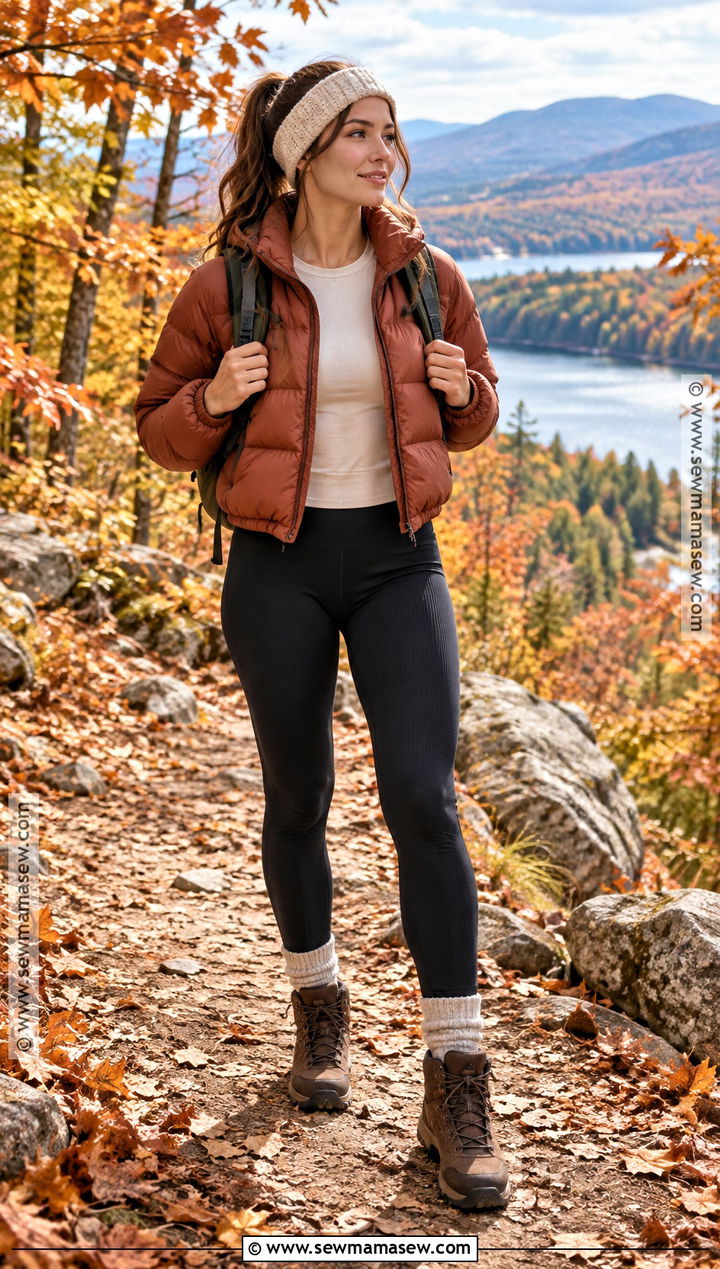
A cropped puffer looks modern, but on a trail I only like it over a long top. Every time you bend, reach or take off your pack, a short top rides up and cold air gets straight to your back, so the moisture-wicking layer underneath should tuck in or reach the hip. Thick ribbed performance leggings with a high waistband and reinforced fabric sit underneath. Cream, clay, olive or plum puffers look good, anchored by dark brown or black boots. The jacket should end near the natural waist without pinning your arms. Coordinated wool-blend socks, a knit headband and a small pack finish it for cool, casual park trails, and I'd carry a longer waterproof shell into wind or rain.
18. Hoodie And Waterproof Hiking Pants Outfit
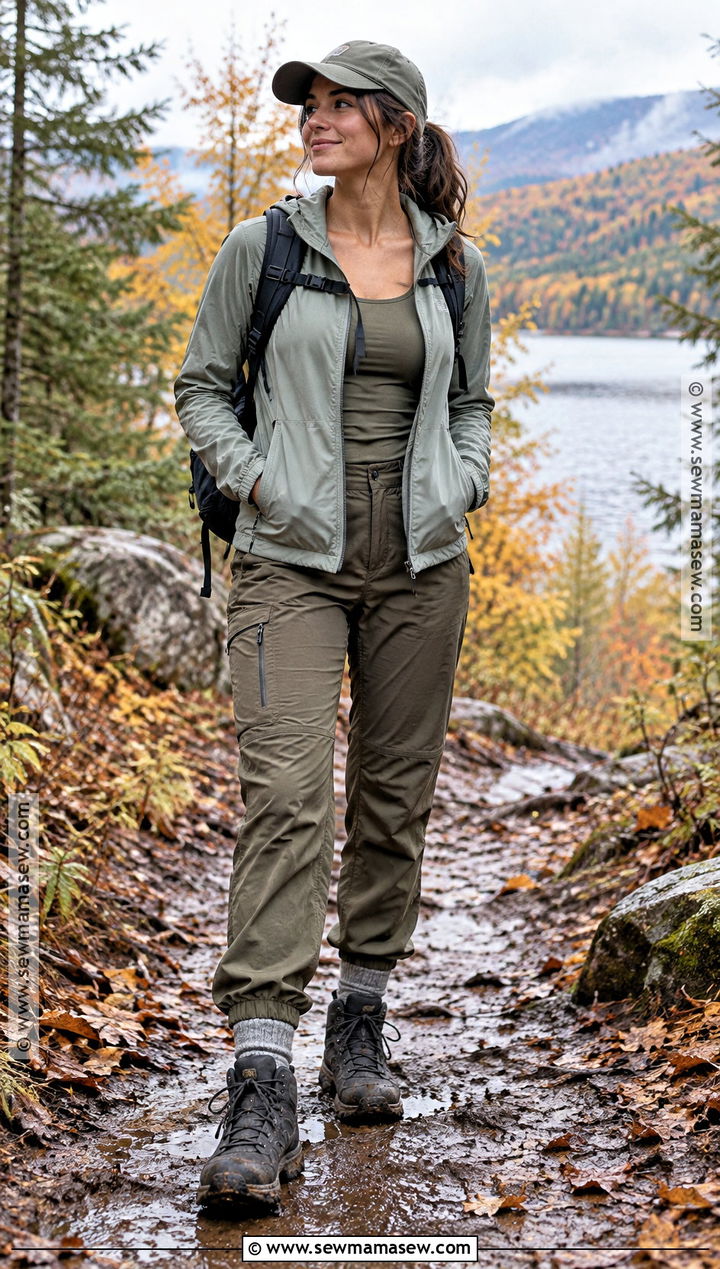
A thick cotton sweatshirt is the one hoodie I'd leave home on a wet, cold hike; once it's damp, it stays damp. A lightweight performance hoodie gives the same relaxed shape and dries far faster. I pair it with waterproof or water-resistant hiking pants, ideally with side zips or vents, since fully waterproof fabric gets stuffy on a climb. A fitted tank underneath lets you remove the hoodie when you warm up. Tonal pairings such as sage and olive, gray and black, or tan and chocolate look cohesive. Waterproof boots, moisture-managing socks, a cap and a practical daypack make it a sensible choice for muddy paths, light rain and forecasts you don't trust.
19. Long Sleeve Tee And Utility Vest Hiking Outfit
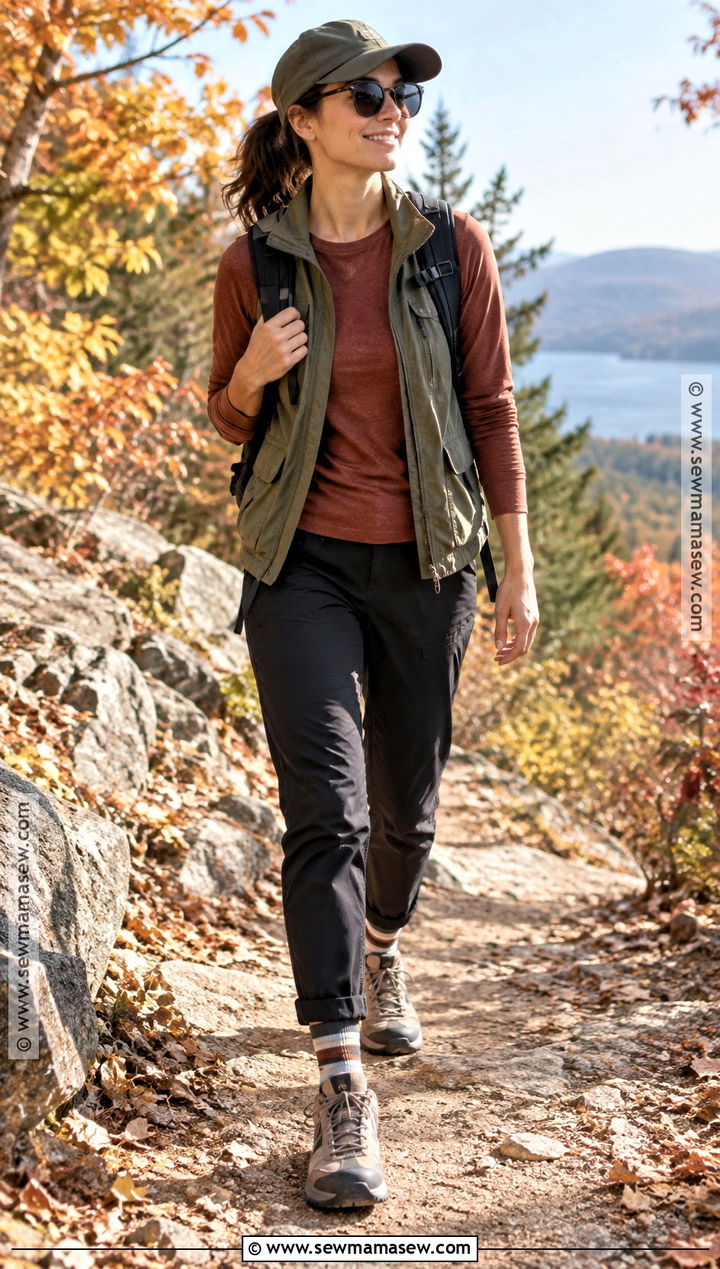
On a mild afternoon, a utility vest gives you storage without the warmth of insulation. I start with a moisture-wicking long-sleeve tee in ivory, brick red or muted green, over tapered technical pants or sturdy trail leggings. Zippered vest pockets are handy for a phone and snacks, but overload them and they swing and bulk up under your pack straps. Trail sneakers, striped hiking socks, sunglasses and a cap finish it, and a compact rain jacket still goes in the bag when the forecast is uncertain. The vest frees your arms and adds structure, which makes it a good choice for sunny, fairly flat nature trails and photos at the end.
20. Monochrome Brown Fall Hiking Outfit
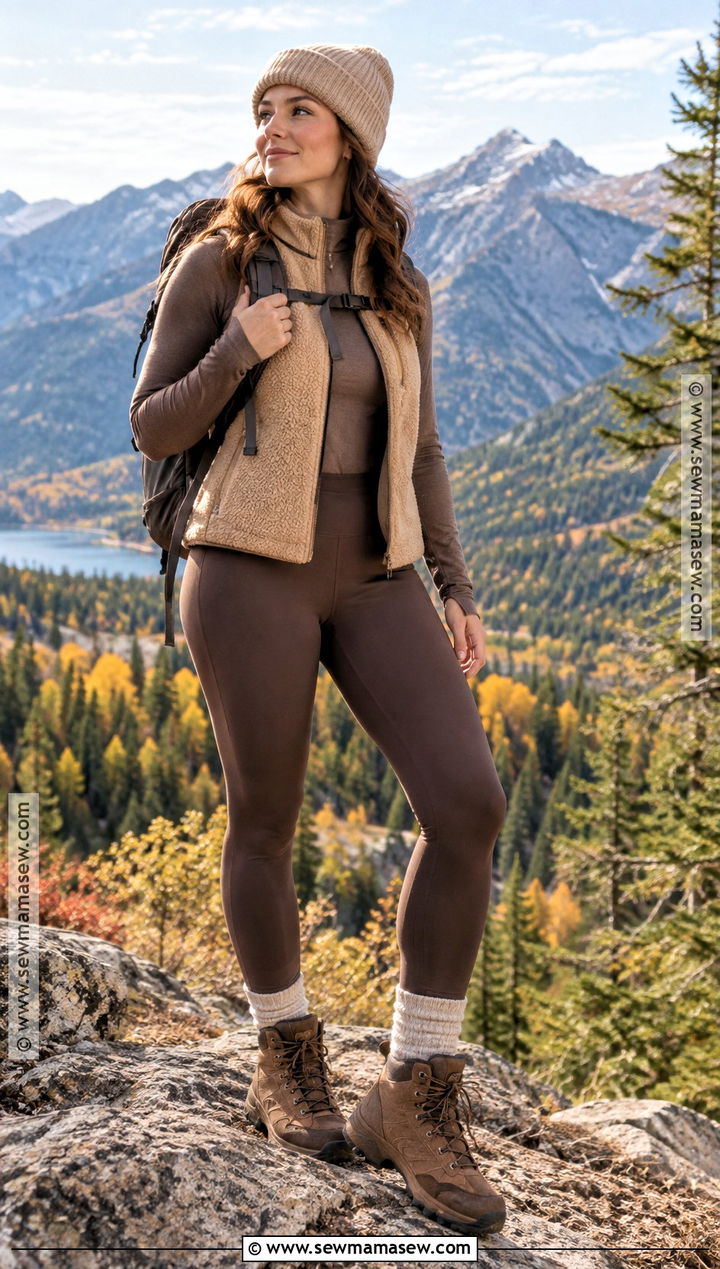
Chocolate, espresso, camel and taupe make a rich monochrome look that blends into an autumn forest. Start with dark brown performance leggings or straight-leg hiking pants, add a fitted mocha base layer and a lighter tan fleece or insulated vest, then brown waterproof boots. Cream socks and a beige beanie add a little contrast, and an espresso backpack with secure pockets finishes it. The risk with one color family is a flat look, so I mix textures: smooth leggings, plush fleece, a ribbed knit beanie and rugged boots. Every piece still has to suit the trail rather than just the palette. One honest note: in hunting season, an all-brown outfit is the one I'd rethink, and I explain why further down.
Hunting Season Changes the Color Rules
Fall hiking overlaps with hunting season in many areas, and a lot of public land is shared. On those trails, color stops being only a style choice. I'd add something in blaze orange that can be seen from all sides: a beanie, a vest or a pack cover is enough. Check the local wildlife agency's dates and rules before you go, because seasons and requirements vary by state and by land type.
It also means rethinking a few of the looks above. All-brown and tan outfits blend into the woods, which is lovely in photos and the wrong idea here, and white or cream near a moving hand or head can be mistaken for a deer's tail. On those weekends I'd keep the monochrome brown look for city parks and put a bright fleece, rain jacket or orange hat on top of anything earthy.
Socks, Boots and the Blister You Can Prevent
More fall hikes are ruined by feet than by weather. New boots, especially stiff leather ones, need several short walks before a long hike, so wear them around the house and on errands first. Waterproof boots keep puddles out but breathe less, which can leave feet damp on a warm day, so I'd pick them for wet, cold routes and choose trail runners for dry ones.
- Wool or wool-blend socks, never cotton. They cushion, handle moisture and stay warmer when damp.
- Try boots on in the afternoon with your hiking socks, when feet are a little swollen.
- Lace snugly over the instep so your heel doesn't lift; heel lift is where most blisters start.
- Carry a spare pair of socks on long or wet hikes and change at lunch.
Dress for the Trail You're Actually Walking
A good fall trail outfit starts with layers that match the weather, the terrain and how hard you'll work, and only then adds personal style. Put a moisture-managing layer next to the skin, add warmth you can adjust, and carry weather protection whenever conditions might change. Broken-in boots and good socks matter more than any trend. You can rebuild most of these looks from pieces already in your closet, or use them to spot what your outdoor wardrobe is missing. Check the forecast, pack the essentials and dress so you can move freely, and you'll spend the day looking at the leaves instead of fixing your clothes.
Related posts: