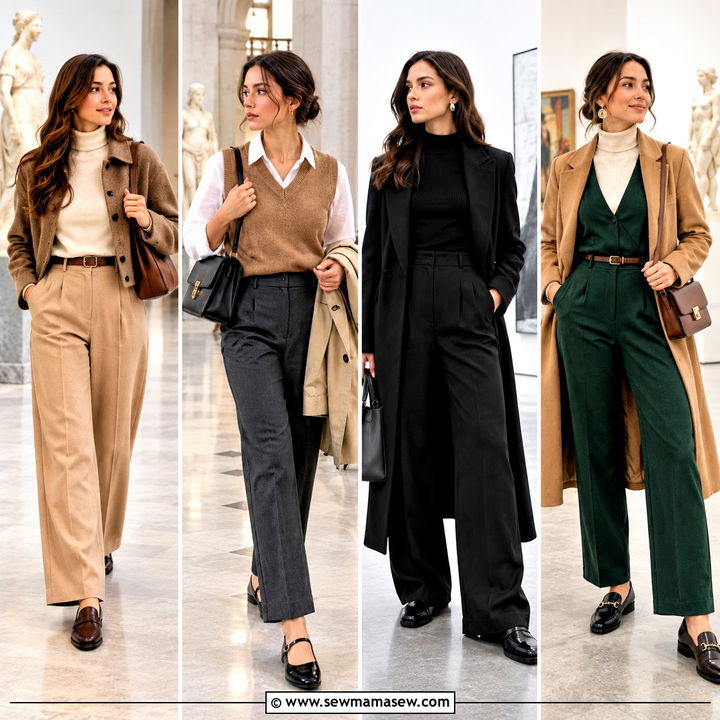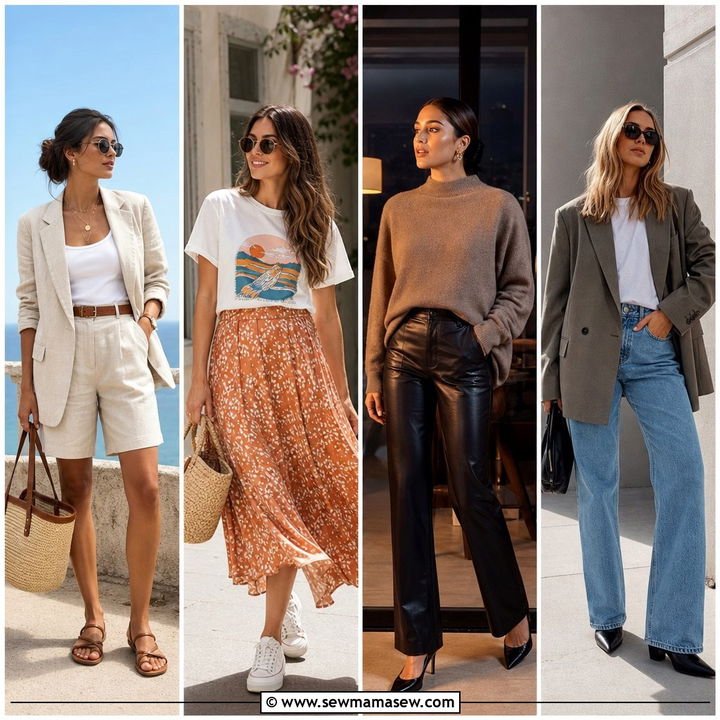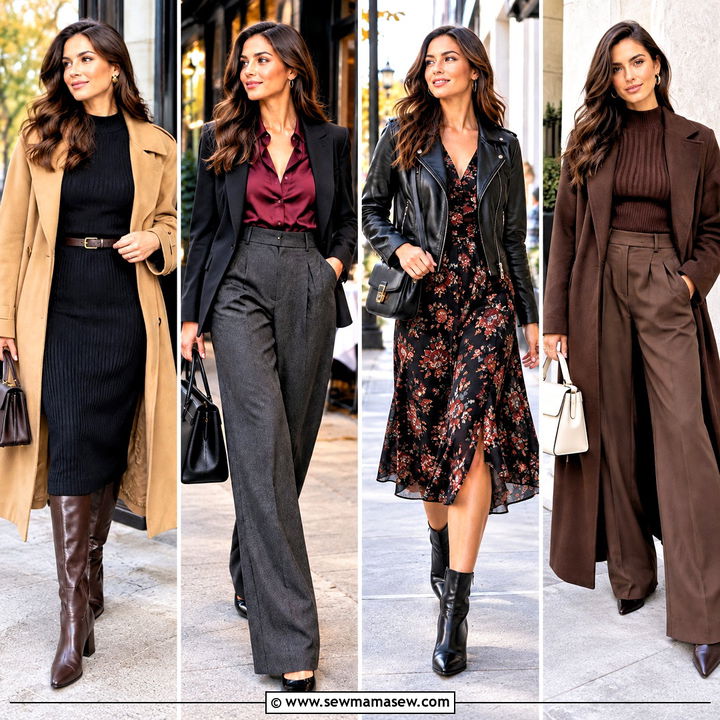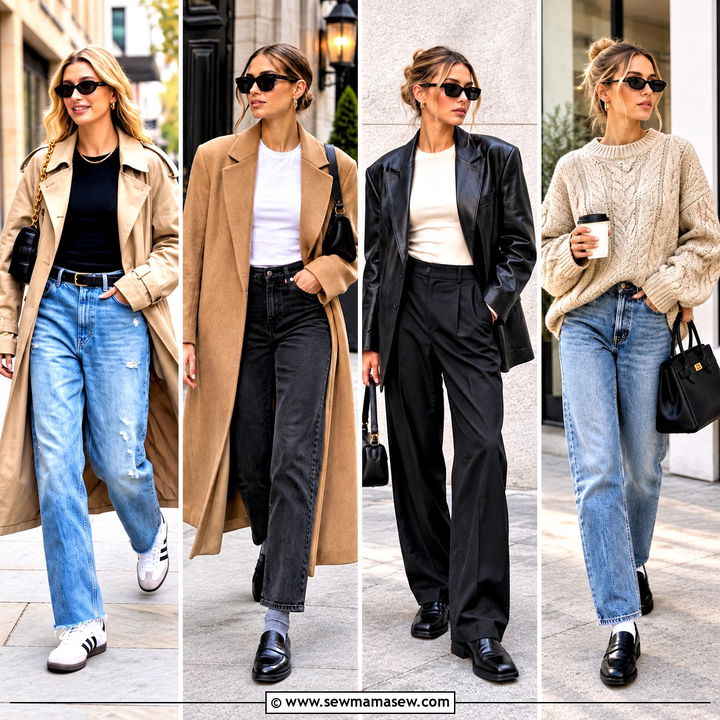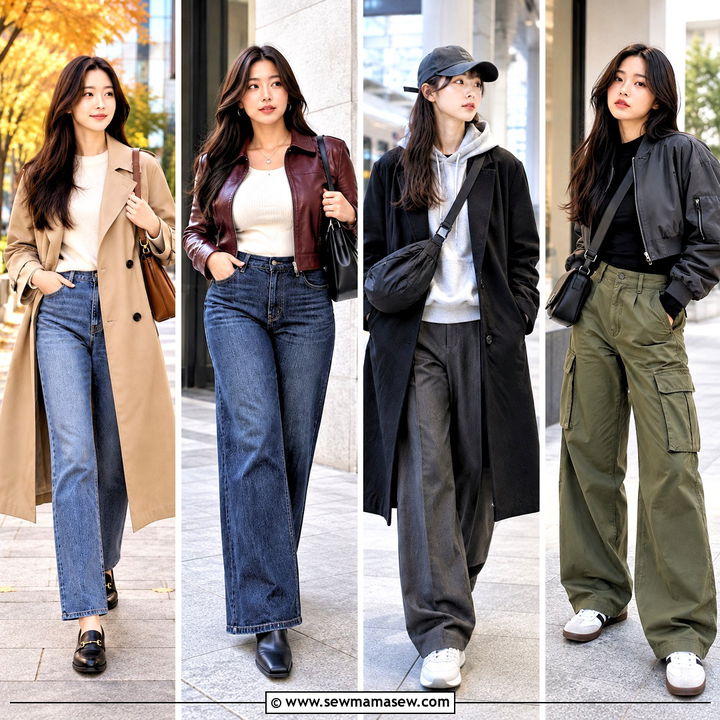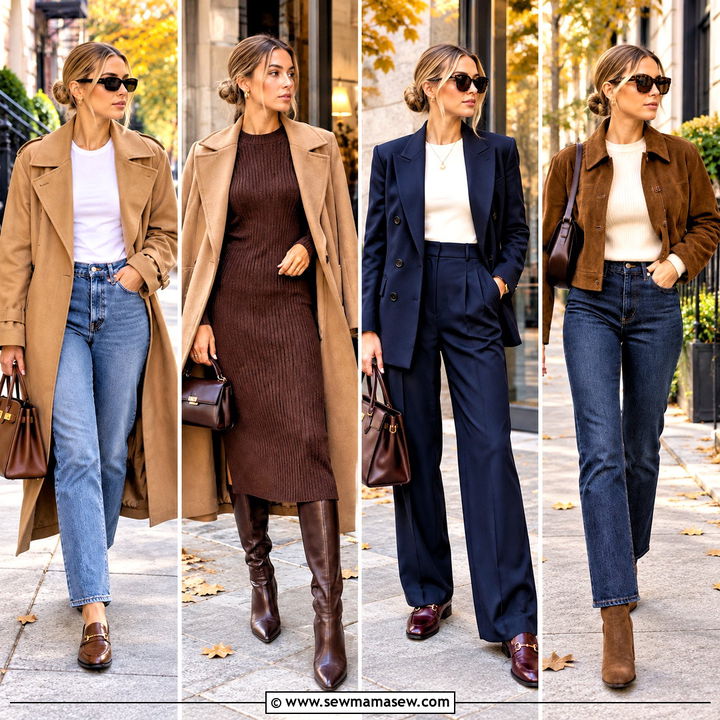
A museum day asks more of an outfit than it looks. You'll stand far more than you walk, the floors are hard, the rooms swing between warm and chilly, and the cloakroom may take your bag at the door. So the clothes I suggest for a museum start from the feet and the bag and work upward. Clean lines and quiet colours suit galleries, but the real test is whether you still feel fine at the fourth floor. The outfits below cover contemporary galleries, science and history museums and evening openings, in every season, and for each I've noted what makes it easy to wear for hours.

Cloakroom Rules Decide Half Your Outfit
Many museums don't let large bags, backpacks or umbrellas into the galleries. Size limits vary, but anything bigger than a small handbag often has to be checked, and backpacks may need to be worn on the front. That changes how I plan a museum outfit.
- Carry a small crossbody that holds only phone, card, ticket and lip balm, so you can keep it with you.
- Choose clothes with pockets, or a jacket with pockets, for the things you'll want in the galleries.
- Plan for the coat to be checked: the outfit underneath needs to look complete and keep you warm enough on its own.
- Leave pens at home and bring a pencil if you sketch; many galleries only allow pencils near the works.
- Skip metal studs and big hardware on bags you'll wear near display cases.
Check the museum's website for the bag policy the day before; it saves a queue at the cloakroom and a surprise at security.
1. Blazer and jeans museum outfit

A blazer over relaxed jeans looks put together without feeling formal. I'd take an oversized blazer in beige, black or navy over a fitted white or black tee, with straight or wide jeans. The blazer has a practical job too: its pockets hold a ticket and phone if the cloakroom keeps your bag. Leather loafers or minimal white sneakers are both fine, but a loafer with a thin sole tires the feet on stone floors faster than a cushioned sneaker. A small crossbody leaves your hands free for an audio guide. Gold hoops or a slim watch are enough.
2. Midi dress with sneakers museum outfit

A midi dress with white sneakers is comfortable and easy all day. Breathable cotton or linen keeps you cool in a crowded room. A tiered hem, puff sleeves or a small floral print gives it personality. I'd go for a sneaker with a cushioned insole rather than a flat canvas one; after three hours of standing, the difference is very noticeable. A woven tote holds a water bottle and a small sketchbook, but check the museum's size limit first. A denim jacket over the shoulders handles a cold air-conditioned hall.
3. Turtleneck and wide-leg trousers museum outfit

A slim black turtleneck tucked into high-waisted wide-leg trousers always looks sharp in a gallery. The turtleneck frames the face, and the trousers give a long line that moves as you walk. Cream, charcoal or camel trousers soften the black. Pointed flats or low block heels both work; if you're choosing flats, look for a little padding at the heel, as hard museum floors punish a totally flat sole. A structured leather tote or shoulder bag and small gold studs finish it. It goes straight on to an evening talk.
4. Leather jacket with midi skirt museum outfit

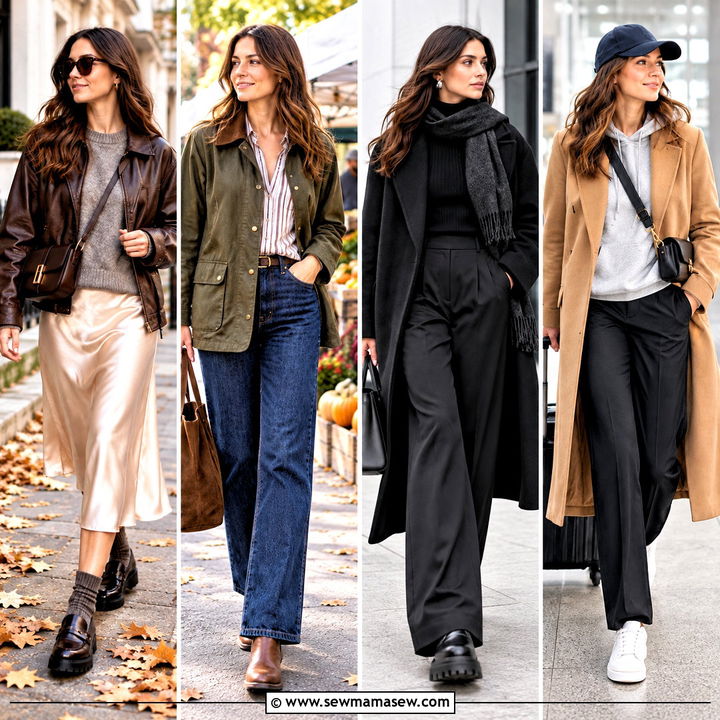
A leather jacket over a midi skirt suits a contemporary space. The tough jacket against a satin, chiffon or pleated skirt is an easy contrast. I'd choose the jacket slightly oversized so a knit fits under it if the galleries are cold. A plain tank or fitted tee underneath keeps it simple. Chunky ankle boots or combat boots give it attitude, but break new boots in at home first; a museum day is exactly when a stiff heel counter raises a blister. A chain-strap bag and silver or gunmetal jewellery suit an evening opening.
5. Knit sweater and satin skirt museum outfit

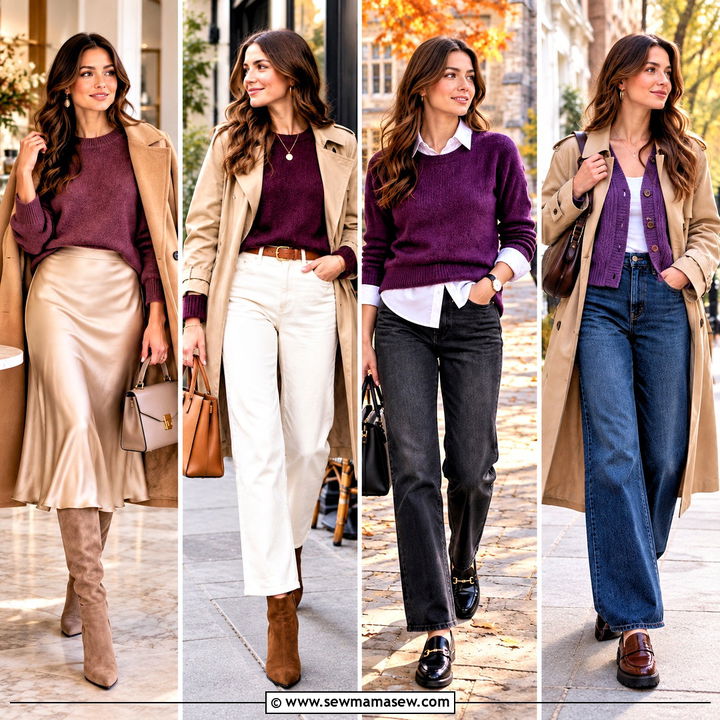
A chunky cable knit over a satin midi gives a soft texture against shine. Keep it tonal: oatmeal with champagne, charcoal with dove grey, camel with cream. Tuck just the front of the sweater. Satin shows creases from sitting, so if you plan to sit on gallery benches a lot, a heavier satin or a crepe-backed satin creases less. Retro sneakers or flat mules keep you walking. A small shoulder bag in a matching tone and pearl or gold earrings finish it for a Sunday visit.
6. Denim jacket over floral dress museum outfit

A denim jacket over a floral dress is relaxed and cheerful, best for a daytime trip and outdoor sculpture. The denim adds structure; a light or medium wash keeps the mood casual. Choose a small print rather than a big one; it's quieter next to the art. White sneakers, flat espadrilles or slides all work, but espadrilles with jute soles can slip on polished floors, so I'd keep them for gardens and sculpture parks. A canvas tote or bucket bag completes it.
7. Striped shirt with white jeans museum outfit

A Breton striped shirt with white jeans gives a classic Riviera look. A relaxed boatneck or crewneck, tucked loosely or knotted at the waist. Tan accessories warm the black and white: woven leather sandals, a slim belt and a structured straw bag. One caution with straw bags: open baskets are often refused in galleries for security reasons, so a lidded one or a small clutch is safer. A red lip gives it a sophisticated touch for a morning with Impressionists.
8. Black jumpsuit museum outfit

A well-cut black jumpsuit looks deliberate with no effort. A defined waist, wide legs and a modest V-neck give shape. Fit is everything here: too tight and you'll feel it on the stairs, too loose and it looks like overalls. Pointed flats, low block heels or heeled sandals depending on the season. A jumpsuit has no pockets in many cases, so I'd carry a small crossbody rather than a clutch, freeing your hands. A cuff bracelet and geometric earrings lean into a modern-art mood.
9. Tweed blazer with pleated skirt museum outfit

A tweed blazer over a pleated midi channels a dark-academia sensibility that suits history wings and old libraries. Charcoal, oatmeal, deep green or burgundy keep it muted. A turtleneck or crewneck underneath balances the proportions. Chunky loafers or lace-up ankle boots ground the look; loafers with a rubber lug sole grip worn stone stairs far better than leather soles. A leather satchel or top-handle bag finishes it. Tweed is warm, so it's an outfit for a cool day or a draughty old building.
10. Camel coat and black turtleneck museum outfit

A long camel coat over all black is the classic winter museum outfit. A fitted black turtleneck, black straight trousers or jeans and low black ankle boots under the coat look warm and simple. The practical point: you'll usually check the coat at the cloakroom, so the outfit underneath has to stand alone, which this one does. A black leather shoulder bag and a silk scarf at the neck or on the bag handle add pattern. Tan or brown leather gloves finish it for a cold day.
11. Linen matching set museum outfit

A linen vest and wide-leg trousers in sage, oatmeal or dusty blue is a summer museum outfit that breathes. Wear the vest buttoned alone or over a cotton tank. Linen creases quickly when you sit, which I think looks natural, but if it bothers you choose a linen blend. Flat leather sandals or woven mules keep it easy. A roomy straw tote for sunscreen and a water bottle, but again, check the bag size rules. Simple gold jewellery adds warmth for a sculpture garden or coastal museum.
12. White button-down and relaxed jeans museum outfit

A white button-down with relaxed jeans is as understated as it gets. A slightly oversized shirt and jeans with a straight or wide leg feel modern. Roll the cuffs and open the collar. Black ballet flats or minimal leather sandals keep it clean; ballet flats are the shoe I'd least recommend for a long day, though, unless they have a cushioned insole. A black or tan belt and a structured crossbody pull it together. It works in almost any museum, from history to contemporary art.
13. Oversized cardigan with slip dress museum outfit

A silky slip dress under a chunky oversized cardigan is soft and warm. A slip in champagne, blush or charcoal with a cardigan in oatmeal or cable knit. Flat knee-high boots or chunky loafers are comfortable for long corridors. Flat knee boots are a good museum choice because they keep legs warm in cold halls without a heel. A small shoulder bag and fine layered necklaces finish it. I reach for it in autumn or early spring, when it's crisp outside and cool inside.
14. Utility jacket and cargo pants museum outfit

A light utility jacket over a fitted tee and relaxed cargo pants is practical and still looks considered. All the pockets mean you can leave the bag at home or in the cloakroom. Olive, khaki, sand or slate grey work together. White or cream sneakers keep it sporty, and for a natural history museum with children in tow, they're the right shoe. A canvas backpack or crossbody leans into the utility side; note that many museums ask you to wear backpacks on the front or check them.
15. Chunky knit with leather pants museum outfit

An oversized chunky knit with leather or faux leather pants pairs soft and smooth. A turtleneck or crewneck in cream, grey or forest green keeps the top relaxed, and straight leather pants add an edge. Real leather pants get warm in a heated gallery, so if you run hot, a faux or coated version is lighter. Ankle boots with a low block heel or lug sole complete it. A compact black bag and minimal silver jewellery suit a modern art museum or an evening event.
16. Printed midi dress with ankle boots museum outfit

A printed midi with ankle boots mixes expression and practicality. A geometric, watercolour or small floral print adds personality without fighting the art. Fluid fabric with a tie waist or soft sleeves moves easily. Ankle boots with a stacked heel give support for hours; I'd keep the heel under about two inches for a full day. A wool fedora or felt wide-brim hat adds a bohemian layer, though you'll take it off indoors, so plan where it goes. A leather tote and jewellery in the dress's tones finish it.
17. Cropped sweater and high-waisted trousers museum outfit

A cropped sweater at the natural waist with high-waisted tailored trousers gives a clean, current shape. A fine-gauge knit and trousers that sit high mean only a hint of skin shows, if any, when you lift your arms. Cream, camel or dove grey keep it soft. Pointed mules or heeled loafers lengthen the leg, but mules can slip off on stairs, so a slingback or loafer is safer for a big museum. A slim belt and a compact structured bag finish it for a design exhibition.
18. Blazer dress with knee-high boots museum outfit

A tailored blazer dress worn on its own makes a strong silhouette. The structured shoulders and cinched waist look sharp. Black, charcoal or navy are classic; emerald or oxblood are bolder. Knee-high leather boots lengthen the leg. A blazer dress is short in many cases, so check how it behaves when you bend to read a small label; a slip shorts underneath solves it. A watch, a thin chain and a compact clutch keep the focus on the cut, for an evening opening or art fair preview.
19. Cable knit sweater and corduroy pants museum outfit

A heavy cable knit with wide or straight corduroy pants is a warm, textured outfit for a cold day. Rust, mustard, deep olive and cream, or all browns. Leather loafers or lace-up ankle boots continue the heritage feel. Heavy knits and cord are warm, and museum interiors can be heated well, so wear a thin layer underneath that you can stand in if you take the sweater off. A leather backpack or roomy satchel finishes it for a history museum.
20. Off-shoulder top with maxi skirt museum outfit

An off-shoulder top with a flowing maxi skirt is a summer-holiday look that works in warm-climate museums. The long skirt keeps it graceful. Cotton or linen in neutrals or a small stripe. Flat strappy sandals or espadrilles for walking. Some religious sites and historic houses ask for covered shoulders, so I'd carry a light scarf in the bag. A wide straw hat, woven tote and big sunglasses suit open-air cultural sites and whitewashed courtyards.
21. Cropped denim jacket with midi dress museum outfit

A cropped denim jacket over a midi dress creates a high waist point that suits most heights, and especially petite frames. A fitted or slightly oversized crop in blue or black wash, over a solid midi in white, blush or sage. White sneakers or flat slides keep it casual. A mini backpack or crossbody keeps your hands free in busy rooms. It suits a warm day, a campus gallery or a weekend outing.
22. Relaxed suit in muted tones museum outfit

A relaxed suit in olive, sand or dove grey looks artistic rather than corporate. A slouchy blazer and matching trousers, worn open over a tank, tee or fine knit. Let the trousers break slightly over flat sandals, sneakers or low mules, but not so much that they drag on the floor and catch under your heel on stairs. The monochrome palette makes a long line. A minimal leather tote or a sculptural bag and simple earrings suit a design museum.
23. Striped button-down with tailored shorts museum outfit

A striped cotton button-down tucked into knee-length tailored shorts is a warm-weather museum outfit that still looks neat. Vertical stripes lengthen. Shorts in cream, navy or khaki. Flat leather sandals or woven loafers keep it cool; woven leather loafers are a good middle ground because they breathe but still support the foot. A structured basket or belt bag, rolled sleeves and an open top button. It suits a sculpture garden or an outdoor festival.
24. Long duster coat with jeans museum outfit

A long light duster over a tank and dark jeans looks dramatic with very little effort. A floor-grazing coat in sand, stone grey or soft black. Pointed flats or low heeled sandals add polish. Duster coats are often too long to wear comfortably inside a crowded gallery, so I'd check it at the cloakroom and let the jeans and tank stand alone. A structured bag and slim sunglasses finish it. It suits large museums with big staircases.
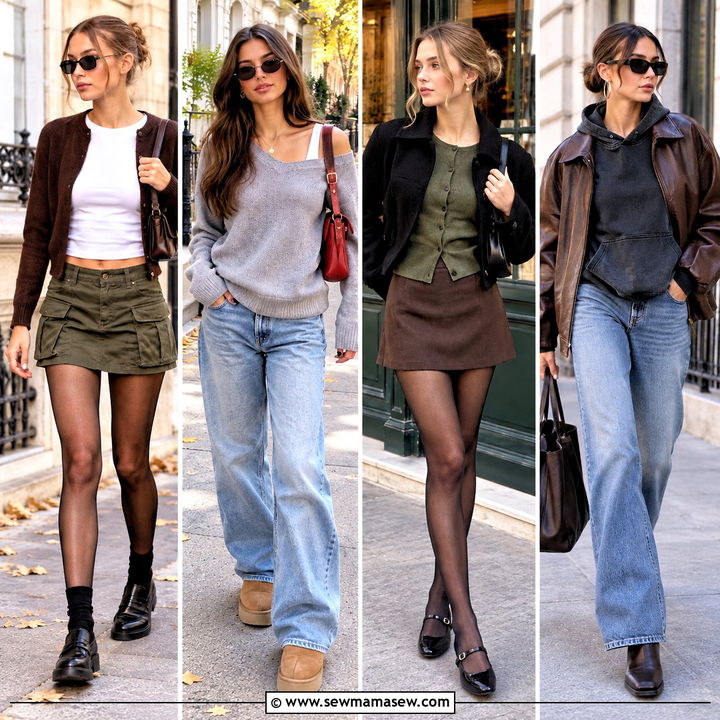
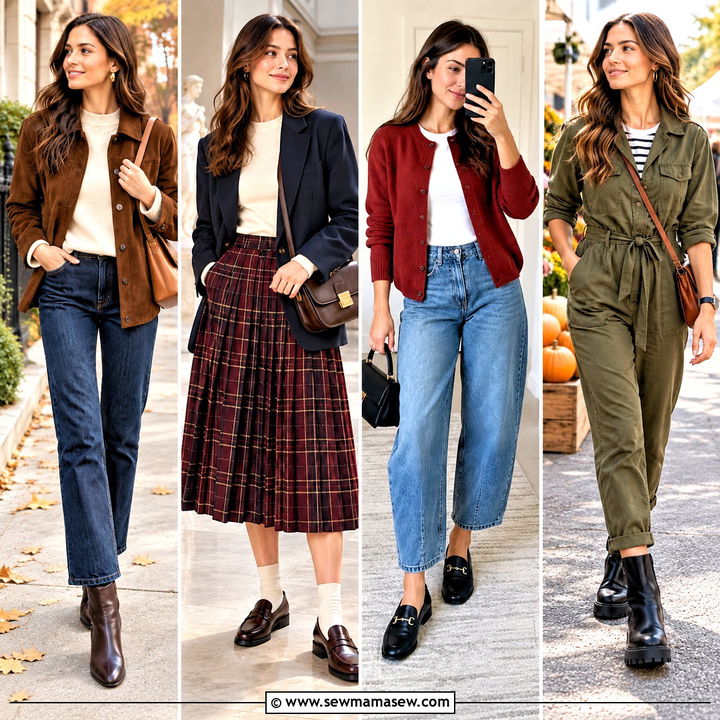
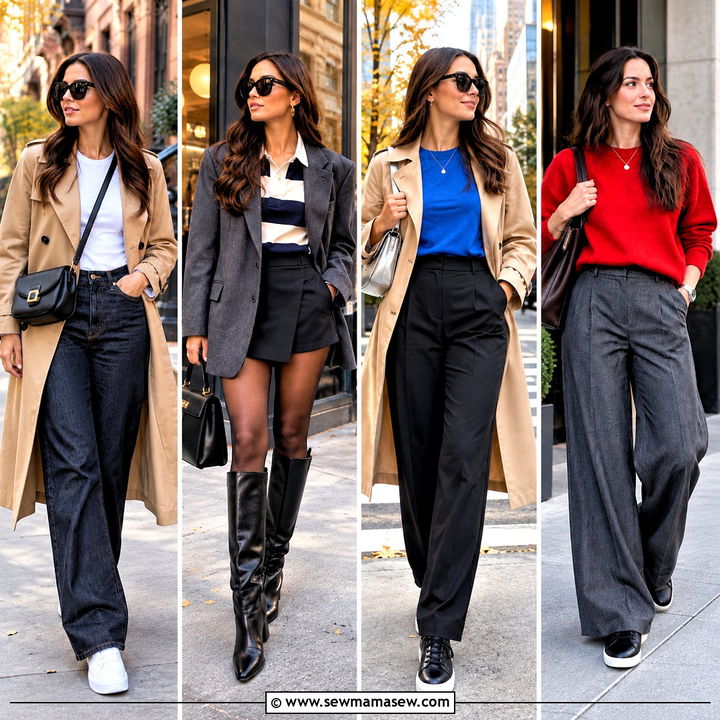
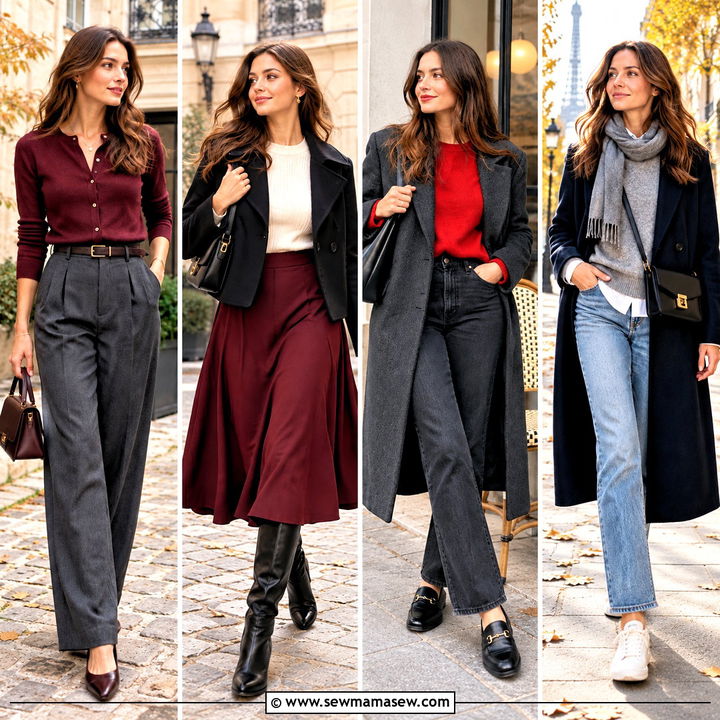
25. Oversized blazer with bike shorts museum outfit

An oversized blazer over a fitted tank and black bike shorts is the boldest outfit here. The structured jacket against body-skimming shorts looks fresh in the right place. Keep it tonal: black, charcoal, cream or khaki. Chunky sneakers or sporty sandals continue the urban feel; for a full day, the sneakers win. A compact crossbody keeps the outline simple, and a cap or sunglasses finish it. It isn't right for every museum, but for a design exhibit or a contemporary space it works.
26. Tie-front blouse with paperbag trousers museum outfit

A tie-front blouse with high-waisted paperbag trousers defines the waist and then releases into an easy wide leg. A blouse in crepe or cotton voile; trousers in ivory, olive or terracotta. Paperbag waists add volume at the stomach, so if that's an area you'd rather not emphasise, choose a version with a flatter front and pleats instead. Flat mules, woven wedges or pointed flats finish it. A circle bag and soft gold jewellery suit a daytime visit or a botanical museum.
27. Monochrome gray layered museum outfit

An all-grey outfit with layered textures lets the art be the colour in the room. A light grey turtleneck, a charcoal blazer or cardigan and slate grey wide trousers or a midi skirt. Mixing wool, cashmere, silk and knit stops it looking flat. Grey ankle boots or flats extend the line, and silver jewellery suits it. A grey handbag or suede tote completes it. Suede marks if you lean on a damp railing or get caught in rain on the way, so spray it with a protector first. It suits modern art museums, photography exhibitions and architectural spaces.
28. Silk camisole with blazer and wide-leg trousers museum outfit

A silk camisole under a tailored blazer with wide-leg trousers is soft and sharp at once. A camisole in champagne, ivory or soft gold under a black, navy or cream blazer. Wide-leg trousers in a matching neutral lengthen the body. Pointed flats or low kitten heels keep it walkable; a kitten heel is about the highest I'd wear for more than an hour on stone floors. A fine pendant, a leather watch and a structured mini bag finish it for an evening event or a fine art museum.
29. Breton top with denim dungarees museum outfit

A Breton top with relaxed denim dungarees has an art-student feel. Roll the cuffs and let one strap hang loose. Canvas high-tops or scuffed loafers suit it. A big canvas tote with a sketchbook and pencils completes the picture, but pencils only: many galleries ban pens and markers near the works. A beanie or a scarf in your hair adds personality. It's right for a community art space or a relaxed day.
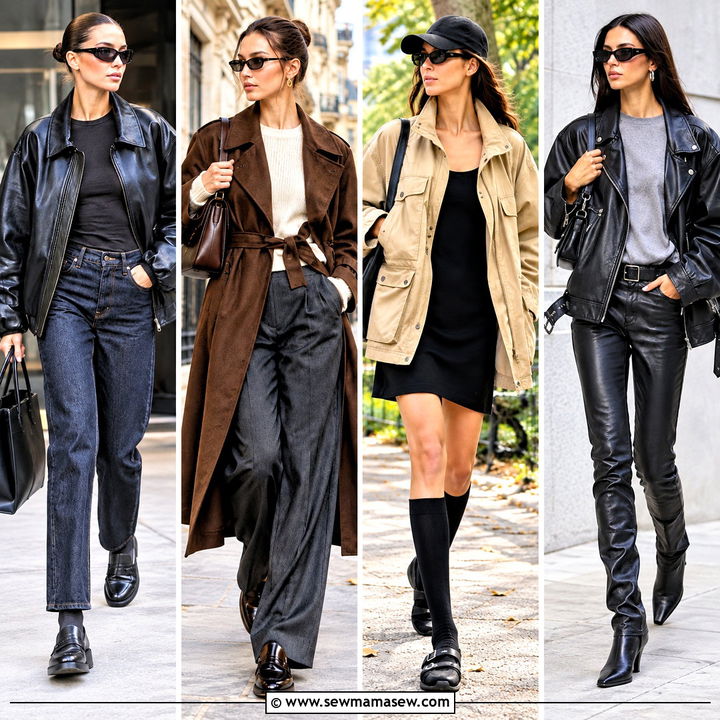
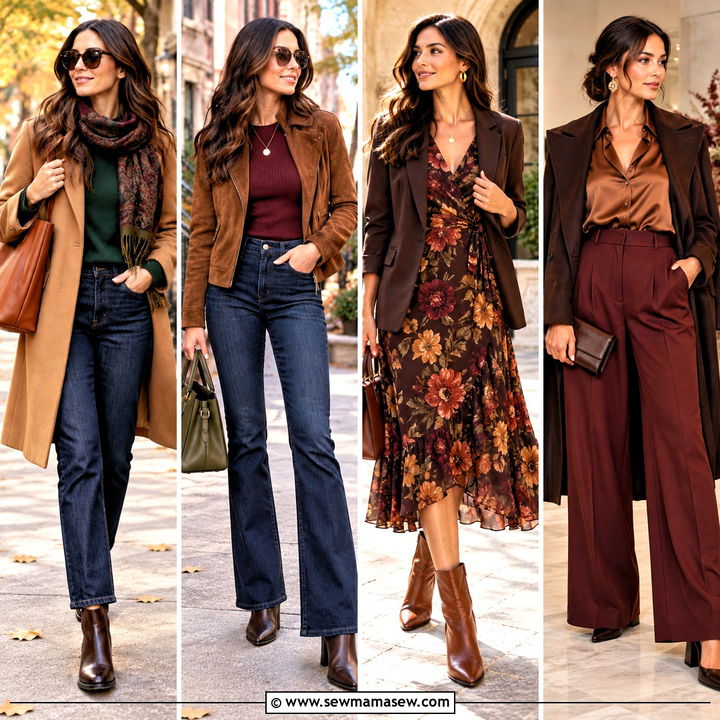
30. Velvet blazer with black jeans museum outfit

A velvet blazer in emerald, sapphire, burgundy or plum with slim black jeans works for an evening at the museum. The velvet catches the light with a soft sheen. A black silk camisole or fitted turtleneck keeps the focus on the blazer. Pointed heeled boots or velvet flats continue the mood; velvet slippers have very thin soles, so they're better for a short opening than a long visit. A small embellished clutch or box bag and gold or silver drop earrings add evening glamour for a gallery opening or a fundraiser.
31. Matching knit lounge set museum outfit

A coordinated knit set, a cashmere or ribbed crewneck with tapered trousers, gives comfort that still looks deliberate. Oatmeal, taupe, cocoa or soft grey keep it tonal. Knit trousers can bag at the knees after a few hours of sitting on benches, so a firmer rib or a blend with a little elastane holds its shape better. White sneakers ground it, and a structured tote or quilted shoulder bag adds polish. Big sunglasses and gold or pearl studs finish it for a solo weekend visit.
32. Puff-sleeve blouse with A-line skirt museum outfit

A puff-sleeve blouse tucked into a structured A-line midi skirt has a vintage feel. The sleeves add volume around the face, and the A-line skirt defines the waist and flares over the hips. White cotton or a pastel blouse with a navy, forest green or burgundy skirt. Ballet flats or low block-heel Mary Janes complete it; the strap on a Mary Jane keeps the shoe on through a long day far better than a slip-on flat. A small top-handle bag and pearl or bow earrings suit classical art museums and historic houses.
33. Shawl collar cardigan with straight-leg jeans museum outfit

A thick shawl-collar cardigan in camel, cream or heather grey with straight jeans is a warm, relaxed outfit. The collar frames the neck, and you can wear it open over a tee or buttoned alone. Straight jeans work with almost any shoe. Suede loafers, leather mules or white sneakers; for a big natural history museum, the sneakers. A leather crossbody and tortoiseshell sunglasses finish it. A heavy cardigan is one more thing to carry once you warm up, so I'd only choose it if you're happy to hold it or check it.
34. Trench coat dress museum outfit

A trench dress, belted at the waist and worn alone or over a slip, looks sophisticated. Double-breasted fronts, epaulettes and storm flaps give it detail, and the belt creates an hourglass shape. A midi trench dress in khaki, stone or black with pointed flats, strappy heeled sandals or knee-high boots depending on the season. A structured bag and a silk scarf at the neck add Parisian polish. Cotton gabardine wrinkles at the waist when belted and sat in, so I'd steam it the night before. Gold or tortoiseshell accessories warm the neutral.
35. Polo knit with tailored Bermuda shorts museum outfit

A slim knit polo with tailored knee-length Bermuda shorts looks sporty and polished. The knit takes the polo out of weekend territory, and the longer shorts keep it modest. Ivory, sage or navy for the polo, matching shorts. A slim leather belt and leather slides or loafers; for an architectural walking tour, loafers with a cushioned sole are kinder than slides. A structured tote or belt bag keeps essentials close for a warm day or a sculpture park.
Six Hours on Marble: Which Soles Hold Up
Museum walking is slow walking with long periods of standing, which is harder on the feet than a brisk walk outside. Hard floors give no cushioning, and stairs come up more often than you'd think. The sole matters more than the style of the shoe.
- A cushioned insole or a slight heel of about an inch takes pressure off the heel better than a completely flat sole.
- Rubber soles grip polished stone and worn stairs; smooth leather and jute soles can slip.
- Shoes with a strap or a back stay on your feet on stairs; mules and loose slides tend to slip off.
- Quiet soles are appreciated in silent rooms; hard heels click loudly on stone floors.
- Wear new shoes around the house for a few days first, never for the first time on a museum day.
If you love a dressier shoe for an evening opening, keep it for that: an hour or two is fine. For a full day of galleries, a cushioned sneaker or a rubber-soled loafer will let you see more before your feet decide the visit is over.
Comfortable Feet, Small Bag, Then Style
Dressing for a museum comes down to comfort first and expression second. The best outfits let you move freely, cope with changing room temperatures and still feel like yourself. Tailoring, soft knits, printed dresses or leather all work if they're chosen deliberately. Put the most thought into your shoes, because hours on hard floors need support as much as style. Choose layers you can add or remove, quiet colours that let the art lead, and a bag small enough to keep with you. Then the outfit stops being something you think about, and you can look at the art.
Related posts: