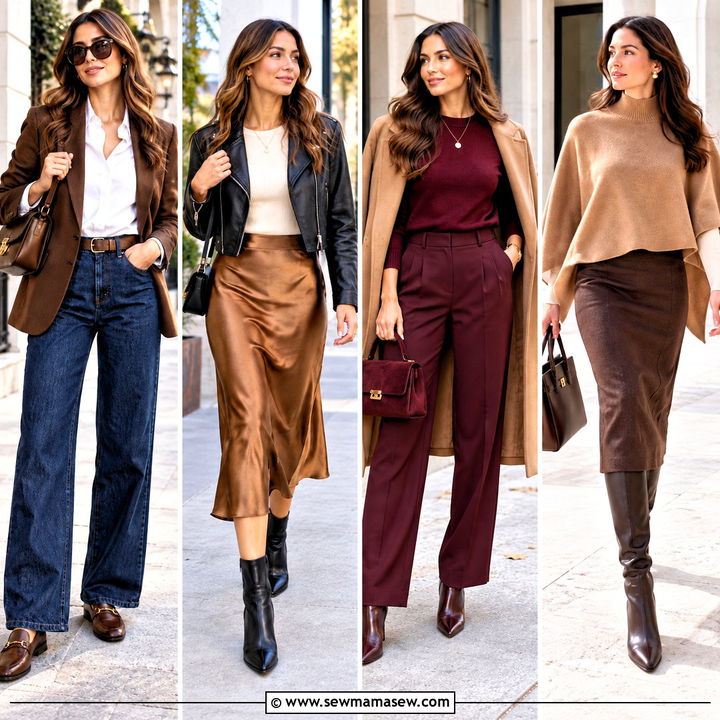
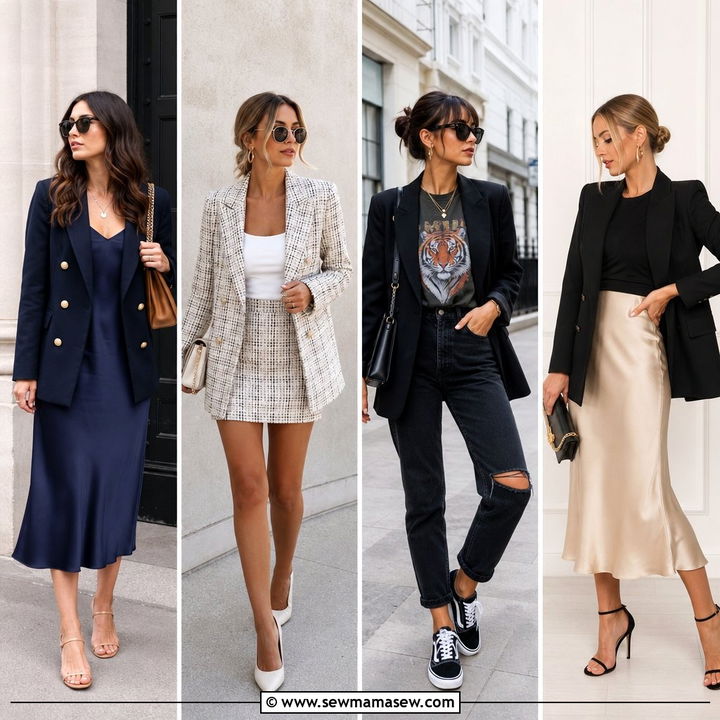
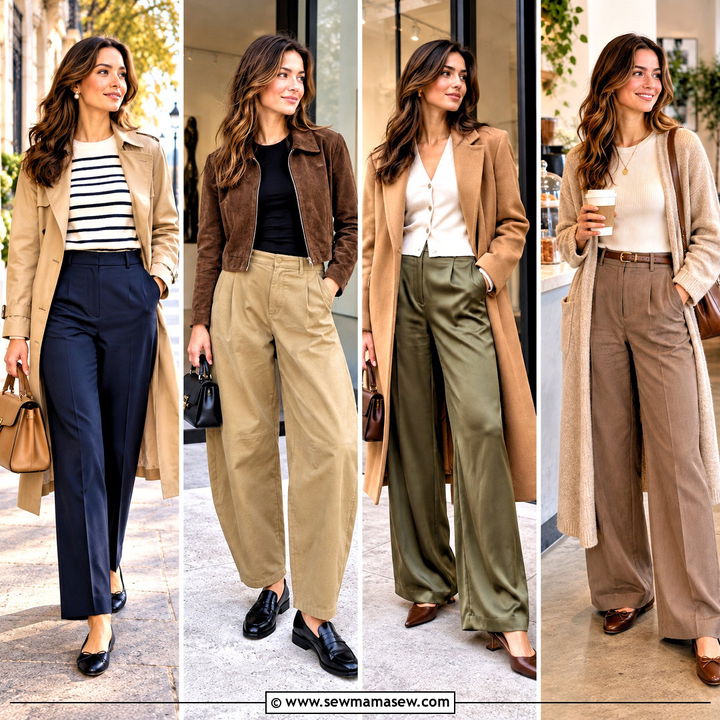
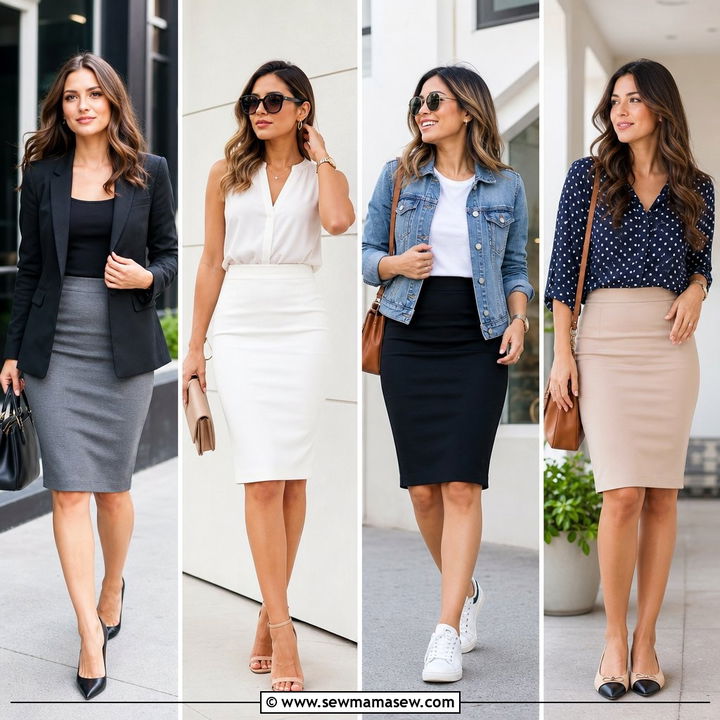
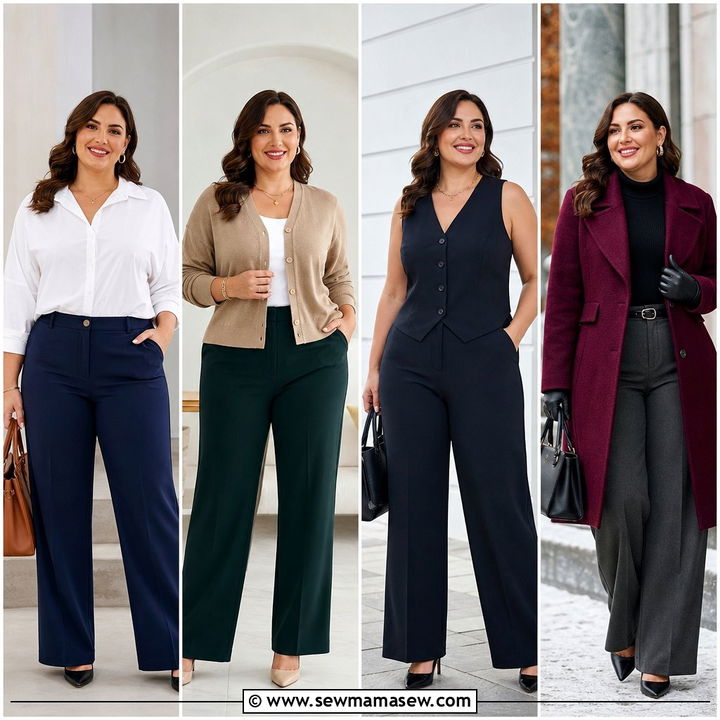
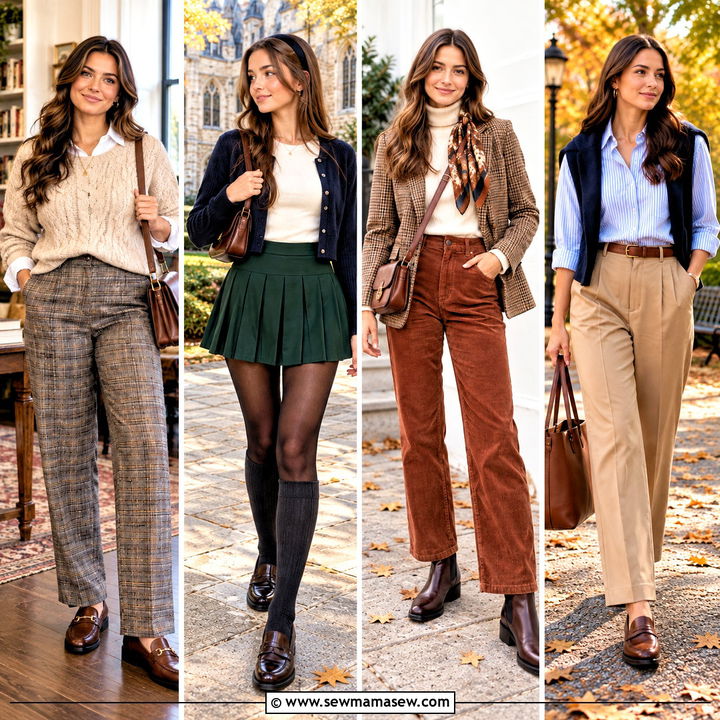
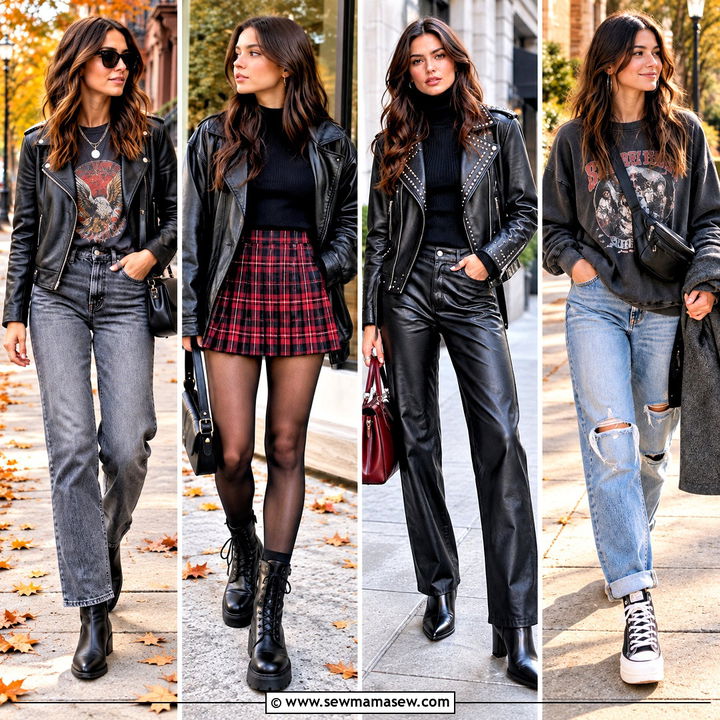
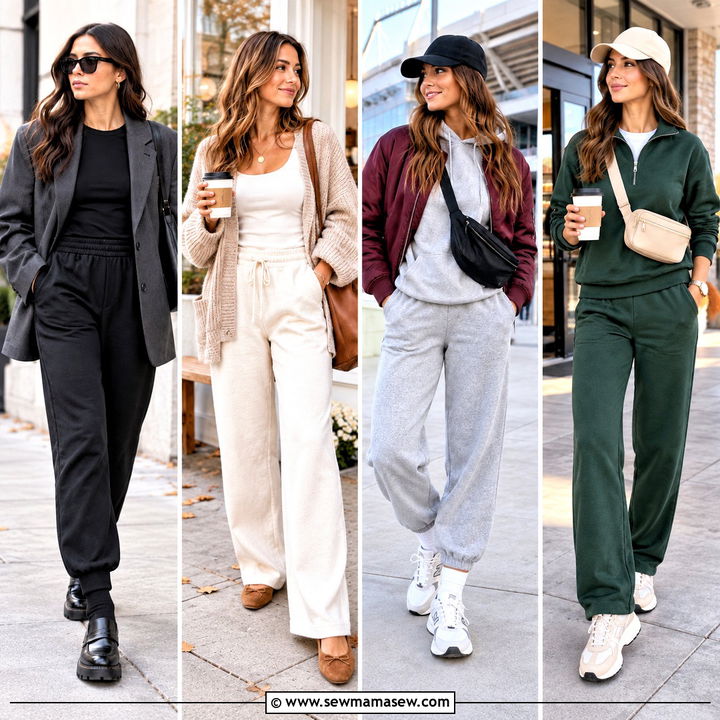
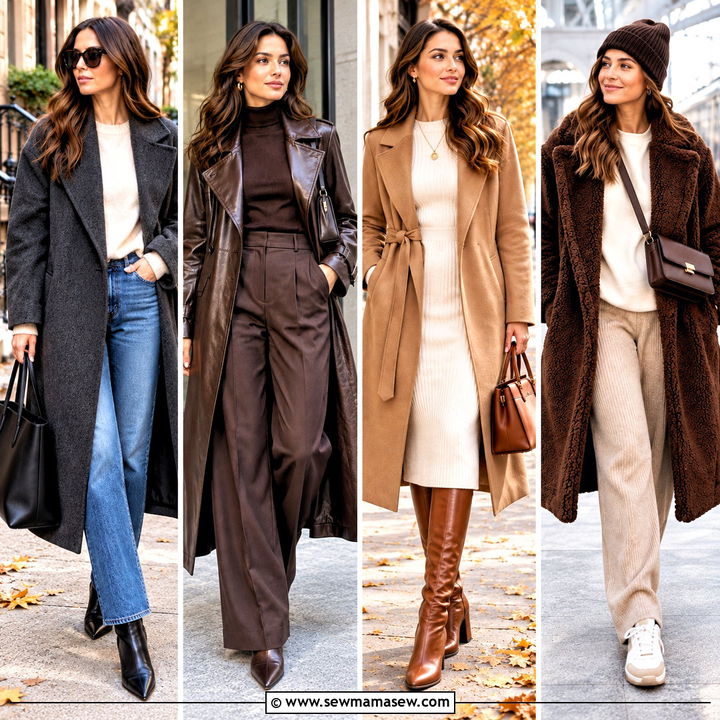
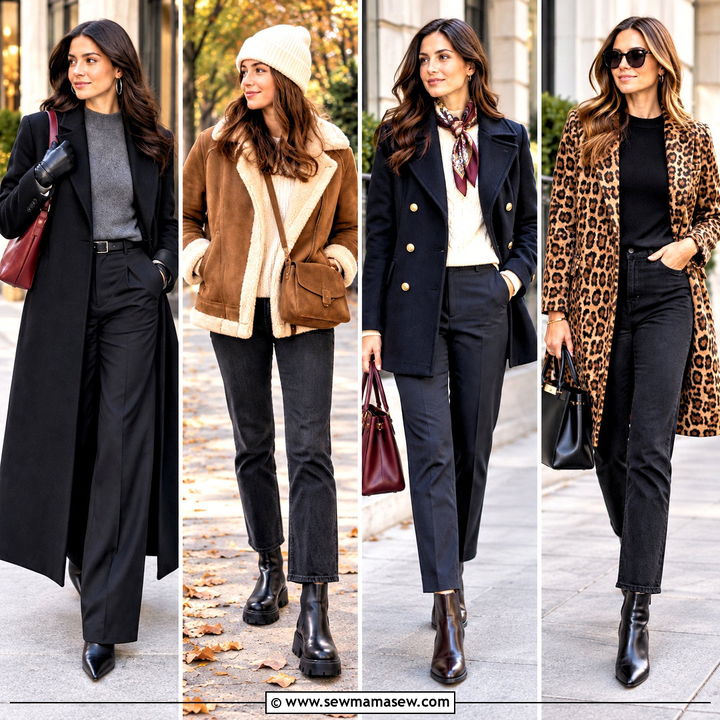
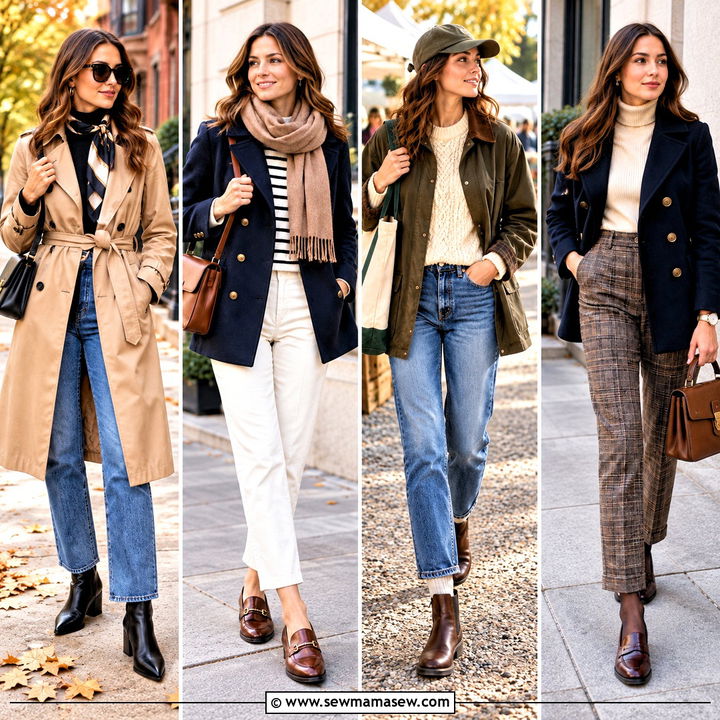
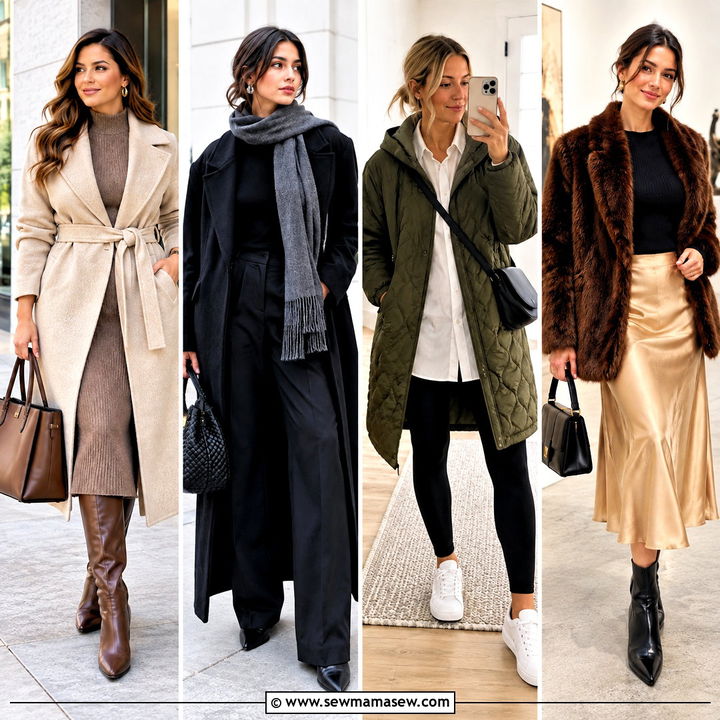
Plenty of coats look smart on their own. The harder question is what they look like walking into a meeting at 8:45 with a laptop bag on one shoulder. These fifteen are the classy ones I'd send someone to work in, and they carry over to dinners, travel and weekends without changing much. This fall leans on trenches, long wool coats, suede, barn coats, animal prints and scarf coats, but the cuts I've picked are tailored enough to outlast the trend. Every look comes with the layers, shoes and bag I'd use. Treat the colors and lengths as starting points and adjust for your height, your commute and how cold your mornings actually get.
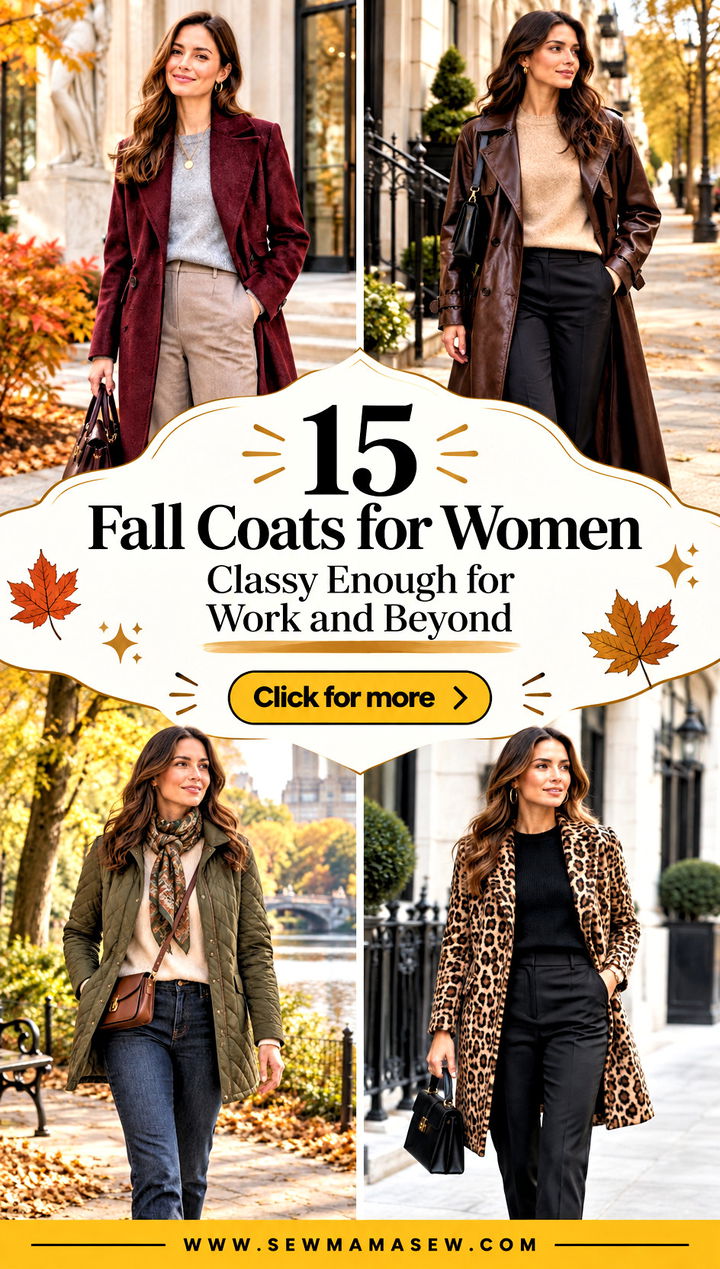
How Formal Does an Office Coat Really Need to Be?
People often buy a work coat for a dress code they don't have. Your coat is the first thing colleagues and clients see when you arrive, so it should match the most formal thing you wear in a normal week, not the dressiest day of the year.
- Business formal, think suits most days: long wool coats in navy, charcoal, black or camel, single or double-breasted, plus a classic trench. Leave quilted, barn and teddy styles for the weekend.
- Business casual: everything in the formal group, plus wrap coats, scarf coats, burgundy, plaid and a sleek quilted coat with minimal hardware.
- Creative or relaxed offices: suede, leather trenches, leopard and the barn coat all fit, as long as the outfit under them is neat.
- Client-facing roles with travel: a dark coat that resists wrinkles in a car or on a plane seat is worth more than any trendy color.
If you're unsure, look at what the most senior people in your office wear on the way in. Matching that level is rarely wrong.
1. Camel Wool Coat With Tailored Trousers
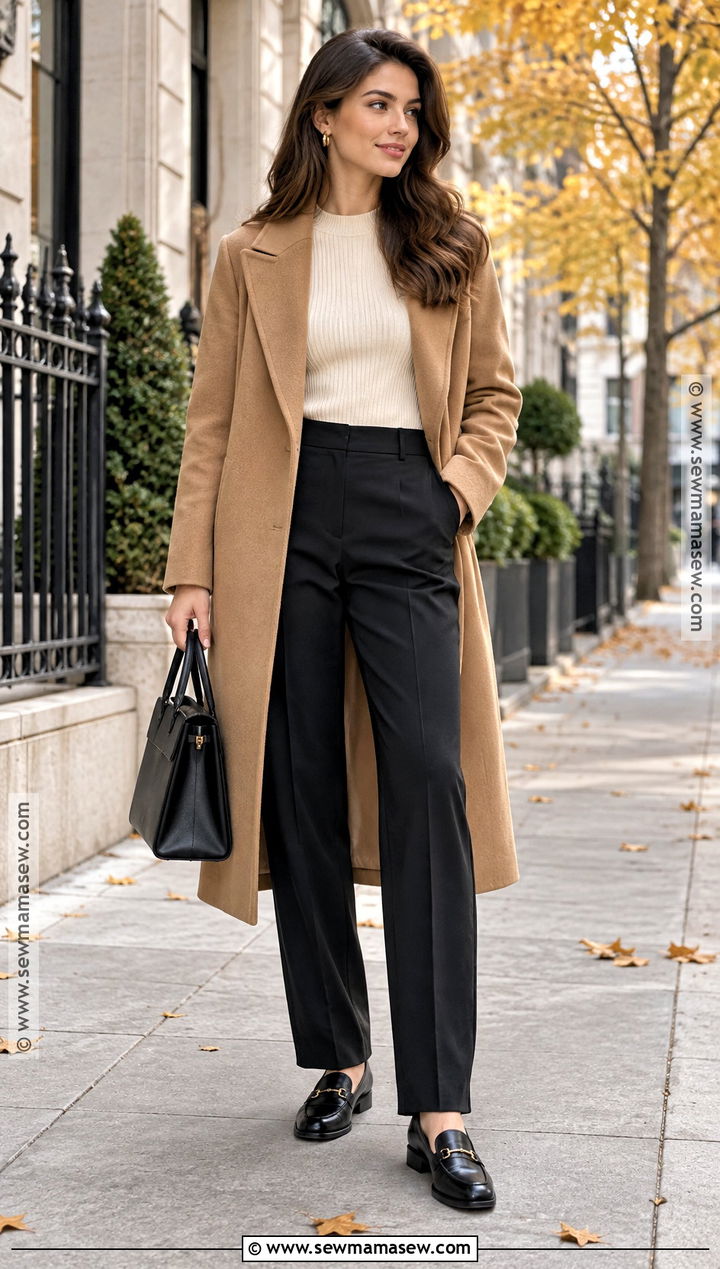
Camel against black is the quickest polish I know. I put a knee-length or longline camel wool coat over a fitted cream sweater and black tailored trousers, so the warm coat has a dark, sharp frame. Black leather loafers handle a long day on your feet; pointed ankle boots add height for presentations. A structured black handbag and small gold earrings are all it needs. Petite clients do best with a hem just above the knee, while taller women can carry an ankle-grazing cut. On curvier figures I look for clean lapels and light waist shaping, and I skip bulky patch pockets that sit right on the hip.
2. Classic Trench Coat With Straight-Leg Jeans
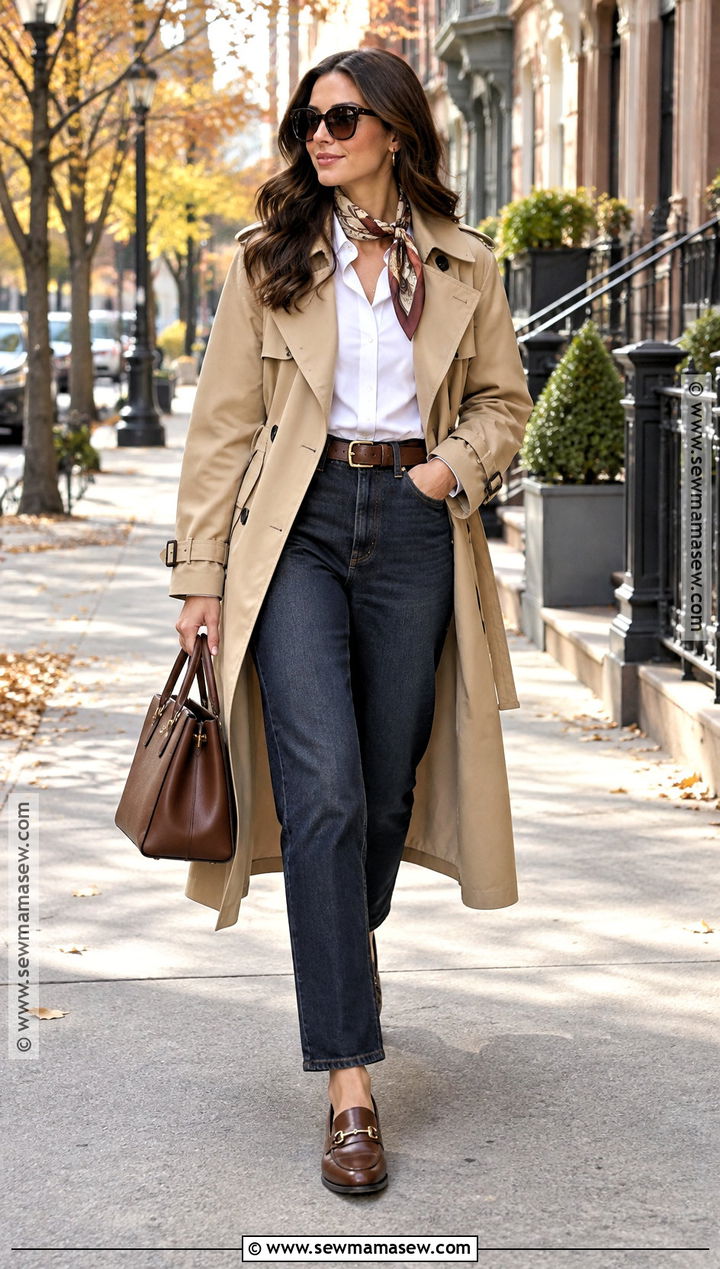
The trench is the coat for days that start at 45 degrees and end at 65. I layer a beige or khaki trench over a white button-down and dark straight-leg jeans, then let the shirt cuffs show a little past the coat sleeve. Brown loafers, a matching belt and a structured shoulder bag keep it office-ready. Belt it at the waist for shape, or tie the belt loosely behind you and wear it open. If your fall is unpredictable, a water-resistant cotton blend earns its keep, though it won't hold out a downpour. Mid-thigh length suits petite frames; calf length gives taller women a long, clean line. A light scarf goes on when the wind picks up.
3. Black Longline Coat With Knit Dress
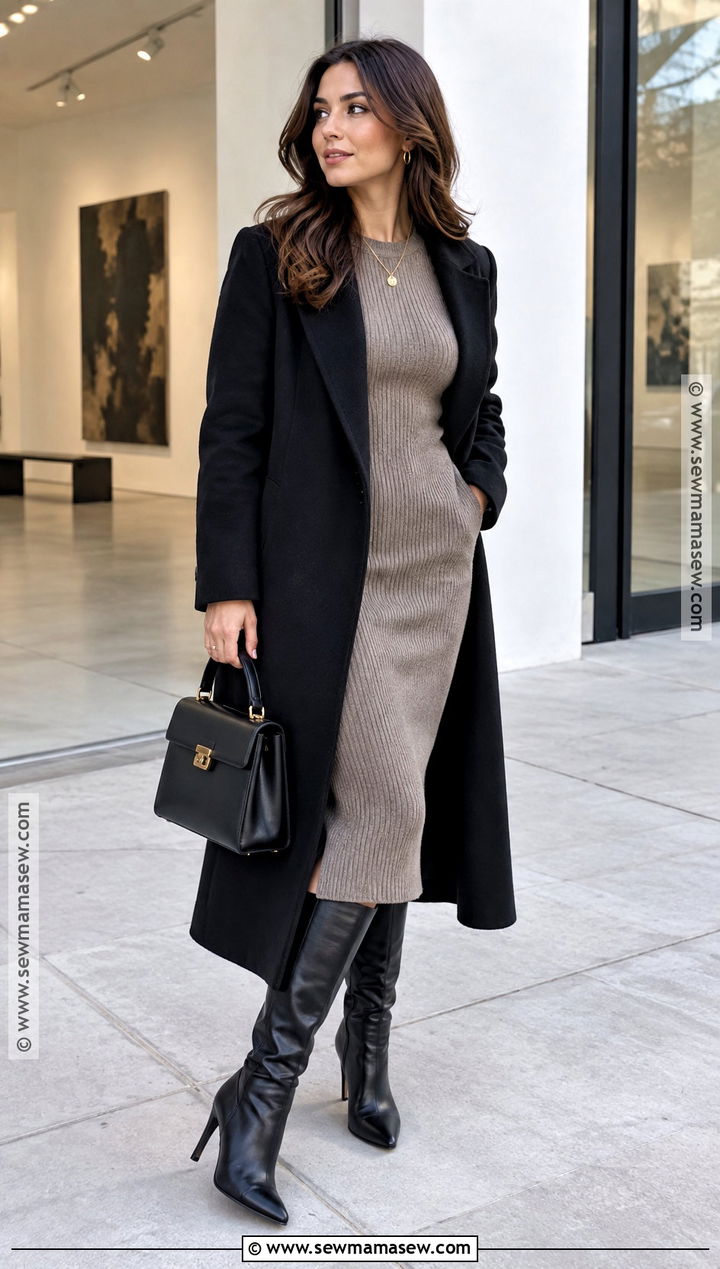
A black longline coat over a fitted knit midi dress is about as sleek as a work outfit gets. I like the dress in charcoal, taupe, burgundy or soft beige so there's a slight shift in tone under the black. Knee-high leather boots with a low or medium heel and a structured top-handle bag finish it. The detail I always check is the hem: the coat should land at the dress hem or just below, never a few inches above, or the dress peeks out like a slip. A fine-gauge knit dress keeps bulk down under the coat. Single-breasted styles with light shaping at the middle give definition without a belt. Keep jewelry minimal.
4. Chocolate Brown Suede Coat With Wide-Leg Pants
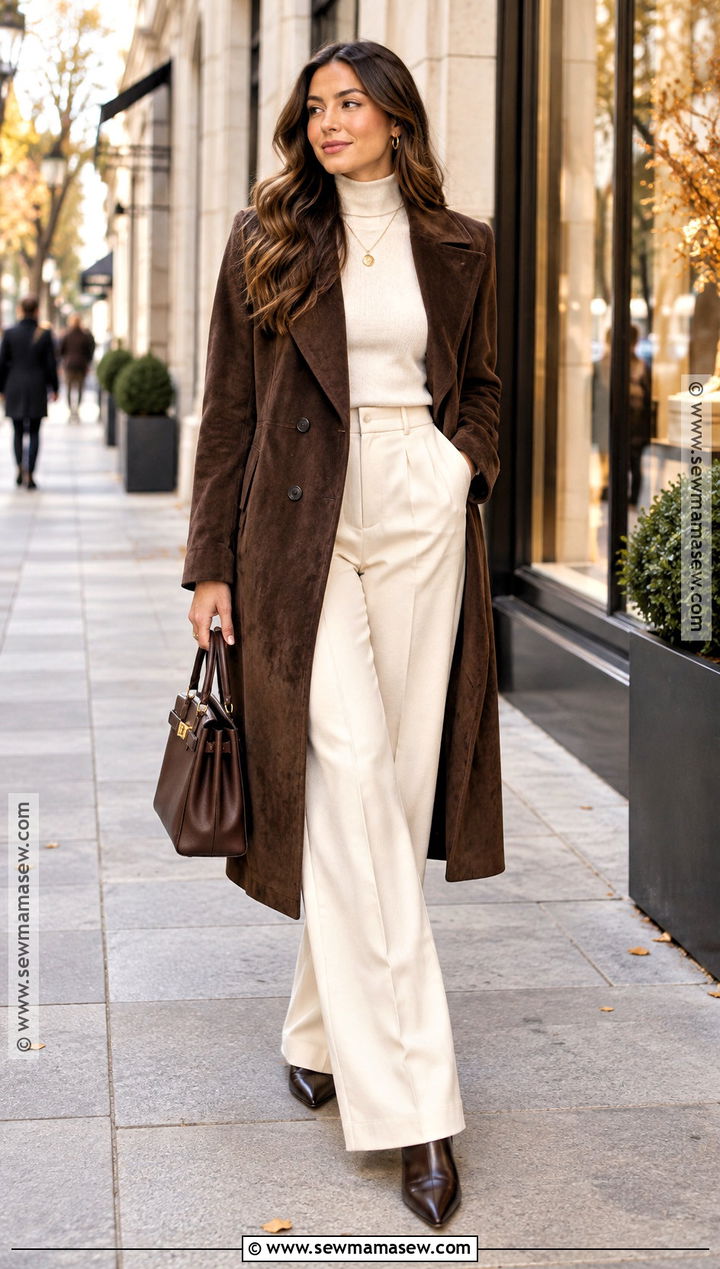
Chocolate suede is the warmest-looking coat here, and it needs a pale base to show off its nap. Build it on an ivory mock-neck and high-waisted cream or beige wide-leg pants, then add dark brown pointed boots under the hem and a bag in a similar brown. A hip-length suede coat reads casual; a long suede trench is a much bigger statement. Smooth knitwear and plain trousers keep the textures from competing. Petite women can go for cropped wide-leg pants or a coat that stops above the knee. Understated gold jewelry is enough. I'd keep this one for dry days, though, because suede spots and darkens in rain.
5. Navy Peacoat With Straight-Leg Jeans
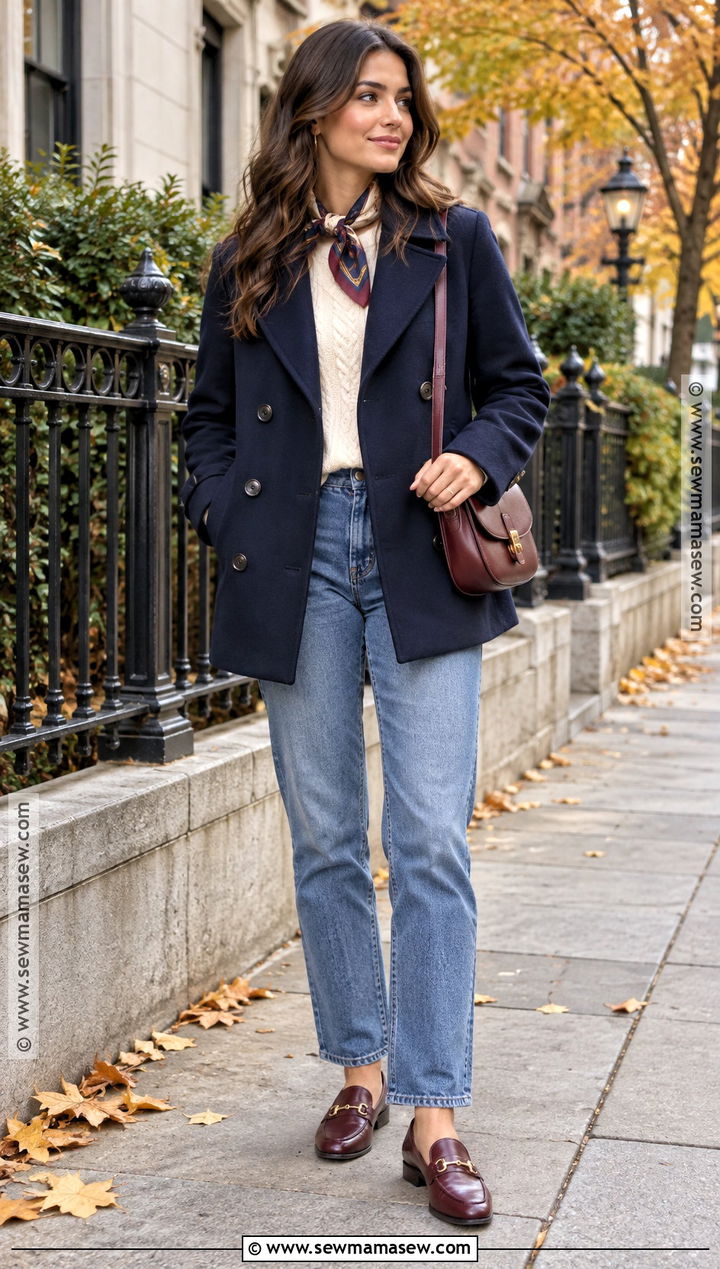
A peacoat is built in heavy melton wool, which is why it holds its shape and blocks wind so well. I wear a navy one over a cream cable-knit, medium-wash straight jeans and burgundy loafers. On the coat itself, look for a defined shoulder and buttons that sit flat when fastened; buttons that pucker mean it's too tight across the chest. With a fuller bust, a single-breasted version often looks less bulky than the double-breasted classic. Jeans that finish near the ankle keep the shoes visible so the outfit doesn't look bottom-heavy. A burgundy crossbody, small hoops and a silk scarf tucked at the neckline add color without fighting the navy.
6. Olive Barn Coat With Midi Skirt
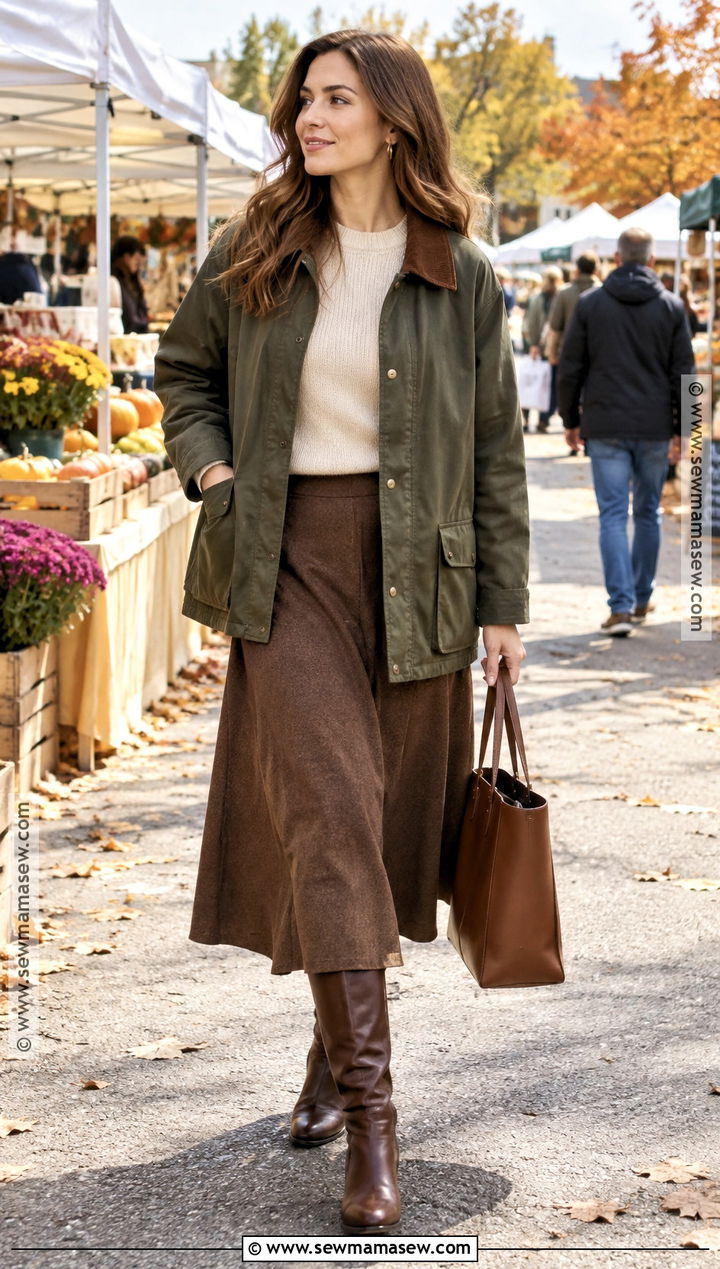
Barn coats were made for work outdoors, so the polish has to come from what's under them. An olive or dark khaki coat with a corduroy collar goes over a fine cream sweater, tucked in, and an A-line midi skirt in brown, black or a quiet plaid. Knee-high riding boots give it a country feel; a structured leather tote pulls it back toward town. If the coat is boxy, choose a skirt that falls smoothly rather than one with a lot of flare, or the shapes stack up. Petite women may want a shorter coat and a skirt hem that shows some boot. It's warm and practical for casual offices and Saturday markets.
7. Belted Wrap Coat With Knee-High Boots
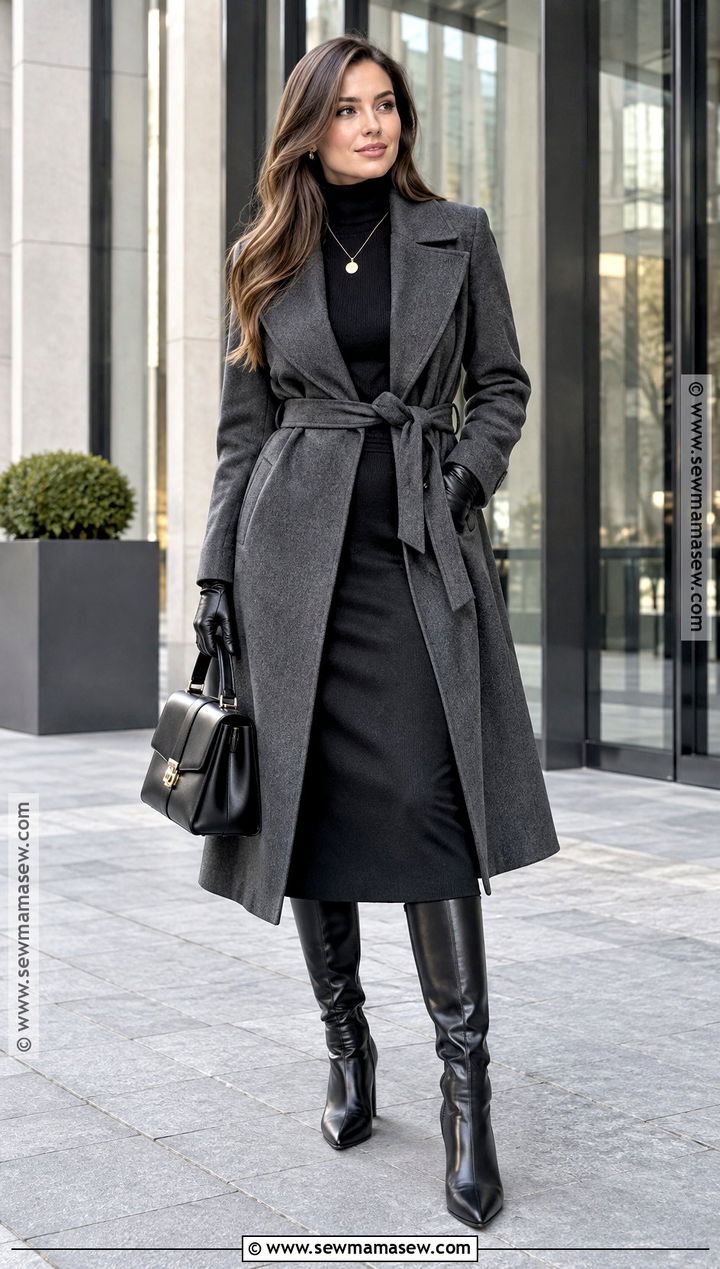
Wrap coats flatter because the belt puts the waist wherever you want it. I choose camel, charcoal, navy or deep green and layer it over a fitted turtleneck and a straight midi skirt, tying the belt slightly above the natural waist to lengthen the leg. Knee-high boots should reach the skirt hem or disappear under it for a smooth vertical line. A medium top-handle bag gives the soft coat some structure. If the matching fabric belt is thick and lumpy, swap it for a narrow leather belt in a close shade. Shorter torsos often look better with the belt tied at the back and the coat open. Leather gloves and a simple pendant finish it.
8. Plaid Coat With Black Turtleneck
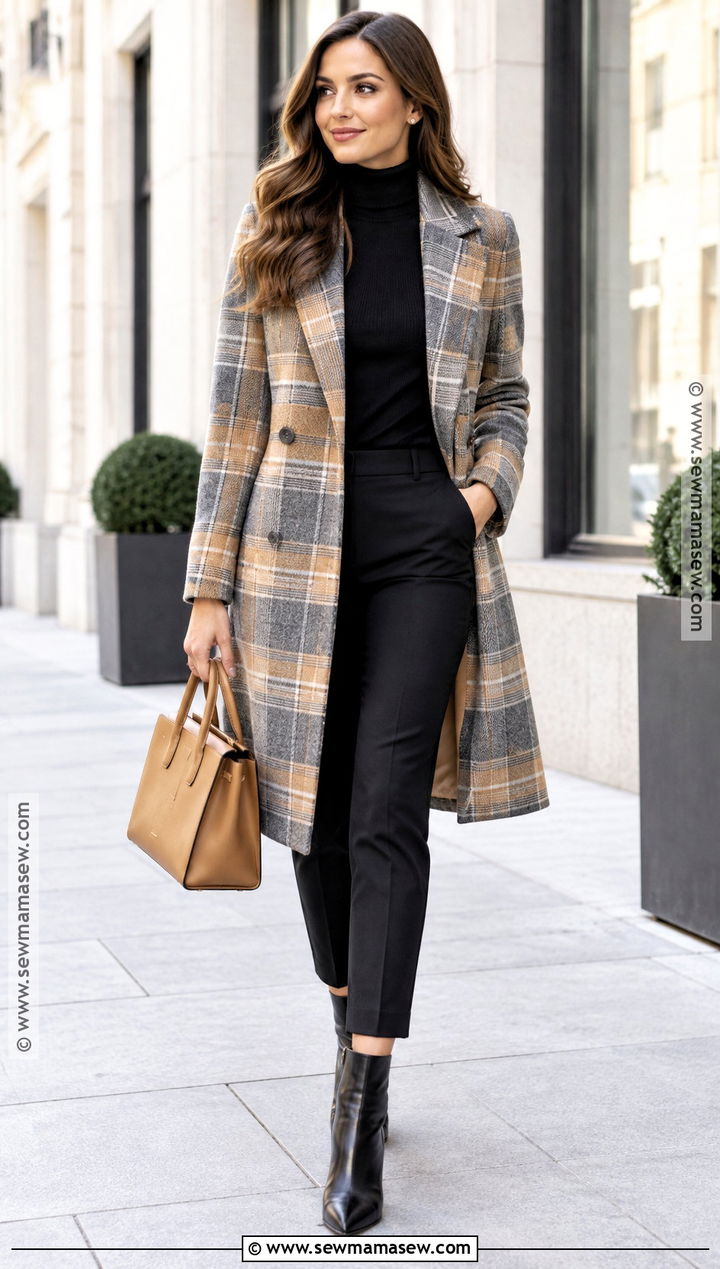
With a plaid coat, I keep everything else black and let the check do the talking. A plain black turtleneck, black ankle-length trousers and pointed black ankle boots make the base; the bag picks up one of the coat's quieter colors. Gray, camel, brown and cream plaids are the easiest to work into an existing wardrobe. Small checks read subtle enough for a formal office, while oversized plaid is bolder and more current. If the cut is roomy, keep the pieces under it fitted or straight. Knee length suits most heights. Stud earrings in silver or gold are fine, but no second pattern anywhere.
9. Burgundy Coat With Neutral Separates
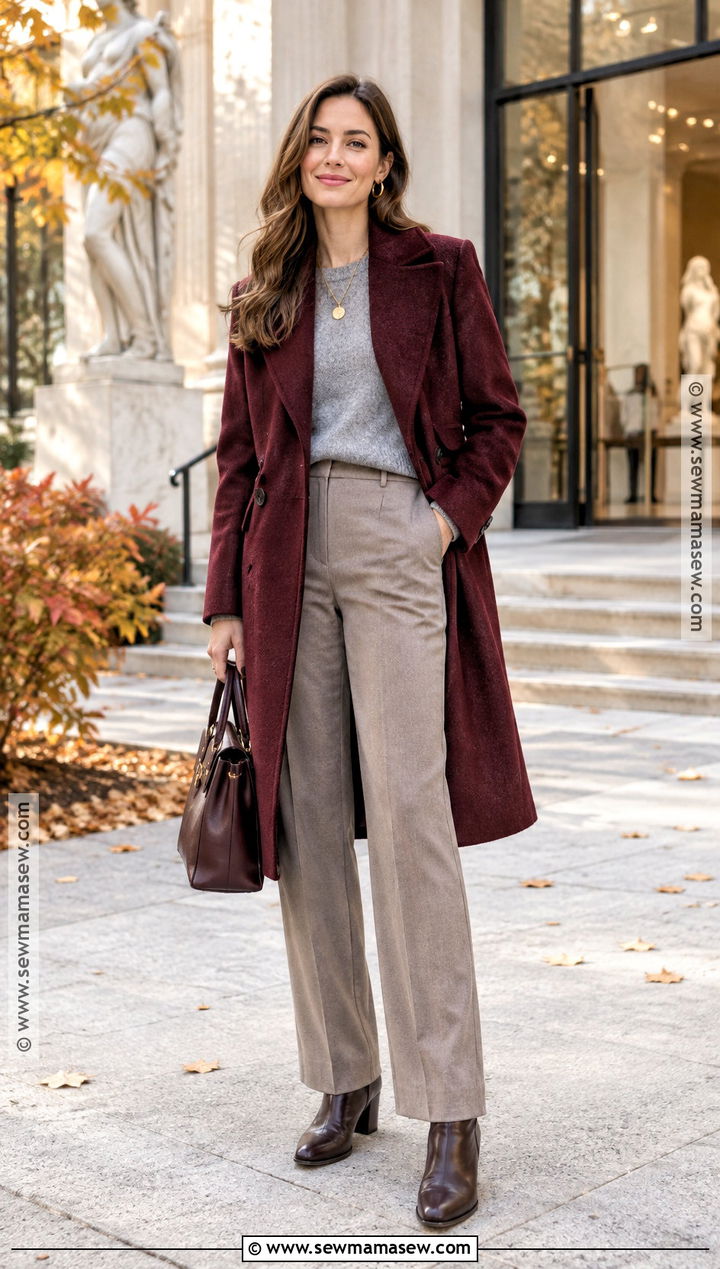
Burgundy behaves almost like a neutral, which surprises people. I style a tailored burgundy coat over a soft gray sweater and taupe trousers, with dark brown ankle boots and a matching bag, and a little gold to brighten the deep shades. Single-breasted gives the cleanest vertical line, and a lightly shaped waist keeps it from looking boxy. Swap the trousers for dark indigo jeans and loafers on a casual Friday. It also pairs with cream, navy, camel and muted pink, so it can carry most of the season. One warning: rich reds fade where sun hits them on a coat hook by a window, so store it out of direct light.
10. Gray Double-Breasted Coat With Loafers
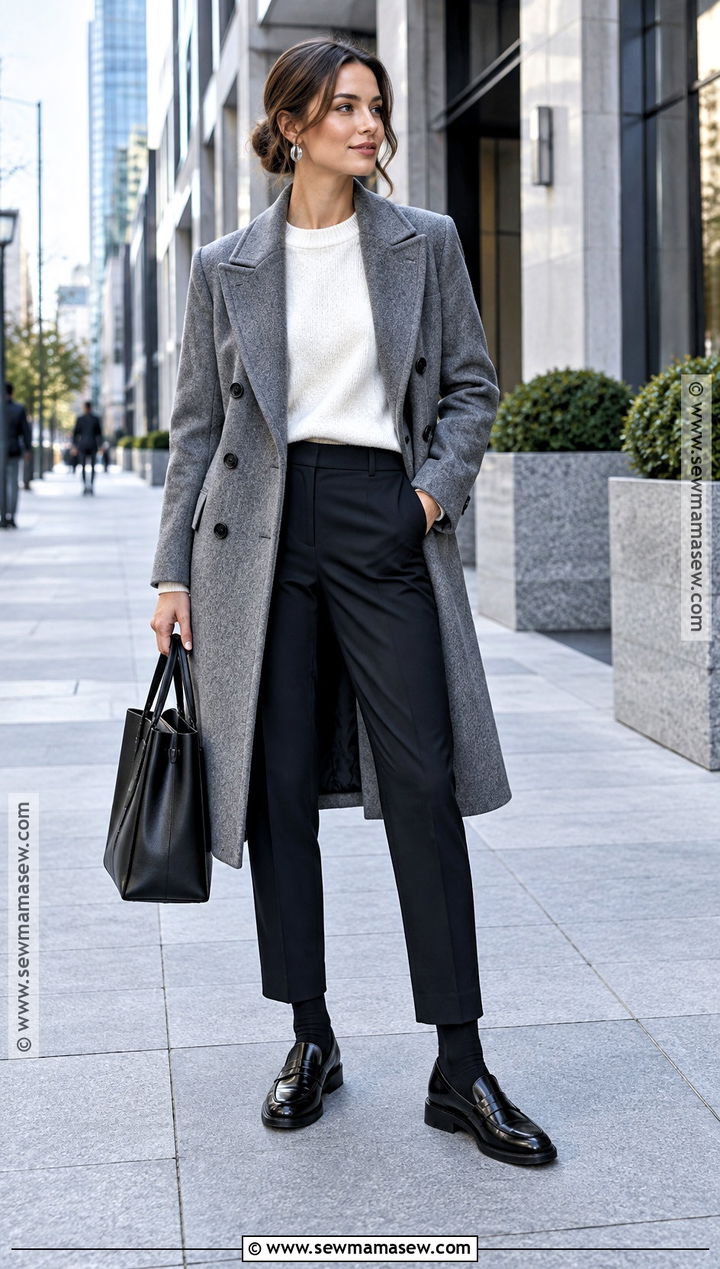
Gray tailoring makes ordinary basics look like they were planned. I wear a gray double-breasted coat over a white crewneck and black cropped trousers, with polished loafers and thin socks on mild days and ankle boots once it turns cold. A black structured tote and silver earrings suit its cool tone. Double-breasted fronts add width, so fit matters more here: the shoulders should be smooth and the coat should close without pulling. Worn open, it makes a strong vertical line and shows the contrast underneath. Petite women may prefer thigh length with smaller buttons, while taller women can wear an oversized, calf-length shape. It gives you suit-level polish without the suit.
11. Cream Collarless Coat With Monochrome Outfit
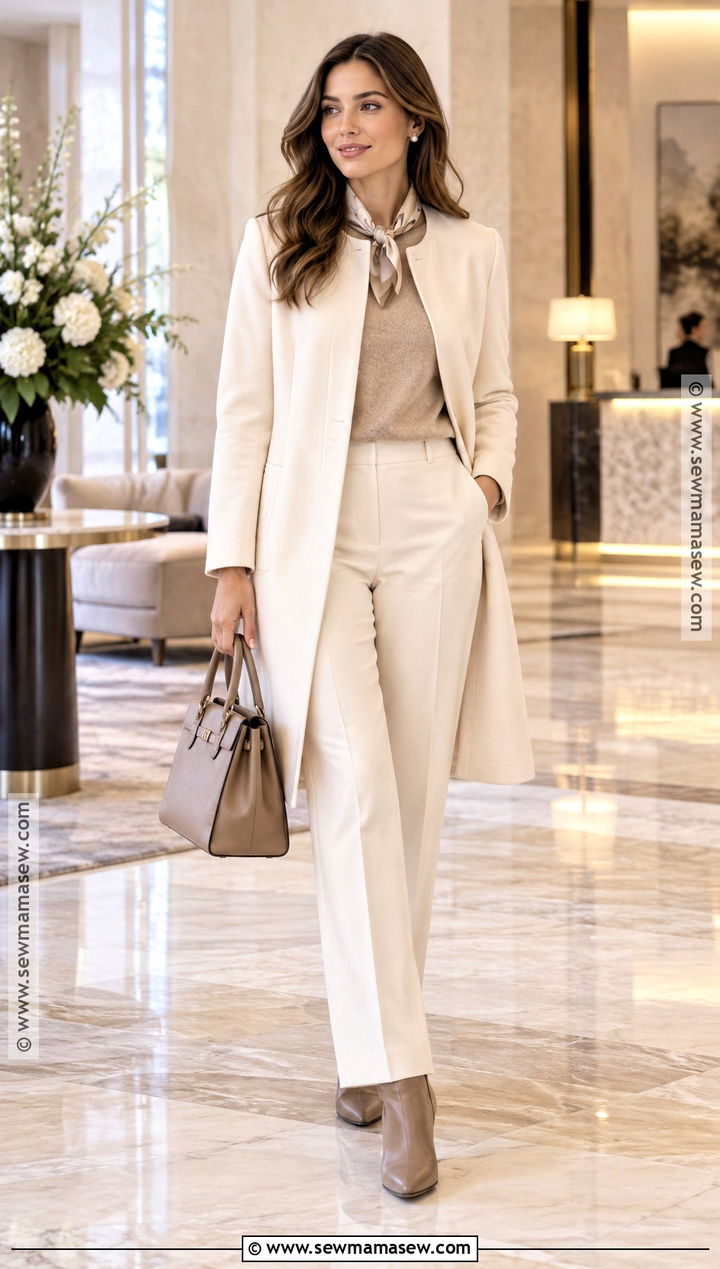
A collarless cream coat is quiet and very elegant, and it is not a coat for anyone who eats breakfast on the train. I layer it over an oatmeal sweater and ivory straight-leg trousers, keeping the shades slightly different so the outfit doesn't go flat. Taupe loafers or almond-toe ankle boots ground the palette without harsh contrast, and a structured beige bag with pearl studs or plain gold hoops finishes it. Pale cloth shows every line beneath, so smooth medium-weight trousers and fine, flat-knit sweaters help. The bare neckline looks best with a mock-neck or a neatly wrapped silk scarf. If all-pale feels impractical, chocolate boots and bag give it an anchor.
12. Leather Trench Coat With Tailored Pants
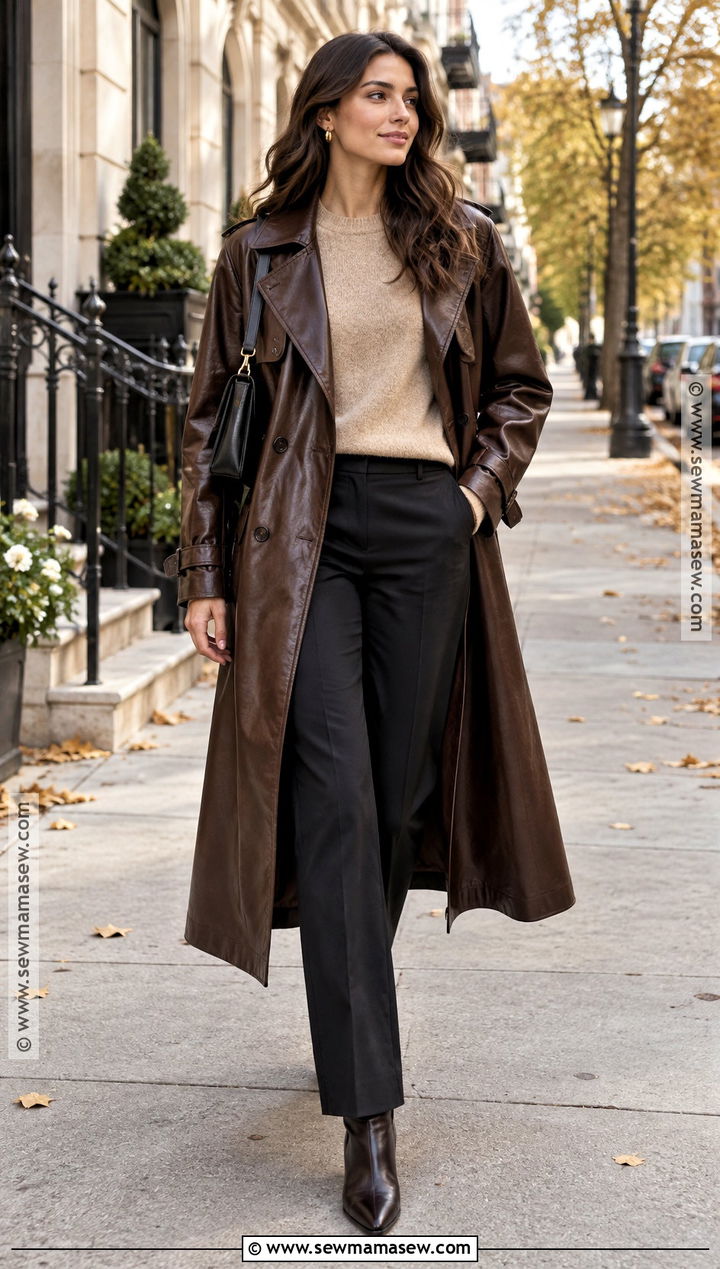
Leather reads elegant instead of edgy when the hardware is quiet. A long black, espresso or oxblood leather trench over a fine crewneck and tailored straight pants, with pointed ankle boots and a simple shoulder bag, is the version I'd wear to work. Skip big buckles, lots of zips and heavy distressing if you want it to last years. It can be belted or worn open. Before buying, cross your arms and reach up: leather has no stretch, so the shoulders and sleeves have to allow movement over a knit. Matte wool trousers balance the shine. It goes from creative offices to evening plans with almost no change.
13. Quilted Coat With Sweater And Jeans
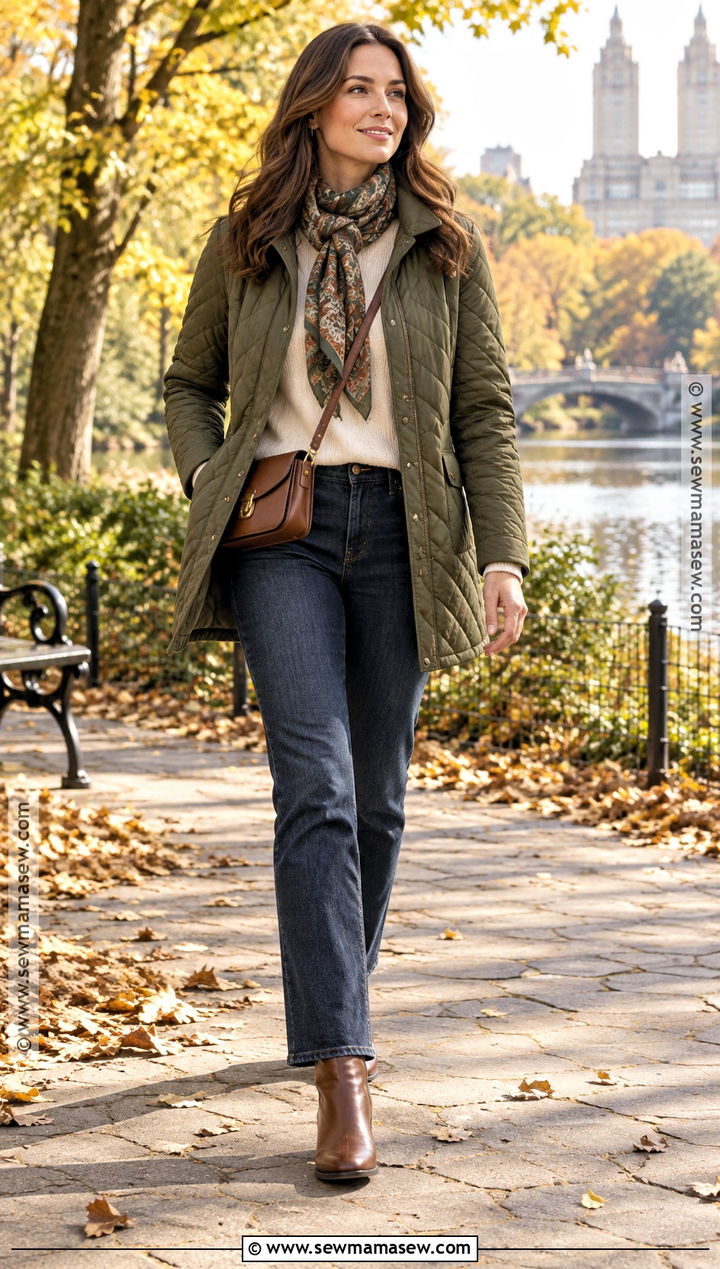
Quilted coats look sporty by default, so I make them office-friendly by keeping the shape neat. Choose olive, navy, chocolate or black with a tidy diamond stitch and minimal hardware, over a cashmere or merino sweater and dark straight-leg jeans. Brown leather ankle boots and a structured crossbody make the practical coat look dressed. A lightly shaped waist or side slits flatter far more than a straight, puffy cut. If the coat is relaxed, keep the jeans streamlined and the sweater fine. Petite frames usually look best in hip length; longer versions cover more in colder places. A printed scarf adds personality and comes off easily by afternoon.
14. Leopard Print Coat With All-Black Outfit
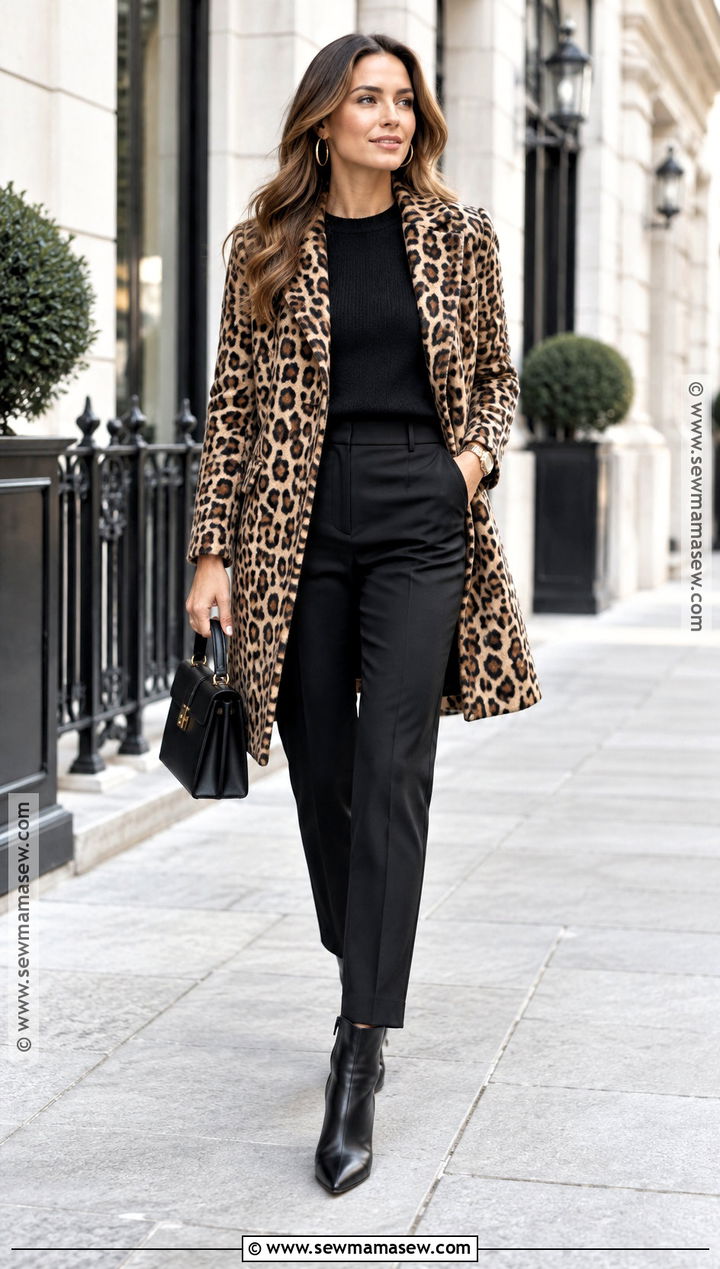
Leopard is at its most grown-up over all black. I wear it over a black fine-knit sweater and tailored black trousers with pointed ankle boots or sleek loafers and a small black structured bag. The cut matters as much as the print: a straight knee-length or softly tailored single-breasted shape keeps it from looking like a costume, while exaggerated volume pushes it there. If full length feels like too much leopard, a shorter coat on the same black base works. Small gold hoops or a watch are plenty. On mornings when you can't think about outfits, this is the coat that makes a black base look deliberate.
15. Scarf Coat With Midi Dress
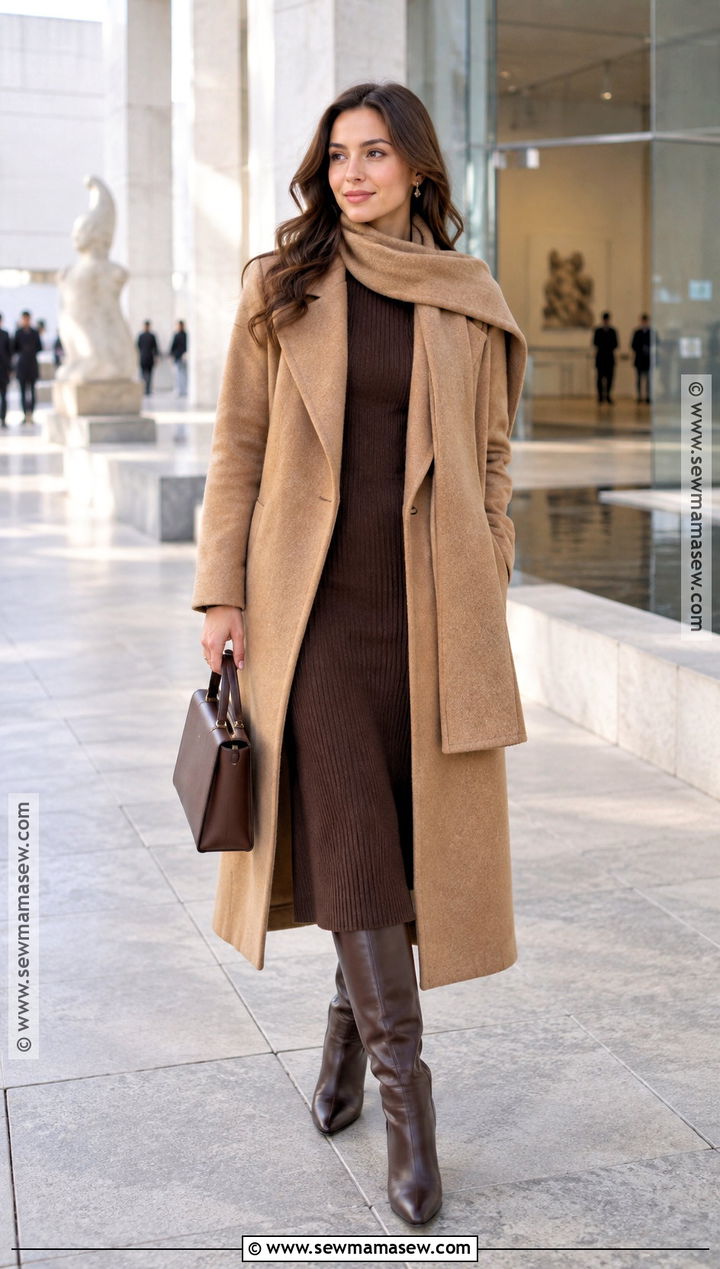
A scarf coat saves you hunting for a scarf on the way out the door. I choose a wool or wool-blend version in camel, gray, chocolate or soft cream and wear it over a long-sleeve knit midi dress, with knee-high boots for warmth. A structured bag with short handles contrasts the soft drape of the scarf, and shoulder straps tend to drag the scarf sideways anyway. Toss one end over the shoulder or wrap it once; any more and you've built a pillow under your chin. Petite women should pick a hem below the knee rather than at the ankle. Taller women can take the sweeping maxi length.
Wearing a Coat Over a Blazer Without the Sleeves Bunching
A coat that fits over a sweater can still fail over a tailored jacket, because a blazer has its own shoulder padding and a stiffer sleeve. If your office calls for jackets, test the coat over one before buying.
- Put the blazer on first and pull the shirt cuff down. The coat sleeve should slide over the blazer sleeve without dragging it up your arm.
- Look at the shoulder line in a mirror. You want a smooth slope; a ridge where the blazer's shoulder pad pushes against the coat means the coat is too narrow.
- Check the back hem. The coat should cover the blazer completely, with an inch or two to spare, so no jacket edge shows below.
- Lift your arms as if hanging on to a train strap. If the whole coat rises, the armholes are cut too high for layering.
Coats sold as having a relaxed or easy fit through the shoulder are usually the ones designed to go over tailoring. Very fitted coats are lovely over a fine knit and frustrating over a jacket.
Suede and Pale Coats Survive the Commute With a Little Planning
The chocolate suede and the cream collarless coat are the two most likely to get damaged on the way to work, mostly by weather and bag straps.
- Spray suede with a protector made for it before the first wear and again every few weeks; it won't make suede waterproof, but light drizzle beads off instead of soaking in.
- If suede does get wet, blot it, let it dry away from heat and brush the nap back up with a suede brush.
- Pale coats pick up color from dark denim and from bag straps rubbing at one shoulder. Swapping the bag to a top handle on pale coat days helps a lot.
- Keep makeup off a light collar by dressing fully, coat last, and carry a small lint roller for the inevitable train seat fluff.
A Work Coat Rotation That Covers the Week
For work, I'd start with one dark wool coat, camel, navy, black or gray, that fits over a blazer, then add a trench for the mild, drizzly weeks. Those two cover most offices. The peacoat, wrap coat and quilted coat suit more casual workplaces, and suede, leather, plaid, burgundy and leopard are the ones that add personality once the basics are there. Whatever you buy, check the shoulder fit, the hem against the clothes you wear most and the room for layers. Then pair it with shoes and a bag that suit your actual commute, because a coat that only looks right with heels won't get worn on a rainy Tuesday.
Related posts: