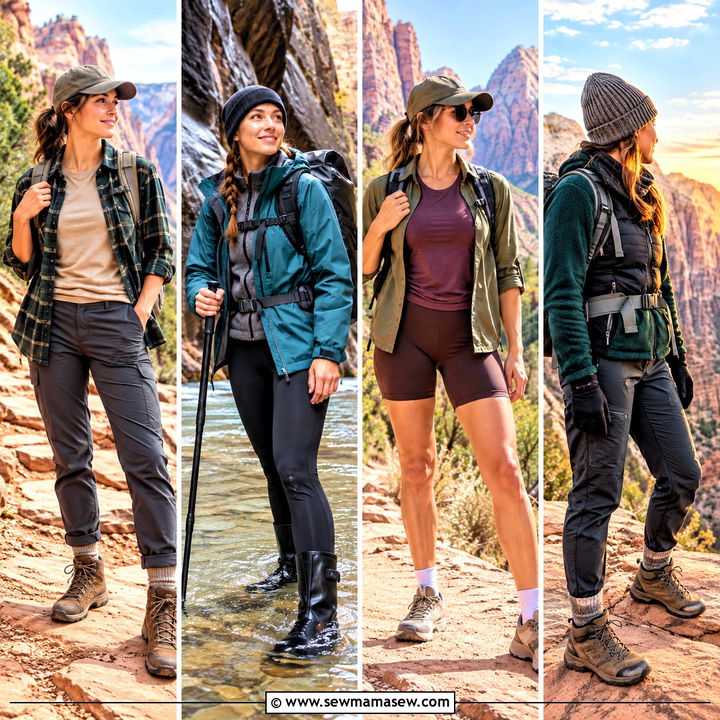
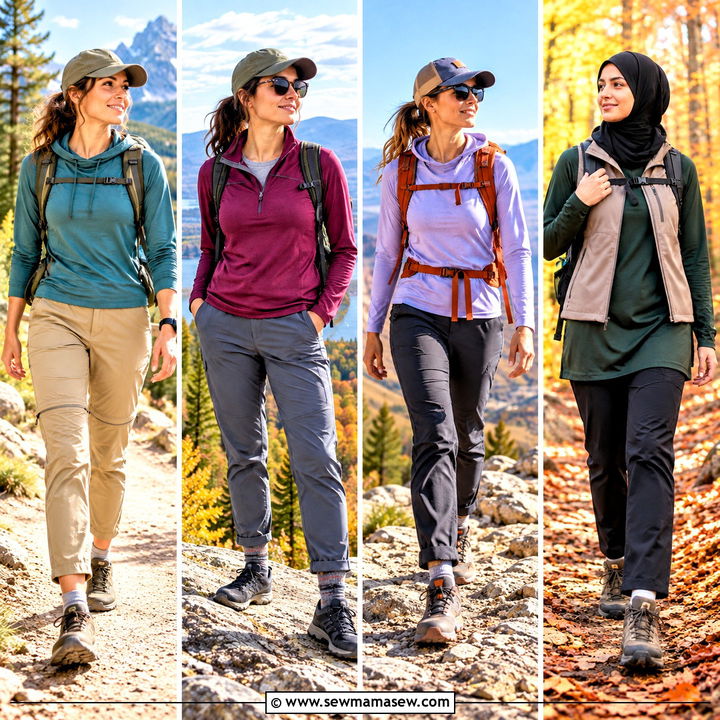
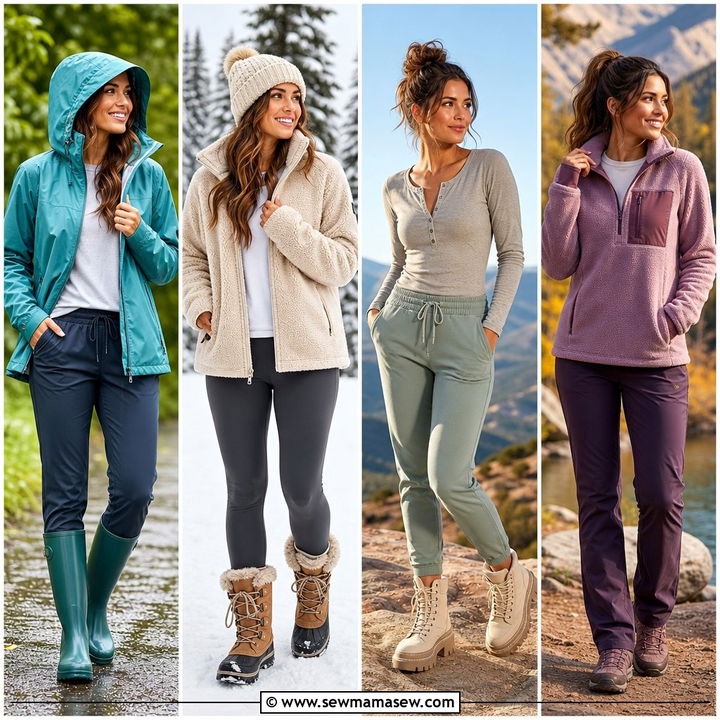
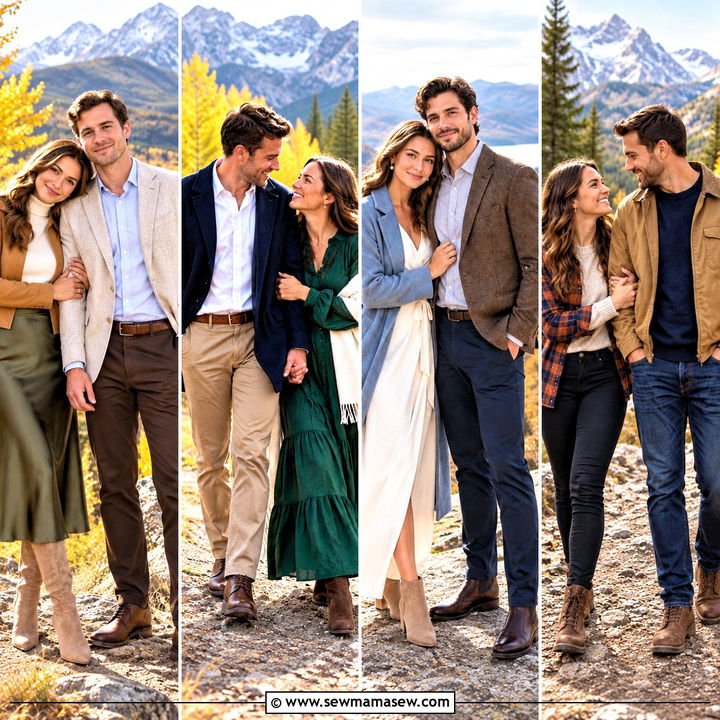
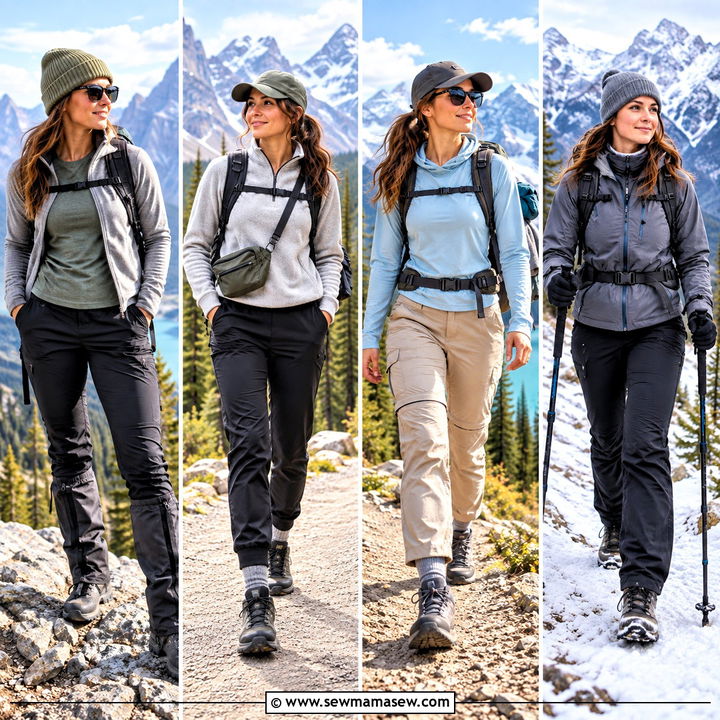
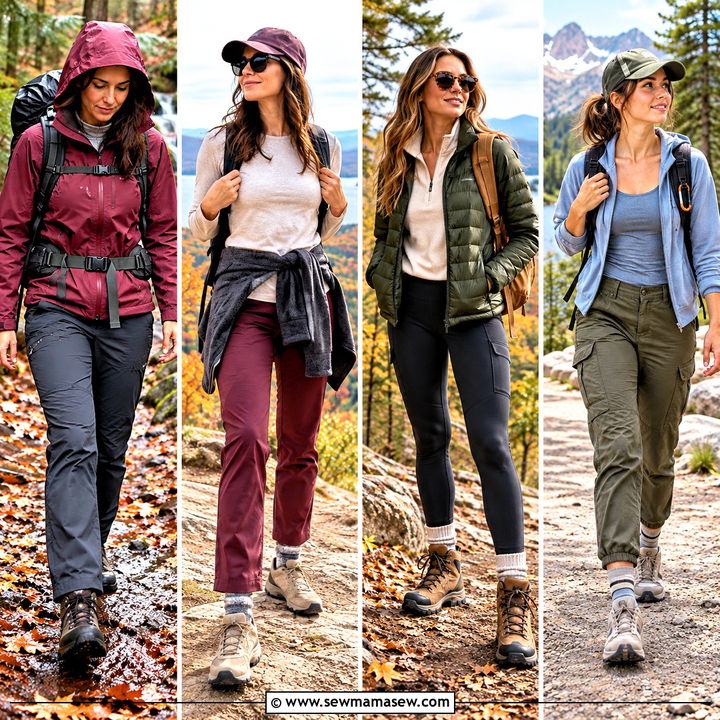
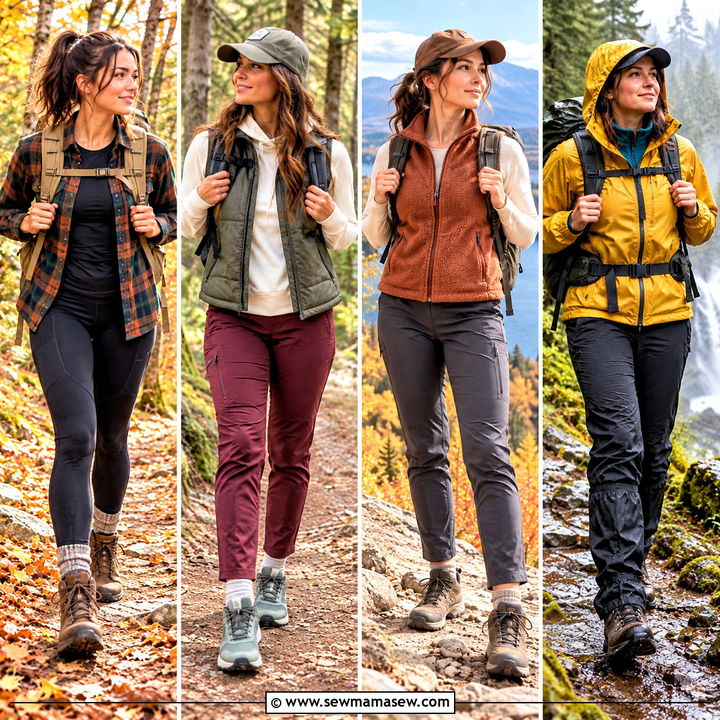
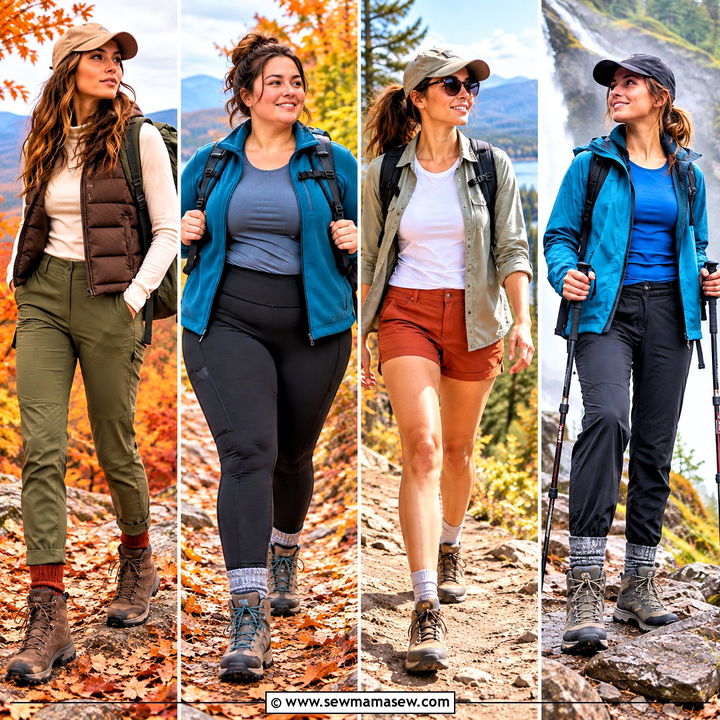
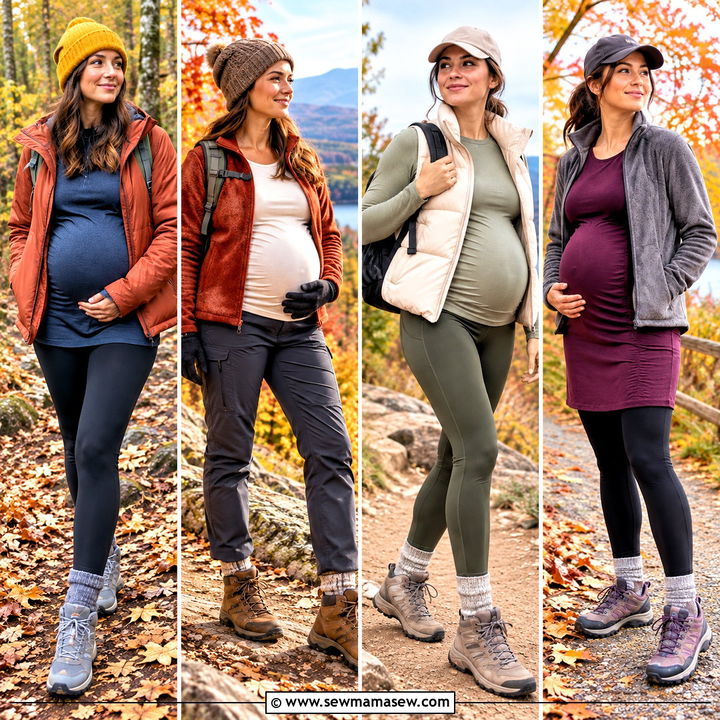
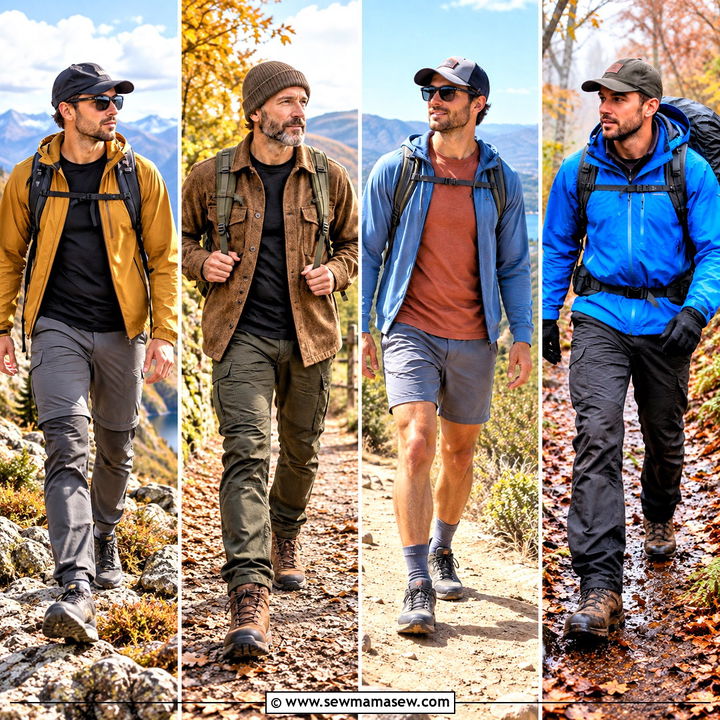
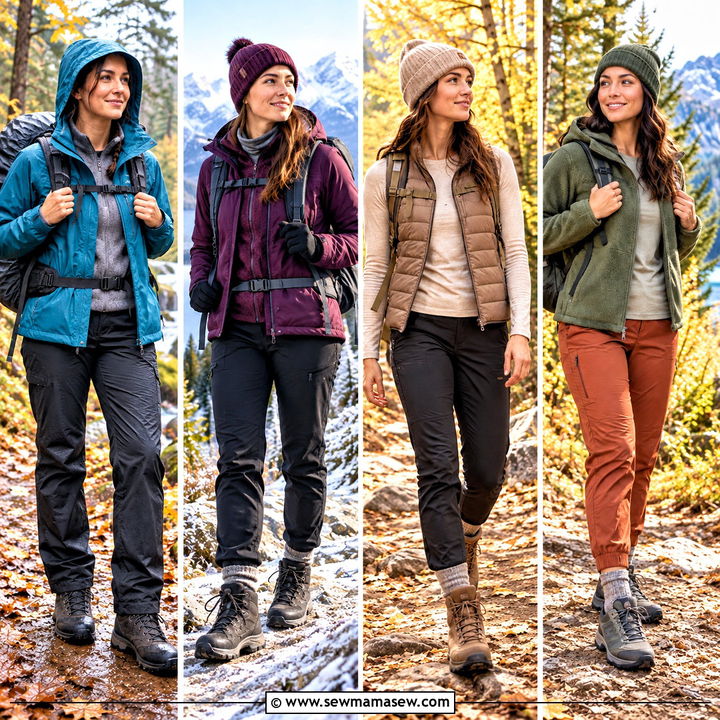
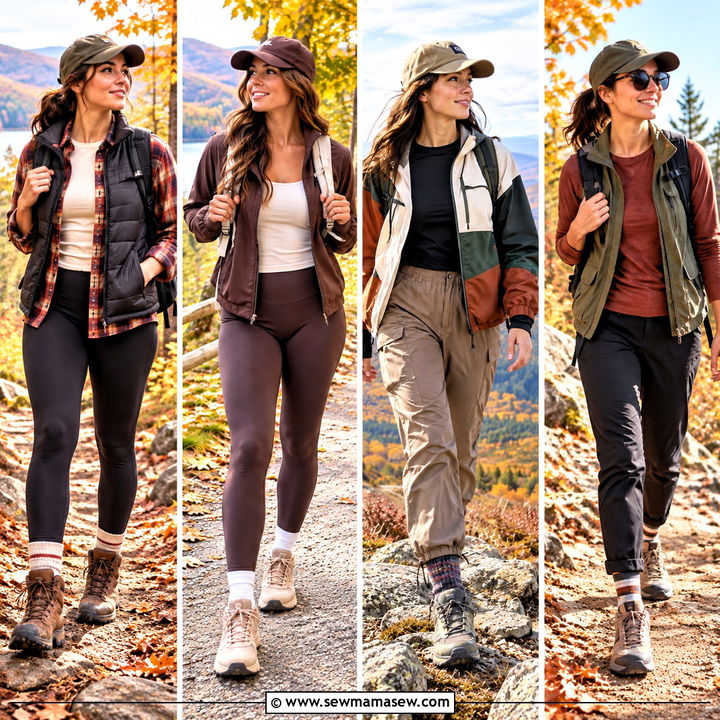
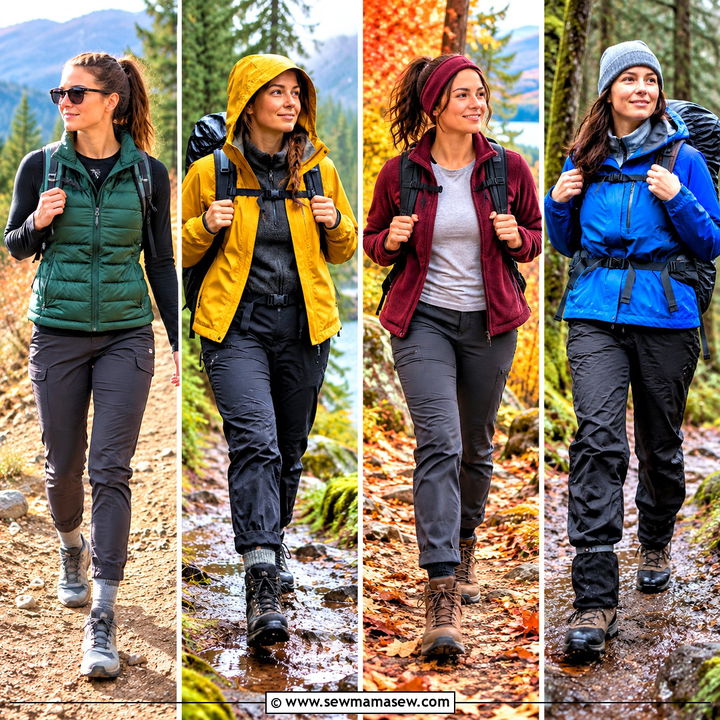
Fall in Glacier means golden larches, frosty mornings and weather that can turn twice before lunch. When I plan a mountain trip wardrobe, I build it the way the park demands: a moisture-wicking base, warmth you can take off, a waterproof outer layer, boots with real grip and a daypack to carry whatever you've peeled away. Conditions change with elevation, and snow can reach the higher roads and trails as early as mid-September, so several thin layers beat one heavy coat every time. Below are trail-ready outfits for real hikes and softer ones for scenic drives, lakeshore walks and lodge days. Check the forecast, the route and the elevation, then choose from there.
Packing One Bag for Valley Sun and Pass Snow
The hardest part of packing for Glacier in fall is that a single day can cover very different weather. A lakeshore in the valley can be in the 50s or 60s by afternoon while the high pass is near freezing, windy and dusted with snow. Nights almost everywhere drop close to freezing as the season moves on. So I pack for the coldest place on the itinerary and layer down from there.
For a four or five day trip, this short list covers almost every outfit in the post. Keep it to two or three colors so every piece goes together, and you'll fit it all in a carry-on plus a daypack.
- Two merino or synthetic base tops and one pair of thermal leggings.
- One fleece, one packable puffer or puffer vest, and one waterproof shell with a hood.
- Two pairs of hiking pants or trail leggings, plus one casual outfit for the lodge.
- Broken-in waterproof boots, three pairs of wool socks, a beanie, gloves and a neck gaiter.
1. Glacier National Park Merino Base Layer Outfit
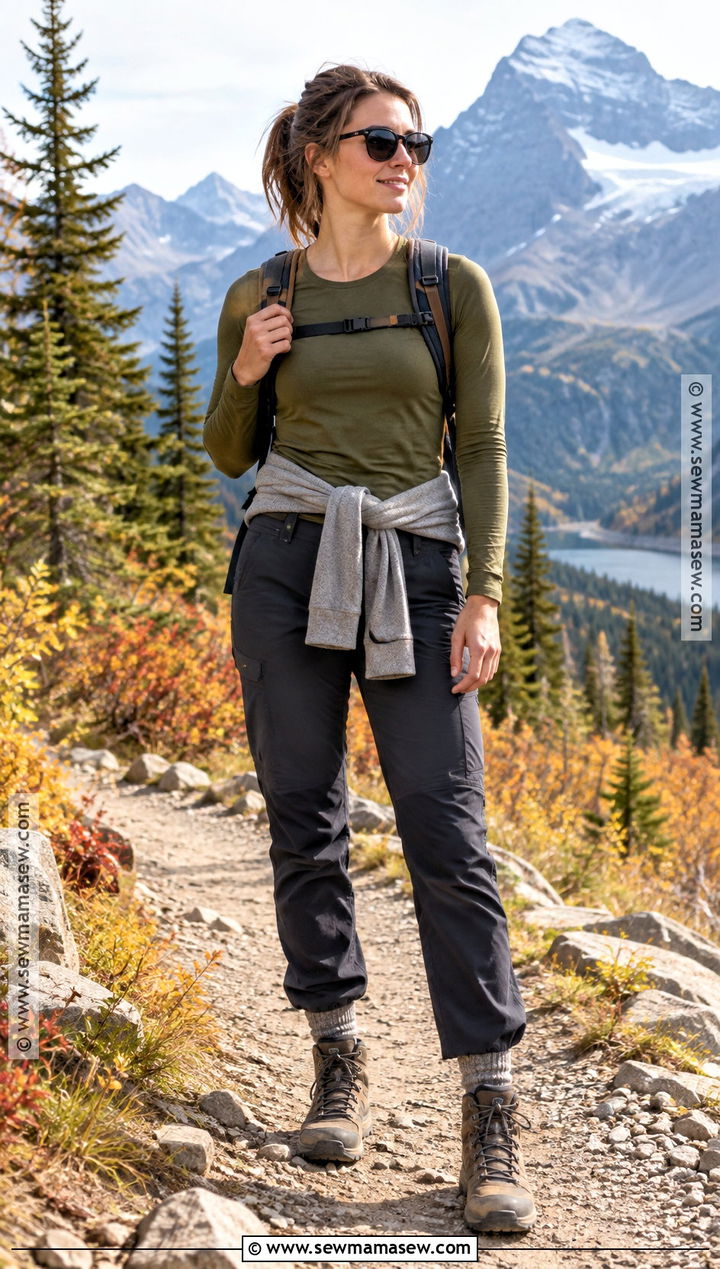
Merino is the base layer I pack first for any mountain trip. It handles sweat on the climb, stays warm when damp and doesn't hold odor, so one top can do two days. Wear a fitted merino long-sleeve with water-resistant hiking pants in olive, charcoal or taupe, and keep a light fleece rolled in your pack. Waterproof boots, cushioned wool socks and a brimmed cap finish it. Look for pants with articulated knees and some stretch; stiff pants bind on tall rock steps. Polarized sunglasses cut glare off the lakes. Keep the base layer close to your skin, not loose, so it can actually move moisture away. Good for waterfall walks and moderate trails.
2. Glacier National Park Fleece Jacket Outfit
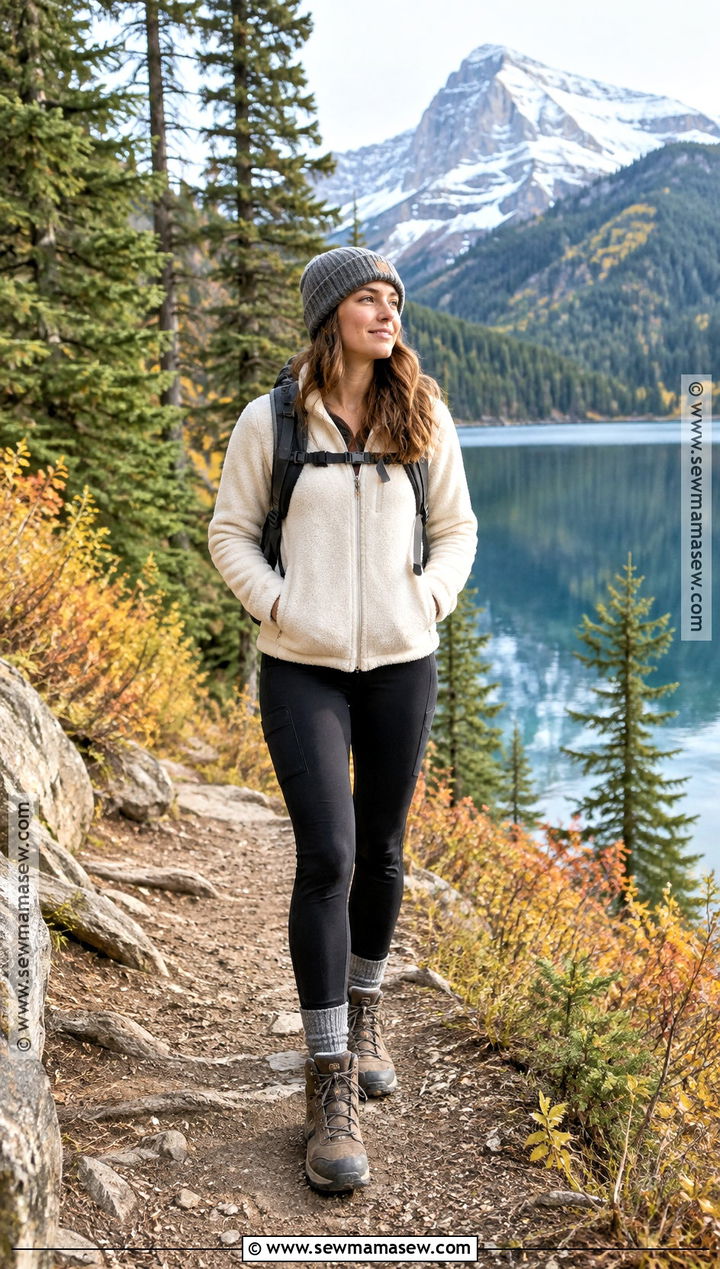
A zip fleece is the layer I take off and put back on most often on a fall hike, which is why the full zipper matters more than the color. Unzip it on the climb and close it at the top. Rust, cream or forest green over a breathable tee looks good against the trees. Black trail leggings with side pockets fit easily under rain pants if the sky changes. Add waterproof boots, midweight wool socks and a thin beanie. The trade-off: fleece blocks almost no wind, so on an exposed ridge it needs a shell over it. On sheltered forest trails and the morning paths around Lake McDonald, it's the most comfortable thing you can wear.
3. Glacier National Park Packable Puffer Outfit
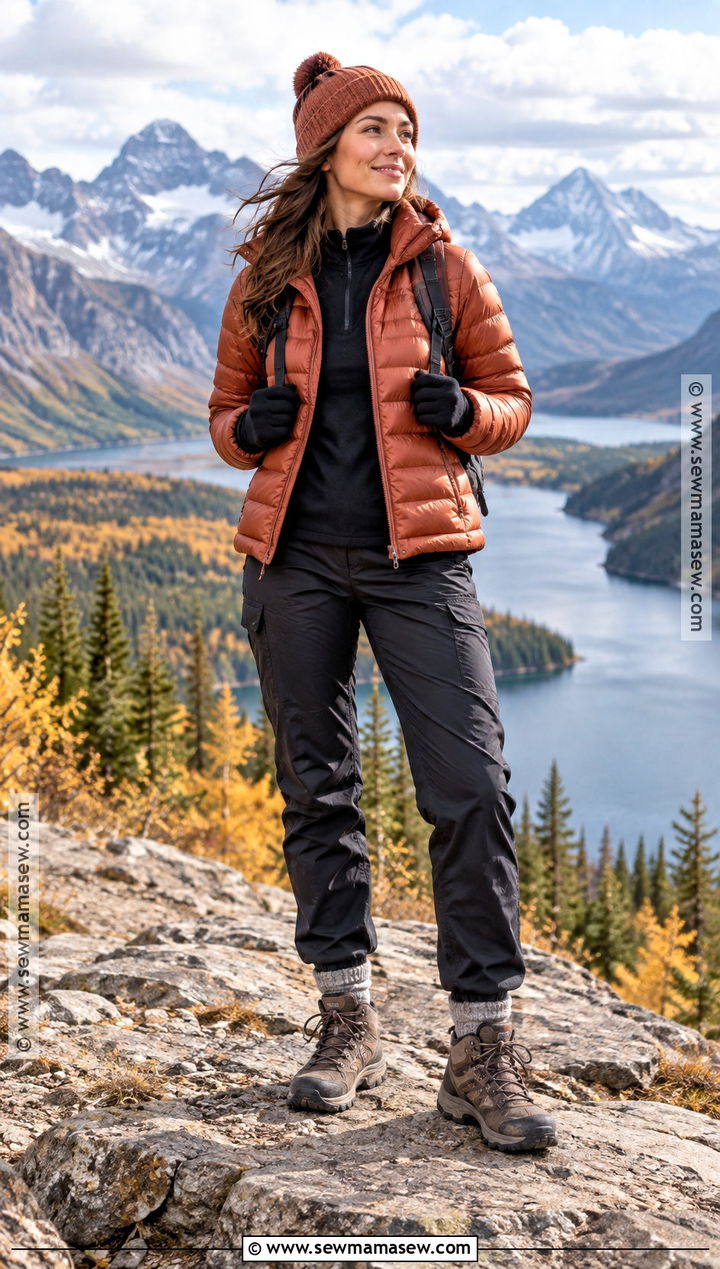
Overlooks are where you feel it: the wind is sharper than it was at the trailhead and you've stopped moving. A packable puffer fixes that and squashes to the size of a water bottle in your pack. Wear a light down or synthetic jacket over a moisture-wicking quarter-zip and straight waterproof hiking pants, with insulated boots, wool crew socks, a warm beanie and touchscreen gloves. I lean toward synthetic fill for Glacier, because down loses most of its warmth once it's soaked. Hip length gives you room to move and fits under a rain shell. Pack rain protection and a warm hat on every hike, since wet wind chills you faster than cold air alone.
4. Glacier National Park Rain Shell Outfit
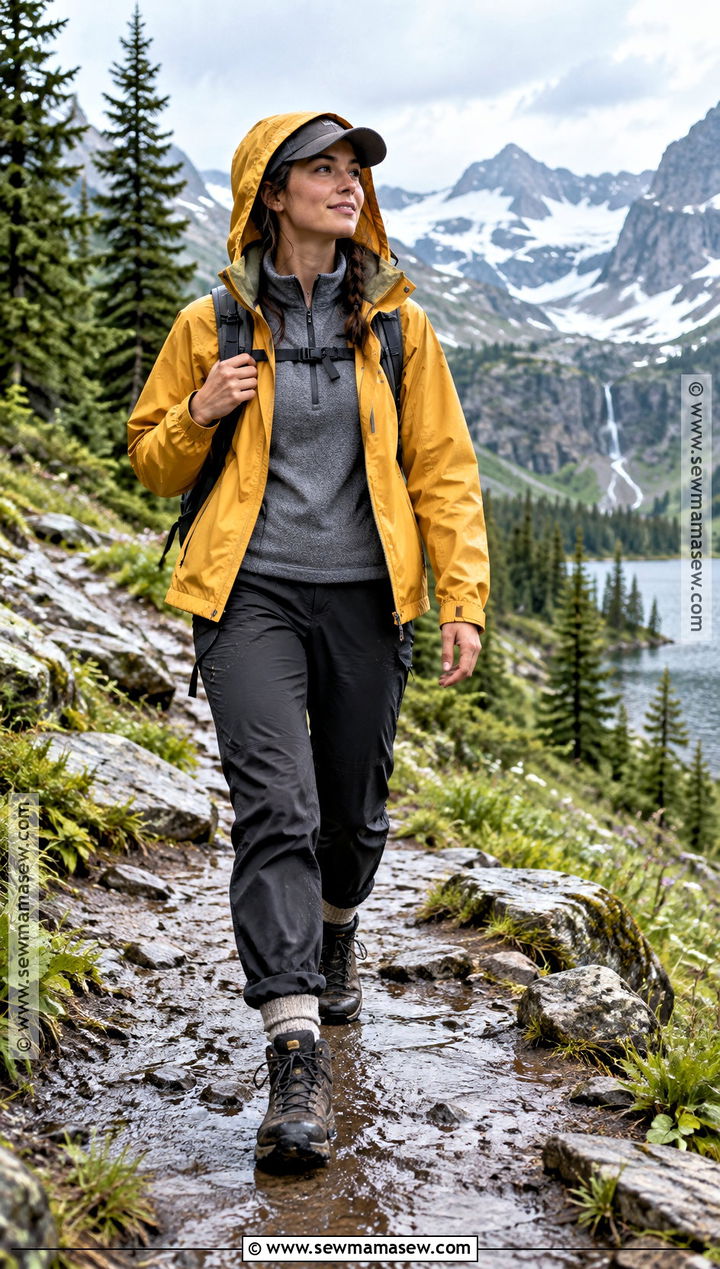
Rain turns a pleasant trail into a cold one quickly, mostly because wet fabric pulls heat from your body. Start with a synthetic or merino base, add a thin grid fleece and top it with a seam-sealed waterproof shell. On cold days, wear quick-dry hiking pants over light thermal leggings. Waterproof boots with grippy soles, merino socks and a water-resistant cap finish it. I always check two things on a shell: an adjustable hood that turns with your head and pit zips, because sweating inside a rain jacket soaks you just as well as the rain. Bright blue, coral or golden yellow with black pants keeps you visible on gray days. Rain gear and warm layers go in the pack every time.
5. Glacier National Park Flannel Shirt Outfit
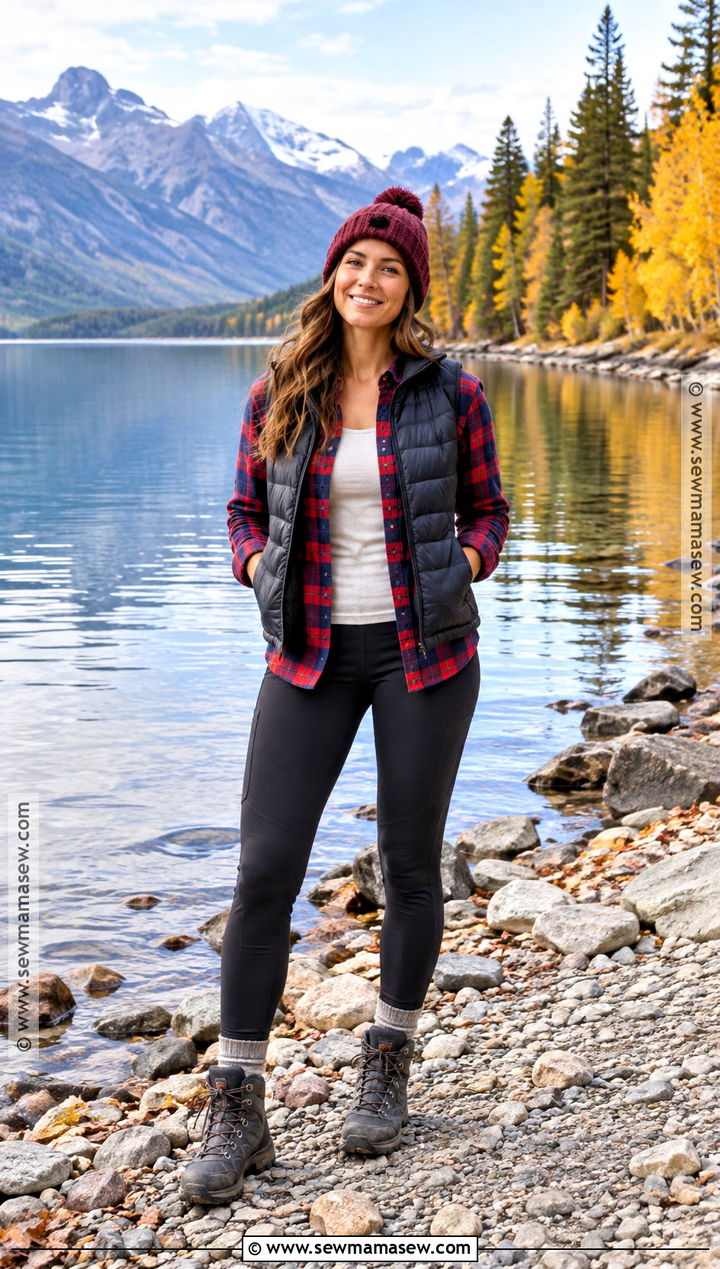
A flannel is the outfit for a lakeshore stroll or a pull-off with a view, not a long climb. Wear it open over a fitted thermal top with durable black hiking leggings and waterproof ankle boots. Fabric is the deciding factor: a wool blend or quick-dry technical flannel shrugs off a shower, while heavy cotton soaks up rain and stays cold for hours. A quilted vest adds warmth and still shows the pattern. Wool socks, a knit beanie and sunglasses finish it. Earthy red, camel and evergreen sit well against yellow aspens in photos. Keep a proper rain shell in your pack if you'll be outside for more than an hour or heading uphill.
6. Glacier National Park Quilted Vest Outfit
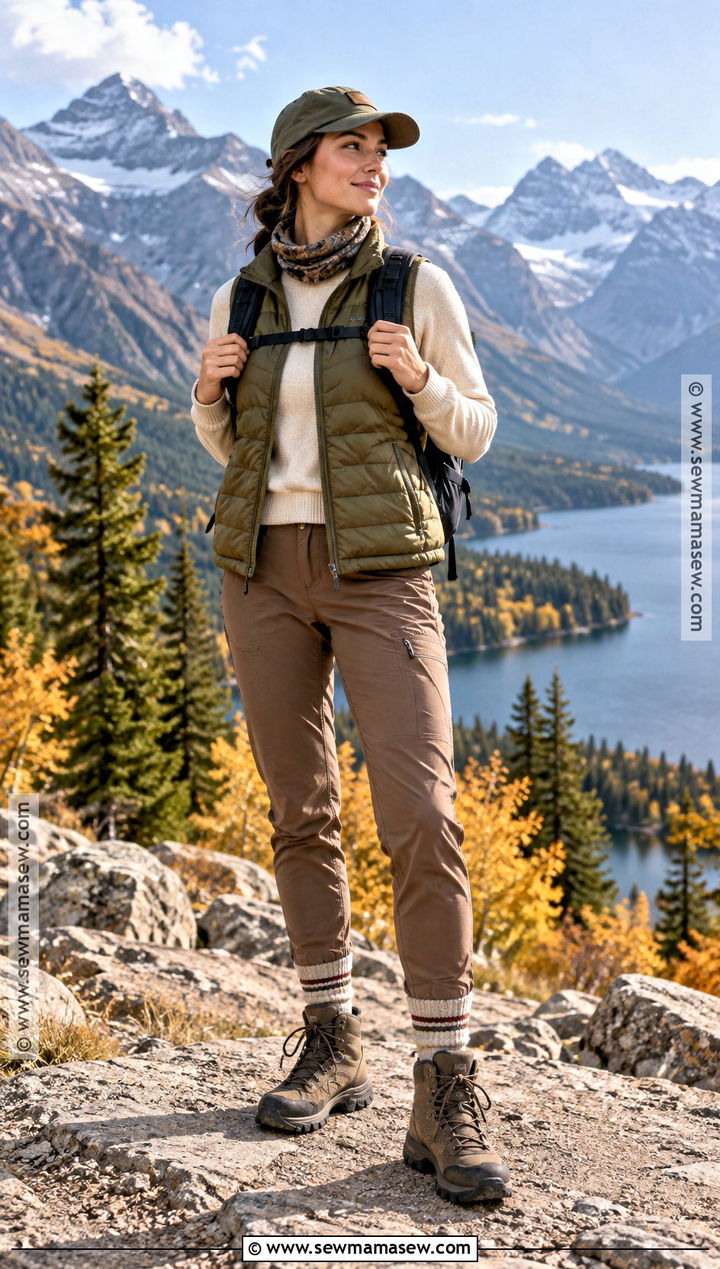
A quilted vest solves the cold-morning, mild-afternoon problem without pinning your arms. Wear an olive or black vest over a cream merino crewneck with tapered hiking pants in brown, charcoal or deep green. Lug-sole boots, striped wool socks and a canvas cap finish it. Pack a neck gaiter. It covers your ears in a gust, then folds into a pocket. Your daypack should hold a waterproof jacket and an insulating layer. Check that the vest has zip pockets, not open ones, because a phone that slides out at an overlook is gone. I'd wear this on easy to moderate trails where you're moving steadily and the sun comes and goes.
7. Glacier National Park Softshell Jacket Outfit
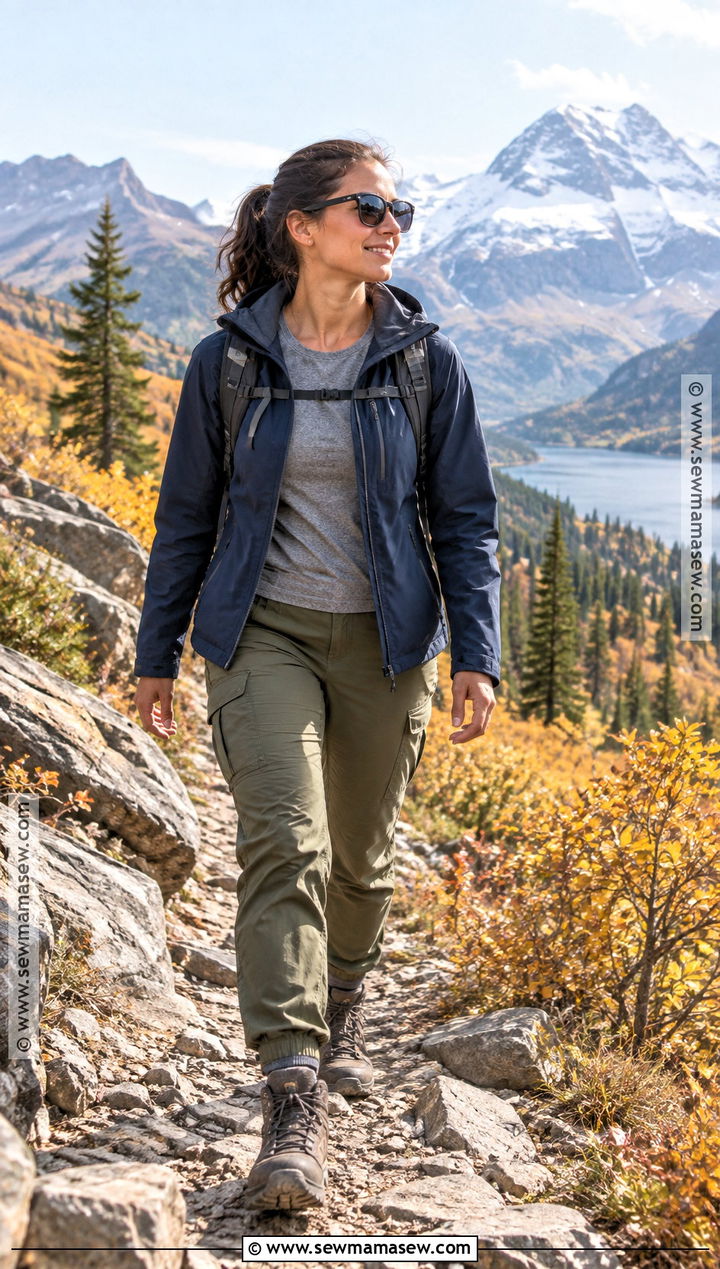
Softshell is my choice for dry, breezy days. It stretches, sheds light wind and breathes far better than a rain jacket, so you don't overheat on a long climb. Wear a hooded softshell over a thin performance top with stretchy cargo hiking pants. Mid-height waterproof boots, merino socks, sunglasses and a slim pack finish it. Navy with gray or olive with black looks polished and hides trail dust. What a softshell won't do is keep out steady rain; most are only water-resistant, and the seams leak first. Keep a light rain jacket stuffed in your pack. For long walks over mixed ground, the stretch and abrasion resistance matter more than looks.
8. Glacier National Park Hiking Dress Outfit
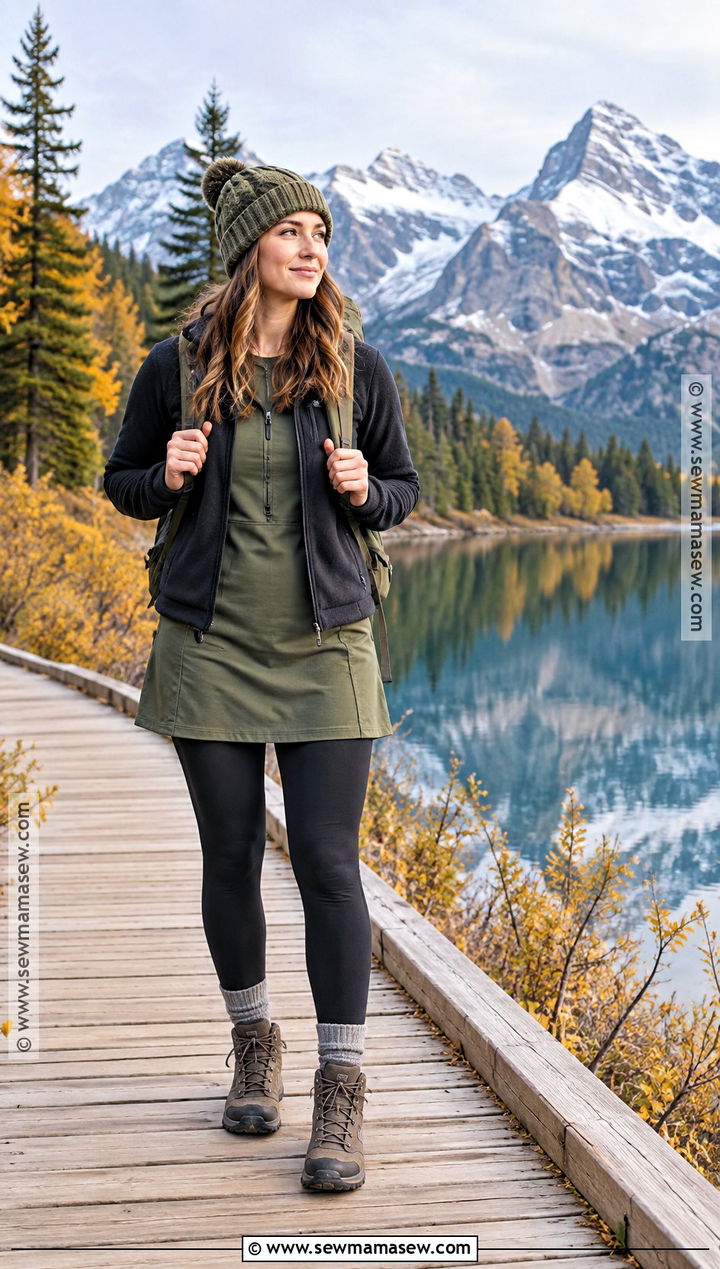
Can you wear a dress in Glacier in the fall? For easy sightseeing, yes, as long as it's built for the outdoors. A knee-length technical hiking dress with built-in shorts dries fast and moves well. Put thermal leggings underneath and a fitted fleece on top. Waterproof ankle boots and wool socks keep you steady on damp boardwalks. A knit beanie, a small backpack and a rain shell tucked inside finish it. Plum, evergreen, navy and rust coordinate easily against the fall color. I'd keep this one for visitor centers, picnic areas and short nature trails. On a rugged route, a dress snags on brush and makes scrambling awkward.
9. Glacier National Park Sweater and Hiking Pants Outfit
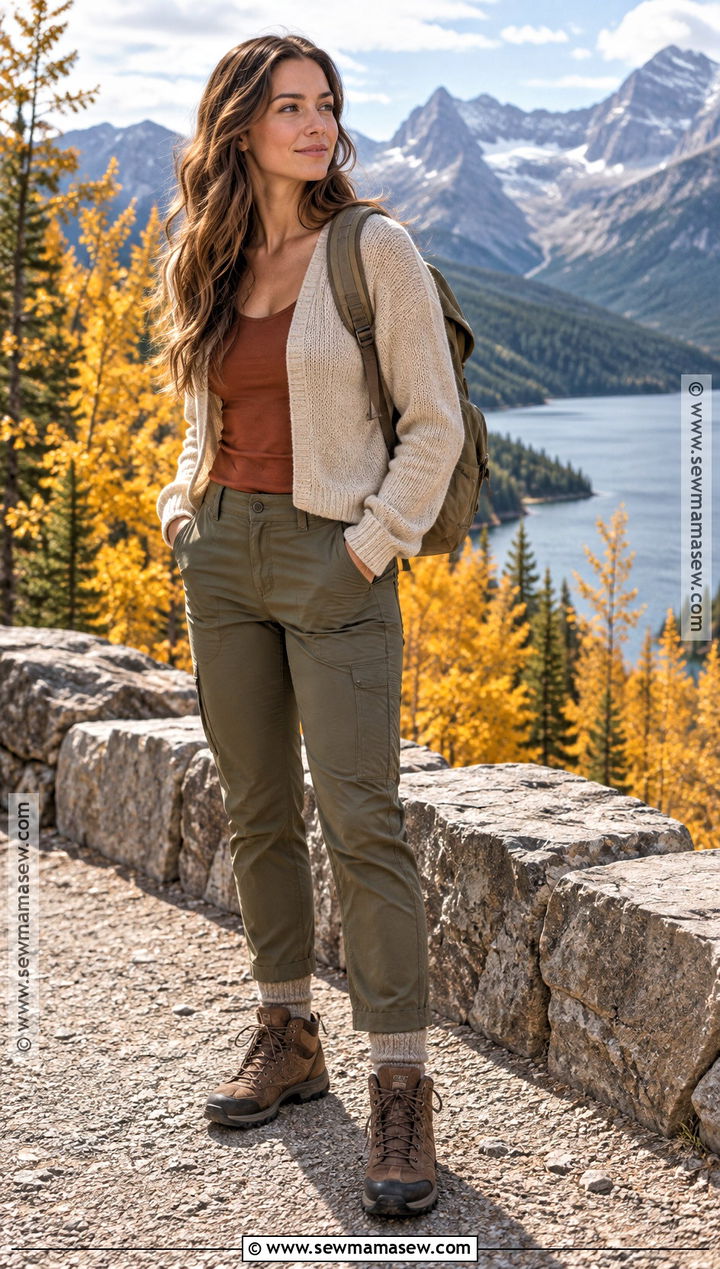
A soft sweater outfit suits the quieter days: a scenic drive, lunch at a lodge, a slow lakeside path. Wear a fine merino crewneck over a moisture-wicking cami with water-resistant straight-leg hiking pants. Brown hiking boots, thick wool socks and a canvas pack give it that classic mountain look. Oatmeal, burgundy, moss and navy all work. Skip sweaters with wide, floppy sleeves; they snag on branches and get in the way of trekking poles. Pack a rain jacket and light puffer. If the day turns strenuous, swap the sweater for a technical fleece, since a knit sweater soaks up sweat and takes hours to dry.
10. Glacier National Park Shacket and Leggings Outfit
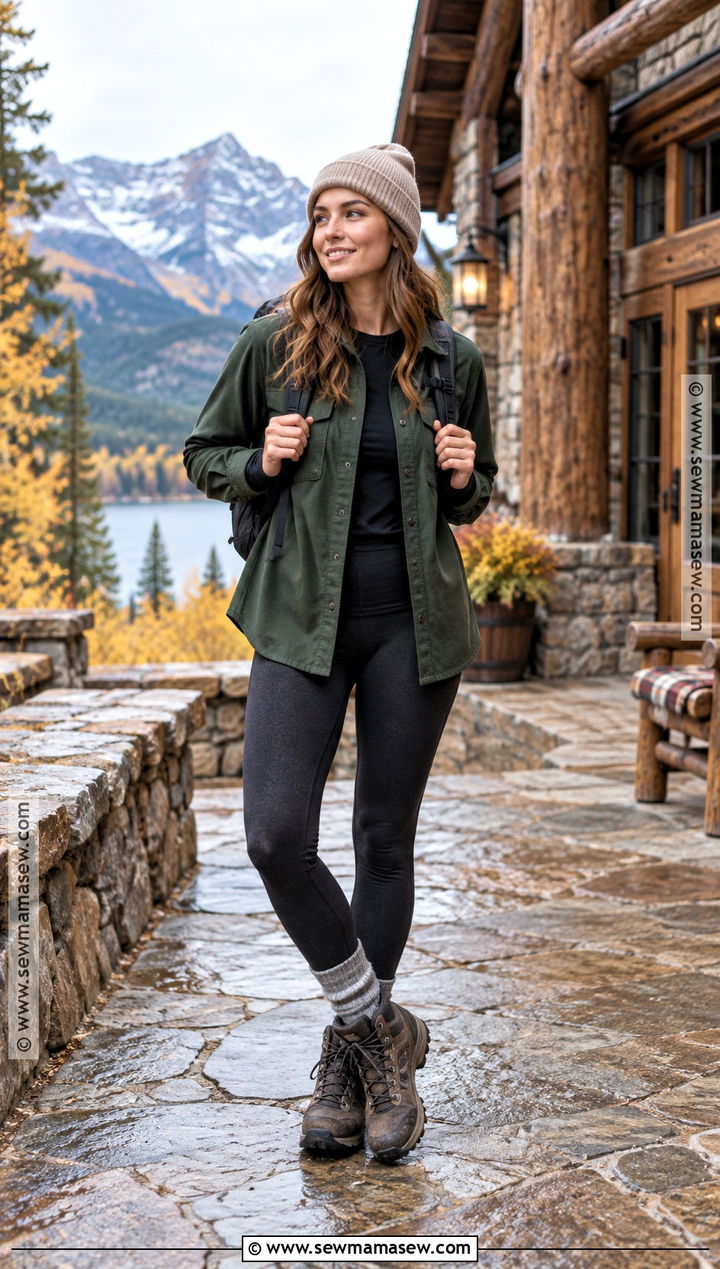
A shacket covers the gap between a cool trailhead and a casual meal afterward. Choose wool-blend or technical fabric over a fitted long-sleeve performance shirt, with fleece-lined leggings for warmth. Waterproof boots, ribbed wool socks and a neutral beanie finish it. Size up slightly so your arms move freely, but not so much that it bunches under the backpack straps, which is where an oversized shacket gets uncomfortable fast. Plaid, camel, forest green or charcoal make an easy palette. Wear it to accessible viewpoints, nearby towns and short walks. If clouds are building, bring a waterproof shell; a shacket is not rain gear.
11. Glacier National Park Puffer Vest Outfit
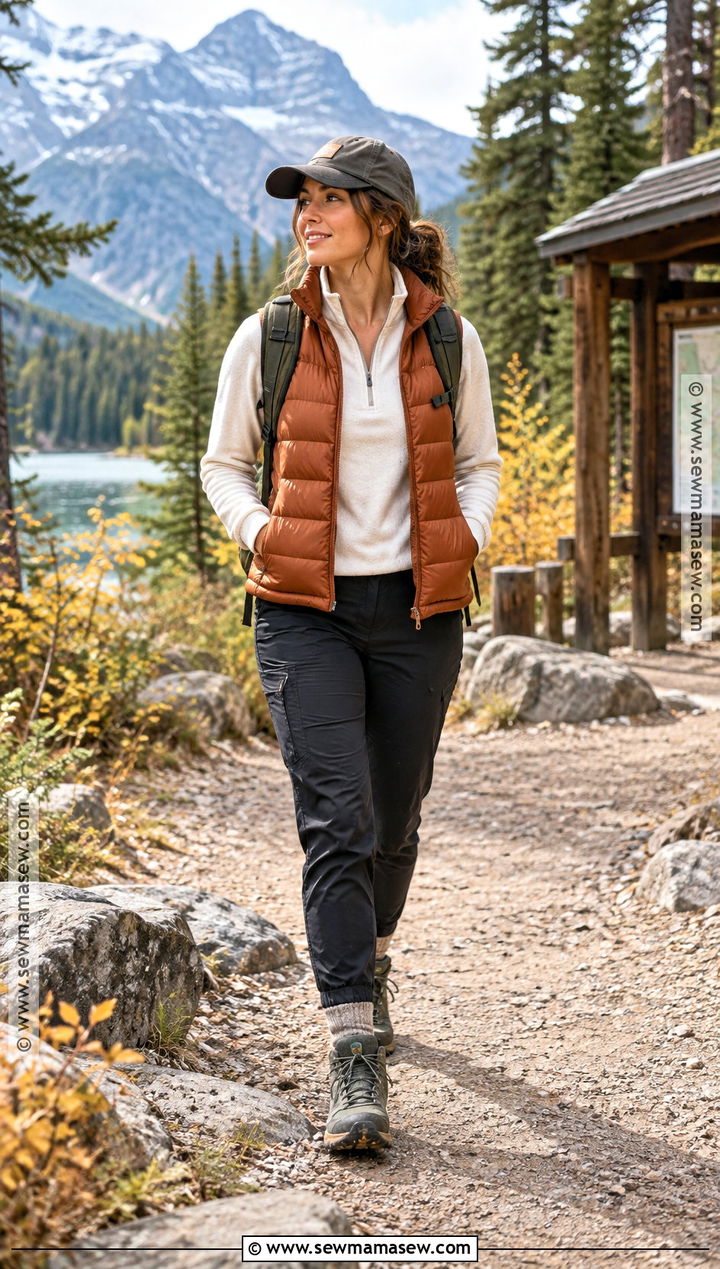
In early fall, a sunny switchback can feel warm while the shaded side of the same trail stays cold. A light puffer vest handles both: core warmth, free arms, no overheating. Wear it over a breathable long-sleeve quarter-zip with technical trail joggers. Waterproof hiking shoes, ankle wool socks, a cap and a compact pack finish it. Tapered ankles keep the hem out of mud, which full-length wide pants drag through. Copper, sage, navy or cream feels seasonal. Keep a fleece and a rain shell in your pack for sudden drops. It's a comfortable pick for campground mornings, scenic pullouts and moderate walks where you want to move freely.
12. Glacier National Park Waterproof Parka Outfit
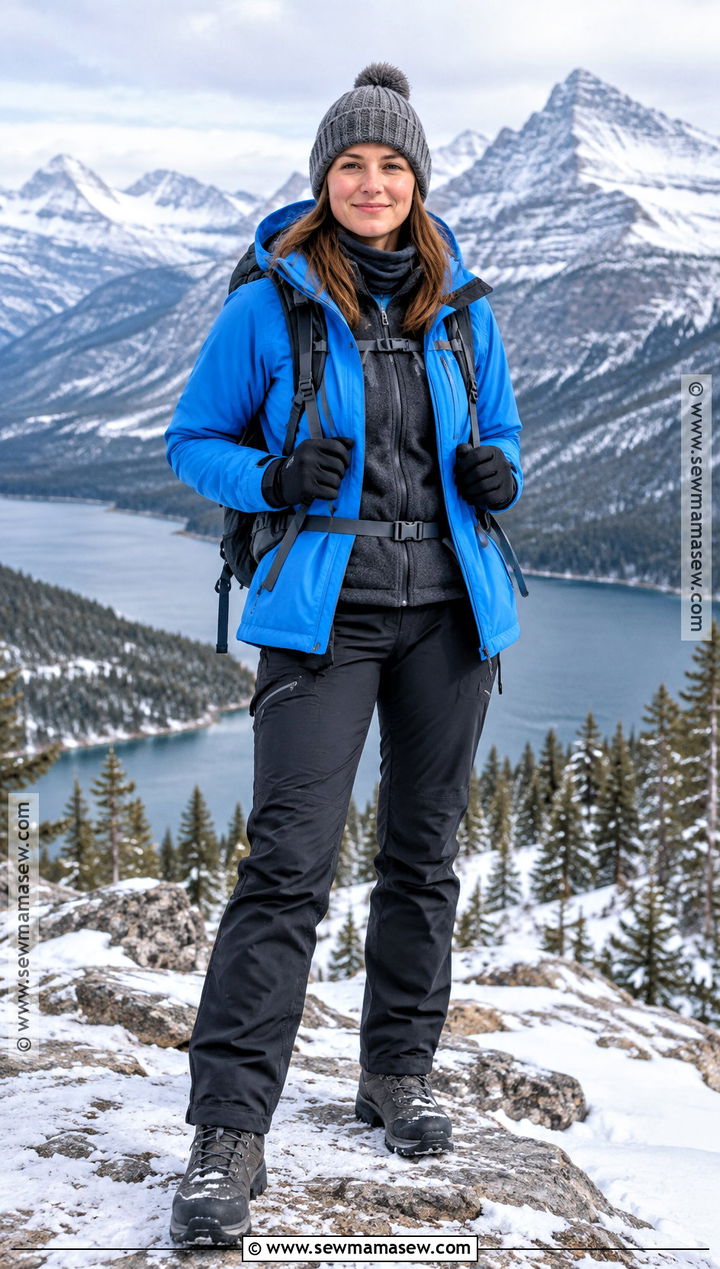
Late fall can bring freezing mornings, hard wind, rain or early snow, sometimes in the same day. Build around a waterproof parka with an adjustable hood and room for insulation underneath. A merino thermal top, a fleece jacket and lined hiking pants over a light base layer keep you warm in layers rather than one bulky piece. Insulated waterproof boots, heavyweight wool socks, gloves and a warm beanie cover the rest. When I size a parka, I put it on over the fleece in the store and lift my arms; if the hem rides up past the hip, it's too small. Red, blue or mustard stays visible against gray skies. Check the forecast for the specific area and elevation you're visiting.
13. Glacier National Park Matching Fleece Set Outfit
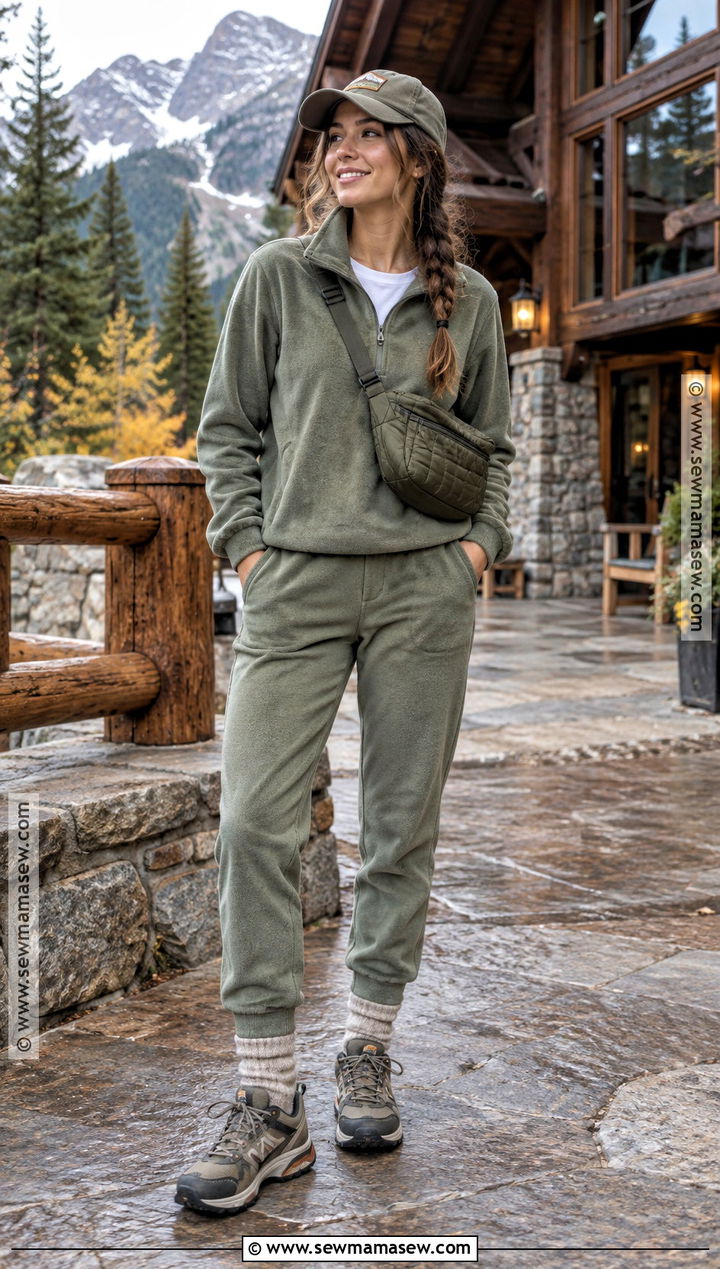
After a hard hike, a matching fleece set feels like a reward and still looks put together at the lodge. Choose a half-zip pullover with tapered pants in taupe, sage, navy or heather gray, with a wicking tee underneath. Waterproof hiking sneakers, wool socks, a quilted crossbody, a cap and a packable rain jacket finish it. Zip pockets on the pants keep keys from falling out in the car, and a soft waistband makes a long drive bearable. This is my pick for travel days, campground mornings and easy sightseeing. It isn't a trail outfit for wet, rocky routes; fleece pants soak up water and pill quickly against rough rock.
14. Glacier National Park Denim Jacket Outfit
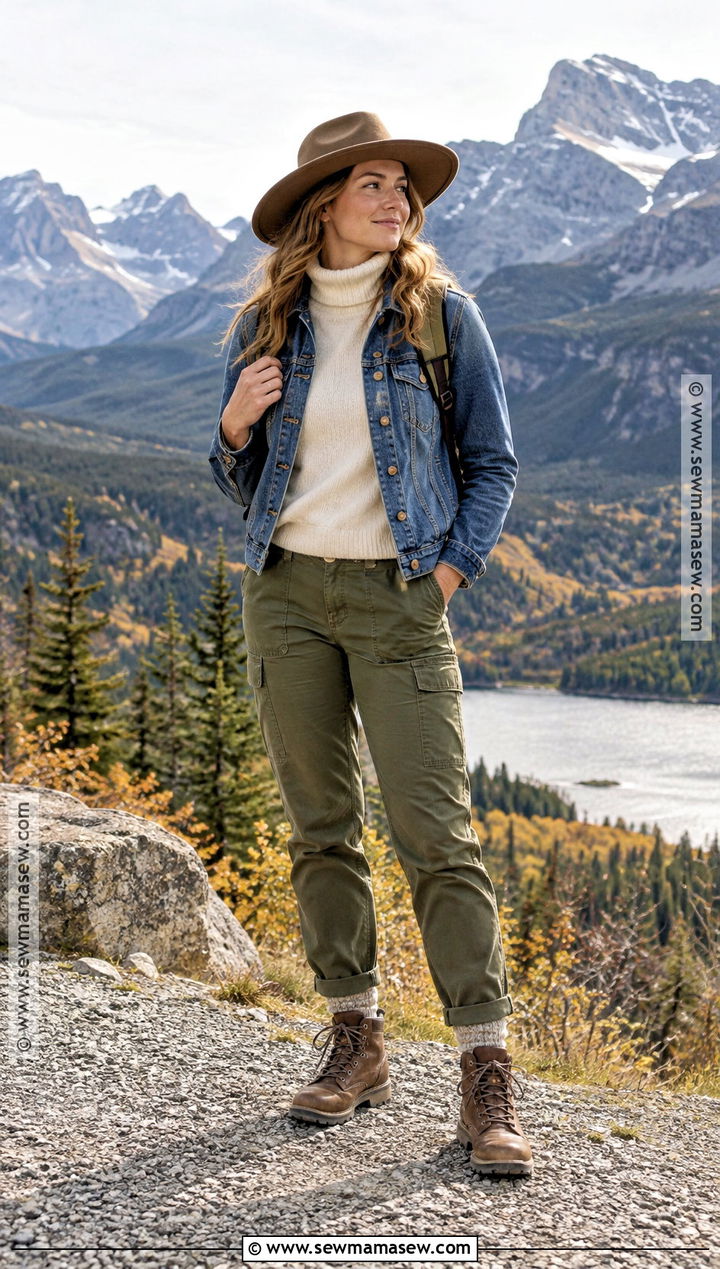
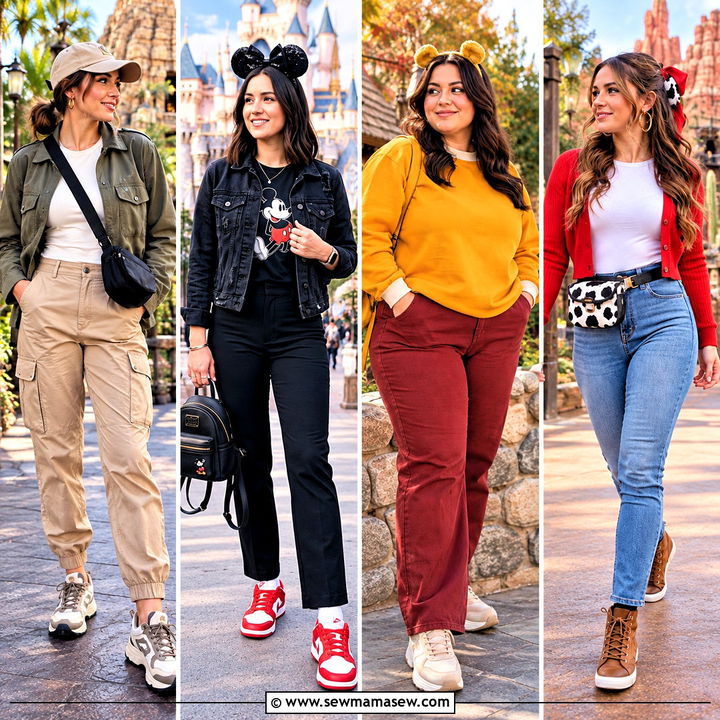
A denim jacket gives you a relaxed western look for scenic drives and the developed parts of the park. Wear a medium-wash jacket over a fitted merino turtleneck with olive utility pants and waterproof brown ankle boots. Wool socks, a wide-brim felt-look hat and a small backpack finish it. Leave room under the jacket for a thin fleece. Denim is cotton, though, and cotton is the wrong fabric for hiking in cold weather: once it's wet, it stays wet and pulls heat from your body. So I save this outfit for dry days at visitor centers, short paved walks and roadside viewpoints, and keep a waterproof shell in the car.
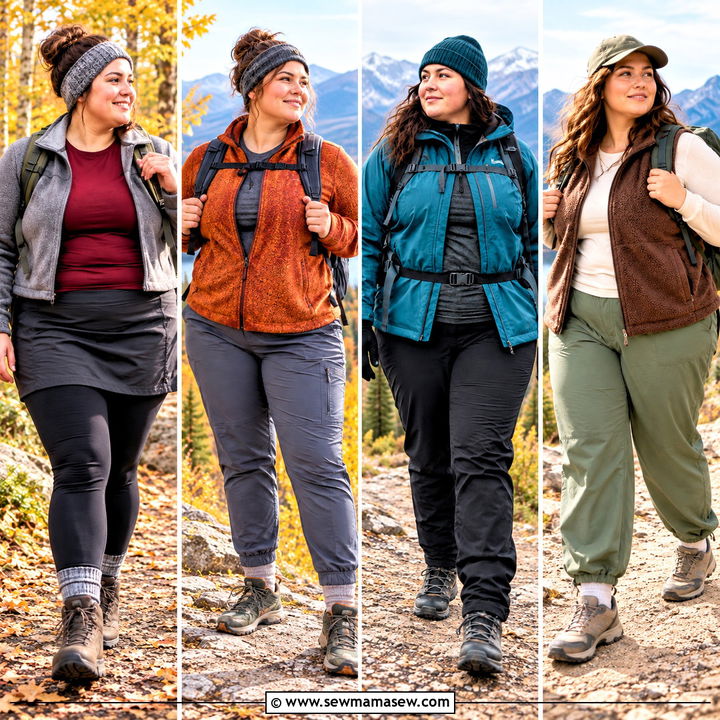
15. Glacier National Park Wool Coat and Knit Set Outfit
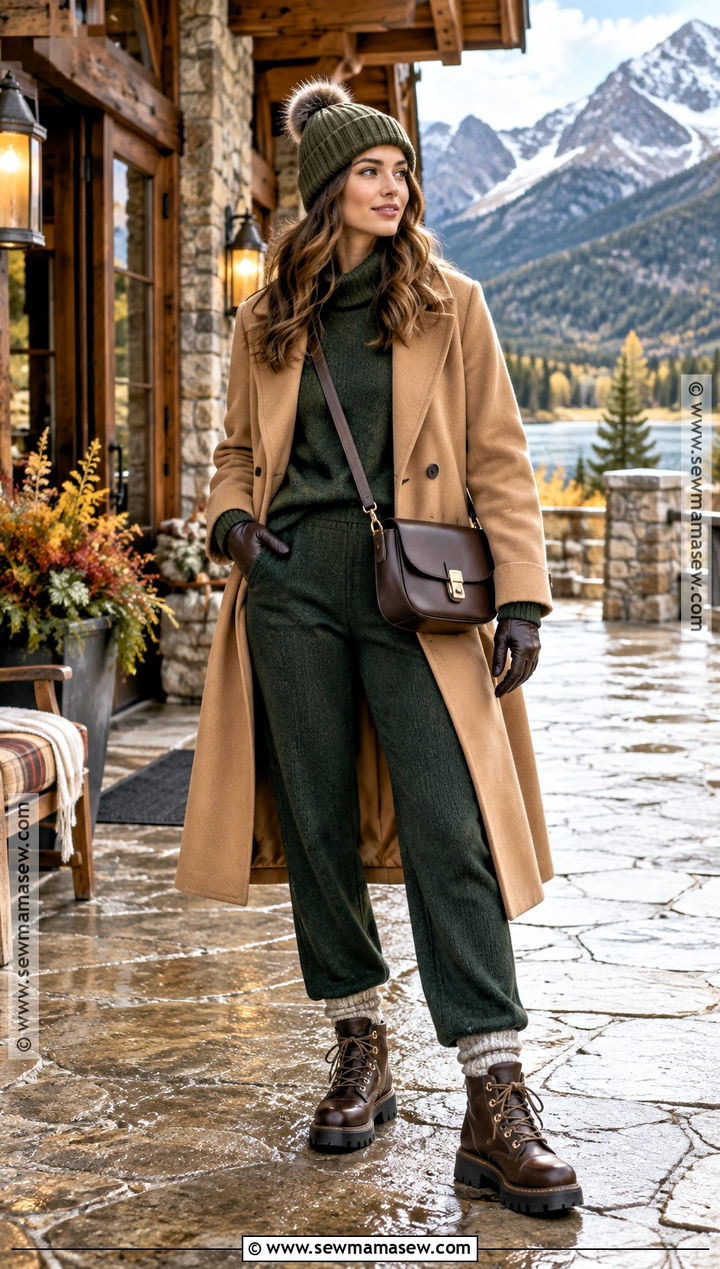
For a lodge day, a warm wool coat over a soft knit sweater and matching straight-leg pants looks polished against all that timber and stone. Weather-resistant lug-sole boots, wool socks, a structured crossbody, leather gloves and a ribbed beanie finish it. Camel, charcoal, cream and deep green make a rich palette indoors and out. Keep the knits close-fitting rather than oversized, or the coat won't button when the wind picks up. Wool sheds a light drizzle but gets heavy and smells like wet sheep in a real downpour. Wear it to breakfast, the gift shop and short walks, and keep a waterproof jacket and real boots in the car.
Why Cotton Belongs in the Car, Not on the Trail
Several outfits above include denim, flannel or a cotton sweater, and I've kept them to drives and short walks on purpose. Cotton absorbs water readily and dries slowly. Once your shirt is damp from sweat or drizzle, it sits against your skin and pulls heat away, which feels miserable at a windy overlook and can be risky on a long hike in cold rain.
Wool and synthetics behave differently. Merino keeps much of its warmth even when damp, and polyester fleece dries in a fraction of the time. That's why every trail outfit here starts with one of them next to the skin. Cotton is fine as the outer, casual layer for the lodge, as long as you're never far from the car.
Leaving a Hand Free for Bear Spray and Snacks
Glacier is bear country, and carrying bear spray is standard practice on its trails. The trick is carrying it where you can actually reach it, which affects what you wear. A can buried in your backpack is no use. Clip it in a holster on your hip belt or chest strap, and check that your jacket doesn't cover it once zipped.
- Pick a daypack with a hip belt or chest strap that has room for a holster.
- Keep phone, sunscreen and a snack in zip pockets on the vest or jacket so you don't stop to unpack.
- Shorter jackets and vests keep the hip belt area clear; long parkas can hide whatever is clipped there.
Dressed for the Overlook, Not Just the Trailhead
A good Glacier wardrobe pairs fall colors with layers that actually handle mountain weather. Start with a wicking base, add warmth you can take off and keep rain protection within reach. Hiking pants, trail leggings, waterproof boots, wool socks and a comfortable daypack carry the active days. Flannels, shackets, denim, knit sets and wool coats belong to lodges, drives and gentle walks. Match each outfit to the forecast, elevation, trail and how long you'll be outside. Pack that way and you'll be warm at the overlook, dry in the rain and still happy with your photos against the larches.
Related posts: