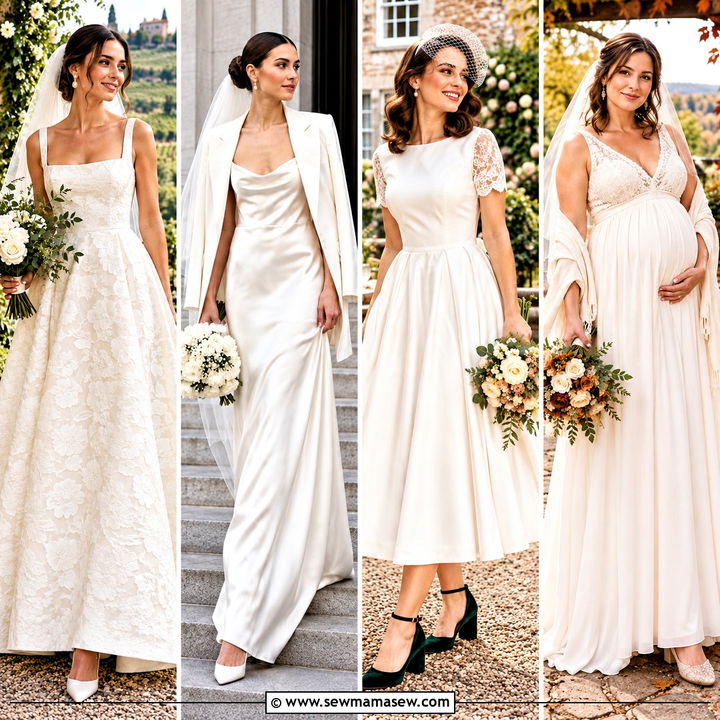
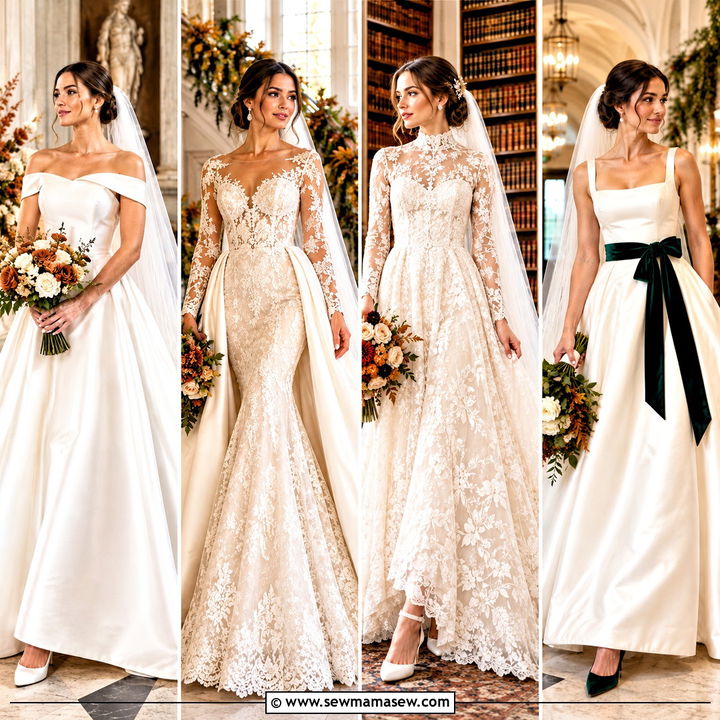
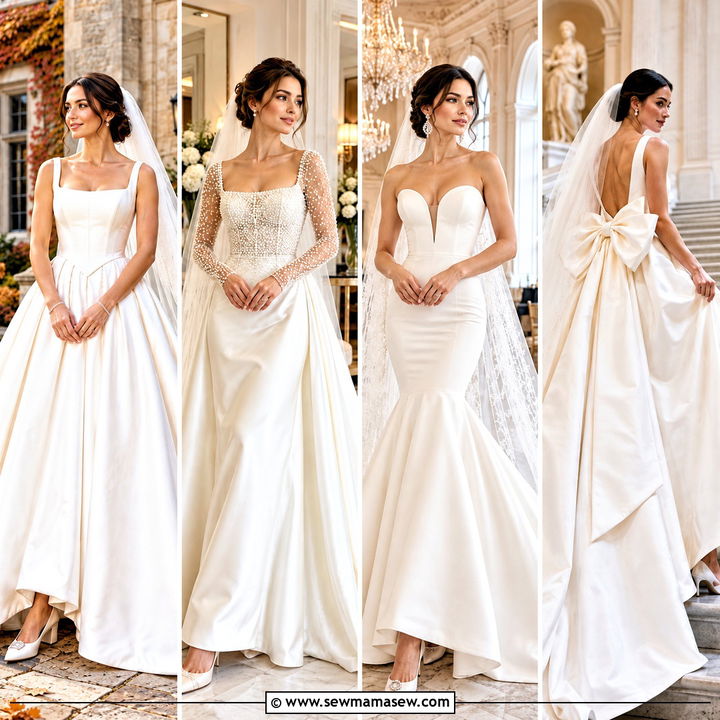
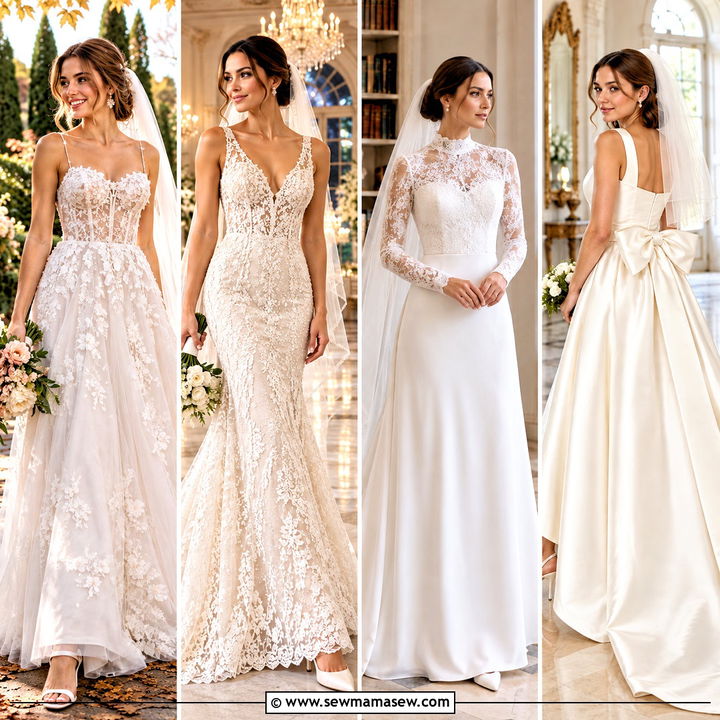
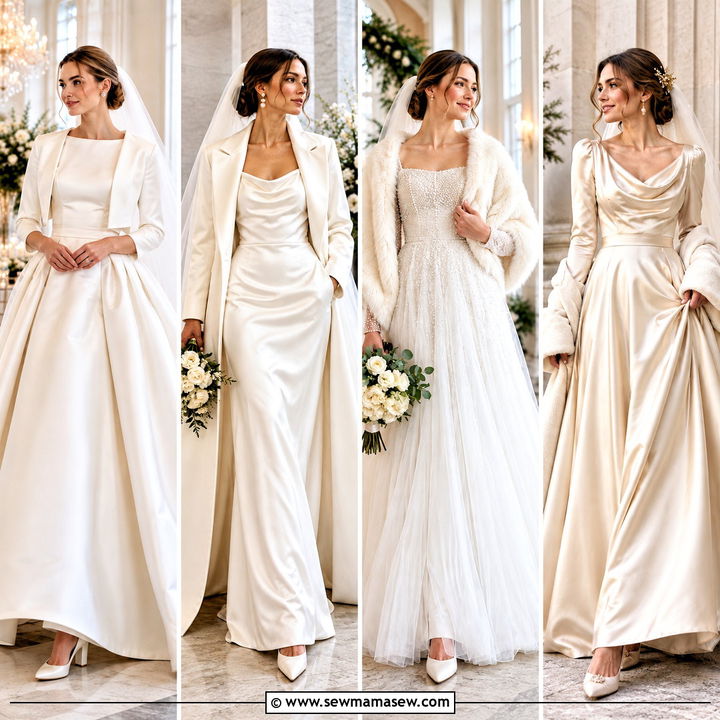
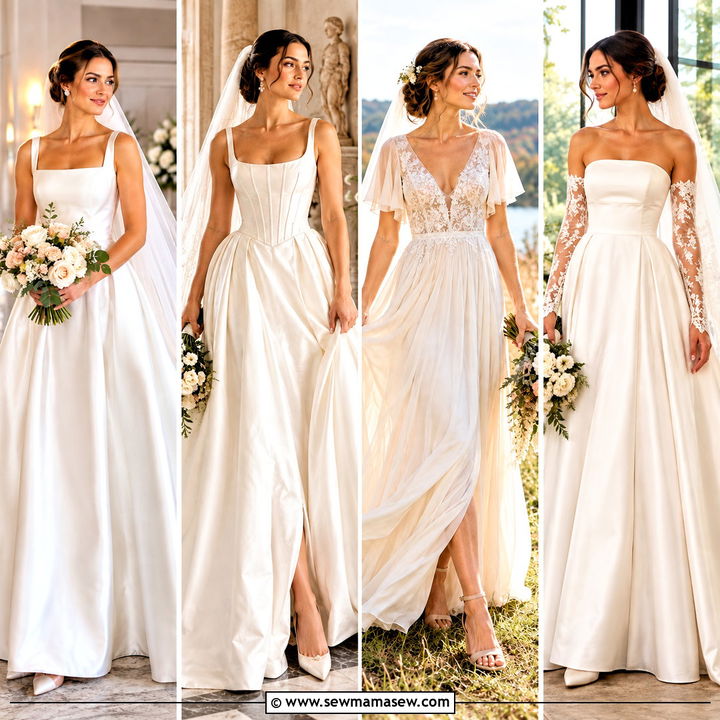
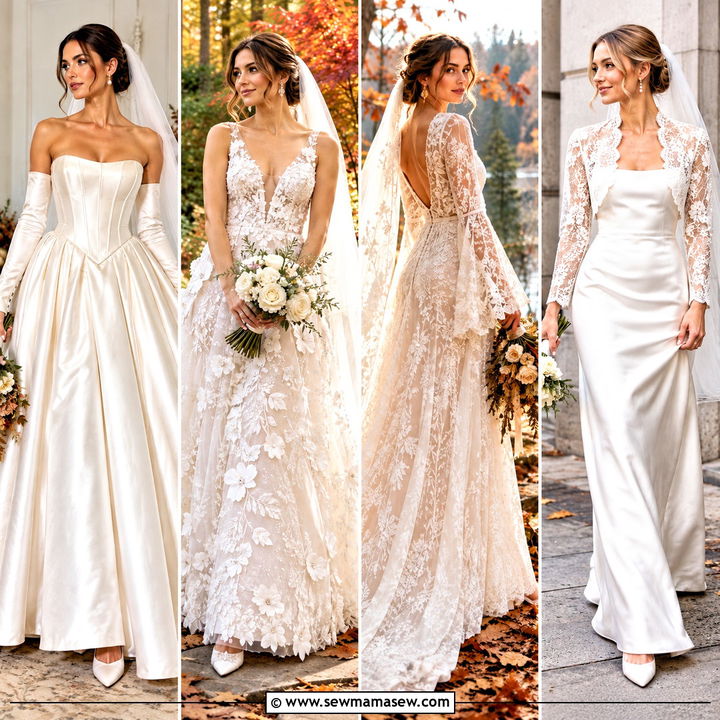
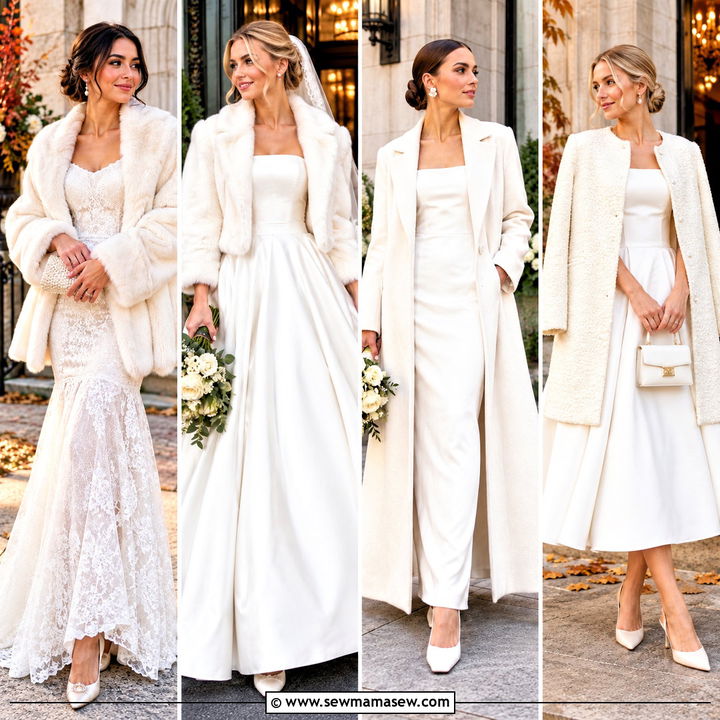
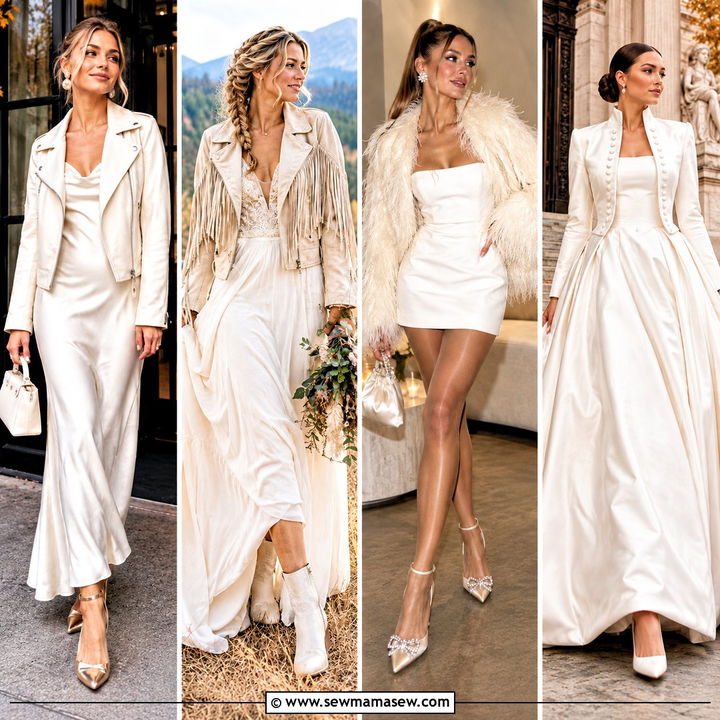
Fall is the season when bridal fabrics finally get to be what they are. Lace can have sleeves, satin can be heavy, and nobody is sweating through a corset in the receiving line. Bridal design right now leans toward lace, defined waists, sculptural skirts, bows and soft liquid satin, so there is a real range to pick from. Before you fall for a silhouette, though, I'd write down four things: the venue, the likely temperature, the dress code and how much walking and dancing the day involves. Those answers rule out more gowns than taste ever does. Below are fifteen fall dresses, each styled as a full look with shoes, jewelry, veil and a layer, plus what I'd watch for at the fitting.
When to Order a Gown for an Autumn Date
Brides are often surprised by how far ahead a wedding dress needs to be ordered. Most made-to-order bridal gowns take several months to arrive after you place the order, and alterations need their own block of time after that. Lead times vary a lot by designer and season, so ask the shop for a written delivery estimate before you pay a deposit.
Working backward from a fall date, this is the rough timeline I give people:
- Start trying on gowns about nine to twelve months out, earlier if you want a specific designer.
- Order by roughly seven to eight months out so delivery has a buffer.
- Book your first fitting around two to three months before the wedding.
- Plan on two or three fittings, more for corsets, removable sleeves or bustles.
- Have a final fitting one to two weeks out with your real shoes and undergarments.
If you're short on time, sample or off-the-rack gowns skip the wait, but they usually need more alteration because they weren't cut to your measurements.
1. Long Sleeve Lace Wedding Dress
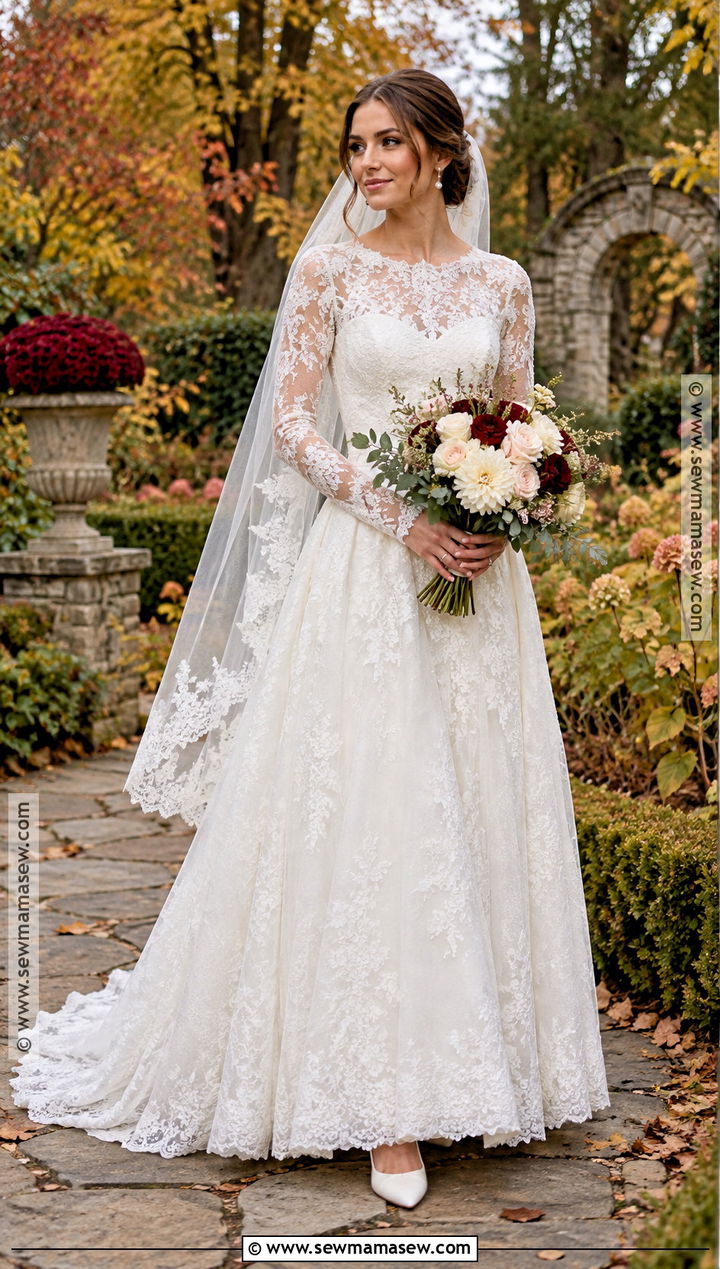
Long lace sleeves are the obvious fall choice, and for good reason: they're romantic and they actually keep you warm. Lined sleeves block the wind, while illusion lace looks lighter but does very little once the sun goes. An A-line skirt suits most figures and lets you walk, sit and dance without fuss. I'd add pearl drops, ivory pointed-toe pumps and a fingertip veil edged in the same lace, with a low bun so the sleeve and neckline stay on view. Keep an ivory wrap nearby for outdoor moments and take it off for photos. A bouquet of cream flowers and greenery with a little rust or burgundy ties it to the season.
2. Satin Ball Gown Wedding Dress
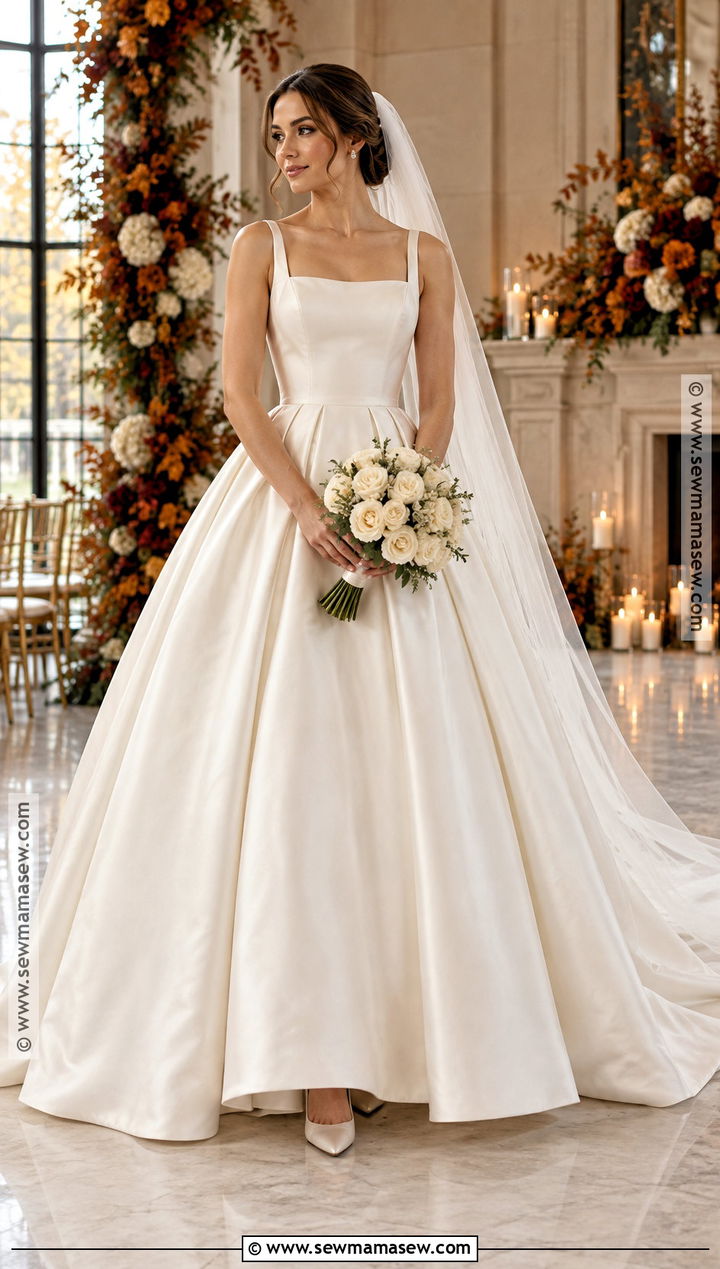
Satin ball gowns need cool weather to be comfortable, which makes fall their natural season. A structured bodice and firm waist balance all that skirt, and the newer versions skip heavy beading in favor of a basque waist, a clean neckline or a few deliberate pleats. Sculpted skirts and strongly defined waists are very much where bridal design is now. Crystal studs, a sleek veil and closed-toe satin heels are all it needs, plus a polished chignon to show the neckline. If the gown is strapless, have a fitted cropped jacket ready for outdoor portraits. Leave the big necklace at home; with this much skirt, it only crowds the picture.
3. Off Shoulder Wedding Dress With Sleeves
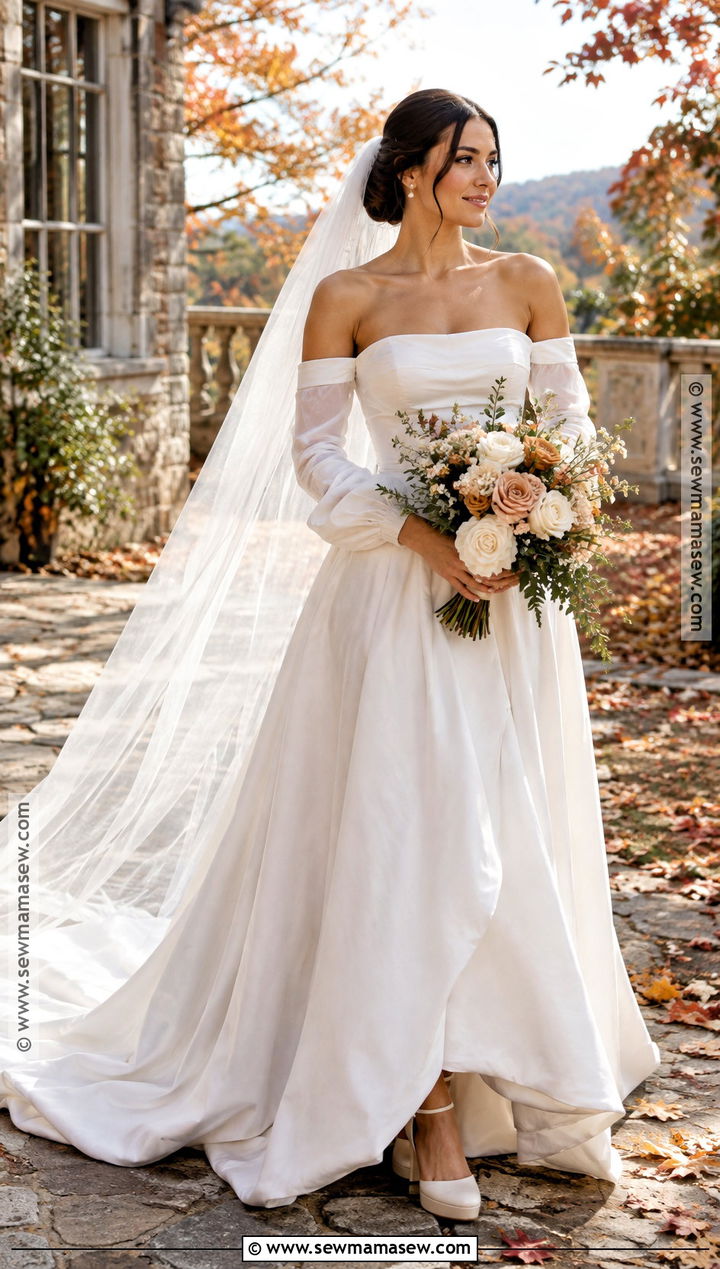
Off-the-shoulder with sleeves gives you the soft neckline without bare arms in October wind. Detachable long sleeves, folded cuffs or lace arm pieces cover you while leaving the collarbone open. A flowing A-line or fit-and-flare skirt keeps it in proportion. I'd go with a fine pendant, pearl earrings and closed-toe block heels you can actually stand in, and a low textured bun that won't unravel in a breeze. For a formal venue, a cathedral veil; for a small gathering, shoulder length is plenty. The fit check I always do on this neckline is arm movement: raise your arms and hug someone. If the bodice slips, it needs more support before the day.
4. Square Neck Wedding Dress With Cape
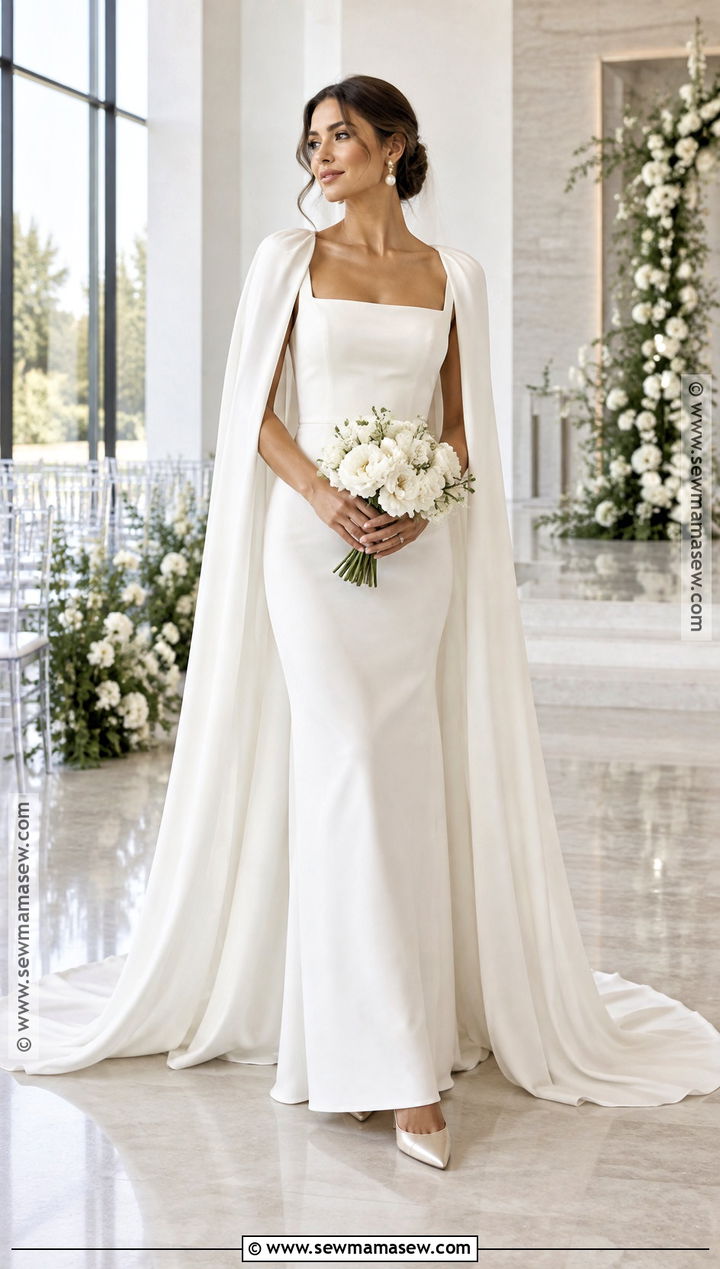
A square neck in fitted crepe sits right between classic and modern, and adding a removable cape makes it work across a fall day that warms and cools. A waist-length cape is quiet; floor length moves as you walk and gives you an aisle moment. Choose wide straps or long sleeves so the neckline has a frame. Pearl-and-gold earrings, pointed pumps, a small bouquet and a smooth low ponytail keep everything clean. If the cape already has lace, beading or a train, I'd skip the veil completely, because the two layers fight each other behind you. Take the cape off at the reception and the gown underneath is ready for dancing.
5. Vintage Lace Wedding Dress
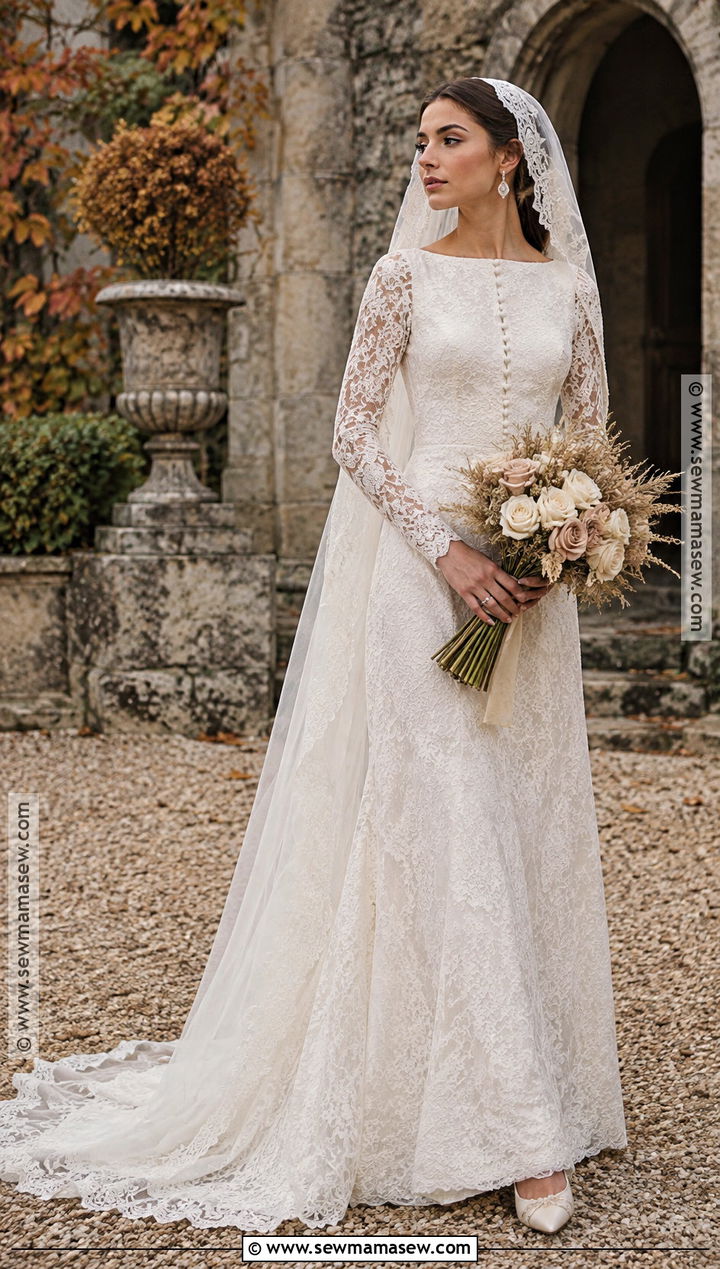
Old buildings and autumn gardens are where a vintage lace gown looks most at home. Look for floral lace, a softly fitted waist, covered buttons and a high or bateau neckline. Tea length feels playful and retro; floor length is the more formal option. I'd add ivory slingbacks, heirloom-style earrings and a short veil or lace-edged mantilla, with soft waves or a low rolled updo. A cream wool coat handles chilly outdoor moments without breaking the mood. Keep the bouquet textural with garden roses, dried grasses and muted foliage. The risk with vintage is going too literal, so let one or two details lead and keep the rest simple.
6. Minimalist Crepe Wedding Dress
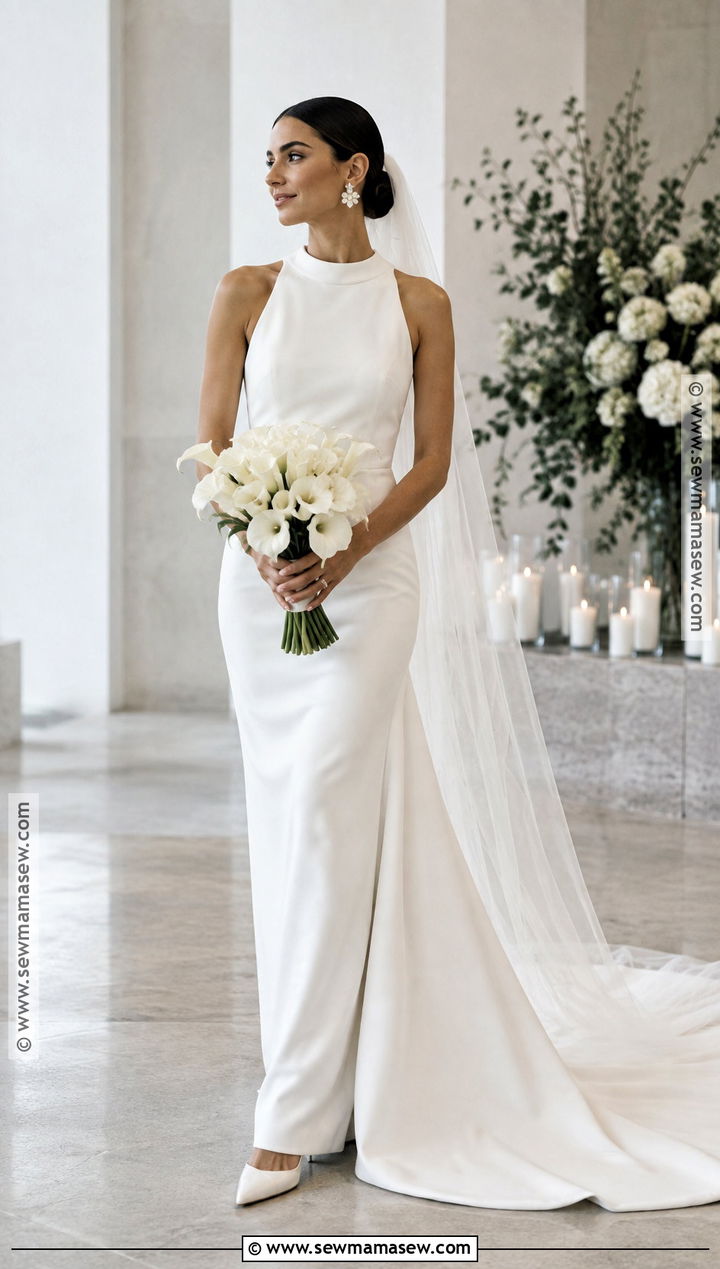
Some brides want a gown that's all shape and no decoration, and crepe is the fabric for it. A column, sheath or fit-and-flare cut with a high neck, square back or sculptural train is confident and modern. The cloth needs enough weight to skim rather than cling; thin crepe shows every seam and undergarment line. I'd style it with sculptural earrings, sleek ivory pumps and a narrow cathedral veil for contrast, and keep hair polished and pulled back. Outdoors, a tailored white coat suits it far better than a beaded wrap. Be warned: crepe hides nothing, so this is the dress where alterations matter most.
7. Champagne Tulle Wedding Dress
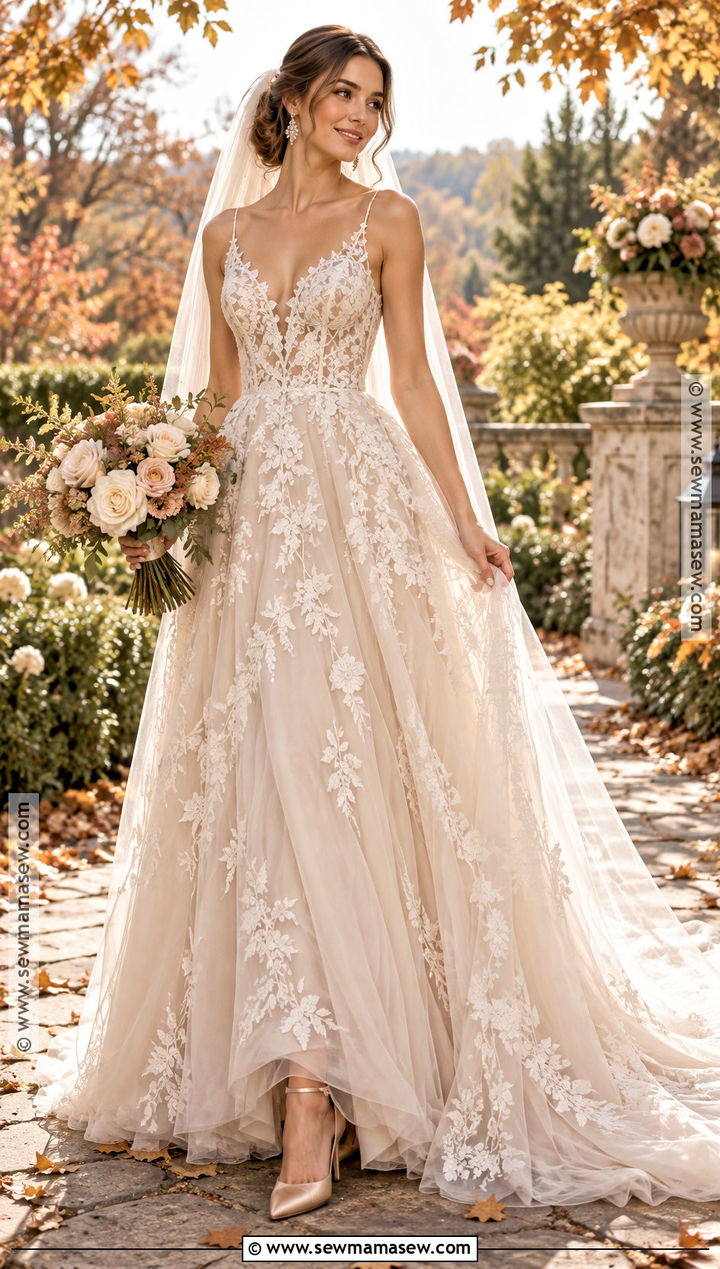
Champagne tulle warms up a fall palette while staying firmly bridal. The trick is an ivory lace overlay, so the warmer layer underneath glows rather than reading gold. A fitted bodice, an airy A-line skirt and scattered appliqués give it movement and depth. I'd pair champagne satin heels, small crystal earrings and a sheer ivory veil, with soft rose or neutral makeup that suits the warm undertone. A loose low bun keeps it relaxed. Check the gown in both daylight and indoor light before buying accessories, because champagne shifts noticeably between the two. Cream flowers and eucalyptus finish the look without competing.
8. Boho Wedding Dress With Bell Sleeves
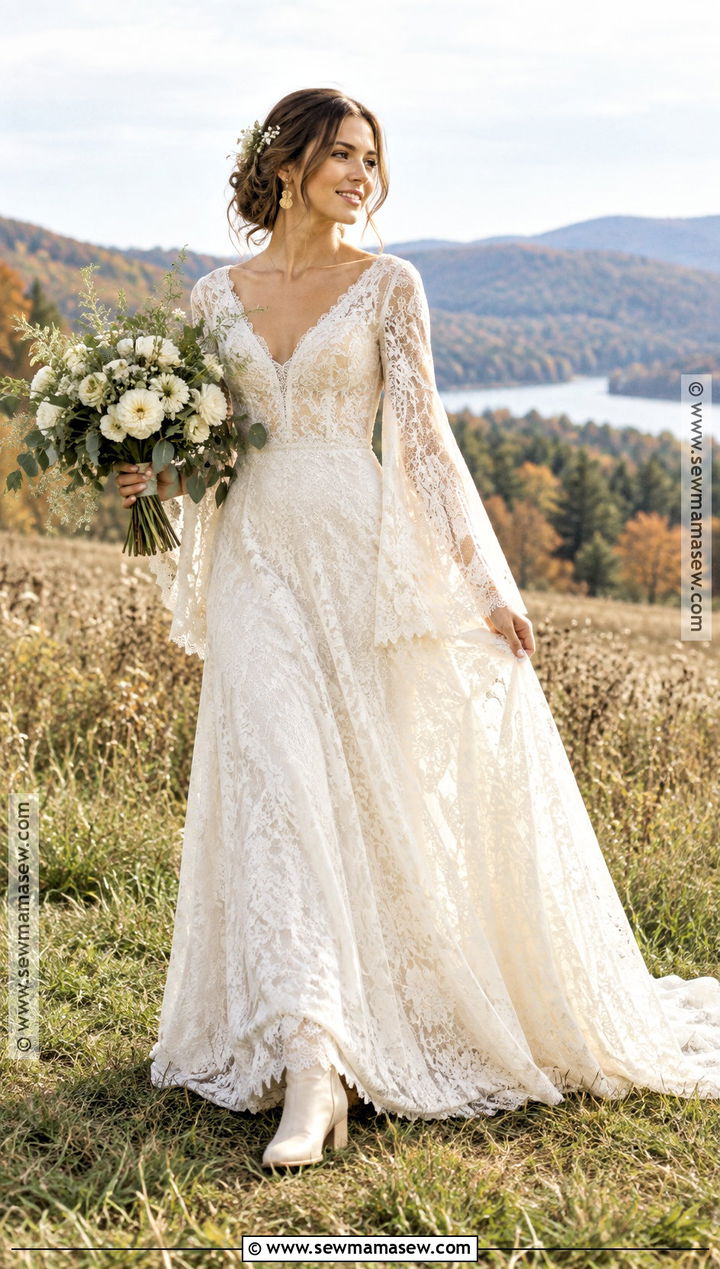
Bell sleeves and botanical lace are made for a meadow, a woodland clearing or a rustic barn. Keep the bodice lightly fitted and the A-line skirt easy so the dress looks free rather than oversized, which is the usual risk with boho gowns. A nude or soft ivory lining makes the lace pattern stand out. Low-heeled ankle boots, fine gold earrings and a floral comb suit it; a fingertip veil adds polish, or a sheer cape gives more cover on a breezy day. A loose bouquet of greenery and cream flowers fits the mood. Have the hem set while you're wearing the boots, especially if the aisle is grass or gravel.
9. High Neck Wedding Dress With Open Back
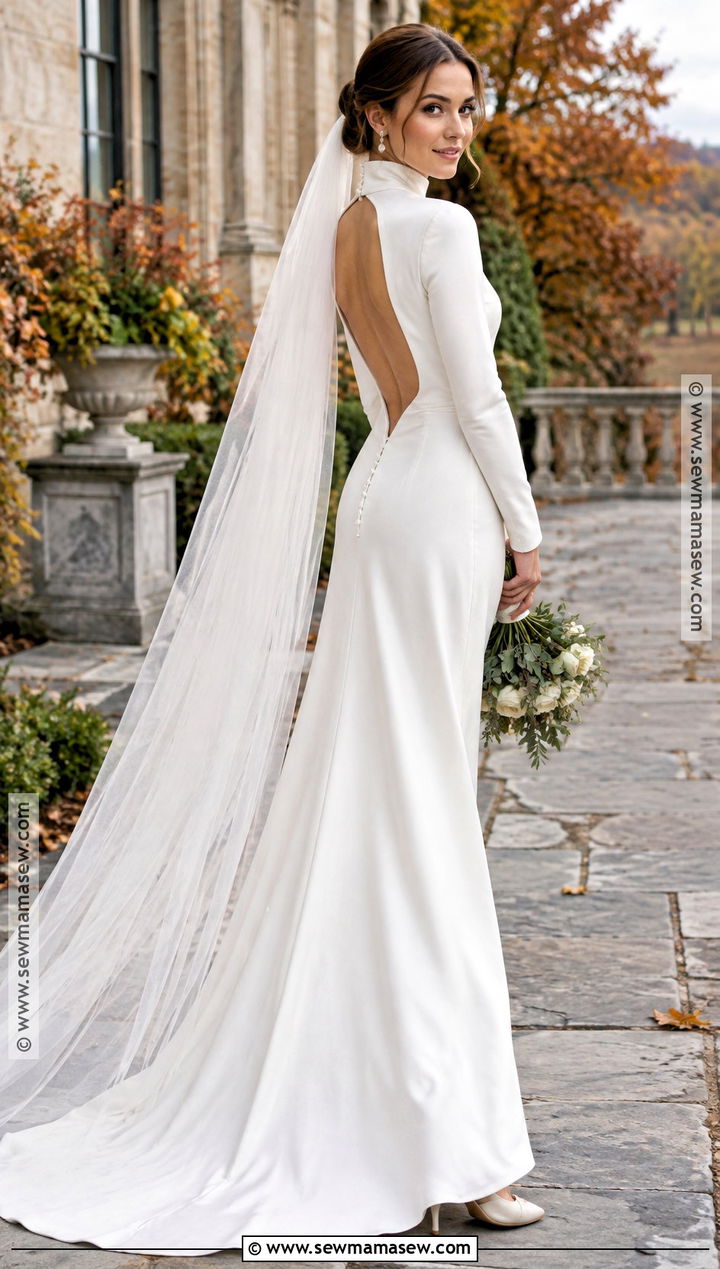
From the front, a high neck is formal and composed; turn around and the open back changes the whole look. For fall, I'd choose heavier crepe, satin or lined lace, with long fitted sleeves and a slim A-line skirt. Drop earrings and a low bun work well, and pin the veil under the hair so the back stays visible. Closed-toe kitten heels keep you comfortable without dressing it down. For cold photos, a tailored cape that fastens at the neck covers you without hiding the dress. The honest catch is support: an open back limits bra options, so ask your seamstress about sewn-in cups or other built-in support early, not at the last fitting.
10. Floral Appliqué Wedding Dress
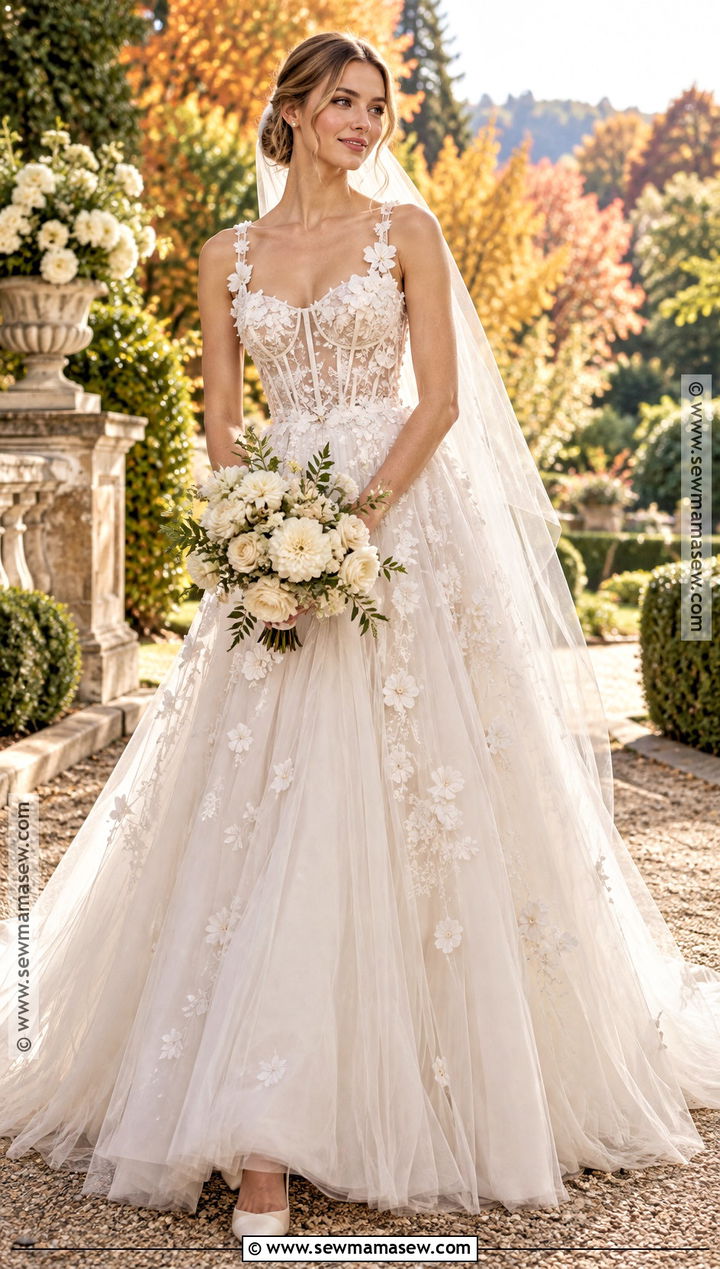
Raised floral appliqués give a traditional gown texture you can feel and see. The placement I like best clusters flowers on the bodice and scatters them down the skirt, so the detail thins out as it travels and never overwhelms you. A corset-style top with a soft tulle A-line skirt gives support above and movement below. Embroidery and sculpted lace are still everywhere in bridal design, usually set on a defined, structured shape. With all that texture, I keep accessories plain: pearl studs, satin heels and a veil without trim. A relaxed updo and a simple cream bouquet suit it. Bring a removable ivory stole for outdoor portraits.
11. Drop Waist Wedding Dress
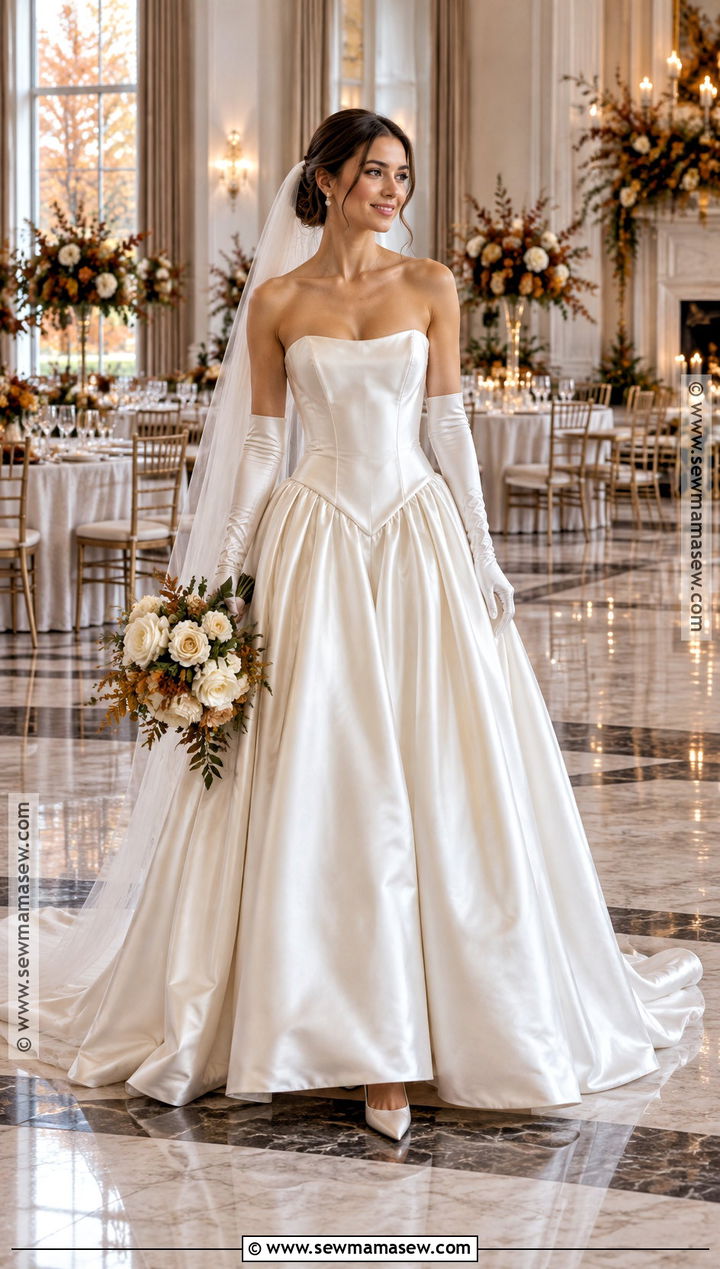
A drop waist stretches the torso and then lets the skirt open dramatically below. I prefer a basque or gently curved waistline because it follows the body; a straight drop can feel stiff and sit oddly when you sit down. Satin gives a crisp, structured shape, while tulle softens it. Elbow-length gloves, small earrings and pointed pumps lean vintage, and a long plain veil lets that unusual waist stay the focus. Hair up keeps the bodice construction visible. Waist placement changes your proportions more than almost any other detail, so try the gown in your real heel height and sit, walk and dance in it before signing off on alterations. It flatters long torsos most; shorter-waisted brides may feel cut in half.
12. Wedding Dress With Oversized Bow
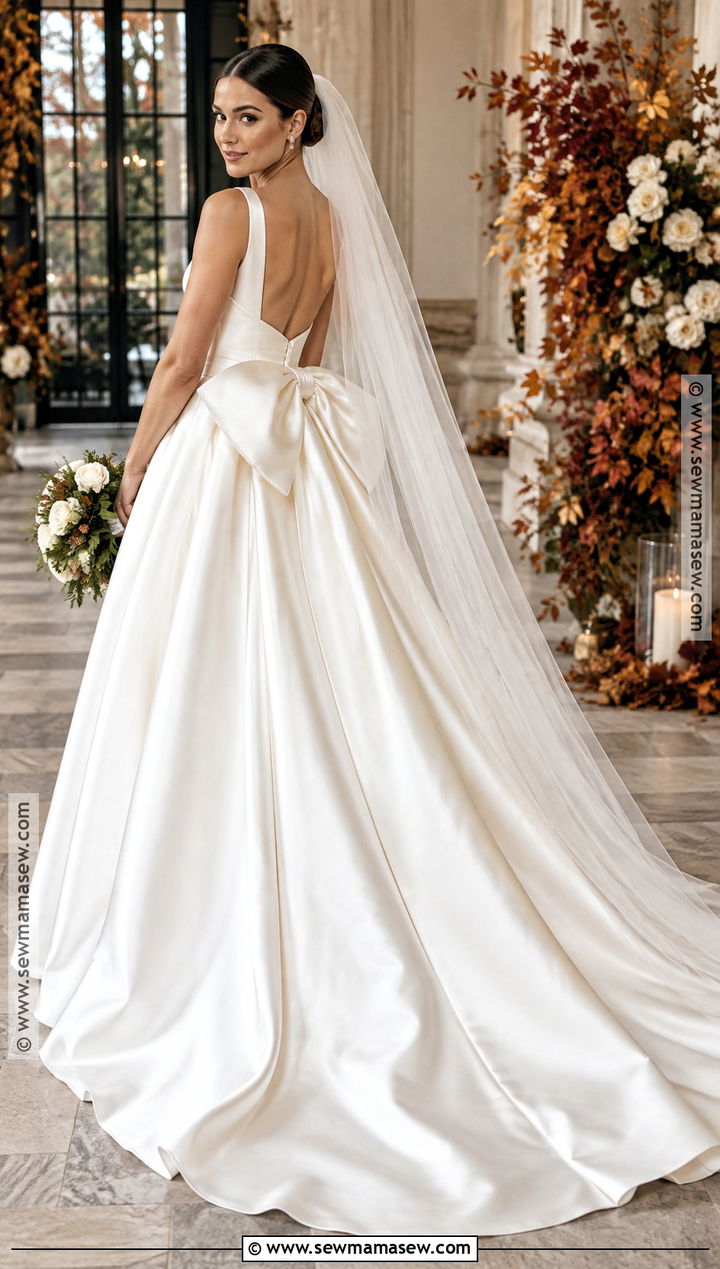
One big bow can turn a plain satin gown into something people remember. Put it at the back waist, the shoulder or the neckline of a structured A-line or column dress. I strongly prefer a detachable bow: it makes the ceremony entrance, then comes off so you can sit, hug and dance without crushing it. Bows show up across bridal design now, from small neat accents to sculptural statements. Keep everything else restrained with pearl studs, a smooth veil, classic ivory pumps and a sleek bun. One practical tip: have someone in the wedding party practice attaching, removing and re-fluffing the bow before the day, because a crushed loop is very hard to fix in a hurry.
13. Satin Slip Wedding Dress With Coat
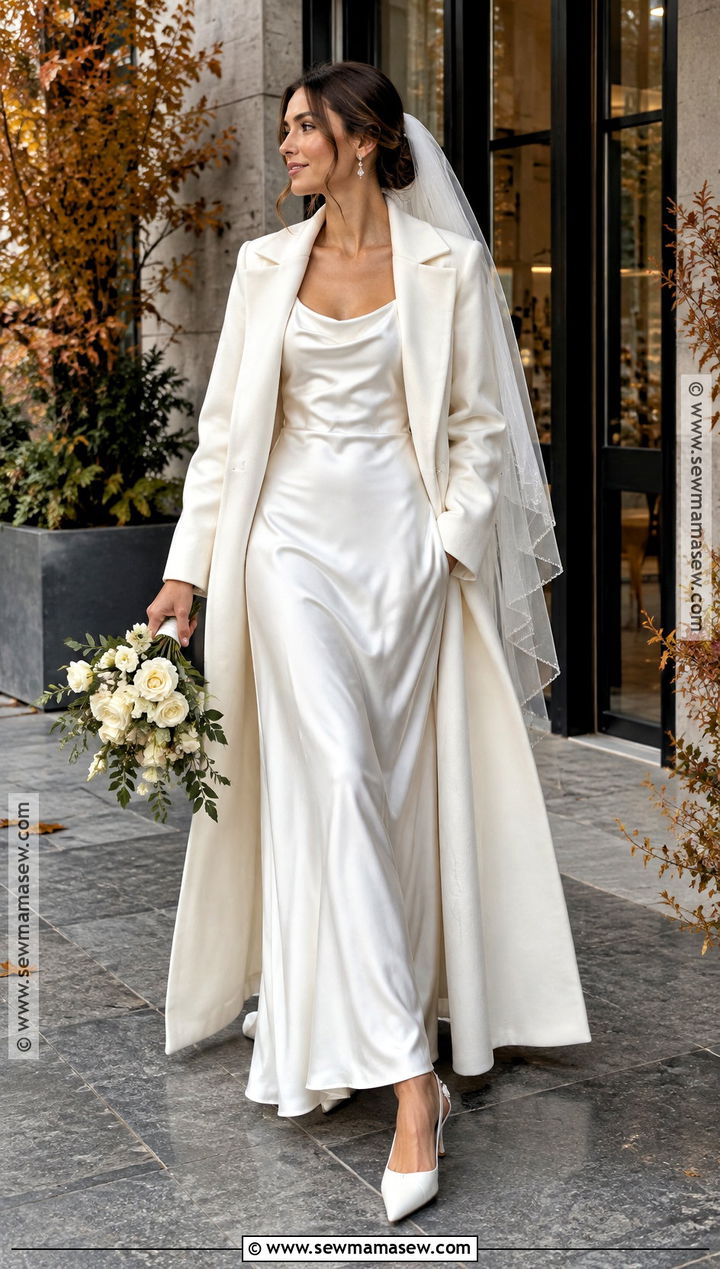
A satin slip dress is fluid and understated, but on its own it's a summer gown, so fall needs a proper layer. Look for a bias cut with a cowl, square or draped neckline and enough lining for a smooth fit. Then add a floor-length ivory coat in wool crepe or structured satin for travel and photos. Soft draping and liquid satin are a strong direction in fall bridal right now. Crystal drops, pointed slingbacks and a fine veil complete it, with loose waves or a low knot. Fit the coat a little roomier through the shoulders and hips than you would normally, so it falls cleanly over the dress instead of crushing and creasing the satin.
14. Velvet Trim Wedding Dress
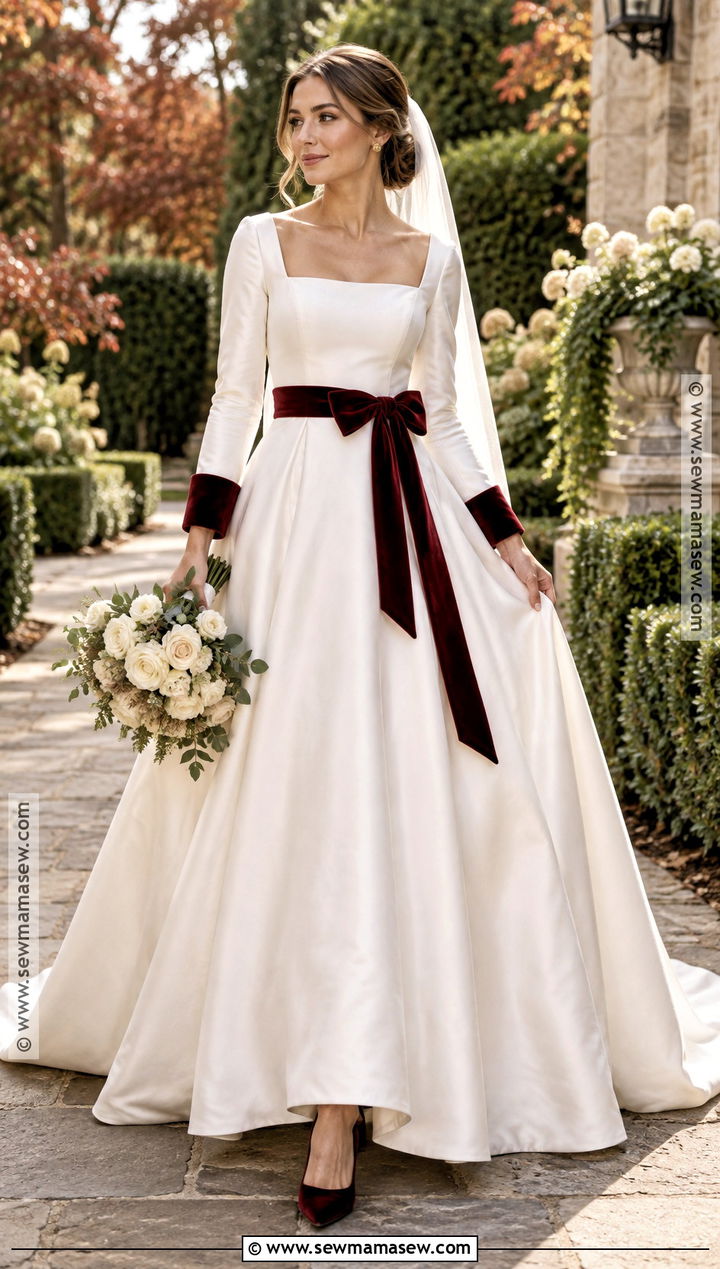
Velvet trim gives you the richness of the season without a heavy all-velvet dress. Start with a structured ivory satin or crepe gown and add velvet at the waist, cuffs, neckline or a back bow. Ivory velvet stays tonal; deep green or burgundy is a deliberate break from tradition. I'd add matching velvet pumps, small gold earrings and a plain chapel veil. If the trim is colored, keep the bouquet mostly neutral so that accent reads as intentional. A fitted bodice and full A-line skirt suit cooler weather well. Check all the velvet pieces together in person, because velvet pile catches light differently depending on direction, and two matching swatches can photograph as different colors.
15. Tea Length Wedding Dress With Jacket
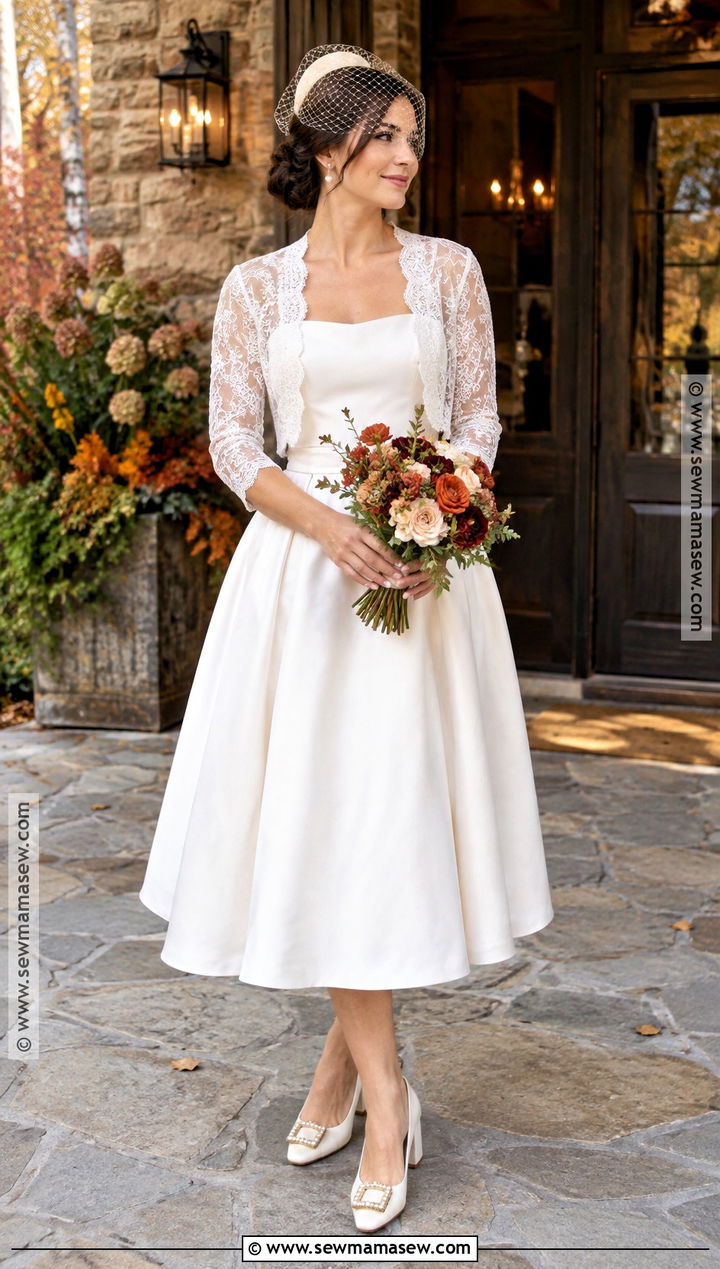
Tea length is my go-to for courthouse weddings, intimate venues and relaxed fall receptions. A structured A-line skirt ending between knee and ankle pairs well with a cropped bridal jacket in lace, satin or soft wool. Because your shoes are on show, they become part of the outfit: ivory pumps with a bow, a pearl buckle or a block heel all work. A birdcage veil, small earrings, a compact bouquet and a smooth updo finish it. The jacket should end at the natural waist or a bit above; any longer and it shortens the legs and blurs the shape of the skirt. On a cold day, sheer tights close to your skin tone are perfectly fine.
Proportion Fixes for Shorter, Taller and Fuller-Busted Brides
The same gown can look completely different on two people, and most of that comes down to where the waist, neckline and hem fall on your frame.
Under about five foot four
Full ball gowns and dropped waists can swallow a petite frame. A natural or slightly raised waist, a V or square neckline and a slimmer A-line keep the length in your legs. Ask your seamstress to shorten the bodice as well as the hem if the waist sits low on you.
Taller brides
Check sleeve and torso length first, since standard sizes often run short on both. Long-torso brides carry drop waists and corsets well. A chapel or cathedral veil keeps proportions balanced against a longer skirt.
Fuller bust
Look for built-in boning and cups, wide straps or a structured off-shoulder band rather than thin spaghetti straps. High necks can work, but a lined front and a defined waist below stop the bodice looking boxy. Strapless gowns need serious internal support to stay put through dancing.
Satin Creases and Tulle Snags on the Day
Satin creases the moment you sit in a car, and silk satin shows water marks. Hang the gown until the last minute, sit on the back of the skirt rather than bunching it, and keep a handheld steamer at the getting-ready location. Tulle snags on bracelets, brooches and rough wooden benches, so keep jewelry smooth and check what guests and the wedding party are wearing on their wrists for those close hugs.
Trying the Whole Look On Before You Commit
Fall gives brides more to work with: sleeves, heavier cloth, capes, coats and closed shoes all make cooler weather easier without dulling the look. Lace and appliqués lean romantic, while satin, crepe and strong waistlines read cleaner. Whatever direction you go, put the full outfit on together before final alterations, including shoes, veil, jewelry and your outer layer, and take photos of it in daylight and indoors to check color and proportion. Then trust how you feel in it. The right gown is the one that is comfortable for a long day and still feels like you at the end of it.
Related posts: