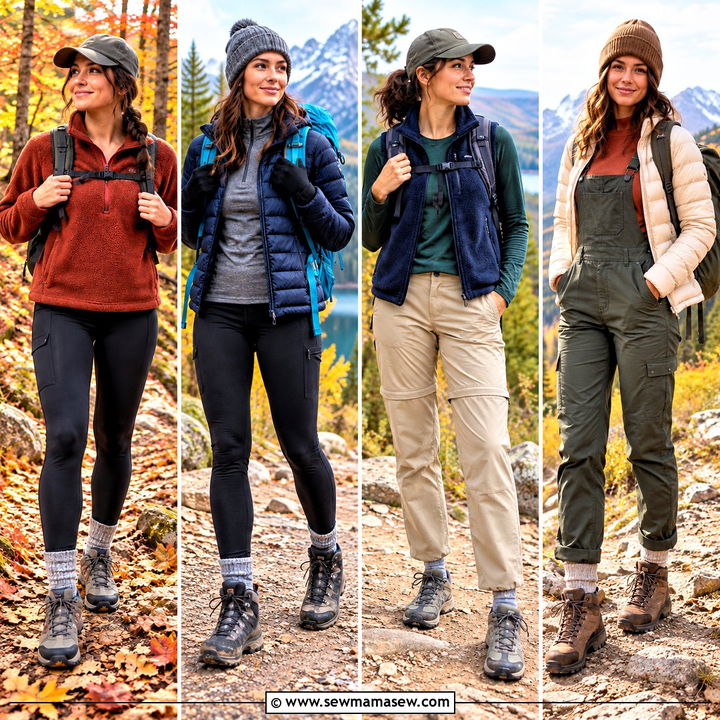
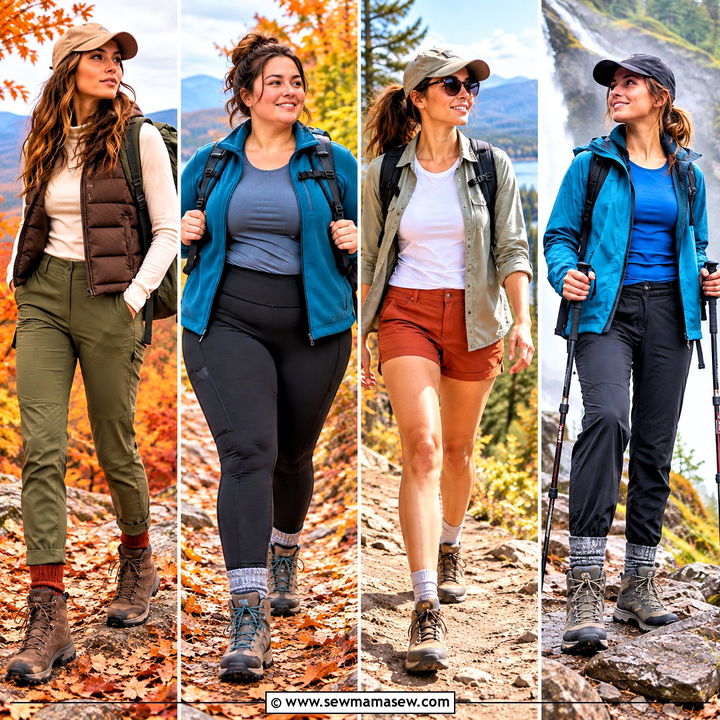
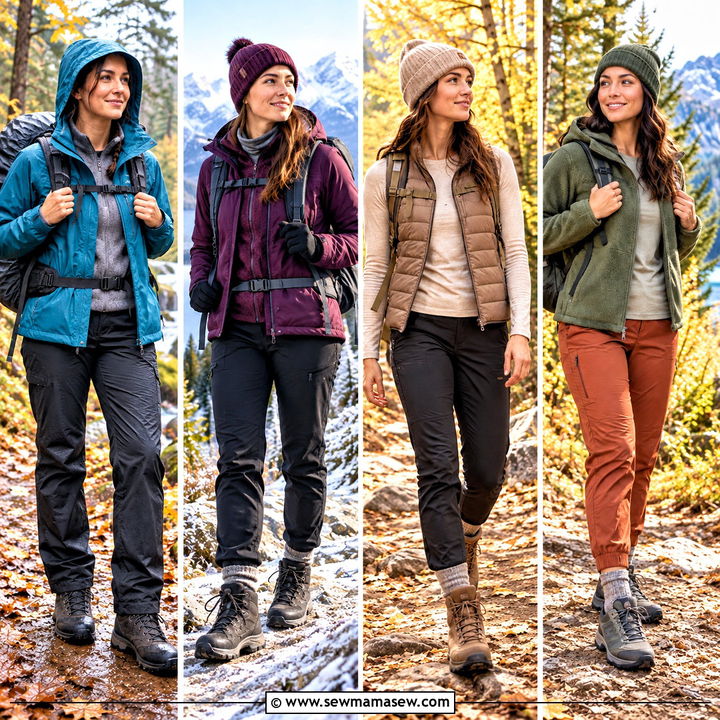
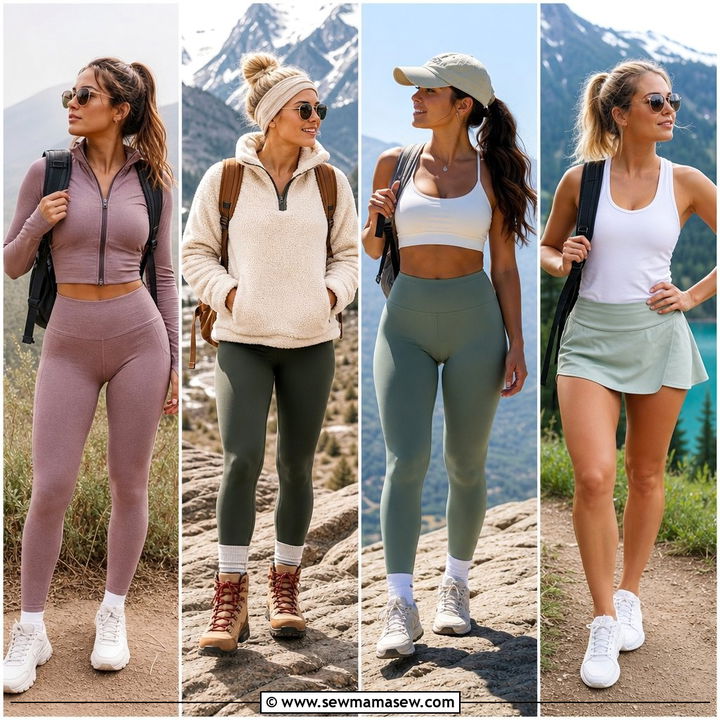
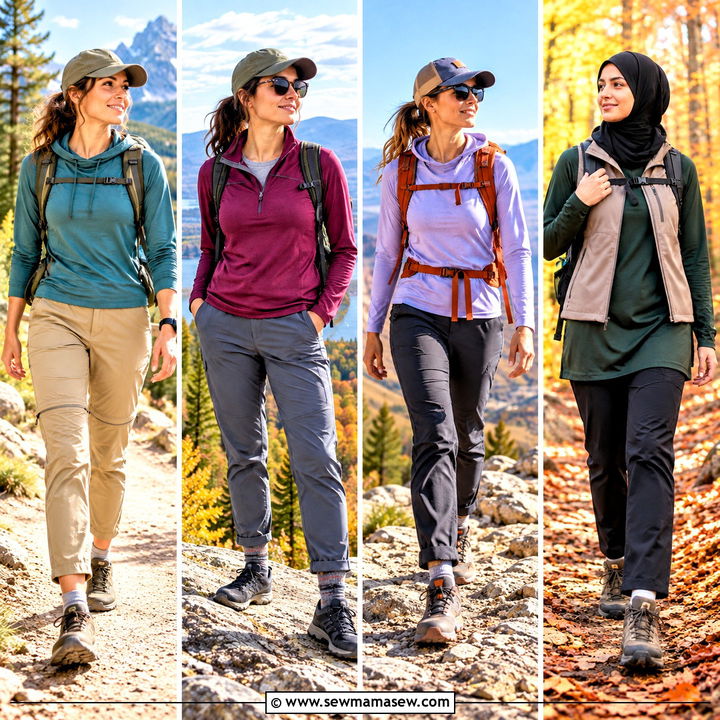
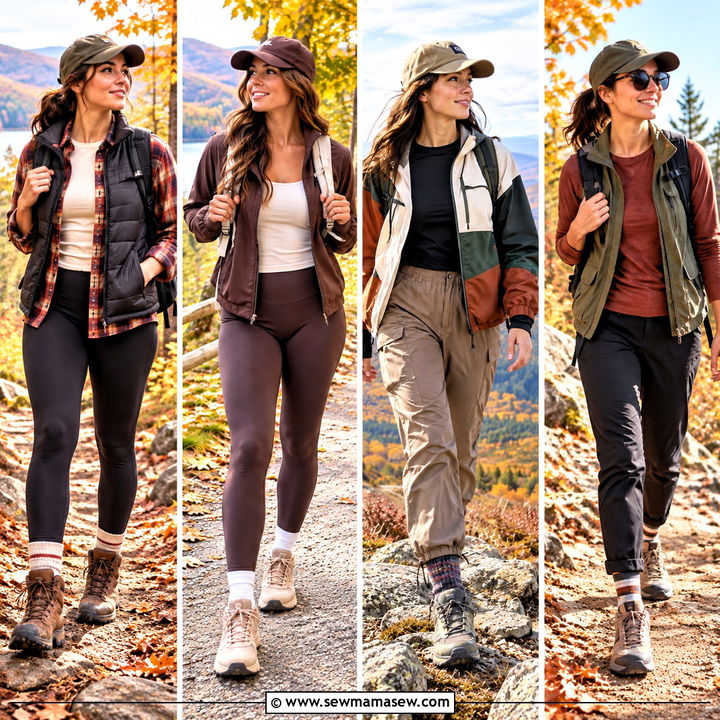
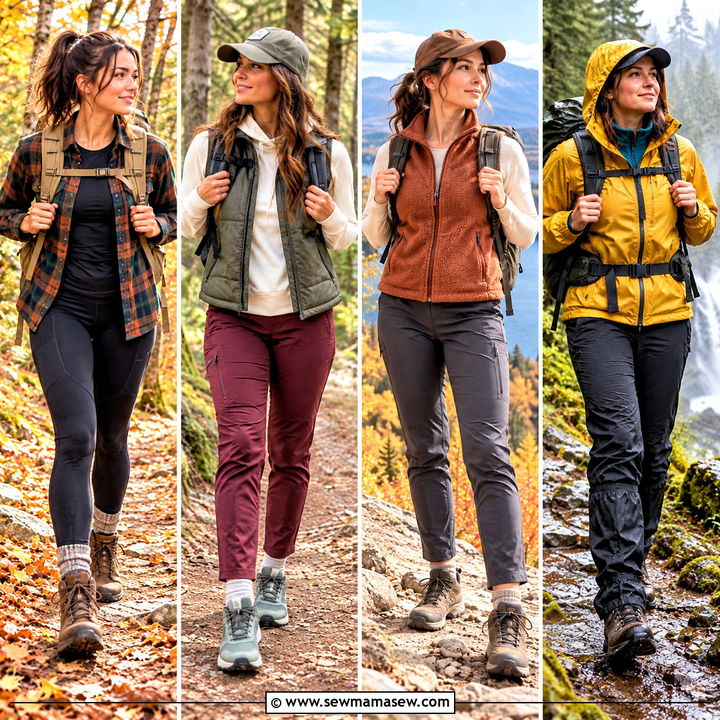
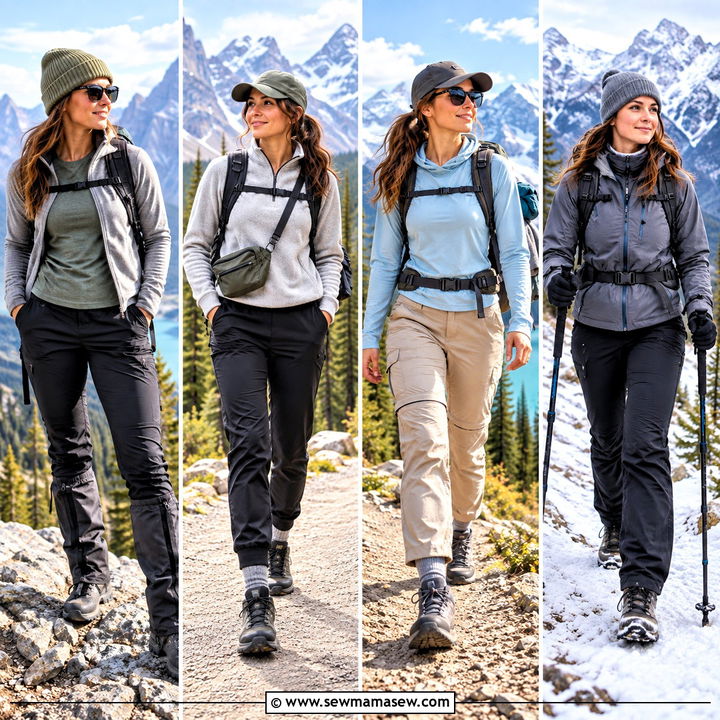
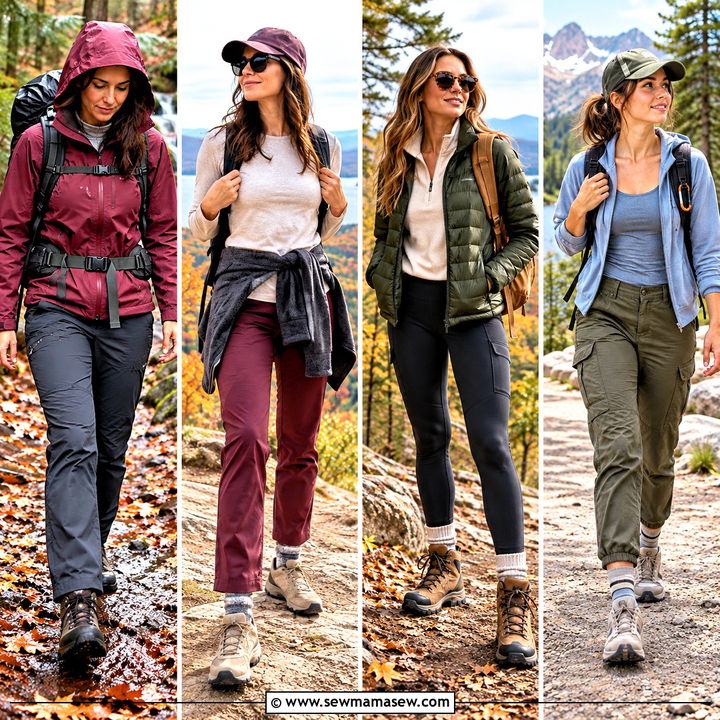
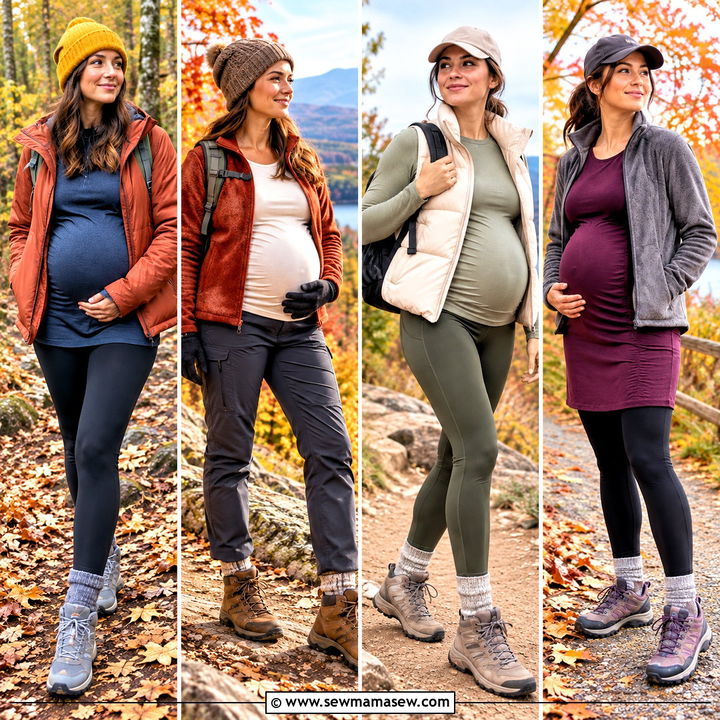
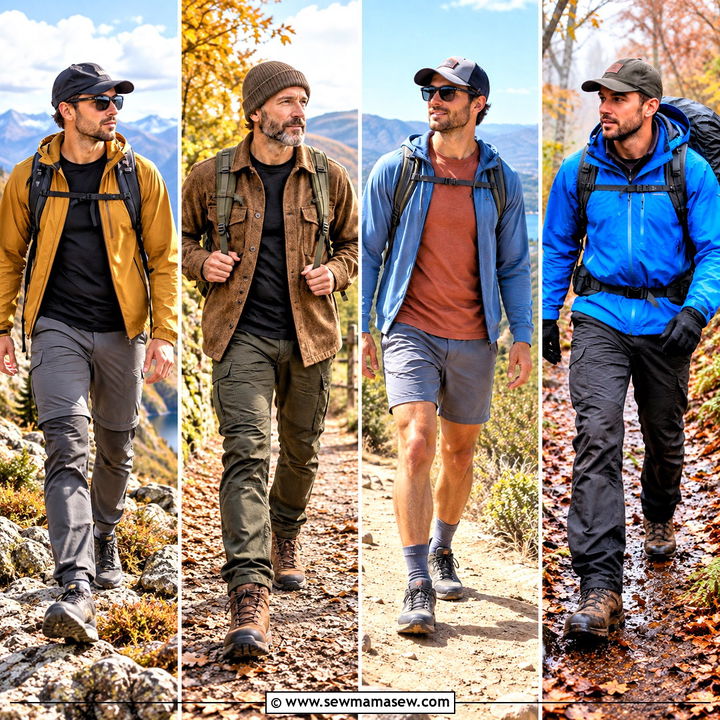
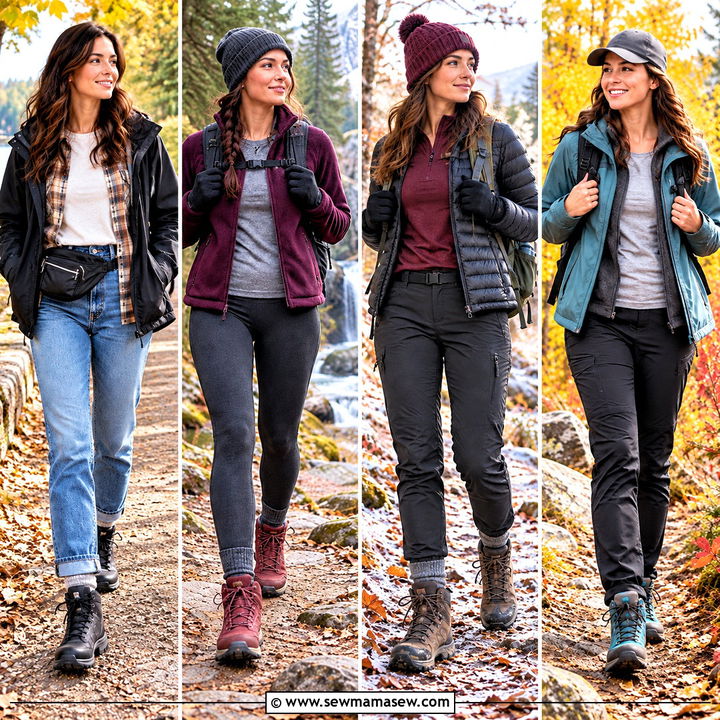
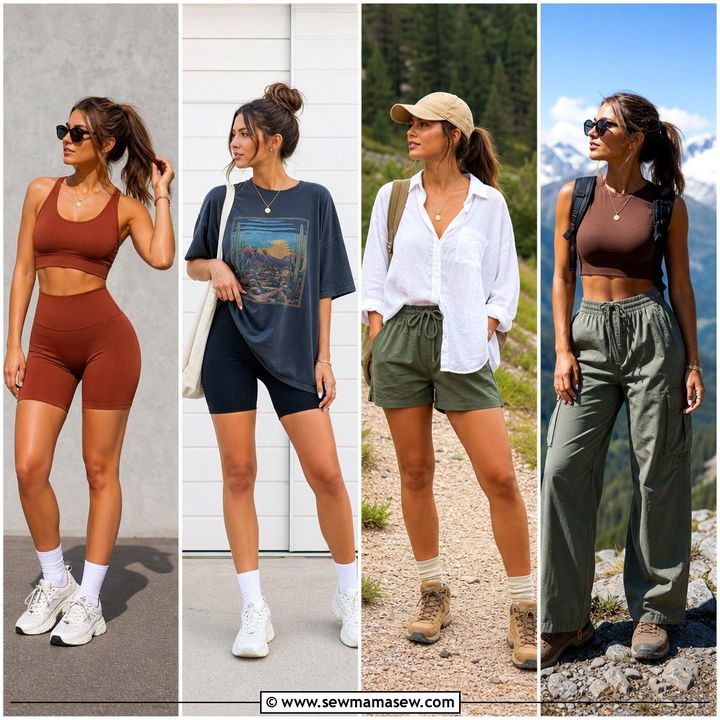
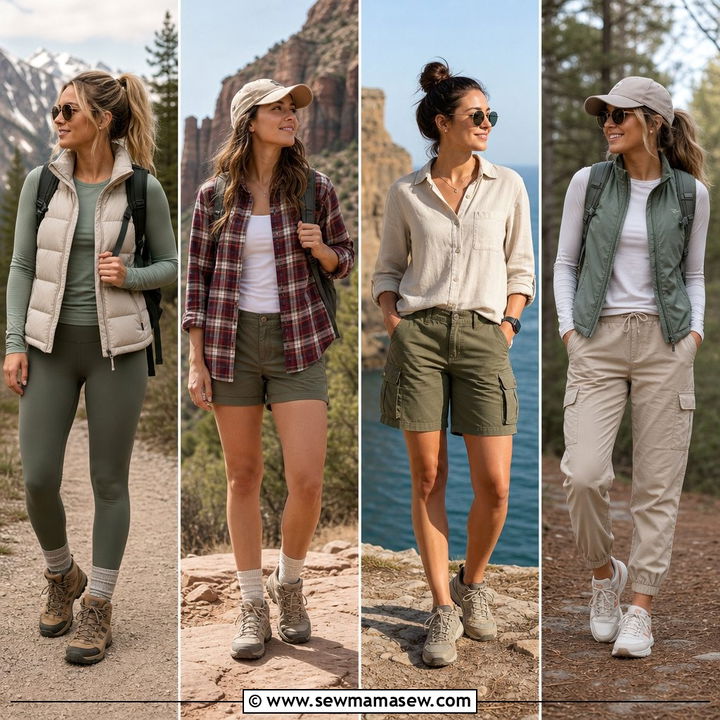
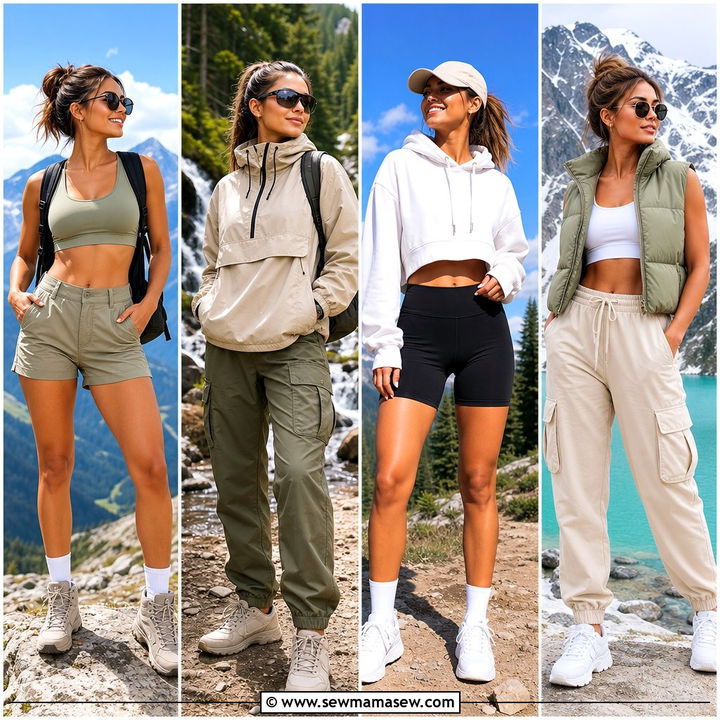
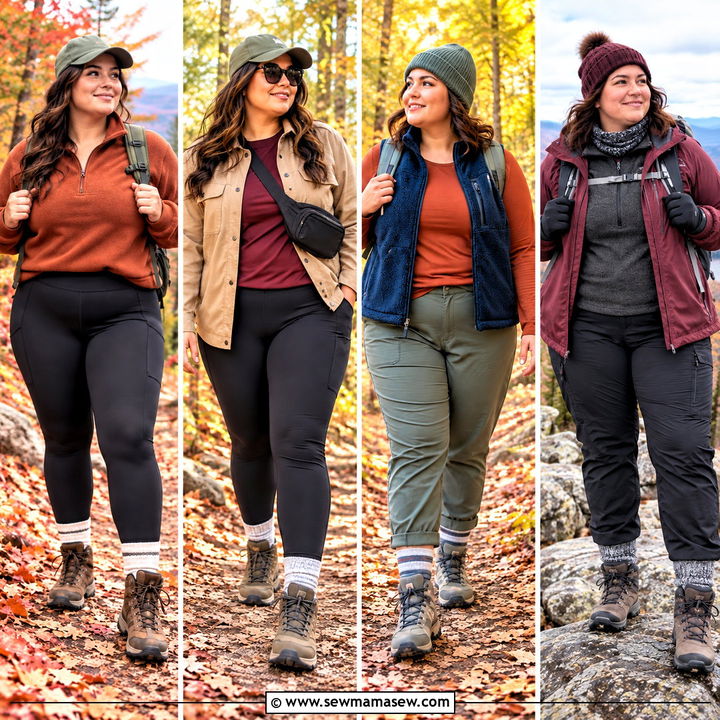
Autumn is my favorite hiking season, cool mornings, turning leaves and all, but the trail conditions change by the hour. So the clothes need to work as a set: a base layer that moves sweat away from your skin, a midlayer that holds warmth, and a shell that stops wind or rain. When you dress that way, you can add or take off one piece as the temperature, elevation and effort change. I've put together 25 women's trail outfits, from easy woodland walks to cold mountain days, each finished with proper shoes, hiking socks and a daypack. I've also noted where each one stops being sensible, because a pretty outfit on the wrong trail is a miserable afternoon.
Packing a Daypack So the Right Layer Is on Top
Every outfit below depends on taking layers off and putting them back on, and that only works if they're easy to reach. A shell buried under lunch is a shell you won't stop to dig out.
Here's how I'd load a small daypack for a fall hike:
- Bottom: the warm layer you'll want at the summit or lunch stop, such as an insulated jacket or spare fleece, stuffed into its own pocket or a small bag.
- Middle: food, water and anything heavy, kept close to your back so the pack doesn't pull you backward.
- Top or outer pocket: the rain or wind shell, folded flat so you can pull it out in a few seconds.
- Hip belt or front pockets: phone, snacks, sunscreen, lip balm and a hat or headband.
Before you set off, put the pack on over your starting outfit and adjust the straps. A fleece or vest adds bulk at the shoulders, so the straps often need loosening a notch compared to how you wear the pack over a tee. The hip belt should sit on your hip bones and carry most of the weight, which is why I keep jacket hems and vest bottoms from getting trapped beneath it.
1. Fleece Jacket Fall Hiking Outfit
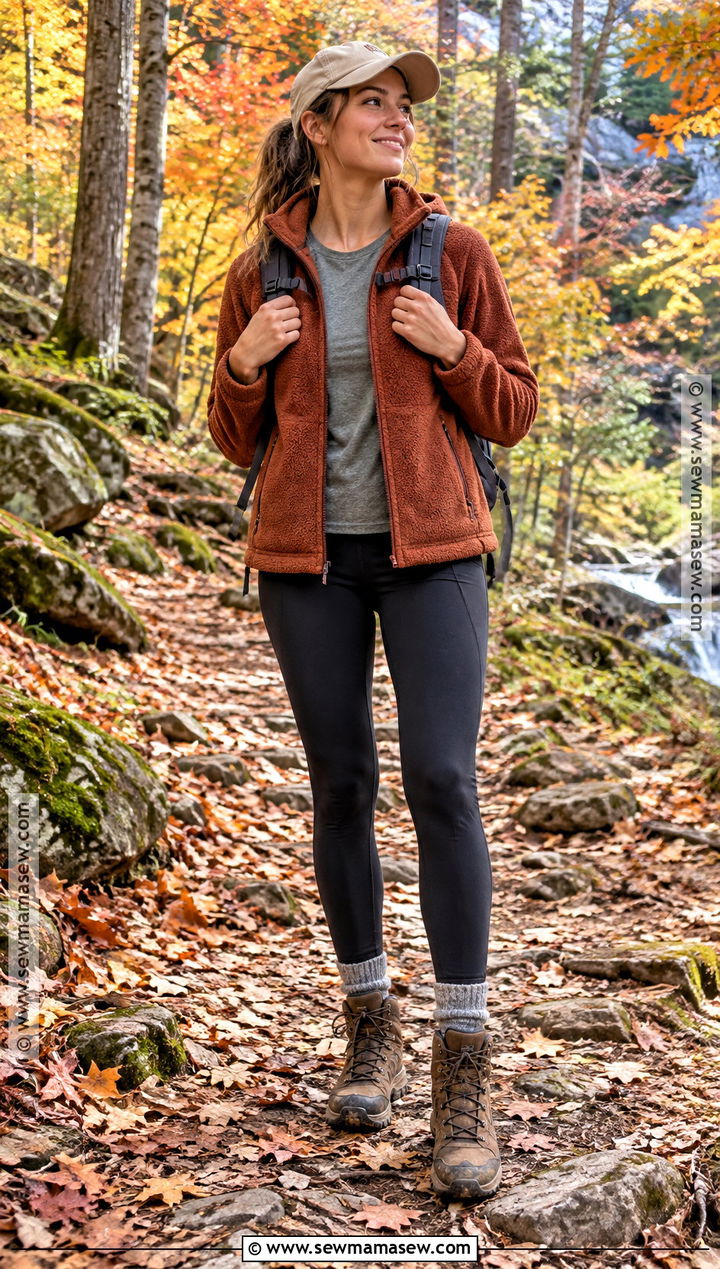
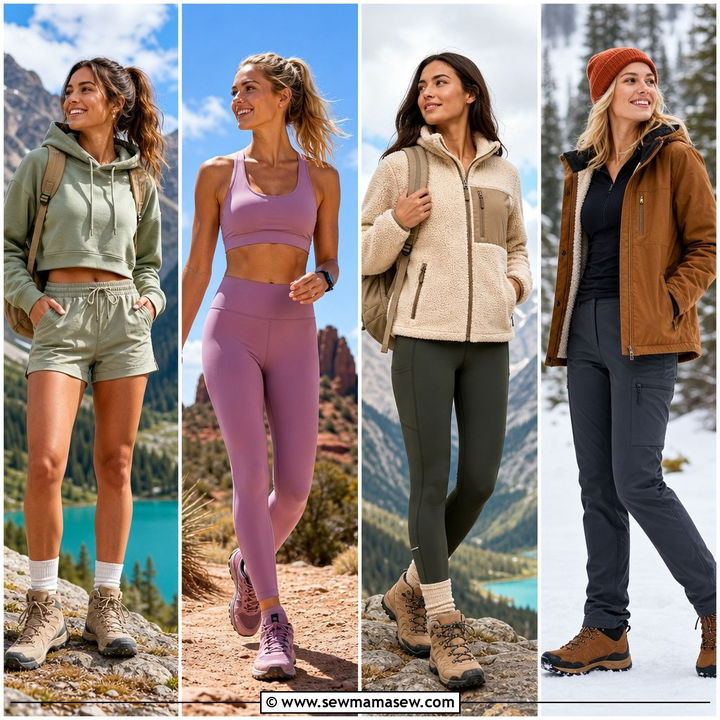
A full-zip fleece over leggings is the outfit I'd suggest for most cool, shaded woodland mornings. Start with a light moisture-wicking tee, add a fleece in rust, olive, burgundy or cream, and wear black hiking leggings with waterproof ankle boots for damp ground. Wool-blend socks, a compact pack and a neutral cap finish it. The full zip is why I pick this over a pullover: you can open it halfway up a climb and close it again at the top without stopping. Raise both arms before you buy; a fleece that's tight across the shoulders will pull with every pole plant. It's right for cool days, not truly cold ones.
2. Puffer Vest Fall Hiking Outfit
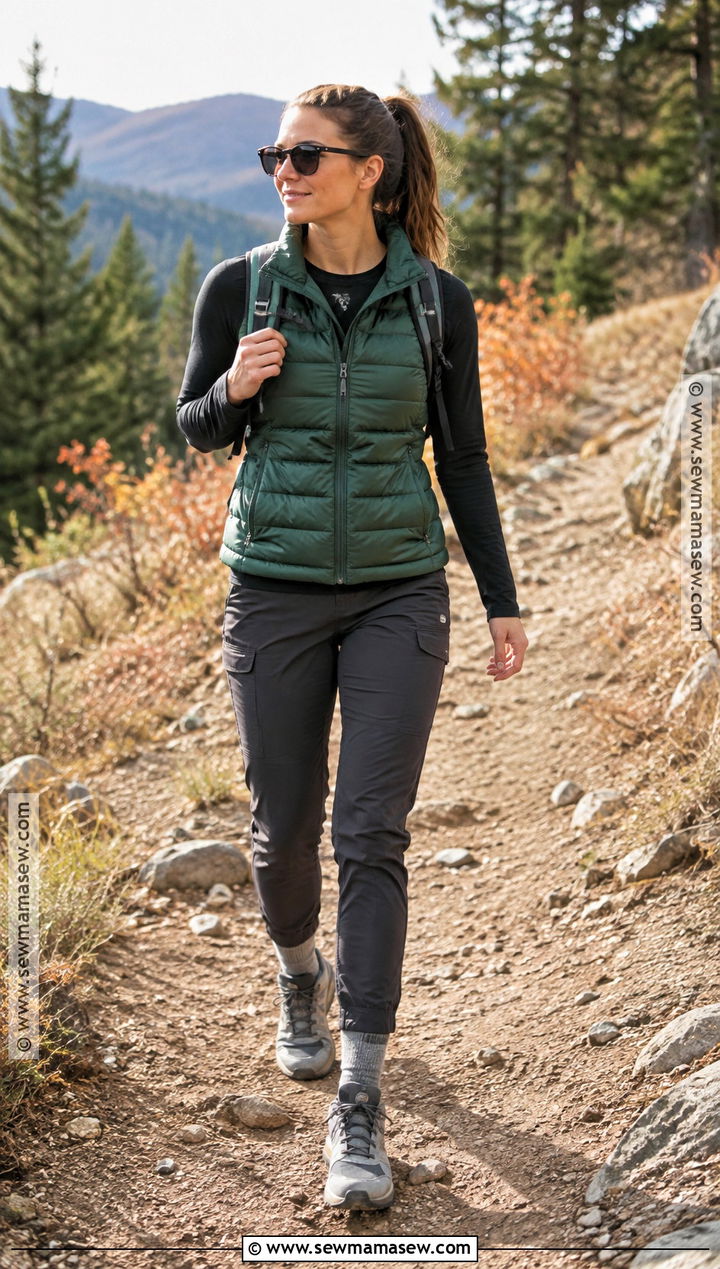
A light puffer vest is for days when your core feels cold but your arms are working hard. I'd wear it over a fitted long-sleeve performance top with high-waisted trail leggings or tapered hiking pants, then trail runners for a light, flexible step and cushioned crew socks for longer routes. A small pack, a cap and polarized sunglasses complete it. Forest green, clay, navy and camel all sit nicely in fall scenery. Pick a vest that packs into its own pocket, since you'll probably carry it by the afternoon. It suits active uphill walks and dry trails where a full coat is overkill.
3. Flannel Shirt Fall Hiking Outfit
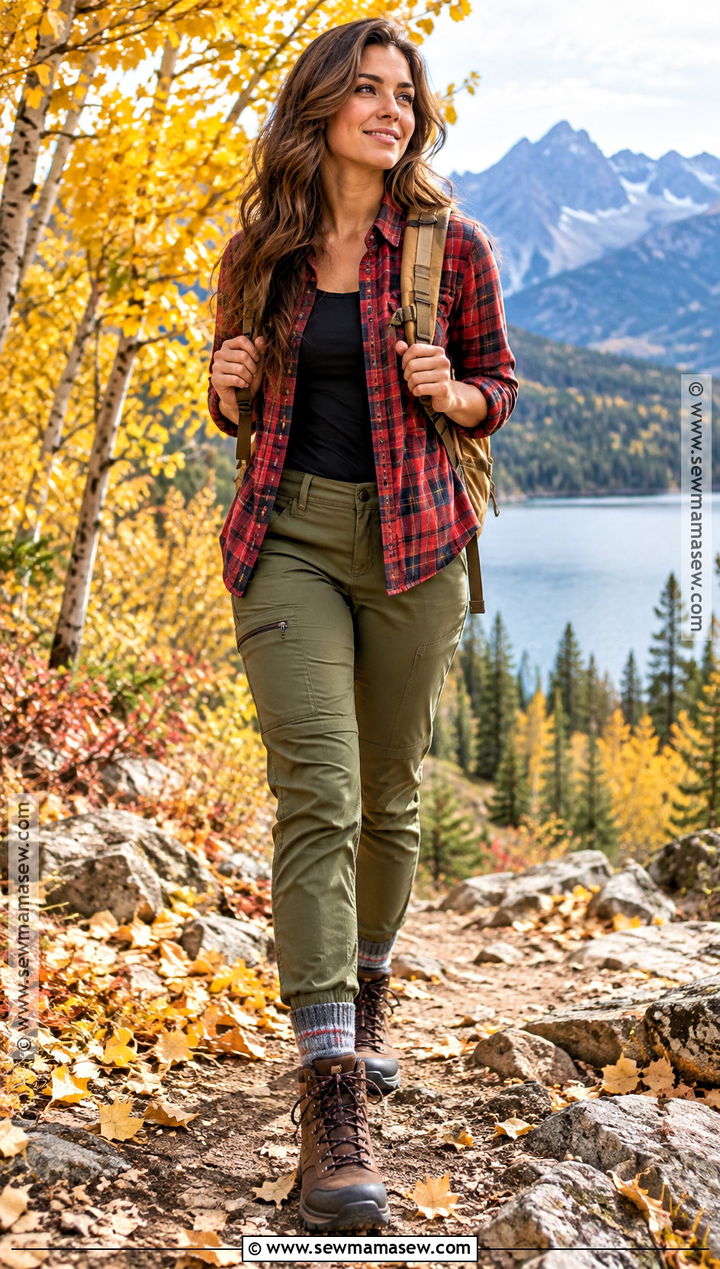
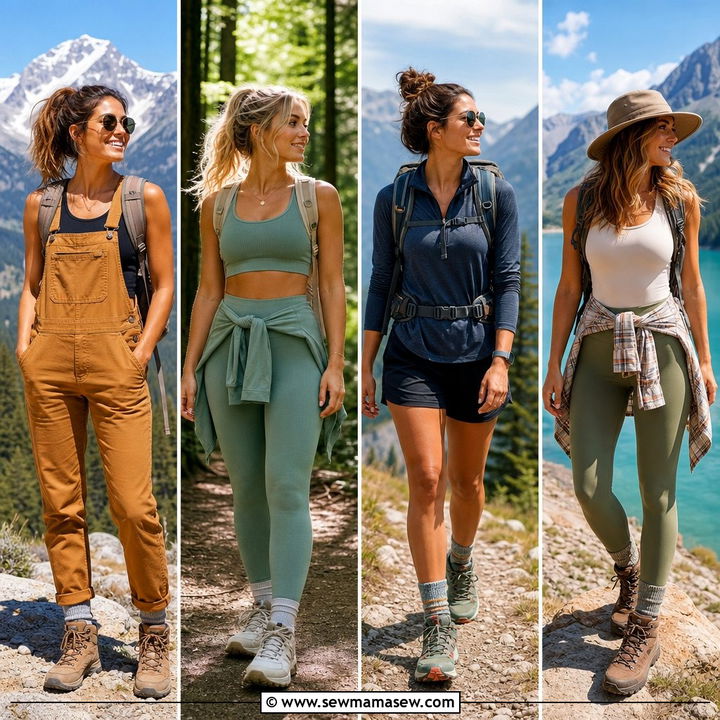
Flannel brings a classic fall feel to an easy trail outfit, but the kind of flannel matters. A thick cotton fashion flannel soaks up sweat and stays damp, so I'd look for a lighter performance flannel that dries faster and stretches more. Wear it open over a breathable fitted tee, with durable hiking leggings or stretch utility pants, never heavy jeans. Brown waterproof boots, neutral wool socks and a canvas-colored pack fit the outdoorsy palette. Roll the sleeves on climbs or tie the shirt around your waist when it warms up. I'd keep this for gentle forest and park trails.
4. Quarter-Zip Fleece Fall Hiking Outfit
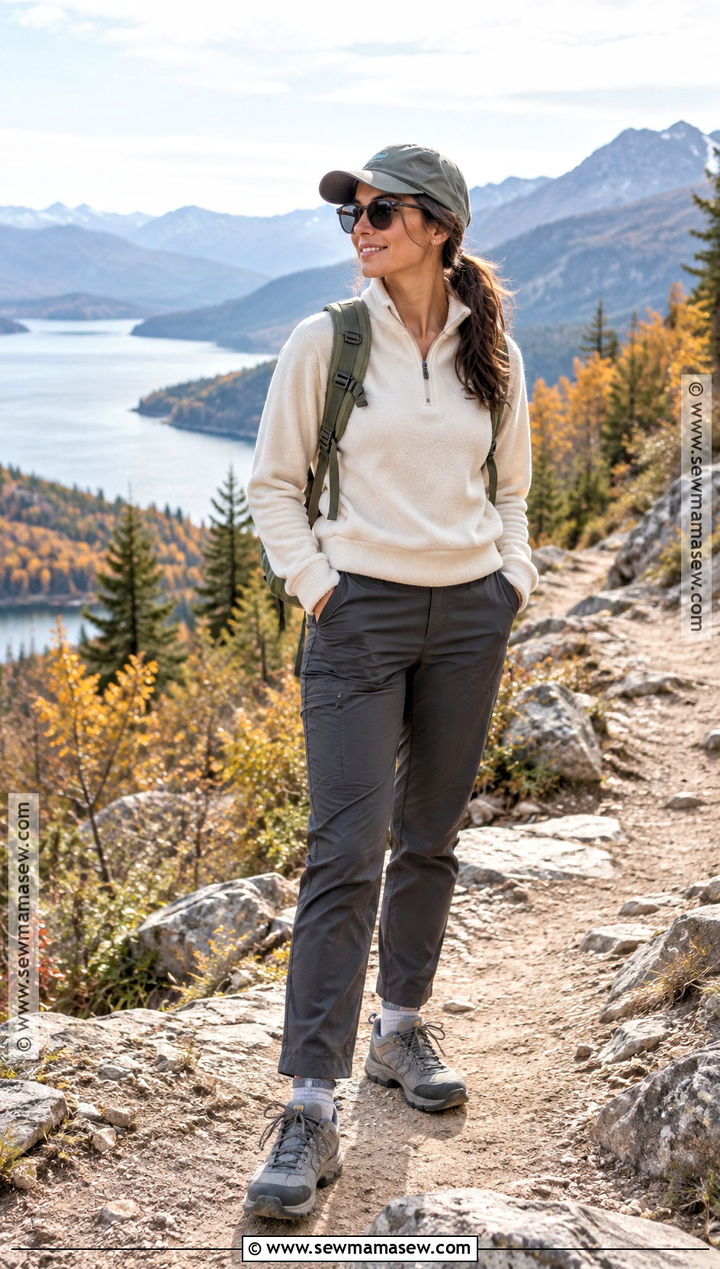
A quarter-zip fleece looks sporty and is easy to vent. I'd style a light one over a short-sleeve performance shirt with straight-leg hiking pants that have flexible knees and secure pockets. Low trail shoes look less bulky than boots, and merino-blend socks feel soft inside them. A slim pack, studs and a light cap are all the accessories you need. Cream, sage, berry or dusty blue add color without making coordination hard. Choose a slightly relaxed cut so it still fits under a jacket when the wind picks up. It's a good outfit for cool, dry hikes and walking weekends.
5. Cargo Pants Fall Hiking Outfit
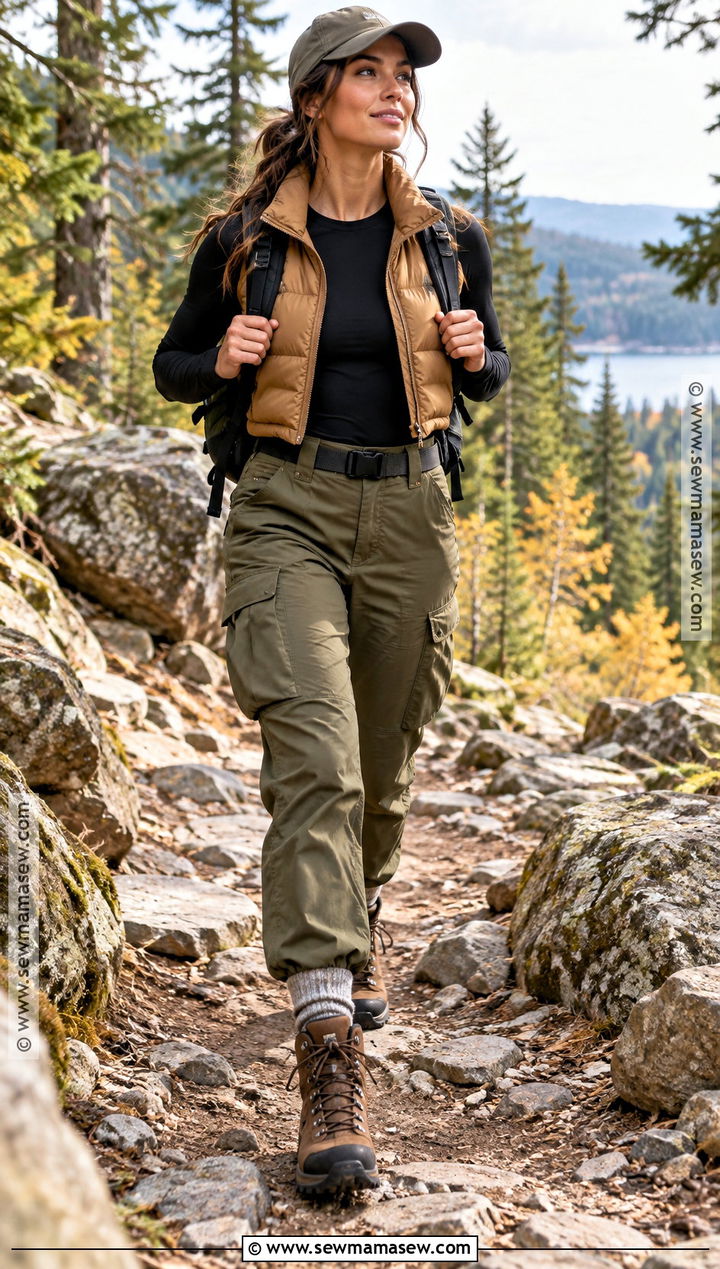
Cargo pants can look neat on a trail if you keep the pockets light. I'd choose a quick-drying pair in khaki, olive, charcoal or dark brown, with a fitted merino-blend long-sleeve and a cropped insulated vest that ends at the waistband, which keeps the proportions tidy over the fuller pants. Rugged boots balance the relaxed leg, and crew socks stop the boot collar rubbing. A belt, compact pack and curved-brim cap finish it. Heavy things in cargo pockets swing and pull at the waist, so put your phone and keys in the pack. A tapered or adjustable ankle keeps hems out of the mud.
6. Hiking Leggings And Windbreaker Outfit
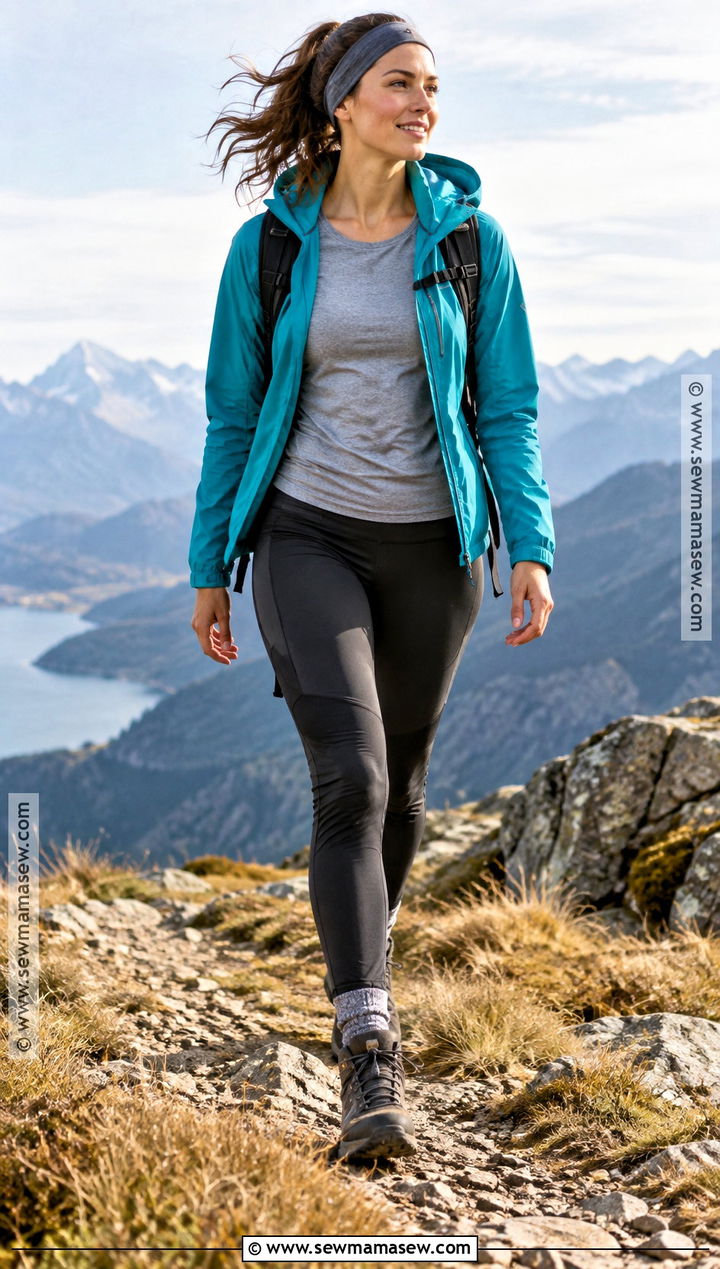
Leggings and a windbreaker are what I'd wear for a fast hike on an exposed ridge. Start with a smooth, flat-seamed performance tee or fitted long-sleeve, then supportive hiking leggings with reinforced panels or side pockets. A light windbreaker in coral, cobalt or deep teal adds contrast and makes you easy to spot. Trail sneakers, cushioned socks and a close-fitting pack keep the look sporty, and a headband holds hair back without the heat of a beanie. Look for a full zip and an adjustable hood. Wind protection matters more than insulation on dry, breezy days, and this is built for exactly that.
7. Waterproof Jacket Fall Hiking Outfit
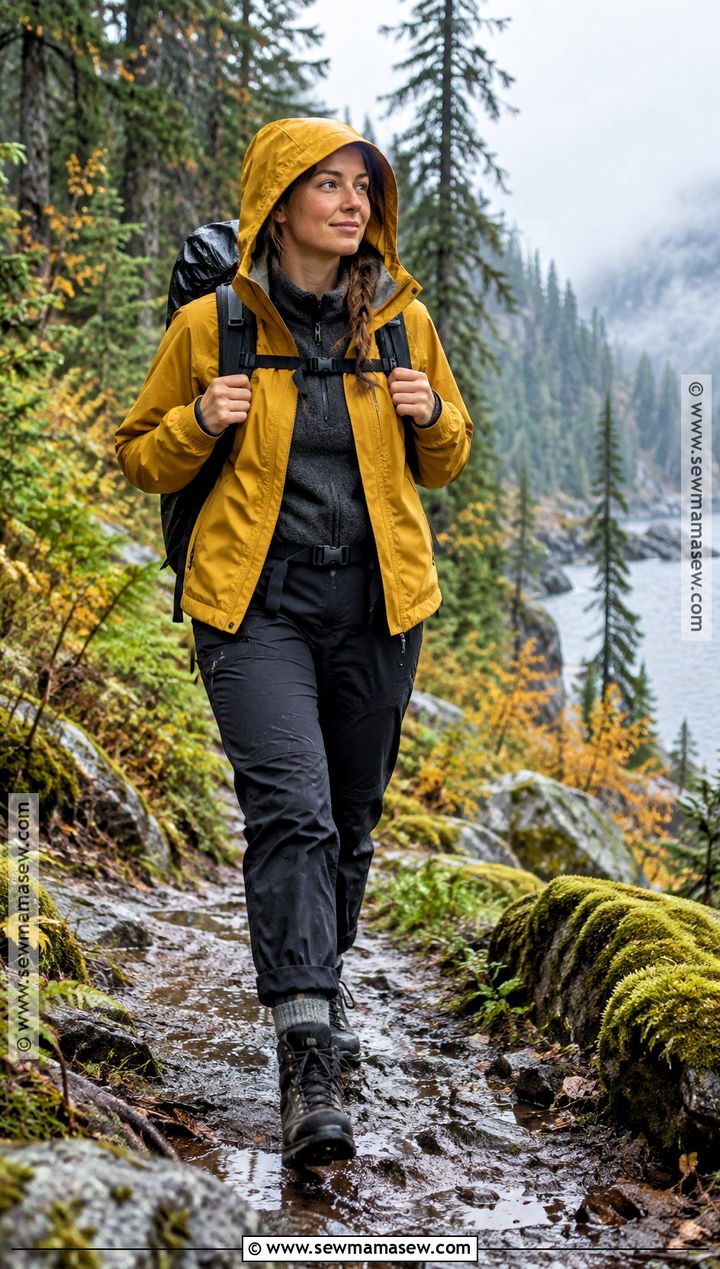
Gray skies and wet leaves mean the waterproof layer goes on first in my planning. I'd wear a breathable base under a thin fleece, then a waterproof jacket with an adjustable hood, plus water-resistant hiking pants roomy enough for climbing and bending. Waterproof boots with real grip, wool-blend socks and gaiters keep mud and water out at the ankle. Use a rain-protected pack or a fitted cover. A mustard, red or blue jacket brightens dark trail pants and makes you visible. Keep the fleece thin, because a thick midlayer under a rain shell makes you sweat, and then you're wet from the inside instead.
8. Merino Wool Fall Hiking Outfit
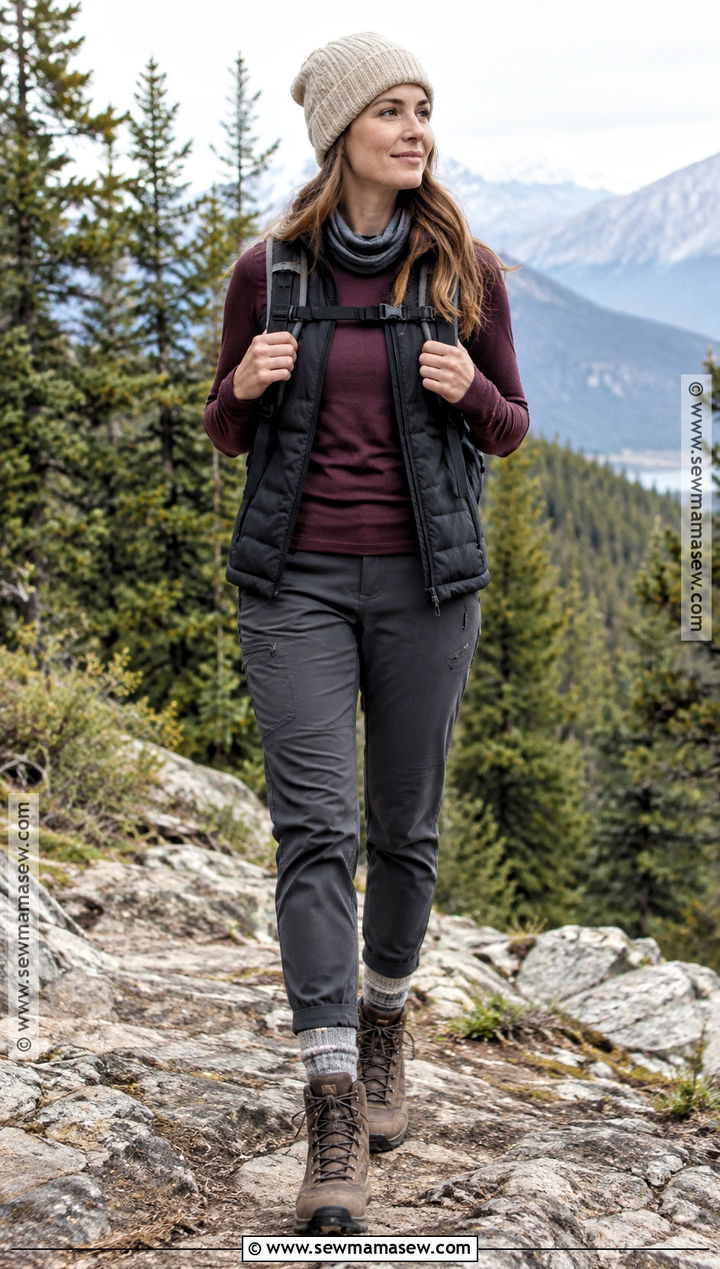
Merino makes a simple foundation for cooler hikes, and it's what I'd choose if you only buy one technical piece. It stays warm when damp and resists odor over a long day. I'd pick a fitted merino long-sleeve in charcoal, navy, plum or oatmeal, then flexible hiking trousers and a light insulated vest that fits under a shell. Mid-height boots, wool-blend socks, a small beanie, a neck gaiter and a structured pack finish it. Keep it close-fitting but not tight, so you can still lift your knee high on uneven ground. Carry a rain jacket even when the trailhead sky looks clear.
9. Sherpa Fleece Fall Hiking Outfit
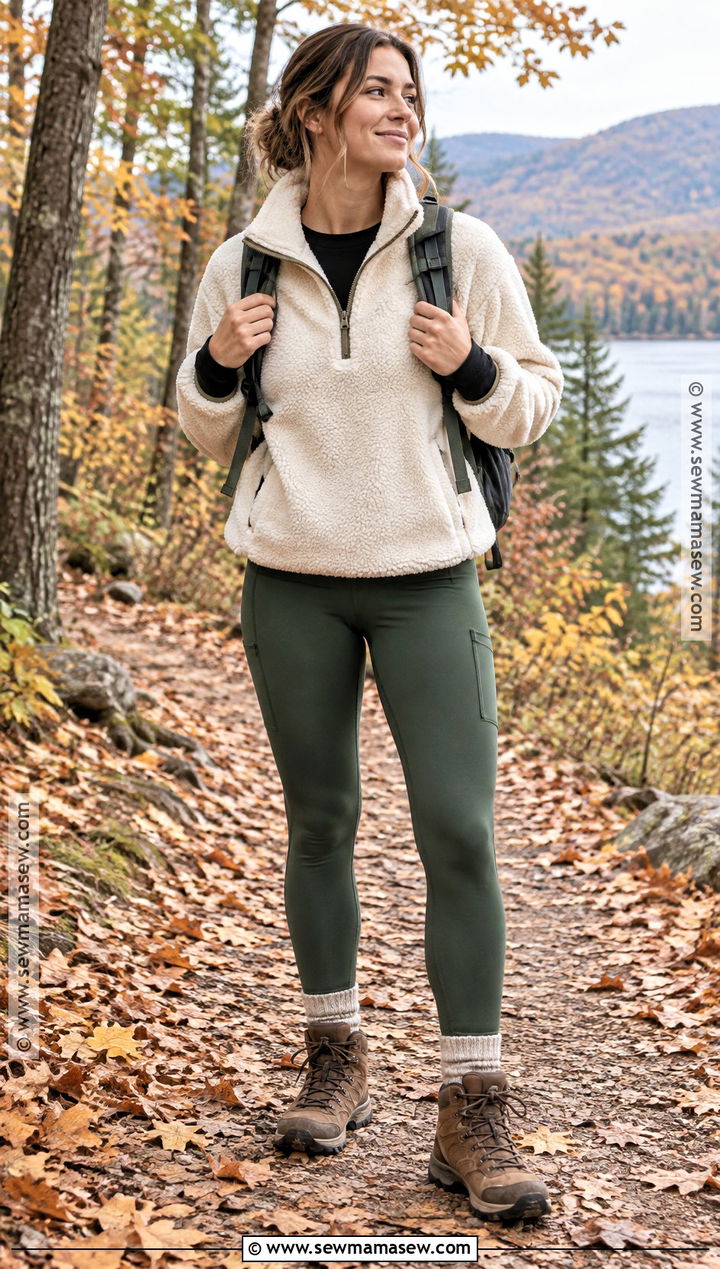
A sherpa fleece is cozy, but it's a slow-walk jacket. I'd wear a breathable long-sleeve underneath so the plush layer isn't against damp skin, then tapered hiking pants or sturdy trail leggings in black, brown or forest green. Lace-up boots, thick crew socks and a compact nylon pack keep it practical. Choose a fleece with zip pockets, a half-zip neck and a slightly roomy fit. Sherpa traps heat and breathes poorly, so on a hard climb you'll overheat quickly. I save it for low, easy routes and for pulling on during a cold lunch stop. Pack a light shell in case of wind.
10. Softshell Pants Fall Hiking Outfit
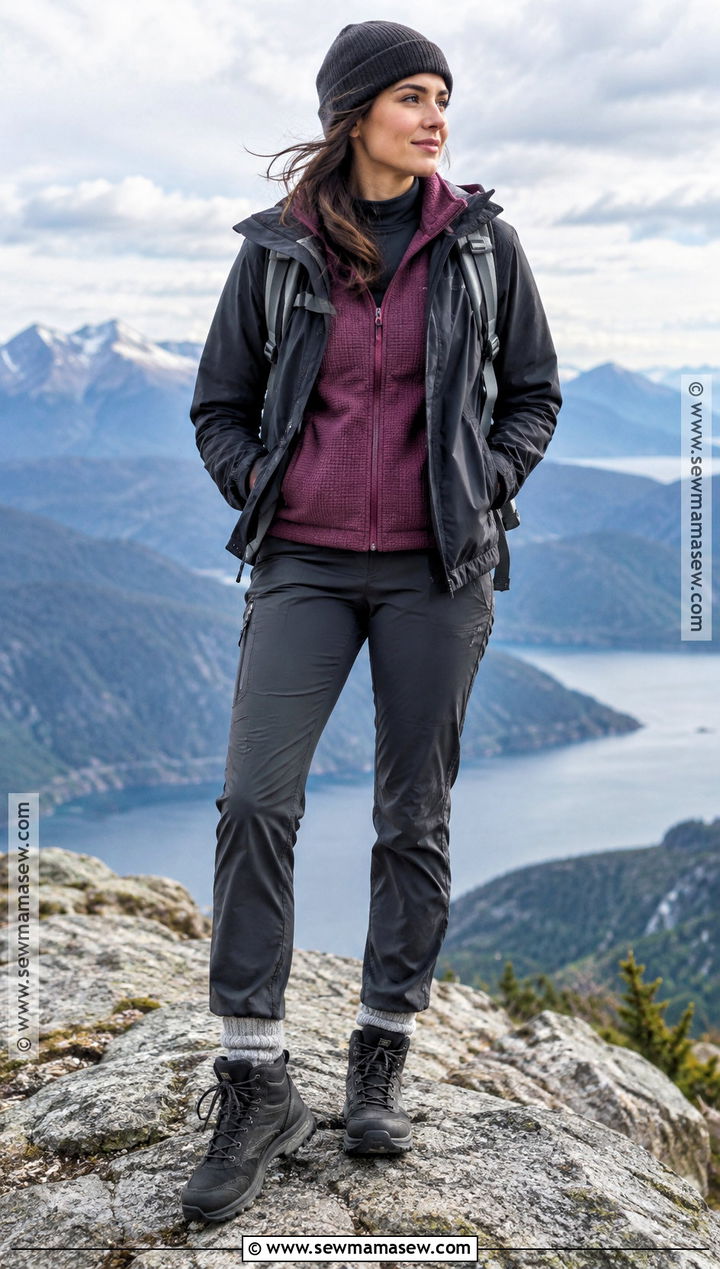
Softshell pants are what I'd wear on rough, windy trails. They stretch, shed light moisture and block a breeze far better than leggings. Pair a slim or straight-leg pair with a moisture-managing base and a light grid fleece, and keep a hooded wind shell in the pack for exposed stretches. Mid-cut boots, merino-blend socks and a close beanie finish it. Black and burgundy, slate and teal, or brown and cream are good pairings. Articulated knees and a flexible waist make stepping over rocks and fallen branches much easier. Adjust layers before you overheat on long climbs, not after.
11. Hiking Overalls Fall Outfit
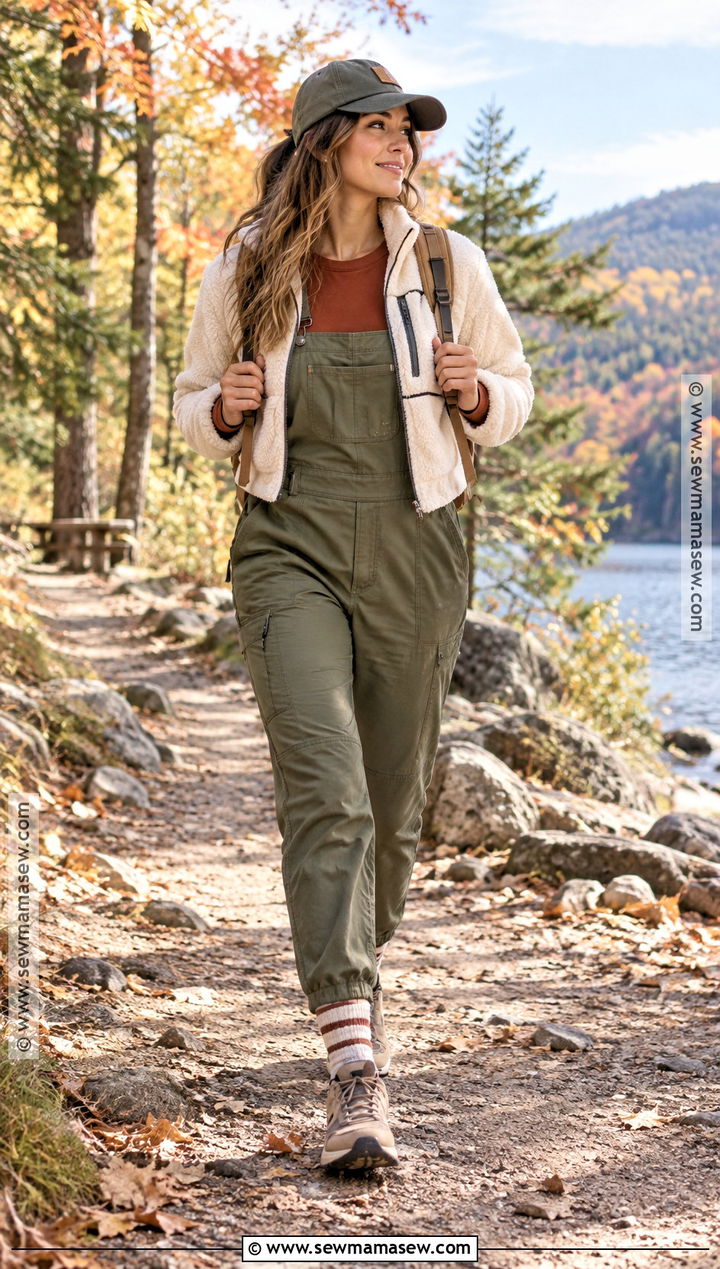
Technical overalls are a playful choice for gentle autumn walks. I'd pick a light, flexible pair, not stiff denim, over a fitted long-sleeve performance shirt in cream, rust, sage or burgundy. A cropped fleece that ends above the hips keeps the straps from bunching underneath. Trail sneakers, striped hiking socks, a pack and a cap finish it. Adjustable straps help with the fit through the torso. Check that the pockets close securely and that the fabric dries reasonably fast. One practical note: bathroom stops take longer in overalls, so they're best on flat, short trails.
12. Plaid Shacket Fall Hiking Outfit
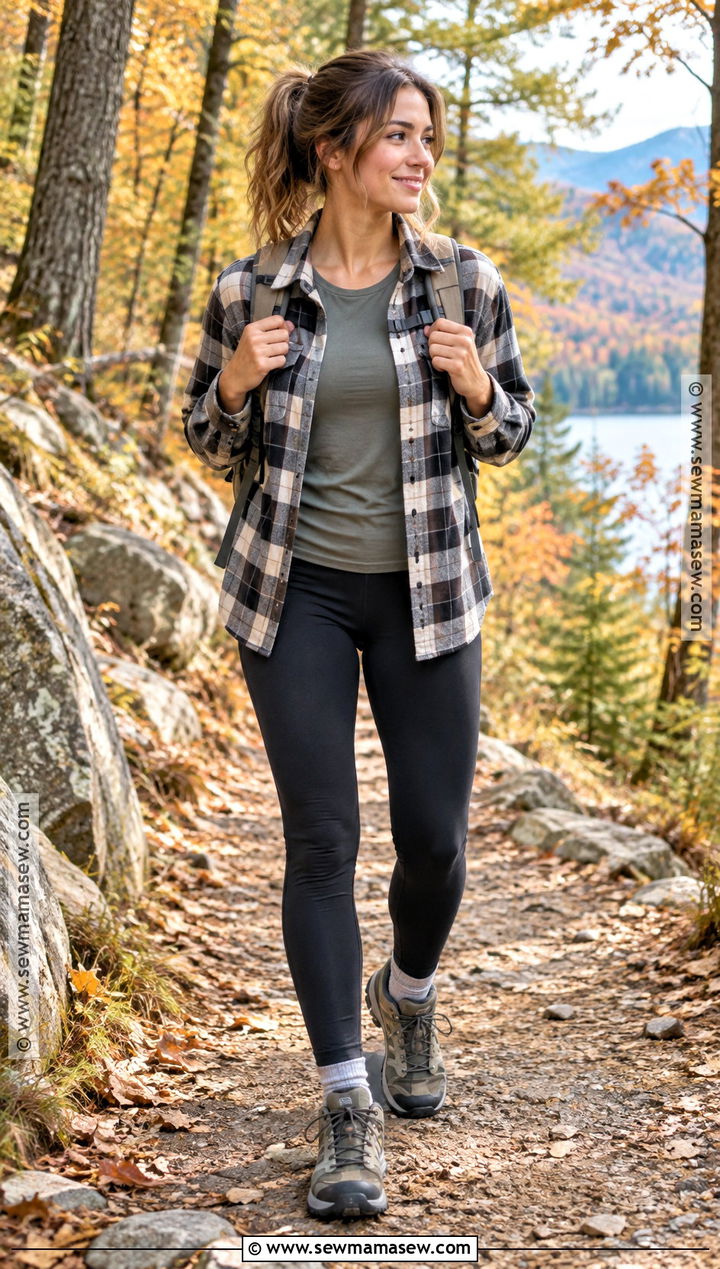
A light plaid shacket works for mild autumn weather on easy routes. Wear it over a fitted moisture-wicking tee with dark trail leggings or slim hiking pants, and choose low hiking shoes for maintained paths with cushioned wool-blend socks and a neutral pack. Leave it open while you're moving and button it when you stop. Black, brown or cream plaid gives a seasonal feel without looking busy. I'd skip thick, heavy shackets; they're bulky to carry once you take them off. Keep this for short, dry walks, and pack a rain shell if clouds are moving in.
13. Colorful Fleece Fall Hiking Outfit
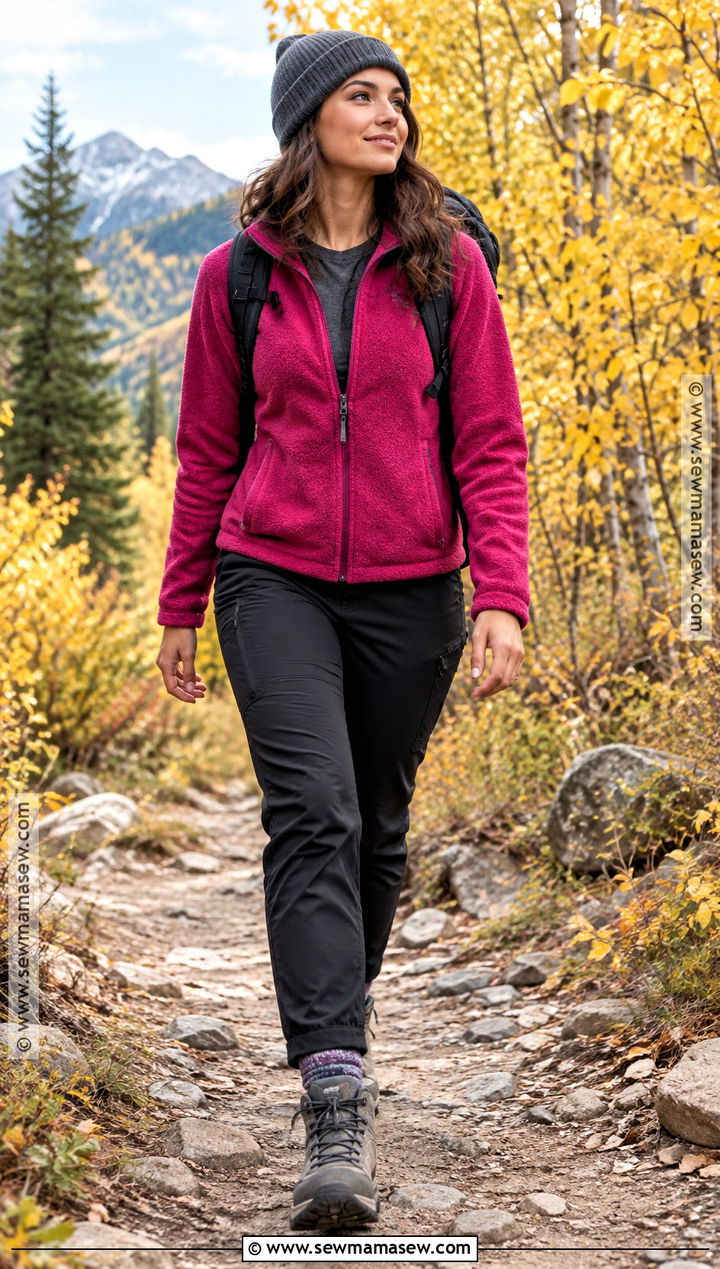
Bright fleece makes hiking gear feel lively. I'd choose raspberry, turquoise, orange, purple or grass green and balance it with black leggings or charcoal trail pants. Wear a neutral base underneath that still looks complete if the fleece comes off. Gray or brown boots, coordinating socks and a black pack stop the colors from competing. Only add a matching beanie when it's cold enough to need one. A bright midlayer also makes you easy to find in group photos and easy to spot on the trail. Look for zip pockets and a cut that fits under your shell.
14. Monochrome Black Fall Hiking Outfit
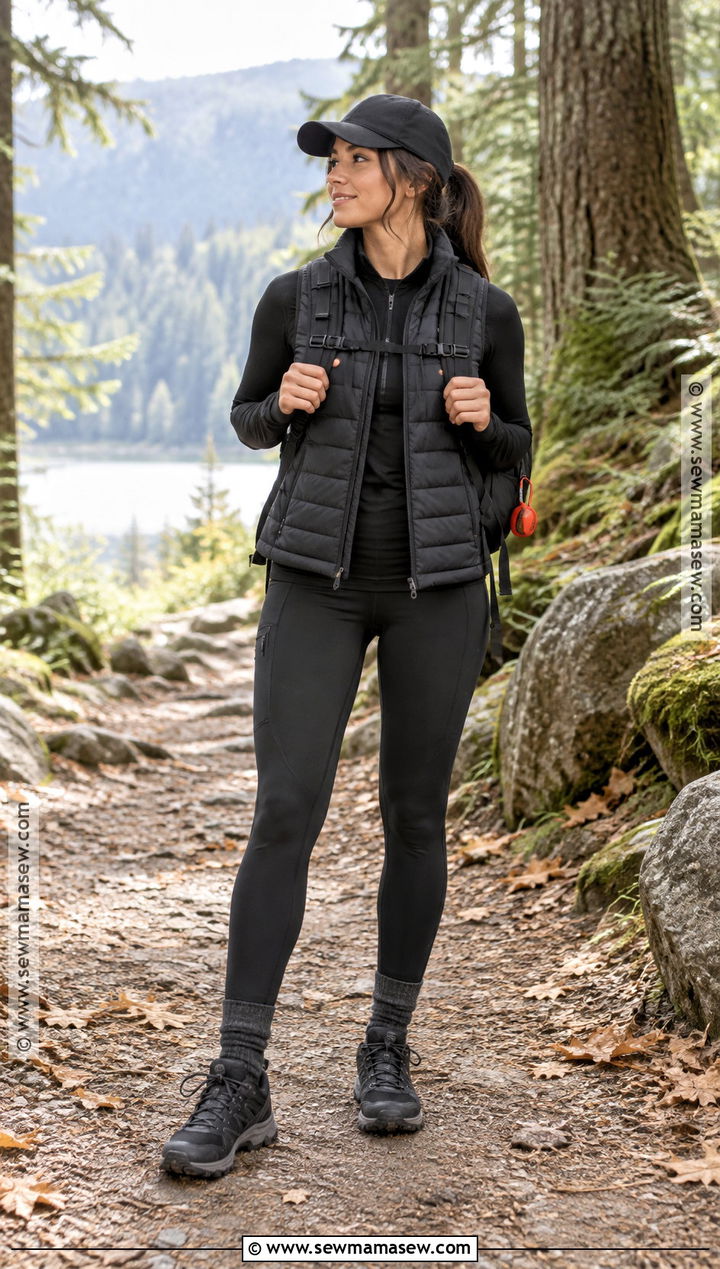
All black is a sleek change from earth tones. I'd start with a black moisture-wicking long-sleeve and high-rise leggings, layer a black quilted vest or light fleece over it, and add black trail shoes with chunky textured soles. A charcoal pack, a simple cap and gray socks give some depth. Mix matte, ribbed and quilted textures so the pieces don't blur together. Black is hard to see in shade and at dusk, so clip something colorful to your pack or choose outerwear with reflective details. It also works for errands afterward. Keep a compact waterproof shell in the pack.
15. Brown And Cream Fall Hiking Outfit
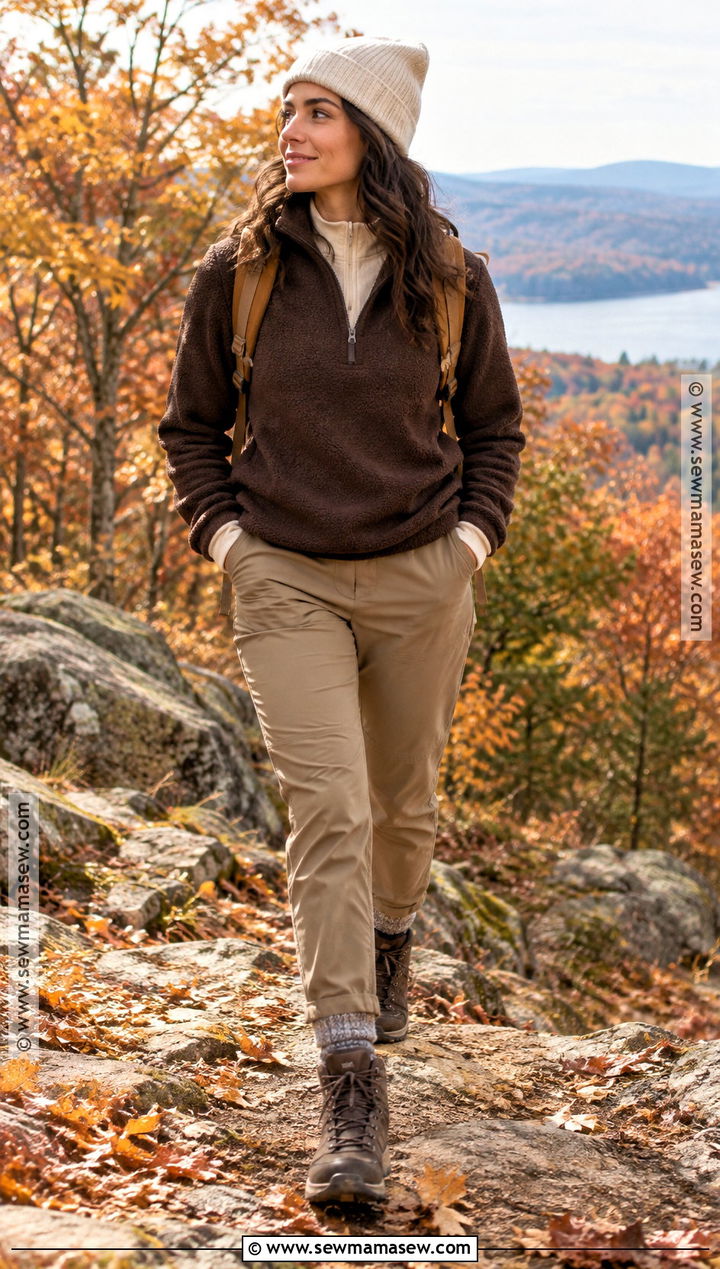
Brown and cream look lovely among autumn leaves, but you have to think about where the dirt lands. I'd start with a cream moisture-wicking top and a chocolate quarter-zip fleece, then tan straight or tapered hiking pants, dark brown waterproof boots and marled wool socks. A caramel pack, tortoiseshell sunglasses and an oatmeal beanie complete the palette. Keep the lightest color on your upper body, since mud splashes from the ground up. Every piece should still be technical enough for the route. It suits woodland walks and cabin weekends where you want good photos.
16. Burgundy Fall Hiking Outfit
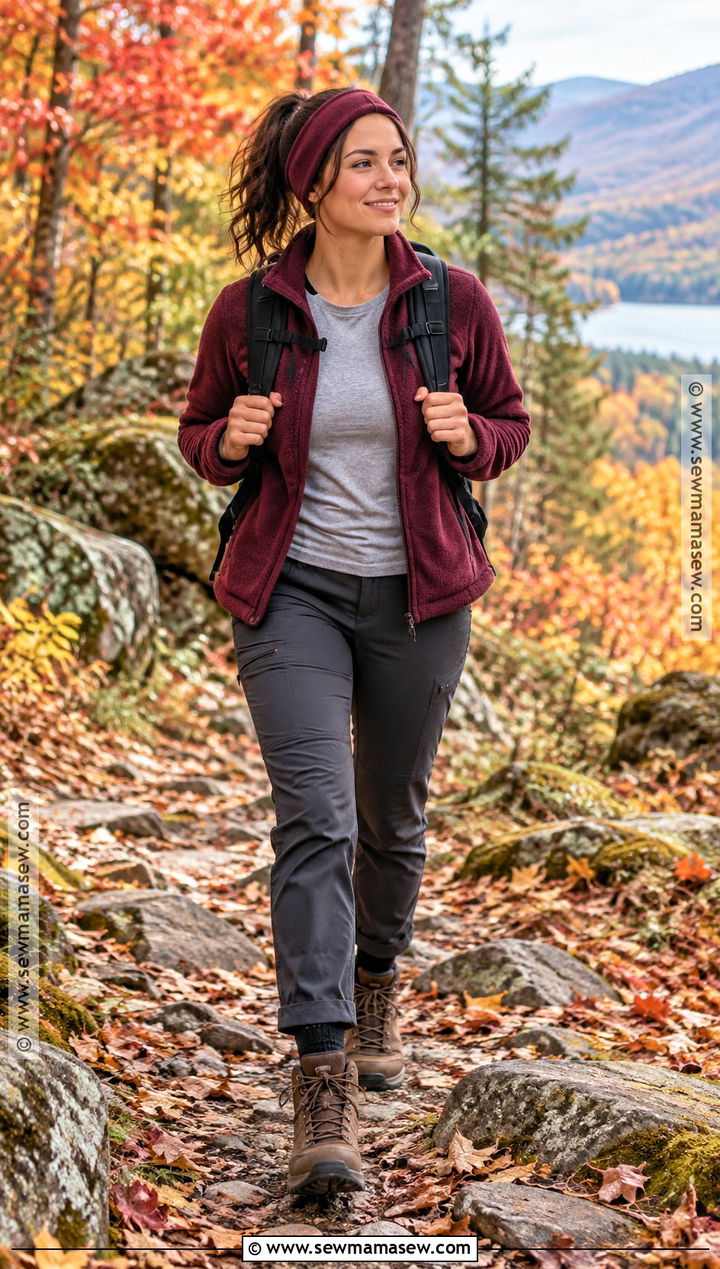
Burgundy is a rich fall color that goes with nearly every hiking basic. I'd wear a burgundy full-zip fleece over a pale gray performance tee, with black or charcoal hiking pants. Brown mid boots add warmth to the palette, and dark wool-blend socks and a black pack ground it. A burgundy headband or beanie, depending on the temperature, ties the color through. Carry a neutral waterproof jacket that fits over the fleece if rain is possible. Don't match every accessory; nearby neutrals look more natural. Darker colors also hide trail dust better than pale ones.
17. Olive Green Fall Hiking Outfit
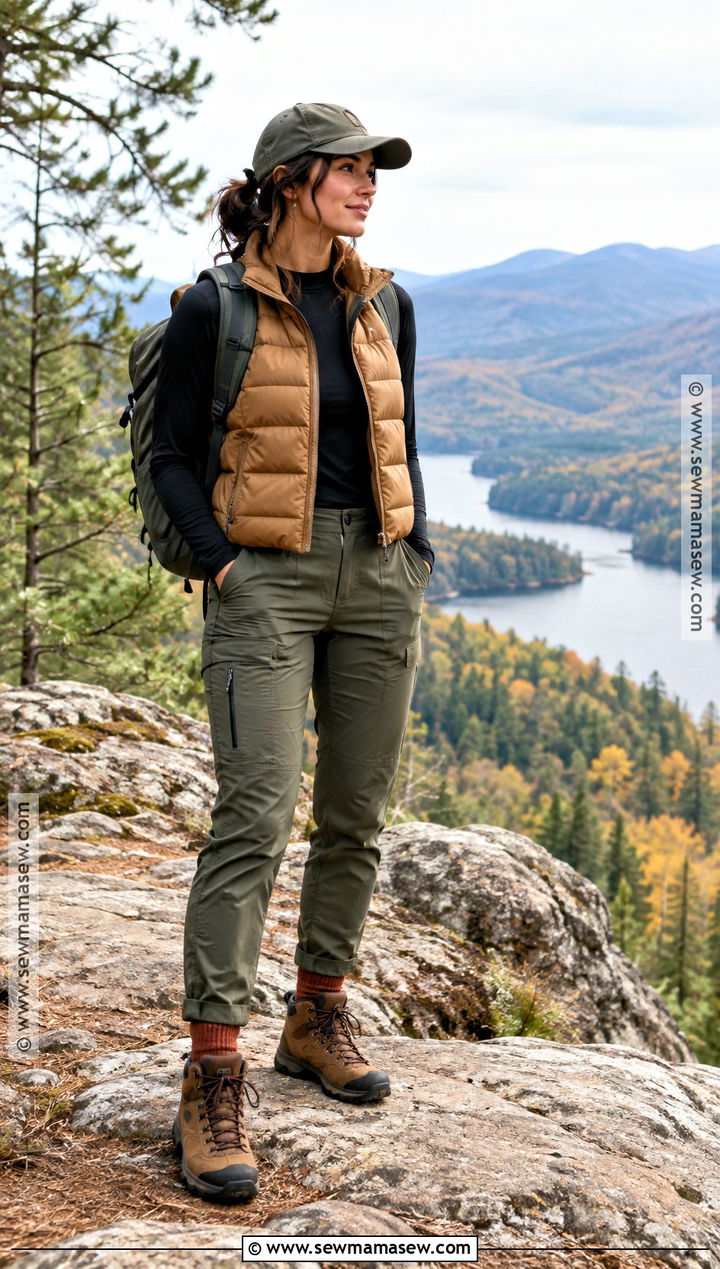
Olive pants are a natural fit for the forest and pair with every warm neutral. Choose a stretch pair with secure pockets and a comfortable waist, then a black fitted base and a camel or beige puffer vest for contrast. Brown boots, rust socks and a dark green pack complete it. A light black shell can be packed for wind or rain without breaking the palette; swap the black base for cream on dry, easy trails. Check the vest length with your pack on. If it's long enough to sit under the hip belt, it bunches and the belt can't grip your hips properly.
18. Rust Orange Fall Hiking Outfit
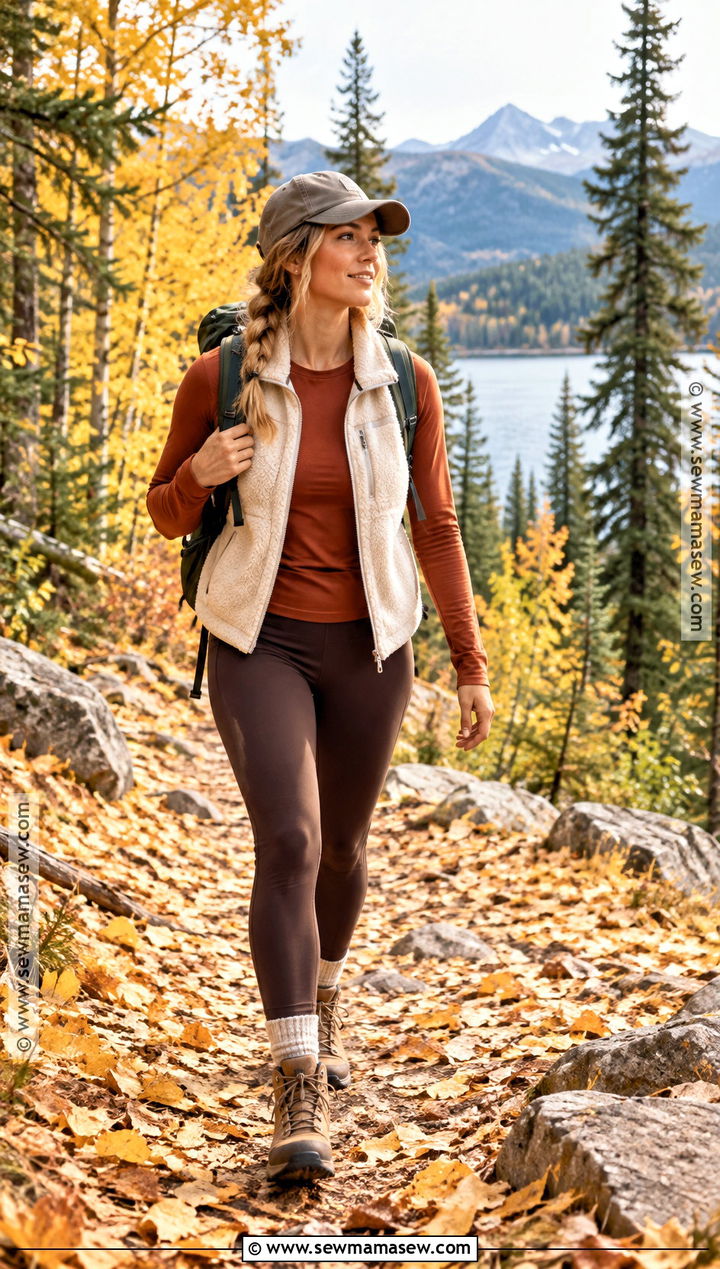
Rust orange feels like fall without being loud on the trail. I'd build around a rust long-sleeve performance top with dark brown hiking leggings or black technical pants, plus a light cream fleece vest. Tan boots and oatmeal socks soften the dark base, and a forest green or charcoal pack adds contrast. Add a packable neutral shell when the wind picks up, and keep accessories to a cap and a light neck gaiter. It looks great against golden leaves and evergreens. I'd wear it on mild afternoons in early fall, when breathable layers matter more than insulation.
19. Rain Pants Fall Hiking Outfit
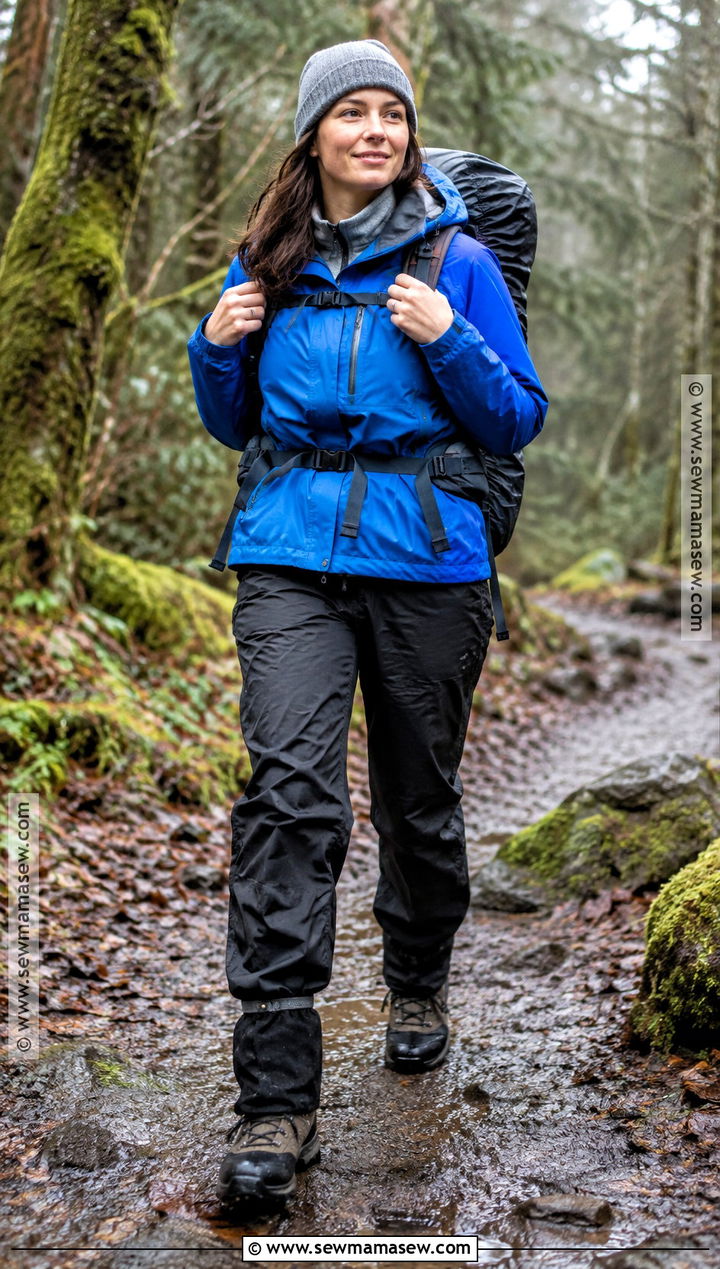
Steady drizzle needs real rain gear, not just a fall jacket. I'd start with a quick-drying long-sleeve base, add a thin fleece and a hooded waterproof shell, and pull full-length rain pants over flexible hiking pants. Ankle zips on the rain pants let you get them on without taking off your boots, which matters when the rain starts mid-hike. Waterproof boots, wool-blend socks and short gaiters protect the lower half. A bright shell with dark rain pants is easy to see. Keep valuables in waterproof pouches inside a covered pack, and make sure the rain pants don't pull tight across your knees when you step up.
20. Thermal Base Layer Fall Hiking Outfit
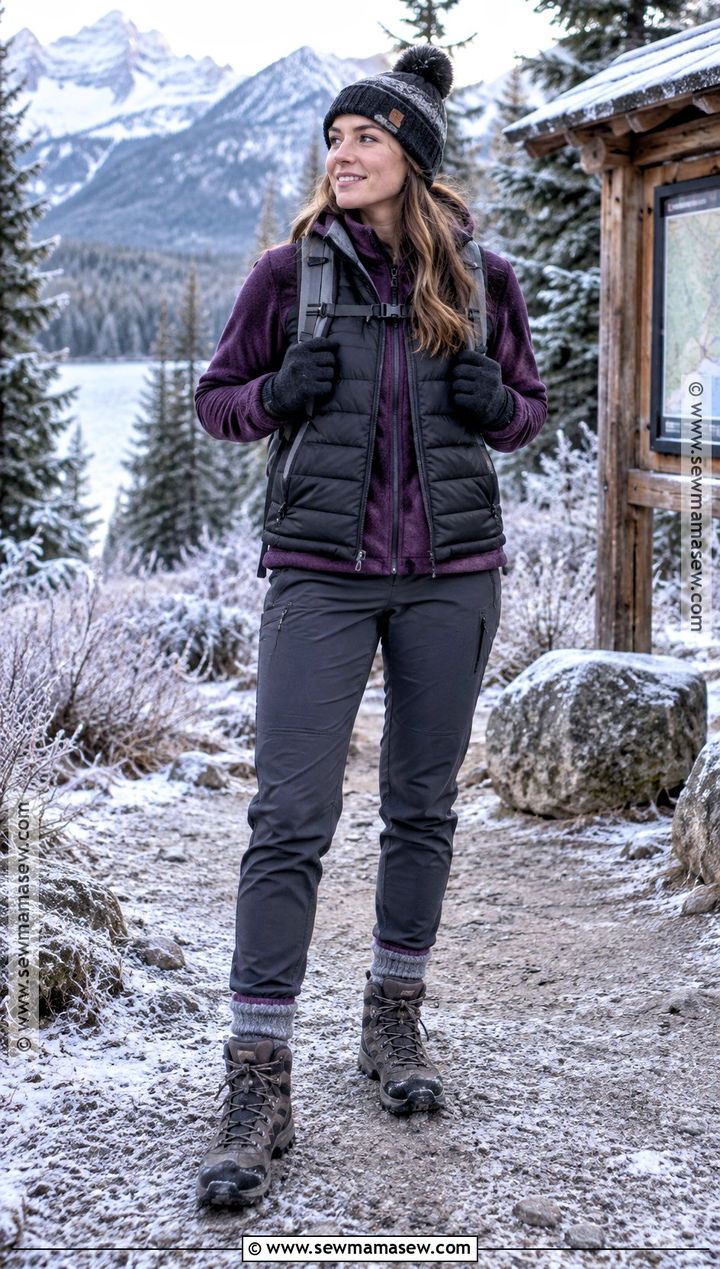
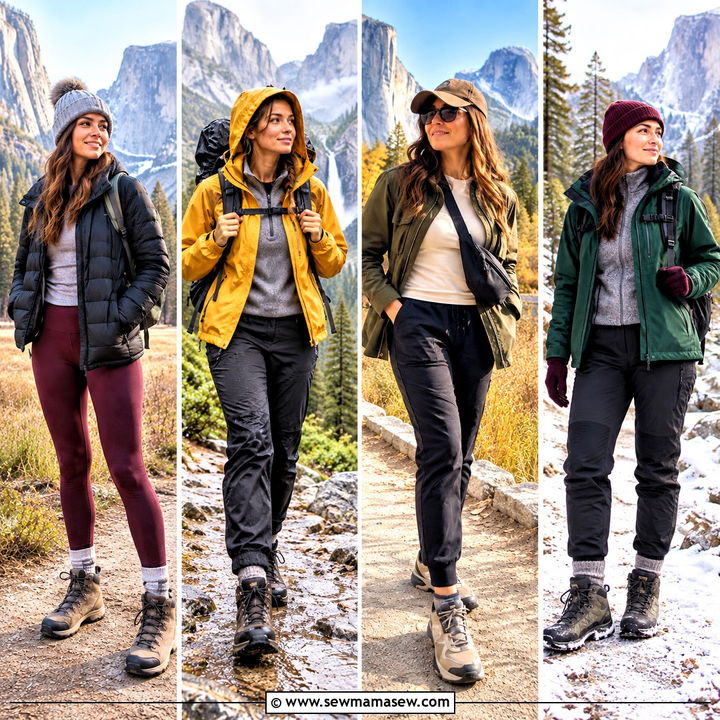
Late-fall mornings can be cold from the first step. I'd start with a fitted thermal top and leggings in merino or a good synthetic, then hiking trousers over the bottoms, a fleece and a light insulated vest. Waterproof mid boots, warm socks, a fleece-lined beanie and light gloves finish it, with a shell in the pack for wind or rain. Choose pieces that layer smoothly without tight waistbands or bulky seams stacked on top of each other. Wool and synthetics beat cotton in cold, wet conditions because they keep insulating when damp. It's for frosty trailheads and shaded mountain paths.
21. Insulated Jacket Fall Hiking Outfit
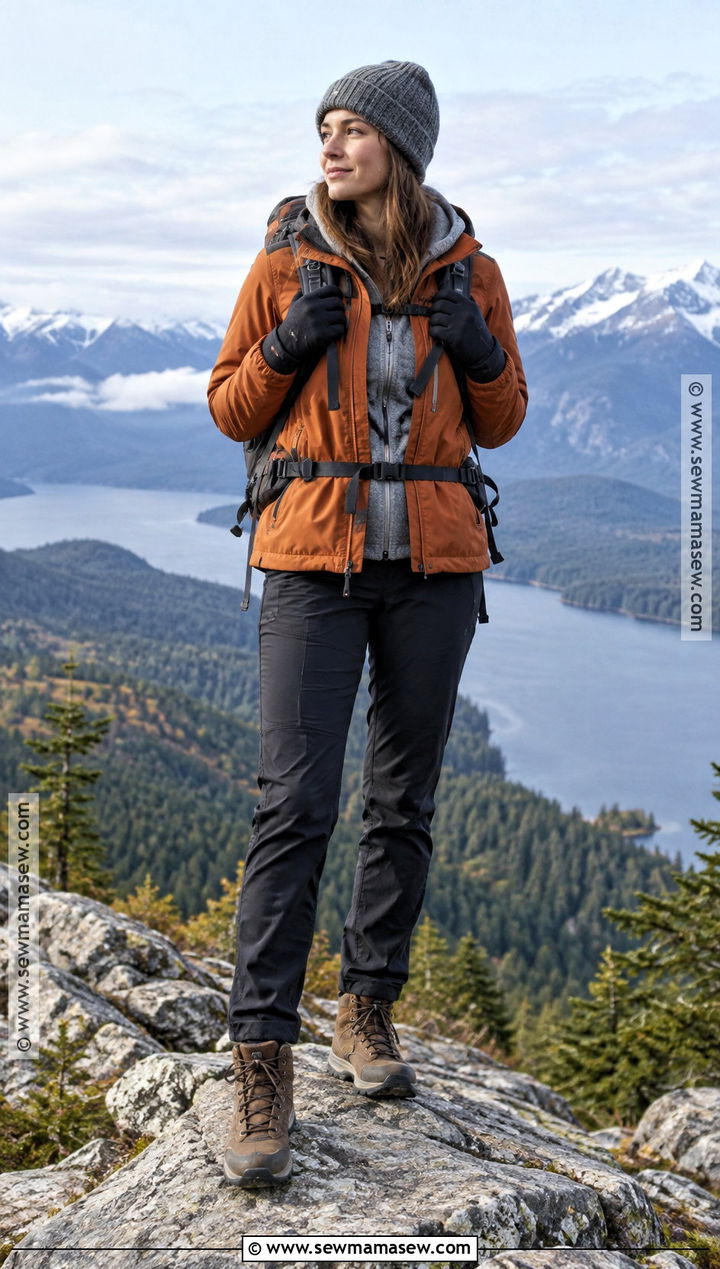
A packable insulated jacket is the layer I put on at windy viewpoints and cold descents, when your body stops making heat. Wear it over a breathable base and light fleece with durable hiking pants, waterproof boots and medium-weight socks, and carry a pack big enough to stash it. Navy, forest green, berry or burnt orange add color without limiting what you pair it with. The fit should allow layers underneath but not be so loose that cold air sneaks in at the hem. A beanie and gloves complete it. Adjust the layers to the forecast, the route and how cold you personally run.
22. Hoodie And Hiking Pants Outfit
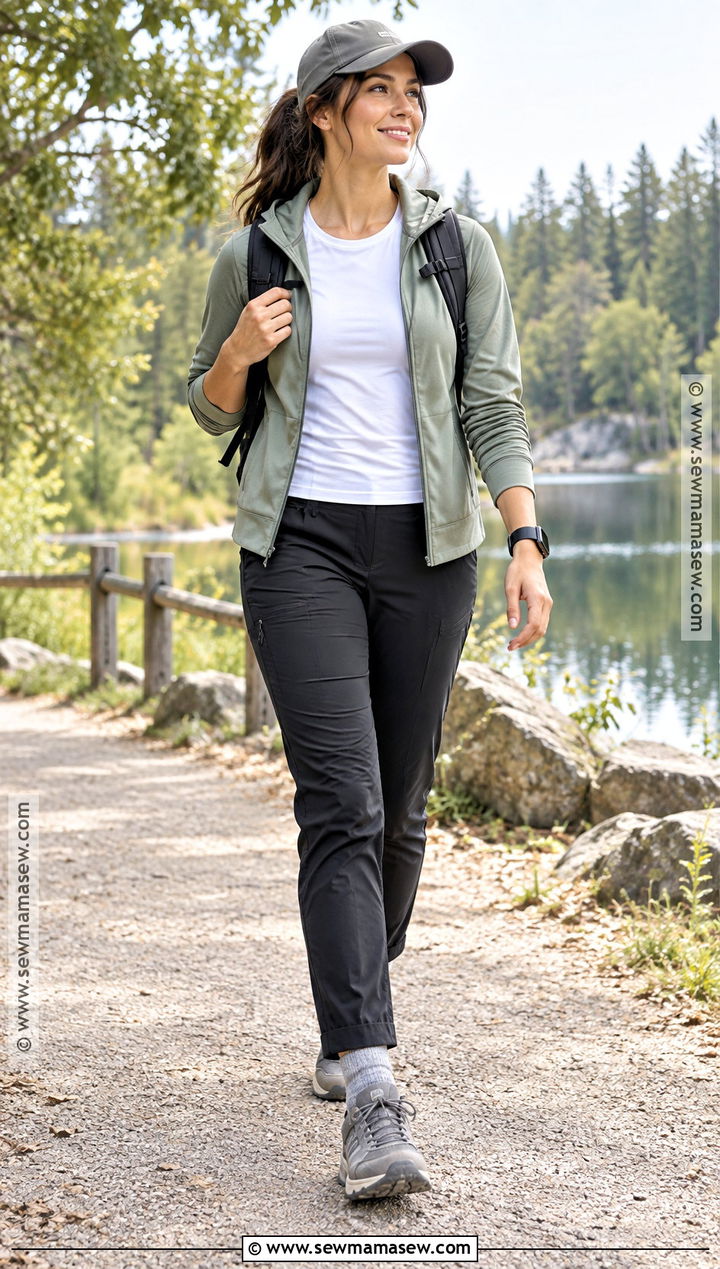
A performance hoodie is the relaxed choice for dry, easy walks. Choose a light synthetic or merino-blend hoodie, not a thick cotton sweatshirt that turns heavy and cold when damp. Pair it with stretch hiking pants in black, olive or taupe, trail runners and cushioned crew socks. A compact pack, a sports watch and a cap finish it. Wear a fitted tee underneath so the hoodie can come off. A slim hoodie matters more than you'd think; a baggy one bunches under the shoulder straps. Keep a light windbreaker in the pack for park loops and neighborhood trails.
23. Hiking Skirt And Leggings Outfit
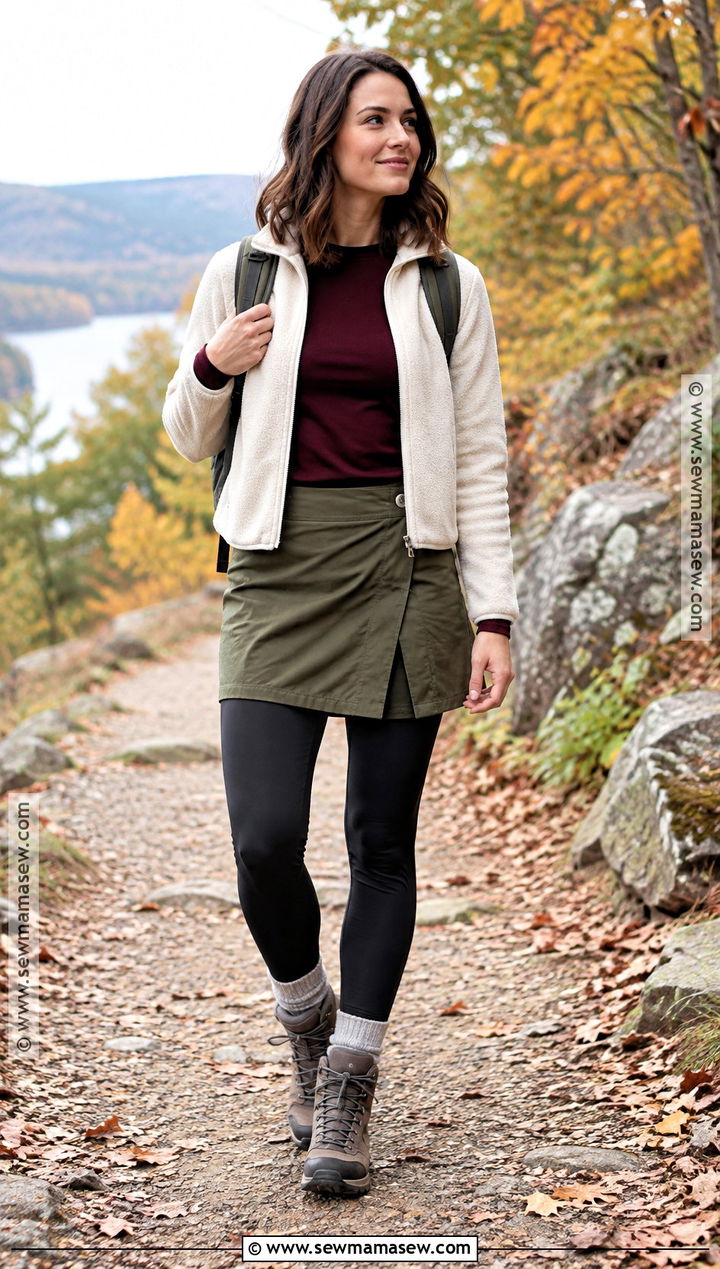
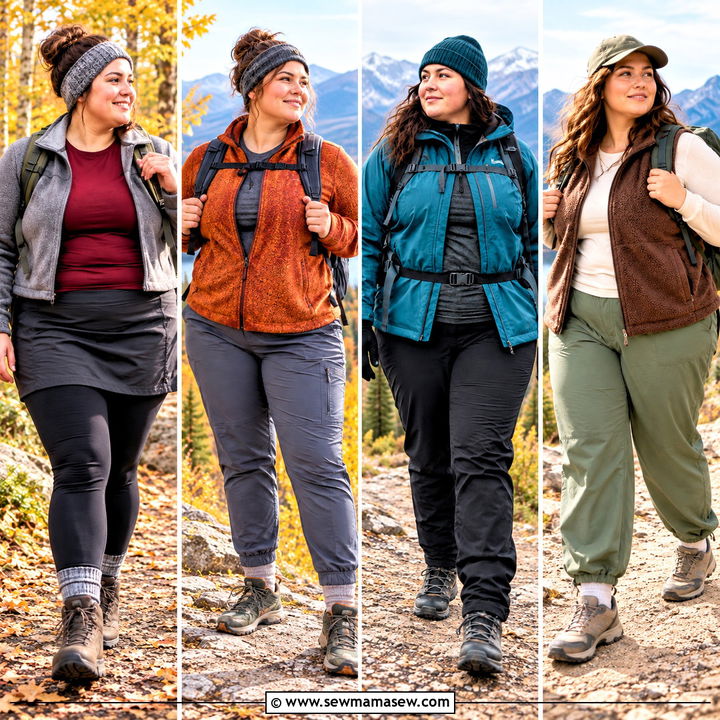
A hiking skirt over leggings gives extra coverage at the hips and a different look from trail pants. I'd choose a light wrap or pull-on skirt that allows a full stride, with moisture-wicking leggings underneath, a fitted long-sleeve top and a cropped fleece or insulated vest. Low boots, wool-blend socks and a slim pack finish it. Keep the hem around mid-thigh or slightly longer, so it doesn't catch on high steps or tangle with the hip belt. Dark leggings balance a plaid, olive, berry or neutral skirt. It's best on maintained trails in cool, dry weather.
24. Plus-Size Fall Hiking Outfit
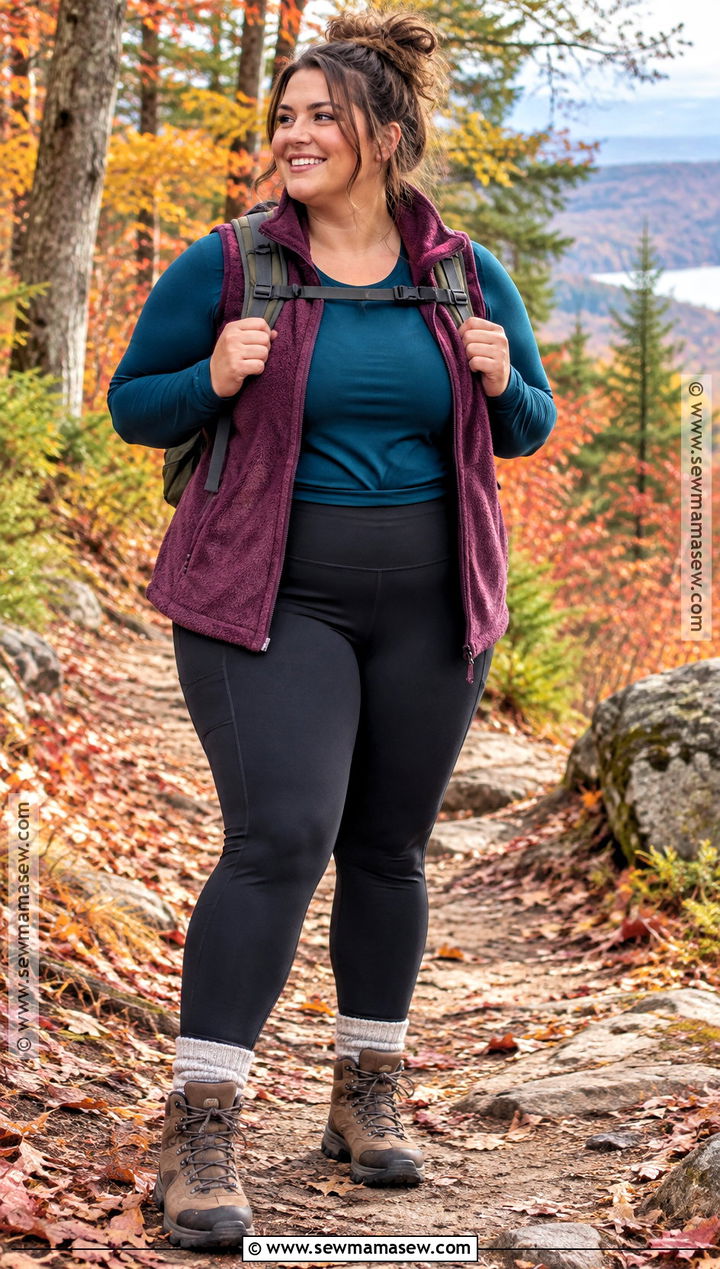
A plus-size hiking outfit should move with you, without pinching or rolling. I'd start with a supportive moisture-wicking top and high-rise trail leggings with a wide, stable waistband, then a longline fleece vest or full-zip jacket. Wide-fit boots are worth trying if standard widths pinch, and socks should come up above the boot collar to prevent rubbing. A pack with well-padded, adjustable shoulder straps makes a big difference. Look for flexible seams, room under the arms and secure pockets, and size by your actual measurements. Deep teal, berry, olive and black make a good palette. Sit, step up and bend in the full outfit before a long hike.
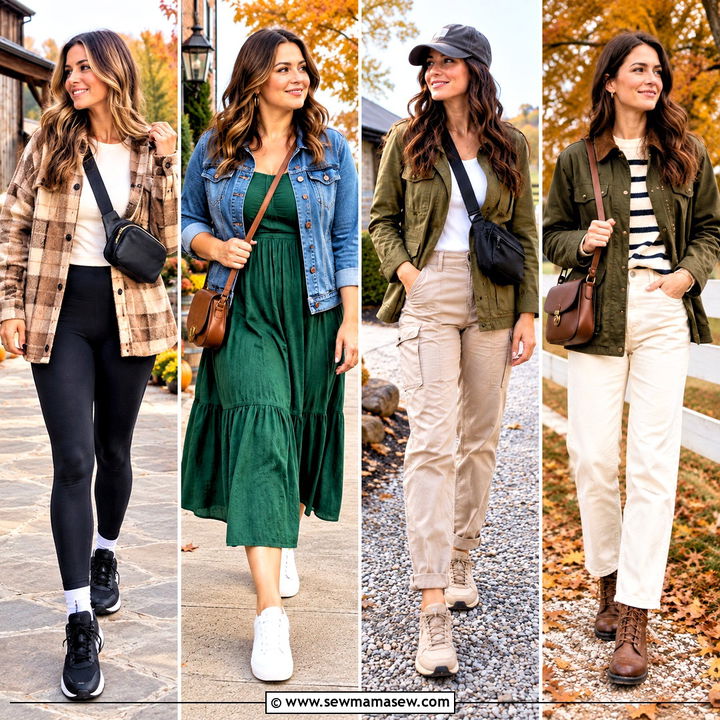
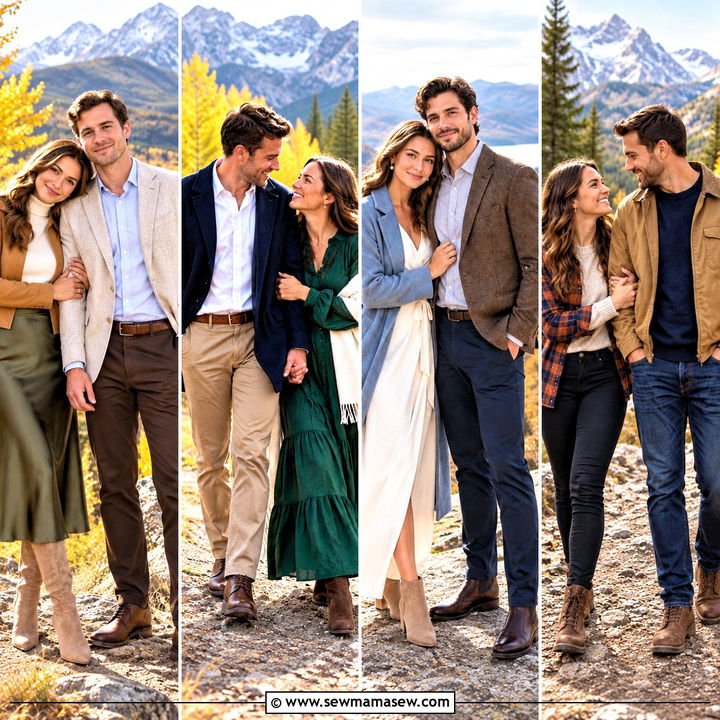
25. Cold Weather Fall Hiking Outfit
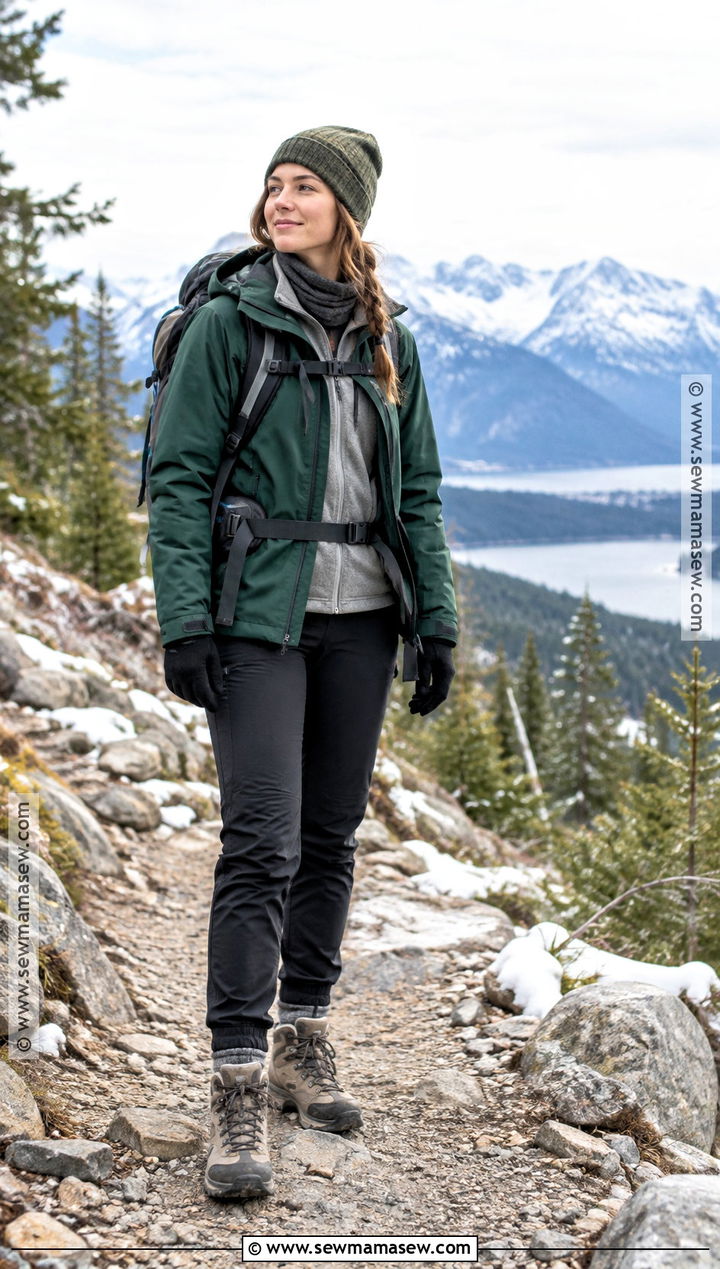
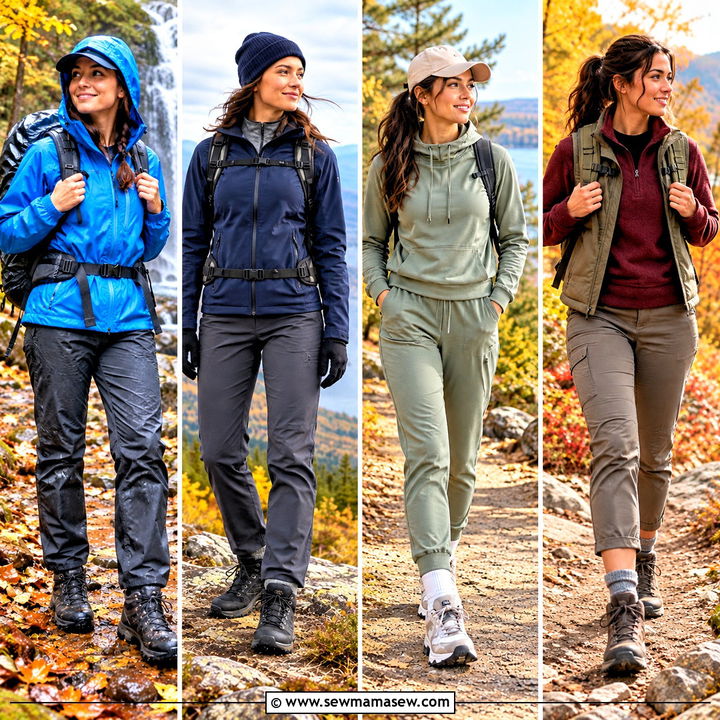
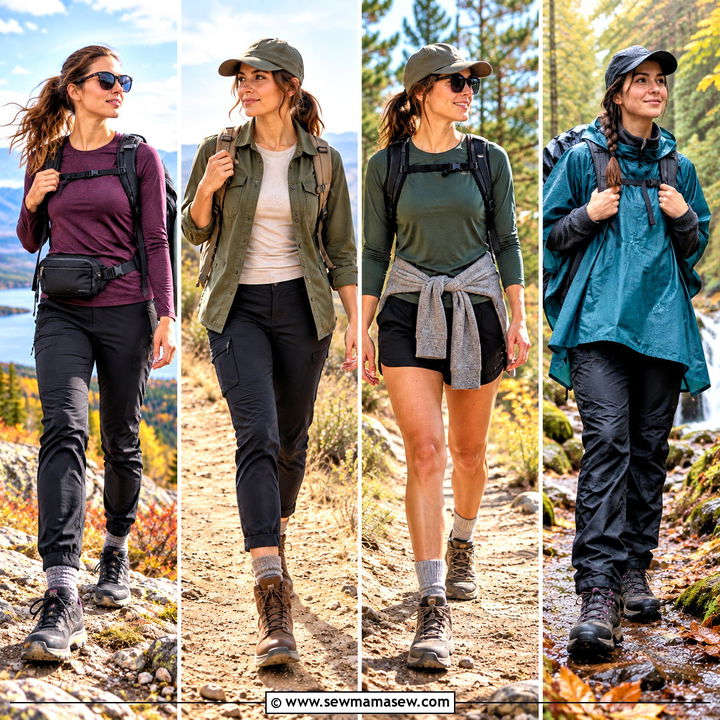
Cold late-season hikes need a full set of layers you can adjust all day. I'd wear a midweight base top and bottoms under softshell pants, then a fleece, an insulated jacket and a waterproof hooded shell for strong wind or rain. Waterproof boots, warm wool-blend socks, gloves, a beanie and a neck gaiter finish it. Keep dry socks and a spare warm layer sealed in the pack. Don't start so warm that you sweat on the first climb; take layers off as you work and put them back on at breaks and on exposed descents. Check the forecast for the trail itself, since higher ground can be much colder than home.
Shorter Days and Hunting Season: Dressing to Be Seen
Fall brings two things summer hiking outfits don't account for. The light goes earlier, and in many areas hunting seasons overlap with the best foliage weeks. Both change what I'd wear.
During hunting season, many land managers recommend that hikers wear bright orange, and on some public lands it's required. Check the rules for the specific area before you go. A blaze orange hat or vest over any outfit on this list is the easiest fix, and it doesn't need to match anything. Earth tones like brown, tan and olive blend in with the woods, which is exactly the problem, so I'd avoid head-to-toe brown during those weeks. White near the hands or head can also be mistaken for a deer's tail in some regions, so a bright hat is safer than a cream one.
For shorter days, plan your turnaround time around sunset rather than the trail distance, and remember that light under thick trees fades well before the official sunset time. A headlamp weighs almost nothing and belongs in every fall pack, even on short hikes. Reflective details on jackets and packs help on roads and parking lots at the end.
None of this means giving up the outfits you like. Keep the burgundy fleece or the brown and cream palette, and just add one bright piece and a light when the season calls for it.
From Trailhead to Overlook in One Set of Layers
Practical trail clothing can still look coordinated and feel like you. Start with comfortable, moisture-managing basics, then match insulation and weather protection to the route. Fleece, vests, technical pants, leggings, shells and good footwear mix into dozens of combinations, in earthy browns, deep burgundy, bright fleece or black. I'd always choose clothes that let you move freely over ones that photograph well, and pack removable layers, check the forecast and think about elevation before you leave. Get that right, and you'll be comfortable from the parking lot to the last view.
Related posts: